I visited Portugal for 6 days during April, 2015. As I had a full time job during those days, I was trying to visit at least 2 or 3 new countries every year, though I couldn’t spend more than 5-7 days in a country. Like many other countries I visited during my work life, I would love to go back and really explore and enjoy this country in future.
Portugal is the oldest nation state on the Iberian Peninsula, in Southern Europe. It is the westernmost sovereign state of mainland Europe, being bordered to the west and south by the Atlantic Ocean and to the north and east by Spain. Portugal is 900 years old country, though its territory having been continuously settled, invaded and fought over since prehistoric times. As of today, it is the oldest country in Europe with the same borders.
Even though it has a relatively small area, Portugal played a crucial role in world history. During the 15th and 16th centuries Portugal started a major chapter in world history with the New World Discoveries. It established a sea route to India, and colonized areas in Africa (Angola, Mozambique, Cape Verde…), South America (Brazil), Asia (Macau,…), and Oceania (East-Timor,…) creating an empire. The handover of Macau to China in 1999, marked the end of what can be considered one of the longest-lived colonial empires.
As I had less than a week in the country, I spent most my time in Lisbon, the Capital city, and made a day trip by taking a train to Sintra, a beautiful resort town and a UNESCO World Heritage Site.
Lisbon is the capital city and Political, finance, commerce, media, entertainment, arts, international trade, education and tourism hub of Portugal. Lisbon’s urban area extends beyond the city’s administrative limits with About 3 million people live in the Lisbon metropolitan area. Lisbon lies in the western Iberian Peninsula on the Atlantic Ocean and the River Tagus.
Lisbon is one of the oldest cities in the world, and the second-oldest European capital city (after Athens), predating other modern European capitals by centuries. Julius Caesar made it a municipium called Felicitas Julia. Ruled by a series of Germanic tribes from the 5th century, it was captured by the Moors in the 8th century. In 1147, the Crusaders under Afonso Henriques reconquered the city and since then it has been the political, economic and cultural center of Portugal.
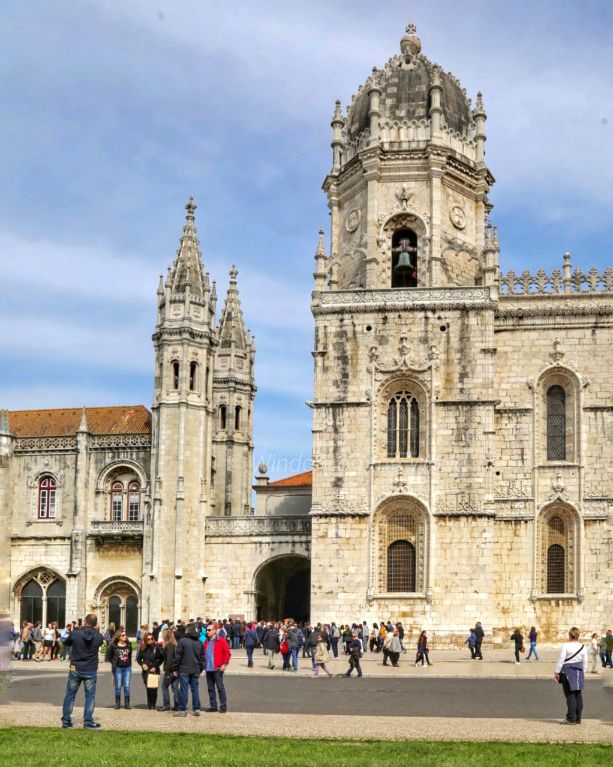
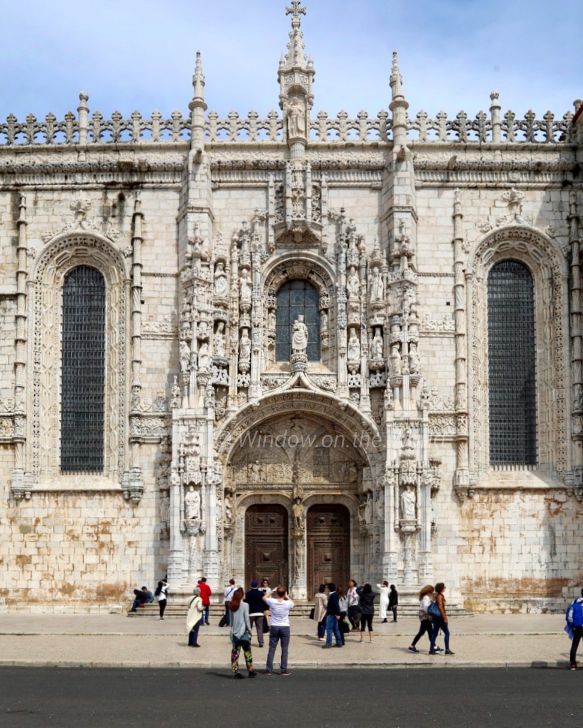
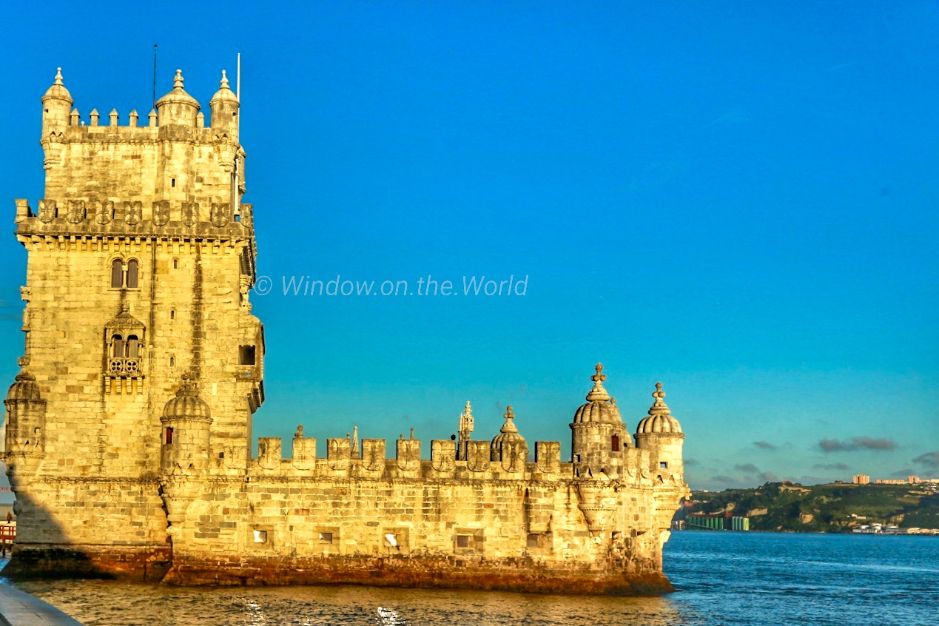
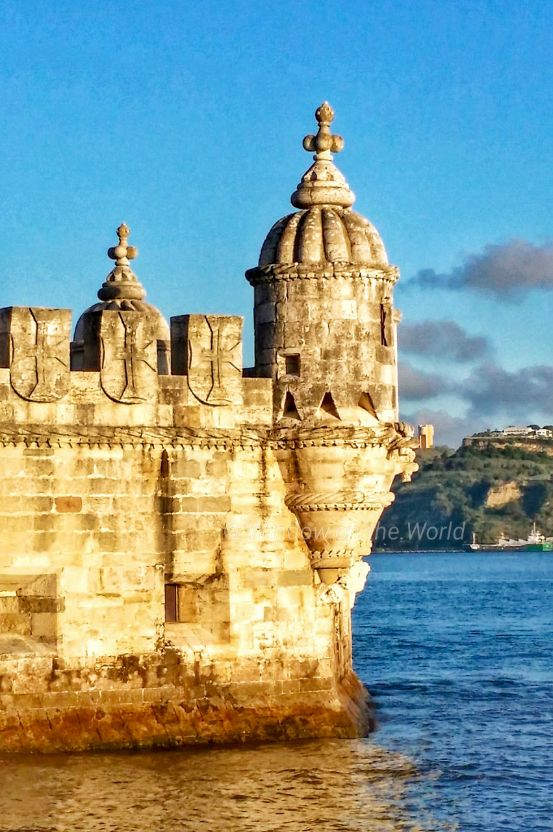
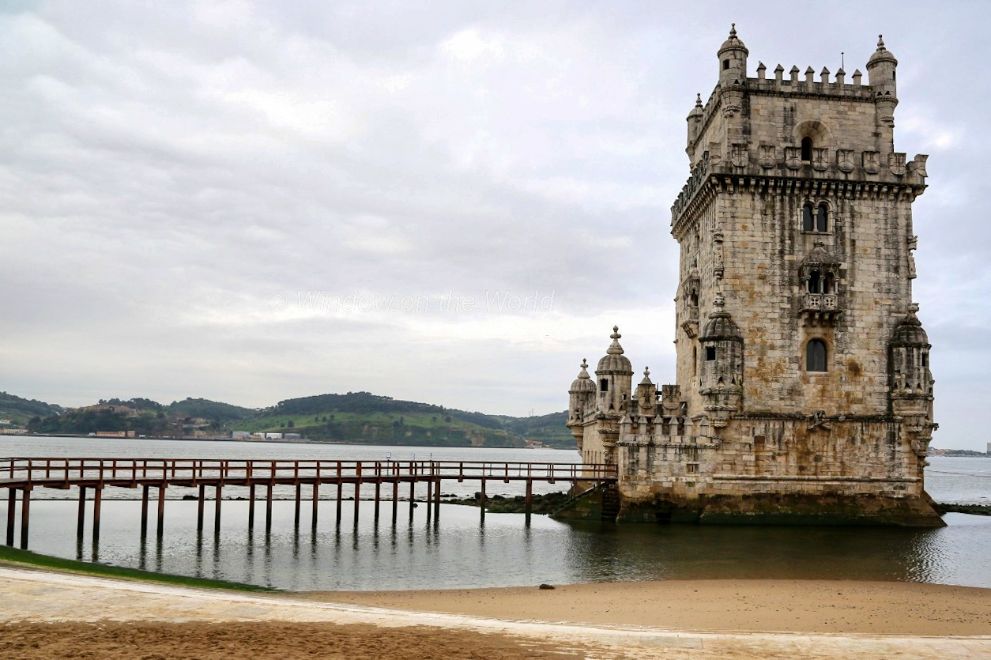
City of Lisbon has two UNESCO World Heritage Sites; The Jerónimos Monastery, a former monastery of the Order of Saint Jerome and Tower of Belém, a fortification that served as a point of embarkation and disembarkation for Portuguese explorers.
Pictures below are from my few days of walking around the capital city of Portugal.
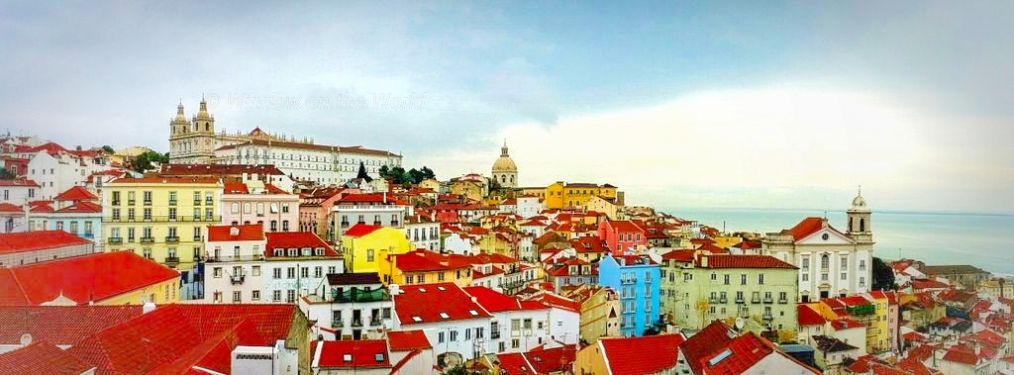
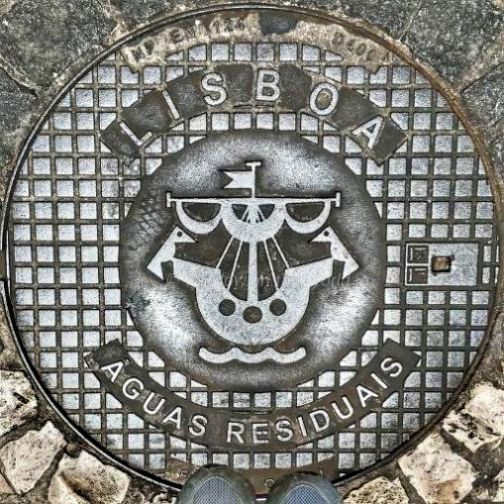
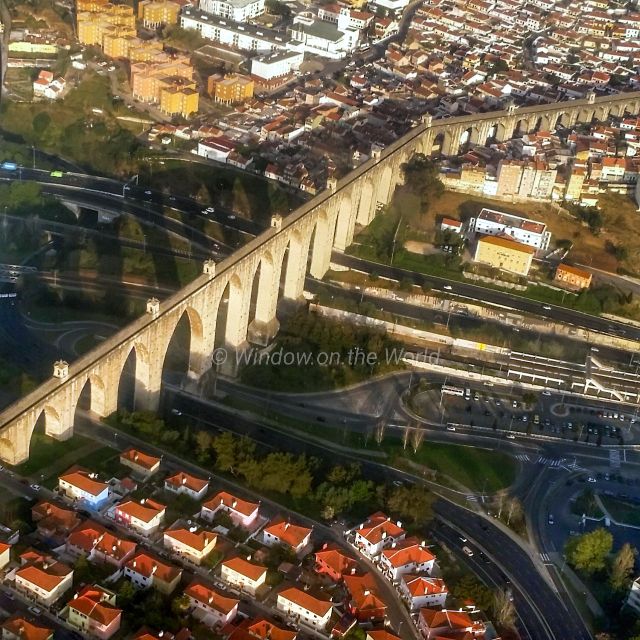
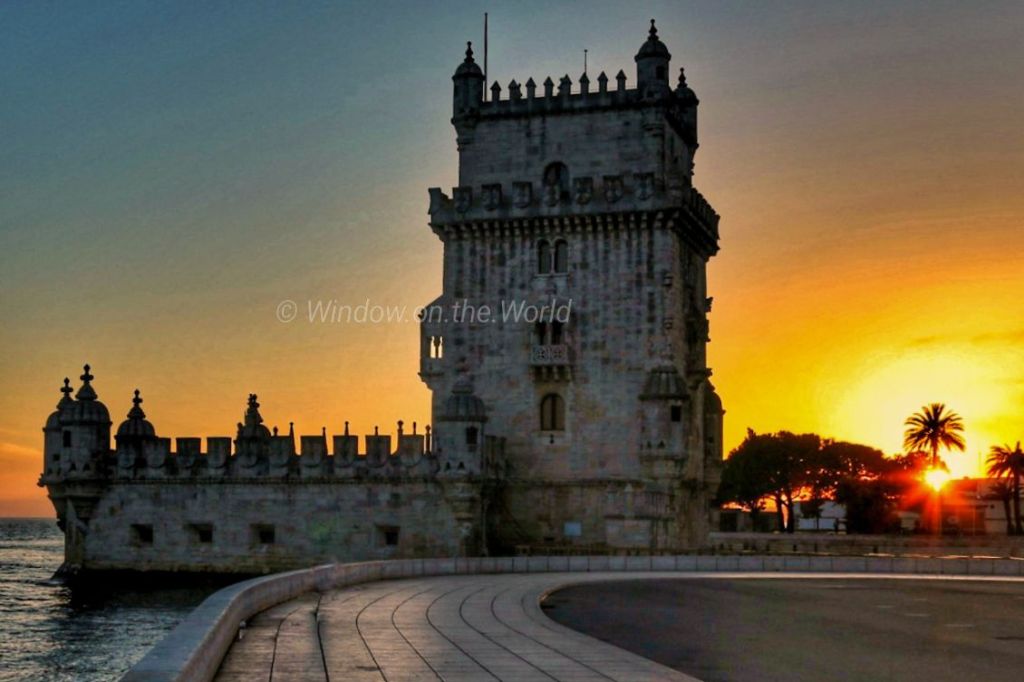
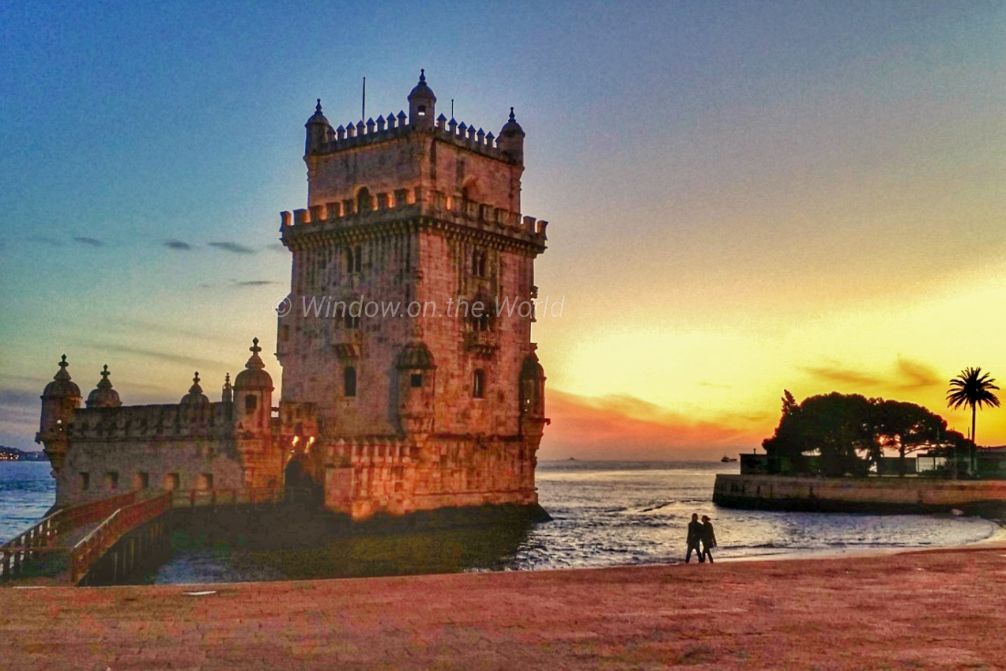
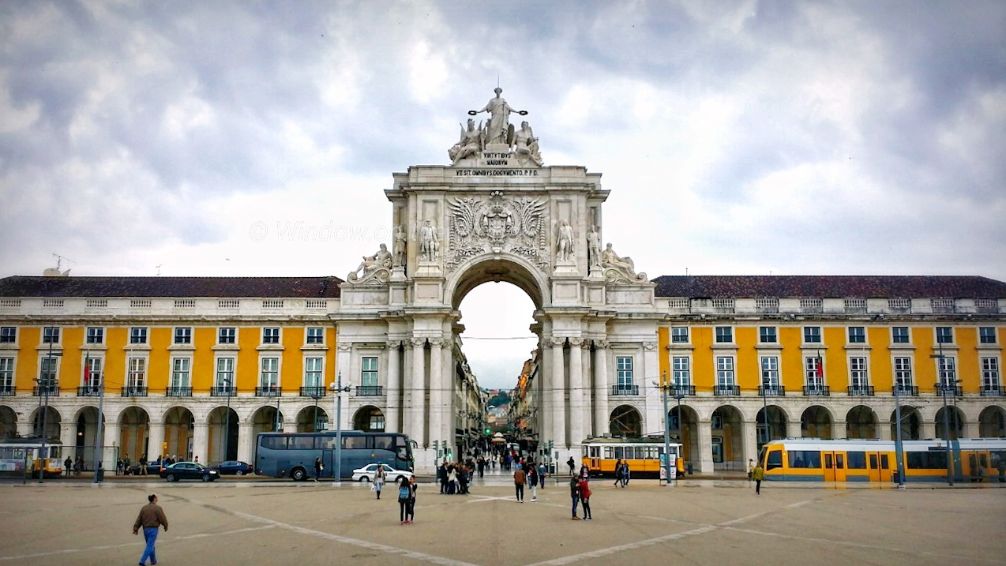
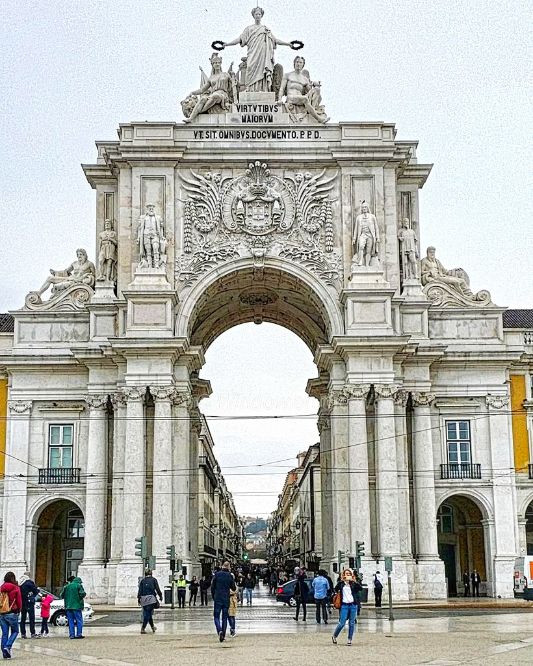
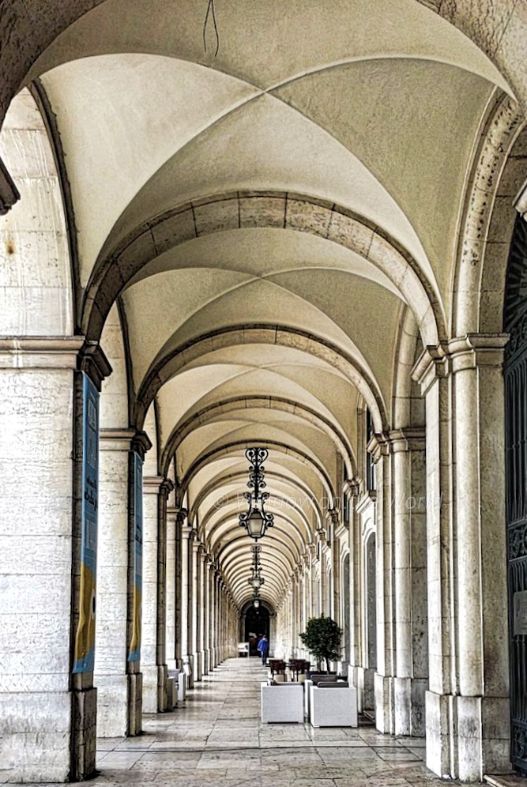
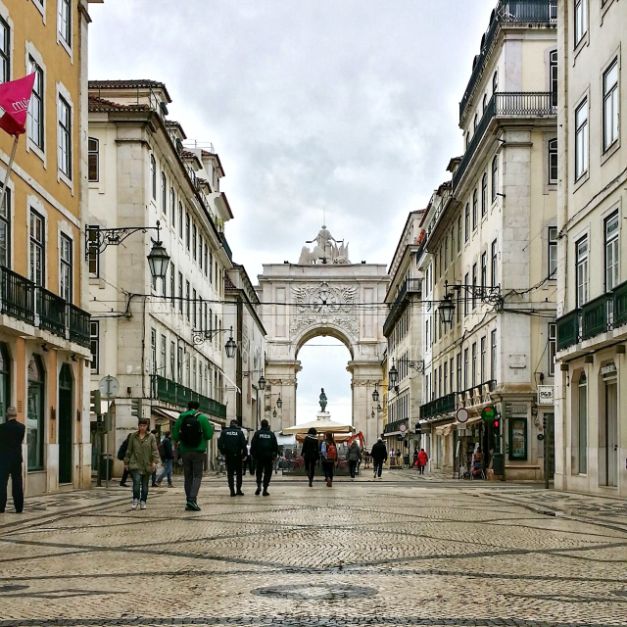
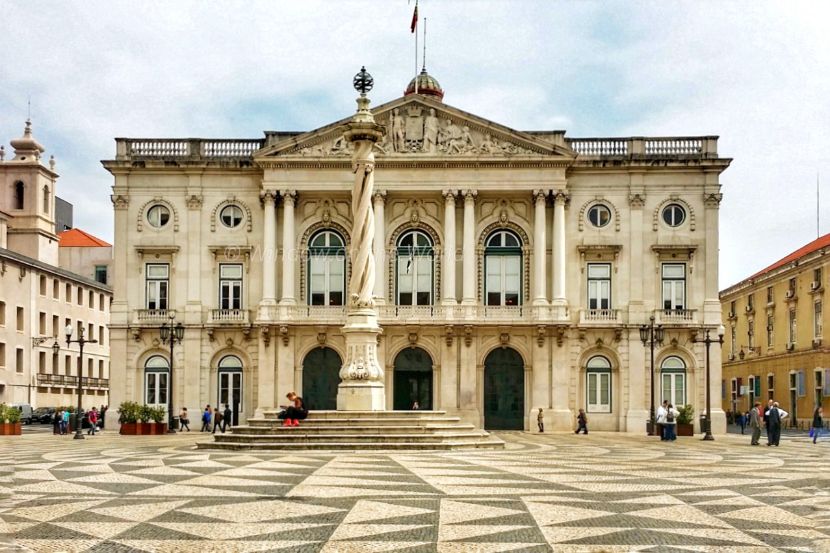
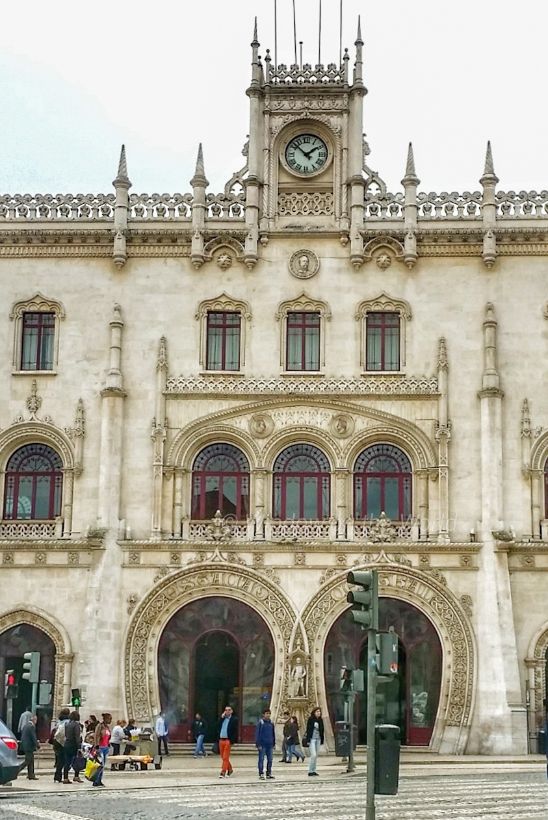
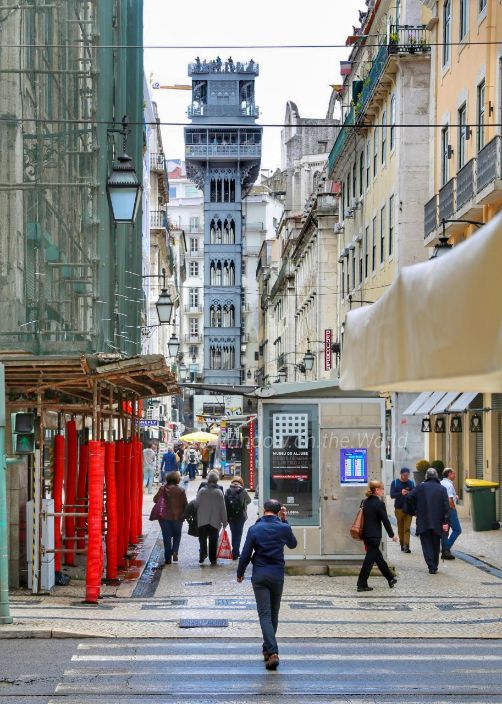
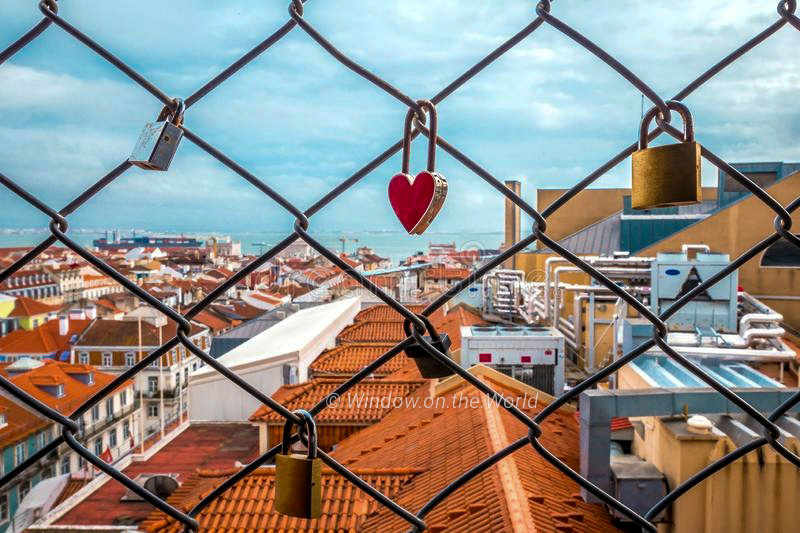
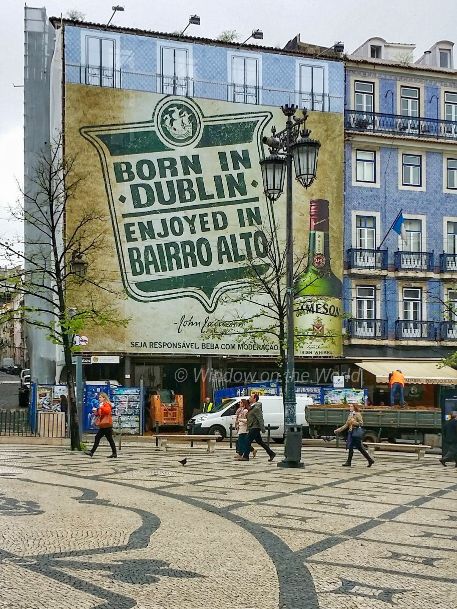
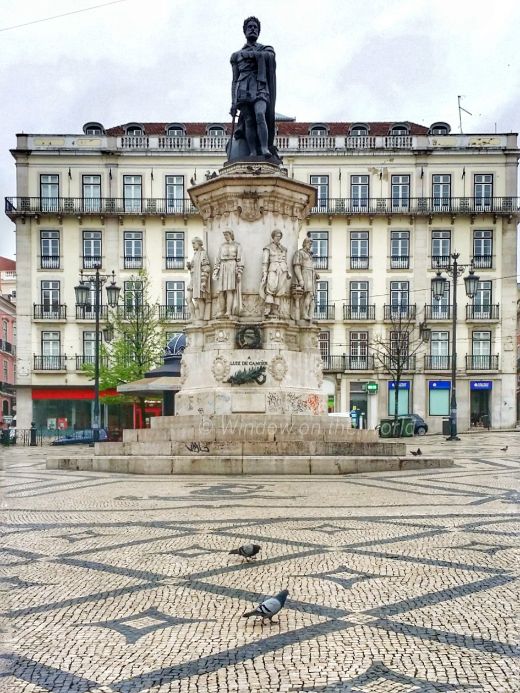
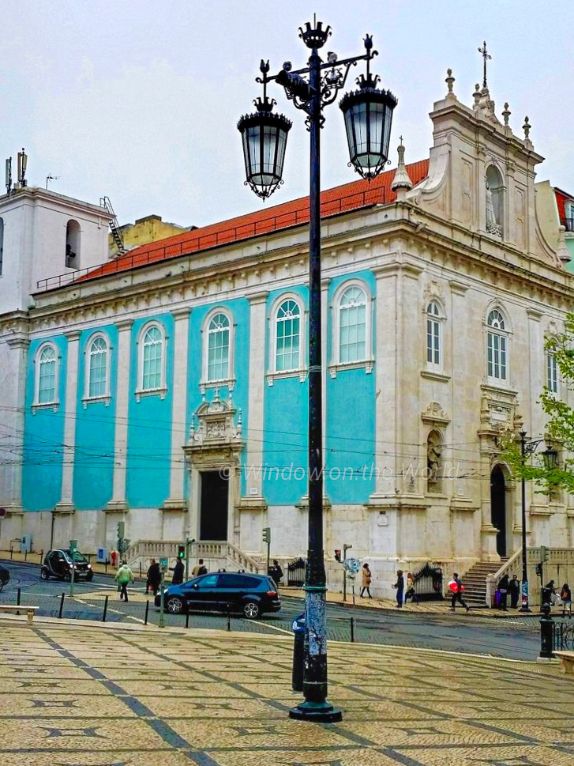
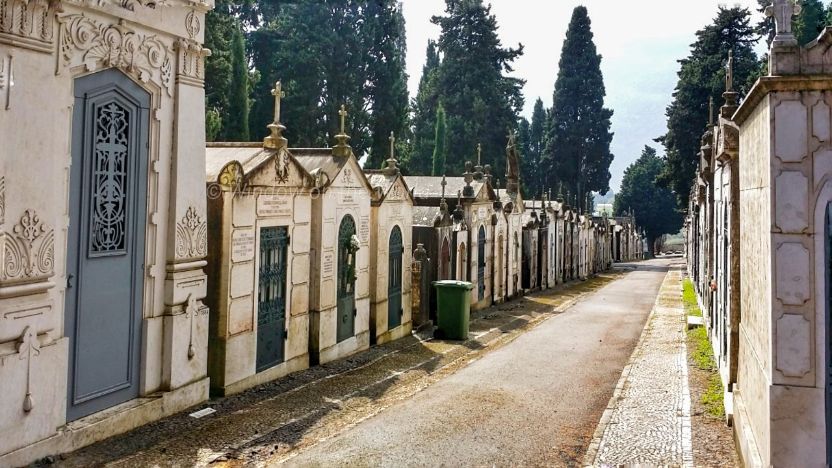
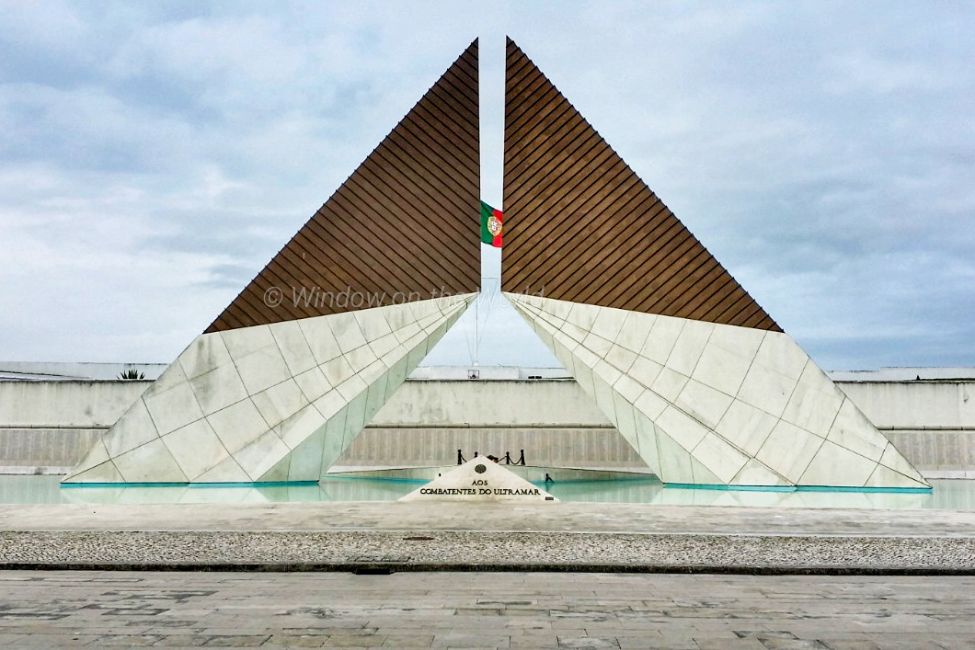
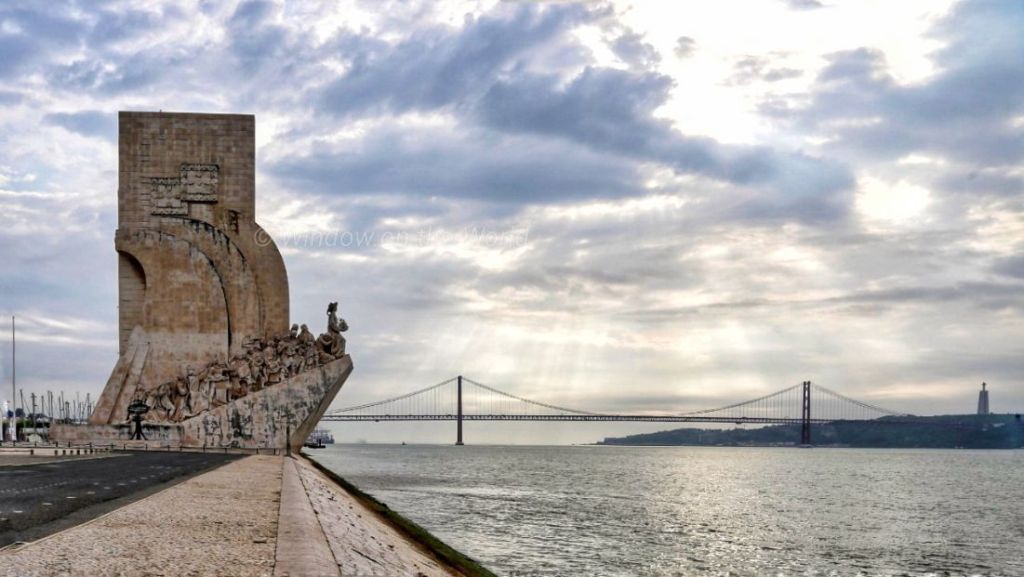
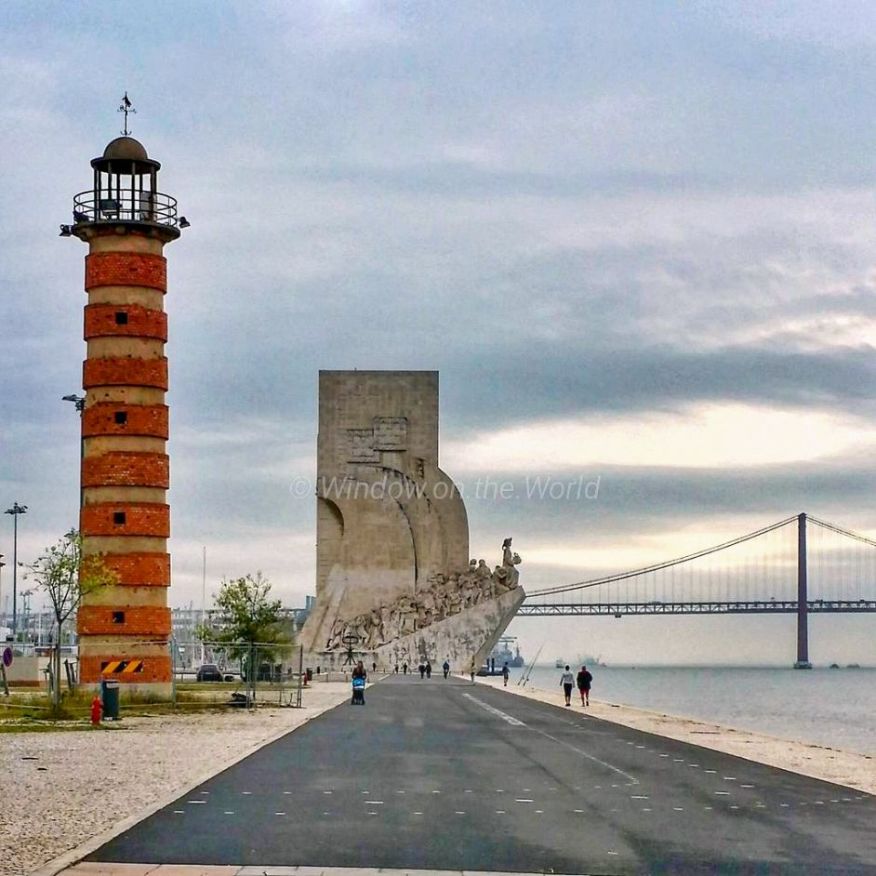
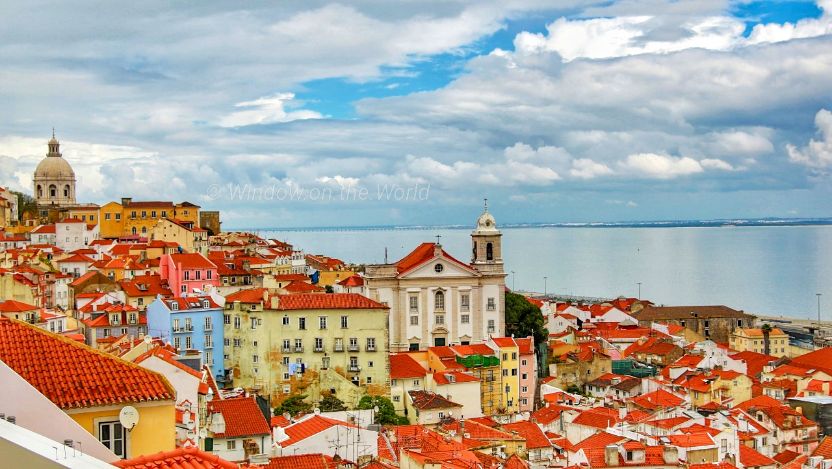
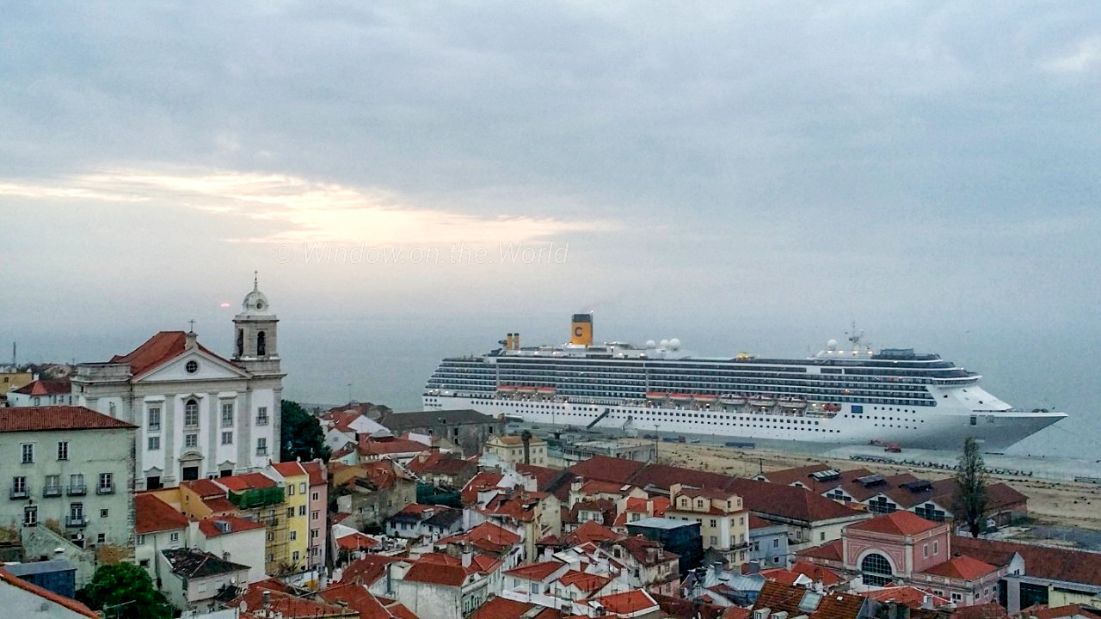
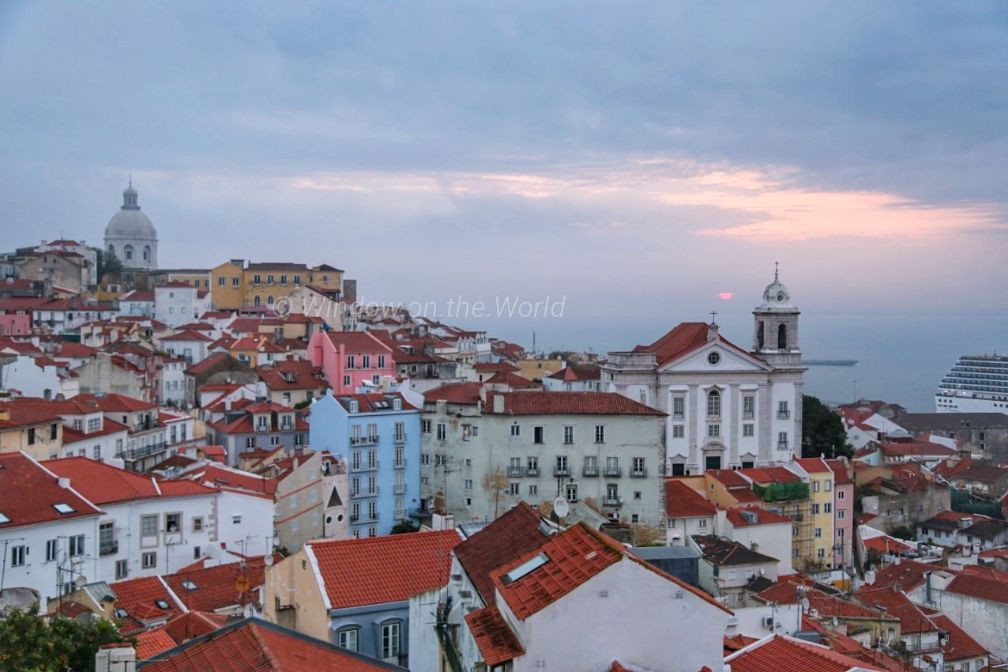
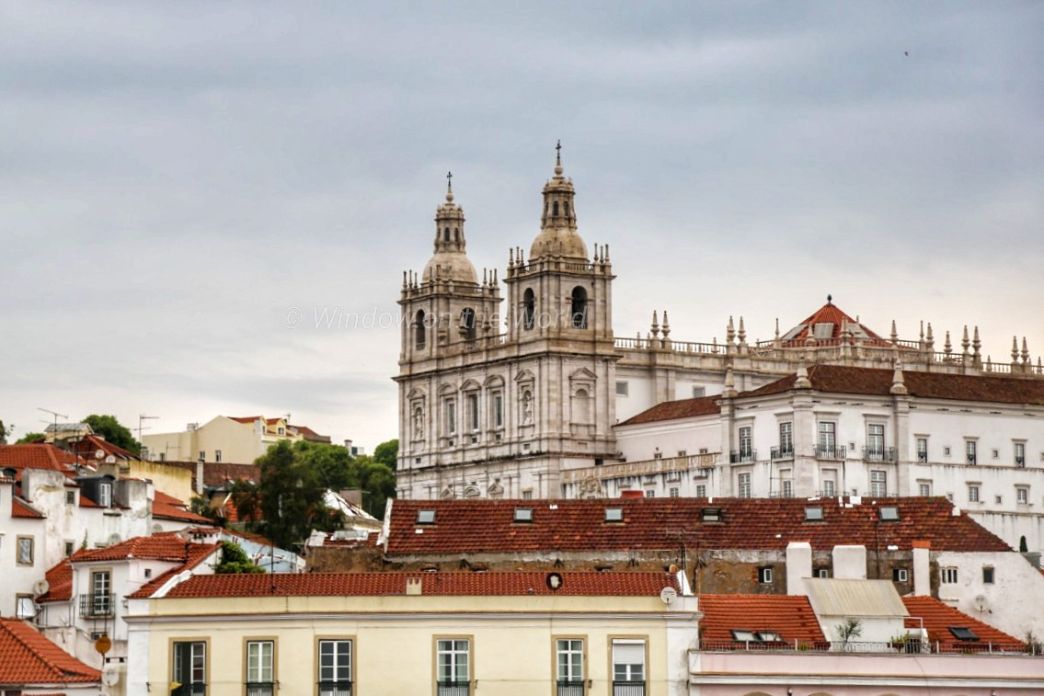
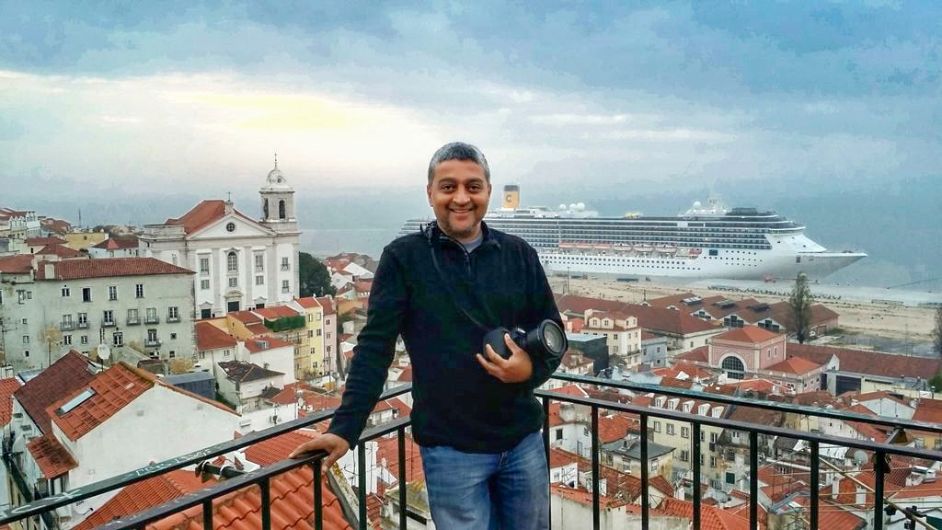
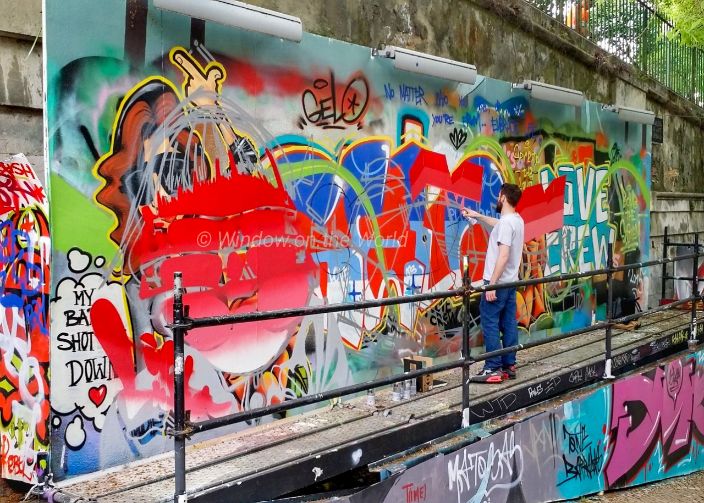
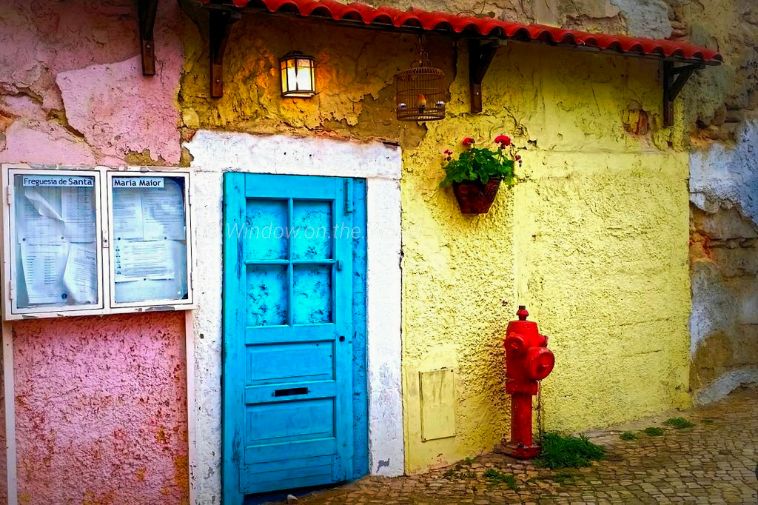
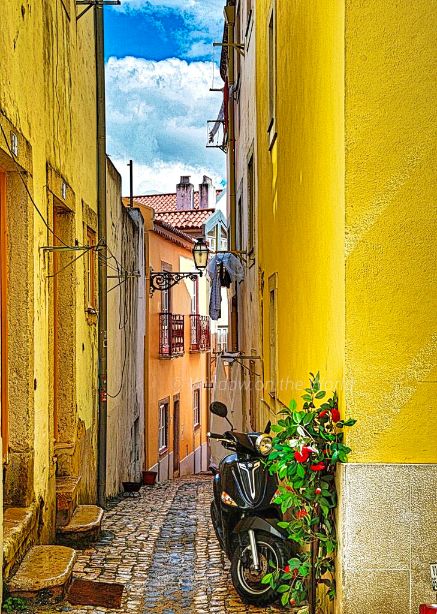
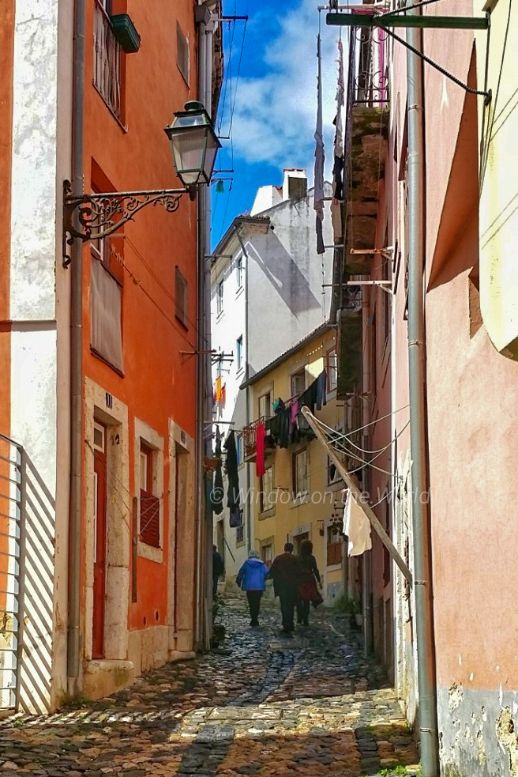
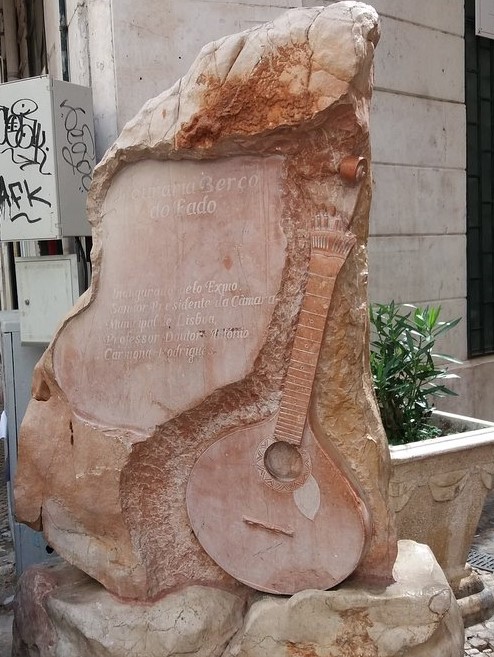
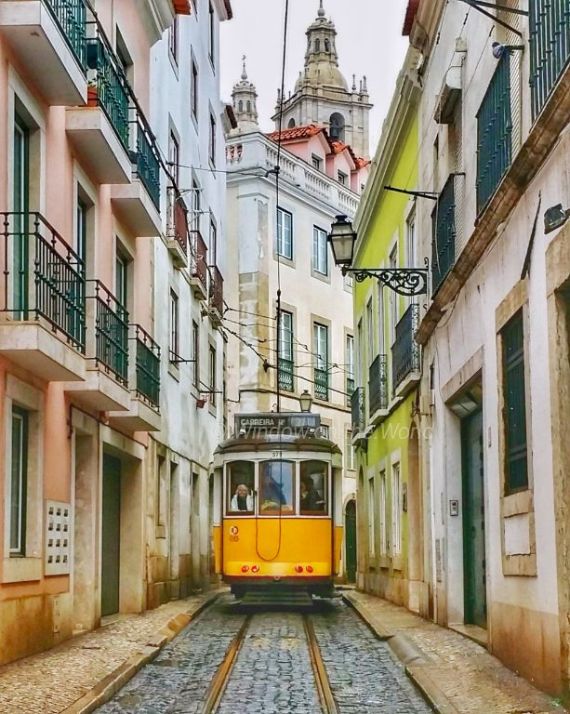
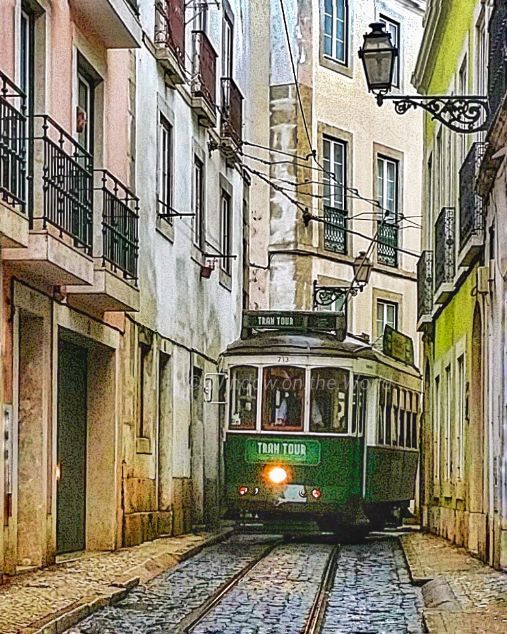
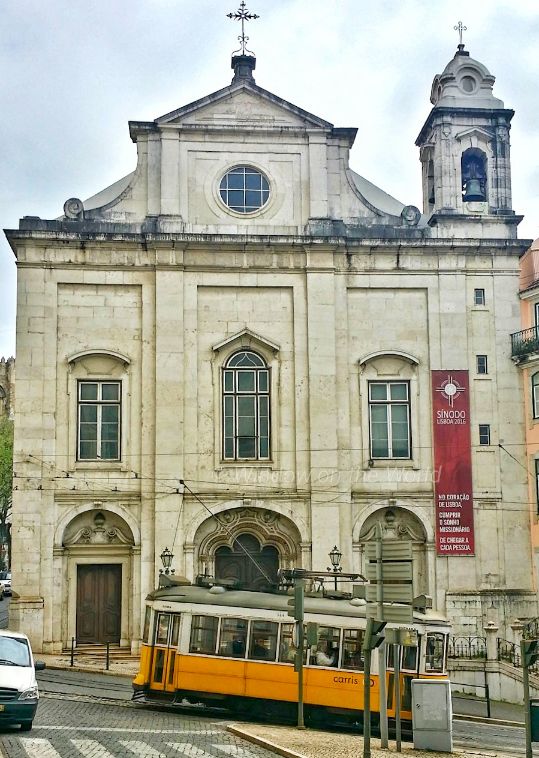
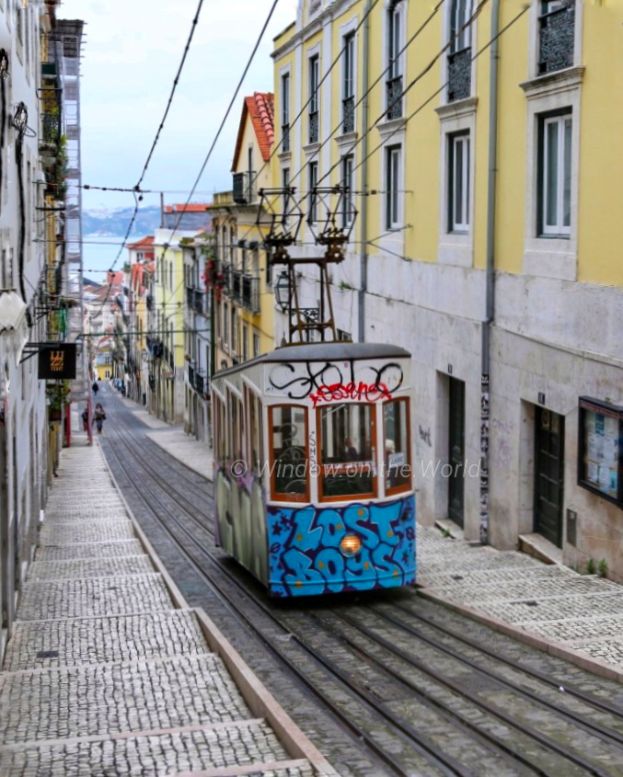
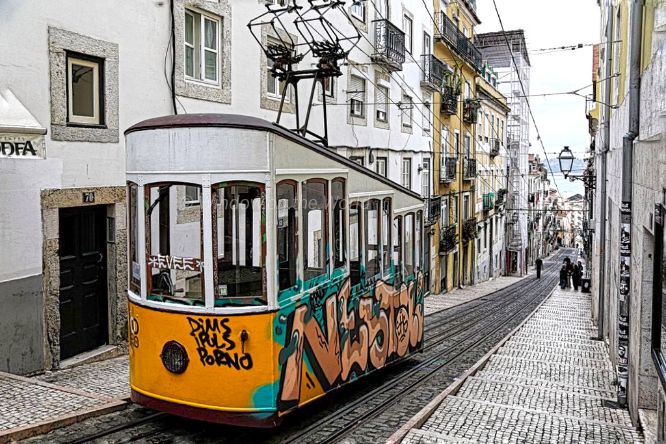
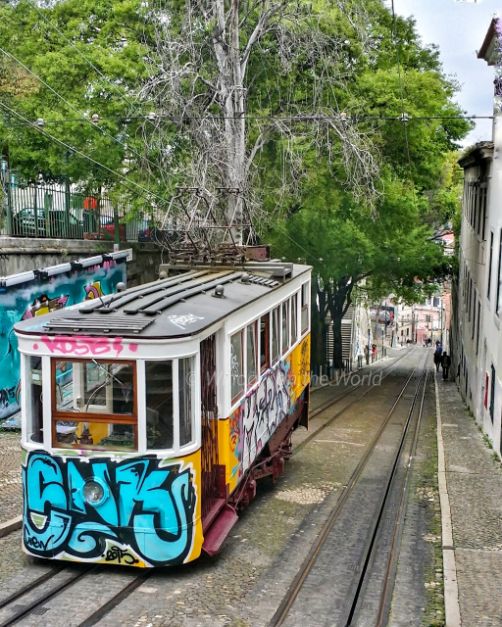
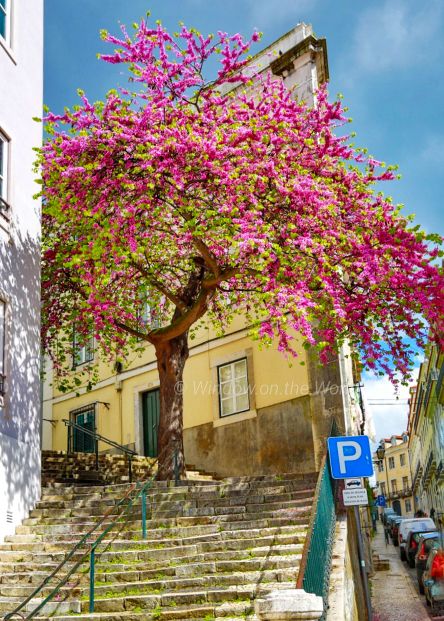
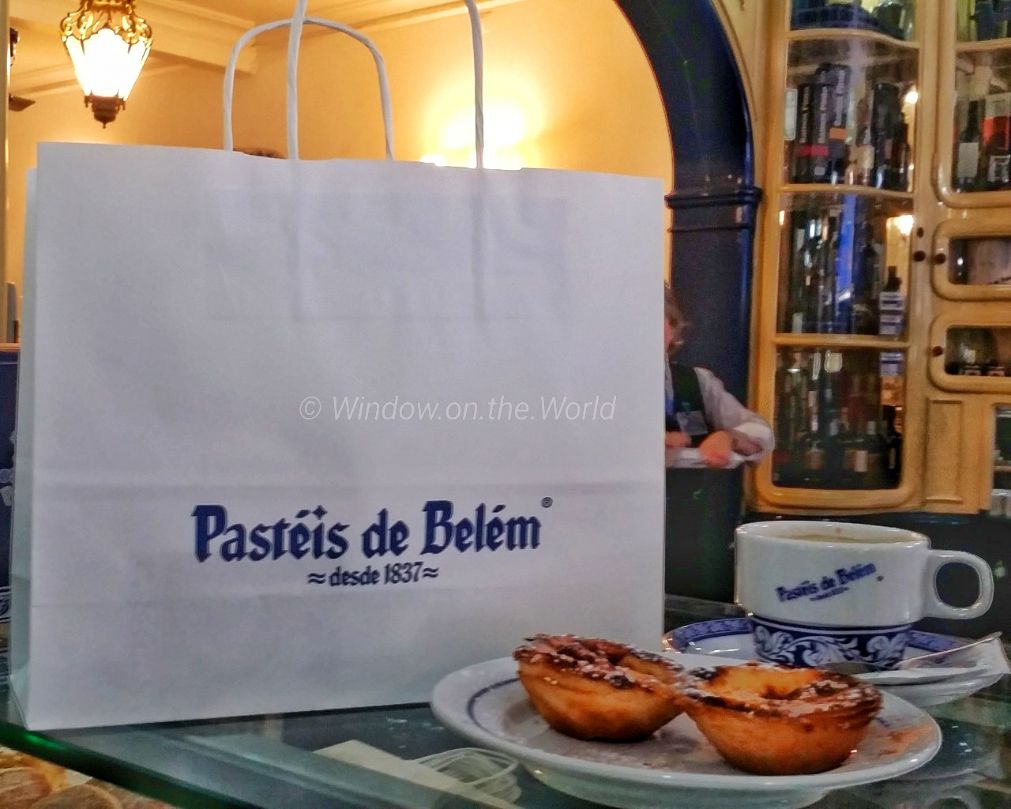
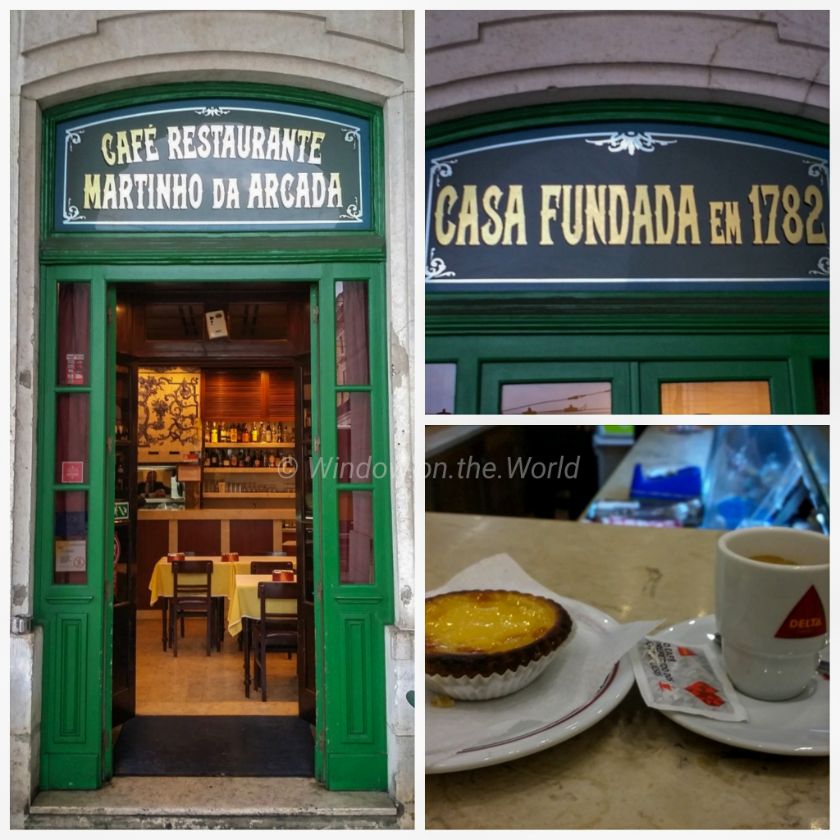
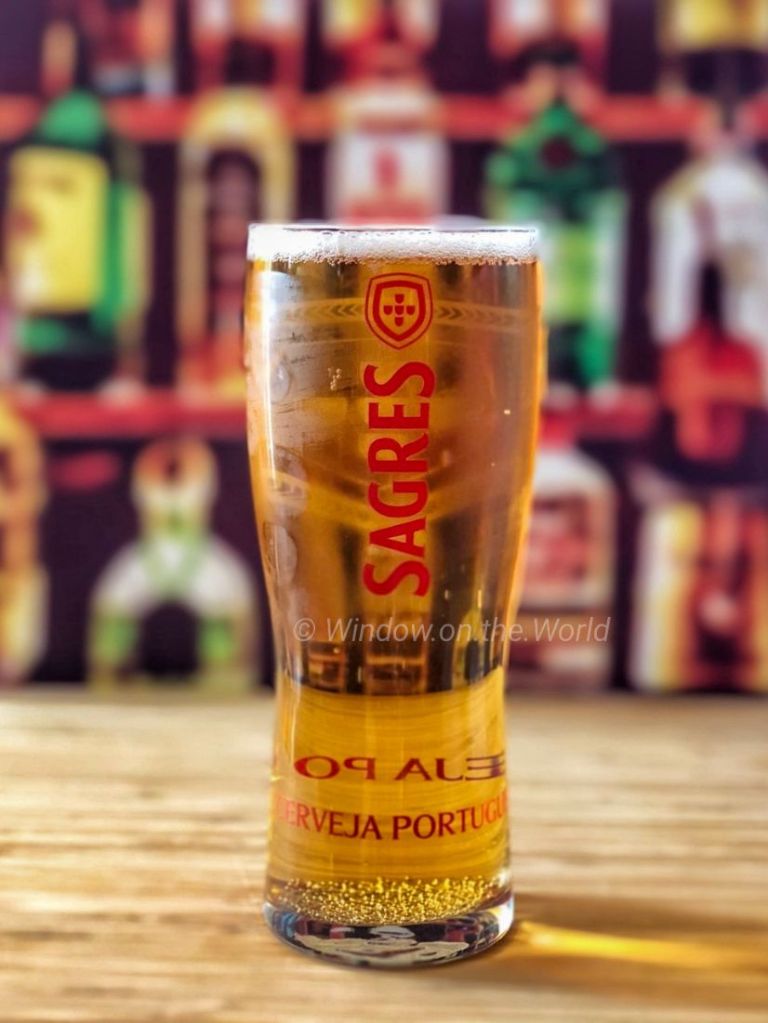
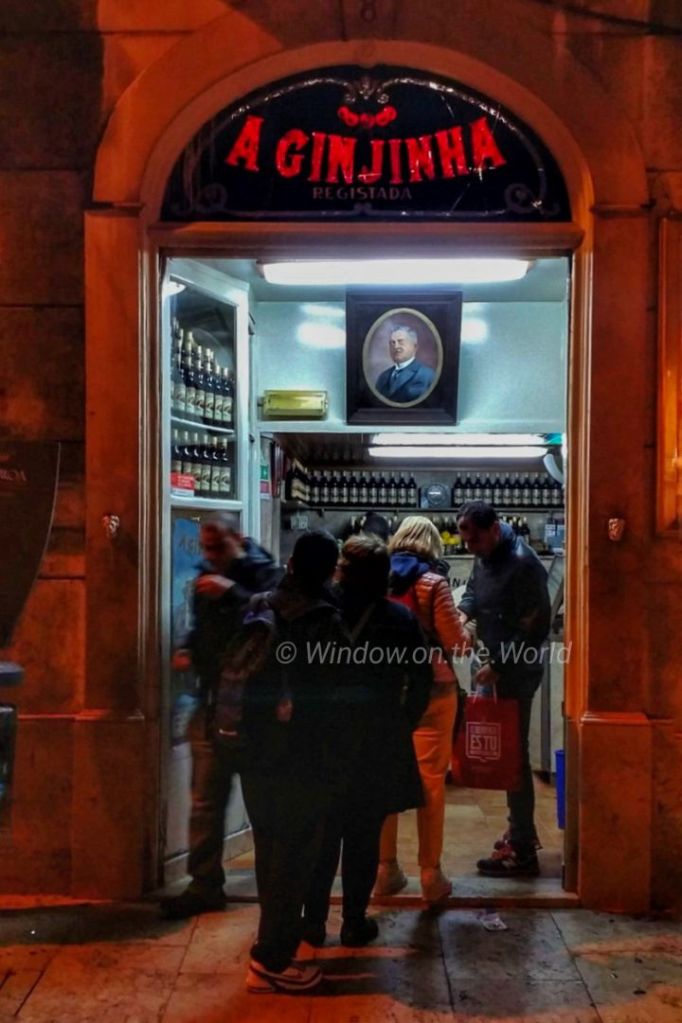
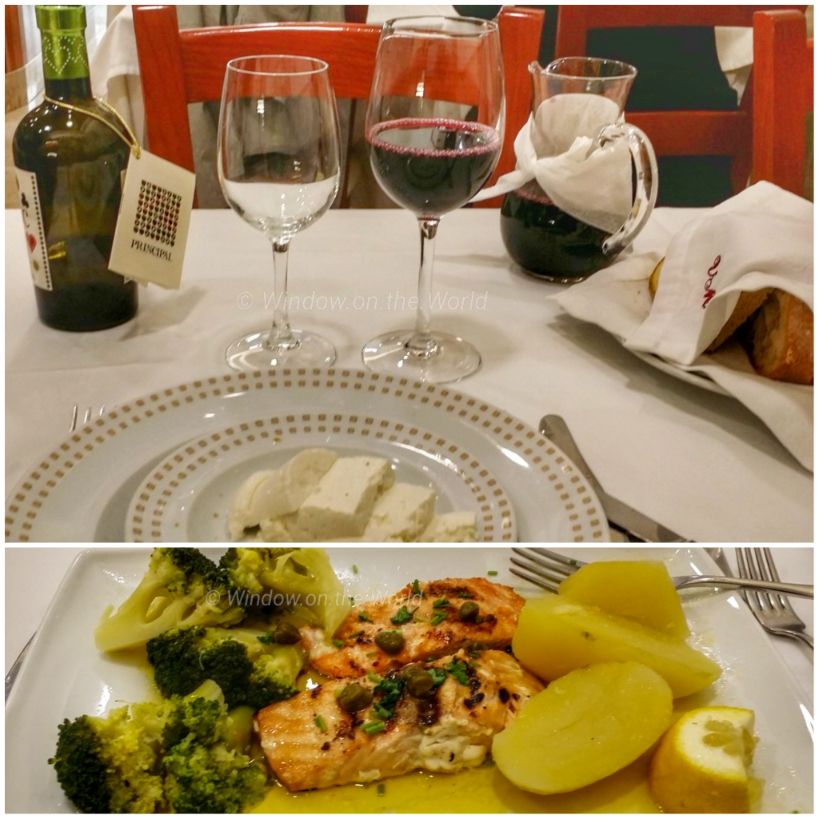
Welcome to Lisbon!. A beautiful manhole cover with Coat of Arms.The Águas Livres Aqueduct “Aqueduct of the Free Waters” as seen from the air, a historic aqueduct in the city of Lisbon. It is one of the most remarkable examples of 18th-century Portuguese engineering.The Jerónimos Monastery, a former monastery of the Order of Saint Jerome near the Tagus river. The monastery is one of the most prominent examples of the Portuguese Late Gothic Manueline style of architecture in Lisbon. In 1983, It was classified as a UNESCO World Heritage Site, along with nearby Tower of Belém. The Church is the final resting place of Vasco da Gama.The ornate Manueline south portal of the Jerónimos monastery, is not the main entrance to the building. Its ornate features includes an abundance of gables and pinnacles, with many carved figures standing under a baldachin in carved niches, around a statue of Henry the Navigator, standing on a pedestal between the two doors.Belém Tower, officially the Tower of Saint Vincent, a 16th-century (1514-1519) fortification located in Lisbon that served as a point of embarkation and disembarkation for Portuguese explorers and as a ceremonial gateway to Lisbon. Since 1983, the tower has been a UNESCO World Heritage Site, along with the Jerónimos Monastery.Bastion terrace of the Belém Tower, with its Moorish bartizan turrets and cupolas from the northwest.The Belém Tower was constructed on a small island near the bank of the Tagus. As development extended the shoreline progressively, more and more of the northern bank crept southwards into the Tagus, the tower becoming integrated into the riverbank over time.A beautiful Sunset over The Belém Tower, a UNESCO World Heritage Site.A couple strolling near Torre de Belem after Sunset. The Tower sits in the middle of the Tagus River and guards the entrance to the Lisbon Harbor. Many explorers, including Vasco da Gama and Ferdinand Magellan, set sail from Lisbon Harbor and passed by this magnificent tower.The Praça do Comércio (Commerce Square), a large, harbor-facing square in Lisbon. The city square is still commonly known as Terreiro do Paço (Palace Yard), as it hosted the Paços da Ribeira (Royal Ribeira Palace) until it was destroyed by the great 1755 Lisbon earthquake. The wealth of Portugal was channeled through this plaza and port. It served as not only a transportation hub but also as a hub for commercial businesses.Arco da Rua Augusta, a Panoramic view from Praça do Comércio. The Rua Augusta Arch is a stone, triumphal arch-like, historical building on the Praça do Comércio. It was built to commemorate the city’s reconstruction after the 1755 earthquake. It has six columns (some 11 m high) and is adorned with statues of various historical figures.Areas covered by arches at both sides of the Praça do Comércio include vendors, restaurants and officesArco da Rua Augusta, from the Rua Augusta (Augusta Street), the main pedestrian only street which links the Praça do Comércio square with the other traditional Lisbon square, the Rossio.The Lisbon City Hall (Paços do Concelho de Lisboa), the seat of the Lisbon municipal government, located in the City Square (Praça do Município). The city square has Portuguese pavement (calçada portuguesa), a traditional-style pavement used for many pedestrian areas in Portugal and former Portuguese colonies including Macau. Outside the City Hall, in the middle of the Praça do Município square, stands a pillory with a spiral column built of a single block in the 18th century, and crowned with a gilt metal sphere.The Rossio Railway Station, located in the Rossio square. Built in May 1891, the station was formerly known as Estação Central (Central Station) and that designation still appears in its façade. Its most interesting features are the two intertwined horseshoe portals at the entrance and the clock in a small turret.The Santa Justa Lift, also called Carmo Lift, is an elevator or lift, inaugurated on 10 July 1902, as one of the city’s public transport systems. It connects the lower streets of the Baixa with the higher Largo do Carmo (Carmo Square), the fastest way to get from the Baixa neighborhood to the Bairro Alto district.Love Locks on the top of the Elevador Santa Justa.Set on a hill, the Bairro Alto, a picturesque quarter dating from the 1500s, offers a privileged vantage point of Lisbon’s river from nearly every street. Lisbon’s cultural and bohemian heart, with streets packed with bars, Bairro Alto is often the starting point of a night out in Lisbon.Praça Luís de Camões, This small square is the transition zone between Chiado and Bairro Alto. In its center is a monumental statue of 16th-century epic poet Luis de Camões standing on a pedestal with other smaller statues of classical Portuguese authors. The square has Portuguese pavement (calçada portuguesa), a traditional-style pavement used for many pedestrian areas in Portugal and former Portuguese colonies.The Church of Nossa Senhora do Loreto (Our Lady of Loreto). The church was built on the site of the city walls built by King Fernando to establish the western limits of 14th century Lisbon. Worship of our Lady of Loreto, extremely common in Italy, was introduced to Portugal by Italians in the 14th century.Prazeres Cemetery (Cemitério dos Prazeres) is the largest cemetery in Lisbon. It is considered to be one of the most beautiful and famous cemeteries in the world. It is the resting place for many famous personalities, including Prime Ministers and Presidents of Portugal.The Monumento aos Combatentes do Ultramar (Monument to the Overseas Combatants) is an important war memorial which pays homage to all those who died in the Portuguese Colonial War which ran from 1961 to 1974 and it is the Portuguese equivalent of the Vietnam Veterans Memorial in Washington, D.C.The Padrão dos Descobrimentos, or the Discoveries Monument, was built in time for the 500-year-anniversary of the death of Portugal’s Prince Henry the Navigator and to symbolize Portugal’s role during the Age of Discoveries. The location of the monument is as symbolic as the monument itself, denoting where many important voyages began and ended. A statue of Prince Henry the Navigator stands at the front. In the background is The 25 de Abril Bridge, a suspension bridge often compared to the Golden Gate Bridge in San Francisco, USA. Also in the background, across the bridge is the Sanctuary of Christ the King, a Catholic monument inspired by the Christ the Redeemer statue of Rio de Janeiro, Brazil.The Padrão dos Descobrimentosm(the Discoveries Monument), Farol de Belém (Belém Lighthouse) and The 25 de Abril Bridge, a double-decker suspension bridge.The Alfama, the oldest and most picturesque neighborhood of Lisbon, spreading on the slope between the São Jorge Castle and the Tagus river. Its name comes from the Arabic Al-hamma, meaning “baths”. It contains many important historical attractions, as well as an abundance of Fado bars and restaurants.On the Alfama slope, at the foot of the hill, on the flats of the early 20th-century landfill is Lisbon’s cruise terminal. Lisbon is an important port of call for cruises between the Atlantic Coast and Europe, the western Mediterranean and the north of Europe.Beautiful Sunrise over the Tagus river, an early morning visit to The Alfama neighborhood. A view from the Miradouro das Portas do Sol viewpoint.Monastery of São Vicente de Fora, The original Monastery was founded around 1147 by the first Portuguese King, Afonso Henriques, for the Augustinian Order. Built outside the city walls, it was one of the most important monastic foundations in mediaeval Portugal, dedicated to Saint Vincent of Saragossa, patron saint of Lisbon, whose relics were brought from the Algarve to Lisbon in the 12th century.A street Artist in action!Old houses’ colorful facades in the Alfama district of Lisbon.Old houses’ colorful facades in the Alfama district of Lisbon.Old houses’ colorful facades in the Alfama district of Lisbon.A sculpture of the Portuguese guitar at Rua do Capelão, Bairro da Mouraria, the birthplace of Fado, inscribed in the UNESCO Intangible Cultural Heritage since 2011.Trams in Lisbon; a system of trams that serve Lisbon is In operation since 1873. The first tramway in Lisbon entered service as a horsecar line. Lisbon’s first electric tramway commenced operations in 1901. Tram 28 is a vintage yellow tram that criss-crosses the city center, through wide esplanades and narrow streets, taking in many of Lisbon’s most important sites along the way.Tourist Tram Passing through narrow streets of the Alfama district of Lisbon.Tram 28 passing by the Church of Madalena, a national monument. The Magdalene Church that currently exists is the result of several reconstructions. The original structure was erected in 1150. In 1363, a fire completely destroyed the church and had it rebuilt. In 1600 the church was partially destroyed by a cyclone. In 1755 the church was demolished by the earthquake and was rebuilt In 1783. In 1833, the church underwent some changes.Elevador da Bica; The Bica Funicula; In operation since 28 June 1892, is the most photographed funicular in Lisbon, due to the dramatic contrast between the steep route and the river in the background,Elevador da Bica; The Bica Funicula; In operation since 28 June 1892. The cable links the two cars together so that they ascend and descend simultaneously, each car acting as a counterweight for the other one.The Elevador da Glória also kown as The Glória Funicular tram that connects the Pombaline downtown with the Bairro Alto. The final lift was inaugurated in 1885, propelled by a water-powered counterweight system, and replaced with a steam-powered mechanism by 1886.Cherry Blossom in Lisbon’s old neighborhood! Spring time in Lisbon, beautiful flowers!Spring time in Lisbon, beautiful flowers!Pastel de nata is a Portuguese egg tart pastry, Pastéis de Belém is widely recognized as the authentic pastel de nata in Lisbon. At the beginning, the monks at Jerónimos Monastery made the tarts to be sold at a shop. In 1837, the tarts started to be produced in new premises by pastry chefs, the only ones to whom the secret monastery recipe was passed on. Since then, the original recipe hasn’t changed, and it’s still a secret today. Any day of the week, a line trails out the door waiting to savor one of tens of thousands Pastel de nata made daily. Two for me and few more in bag for friends back in Shanghai!Martinho da Arcada, One of the oldest Cafe in The Praça do Comércio. Pastel de nata was not as good.Sagres; One of the most popular beer in PortugalSagres; One of the most popular beer in PortugalGinjinha of Rossio; Oldest cherry liqueur shop in Lisbon, serving since 1840. Ginjinha is a Morello cherry (a sour cherry) liqueur that Portuguese have been drinking since the 17th-century.Portuguese wine! Portugal has been producing a very wide variety of wines with distinctive personality. Portugal has two wine-producing regions protected by UNESCO as World Heritage:Farmer’s Market in Lisbon.
While staying in Lisbon, I made a day trip by taking a train to Sintra, a beautiful resort town and a UNESCO World Heritage Site.
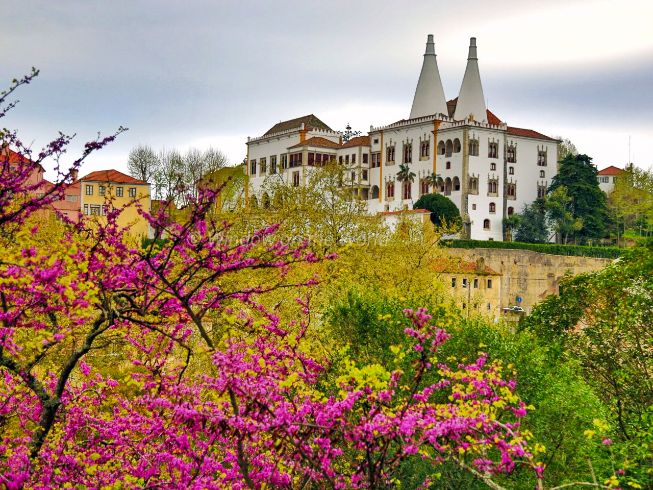
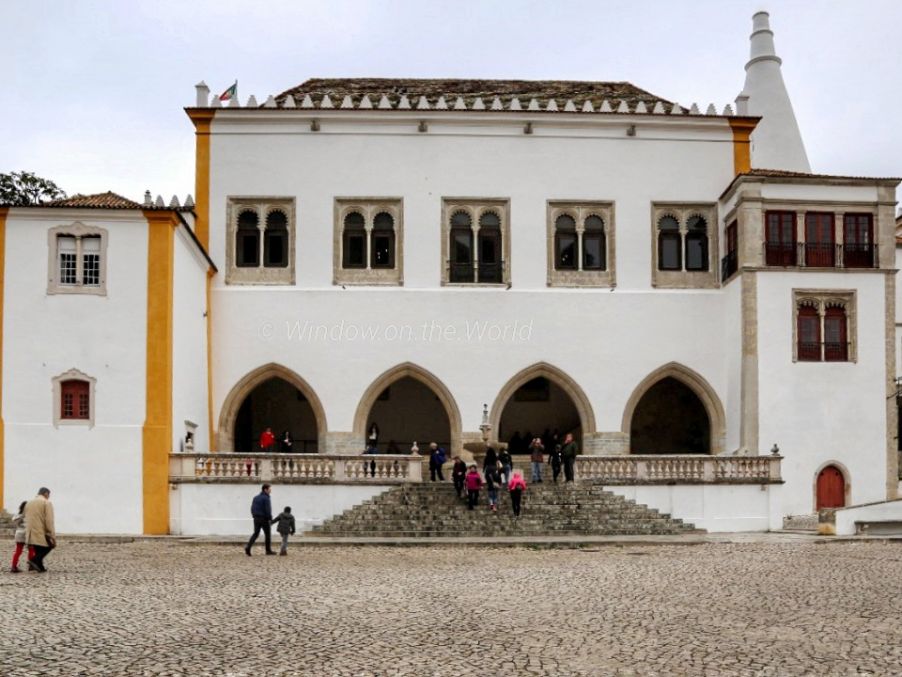
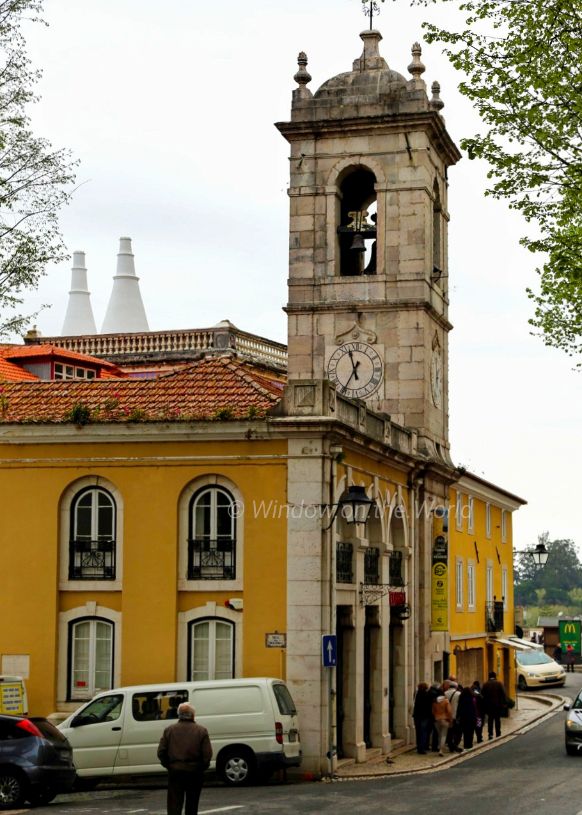
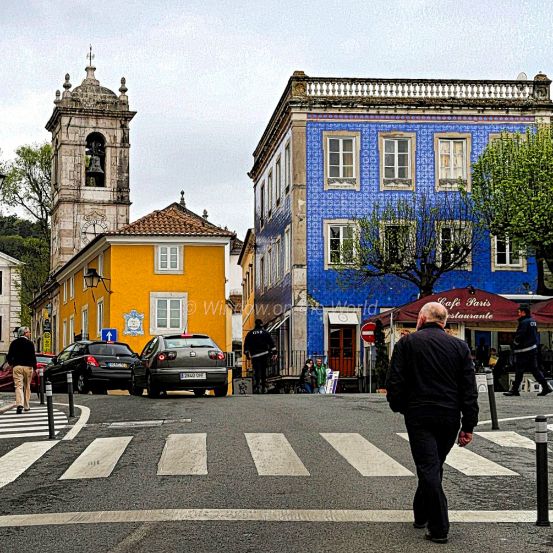
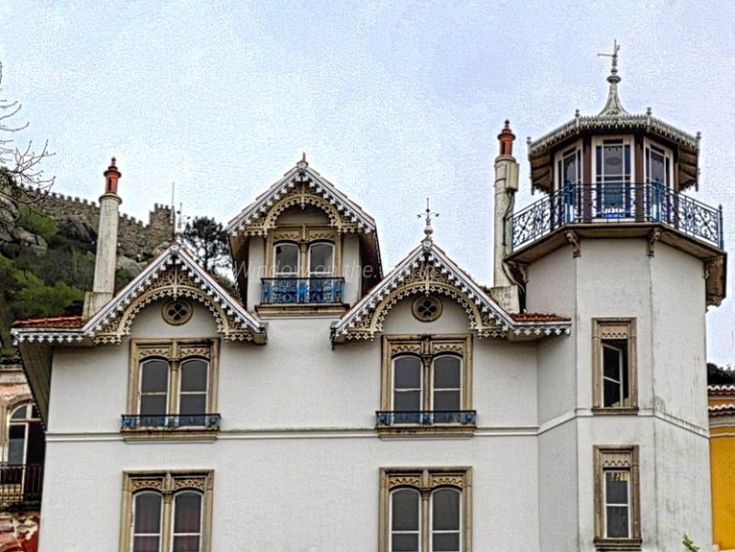
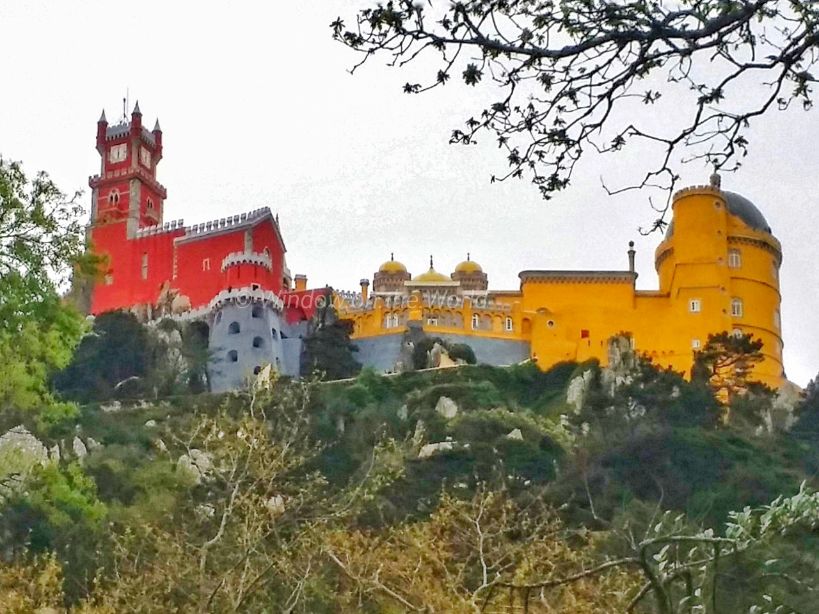
Sintra is a resort town in the foothills of Portugal’s Sintra Mountains, near the capital, Lisbon. A longtime royal sanctuary, its forested terrain is studded with pastel-colored villas and palaces. The Moorish and Manueline-style Sintra National Palace is distinguished by dramatic twin chimneys and elaborate tilework. The hilltop 19th-century Pena National Palace is known for a whimsical design and sweeping views.
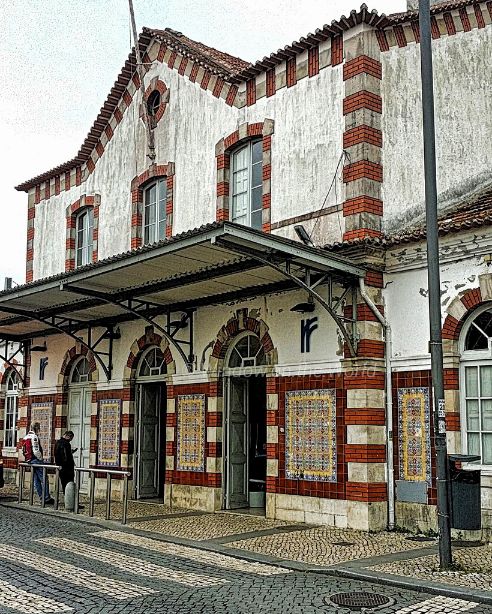
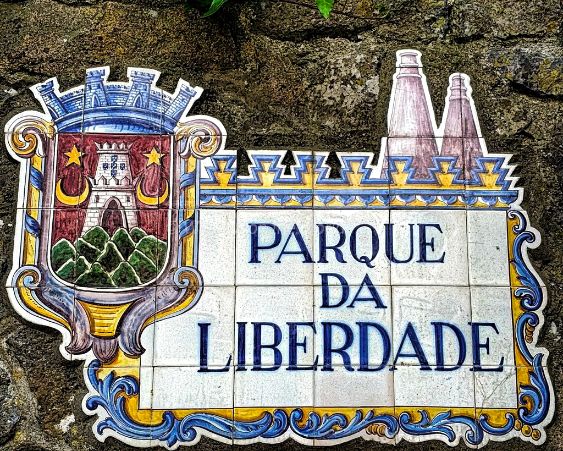
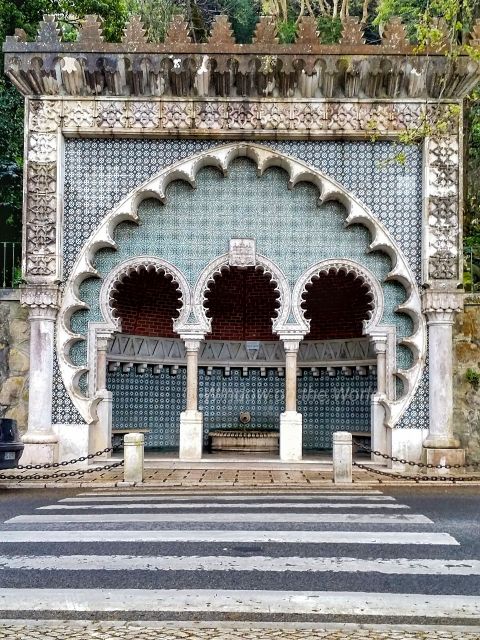
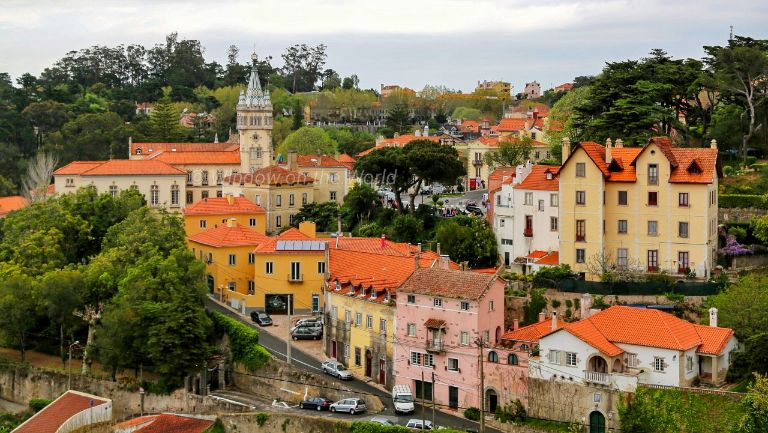
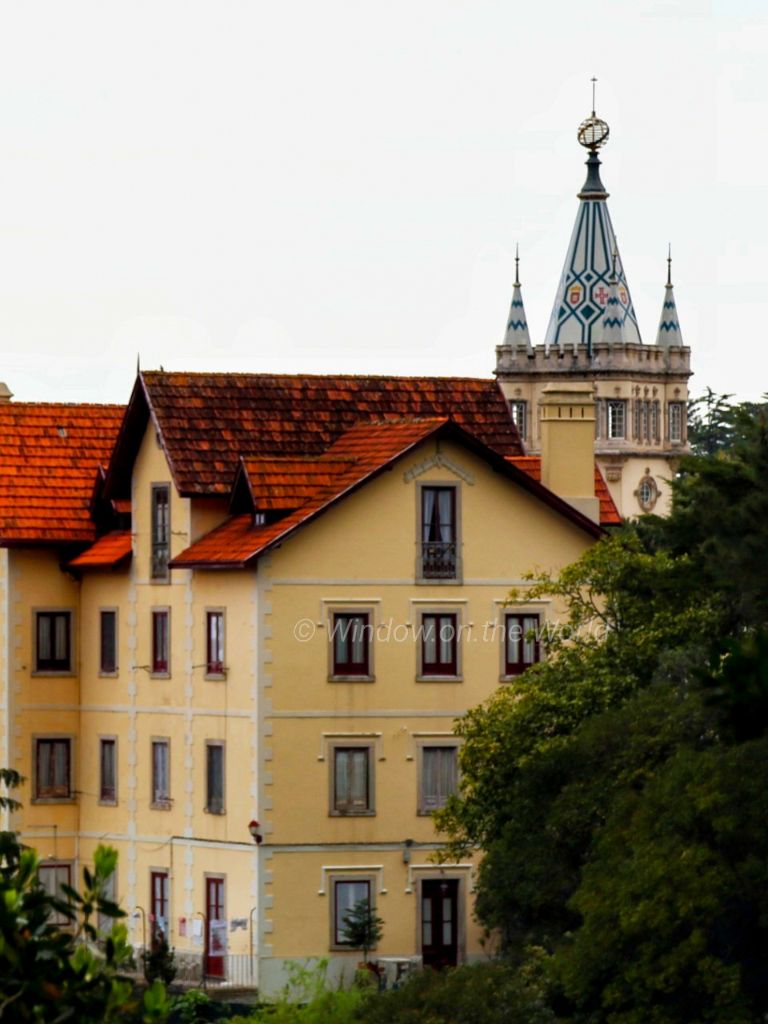
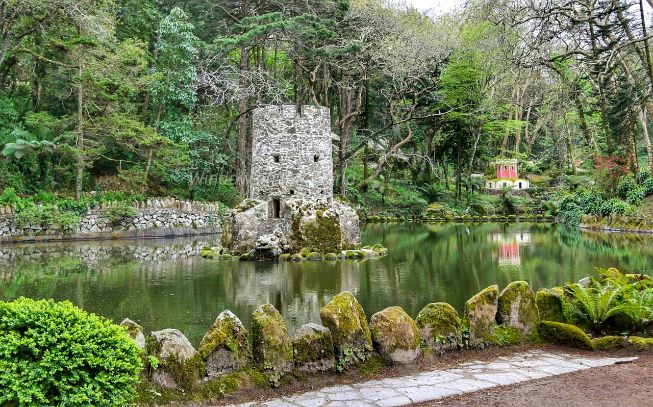
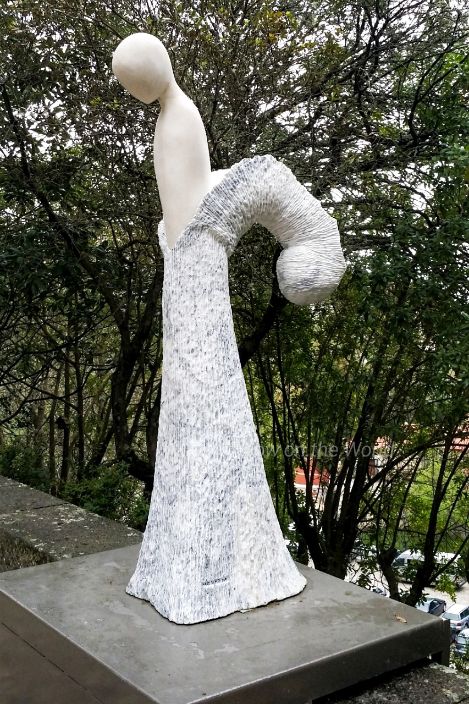
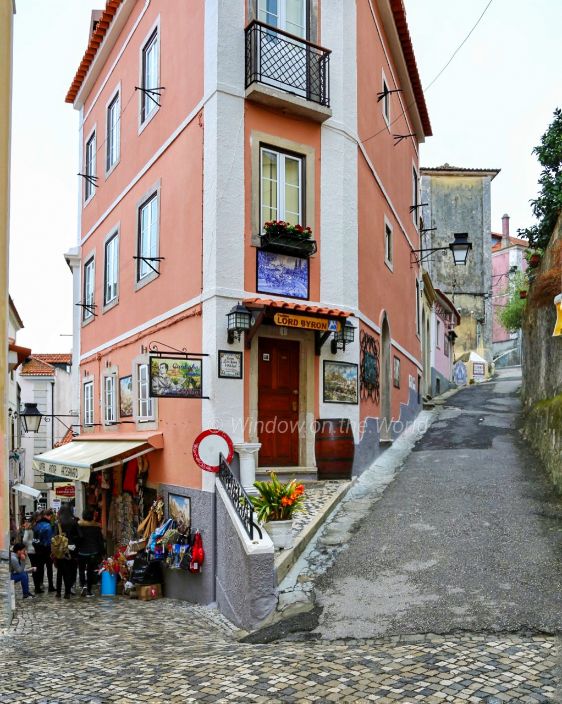
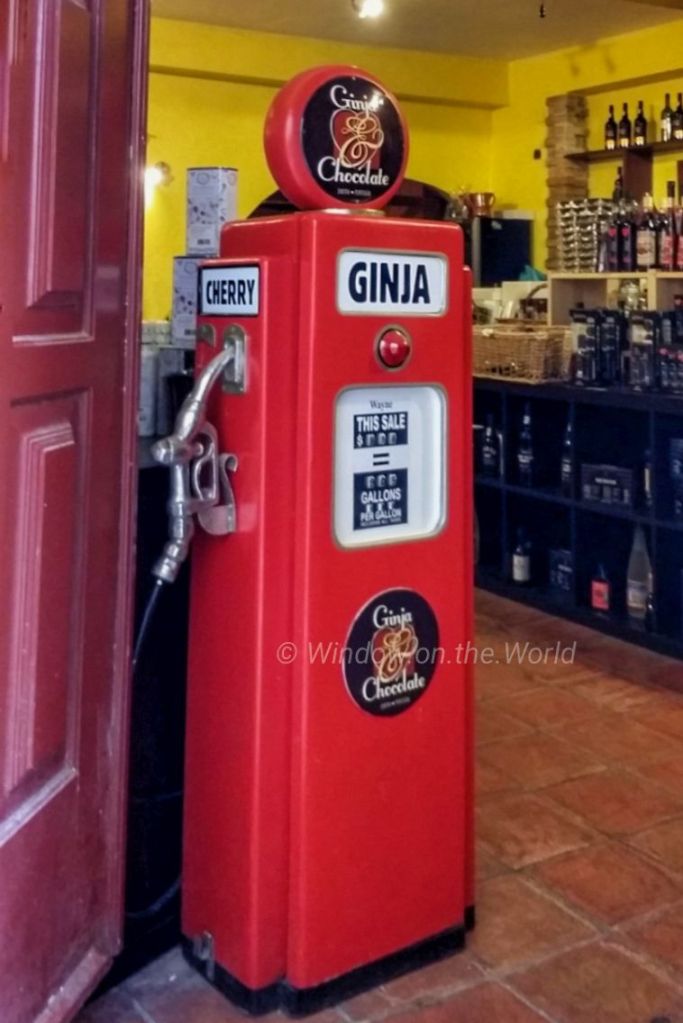
Sintra Railway StationParque da Liberdade, a botanical garden near the historical center of Sintra. Parque da Liberdade, a botanical garden near the historical center of Sintra.The Palace of Sintra, also called Town Palace, is located in the town of Sintra. It is a present-day historic house museum. It is the best-preserved medieval royal residence in Portugal, being inhabited more or less continuously from the early 15th century to the late 19th century. It is a part of the cultural landscape of Sintra, a designated UNESCO World Heritage site.The Palace of Sintra, also called Town Palace.Town center of SintraWalking around Town center of SintraWalking around Town center of SintraWalking around Town center of SintraWalking around Town center of SintraThe Pena Palace, completed in 1854, is a Romanticist castle stands on the top of a hill in the Sintra Mountains above the town of Sintra. It is a national monument and constitutes one of the major expressions of 19th-century Romanticism in the world. The palace is a UNESCO World Site.Park and National Palace of Pena, Sintra-cascais natural park.Interesting roadside sculpture in town of Sintra.The resort town of Sintra has narrow streets and mostly tourist oriented shops and bars. A tourist shop selling Ginjinha, a cherry liqueur.
After Six days in Lisbon and Sintra, it was time to fly back to shanghai, my home at that time.
In May 2017, 23 days before I was going to complete 50 years, grabbed an opportunity and took an early retirement.. Picked up a backpack and traveling ever since.. Love to travel around the world, experience different culture, local cuisine & drinks .. and take pictures.. so far been to 108 countries and still counting...




 Window on the World