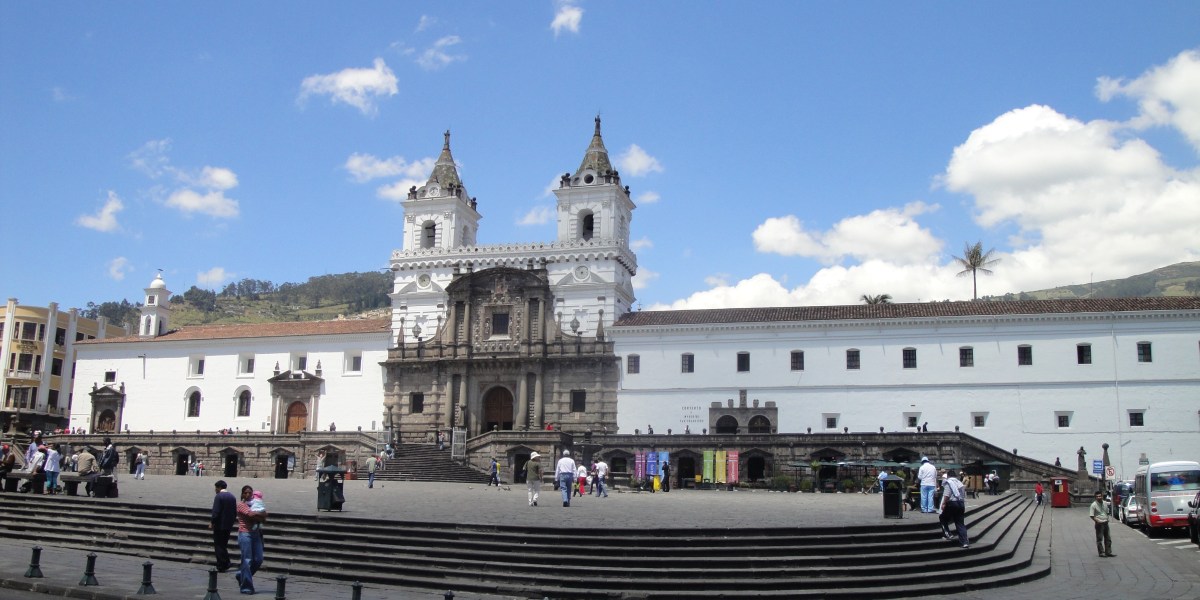
Destination 》South America
South America is a continent entirely in the Western Hemisphere and mostly in the Southern Hemisphere. South America is bordered on the west by the Pacific Ocean and on the north and east by the Atlantic Ocean; North America and the Caribbean Sea lie to the northwest. The continent includes twelve countries: Argentina, Bolivia, Brazil, Chile, Colombia, Ecuador, Guyana, Paraguay, Peru, Suriname, Uruguay, and Venezuela; two dependent territories: the Falkland Islands and French Guiana.
South America has very diverse culture of pre-Columbian civilizations mixed with African as well as Asian and European immigrants.
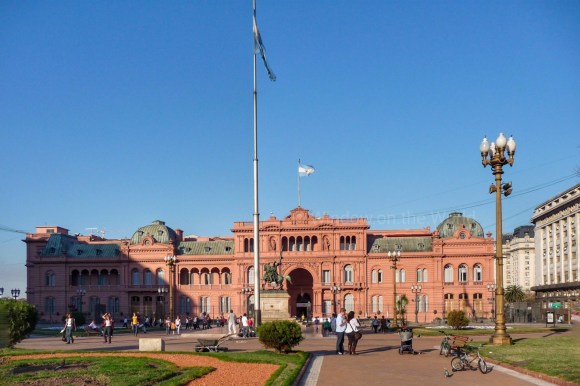
Argentina, a country in the southern half of South America, the largest Spanish-speaking nation in the world by area, shares the bulk of the Southern Cone with Chile to the west, and is also bordered by Bolivia and Paraguay to the north, Brazil to the northeast, Uruguay and the South Atlantic Ocean to the east. Argentina is famous for Meat – the highest meat-eating country in the world, Wine, Tango, Football, and Evita (Eva Perón).
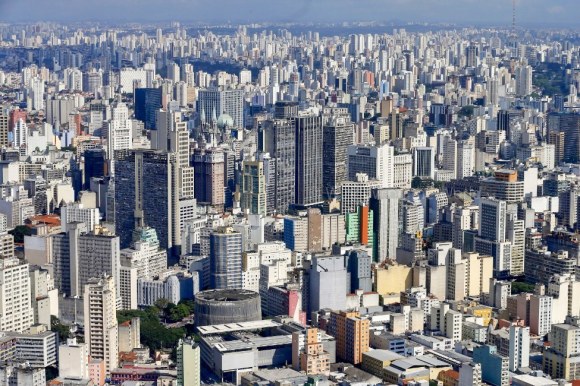
Brazil (Brasil), the largest country in the South America, bounded by the Atlantic Ocean on the east, Brazil has a coastline of 7,491 kilometers (4,655 mi). It borders all other countries and territories in South America except Ecuador and Chile, covering 47.3% of the continent’s land area. It is also one of the most multicultural and ethnically diverse nations, due to over a century of mass immigration from around the world.
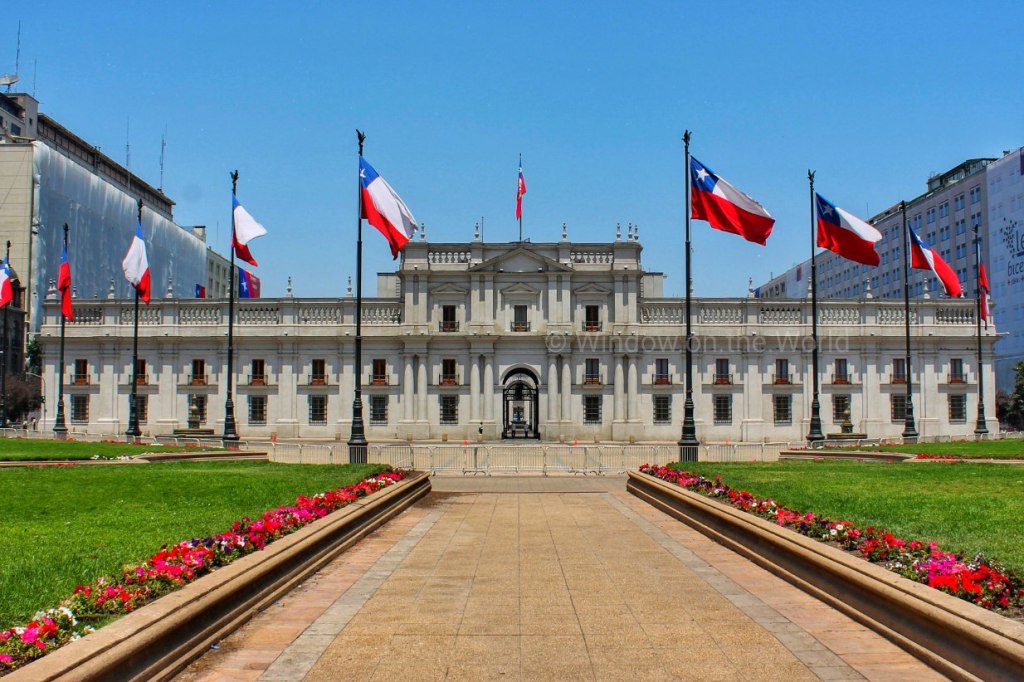
Chile is a long, narrow country along the southern half of the west coast of South America, between the Andes and the Pacific Ocean. The bordering countries are Peru to the north, Bolivia to north east and Argentina to the east. Chile has over 5,000km (3,100 miles) of coast on the South Pacific Ocean.
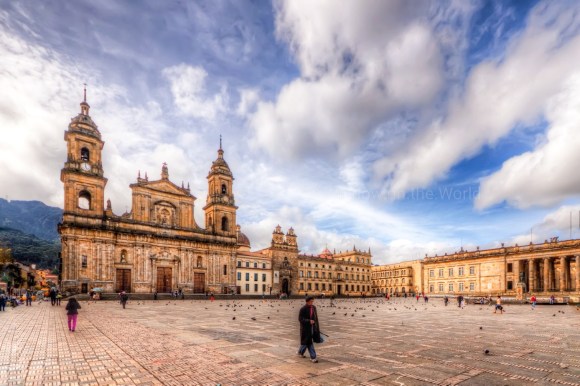
Colombia is a transcontinental country spanning South America and an insular region in North America. It is bordered by the Caribbean Sea to the north, Venezuela to the east, Brazil to the southeast, Ecuador and Peru to the south, the Pacific Ocean to the west, and Panama to the northwest.
The country was named in honor of Christopher Columbus, following the Italian version of his name (Cristoforo Colombo). Although Columbus never actually set foot on the current Colombian territory, in his fourth voyage he visited Panama, which was part of Colombia until 1903.
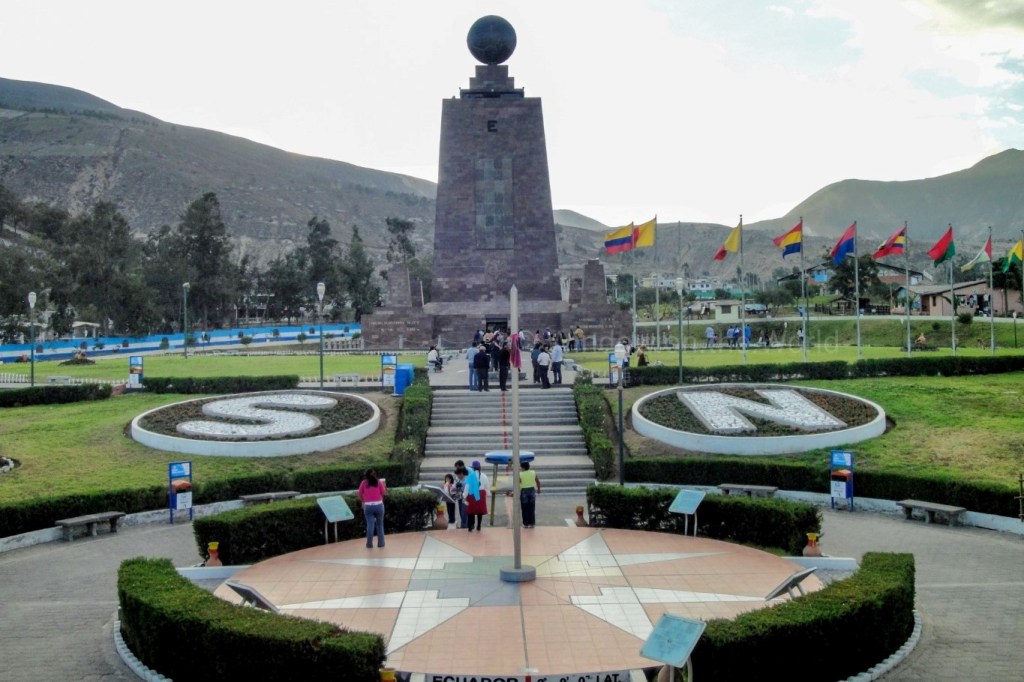
Ecuador, named after the Equator, the imaginary line around the Earth that splits the country in two. Ecuador is a country in northwestern South America, bordered by Colombia on the north, Peru on the east and south, and the Pacific Ocean on the west. Ecuador also includes the Galápagos Islands in the Pacific, about 1,000 kilometers (621 mi) west of the mainland.
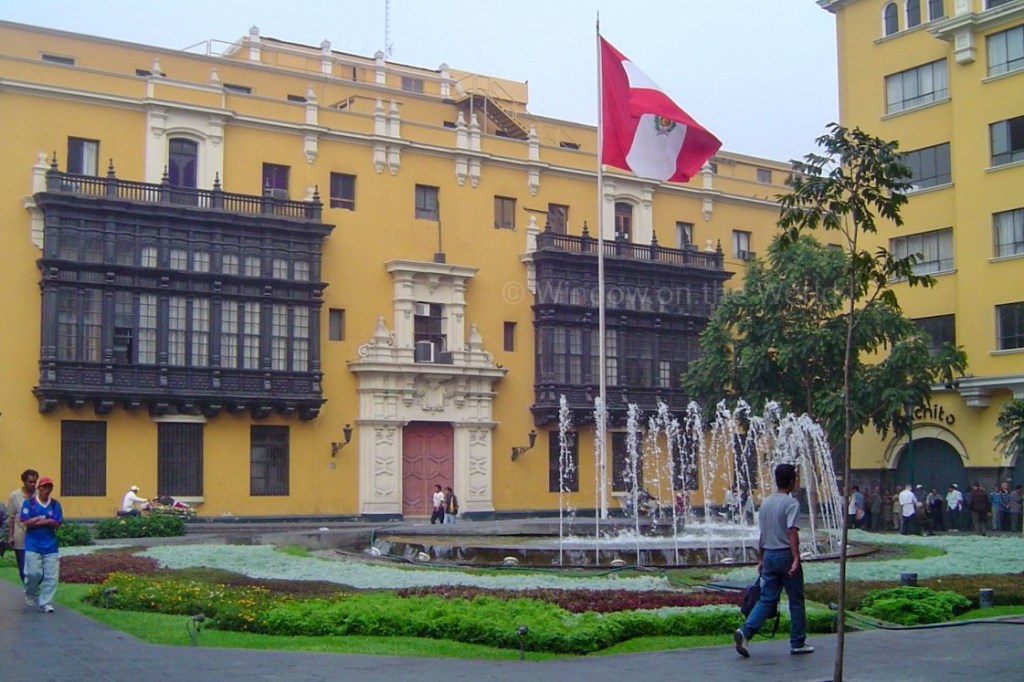
Peru, a country in western South America, bordered in the north by Ecuador and Colombia, in the east by Brazil, in the southeast by Bolivia, in the south by Chile, and in the south and west by the Pacific Ocean.
Peruvian territory was home to several ancient cultures. Ranging from the Norte Chico civilization starting in 3500 BCE, the oldest civilization in the Americas, to the Inca Empire, the largest known state in the pre-Columbian Americas
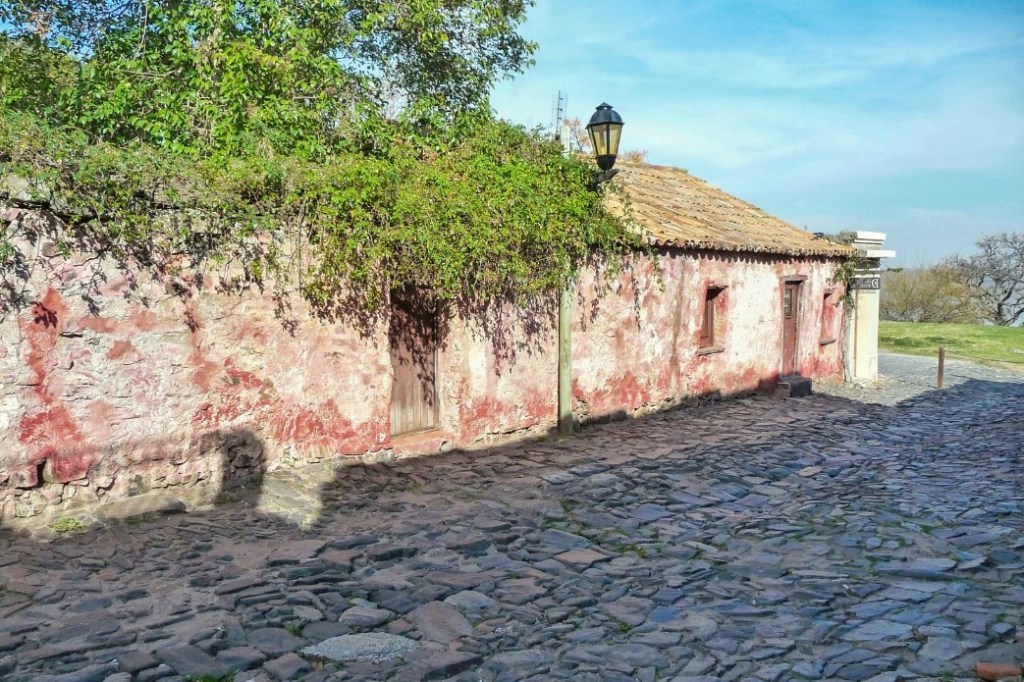
Uruguay, the second-smallest country in South America, has a South Atlantic Ocean coastline and lies between Argentina to the west and Brazil to the north. Most Uruguayans have ancestors from Spain and Italy who immigrated to the country in the 19th and 20th centuries. Uruguay is often called the Switzerland of South America because of its stable democracy and mostly due to a developed financial sector based on bank secrecy.
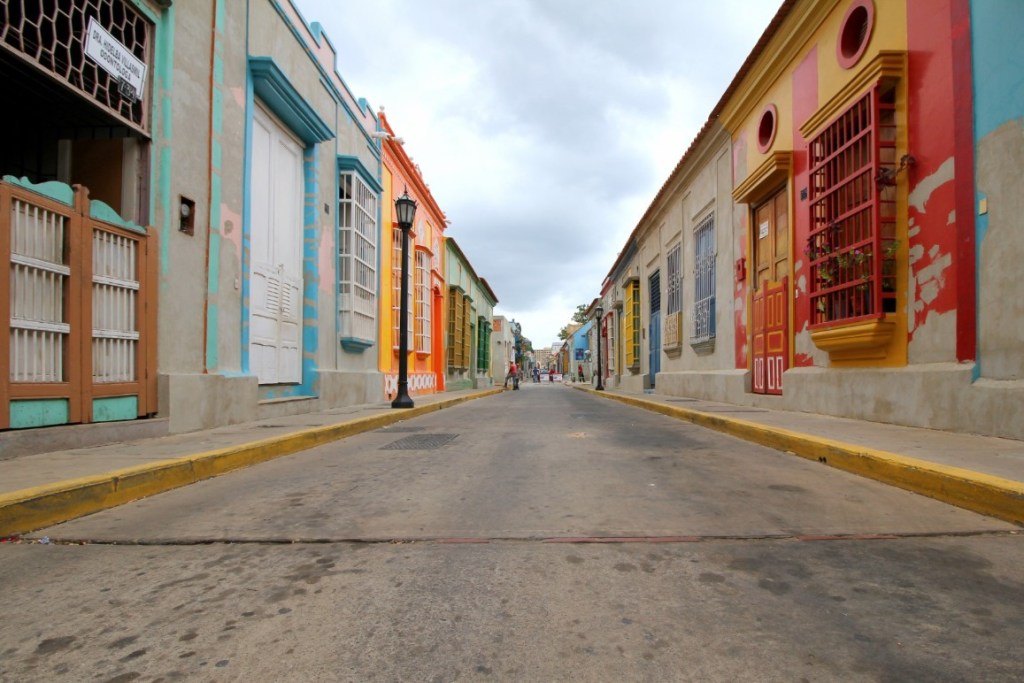
Venezuela is a country in South America consisting of a continental landmass and many islands and islets in the Caribbean Sea. Having a shoreline along the Caribbean Sea and the North Atlantic Ocean, Venezuela borders Colombia to the west, Guyana to the east and Brazil to the south. Venezuela has the world’s largest known oil reserves and has been one of the world’s leading exporters of oil. Venezuela is among the most urbanized countries in Latin America; the vast majority of Venezuelans live in the cities of the north and in the capital.