I visited Lithuania in February 2017 during Chinese New Year, as a backpacking trip across Baltic Nations — Estonia, Latvia, and Lithuania. Lithuania, a former Soviet Republic, is a country on the eastern coast of the Baltic Sea in Northern Europe.
For centuries, the southeastern shores of the Baltic Sea were inhabited by various Baltic tribes. In the 1230s, the Lithuanian lands were united and the Kingdom of Lithuania was created in 1253. During the 14th century, the Grand Duchy of Lithuania was the largest country in Europe with territories including present-day Lithuania, Belarus, Ukraine, and parts of Poland and Russia. In 1569, Lithuania and Poland formed a voluntary two-state personal union, the Polish–Lithuanian Commonwealth. The Commonwealth lasted more than two centuries, until neighboring countries systematically dismantled it from 1772 to 1795, with the Russian Empire annexing most of Lithuania’s territory.
In 1940 Lithuania was forcibly incorporated into the U.S.S.R. as one of its constituent republics. Lithuania remained a Soviet republic until 1990, when it became the first Baltic state to proclaim its independence.
I made Vilnius, a beautiful capital of Lithuania, my base for 4 days and made a day trip by trains to Trakai, a former capital city of Grand Duchy of Lithuania.
Vilnius is the largest city of Lithuania, as well as its cultural, industrial, and financial center. The area of Vilnius has been inhabited since the Mesolithic era, but it only became a capital city in 1323 when Grand Duke transferred the Seat from Trakai to Vilnius.
Vilnius is known for the architecture in its Old Town, and declared a UNESCO World Heritage Site in 1994.
Picture below are from my few days of walking around the old town of Vilnius.
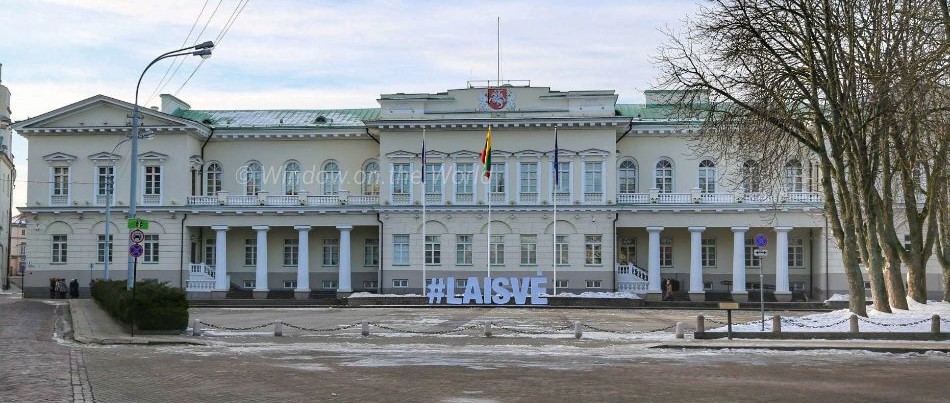
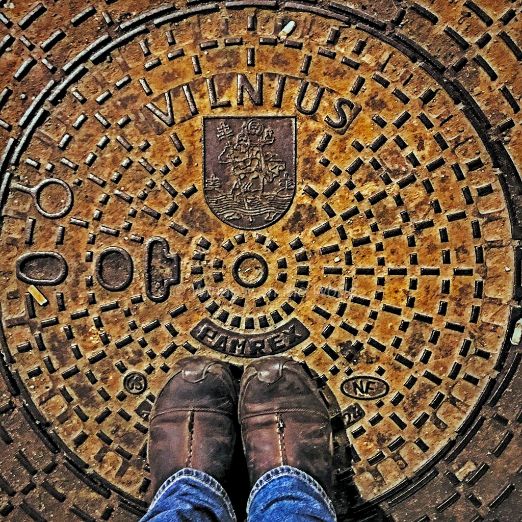
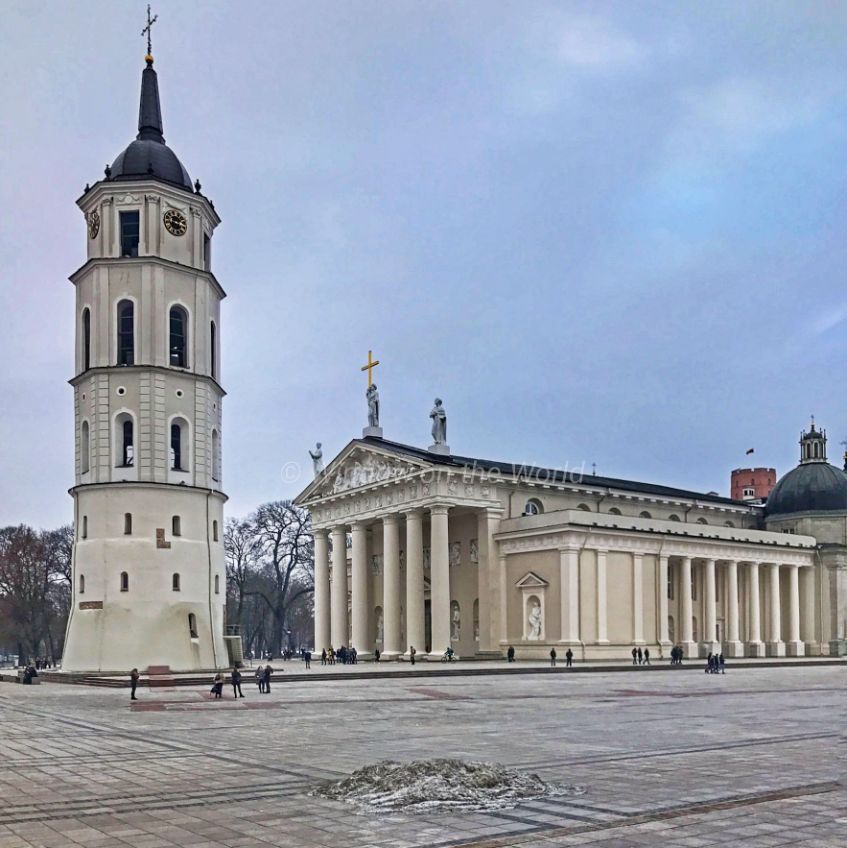
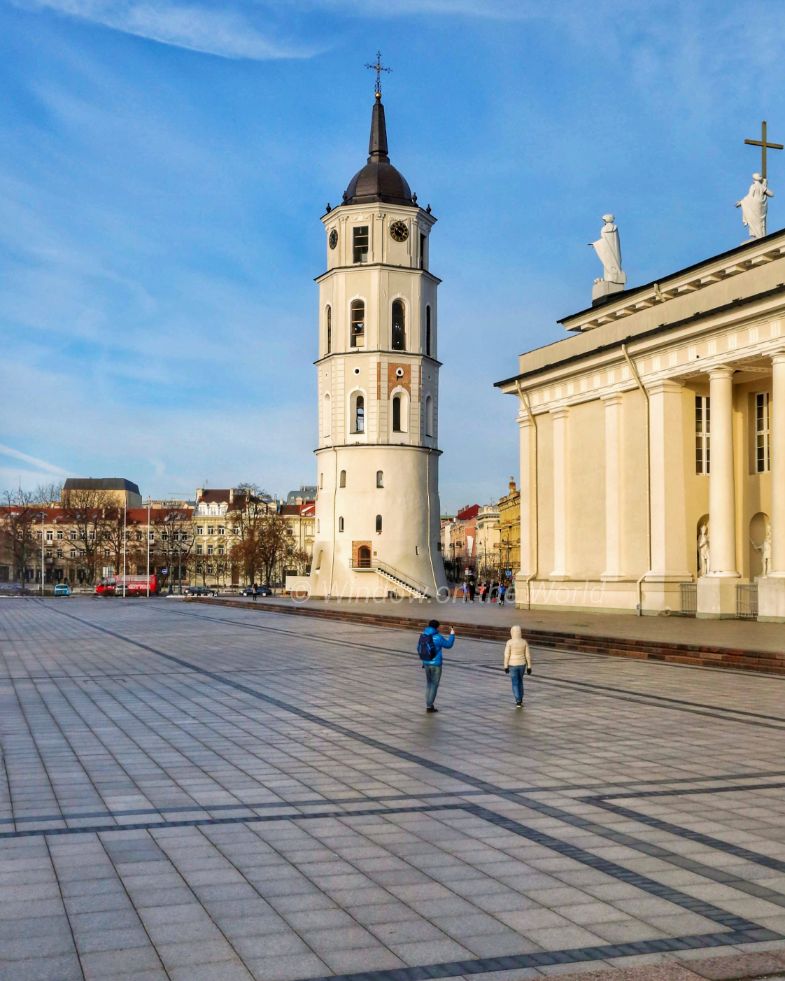
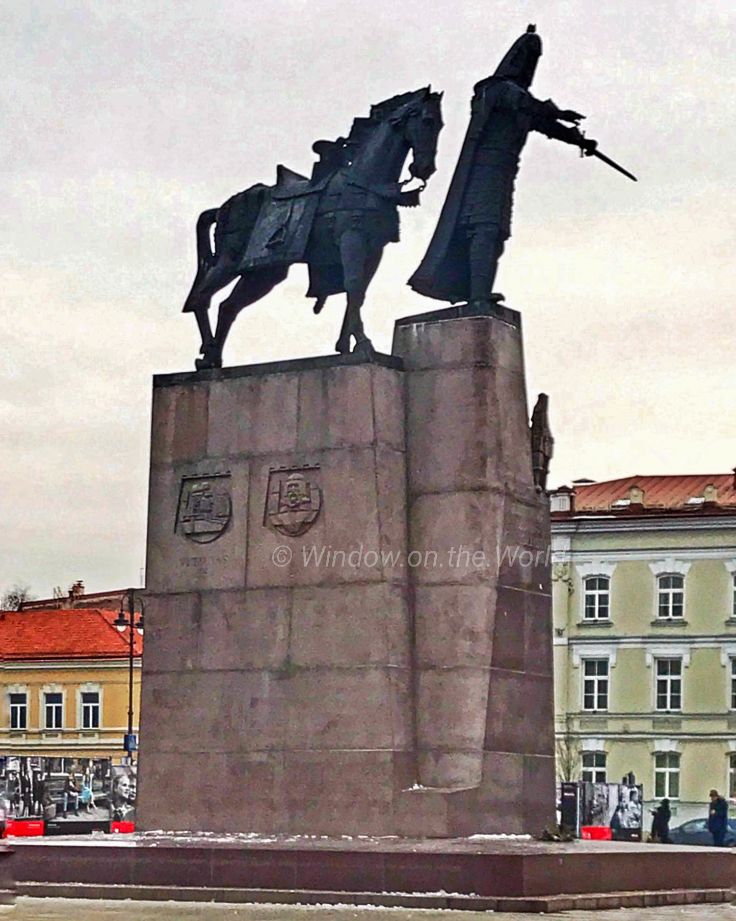
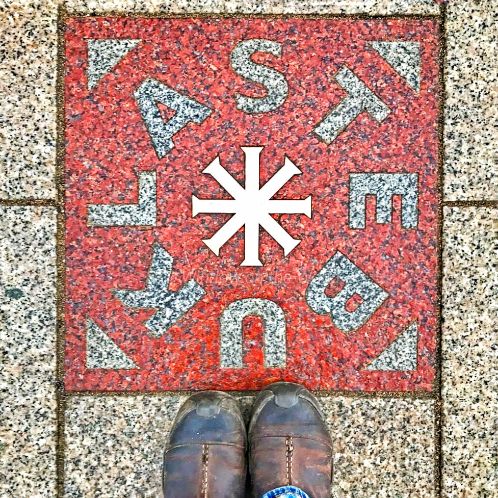
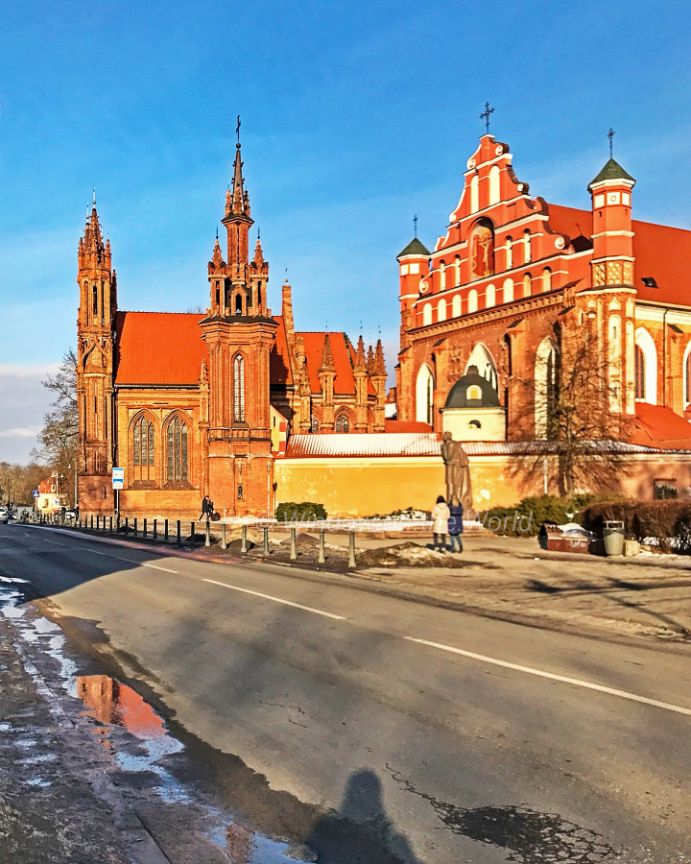
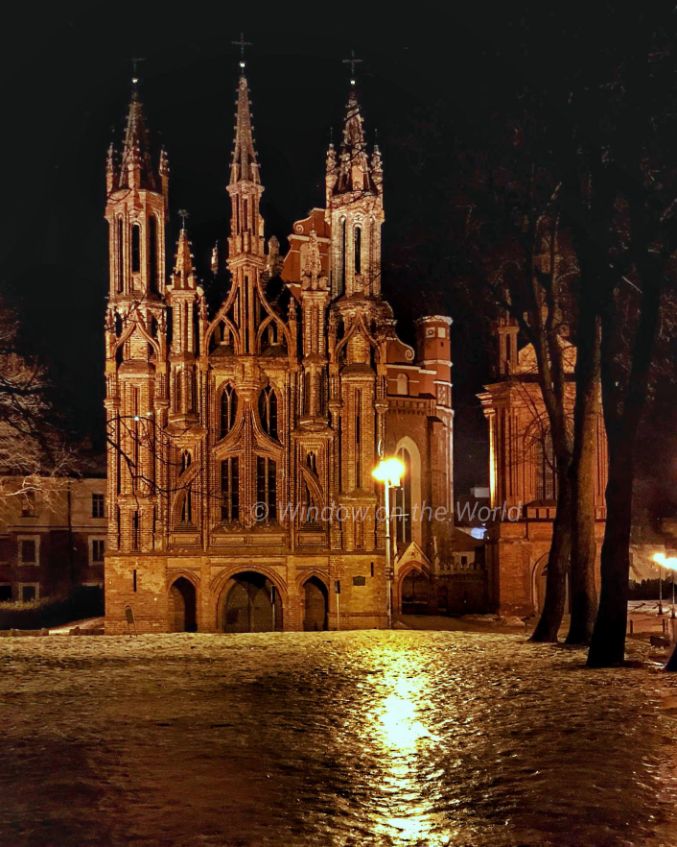
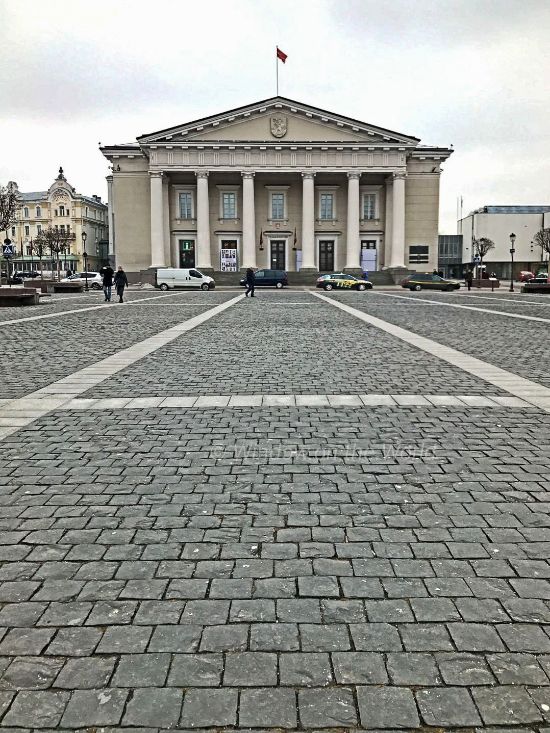
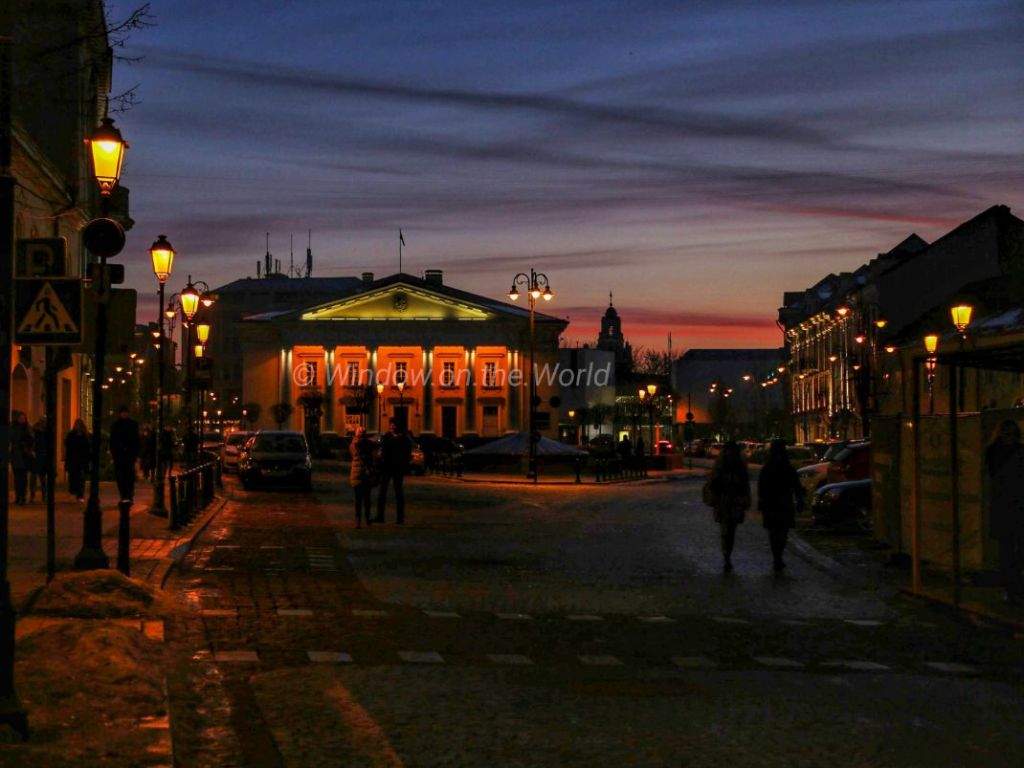
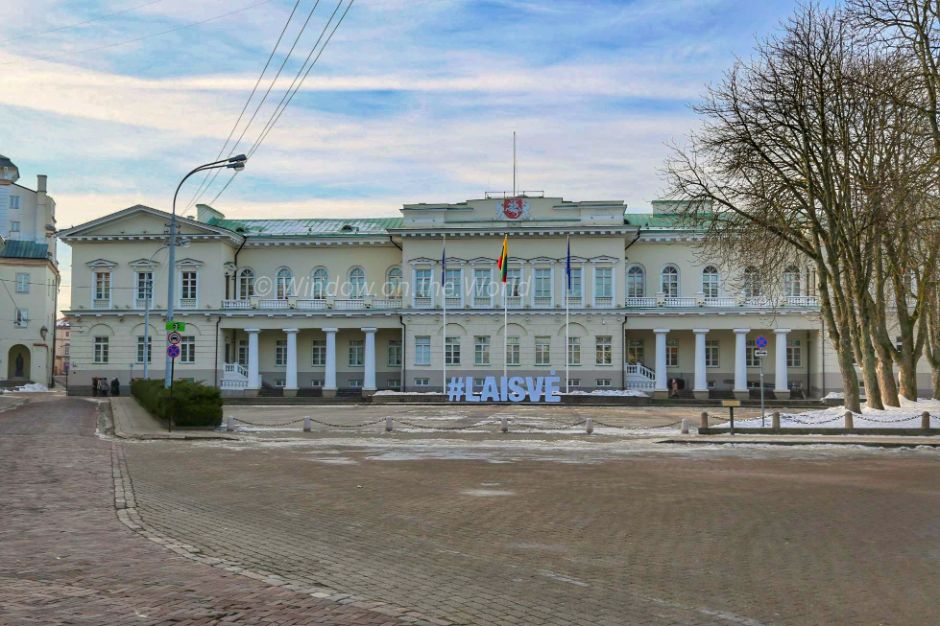
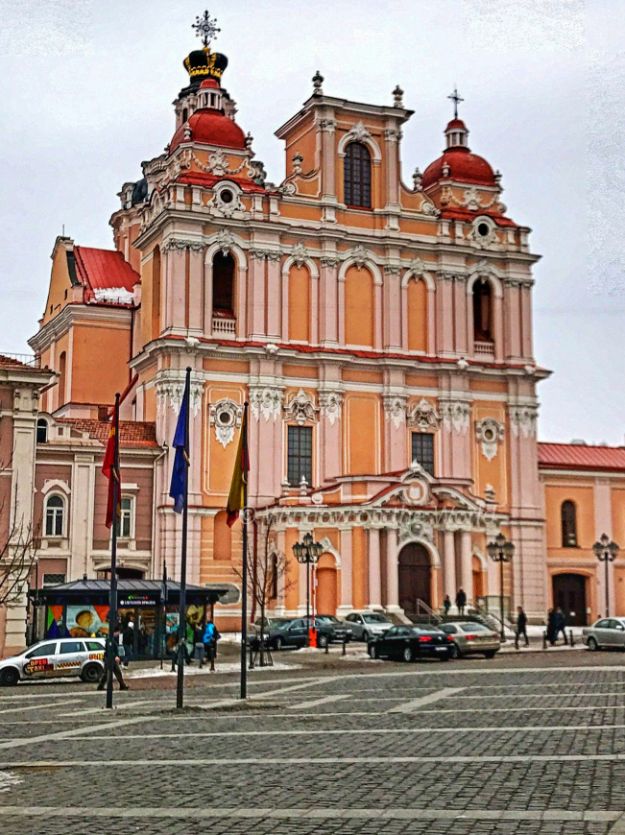
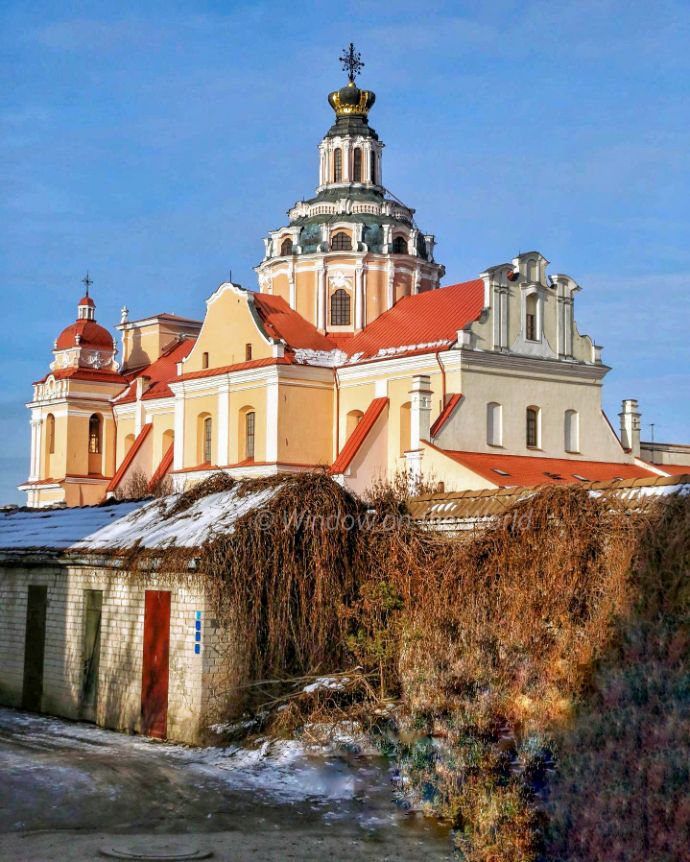
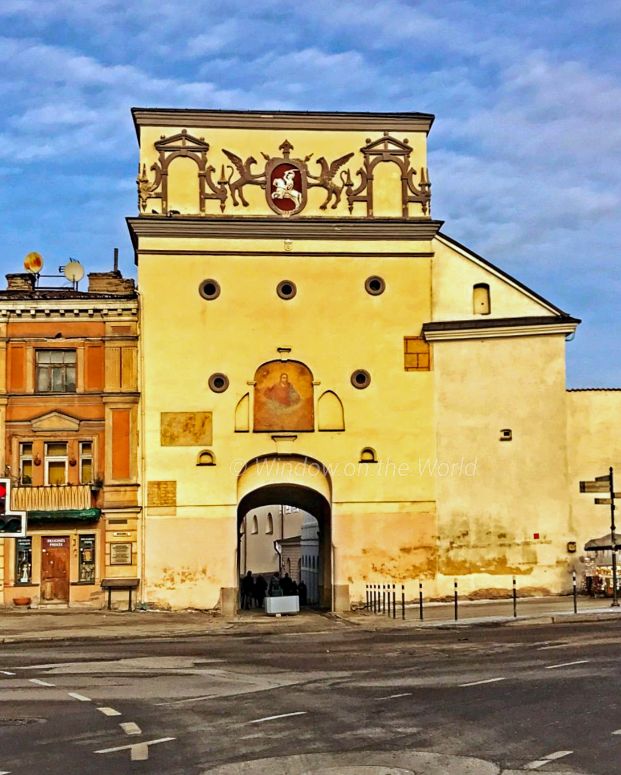
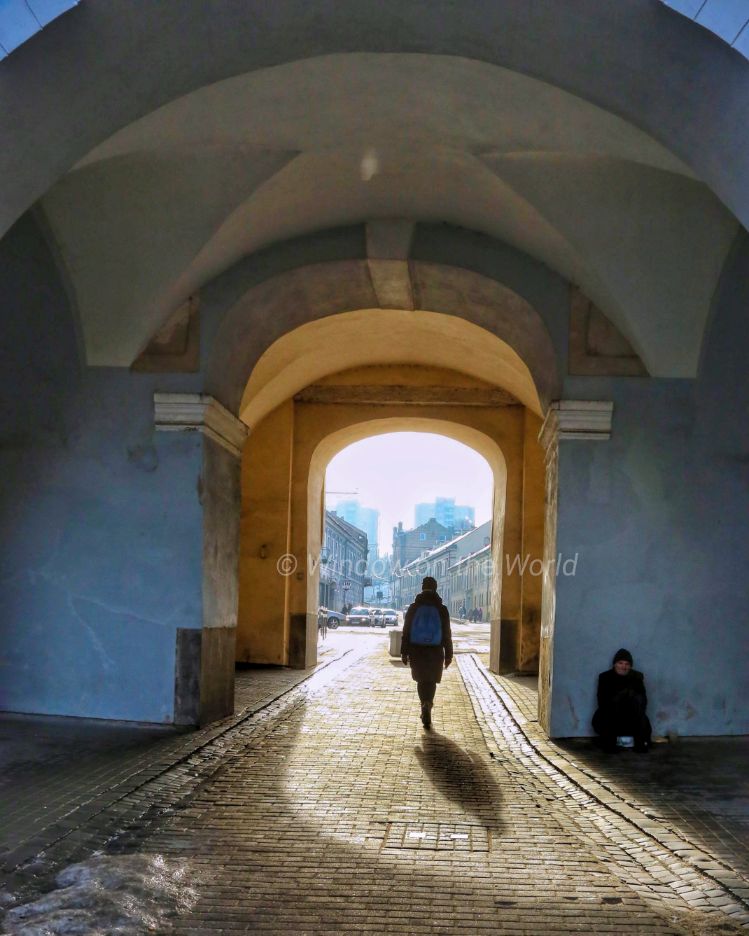
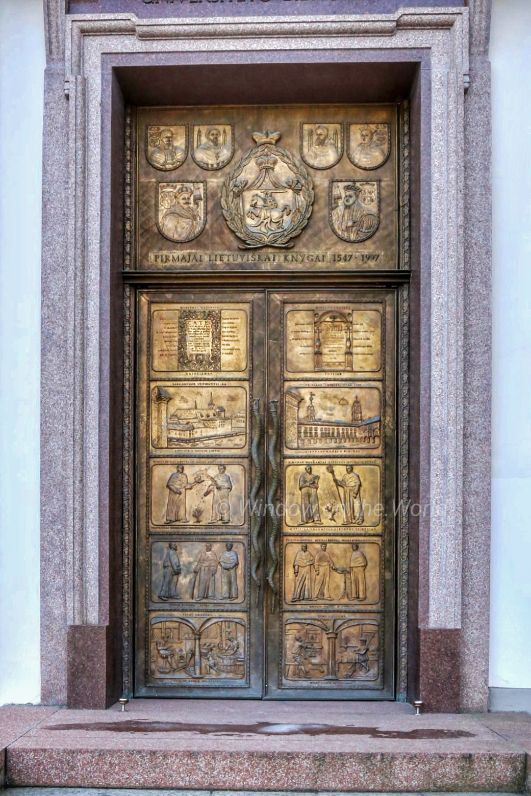
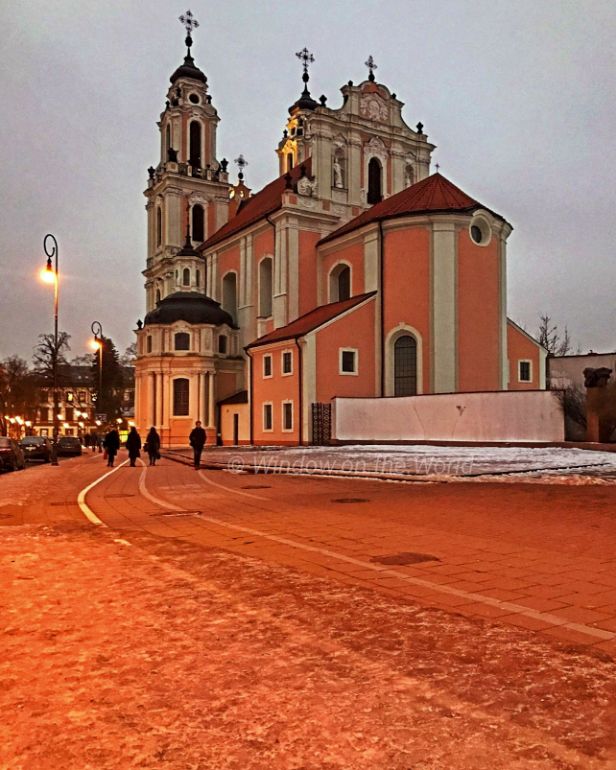
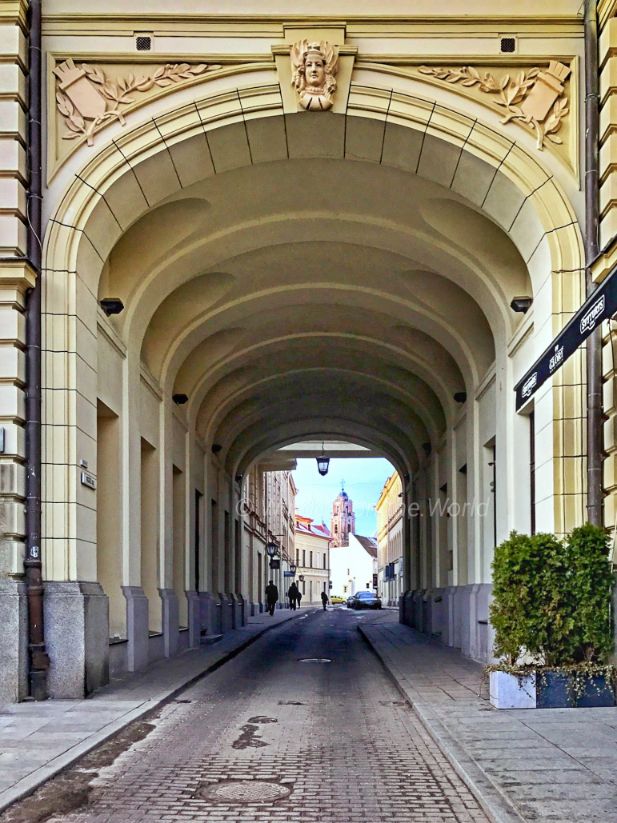
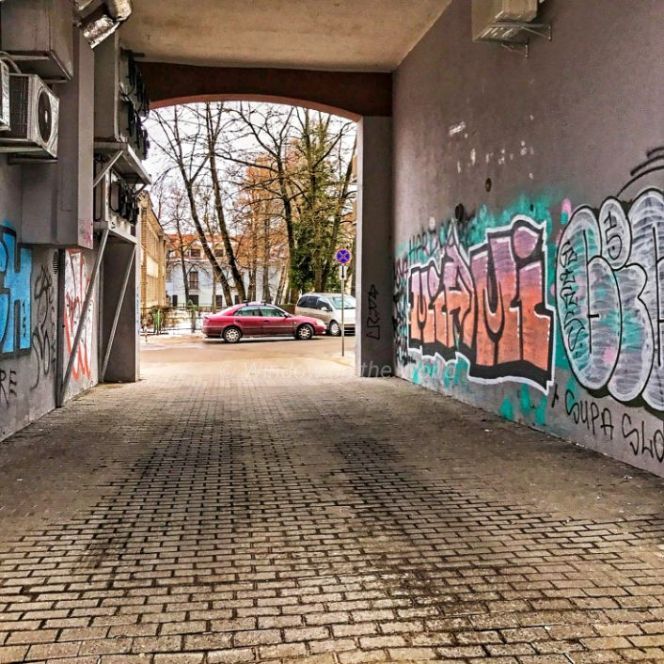
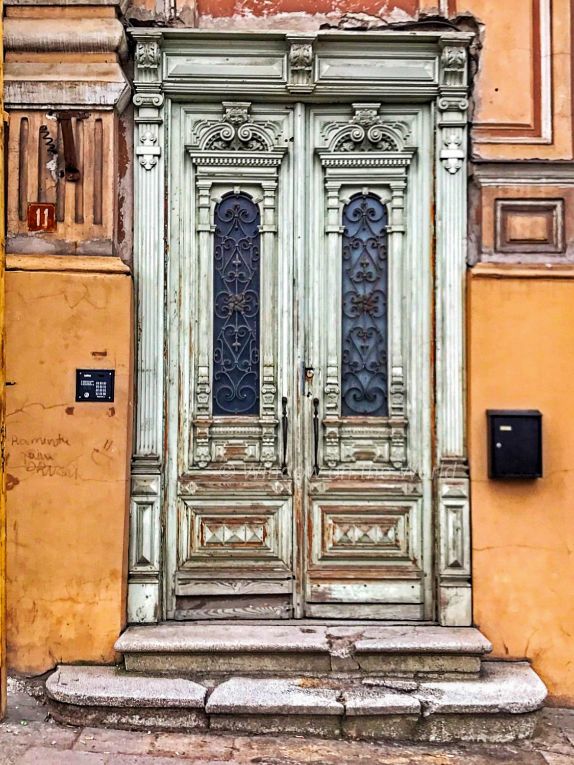
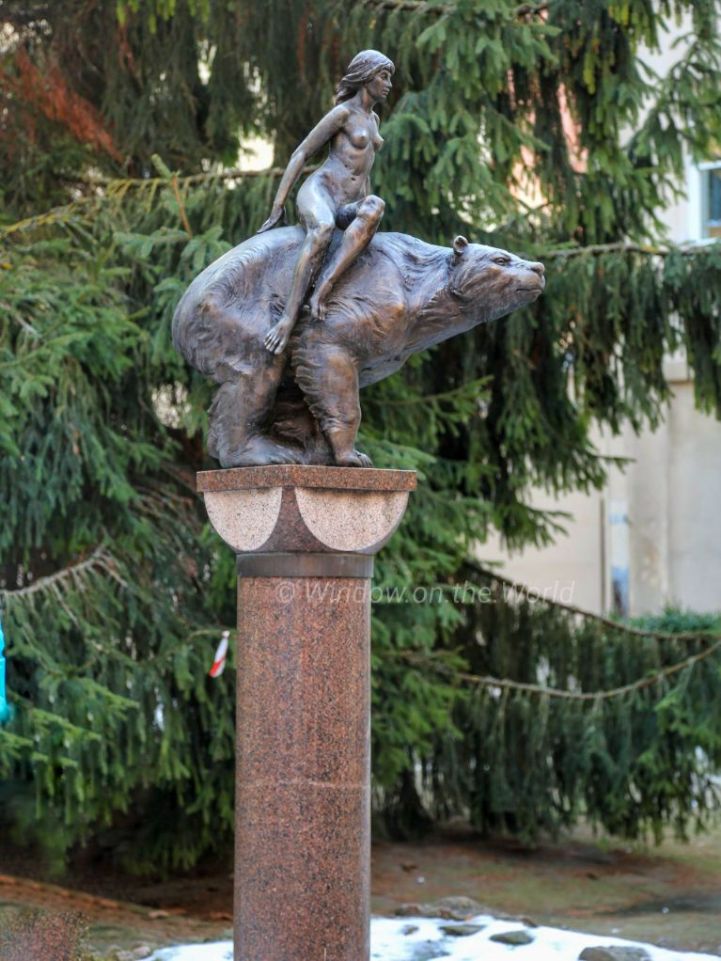
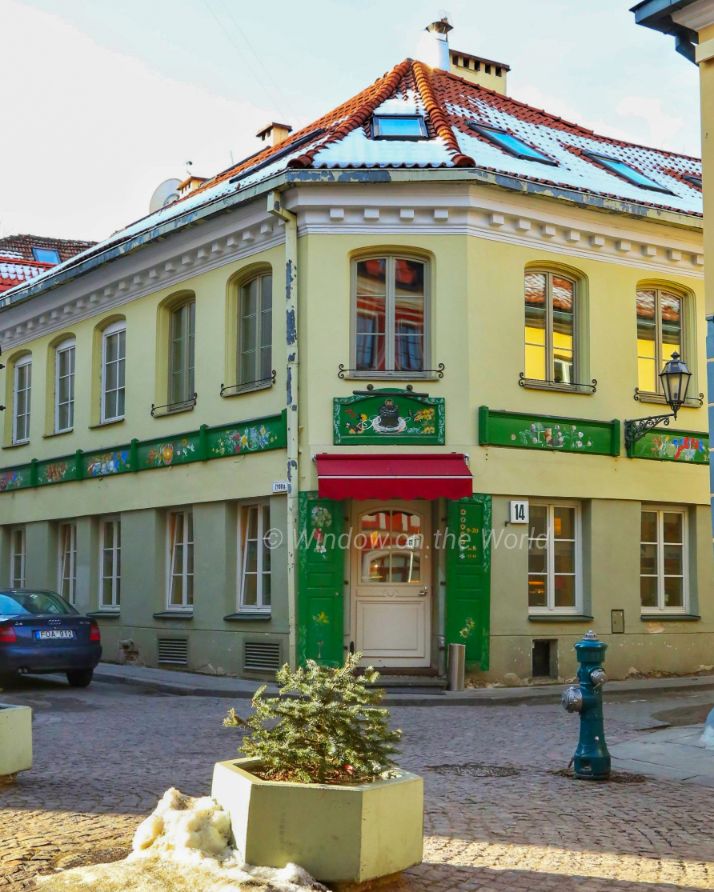
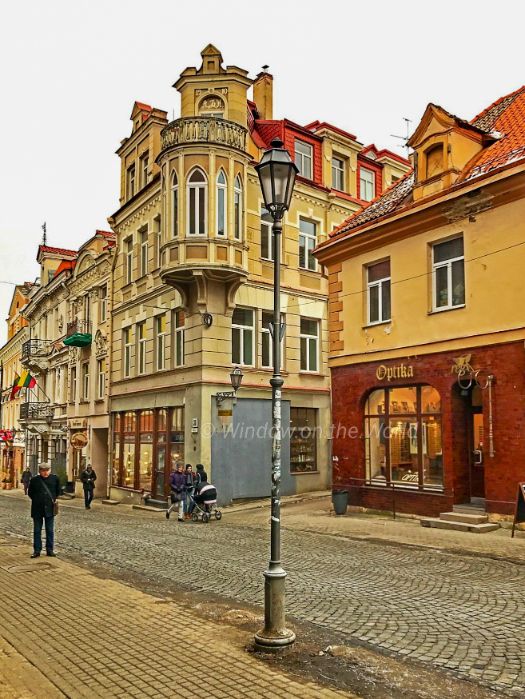
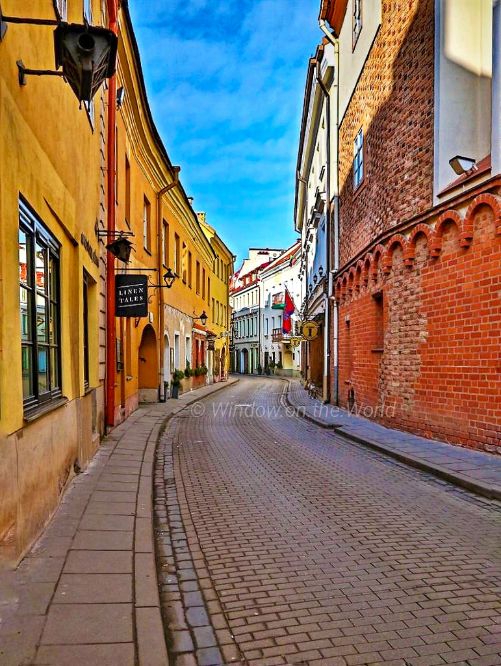
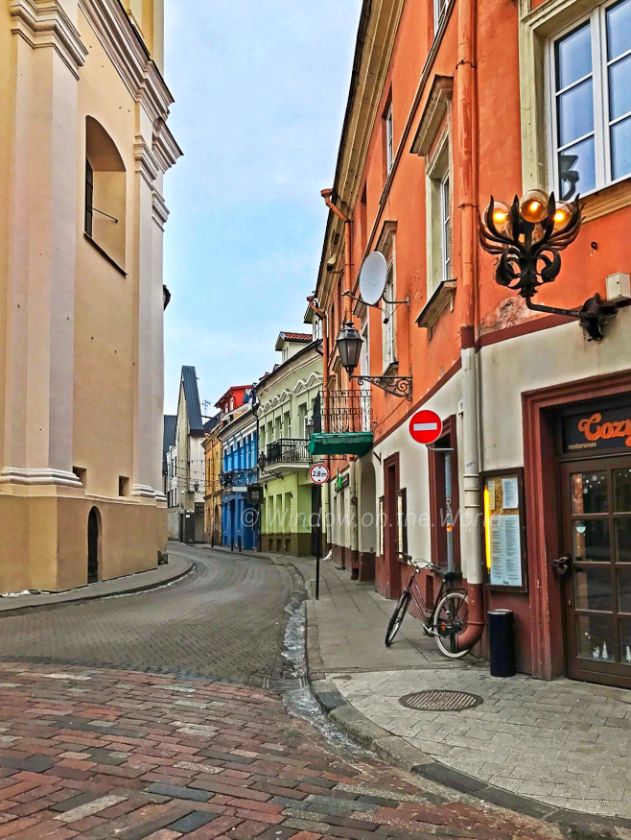
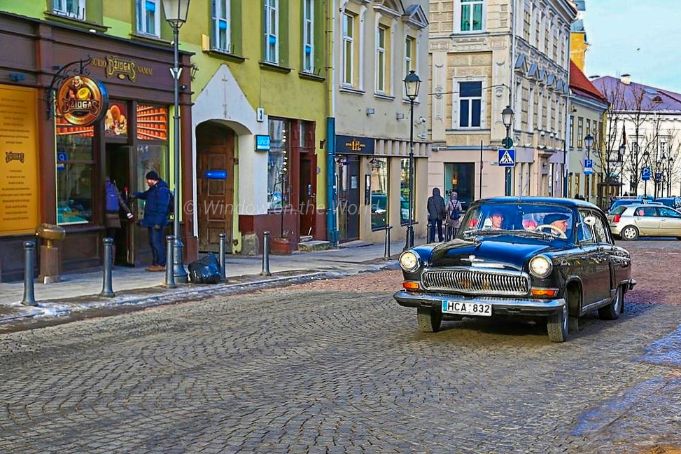
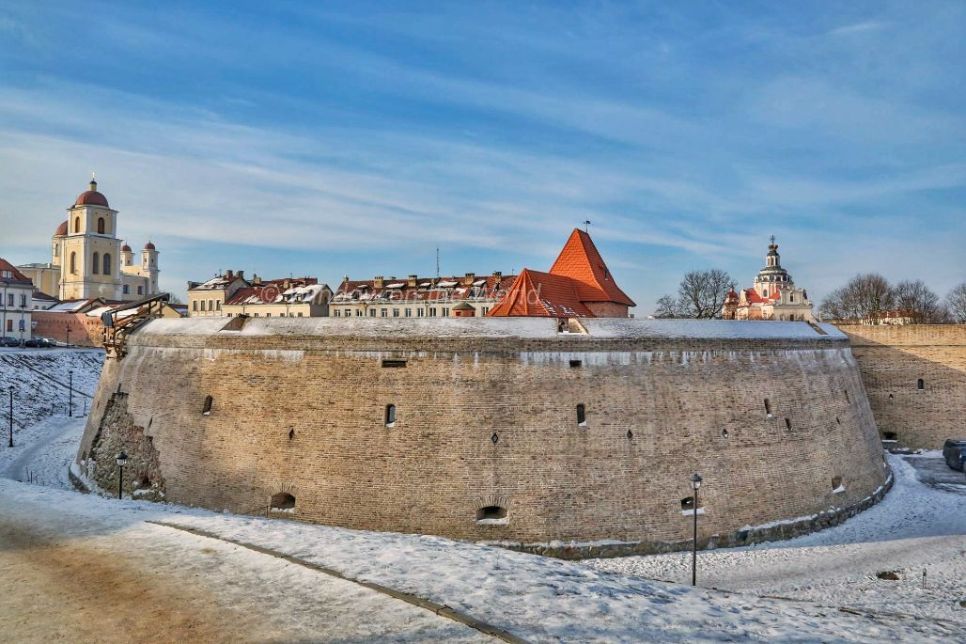
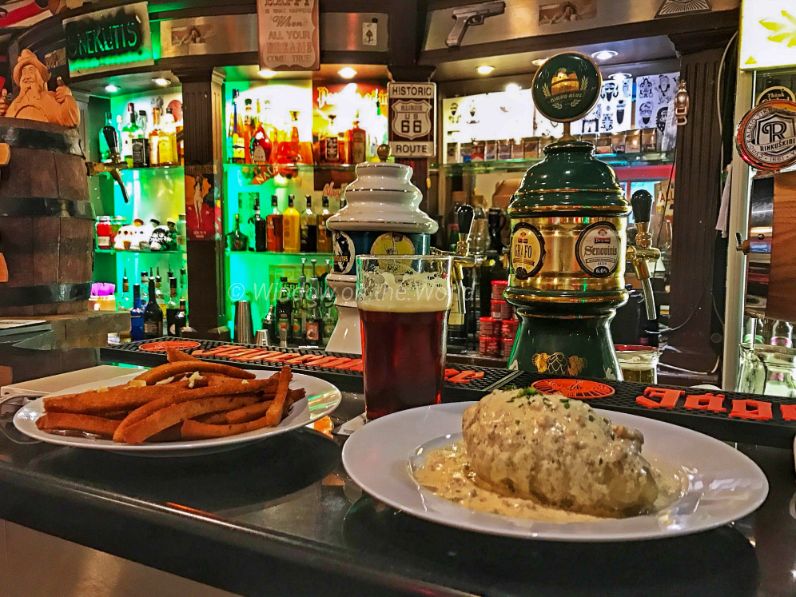
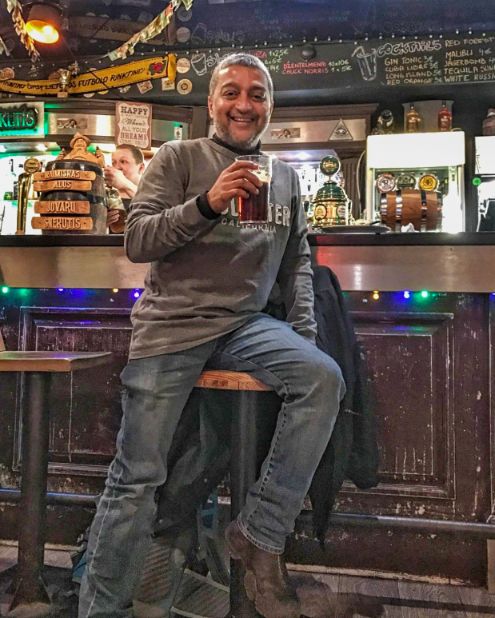
Welcome to Lithuania! Welcome Vilnius! A beautiful Manhole Cover with Coat of Arms of Vilnius. The Cathedral of Vilnius, the main Catholic church of Lithuania, current structure was built in 1783 on the site of a temple of the Baltic pagan god Perkūnas. The original cathedral was constructed in 1251 after King’s conversion to Christianity. After King Mindaugas’s death in 1263, the first cathedral again became a place of pagan worship.The history of the bell tower dates back to the middle of the 13th century: the defensive tower that stood here in the 16th century became a bell tower and got its current appearance at the beginning of the 19th century. The city’s oldest clock at the top of the tower chimes its bells to invite people to mass.Monument to Grand Duke Gediminas, the founder of Trakai and Vilnius, and one of the most famous rulers of ancient Lithuania. He holds a sword in his left hand and blesses the city with his right hand.Stebuklas (a Miracle) tile in the Cathedral Square plaza. People believe it helps their wishes materialize; they Stand on the tile, Close their eyes, Make a wish and turn around, clockwise. In 1989, an estimated two million people from Estonia, Latvia and Lithuania formed a continuous human chain stretching 650 km across the three Baltic countries in protest against Soviet occupation. The Stebuklas (“miracle”) tile marks one end of this colossal and awe-inspiring event.St. Anne’s Church, a Roman Catholic church, is a prominent landmark in the Old Town of Vilnius that enabled the district to be included in the list of UNESCO World Heritage sites. The present brick church was completed in 1500 on the site of a previous wooden church, which was destroyed by a fire in 1419. The exterior of the church has remained almost unchanged since then.St. Anne’s Church after dark.Vilnius Town Hall (Rotušė), a historical town hall in the Old Town of Vilnius. Originally built as a Gothic style building, in early 15th century, has since been reconstructed many times. The current Vilnius Town Hall was rebuilt in neoclassical style during 1799. It has remained unchanged since then.Vilnius Town Hall (Rotušė) after dark.Façade of The Presidential Palace, the official office and eventual official residence of the President of Lithuania. The palace dates back to the 14th century and during its history it has undergone various reconstructions.The Baroque Church of St. Casimir, an advocate and guardian of Lithuania, constructed in 1604. The church towers are decorated with a royal crown. In 1949, Soviet authorities closed the Church and converted the building into a wine warehouse, all church equipment was destroyed.Backside view of The Baroque Church of St. CasimirThe Gate of Dawn, built between 1503 and 1522, as a part of defensive fortifications for the city of Vilnius and one of its most important religious, historical and cultural monuments. The Chapel in the Gate of Dawn contains an icon of The Blessed Virgin Mary Mother of Mercy, said to have miraculous powers. Out of ten city gates, only the Gate of Dawn remains, while the others were destroyed by the order of the government at the end of the 18th century.A woman is passing through the Gate of Dawn.A bronze door at the Vilnius University Library commemorates the first Lithuanian book. Vilnius University, founded in 1579, is the oldest university in the Baltic states.The Church of St. Catherine, a Roman Catholic church built in 1618. After independence of Lithuania, the church was restored in 2006 and became a multicultural center that unites art, theater, poetry and music.A Passage way on Pasažo skg. in Vilnius old town.Street art on residential wallsBeautiful wood carving on an old apartment doors.Sculpture of Medeina on the bear. Medeina is one of the main deities in the Lithuanian mythology, is ruler of forests, trees and animals.Poniu Laime, one of the most popular cafe/bakery in Old Town, is located in the historic Jewish quarterWalking around the Vilnius old town, love that corner house with extended enclosed balcony,Sunday morning walk around the Vilnius old town.Sunday morning walk around the Vilnius old town.An Antique car in Vilnius Old town.The fortification bastion was built in 1503 as part of the city’s defensive wall system, which consisted of 10 gates. The wall formed a closed circle – almost two and a half kilometers in perimeter – around the entire city. The bastion suffered greatly from 1655 to 1661 during a war with Russia. In the late 18th century, the bastion area was turned into a city dump. It was rebuilt in the 20th century and turned into a museum in 1987.Cepelinai (Potato Dumplings Filled with Minced Meat) and Kepta Duona (Fried Bread with Garlic) with home-brewed beer at Šnekutis bar/restaurant.Celebrating Lithuania as my 75th unique country with locally brewed Beer.
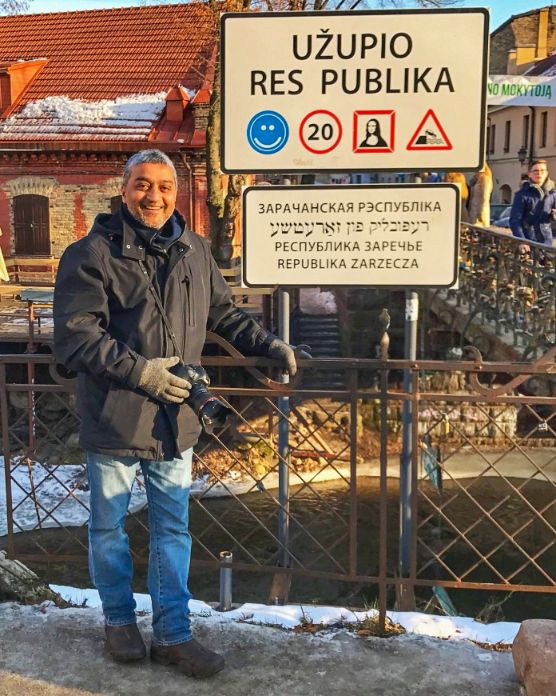
While is Vilnius, I walked to The Republic of Užupis, a neighborhood largely located in Vilnius’s old town. Užupis means “beyond the river” or “the other side of the river” in the Lithuanian language and refers to the Vilnia River; the district has been popular with artists for some time. On April 1 (April Fool’s Day), 1998, the district declared itself an independent republic, along with its own constitution, own flag, unofficial currency, president, cabinet of ministers, an anthem, and an army of approximately 11 men.
Pictures below are from my walking around the The Republic of Užupis.
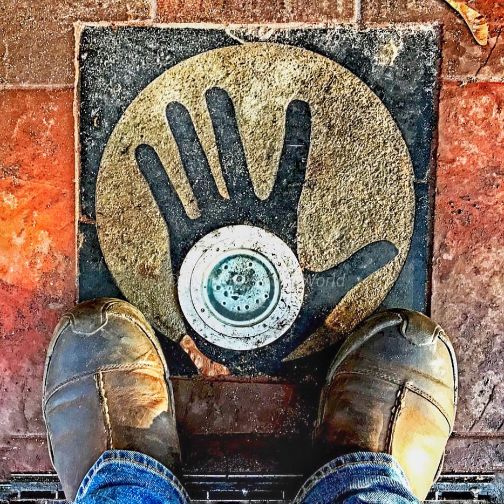
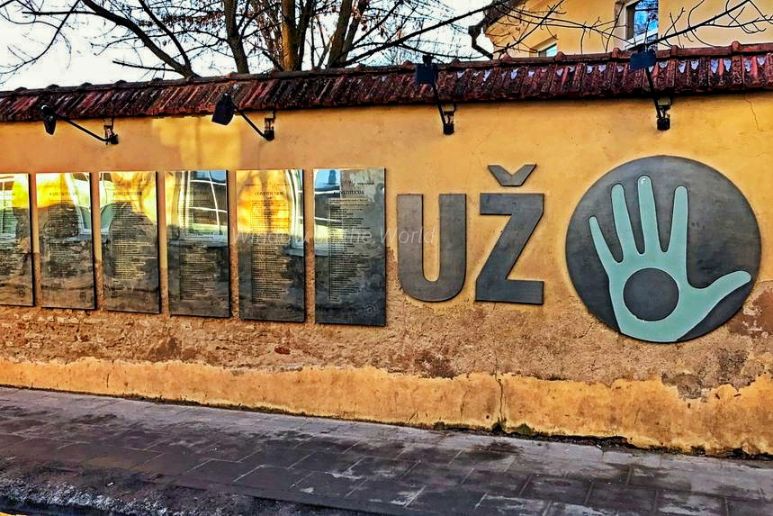
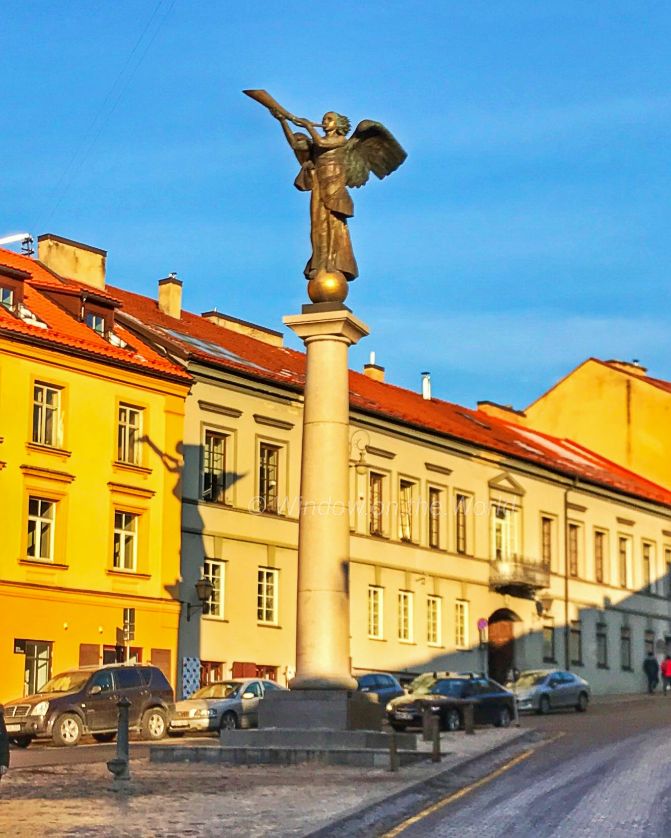
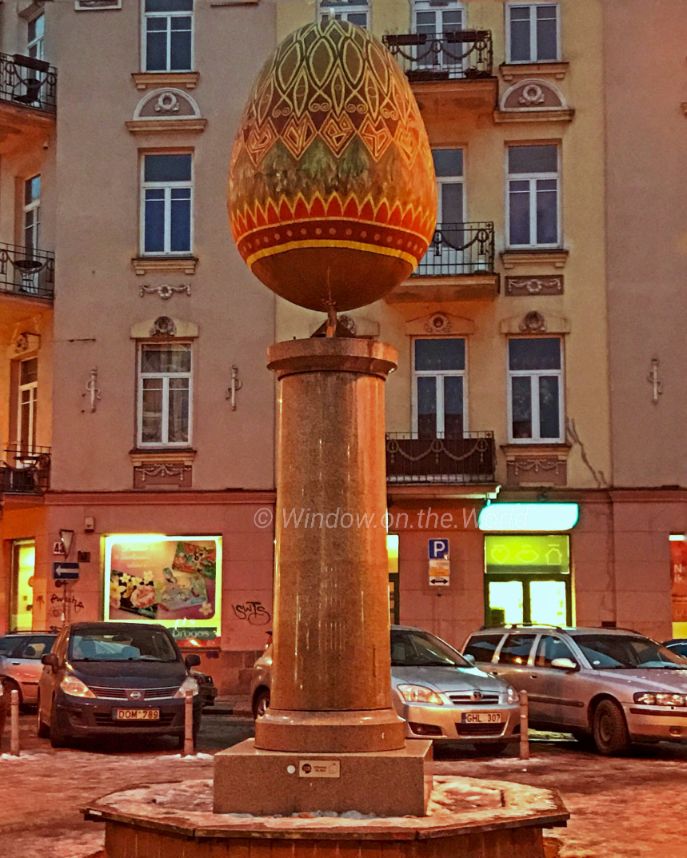
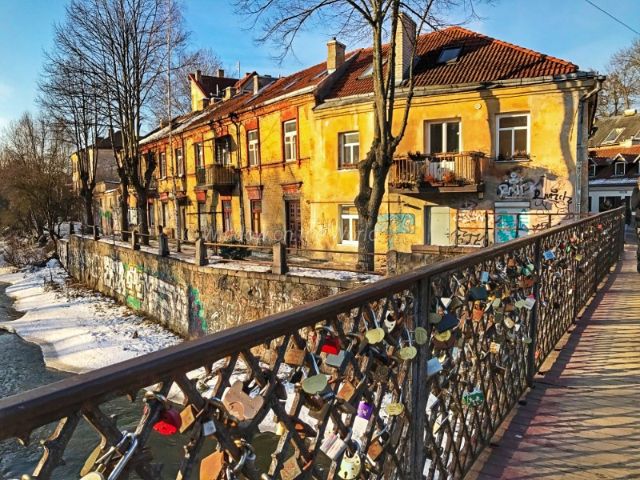
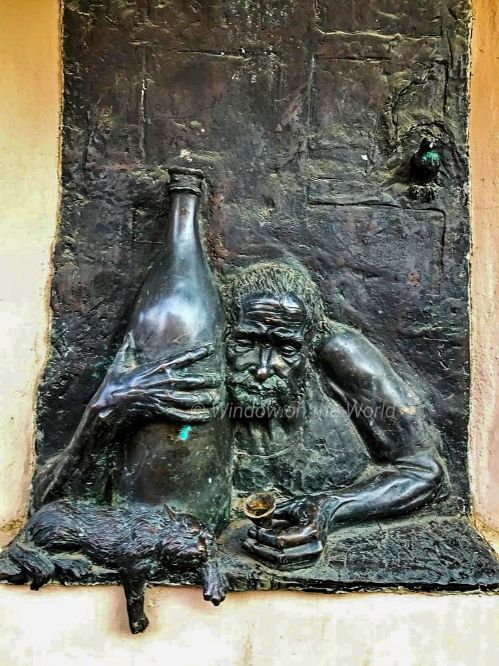
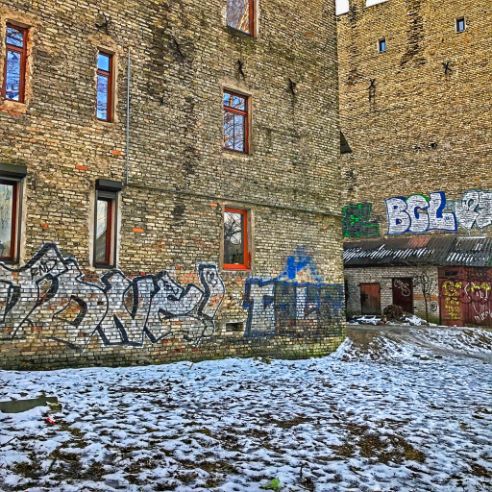
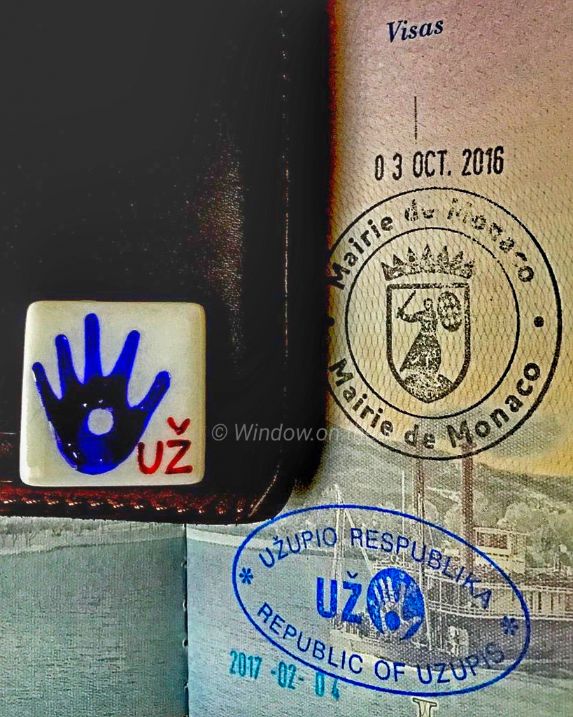
Welcome to The Republic of Užupis! One of the smallest (2 km2) and one of oldest districts of Vilnius, former home to craftsmen and artists, almost entirely exterminated during Holocaust, poor (no hot water or almost no electricity) and therefore doggy in Soviet times, today’s Užupis-one of most expensive districts in the city, living wealthy cultural life. On 1st of April 1998, Užupis community declared itself an Independent Republic.A beautiful tile with Coat of Arms of The Republic of Užupis. I will add this in my Manhole Cover collection. Copies of the 38 articles of the Republic of Užupis’ constitution and 3 mottos – “Don’t Fight”, “Don’t Win”, “Don’t Surrender” – in 23 languages, can be found affixed to a wall in Paupio street alongside Užupis’ Coat of Arms.Angel of Užupis – Symbol of the tiny republic, was unveiled in 2002. The Angel of Užupis stands on an 8.5-metre pedestal blowing its horn and announcing the revival and the artistic freedom of the Užupis district to the world.Margutis Easter Egg, A 300-kilogram egg sculpture, crafted in 2001. The giant egg originally stood in Užupis and was symbolic of a revival taking place in the neighborhood.The Mermaid Bridge, one of seven bridges over the Vilnele River, is a ‘border crossing’ into the Republic of Uzupis. The bridge has become a popular place for lovers to leave padlocks, Love Locks.Humorous figures lined the city walls like this of a drunken man clutching his empty bottle.Street arts in Užupis. The district was almost entirely exterminated during Holocaust, poor (no hot water or almost no electricity).Republic of Uzupis Stamp in my Passport and a small handmade magnet.
While in Vilnius, I made a day trip by train to Trakai, a former capital city of Grand Duchy of Lithuania. Popular for Trakai Island Castle, the former residence of the Grand Dukes.
Trakai is a town built on water, the town is surrounded by the lakes, there are 200 lakes in the region, Trakai Island Castle is located on an island in Lake Galvė, the deepest (46.7 m) lake with 21 islands.
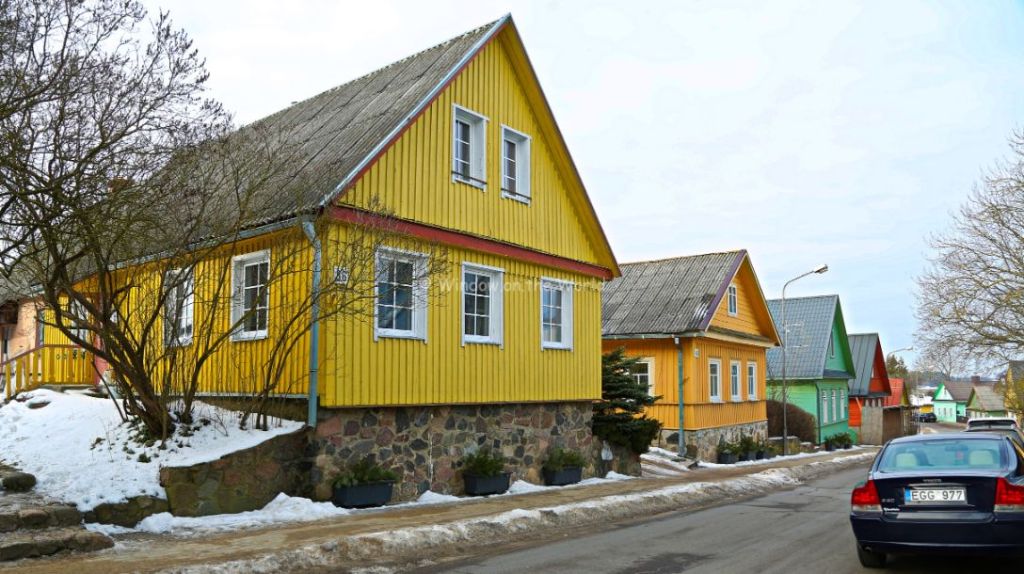
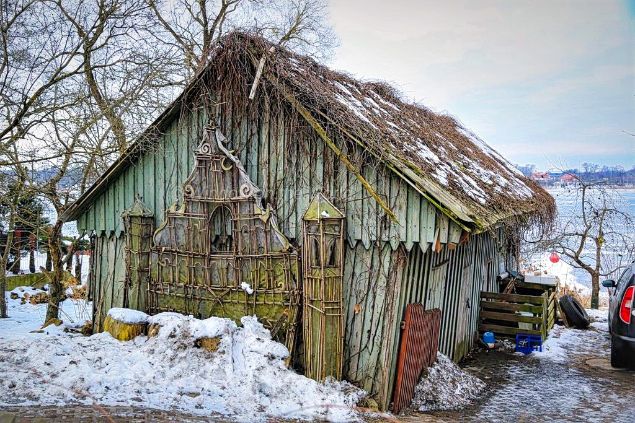
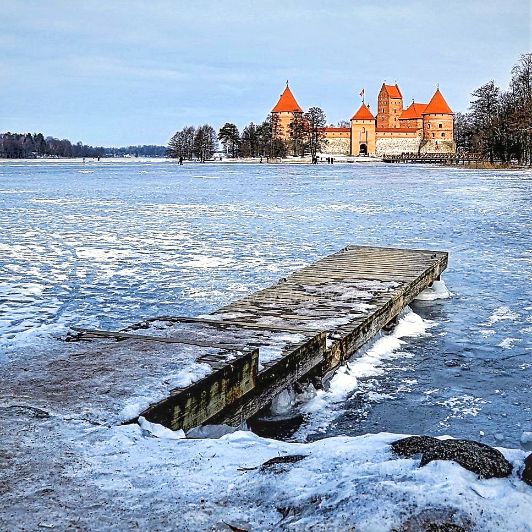
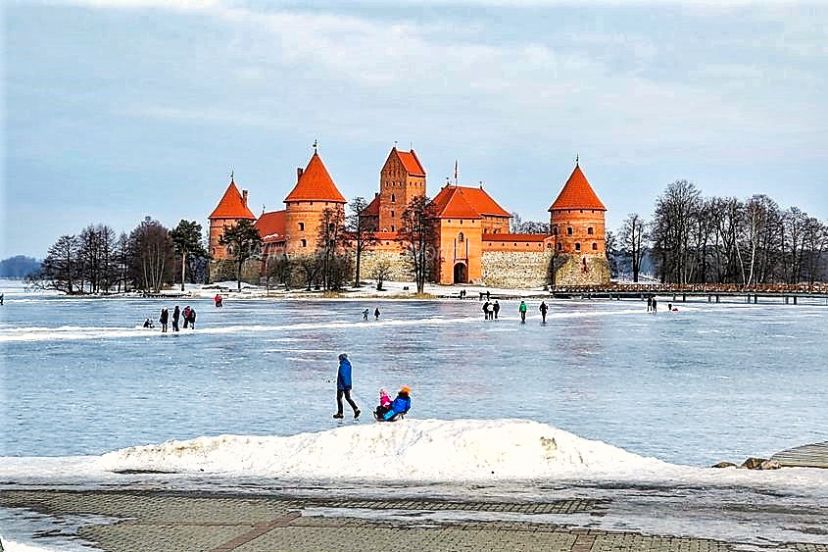
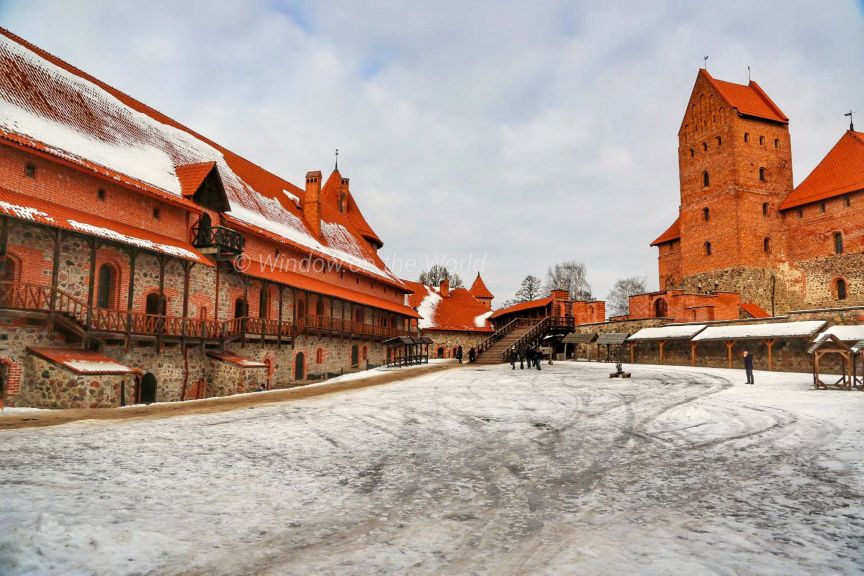
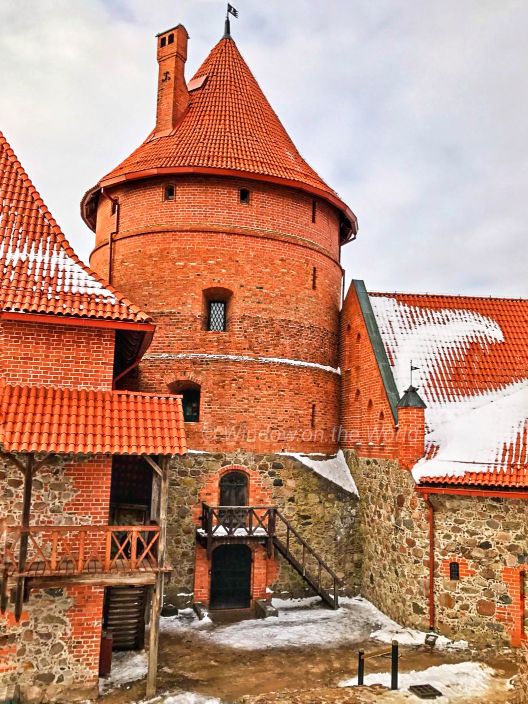
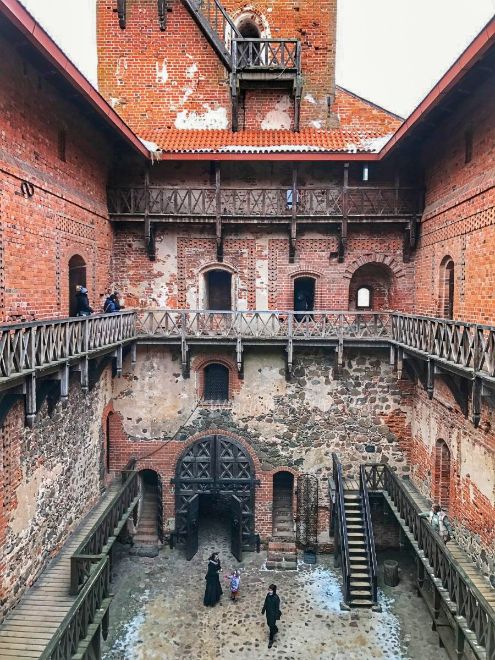
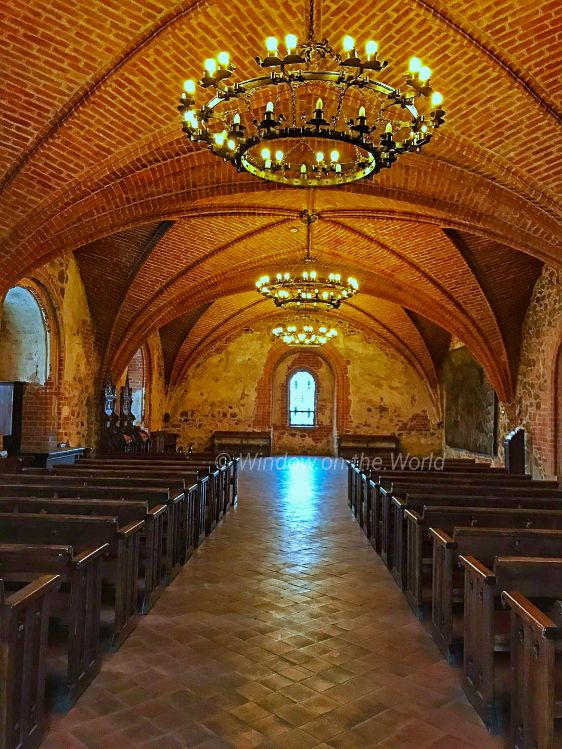
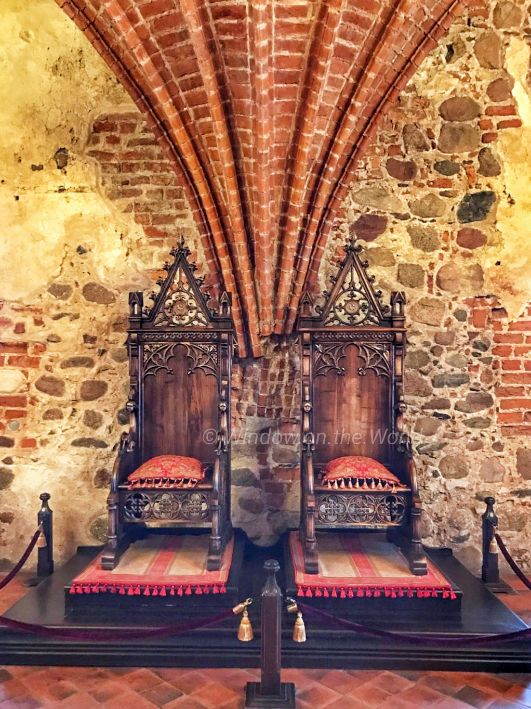
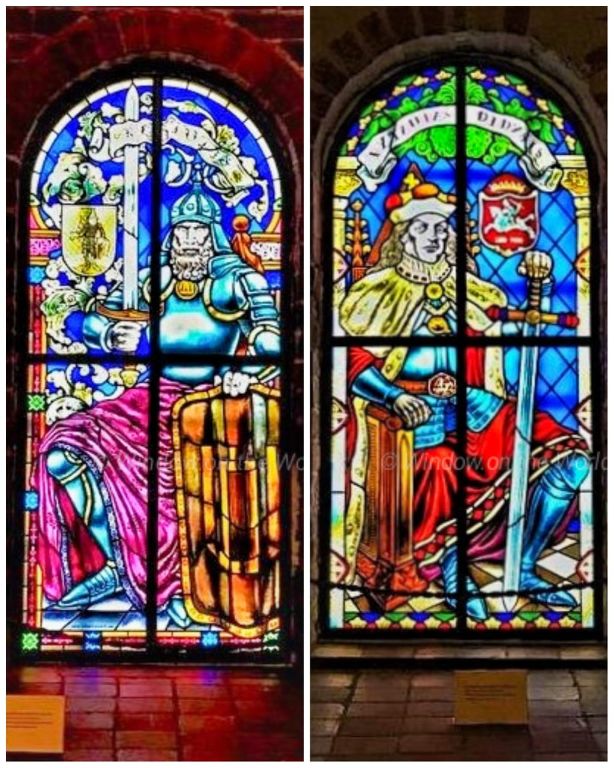
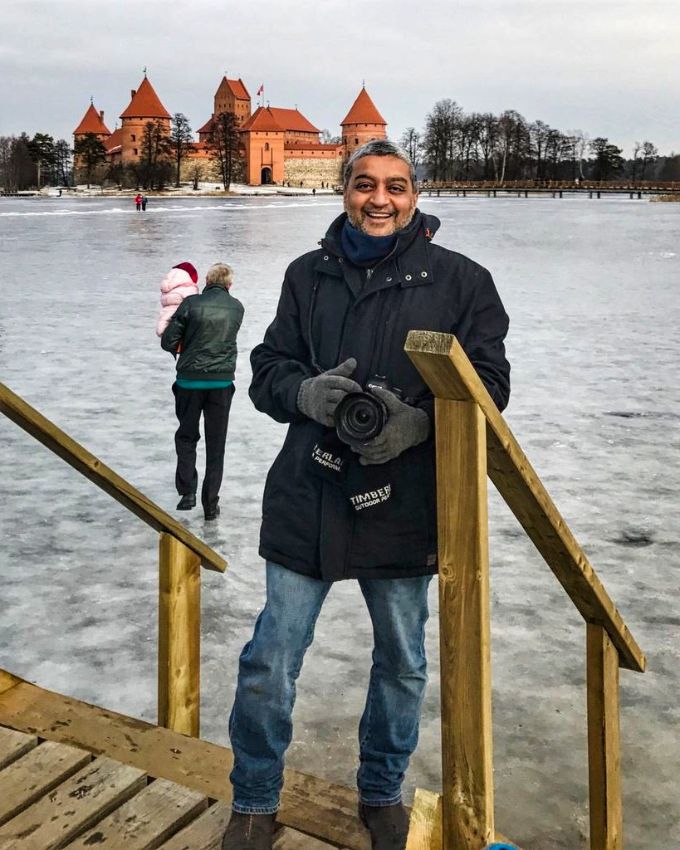
Wel come to Trakai, a former capital city of Grand Duchy of LithuaniaColourful Karaim wooden houses on Karaimu gatve, the main street of the town that leads to the Galve lake. They usually have 3 windows on the front – it is believed that the first one is for God, the second for the host and the third one for guests. Karaims are a small Turkic-speaking religious and ethnic group resettled to Trakai by Grand Duke Vytautas in 1397 and 1398 from Crimea.A beautiful wooden house by the lake in Trakai.Trakai Island Castle, the former residence of the Grand Dukes, originally constructed during 14th century, and rebuilt during the 1950s – 1960s by Lithuanian initiative. The Castle is located on an island in Lake Galvė, the deepest (46.7 m) lake with 21 islands.Locals are enjoying winter sports on Lake Galvė in front of the Trakai Island Castle.Inner yard of the Trakai Island Castle. On the right – the Ducal Palace and its donjon. Castle walls and corner tower of the Trakai Island Castle.The inner yard of the Ducal palace and its wooden stair galleriesA chapel in the Ducal Palace of the Trakai Island Castle,Throne in the Ducal Hall, the largest Hall in the Palace.The Palace is decorated with glazed roof tiling, burned bricks, and stained glass window.
Lithuania was the last country in my backpacking trip across Baltic Nations — Estonia, Latvia, and Lithuania. After exploring Lithuania for four days, it was time to fly back to Shanghai, my home at that time.
In May 2017, 23 days before I was going to complete 50 years, grabbed an opportunity and took an early retirement.. Picked up a backpack and traveling ever since.. Love to travel around the world, experience different culture, local cuisine & drinks .. and take pictures.. so far been to 108 countries and still counting...



 Window on the World