I visited Latvia in January/February 2017 during Chinese New Year, as a backpacking trip across Baltic Nations — Estonia, Latvia, and Lithuania.
Latvia, a former Soviet Republic, is a country on the eastern coast of the Baltic Sea in Northern Europe, between Lithuania and Estonia. Unlike Estonia which has more than 2,000 islands, Latvia has no Island in the Baltic Sea.
Latvia has been dominated by foreign powers through much of its history. After centuries of successive rule by Germans, Swedes, Poles and Russians, the Republic of Latvia was established in 1918 when it broke away from the Russian Empire. In 1940 it was forcibly incorporated into the U.S.S.R. as one of its constituent republics. Latvia remained a Soviet republic until 1991, when, along with the other Baltic states, it declared its independence.
I made Riga, a beautiful capital of Latvia, my base for 4 days and made a couple of day trips by trains to Sigulda, home to ruins of Medieval Castles, and Jurmala, a beachside resort town with beautiful wooden houses.
Riga, the largest of all three Baltic capitals, is famous for its Old Town (Vecrīga) and city center (Centrs), with winding streets passing by over 150 historical and architectural monuments, the oldest from the 13th century. The old town of Riga is a UNESCO World Heritage Site.
Much of the old town was either destroyed by fire or destroyed by the Germans in World War II and remained in ruins until it was rebuilt after the World War II, and further refurbished since Latvia’s accession to the EU.
Photos below are from my four days of walking around different neighborhoods of Riga.
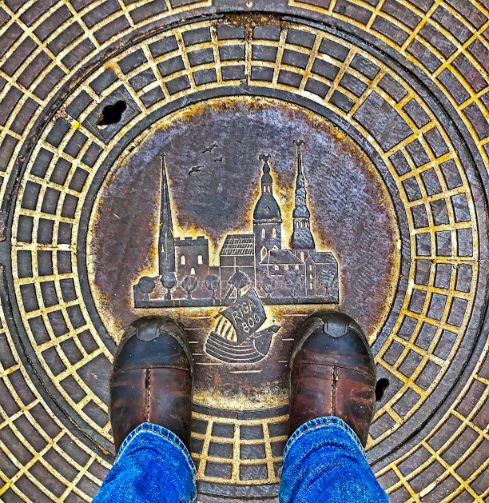
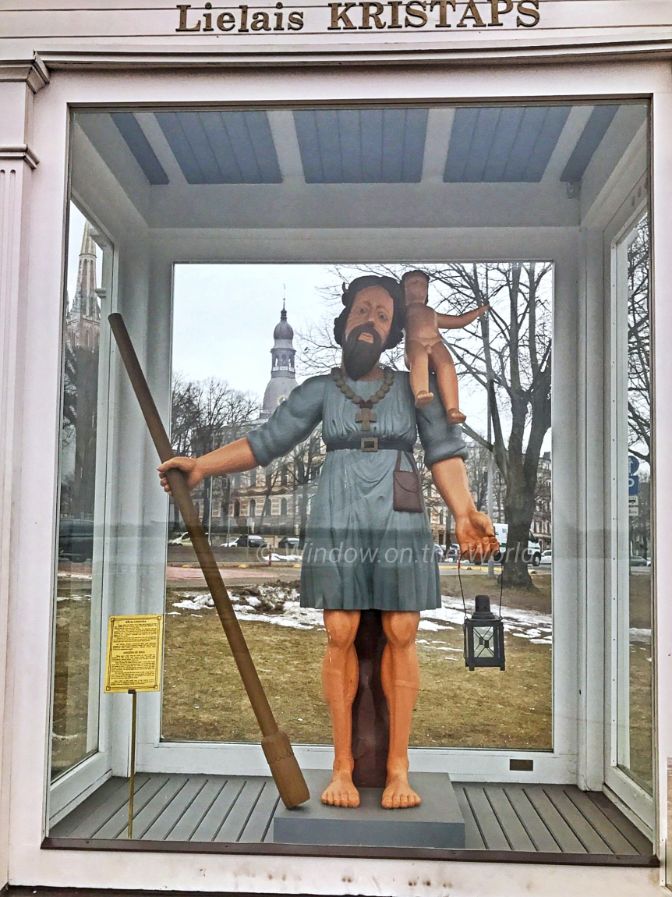
Welcome to Latvia! Welcome to Riga! A beautiful Manhole Cover, with Riga’s major Churches.Wooden statue of Lielais Kristaps (Big Christopher) carrying a child. The statue is a replica built in 1997 of the original wooden sculpture built by Michael Brinkman in 1683. The original, with restored hands and child, is in the Museum of the History of Riga.
The legend of Lielais Kristaps: In the 3rd century, a giant man, Offero, who lived in a small cave on the bank of the Daugava, would help carry travelers across the river. One dark, stormy night a little boy came to him and asked to be carried across the river. Offero’s kind heart could not refuse the little boy, so he took him on his shoulder and carried him through the lashing waves. With each step the weight of the child became heavier and heavier. However, the big man finally arrived at the other shore and gently put the child down on dry land. The boy then revealed himself as Christ, and explained that he was so heavy because he bore the weight of the sins of the world on himself. He then baptized Offero and renamed him Christopher “Christ-bearer”.
After returning home, the humble giant found a pile of gold, which, if the story is to be believed, he used to build Riga.
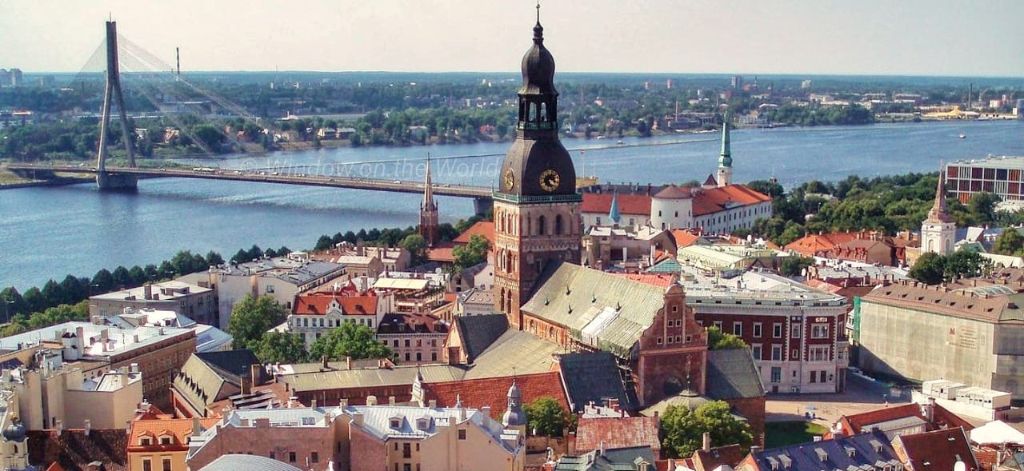
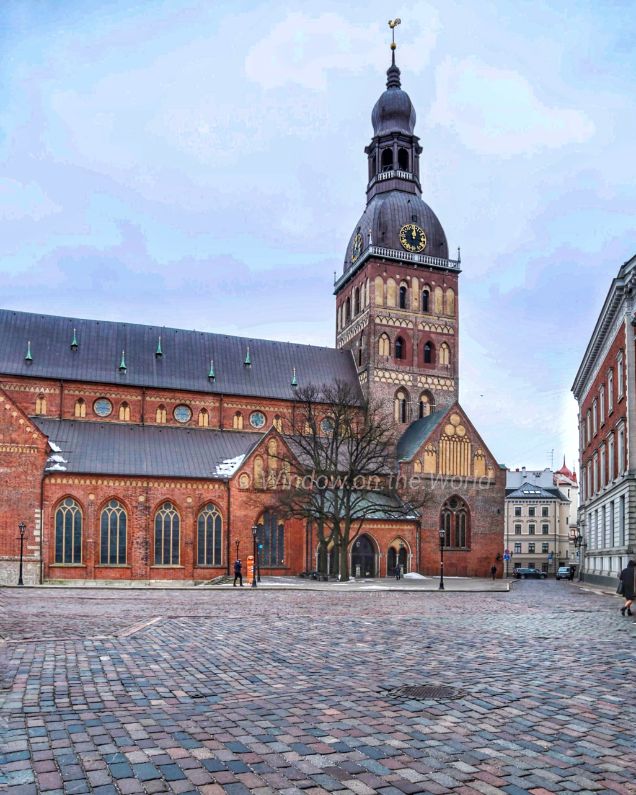
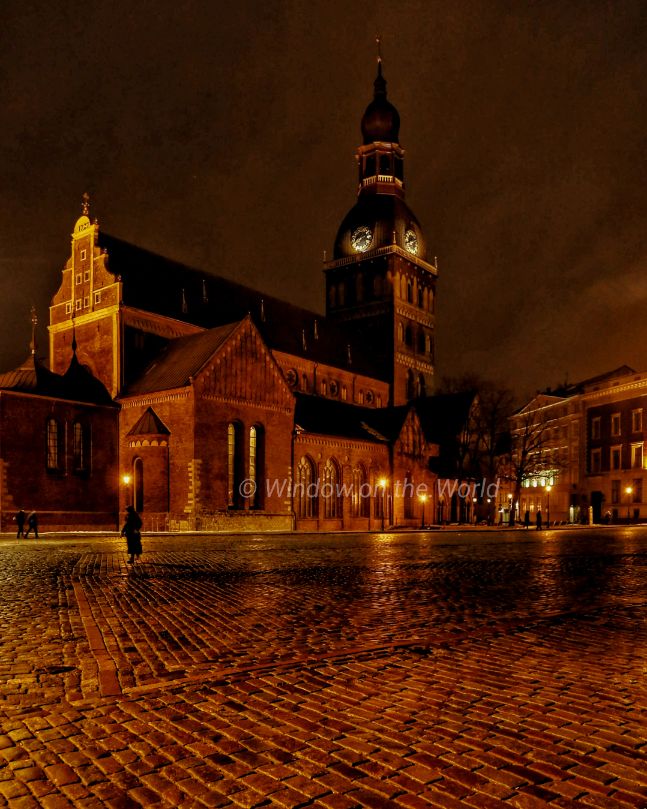
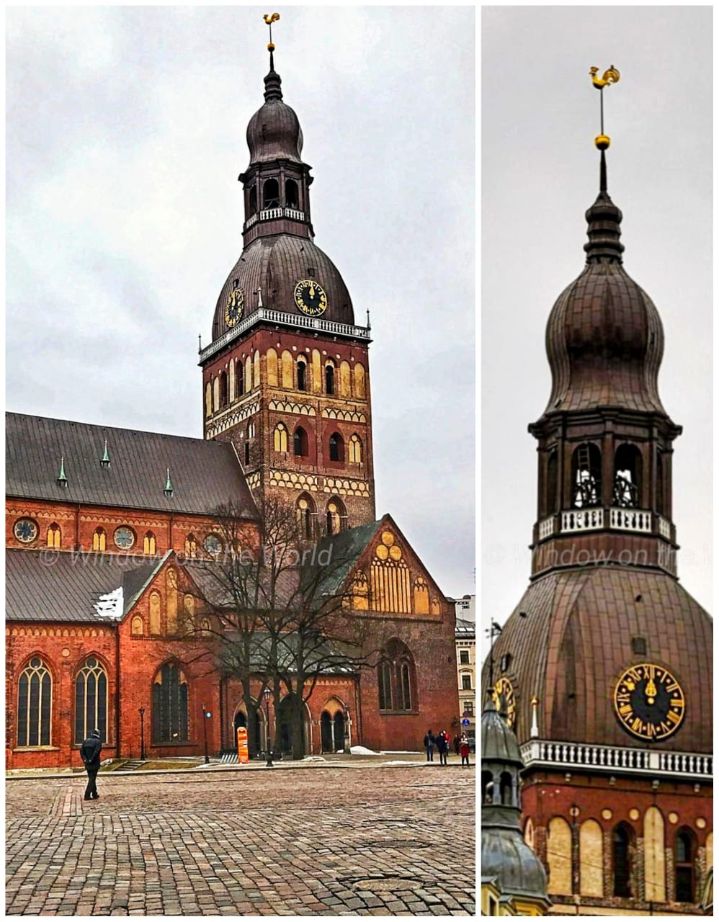
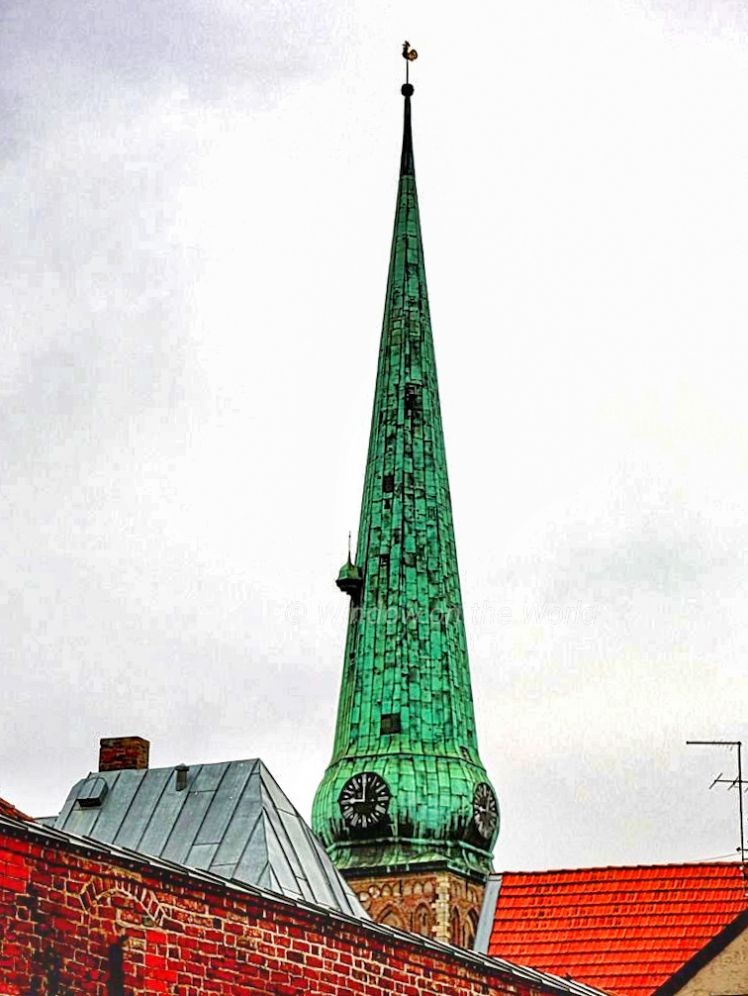
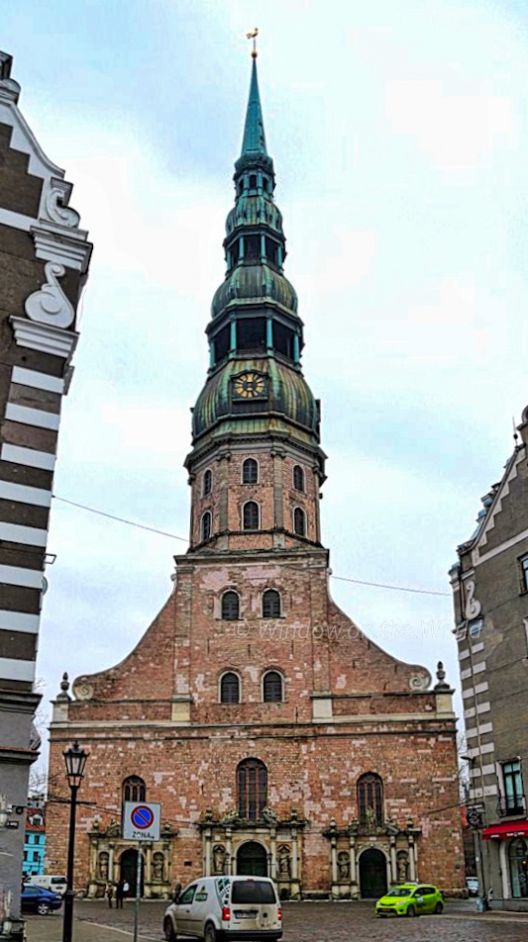
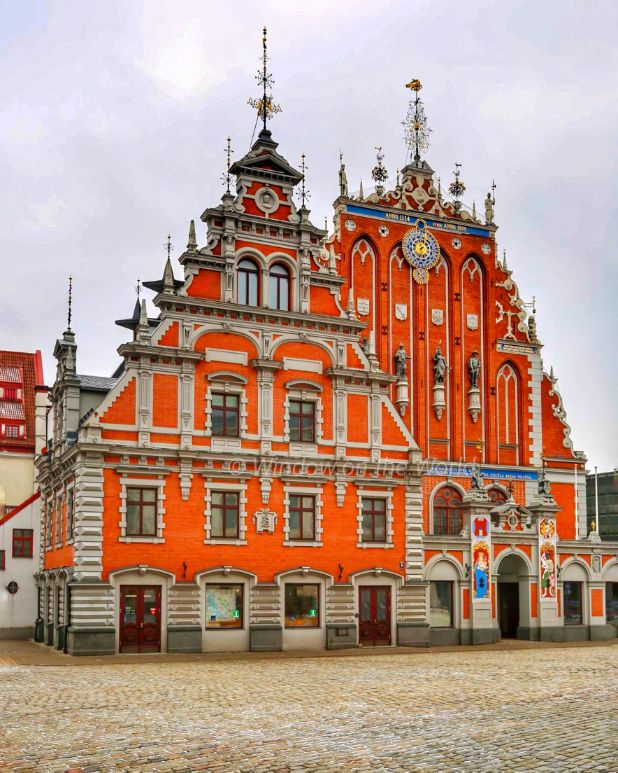
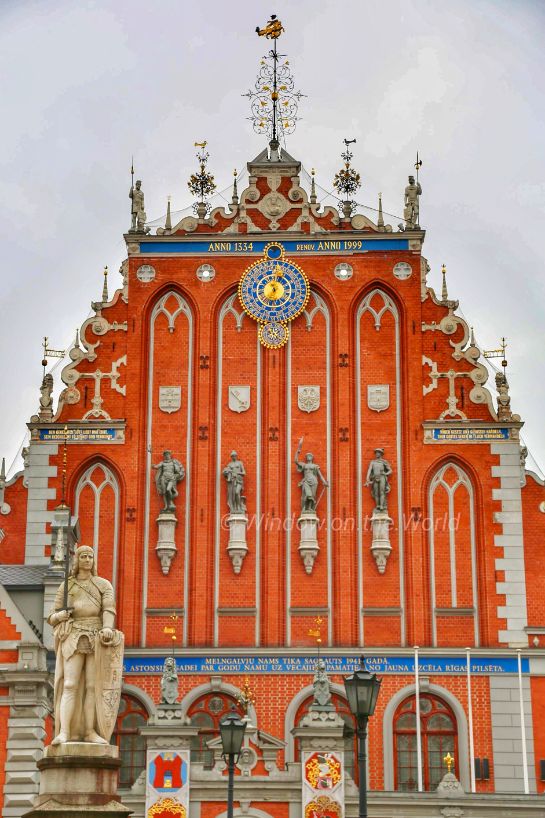
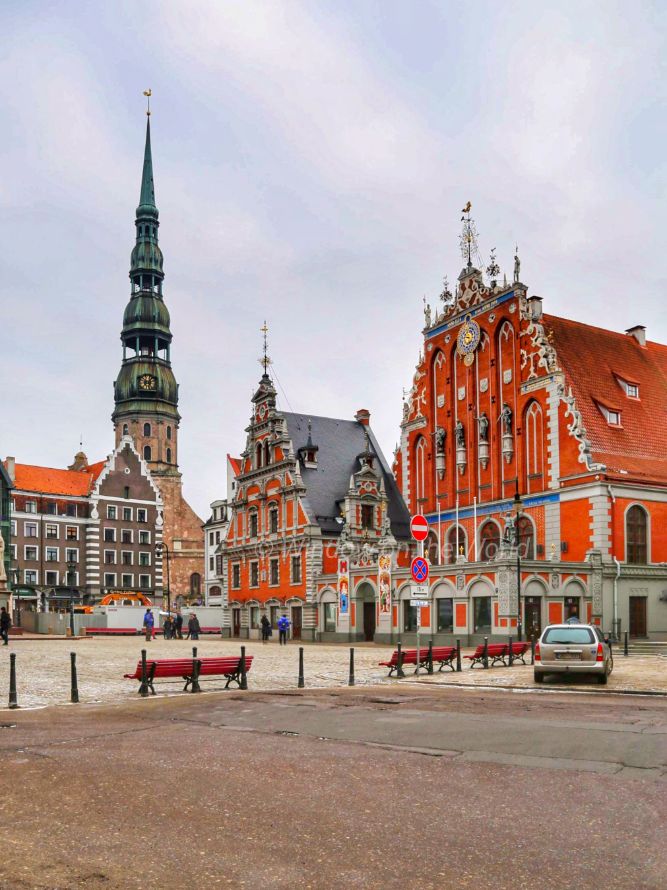
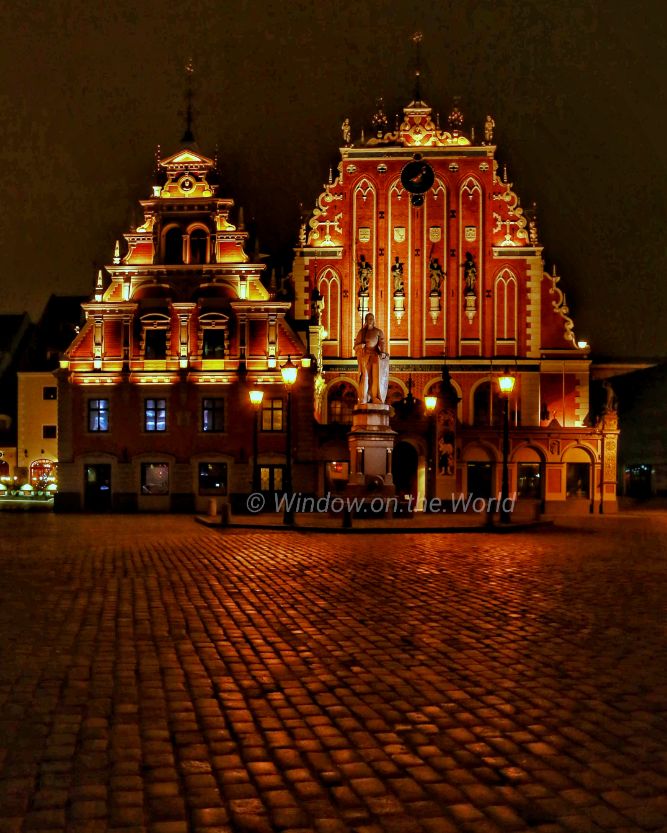
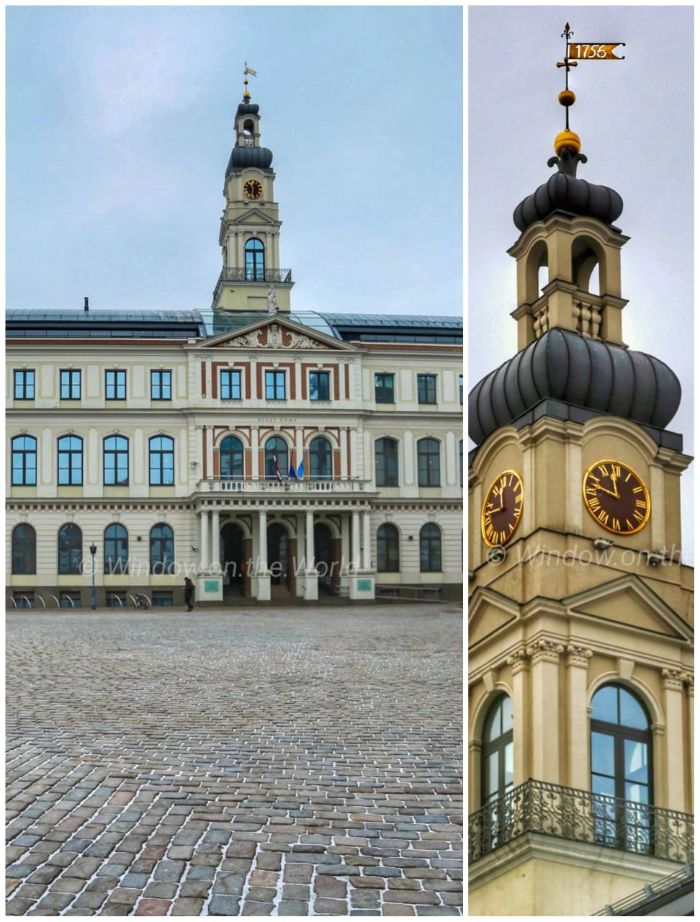
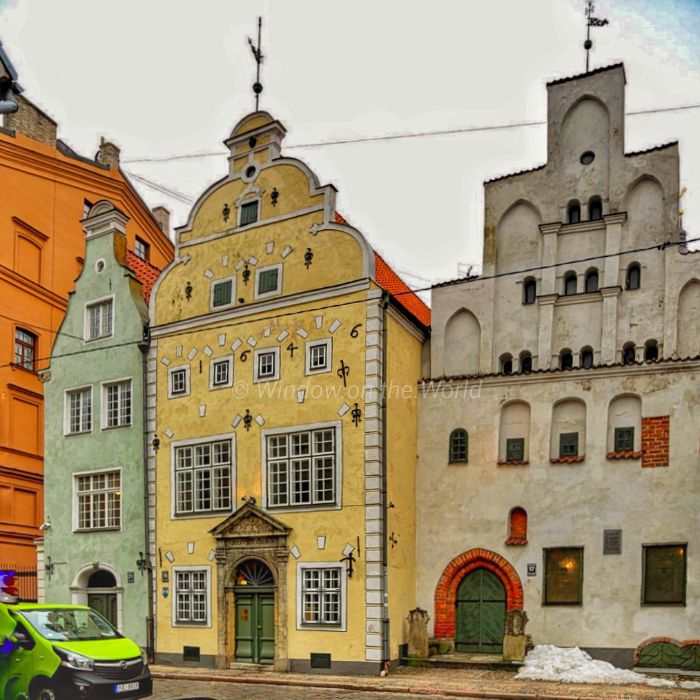
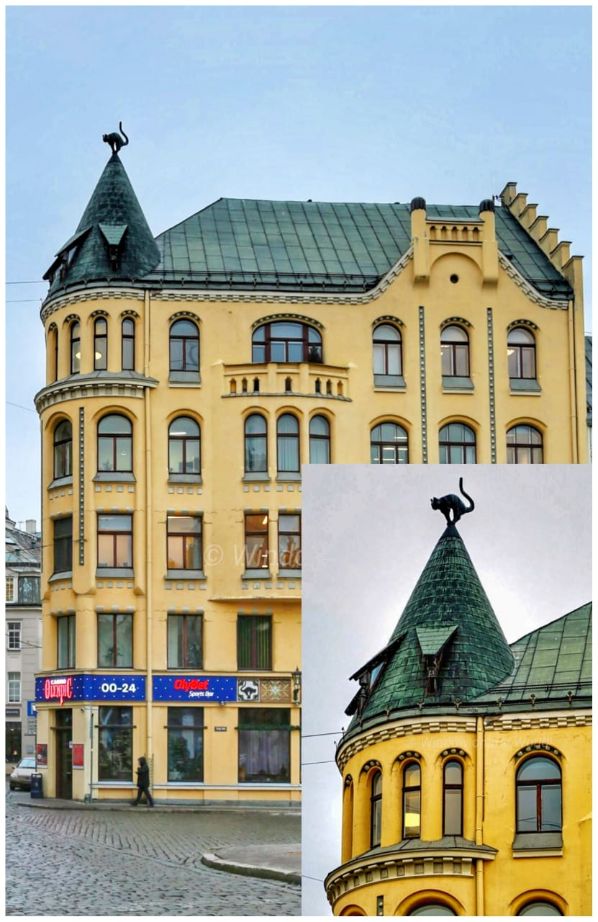
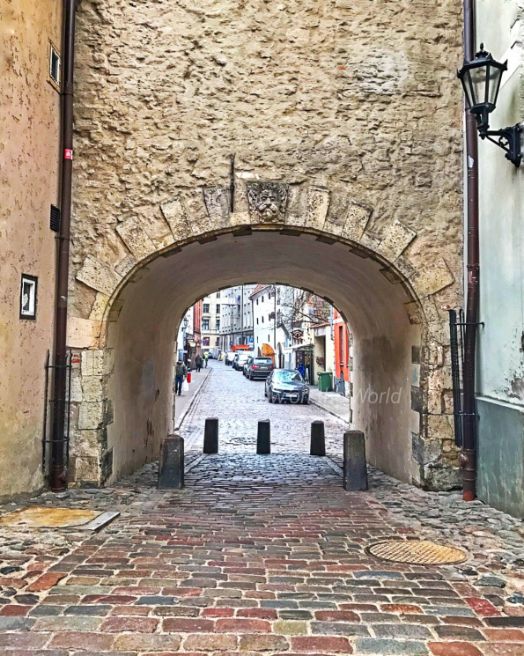
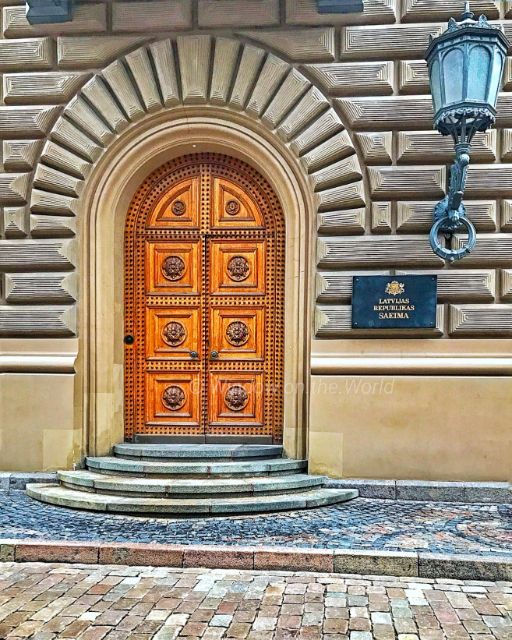
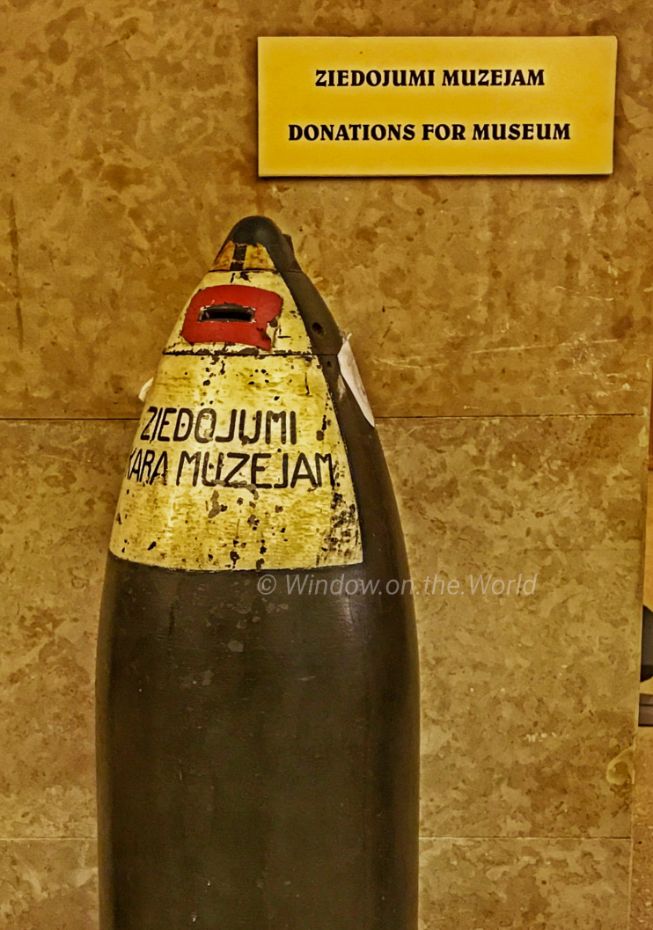
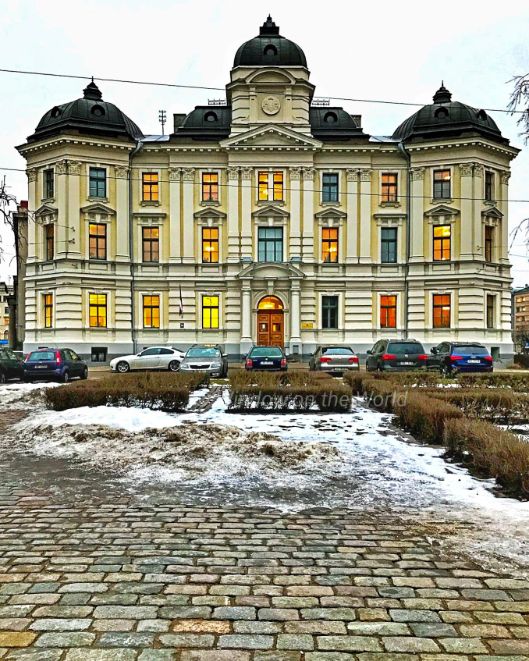
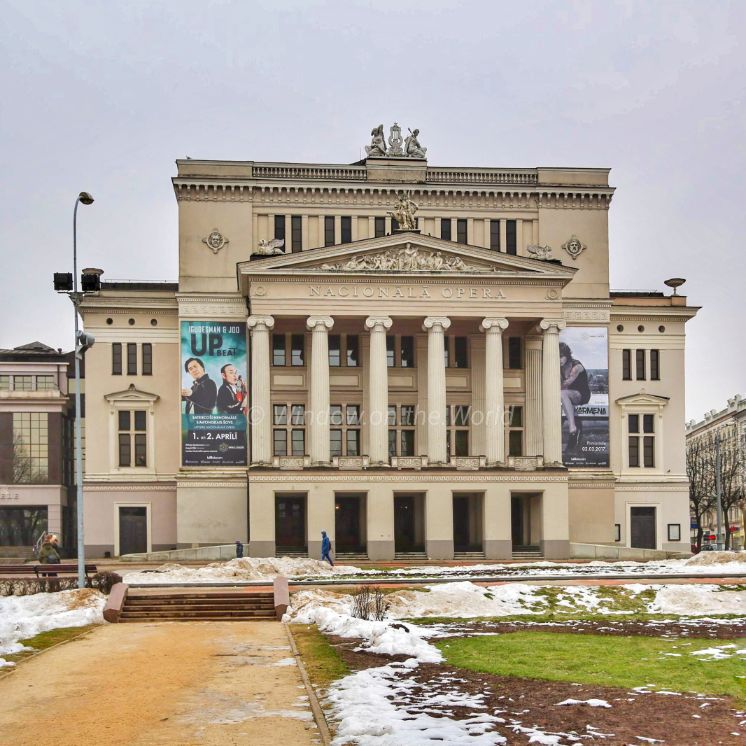
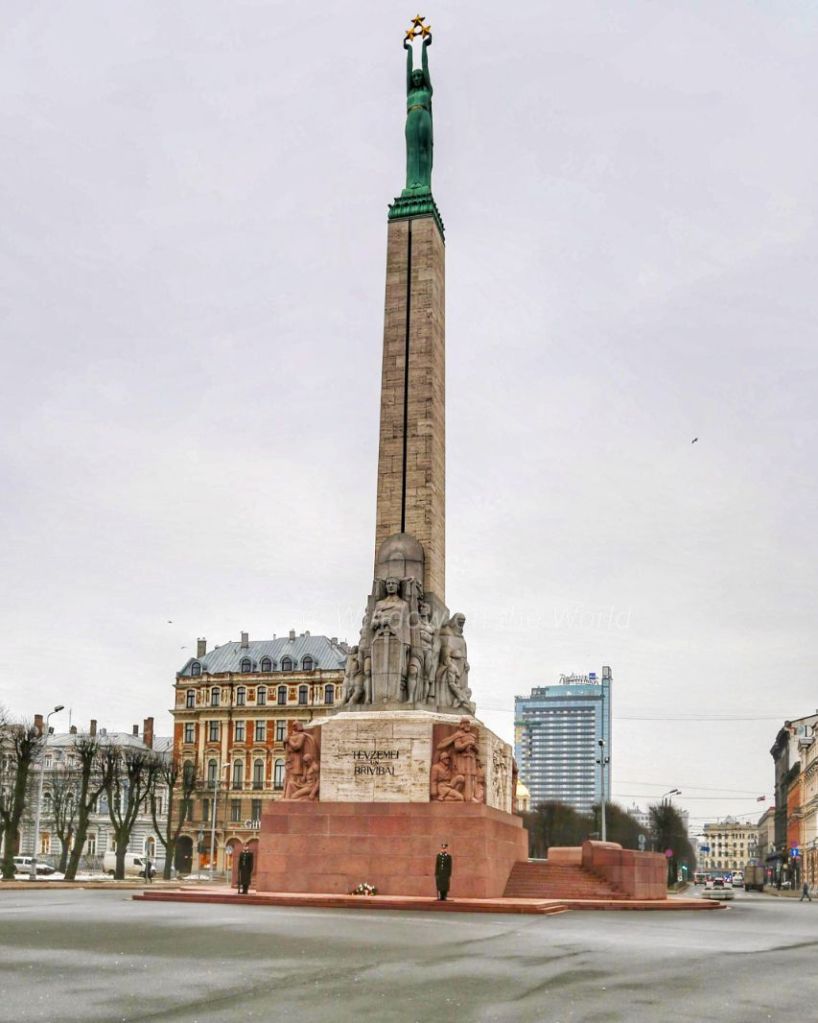
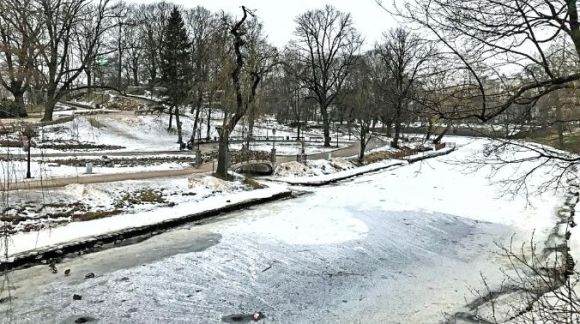
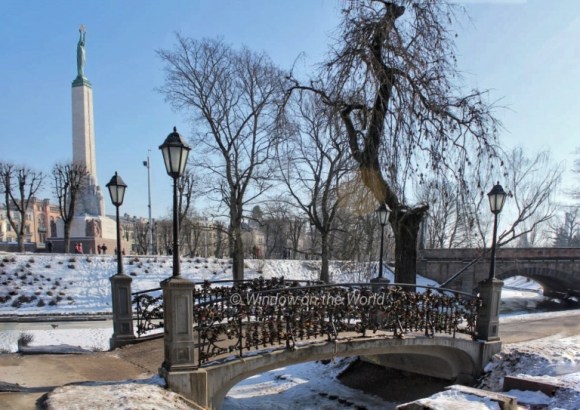
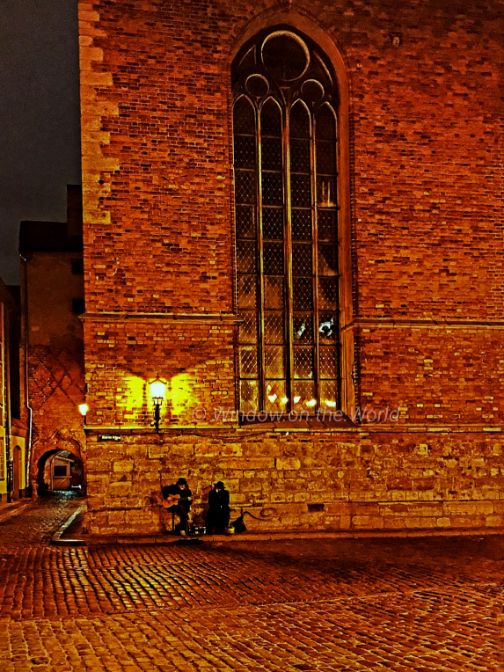
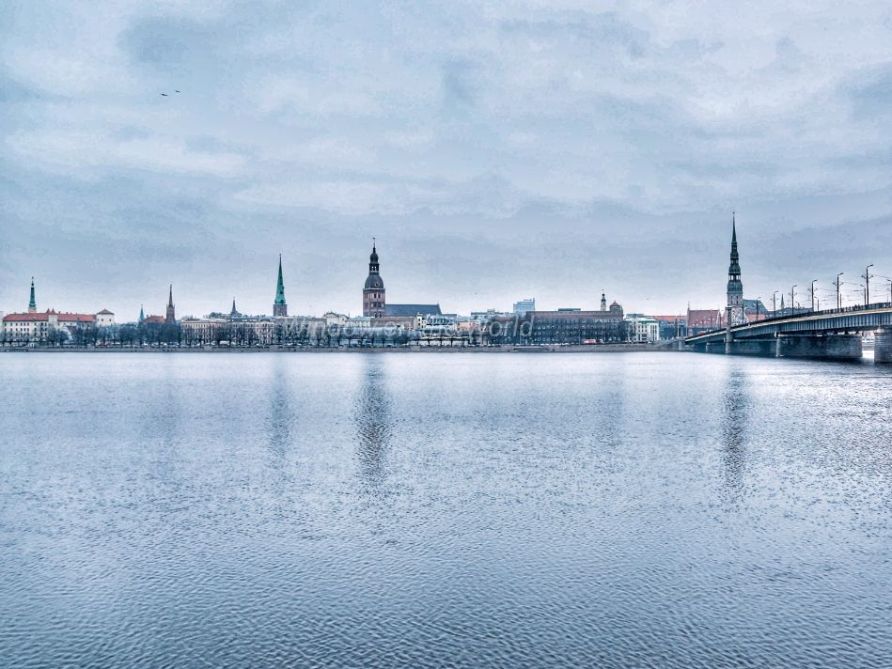
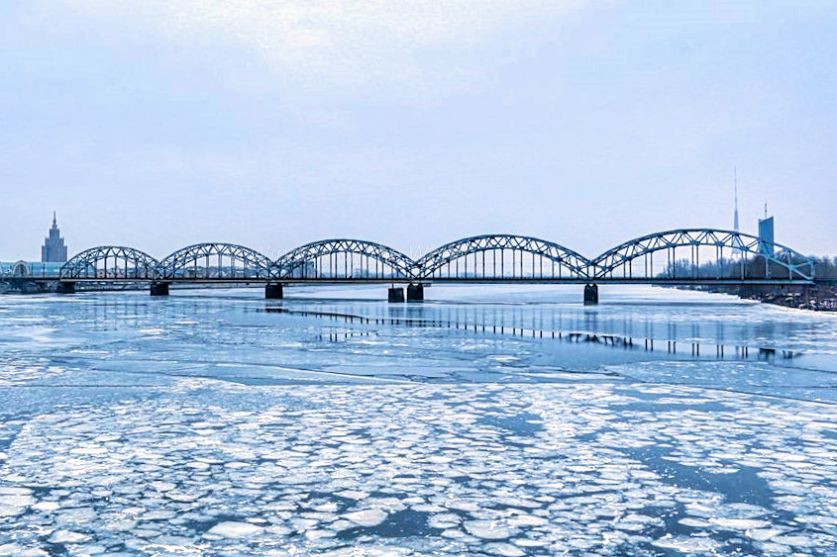
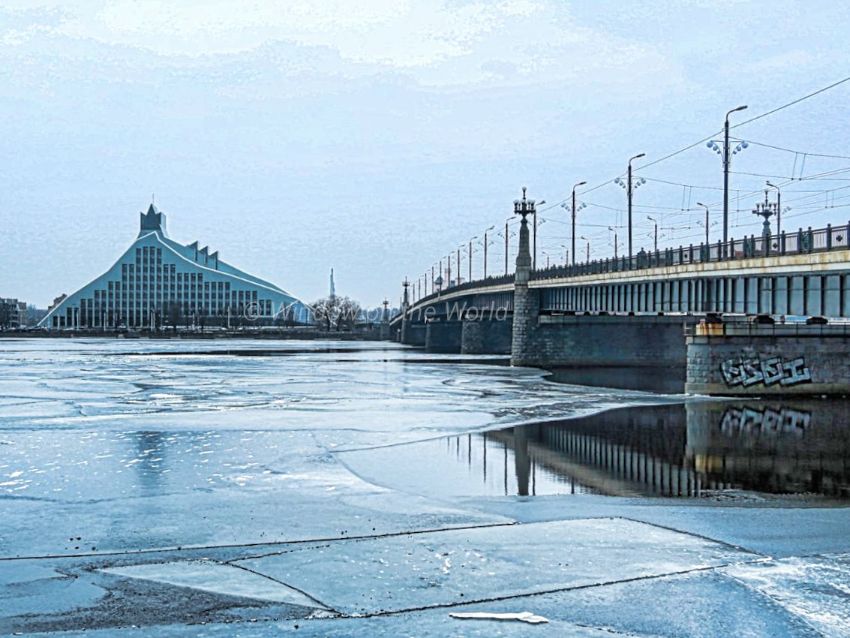
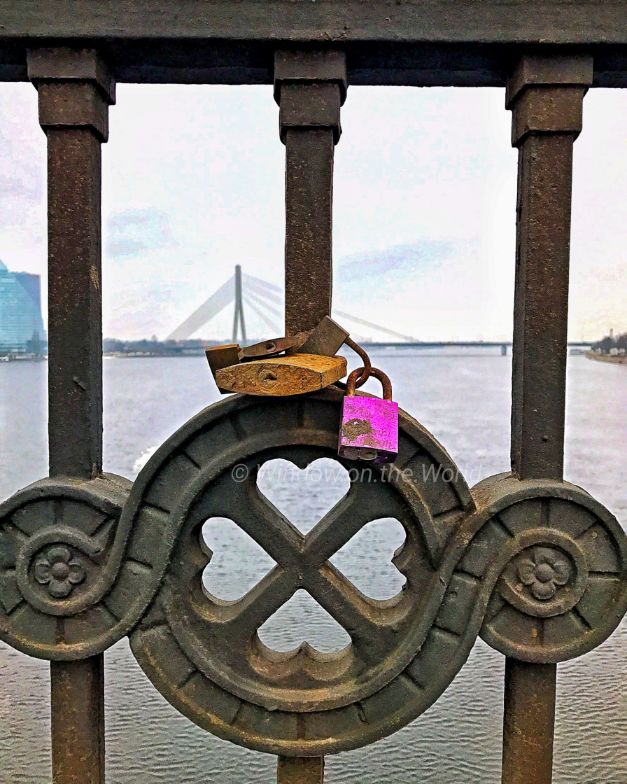
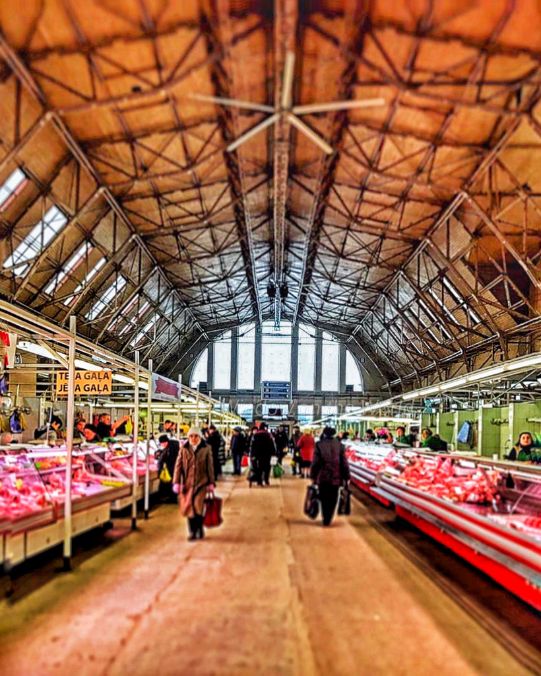
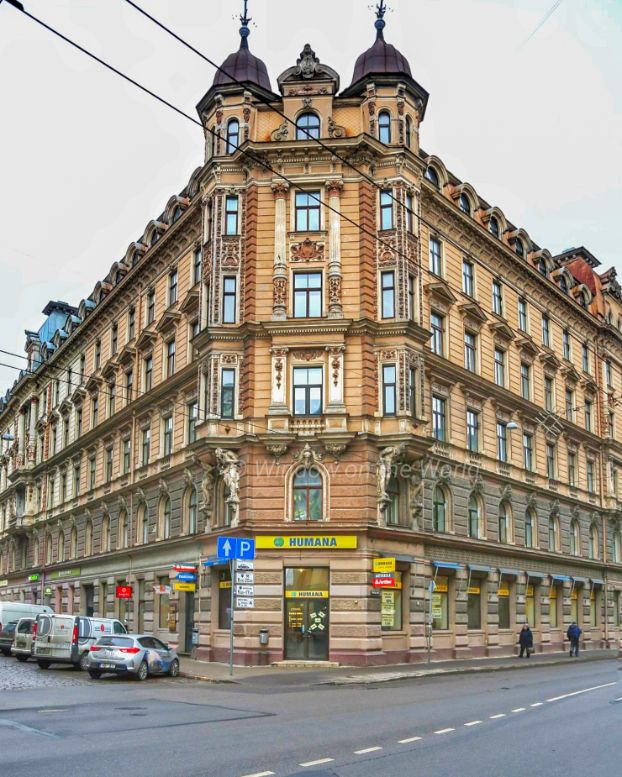
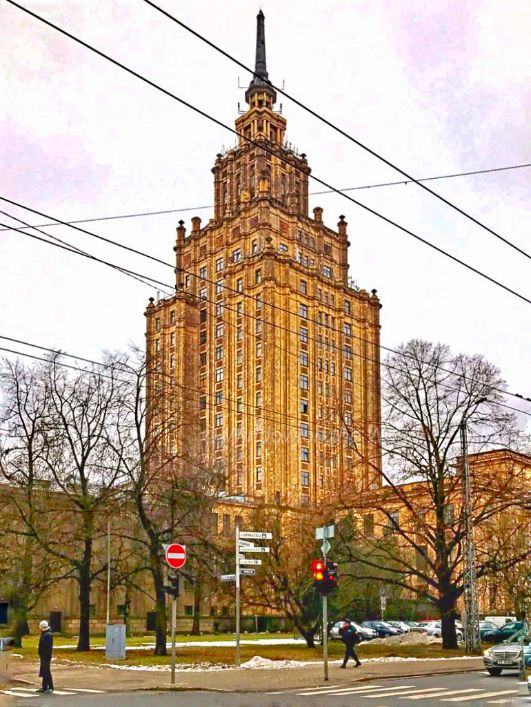
Riga Cathedral, also called the Dome Cathedral, is the Evangelical Lutheran cathedral, the seat of the Archbishop of Riga. Built in 1211 by Livonian Bishop Albert of Riga, it is considered the largest medieval church in the Baltic nations.Riga Cathedral after dark.When viewing the Riga skyline you will notice that the tops of Riga’s oldest churches – Dome Cathedral, St. Peter’s, St. John’s and St. Jacob’s host a rooster (in the form of a weather vane) and not a cross. This is an old tradition, especially popular in Riga and Latvia more generally. The rooster has been seen as a vigilant defender against evil since pagan times. The roosters on the church steeples did also have a more earthly use, they served as wind indicators providing important information in a seaport, like Riga.St. Jacob’s Cathedral, initially designed in early Gothic style, the construction started in 1225 and was finished around 1330. St Jacob’s Cathedral is the smallest one among the four Old Town churches; however, its belfry has best maintained the features characteristic to Medieval Riga churches.St.Peter’s Church, built in 1209, dominates the cityscape as the tallest spire, and as one of the oldest and most valuable monumental architecture edifices in the Baltic States, a prime example of the 13th century Gothic style.House of the Blackheads (Melngalvju nams), the original building was erected during early 14th century for the Brotherhood of Blackheads, a guild for unmarried merchants, shipowners, and foreigners in Riga. The building was bombed to a ruin by the Germans in 1941 and the remains were demolished by the Soviets in 1948. It was rebuilt between 1996 and 1999.House of the Blackheads, the original building was erected during the 14th century. Major works were done in the early 17th century, adding most of the Mannerist ornamentation. The statue of Roland was established in 1896 on the Town Hall square. Roland was considered to be fair judge, the defender of accused and fair executor of judgements. Therefore it has been established on the Town Hall square with its face turned to the direction of the Town hall.The Town Hall Square; St.Peter’s Church, built in 1209 and House of the Blackheads, originally built in the 14th century.House of the Blackheads and the statue of Roland after dark.The Town Hall, from which the square was named after is located across the House of the Blackheads. Originally built in 1756, It was destroyed during the WWII and rebuilt as late as in 2003.The Three Brothers (Trīs brāļi), a building complex consisting of three houses, form the oldest complex of dwelling houses in Riga. Each house represents various periods of development of dwelling house construction. The building in 17 Maza Pils Street is the oldest, dating from the late 15th century, the exterior of the building is characterized by Gothic decorations. The neighboring house, 19 Maza Pils Str, has an exterior dating from 1646, the style of the building shows influences from Dutch Mannerism. The last house of the three, located in 21 Maza Pils Str, is a narrow Baroque building which gained its present look probably during the late 17th century.The Cat House (Kaķu nams), built in 1909, known for the two cat sculptures, with arched backs and raised tails, on its roof. The legend, known by most Rigans, has it that the wealthy tradesman who commissioned the building was refused membership of the Great Guild of Riga, seeking retribution the tradesman had two copper statues of angry-looking cats with arched backs and raised tails placed on the turret rooftops with their tails turned towards the house of the Great Guild, situated across the street.The Swedish Gate (Zviedru vārti) was erected in 1698 as a part of the Riga Wall to provide access to barracks outside the city wall.Main entrance of the Saeima, the parliament of the Republic of Latvia, originally built in 1867 for the House of the Livonian Noble Corporation. The current building was renovated in 1922 after being damaged by fire in 1921.Very interesting “Donation Box” at the Latvian War museum, one of the oldest and largest museums in Latvia, housed in the Powder Tower (14th century), one of the former fortification towers of Riga.Façade of Riga Regional Court building.National Opera, completed in 1863, a 19th-century neo-classical theater and home to the national opera & ballet companies. The Freedom Monument, honouring soldiers killed during the Latvian War of Independence (1918–1920). It is considered an important symbol of the freedom, independence, and sovereignty of Latvia. Unveiled in 1935, the 42-metre (138 ft) high monument of granite, travertine, and copper often serves as the focal point of public gatherings and official ceremonies in Riga.Bastejkalna Park; named after the Bastion Hill (Bastejkalns), a beautiful park with many lovely little bridges and benches to sit on. There is also a canal going across it.A bridge at Bastejkalna Park, with hundreds of Love Locks placed there by lovers to pledge their attachment to each other and a memorial to the victims killed by Soviet Troops in 1991.Young musicians playing guitar behind St. John’s Church in the old town of Riga.Skyline of Riga Old town from across the Daugava river. The Railway Bridge, crosses the Daugava river, the first iron railway bridge, was erected in 1871–1872 for the Riga–Jelgava Railway. You can see the Latvian Academy of Sciences building at one end of the bridge.The National Library of Latvia across the frozen Daugava. The building also known as Castle of Light (Gaismas pils), is a national cultural institution opened in 2014.Rusted Love Locks on the Stone Bridge over Daugava river in Riga.Inside Riga Central Market, Europe‘s largest market and bazaar, is one of the most notable structures from 20th century and has been included in UNESCO World Heritage Site list together with Old Riga in 1998. The main structures of the market are five pavilions constructed by reusing old German Zeppelin hangars[Built in 1899, art nouveau style Five – story residential house with commercial premises on the first floor, at Alfrēda Kalniņa Street.The Academy of Sciences (nicknamed as Stalin’s birthday cake), built after World War II, between 1951 and 1961, a Stalinist style building, is decorated with several hammer and sickle symbols. The spire was originally decorated with a wreath and a five pointed star, which was removed after Latvia regained independence in 1991.
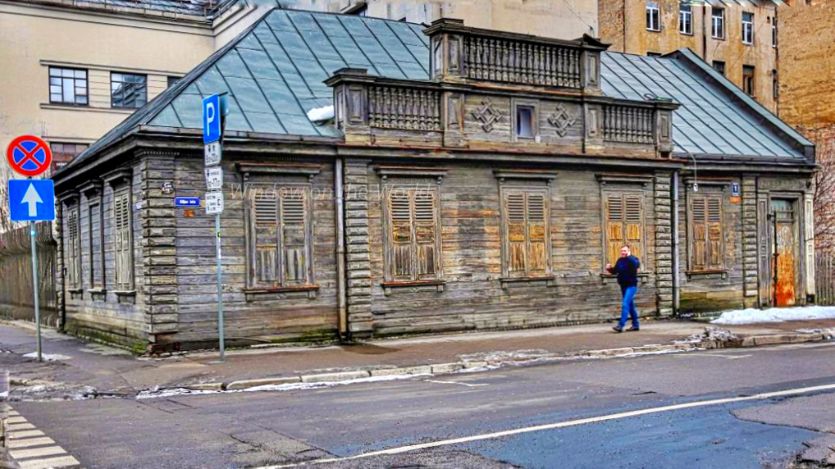
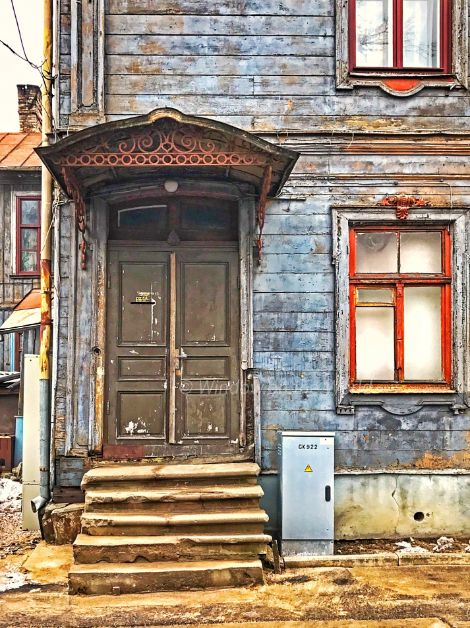
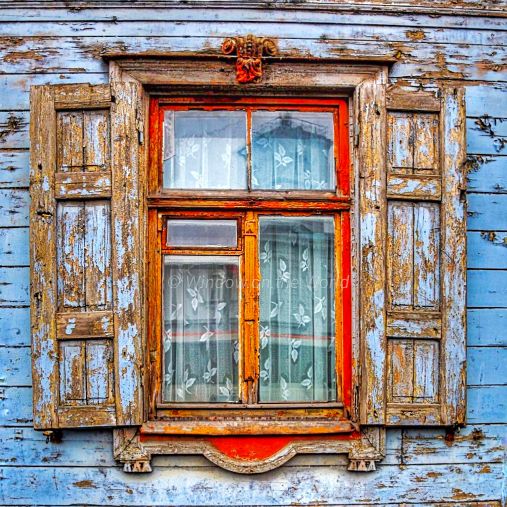
The Moscow District of Riga: An old neighborhood situated just Southeast of the historic city center. It is located along the road to Moscow, which gave the neighborhood its name. The neighborhood features a mix between traditional wooden structures dating to the latter parts of the 19th century and large apartment buildings from the early 20th century. During the Nazi occupation, the Moscow District was turned into a Jewish Ghetto. Thousands of Jews were housed in the Riga Ghetto during its existence.
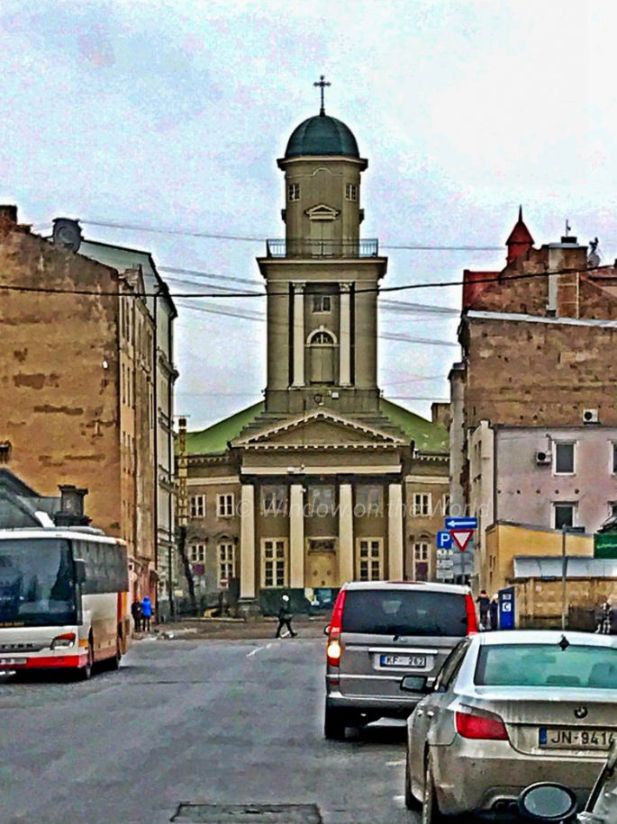
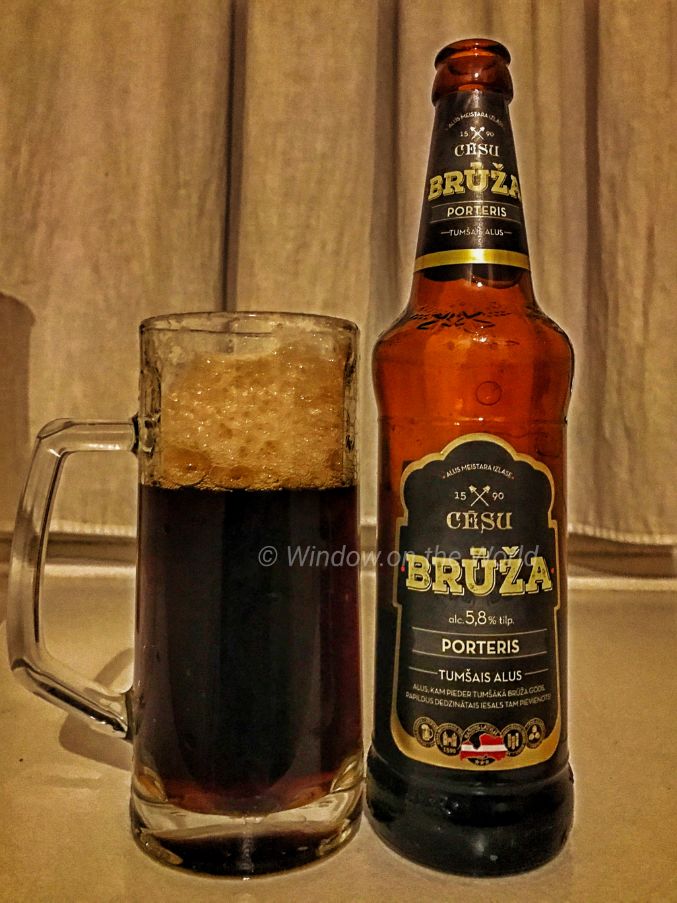
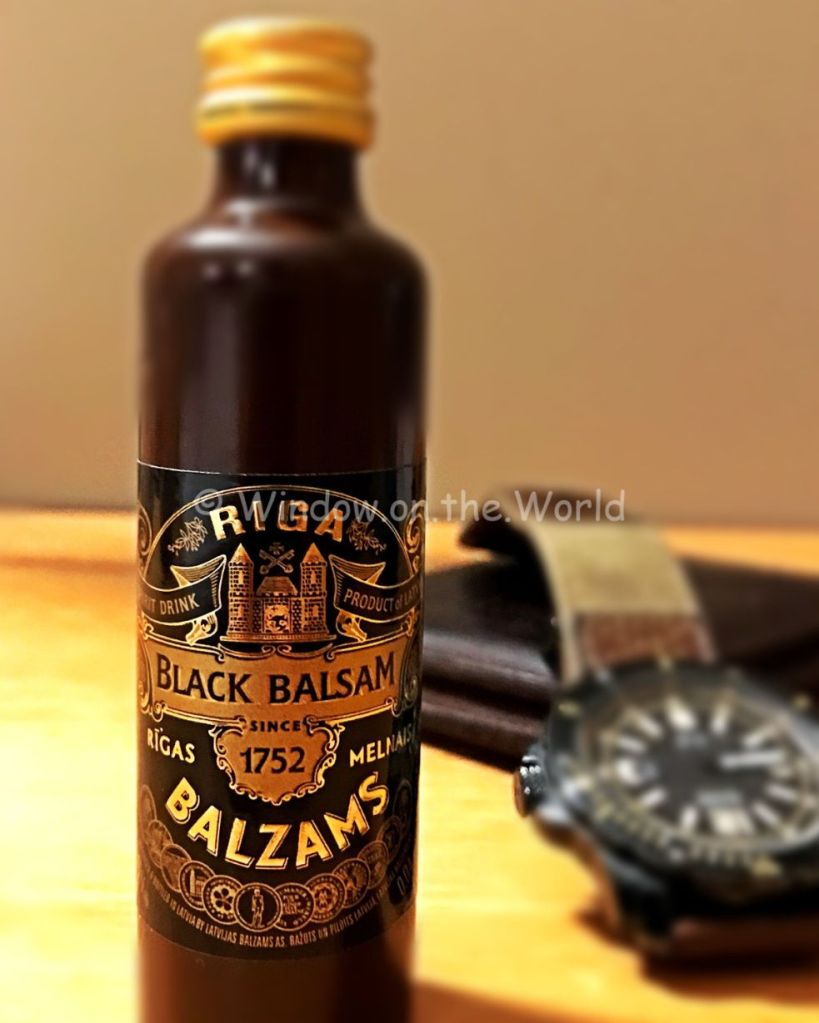
Church of Jesus (Jēzus Evaņģēliski luteriskā baznīca), the Evangelical Lutheran Church of Latvia. The church building has been destroyed and rebuilt on a number of occasions, as a result of war or siege. The first church building was built in the seventeenth century; the present building was completed in 1822 and is the largest wooden classical building in Latvia.Wooden Houses in Moscow District of Riga.Wooden Houses in Moscow District of Riga.Wooden Houses in Moscow District of Riga.Brūža beer by Cēsu Alus, a Latvian brewery with its roots dating back to 1590, considered to be the oldest brewery in the Baltics.Riga Black Balsam, a traditional Latvian balsam (an Alcoholic drink) bottled in ceramic bottles. The original recipe created in 1752, consists of 24 natural ingredients, including 17 botanicals.
While making the Capital city Riga as my base, I made a couple of day trips to Sigulda and Jurmala by trains. Sigulda is a picturesque town, 53 kilometres (33 miles) from the capital city Riga, just over an hour by train, featuring a wooded river valley containing forest walks, cable car, bobsleigh track, and three castles. It is located in the picturesque Gauja valley, with its steep banks and cliffs.
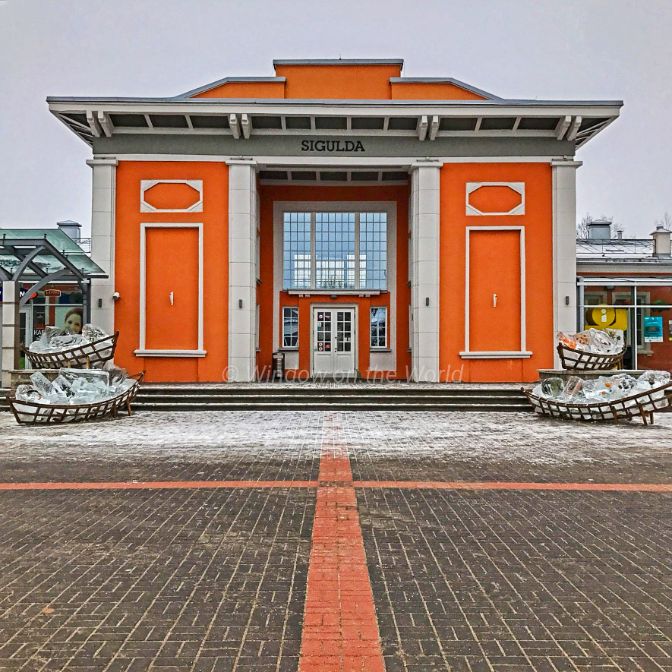
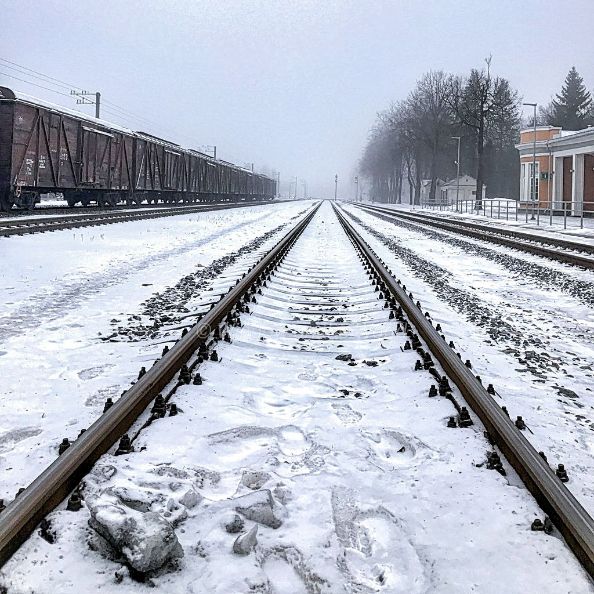
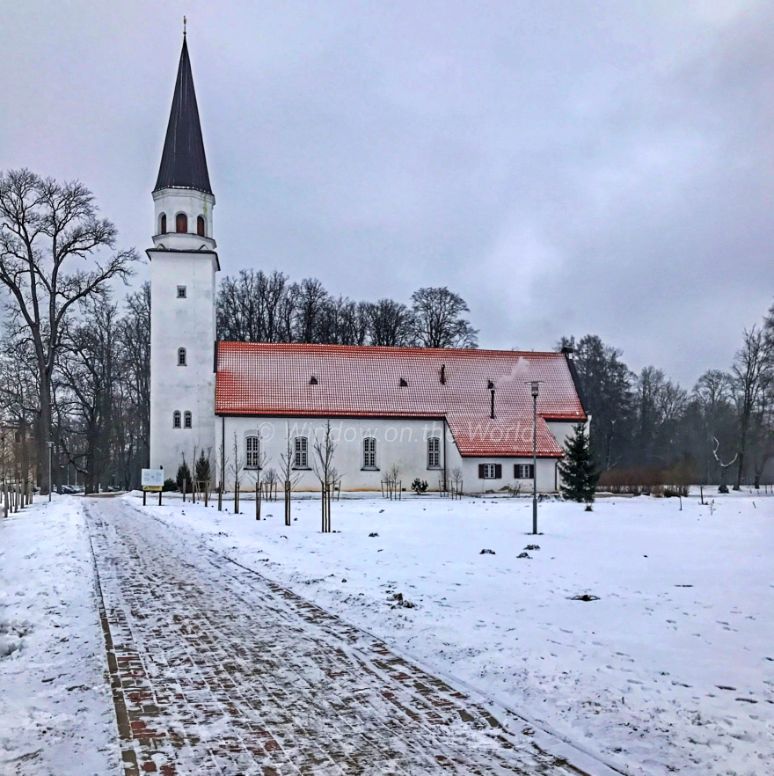
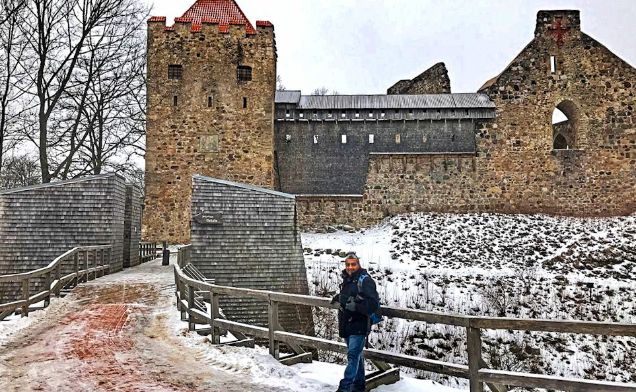
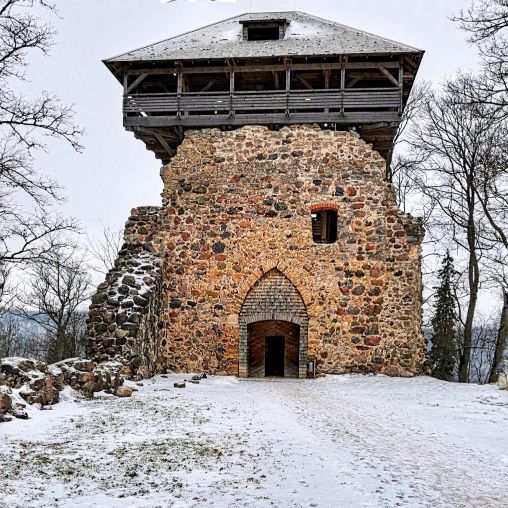
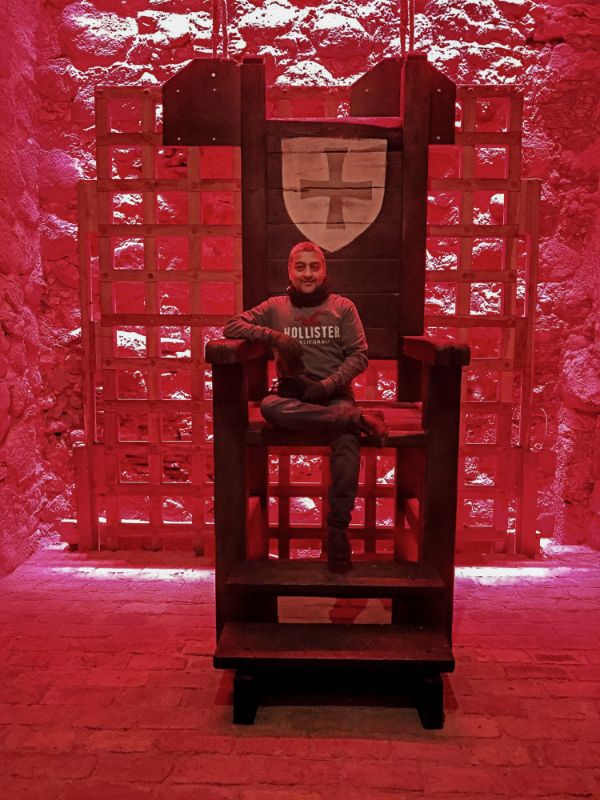
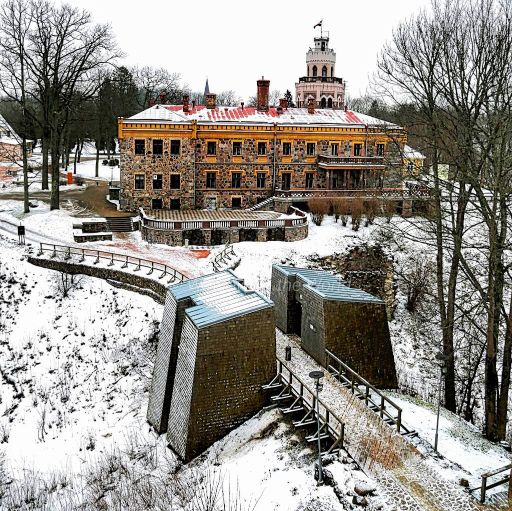
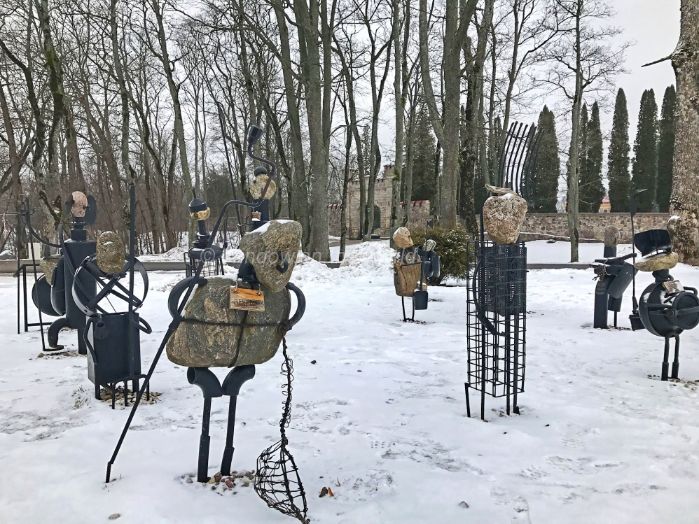
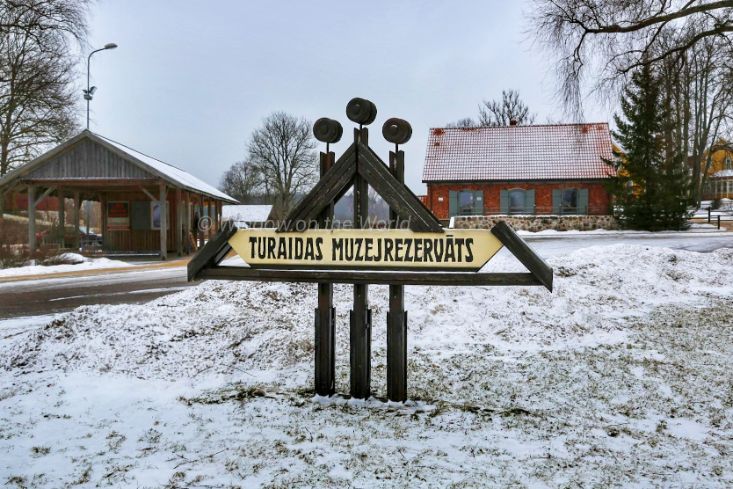
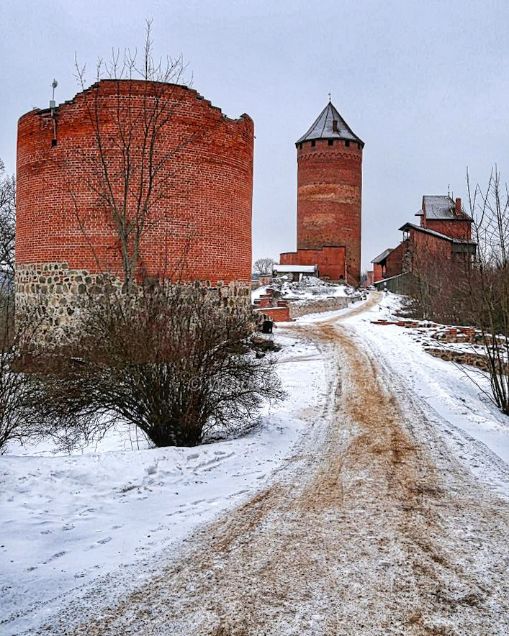
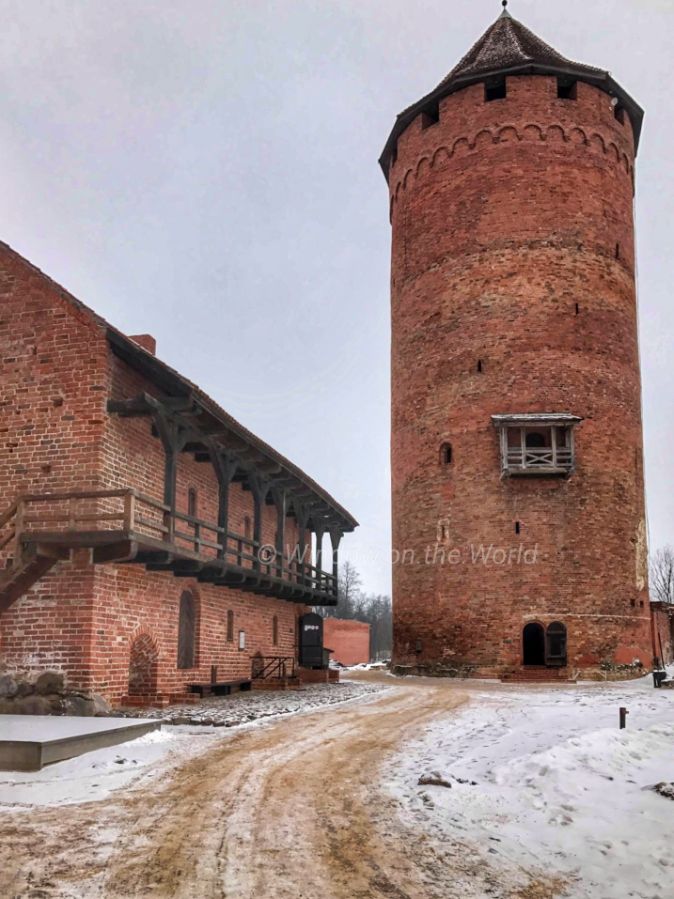
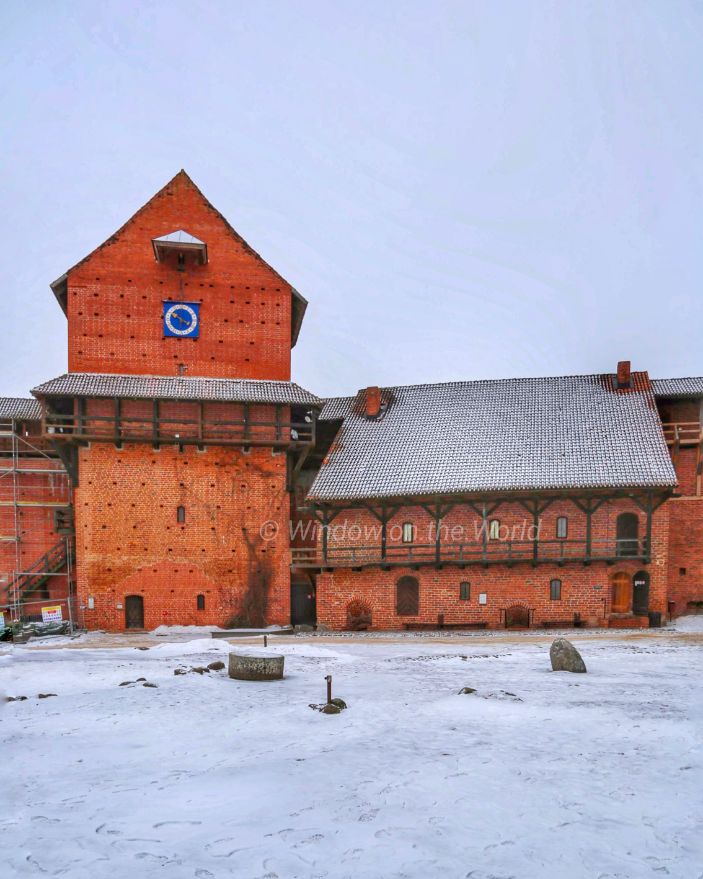
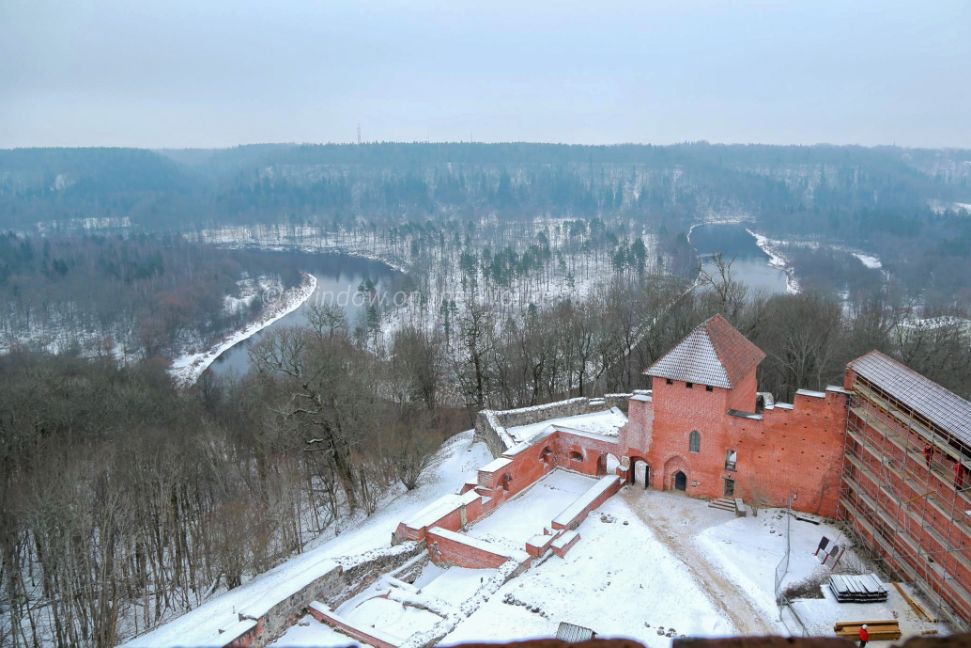
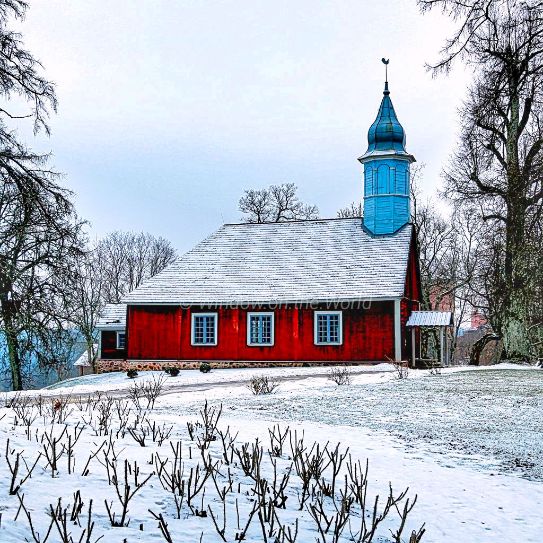
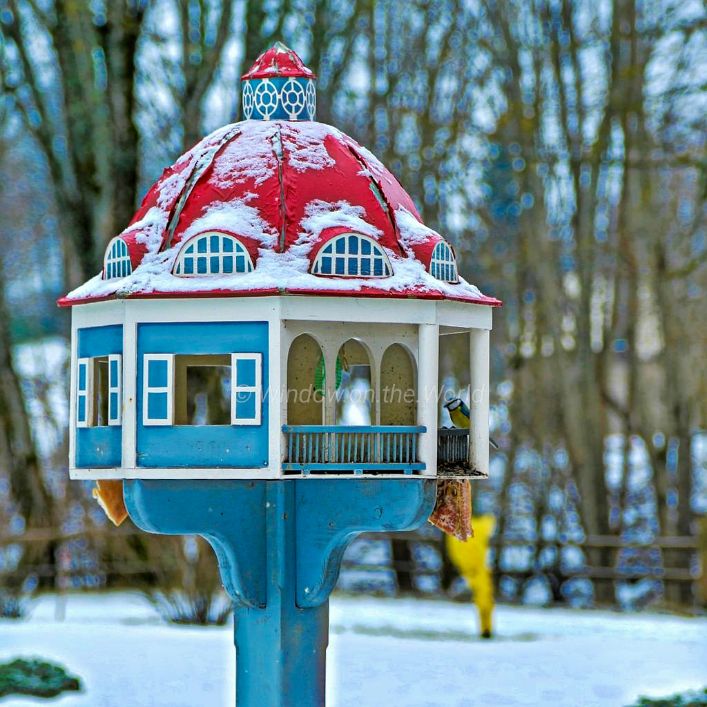
A newly built railway station of Sigulda. Railway Tracks look beautiful after snow @ Sigulda Railway Station.Sigulda Evangelical Lutheran church, a masonry church built in 1483 and mentioned in the chronicles as the church of St. Bartholomew.Ruins of Medieval Castle of the Livonian Order In Sigulda, located on the edge of the Gauja valley in Latvia, the original castle was built in 1207 as a castellum type fortress. Ruins of Sigulda Medieval Castle. The Grand Marshall’s chair in the main gate tower of castle of the Livonian Order in Sigulda.Sigulda New Castle (Siguldas jaunā pils), built in 1878 in the Neo-Gothic style as the living house for the owners of the manor. The building has changed its owners and functions several times. Since 1993, the Sigulda Region Council has been located in the castle.Stone Art outside the Sigulda Medieval Castle.Entrance sign of Turaida Museum Reserve.Turaida Castle is a recently reconstructed medieval castle in Turaida, on the opposite bank of the Gauja River from Sigulda. Construction of the castle was started in 1214 upon directions given by Albert, Archbishop of Riga to his Livonian Brothers of the Sword. Turaida castle was constructed largely in the classic red-brick construction of the Baltic crusading orders. Improving the castle’s defensive system continued in later centuries, minor reconstruction work was carried out in 17th century although the castle started to lose its strategic importance. After a fire in 1776 it was abandoned and gradually became ruinous.Built in the 13th century. The large round tower or bergfried is the main part of the castle building, therefore it is also called the Main Tower. Designed for surveillance of the surroundings and protection of the castle. It served as the last refuge for the defenders of the castle during the attack.Western building and Semicircular tower with a large clock: The western building of the castle was used by officials from the 15th to the 16th century. In the 15th century, a large semicircular (western) tower was built in Turaida Castle in order to gain greater efficiency in the use of firearms.Unique landscape of the picturesque Gauja valley from viewing place of the main tower. Turaida Church, one of the oldest wooden churches in Latvia, built in 1750. The church is located on the Church Hill, which is an ancient place for building churches. Archaeological research confirms that at least two churches were located in this place before.A very beautiful bird house in the Turaida Museum Reserve.
While making the Capital city Riga as my base, I made a day trip to Jurmala by trains. Jurmala, the pearl of Latvia, is the largest resort town in the Baltic. No other place has beaches with tens of kilometres of such white, fine sand. Jurmala is known for wooden, art nouveau seaside villas, Soviet-era sanatoriums and long, sandy Jūrmala Beach.
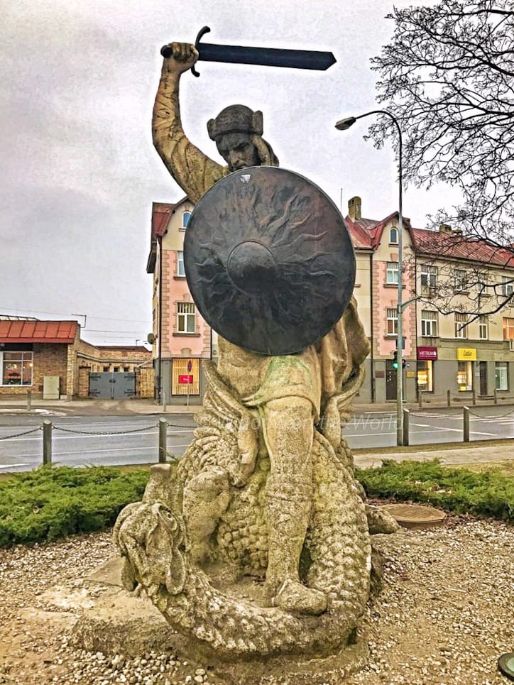
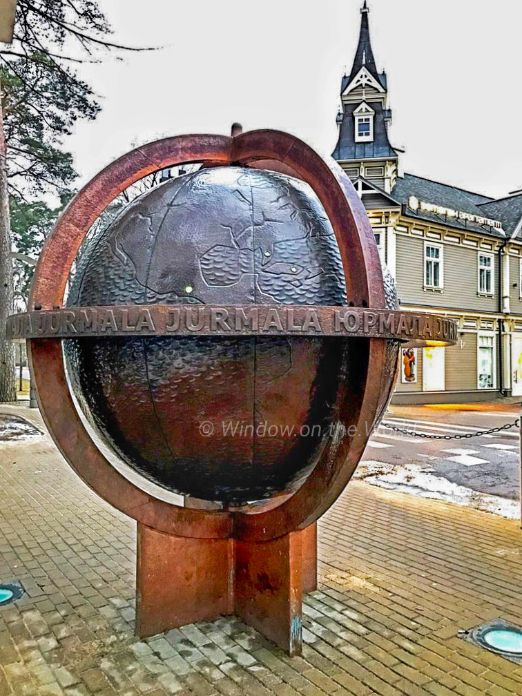
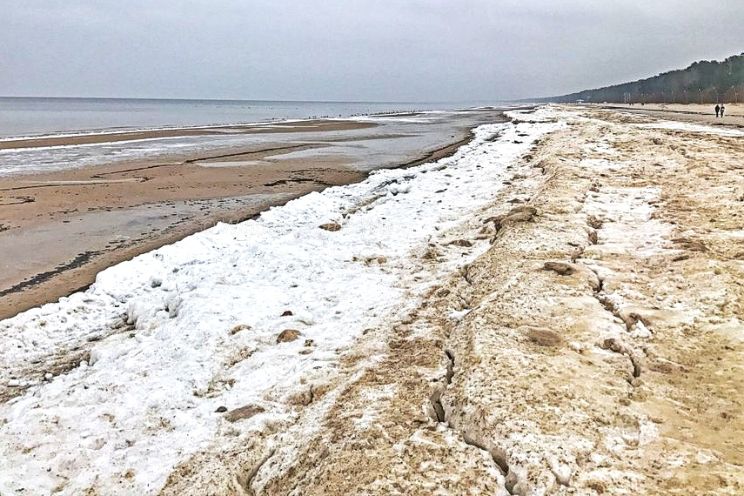
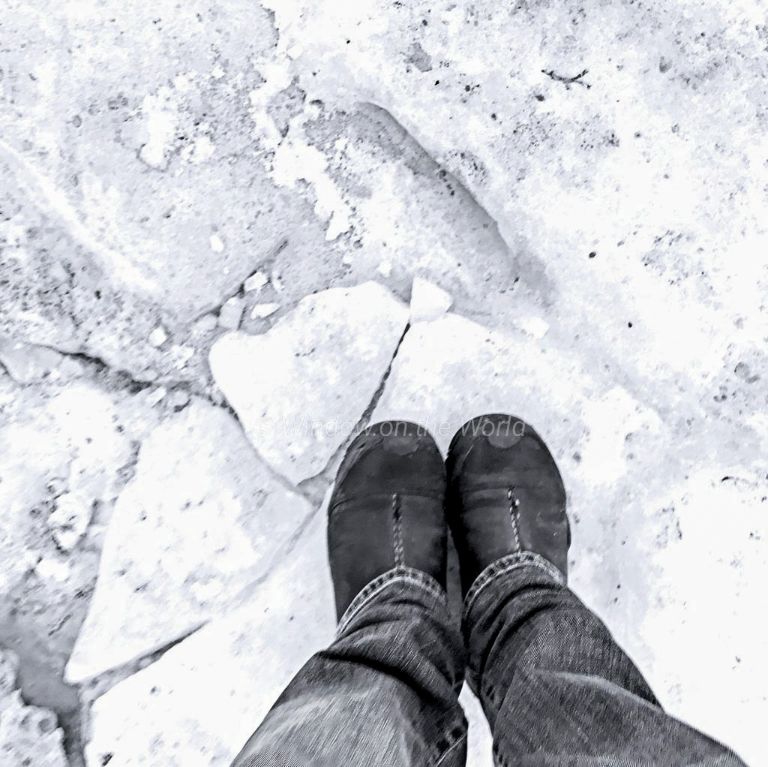
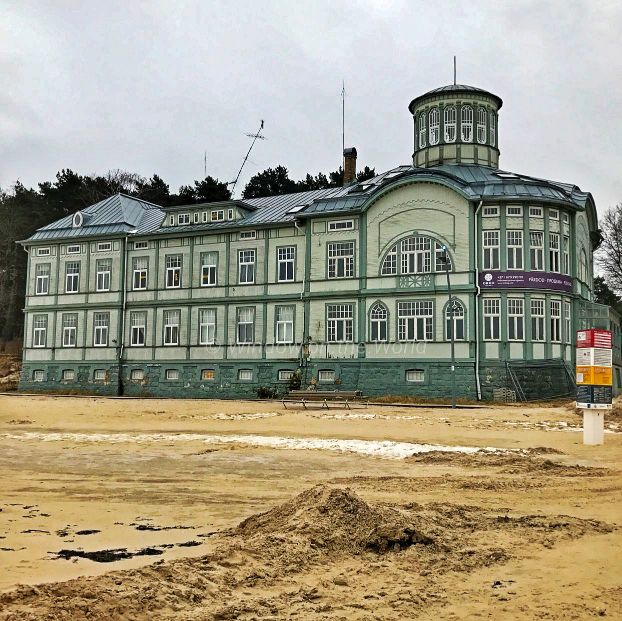
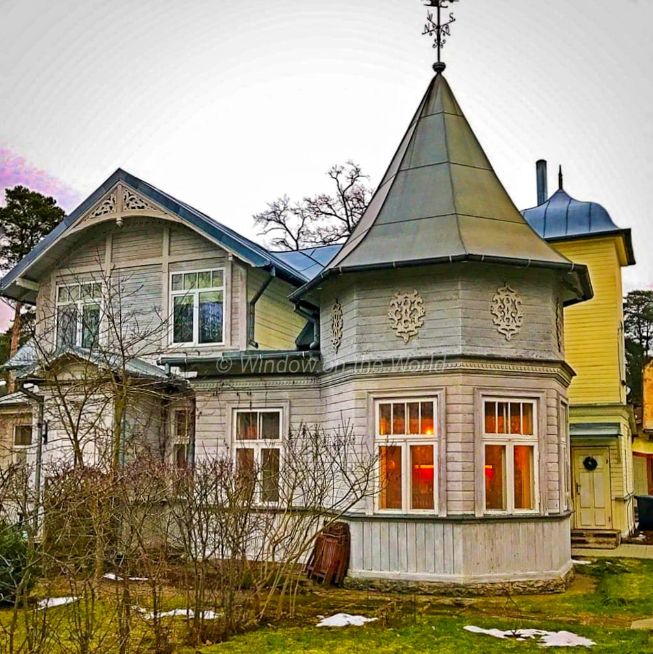
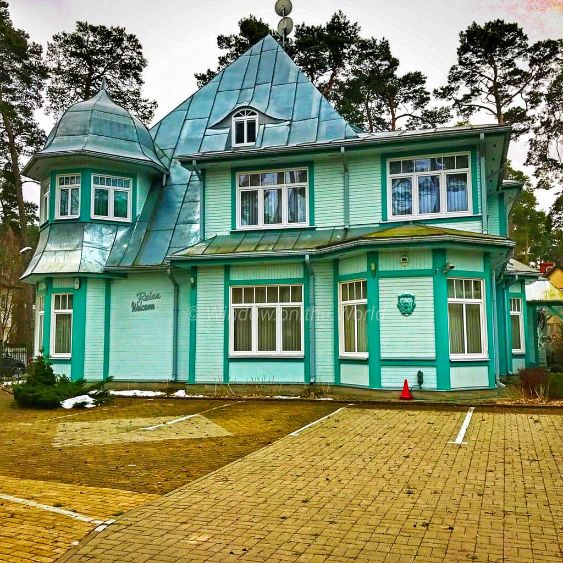
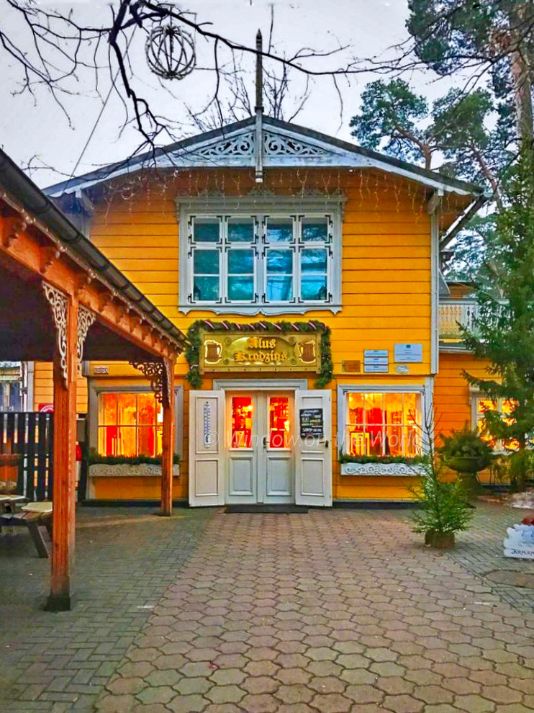
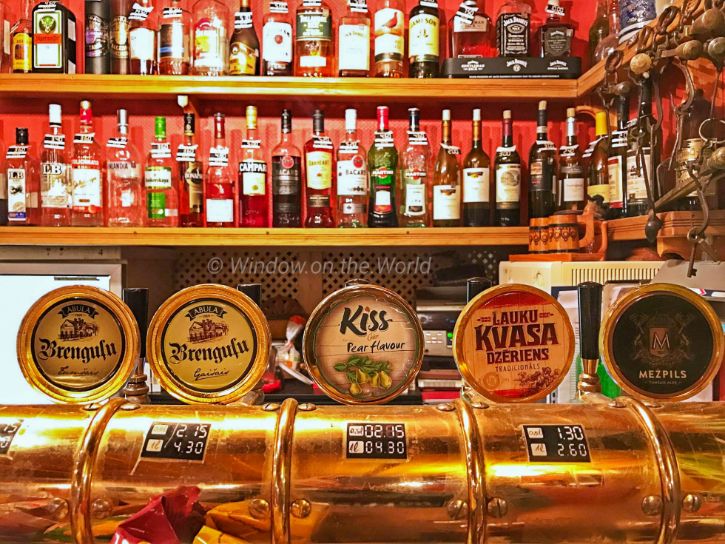
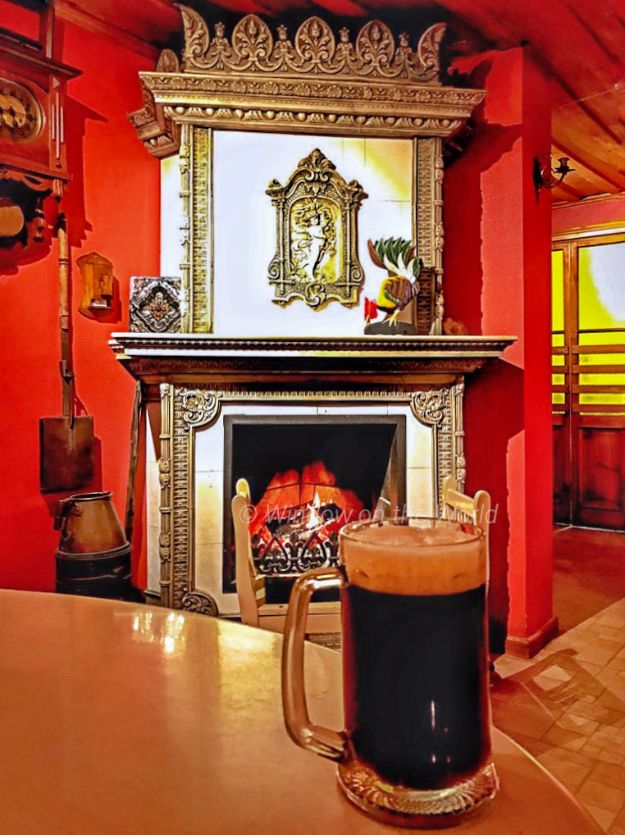
The statue of Lāčplēsis, the Bear Slayer, Latvia’s epic hero and freedom fighter, was erected in 1953, which is interesting given the fact that Latvia was part of the USSR back then and a popular resort among Soviet holidaymakers.Jurmala’s Globe, a 3 meters high Bronze Globe which rotates around its axis, located in the very end of famous central Jomas street.Tens of kilometers of white, fine sandy beach. Jurmala, known as the pearl of Latvia, is the largest resort town in the Baltic, but in February, I was the only tourist in town.I have walked on frozen Ponds, Lakes, Rivers and Waterfalls in the past, but this was the first time I walked on the Frozen Sea.A Former Bathing Centre, built in 1911–1916, was on for Sale. During the Soviet period, all day long various baths were offered here: warm seawater, carbonic acid, oxygen and fir balsam baths.Jurmala is characterized by its wood architecture with gingerbread accents, cottage-style buildingsA wooden cottage, now a guest house.Another wooden structure, a restaurant and Bar.Fully stocked bar, you can tell it is a resort town with many tourists visiting during Summer.Enjoying home brewed beer in Jurmala.
After four days in Latvia, it was time to visit Lithuania, next country in my Backpacking through Baltics trip.
In May 2017, 23 days before I was going to complete 50 years, grabbed an opportunity and took an early retirement.. Picked up a backpack and traveling ever since.. Love to travel around the world, experience different culture, local cuisine & drinks .. and take pictures.. so far been to 108 countries and still counting...


 Window on the World