I visited Spain for 6 days during December, 2014. As I had a full time job during those days, I had less than a week in the country, so I made Madrid, the capital city, as my base and made day trips using public transports to Segovia and Toledo, both UNESCO World Heritage Sites.
Madrid is the largest city of Spain and the third largest city in the European Union. As it is the capital city, Madrid is where the monarch lives and also where the government meets. Madrid is the Financial, Political, Art and Cultural center of Spain.
Madrid was ruled by the Romans from the 2nd century. After 711 it was occupied by the Moors. In 1083 Spain was ruled again by Spaniards. Catholic kings ruled the country. By the mid-16th century it had become the capital of a very large empire. Spain was ruled by monarchs, after the Spanish Civil War it was ruled by a dictator until the mid-1970s when it became a democracy.
Although Madrid is a modern city, a lot of its history can be seen and felt as one walks along the streets and in the large squares of the city. There are beautiful parks, famous buildings, art galleries and concert halls. Pictures below are from my few days of walking around the capital city of Spain.
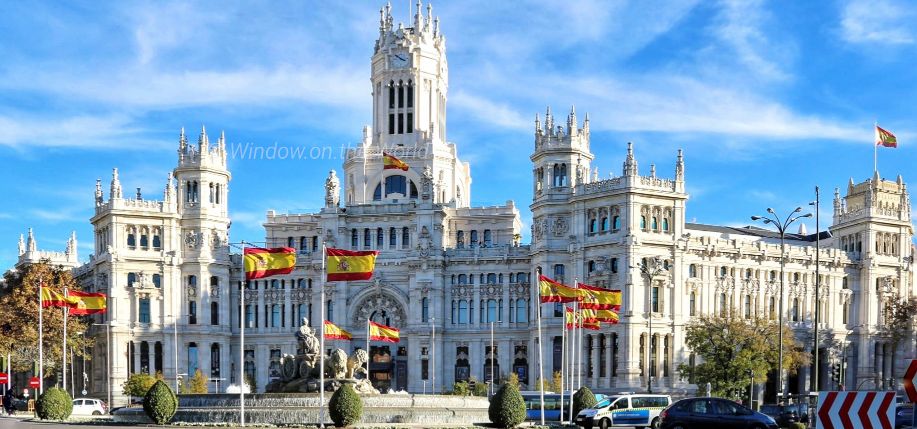
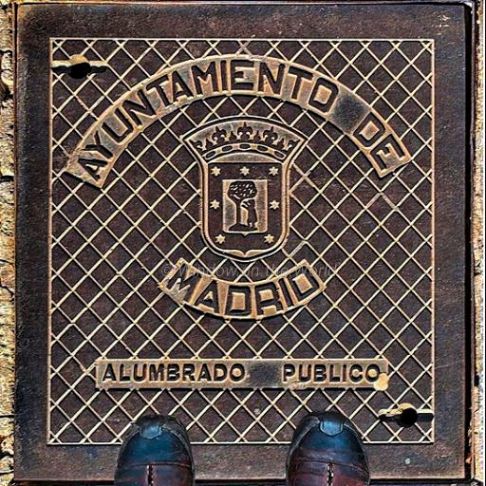
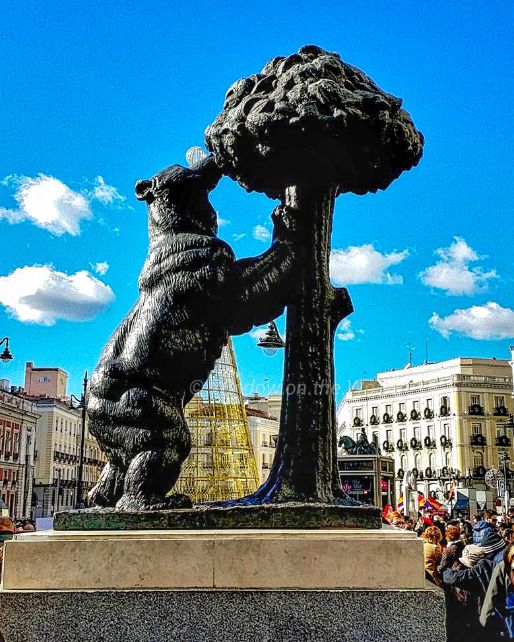
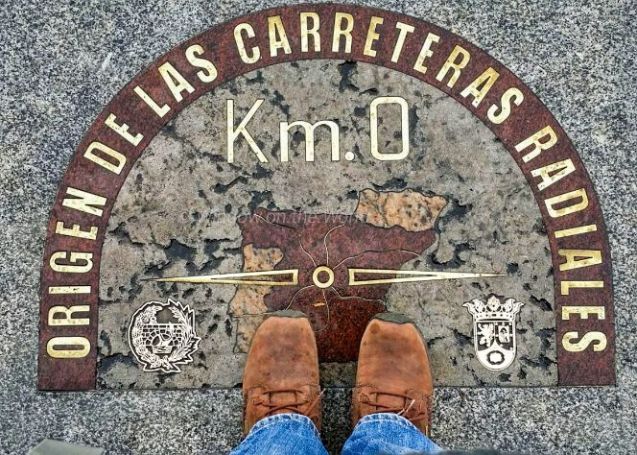
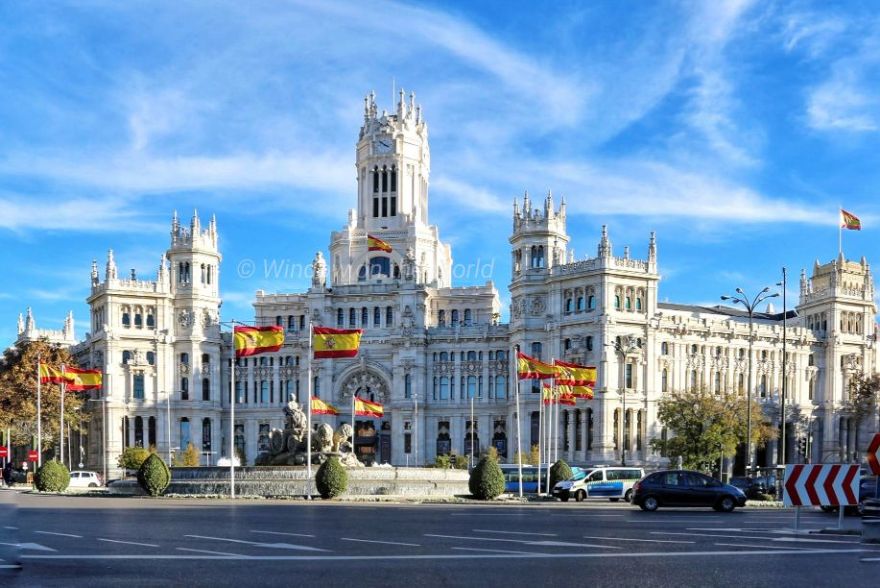
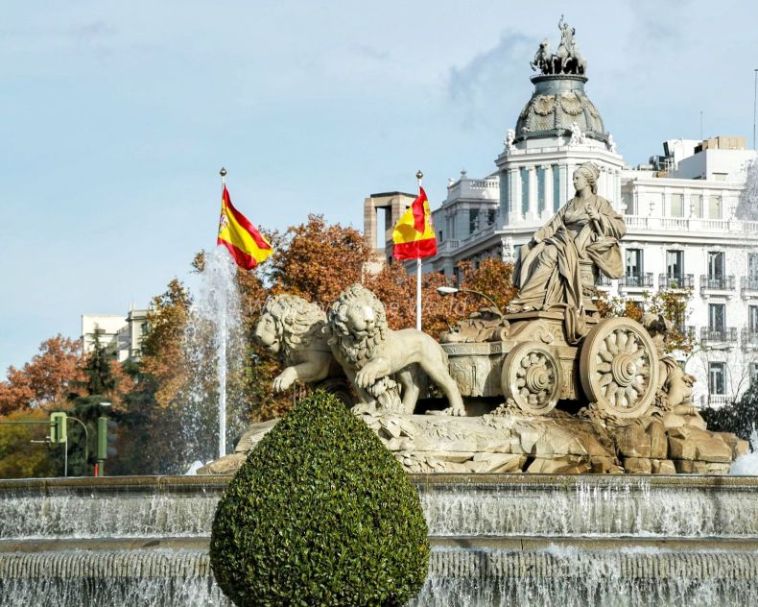
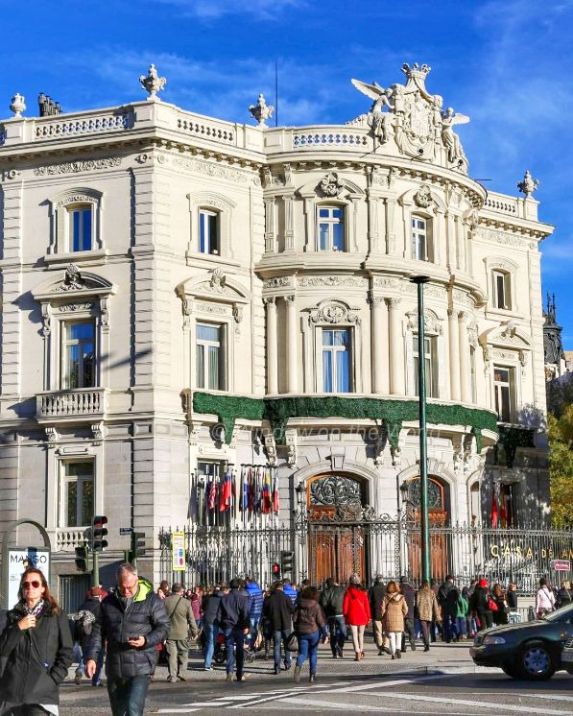
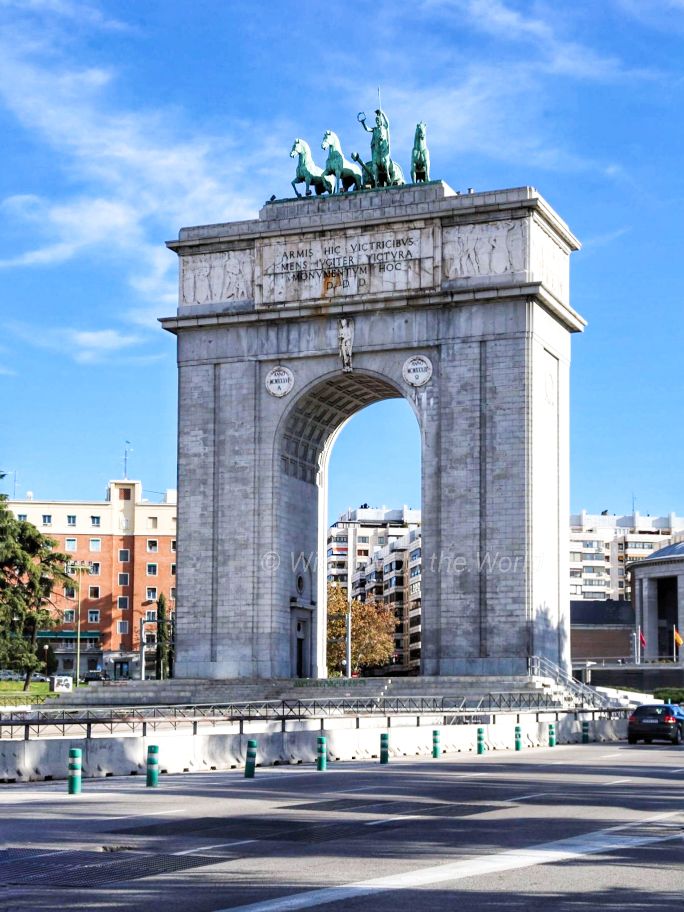
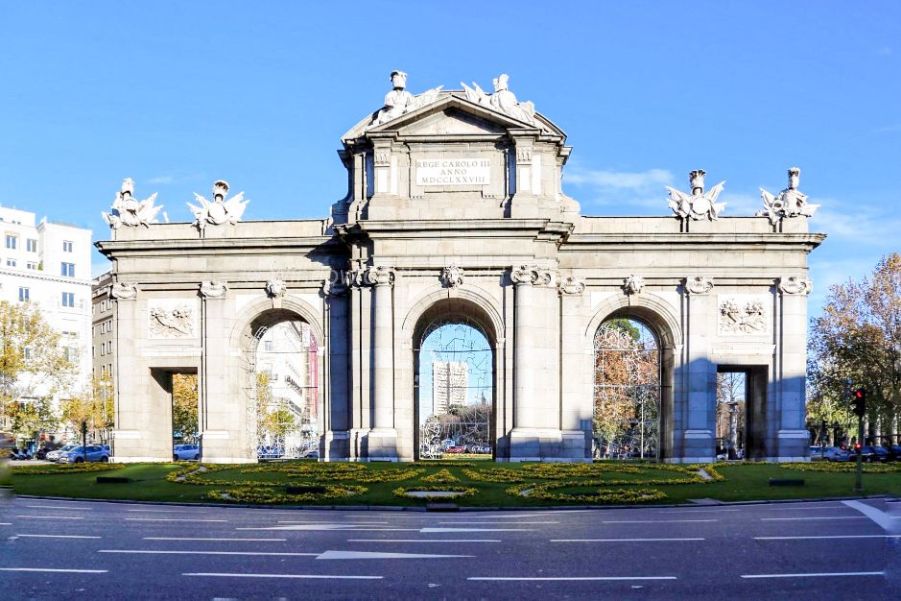
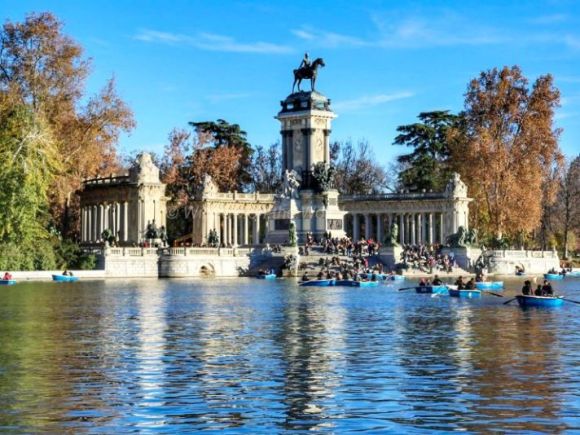
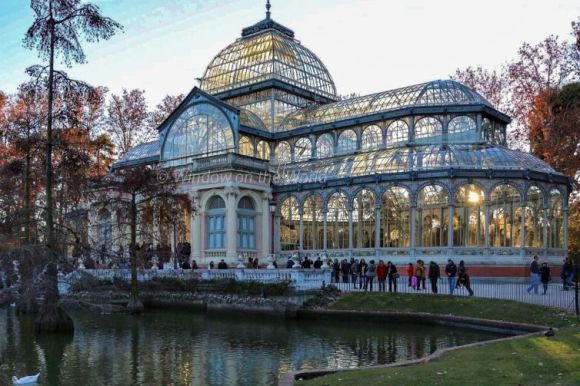
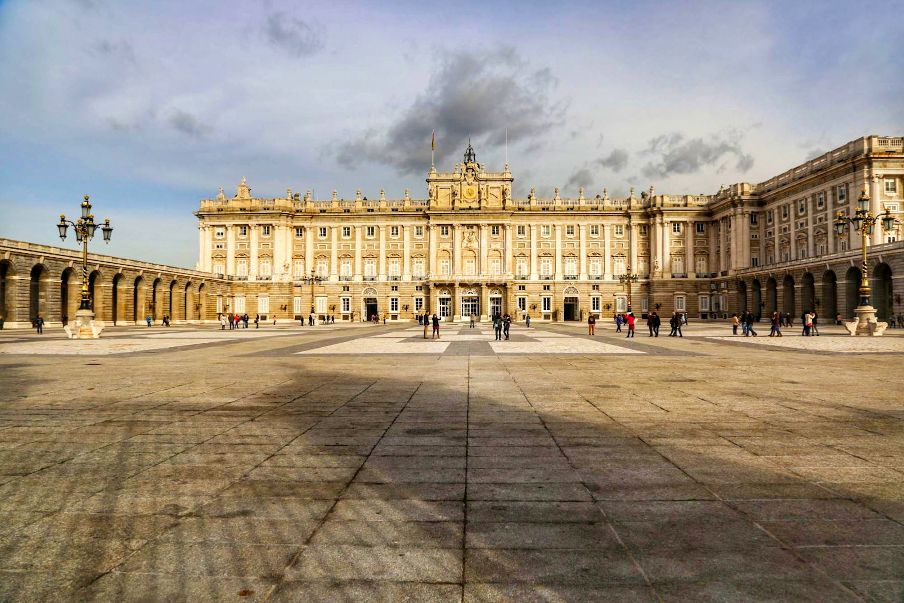
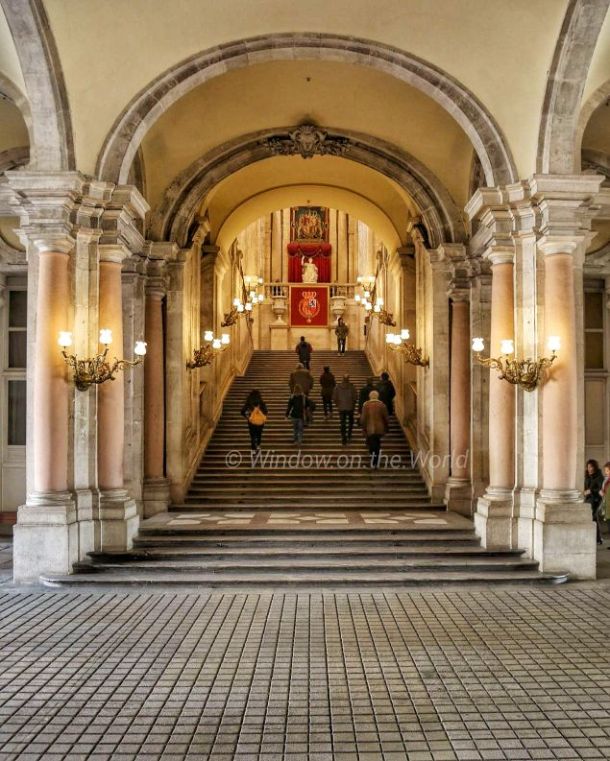
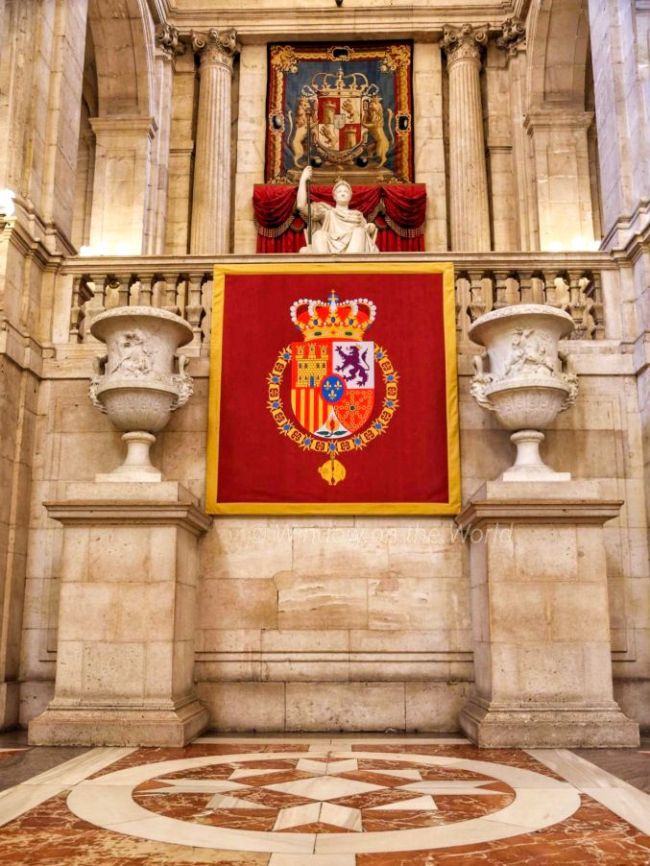
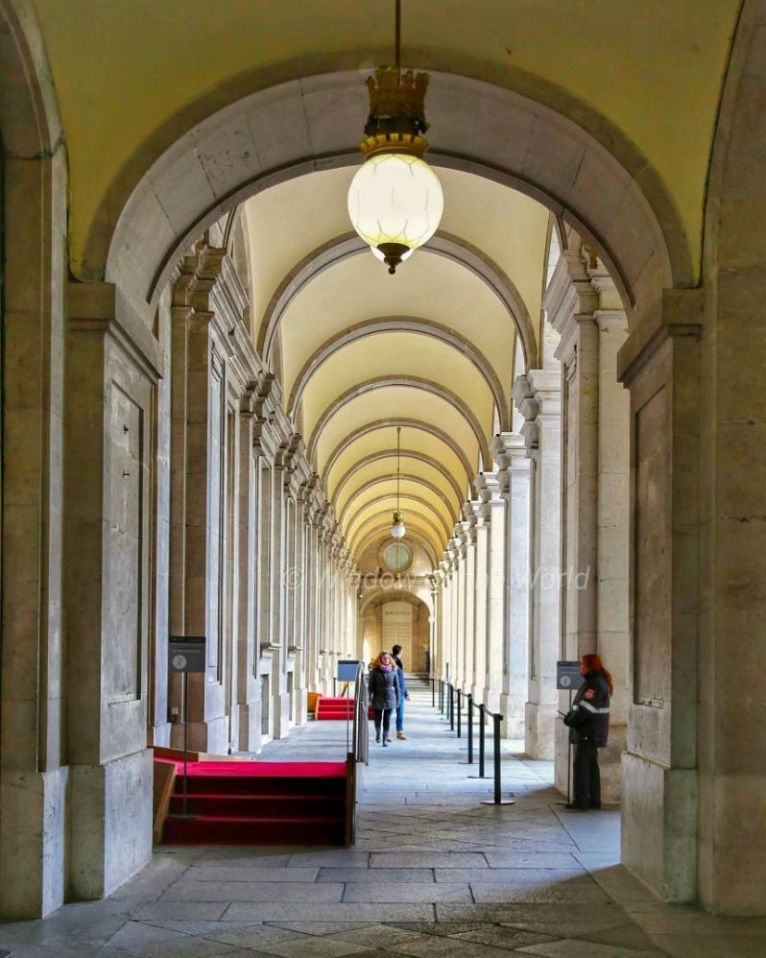
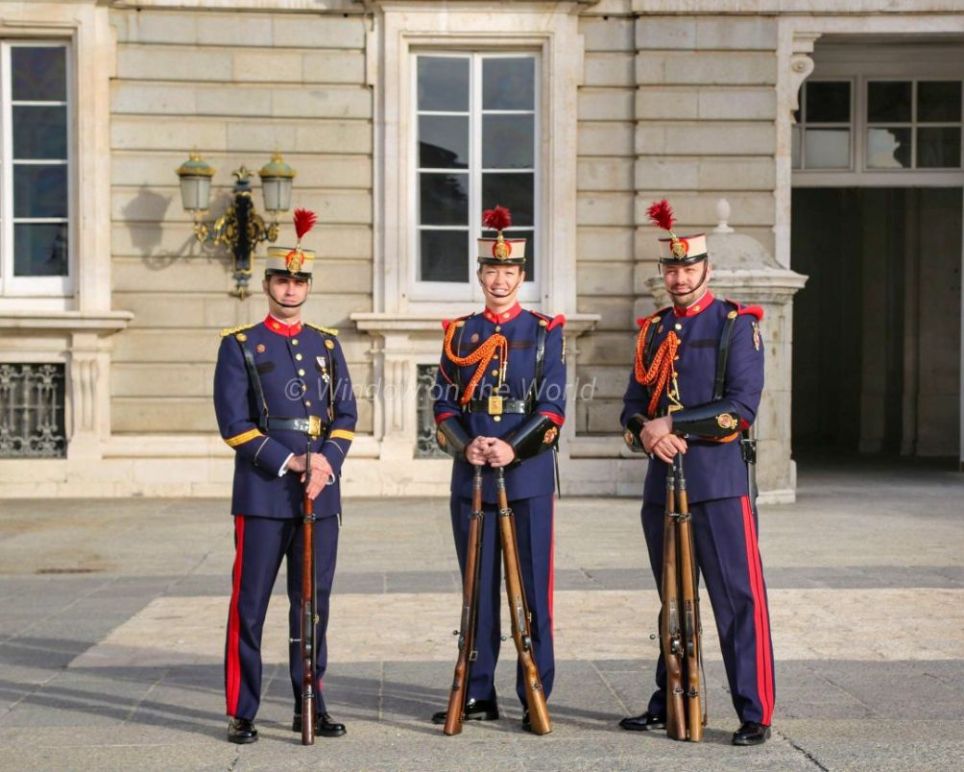
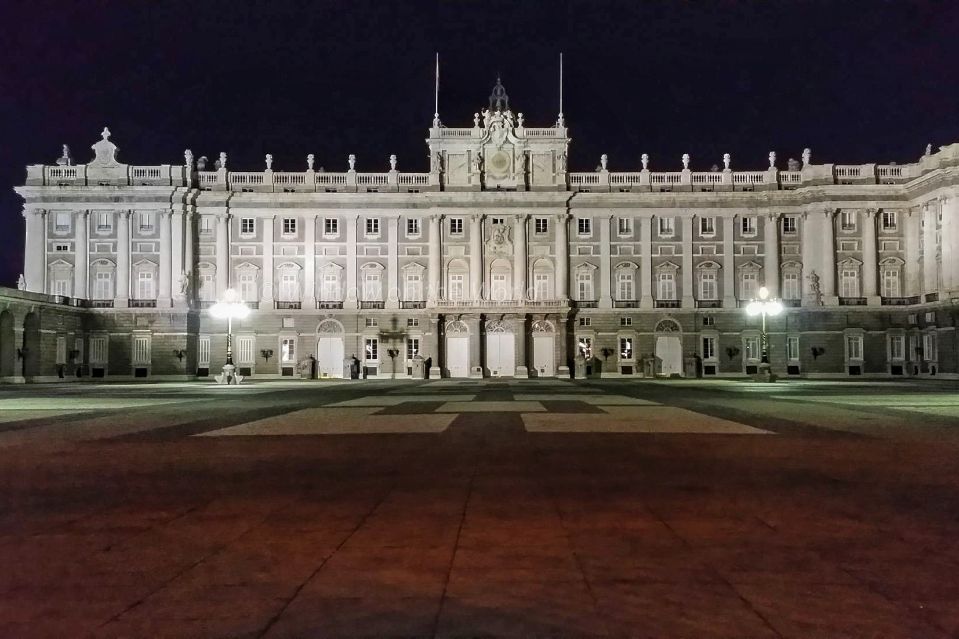
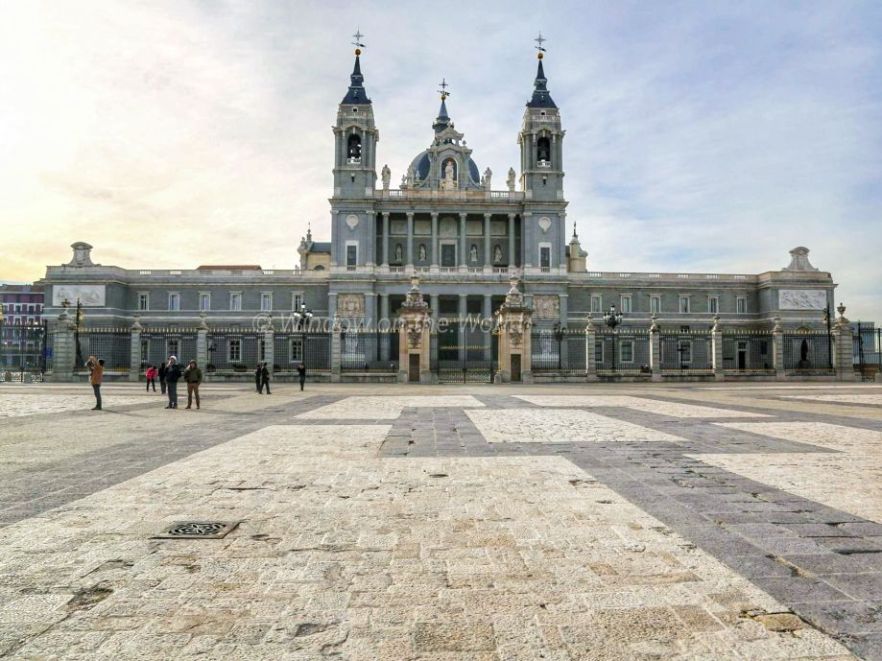
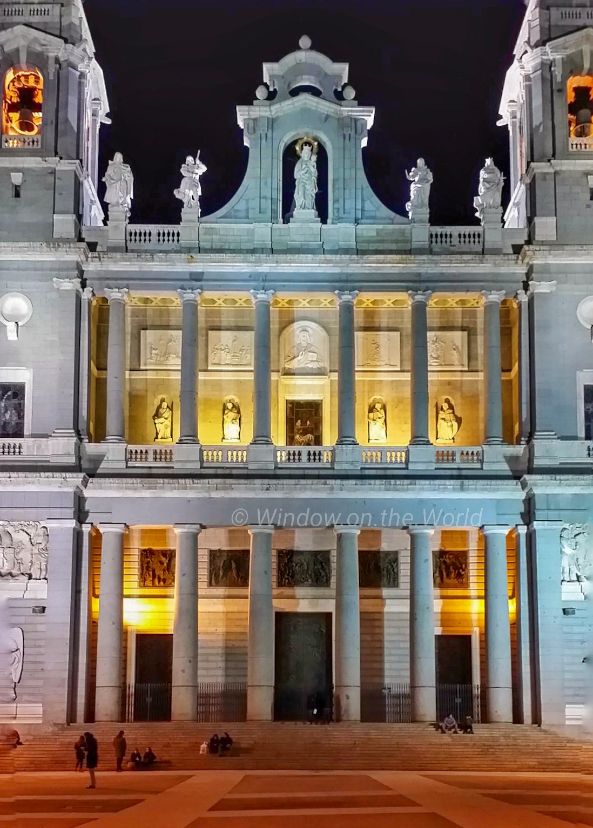
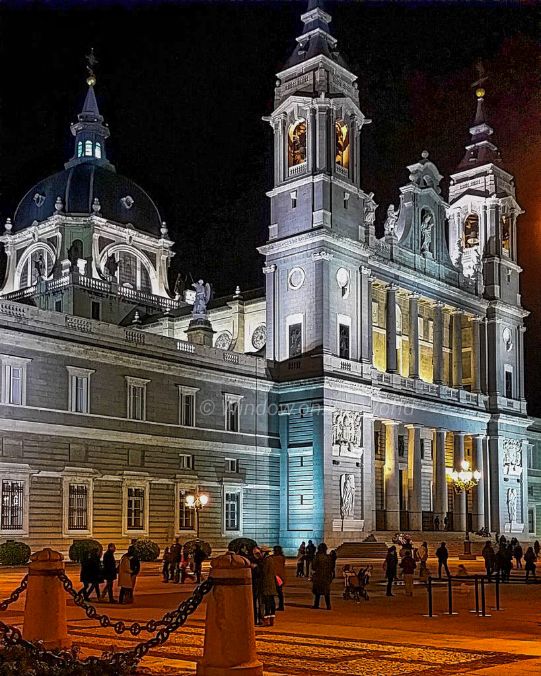
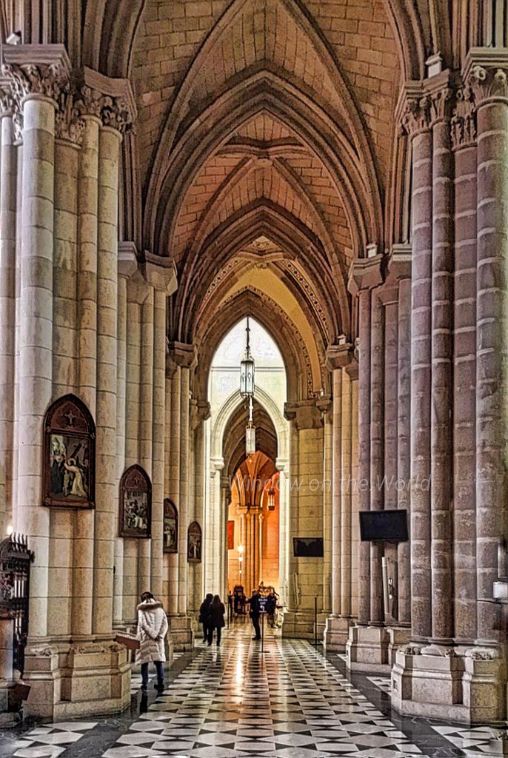
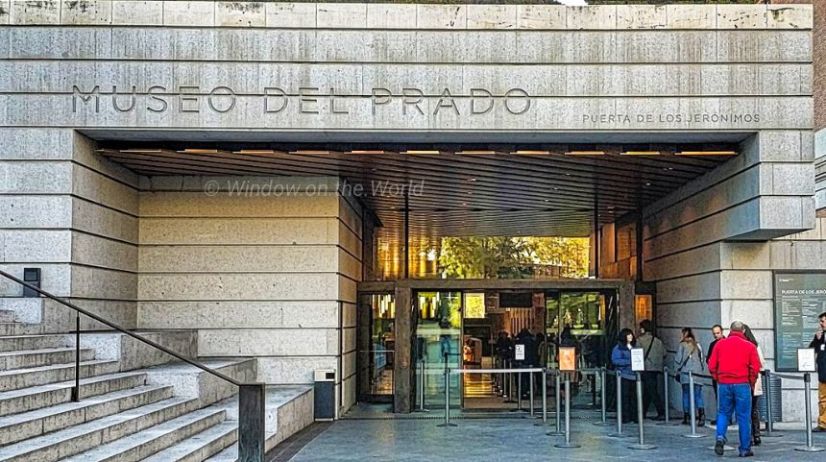
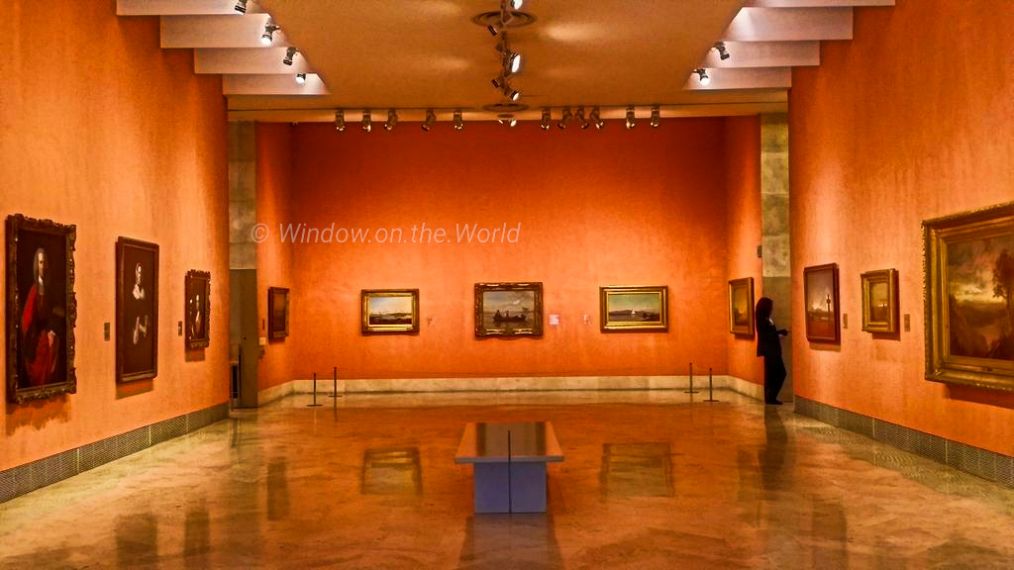
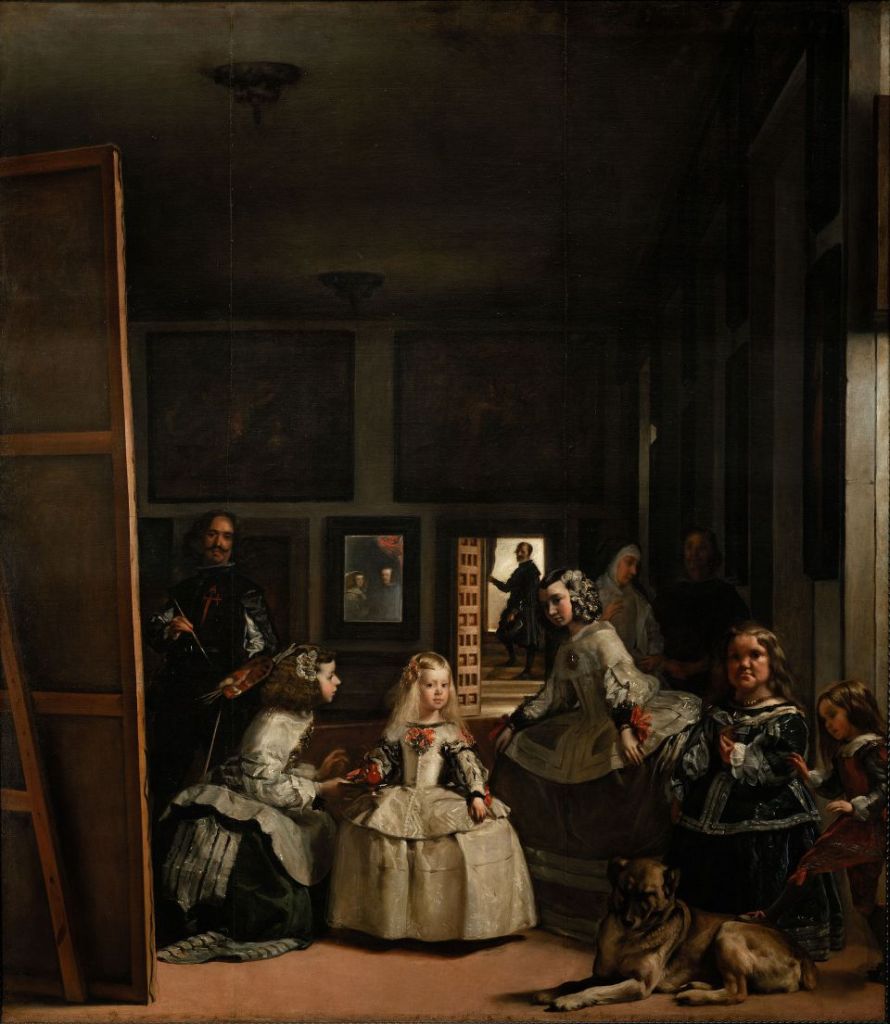
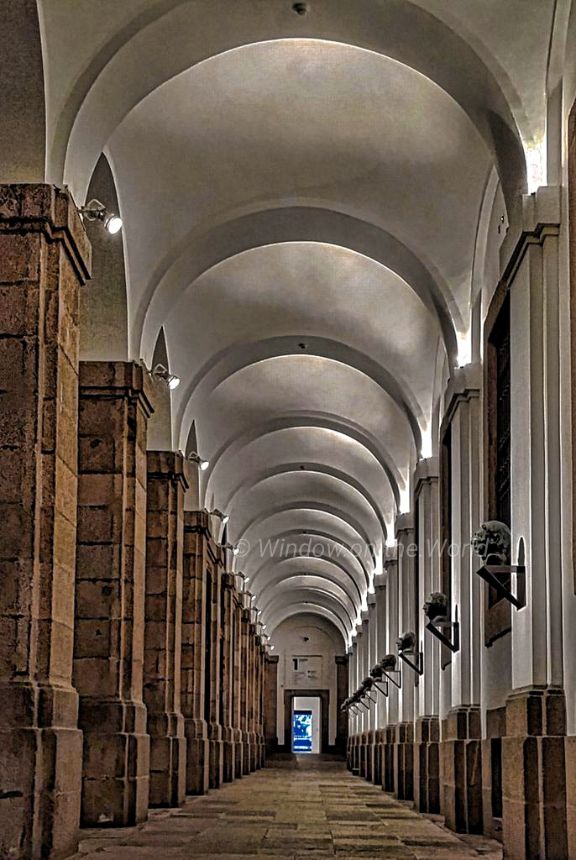
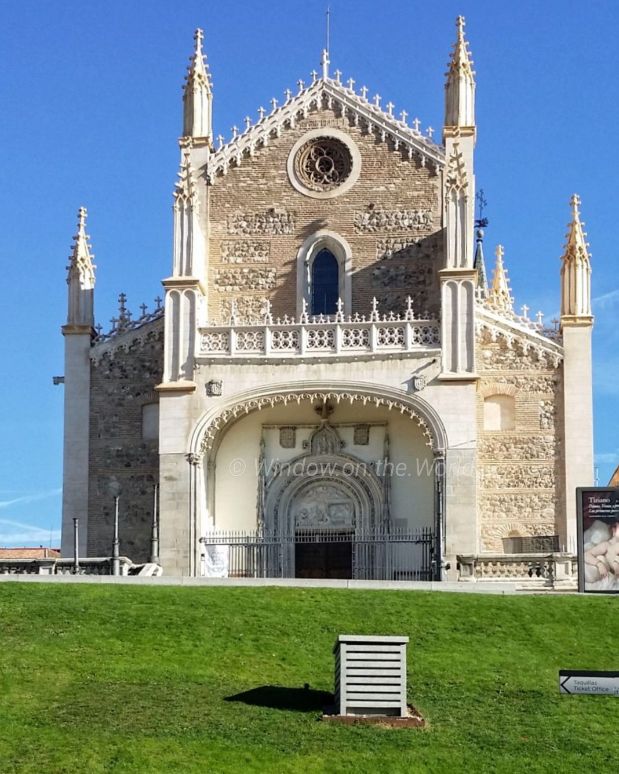
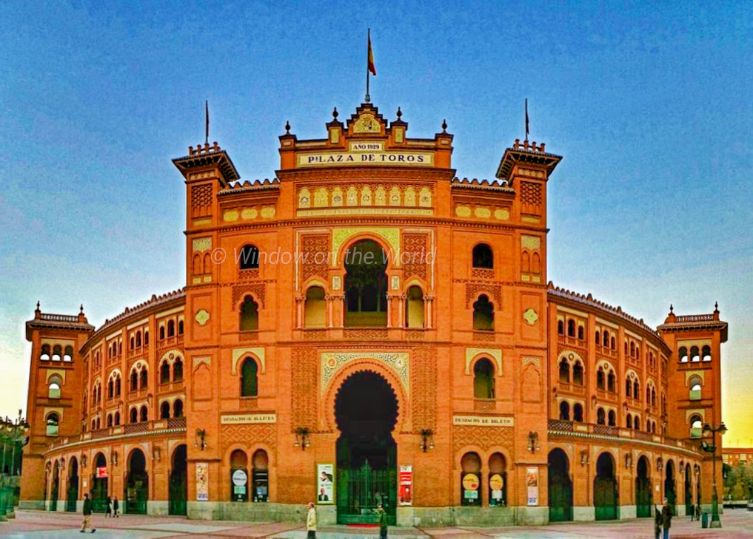
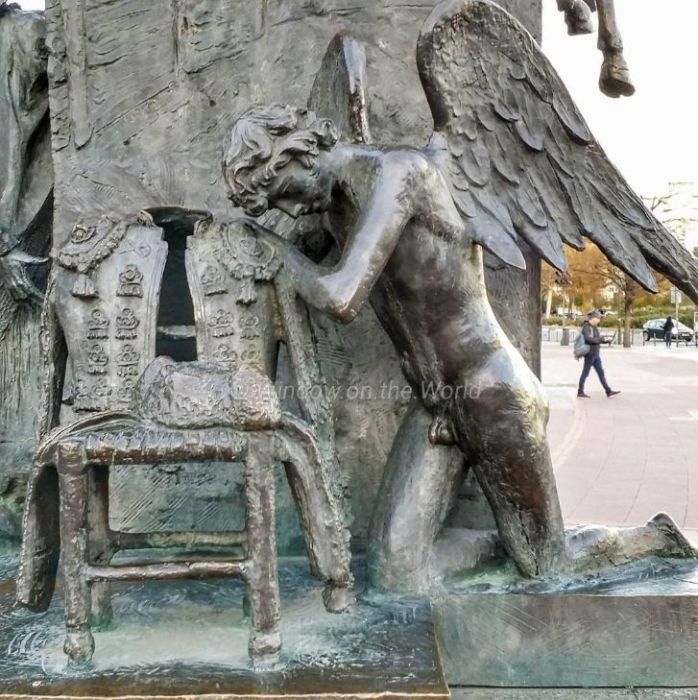
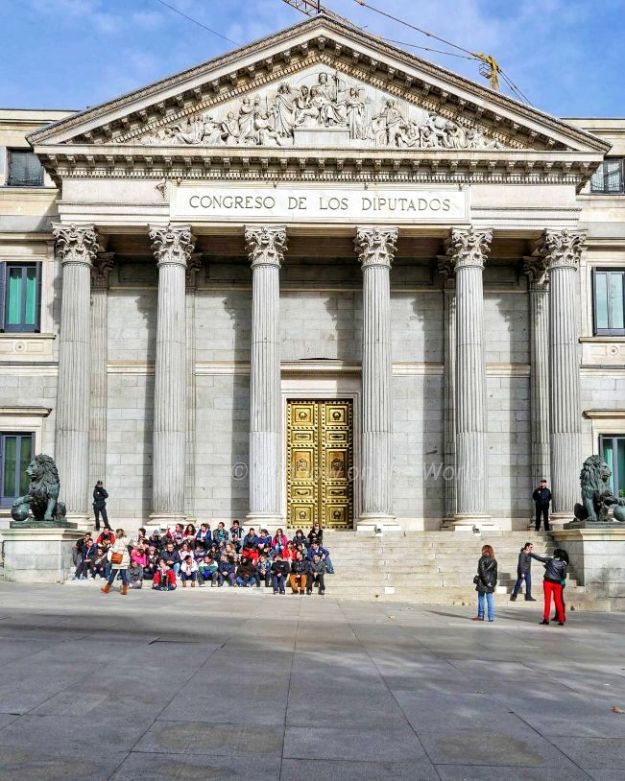
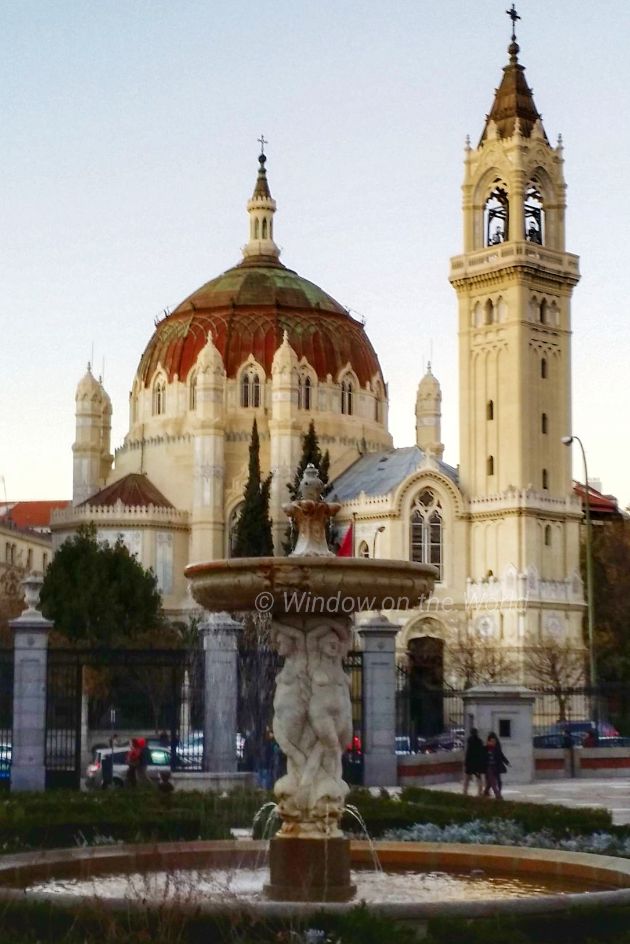
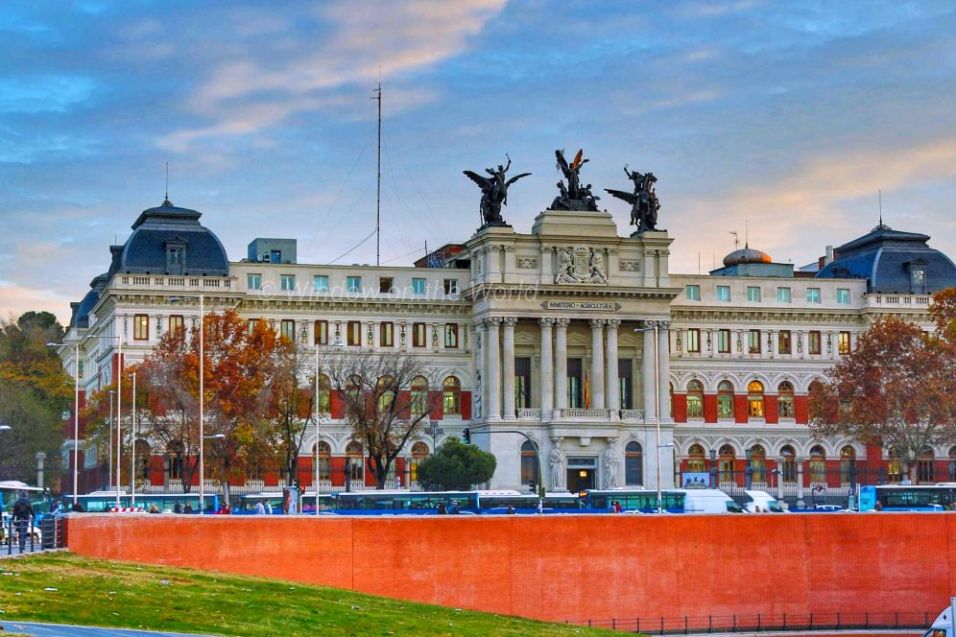
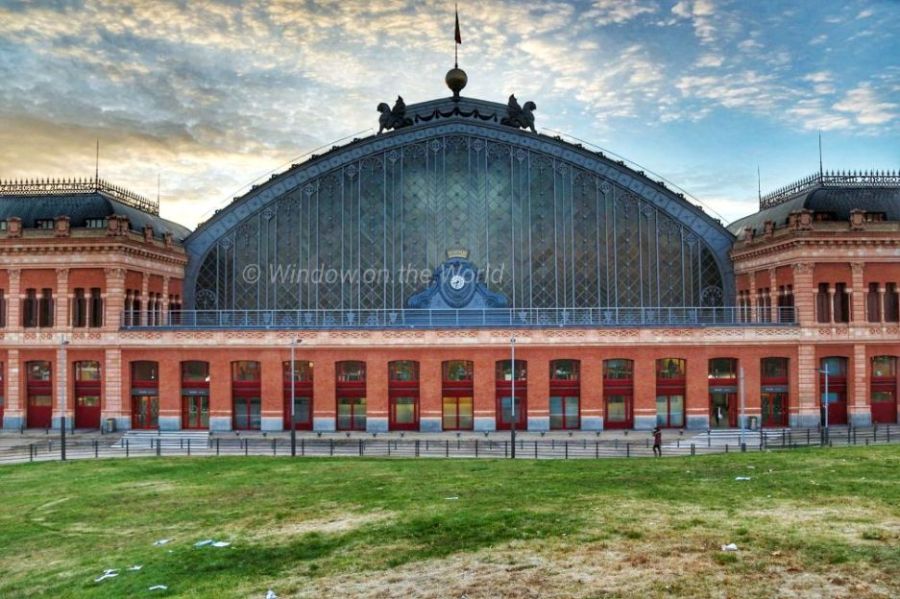
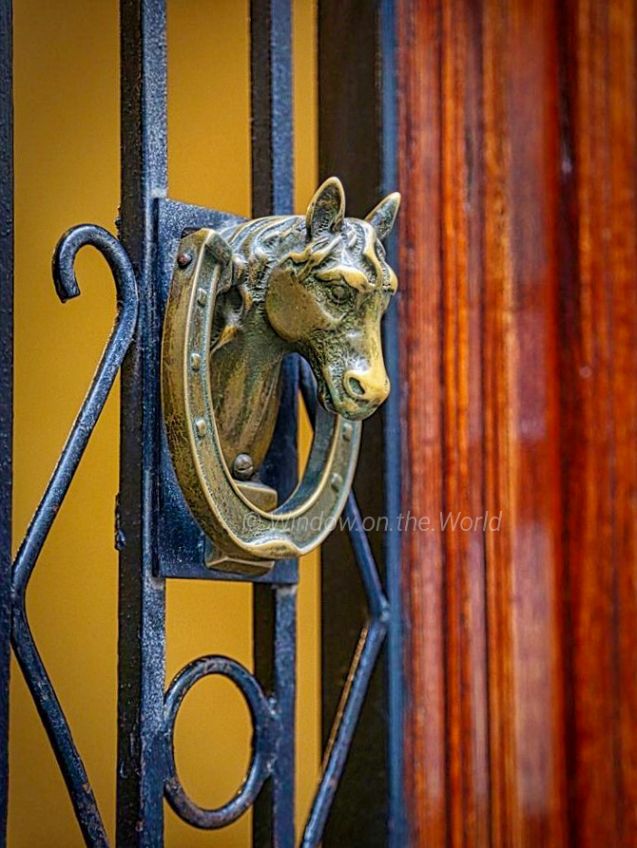
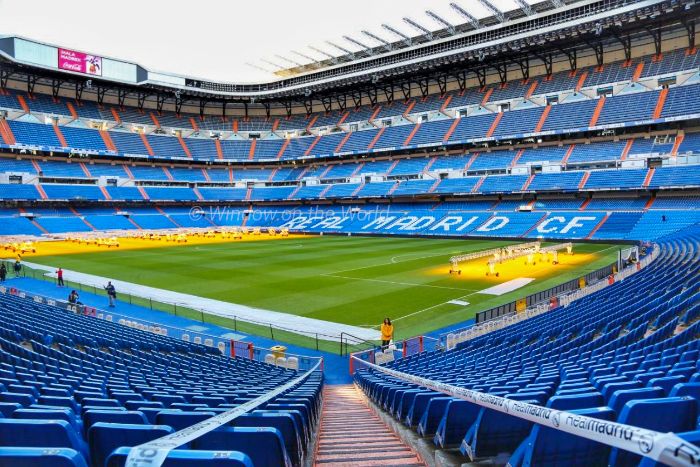
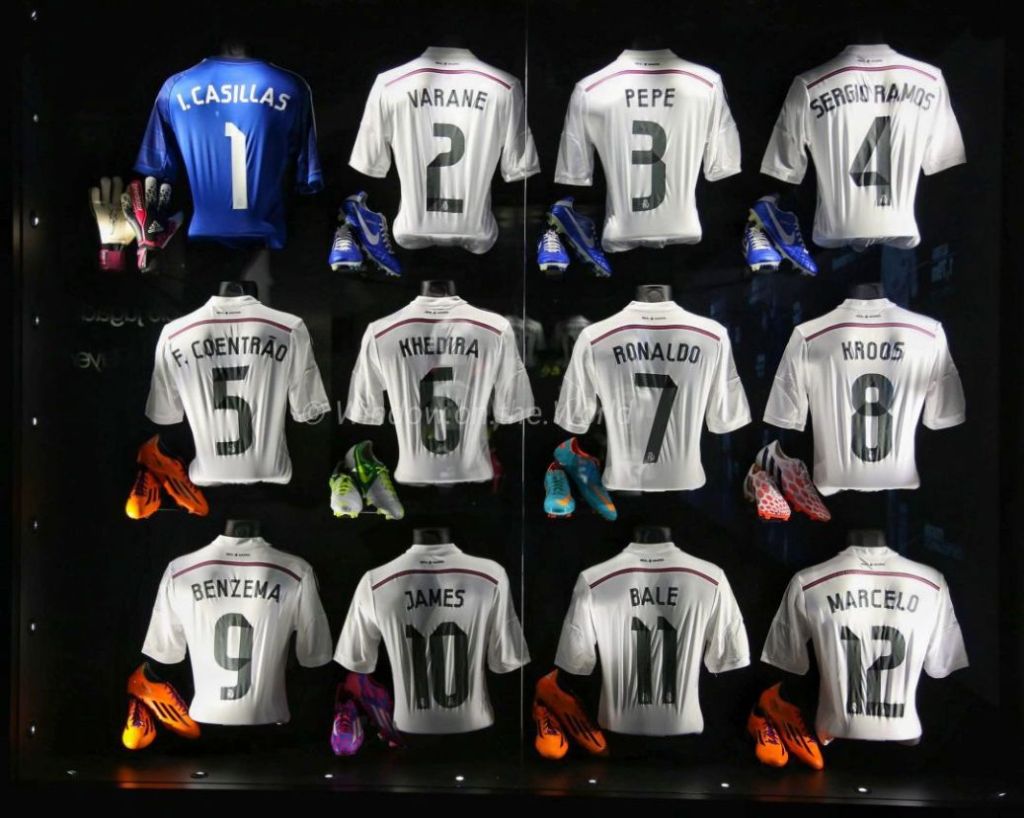
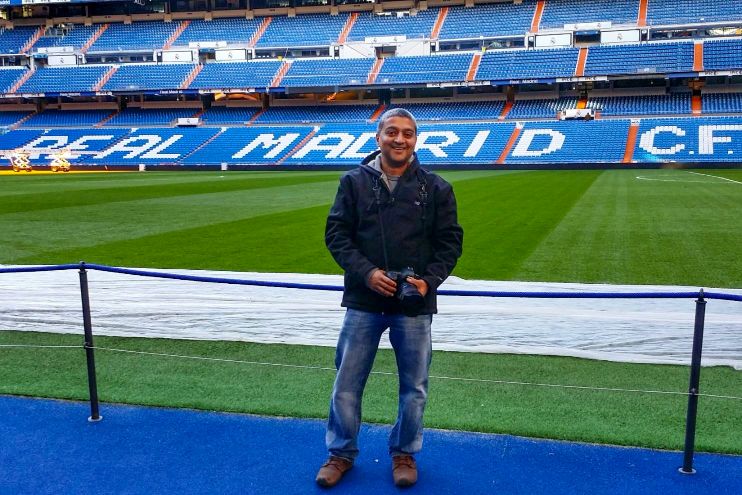
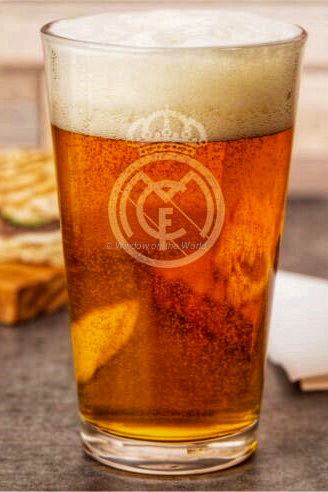
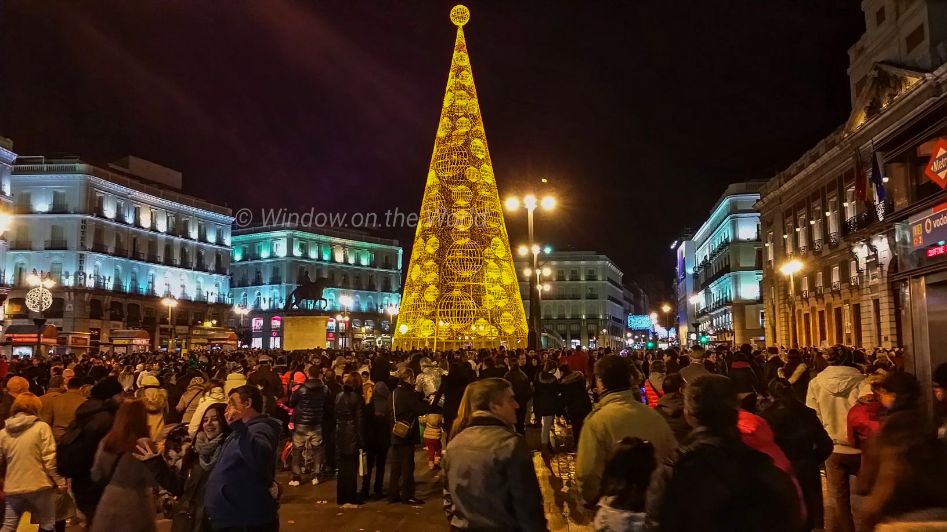
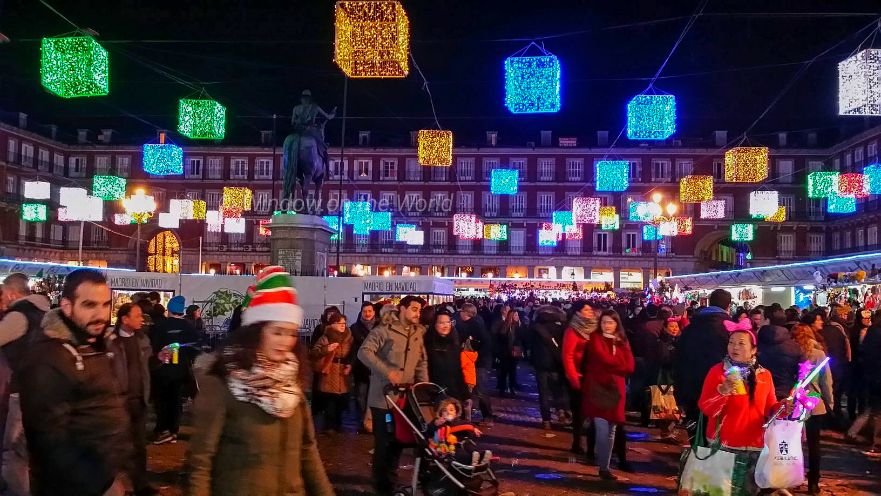
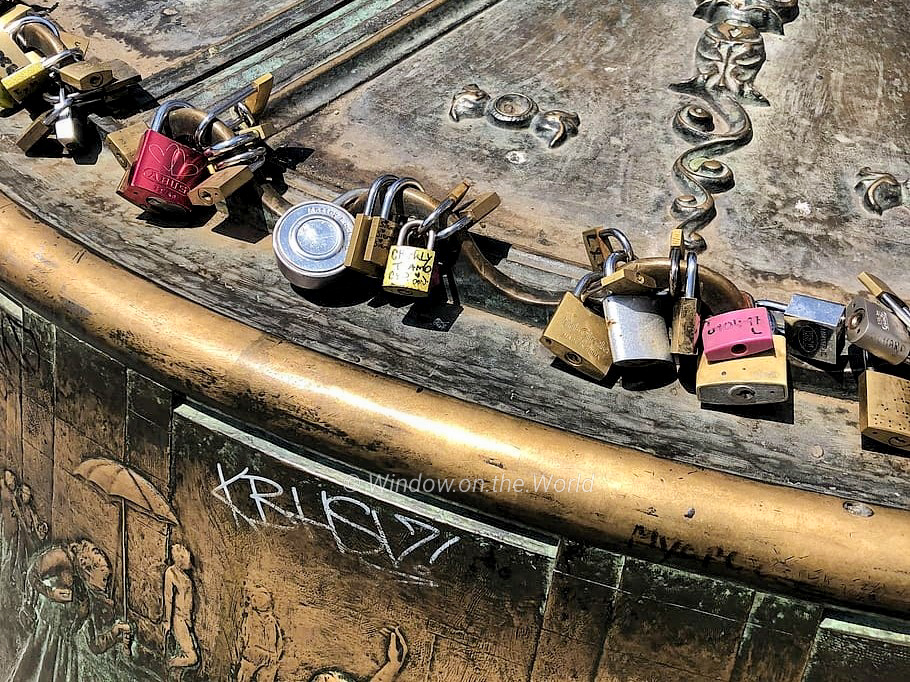
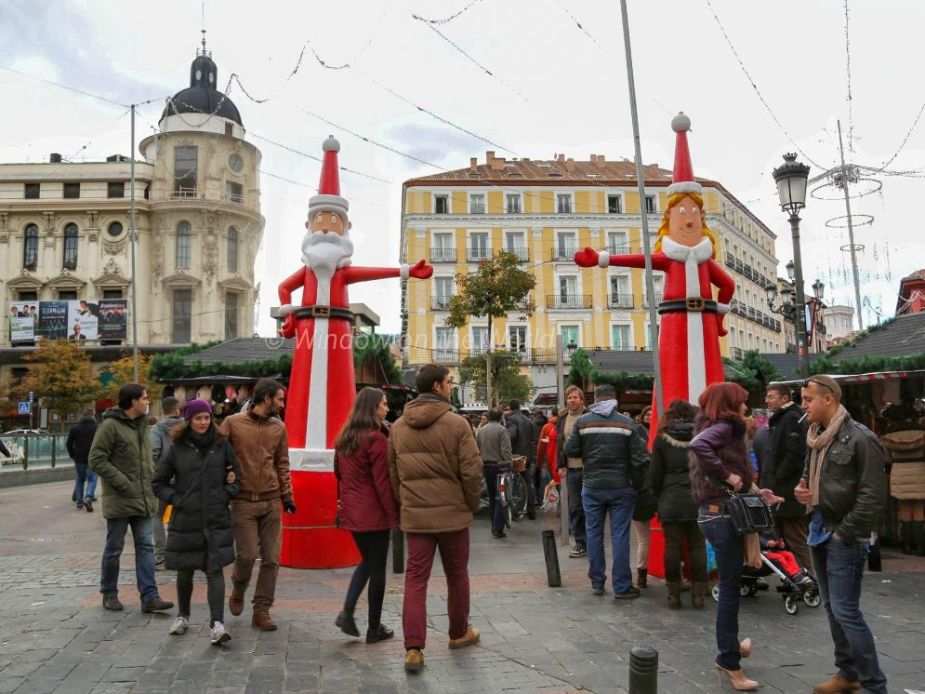
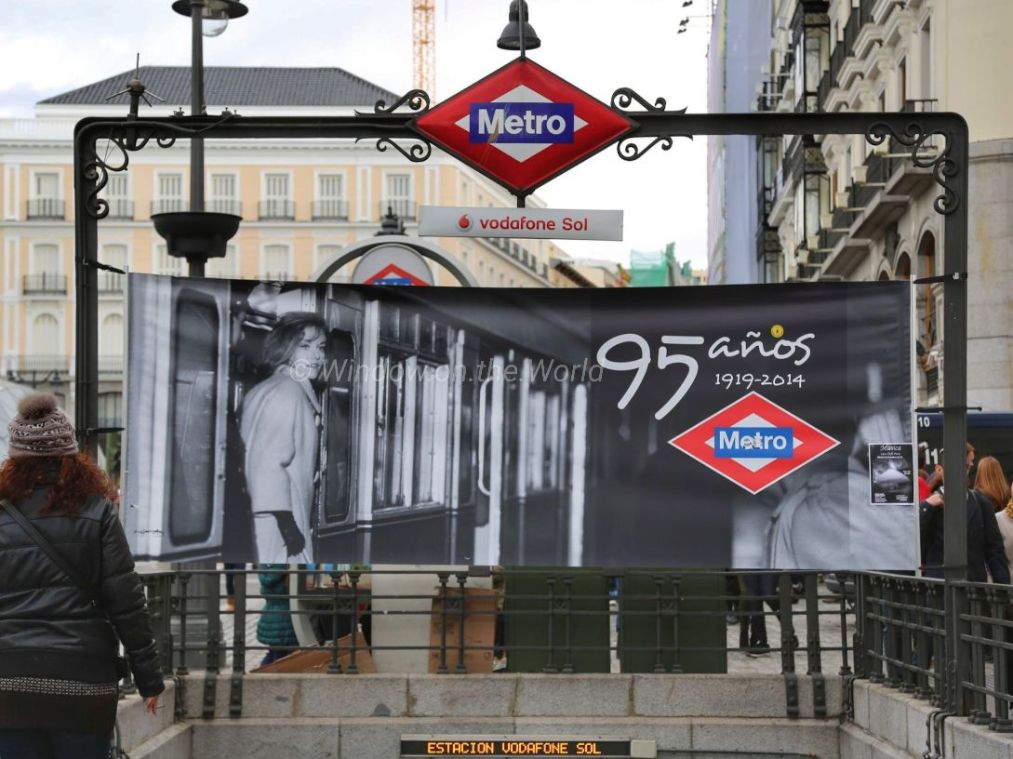
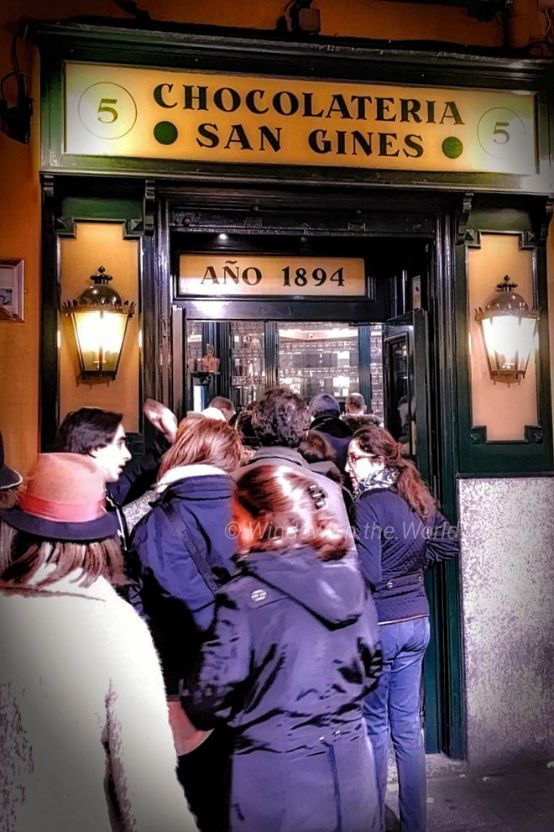
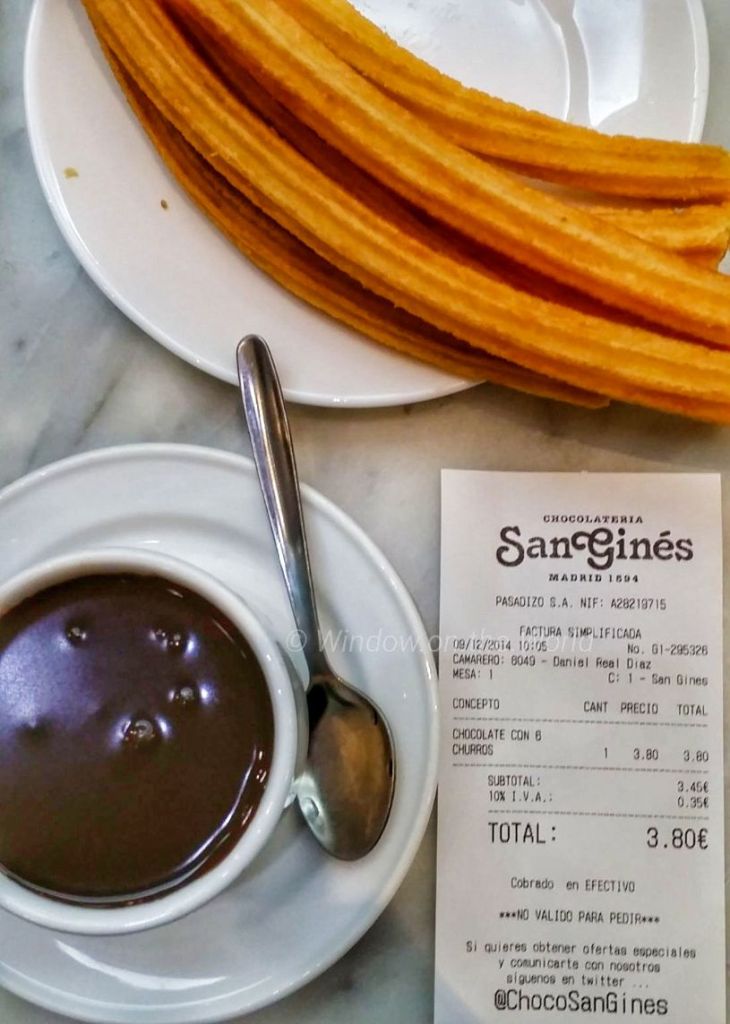
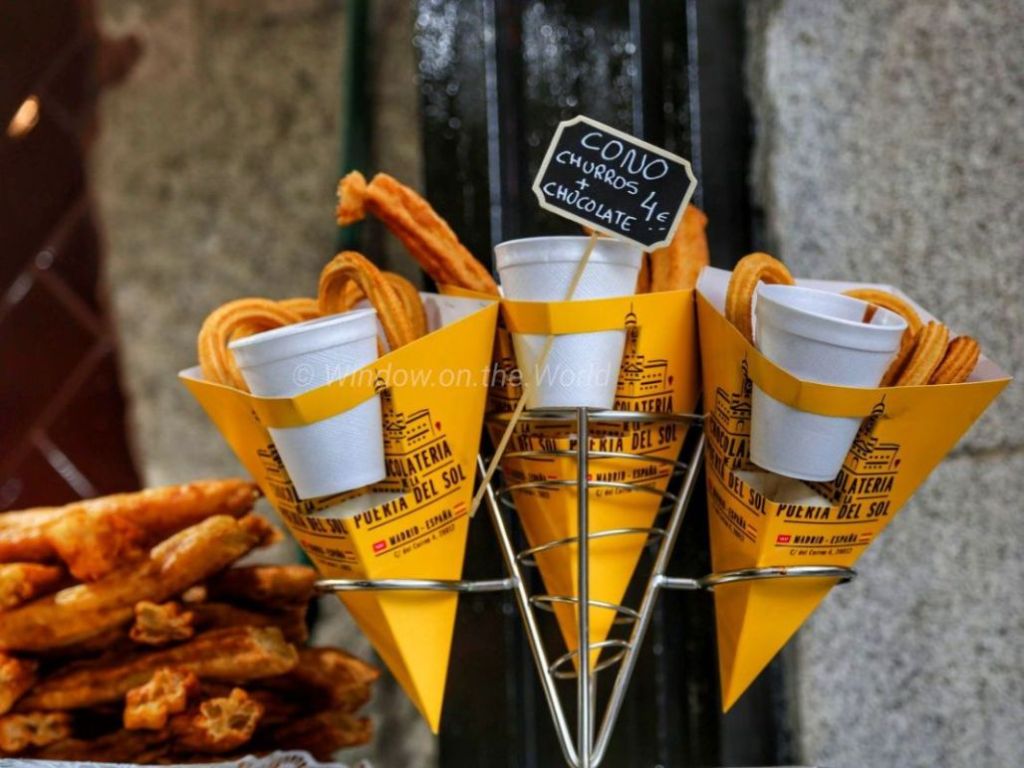
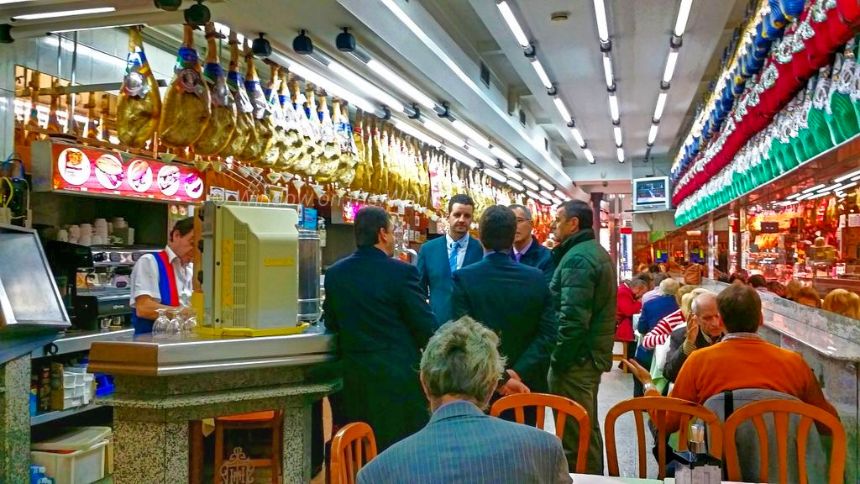
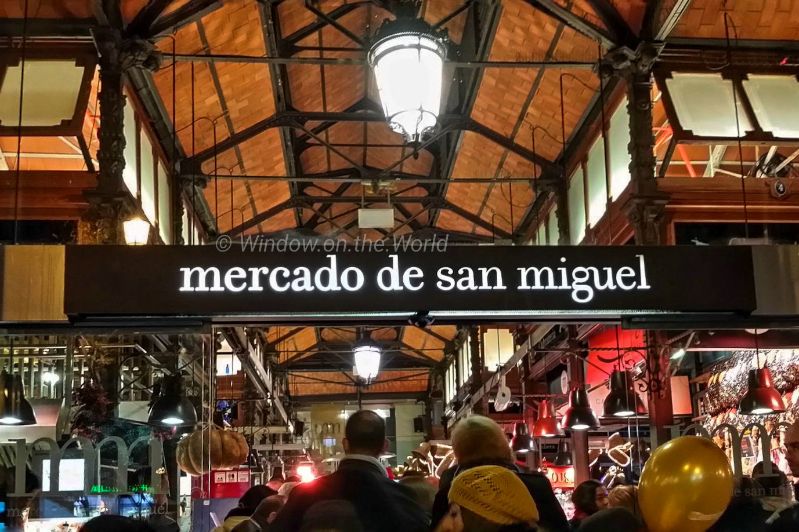
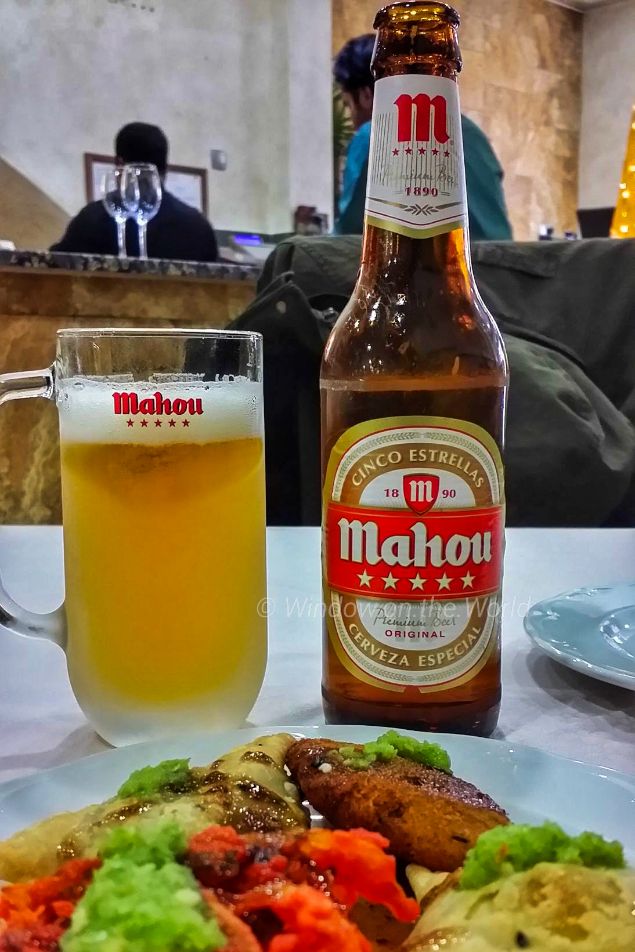
Welcome to Madrid! A beautiful Manhole Cover with Madrid’s Coat of Arms, a stretching bear looking for fruit on a tree. Located in La Puerta del Sol, Madrid’s most famous and most central square, sits one of Madrid’s most important statues, El Oso y El Madrono (the Bear and the Strawberry Tree), the official symbol of the city. No one seems to know exactly why the bear and the strawberry tree are the city’s icons except that there used to be many bears in the fields around Madrid, and the strawberry tree might actually be representative of the hackberry tree that once was in abundance around the city.Kilometer Zero: Granite & brass plaque in Puerta del Sol square, marking the starting point of 6 national highways, from which the distances of Spain’s national roads are measured.Cibeles Palace (Palacio de Cibeles), formally known as Palacio de Comunicaciones until 2011, is located on the Plaza de Cibeles, one of the most famous city square. Formerly the city’s main post office and telegraph and telephone headquarters, it is now occupied by Madrid City Council, serving as the city hall, and the public cultural center.The fountain of Cybele (La Cibeles), One of the Icons of Madrid, lies on the center of the Plaza de Cibeles. This fountain is named after Cybele, a Phrygian goddess. The Sculpture was designed and commissioned in 1780, and was moved to its current location and orientation in 1895. The fountain is traditionally the place where Real Madrid C.F. celebrate their team victories, with the team captain placing a Real Madrid flag and scarf on the statue.Casa de América, a 19th-century palace housing Latin American cultural center, for exhibitions, screenings & readings.Arco de la Victoria, popularly known as La Puerta de Moncloa, is a triumphal arch built in the Moncloa district during 1950s to commemorate the victory of Francoist troops in the 1936 Battle of Ciudad Universitaria, part of the Spanish Civil War. The top of the arch is crowned by a sculpture representing the goddess Minerva driving a chariot.The Puerta de Alcalá, a Neo-classical gate in the Plaza de la Independencia. It was a gate of the former Walls of Philip IV. The gate was commissioned by King Charles III in 1774 and was inaugurated in 1778.Lake, boats and the Alfonso XII monument in the Buen Retiro Park (Parque del Buen Retiro), or simply El Retiro, a magnificent park, filled with beautiful sculptures, monuments, galleries, and a peaceful lake. The park belonged to the Spanish Monarchy until the late 19th century, when it became a public park.The Palacio de Cristal (“Glass Palace”), a conservatory located in Buen Retiro Park. It was built in 1887 on the occasion of the Exposition of the Philippines, in the shape of a Greek cross, is made almost entirely of glass set in an iron framework on a brick base, which is decorated with ceramics.The Royal Palace of Madrid (Palacio Real de Madrid), the official residence of the Spanish royal family, although now used only for state ceremonies. The palace has 135,000 square meters (1,450,000 sq ft) of floor space and contains 3,418 rooms. It is the largest functioning royal palace and the largest by floor area in Europe.Grand Staircase, built by Sabatini in 1789, it is composed of a single piece of San Agustin marble.Interior of The Royal Palace of Madrid (Palacio Real de Madrid); A statue of Charles III in Roman toga and Spanish Coat of Arms.Interior of The Royal Palace of Madrid (Palacio Real de Madrid).Palace Guards of the Royal Palace of Madrid (Palacio Real de Madrid).The Royal Palace of Madrid (Palacio Real de Madrid) after dark.Almudena Cathedral (Santa María la Real de La Almudena) is a Catholic church in Madrid which stands directly opposite the Palacio Real. The cathedral was completed in 1993, and was consecrated by Pope John Paul II. On 22 May 2004 the marriage of King Felipe VI, then crown prince, took place at the cathedral.Almudena Cathedral (Santa María la Real de La Almudena) after dark.Almudena Cathedral (Santa María la Real de La Almudena) after dark.Interior of Almudena Cathedral (Santa María la Real de La Almudena).The Prado Museum (Museo del Prado), the main Spanish national art museum, is widely considered to have one of the world’s finest collections of European art, dating from the 12th century to the early 20th century. The Prado Museum is one of the most visited sites in the world, and it is considered one of the greatest art museums in the world.One of the exhibition hall of The Prado Museum (Museo del Prado).Las Meninas (1656-57) by Diego Velázquez at The Prado Museum (Museo del Prado).Interior of The Prado Museum (Museo del Prado).St. Jerome Church is a gothic church next to El Prado Museum. The Catholic Monarchs ordered its construction in the 15th century, as part of a vanished monastery. The monastery’s cloister is preserved.The plaza de toros de Las Ventas, known simply as Las Ventas, inaugurated in 1931, is the largest bullfighting ring in Spain. There was no bull fight during my visit in December, as the bullfighting season starts in March and ends in October.Statues in front of Las VentasCongreso de los Diputados (built in 1850), the lower house of the Cortes Generales, Spain’s legislative branch. The Congress meets in the Palace of the Parliament (Palacio de las Cortes).The Church of San Manuel y San Benito (Iglesia de San Manuel y San Benito), a Catholic church was built at the beginning of the twentieth century. Palacio de Fomento, also known as the Ministry of Agriculture Building, is a nineteenth-century office building, a prominent site opposite Atocha railway station.Madrid Atocha (Estación de Madrid Atocha), the largest railway station in Madrid, serving commuter, regional, intercity, the AVE high speed and international trains. At this site, Madrid’s first railway station was inaugurated on 9 February 1851.A beautiful Door-KnockerThe Santiago Bernabéu Stadium, the home stadium of Real Madrid since its completion in 1947, with a current seating capacity of 81,044.Real Madrid Team Jerseys. On the ground of the Santiago Bernabéu Stadium, the home stadium of Real Madrid.Enjoying a glass of Beer at the Real Madrid Pub.I visited Spain just before Christmas of 2014; the city’s main square, La Puerta del Sol, was crowded with locals and tourists with a huge Christmas tree in the center. The main Christmas Market at Plaza Mayor, in the center of the Madrid city, mostly selling cheap Chinese goods, I was least impressed by Christmas Market in Madrid.Love Locks near Plaza Major.The main Christmas Market in the center of the Madrid city.Madrid Metro was celebrating 95 years. By the way, “Sol” is the Metro station you wanna to get off, if you want to visit most tourist places in Madrid. A long line for Breakfast outside Madrid’s most famous chocolate shop, San Gines, serves one of the city’s most popular breakfast combinations: chocolate and churros. San Gines began serving their famous chocolate and churros in 1894. Madrid’s one of the most famous breakfast, chocolate con churros (hot chocolate and churros) at San Gines.A street side vendor in La Puerta del Sol, selling chocolate con churros (hot chocolate and churros).A very local restaurant selling Jamón, a kind of dry-cured ham produced in Spain. It is one of the most globally recognized food items of Spanish cuisine. I was the only tourist in the restaurant.Mercado de San Miguel, originally built in 1916, it was purchased by private investors in 2003 who renovated the iron structure and reopened it in 2009. The market is the place for gourmet tapas, with over 30 different vendors selling a wide variety of freshly prepared tapas, hams, olives, baked goods, beer, wine and other food.Mahou, founded in Madrid in 1890, One of the most popular beer in Madrid.
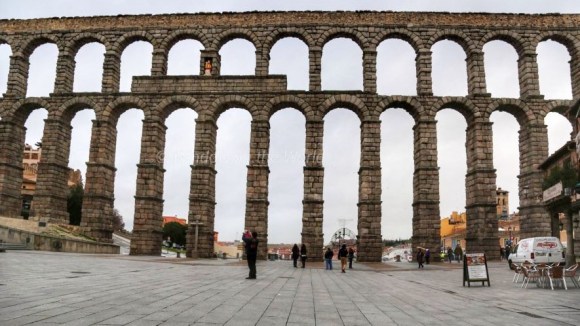
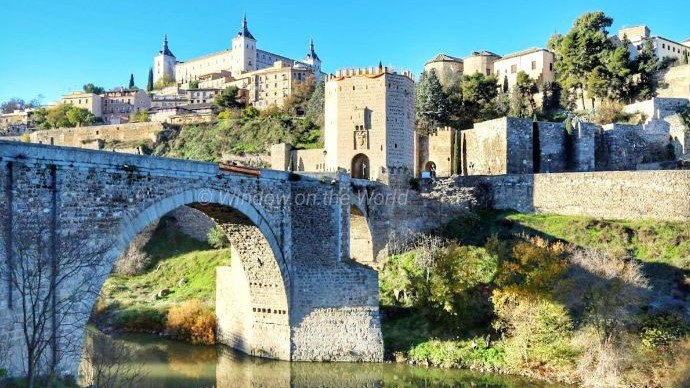
After exploring Madrid for couple of day, I made day trips to Segovia and Toledo, both UNESCO World Heritage Sites. You can check-out my travel stories and picture by clicking picture below.
In May 2017, 23 days before I was going to complete 50 years, grabbed an opportunity and took an early retirement.. Picked up a backpack and traveling ever since.. Love to travel around the world, experience different culture, local cuisine & drinks .. and take pictures.. so far been to 108 countries and still counting...


 Window on the World