After end of our Backpacking through the Balkans Journey, my younger son Raul and I continued our journey and took a flight to Malta, a small island nation in center of the Mediterranean Sea, part of Southern Europe. While in Malta we made a day trip to Valletta, a tiny capital city of Malta built in 1566.
The Knights of the Order of St. John of Jerusalem, also known as the Knights of Malta, took over sovereign control of Malta in 1530. In 1565, Suleiman the Magnificent, Sultan of the Ottoman Empire, mounted a great siege of Malta with a fleet of 180 ships and a landing force of 30,000 men. In response, the Order, with only 8,000 defenders, drove the Ottoman Turks away after a hard siege of several months.
After this siege, in 1566, with funding from the Vatican, amongst other benefactors, the Knights built the city of Valletta to fortify Malta as a stronghold for Roman Catholicism. Despite its small size, Malta had a significant military advantage due to its location.
The city of Valletta is built on a peninsula between two natural harbors and fortified with massive stone walls, which even withstood heavy bombing during the Second World War.
Despite its small size, Valletta is packed with sites of historical significance, with many buildings, dating back to the 16th century, having a strong Baroque character. The entire city has been inscribed in UNESCO World Heritage site since 1980.
Pictures below are from our day trip to this beautiful capital city.
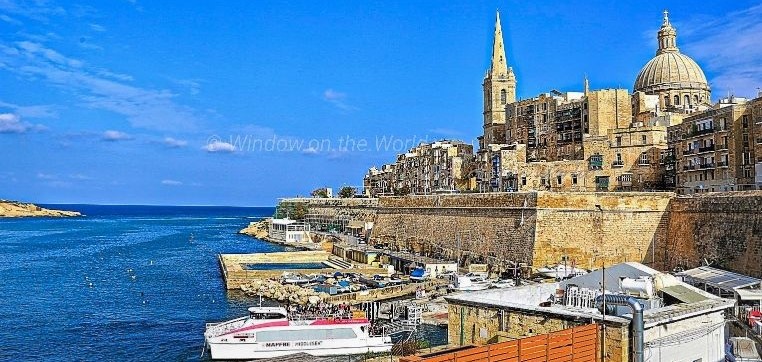
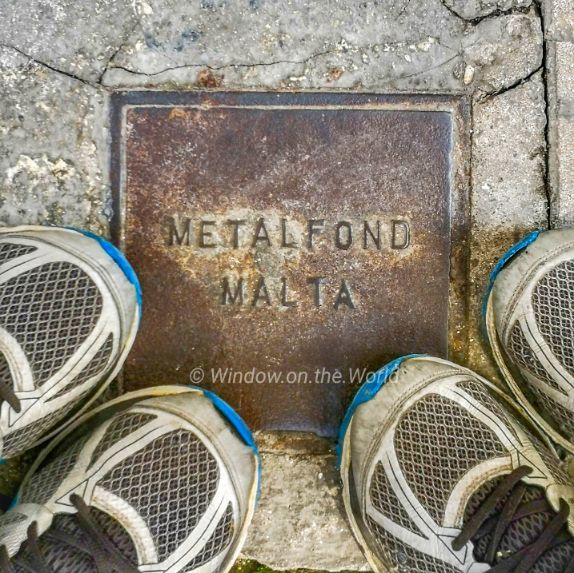
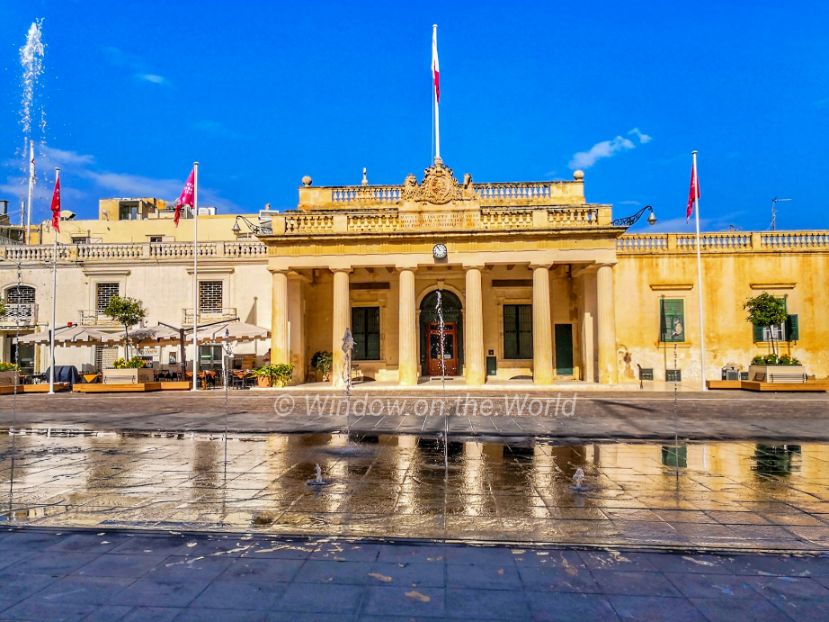
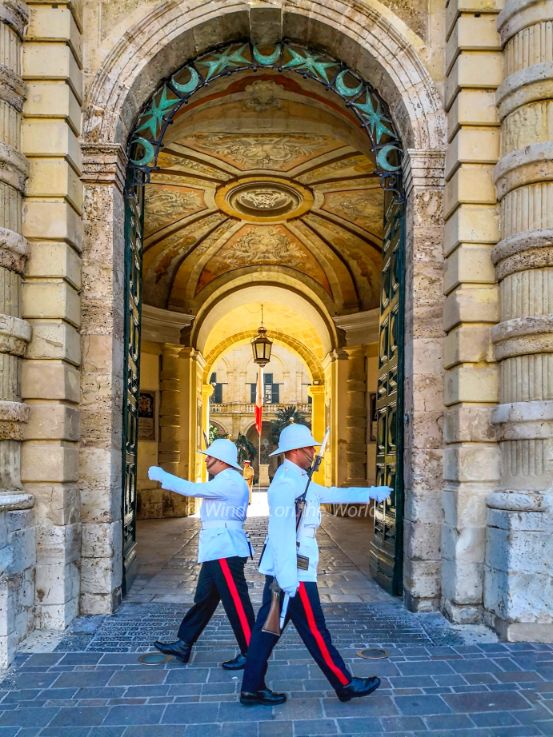
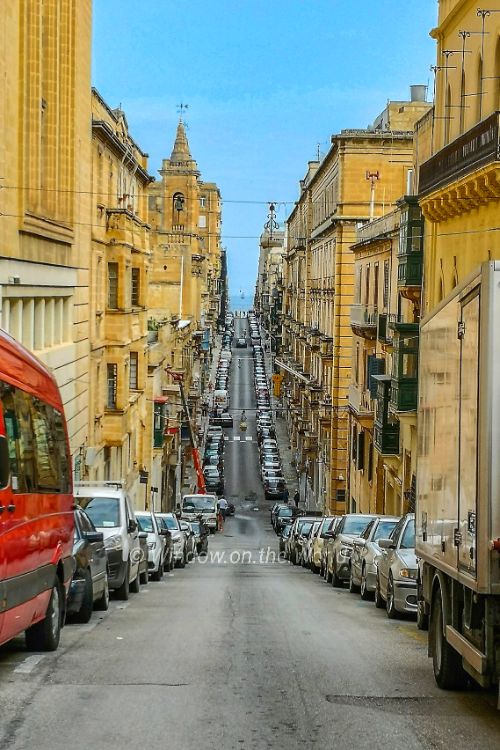
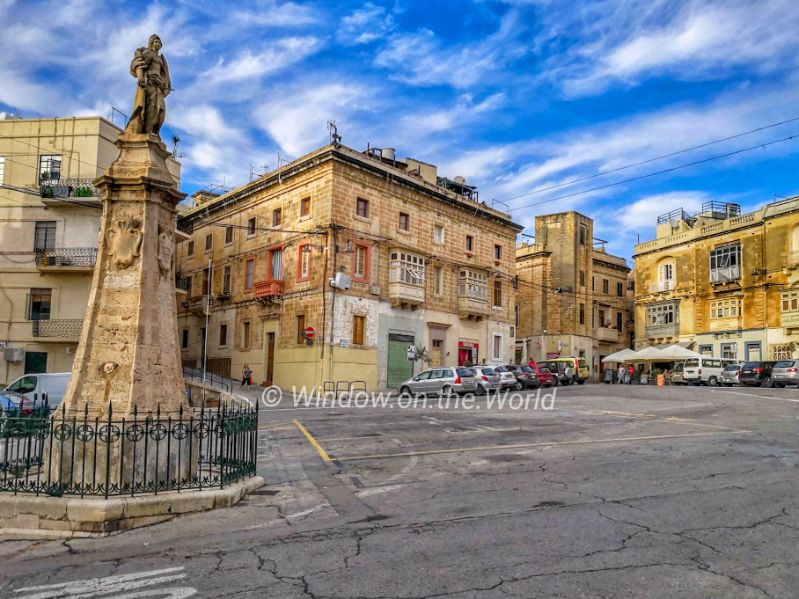
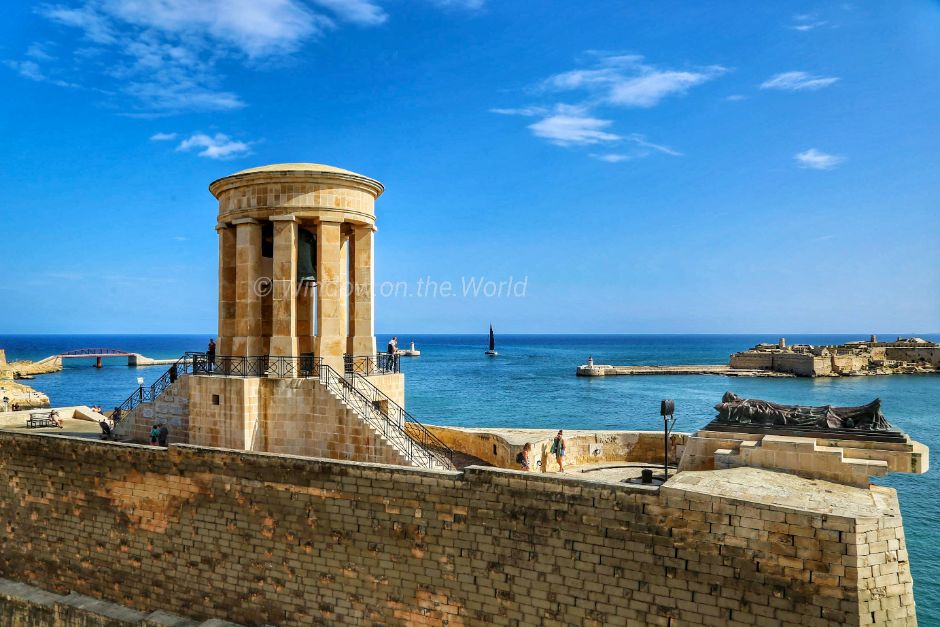
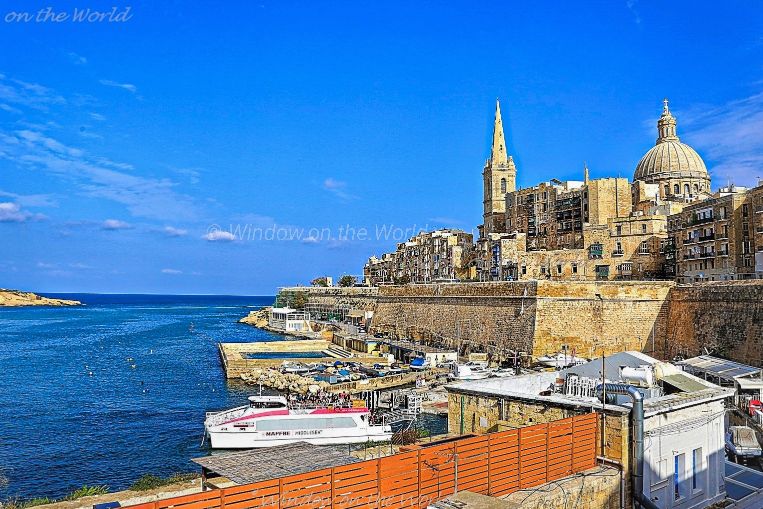
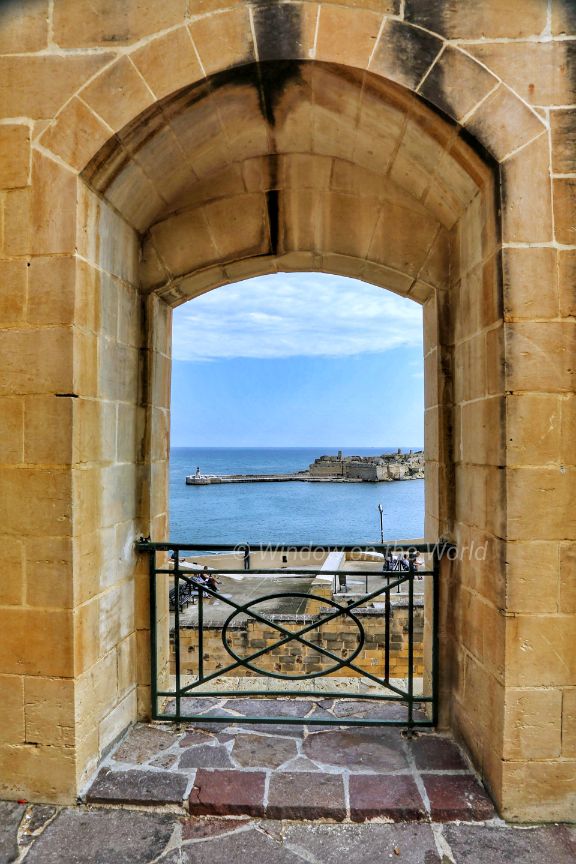
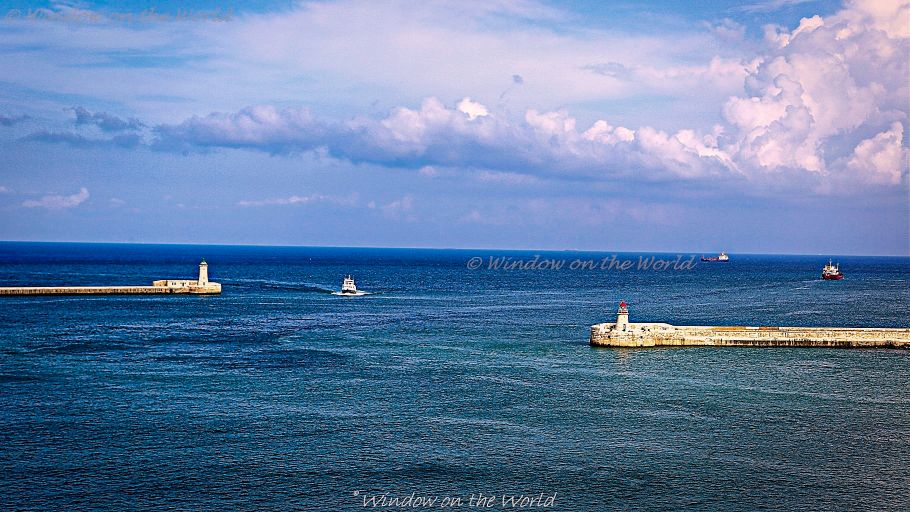
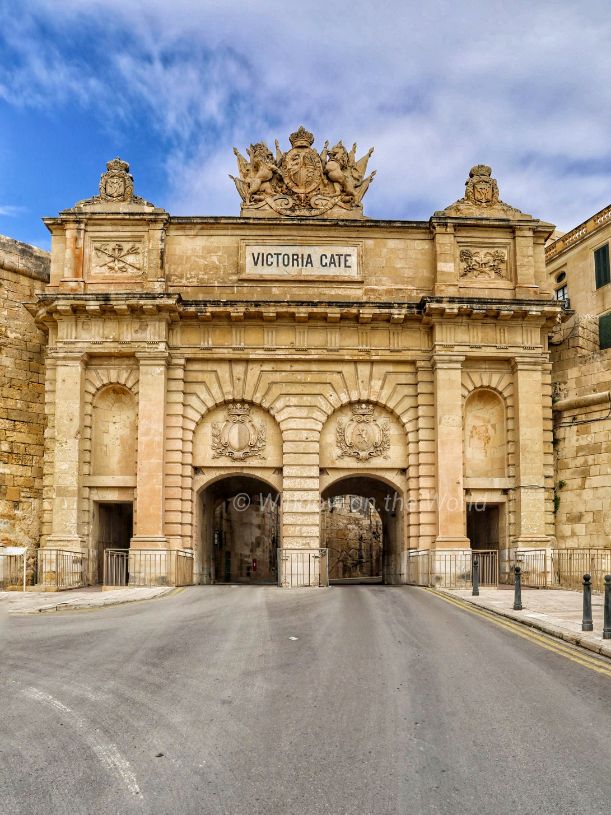
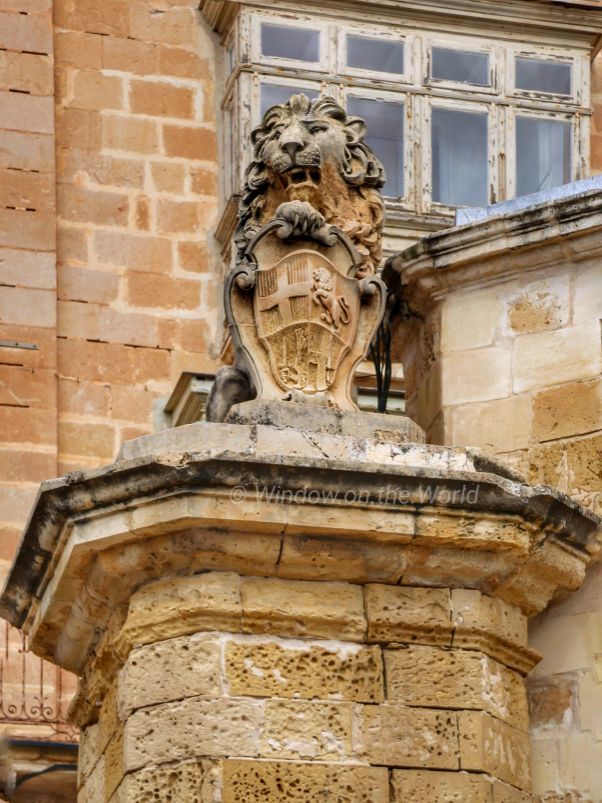
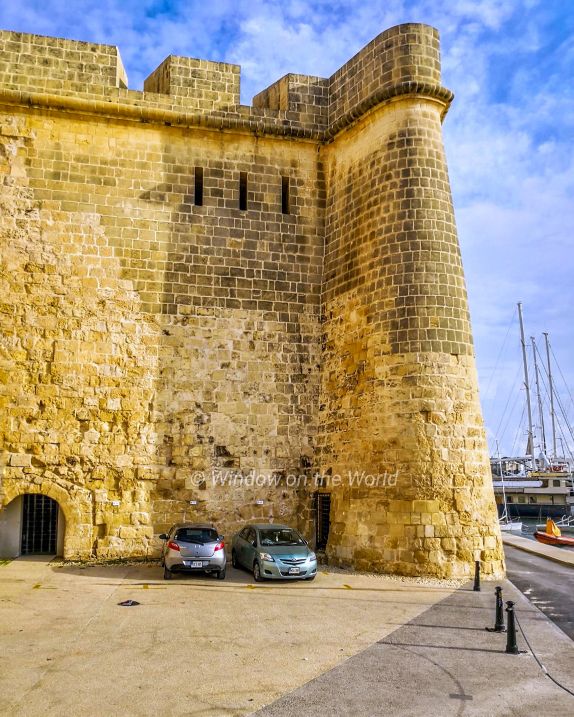
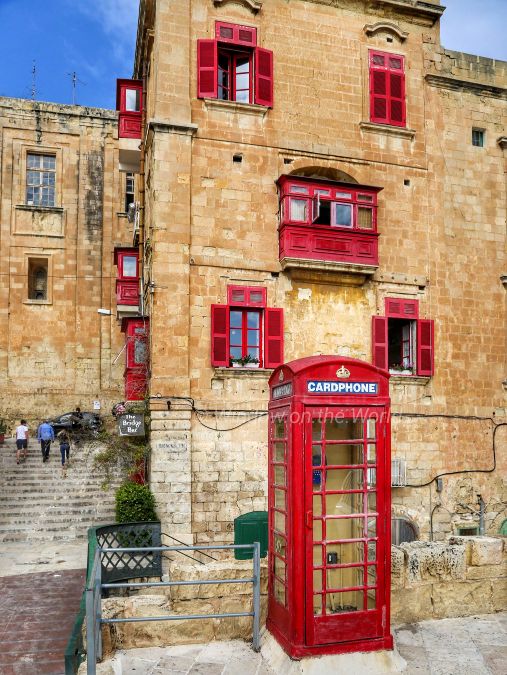
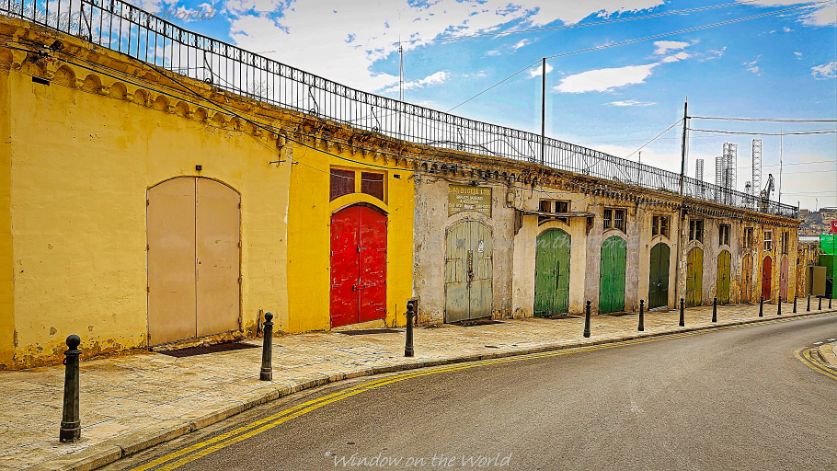
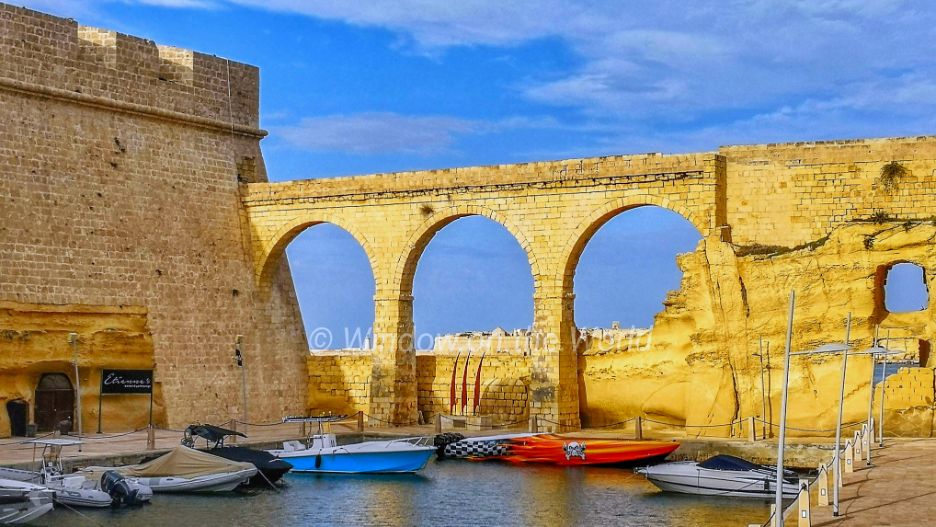
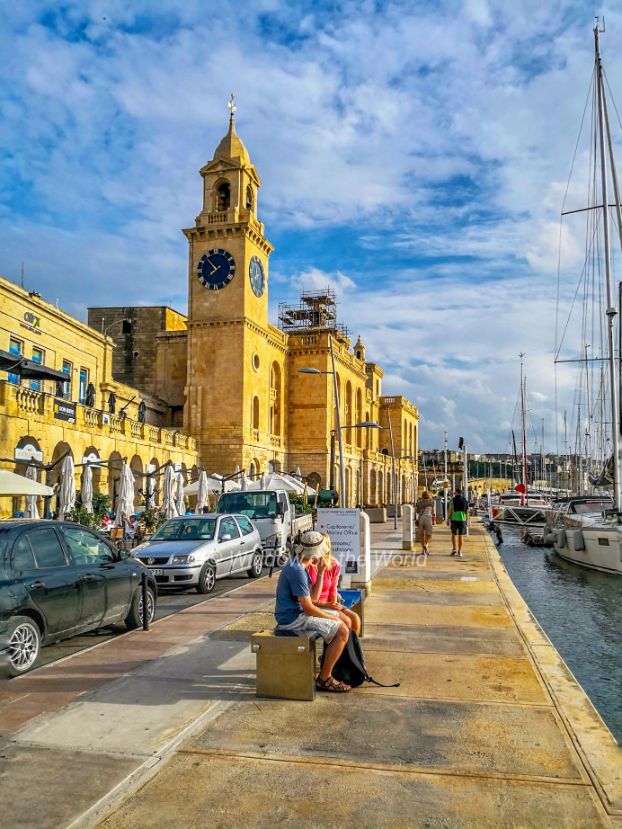
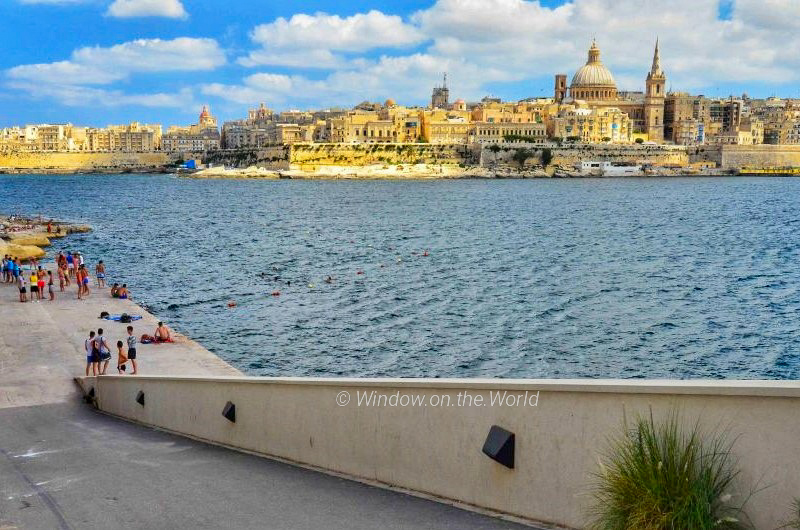
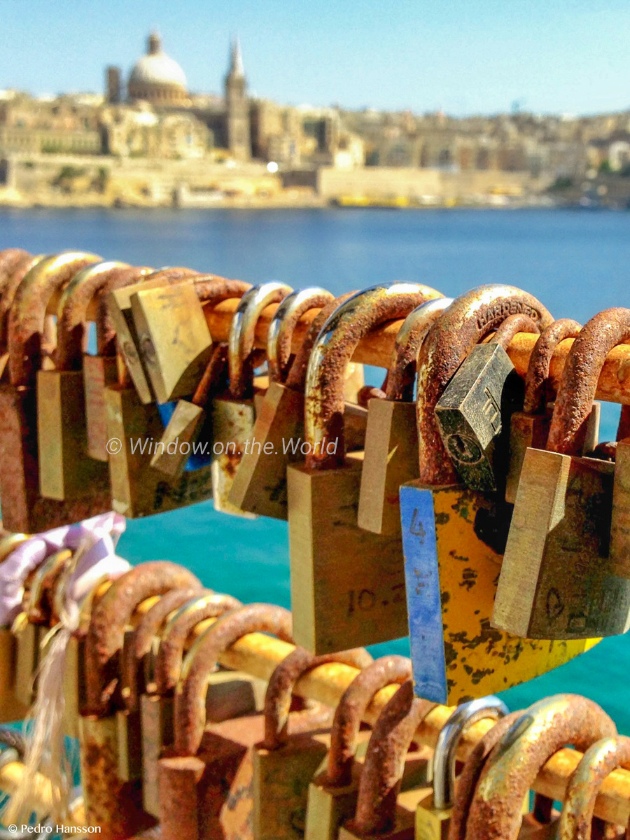
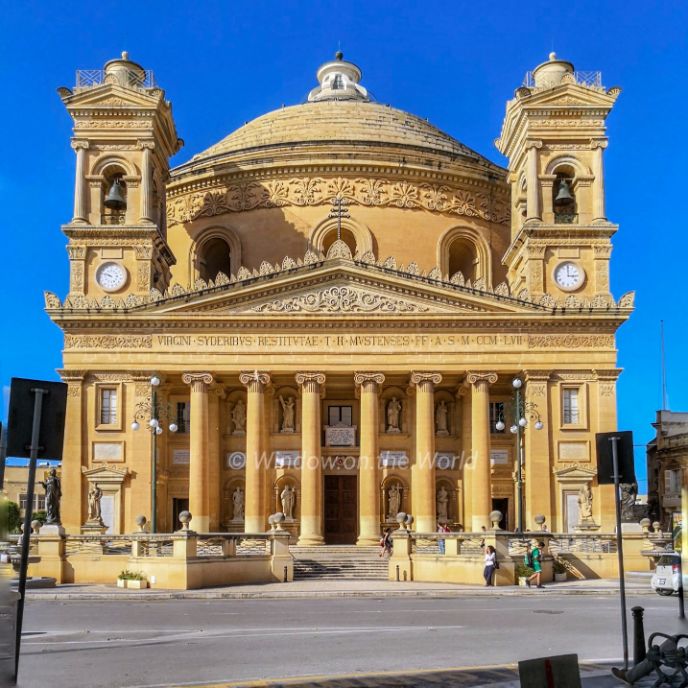
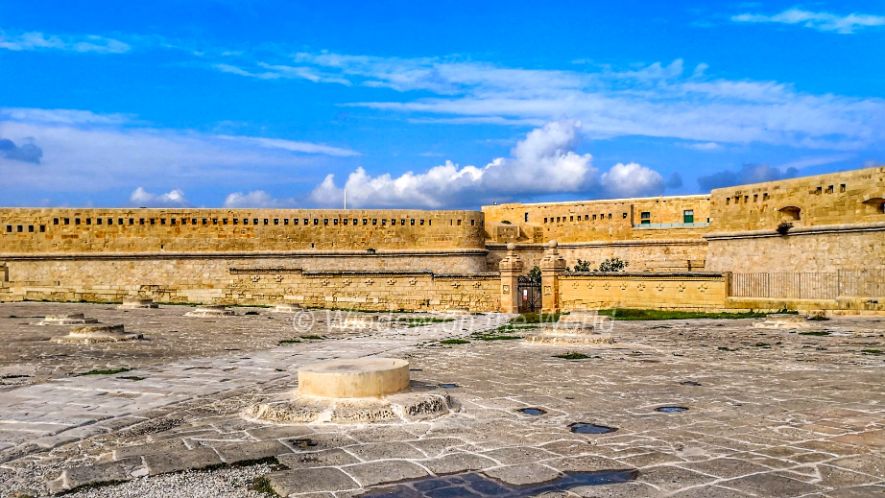
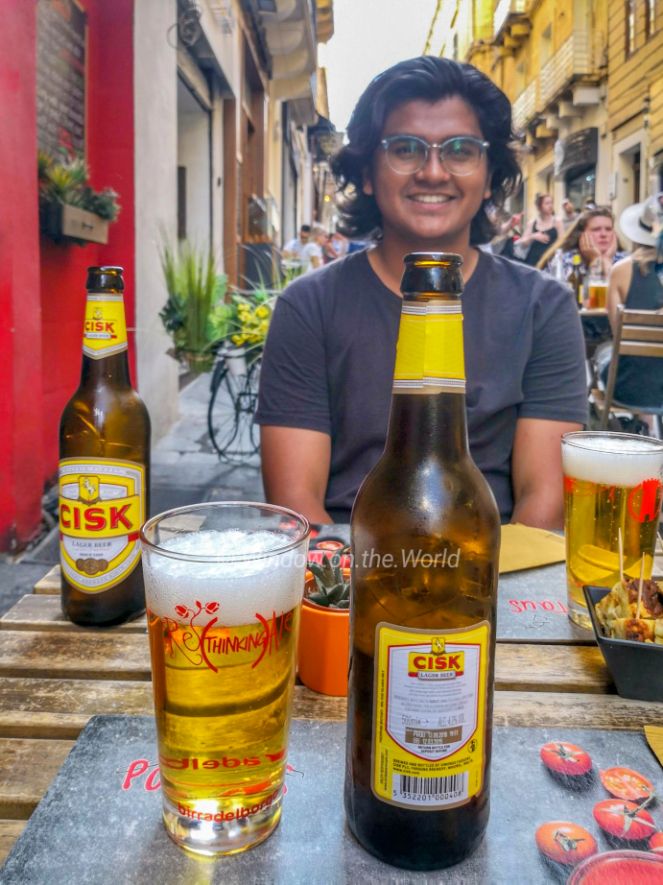
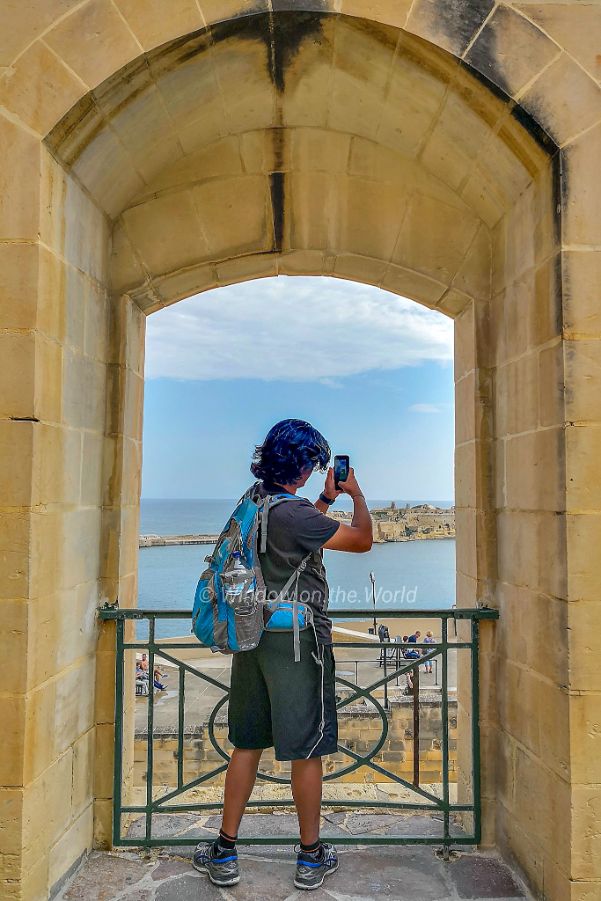
Welcome to Valletta, the capital city of Malta! A simple Manhole cover. The Main Guard, originally called the Guardia della Piazza, built as a guardhouse in 1603 by the Order of St. John, to house the Regimento di Guardia, the personal guards of the Grand Master of the Order of St. John. The building currently houses the Office of the Attorney General.Sentries on guard duty at the entrance of the Grand Master’s Palace, currently houses the Office of the President of Malta.The city is perched on a higher ground and Its streets are aligned in a grid-like layout, being wide and straight, which is said to have been chosen to allow the sea breeze to provide respite from Malta’s hot summer weather.One of many squares in the residential neighborhood.The bell of Valletta, a Colonnaded memorial commemorating the WWII Siege of Malta with a vast bell & Grand Harbor vistas.The Basilica of Our Lady of Mount Carmel, a Roman Catholic church, dominating the skyline of Valletta, the capital city and a UNESCO World Heritage site. Originally built in 1570, the Basilica is one of the most famous churches and main tourist attractions of Valletta.A view of Fort St. Angelo, a bastioned fort in Birgu, located at the center of the Grand Harbor.A beautiful view of two Harbors.Victoria Gate, built by the British in 1885, named after Queen Victoria, is the main entrance into the city from the Grand Harbor area, which was once the busiest part of the city.Stone statue of a lion holding a coat of armsAn old city wall of the Fortified city of Valletta.Colorful Maltese wooden balconies and windows. Old commercial area near the MarinaFort St. Angelo, a bastioned fort in Birgu, located at the center of the Grand Harbor. It was originally built in the medieval period as a castle called the Castrum Maris (Castle by the Sea) and was rebuilt by the Order of Saint John between the 1530s and the 1560s. It is best known for its role as the Order’s headquarters during the Great Siege of Malta of 1565.Waterfront of Birgu city, the Oldest of the Three Cities, also known by its title Città Vittoriosa (“Victorious City”), an old fortified city on the south side of the Grand Harbour. Prior to the establishment of Valletta as capital and main city of Malta, military powers that wanted to rule the Maltese islands would need to obtain control of Birgu due to its significant position in the Grand Harbour. In fact, it served as the base of the Order of Saint John and de facto capital city of Malta from 1530 to 1571.The best view of Valletta from the waterfront of Sliema, a town located in the Northern Harbor District. Sliema is a major residential and commercial area and a center for shopping, bars, dining, and café life.Love locks at Sliema waterfront.The Rotunda of Mosta or the Mosta Dome, built between 1833 and the 1860s on the site of an earlier church from around 1614. The design of the present church is based on the Pantheon in Rome, has the third largest unsupported dome in the world. This spectacular dome managed to survive after being bombed in World War II, an event known as the “Miracle of Mosta.” The church narrowly avoided destruction during World War II when a German aerial bomb pierced the dome and fell into the church during Mass, but failed to explode.Fort St. Elmo occupies a strategic position at the tip of the Sceberras peninsula, keeping watch over the mouths of the Grand Harbour and Marsamxett Harbour. In front of the fortifications, the open glacis contains underground bell-shaped granaries, these were used for the storage of wheat.Cisk, the most popular Maltese Beer from Farsons, the first brewery to be established on the island.Raul is enjoying the Harbor view
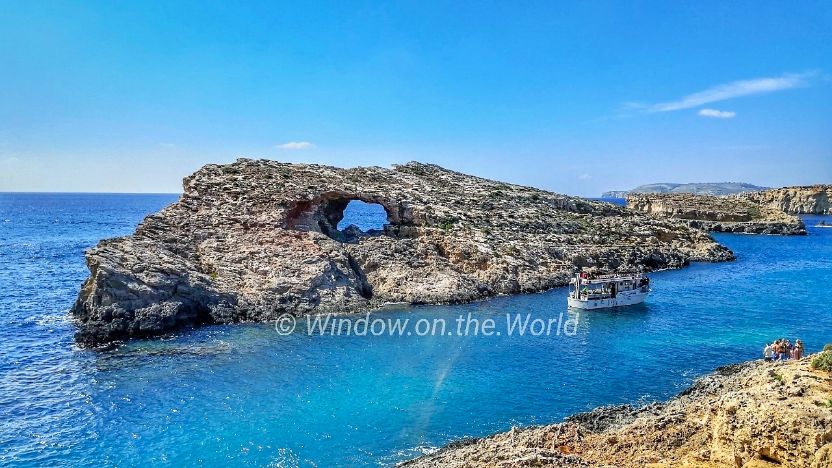
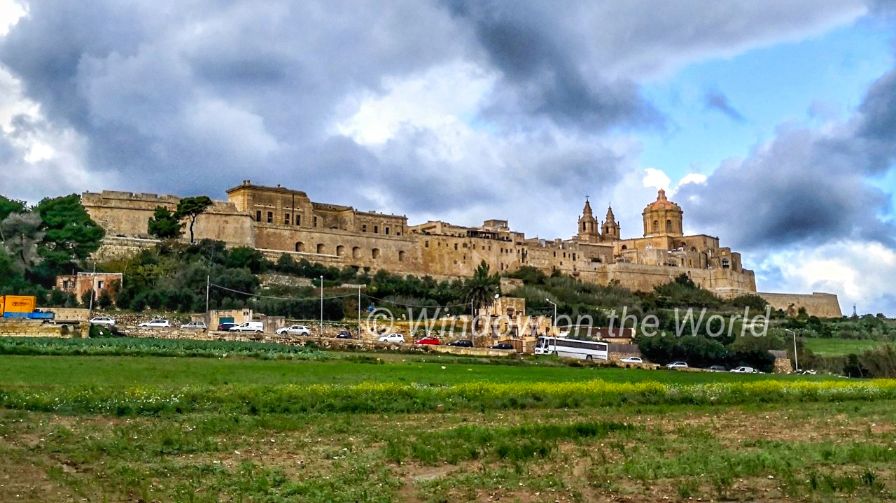
Feel free to check out other places we visited in Malta during our five days stay on the island: Comino, Mdina and Valletta.
After exploring Island country of Malta for five days, Raul and I took a flight to Tunisia, Raul’s first country in Africa and my 100th country!
In May 2017, 23 days before I was going to complete 50 years, grabbed an opportunity and took an early retirement.. Picked up a backpack and traveling ever since.. Love to travel around the world, experience different culture, local cuisine & drinks .. and take pictures.. so far been to 108 countries and still counting...

 , Mdina
  and Valletta
 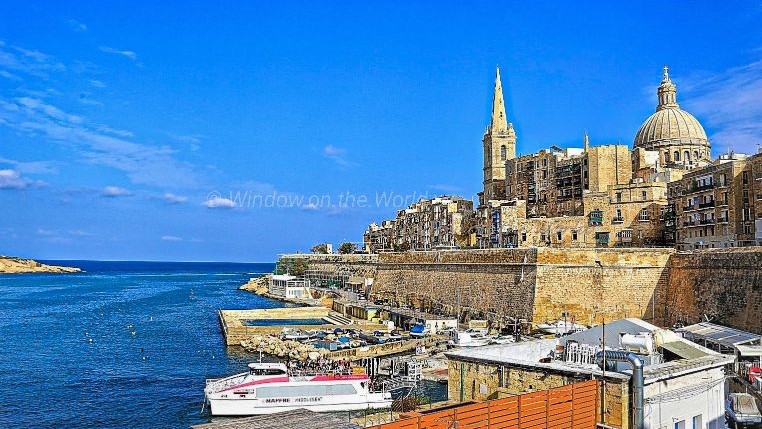 .
.
 Window on the World