Thessaloniki also known as Thessalonica, Saloniki or Salonica, is the second-largest city in Greece and the capital of the geographic region of Macedonia. Thessaloniki is a port city on the Thermaic Gulf of the Aegean Sea.
The city of Thessaloniki was founded in 315 BC by Cassander of Macedon. An important metropolis by the Roman period, Thessaloniki was the second largest and wealthiest city of the Byzantine Empire. It was conquered by the Ottomans in 1430, and remained an important seaport and multi-ethnic metropolis during the nearly five centuries of Turkish rule. Evidence of Roman, Byzantine and Ottoman history remains, especially around Ano Poli, the upper town. In 1988, fifteen monuments of Thessaloniki were listed as UNESCO World Heritage Sites.
Photos below are from our few days of walking around the historical center of Thessaloniki.
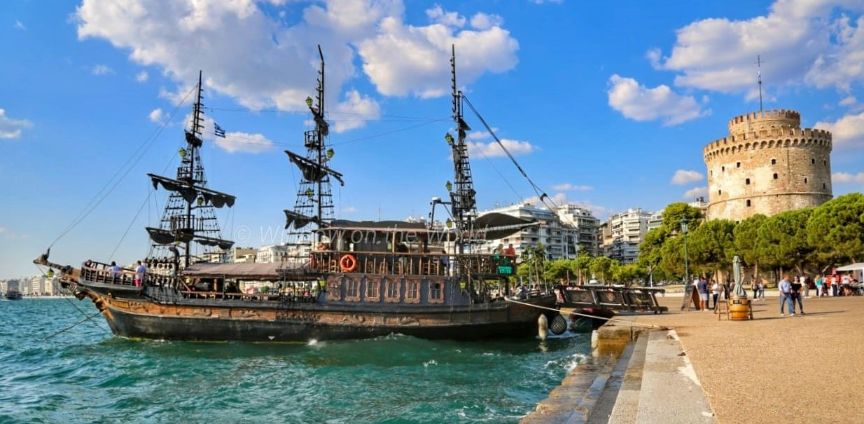
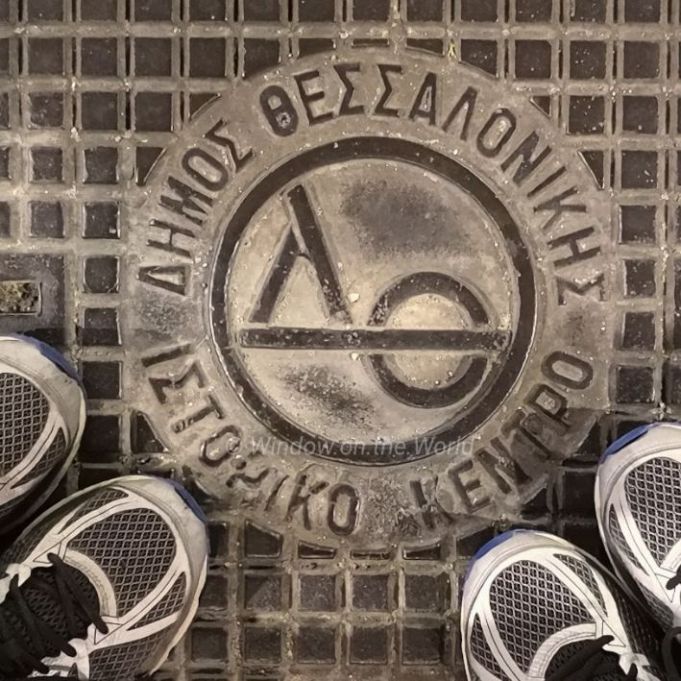
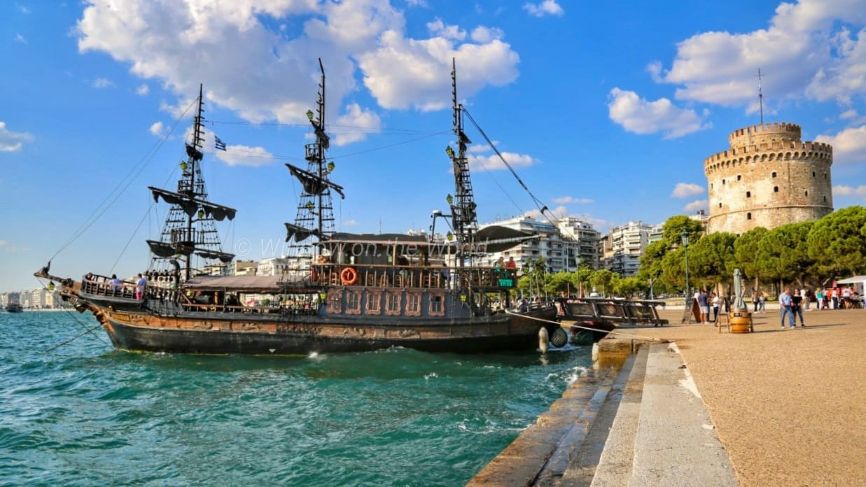
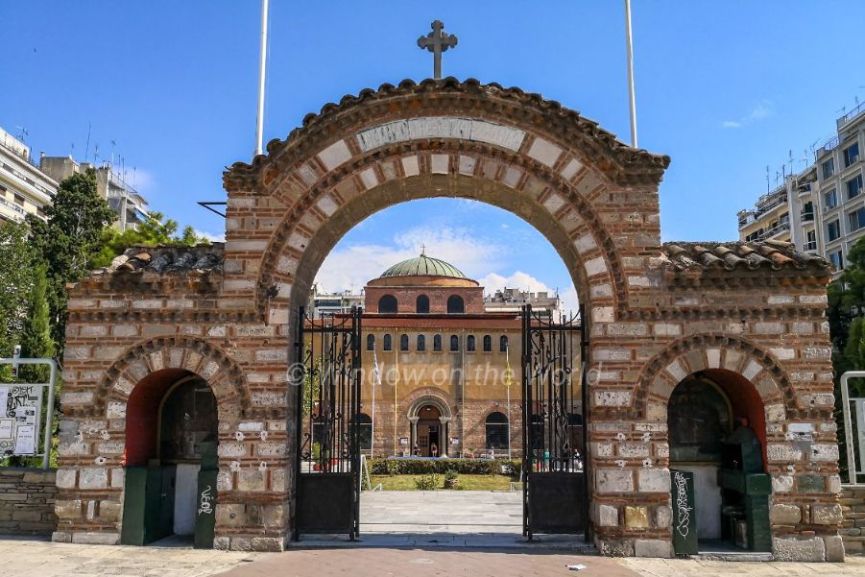
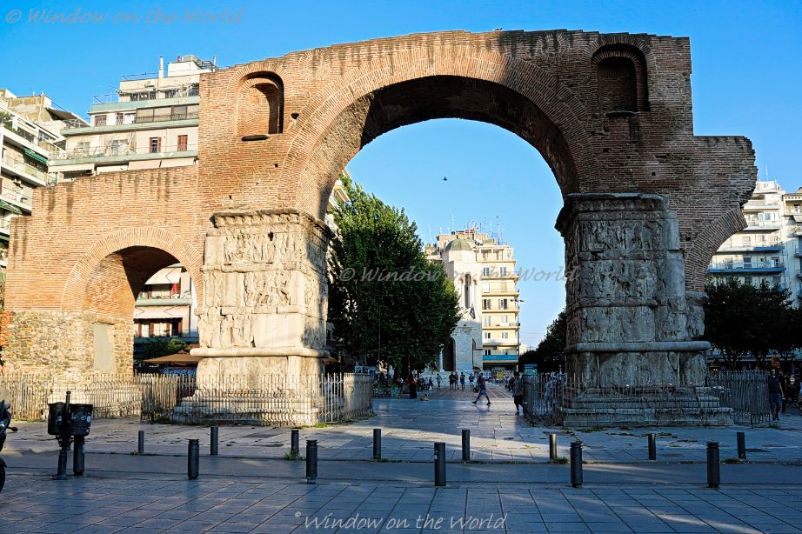
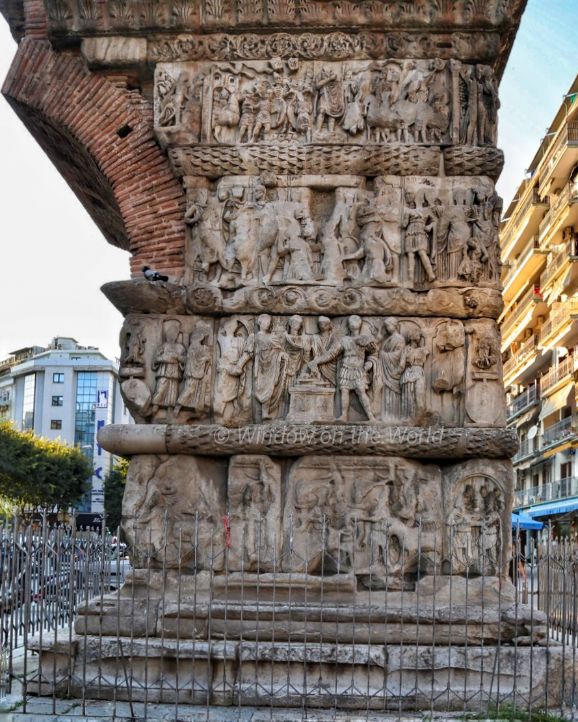
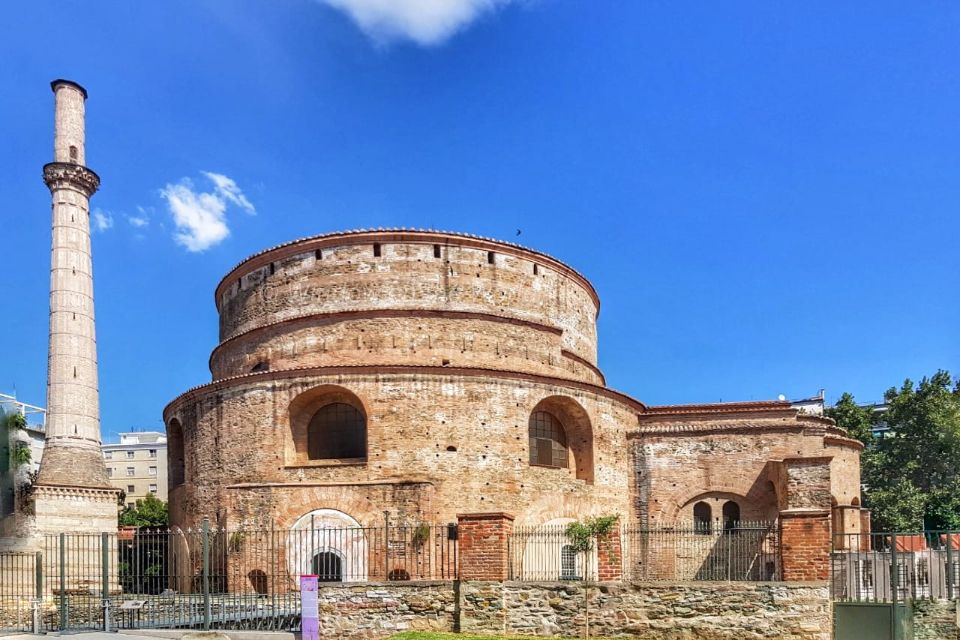
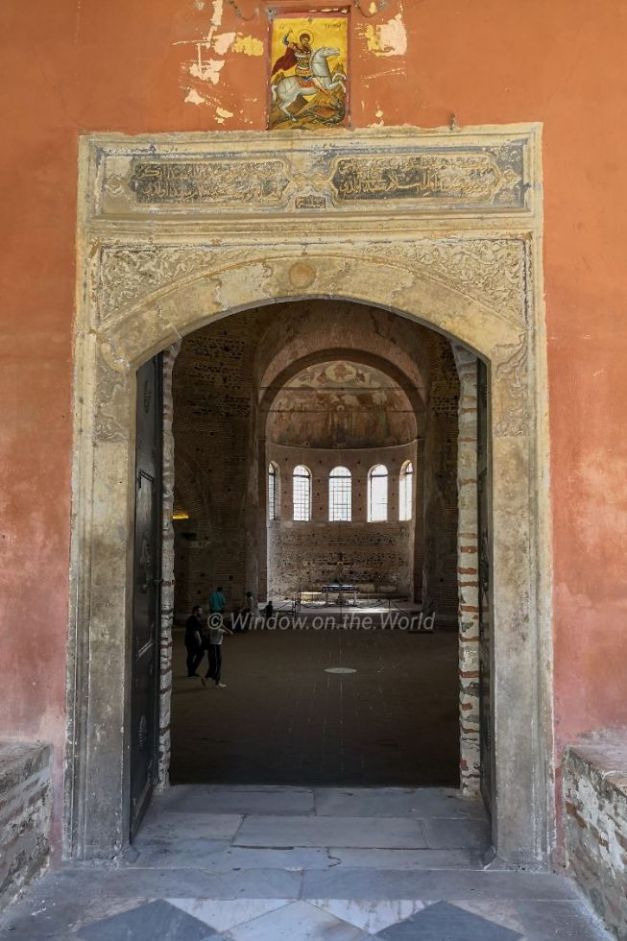
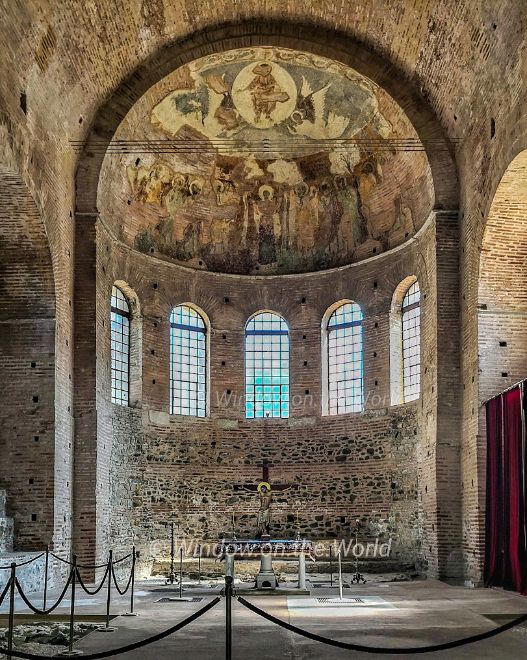
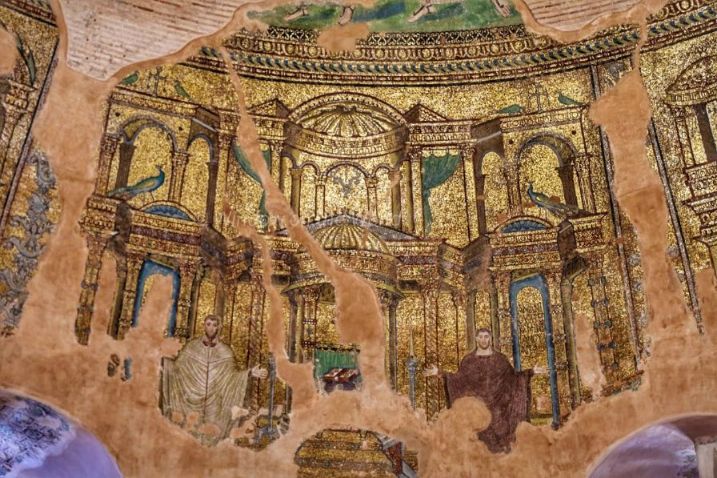
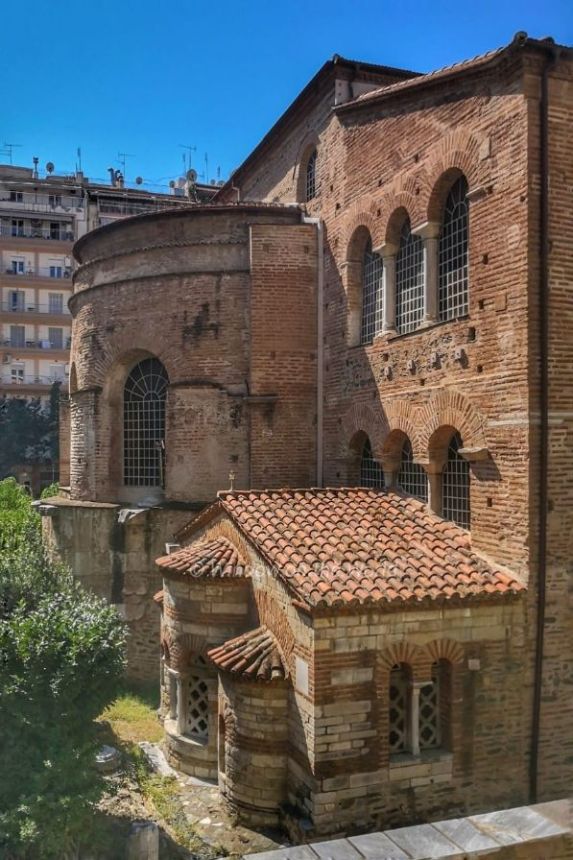
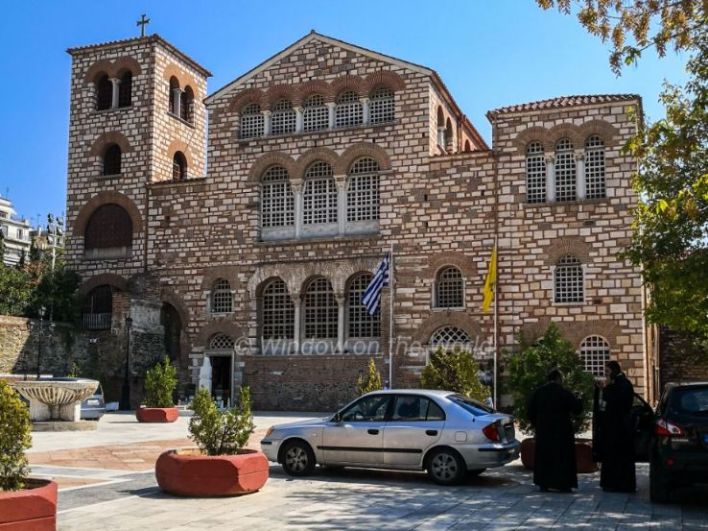
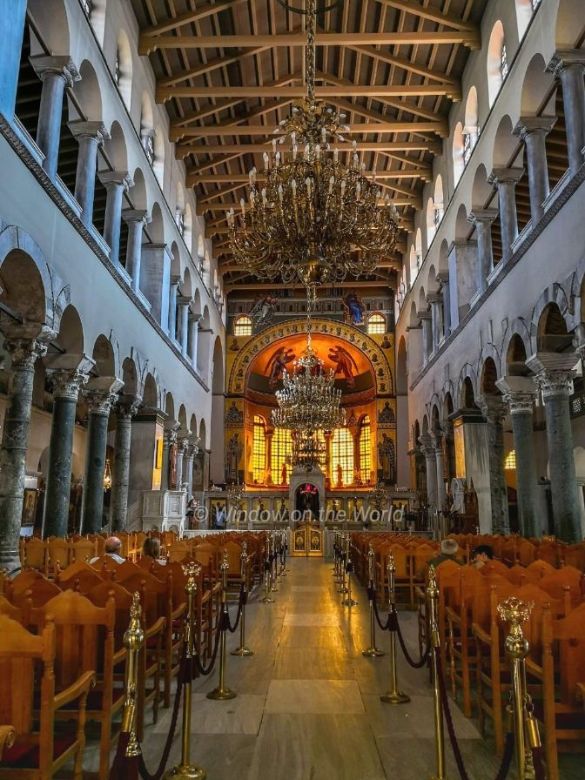
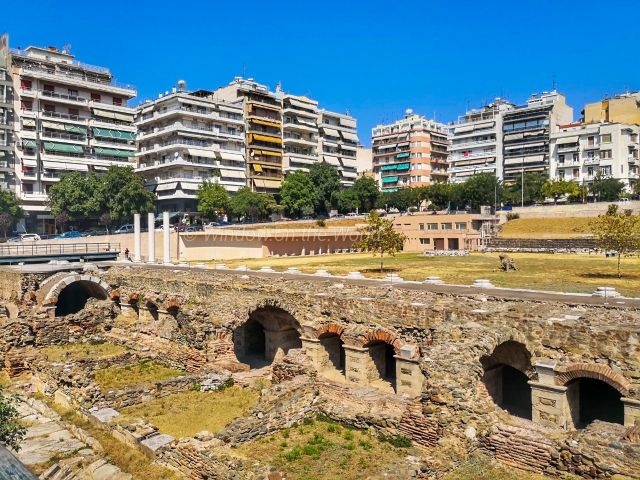
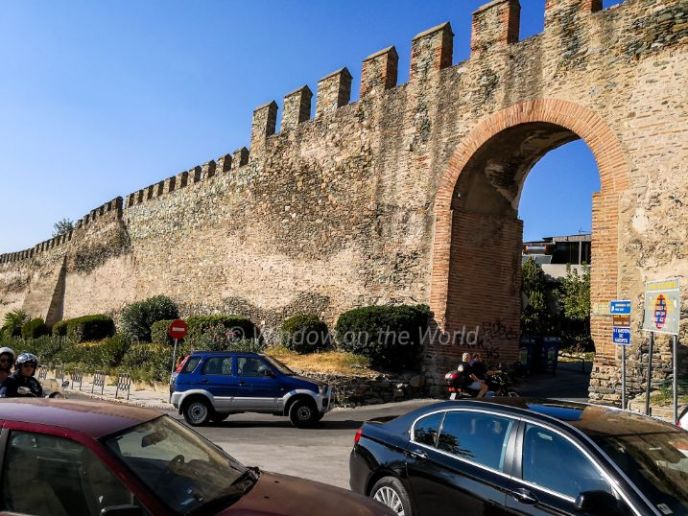
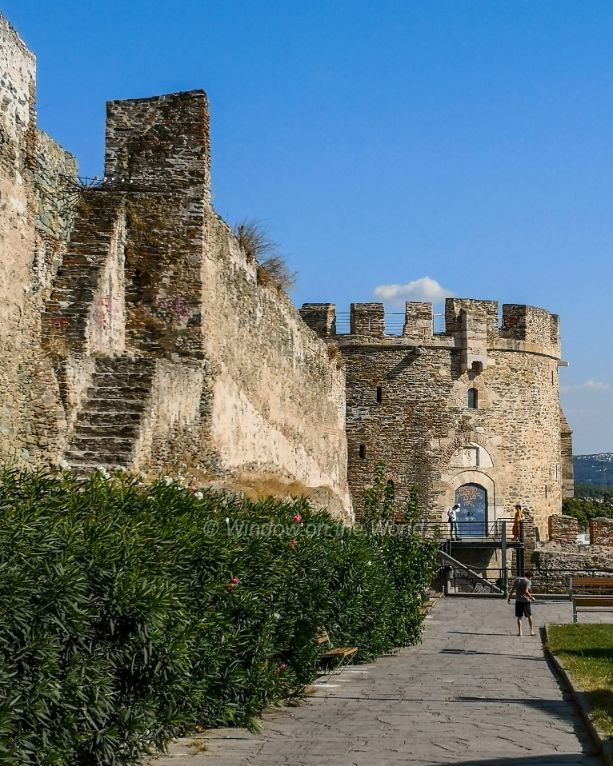
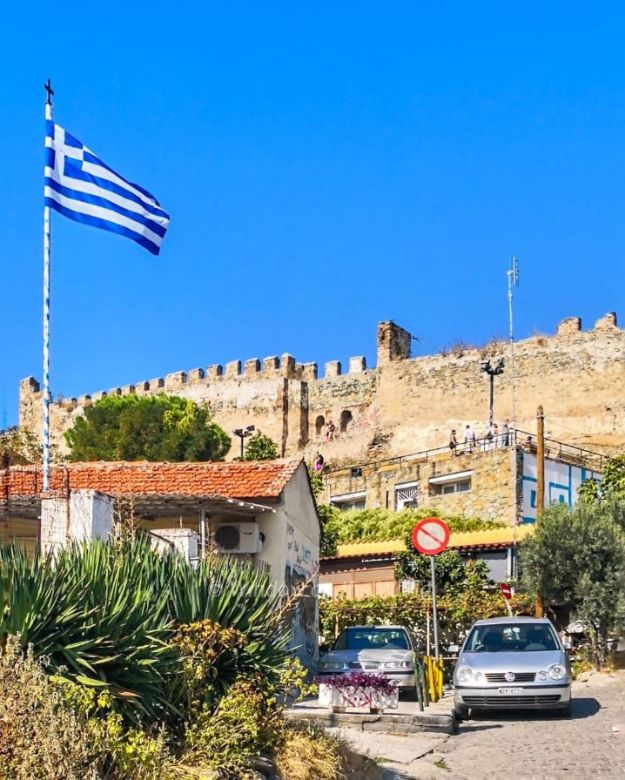
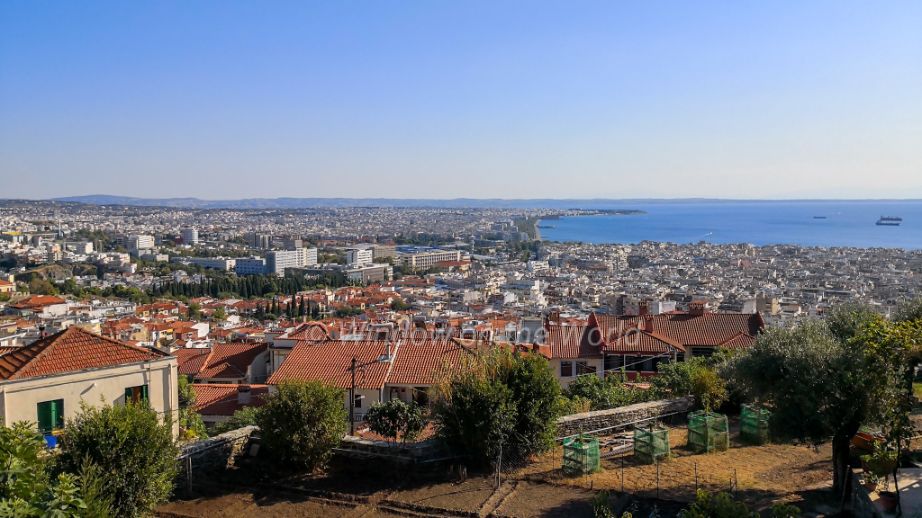
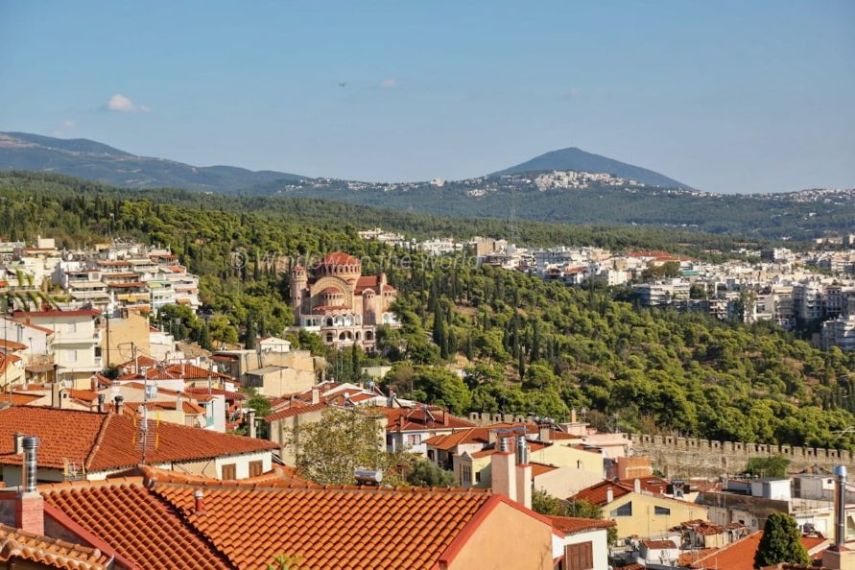
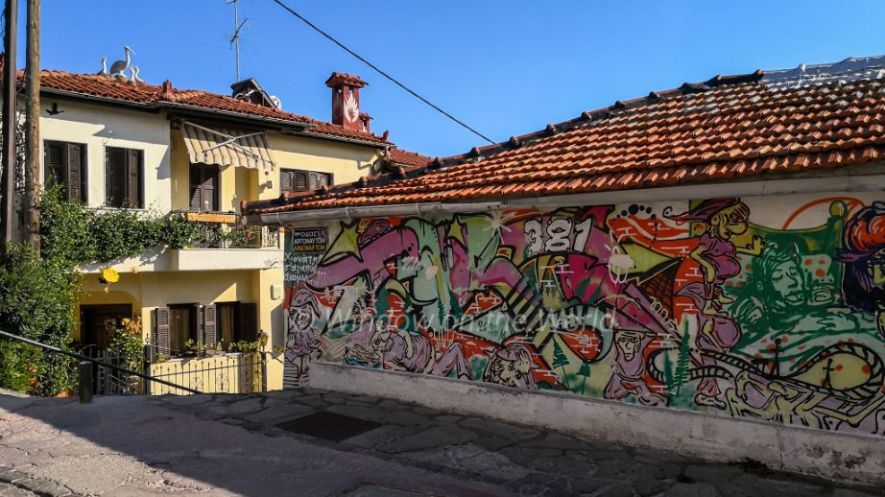
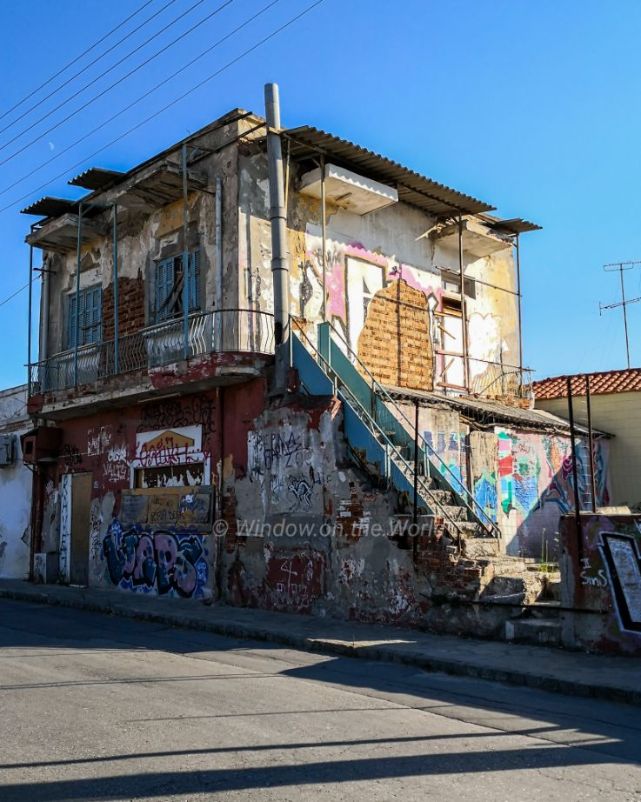
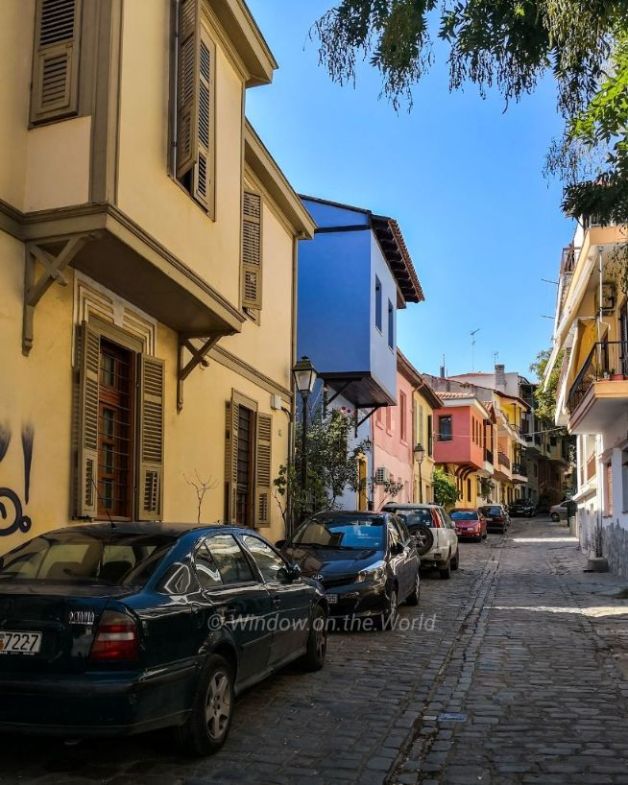
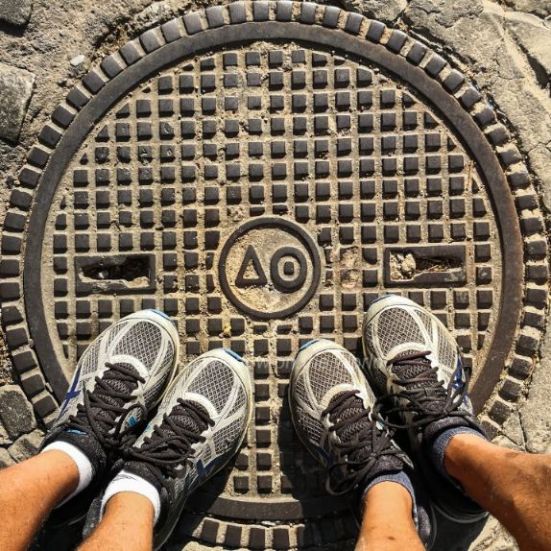
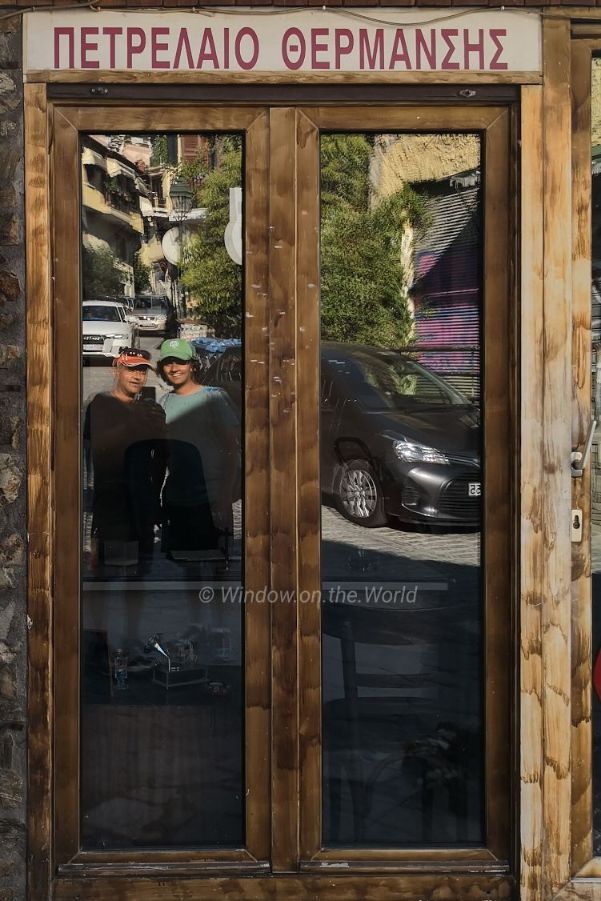
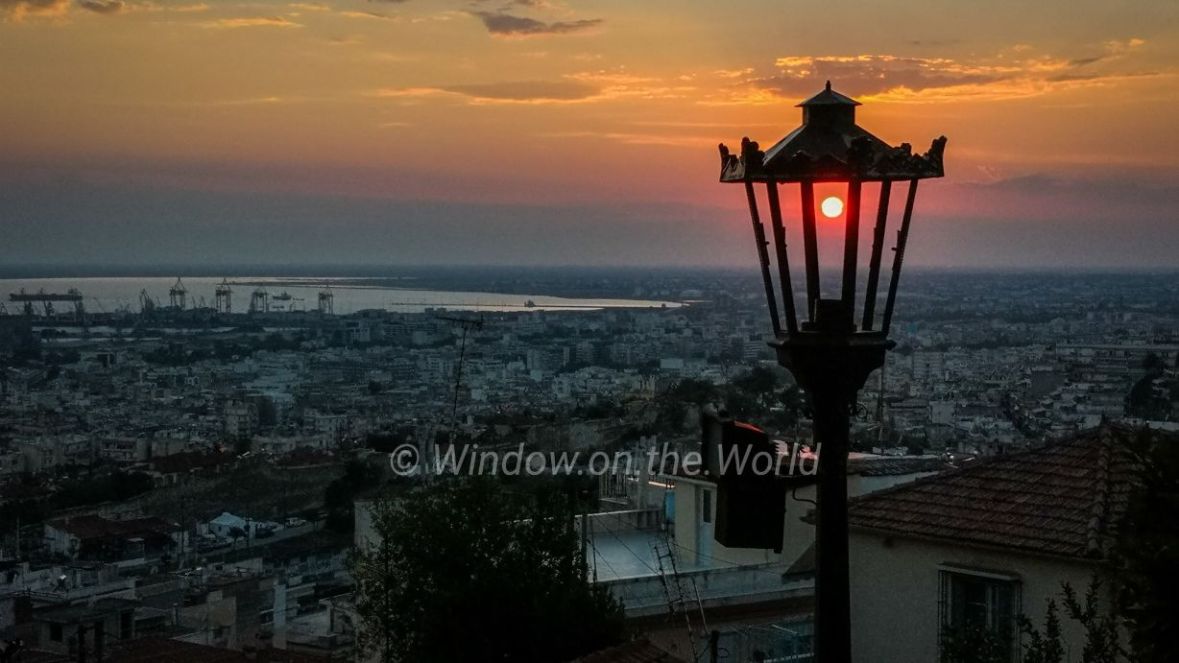
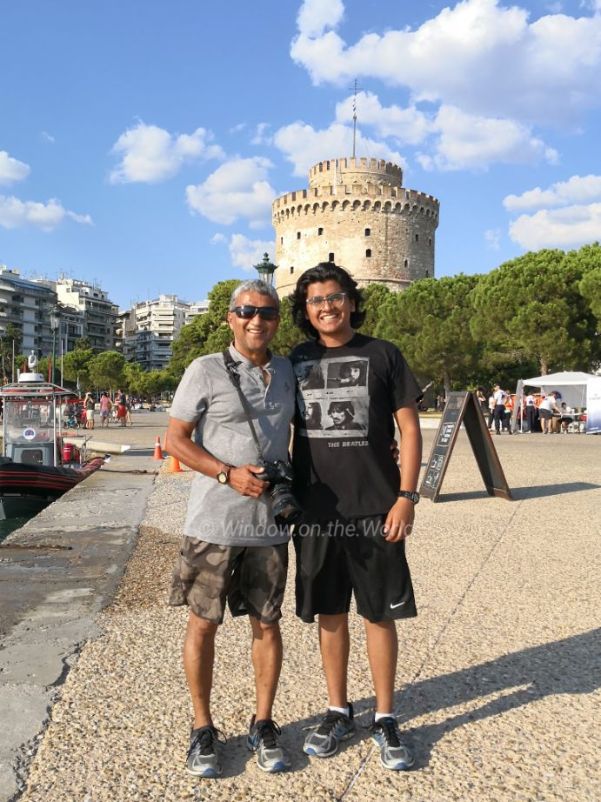
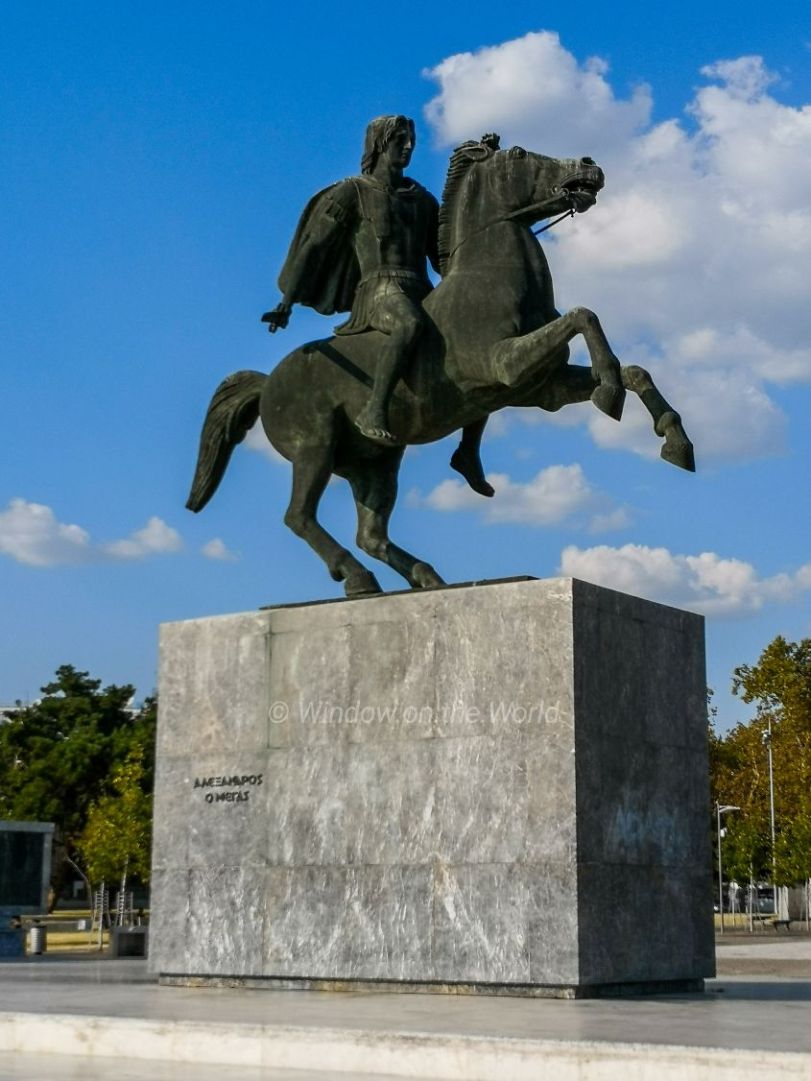
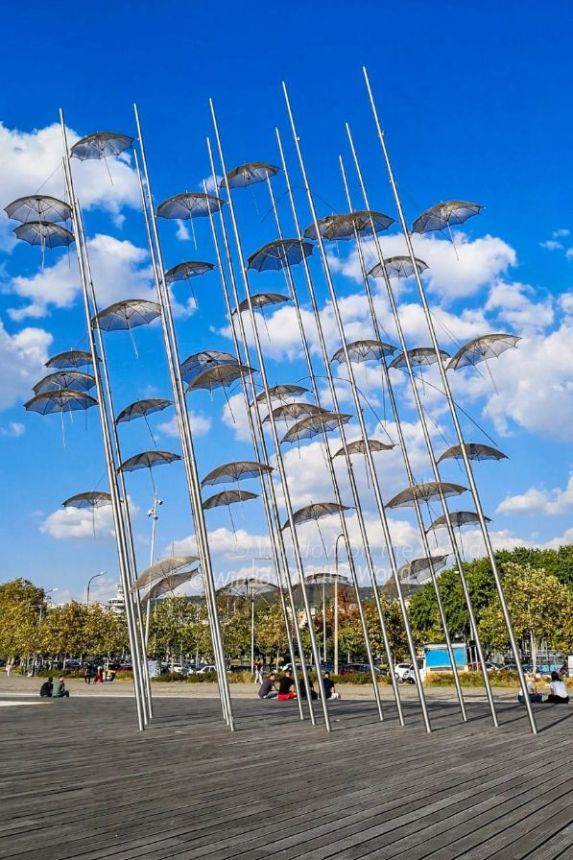
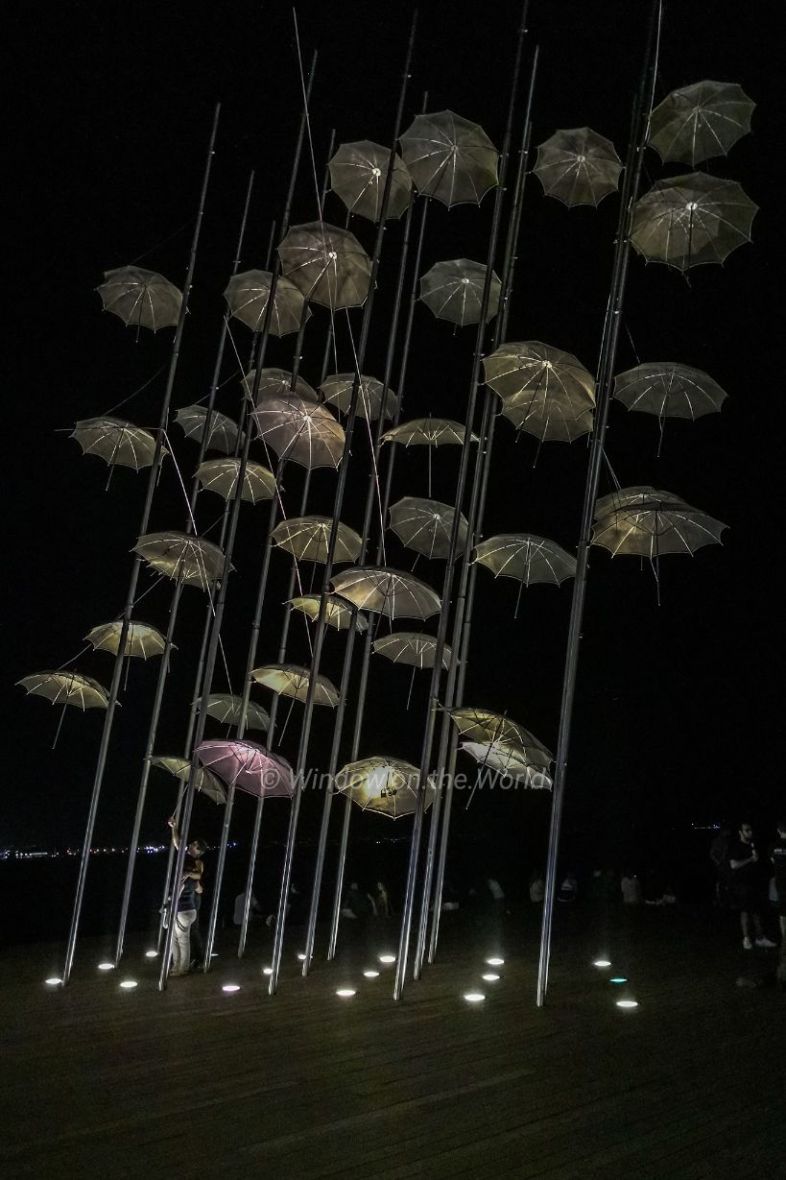
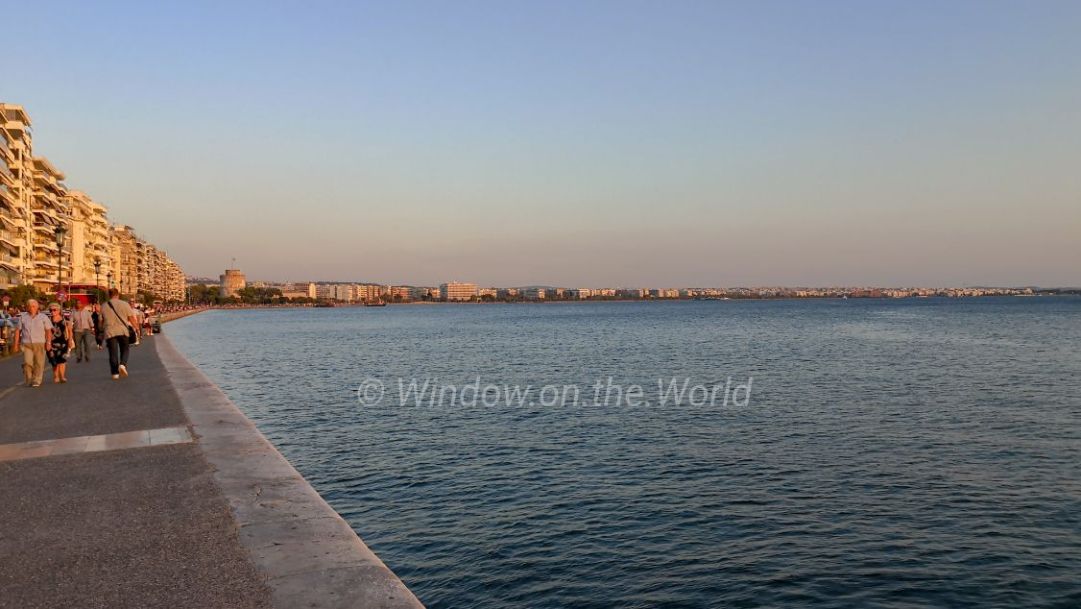
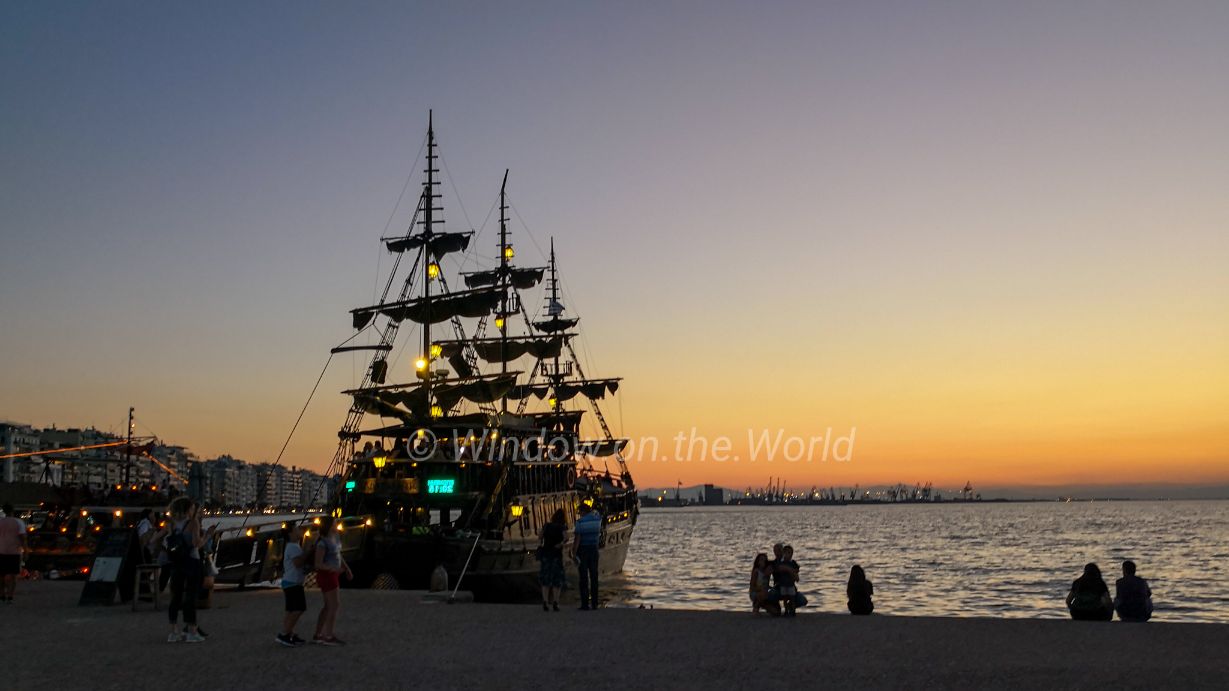
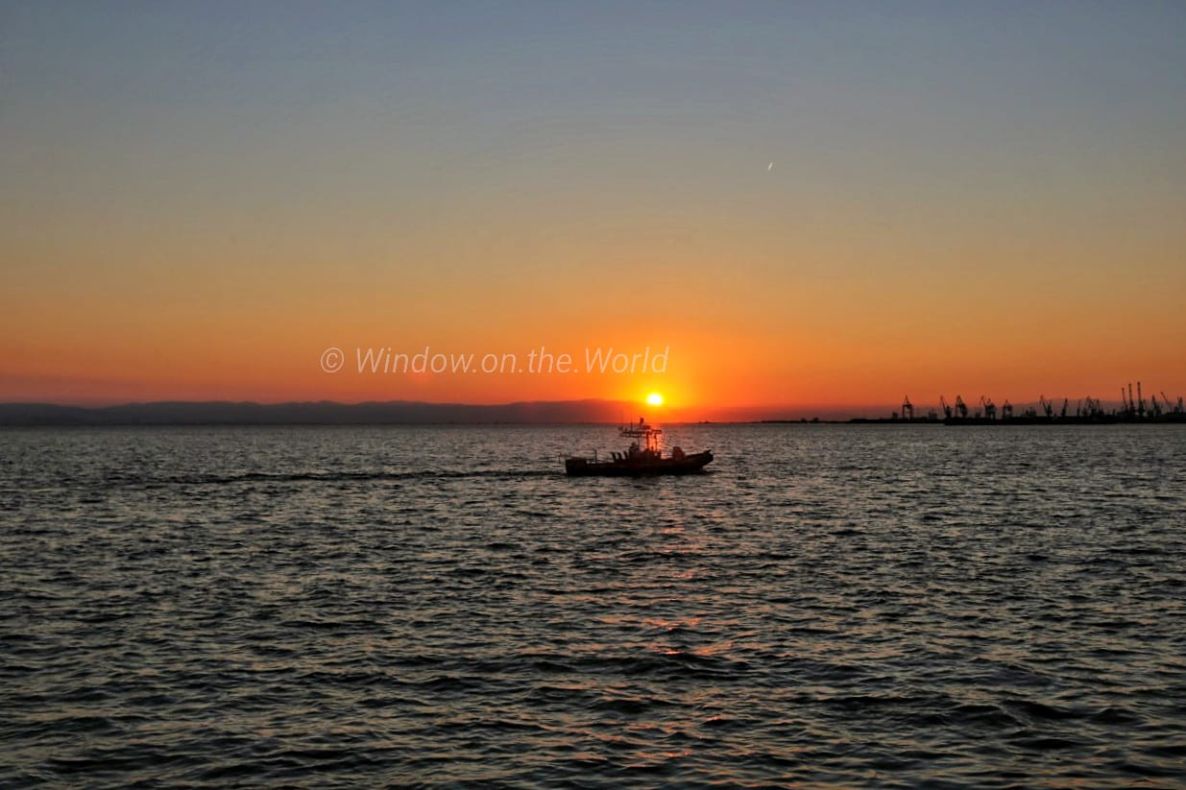
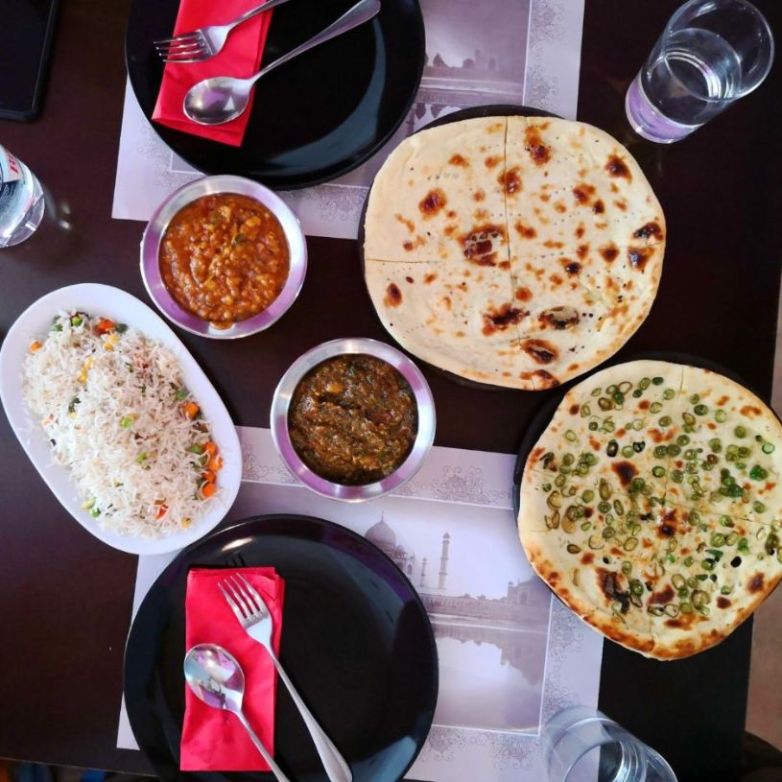
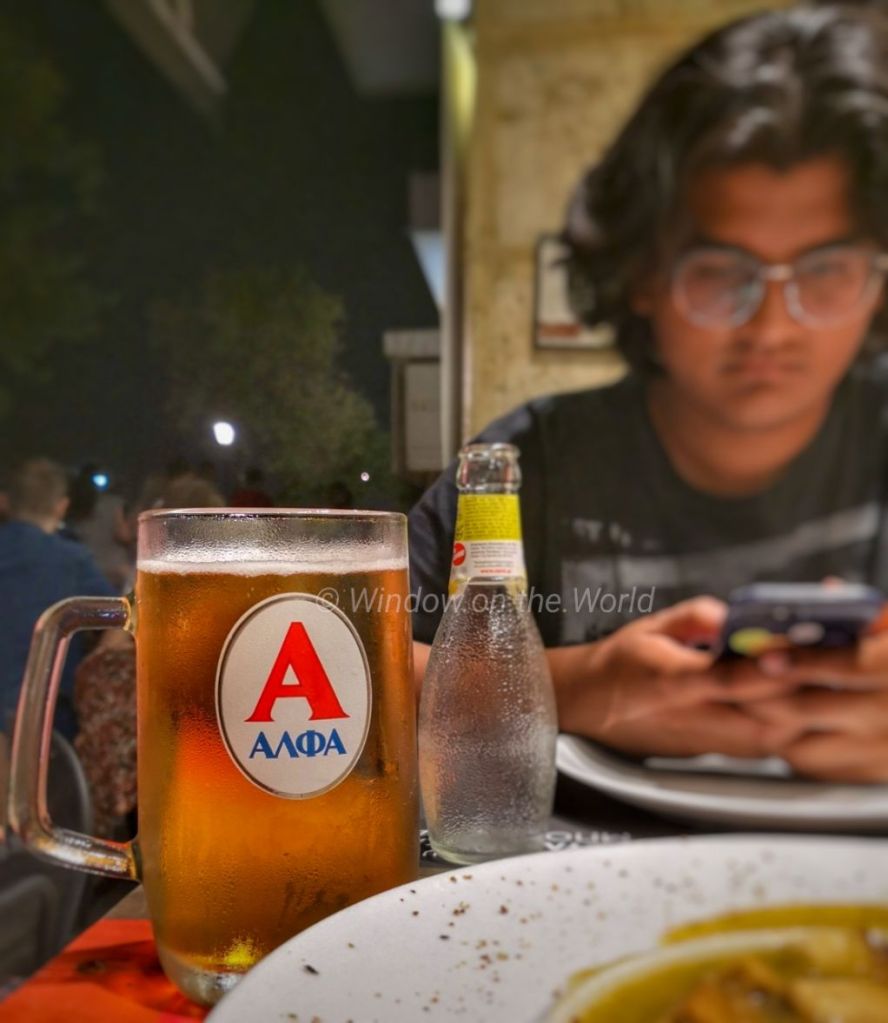
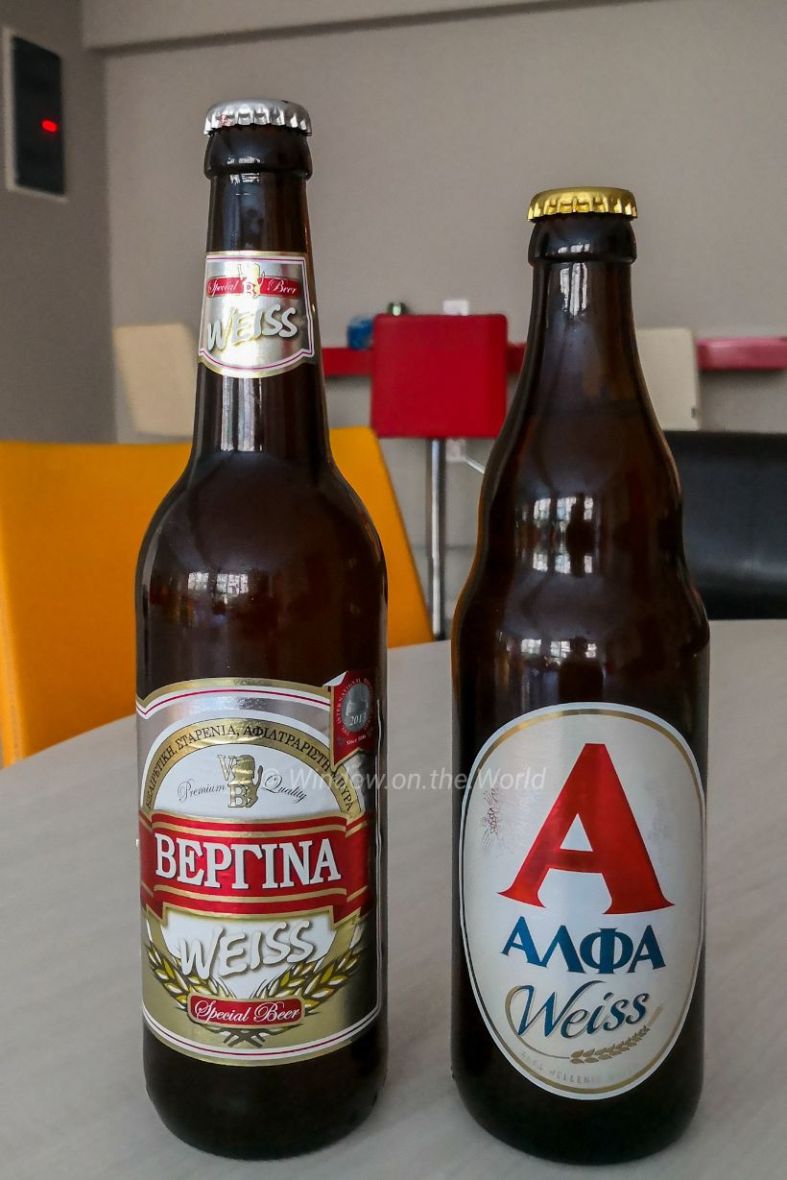
Welcome to Thessaloniki, a Manhole Cover in the Old Town.The White Tower, the hallmark of the city, is a monument and museum on the waterfront. The present tower reconstructed by the Ottoman Empire to fortify the city’s harbor during 15th century, replacing an old Byzantine fortification from the 12th century. The tower became a notorious prison and scene of mass executions during the period of Ottoman rule.The Hagia Sophia, one of the oldest churches in the city still standing today. Since the 3rd century, there was a church in the location of the current Hagia Sophia. In the 8th century, the present structure was erected, based on the Hagia Sophia in Constantinople (present-day Istanbul, Turkey). After the capture of Thessaloniki by the Ottomans, the church was converted into a mosque. It was reconverted to a church upon the liberation of Thessaloniki in 1912. It is one of several monuments in Thessaloniki included as a World Heritage Site on the UNESCO list.The Arch of Galerius (Kamara), built in 298 to 299 AD and dedicated in 303 AD to celebrate the victory of the Tetrarch Galerius over the Sassanid Persians and capture of their capital Ctesiphon in 298. The two pillars flanking the central arched passageway retain their sculpted marble slabs, which depict the wars of Galerius against the Persians in broadly panegyric terms. It is one of several monuments in Thessaloniki included as a World Heritage Site on the UNESCO list.Sculpted marble slabs of The Arch of Galerius (Kamara), built in 298 to 299 AD and dedicated in 303 AD. You can notice, the imperial family at the sacrifice of thanksgiving. It is one of several monuments in Thessaloniki included as a World Heritage Site on the UNESCO list.The Rotunda of Galerius, also known as the Church of Agios Georgios, was built in 306 AD on the orders of the Tetrarch Galerius, intended it to be his mausoleum. The building was used as a church for over 1200 years until the city fell to the Ottomans. After the capture of Thessaloniki by the Ottomans, the church was converted into a mosque and a minaret was added to the structure. It was reconverted to a church upon the liberation of Thessaloniki in 1912 but left the minaret. The Rotunda is the oldest of Thessaloniki’s churches. It is one of several monuments in Thessaloniki included as a World Heritage Site on the UNESCO list.The Entrance of the Rotunda of Galerius, you can see a photo of St George above the entrance and Persian scripts around the entrance. Interior of the Rotunda of Galerius, The mosaics that decorate the inside of the building are truly impressive! They have wonderful details and bright colors. The Rotunda is one of several monuments in Thessaloniki included as a World Heritage Site on the UNESCO list.A central dome of the Rotunda of Galerius, decorated by beautiful mosaics with wonderful details and bright colors. The Rotunda is one of several monuments in Thessaloniki included as a World Heritage Site on the UNESCO list.The Church of the Acheiropoietos, a 5th-century Byzantine church, dated from its bricks and mosaics to ca. 450–470, making it perhaps the earliest of the city’s surviving churches. After Ottoman conquest of the city in 1430, the Acheiropoietos was the first church to be converted into a mosque and it remained the city’s principal mosque throughout the Ottoman period. It is one of several monuments in Thessaloniki included as a World Heritage Site on the UNESCO list.The Church of Saint Demetrius, or Hagios Demetrios, is the main sanctuary dedicated to Saint Demetrius, the patron saint of Thessaloniki. The current structure was reconstructed in 629 – 634 A.D. replacing a small chapel dating back from the 4th century. During the Ottoman occupation period, the church was turned into a mosque. It is one of several monuments in Thessaloniki included as a World Heritage Site on the UNESCO list.Interior of The Church of Saint Demetrius, or Hagios Demetrios, the main sanctuary dedicated to Saint Demetrius, the patron saint of Thessaloniki.The Roman Forum (Ancient Agora) of Thessaloniki, a large two-terraced forum featuring two-stores stoas, dug up by accident in the 1960s. Dating back to the end of the 2nd century A.D., the Roman Forum is the largest archaeological site in Thessaloniki. The forum complex also boasts small theater and two Roman baths, one of which has been excavated.The Walls of Thessaloniki, the city walls surrounding the city of Thessaloniki during the Middle Ages and until the late 19th century. The city was fortified from its establishment in the late 4th century BC. It is one of several monuments in Thessaloniki included as a World Heritage Site on the UNESCO list.The Tower of Trigonion, the most impressive elements of the Walls of Thessaloniki.The Walls of Thessaloniki, one of several monuments in Thessaloniki included as a World Heritage Site on the UNESCO list.City of Thessaloniki from the Trigonion Tower.Orthodox church of Agios Pavlos View from Ano Poli, old town of Thessaloniki.Street Art in the Ano Poli, old city of Thessaloniki.Street Art in the Ano Poli, old city of Thessaloniki.Walking around the Ano Poli, old city of Thessaloniki.A beautiful Manhole Cover in the Ano Poli, old city of Thessaloniki.Selfie time in Ano Poli, old city of Thessaloniki.Beautiful Sunset over looking the city of Thessaloniki and the Aegean Sea.At the The White Tower, the hallmark of the city.Equestrian Statue of Alexander the Great, at the Waterfront of Thessaloniki.Umbrellas Zongopoulos, Attractive sculpture situated at Thessaloniki’s waterfront.Umbrellas Zongopoulos after dark.The Waterfront of Thessaloniki, a very popular place to hangout for locals..The Waterfront of Thessaloniki at Sunset.Sunset over the Aegean Sea from The Waterfront of Thessaloniki.Delicious Indian Vegetarian cuisine after a month of backpacking through Balkans. Enjoying Original Greek Alfa Beer, while Raul is catching up on his messages.Weiss Beers of Greece, Vergina and Alfa, both were refreshing.
After a few days of exploring historical city center and UNESCO World Heritage Sites of Thessaloniki, we took a fast intercity train to Athens, the Capital city of Greece to continue our backpacking journey through the Balkans.
In May 2017, 23 days before I was going to complete 50 years, grabbed an opportunity and took an early retirement.. Picked up a backpack and traveling ever since.. Love to travel around the world, experience different culture, local cuisine & drinks .. and take pictures.. so far been to 108 countries and still counting...


 Window on the World