After few days in Skopje, the capital city of North Macedonia, we continued our backpacking through the Balkans journey towards south, to Ohrid, a small resort city on the hilly shores of Lake Ohrid and also a UNESCO World Heritage Site.
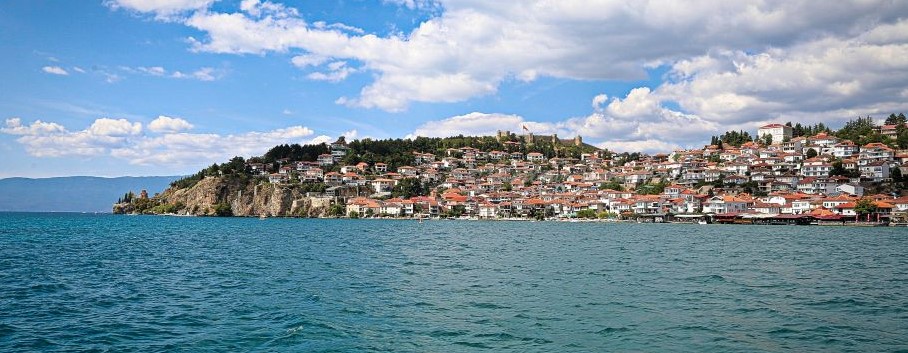
In Ohrid’s compact old town, medieval churches, monasteries and open-air ruins stand alongside traditional houses with red-tiled roofs. Ohrid once had 365 churches, one for each day of the year, and has been referred to as a “Jerusalem of the Balkans”.
Archaeological finds indicate that Ohrid is one of the oldest human settlements in all of Europe. The lake itself is over three million years old. Ohrid town is first mentioned in Greek documents from 353 BCE, when it was known as Lychnidos means ‘the city of light’. Only much later, in 879 CE, the city was renamed Ohrid.
Since 1980, both, the Town of Ohrid and Lake Ohrid were included as Cultural and Natural World Heritage Sites by UNESCO.
Nestled between high mountains and Lake Ohrid, it is not only a place of historic significance but also of outstanding natural beauty. Ohrid is the jewel in North Macedonia’s crown. Photos below are from our few days stay in Ohrid.
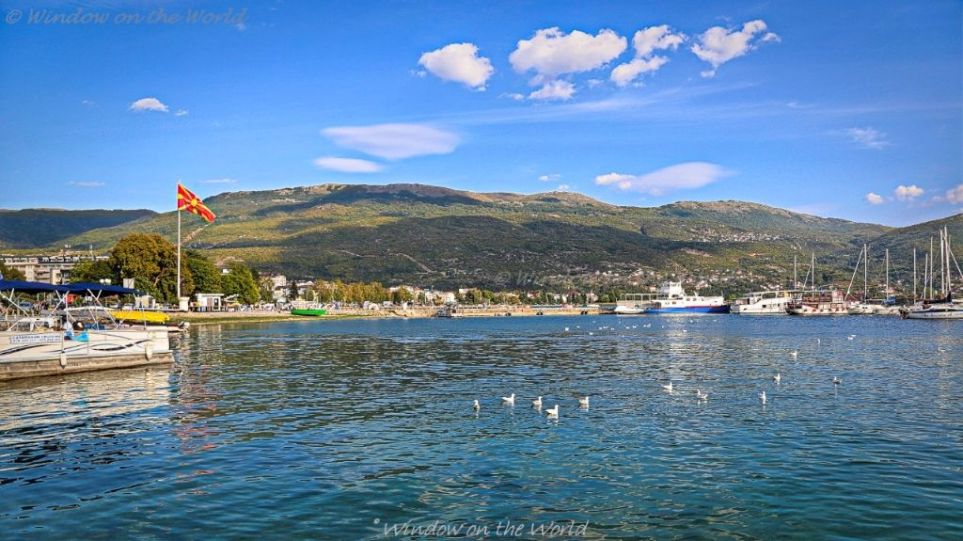
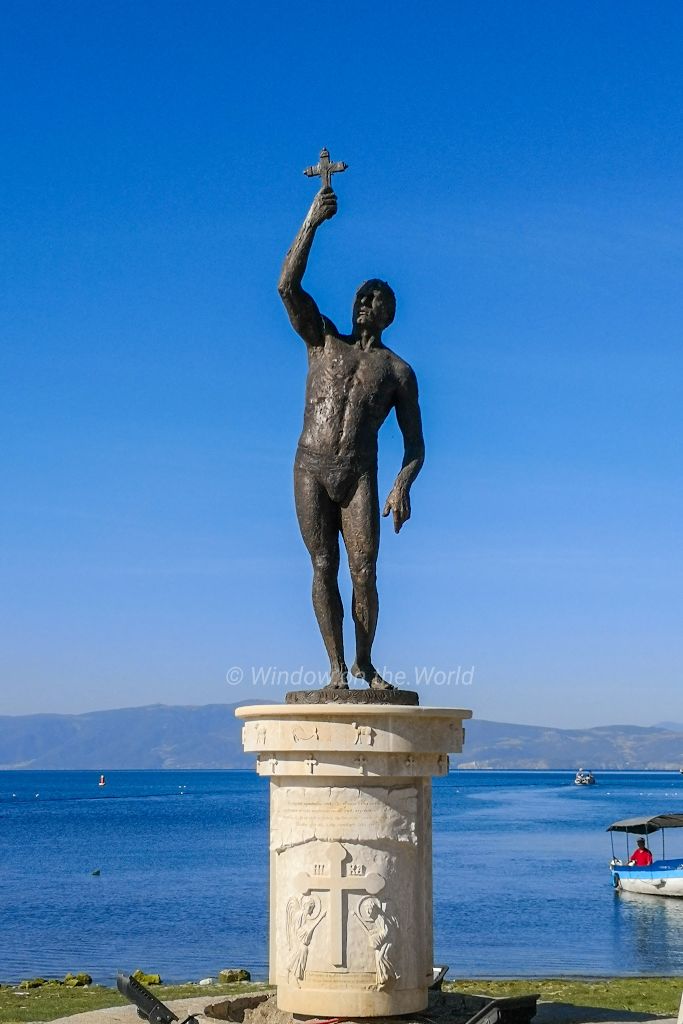
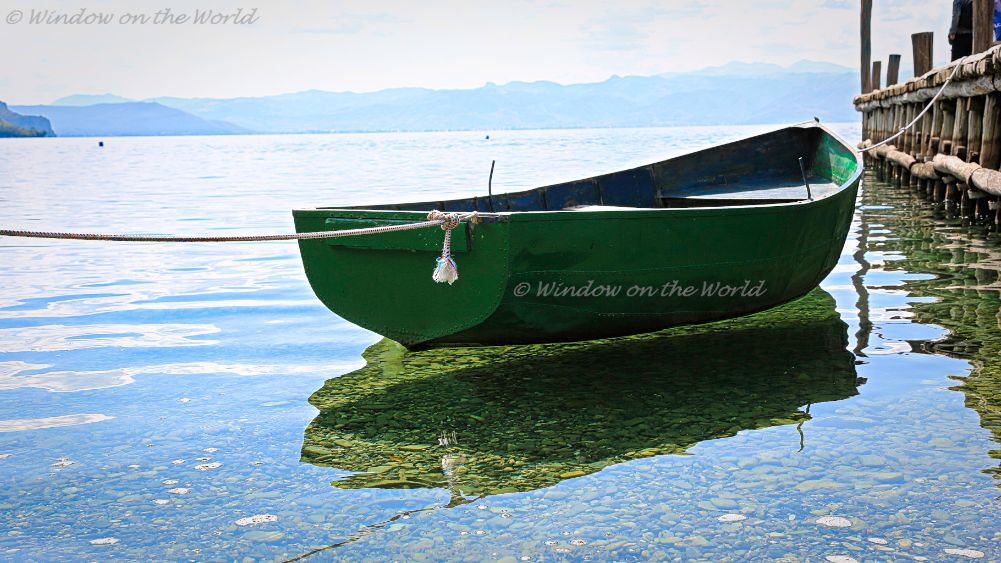
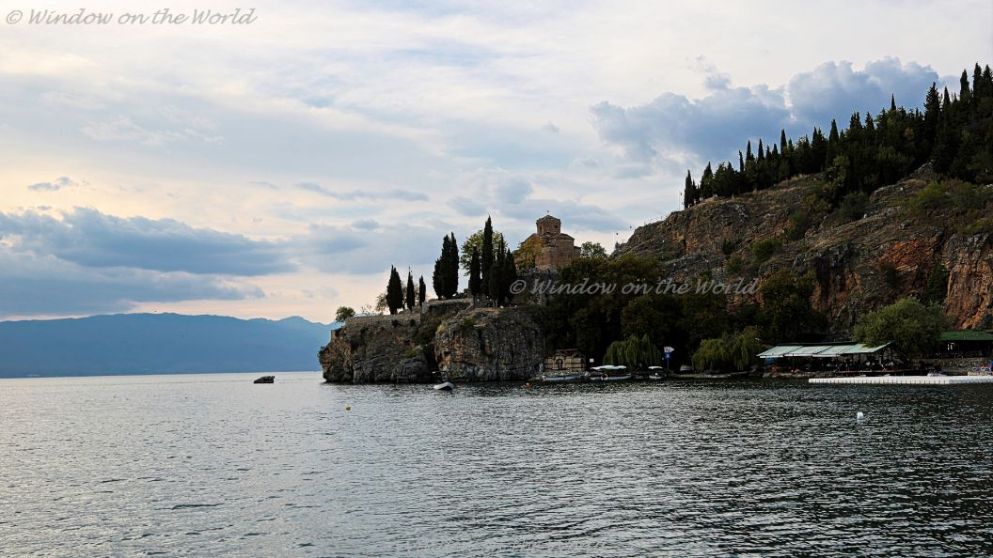
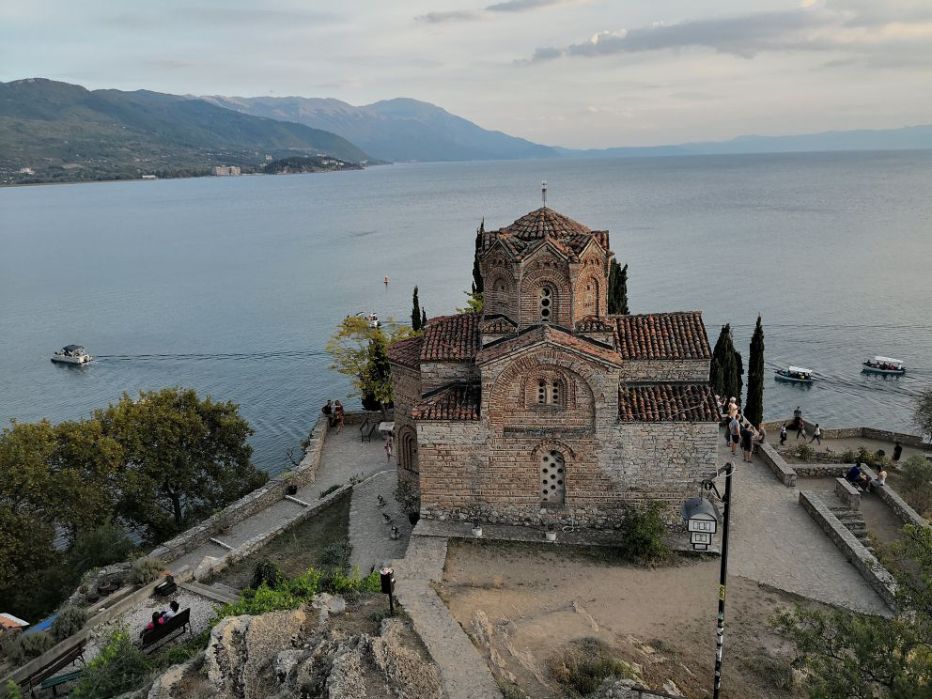
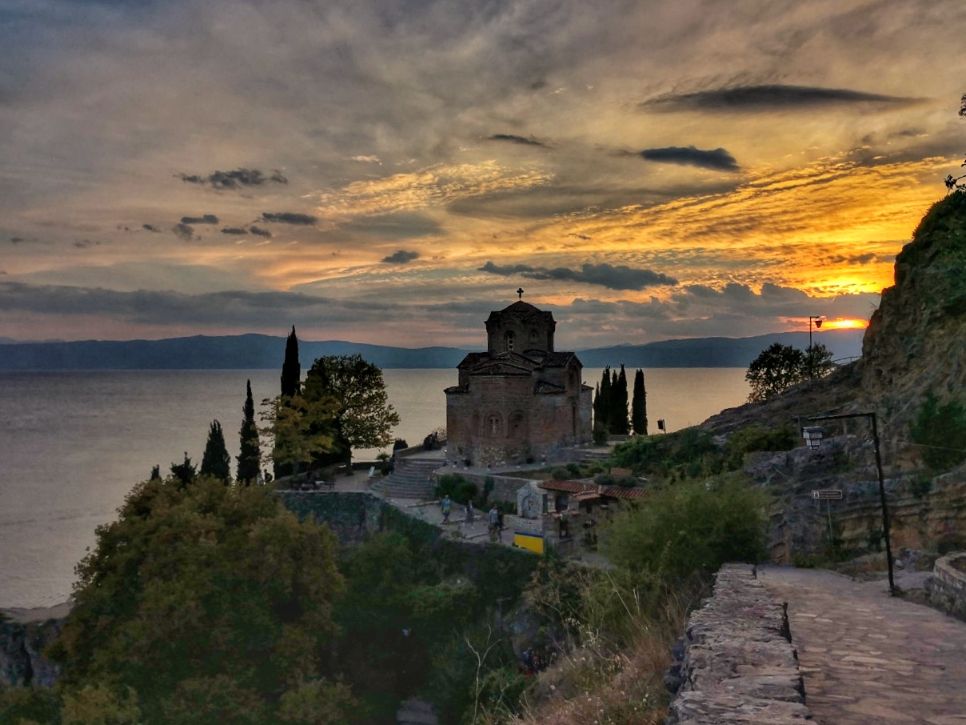
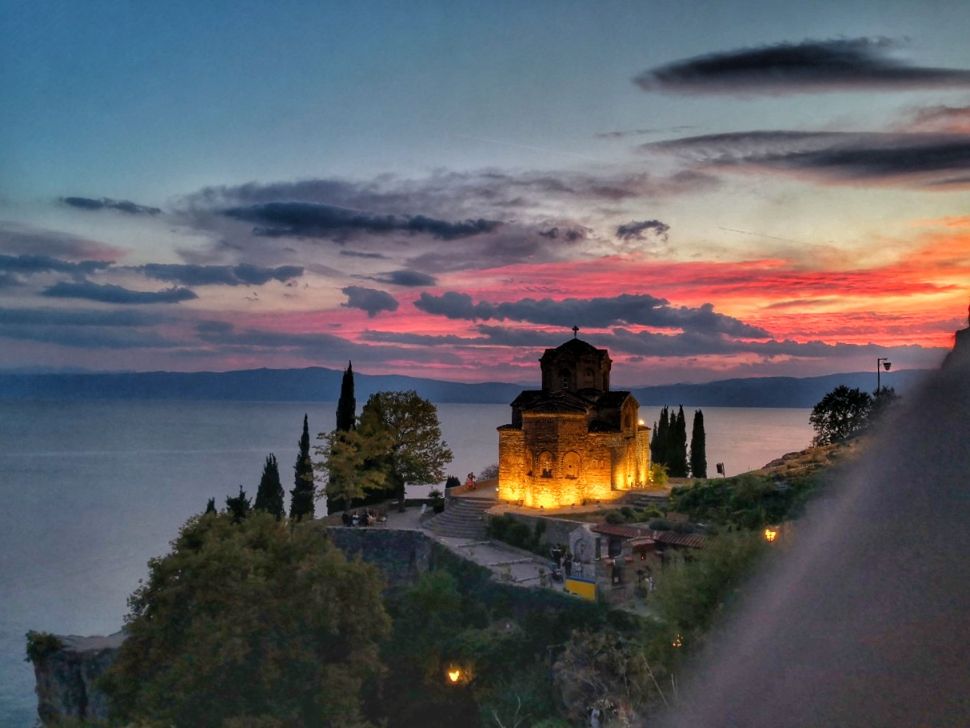
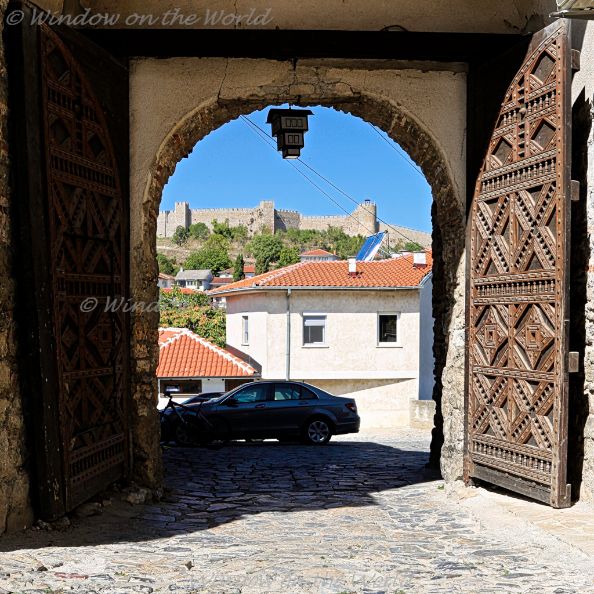
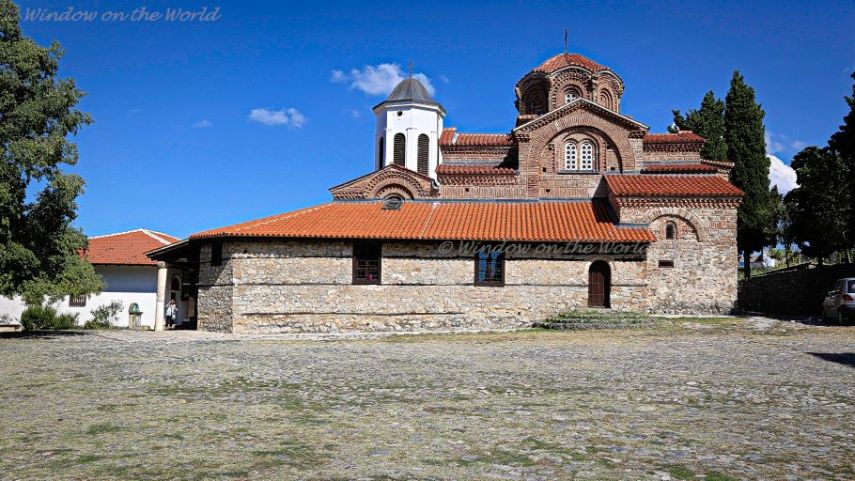
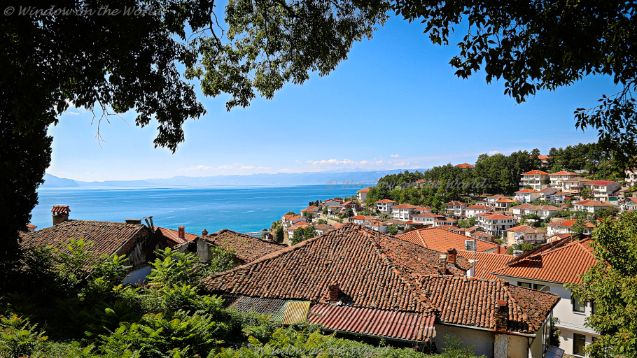
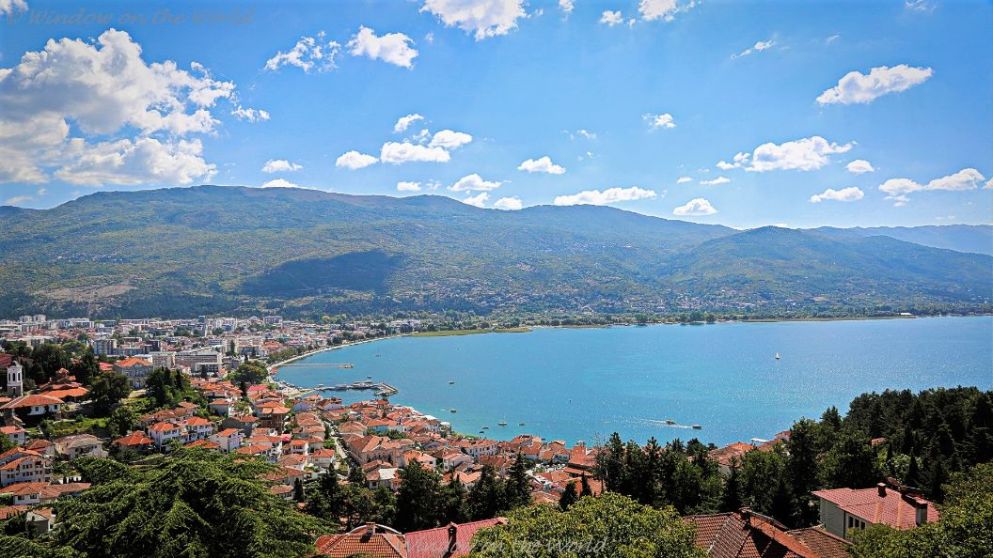
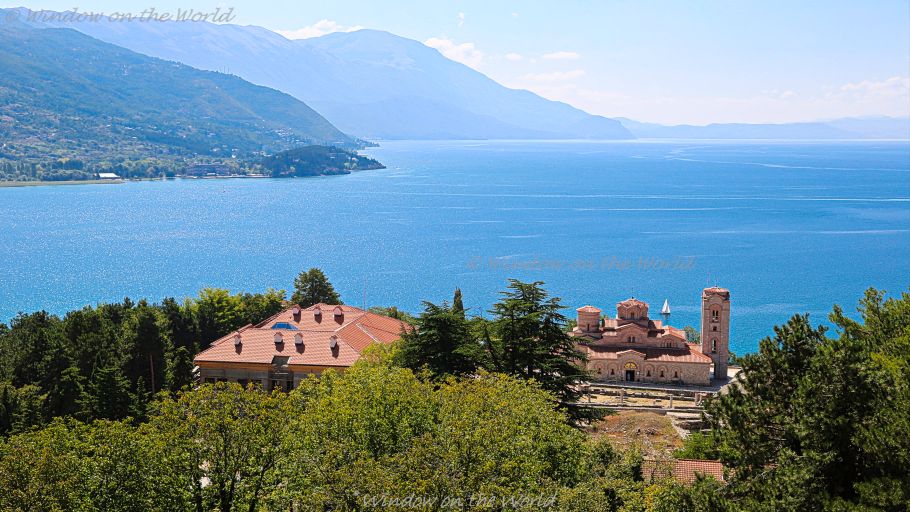
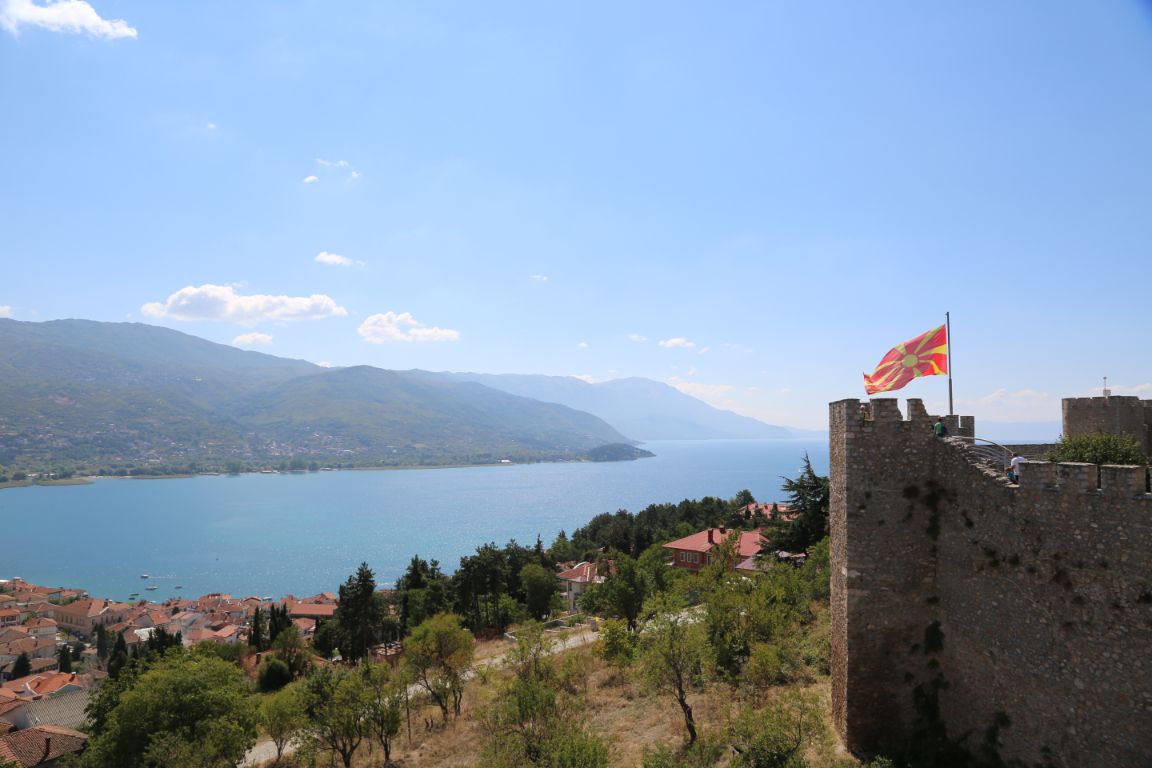
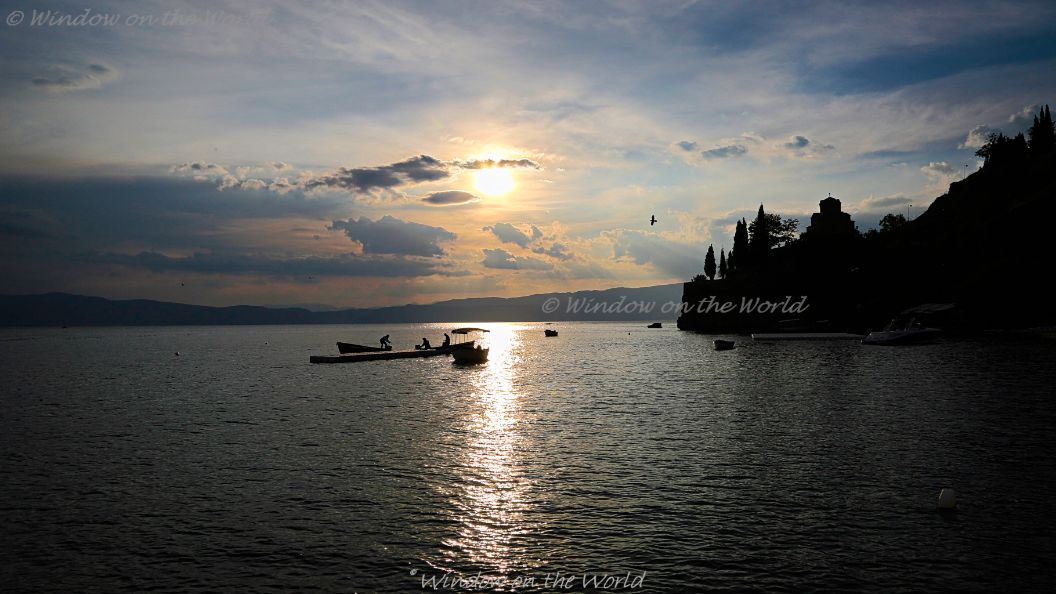
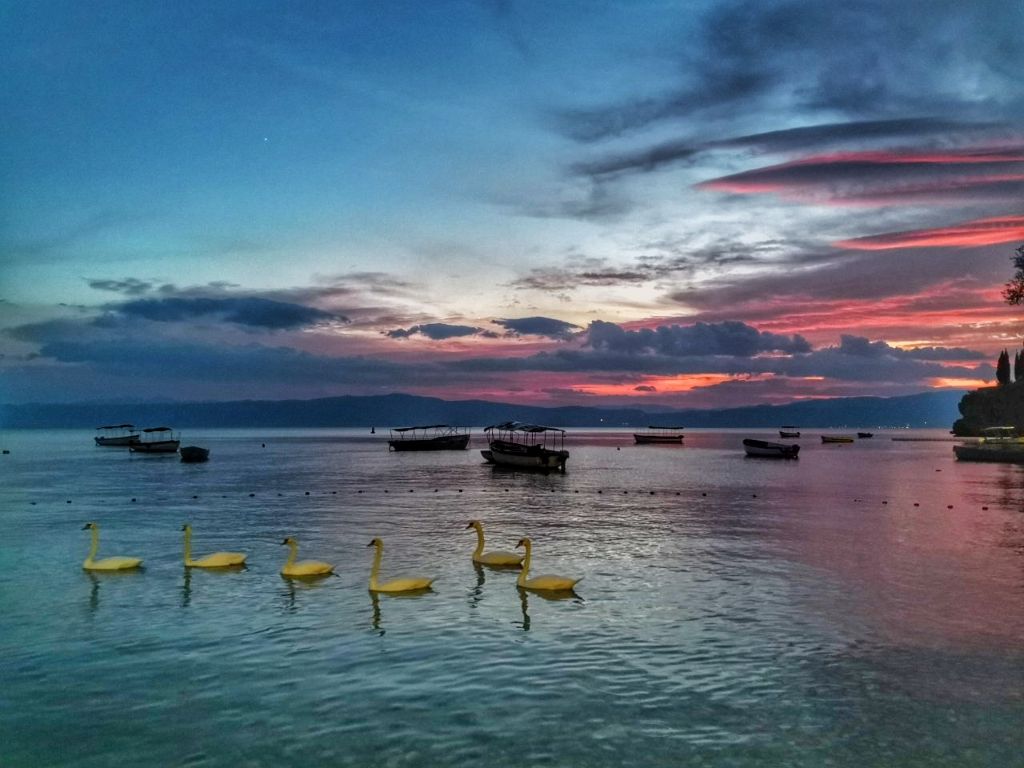
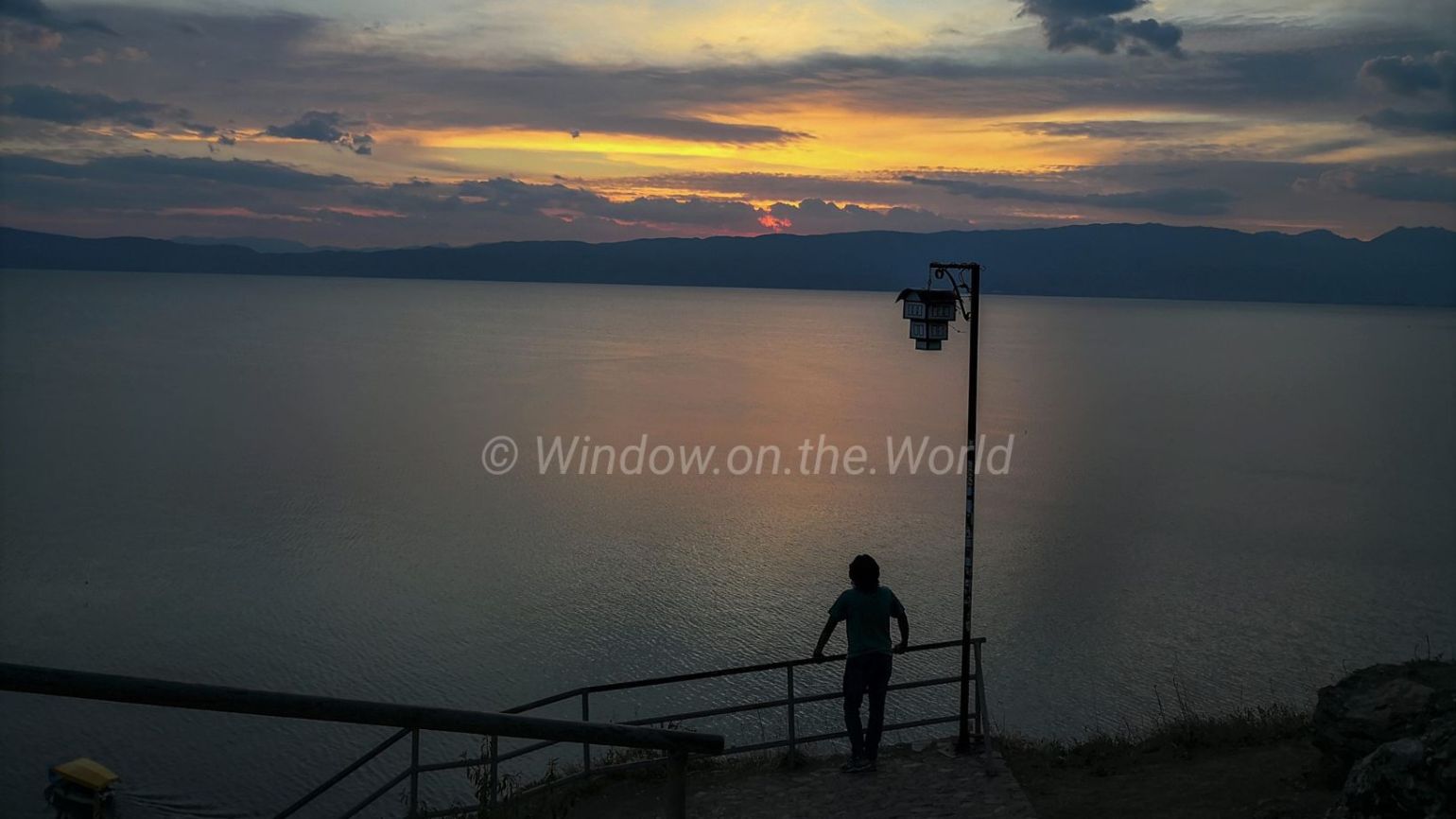
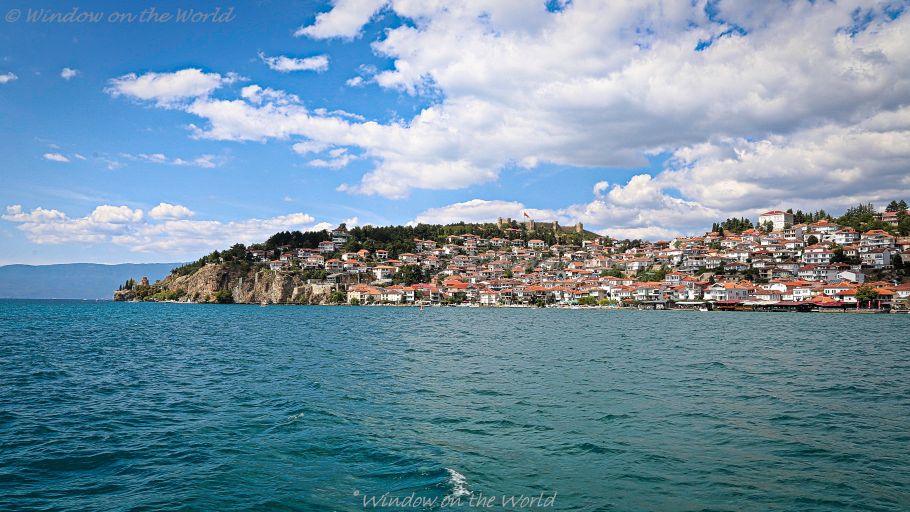
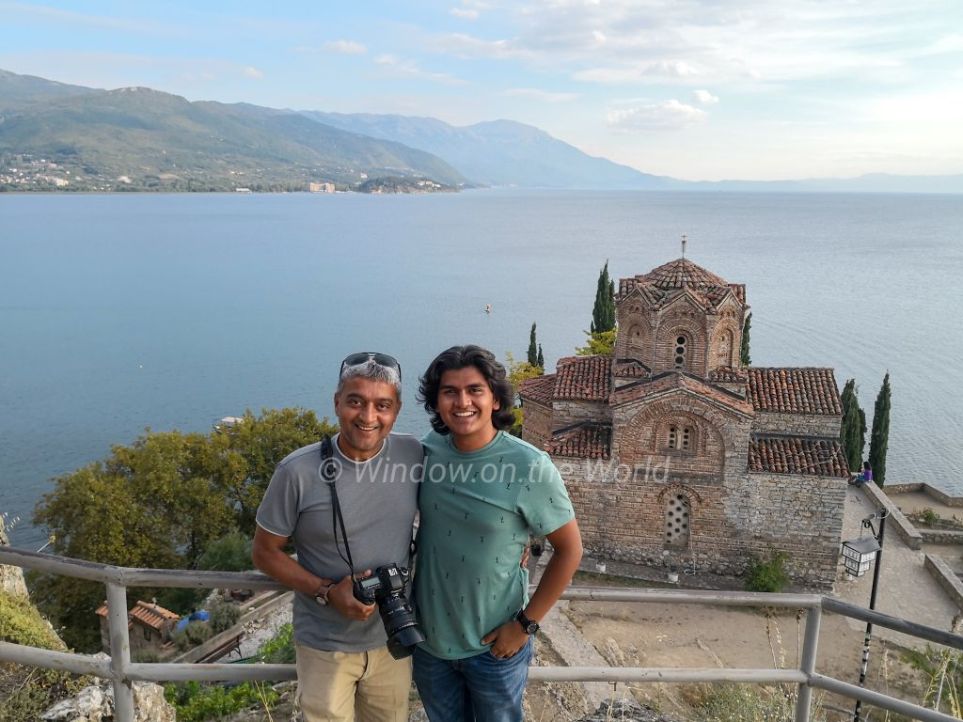
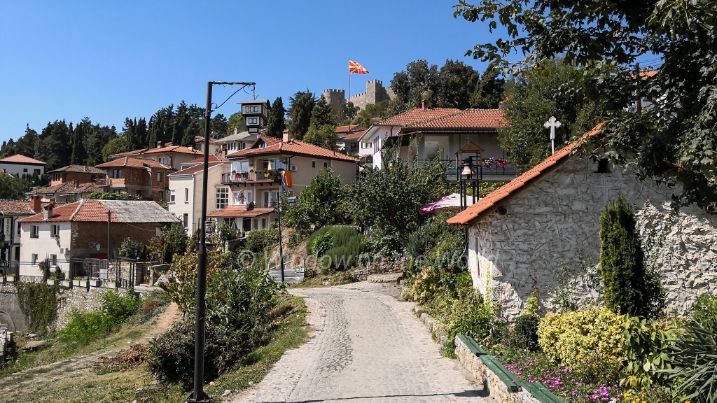
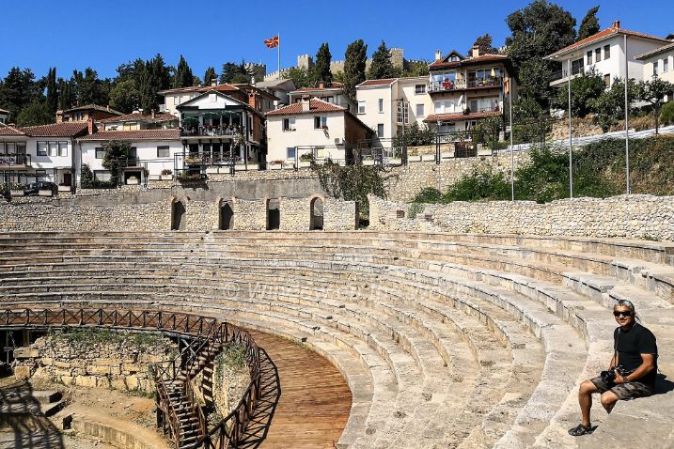
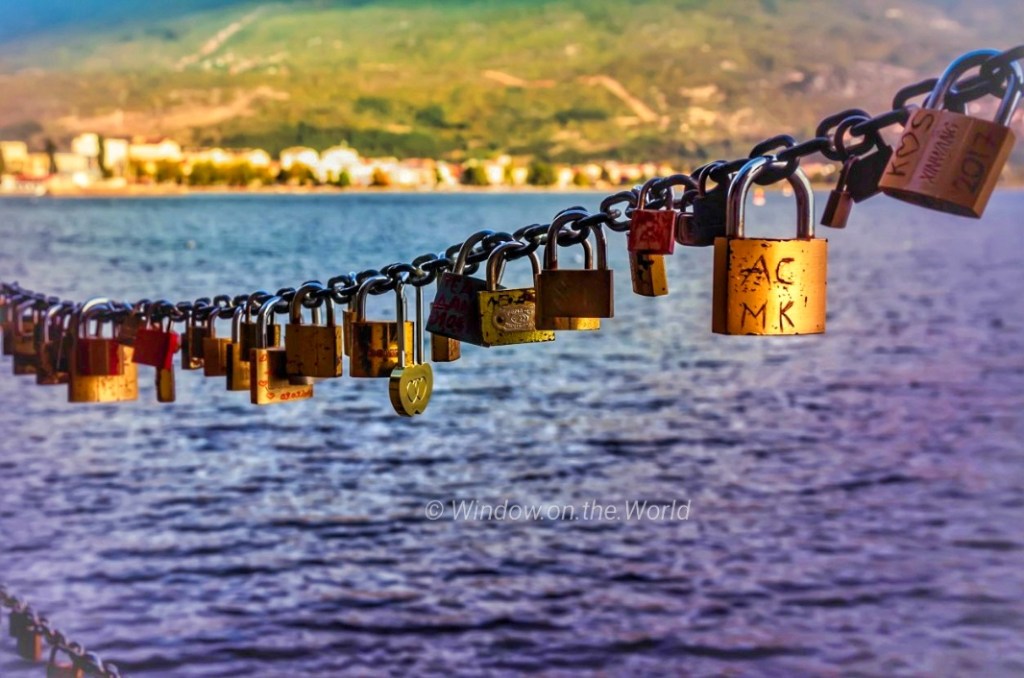
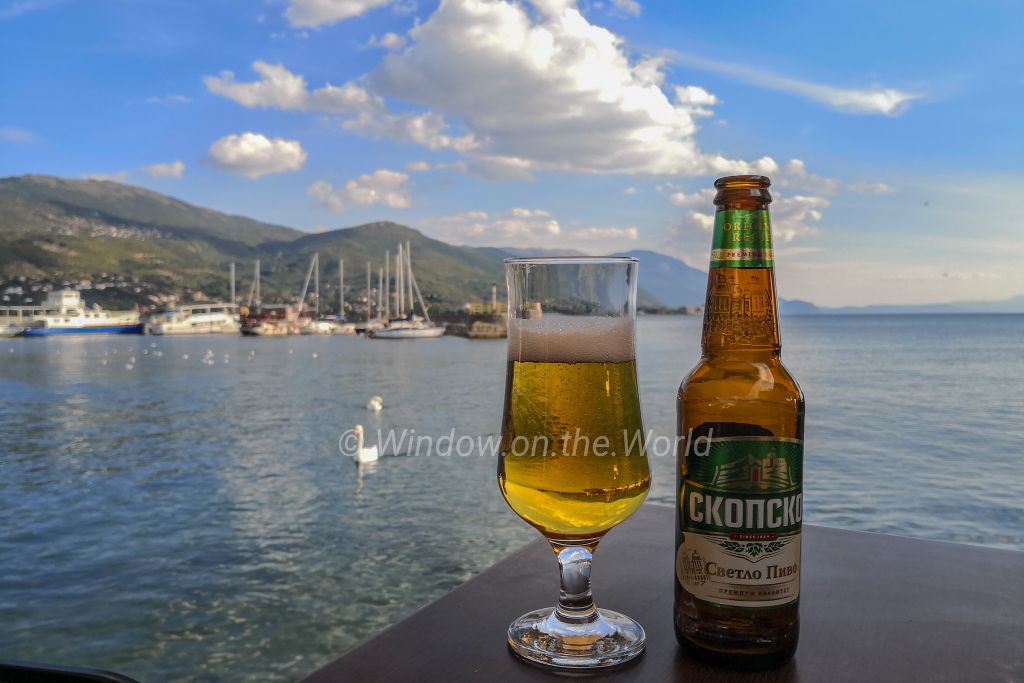
Lake Ohrid, a lake which straddles the mountainous border between North Macedonia and Albania. It is one of Europe’s deepest and oldest lakes, with a unique aquatic ecosystem of worldwide importance, with more than 200 endemic species. Lake Ohrid is inscribed as a UNESCO World Heritage Site since in 1979,The Catcher of a Cross monument, recognizes Vodici and the Baptism of Jesus Christ and the Sanctification of the waters of the Ohrid Lake. This is the place where the holy cross is thrown into Lake Ohrid on Macedonian Orthodox New Year and people try to recover the cross from the lake which according to church beliefs will bring them health and happiness during the course of the year.Crystal Clear water of the Lake Ohrid.St. Jovan Kaneo, a Macedonian Orthodox church situated on the cliff over Kaneo Beach overlooking Lake Ohrid.St. Jovan Kaneo, a Macedonian Orthodox church, built before 1447, situated on the cliff overlooking Lake Ohrid.Church of St. Jovan Kaneo at the SunsetChurch of St. Jovan Kaneo at the SunsetView of Tsar Samuel’s Fortress from the old town of Ohrid.Built in 1295, the Holy Mary Perybleptos is one of the oldest churches in the historic town of Ohrid.Red tiled roofs of Old Town of Ohrid and Lake Ohrid.The town of Ohrid and the Lake Ohrid from Tsar Samuel’s Fortress.Church of Saints Clement and Panteleimon with Lake Ohrid in the backdrop.Tsar Samuel’s Fortress, Ohrid was the capital of the First Bulgarian Empire during the rule of Tsar Samuel of Bulgaria at the turn of the 11th century.Boat ride in Late afternoon over Lake Ohrid.Amazing Colors after Sunset over Lake OhridRaul enjoying beautiful sunset view over lake Ohrid.Old Town of Ohrid and Lake Ohrid.With Raul at St. Jovan Kaneo, the most picturesque church at Lake Ohrid.Walking around the Old Town of OhridAncient Theater of Ohrid.Love Locks looking over the lake Ohrid. Skopsko, the most popular Beer of North Macedonia, with Beautiful view of Lake Ohrid.
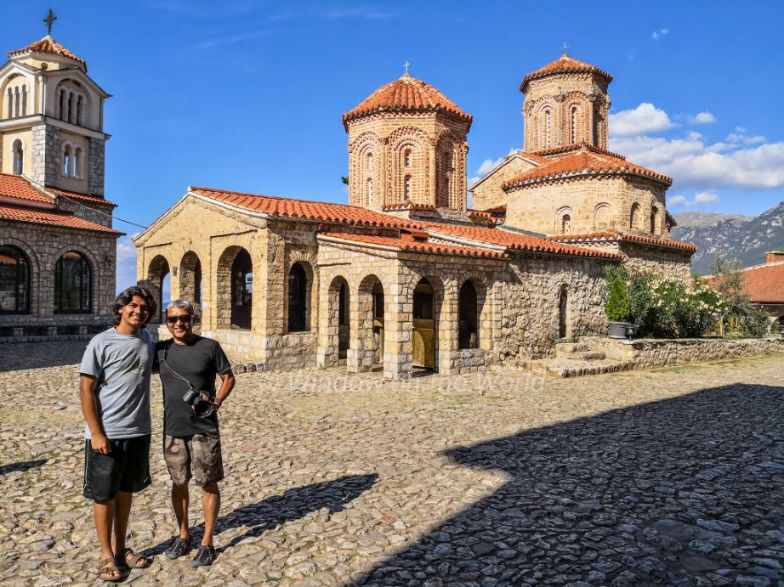
We made city of Ohrid our base for few days and traveled around the Lake Ohrid. One of the trip was visiting St. Naum Monastery by boat cruise. The monastery was established during the Bulgarian Empire in 905 by St Naum of Ohrid himself. St Naum is also buried in the church. Pictures below are from the day trip.
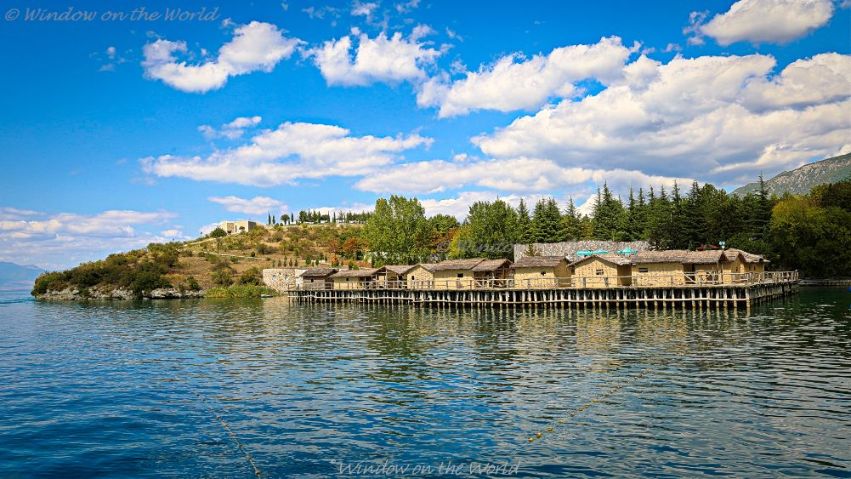
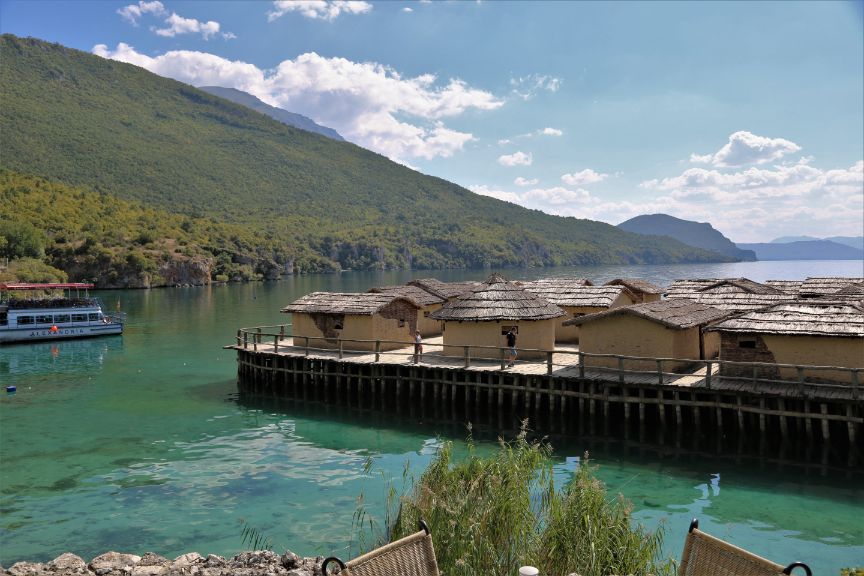
Bay of Bones, Reconstruction of Bronze Age stilt houses on Lake Ohrid. This museum on water sheds some light on the life of prehistoric people living near Lake OhridBay of Bones, Reconstruction of Bronze Age stilt houses on Lake Ohrid.
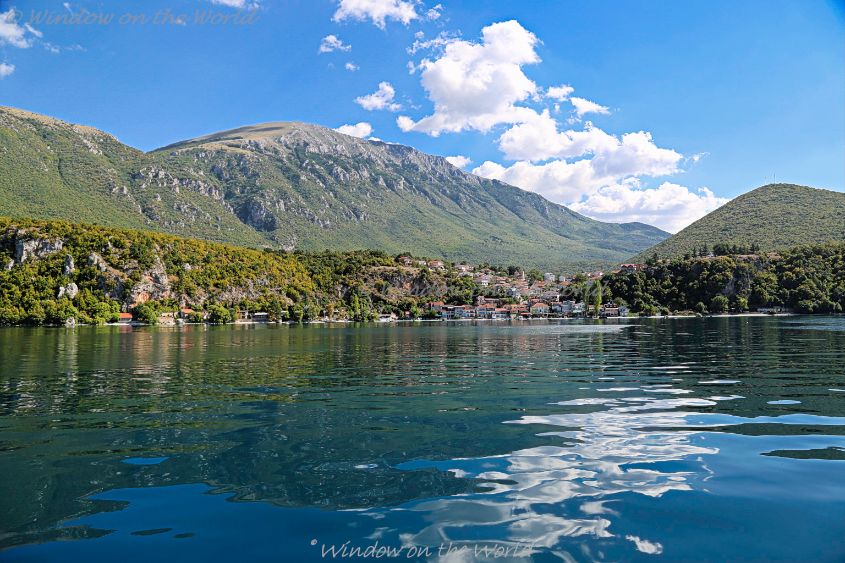
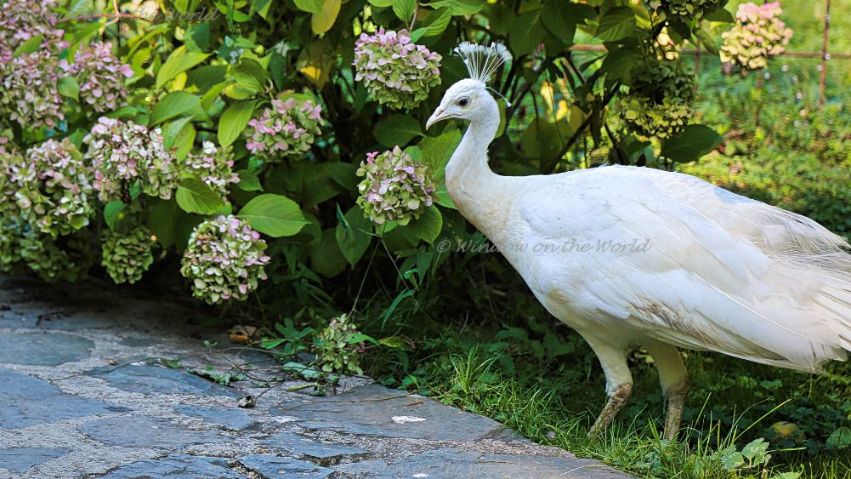
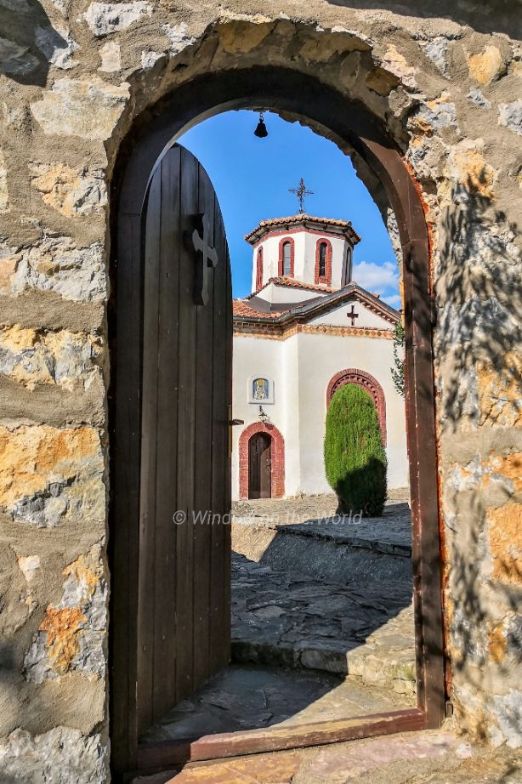
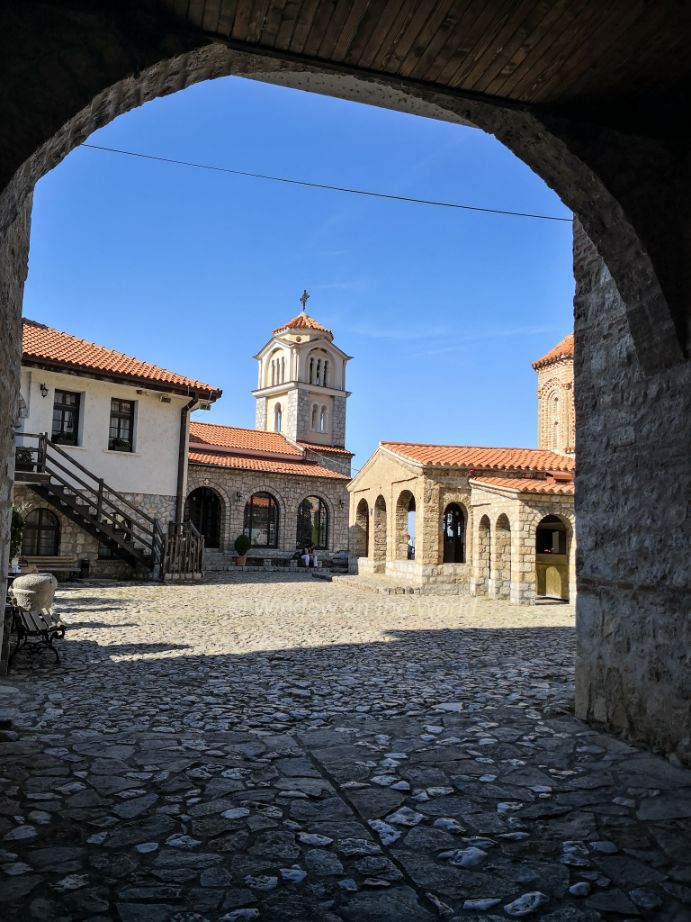
A Beautiful Day at the Lake Ohrid.A Beautiful Day at the Lake OhridA white Peacock at the monastery of Saint Naum.One of many churches near the Monastery of Saint Naum.At the Monastery of Saint Naum, established during the Bulgarian Empire in 905 by St Naum of Ohrid himself. St Naum is also buried in the church.The Monastery of Saint Naum, Albania is less than 2 KM from this Monastery.
While in Ohrid, We made a day trip to Struga, a beautiful town located on Lake Ohrid. Though it is a tourist place with beautiful beach, It is still quieter and more peaceful experience than the more bustling City of Ohrid.
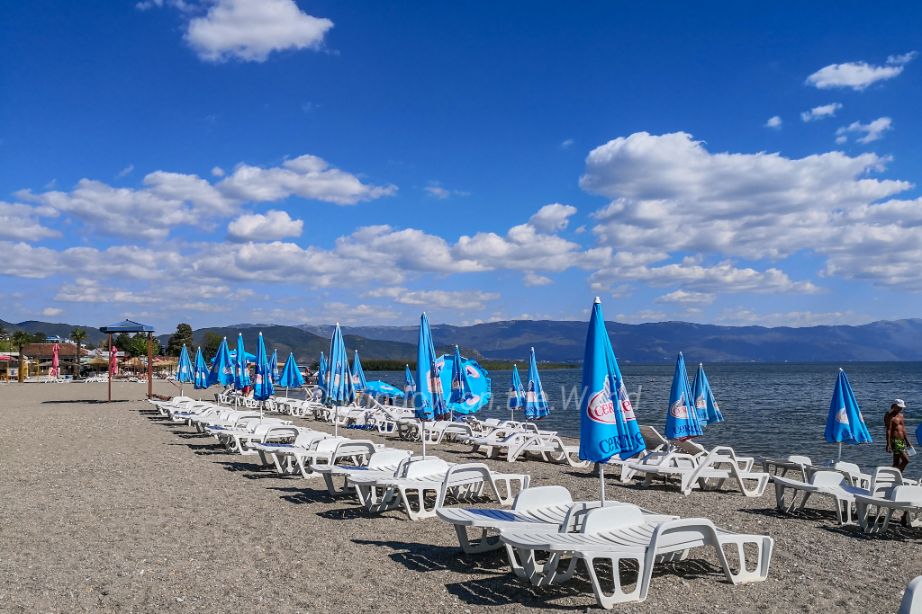
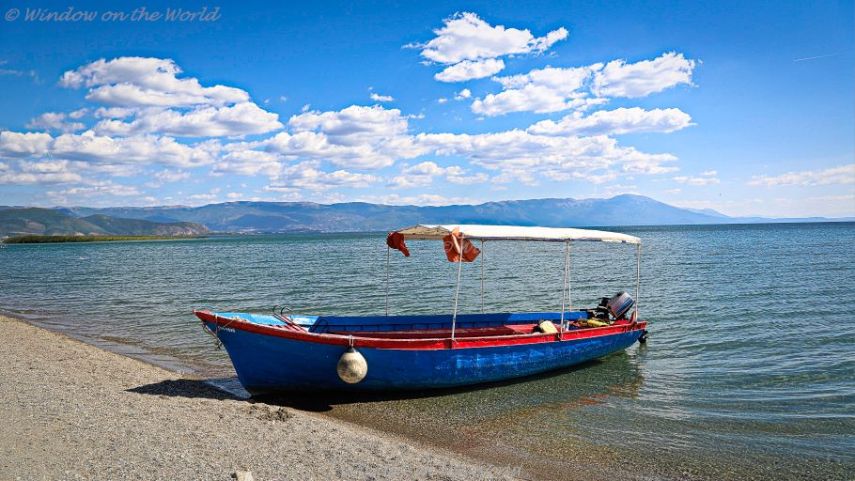
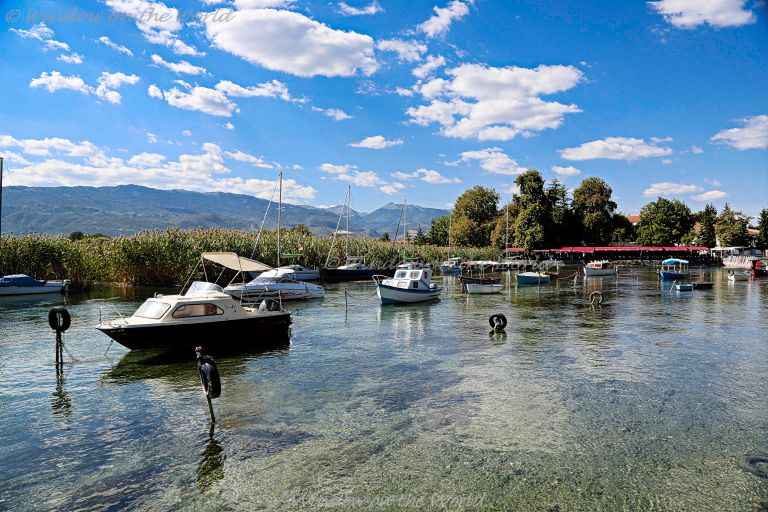
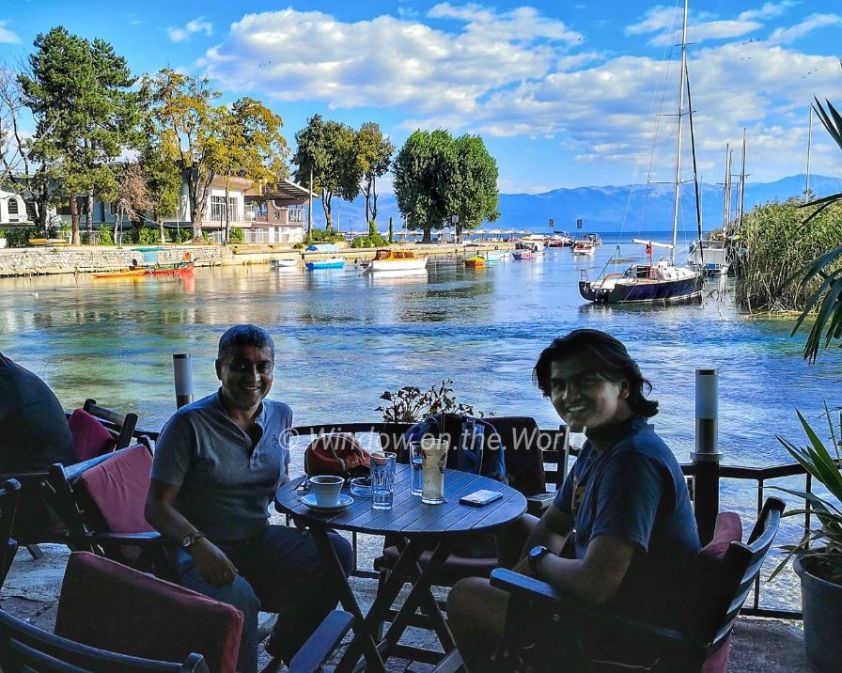
Beautiful beach at Struga, the water was cold in September.A beautiful day at Lake Ohrid near Struga.Many boats for hire, you can visit near by villages by boat.At the origin of the Black Drin river, It flows out of the lake Ohrid and divides the city.
After few days in the beautiful city of Ohrid, we took a marshrutka to spend a day in Bitola, the second largest city in North Macedonia, just 14 KM north of the Medžitlija-Níki border crossing with Greece.
Bitola has been known since the Ottoman period as “The City of The Consuls”, since many European countries had consulates in Bitola. Known during the Ottoman Empire as Manastır or Monastir, Bitola is one of the oldest cities in North Macedonia. It was founded as Heraclea Lyncestis in the middle of the 4th century BC by Philip II of Macedon. The city was the last capital of Ottoman Rumelia, from 1836 to 1867.
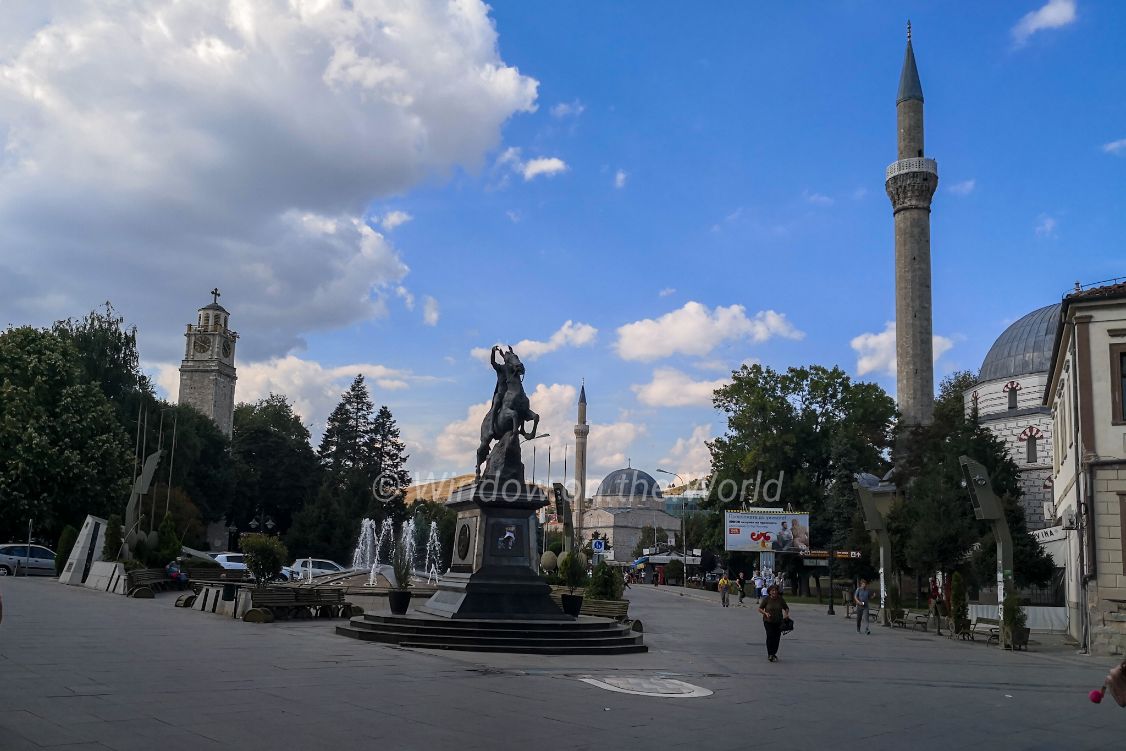
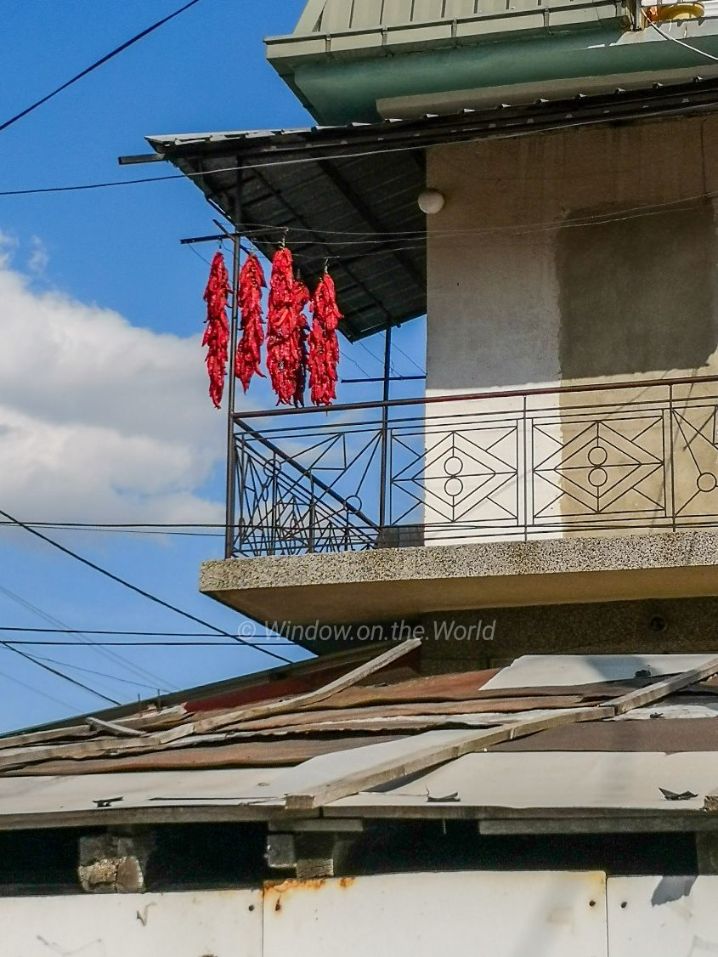
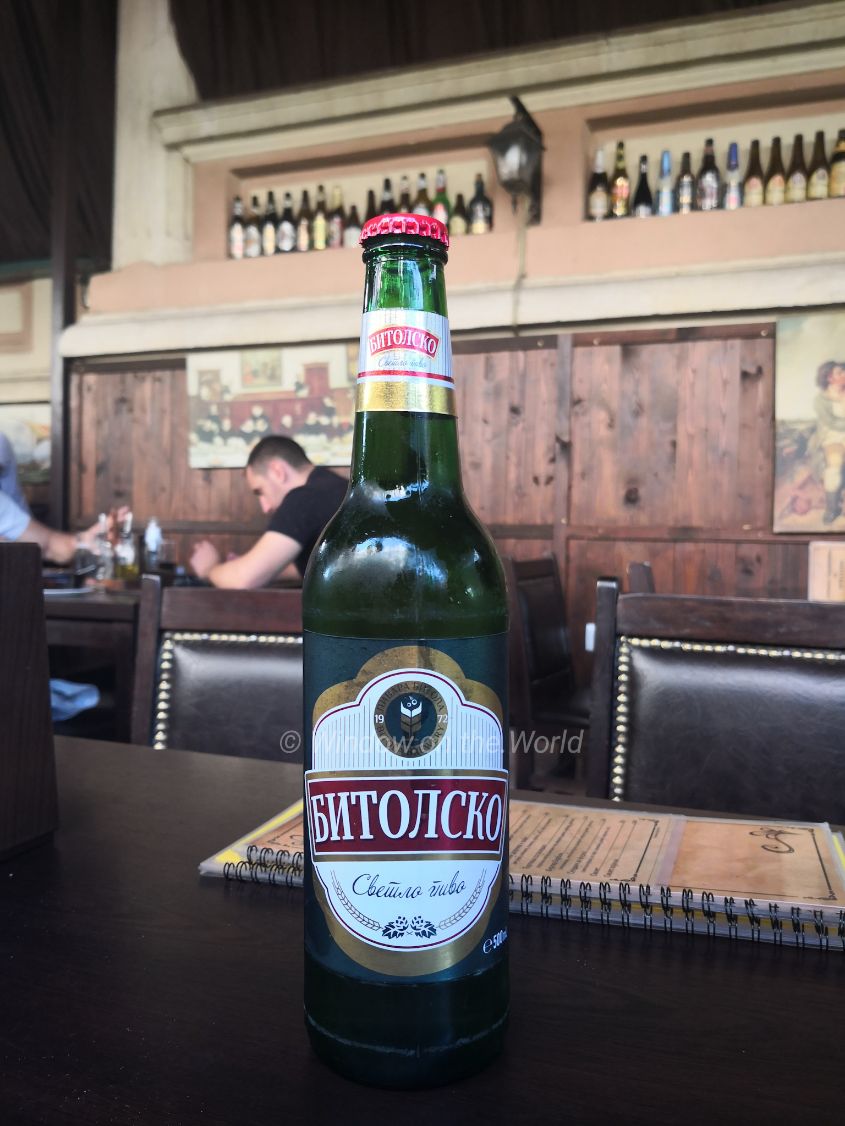
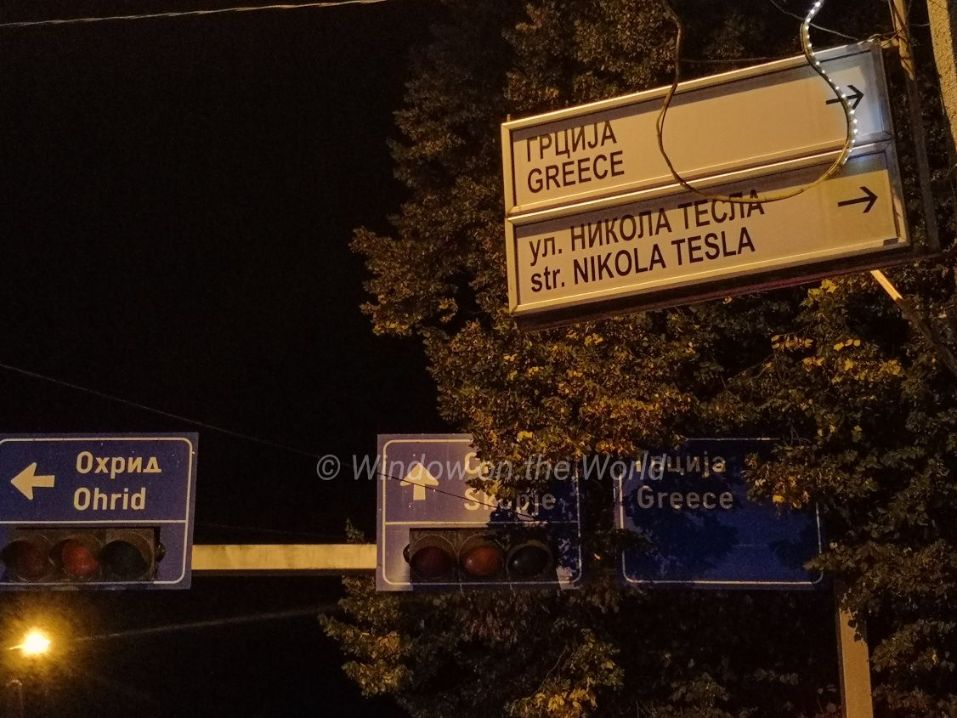
The main town square of Bitola with few mosques and a church.The Florina peppers, hanged outside to dry.Bitolsko (Битолско), locally brewed beer in Bitola.We arrived in Bitola from Ohrid, so Guess where are we going next? The Greece Border is only 14 KM from Bitola.
After a week in North Macedonia, we continued our backpacking through the Balkans journey towards south to Thessaloniki, the second-largest city in Greece.
In May 2017, 23 days before I was going to complete 50 years, grabbed an opportunity and took an early retirement.. Picked up a backpack and traveling ever since.. Love to travel around the world, experience different culture, local cuisine & drinks .. and take pictures.. so far been to 108 countries and still counting...


 Window on the World