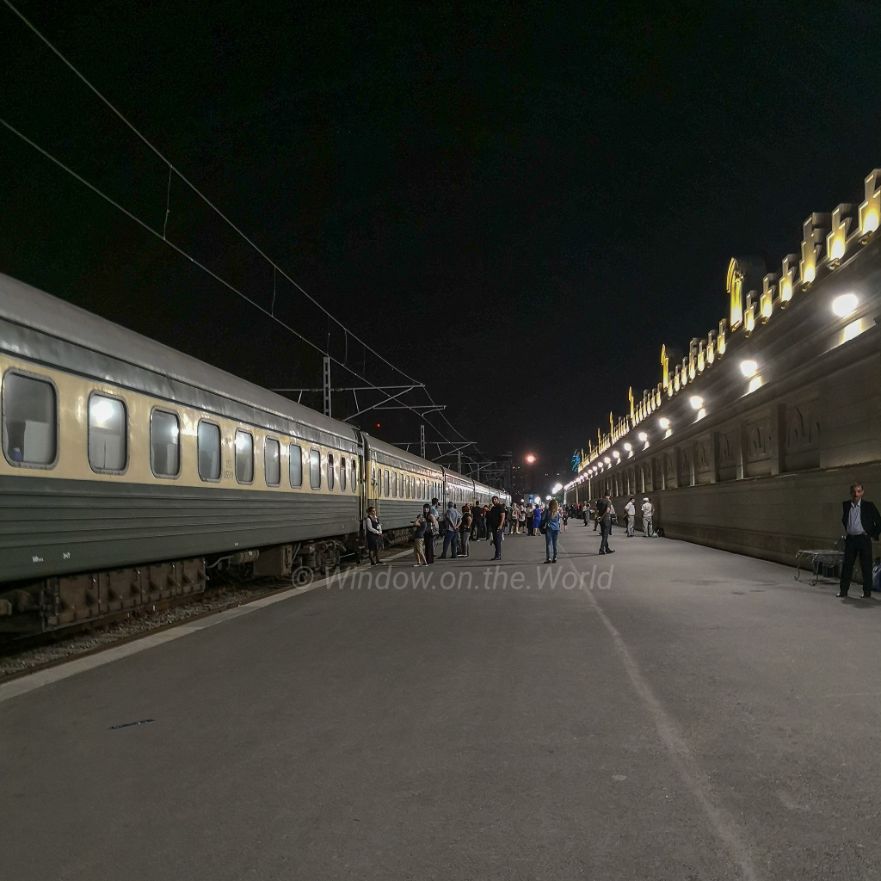
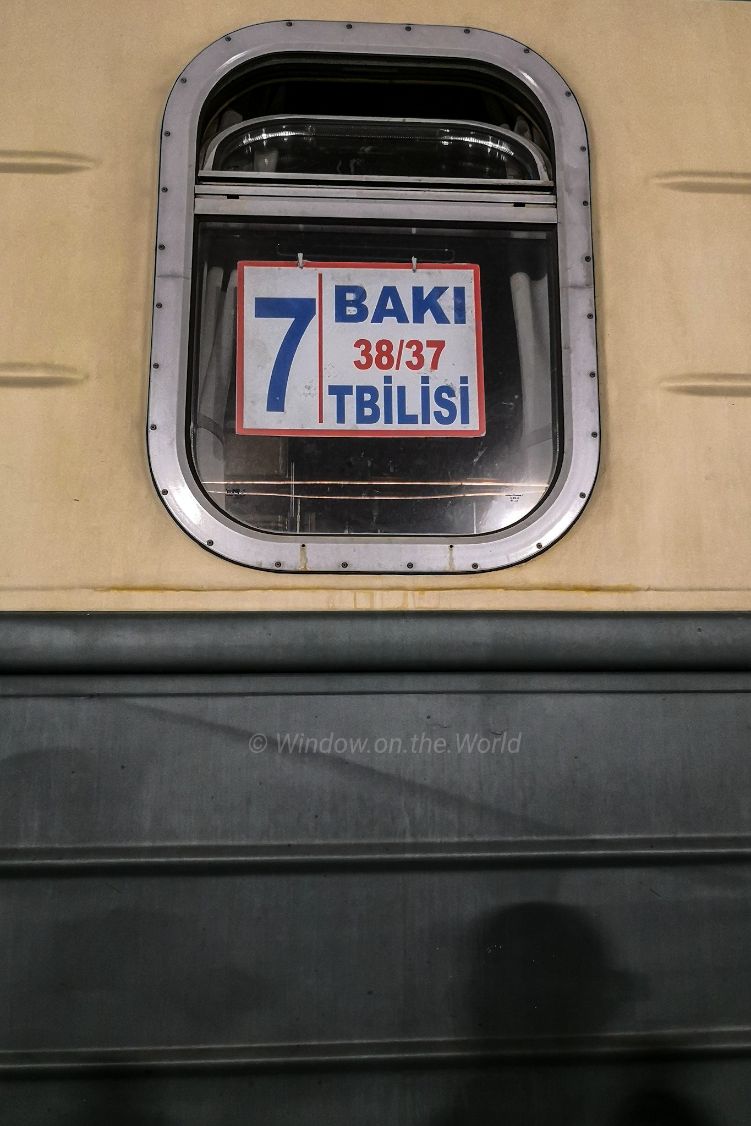
I visited Tbilisi during my five plus months backpacking trip through Central and Eastern Europe. After spending a week in Azerbaijan, I took an overnight train from Baku to Tbilisi. This was my first time to ride in a Soviet built train. It took more than 14 hours to travel 550 KM (342 miles), yes the train was slow, but had an interesting journey.
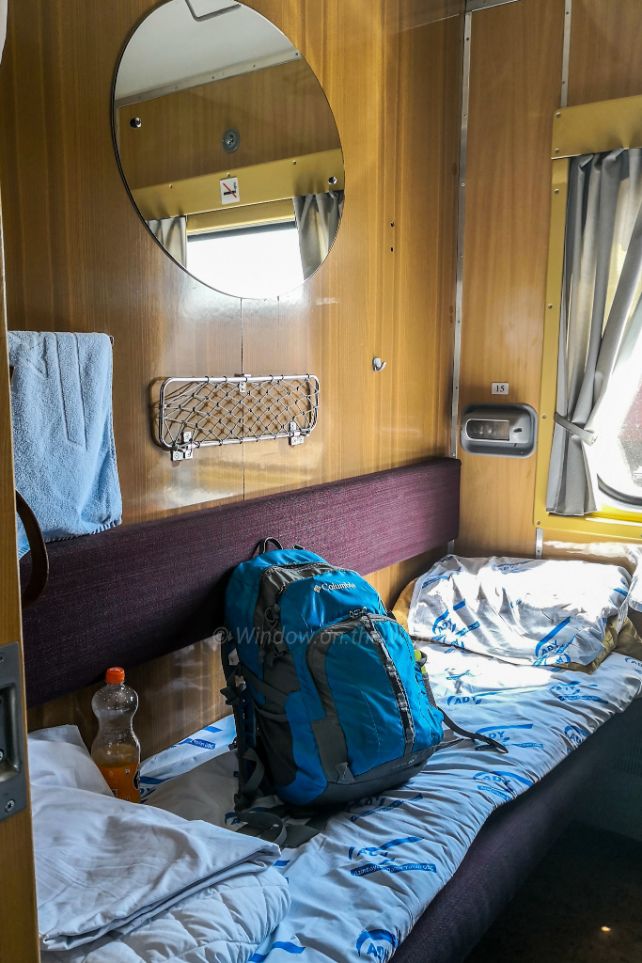
An overnight train from Baku, Azerbaijan to Tbilisi, Georgia.An overnight train from Baku, Azerbaijan to Tbilisi, Georgia.Because of last minute booking, only a first class compartment was available, only two seats per cabin.
Previously known as Tiflis, a major city on the ancient Silk Road, Tbilisi is the capital and the largest city of Georgia. Founded in the 5th century by the monarch of Georgia’s ancient precursor Kingdom of Iberia, Tbilisi has since served as the Georgian capital. Present-day Tbilisi is one of the safest cities in Europe and frequently ranks among the most popular emerging destinations thanks to Georgia’s growing tourism industry.
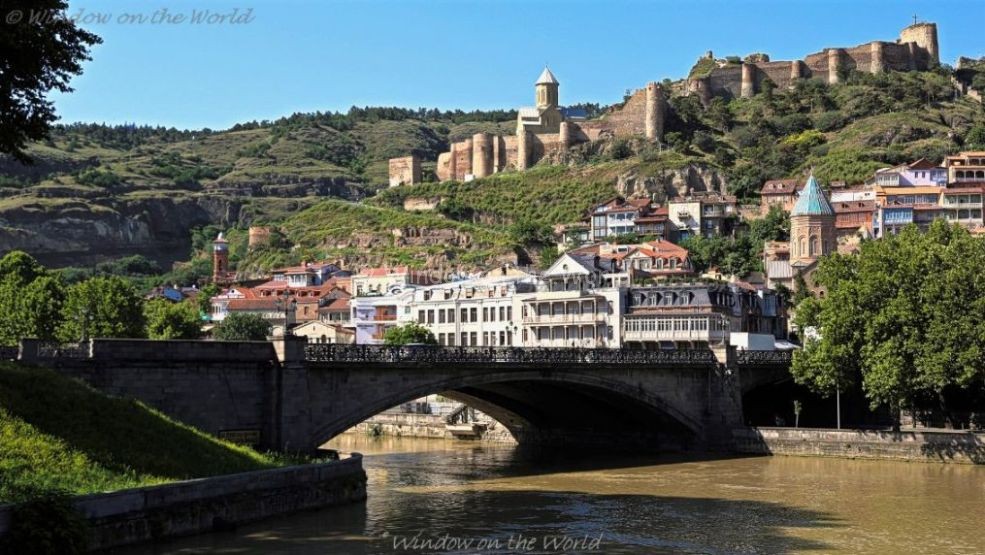
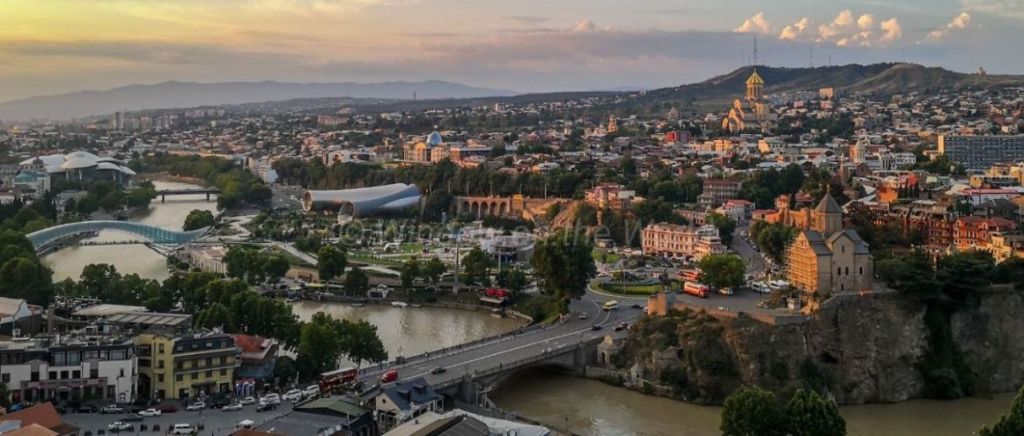
Photos below are of Narikala, a 4th-century fortress overlooking Tbilisi, the capital of Georgia, and the Mtkvari River.
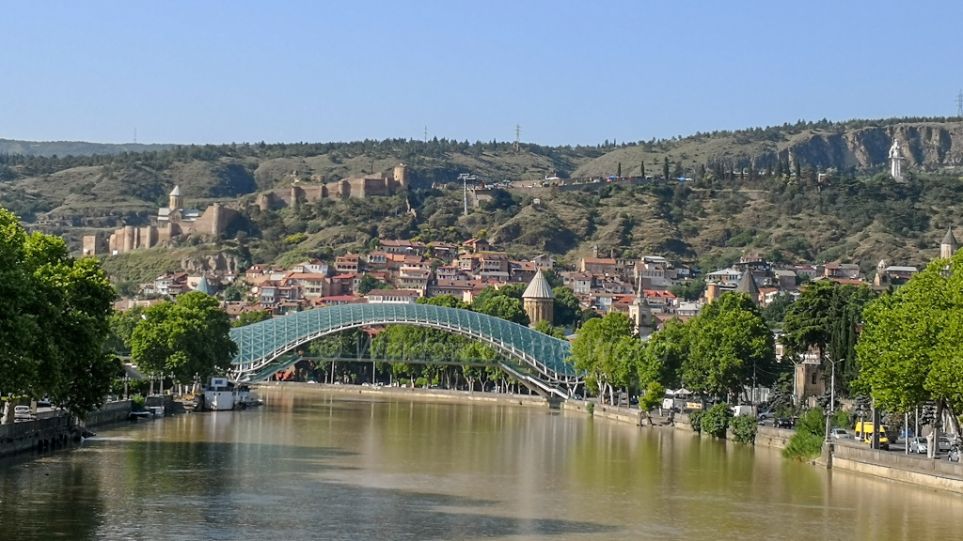
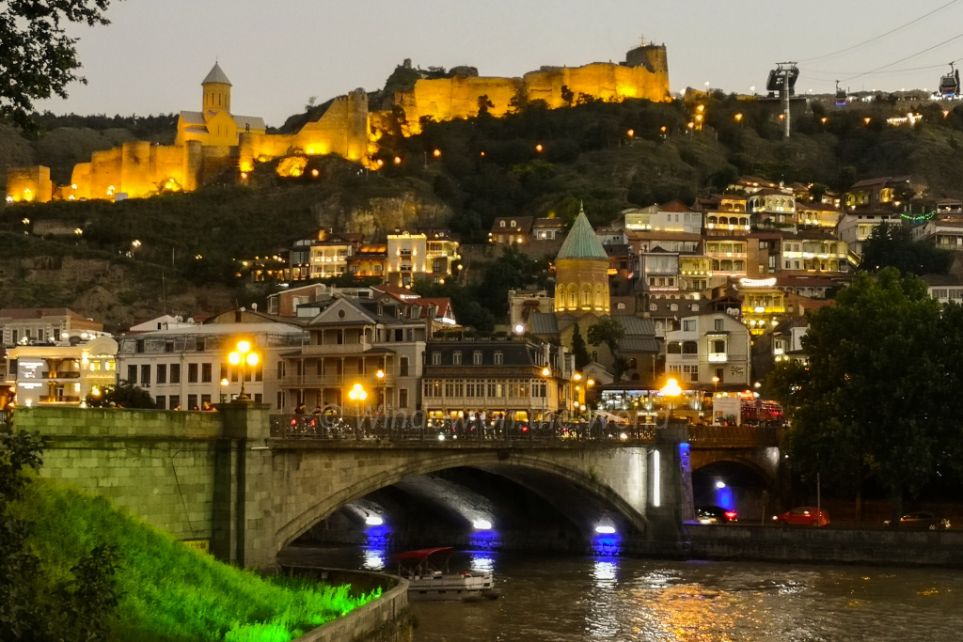
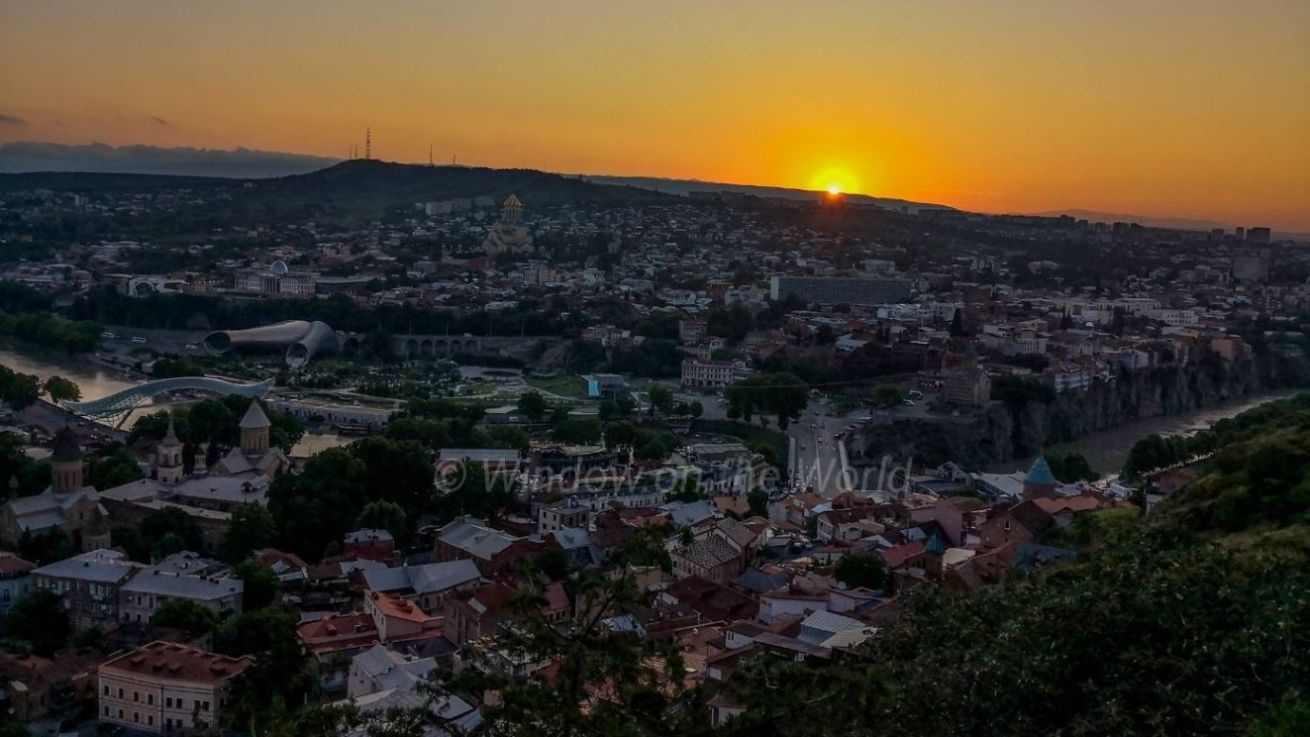
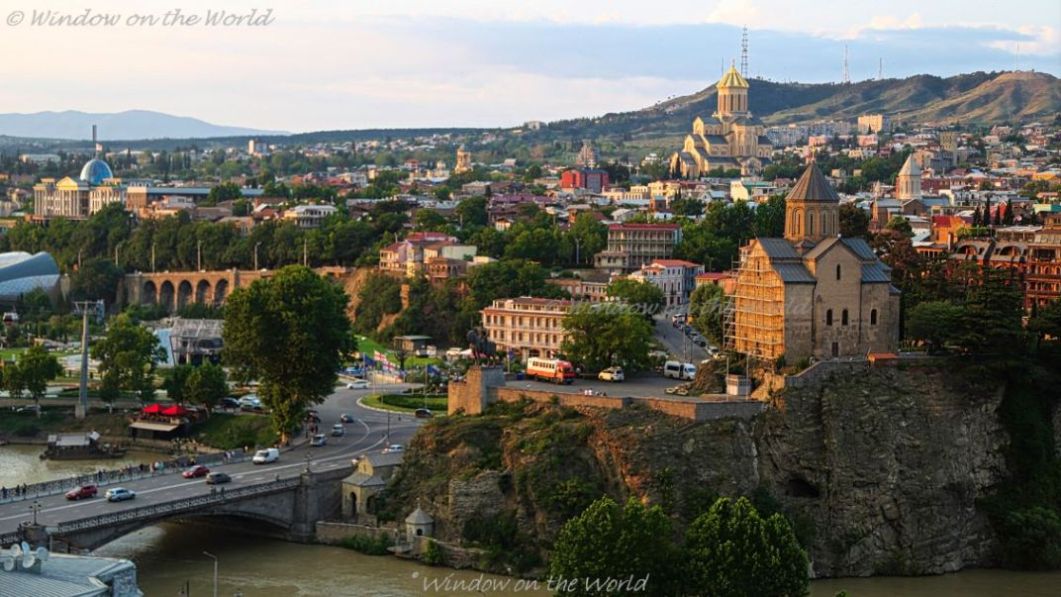
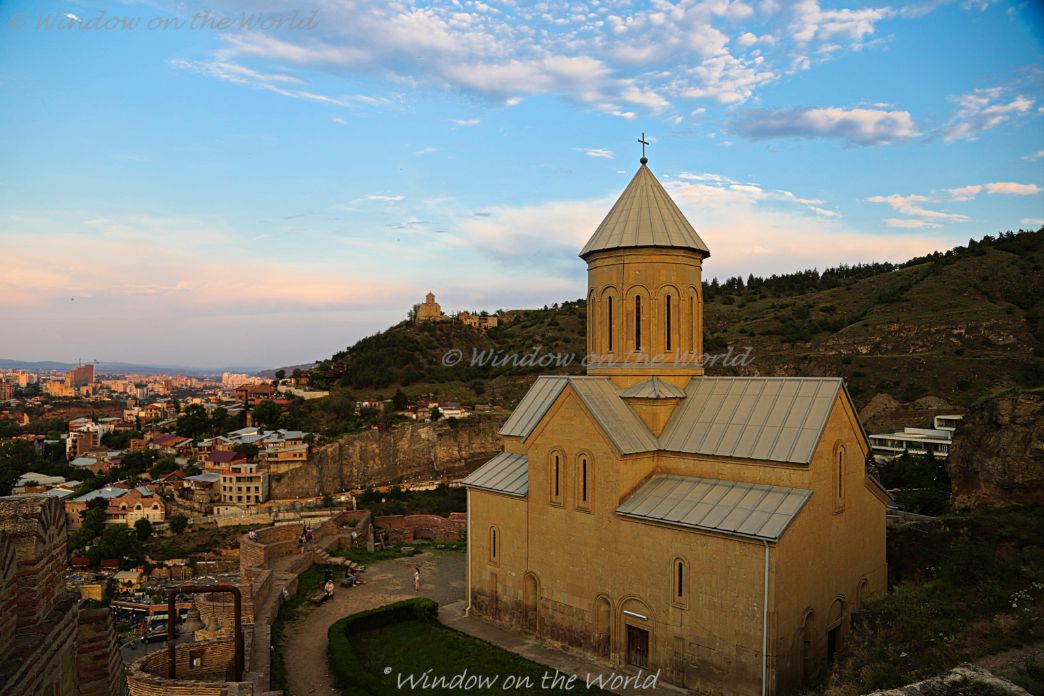
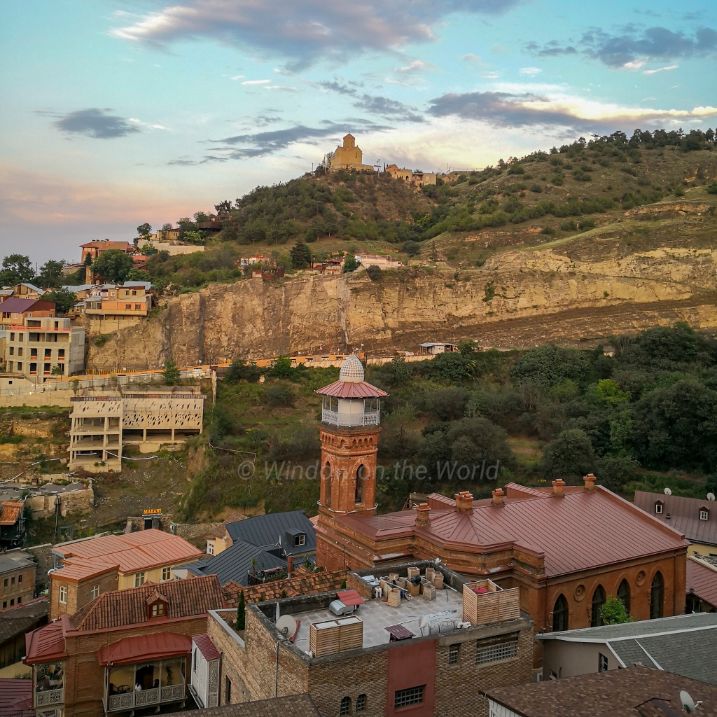
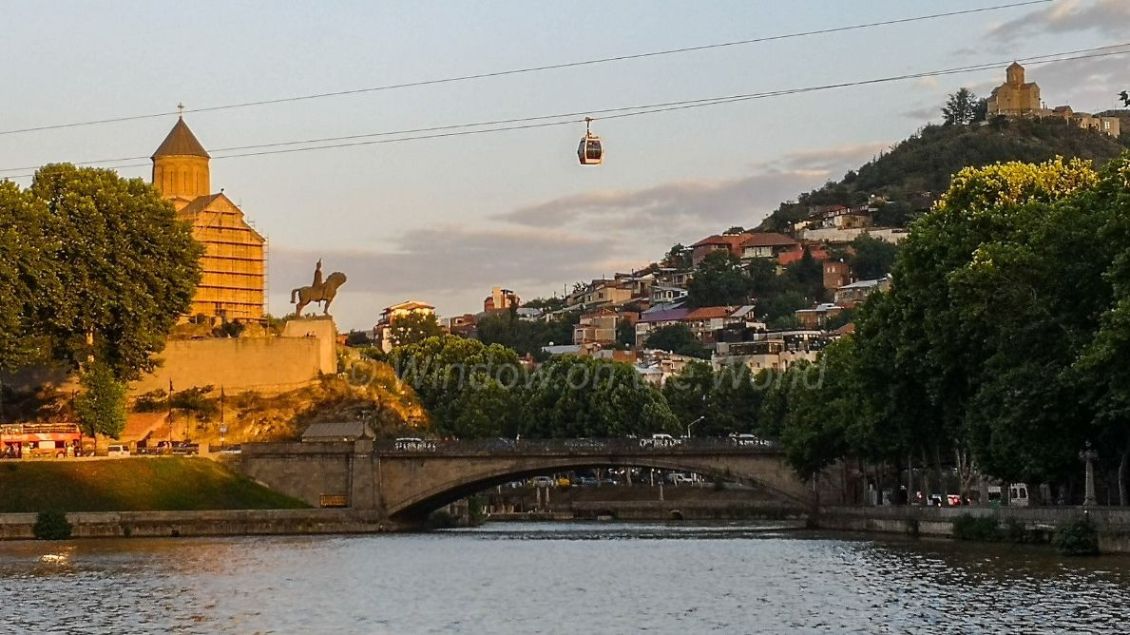
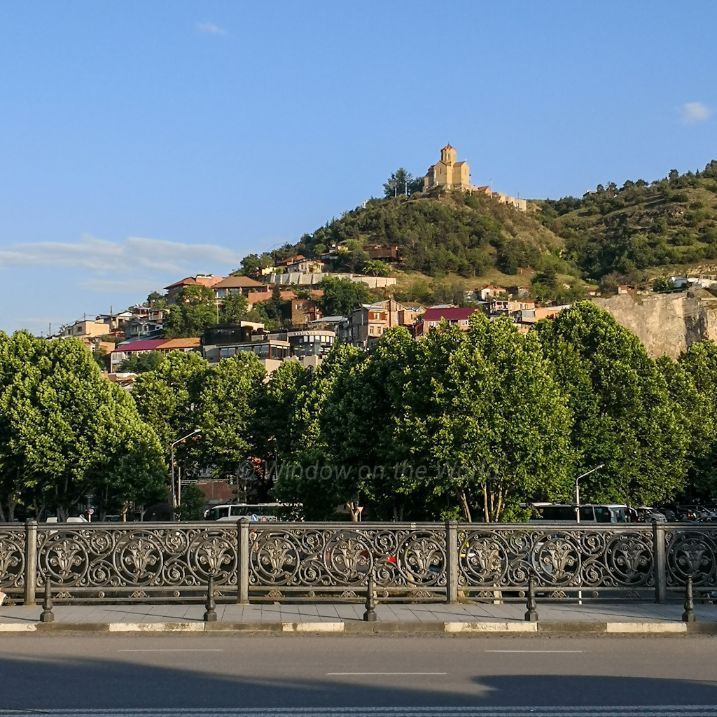
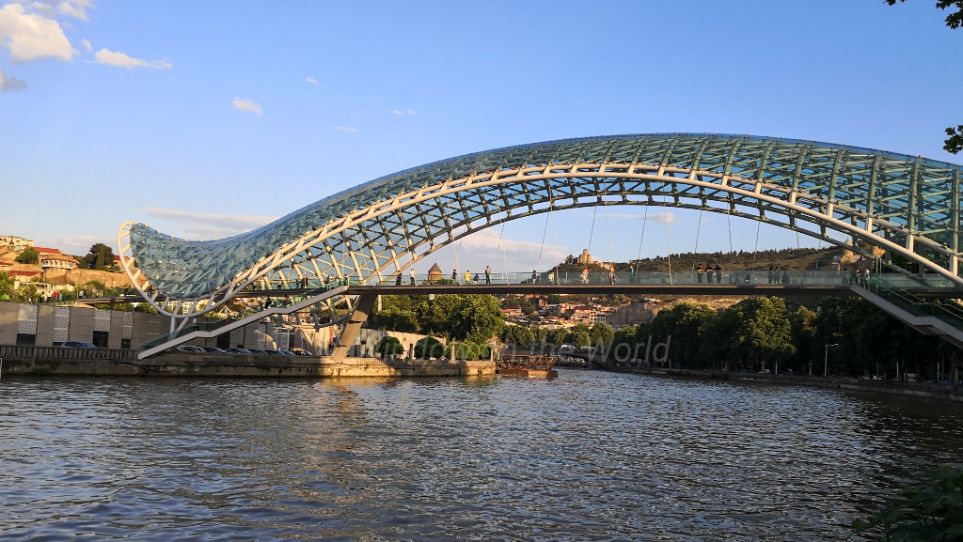
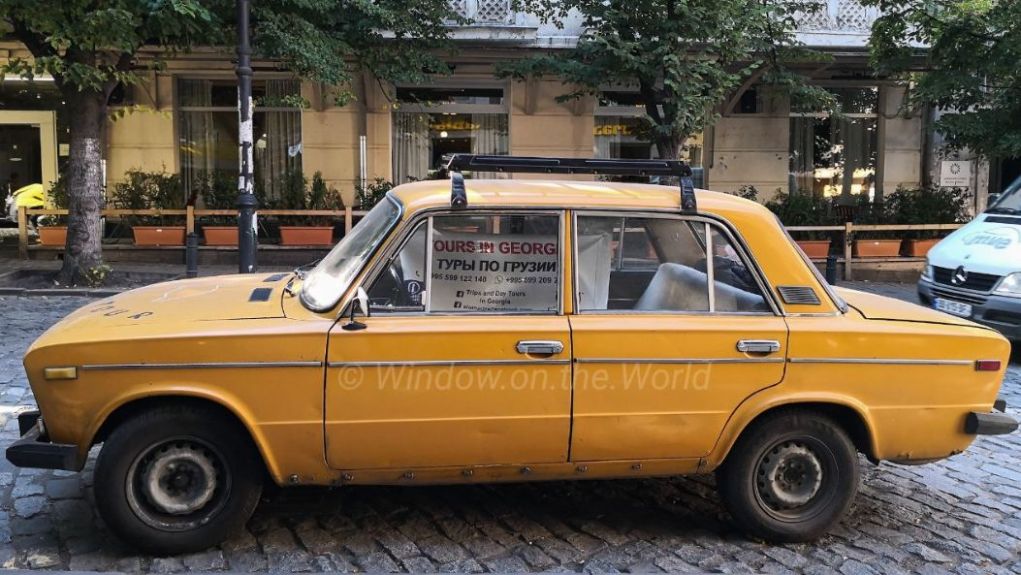
Narikala fortress overlooking Tbilisi.A Lada, my favorite Soviet built car, near banks of Mtkvari (Kura) river with Narikala fortress in the background.The Bridge of Peace over the Kura River, linking the Rike Park with Old town in central Tbilisi. Opened in 2010, a bow-shaped pedestrian only bridge, constructed from steel and glass is illuminated with numerous LEDs after dark. Narikala fortress is in the background.The Narikala fortress and old town of Tbilisi, illuminated after dark.A Beautiful Sunrise over Tbilisi City, a view from from Narikala fortress.A magnificent view of Tbilisi city from Narikala fortress. I spend many days sitting here and enjoying this breathtaking view. A breathtaking view of Tbilisi city from Narikala fortress. In the front is The Metekhi Church. In the background is the Holy Trinity Cathedral (Sameba), the largest church in GeorgiaRecently restored St Nicholas church near the fortressThe Only mosque in Tbilisi Old town.
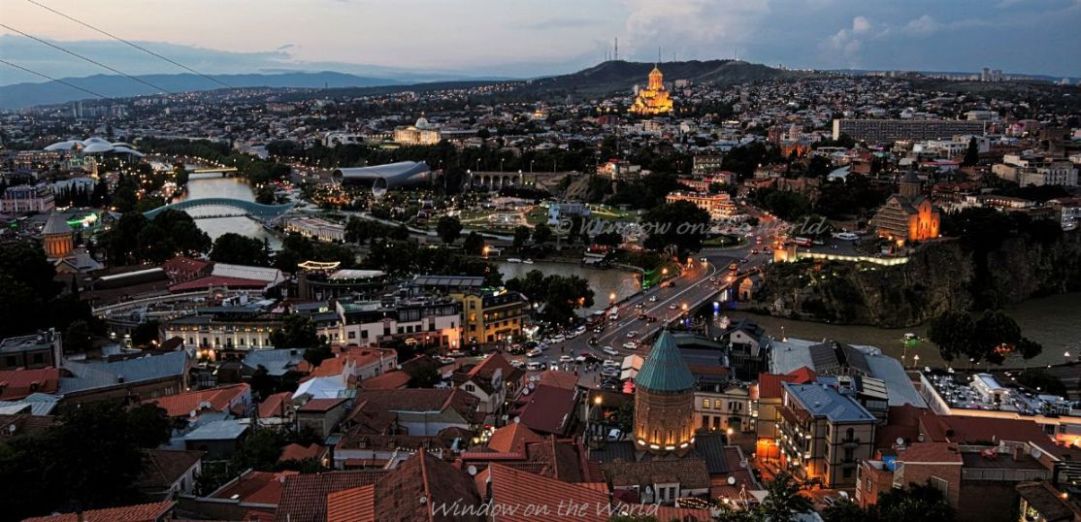
Pictures below are of Tbilisi after dark.
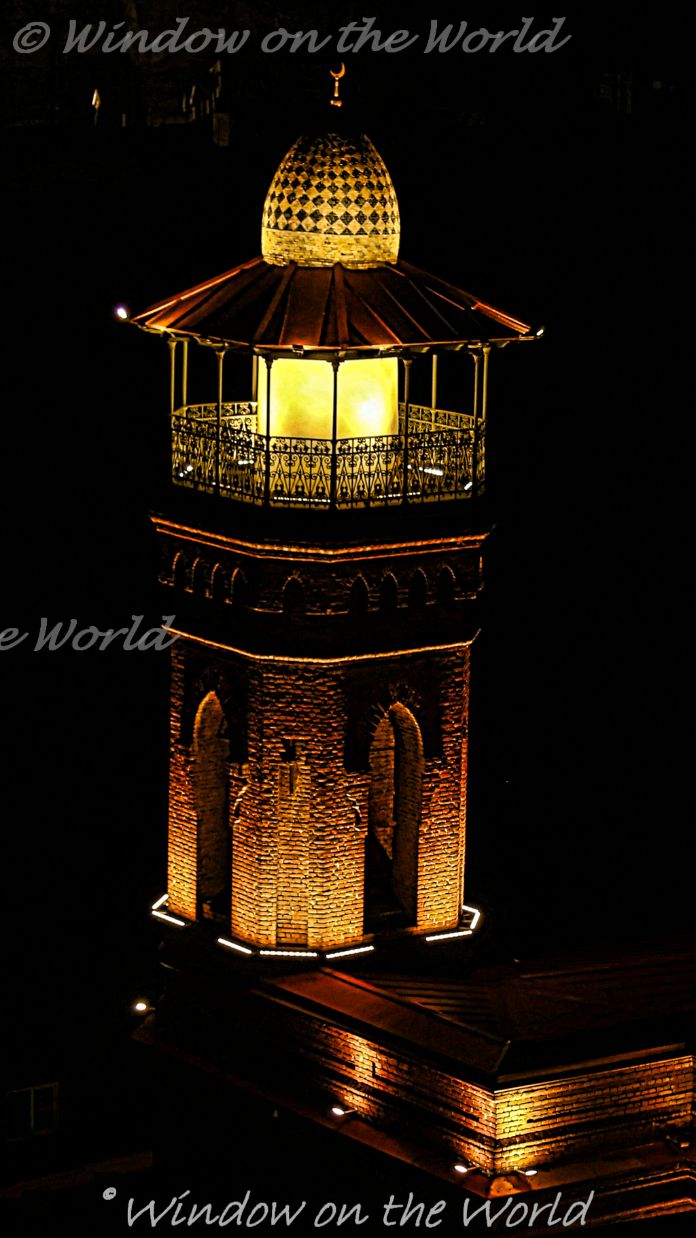
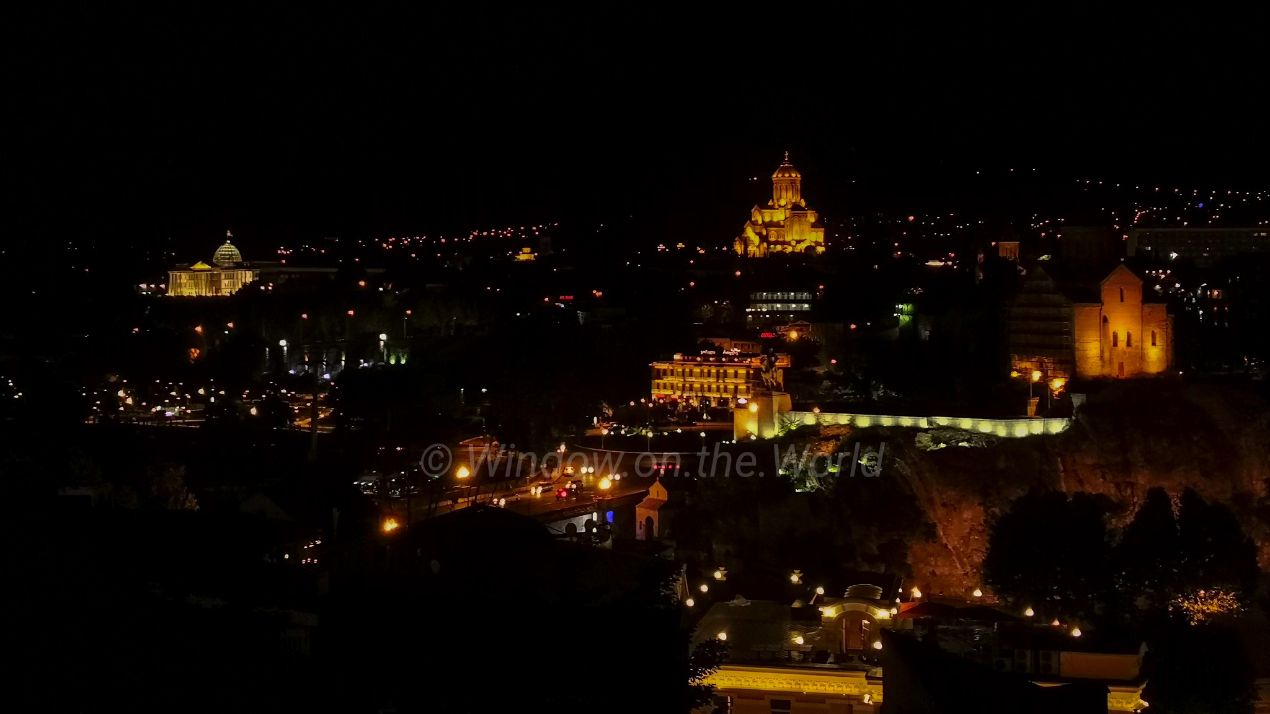
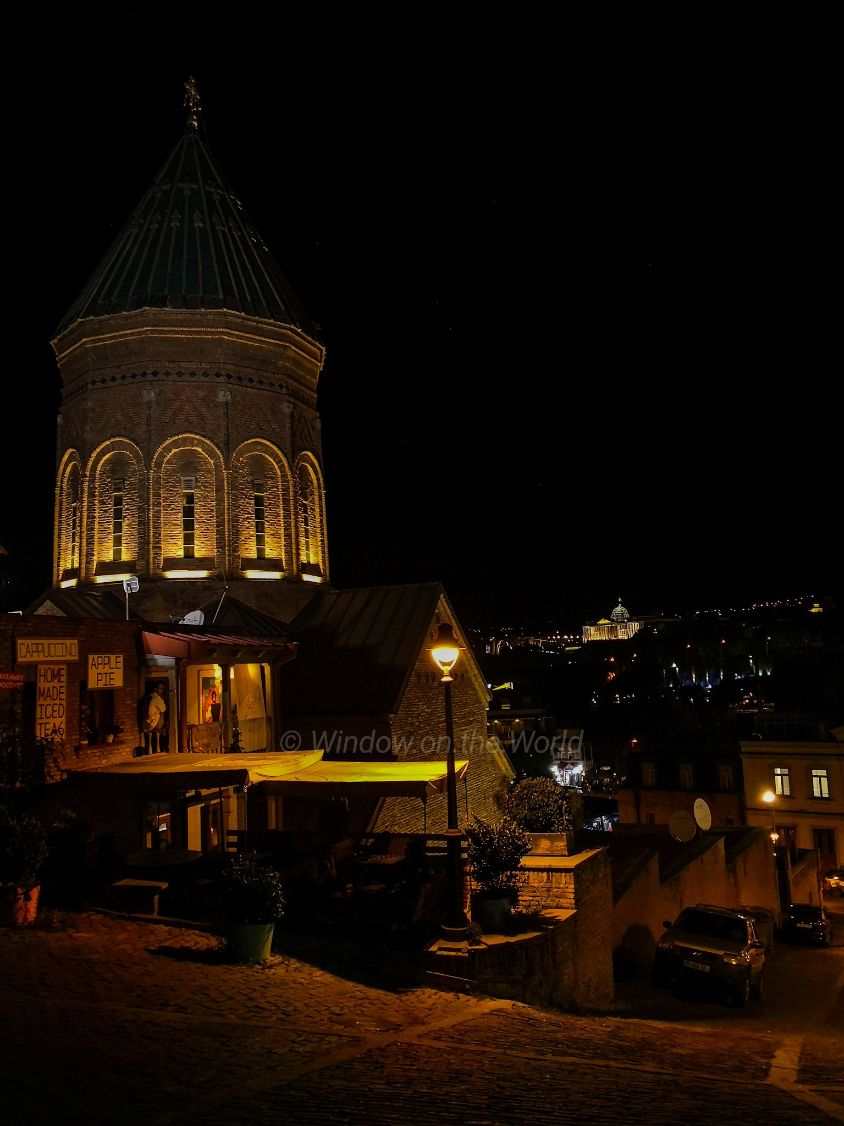
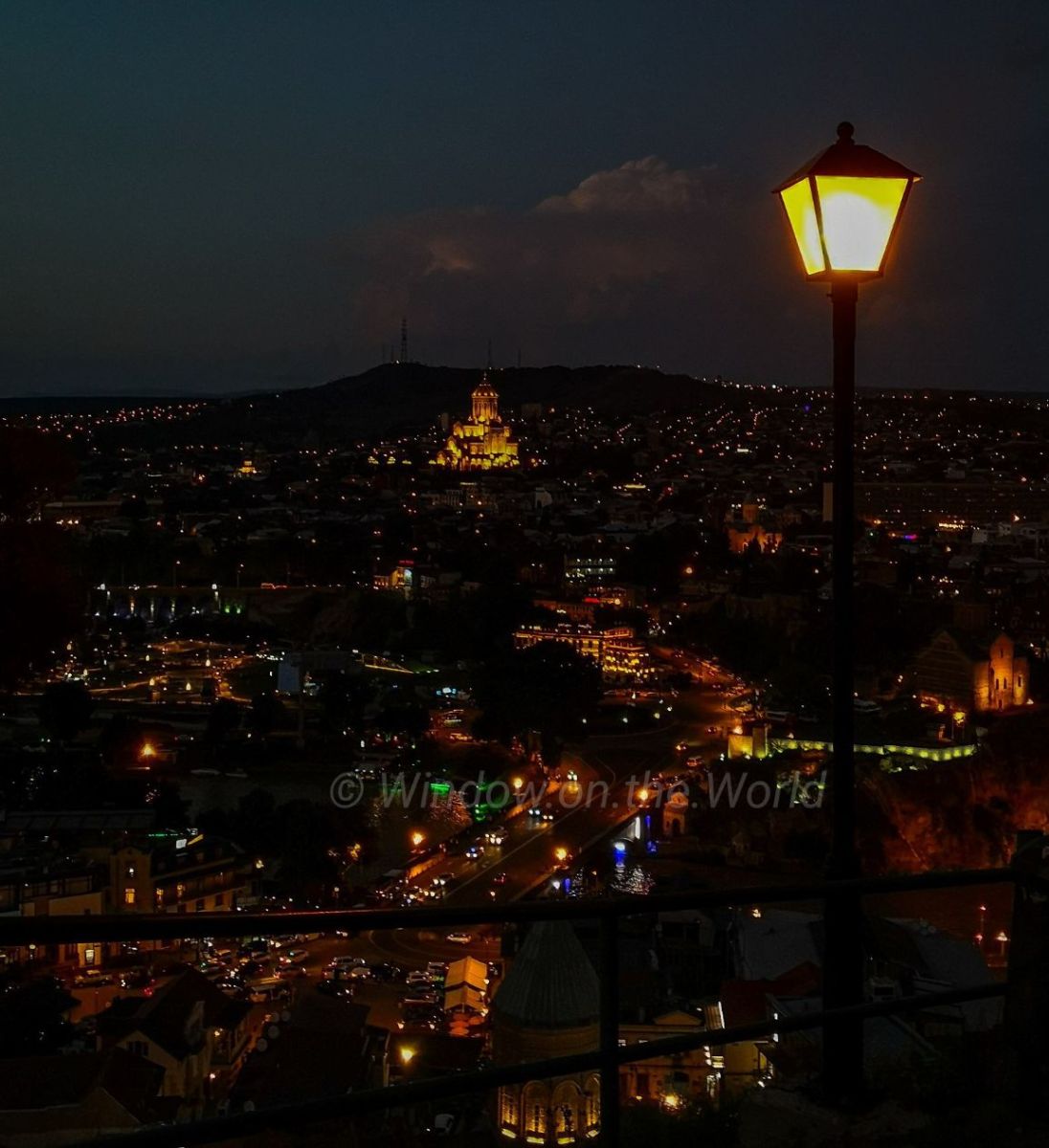
The Only mosque in Tbilisi Old town at Night.Tbilisi city after dark from Narikala fortress. The Metekhi Church, the Holy Trinity Cathedral (Sameba) and the Presidential Palace in the frame too.An old church and the presidential palace after dark.A view of the Holy Trinity Cathedral (Sameba) from Narikala fortress.At the Narikala fortress.Tbilisi after dark from the Narikala fortress.
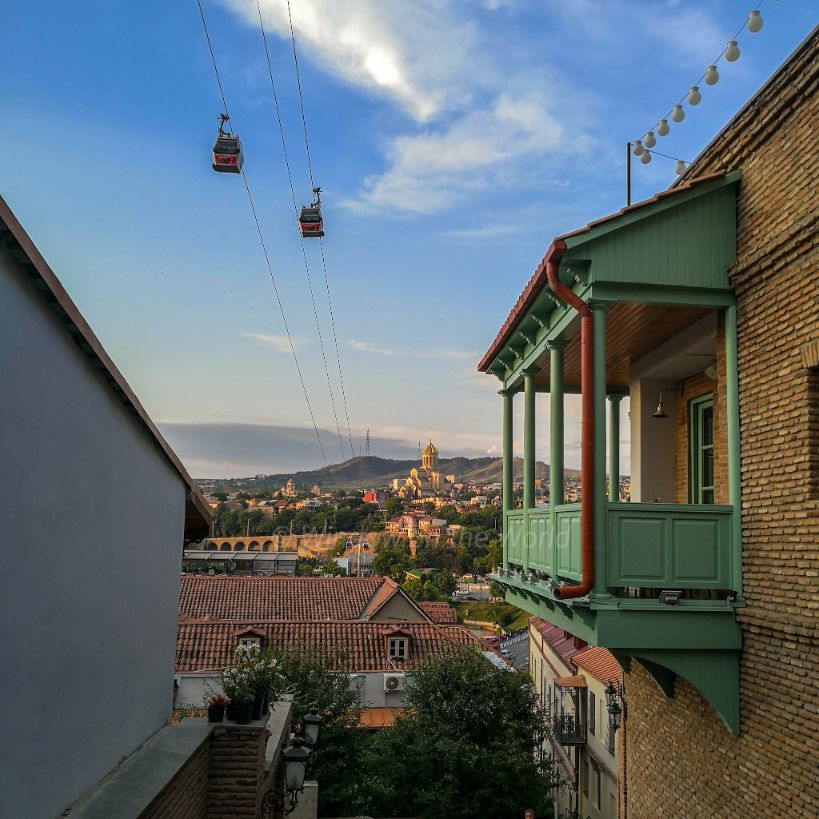
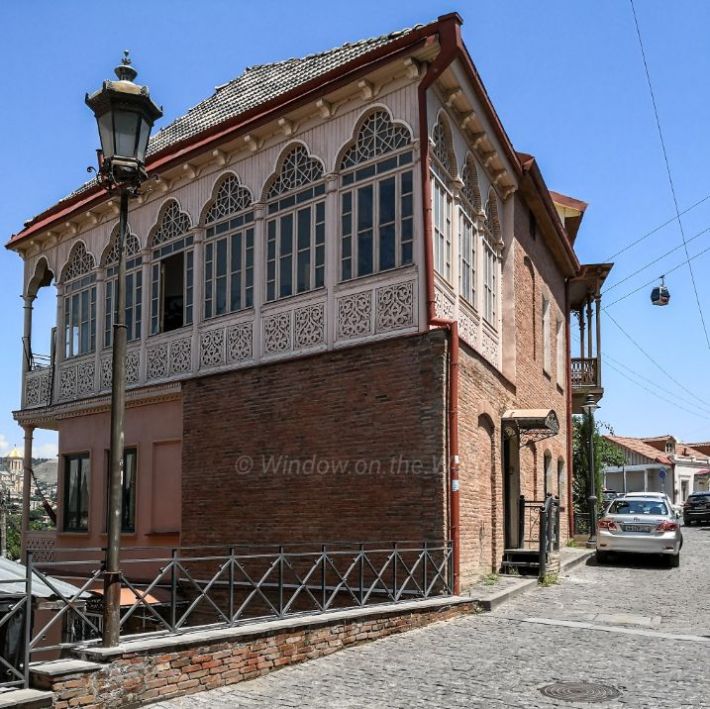
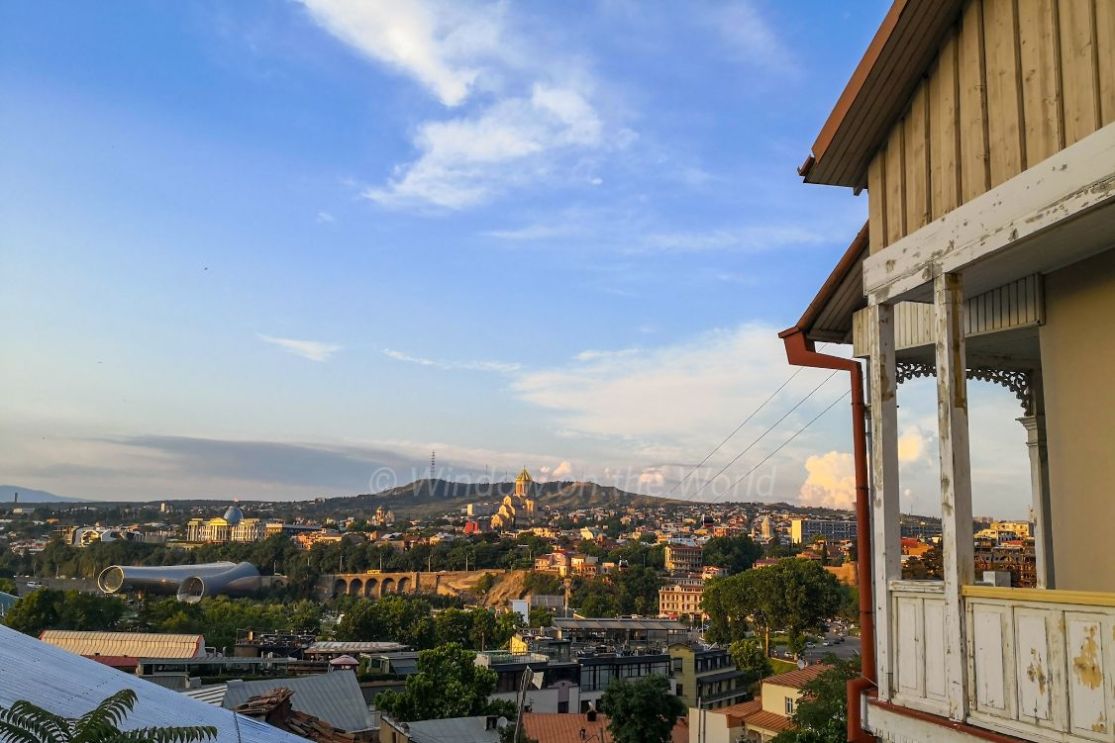
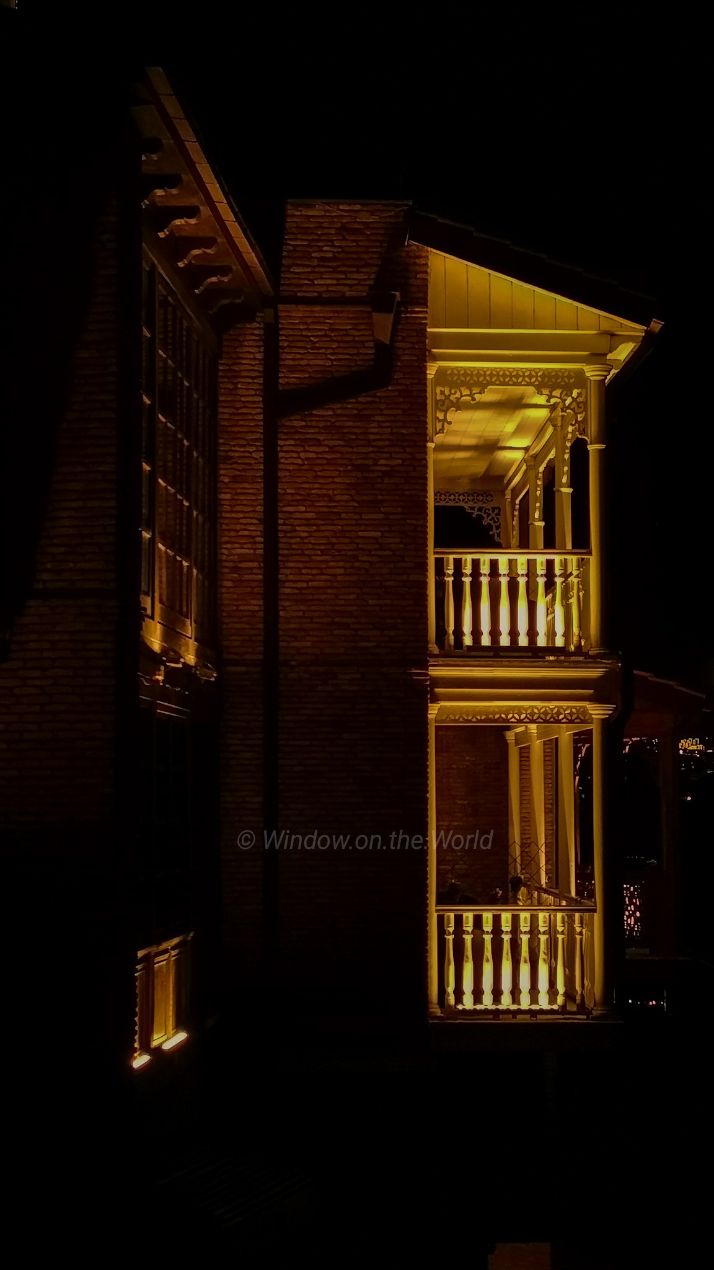
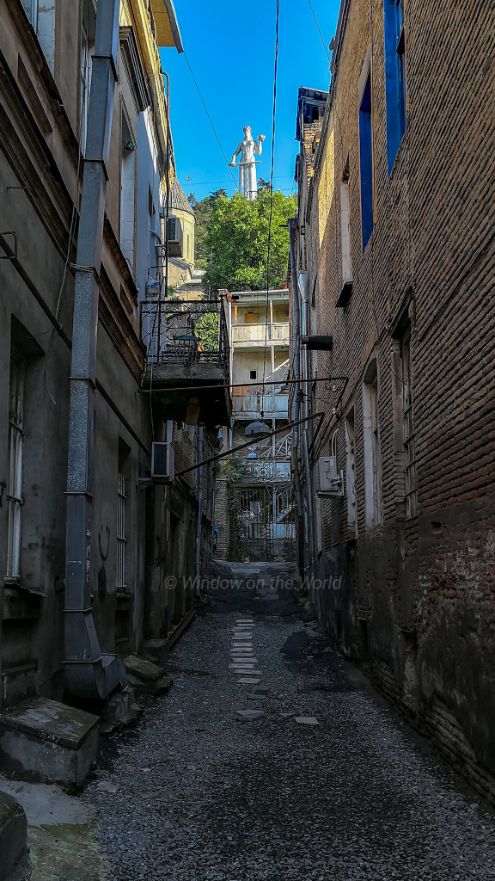
Although the city of Tbilisi has been destroyed and rebuilt some 29 times, the layout of the Old Town — also called Kala — is largely intact with narrow alleys and its traditional pastel houses with wooden balconies, flows seamlessly into the Art Nouveau neighborhood of Sololaki, where every ezo (courtyard) seems to reveal a new speakeasy bar or tucked-away café.
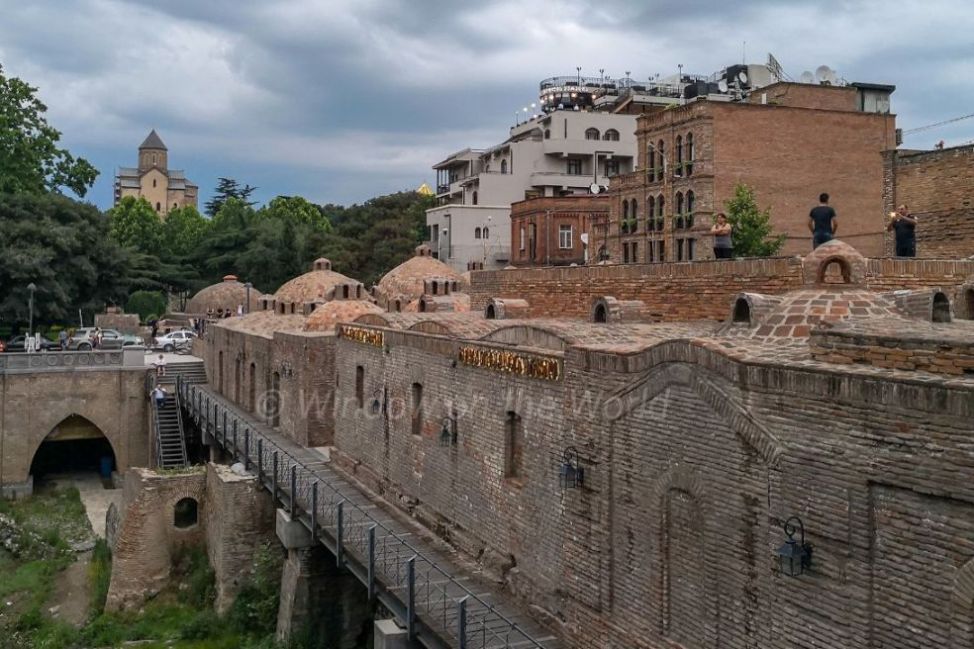
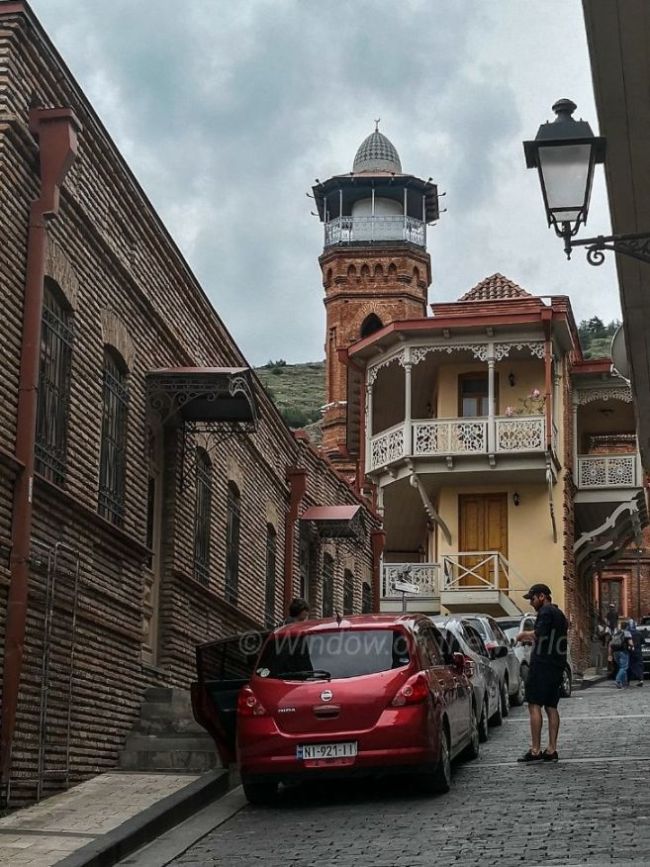
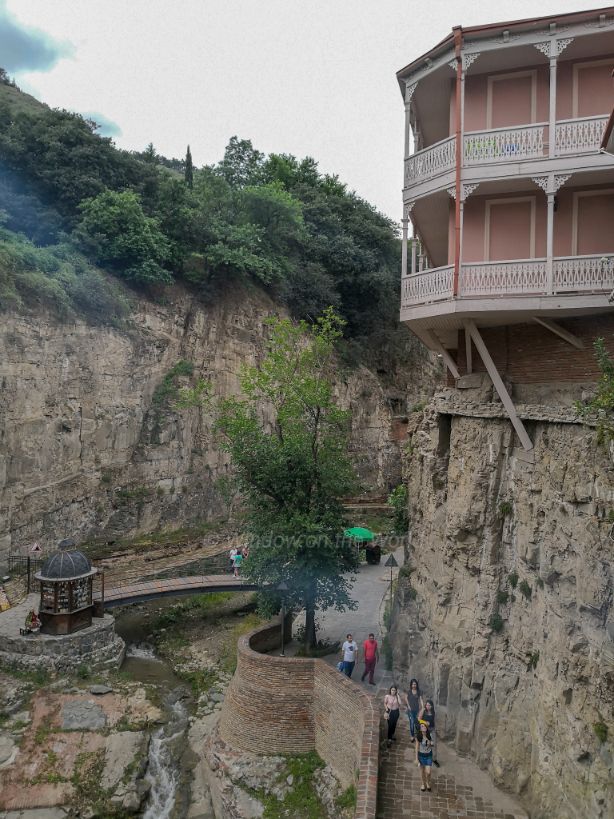
Walking around Abanotubani, the ancient district of Tbilisi, you will see many cliff side houses, the only mosque in the old town and a cluster of historic bathhouses built on the famed hot springs that gave the Georgian capital its name.
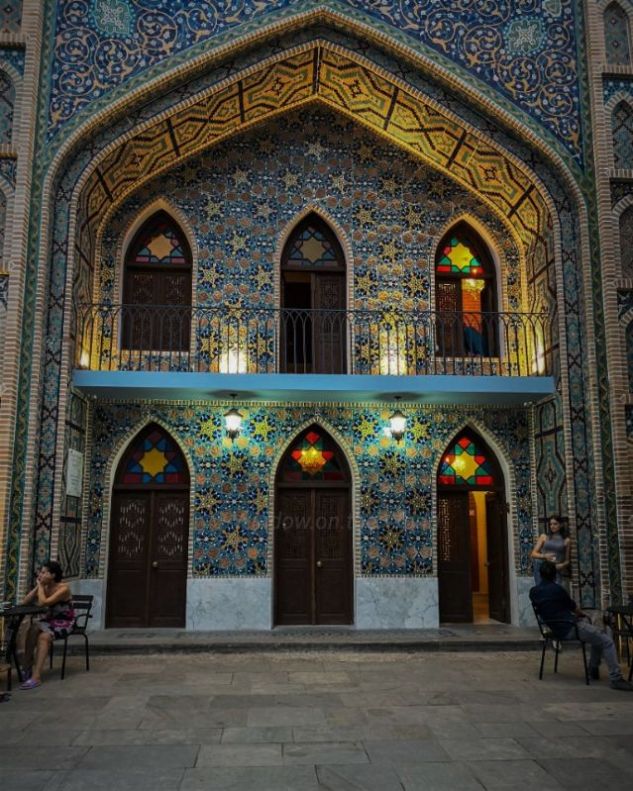
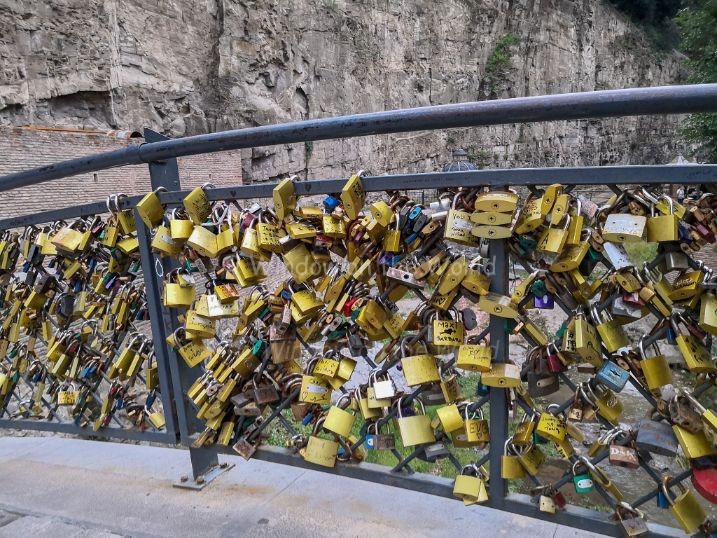
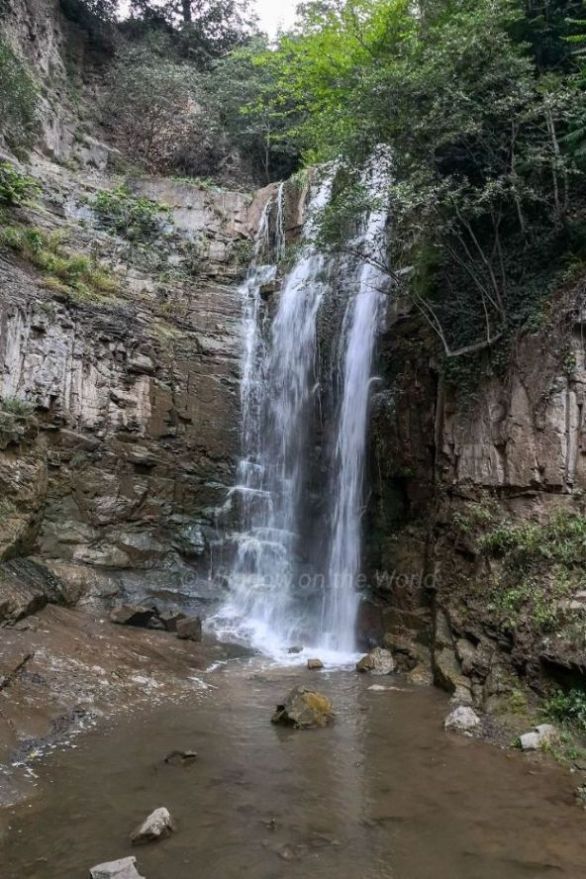
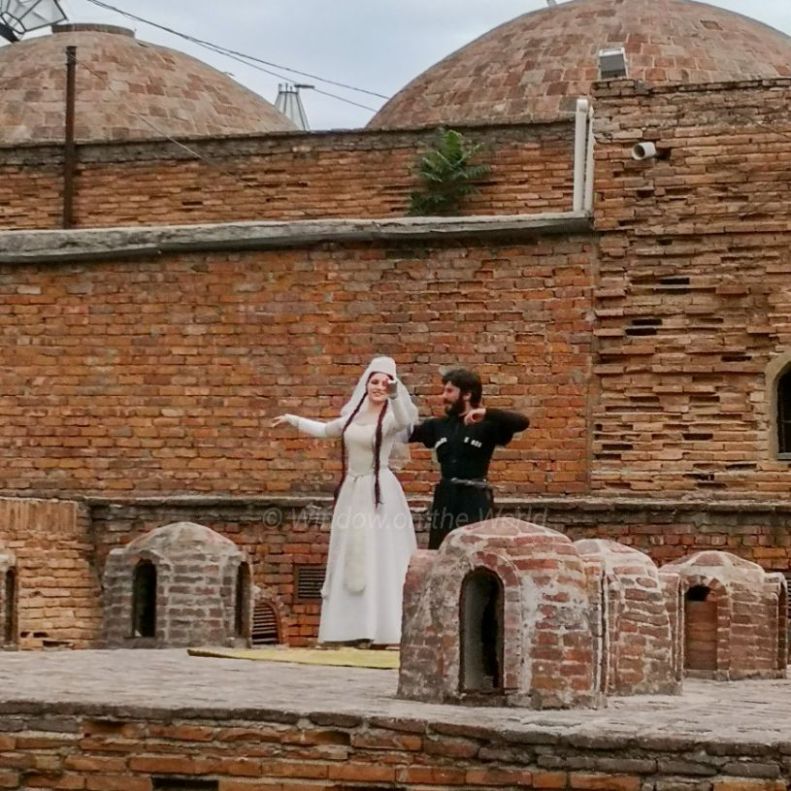
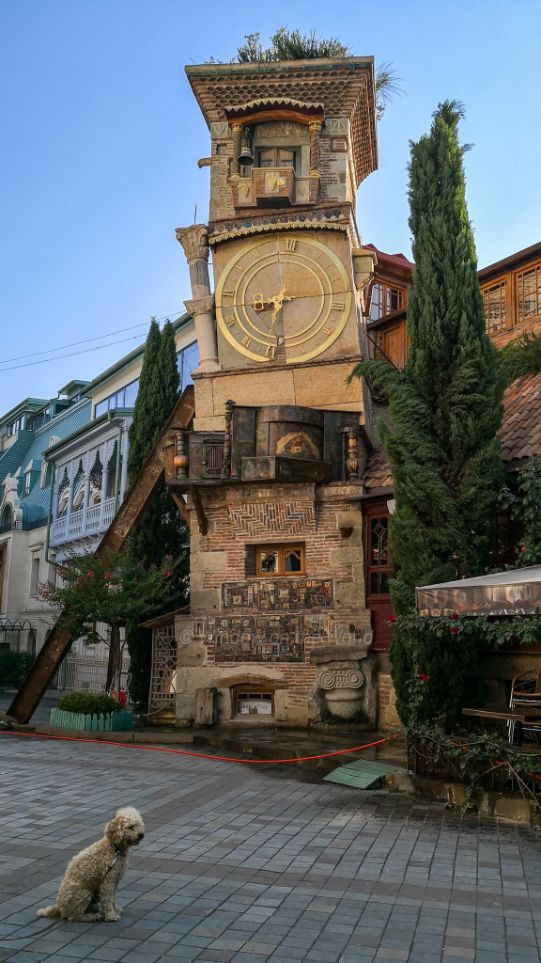
Walking around Abanotubani, the ancient district of Tbilisi. You can see Tbilisi Cable Cars, the easiest way to reach to the top. Walking around Abanotubani, the ancient district of Tbilisi.Walking around Abanotubani, the ancient district of Tbilisi.Walking around Abanotubani after dark.A cluster of historic bathhouses built on the famed hot springs that gave the Georgian capital its name, “Tbilisi” directly translates to “warm place”. The myth states that in medieval times, King Vakhtang went hunting with his falcon in a heavily wooded region in central Georgia. The falcon caught a pheasant and during the struggle, both birds fell into the hot spring and died from their injuries. The king was so impressed with the hot water that he decided to clear the forest and build a city around this natural wonder.An entrance of one of the upscale Bath house.Walking around the Muslim neighborhood of Tiblisi; in the background is the only Mosque in the city. Old cliff side houses in the old Tbilisi.You will see many places in Europe and Asia, Lovers put a lock on a bridge and throw the keys away. You can check out more places with Love locks from around the world.A beautiful Waterfall near the old town of Tbilisi, though bathing is not allowed. A couple performing traditional Georgian dance on a roof top of historic bath-house complex. Tamada, a Georgian toastmaster at the Georgian supra (feast) or at a wedding. In Georgian culture, at all supras regardless of size, there is a Tamada, one person who introduces each toast. Tamada traditionally ought to be eloquent, intelligent, smart, sharp−witted and quick−thinking, with a good sense of humor.The leaning Tower of Tbilisi, one of the city’s most unusual buildings. Tucked into a side street of old town, it truly is a bizarre structure, with a tower on the perpetual brink of falling down, and only a steel beam holding the tower in place. A huge clock sits in the middle of the disheveled tower, with a leaning column on its side. Well, this is not an ancient structure, in fact, the weird clock tower was added in 2011, after a four-year construction phase.
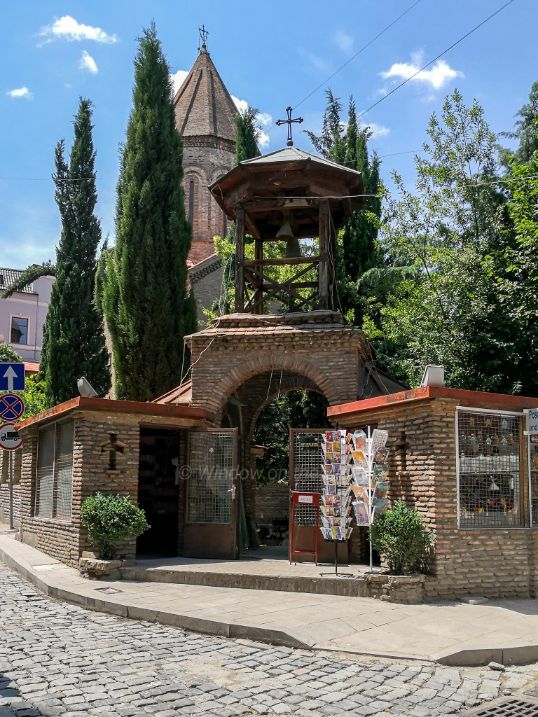
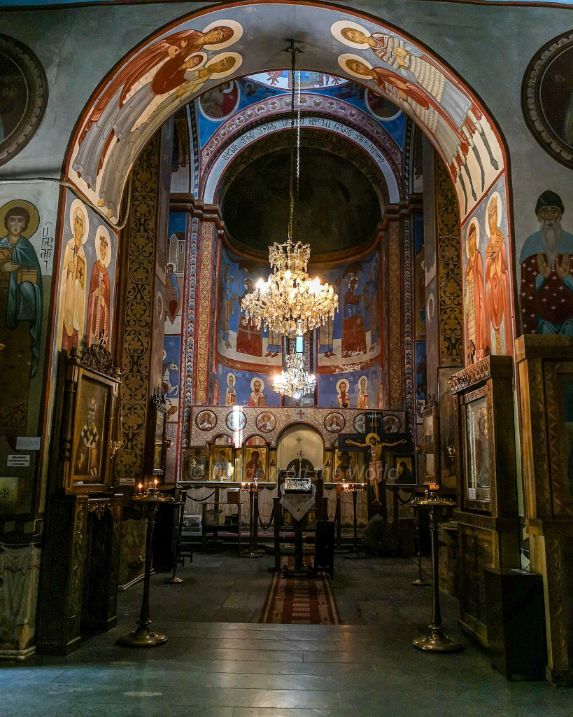
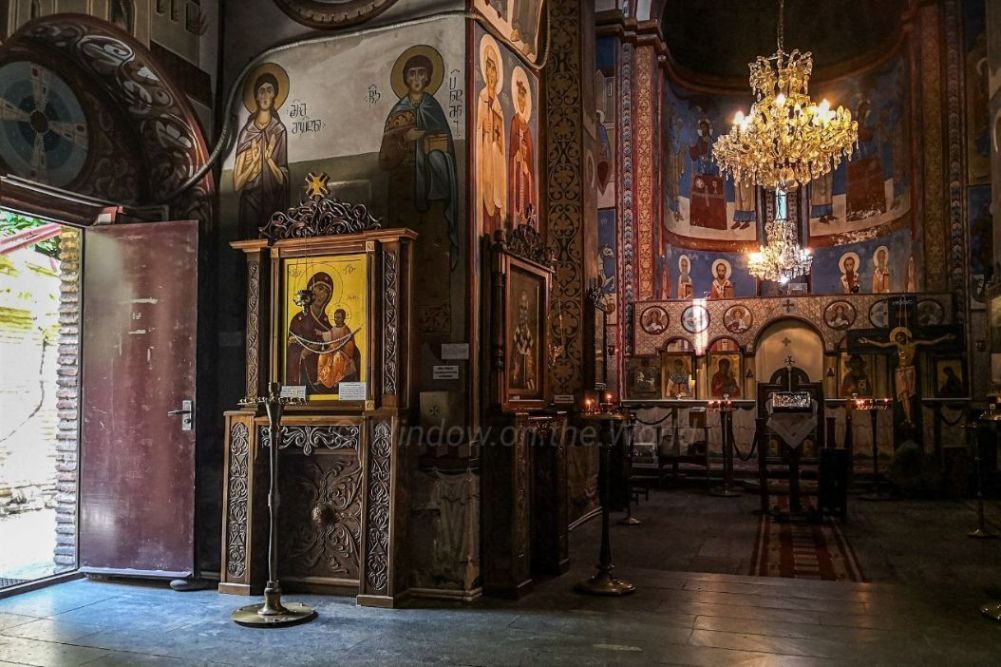
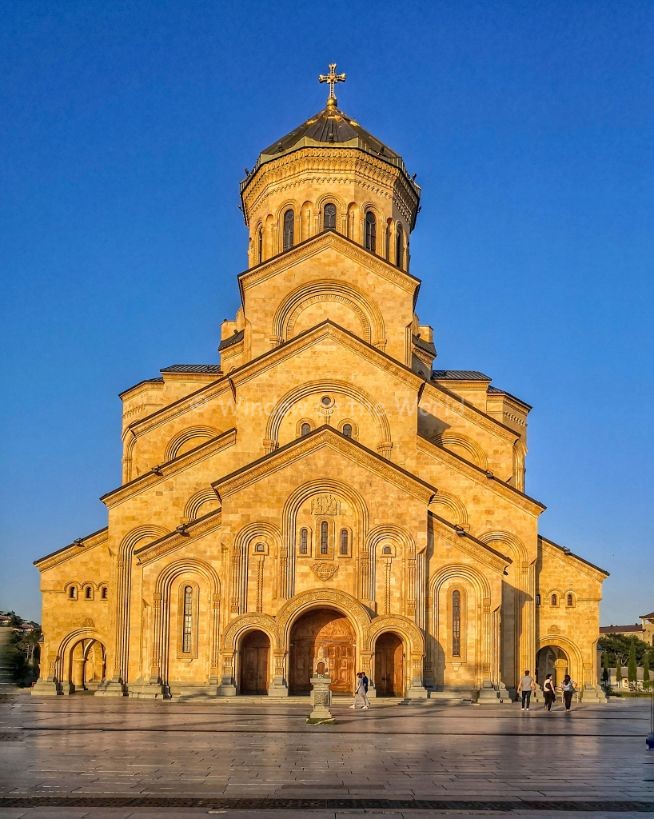
Tbilisi has many churches all over the town, below are pictures of few popular churches.
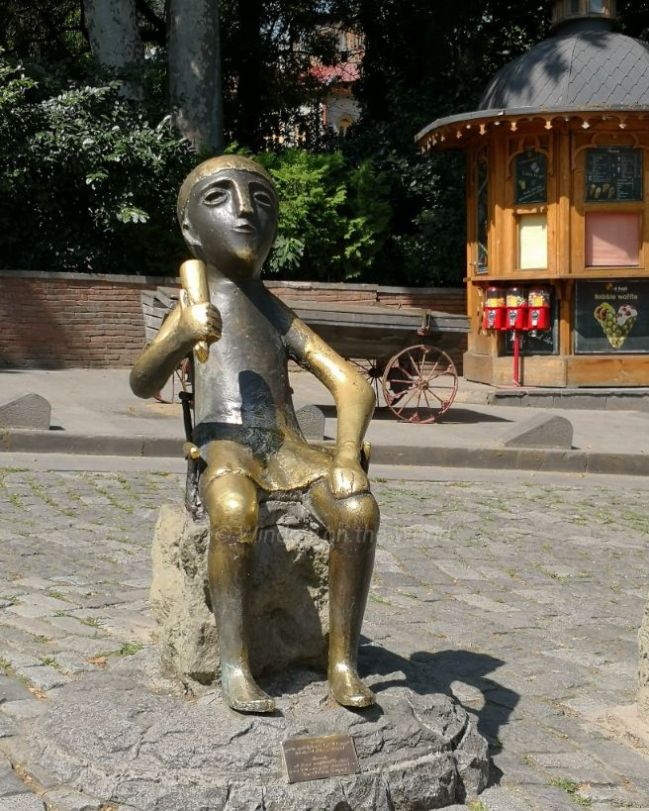
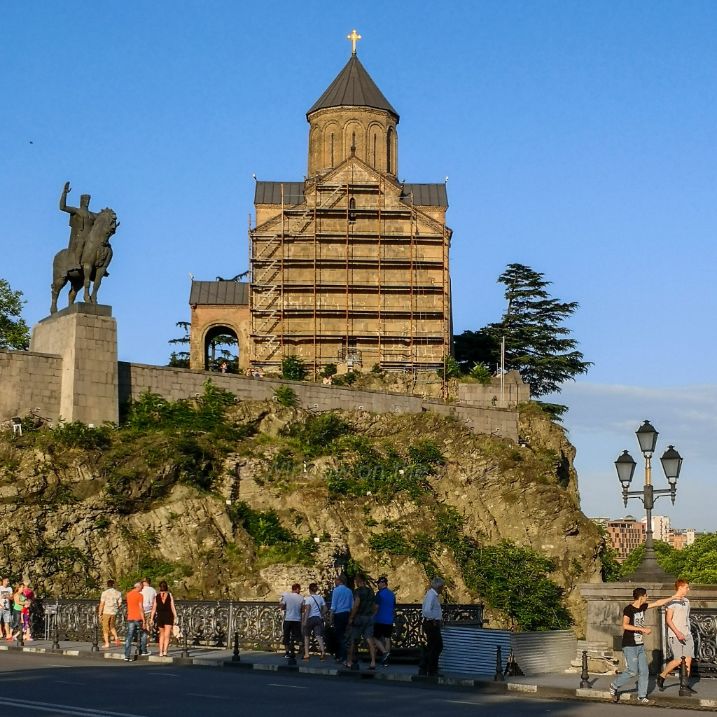
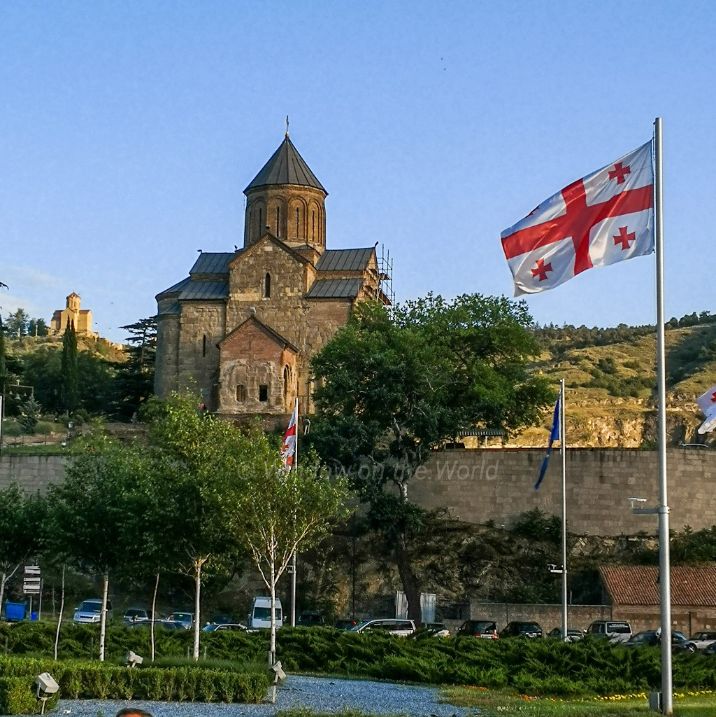
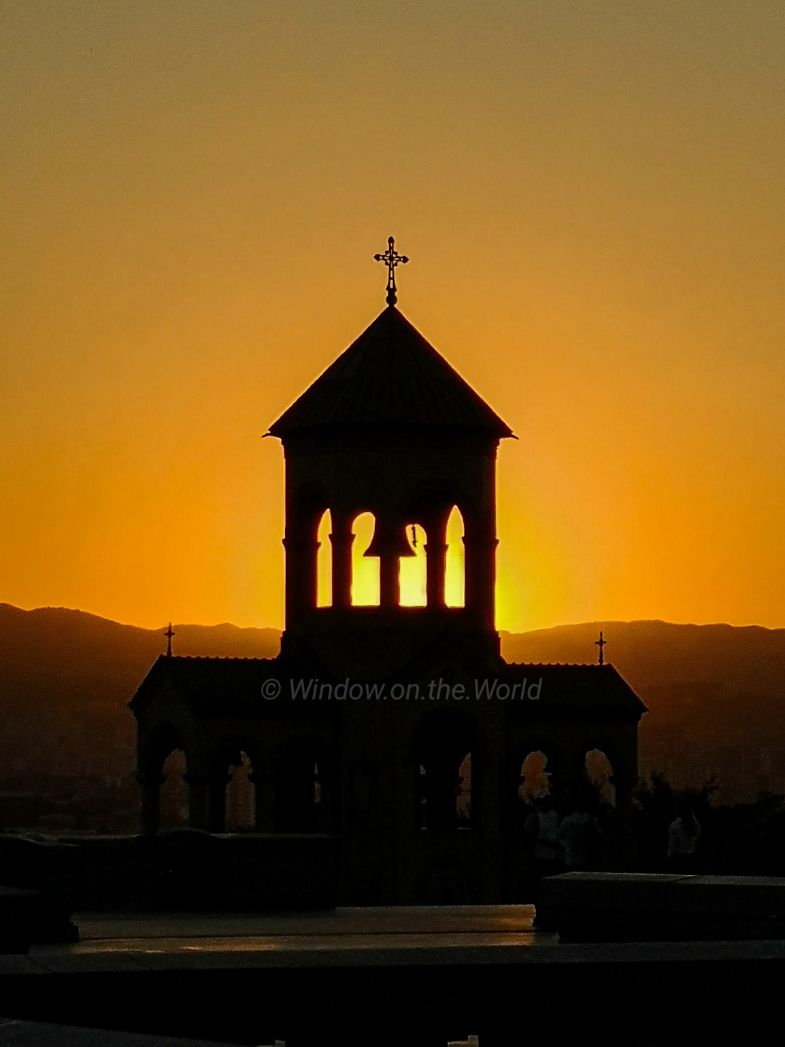
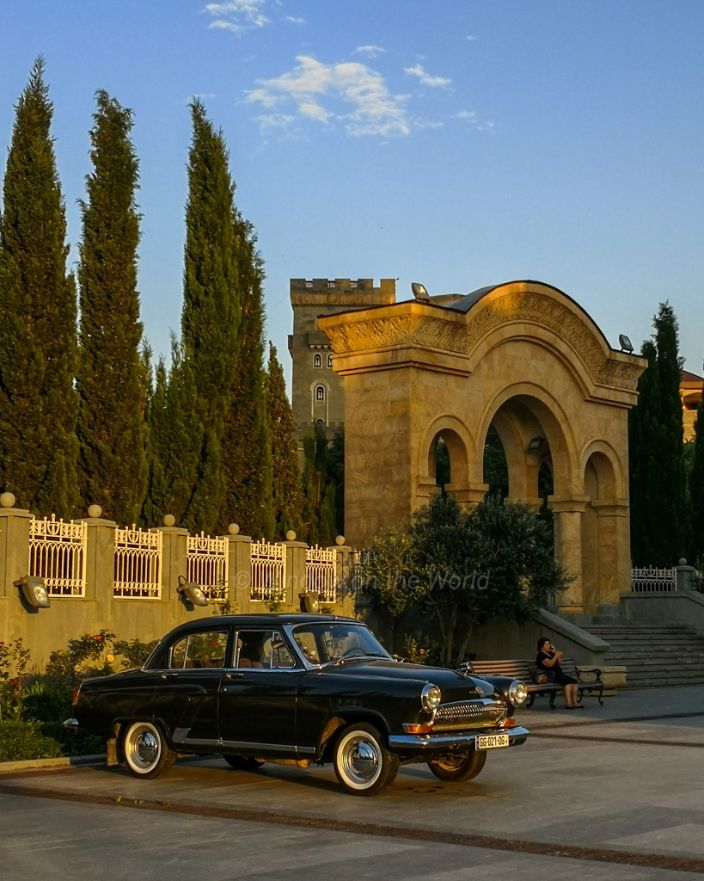
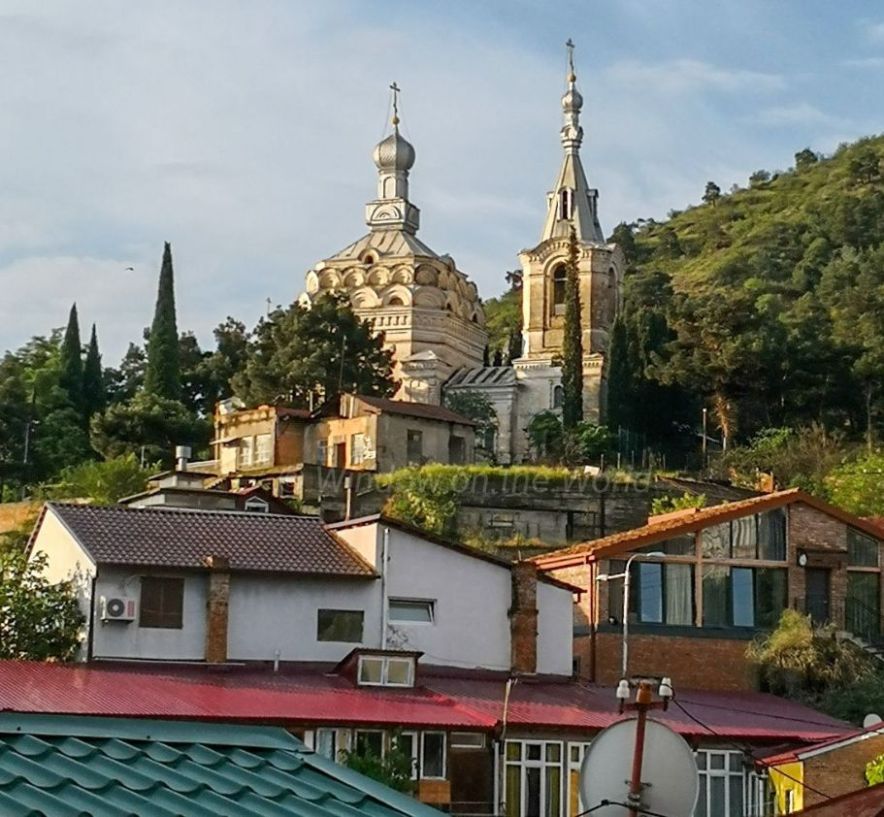
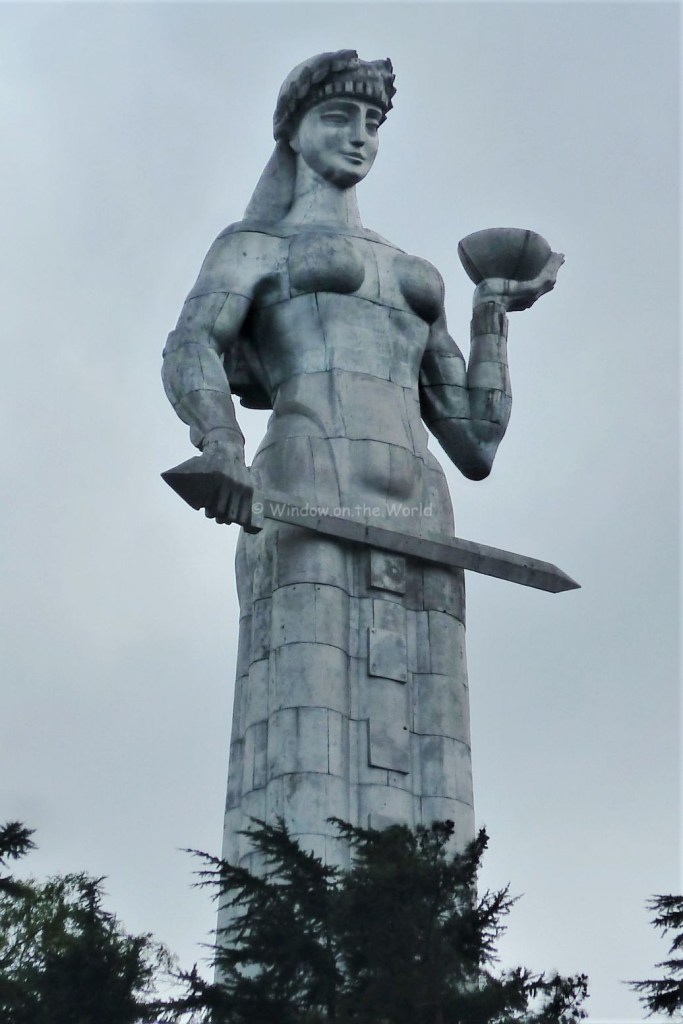
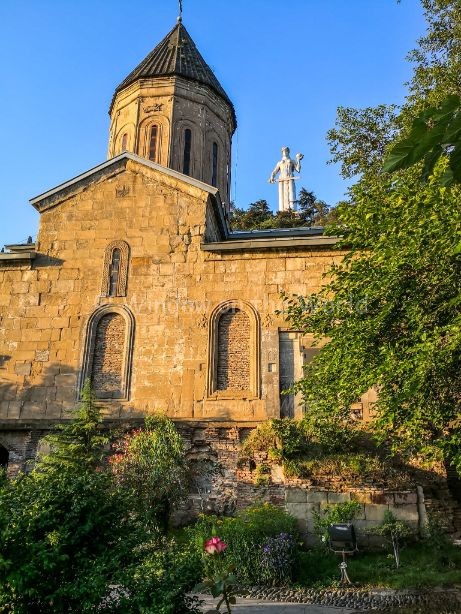
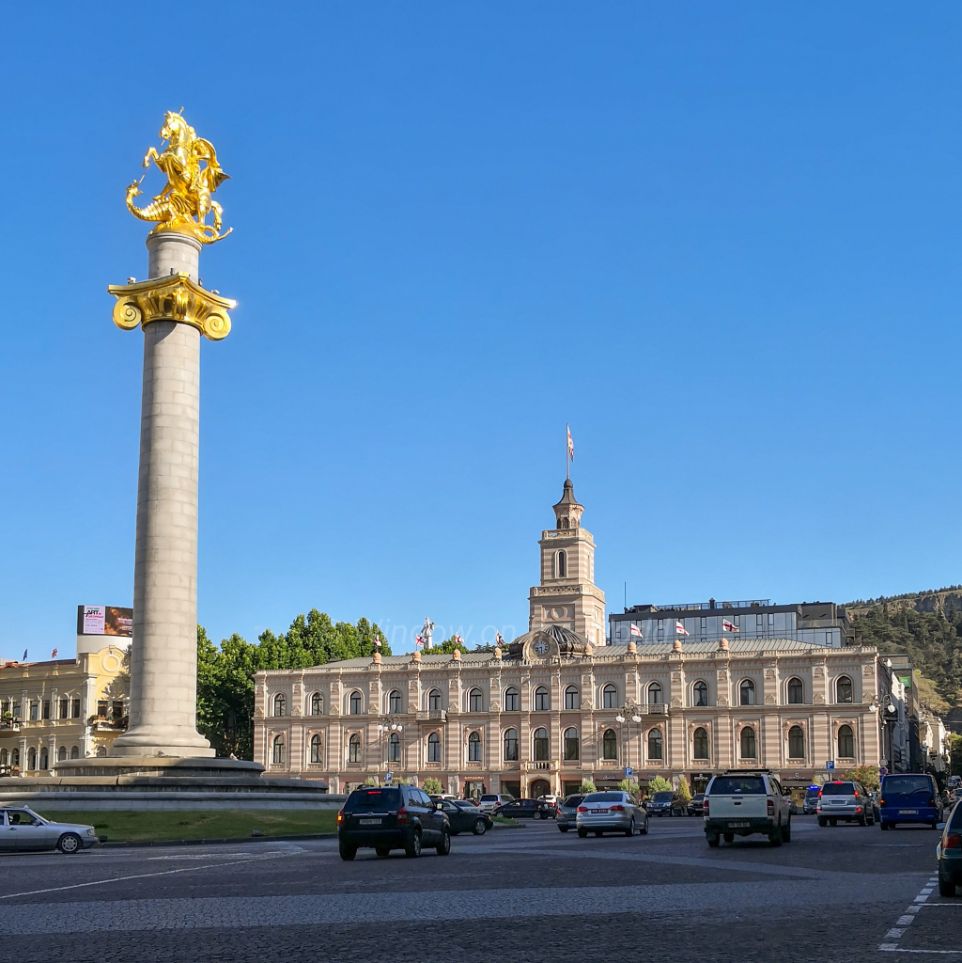
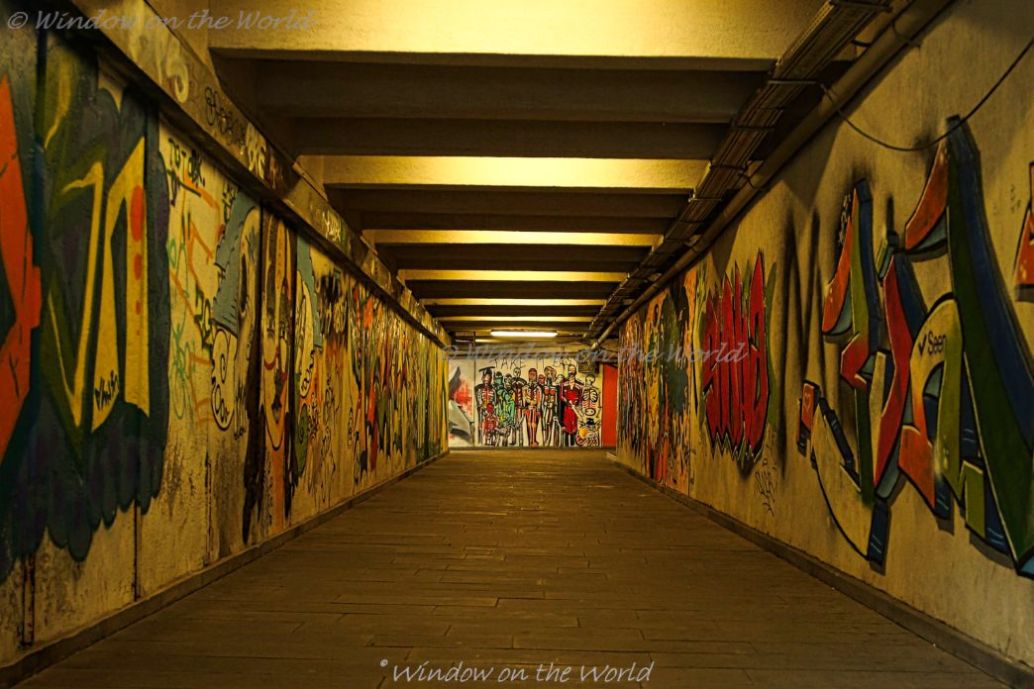
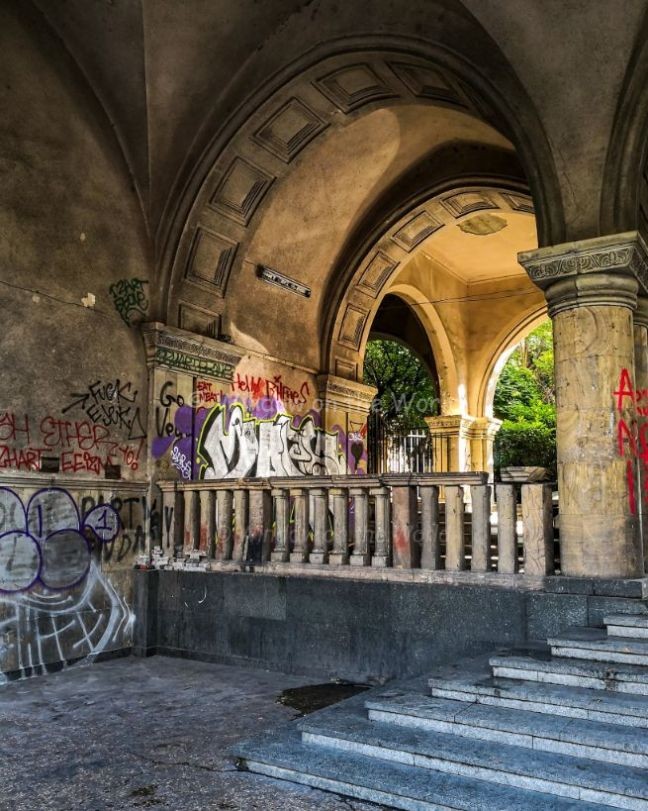
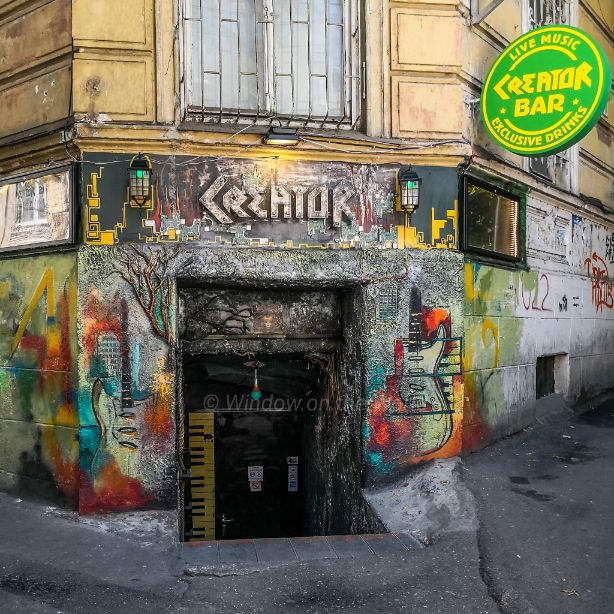
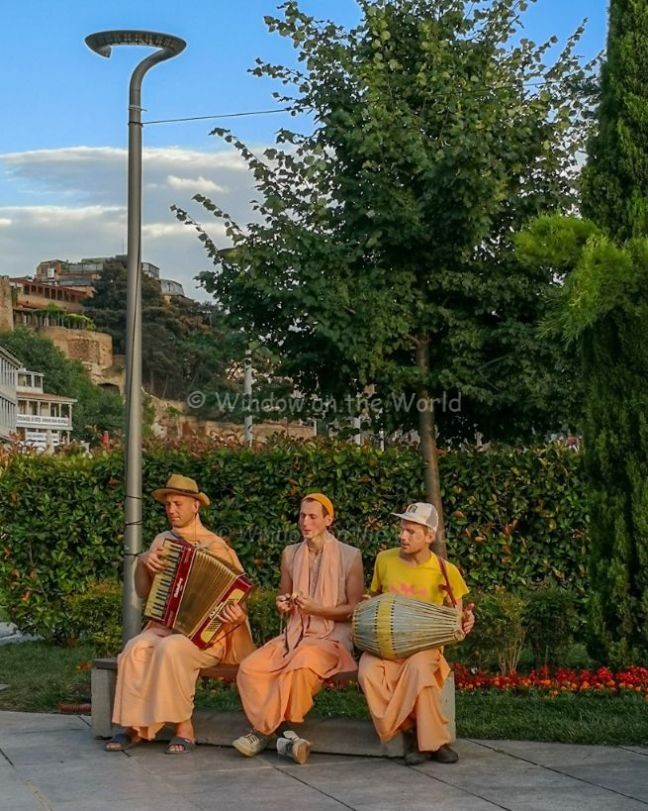
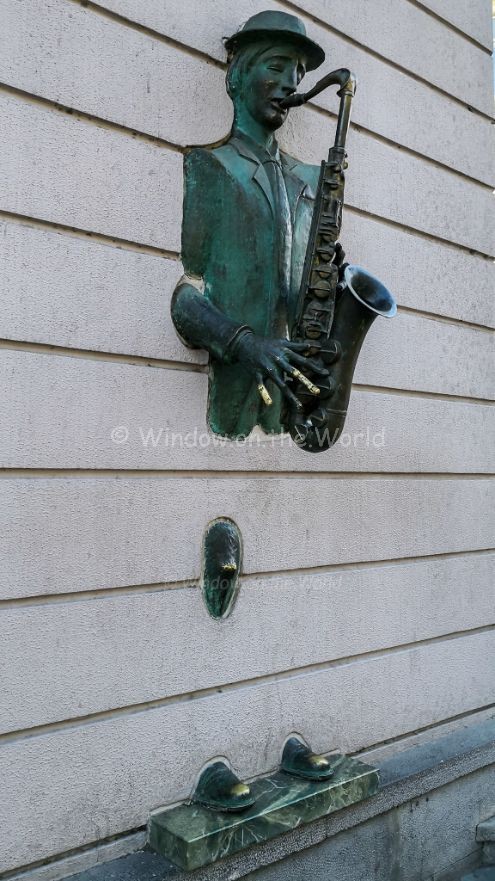
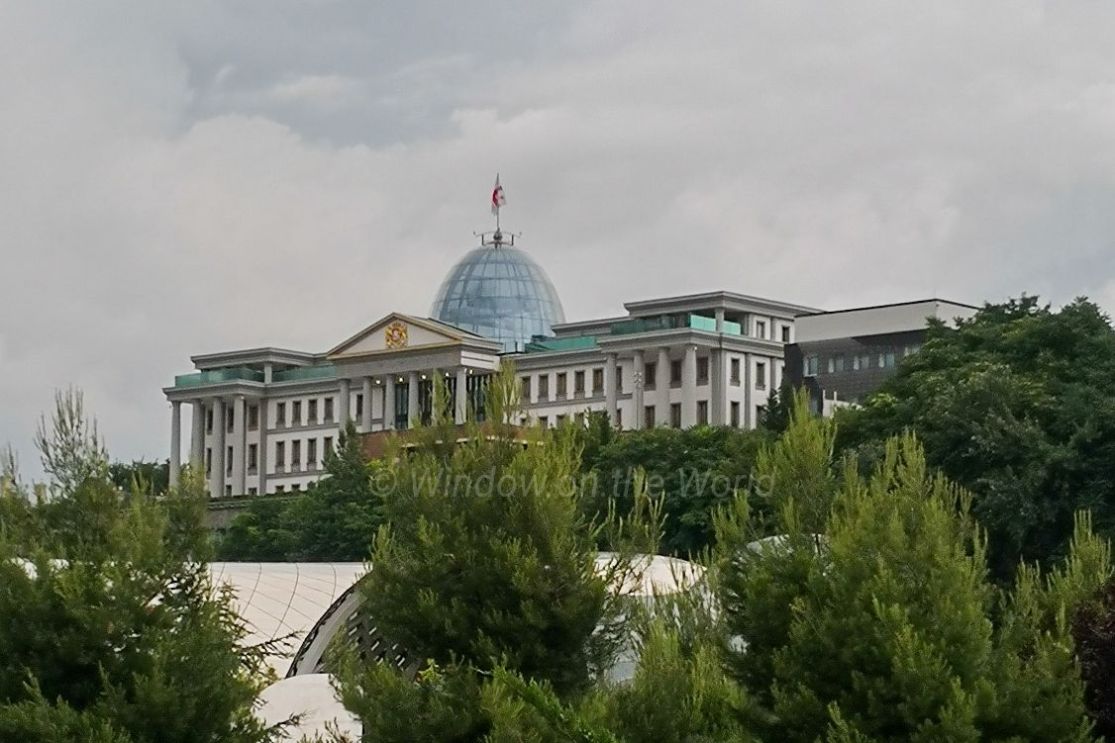
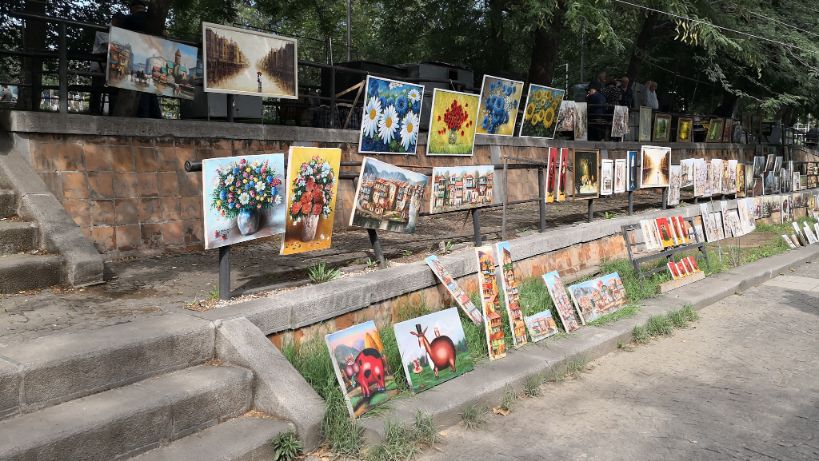
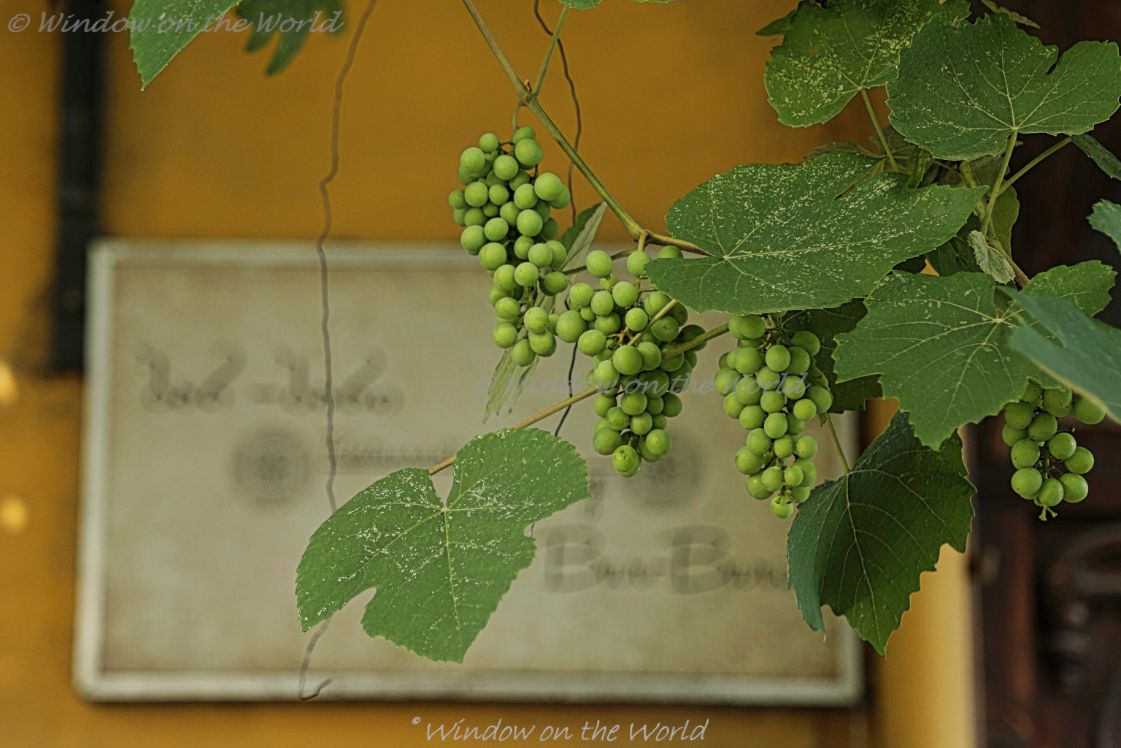
According to traditional beliefs, King Vakhtang I Gorgasali built Metekhi Church of the Nativity of the Mother of God in late 5th or early 6th century, The Metekhi Church is the focal point of Tbilisi. The view of Metekhi church, with the equestrian statue of Vakhtang Gorgasali below it, is one of the most widespread images of Tbilisi.The Metekhi Church.The Metekhi Church.The Sioni Cathedral of the Dormition, a Georgian Orthodox cathedral follows a medieval Georgian tradition of naming churches after particular places in the Holy Land, the Sioni Cathedral bears the name of Mount Zion at Jerusalem. The Sioni Cathedral, originally built in the VI and VII centuries, is one of the most remarkable monuments of Georgian medieval architecture. The Sioni Cathedral is of particular importance for Georgians because it is home to the sacred cross of St. Nino, the patron saint of Georgia.Interior of The Sioni Cathedral of the Dormition.Interior of The Sioni Cathedral of the Dormition.The Holy Trinity Cathedral of Tbilisi, commonly known as Sameba for Trinity, is the main cathedral of the Georgian Orthodox Church. Constructed between 1995 and 2004, it is the third-tallest Eastern Orthodox cathedral in the world.Sunset at the Bell tower of Sameba.I love this antique car parked in side the Sameba.Beautiful Church on top of the hill next to the Fortress, don’t know the name.Domes of Russian orthodox church on mtatsminda hill in Tbilisi city centerKartlis Deda (Mother of Georgia) is a monument erected on the top of Sololaki hill in 1958, the year Tbilisi celebrated its 1500th anniversary. The twenty-meter aluminum figure of a woman in Georgian national dress. She symbolizes the Georgian national character: in her left hand she holds a bowl of wine to greet those who come as friends, and in her right hand is a sword for those who come as enemies.Kartlis Deda (Mother of Georgia).Kartlis Deda (Mother of Georgia).Freedom Square, formerly known as Erivansky Square. During the Soviet period, the square featured a large statue of Vladimir Lenin, which was symbolically torn down in August 1991. In November 2006, the Liberty Monument depicting St George slaying the dragon was unveiled in the same place. Tbilisi City Hall is situated on the Square.Behind The Street Art in Tbilisi.The Street Art in Tbilisi.The Street Art in Tbilisi.Musicians: Followers of “Hare Ram Hare Krishna” chanting in the park with traditional Indian musical instruments.Beautiful statue out side of a Jazz club.The Bridge of Peace, a bow-shaped pedestrian bridge. The structure of the bridge was built in Italy and transported to Tbilisi in 200 trucks.The Presidential Palace. Both the Bridge of Peace and The Presidential Palace are designed by the same architecture.A Road side Art gallery at Dry Bridge MarketWalking around the old Tblisi.My favorite Soviet era car, Lada.Grapes are essential part of Georgian culture. Almost every house has grape wines.
Georgian wine and food are very popular all over Europe, specially in the republics of former Soviet Union. Let me share some pictures of delicious Georgian food.
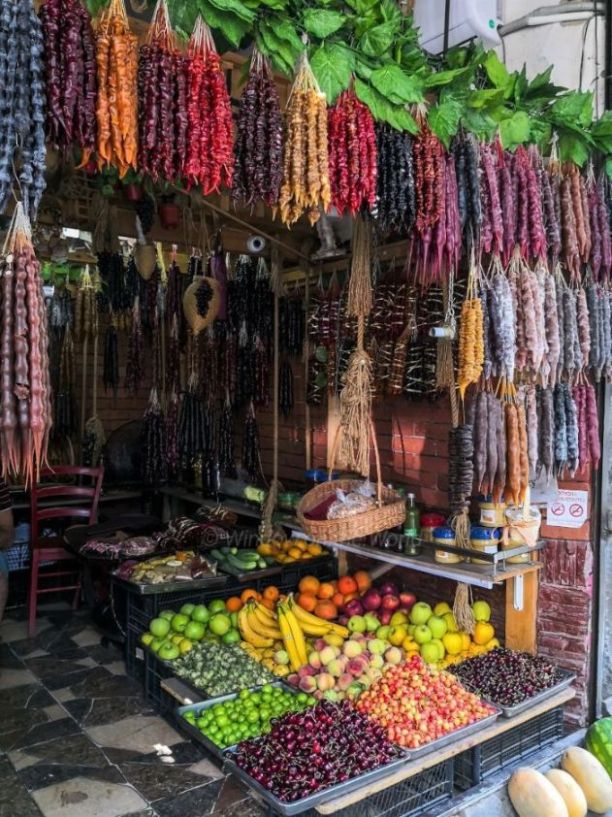
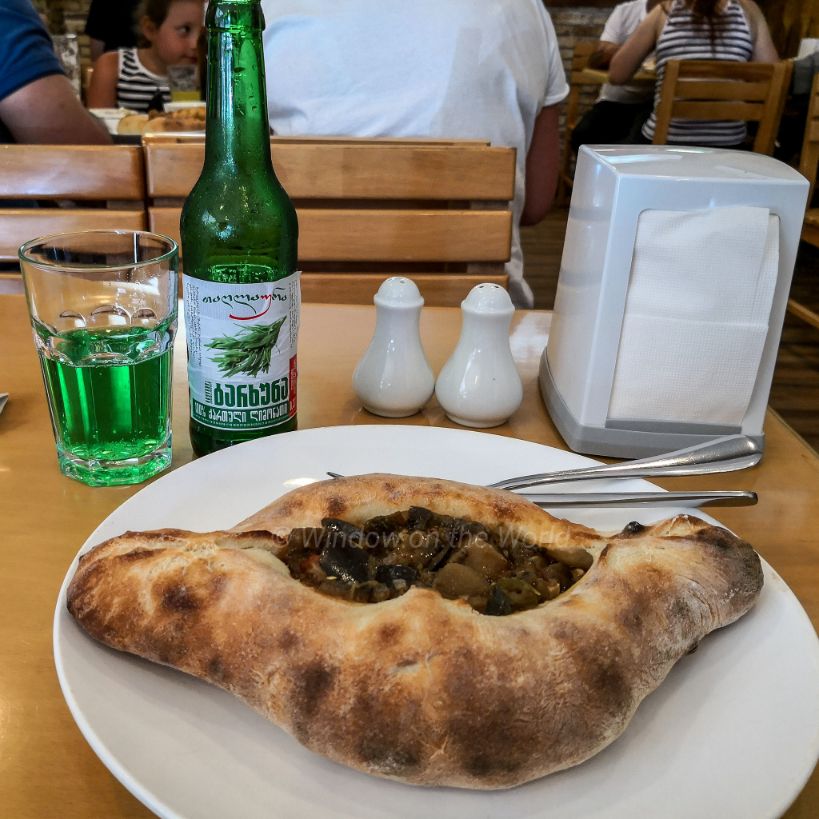
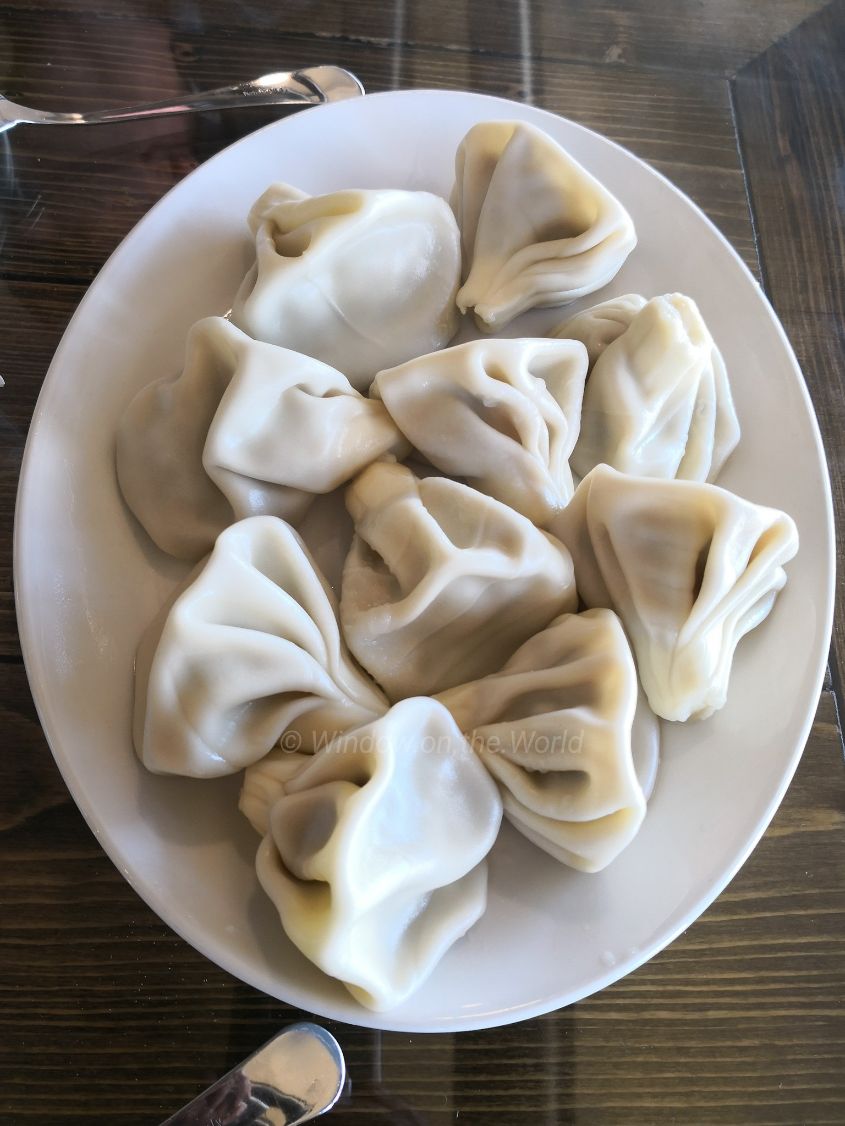
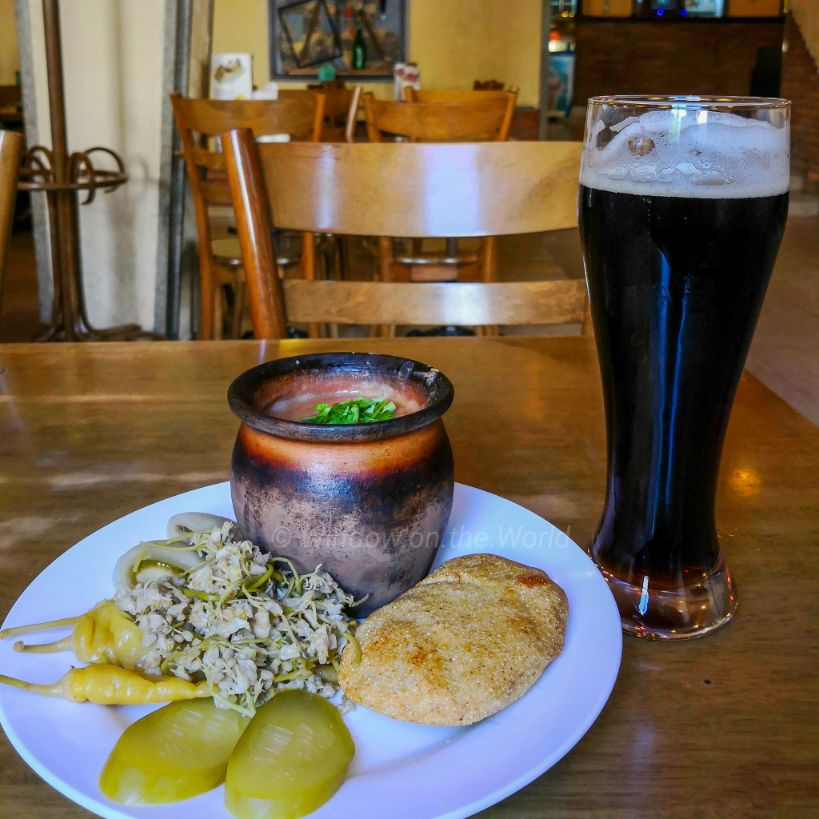
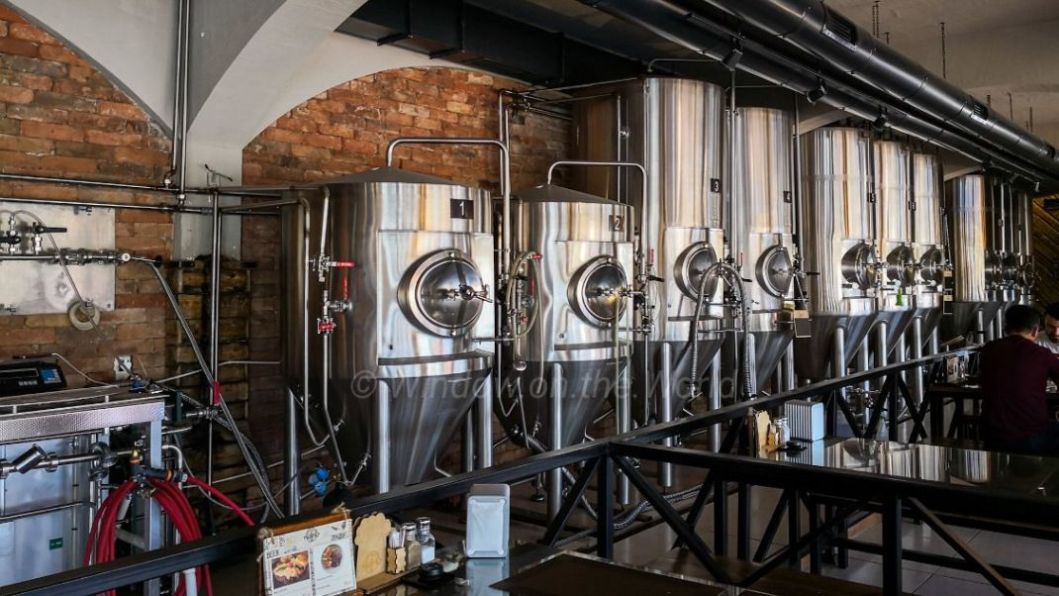
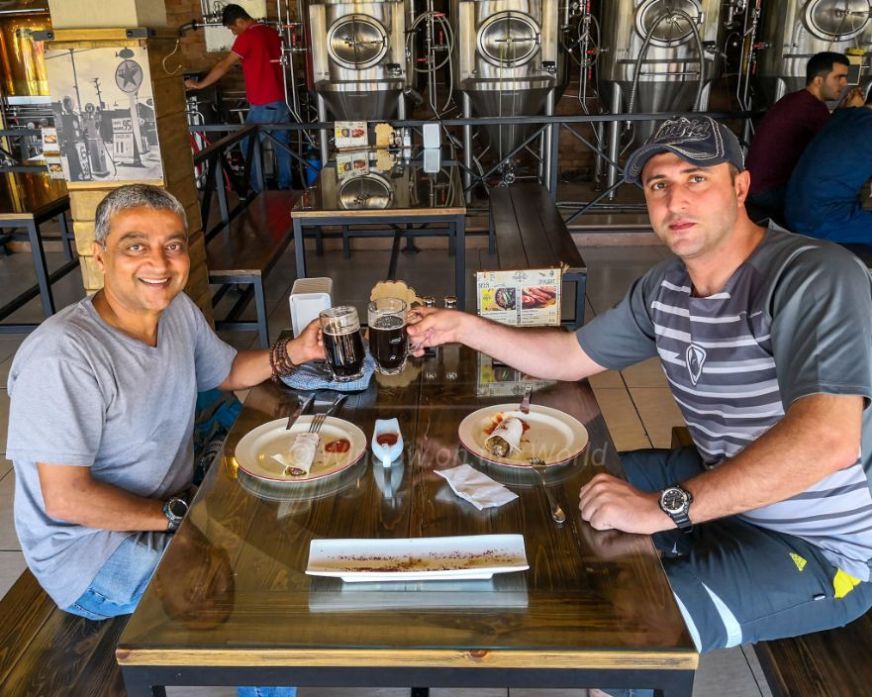
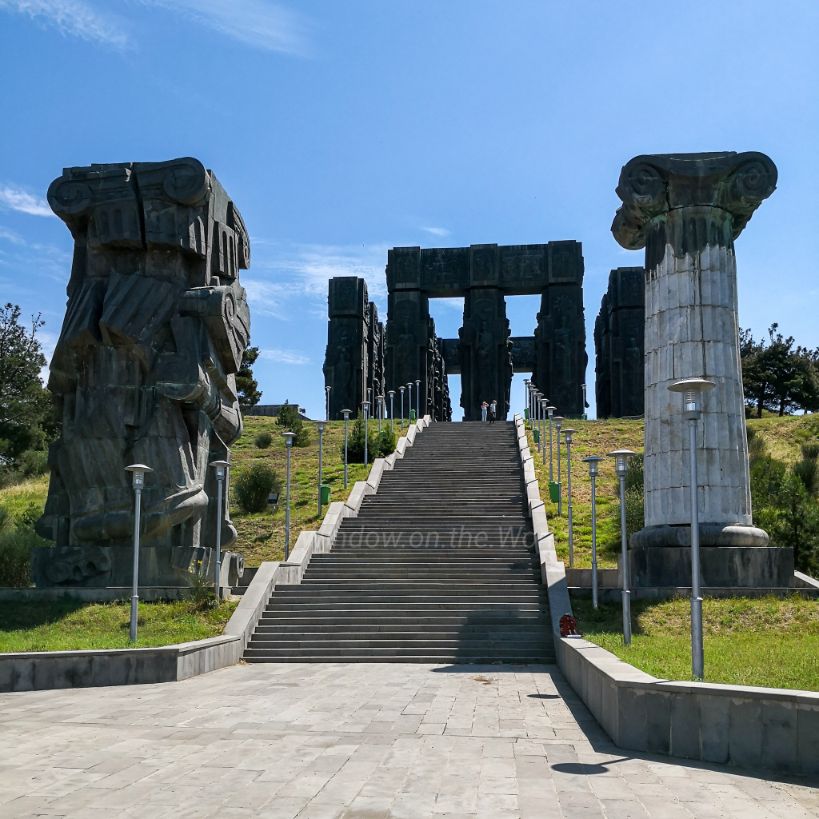
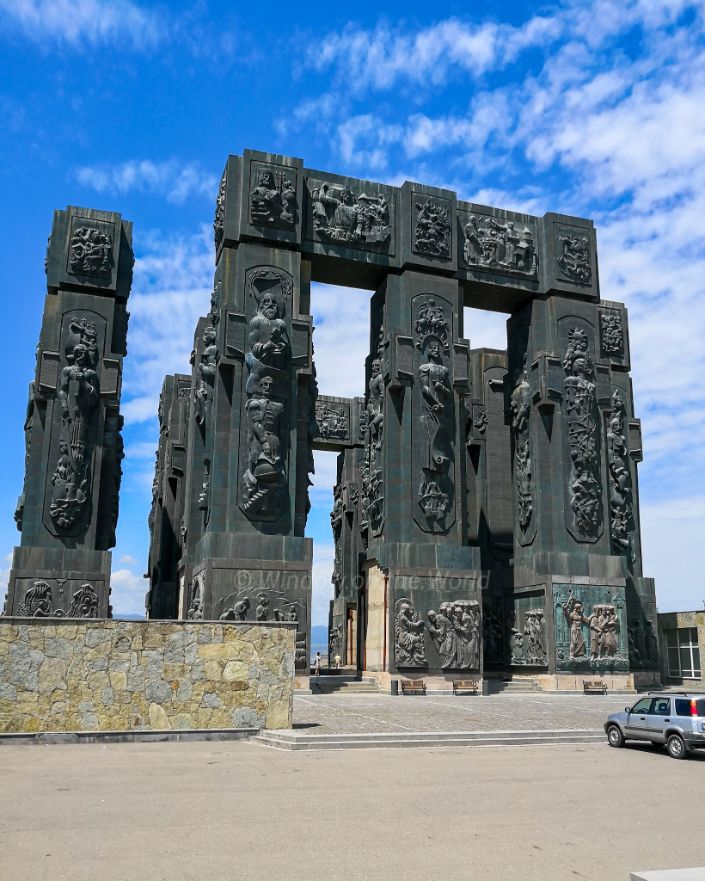
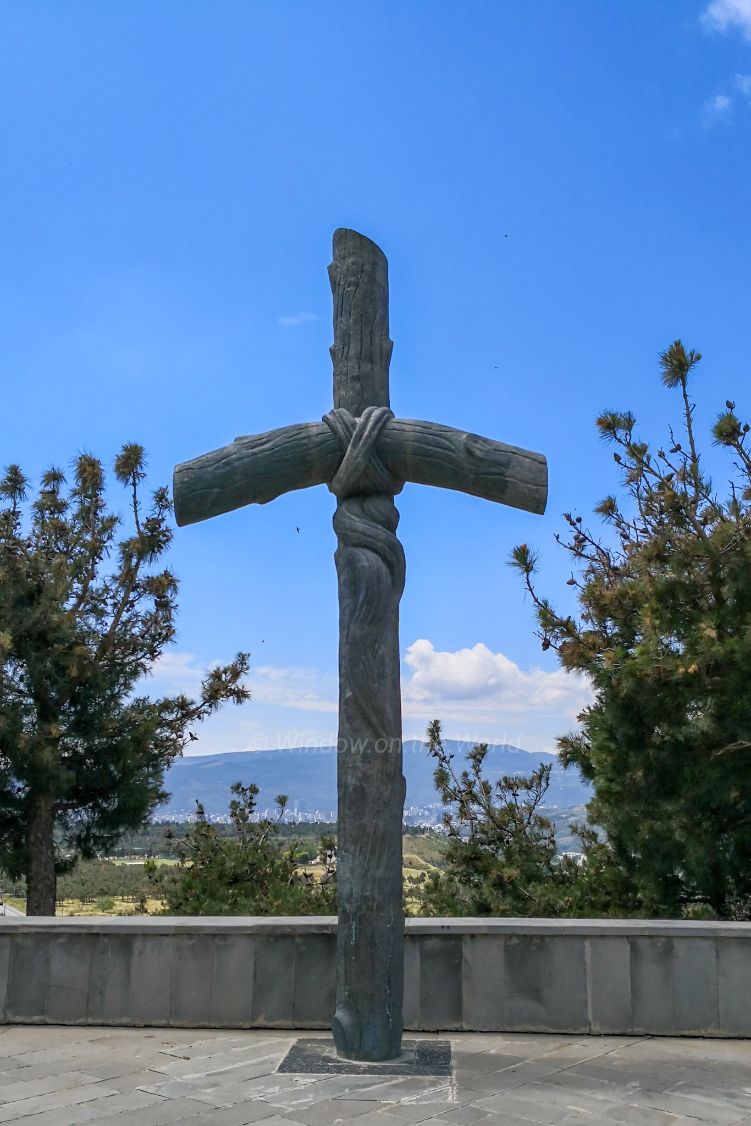
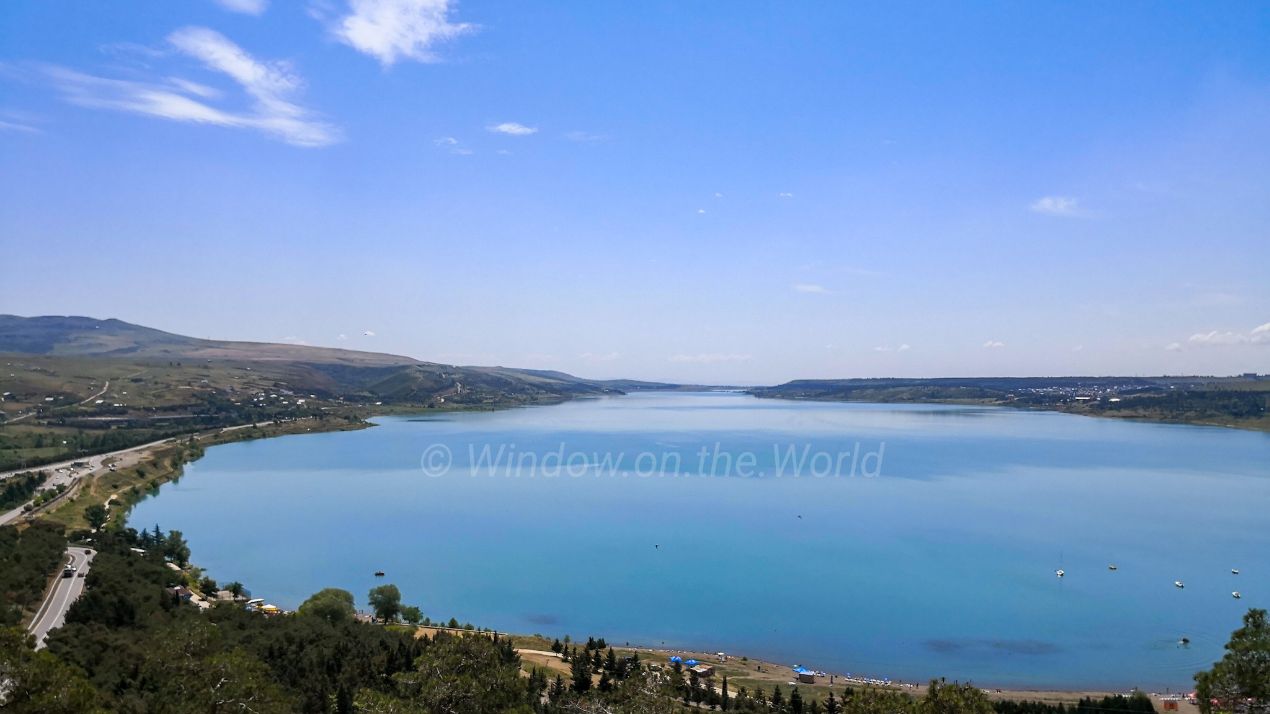
Churchkhela, a traditional Georgian cuisine candle-shaped candy. The main ingredients are grape must, nuts, and flour. Almonds, walnuts, hazelnuts, and chocolate and sometimes raisins are threaded onto a string, dipped in thickened grape juice or fruit juices and dried in the shape of a sausage.Khachapuri, a traditional Georgian dish of cheese-filled bread. Some places you can get some spicy vegetable-filled bread too. The Green drink is Tarkhuna, a Georgian carbonated soft drink that is flavored with tarragon or woodruff. It was first created in Georgia in 1889.Khinkali is a very famous dish in Georgia, consumed on a regular basis. It’s the first dish every Georgian introduces to their foreign friends. Khinkali is a meat dumpling. The dumplings are boiled and not steamed. You can also get vegetarian Khinkali filled with Cheese, Potatoes and Vegetables. The twisted knobs of the dough are called kuchi (stomach), it’s a tough part of the dish and is usually not eaten. It’s mostly used to count how many Khinkali a person ate.Lobio is a traditional Georgian dish of various kinds of prepared beans, containing coriander, walnuts, garlic and onion. My favorite Vegetarian dish in Georgia. Needless to say, the homebrewed draft beer was refreshing too!Though Georgia is popular for Wine, Tbilisi has many micro-breweries. My local friend took me to this local brewery for fresh beer and some good Georgian traditional food.With my local Georgian friend at a brewery.The Chronicle of Georgia, a monument located near Tbilisi sea. It was created by Zurab Tsereteli in 1985 but was never fully finished. The monument chronicles the history of Georgia. The monument sits at the top of a large set of stairs. There are 16 pillars that are between 30–35 meters tall and the top half features kings, queens and heroes while the bottom part depict stories from the life of Christ. Zoom in, you will see some people walking around, and will give you some Idea of how huge this structure is. It’s look like Tbilisi’s own version of the Stonehenge.The grapevine cross of St. NinoTbilisi sea, a reservoir that provides water supply to the city of Tbilisi.
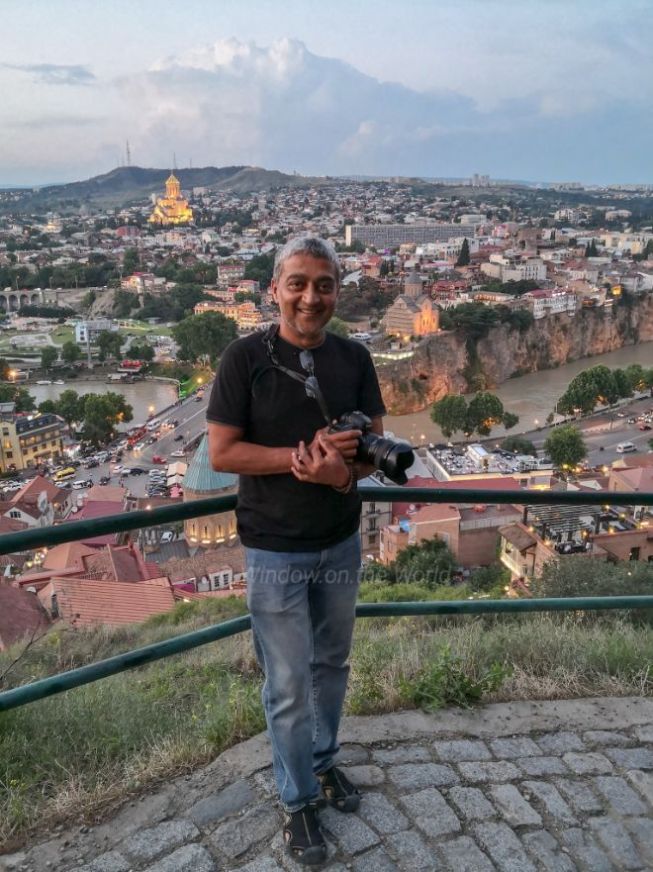
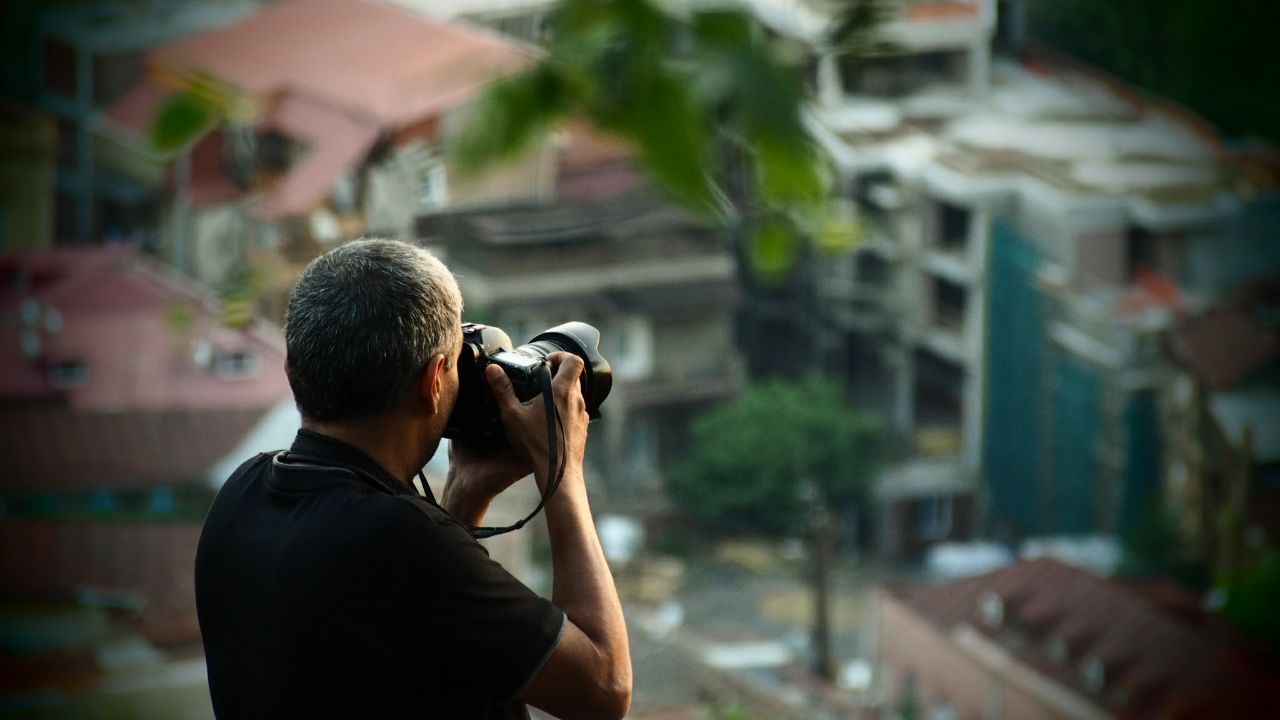
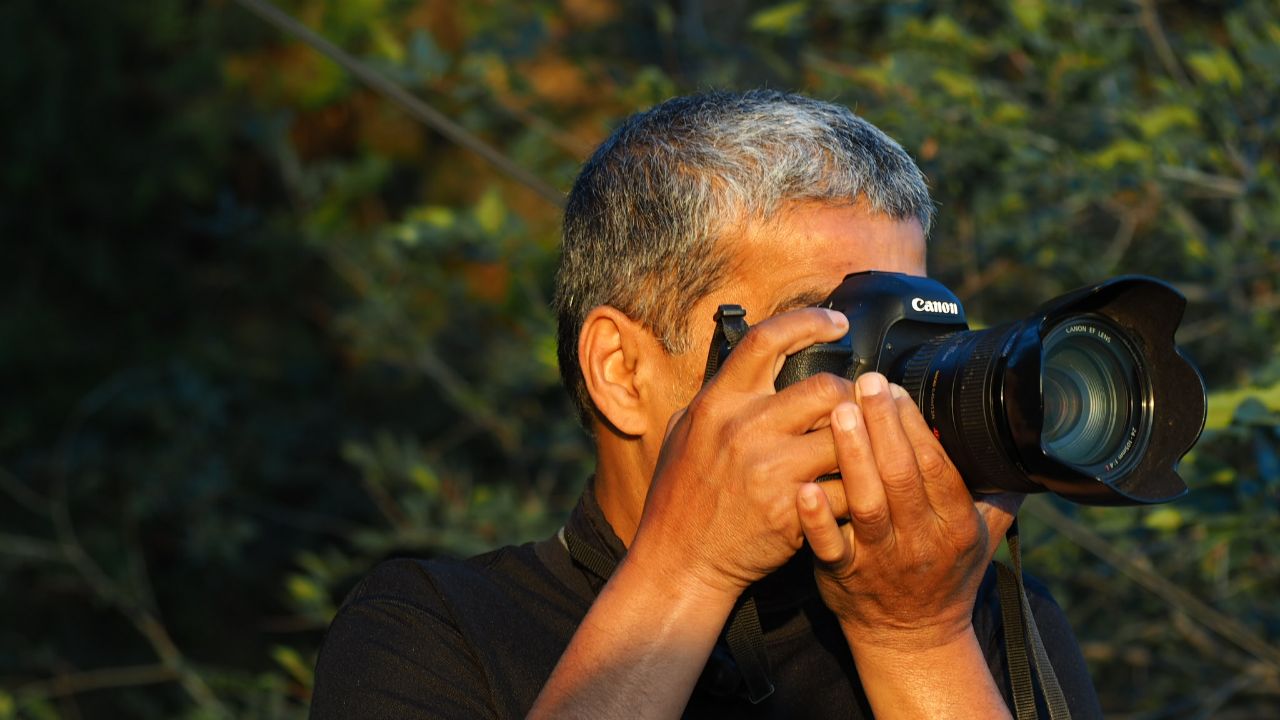
David, my Russian friend took these pictures of me when I was trying to catch sunrise.
My Original plan was to stay in Georgia for a week instead I extended my stay for 10 days and explored rest of the country by making day trips from Tbilisi. You can check out my travel stories and photos by selecting one of the photo below.
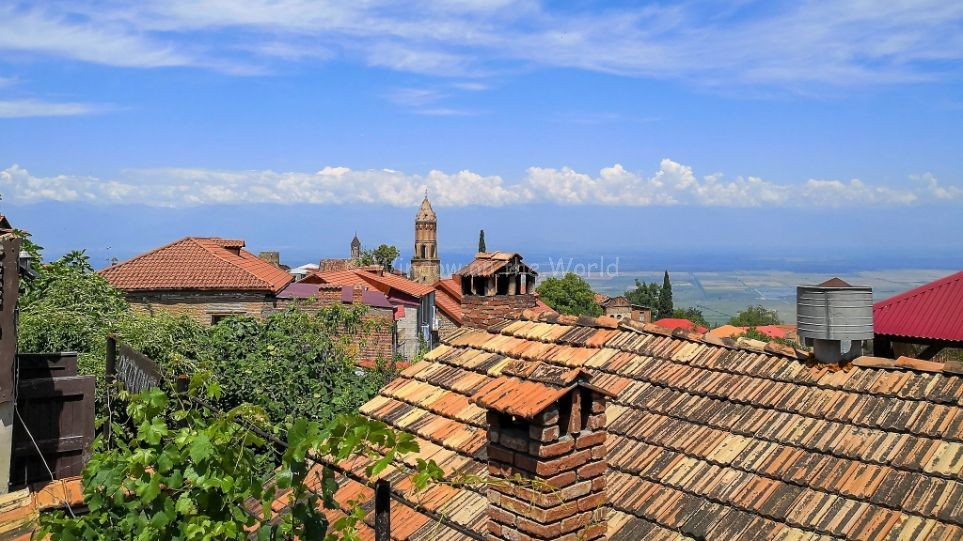
Sighnaghi, a picturesque town in the Kakheti, Wine producing region
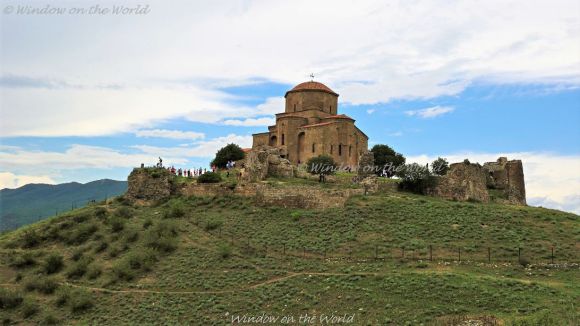
Mtskheta, the capital of the early Georgian Kingdom of Iberia.
In May 2017, 23 days before I was going to complete 50 years, grabbed an opportunity and took an early retirement.. Picked up a backpack and traveling ever since.. Love to travel around the world, experience different culture, local cuisine & drinks .. and take pictures.. so far been to 108 countries and still counting...



 Window on the World