
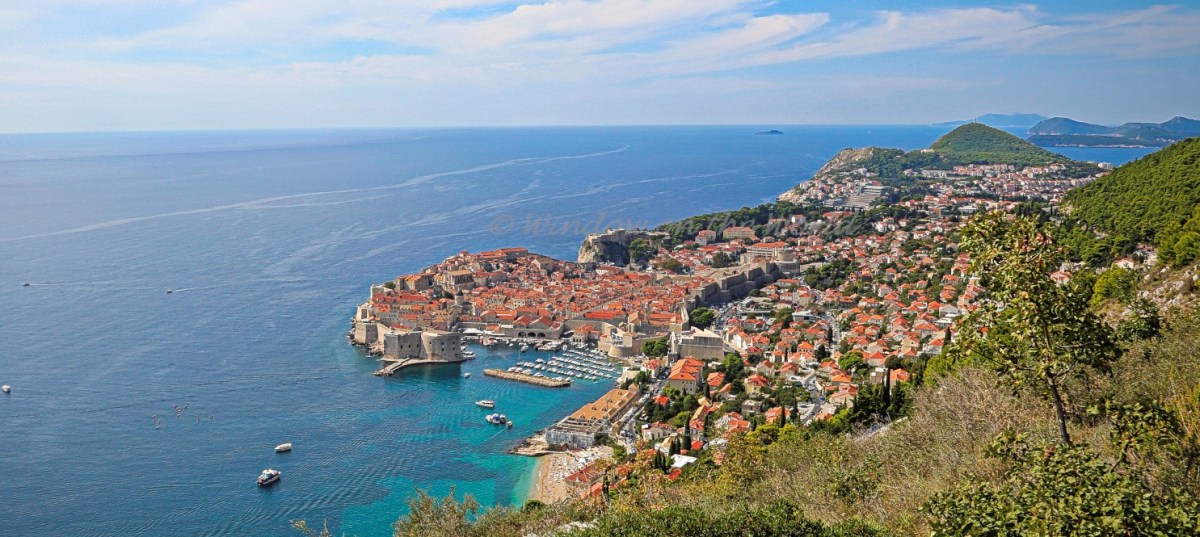
Destination 》Europe
Europe may not be large, but it is unique and diverse with more than 50 sovereign states, several dependent territories, and even more languages, historical regions and cultures. Europe has lot to offer to its visitor; compare the wealth and power of Western Europe with the comparatively underdeveloped Eastern Europe; enjoy the warmth of Southern Europe, take in breathtaking winter scenery in Northern Europe or discover beautiful old towns of Central Europe. Witness some of the world’s most modern buildings in some of the world’s oldest cities.
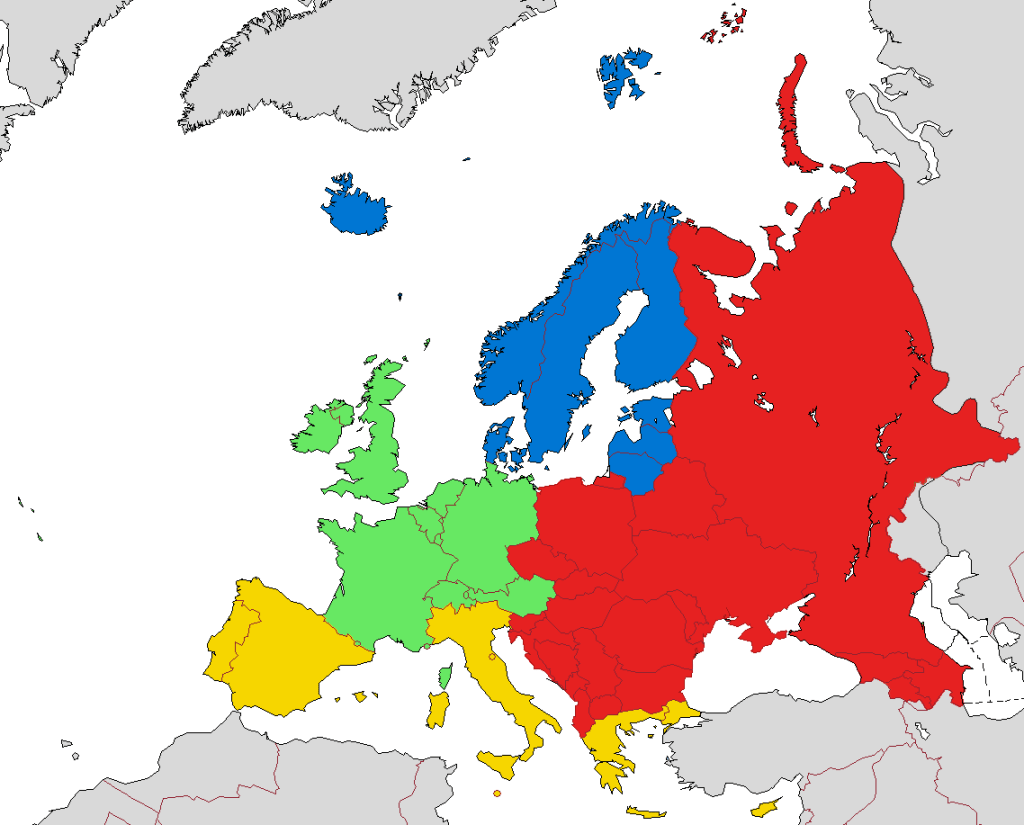
With European boundaries redrawn countless times over multiple centuries, there are many classifications of European sub-regions. For easier Navigation through this blog, I choose a map of European sub-regions and their boundaries, set by EuroVoc (the European Union’s official multilingual thesaurus). The regions in the image are color-coded in the following manner:
Blue – Northern Europe.
Green – Western Europe.
Red – Central and Eastern Europe.
Yellow – Southern Europe.
.
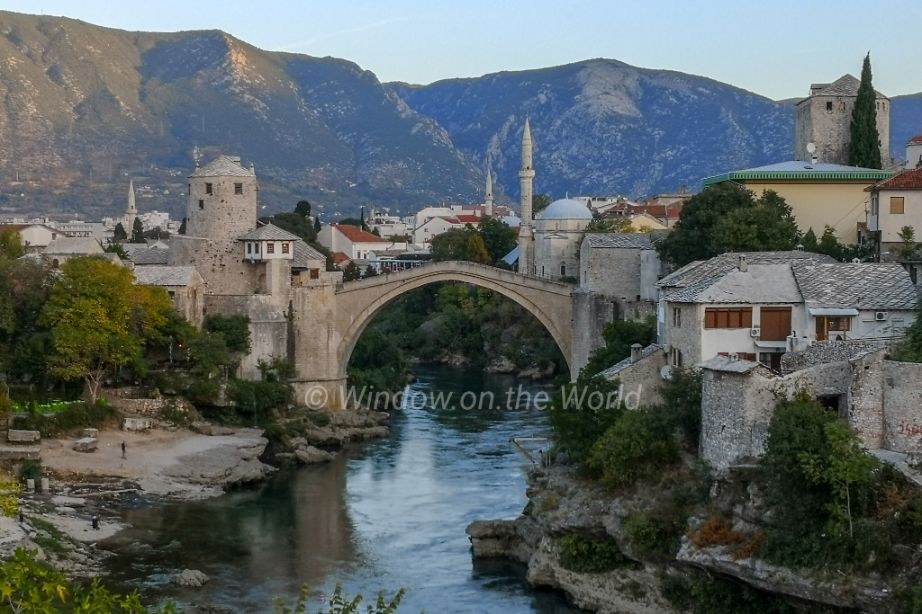
Central and Eastern Europe is the Center Eastern part of the European continent that includes Albania, Armenia, Artsakh, Azerbaijan, Belarus, Bosnia and Herzegovina, Bulgaria, Croatia, Czech Republic, Georgia, Hungary, Kosovo, Moldova, Montenegro, North Macedonia, Poland, Romania, Russia, Serbia, Slovakia, Slovenia, Transnistria, and Ukraine
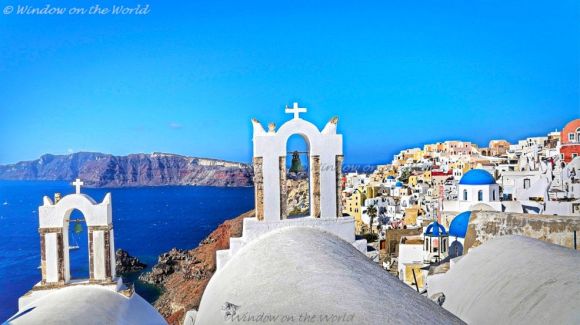
Southern Europe is the Southern part of the European continent that includes Cyprus, Greece, Italy, Malta, Northern Cyprus, Portugal, San Marino, Spain, Turkey, and Vatican City.
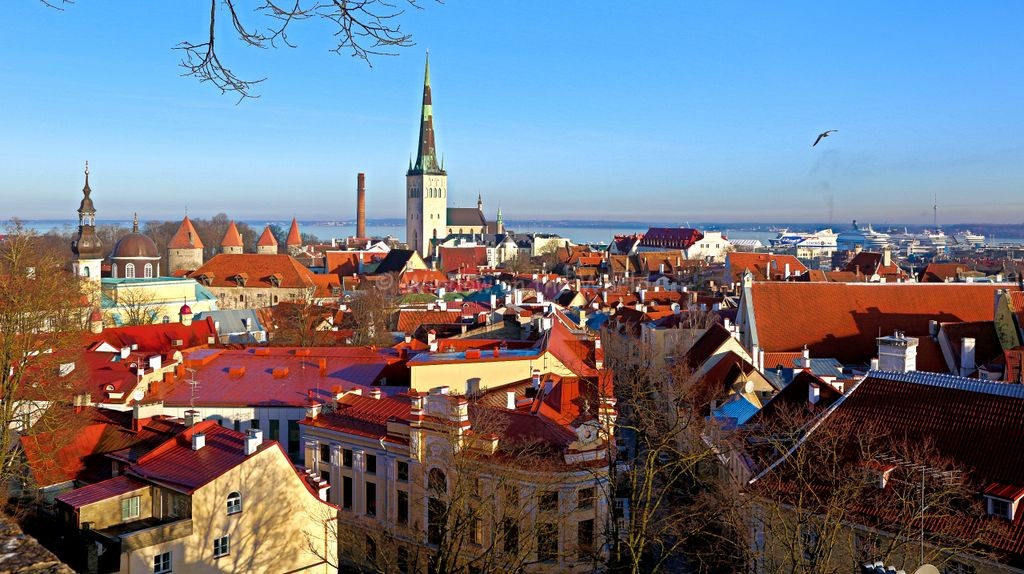
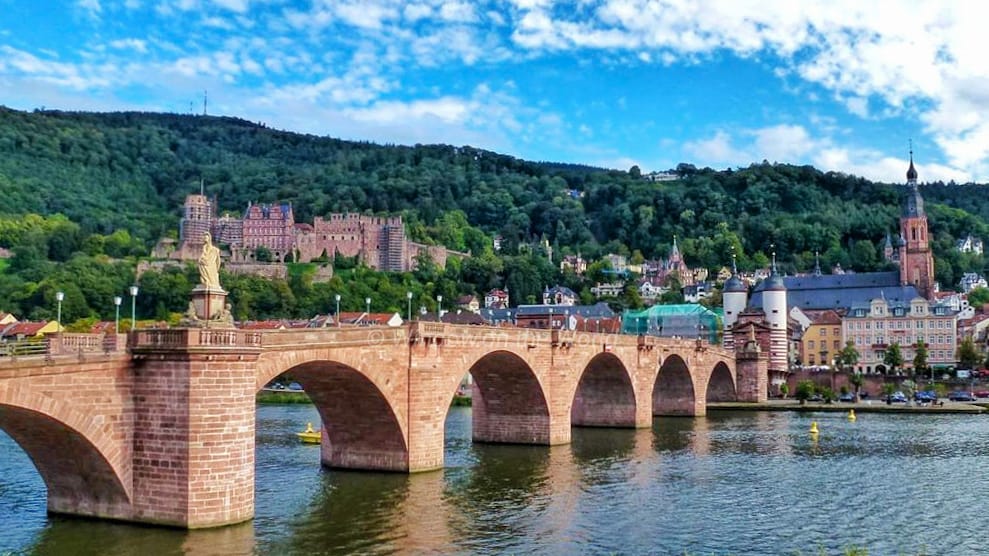
Western Europe is the western part of the European continent that includes Andorra, Austria, Belgium, France, Germany, Ireland, Liechtenstein, Luxembourg, Monaco, Netherlands, Switzerland, and United Kingdom (England, Scotland, Wales and Northern Ireland) .

 Window on the World