
Destination 》Asia 》East Asia 》Mongolia 》UlaanBaatar
Year Visited: 2019 – July
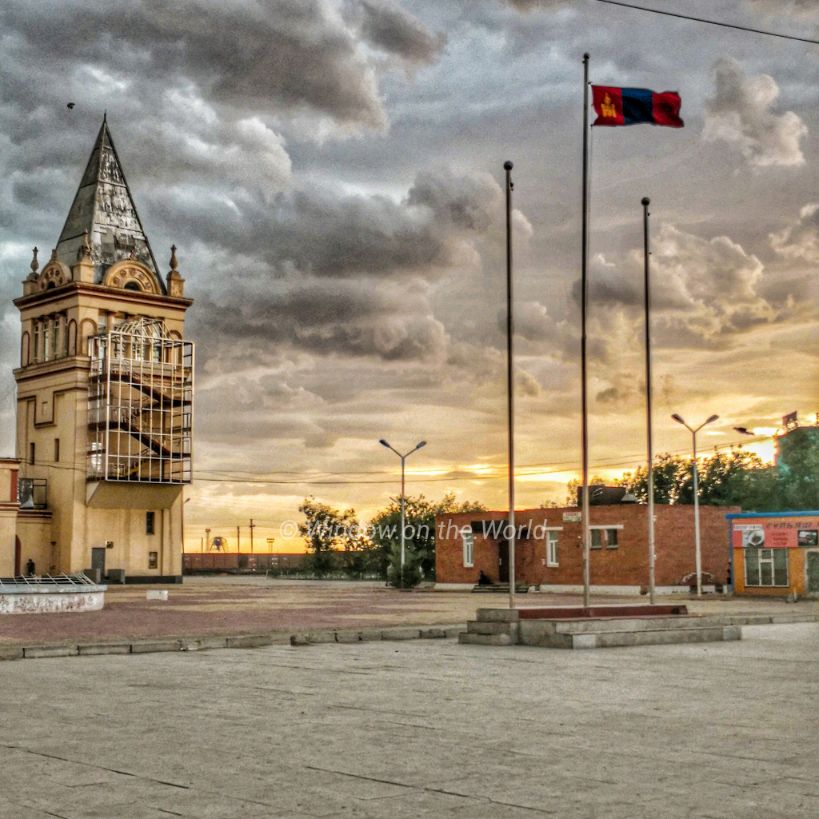
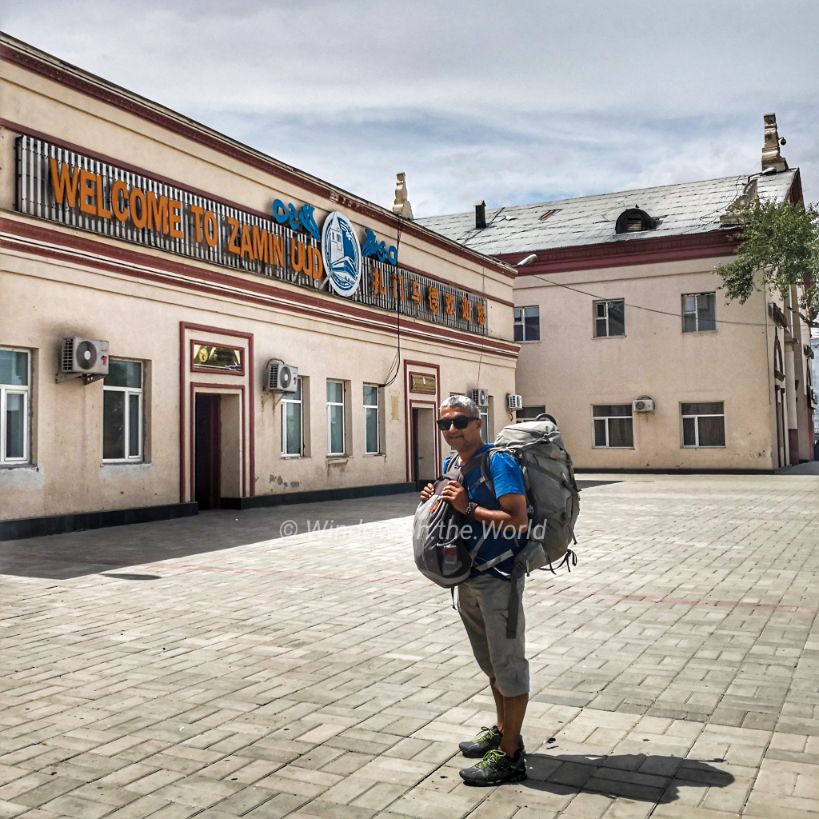
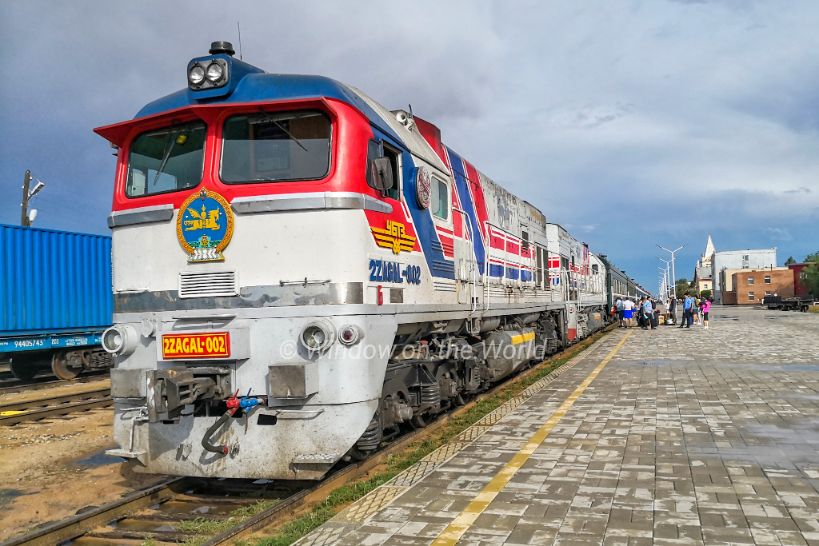
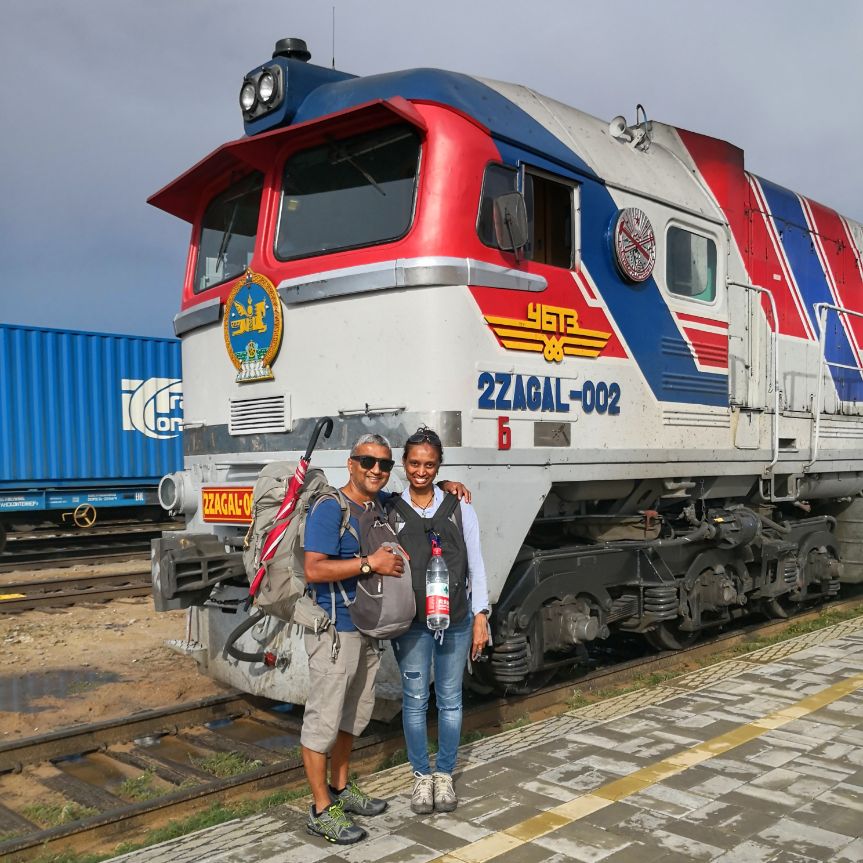
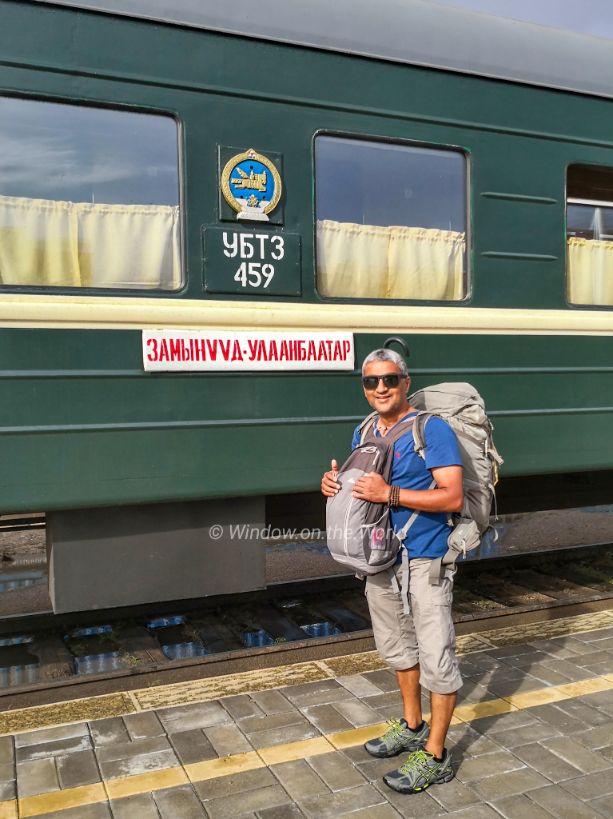
After spending a week in Beijing, China with my younger son and exploring UNESCO World Heritage sites, I, along with my friend, entered into Mongolia by land-crossing. We started our 42+ hours journey by taking an overnight bus from Beijing to Erlian (Erenhot), a border town in Inner-Mongolia, China. From Erlian we took a bus to Zamin-Uud, a border town in Mongolia. We spent few hours in Zamin-Uud before taking an overnight train to UlaanBaatar, the capital city.
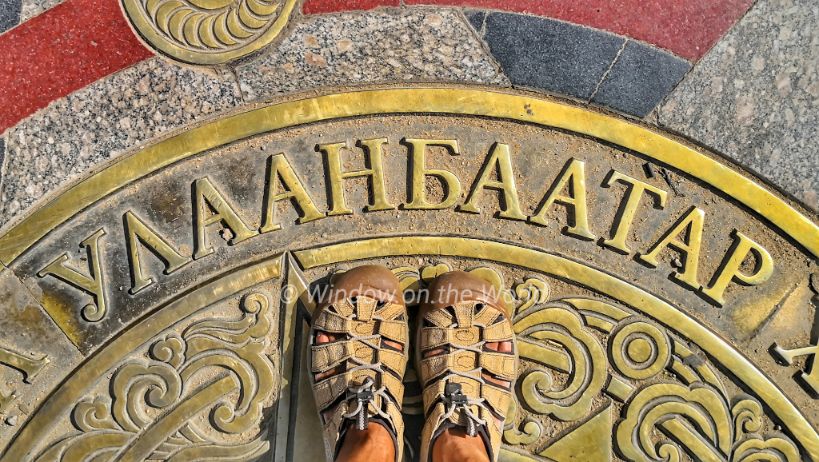
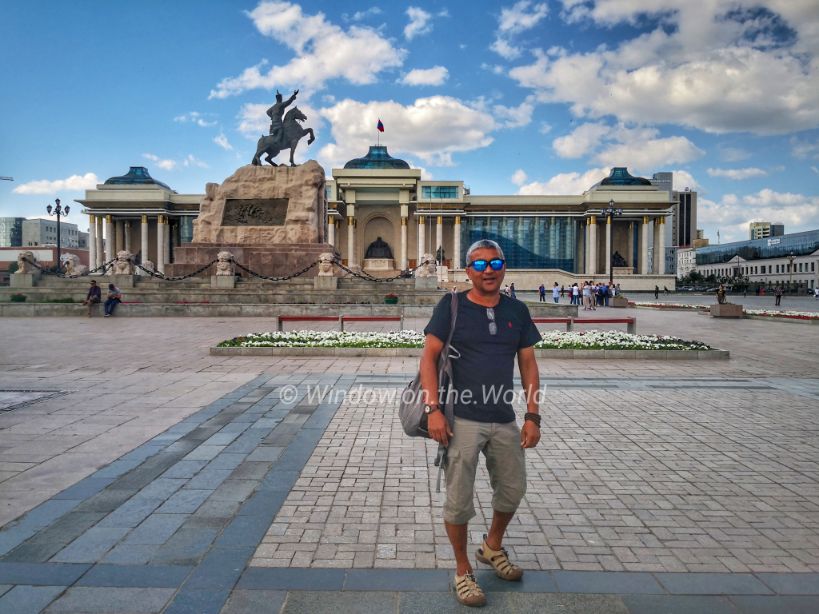
After 42+ hours journey, finally we arrived in the capital city. UlaanBaatar also known as Ulan Bator or simply just UB, is the largest city in Mongolia, standing as its political, commercial, industrial and cultural hub. Much of the modern architecture of Ulaanbaatar started to shape in the 20th century with the influence from Soviet architecture. The modern day UlaanBaatar showcases a mix of Soviet architecture, ger settlements, Buddhist monasteries and 21st century high rises.
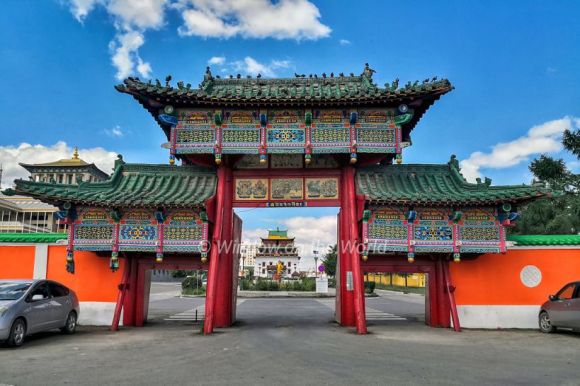
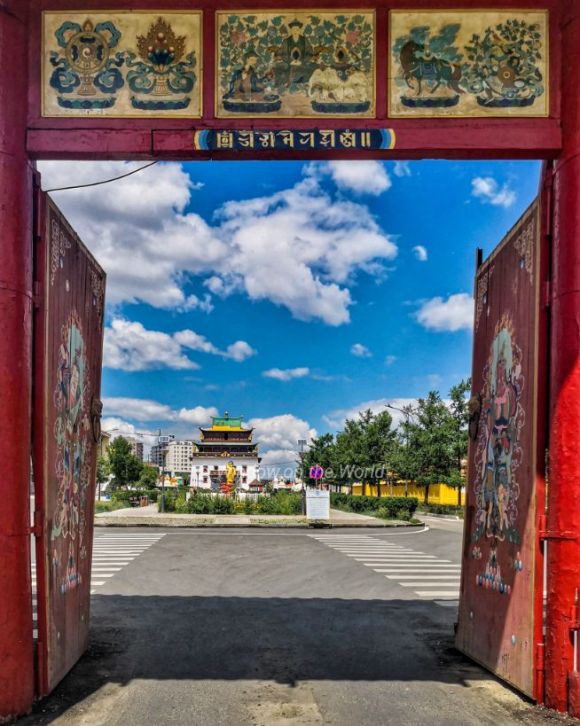
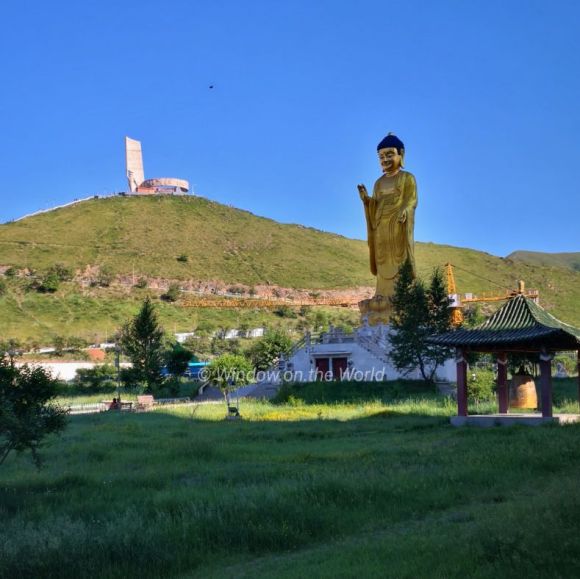
The Gandantegchinlen (Gandan) Monastery is a Mongolian Buddhist monastery originally built in 1809. The 13th Dalai Lama stayed here in the residence in 1904. In the 1930s, the Communist government of Mongolia, under the influence of Stalin, closed this monastery. With the end of Marxism in Mongolia in 1990, restrictions on worship were lifted, the monastery has been restored and revitalized. It currently has over 150 monks in residence.
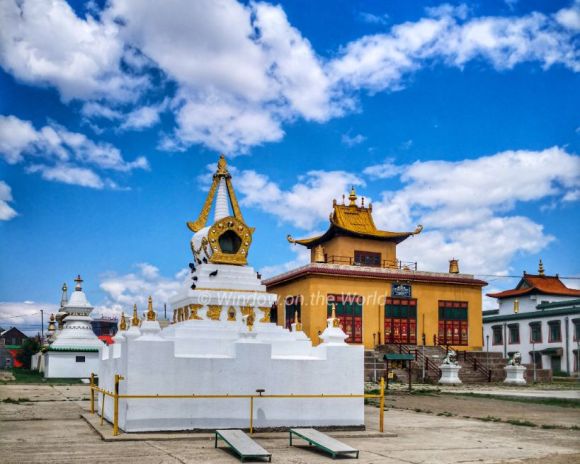
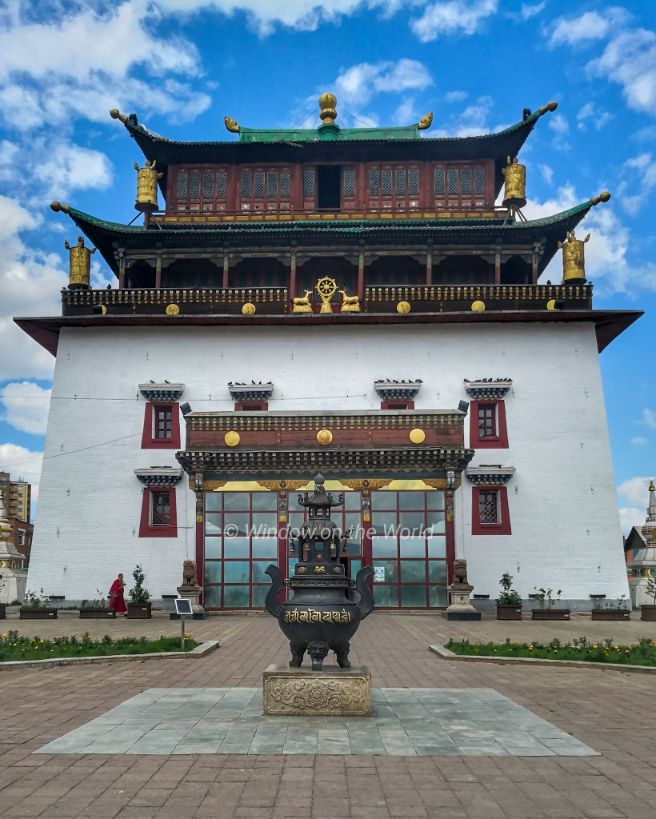
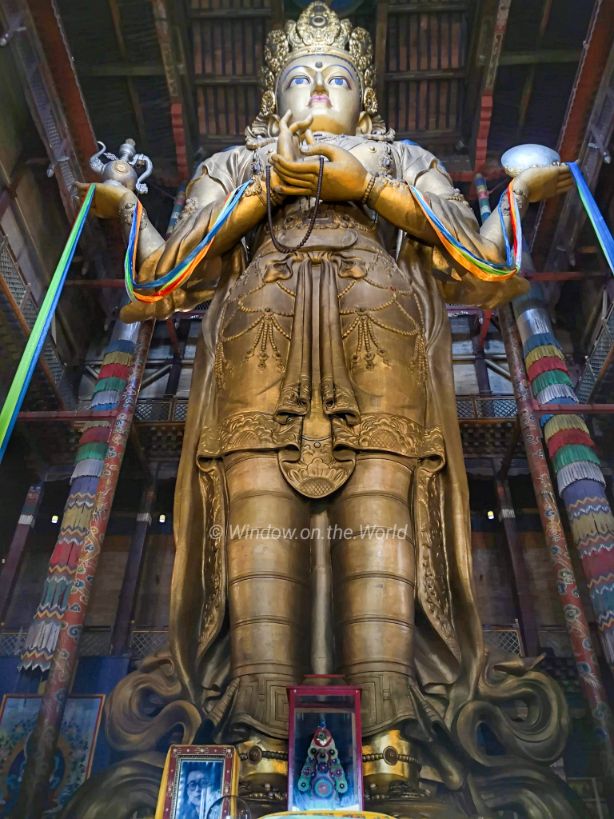
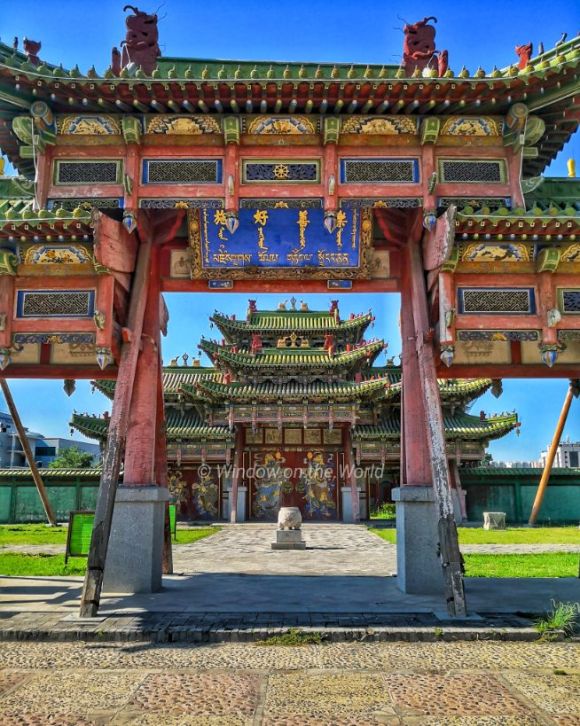
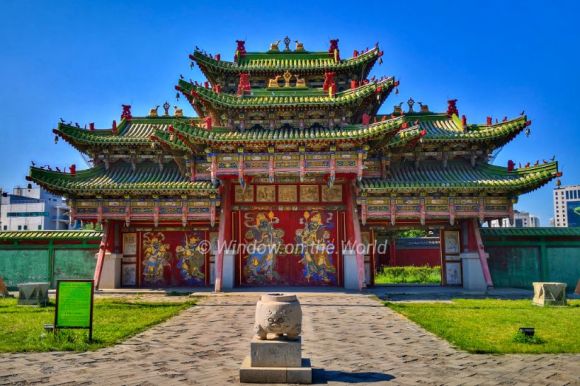
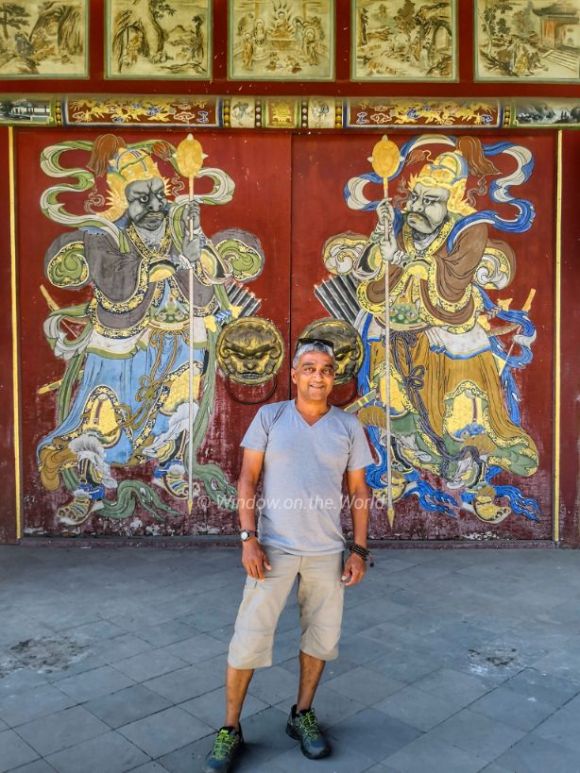
The Winter Palace of the Bogd Khan was built between 1893 and 1903 by Mongolian masters. The complex is one of the few Mongolian historical attractions which have neither been destroyed by the Soviets or the Communist forces.
After exploring the capital city for few days we took a public bus for KharKhorin to experience the Naadam festival in Mongolian countryside.
After two weeks of exploring this beautiful country, I took a direct flight from UlaanBaatar to Nur-Sultan, Kazakhstan to start my three months backpacking trip across the Central Asia.

 Window on the World