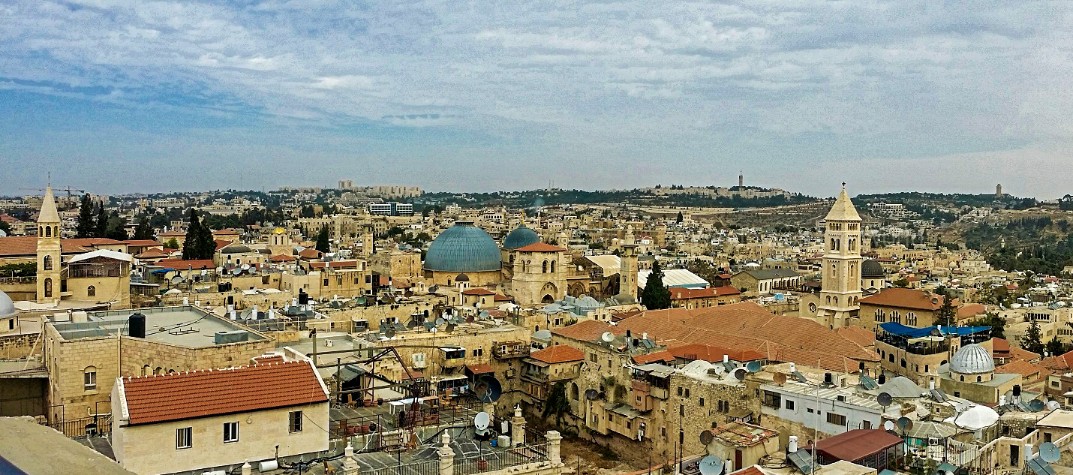
I visited Jerusalem, Israel during a week in Oct 2015, during National Holidays in China. I took two weeks off to visit Jordan and Israel. We did land crossing into Israel from Jordan by the Allenby Bridge, known officially in Jordan as the King Hussein Bridge, a bridge that crosses the Jordan River near the city of Jericho, and connects the West Bank with Jordan. Being 381 meters (1,250 feet) below sea level, it is the lowest fixed water crossing in the world.
The Jordanian authorities recognize the bridge as an international border entry point, but neither grant entry visas to foreign passport holders at this crossing, nor stamp the passports of departing travelers. Same goes with the Israel side, they will provide separate piece of paper for entry into and exit from Israel. So if you use this border crossing , there will NOT be any proof in your passport of leaving Jordan, visiting Israel and returning back to Jordan.
Israel, a Middle Eastern country situated on the southeastern shore of the Mediterranean Sea and the northern shore of the Red Sea. Israel shares borders with Lebanon to the north, Syria to the northeast, Jordan to the east, and Egypt to the southwest. It is also bordered by the Palestinian territories of the West Bank and the Gaza Strip to the east and west, respectively. Israel is regarded by Jews, Christians and Muslims as the biblical Holy Land.
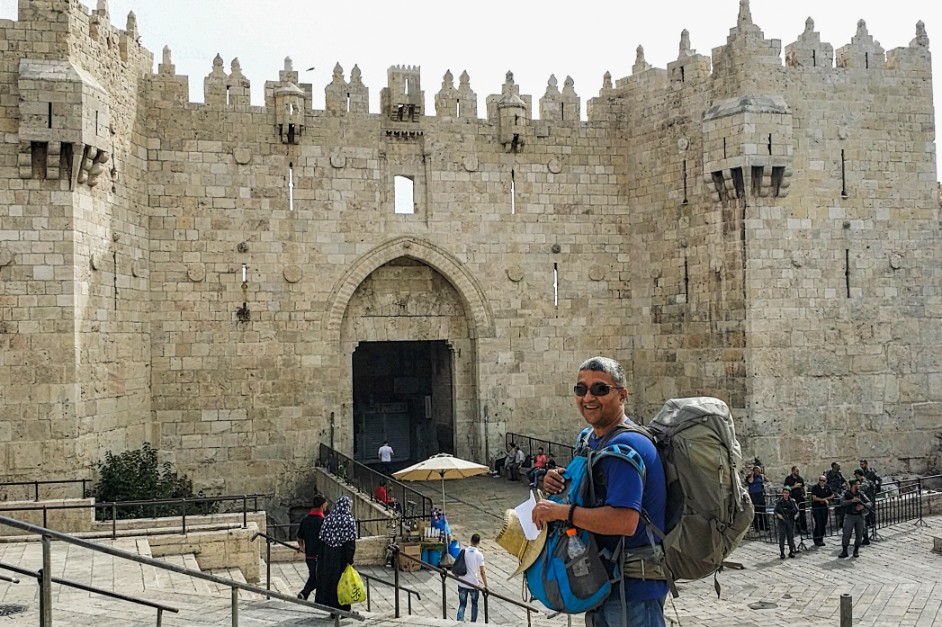
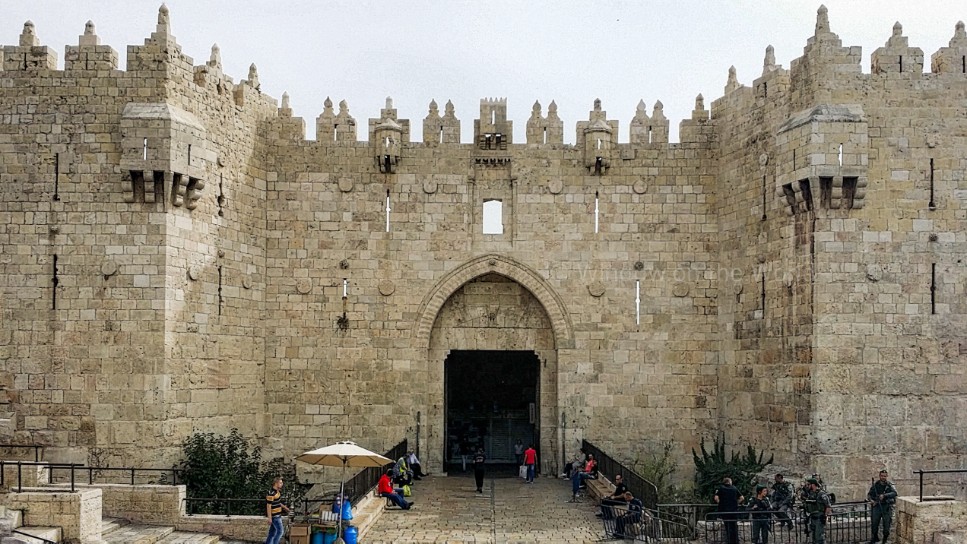
We took a bus from Israel border to Jerusalem, passing through the West Bank area of Palestine. The bus dropped us at The Damascus Gate, the center of Palestinian cultural life. We had only 6 days in Israel, so we deiced to spend all our time in Jerusalem.
Jerusalem, with 3000+ years of history, is one of the oldest cities in the world, and considered holy for the three major Abrahamic religions: Judaism, Christianity, and Islam. I don’t think there’s a city in the world that has more history and stories than Jerusalem. Throughout its long history, Jerusalem has been destroyed at least twice, besieged 23 times, captured and recaptured 44 times, and attacked 52 times.
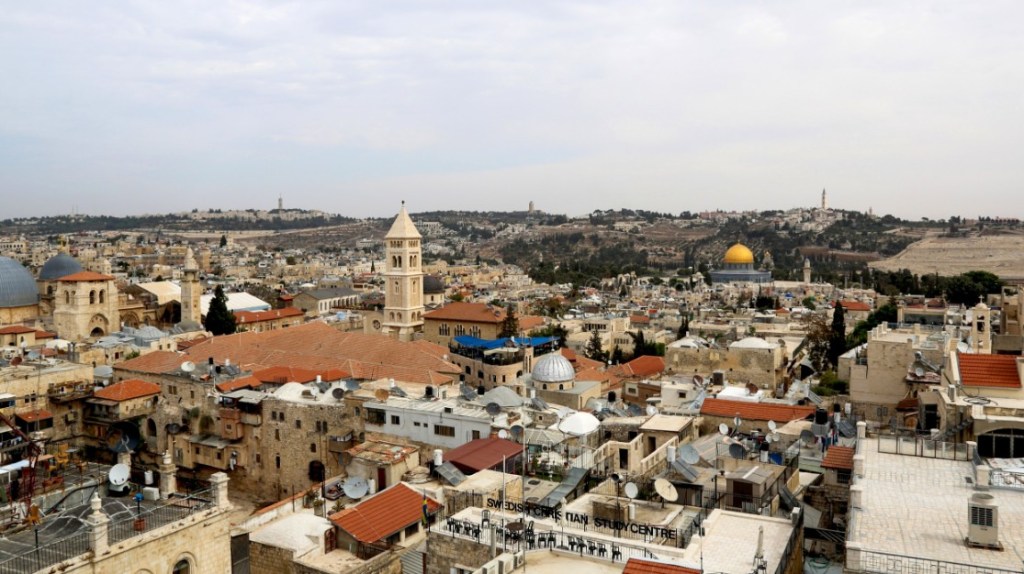
Jerusalem is the holiest city in Judaism and the spiritual center of the Jewish people since the 10th century BCE. It is the third-holiest city in Islam and is also home to a number of significant and ancient Christian landmarks. Barely one square kilometer, the Old City is home to several of Jerusalem’s most important and contested religious sites including the Western Wall and Temple Mount for Jews, the Dome of the Rock and al-Aqsa Mosque for Muslims, and the Church of the Holy Sepulchre for Christians.
In 1538 CE, the surrounding city walls were rebuilt for the last time under Suleiman the Magnificent of the Ottoman Empire. Today, these walls define the Old City, which has traditionally been divided into four sections, individually known as: the Jewish Quarter, the Armenian Quarter, the Christian Quarter, and the Muslim Quarter. The Old City became a UNESCO World Heritage Site in 1981.
Jerusalem is a fascinatingly unique place, it is an inhabited, living city – not a deserted museum or monument. Just remember to bring a good pair of walking shoes! Around every corner there’s a story and a history.
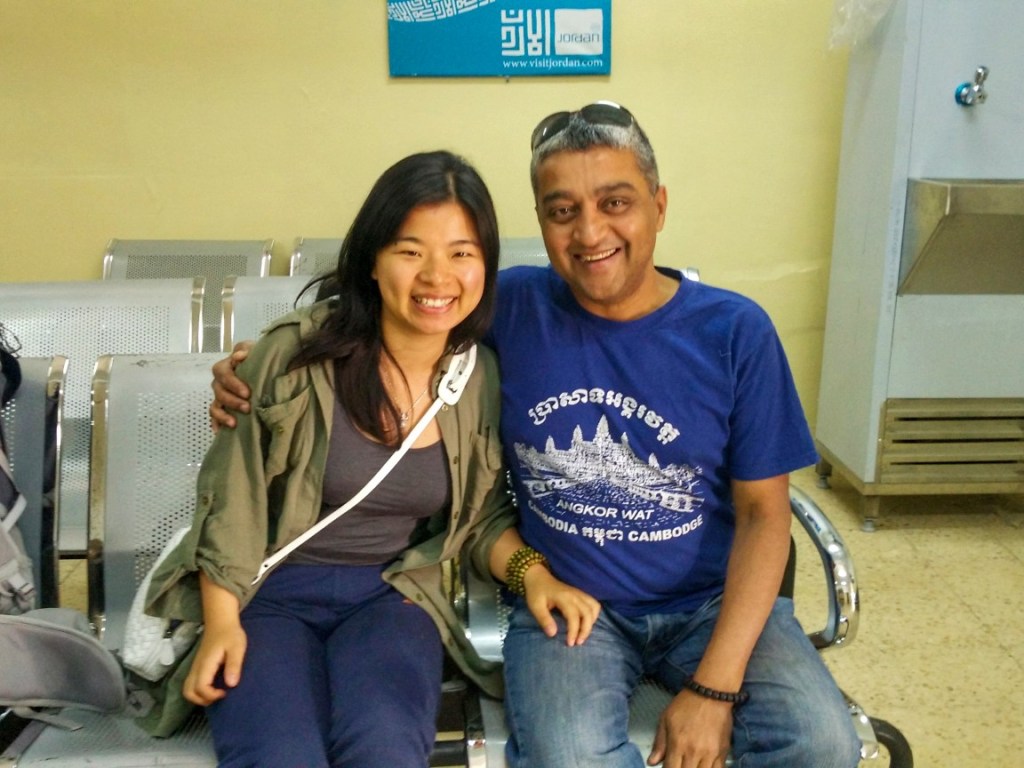
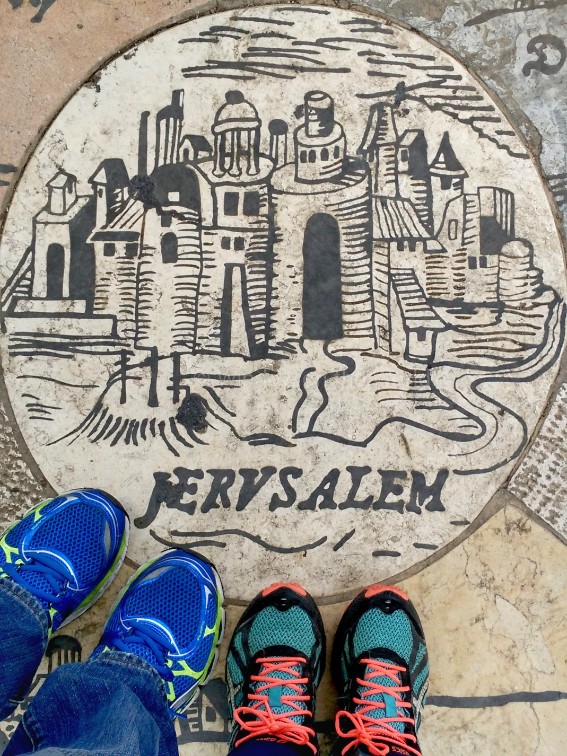
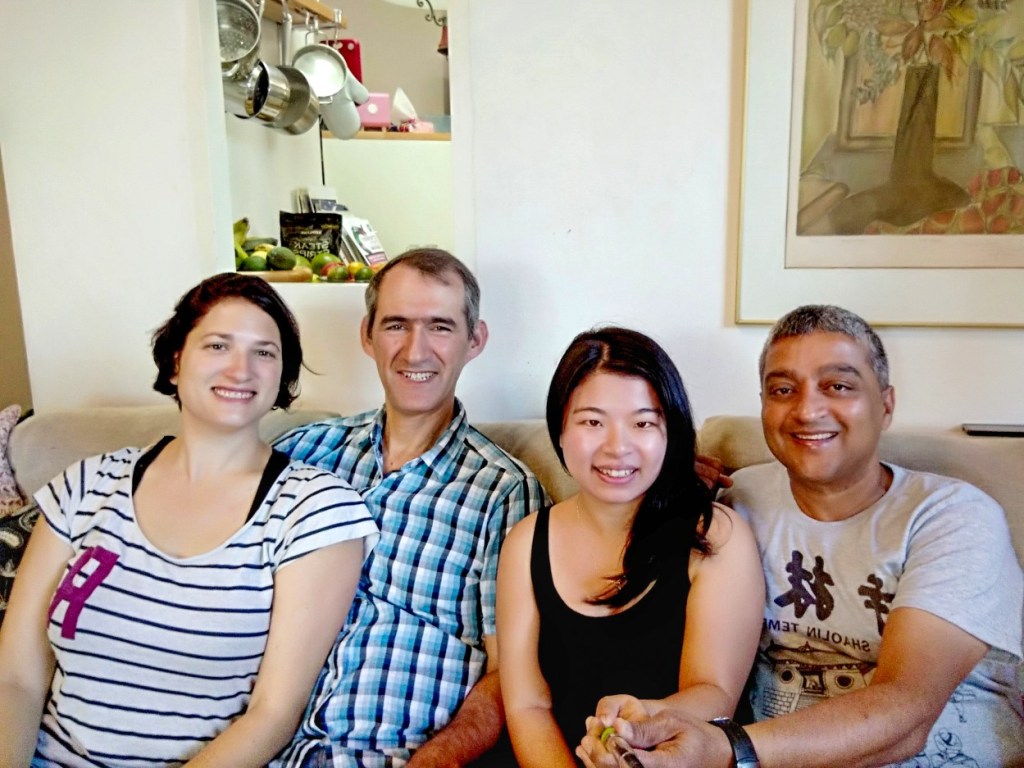
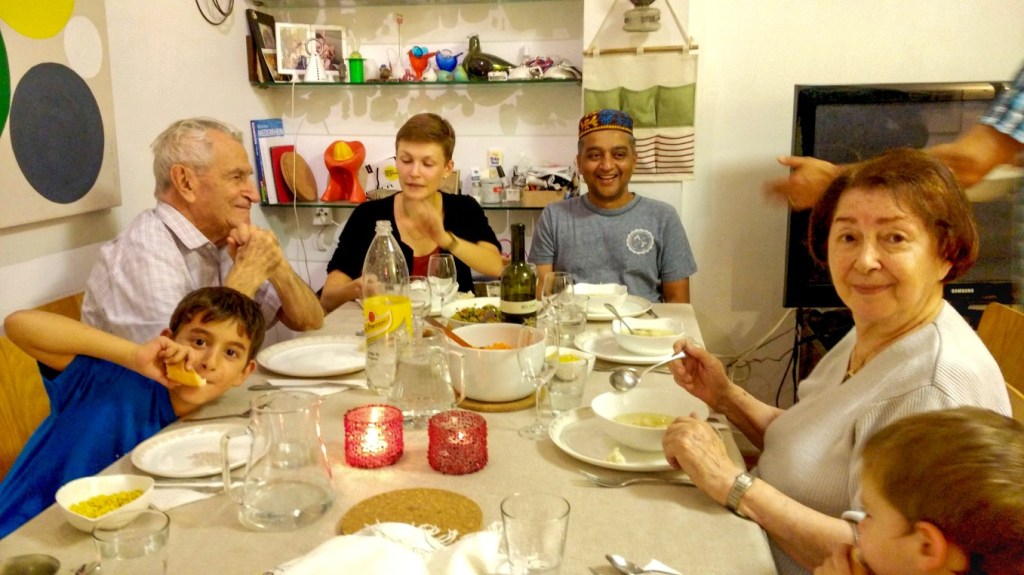
With my backpacking buddy, leaving Jordan for Israel, from the King Hussein Bridge border.The bus from the Israel border dropped us at the Damascus Gate in Palestinians area in the East Jerusalem.Welcome to Jerusalem! I will use this in my collection of Manhole covers.With our hosts in Jerusalem. Most wonderful and very hospitable family!My very first Sabbath dinner with a Jew (my host’s) family in Jerusalem. Life is beautiful!
The Muslim Quarter
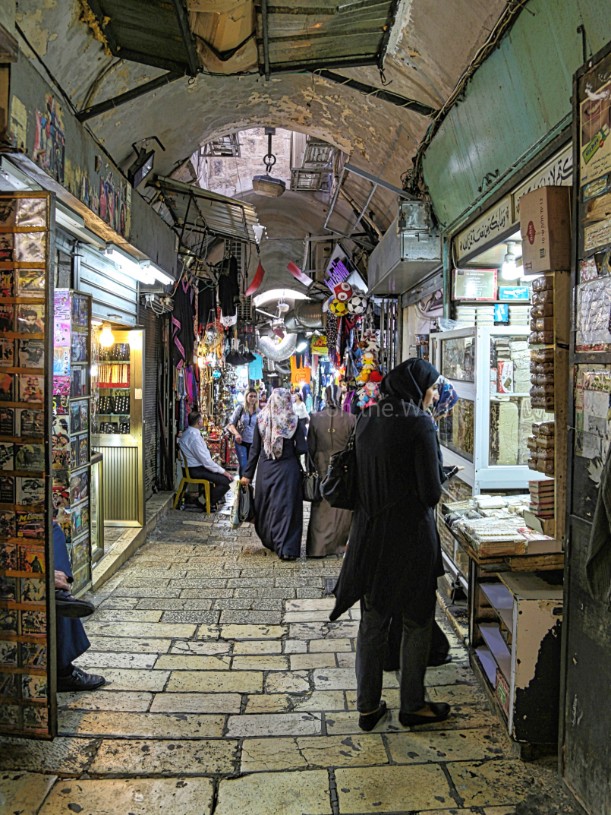
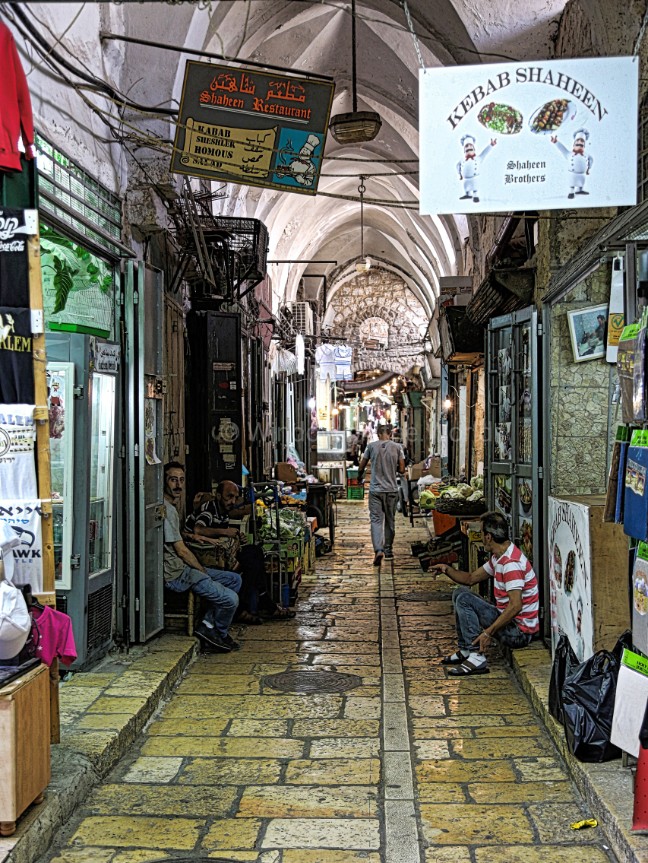
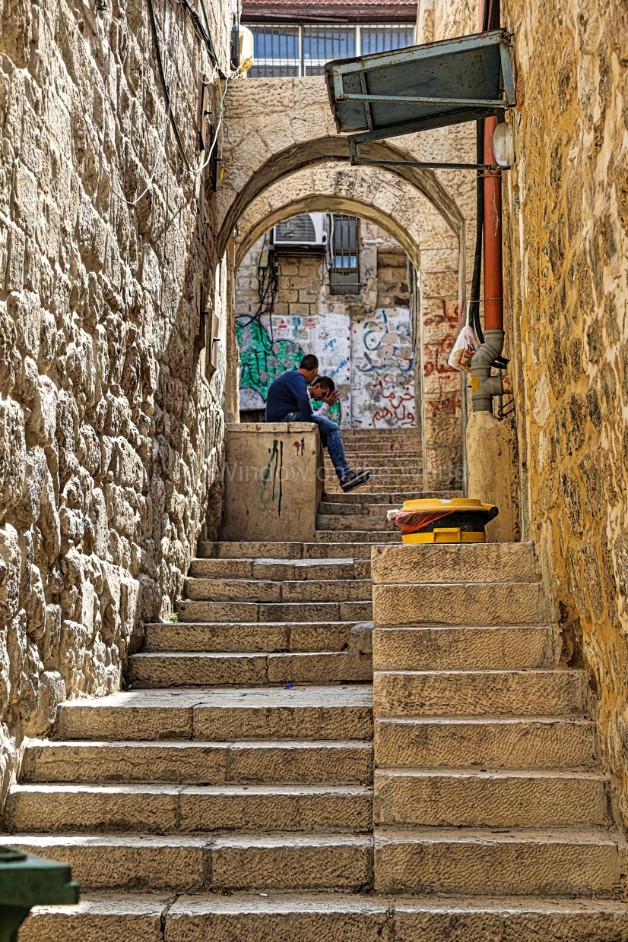
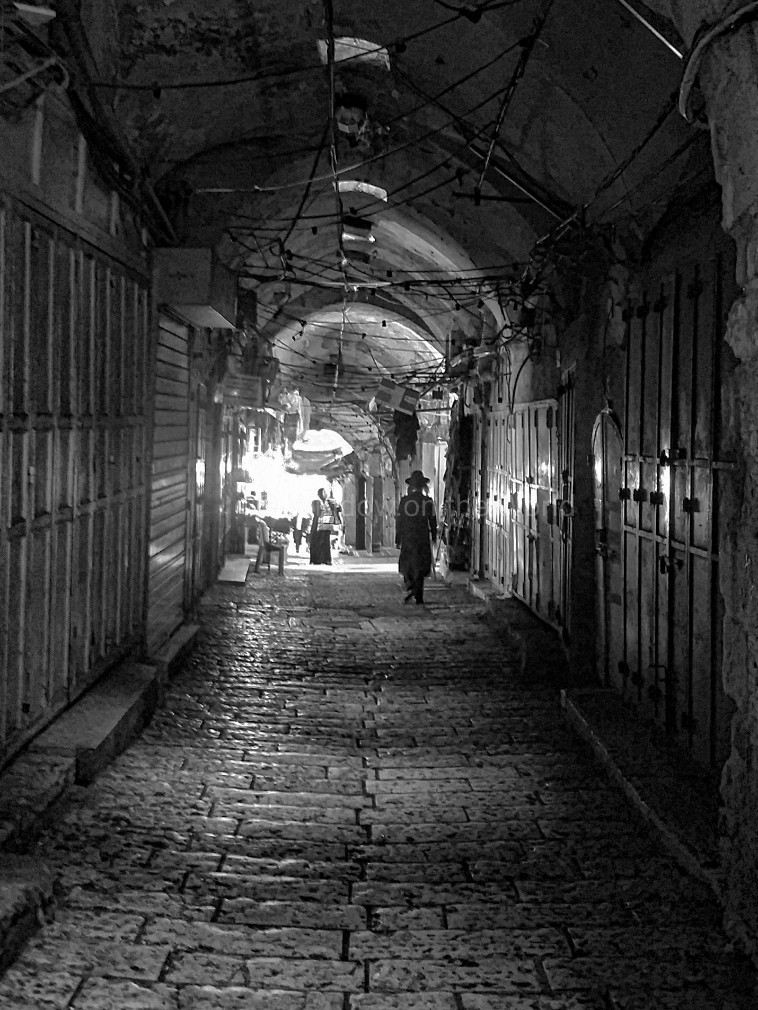
As we were dropped off at the Damascus Gate, we start exploring the Old City from the Muslim Quarter. The Muslim Quarter, in the northeaster sector of the Old City of Jerusalem, is the largest, most populous and most chaotic of all Jerusalem’s Quarters. Enter from Palestine via Damascus Gate, you are immediately in awe of this forte. Narrow cobbled stones streets will take you back to a simpler time. The “souq” has many vendors, restaurants, souvenir shops. The quarter has many historic landmarks; the major Muslim sites such as Al-Aqsa Mosque on Temple Mount are located within the Muslim Quarter, however; so are numerous Christian and Jewish sites as well. The Via Dolorosa and several Stations of the Cross start in the Muslim Quarter, but conclude at the Church of the Holy Sepulchre in the Christian Quarter.
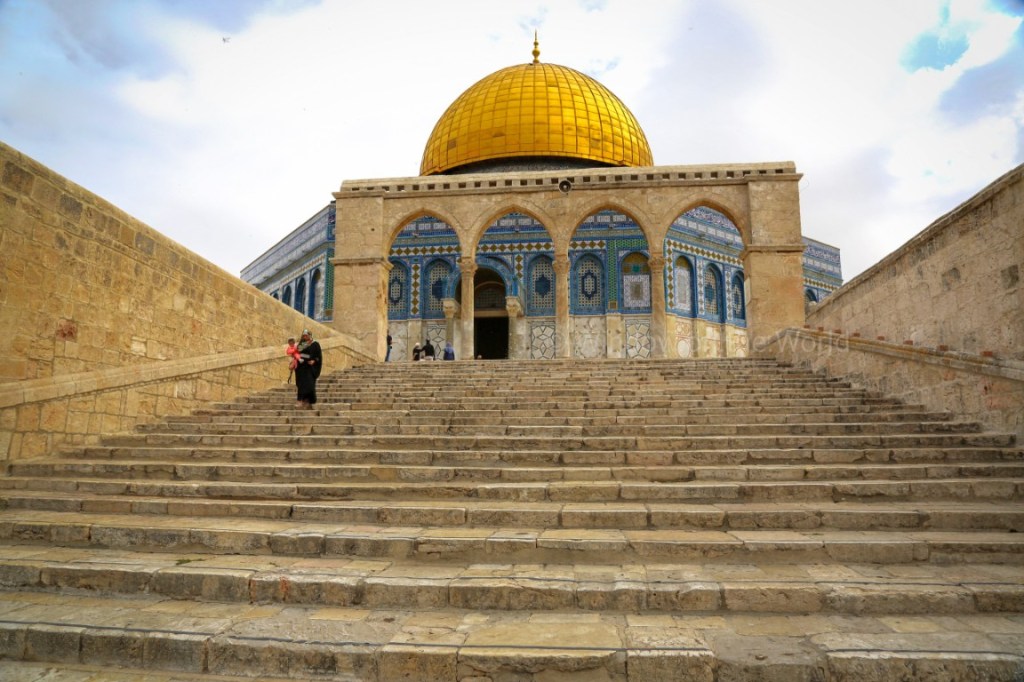
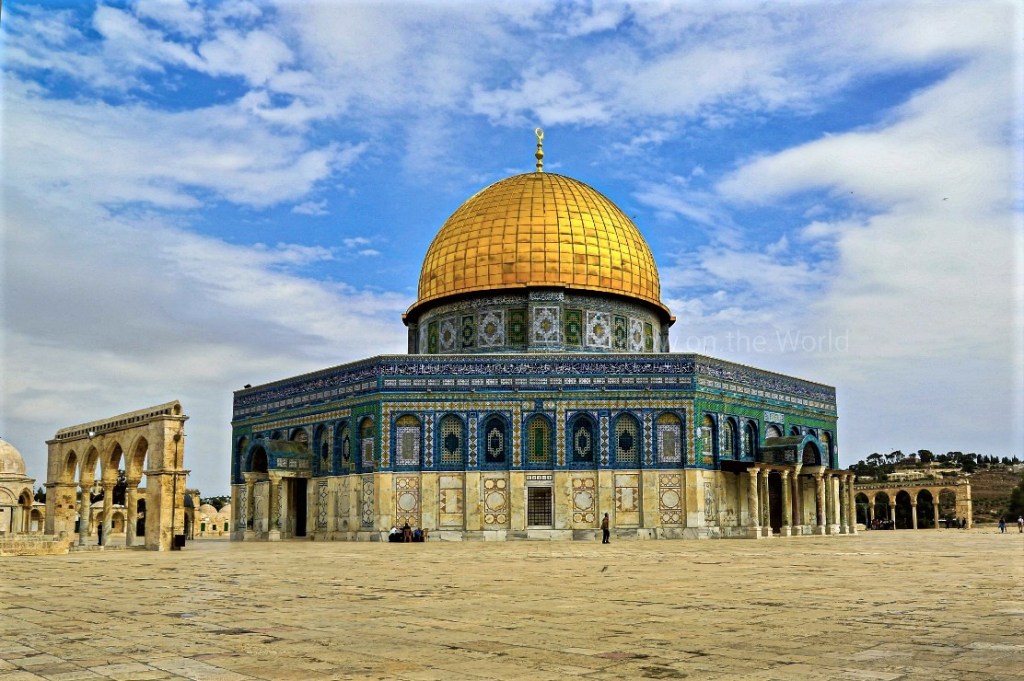
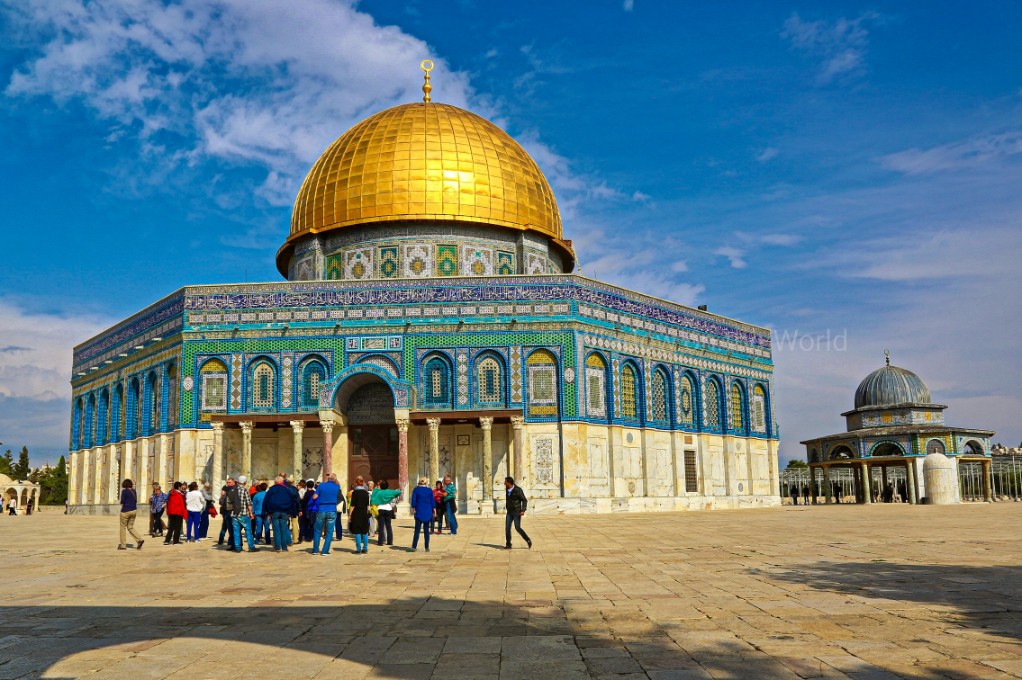
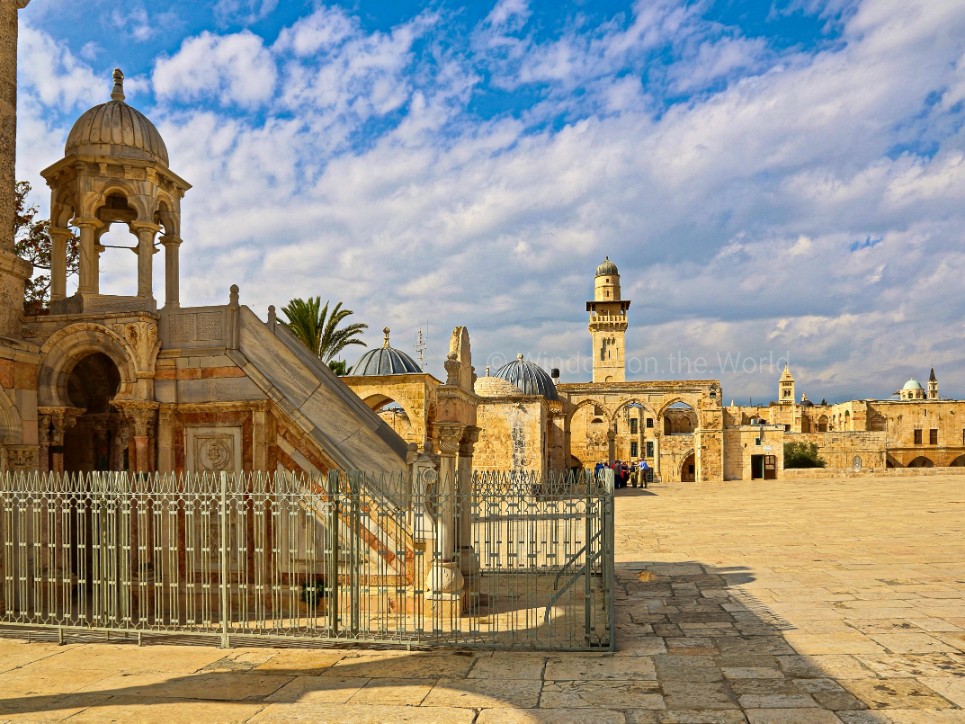
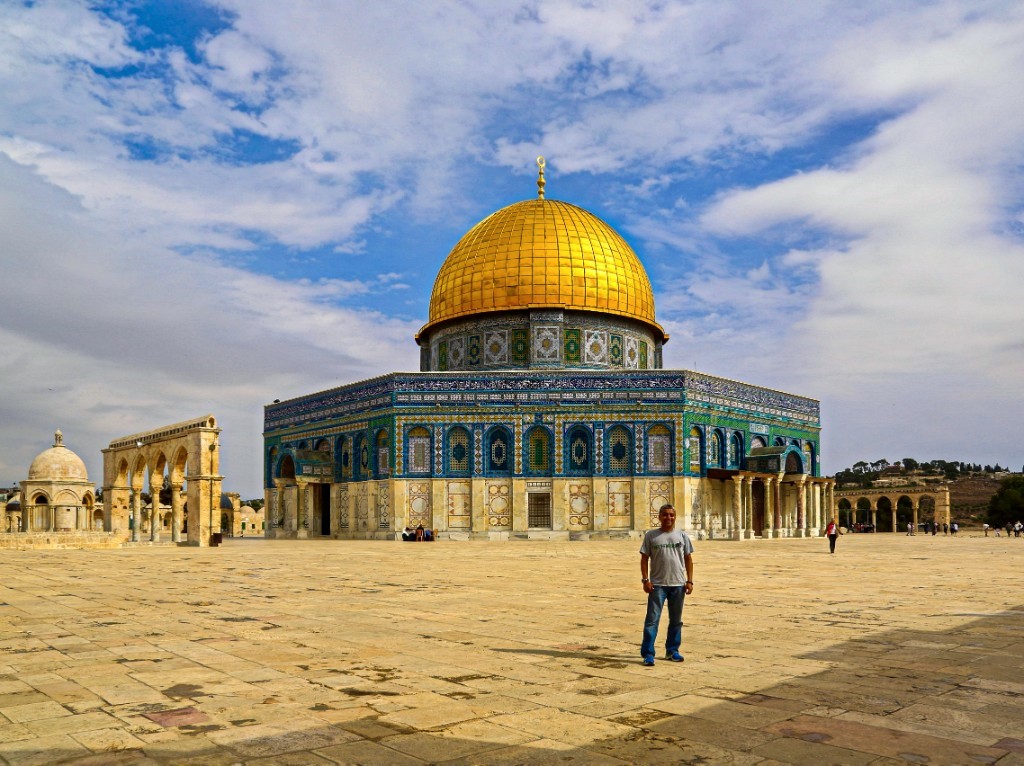
The Damascus Gate, an Ottoman-era plaza, which has been in its current form since 1537. It is the largest of the seven open gates to Jerusalem’s Old City, which lies in East Jerusalem. It opens onto the souq in the Muslim Quarter, the main market for Palestinians in the city – for everything from spices to home appliances.The souq (Bazaar, Market) in the Muslim Quarter for everything from spices to home appliances.The souq (Bazaar, Market) in the Muslim Quarter for everything from spices to home appliances.Steps to reach Al-Aqsa Mosque, “the Farthest Mosque”, the third holiest site in Islam.The Dome of the Rock, an Islamic shrine located on the Temple Mount in the Old City of Jerusalem, a site also known to Muslims as the al-Haram al-Sharif or the Al-Aqsa Mosque, “the Farthest Mosque”, the third holiest site in Islam. Muslims believe that Islamic Prophet Muhammad traveled from the Great Mosque of Mecca to this location during the Night Journey, and then ascended to heaven from what is now the Dome of the Rock shrine, a part of Al-Aqsa Mosque.
Designated by UNESCO as a World Heritage Site, it has been called “Jerusalem’s most recognizable landmark”. The Dome of the Rock currently sits in the middle, occupying or close to the area where the Holy Temple previously stood. In light of the dual claims of Judaism and Islam, it is one of the most contested religious sites in the world.
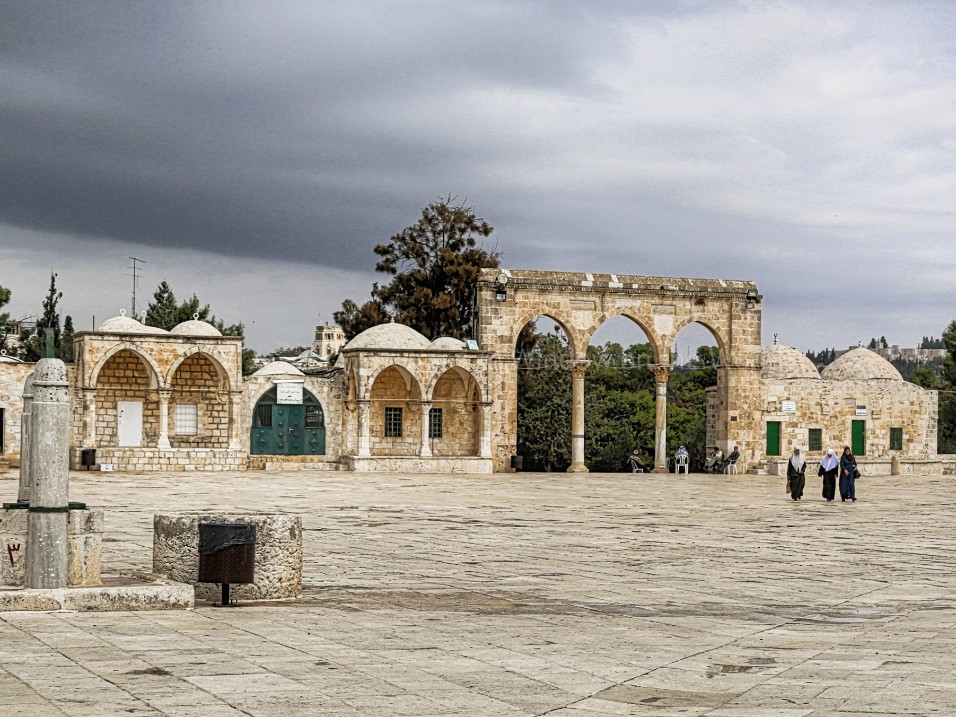
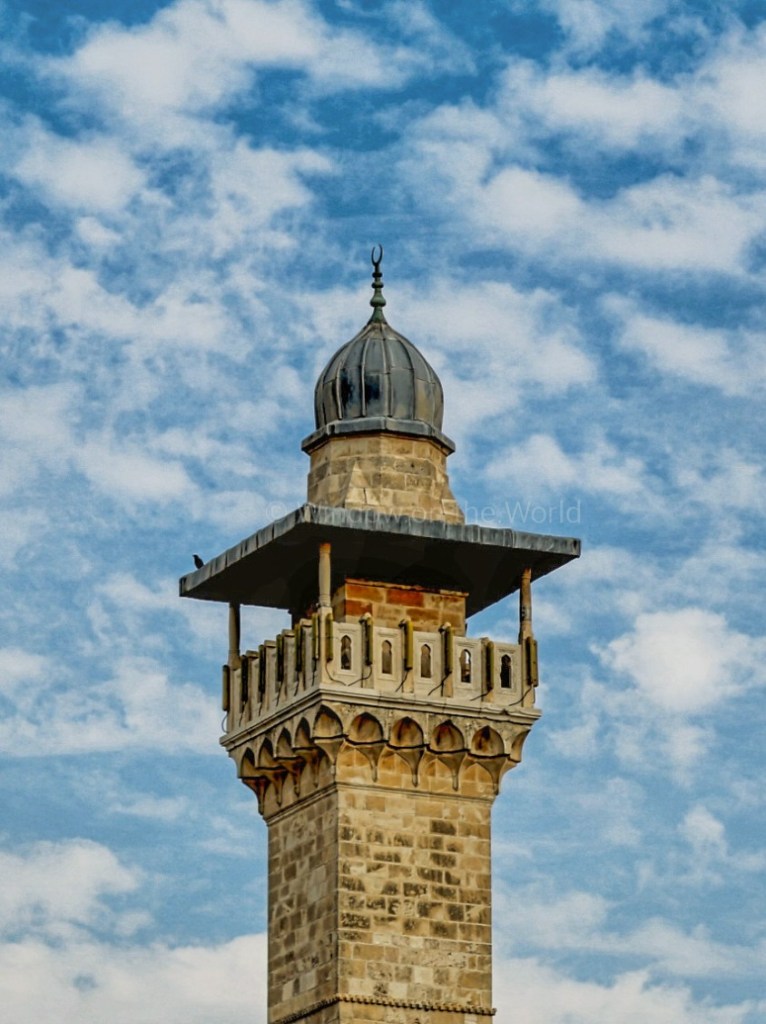
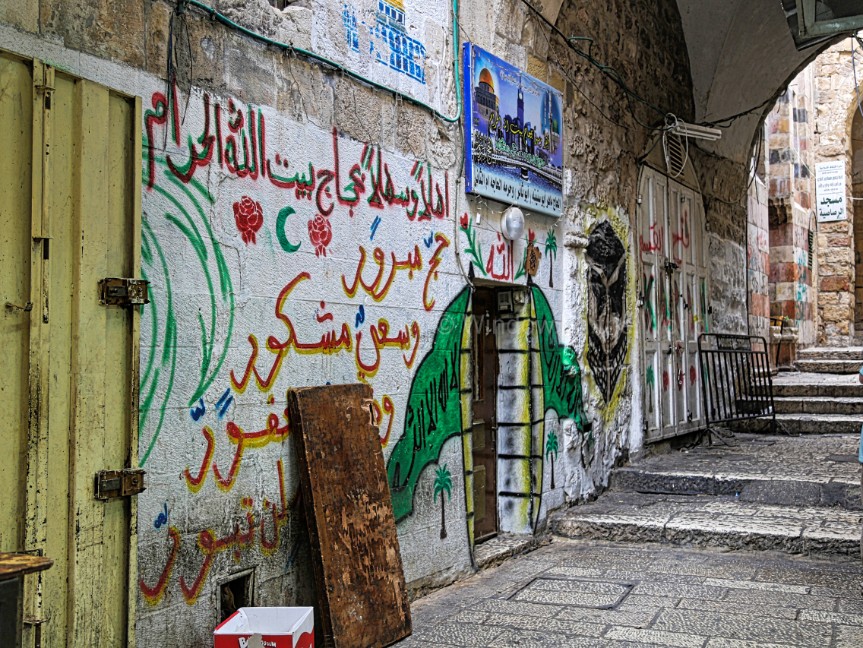
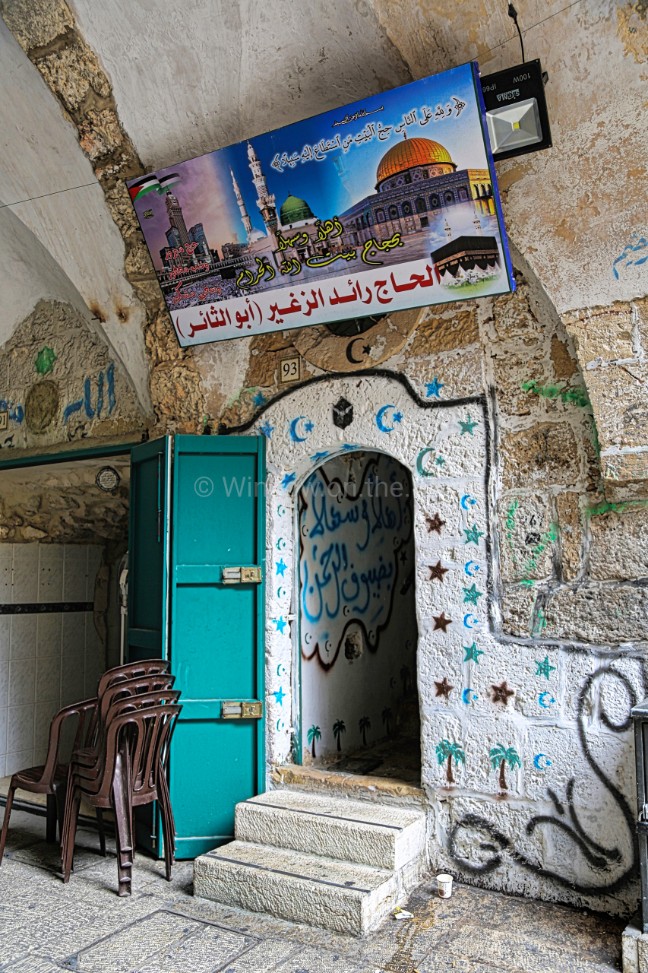
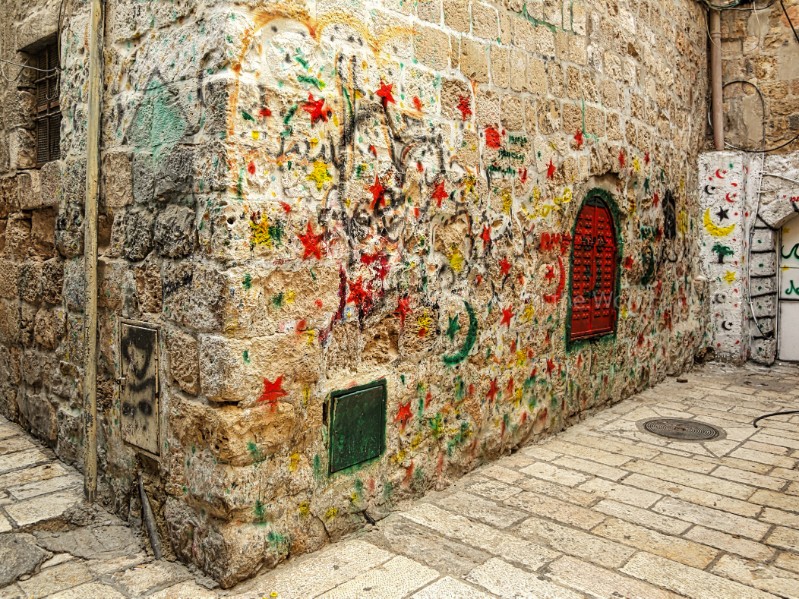
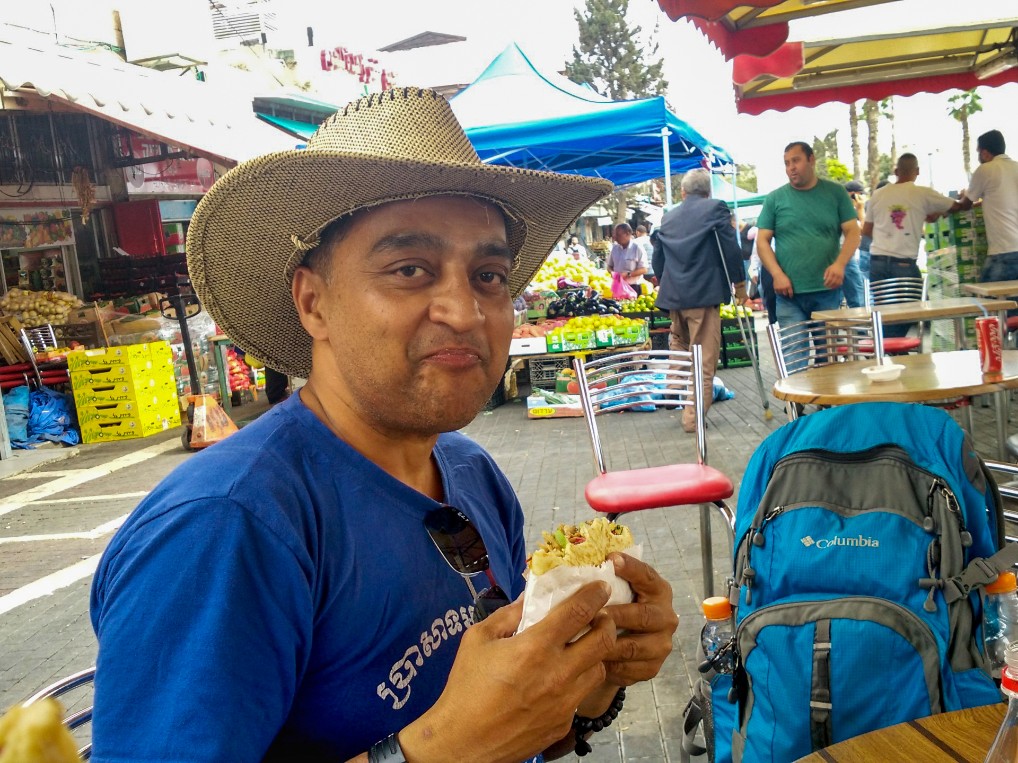
The Foundation Stone (or Noble Rock) that the temple was built over bears great significance in the Abrahamic religions as the place where God created the world as well as the first human, Adam. It is also believed to be the site where Abraham attempted to sacrifice his son, and as the place where God’s divine presence is manifested more than in any other place, towards which Jews turn during prayer. According to Jewish tradition and to the consensus theory in modern scholarship, the Holy of Holies stood directly on the Foundation Stone.The Al-Aqsa Compound.The Al-Aqsa Compound.Minarat al-Asbat, Minaret of the Tribes also known as the Minarat Israil, built in 1367, is one of the four minarets of the al-Haram al-Sharif, situated along the north wall.Wall arts in the Muslim Quarter.Local Arab establishment in the Muslim Quarter.Many graffities, you will notice that the Muslim Quarter is less well maintained compared to the Armenian and Jewish Quarters. Many graffities, you will notice that the Muslim Quarter is less well maintained compared to the Armenian and Jewish Quarters. At al-Aqsa Mosque (“the Farthest Mosque”), also known as al-Haram al-Sharif, the third holiest site in Islam.Go out of the Damascus Gate and you are in Palestine (East Jerusalem), you will definitely notice the difference, you will feel like you are in one of the Arabian country. Enjoying the best Shawarma (döner kebab) in Palestine.
The Christian Quarter
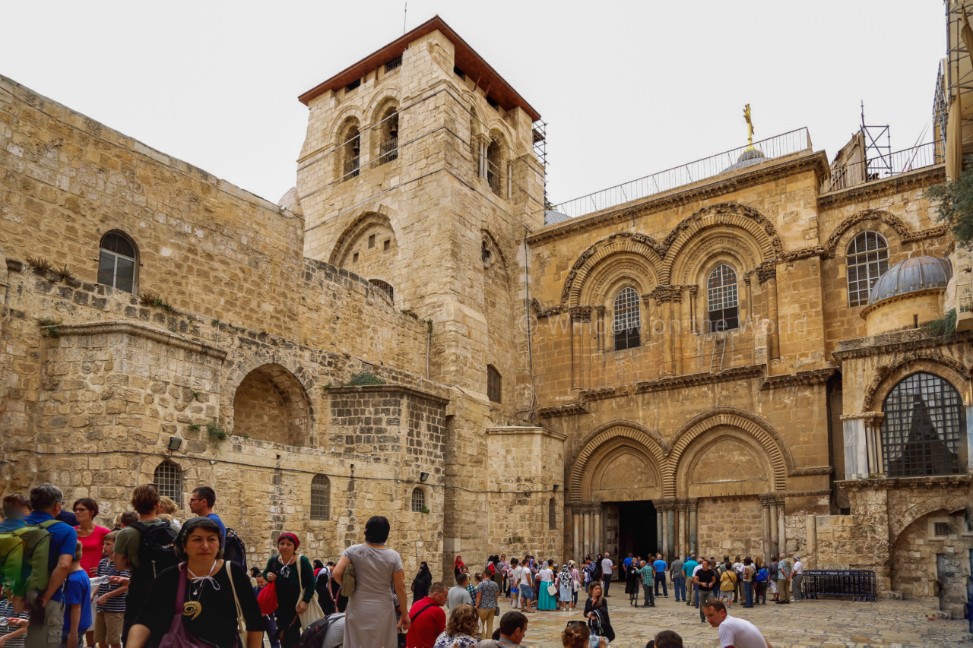
The ancient Christian Quarter centers on the 4th-century Church of the Holy Sepulchre, where millions of pilgrims visit holy sites such as the traditional site of Jesus Christ’s crucifixion and his tomb. The Christian Quarter is home to Christians of a number of denominations including Greek Orthodox, Eastern Orthodox, Roman Catholics and Ethiopian Christians. Most buildings in the Christian Quarter are religious, touristic, and educational in character.
The picture says it all.
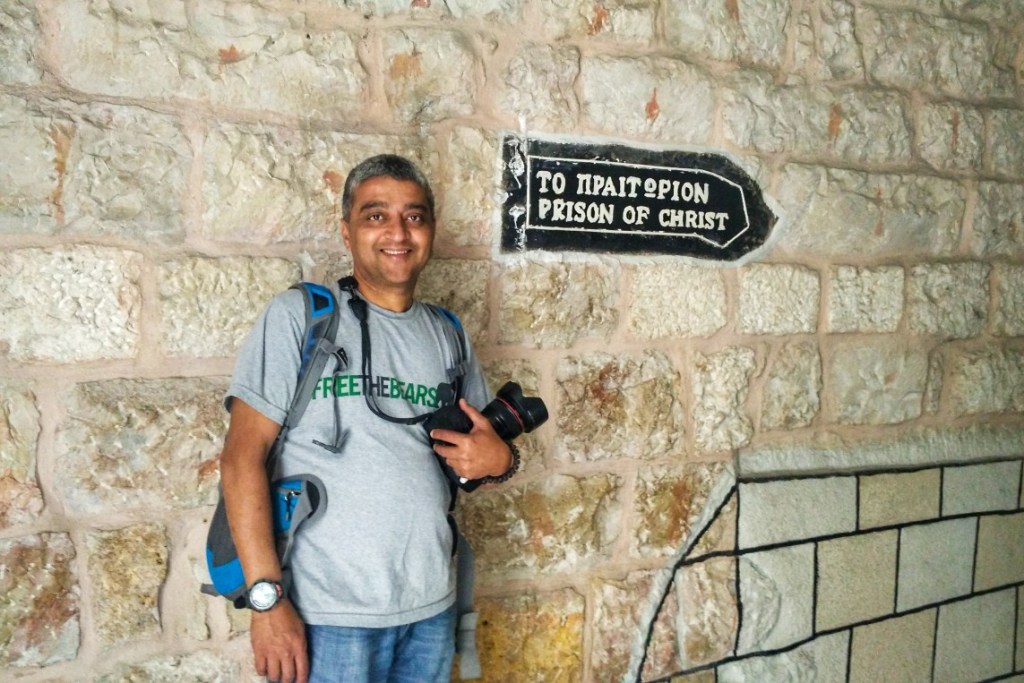
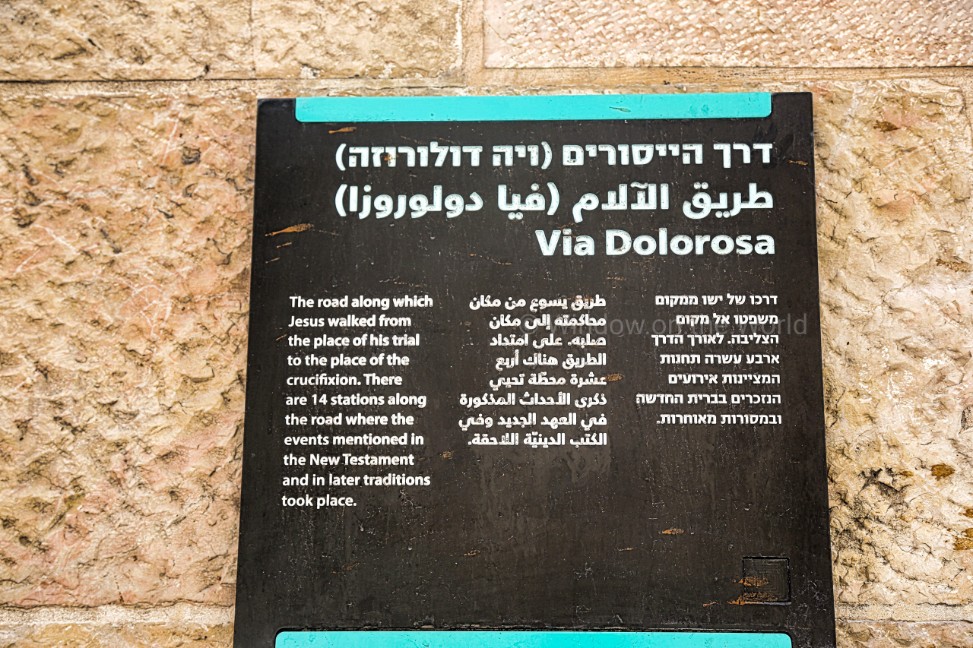
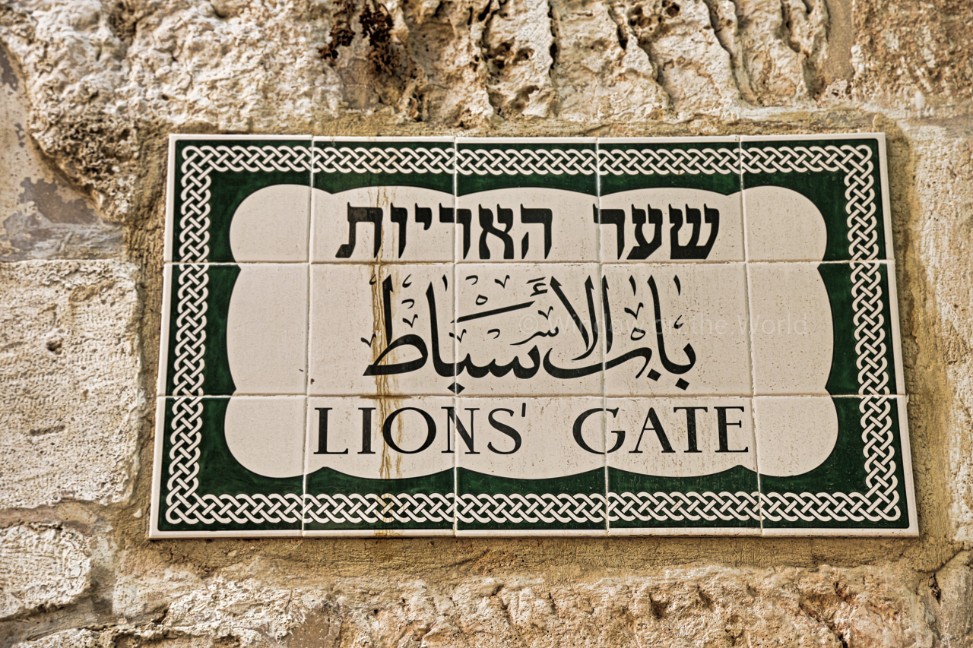
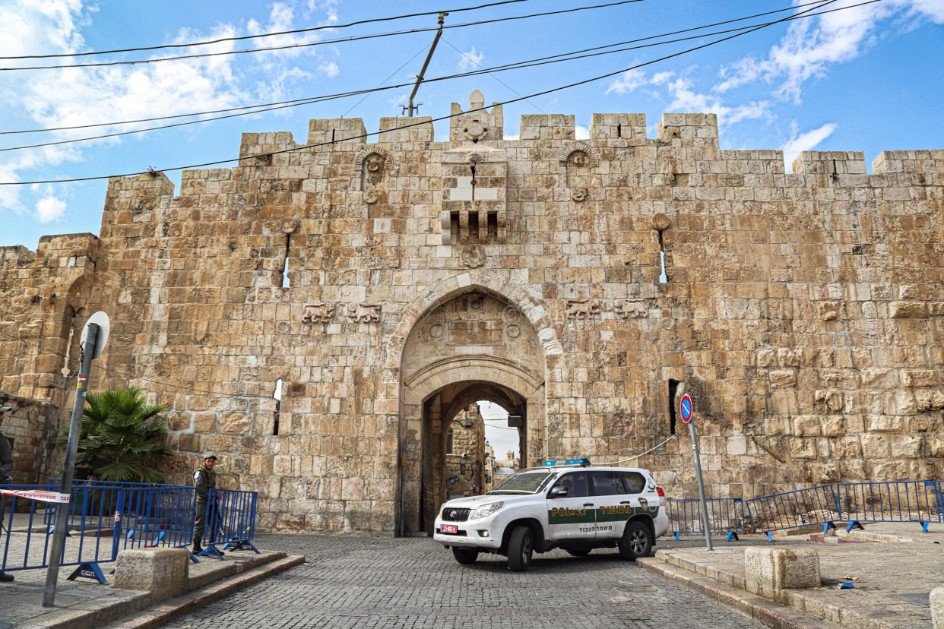
Via Dolorosa, the route Jesus would have taken, forced by the Roman soldiers, through the streets of Jerusalem from his condemnation to crucifixion. The traditional route starts just inside the Lions’ Gate in the Muslim Quarter and makes its way westward through the Old City to the Church of the Holy Sepulchre in the Christian Quarter. Though most part of the route is actually located in the Muslim Quarter, I have included here in the Christian Quarter section.
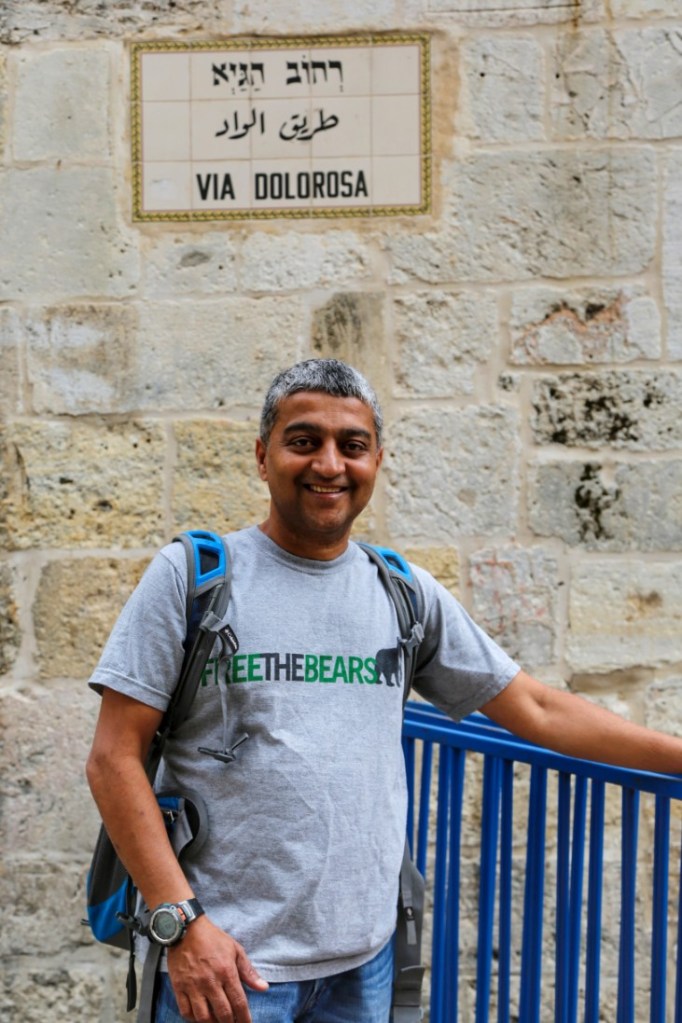
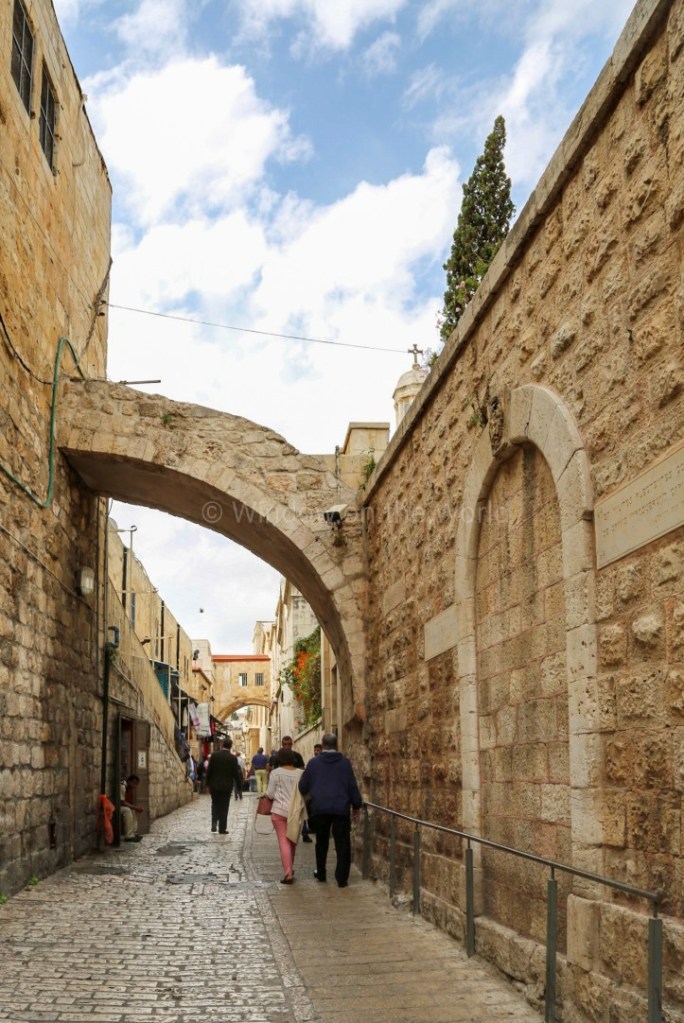
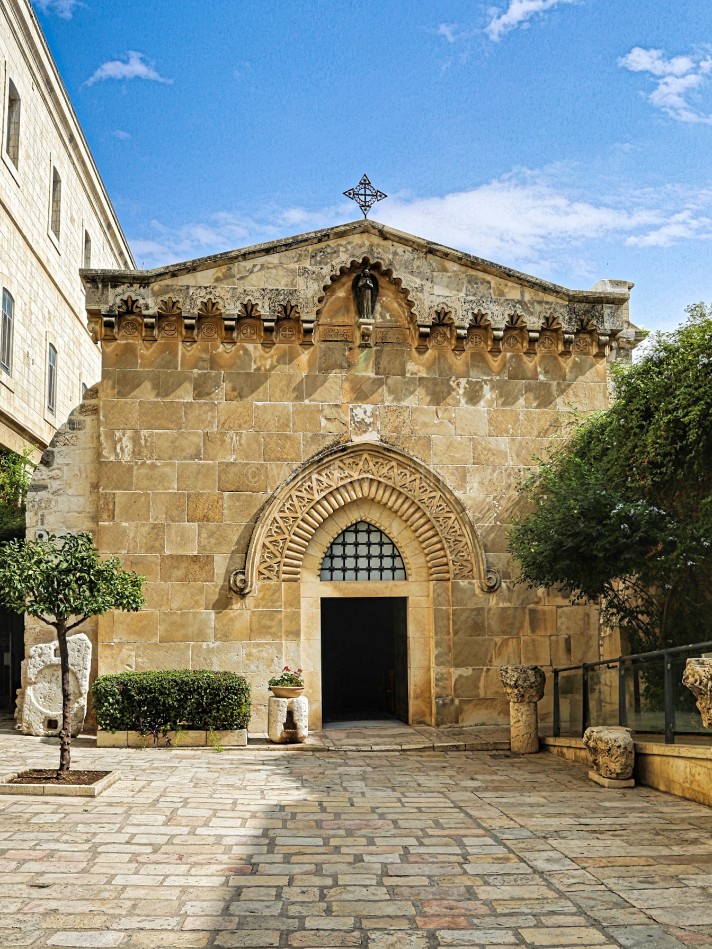
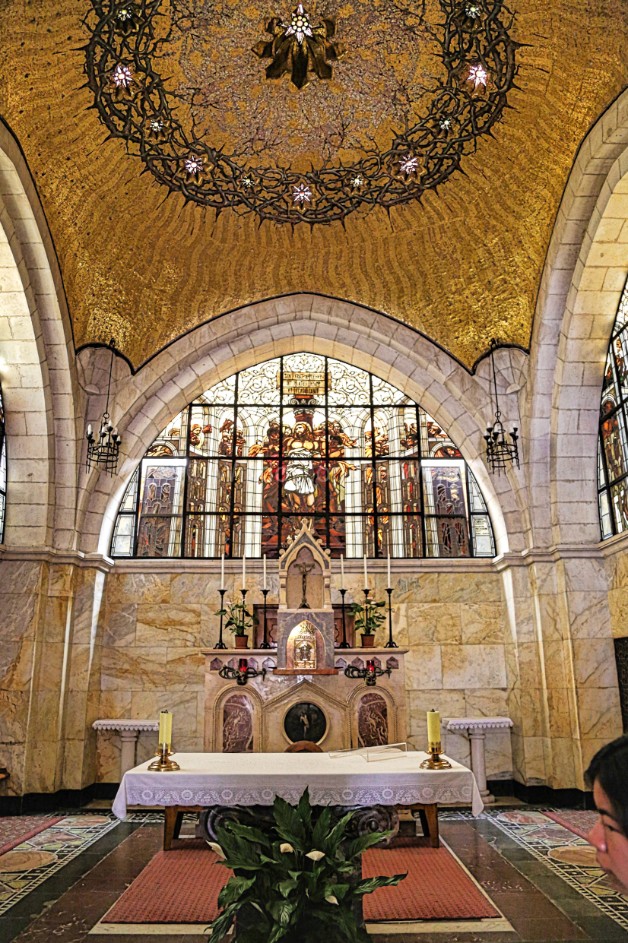
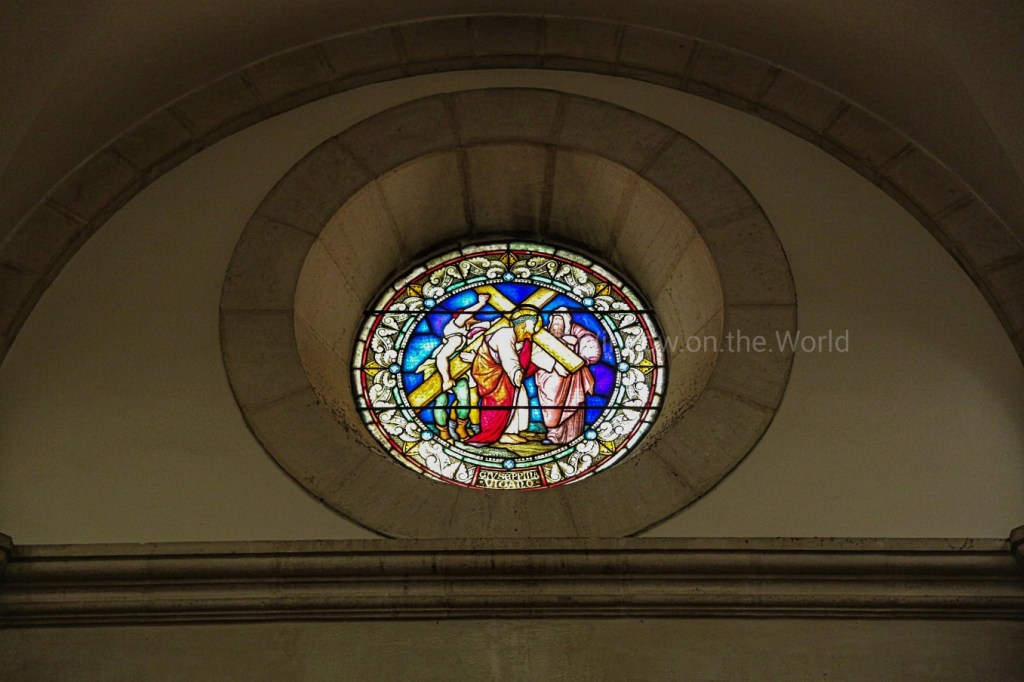
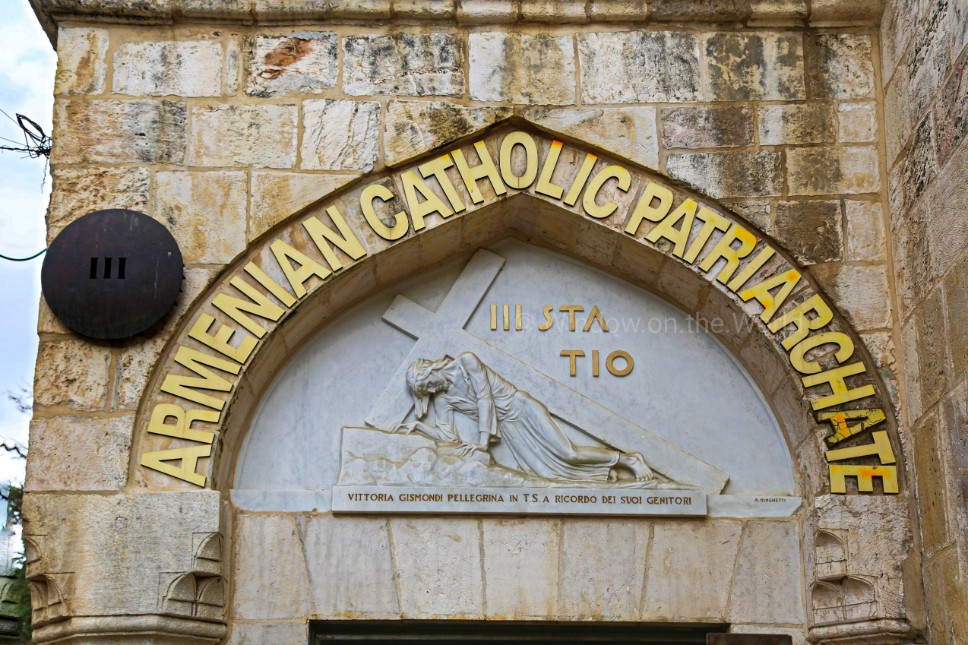
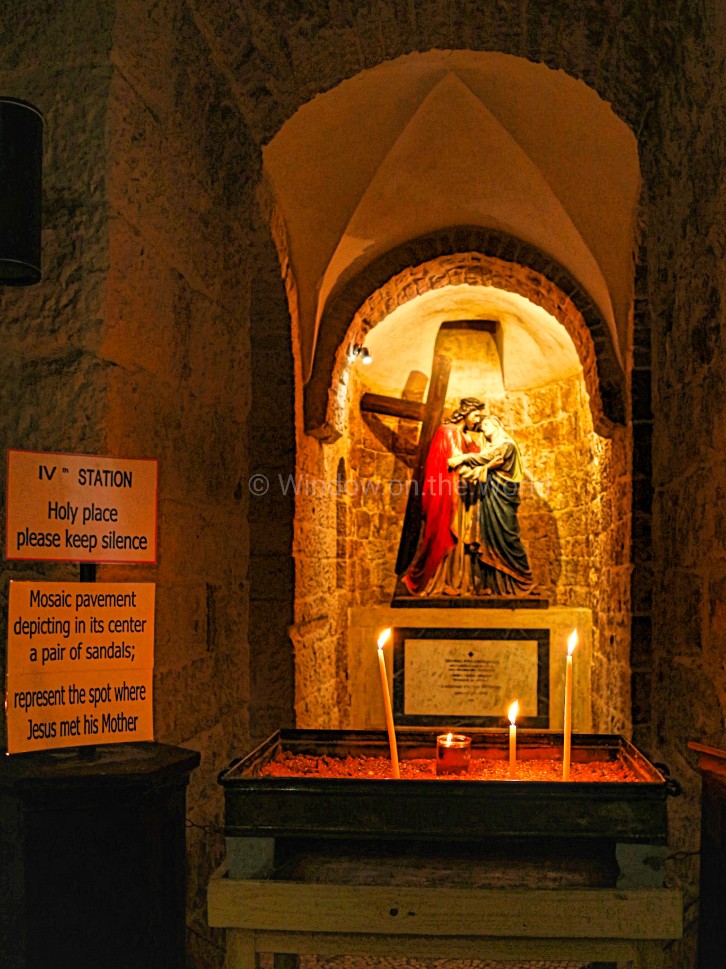
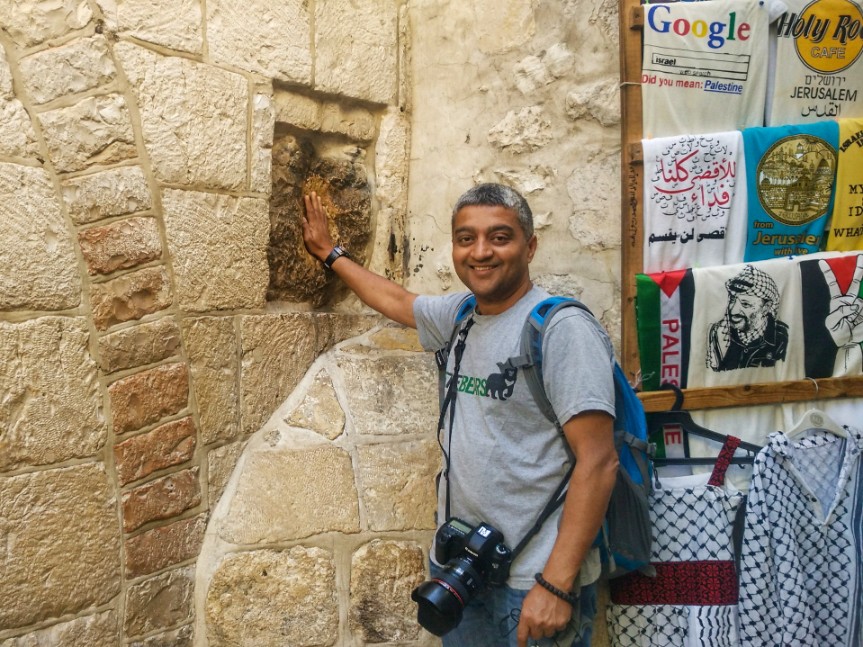
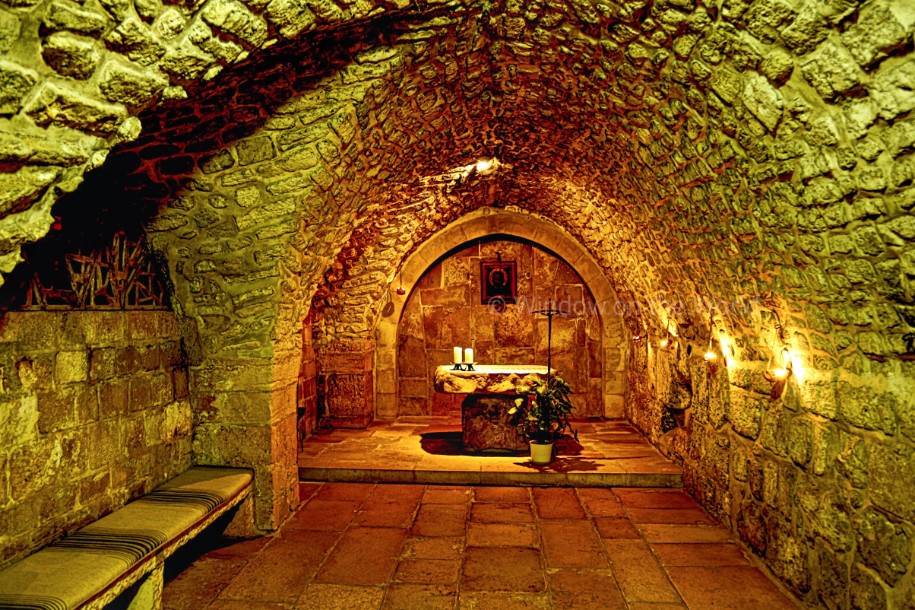
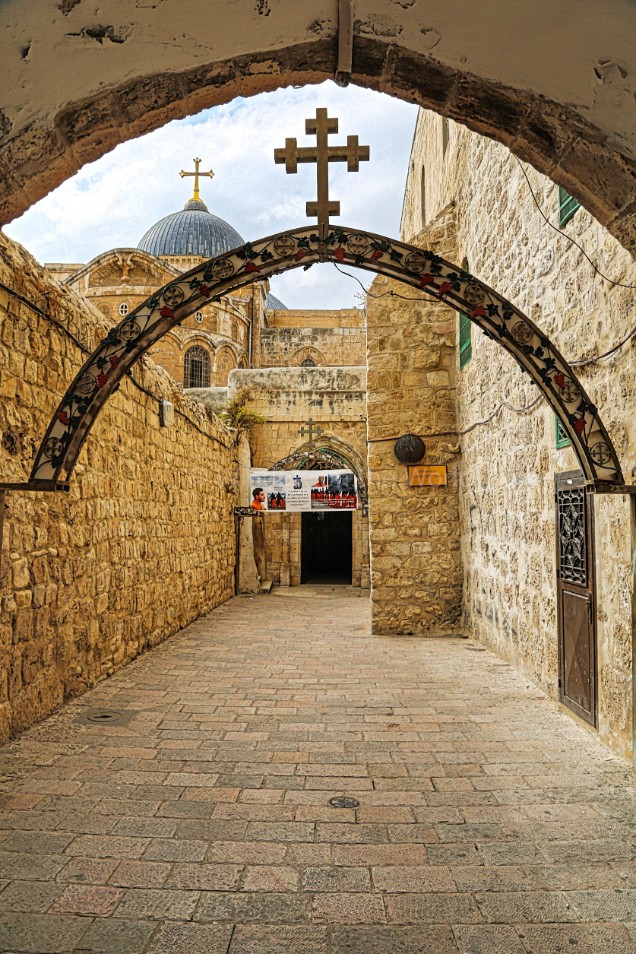
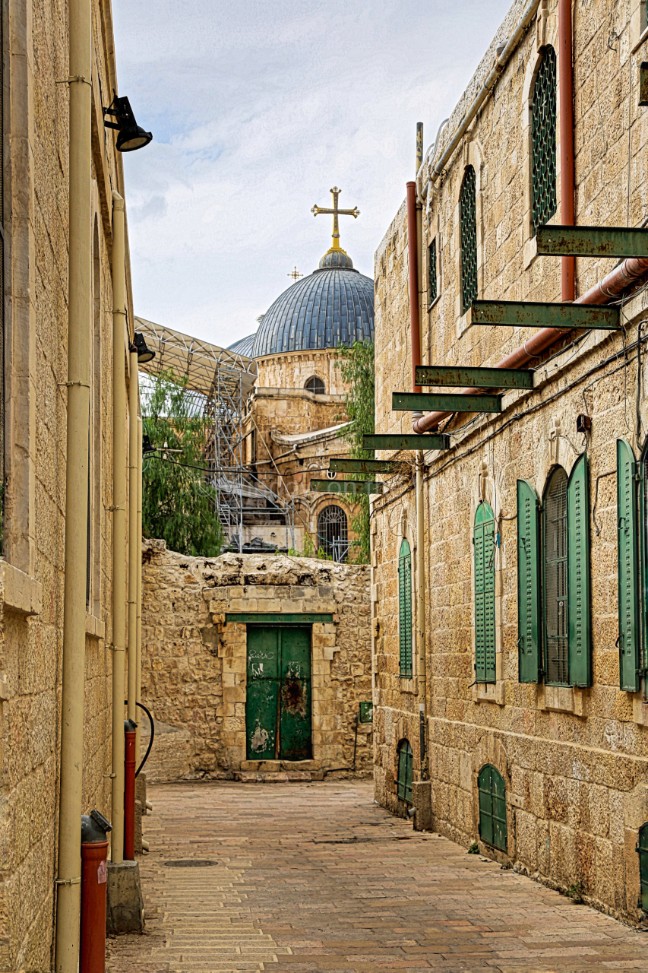
Last five stations are inside Church of the Holy Sepulchre. Street sign of Via Dolorosa, it is a route, collection of multiple streets. Via Dolorosa starts at the Lion’s Gate.The Lion’s Gate of the Old city of Jerusalem.The first station marks where Jesus was judged and sentenced to death in the Praetorium of Pontius Pilate, located near the Lions’ Gate of the Old City. A stone arch that crosses above the Via Dolorosa (the one in a background). It was here that Pilate presented Jesus to the crowds of onlookers.The Second Station of the Cross on the Via Dolorosa, where Jesus took up his cross and recalls his condemnation. Now the Church of the Flagellation, a Christian pilgrimage site located in the Muslim Quarter of the Old City of Jerusalem, near Lions Gate.Interior of the Church of the Flagellation.A stained glass window of Church of the Flagellation, showing Jesus carrying the Cross. The third station is where Jesus fell for the first time beneath the weight of his cross. Now Armenian Catholic Church. Above the church entrance is a relief depicting Jesus stumbling as he carries his cross.The fourth station marks where Mary watched as her son went by. The 19th century Armenian Church of Our Lady marks this station. Above the entrance to the church is an image of Jesus meeting his mother and inside you can see a beautiful 5th-century floor mosaic and wall paintings.At the fifth station, Roman soldiers instructed Simon of Cyrene to help Jesus carry his cross. They were approaching the final ascent up Crucifixion Hill and the soldiers saw that Jesus could no longer manage the cross alone. A small hollow in the stone wall at this station is said to hold the imprint left by Jesus and as he rested on the wall. The stone has been touched by pilgrims over the last 2,000 years making the stone smooth.The current sixth station of the Via Dolorosa commemorates legendary encounter between Jesus and Veronica. The Christian tradition recounts that Saint Veronica from Jerusalem encountered Jesus along the Via Dolorosa on the way to Calvary. When she paused to wipe the blood and sweat off his face with her veil, his image was imprinted on the cloth.The eighth station is where the “daughters of Jerusalem weep for Jesus”. Jesus paused here to console the lamenting women telling them not to weep for him. At the time of the crucifixion, this station would have been outside the walls of the city. Today the station is marked by a Greek Orthodox church dedicated to Saint Charalampos.By the ninth station, Jesus faltered for the third time before his final climb to Golgotha. Nearby is the Coptic Orthodox compound. A cross on a Roman column adjoined to the wall of the Coptic Patriarchate indicates the ninth station.The Church of the Holy Sepulchre, built in 4th century by Emperor Constantine’s mother Helena, encompassing the sites where Jesus was crucified, prepared for burial and laid to rest. It is the main attraction of the Christian Quarter; an opulent, historic site shared by several Christian denominations. The Sepulchre Church hums with activity, pilgrims, incense, hymns and religious ceremonies at all times of the day.
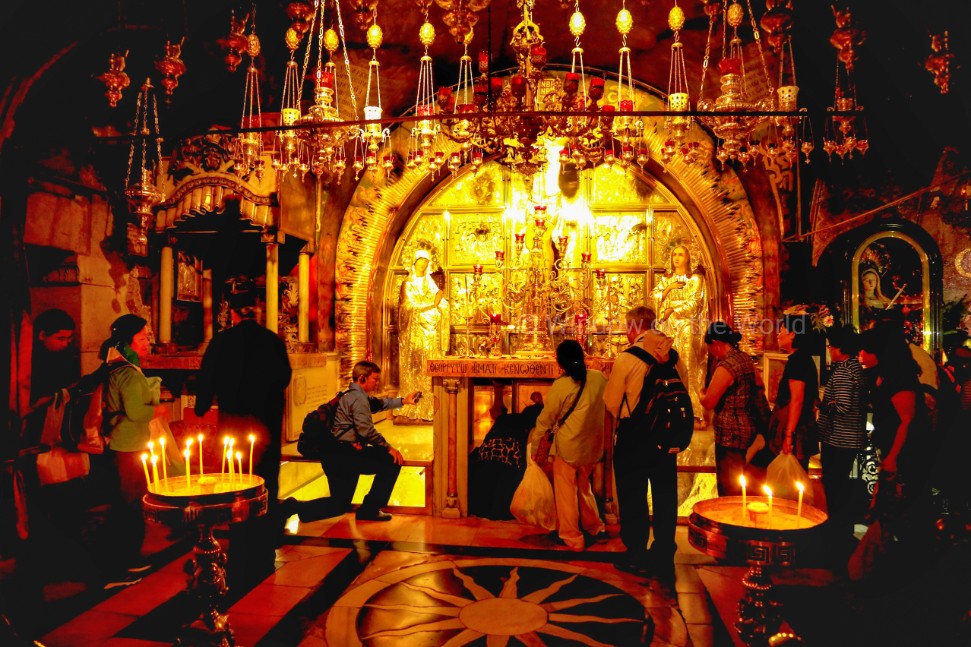
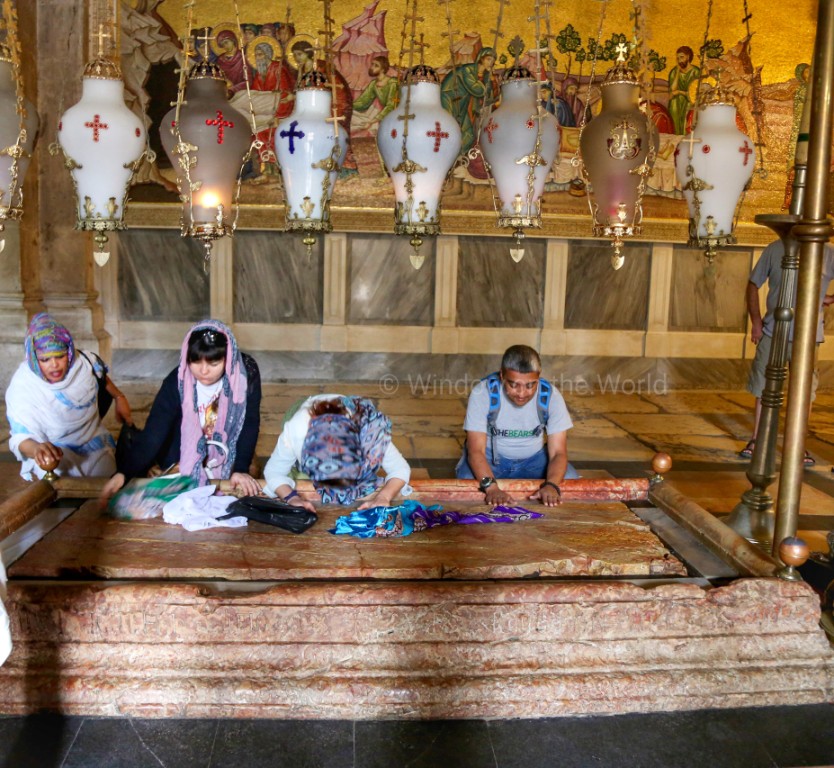
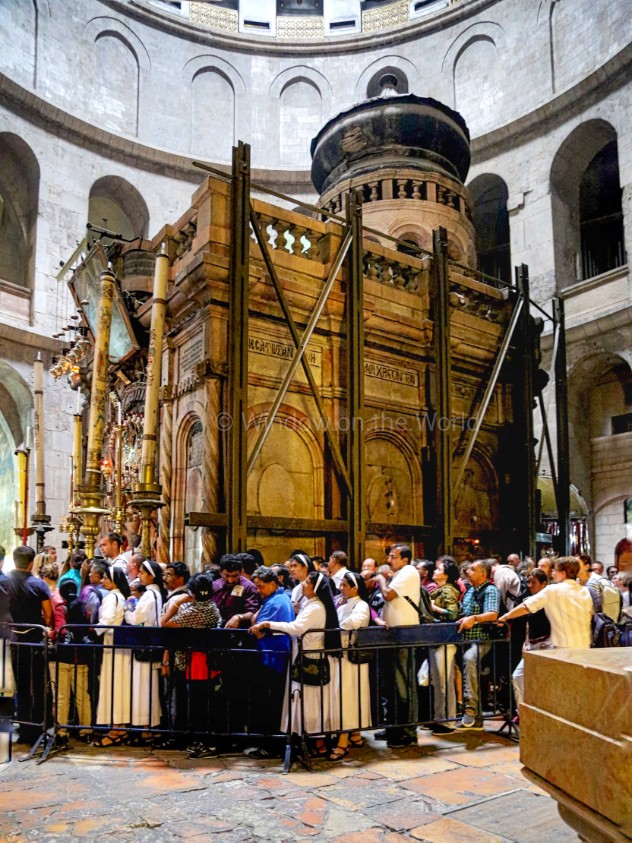
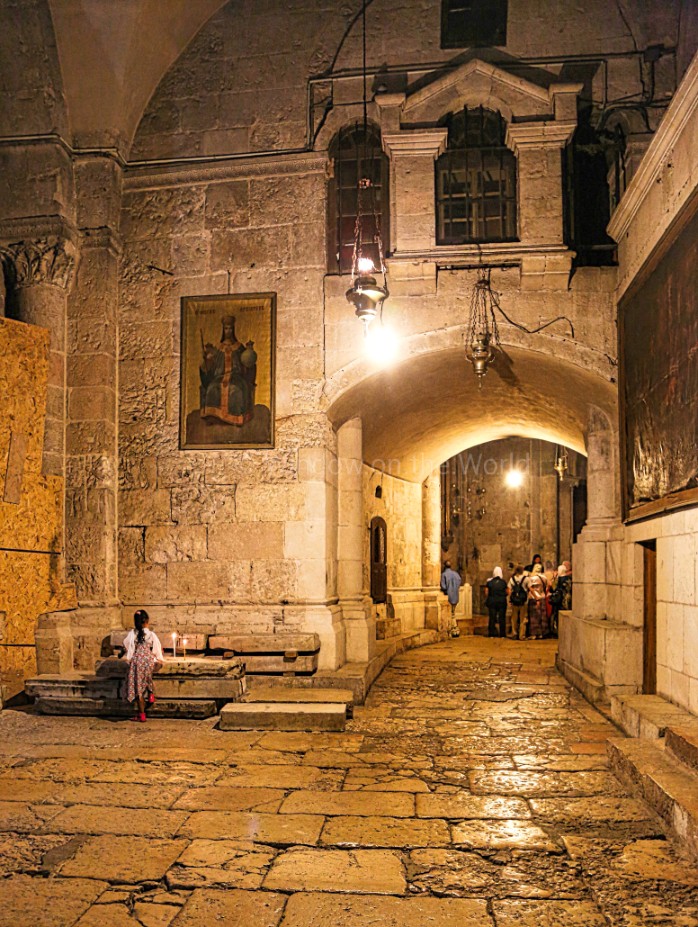
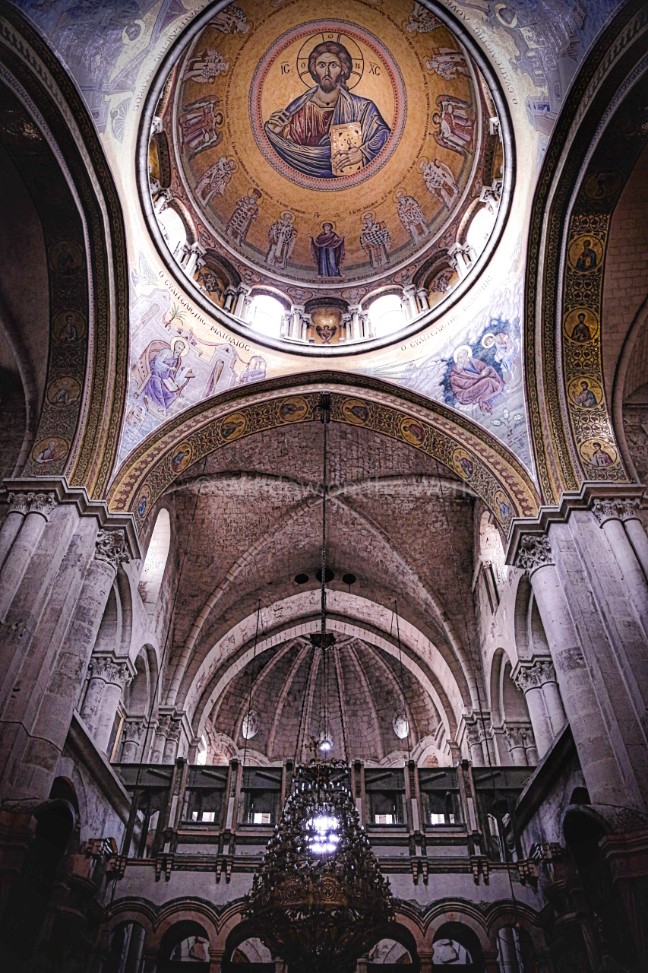
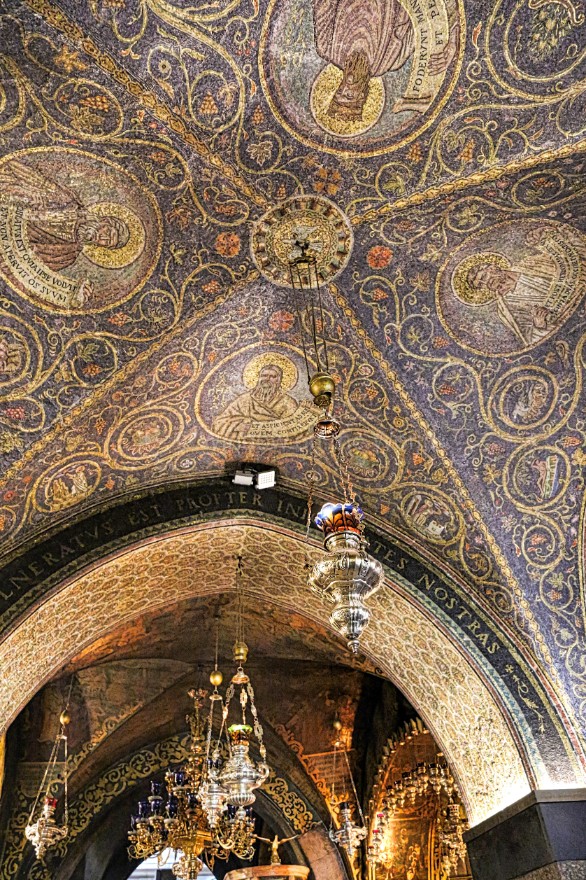
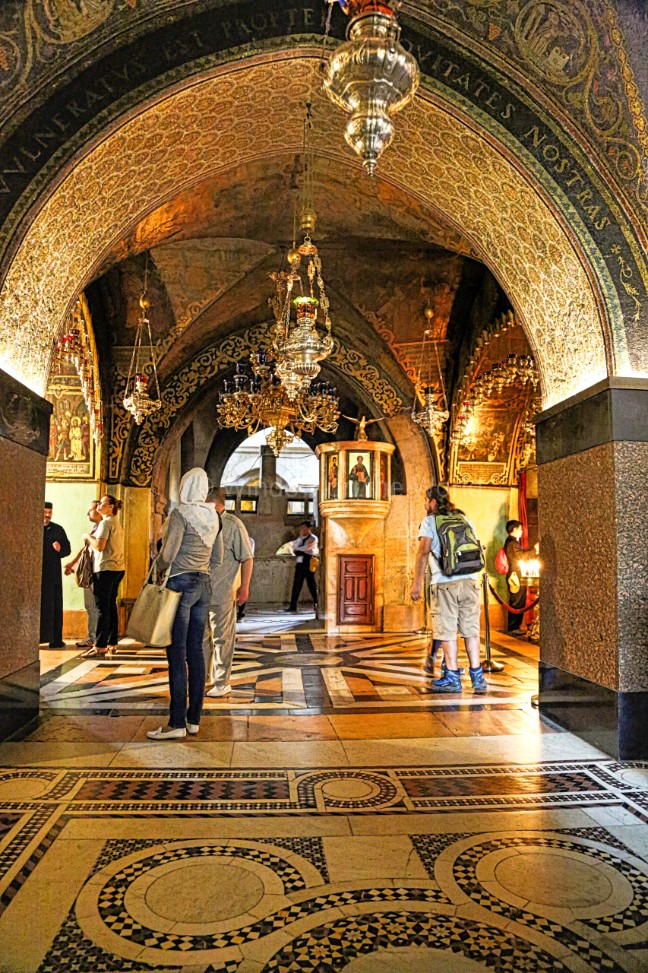
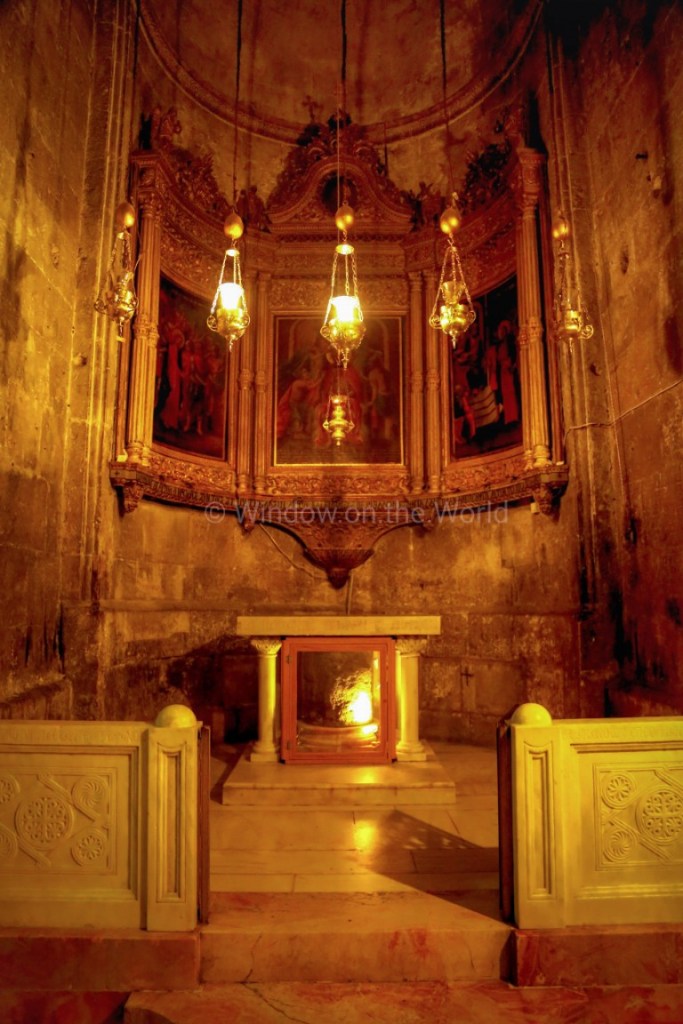
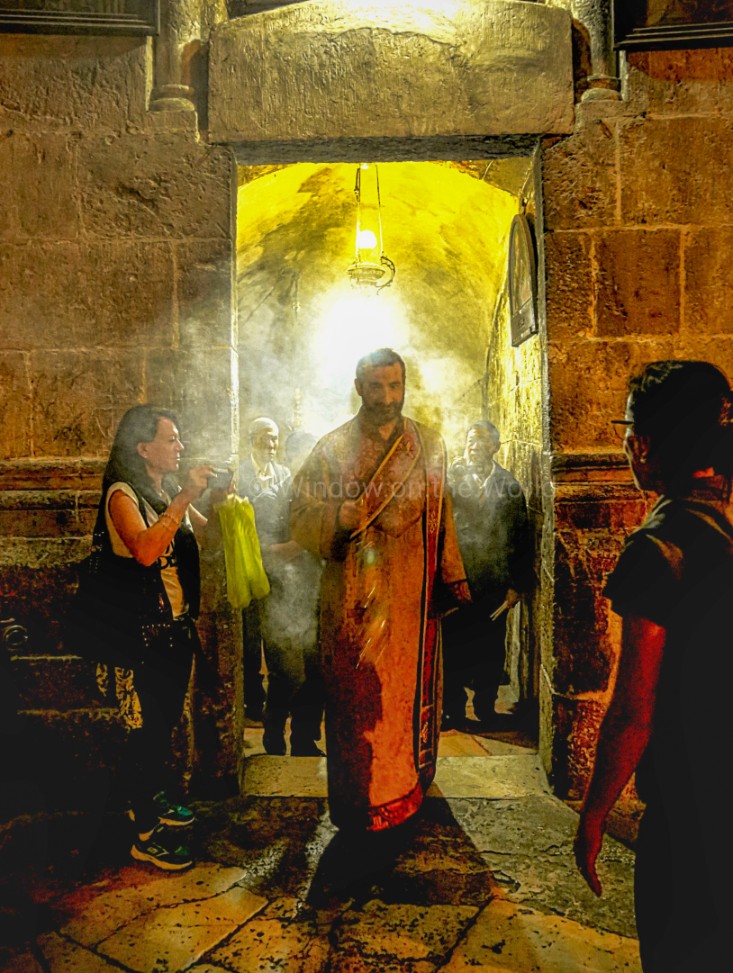
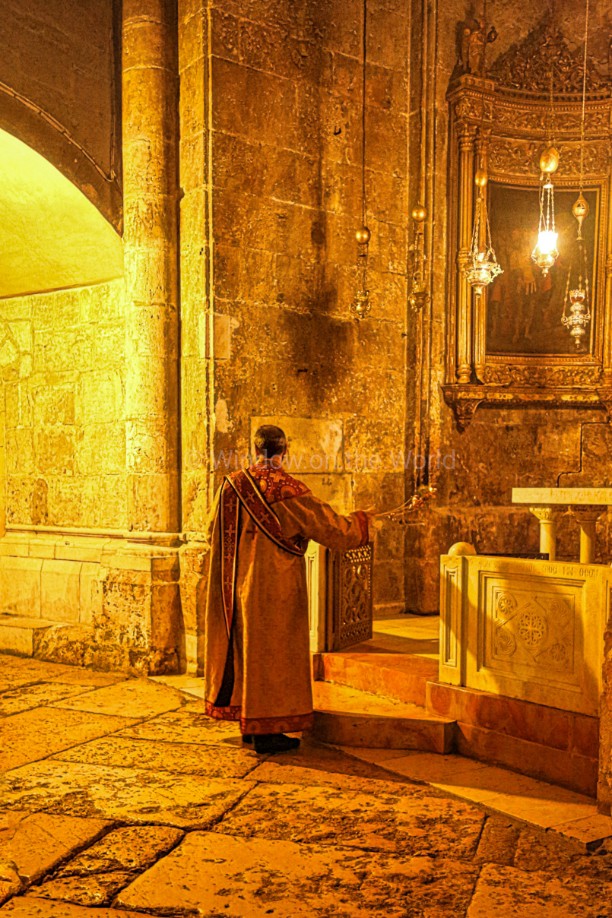
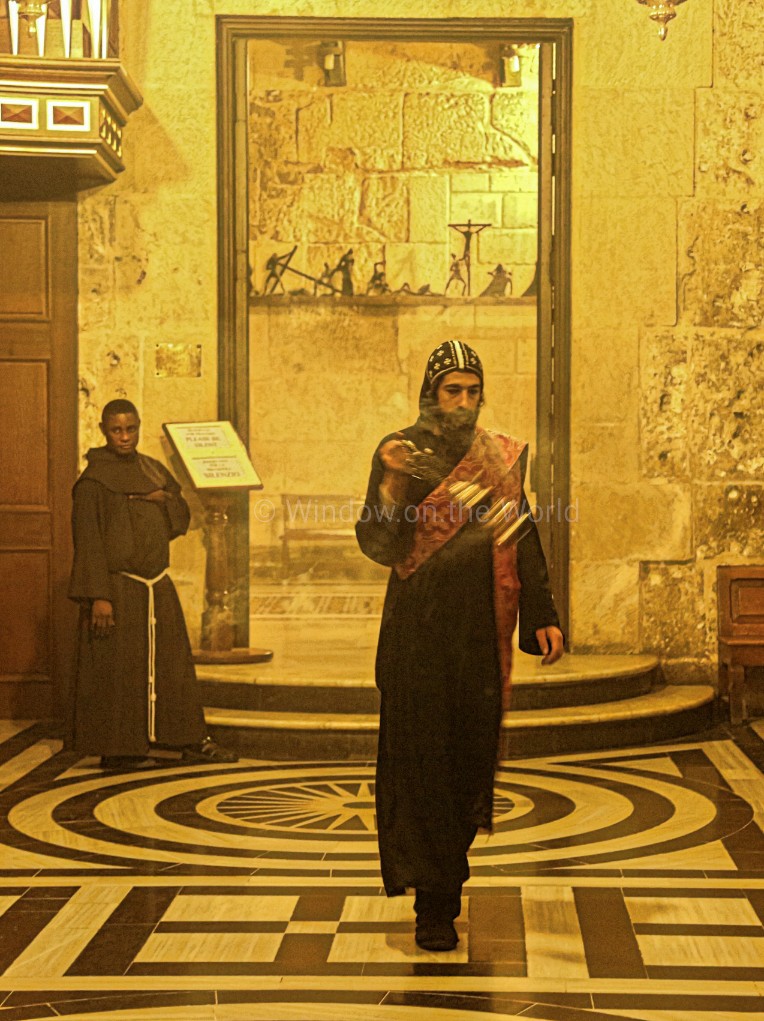
Two Muslim families entrusted with care of one of Christianity’s holiest sites for centuries. One family is the keyholder to the Church of the Holy Sepulchre, the second family takes key from the first and opens the door for the Christian faithful.12th Station, Jesus dies on the cross. A Greek altar is traditionally held to be the place of Golgota, the hill where Jesus was crucified and died. Beneath the altar you can see a silver disk with a hole in the middle marking where the cross would have stood.The thirteenth station is one of the first things you see as you enter the Church of the Holy Sepulchre. The station is marked by a slab of stone (The Stone of Anointment) believed to have been where Jesus was laid out after being removed from the cross. Here he would have been prepared for burial.The 14th Station of the Cross – The Tomb of Christ, the Holiest site in Christendom that lies at the heart of the Church of the Holy Sepulchre. It was here that Jesus was buried and resurrected three days after his death. This small rectangular structure (Aedicule) marks the end of the Via Dolorosa.Inside of the Holy Sepulchre.The walls and ceiling of The Chapel of Golgotha are heavily decorated with mosaics, icons, sanctuary lamps and liturgical riches.The walls and ceiling of The Chapel of Golgotha are heavily decorated with mosaics, icons, sanctuary lamps and liturgical riches.The Chapel of Golgotha: The floor is covered with marble and mosaics while the walls and ceiling are heavily decorated with mosaics, icons, sanctuary lamps and liturgical riches.The Chapel of the Derision (Greek Orthodox), which commemorates the mocking of Jesus by the Roman soldiers. Located under the altar, is a fragment of the column where Christ supposedly sat to be crowned with thorns.The Sepulchre Church hums with activity, pilgrims, incense, hymns and religious ceremonies at all times of the day. The Sepulchre Church hums with activity, pilgrims, incense, hymns and religious ceremonies at all times of the day. The Sepulchre Church hums with activity, pilgrims, incense, hymns and religious ceremonies at all times of the day. Dei res-Sultan Ethiopian Church ; the Ethiopian Christians have been a part of Jerusalem since the 4th century, this church which is situated on the roof of the Church of the Holy Sepulchre, was the only Ethiopian church in the city until 1888.
The Armenian Quarter
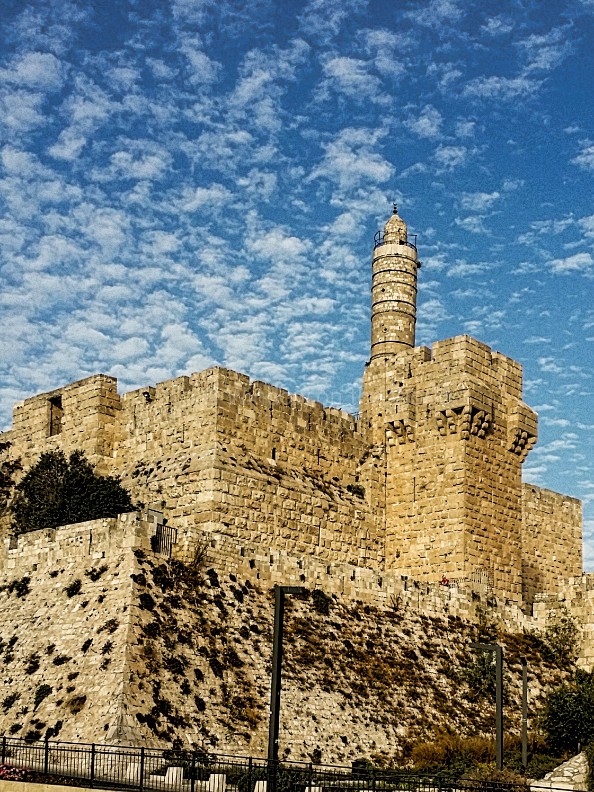
The Armenian Quarter is also Christian, but distinctly Eastern Christianity; it is in the southwest corner of the Old City. It is the smallest quarter, but contains the Zion Gate, and south of this gate is the historic Mount Zion. The Armenian Quarter contains the Tower of David, a late First Temple era fortification, and an Armenian Orthodox cathedral, monastery, and museum.
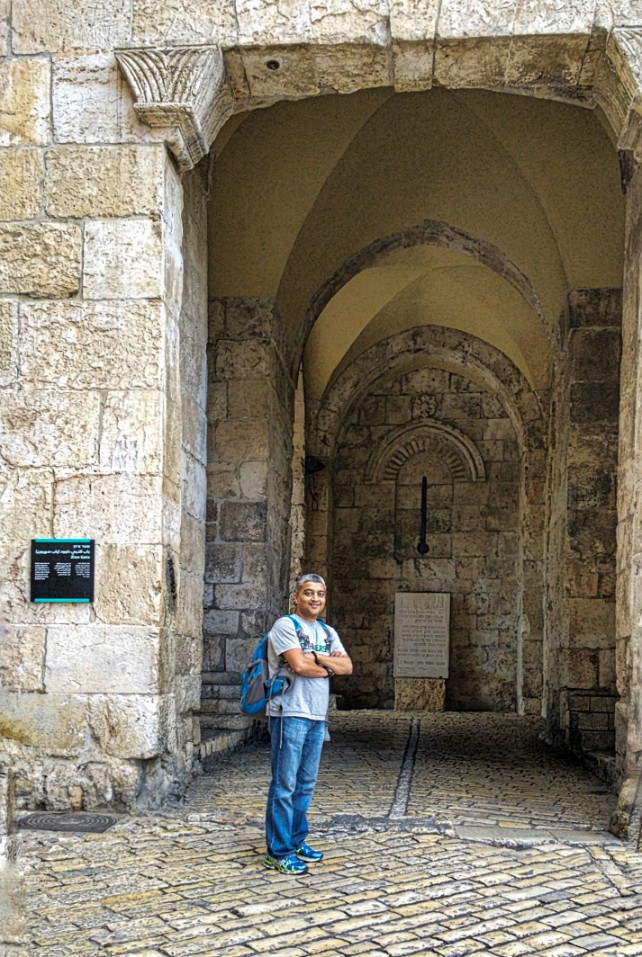
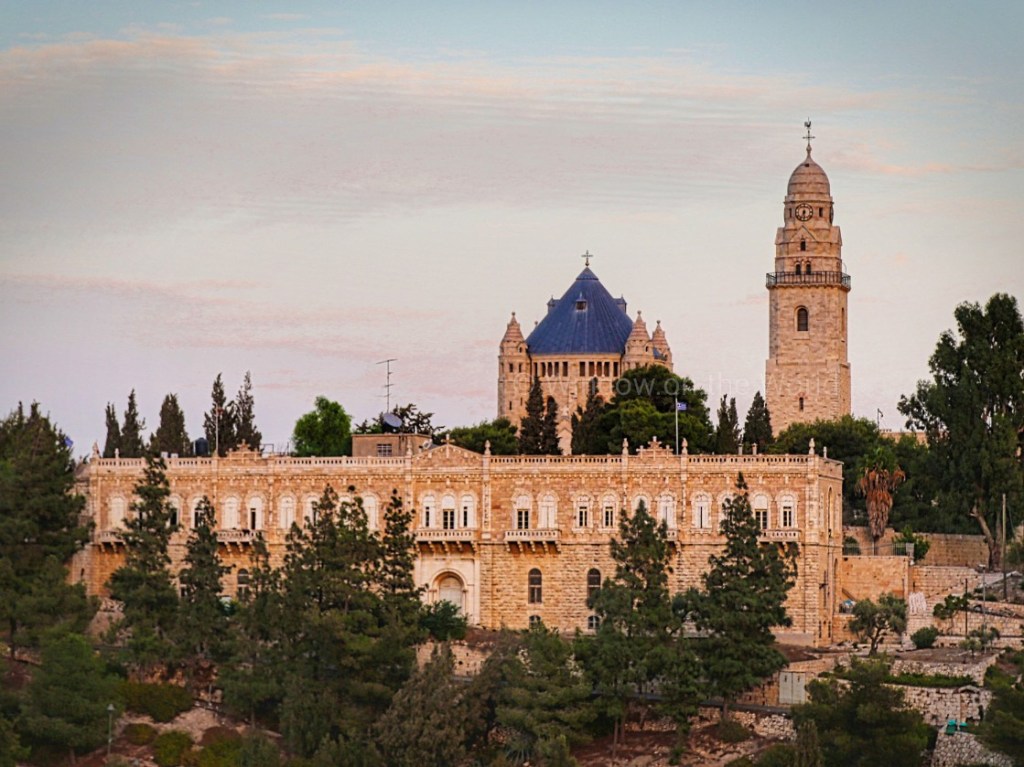
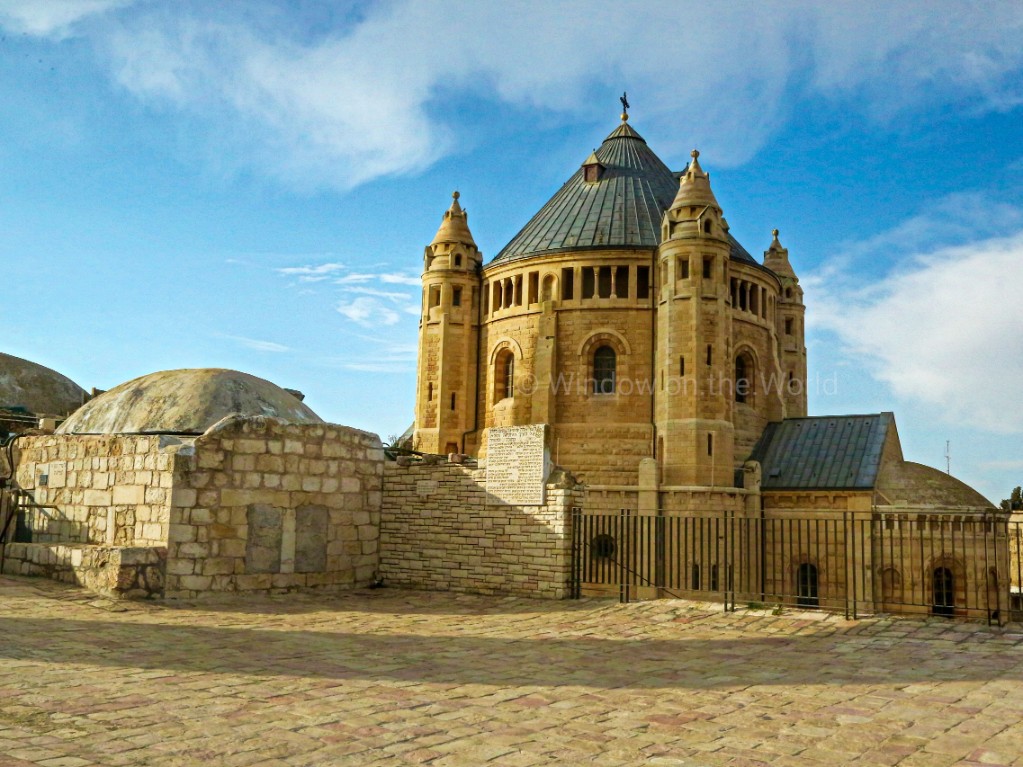
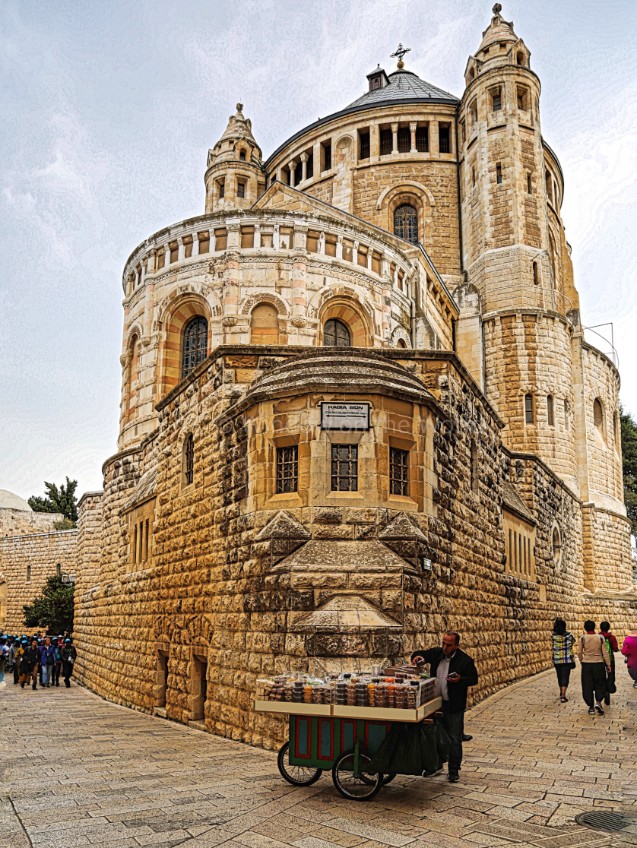
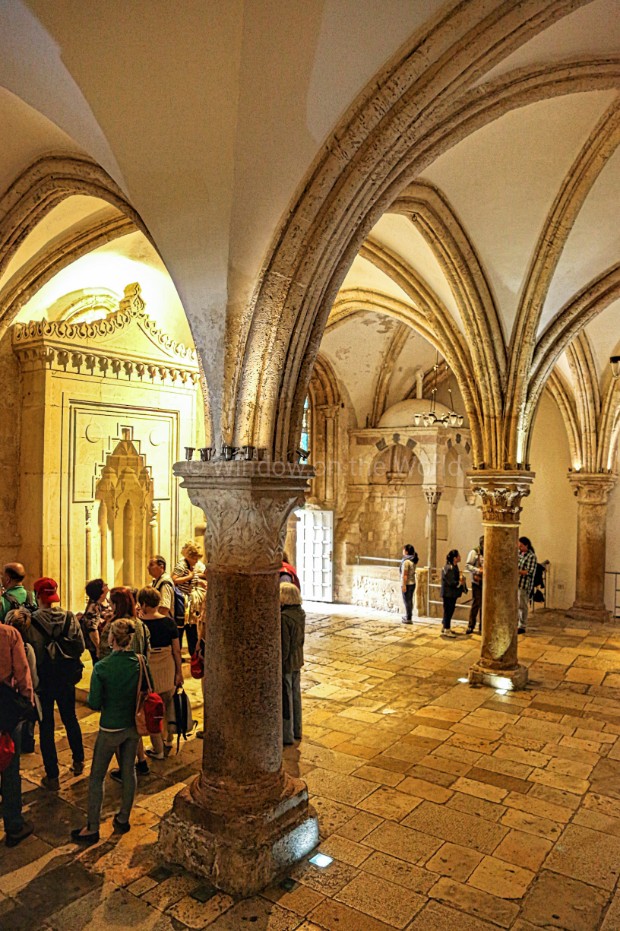
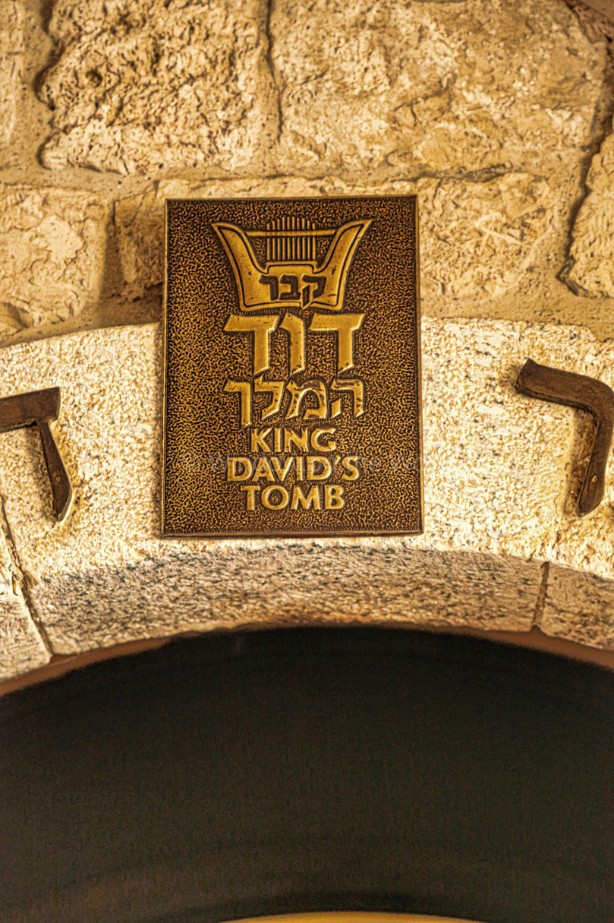
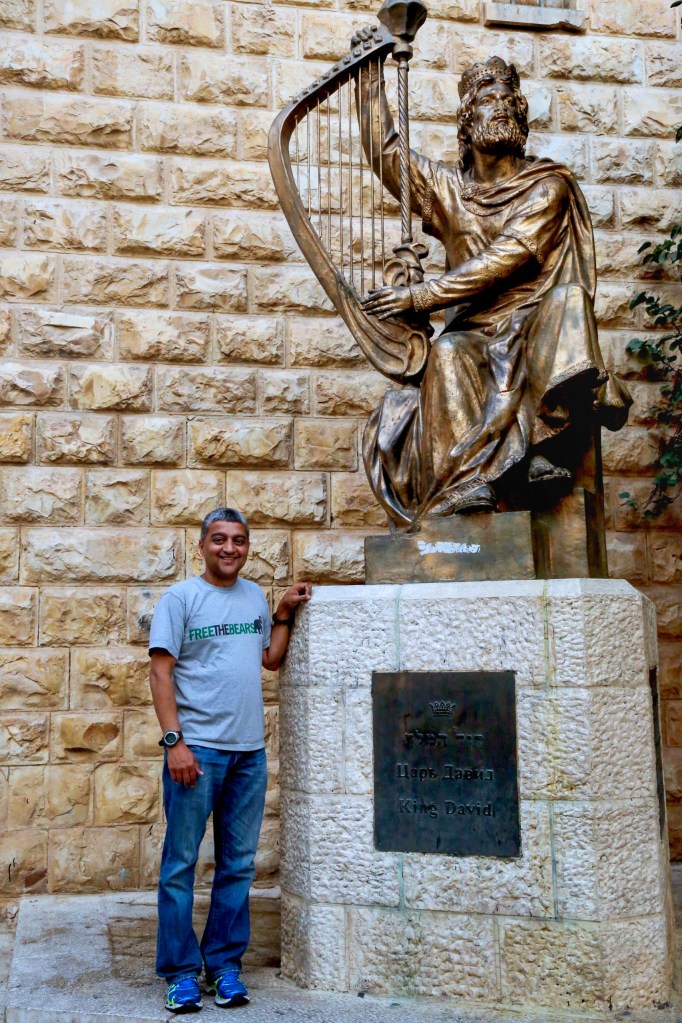
The Zion GateView of Church of Dormition on Mount Zion. Mount Zion is a holy site for Jewish, Christian and Muslim worshippers. Packed with beautiful old buildings and famous spots including King David’s Tomb and the Room of the Last Supper.Abbey of the Dormition, a Catholic abbey on Mount Zion just outside the walls of the Old City near the Zion Gate. The Abbey is said to mark the spot where Mary, mother of Jesus, died.The Cathedral of Saint James, a 12th-century Armenian church in the Armenian Quarter of Jerusalem, near the quarter’s entry Zion Gate.Located on an upper floor of King David’s Tomb, the Room of the Last Supper, also called the Cenacle, is considered one of the holiest sites for Christianity in Jerusalem, since according to the tradition, it was the place where the last supper took place.King David’s Tomb.Statue of King David.
The Jewish Quarter
The Jewish Quarter is home to around 2,000 people and covers about 0.1 square kilometers. It is also the location of many tens of synagogues and yeshivas (places of the study of Jewish texts) and has been almost continually home to Jews since the 8th Century 8 BC. Most of the Jewish quarter has been rebuilt after the Six-Day War in June 1967.
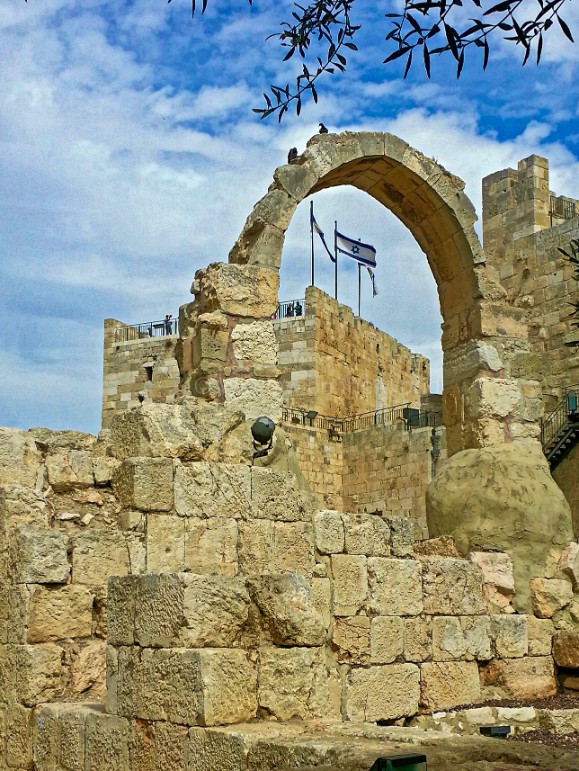
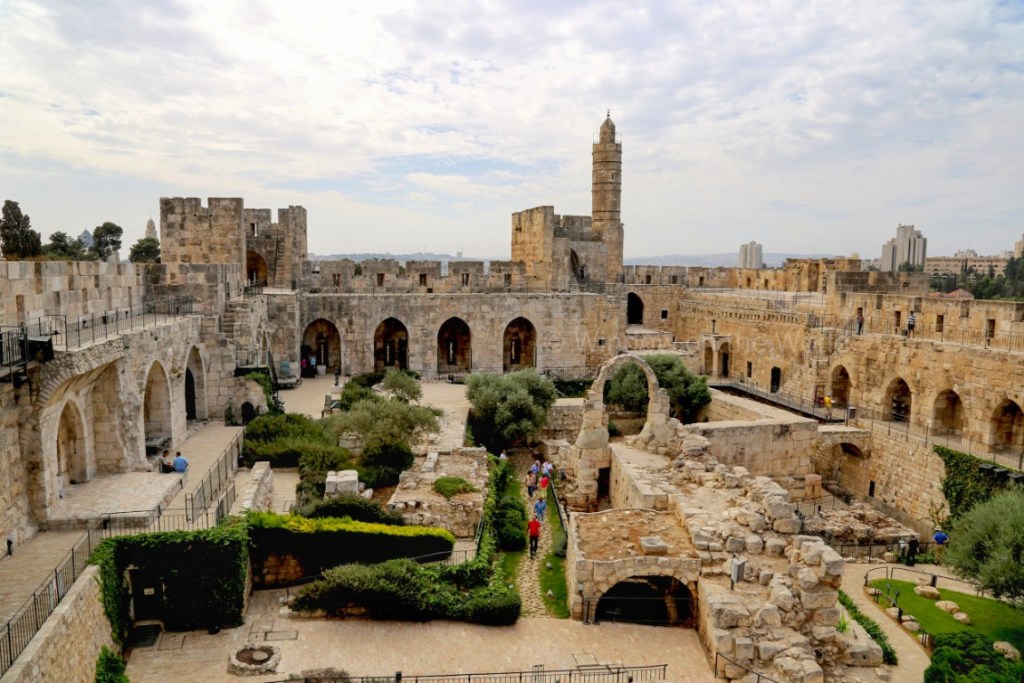
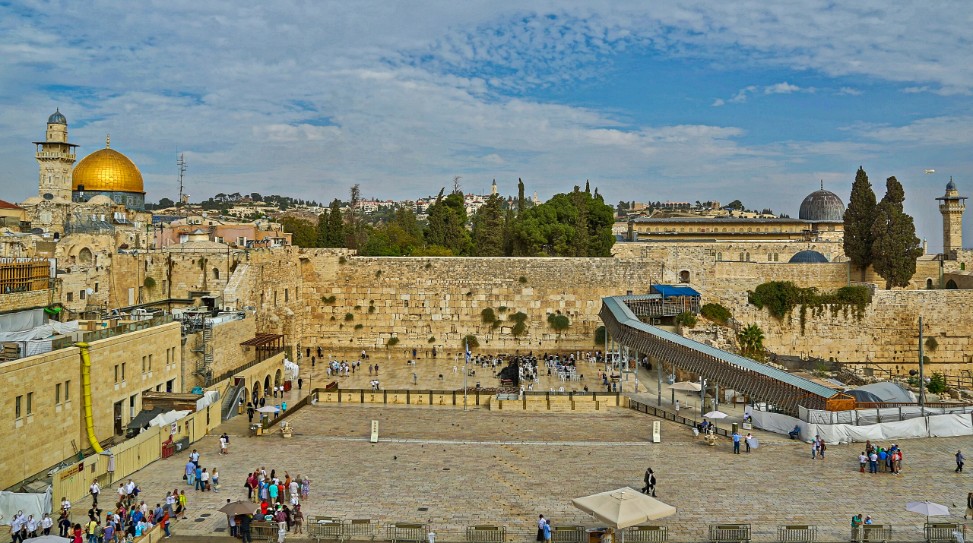
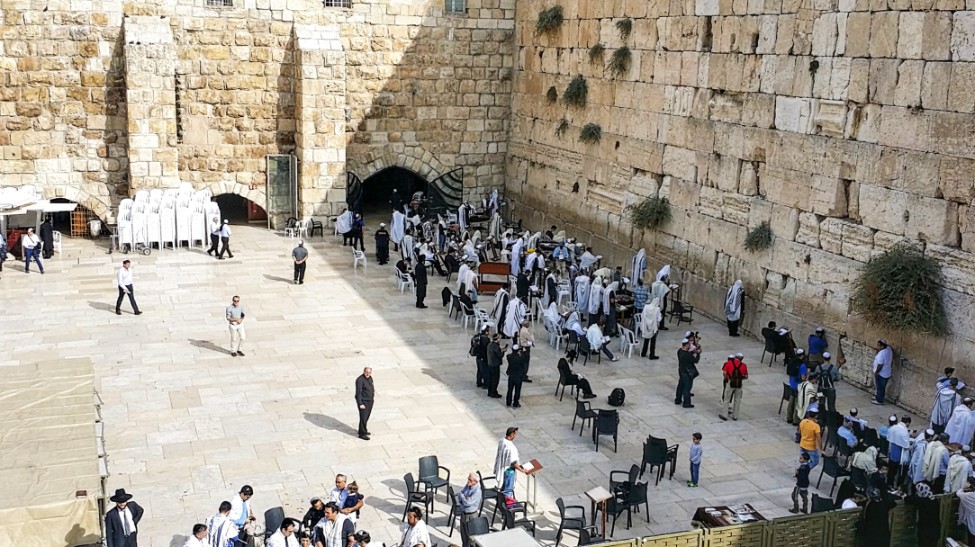
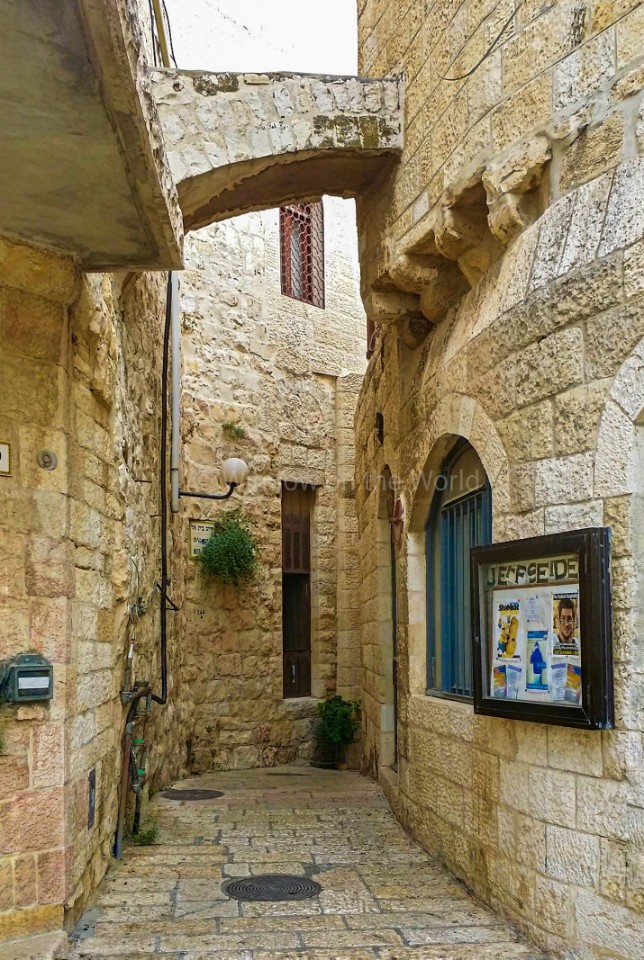
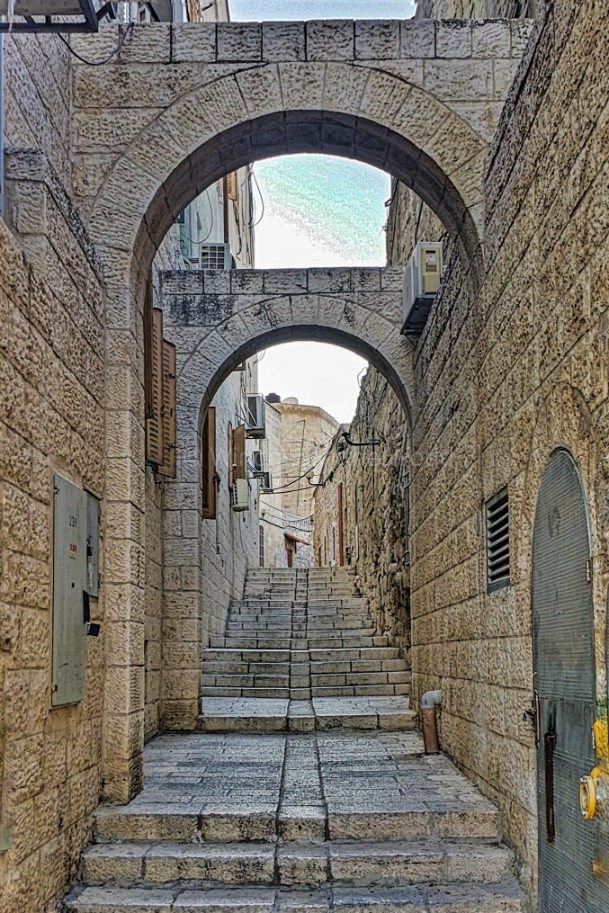
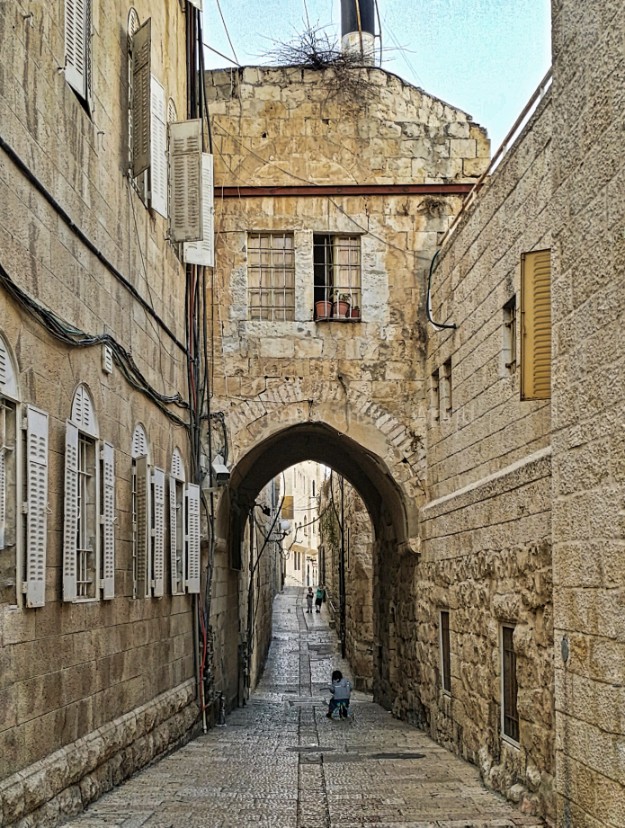
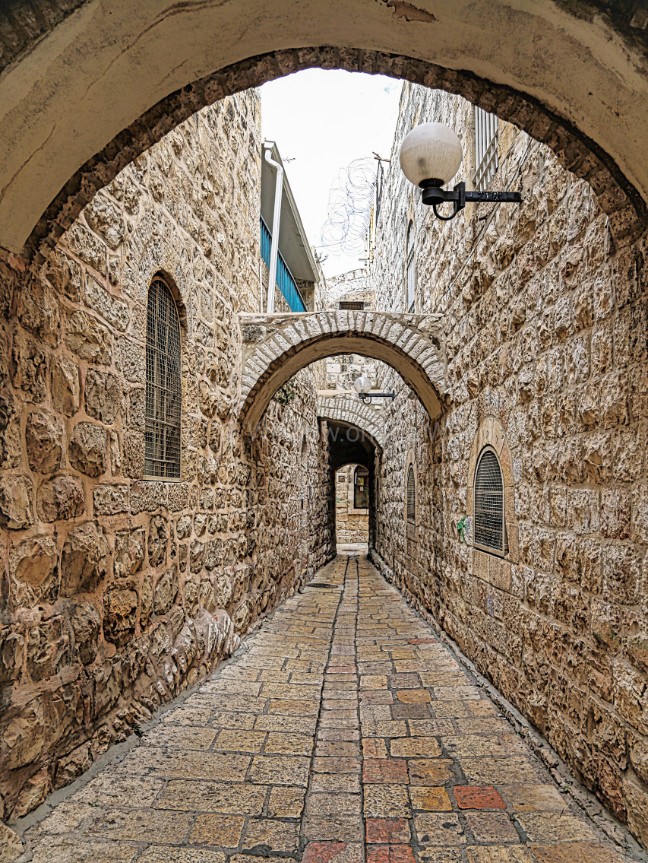
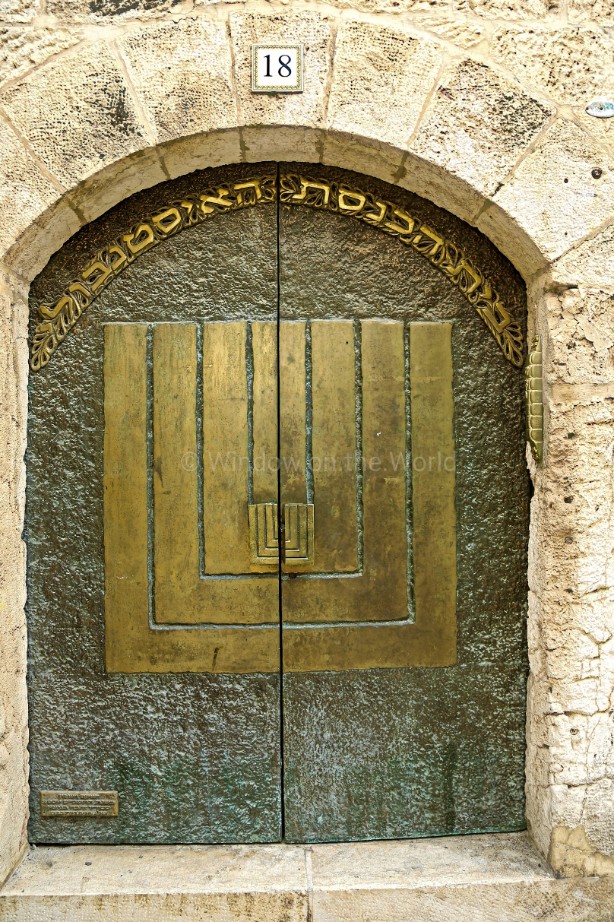
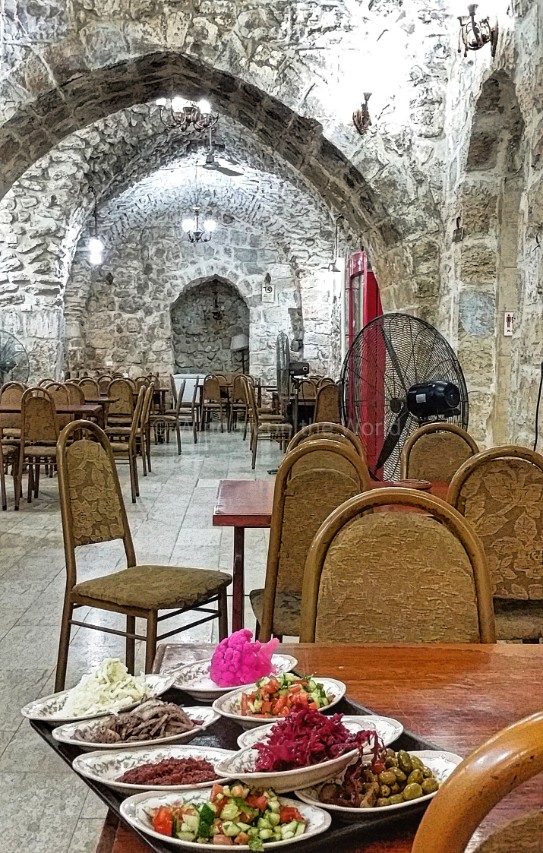
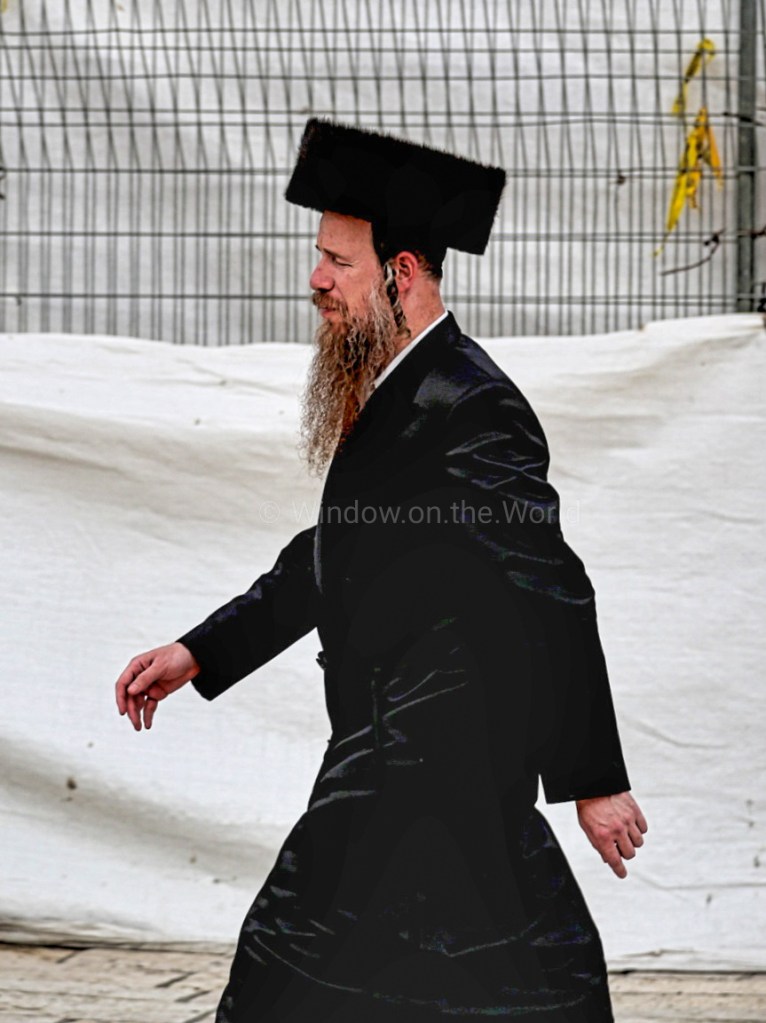
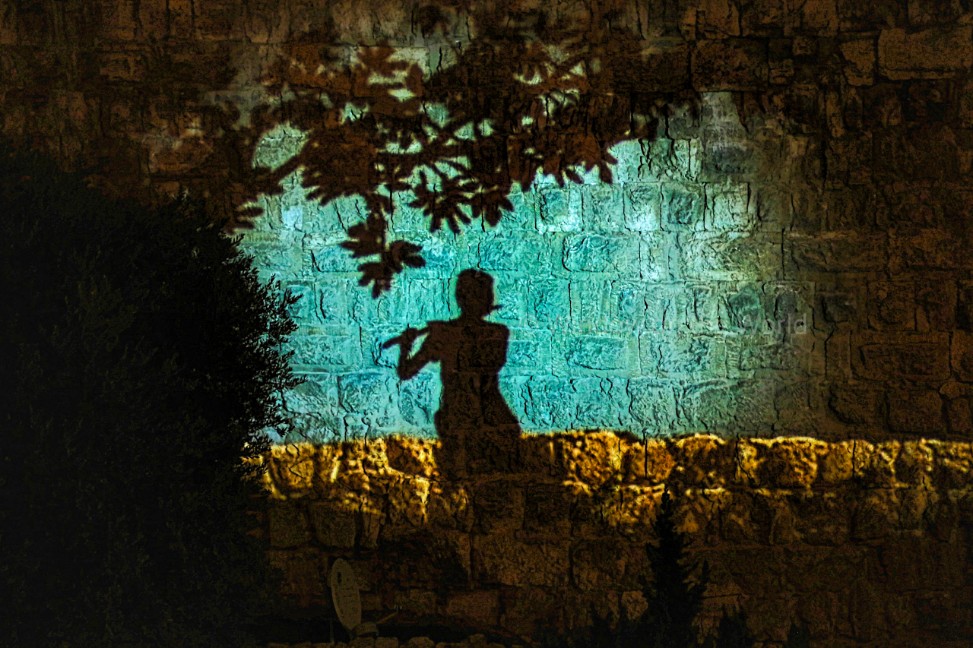
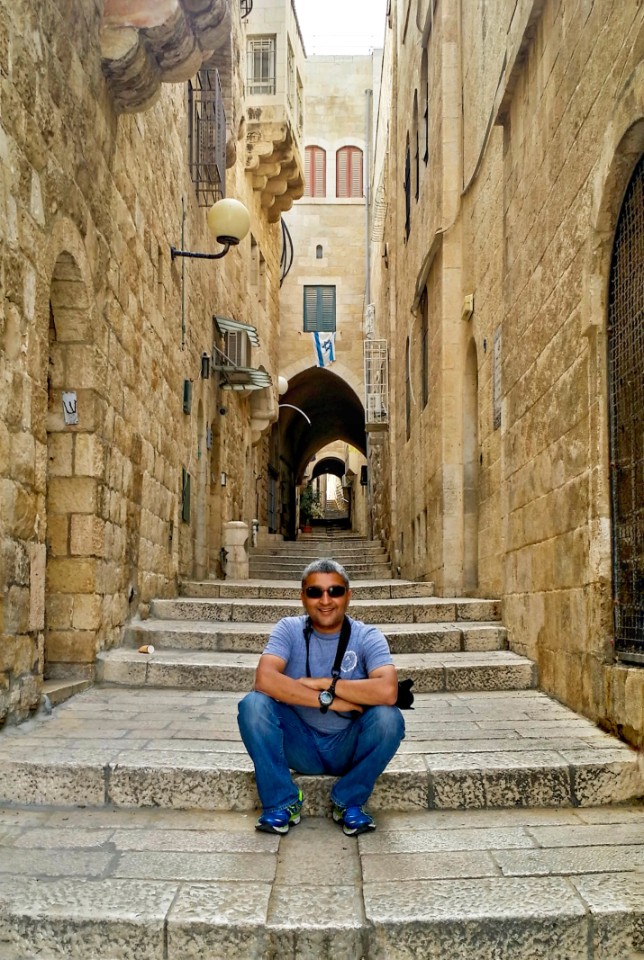
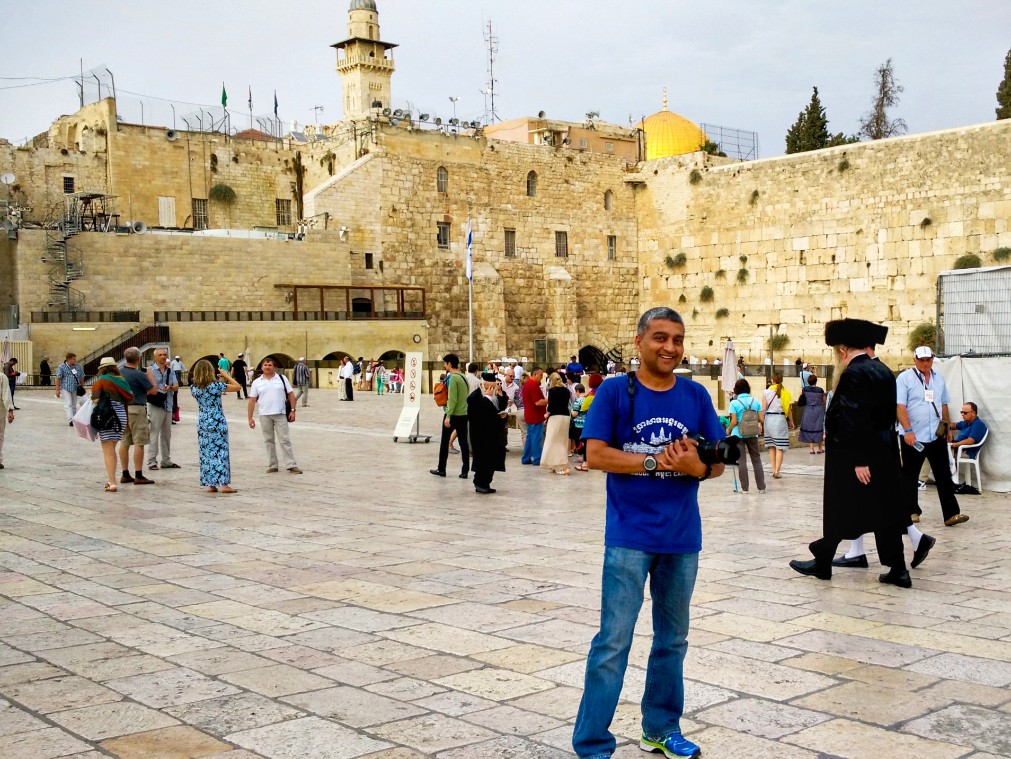
The Tower of David and the city walls. Also known as the Citadel, an ancient citadel located near the Jaffa Gate entrance to the Old City of Jerusalem.Inner courtyard of the Tower of David Citadel.Inner courtyard of the Tower of David Citadel.The Wailing Wall (also known as the Western Wall and the Kotel).The section of the wall that opens up to an expansive plaza is the only surviving part of the original Second Temple, towards where Jews around the world face to pray.The Western Wall, as the most revered Jewish site in the world, Jews from all corners of world come to pray at the wall and place a prayer note between the ancient stones.Exploring the Jewish Quarter.Exploring the Jewish Quarter.Exploring the Jewish Quarter.Exploring the Jewish Quarter.Exploring the Jewish Quarter.Exploring the Jewish Quarter.A restaurant in the Jewish Quarter.A man in traditional Hasidic outfit wearing a shtreimel.The Night Spectacular, a nighttime show celebrating Jerusalem’s 4,000-year-old history through sights and sounds in the Citadel’s courtyard.At the Tower of David Citadel.Exploring the Jewish Quarter. At the Western Wall.
Few more pictures from Jerusalem.
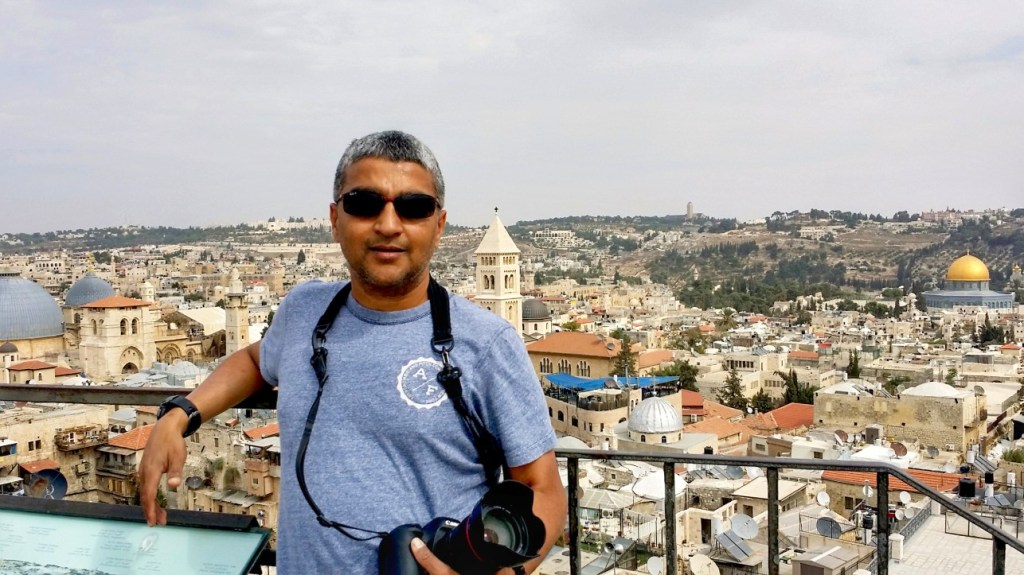
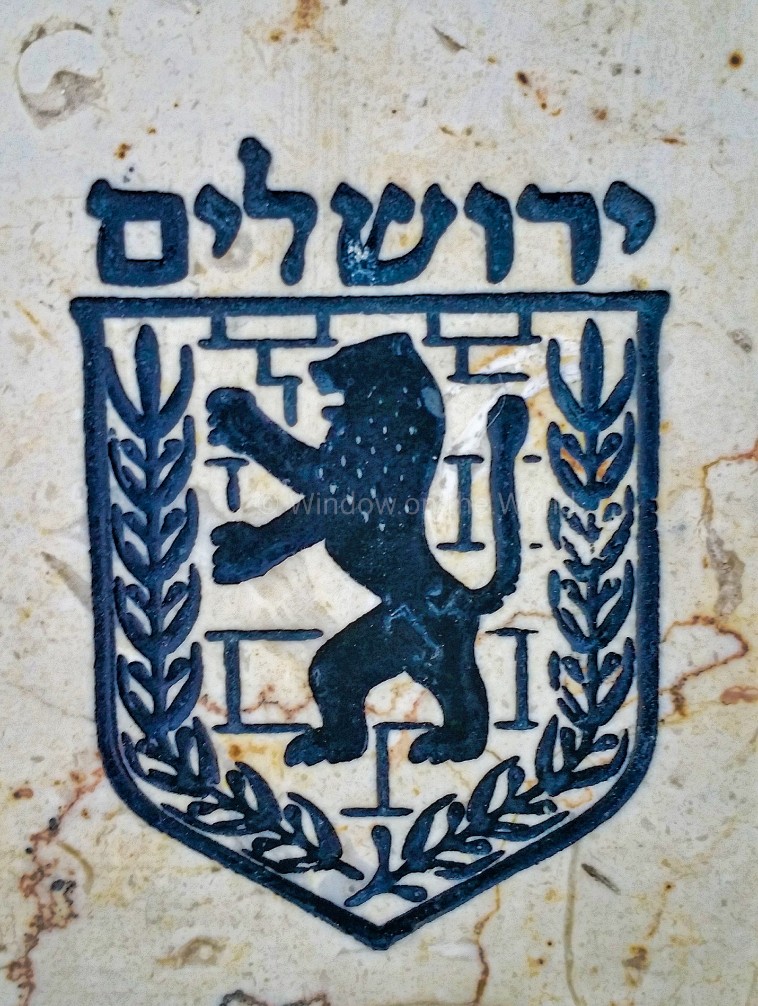
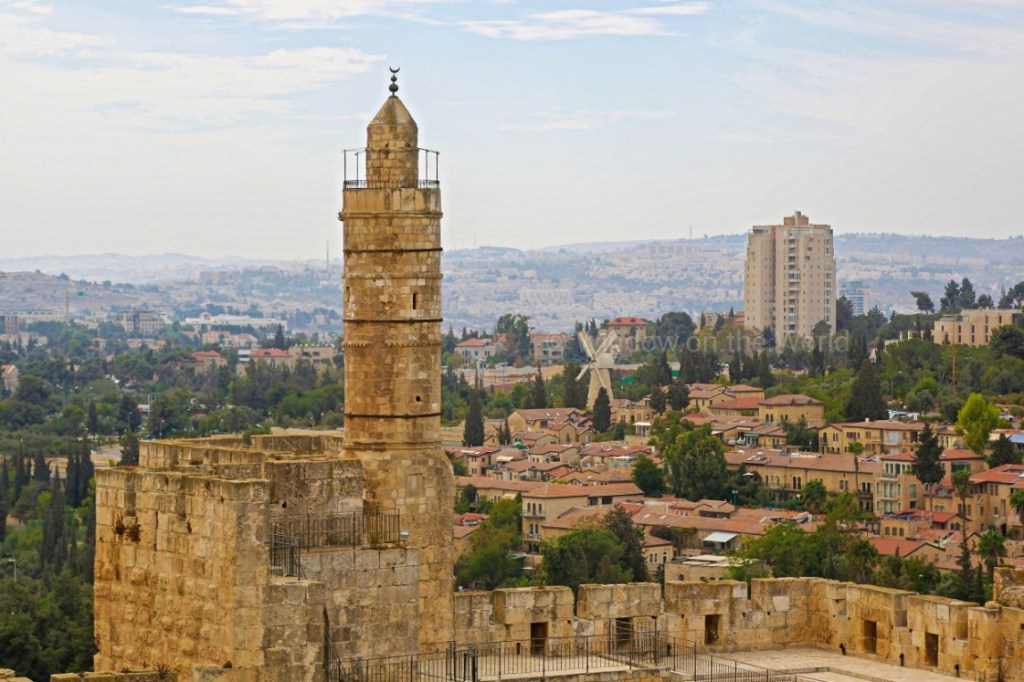
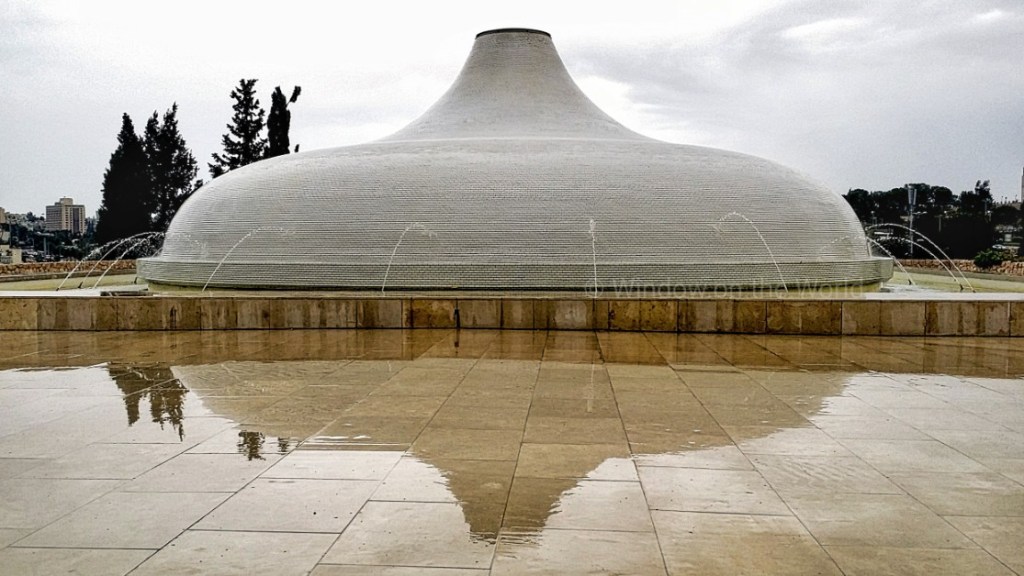
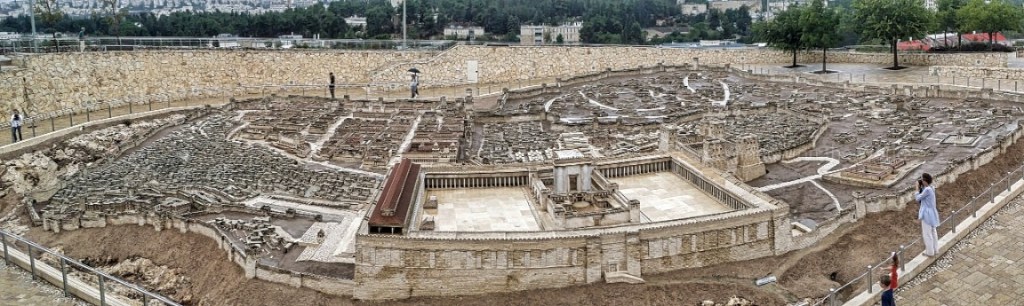
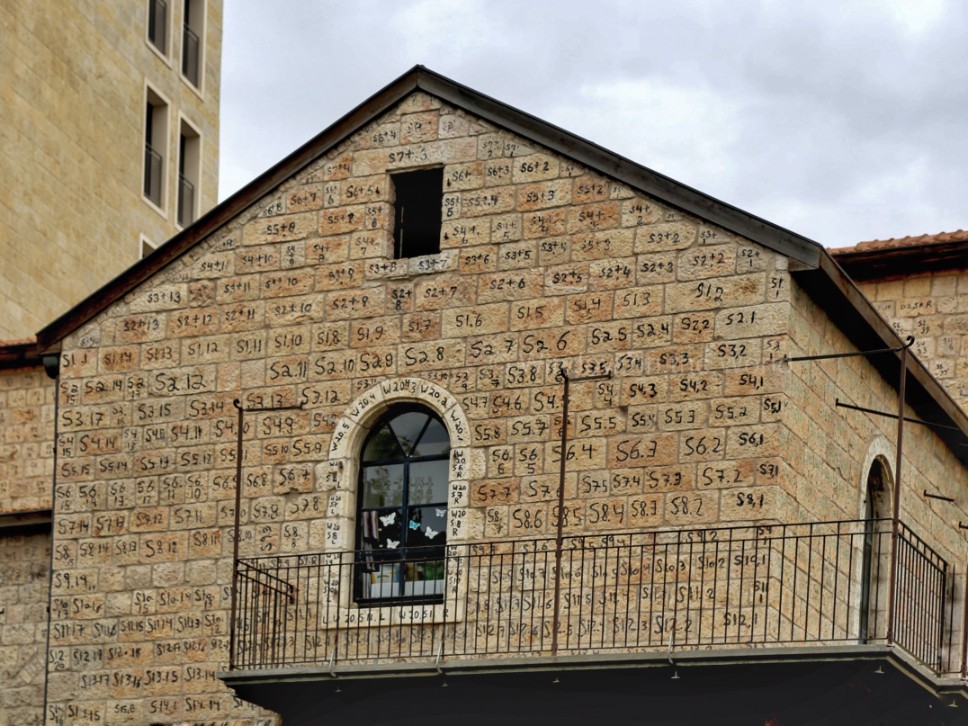
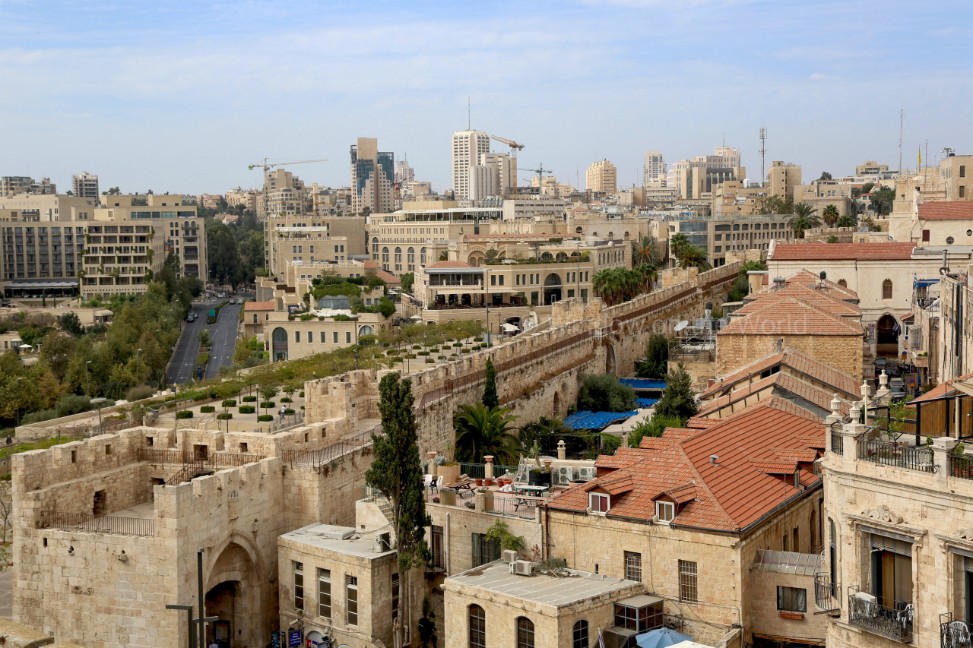
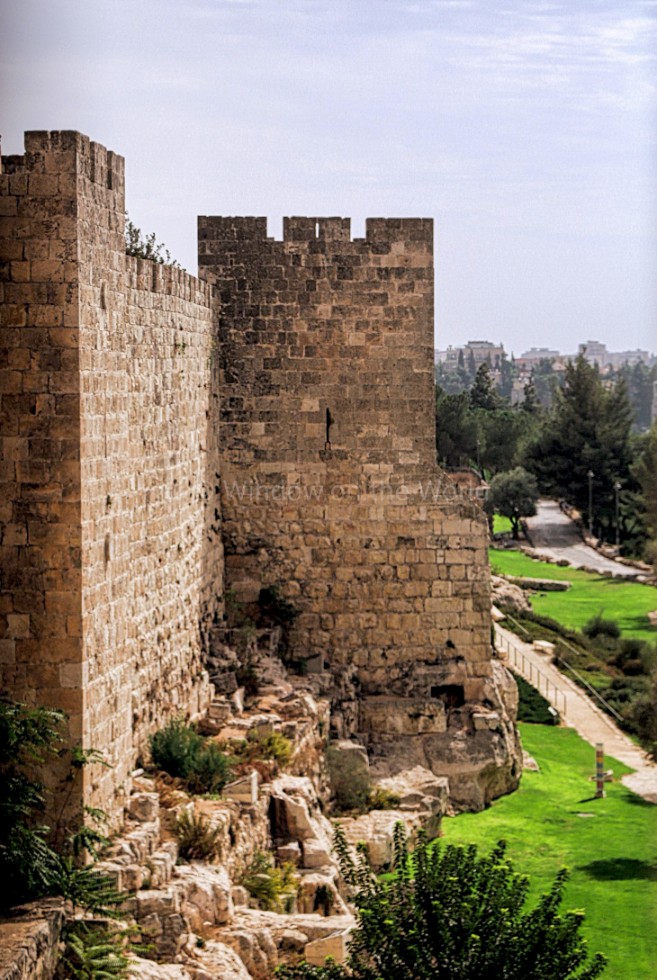
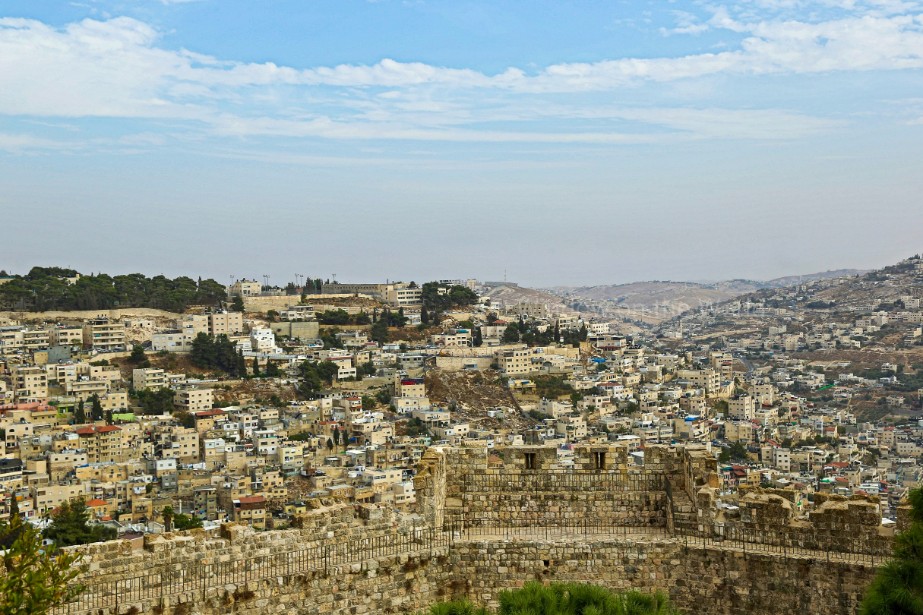
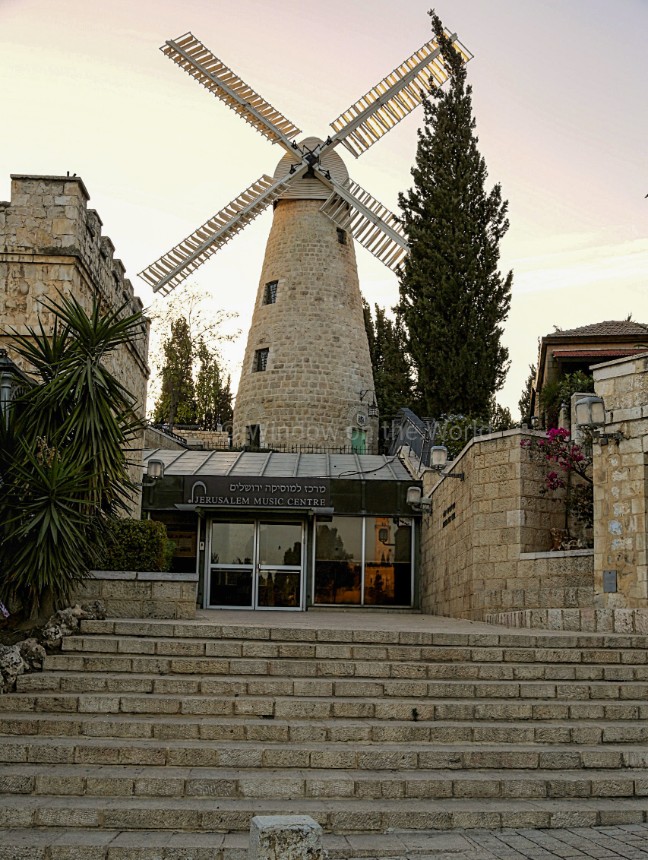
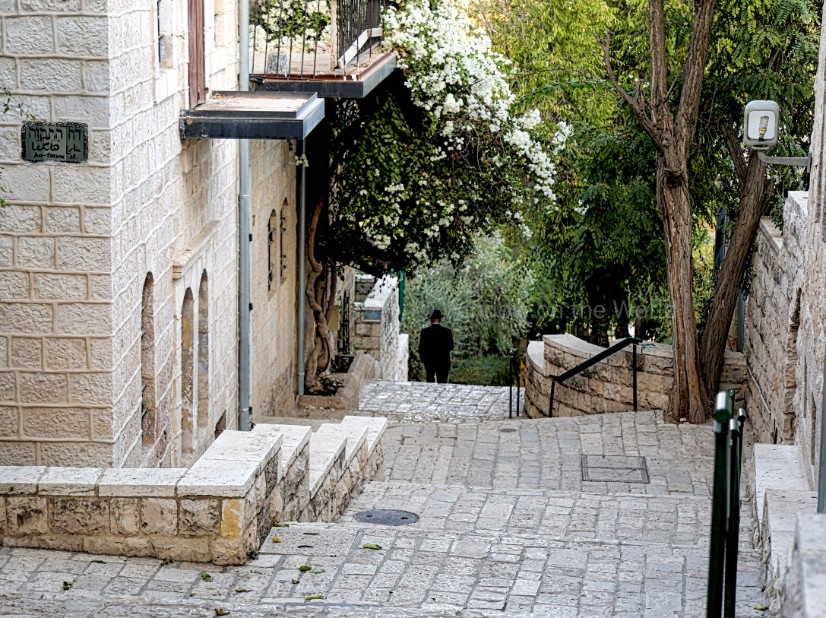
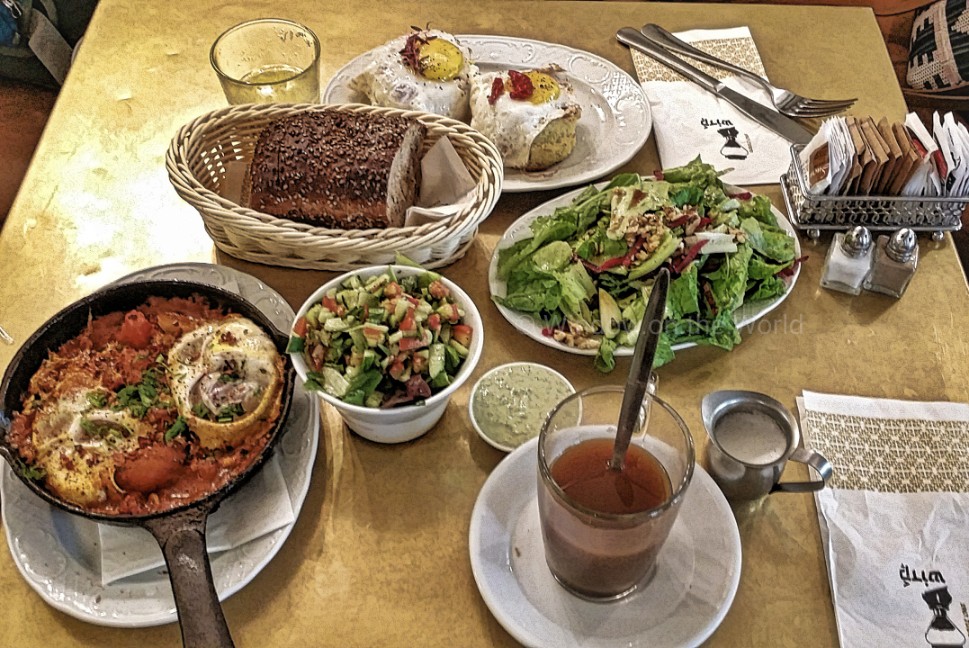
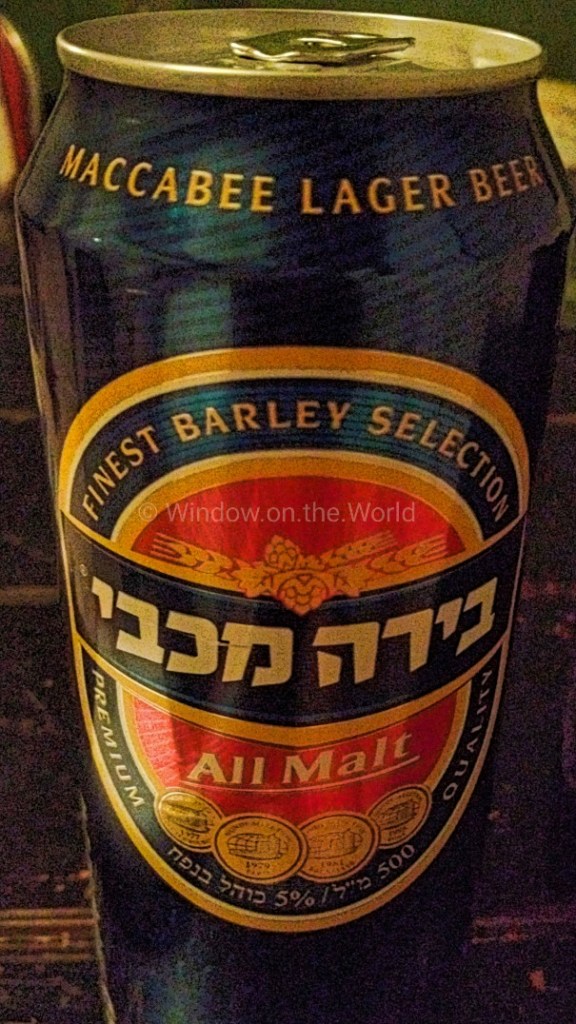
The Emblem of Jerusalem, the official symbol of the city of Jerusalem. The emblem’s main figure is a Lion, the symbol of the Kingdom of Judah, whose capital was Jerusalem. The emblem background represents the Walls of Jerusalem and the Western Wall, and the olive branch represents the quest for peace. The inscription above the crest is the Hebrew word for Jerusalem (Yerushalayim)A View from the Tower of David Citadel.A view from the Tower of David Citadel.The Shrine of the Book Complex that holds the Dead Sea Scrolls, ancient Jewish and Hebrew religious manuscripts, dating from the 3rd century BCE to the 1st century CE, discovered in 1946/47 at the Northern shore of the Dead Sea. The unique white dome embodies the lids of the jars in which the first scrolls were found. A Model of Jerusalem in 2nd Temple Period at the Israel Museum.A reconstructed wall on Mamilla Avenue in old Jerusalem with the old stones numbered so that they could be put back in the same order as the original historic construction.Old city walls of Jerusalem.View from the old city walls on East Jerusalem, generally recognized as part of the Palestinian Territories, and a part of the Mount of Olives.The Montefiore Windmill, a landmark windmill, designed as a flour mill, was built in 1857 on a slope opposite the western city walls of Jerusalem, where three years later the new Jewish neighborhood of Mishkenot Sha’ananim was erected.Exploring Mishkenot Sha’ananim neighborhood, the first Jewish settlement built outside the walls of the Old City of Jerusalem, on a hill directly across from Mount Zion.Breakfast at the Cafe Kadosh, been in business since 1967, one of the best place.Enjoying Maccabee Lager, an Israeli Beer.
After two weeks in Israel and Jordan, it was time to fly back to Shanghai, my home at that time.
In May 2017, 23 days before I was going to complete 50 years, grabbed an opportunity and took an early retirement.. Picked up a backpack and traveling ever since.. Love to travel around the world, experience different culture, local cuisine & drinks .. and take pictures.. so far been to 108 countries and still counting...