I visited São Paulo, Brazil multiple times during 1997, 2002 and 2007 for business trips.
Brazil (Brasil), the largest country in the South America, is the largest country to have Portuguese as an official language. Bounded by the Atlantic Ocean on the east, Brazil has a coastline of 7,491 kilometers (4,655 mi). It borders all other countries and territories in South America except Ecuador and Chile, covering 47.3% of the continent’s land area. It is also one of the most multicultural and ethnically diverse nations, due to over a century of mass immigration from around the world, as well as it is the most populous Roman Catholic-majority country.
My visits to Brazil were short one weeks business trips, so I didn’t get much opportunity to export the city or the country much.
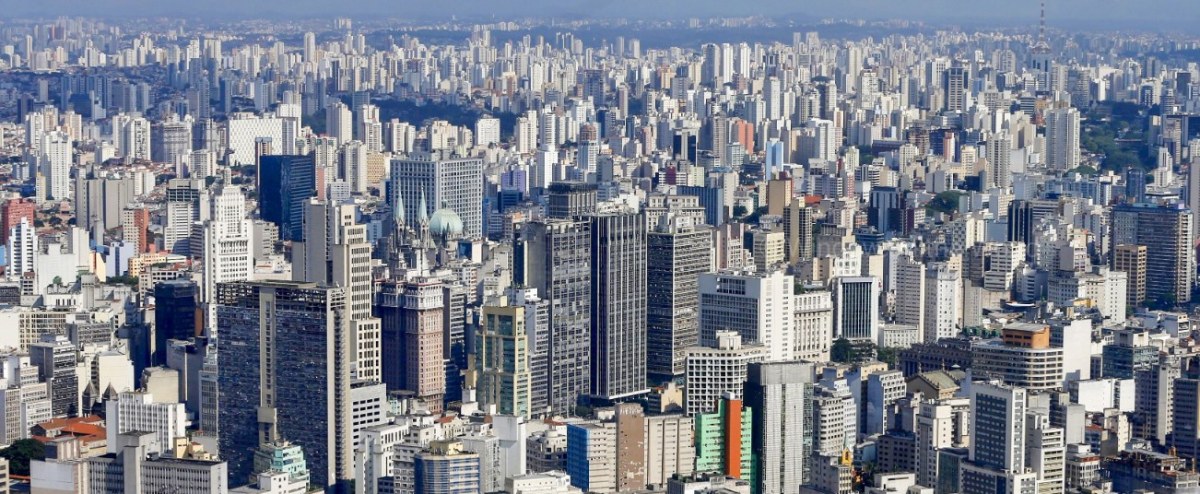
São Paulo – also known as SamPa by its residents – is the largest city in Brazil, with a population of almost 22 million in its metropolitan region. Historically attractive to immigrants as well as, somewhat later, Brazilians from other states, it’s one of the most diverse cities in the world. Immigrants are the backbone of this city, as São Paulo boast the largest populations of Japanese and Italian descendants outside of their home countries
The city of São Paulo has no Classic must see places, though I did explore some historical areas in downtown.
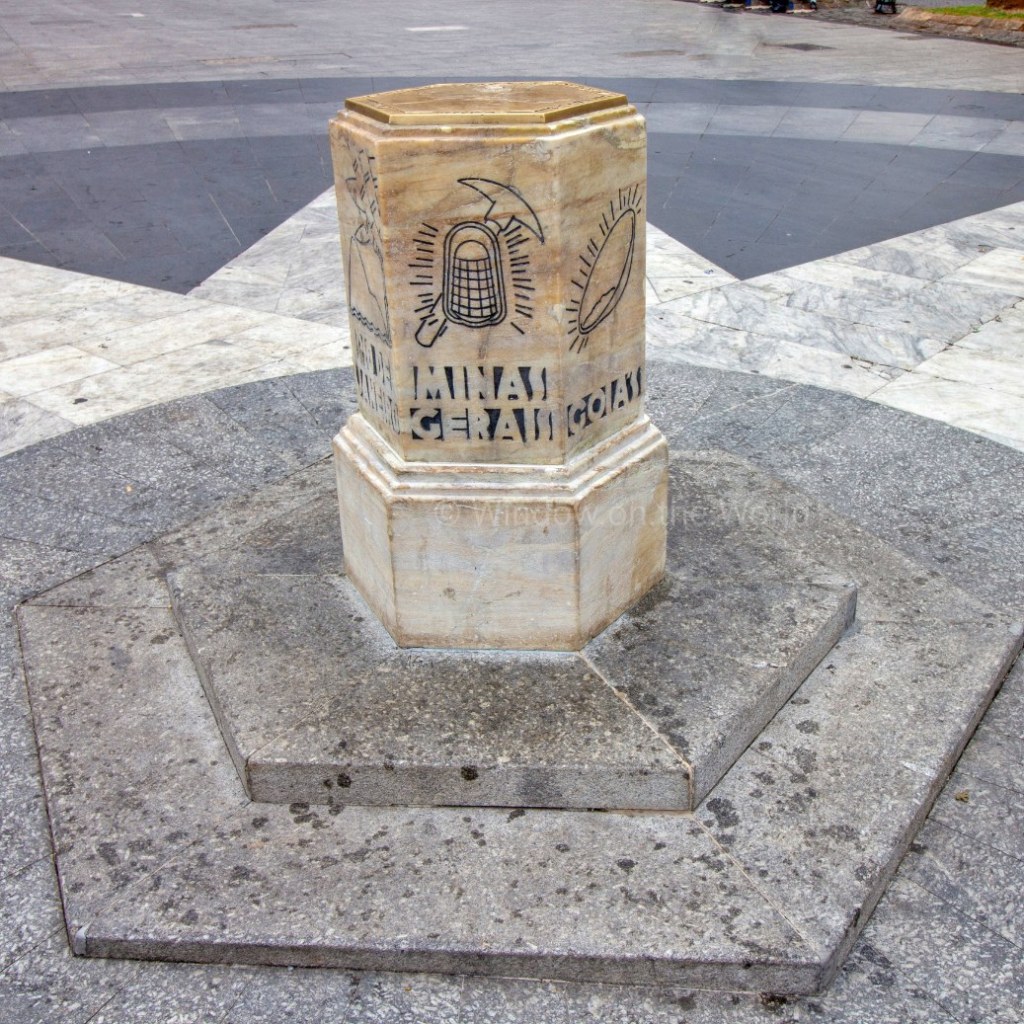
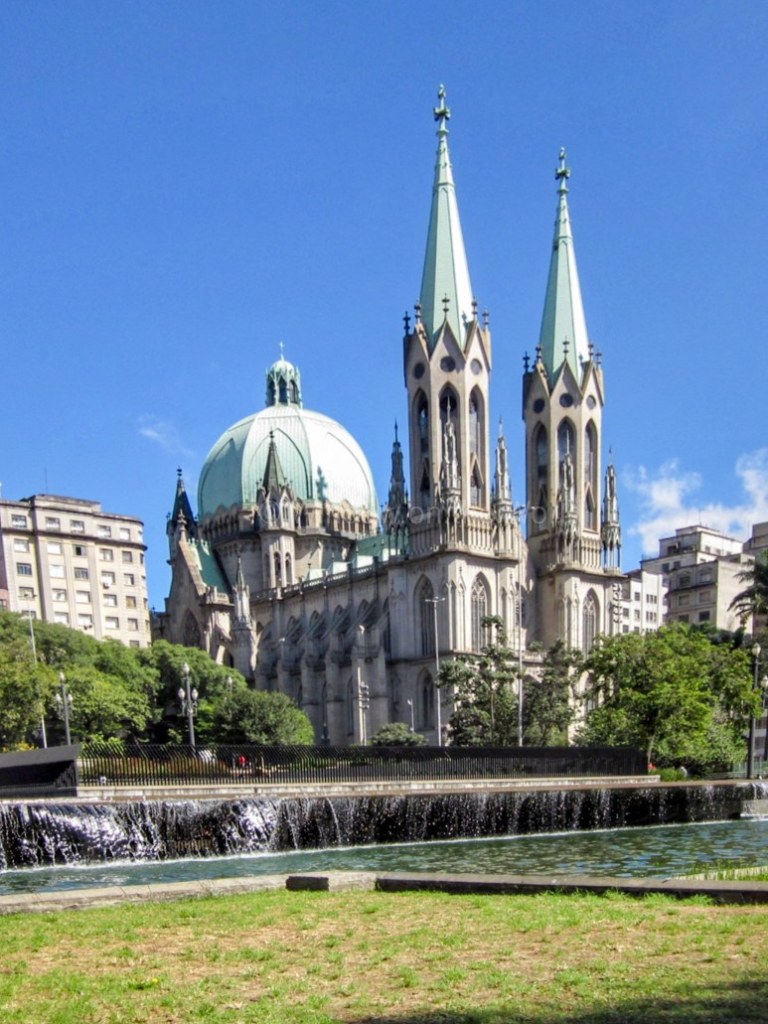
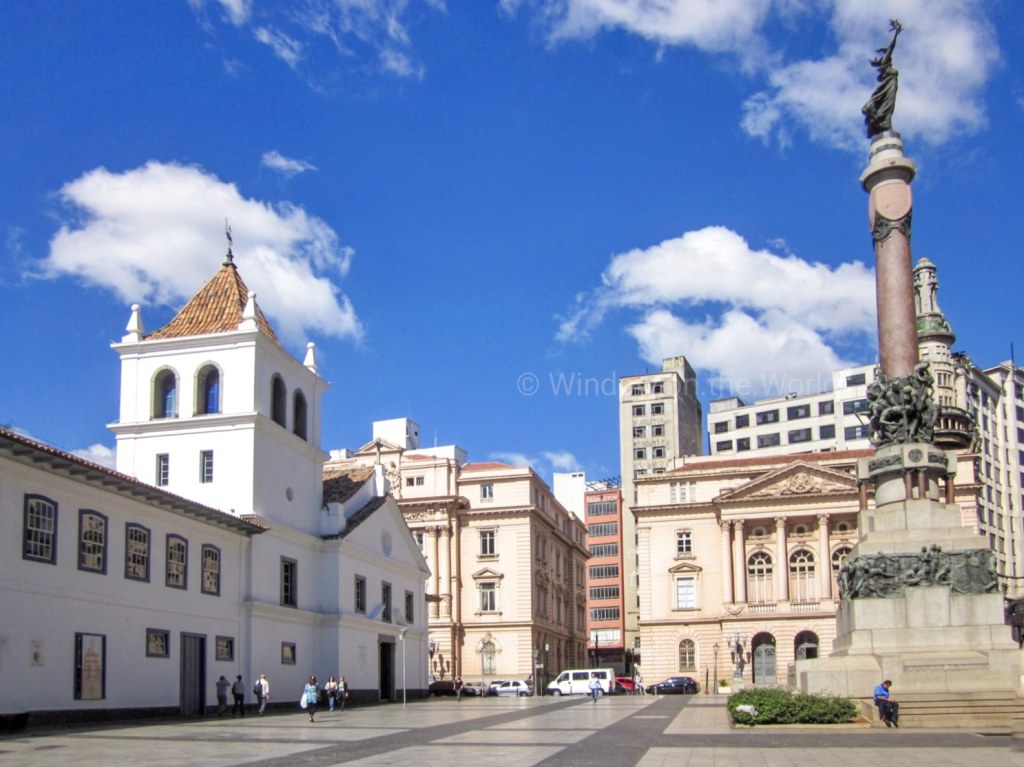
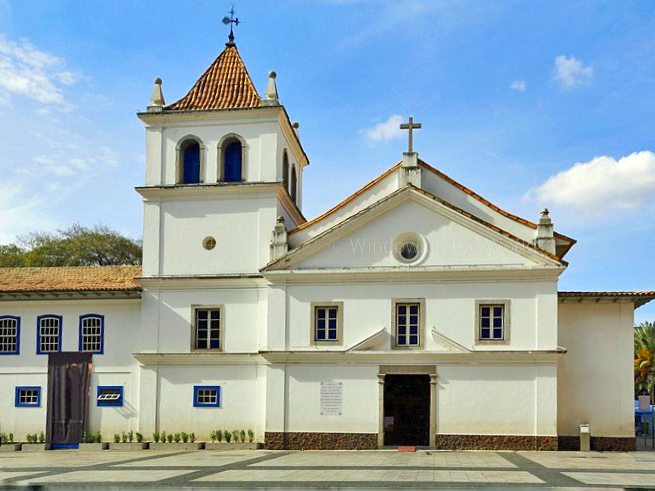
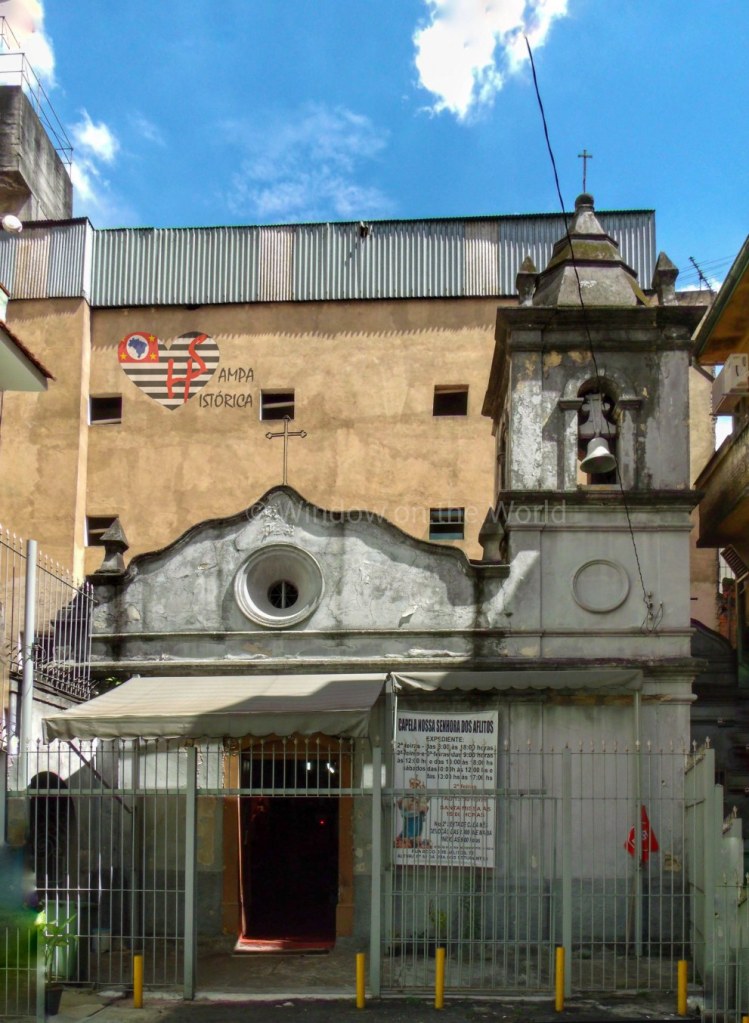
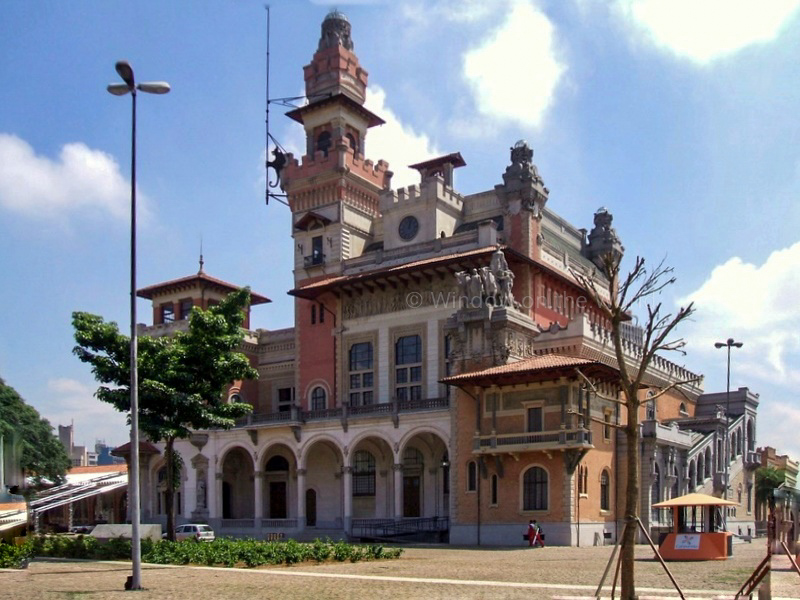
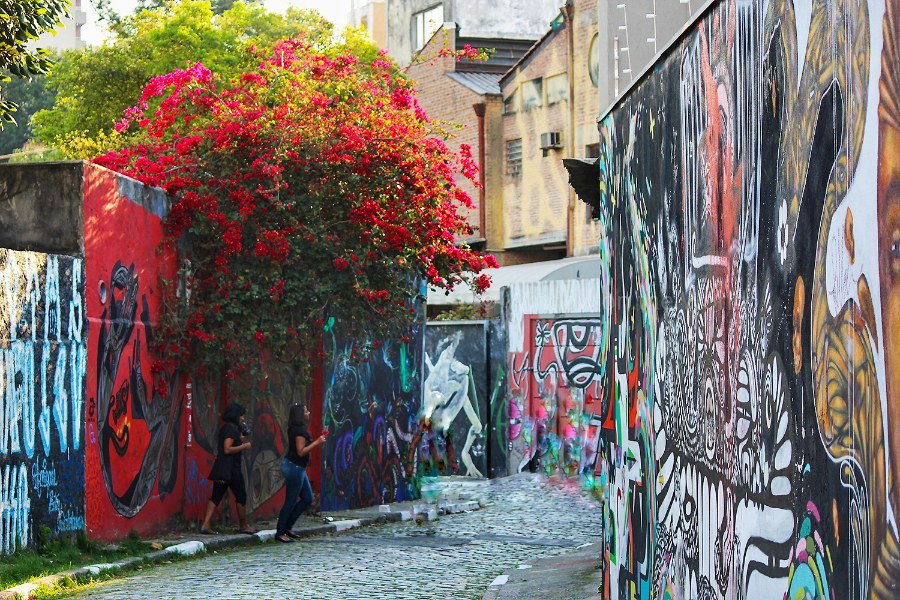
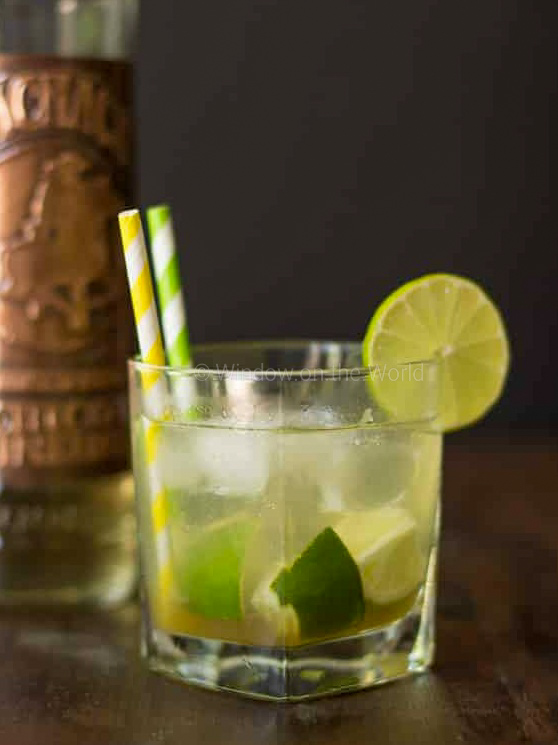
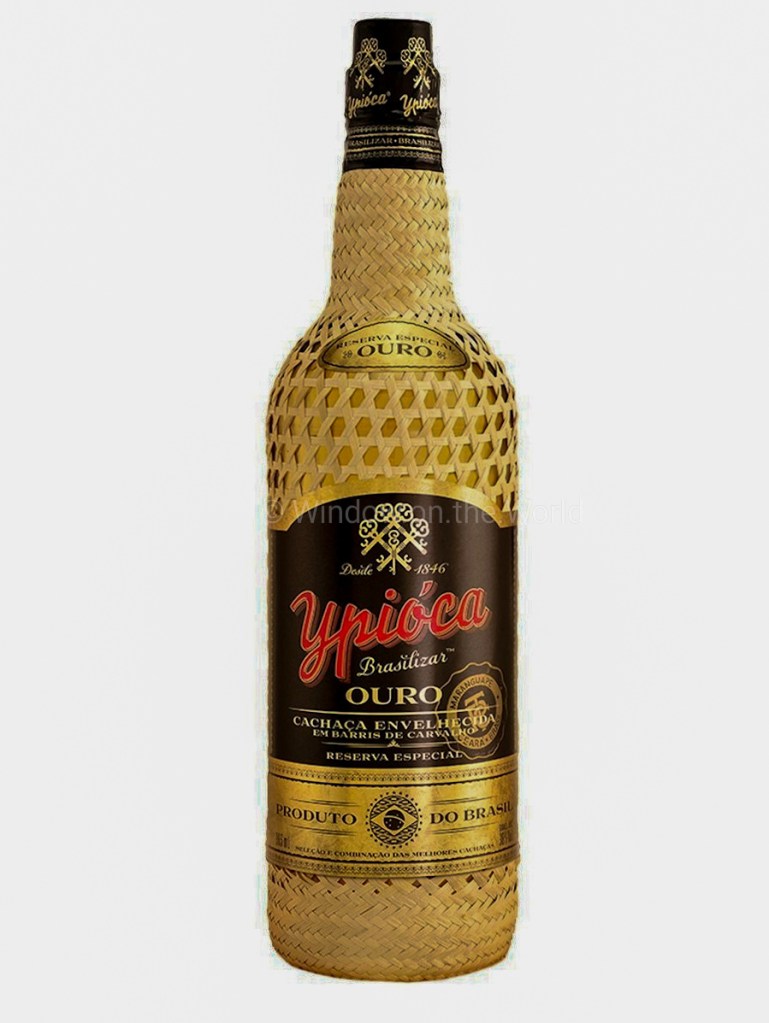
Welcome to São Paulo! Marco Zero (Zero Milestone), a geographic monument, built using Marbles, installed in front of the São Paulo Cathedral on the Praça da Sé to symbolize the center of the city. Since it was installed in 1934, Marco Zero has remained the official spot from which roads, highways, rail lines, and telephone lines are measured.Catedral da Sé (Catedral Metropolitana de São Paulo), São Paulo’s most famous church, with 14 towers, built in a Gothic and Renaissance style. Although the current construction was finished in 1954, the original cathedral, at the same spot, dates from the early history of São Paulo – 1616. The cathedral is one of the five largest neogothic temples in the world. The front of the cathedral is considered the very center of the city of São Paulo.Pateo do Colegio, (School Yard), the historical Jesuit church and school, the place were São Paulo was founded on January 25, 1554.Front view of Pateo do Colegio, (School Yard), the historical Jesuit church and school, the place were São Paulo was founded on January 25, 1554. Capela dos Aflitos, one of the oldest surviving churches of the city, dating from 1774, when it was built to be the chapel of the city’s first cemetery.Palácio das Indústrias, a Former city hall of São Paulo, constructed during the 20’s, now it hosts educative and cultural activities aimed at children.The Beco do Batman (or Batman Alley), a narrow alleyway with full of graffiti in Vila Madalena neighborhood, which gets its name from one of the first drawings on its walls, This was one of the first open-air museums dedicated to graffiti.Caipirinha, Brazil’s national cocktail, made with cachaça (sugarcane liquor), sugar, and lime.Cachaça, also known as Brazilian rum, made from fresh sugarcane juice, fermented and distilled.
Brazil, with a diversity of landscapes and cultures, has lot to offer. Just few business trips to the capital city does not do justice, I would definitely like to go back and explore more.
After every business trip to São Paulo, I flew back to Dallas, Texas, my home at that tine.
In May 2017, 23 days before I was going to complete 50 years, grabbed an opportunity and took an early retirement.. Picked up a backpack and traveling ever since.. Love to travel around the world, experience different culture, local cuisine & drinks .. and take pictures.. so far been to 108 countries and still counting...


 Window on the World