During April 2001, I got an opportunity to visit Santiago, Chile for a business trip.
Chile is a long, narrow country along the southern half of the west coast of South America, between the Andes and the Pacific Ocean. The bordering countries are Peru to the north, Bolivia to north east and Argentina to the east. Chile has over 5,000km (3,100 miles) of coast on the South Pacific Ocean.
Prior to arrival of the Spanish in the 16th century, northern Chile was under Inca rule while the indigenous Mapuche inhabited central and southern Chile. Other indigenous tribes existed in the southern part but many of them died due to diseases and warfare, or were mixed with the European immigrants.
During a week in Chile, I spent all my time in Santiago, as the client I was visiting was located there. Santiago, sometimes called Santiago de Chile, the capital of Chile is also economic, educational, political and cultural center of the country. Due to its proximity to both mountains and the Pacific Ocean, It is possible to ski in the nearby Andes and later be on the beach, all in the same day.
Pictures below are from a very basic film Camera and are not of a great quality but I want to be honest to myself and use those picture.
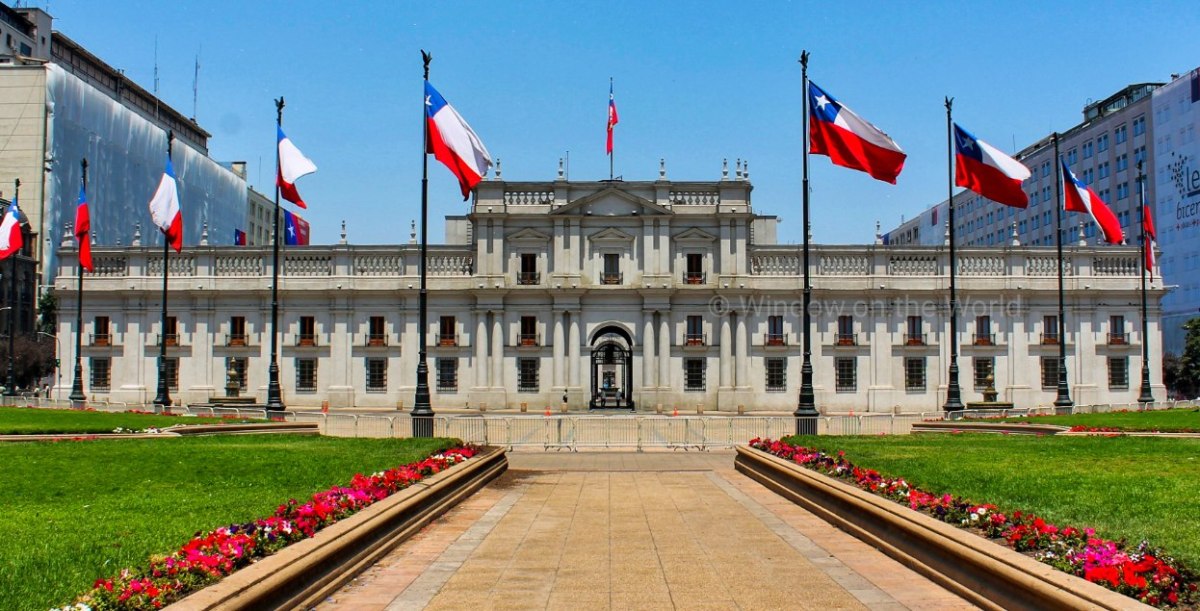
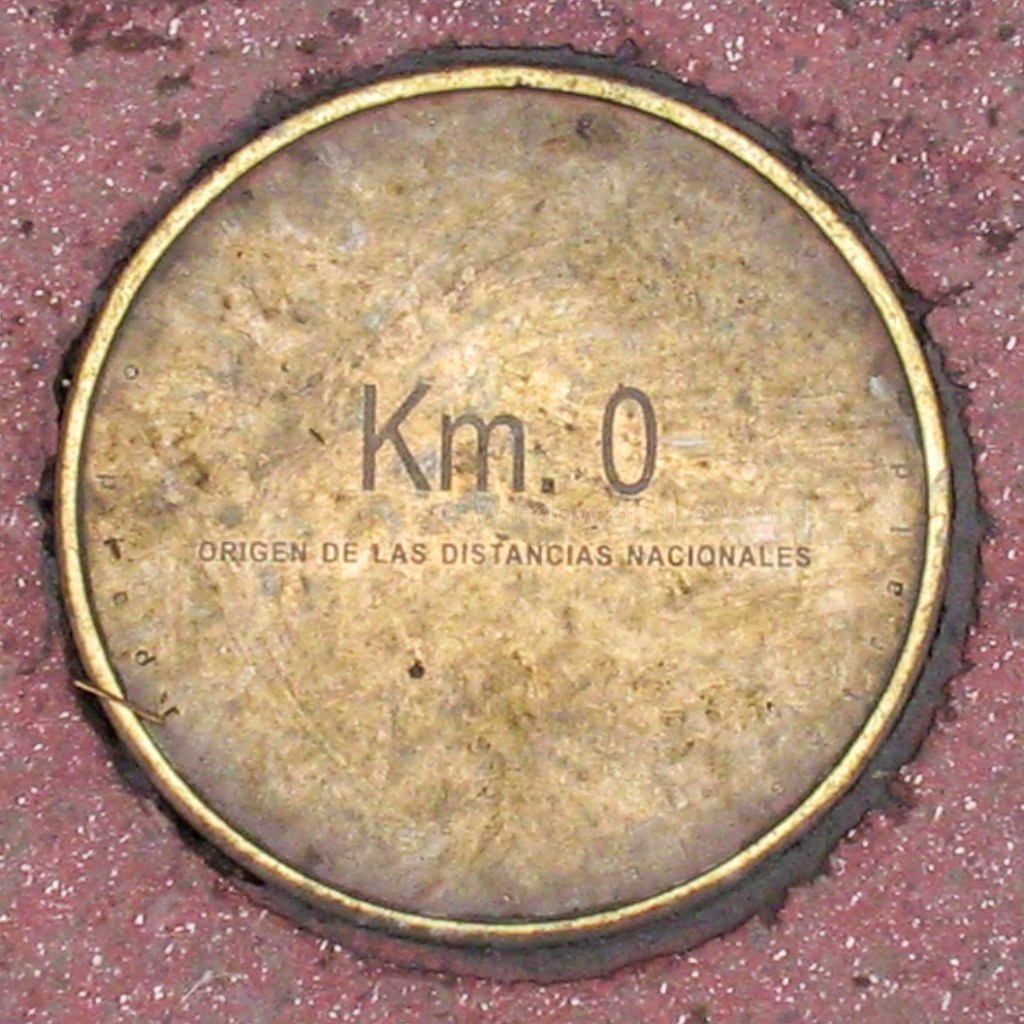
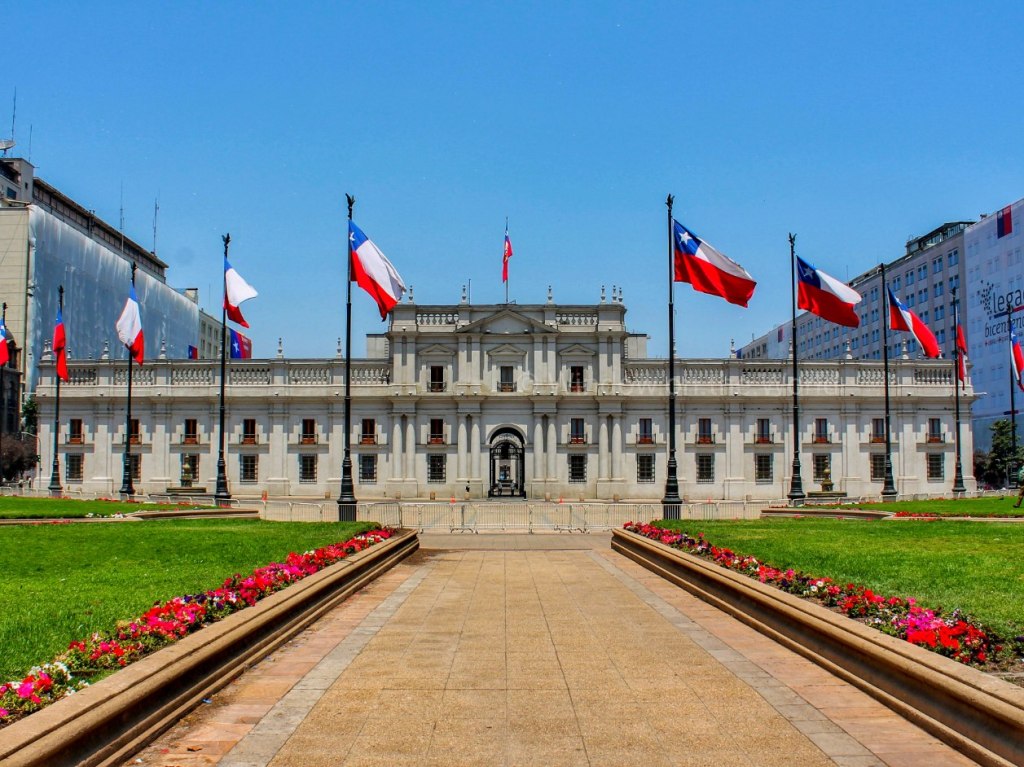
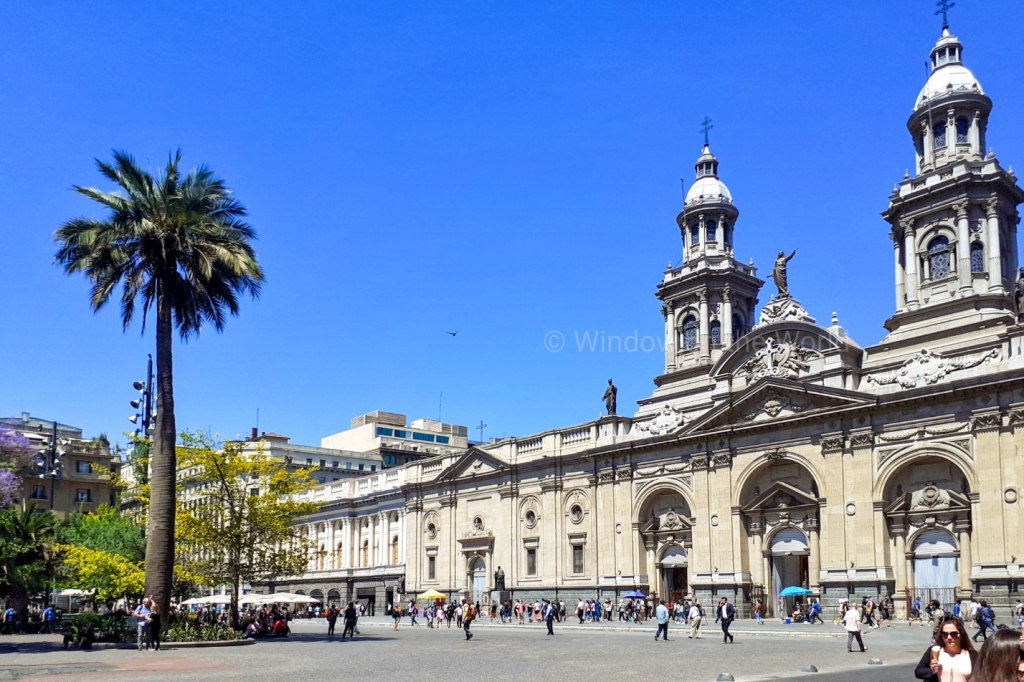
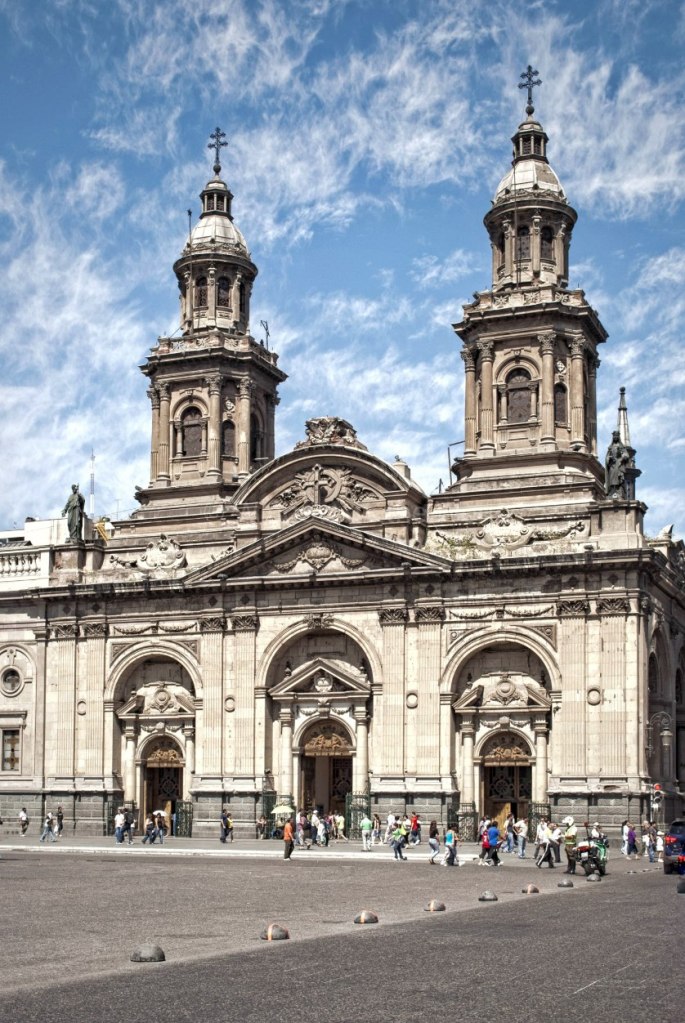
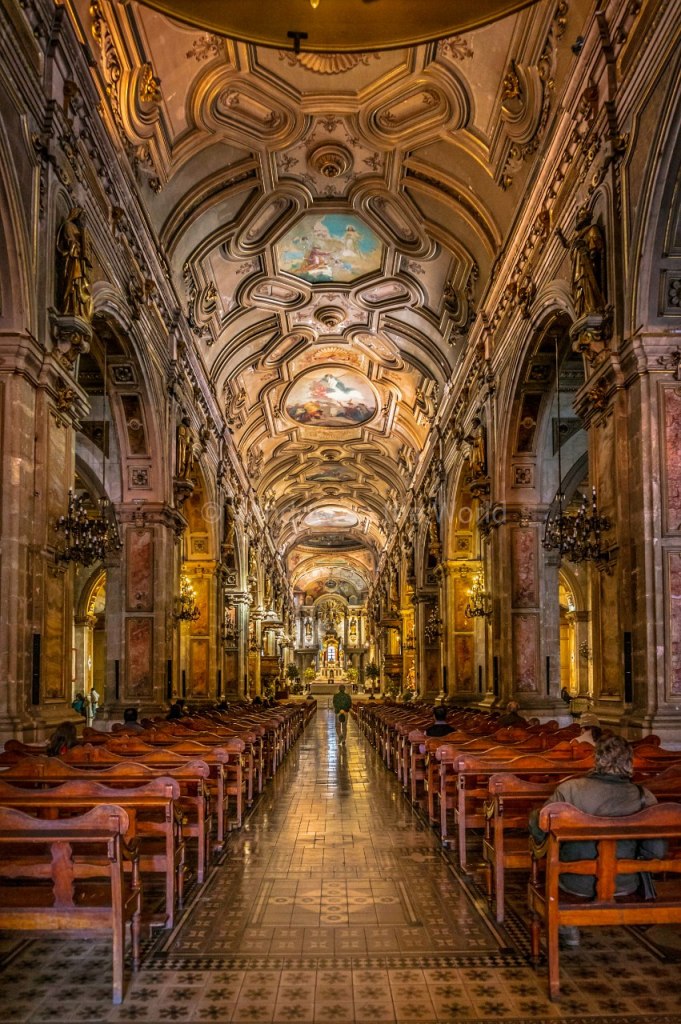
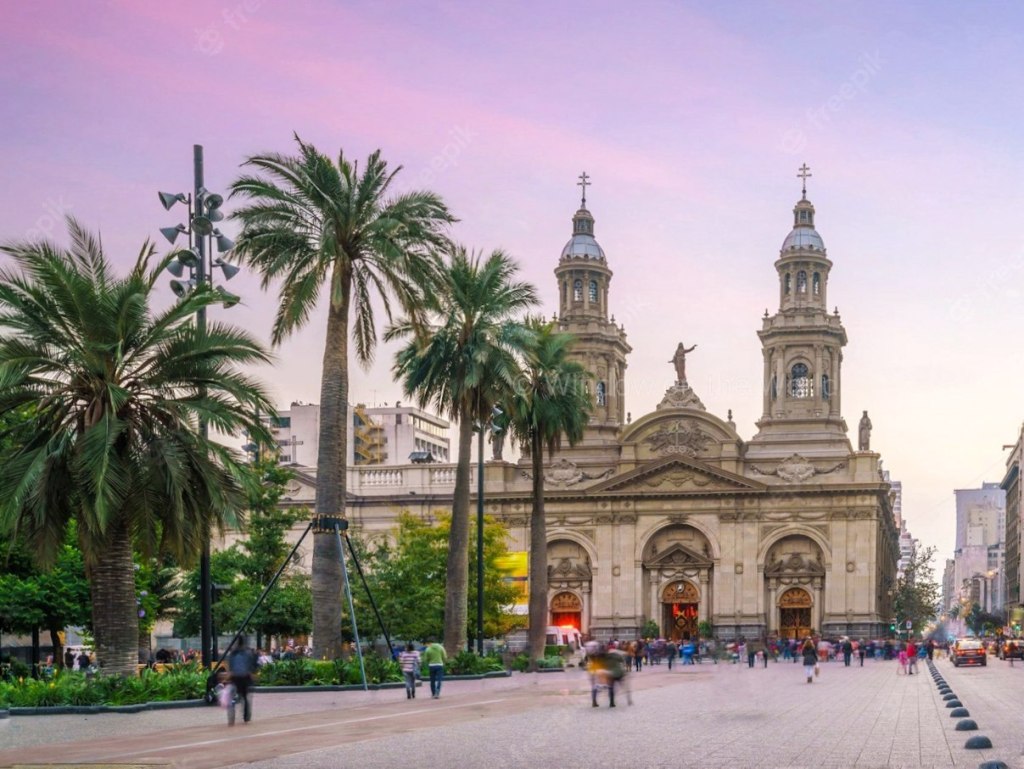
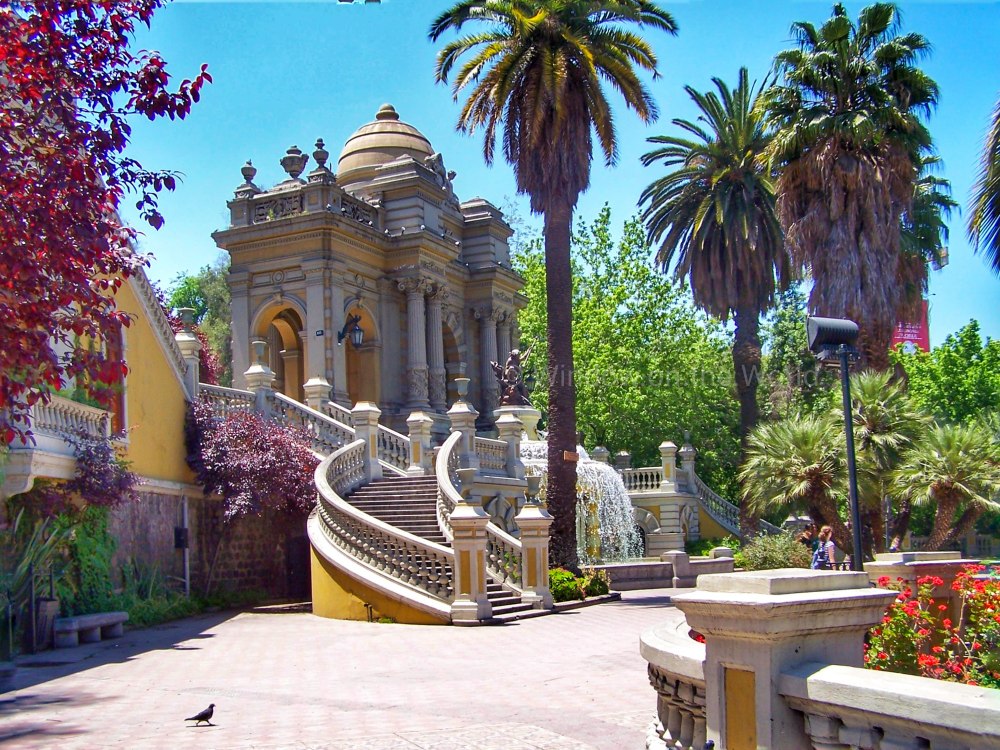
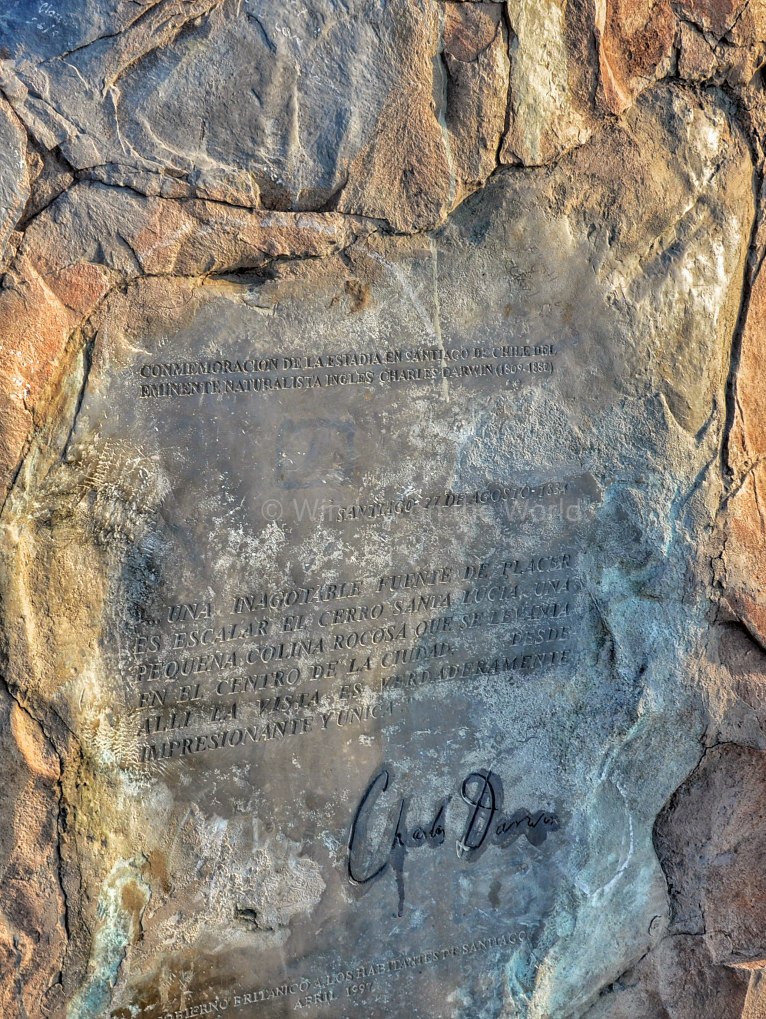
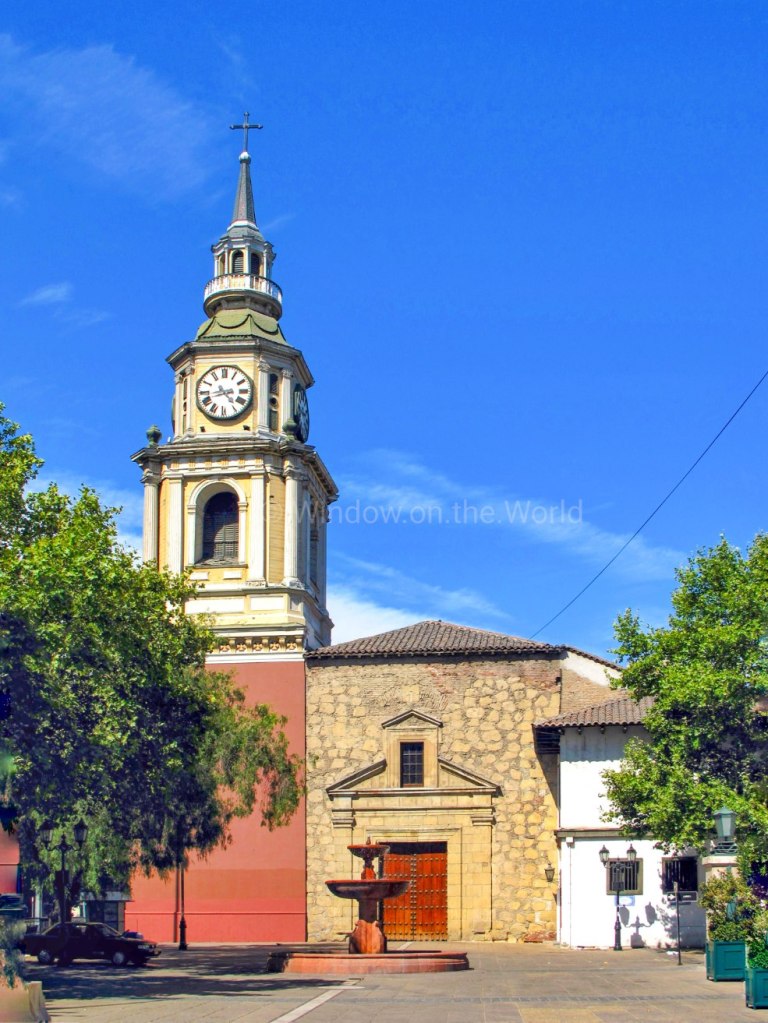
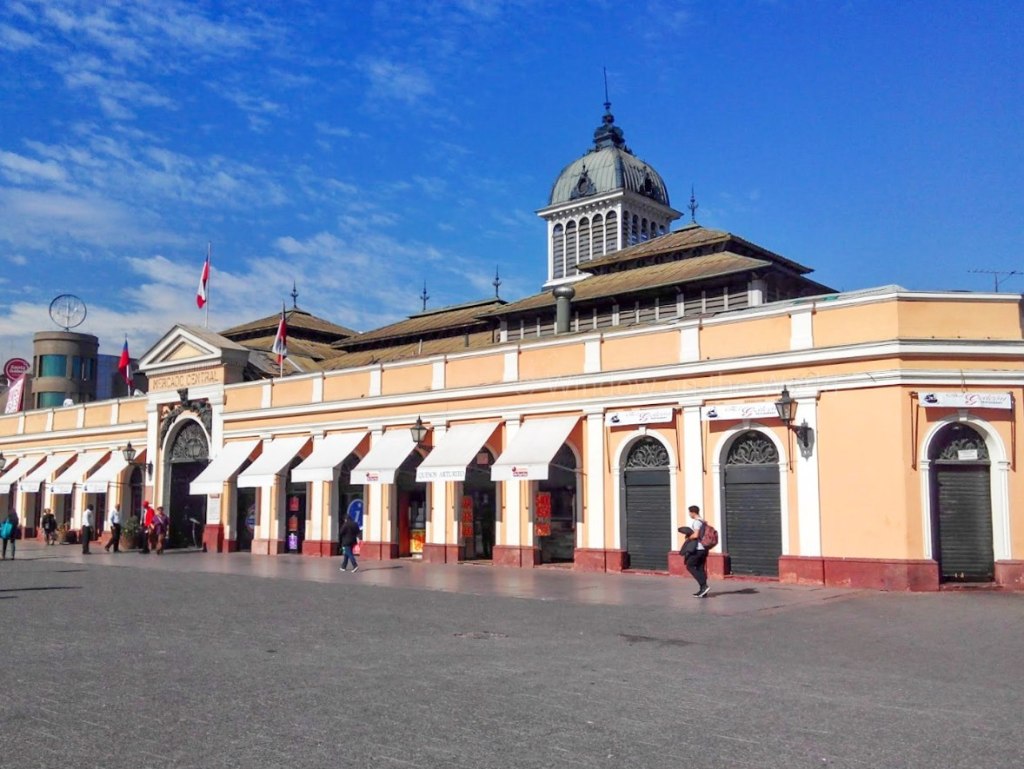
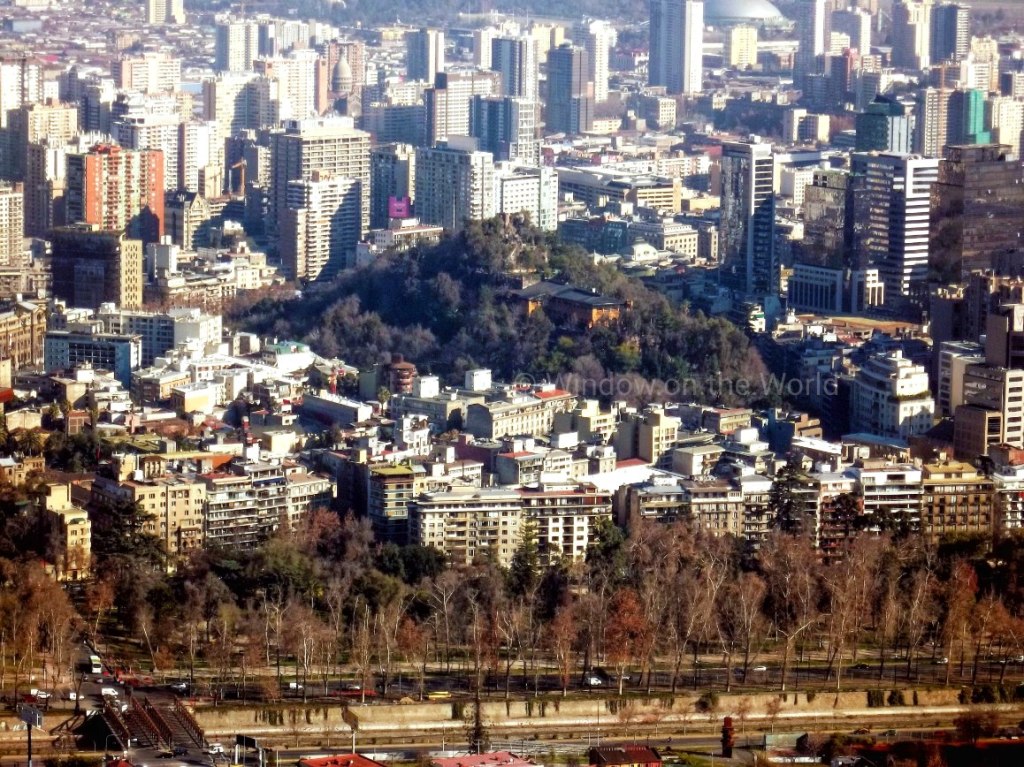
Welcome to Santiago! A Brass plate marking KM 0 for the country, from which distances are measuredPalacio de La Moneda (Palace of the Mint), or simply La Moneda, originally a colonial mint house, constructed between 1784 and 1805. The production of coins in Chile took place at La Moneda from 1814 to 1929. Now the building is the seat of the President of the Chile.Plaza De Armas, Santiago’s main plaza, also the site of the national cathedral and main post office.Santiago Metropolitan Cathedral, the seat of the Archbishop of Santiago de Chile, and the center of the archdiocese of Santiago de Chile. Construction of the neoclassical cathedral began in 1753 and ended in 1799.Interior of Santiago Metropolitan Cathedral.Early evening in the Plaza De Armas, Santiago’s main plaza.Santa Lucia Park in Santiago, a park with fountains and stairs leading up to a fort and viewpoint at the top. Charles Darwin visited this peak at one point in his travels; his words are immortalized in a plaque at the summit.Santa Lucia Park; In 1833, Charles Darwin visited the “little hillock of rock” and declared that the view is “certainly most striking.” A terrace bearing Darwin’s name and a plaque with his comments about the hill commemorate this occasion.Iglesia de San Francisco, a Franciscan church, consecrated in 1622, is one of the oldest colonial-era buildings in the country. It has been resistant to about 15 earthquakes of magnitude over 7.The Mercado Central de Santiago is the central market of Santiago de Chile. It was opened in 1872, replacing the Plaza del Abasto, which was destroyed by a fire in 1864.Beautiful view over the city from Cerro San Cristóbal. The summit can be reached by funicular or a 40-60 minute hike.
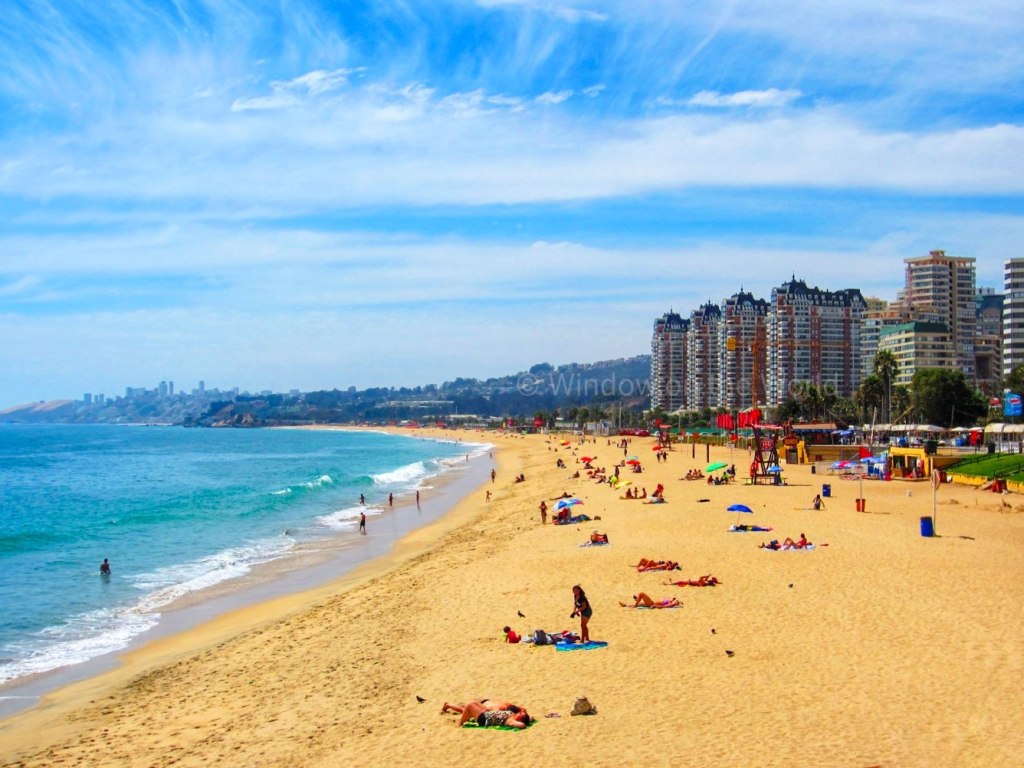
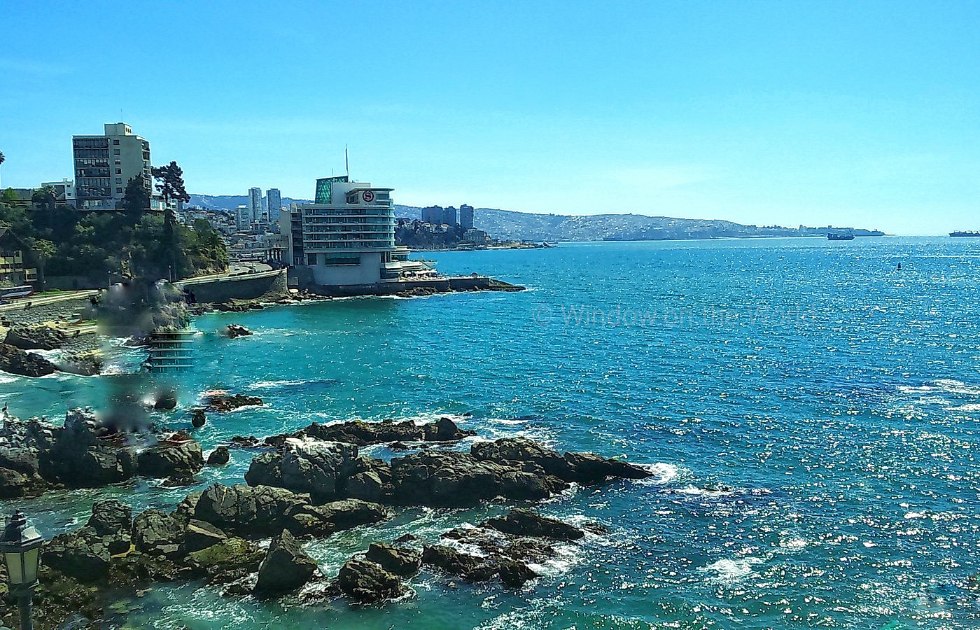
One of the day after work, we drove to Viña del Mar (“Vineyard of the Sea”), a coastal resort city northwest of Santiago, known for its gardens and beaches.
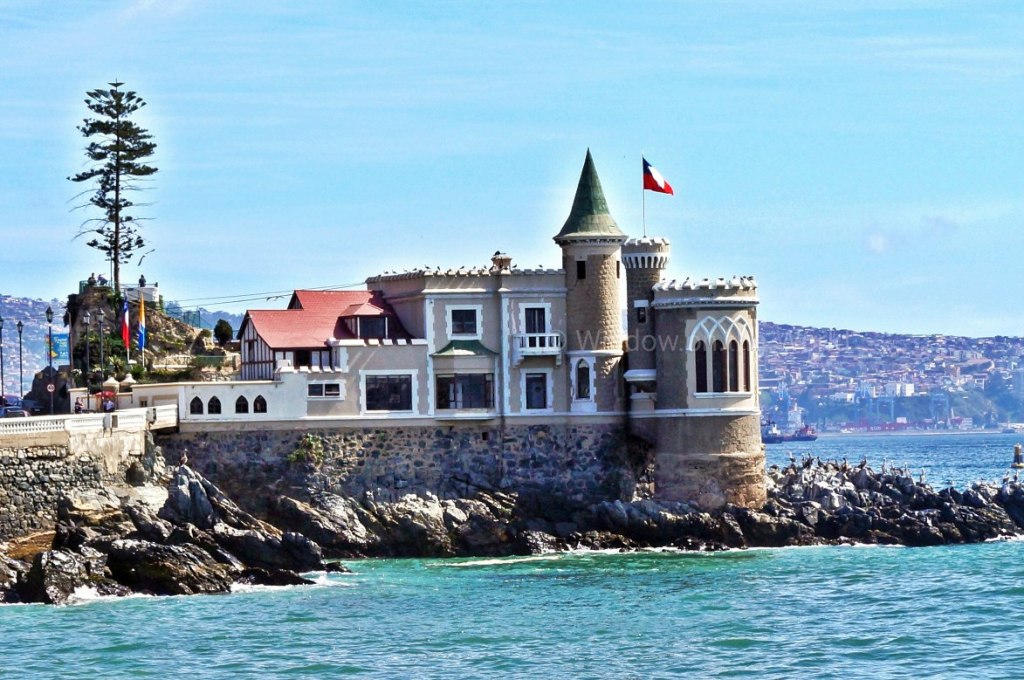
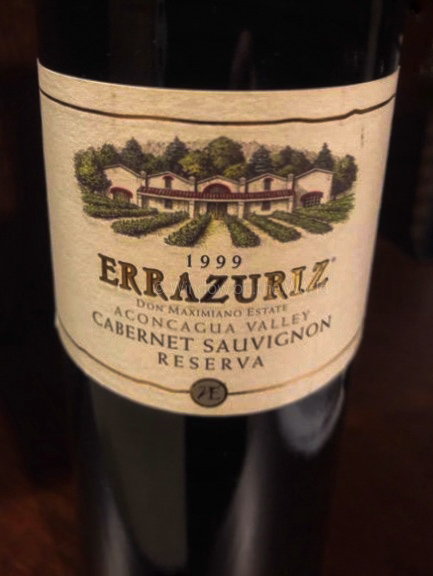
White sandy beach of Viña del Mar.Viña del Mar.Wulff Castle, a historic castle overlooking the sea in Viña del Mar. It was built in 1906 for the Wulff family, now serves as the headquarters of the city heritage center.Chile is world famous for its wine, Cabernet Sauvignon is the must have while visiting the country.
Chile, with a diversity of landscapes, has lot to offer. I would definitely like to go back and explore more of Chile.
After a weeklong business trip to Santiago, I flew back to Dallas, Texas, my home at that tine.
In May 2017, 23 days before I was going to complete 50 years, grabbed an opportunity and took an early retirement.. Picked up a backpack and traveling ever since.. Love to travel around the world, experience different culture, local cuisine & drinks .. and take pictures.. so far been to 108 countries and still counting...


 Window on the World