Argentina, a country in the southern half of South America, the largest Spanish-speaking nation in the world by area, shares the bulk of the Southern Cone with Chile to the west, and is also bordered by Bolivia and Paraguay to the north, Brazil to the northeast, Uruguay and the South Atlantic Ocean to the east. Argentina is famous for Meat – the highest meat-eating country in the world, Wine, Tango, Football, and Evita (Eva Perón).
The population is comprised as much as 95% of people of European descent, mostly from Italy, Spain, and Germany. Over 60% of the population has full or partial Italian ancestry, Argentine culture has significant connections to Italian culture.
Argentina is a largely urban country. Buenos Aires, the national capital, with its ring of modern, bustling suburbs, is among South America’s most cosmopolitan and crowded cities. Nearly half of Argentina’s population live in the area around Buenos Aires. The city of Buenos Aires has been called the “Paris of South America” for its architectural styles and lively nightlife.
I visited Argentina five times between 1998 and 2009; all business trips to Buenos Aires. Pictures below are from my last trip in August 2009, the only trip I carried a small digital camera and took some pictures.
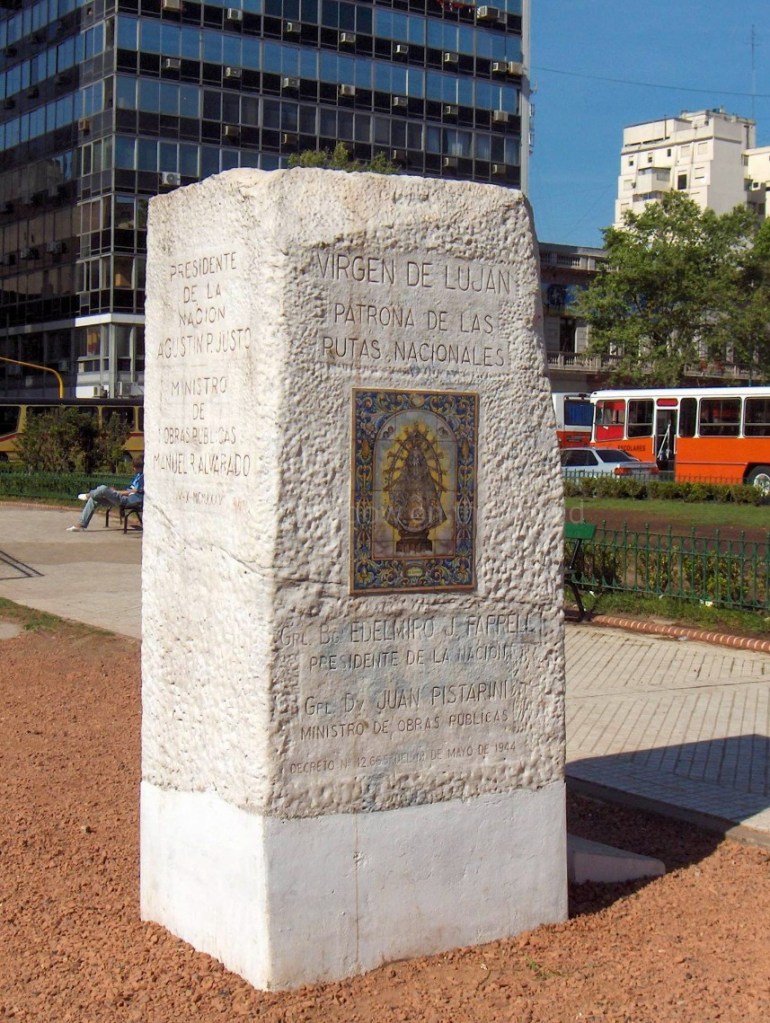
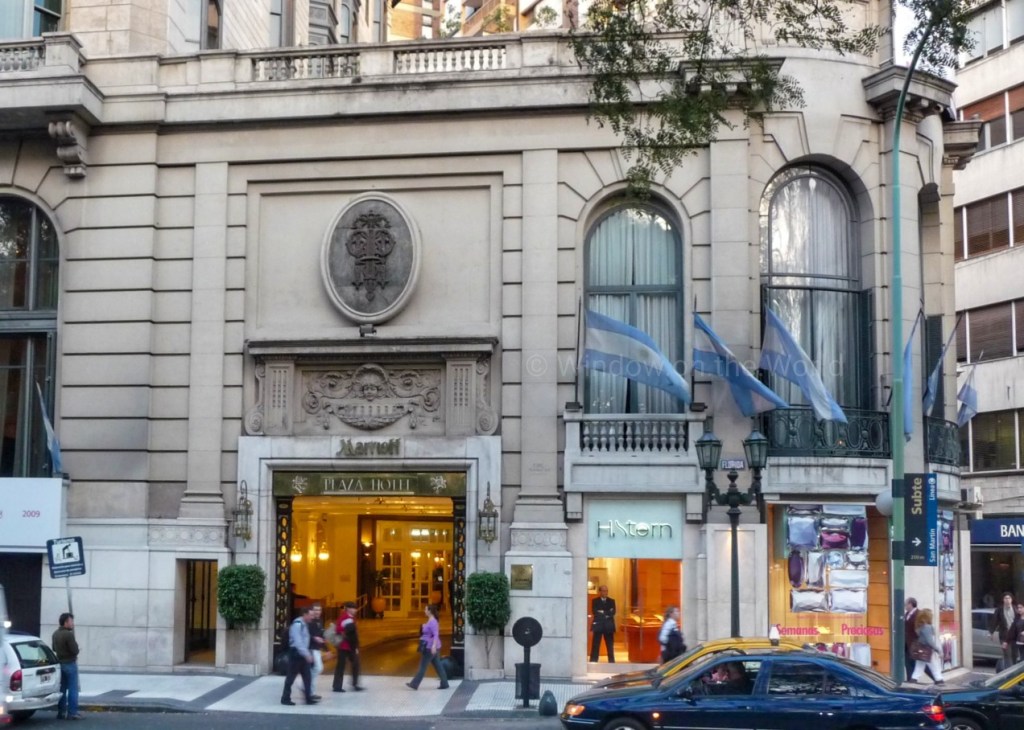
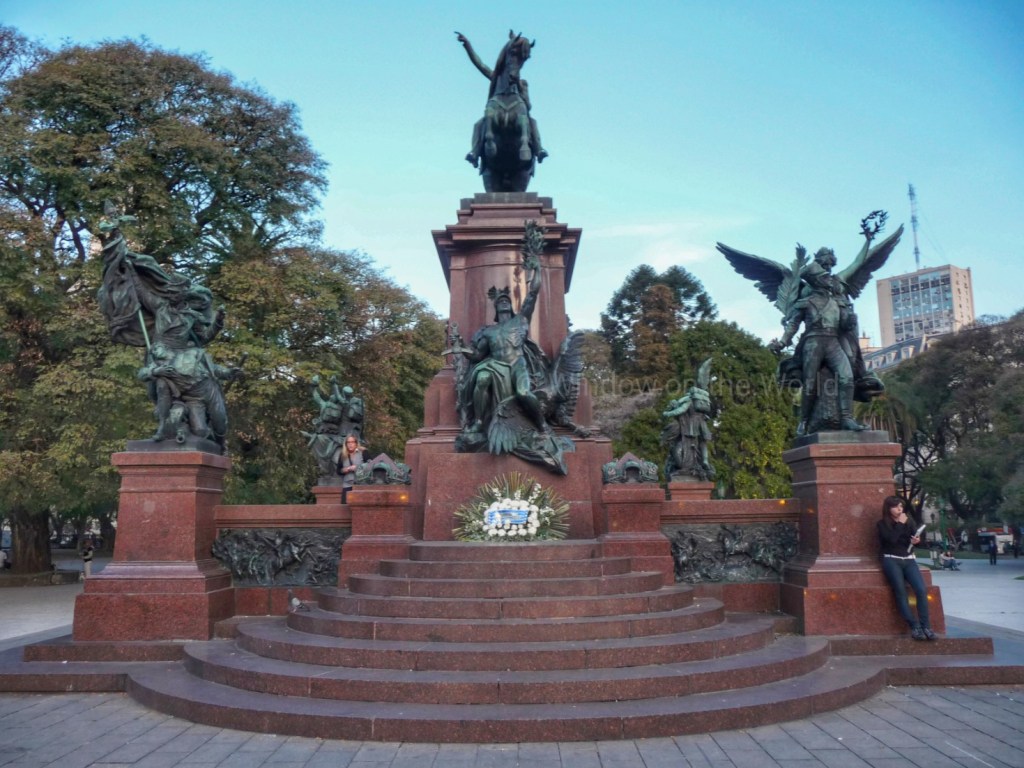
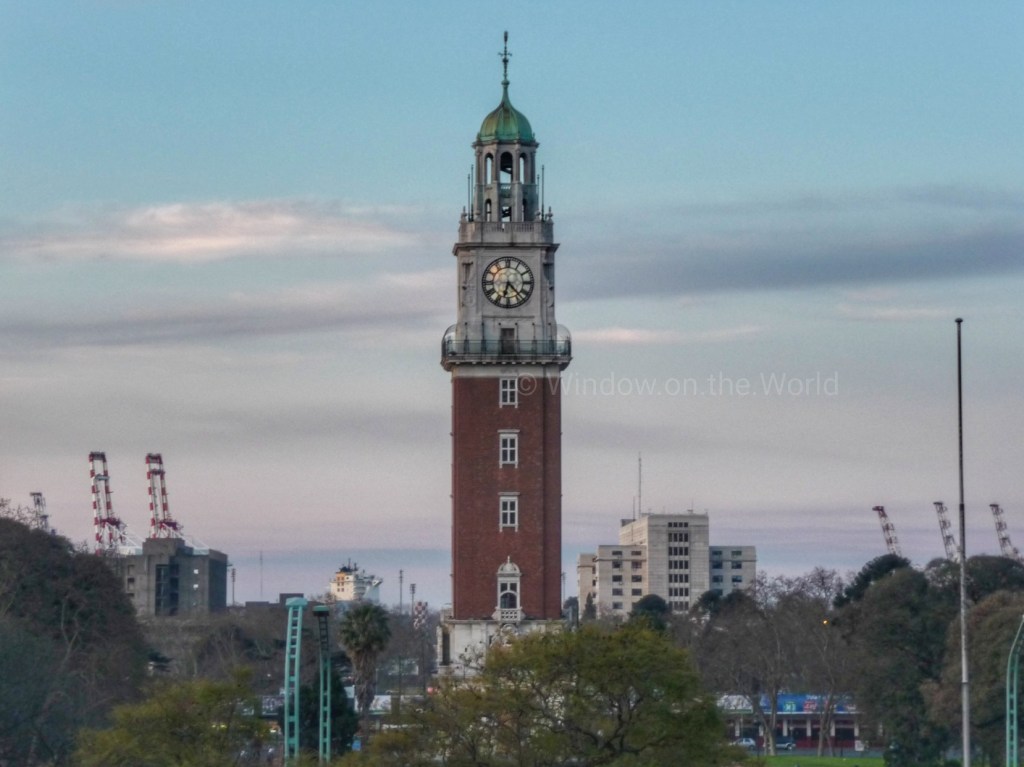
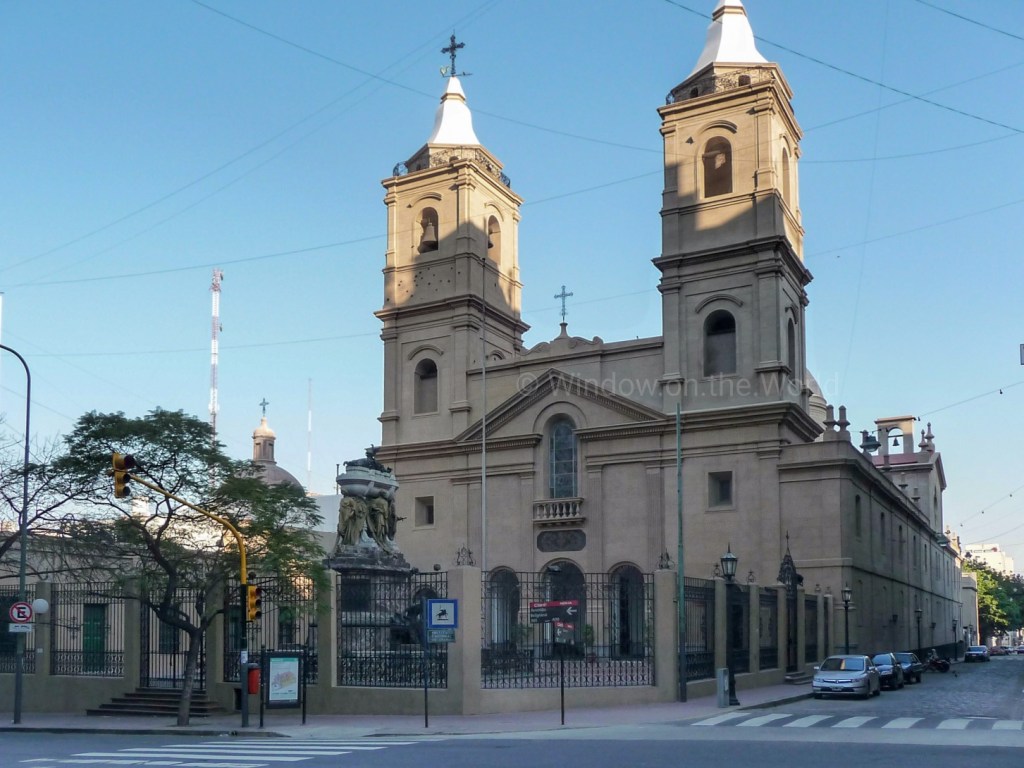
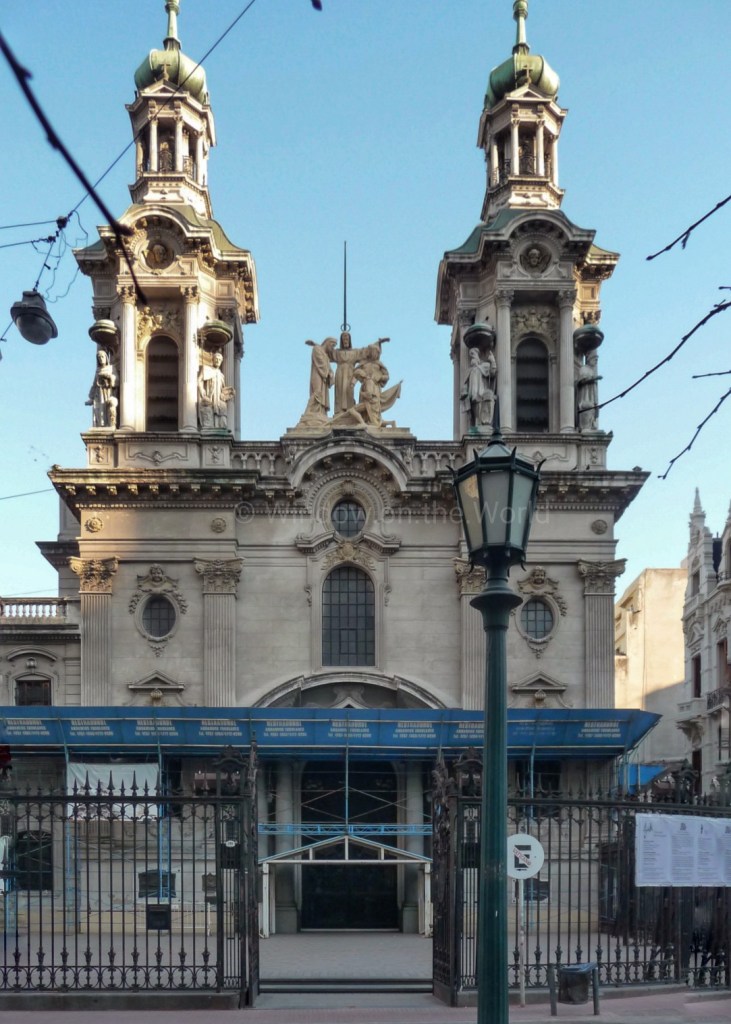
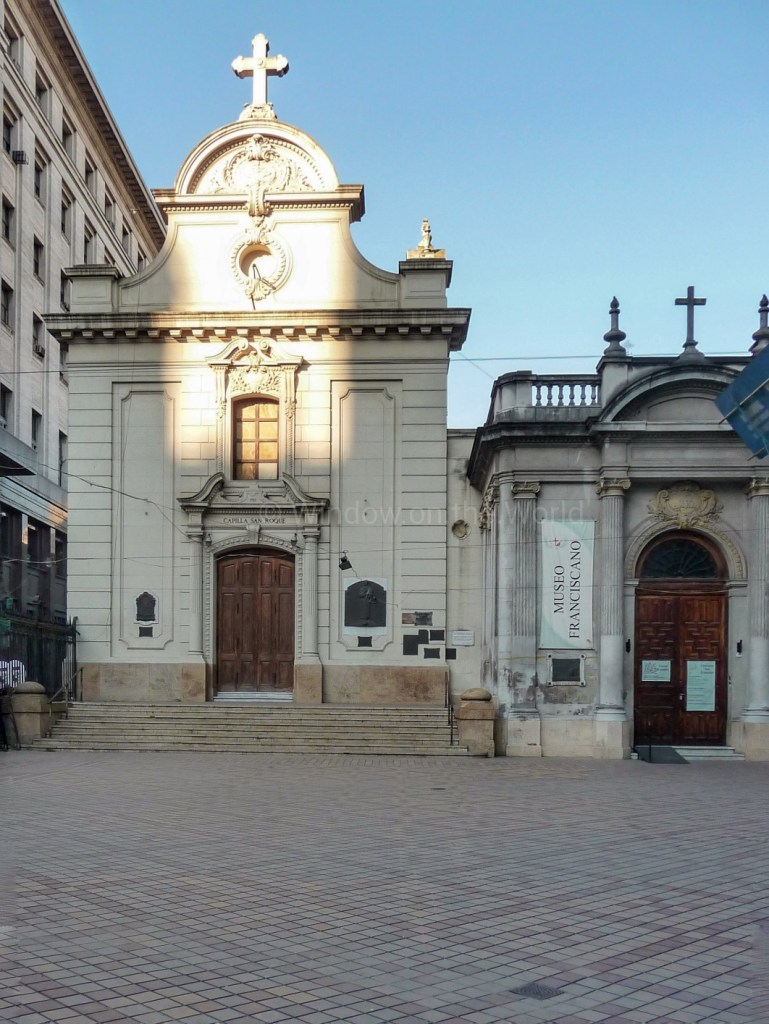
Welcome to Argentina! Kilometer zero (KM 0), a monolith that symbolizes the starting point of the Argentine road network. On the north face there is an image of Our Lady of Luján (patron saint of the national road network).My home for a week in Buenos Aires, the Plaza Hotel, a hundred years old hotel, managed by Marriot at that time.Monumento a San Martin; a bronze equestrian statue created in 1862, depicts Argentine General José de San Martín, who helped Argentina, Chile, and Peru gain independence from the Spanish in the early part of the 19th century.Torre Monumental, formerly known as Torre de los Ingleses (“Tower of the English”), built in 1910, as a gift from the local British community to the city in commemoration of the centennial of the May Revolution of 1810. After the Falklands War in 1982, the tower’s original name was dropped.The Santo Domingo Convent, built during the colonial times, was the location of a military conflict during the British invasions of the Río de la Plata. When the British attempted to besiege Buenos Aires in 1806, the locals sought refuge in this church and barricaded themselves in it until the arrival of military support.The Basilica of San Francisco, a Catholic church, originally constructed between 1731-1754. Current facade and towers were remodelled in 1907 – 1911. It shares the atrium with the Chapel of San Roque.Capilla San Roque, The original chapel, built at the beginning of the 17th century, continued to function as such until 1751. The current building was remodeled in 1911. It shares the atrium with the Basilica of San Francisco.
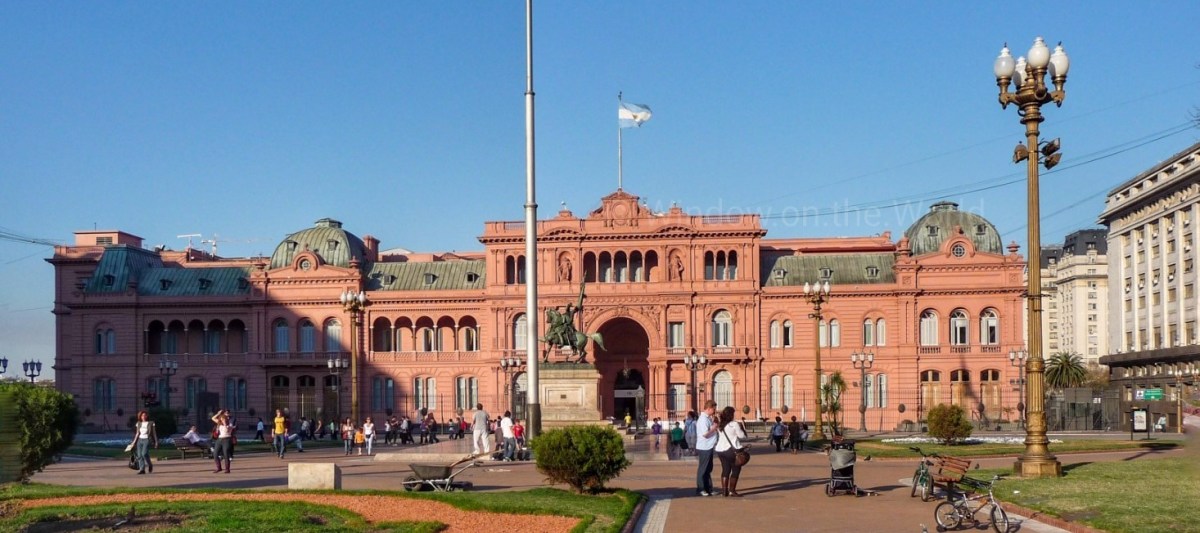
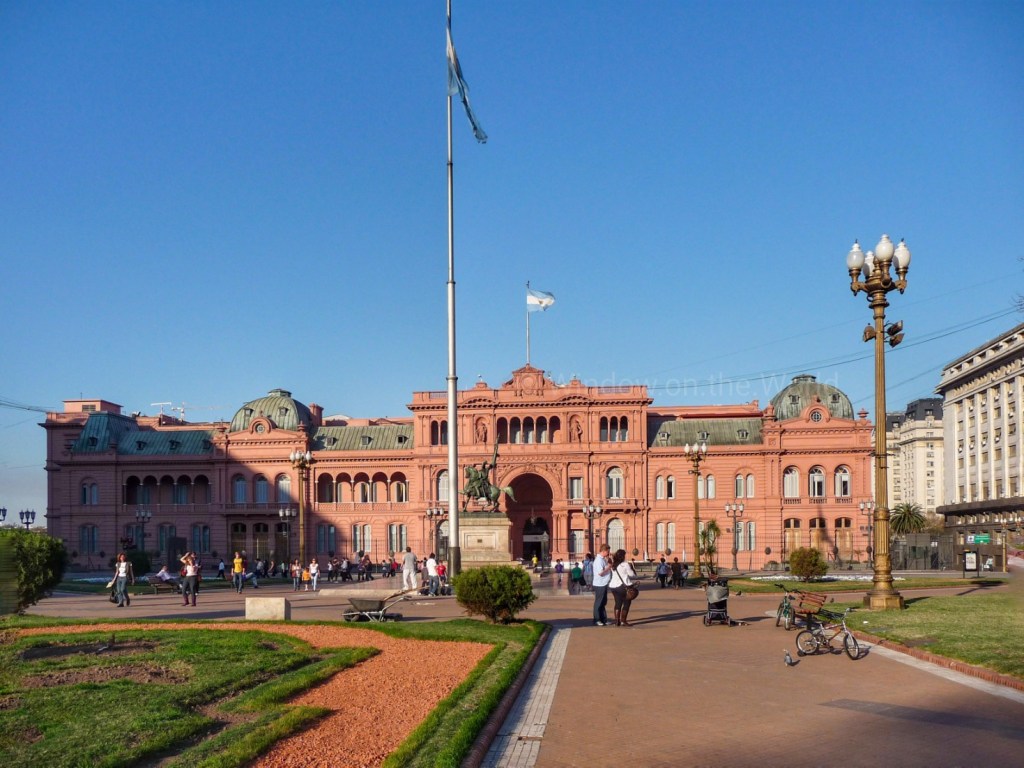
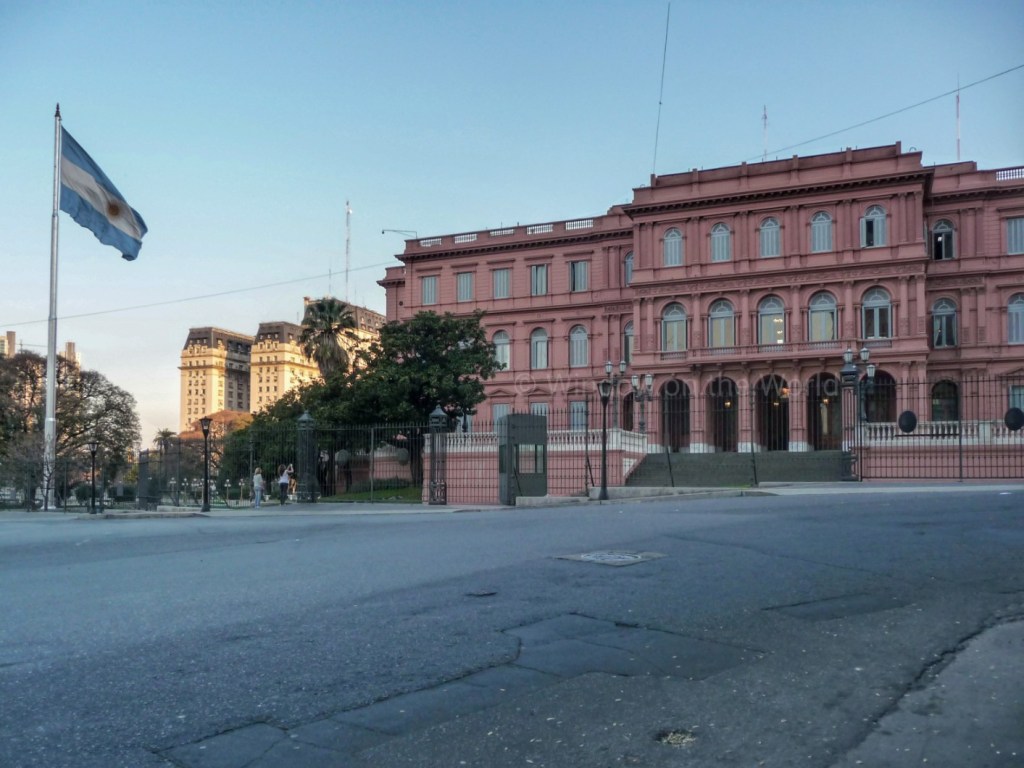
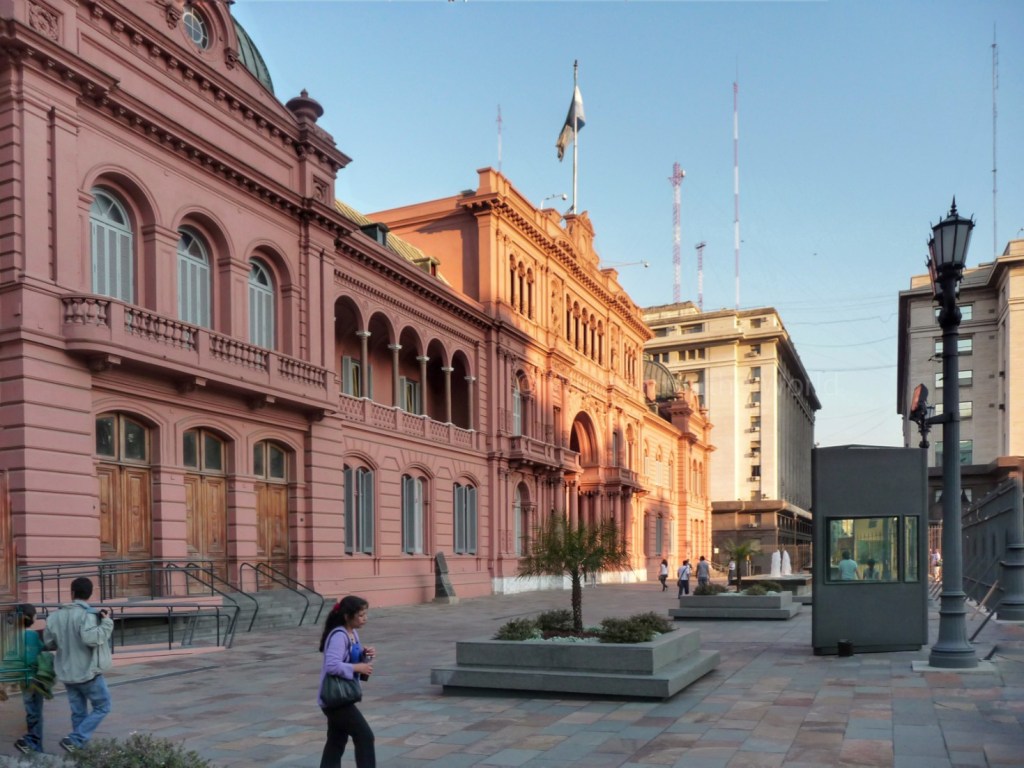
After a week of work, I took a day off to explore Buenos Aires, as I hadn’t done that during my previous trips. The first stop was Casa Rosada, the office of the President of Argentina. The site on which the Casa Rosada is located has been the seat of successive political authorities that have governed Argentina for centuries, and served as the official residence of Spanish governors and viceroys before Argentine Independence in 1816.
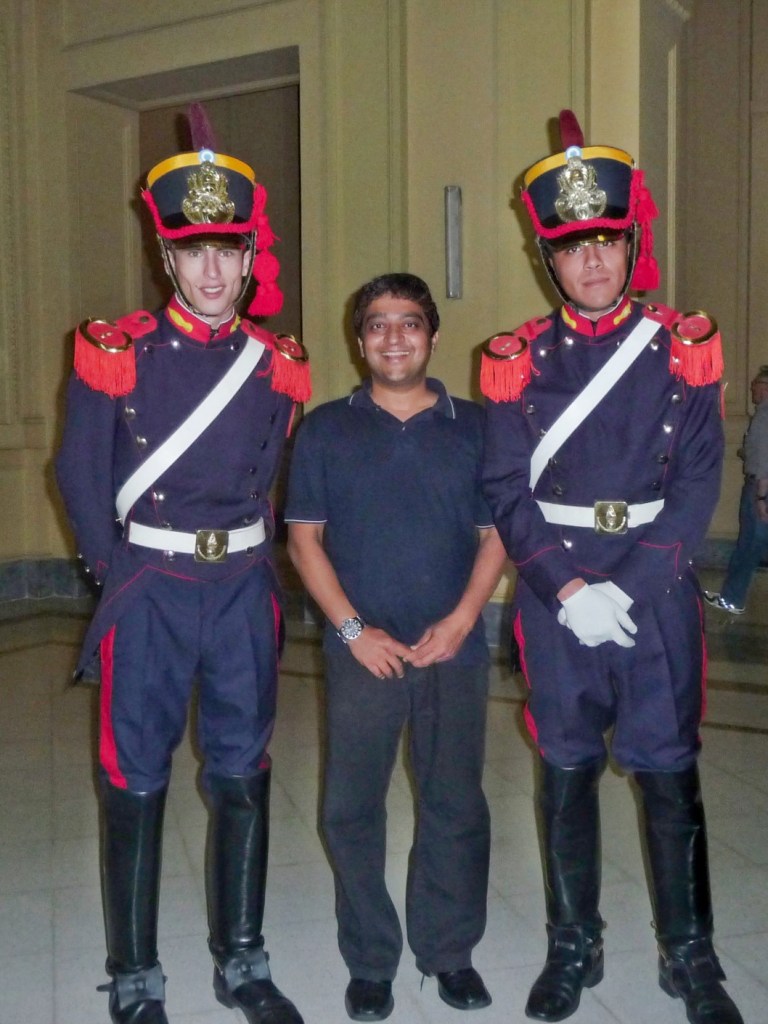
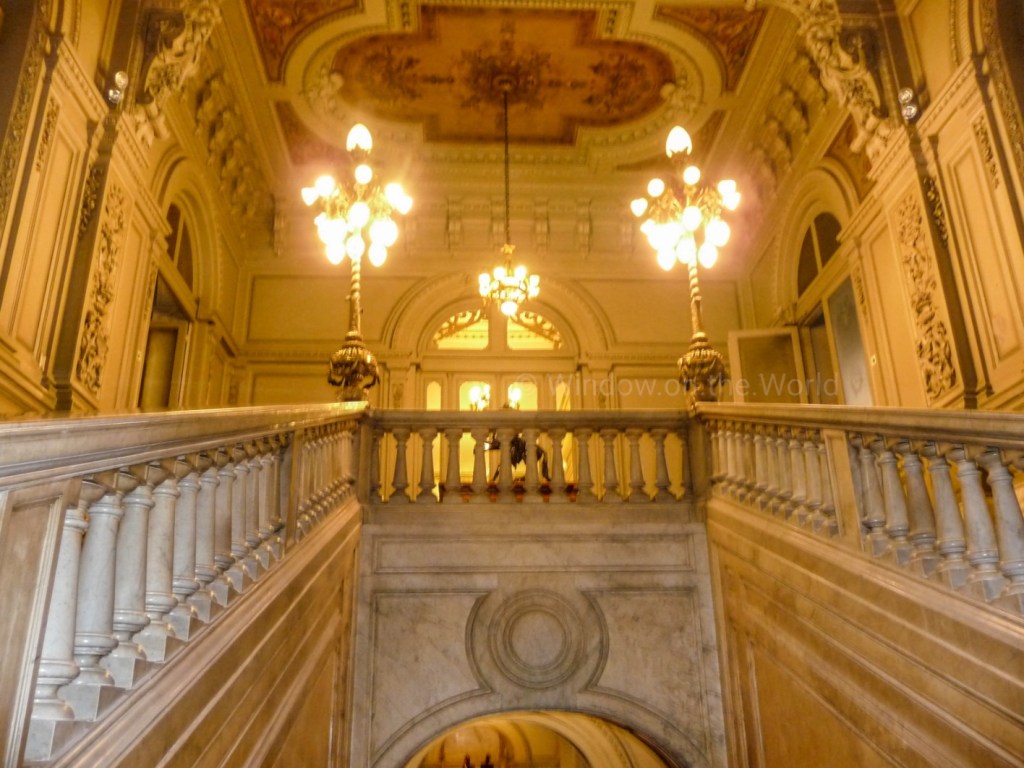
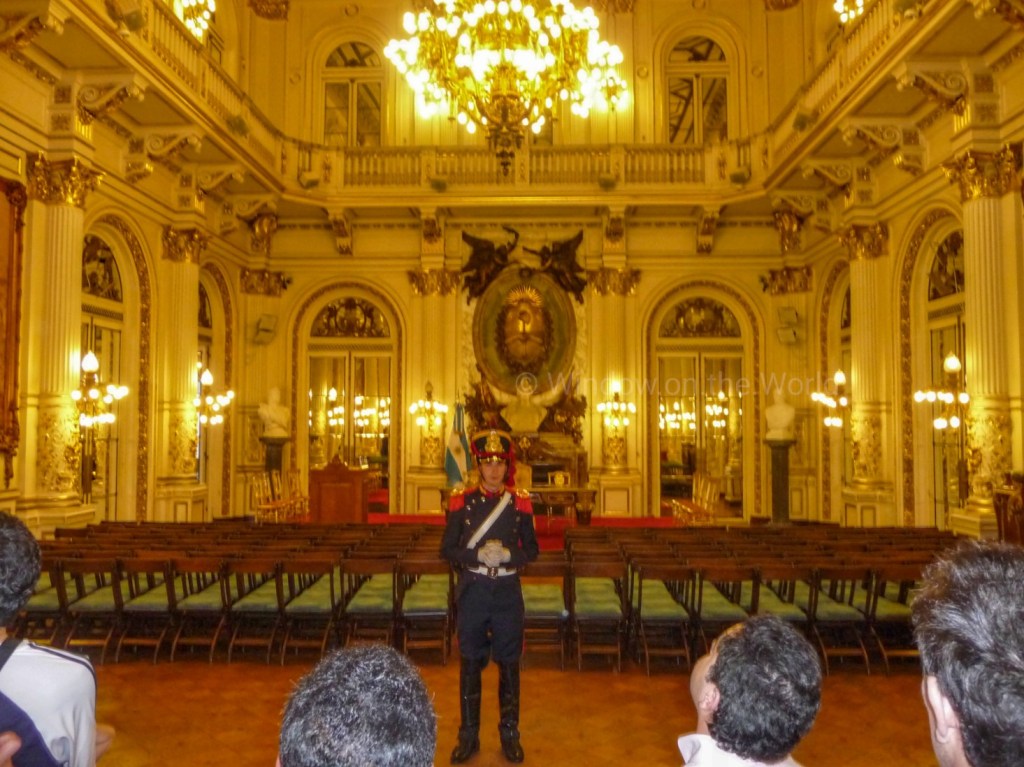
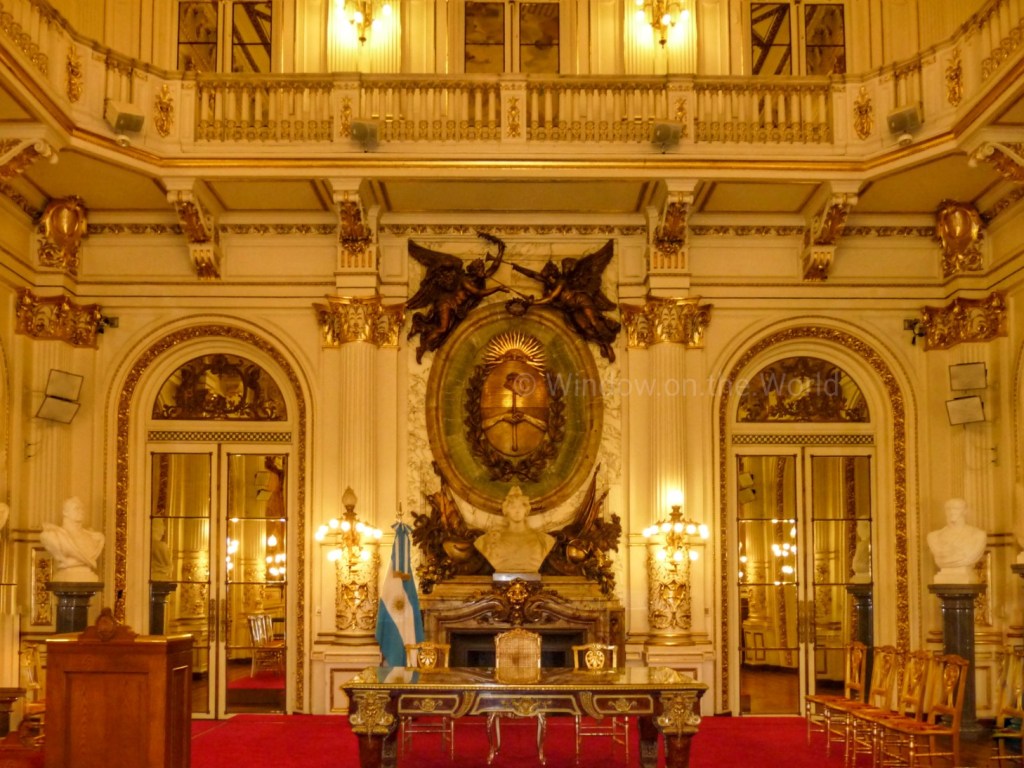
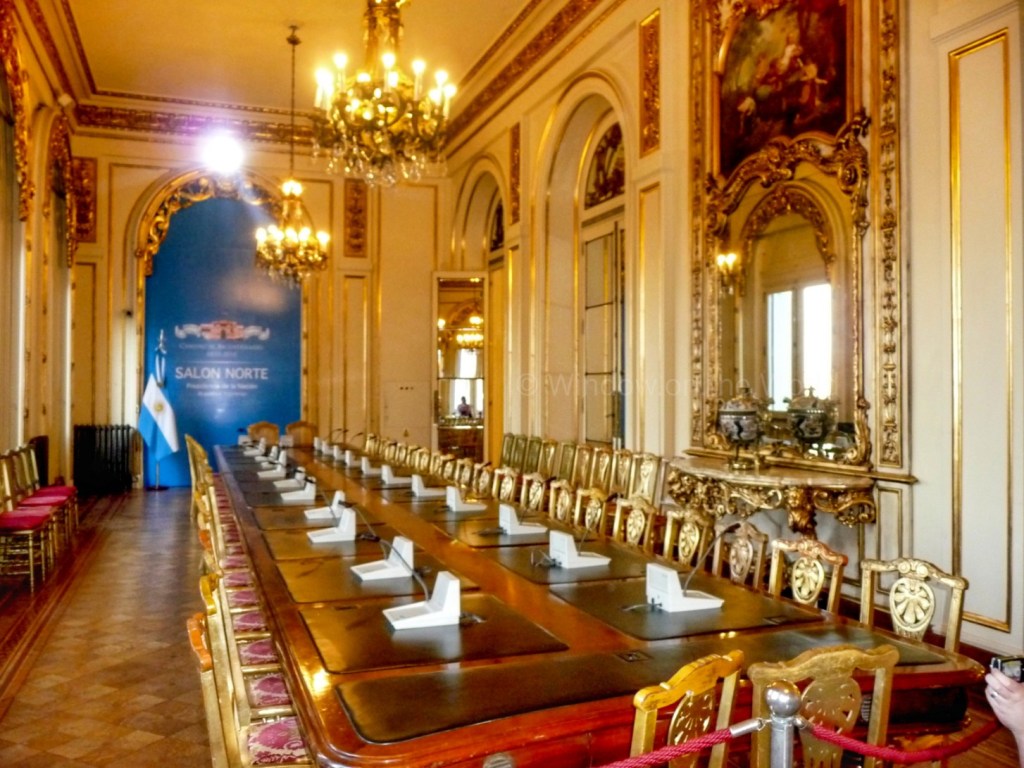
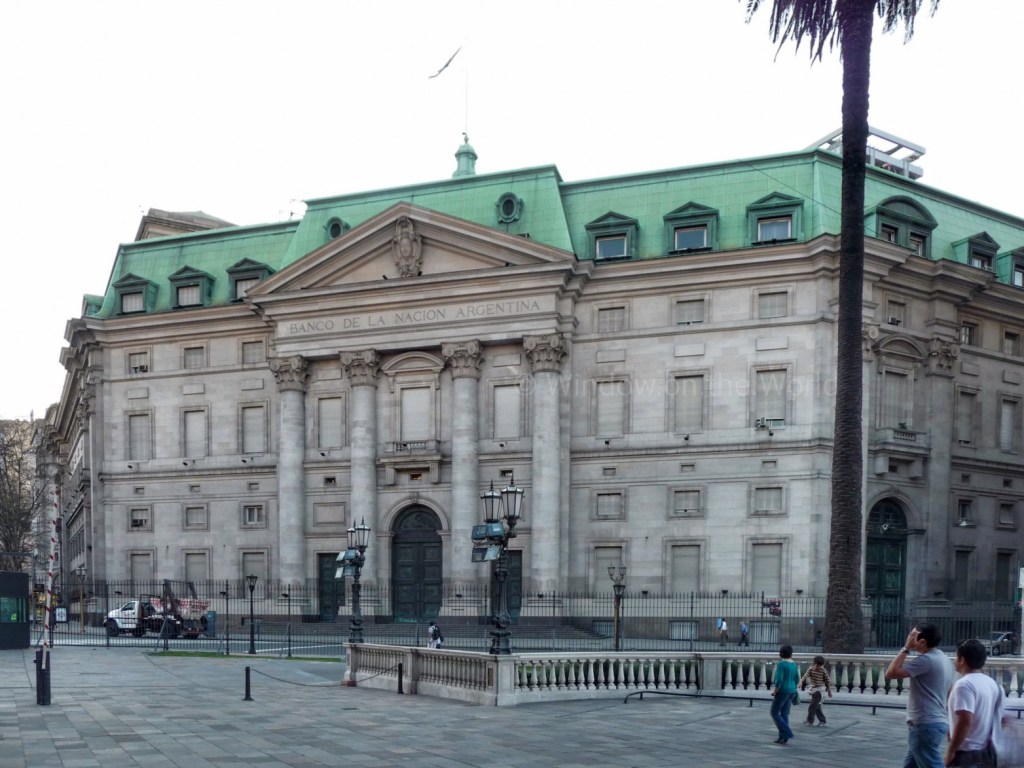
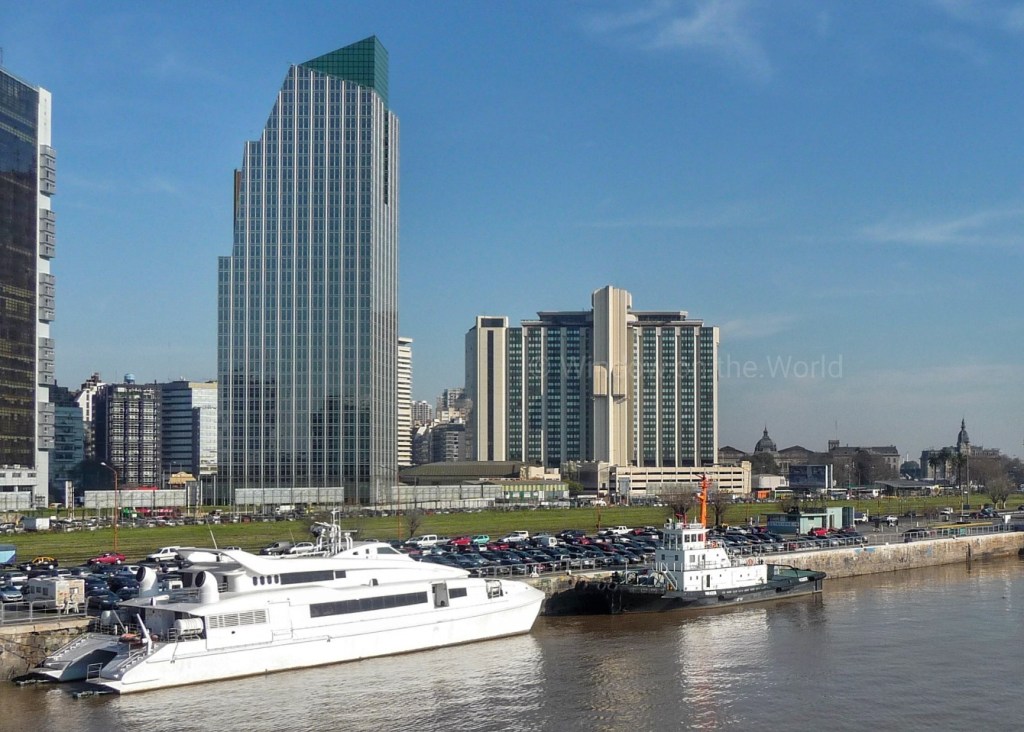
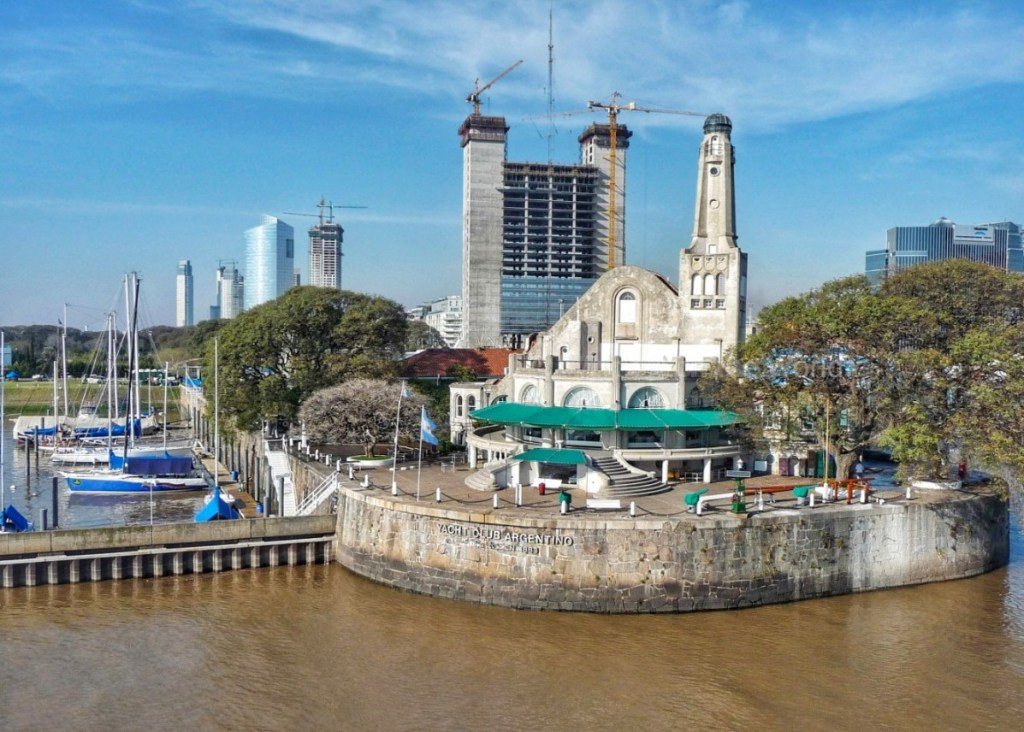
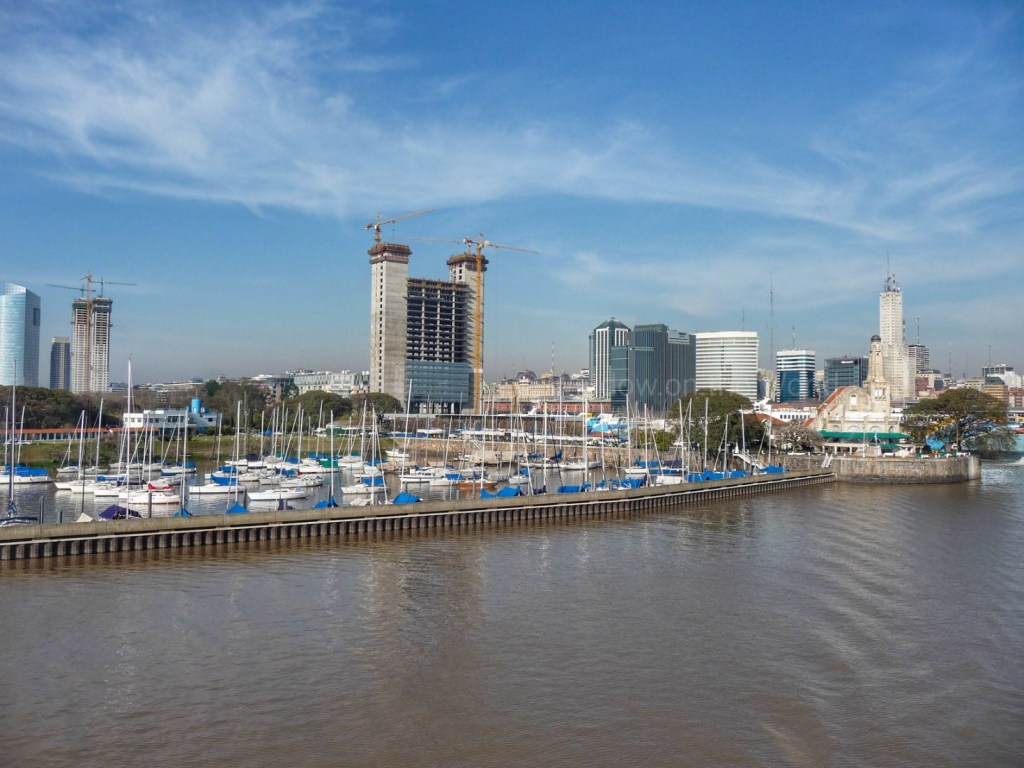
Main façade of The Casa Rosada, the office of the President of Argentina, as seen from Plaza de Mayo. With Palace guards of the Casa Rosada. They are tall 🙂Casa Rosada: The Italian Staircase, named after the marble and bronze plaque on its landing, a gift from the Kingdom of Italy to President Roque Sáenz Peña, symbolizing fraternity between the two nations.Casa Rosada: The Salón Blanco, originally conceived as a place for receptions, is the main hall of the Palace where the most important acts of government are carried out, such as handover of the attributes of command (presidential sash and baton) by the outgoing president to the new president. The swearing-in ceremonies of the Ministers and Secretaries of State, the receptions of special guests, the signing of international treaties.Casa Rosada: The Salón Blanco; the National Shield in bronze of Argentina on a marble plate, crowning it, two angels made of patinated wood, whose hands hold trumpets of glory.Casa Rosada: The North Hall, known as the Agreements Room, this was the meeting room of the National Cabinet until 1968.Casa Rosada: Hall of Argentine Bicentennial Women, dedicated to honor outstanding Argentine women in different disciplines, including Evita (Eva Perón).Casa Rosada: View of the north wing and the porte-cochère.Casa Rosada: The Italianate portico.Building of Banco de la Nación Argentina (Bank of the Argentine Nation), founded in 1891, the national bank in Argentina and the largest in the country’s banking sector.Torre BankBoston and other office buildings by the Río de la Plata.Yacht Club Argentino by the Río de la Plata.Buenos Aires Marina
In the afternoon, I visited La Boca, one of the most famous neighborhood of Buenos Aires.
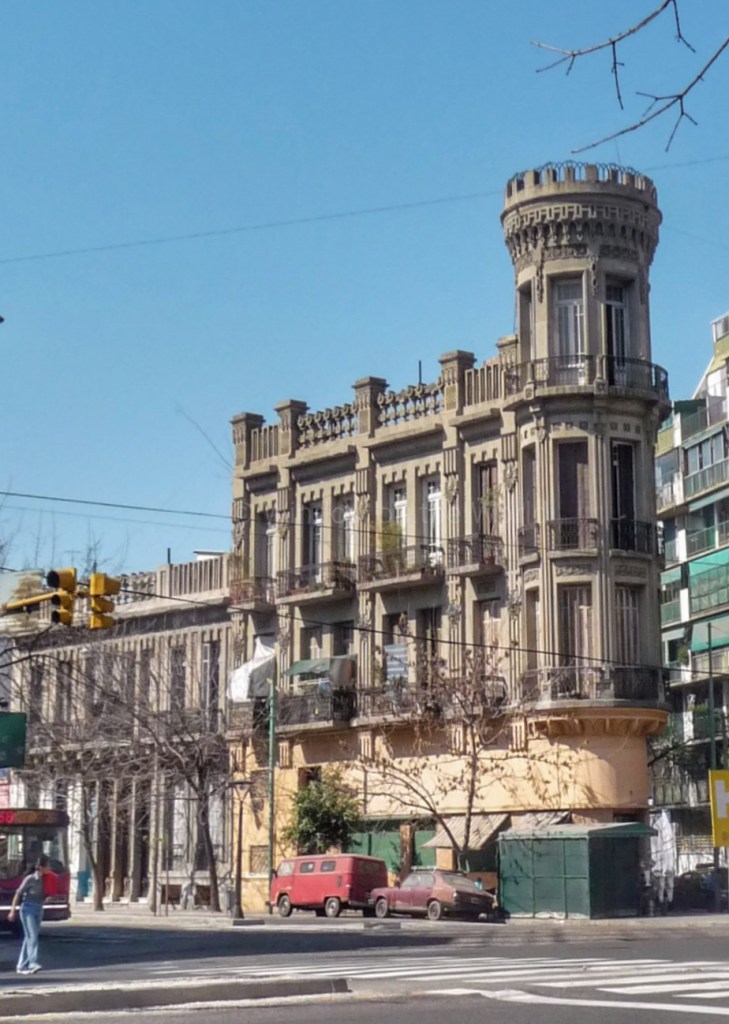
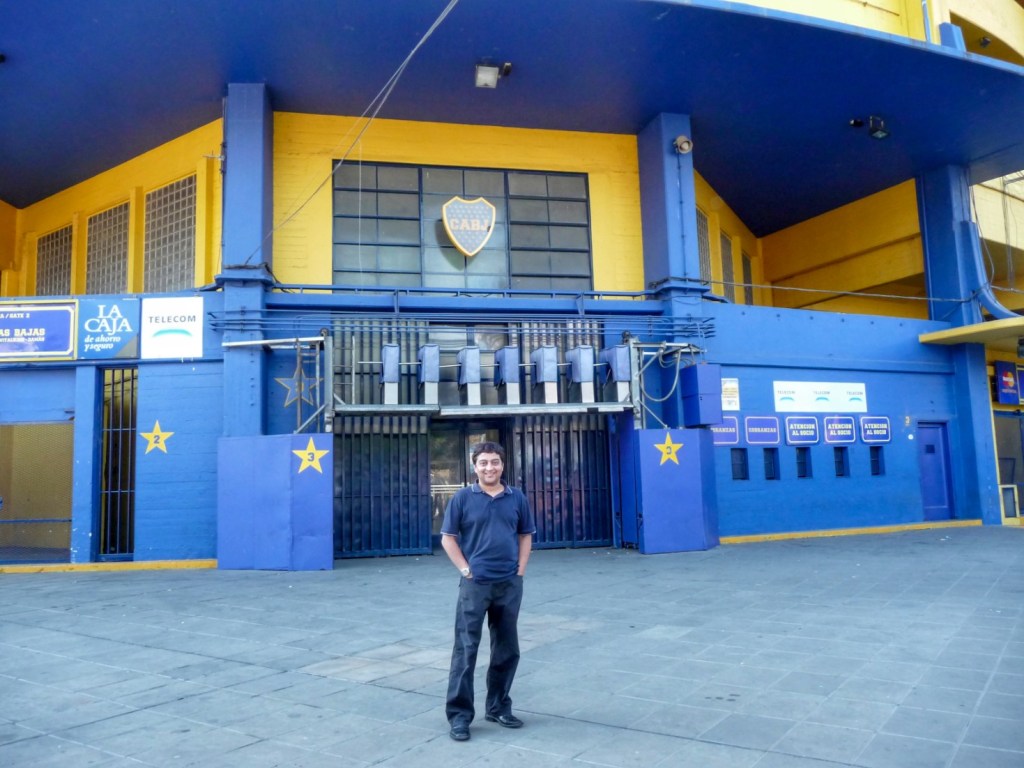
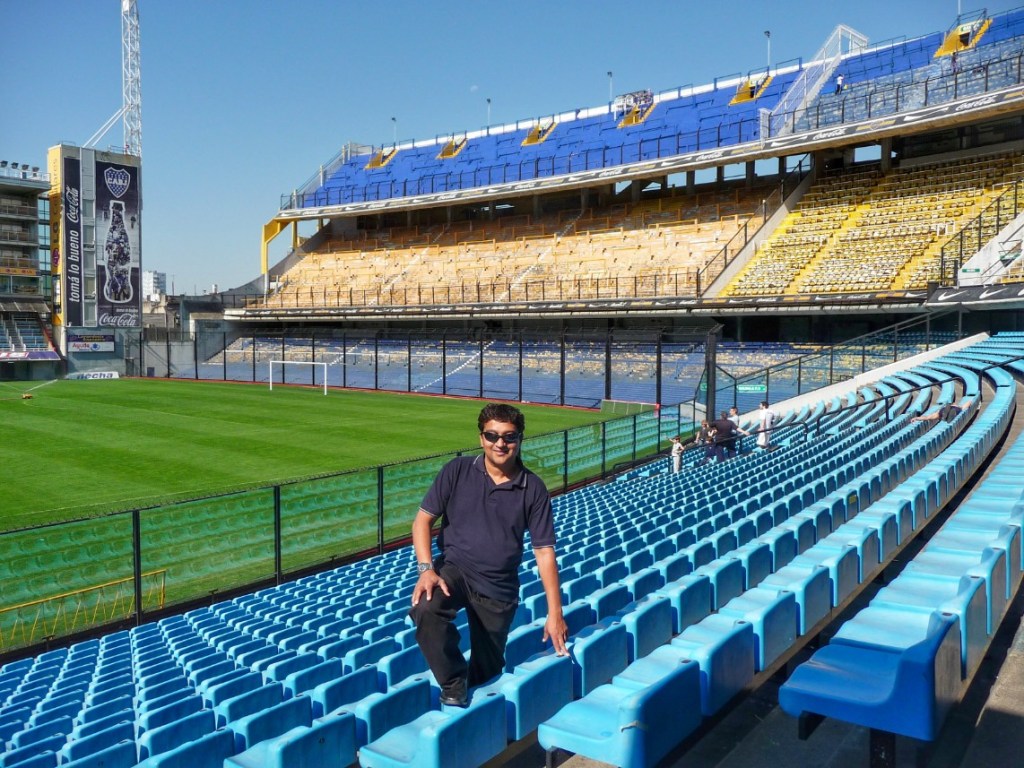
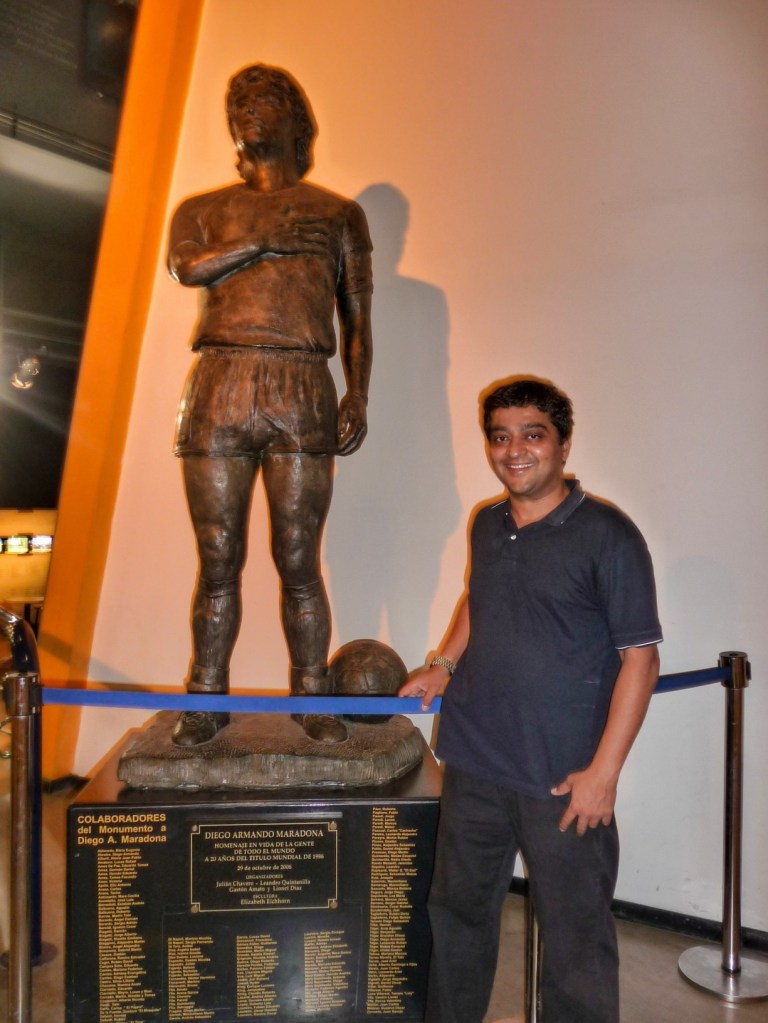
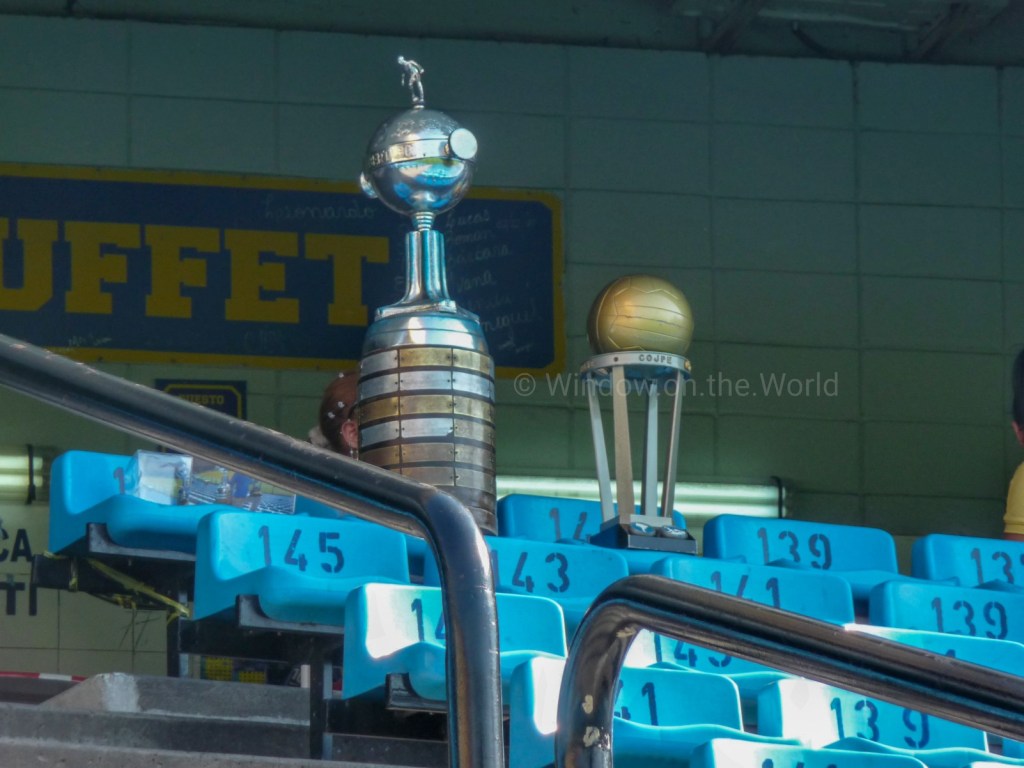
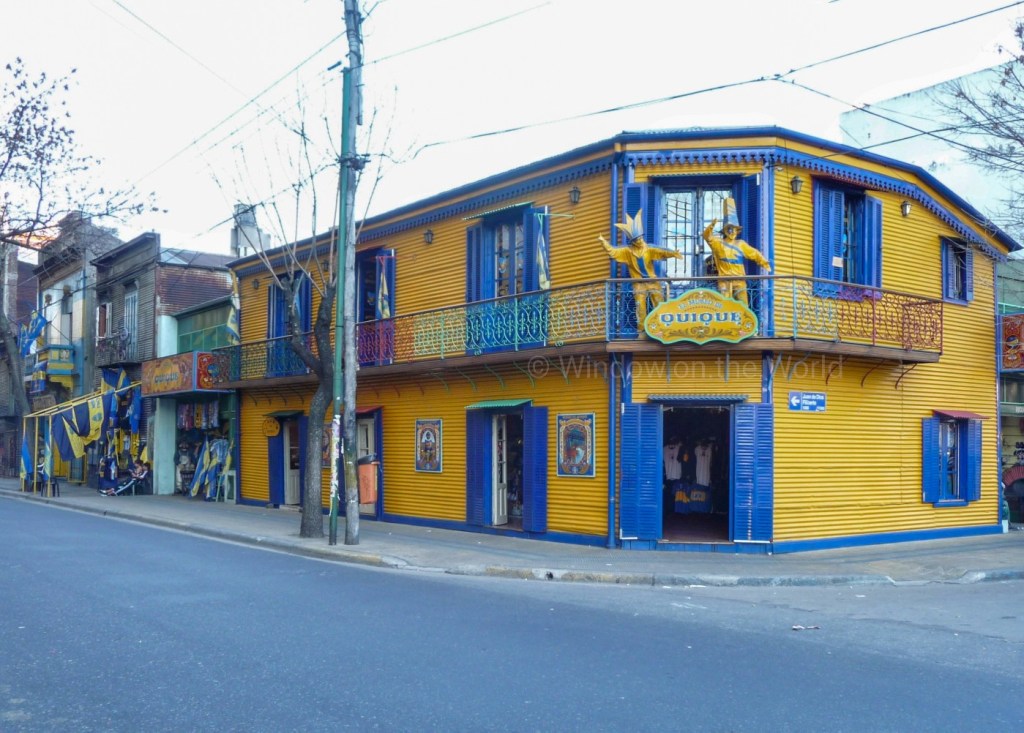
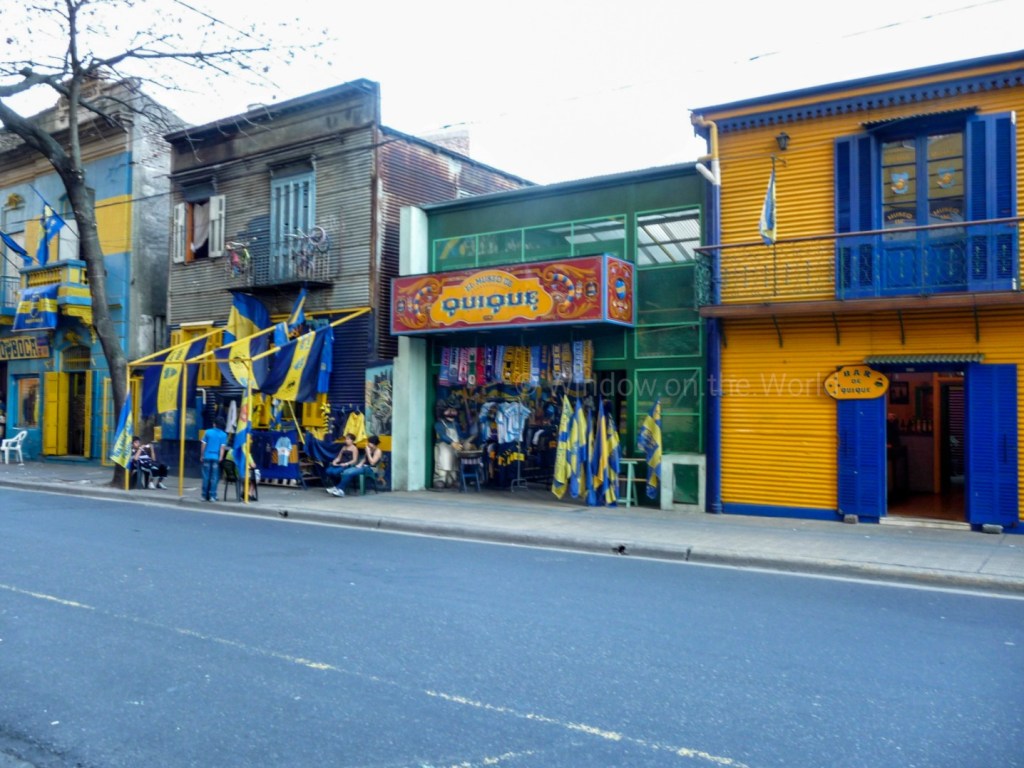
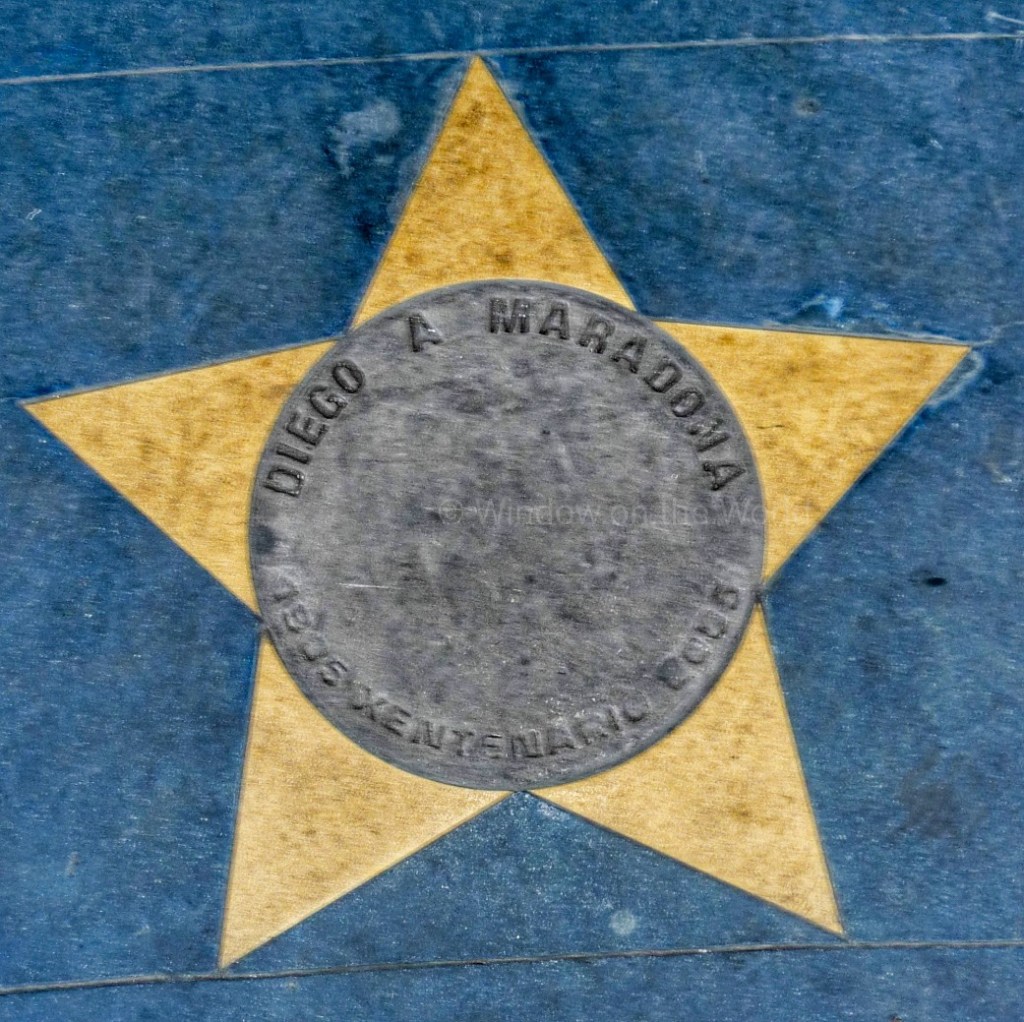
Torre del Fantasma (The Ghost Tower), constructed in 1910 with Catalan modernist style. It’s said that the tower is inhabited by a ghostly figure that wanders around at night.The Alberto José Armando Stadium, widely known as La Bombonera, owned by Boca Juniors, one of Argentina’s top football clubs founded in 1905. The stadium is widely regarded as one of the most emblematic stadiums of the world.Inside view of La Bombonera.Statue of Diego Maradona, my favorite Football Player, and one of the star player of Club Boca Juniors. Boca Juniors is 6 times Copa Libertadores Champion and 5 times Runner-Up.Football, the National Sport of Argentina.El Museo de Quique. Boca Juniors soccer team museum.Few more shops selling Boca Juniors Souvenirs around La Bombonera. Diego Maradona star with his name and footprints laid outside La Bombonera as part of the club’s centenary celebrations in 2005. I will use this as a manhole cover.
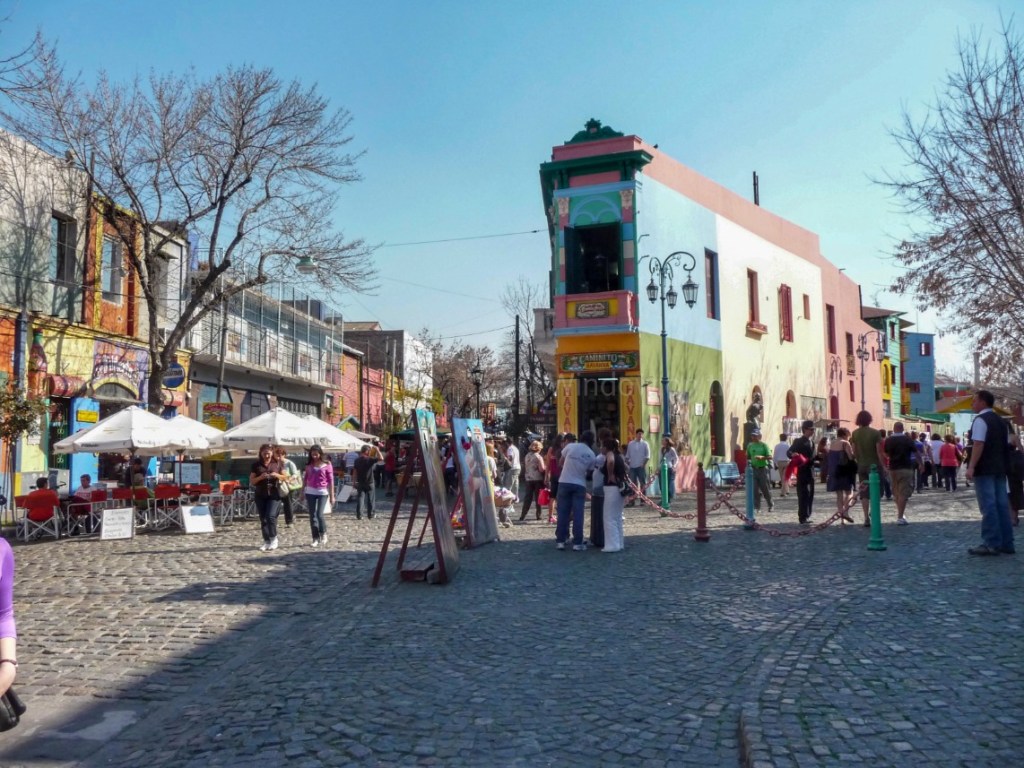
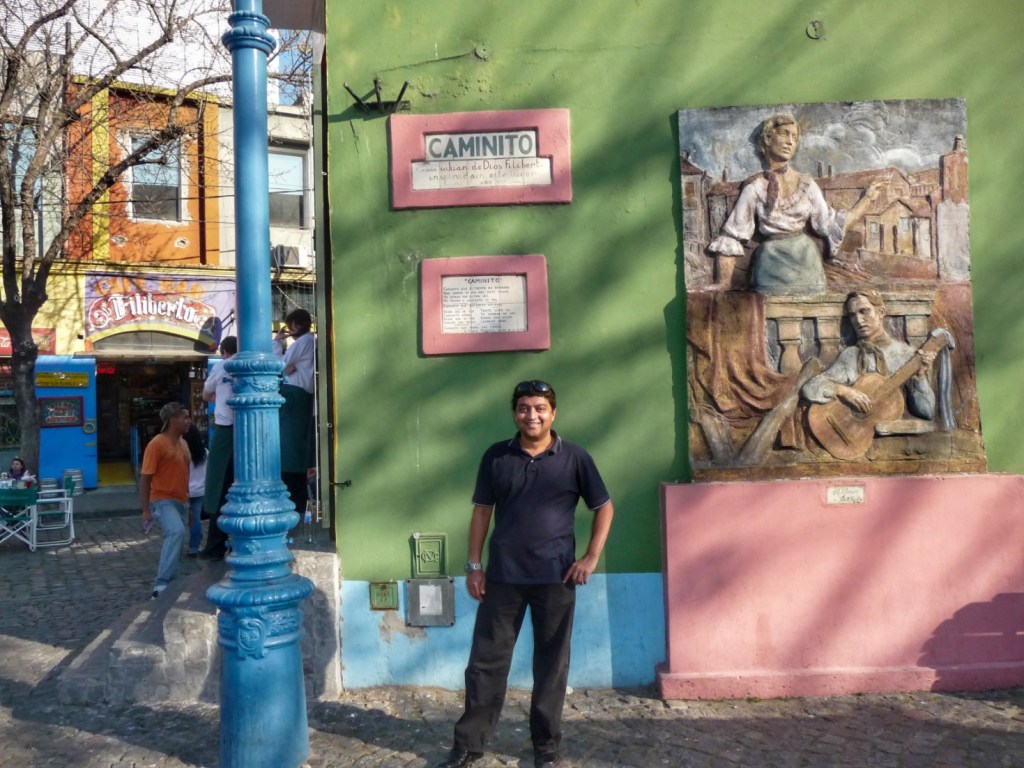
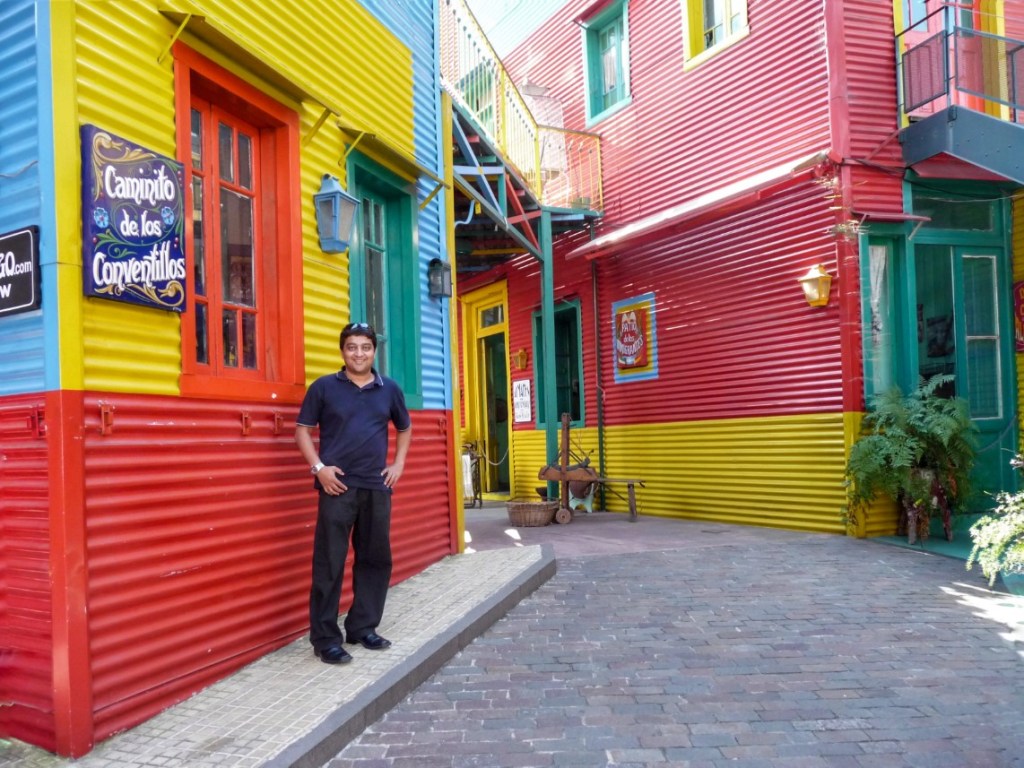
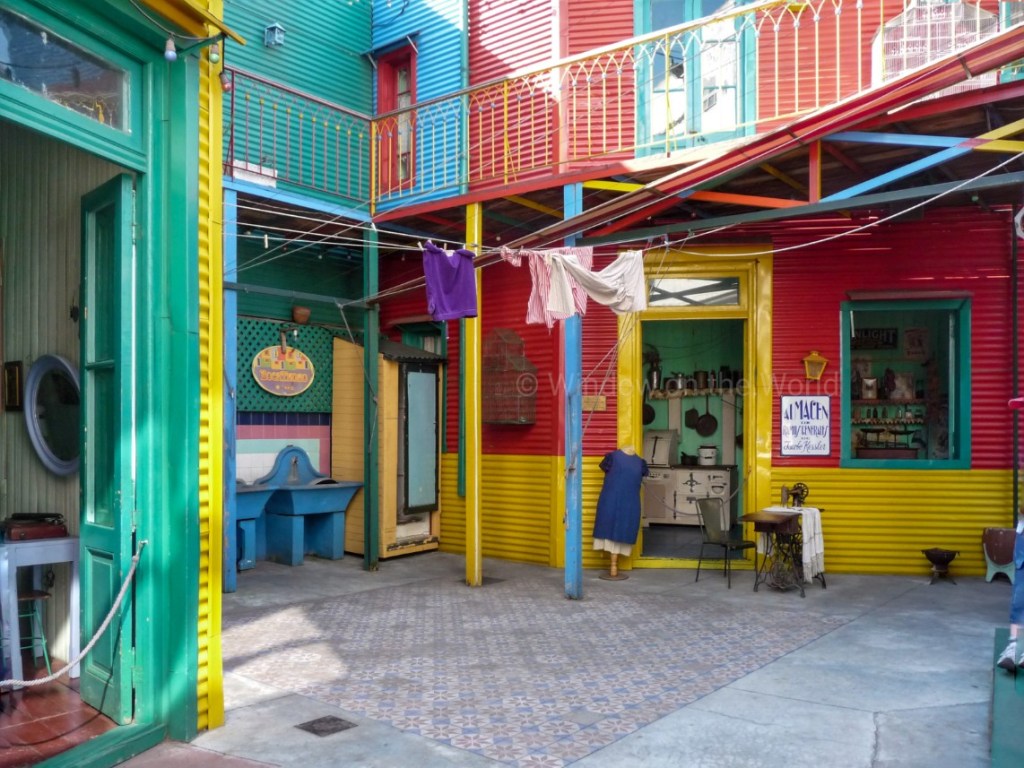
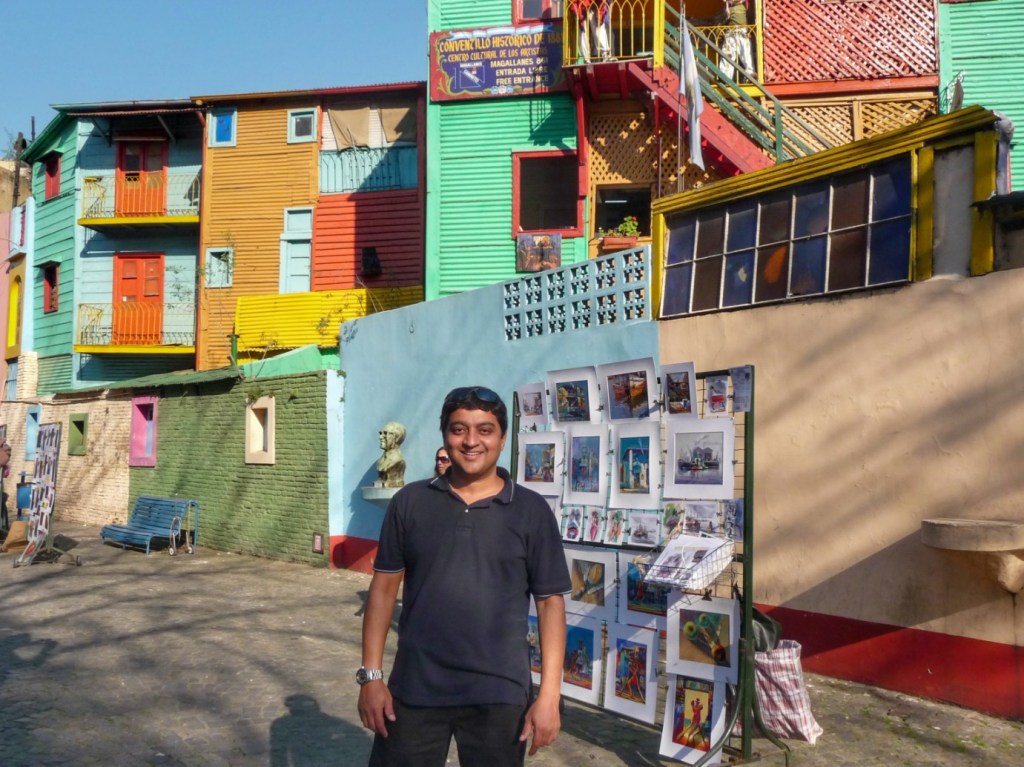
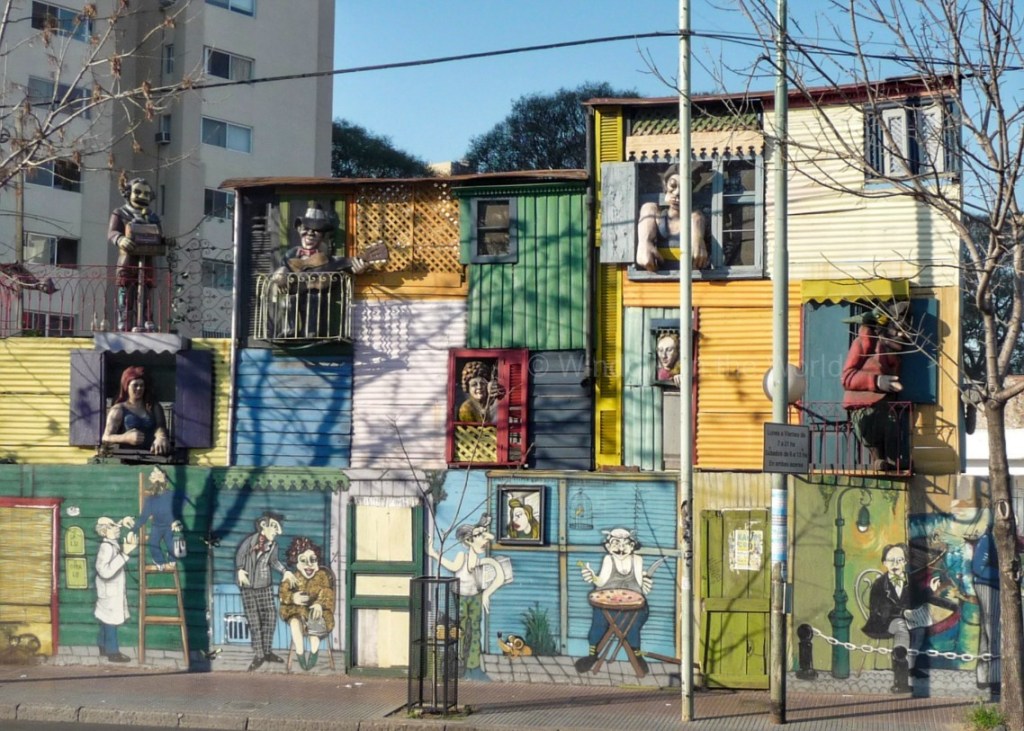
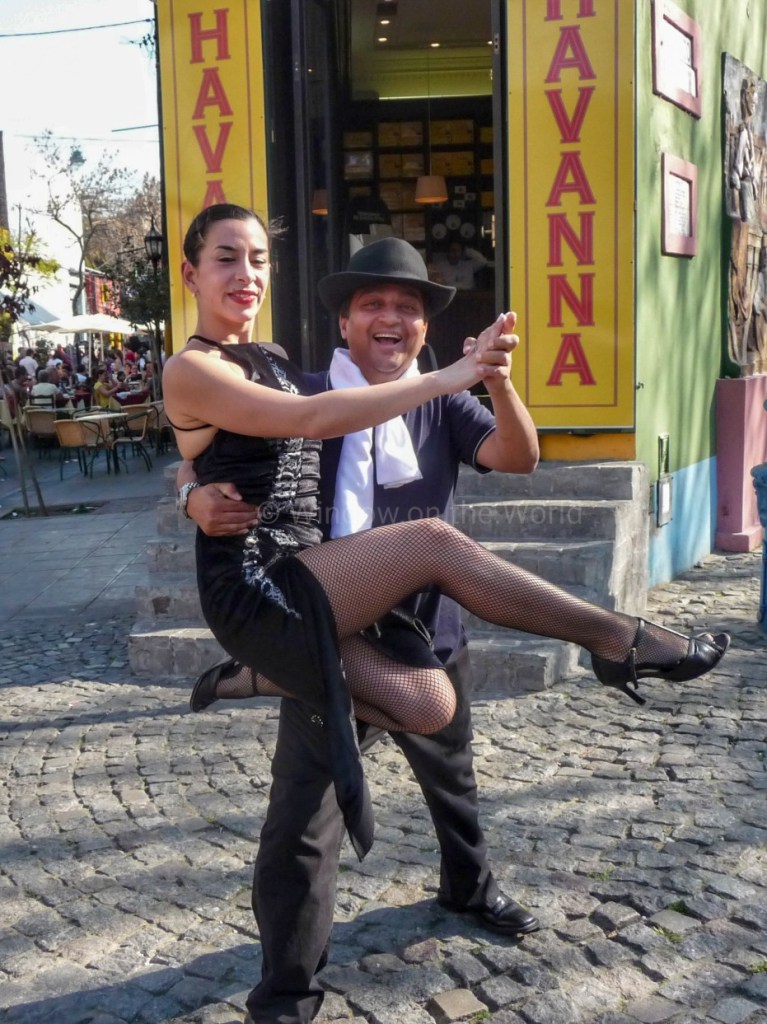
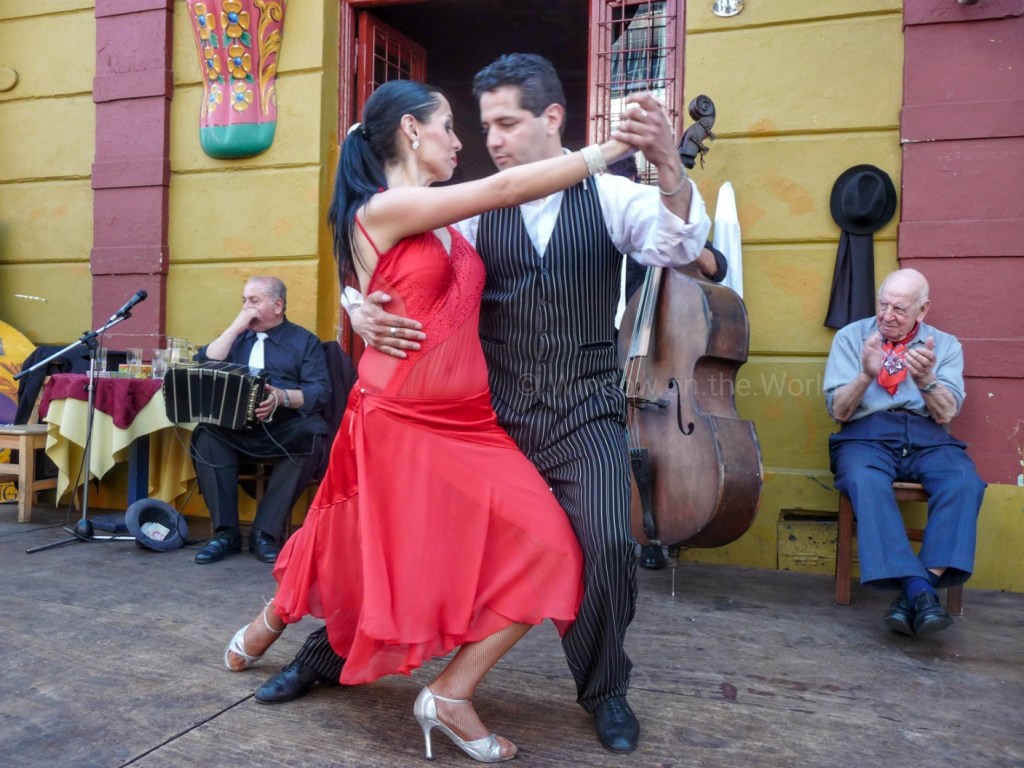
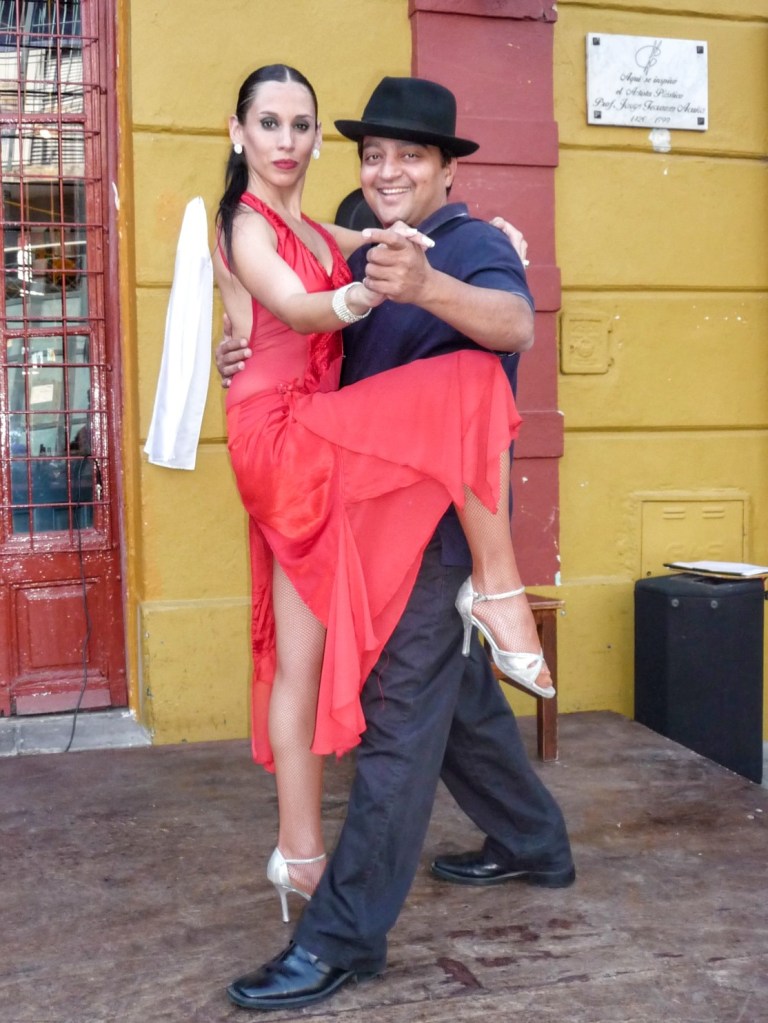
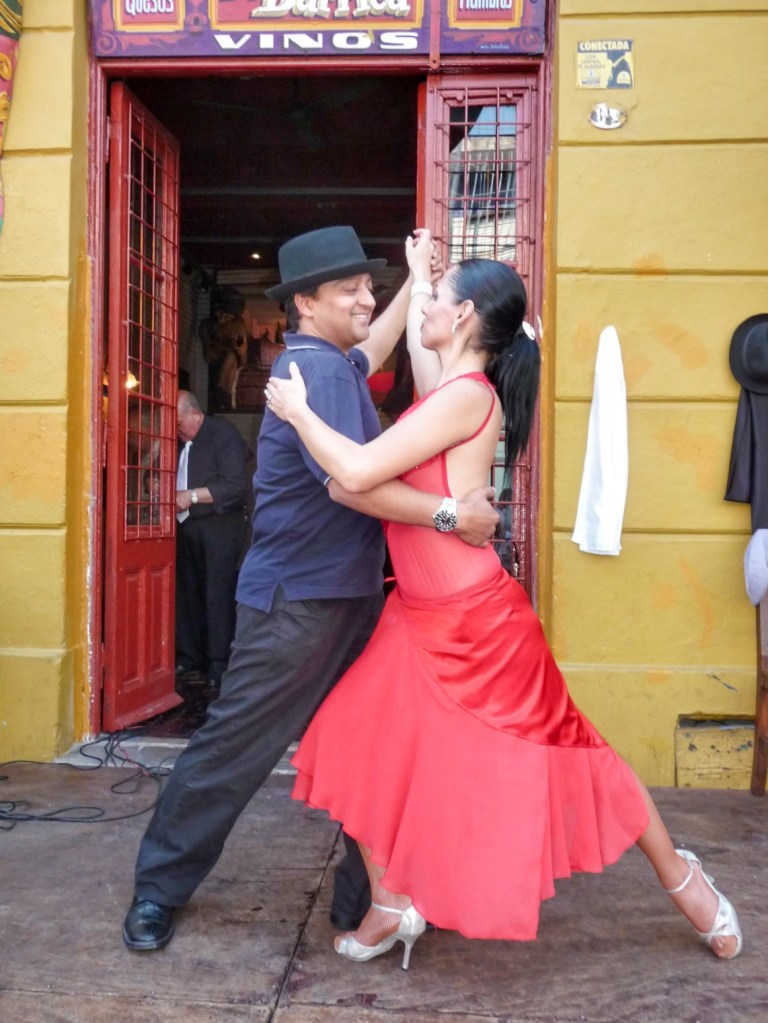
Known as the birthplace of the tango, this one-time shipyard has a famous walkway, the Caminito, where tango dancers perform and artists exhibit their work. Colorful shanty houses line each side of the street and impromptu performances are often carried out by talented tango dancers.
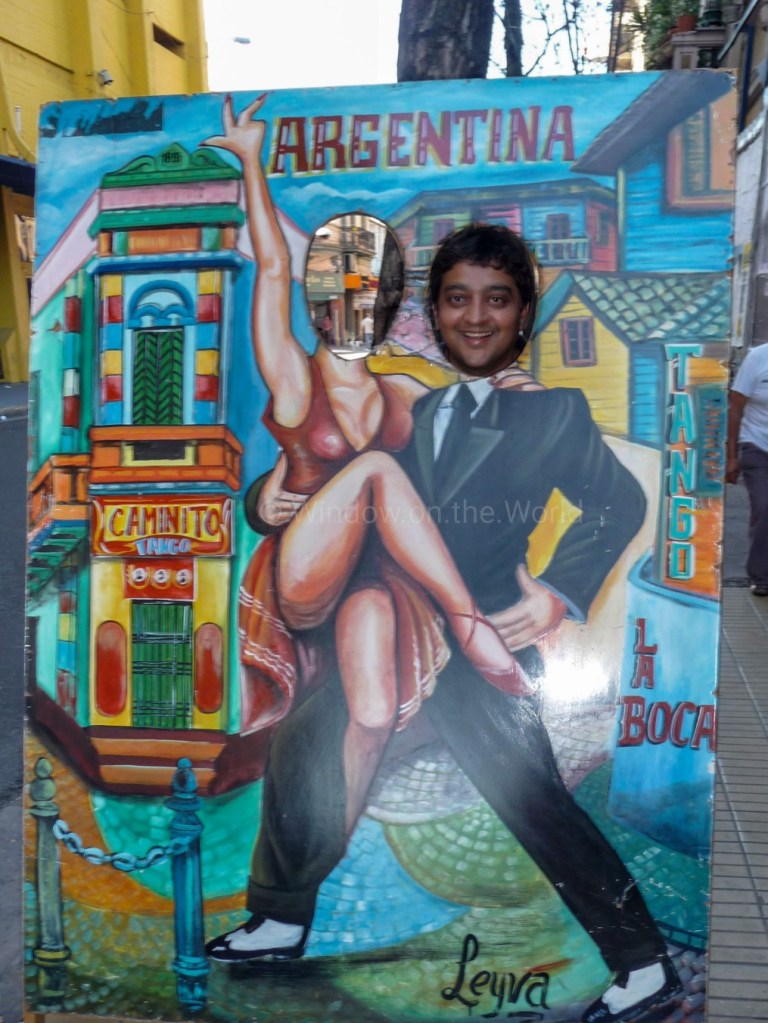
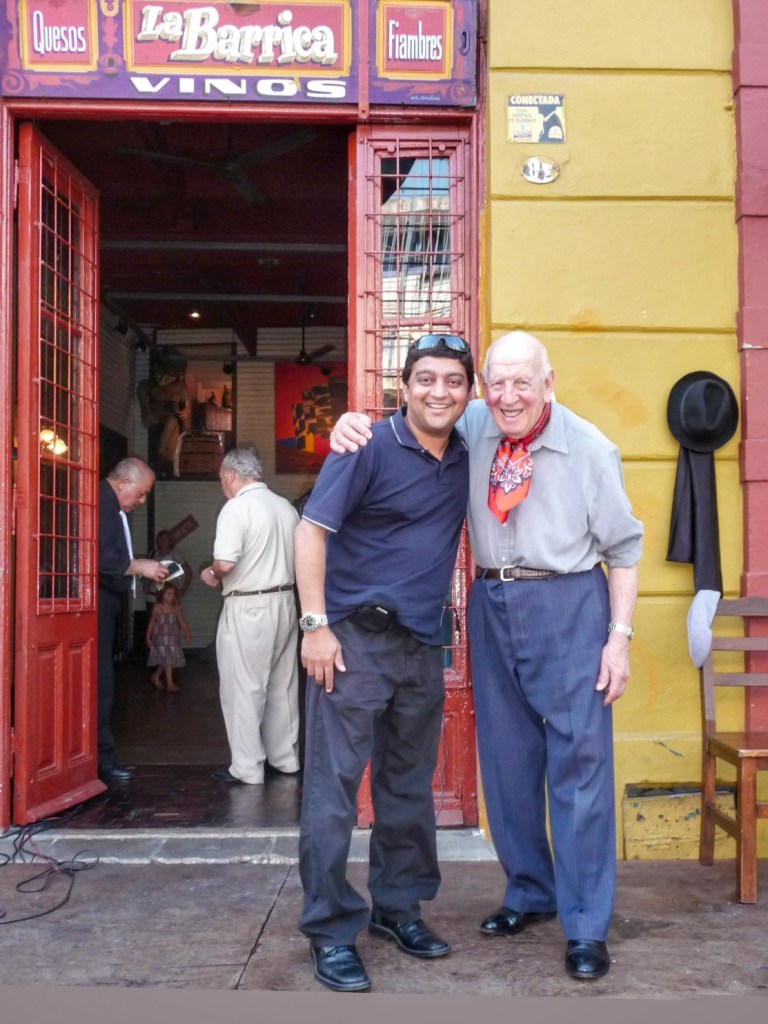
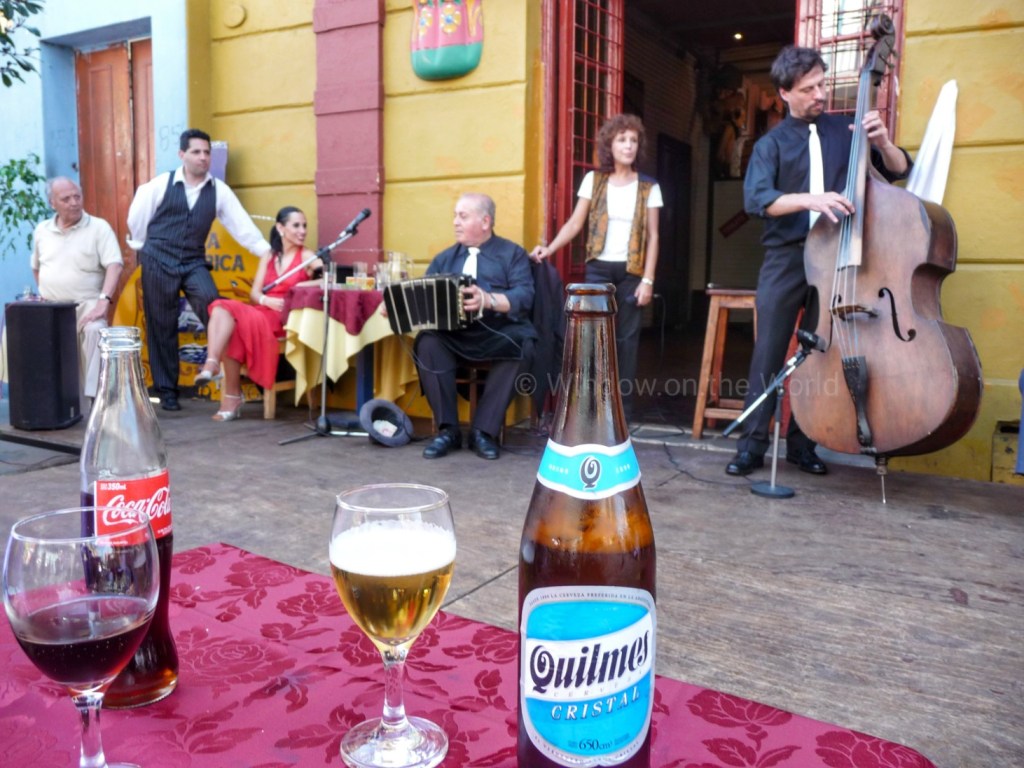
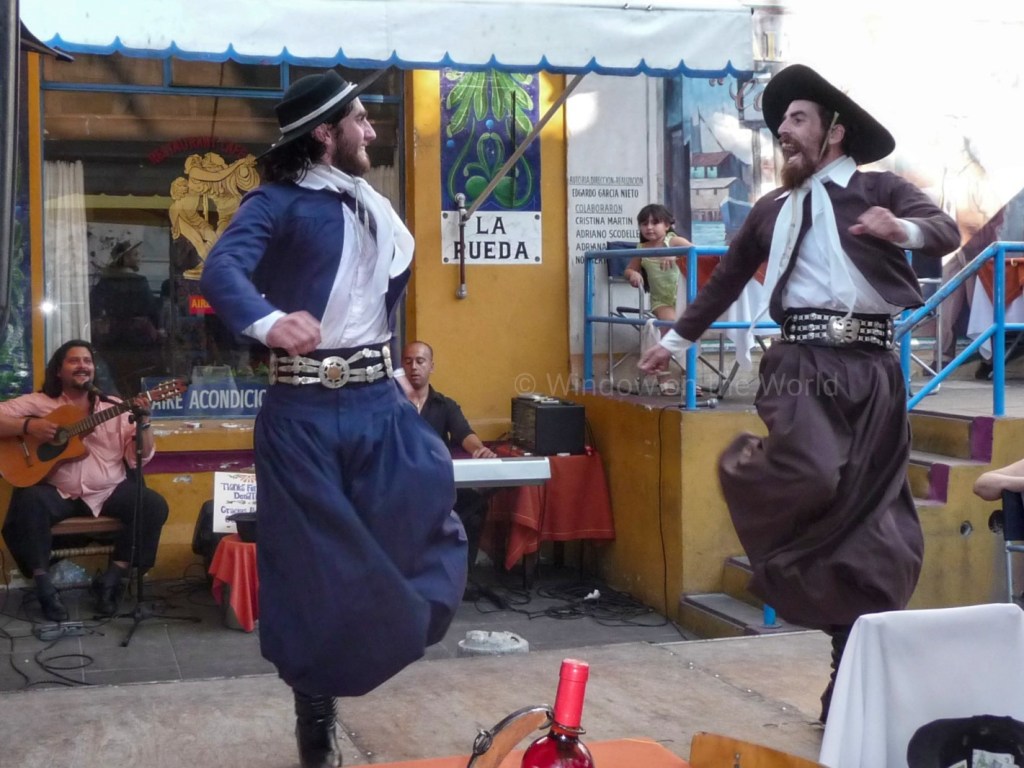
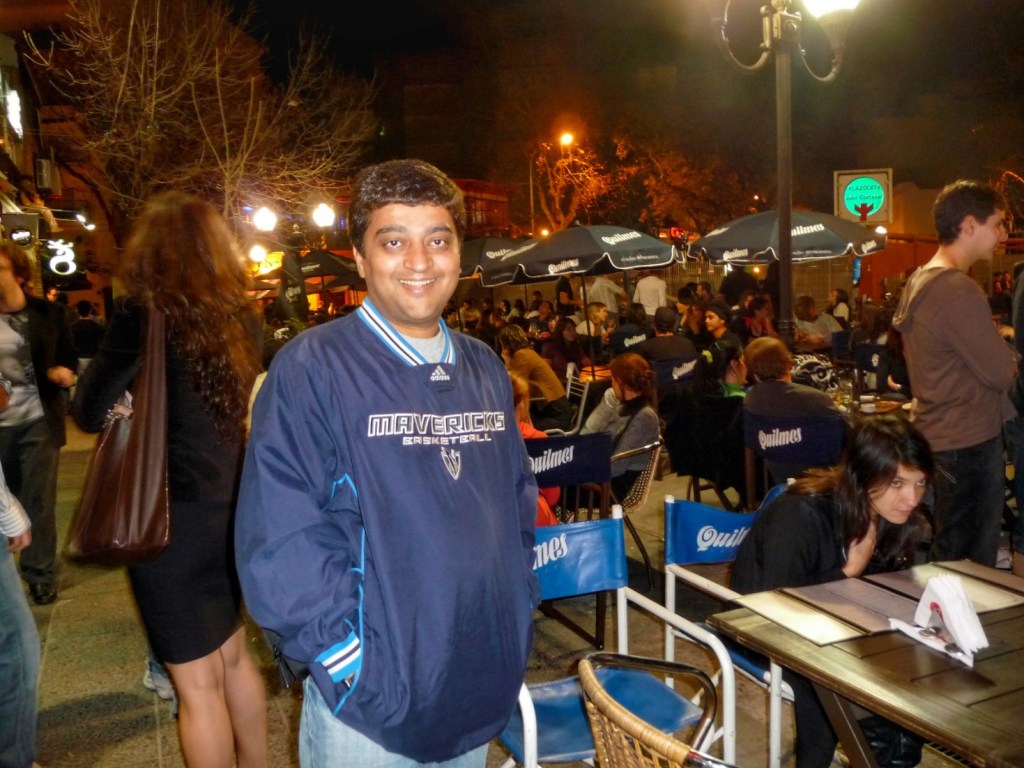
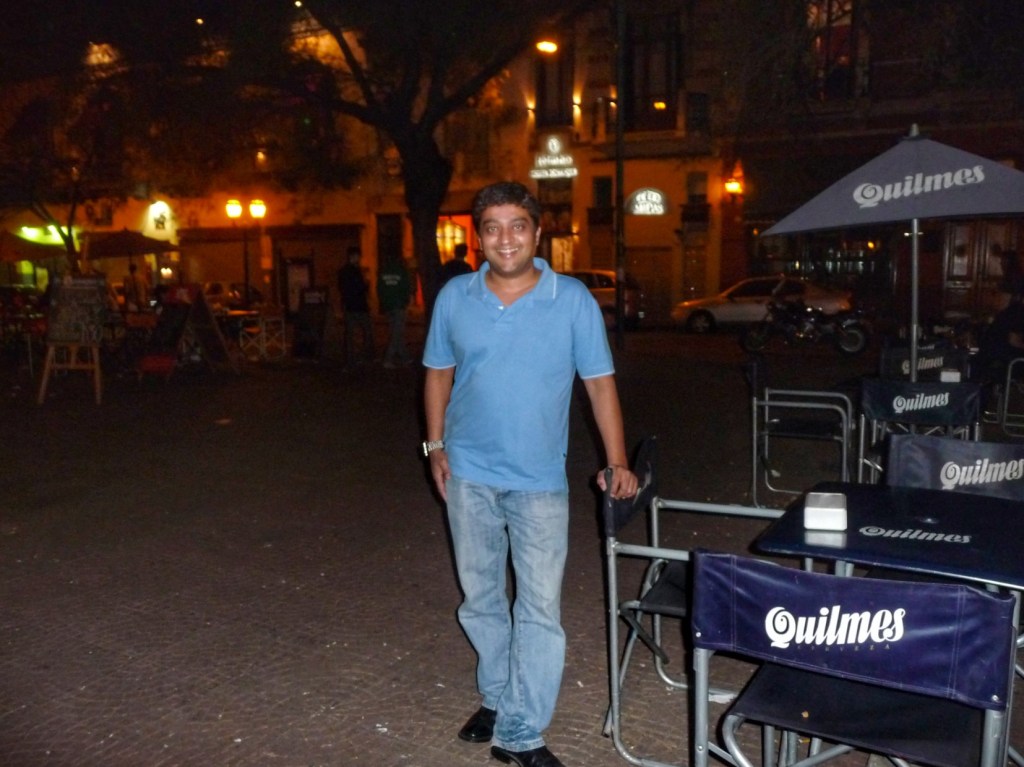
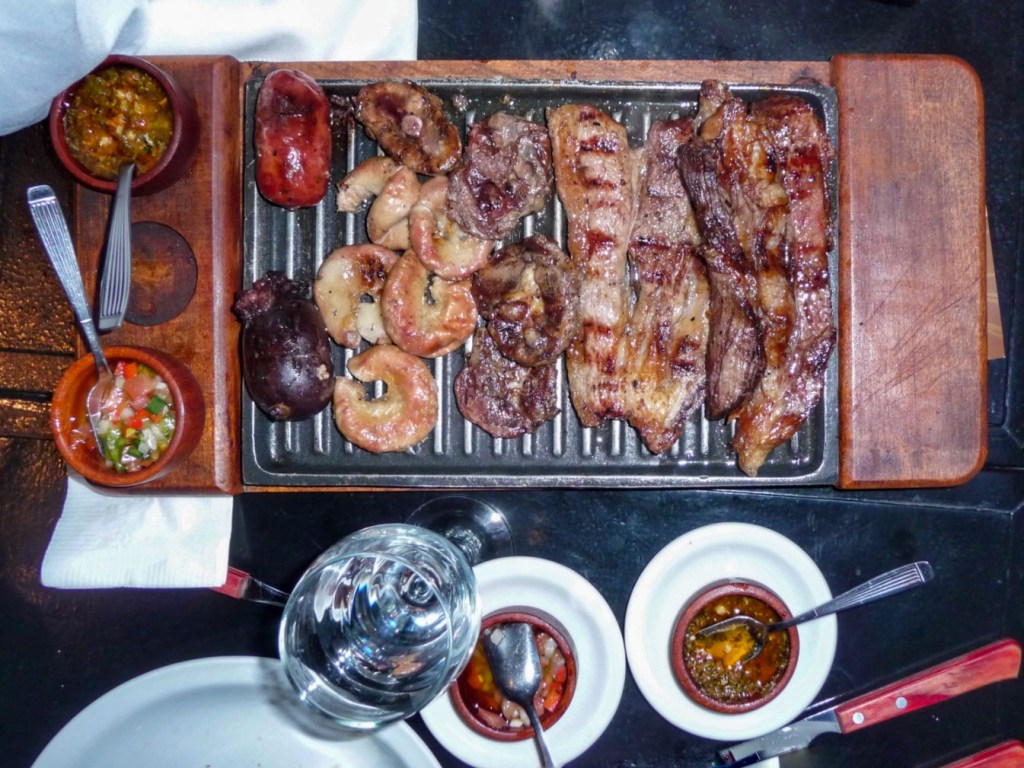
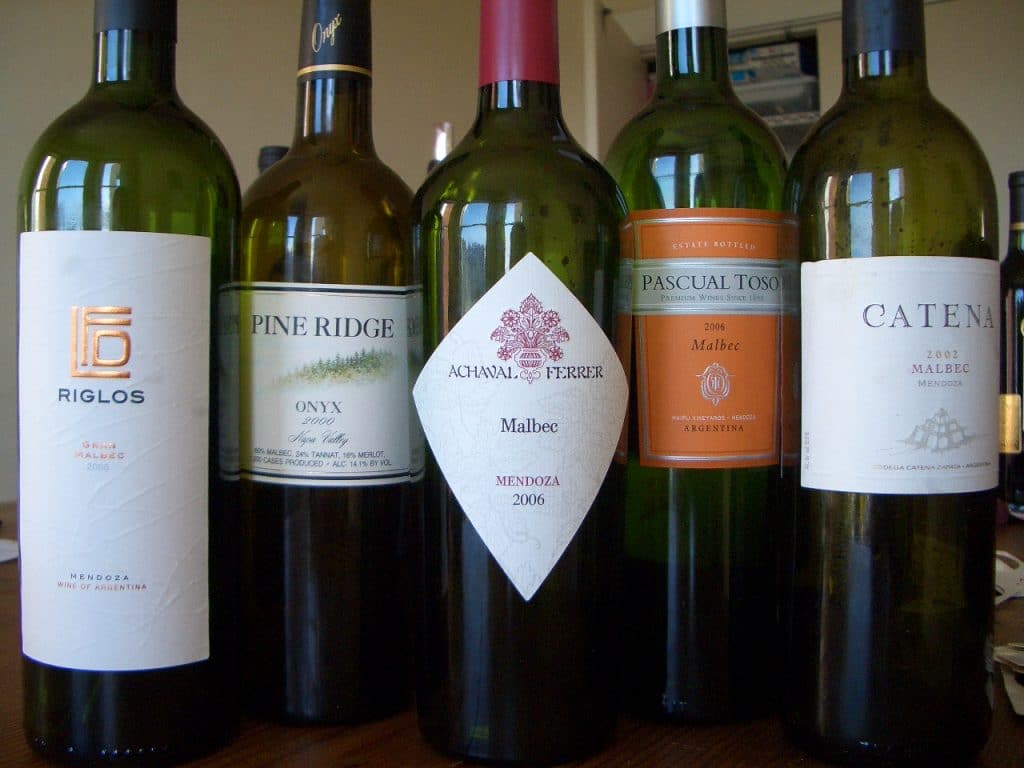
El Caminito, a street museum and a traditional alley, located in La Boca,El CaminitoBrightly colored shanty houses of Caminito.Brightly colored shanty houses of Caminito.Brightly colored shanty houses of Caminito.El Caminito.La Boca, the birth place of Tango.Tango Street Performers in front of the Havanna store in Caminito.Artists performing Tango, a dance that was developed by the urban lower classes in Buenos Aires and Montevideo in the Rio de la Plata basin. The tango was frequently practiced in the brothels and bars of ports, where business owners employed bands to entertain their patrons with music. Since 2009, the tango is included in the UNESCO Intangible Cultural Heritage Lists.Learning Tango from the expert!Learning Tango from the expert!With a Tango Bar owner.Enjoying chilled Quilmes, the most popular beer in Argentina, while watching Tango performance. A very high energy Gauchos dance performed at La Rueda de Caminito.A night out in Buenos Aires.A night out in Buenos Aires.Typical Argentine dinner, An Assado, consists of beef, pork, chicken, chorizo (spicy port sausage), and morcilla (blood sausage), which are cooked over a grill.Argentina is famos for its wine. My all time personal favorite Red wine is Malbec from Mendoza Valley, I got hooked on it during my first visit to the country in 1998.
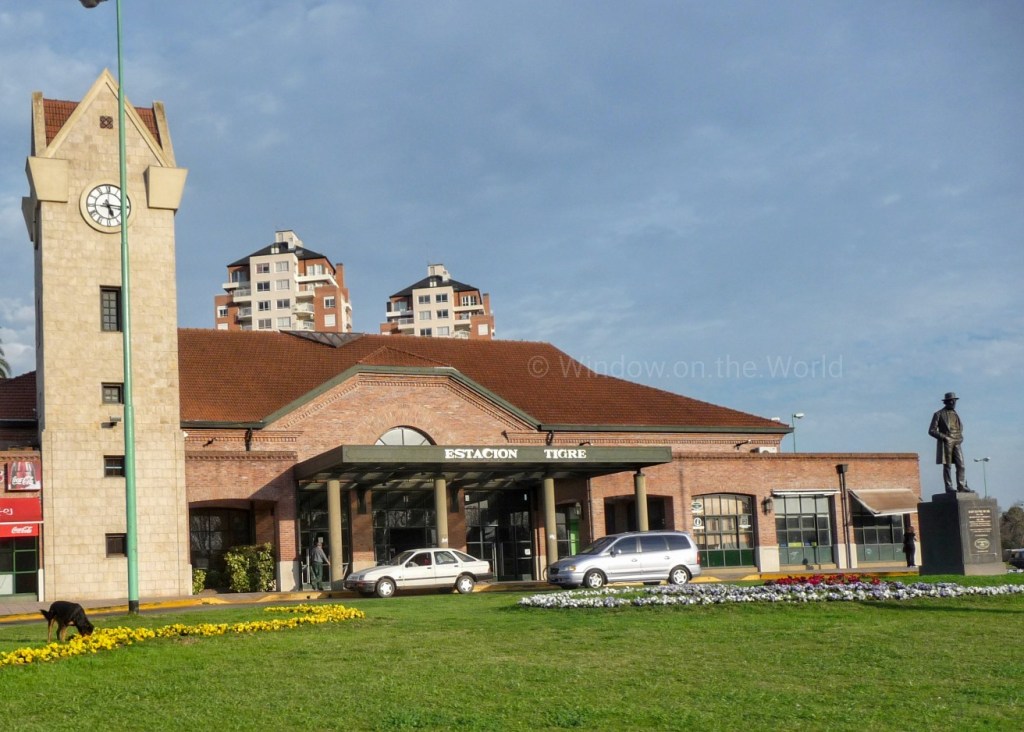
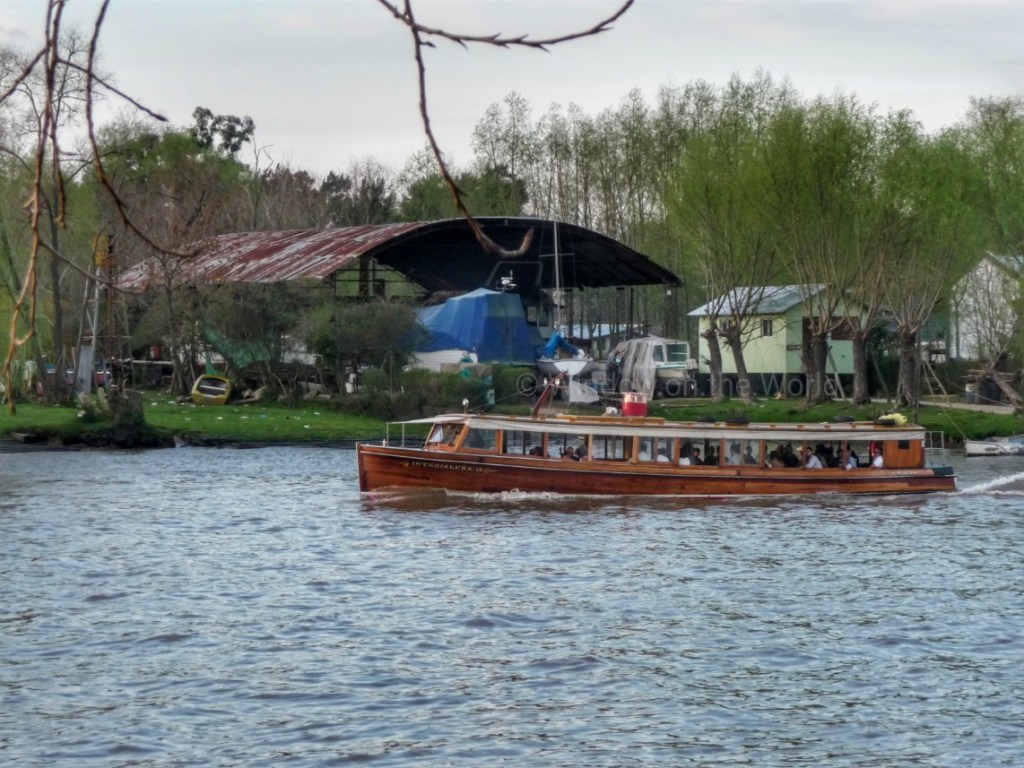
One of the evening after work, I visited the City of Tigre, situated in the north of Greater Buenos Aires, 28 km (17 mi) north of Buenos Aires city. The city sits on an island created by several small streams and rivers and was founded in 1820, after floods had destroyed other settlements in the area. City of Tigre and its rowing club is included in UNESCO Tentative list.
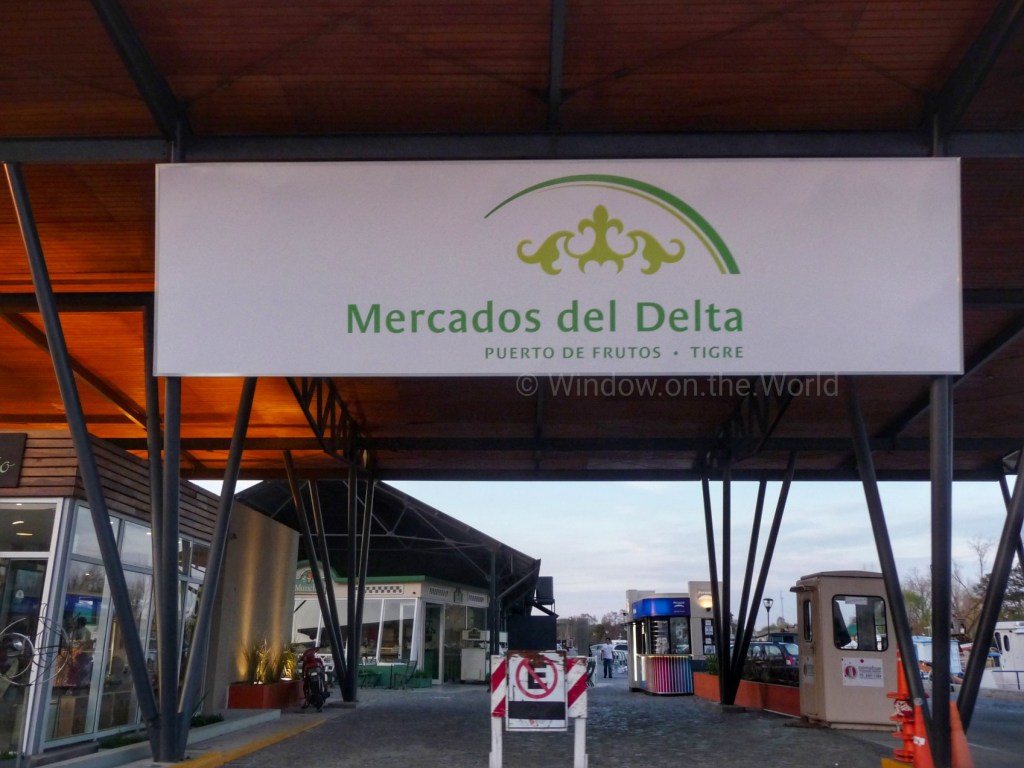
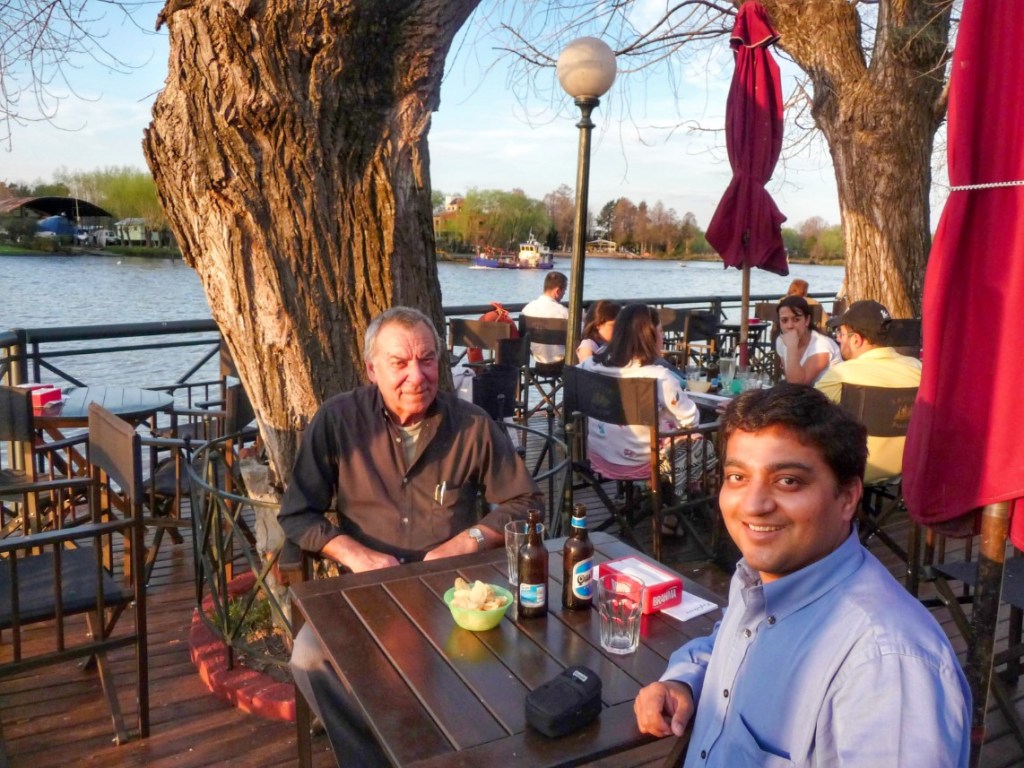
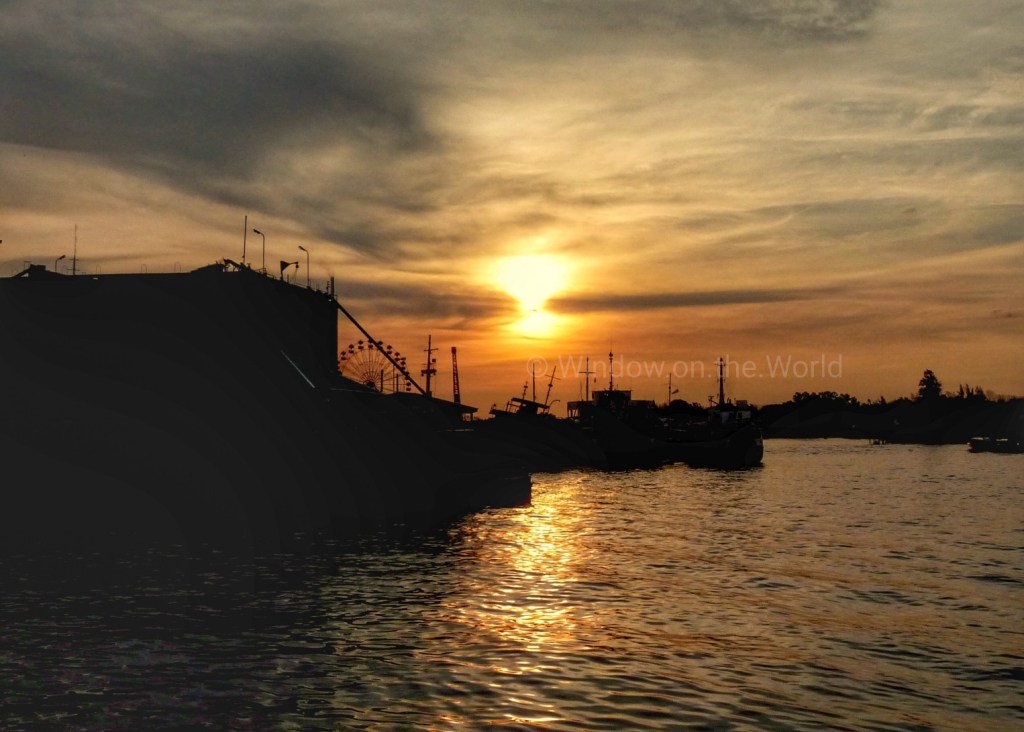
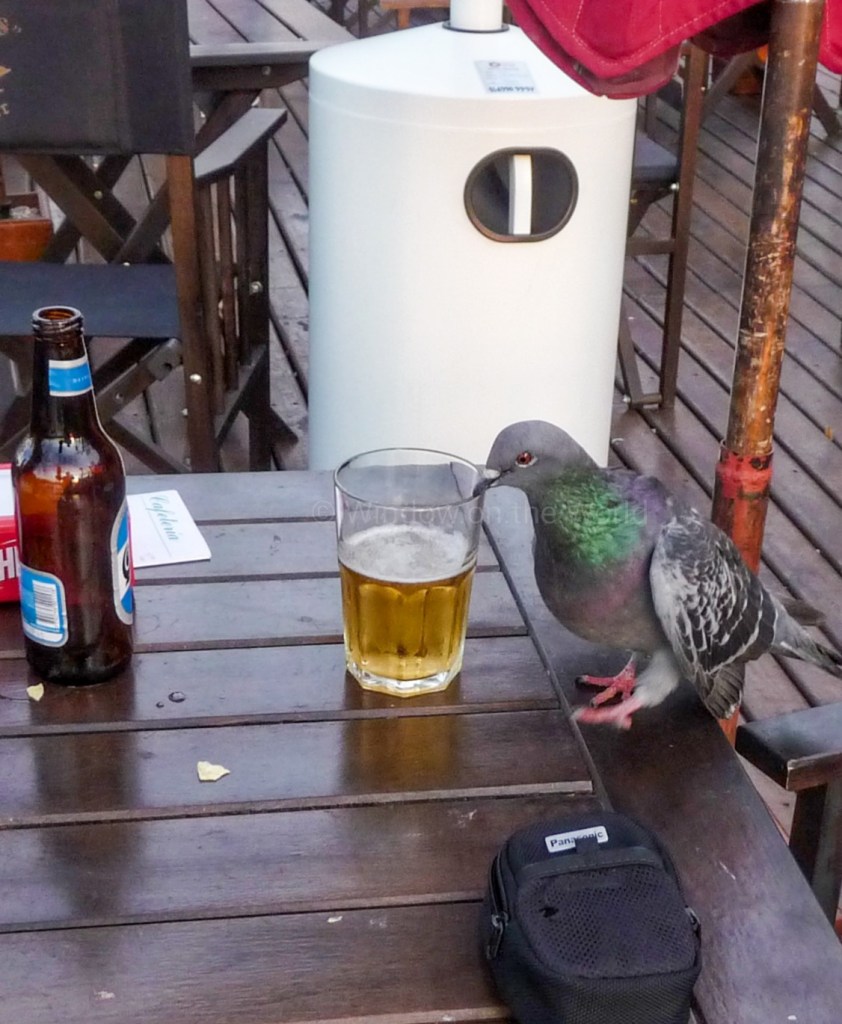
Tigre train station.The peaceful town of Tigre is known for its delta of hundreds of tiny islands and waterways.Puerto de Frutos used to be the market where only fruits and wood where sold, but now you can find all sorts of craftwork, food stands, and souvenir shops around this market.Enjoying chilled Quilmes with a colleague at Puerto de Frutos.Sunset over Tigre.This pigeon is very much interested in my glass of Quilmes.
Argentina has lot to offer. I would definitely like to go back and explore more. After a week in Buenos Aires, I took a flight back to my home in Dallas, Texas.
In May 2017, 23 days before I was going to complete 50 years, grabbed an opportunity and took an early retirement.. Picked up a backpack and traveling ever since.. Love to travel around the world, experience different culture, local cuisine & drinks .. and take pictures.. so far been to 108 countries and still counting...



 Window on the World