I visited Peru during April 2006. As I was working fulltime at that time, I had only a week to explore such a vast country with a diversity of landscapes and cultures. I spent most time in Lima, the capital and the largest city of Peru, considered to be the political, cultural, financial and commercial center of the country. Around one-third of the national population lives in the metropolitan Lima area.
While in Lima, I stayed in Miraflores, one of the finest districts of Lima, with many parks, gardens, high rise apartment buildings, hotels, restaurants and shops. I did visit Barranco, the party heart of town, a district with many clubs and cafes. Also visited Central Lima, the heart of Lima. Centro Historico or the historic center of Lima is a UNESCO World Heritage Site.
Pictures below are from few days of exploring Lima.
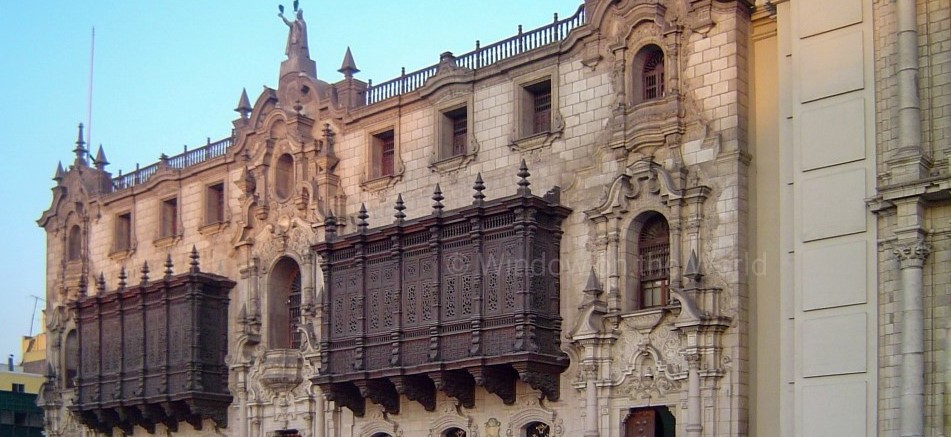
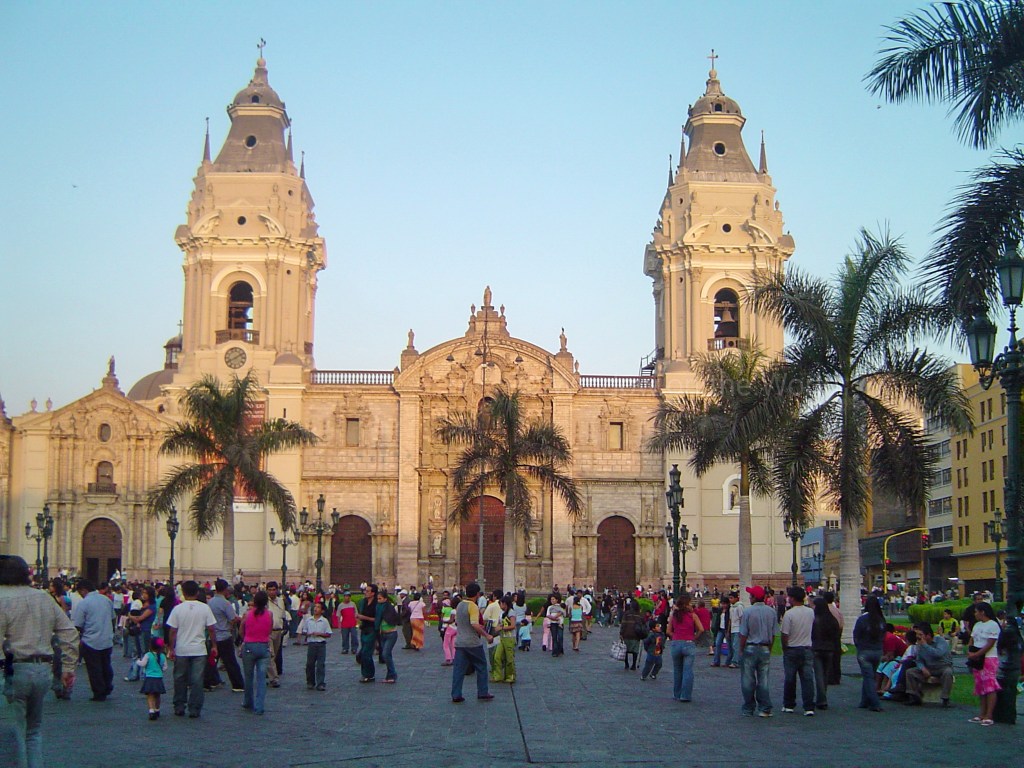
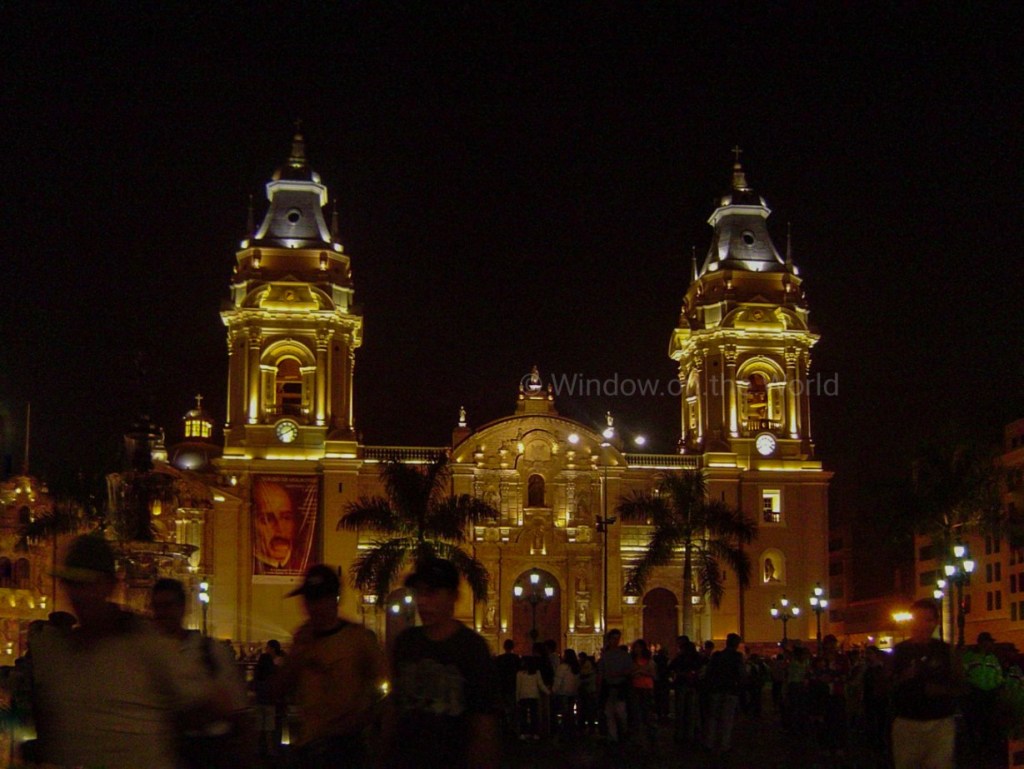
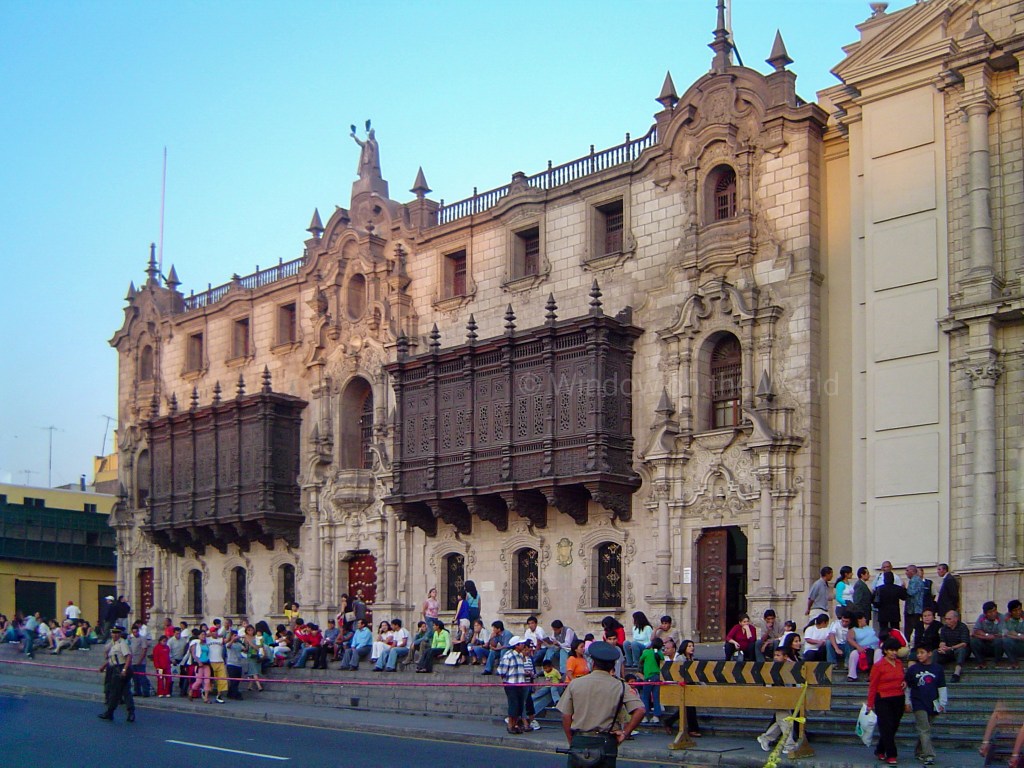
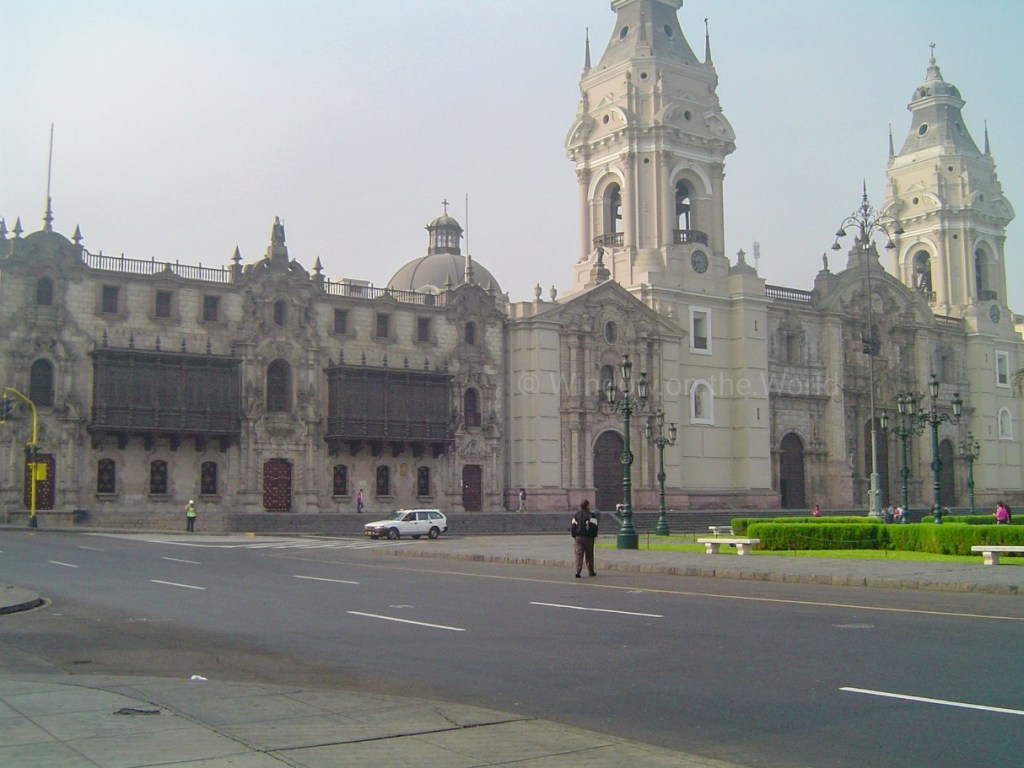
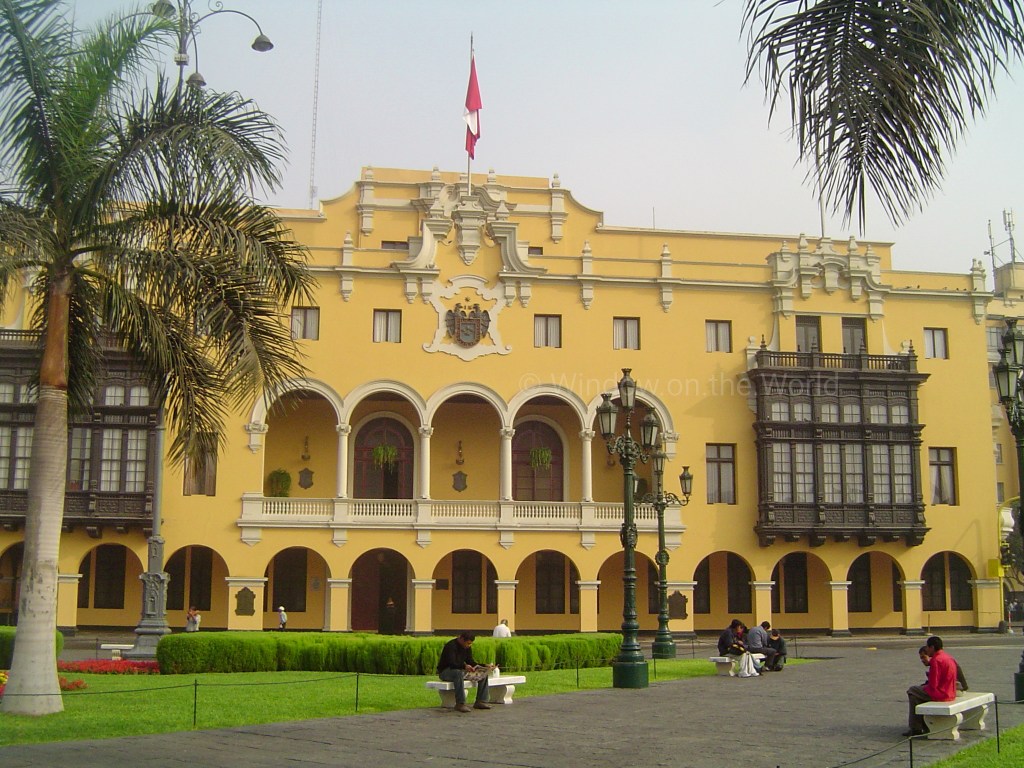
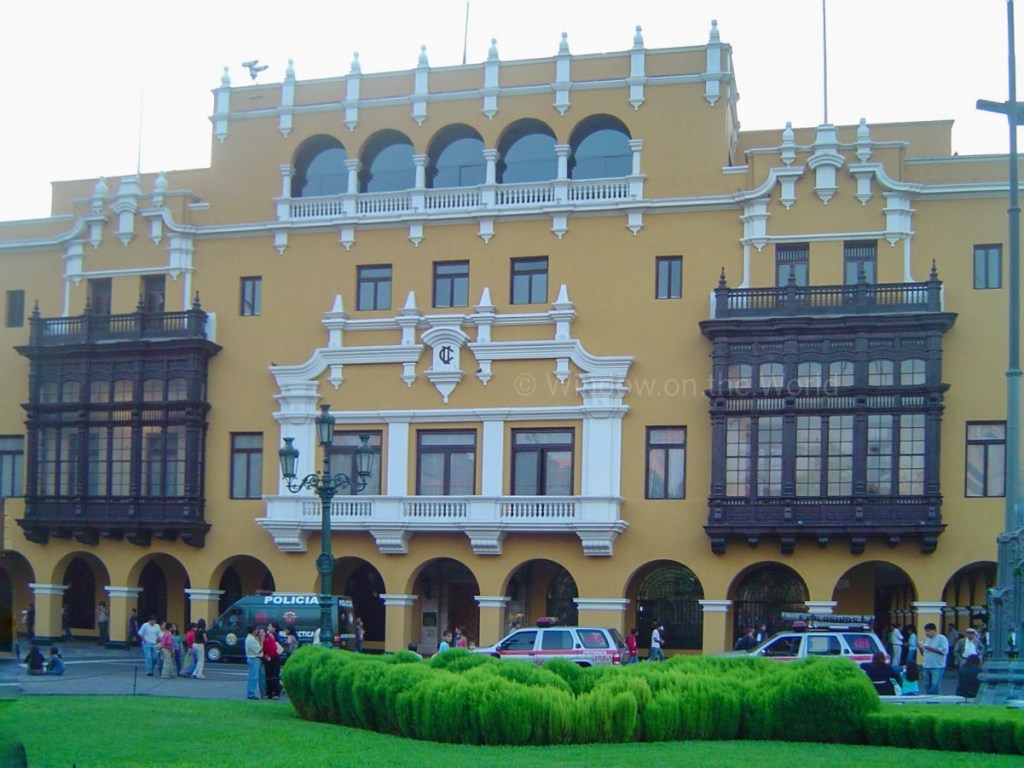
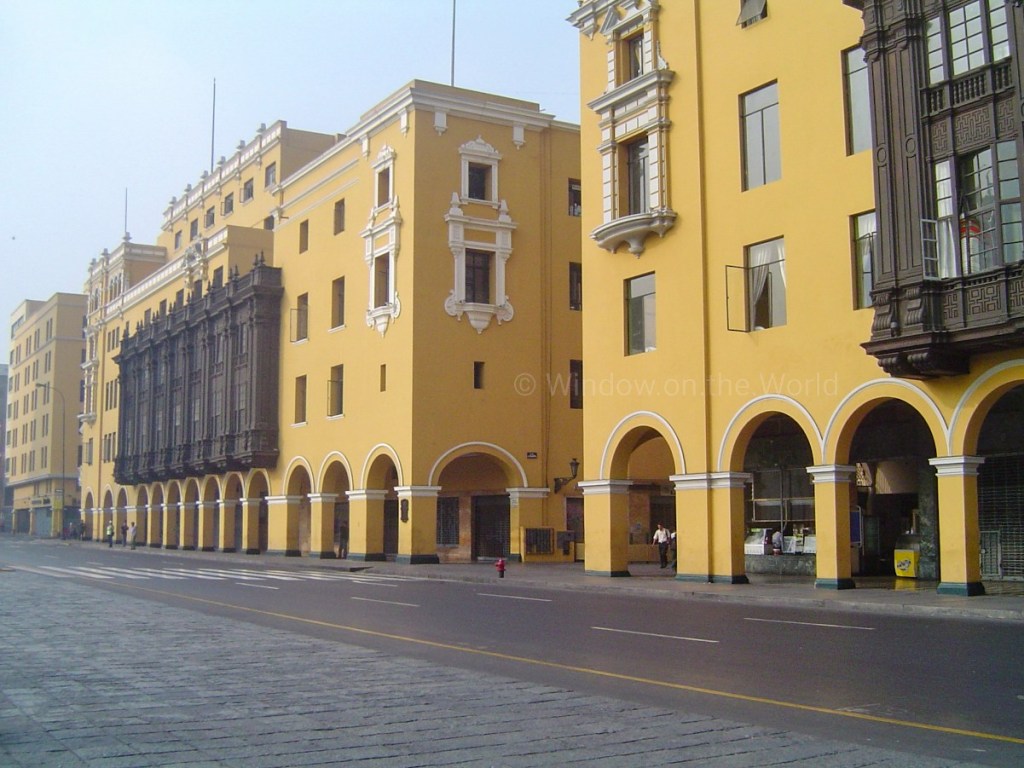
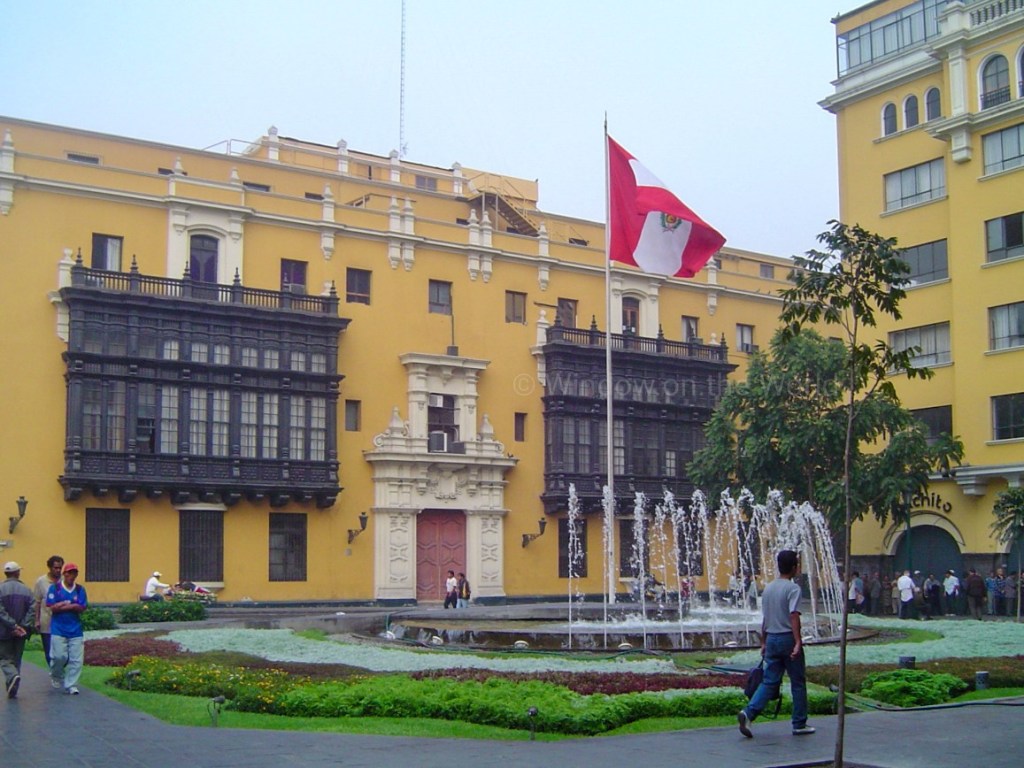
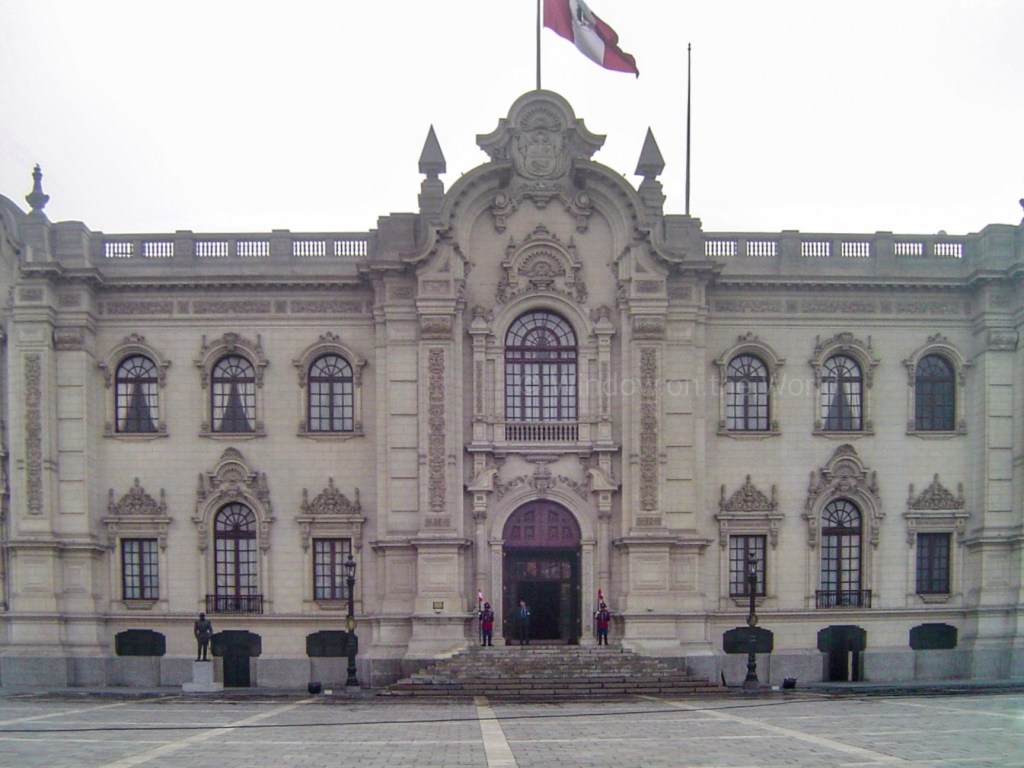
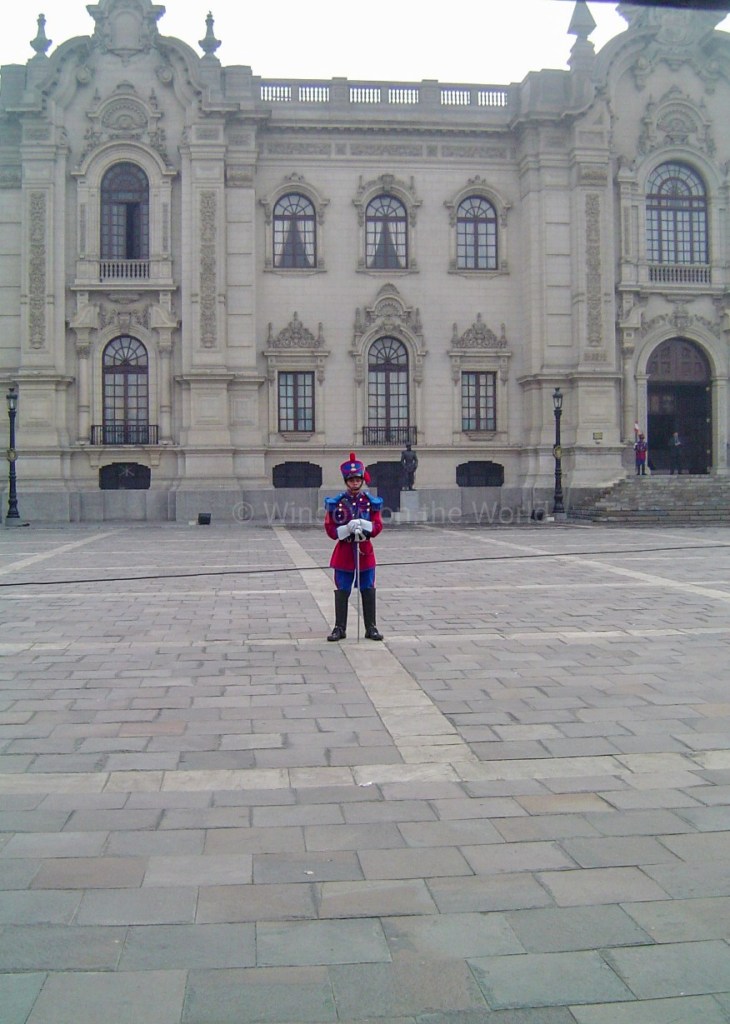
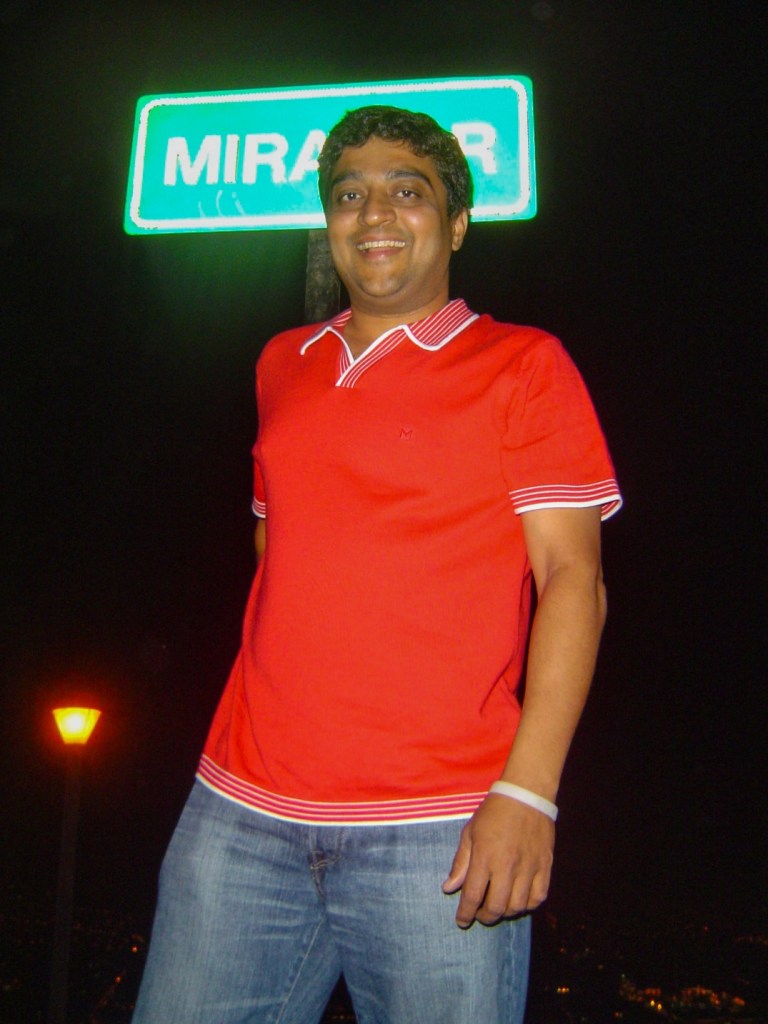
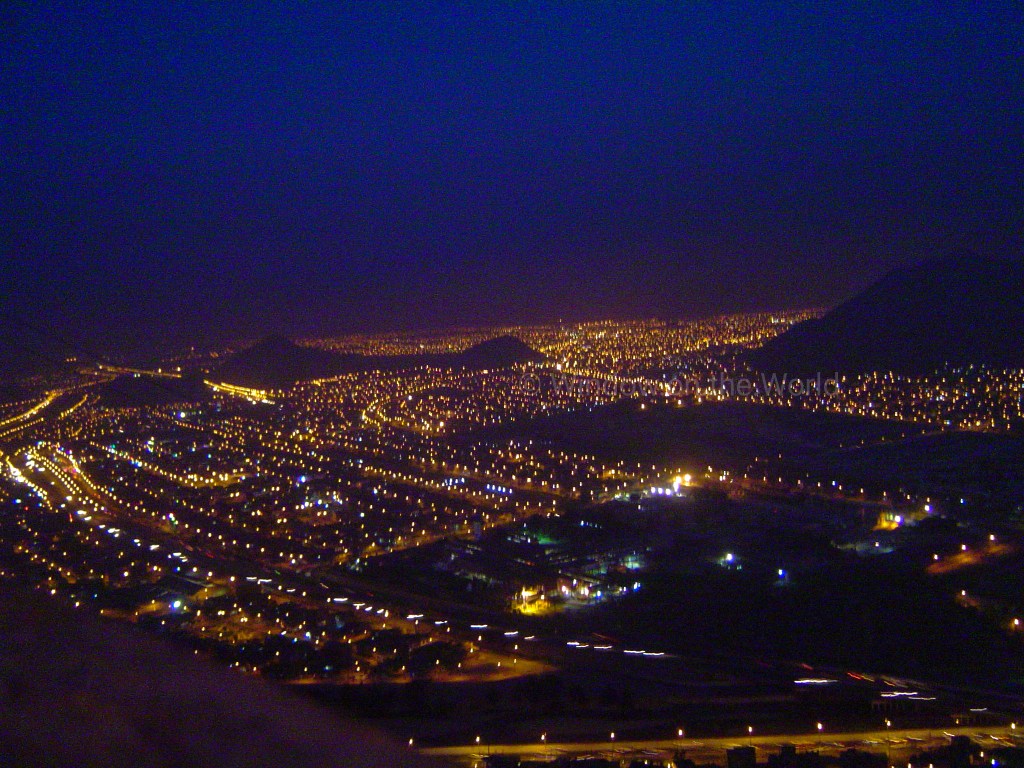
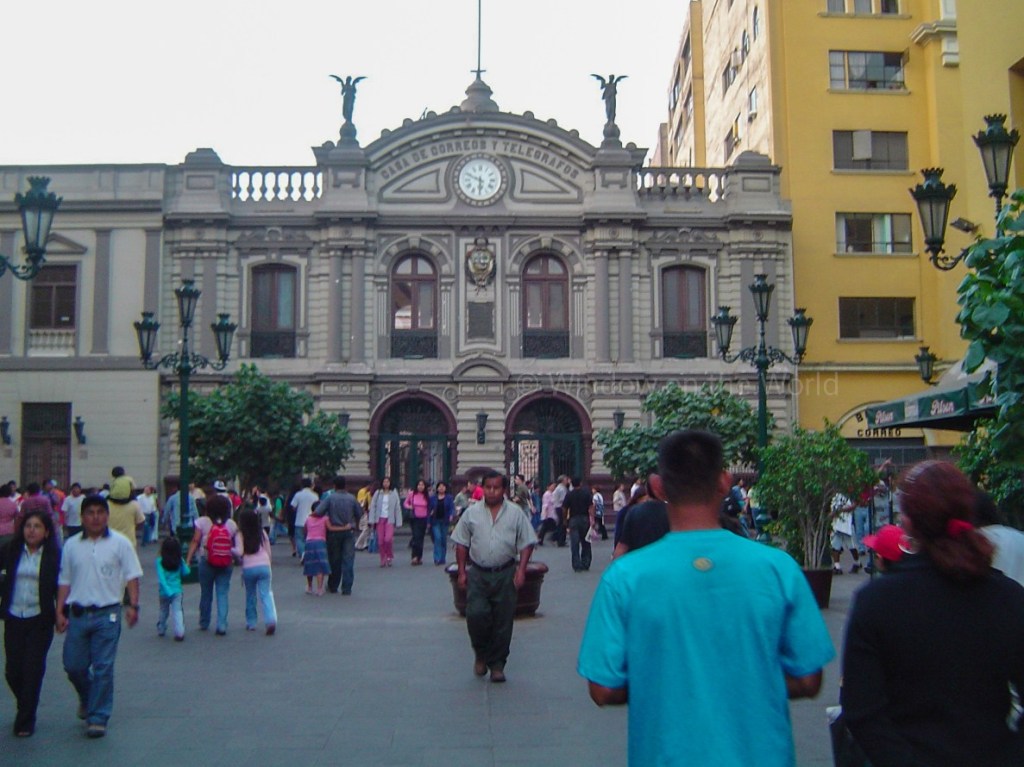
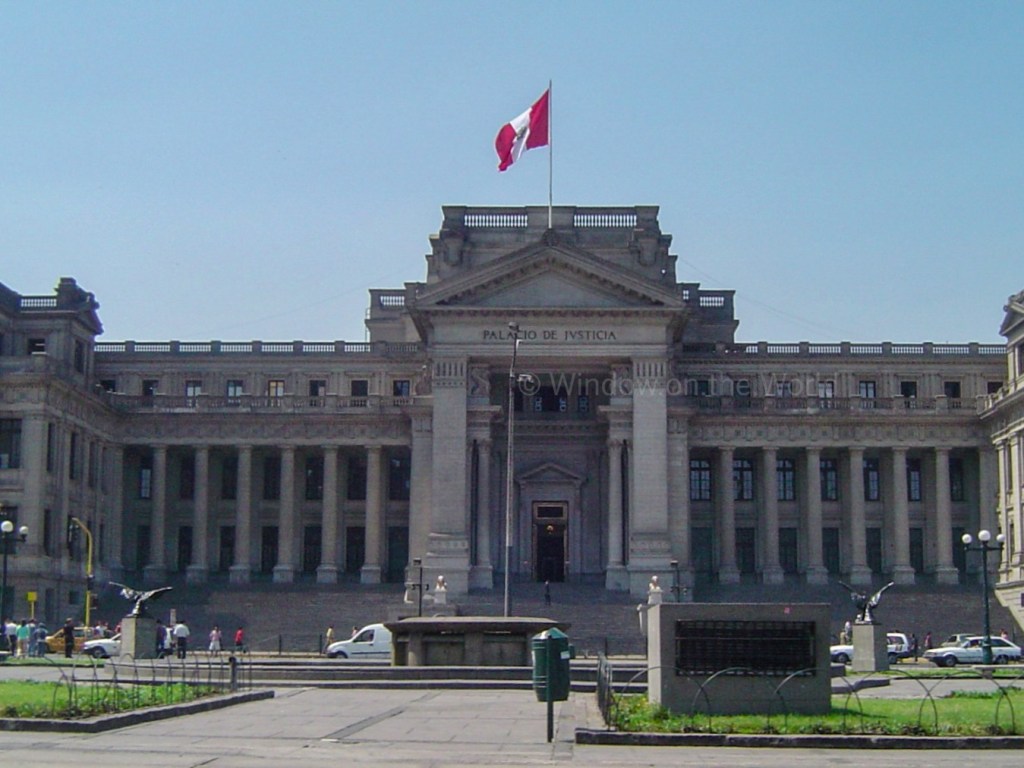
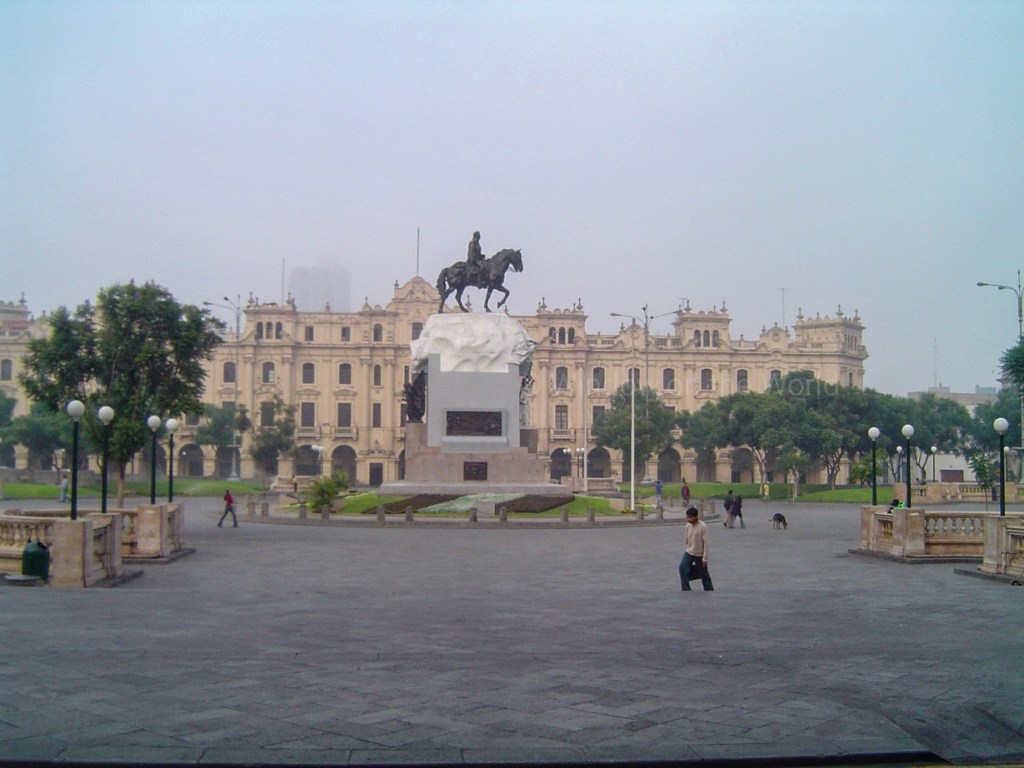
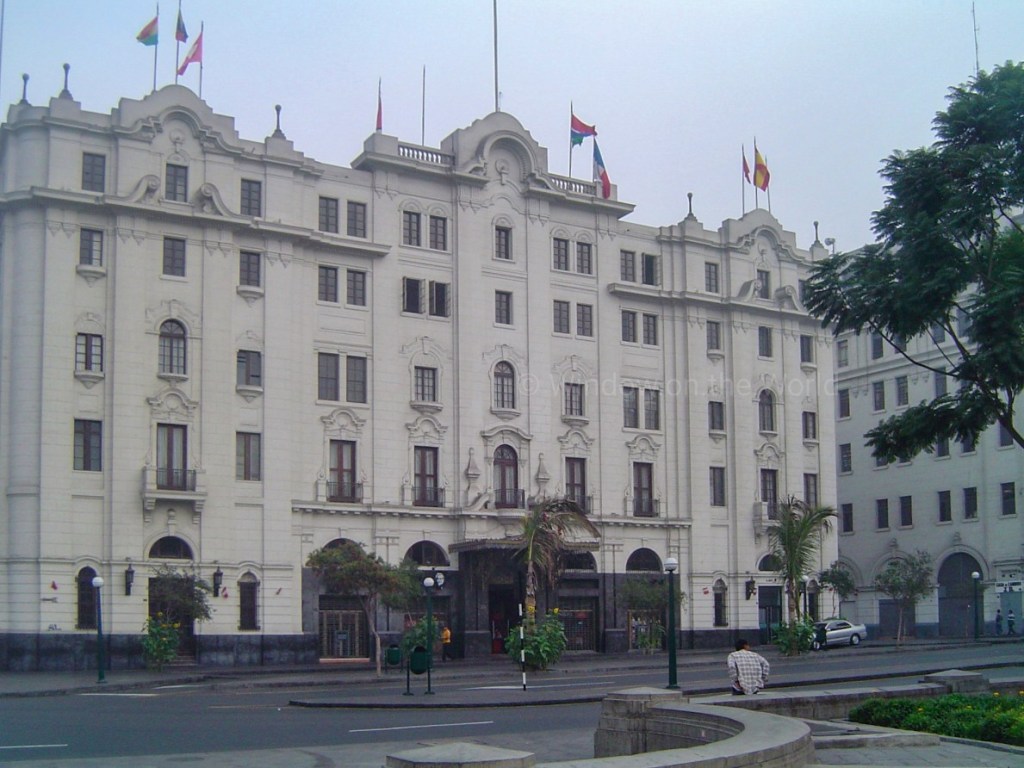
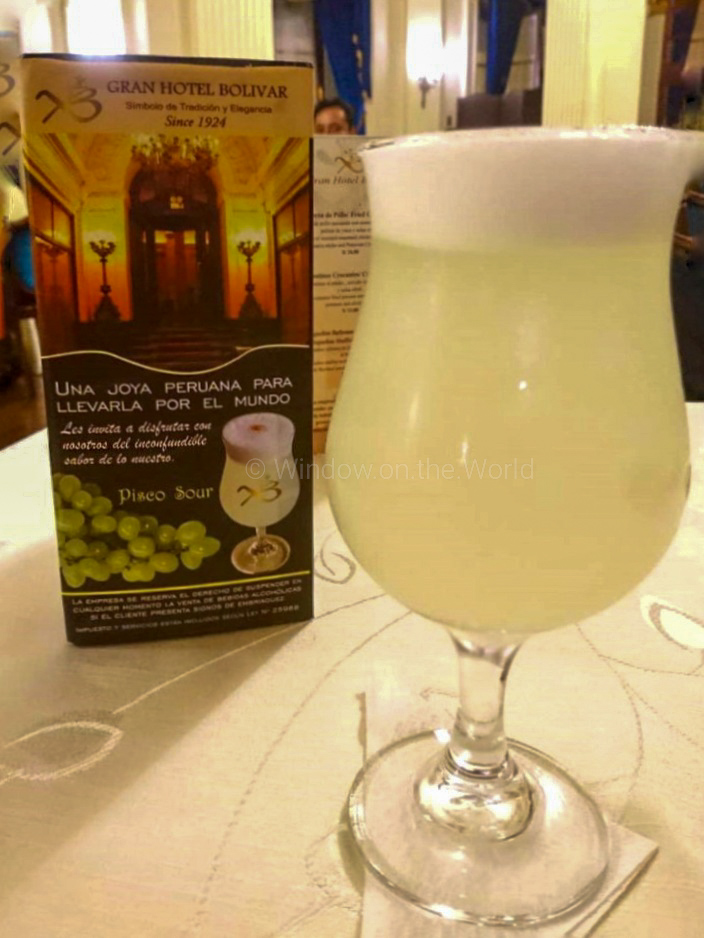
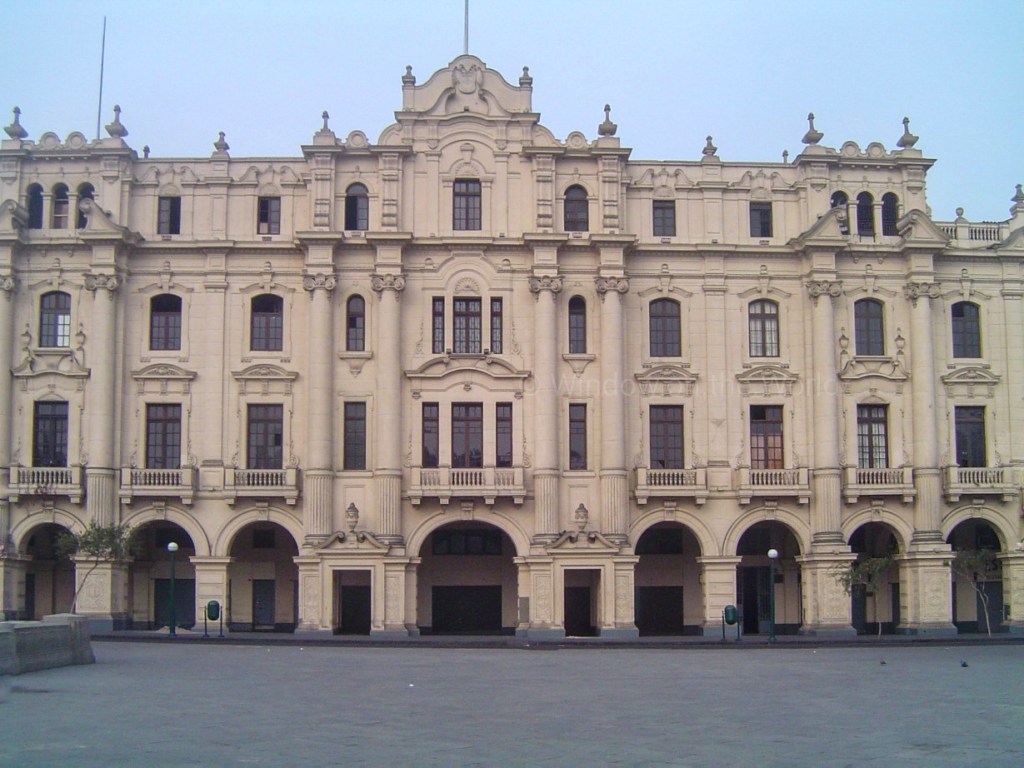
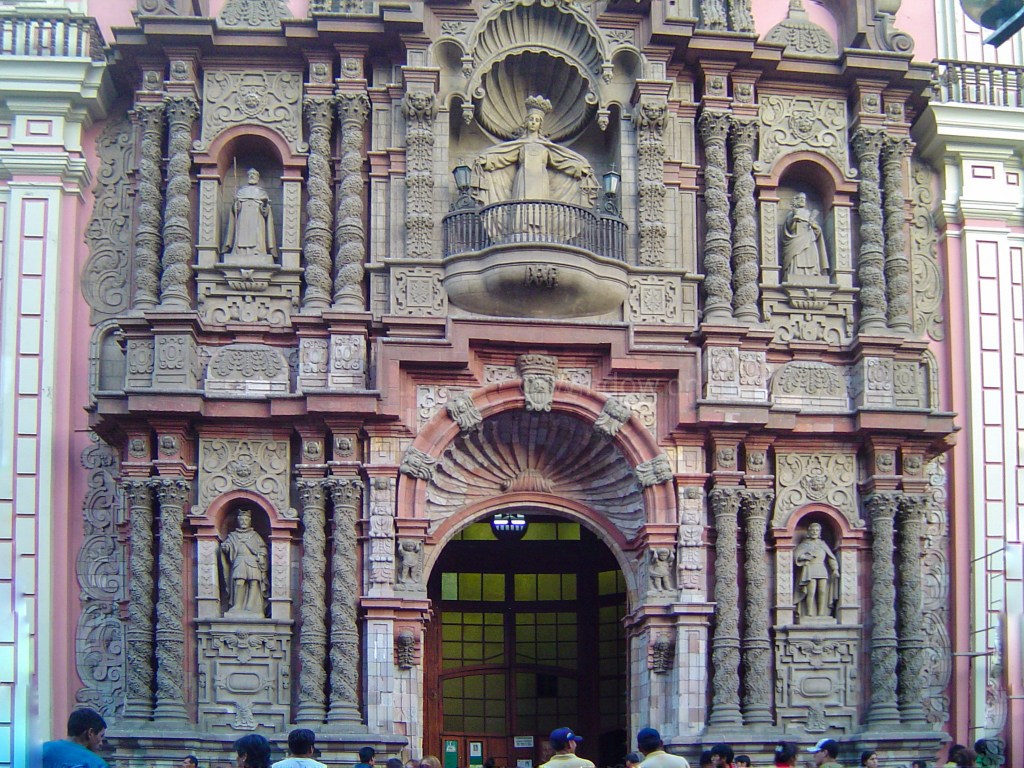
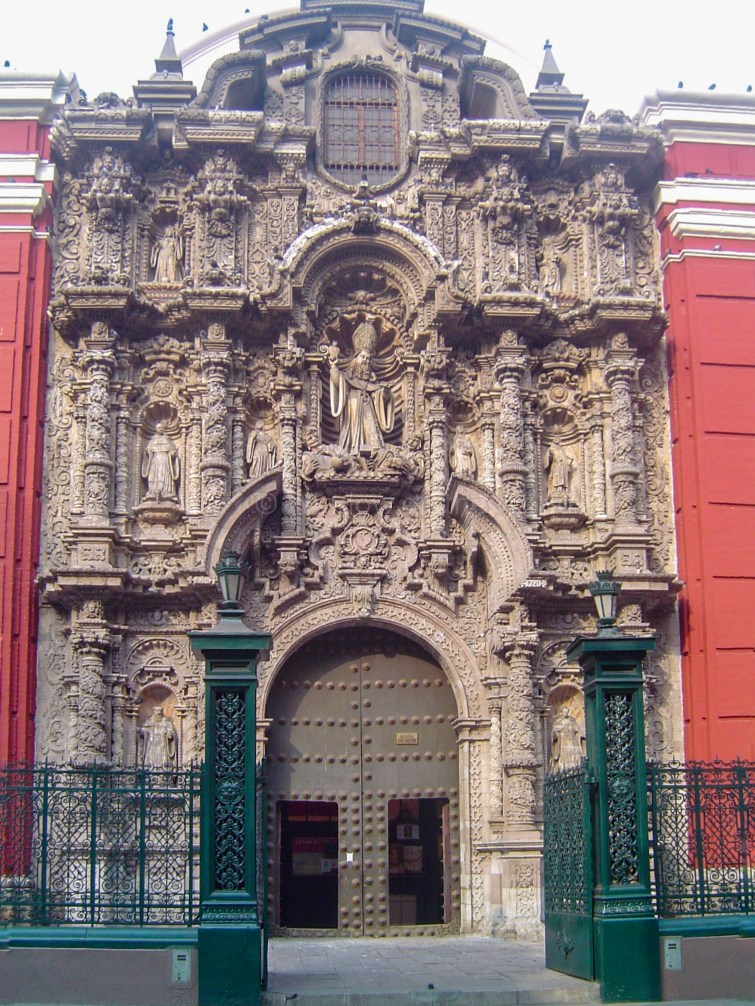
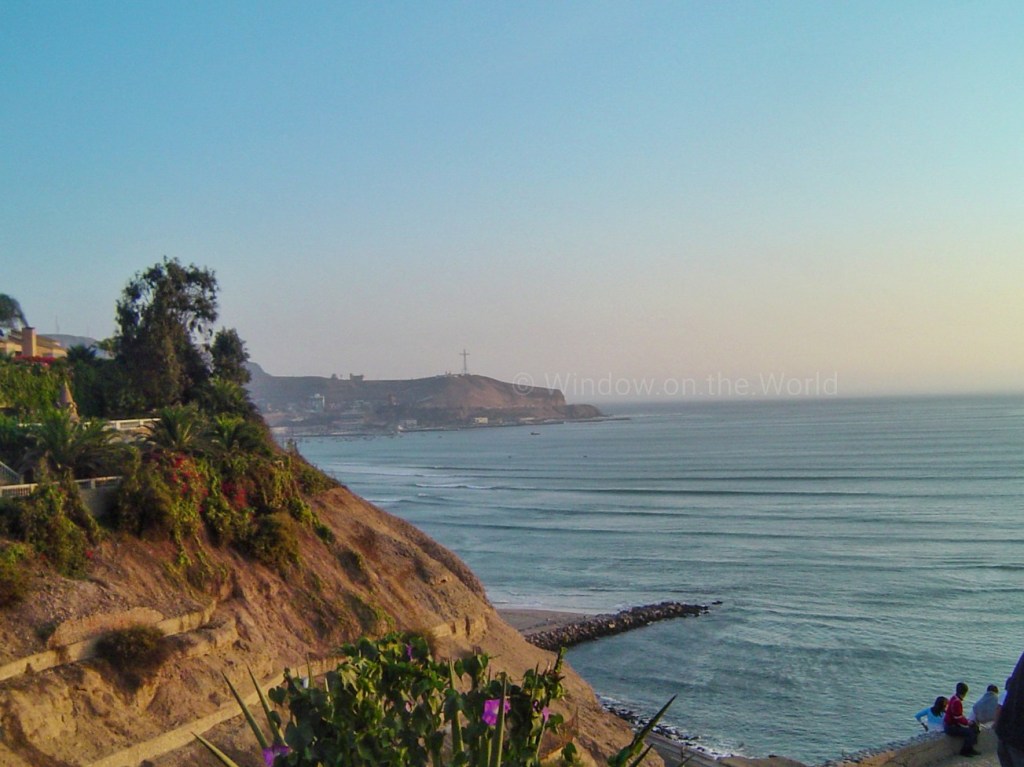
Lima Metropolitan Cathedral, a Roman Catholic cathedral, built on the site of the Inca shrine of the Puma Inti and the palace of the Cuscoan prince Sinchi Puma. This current Cathedral of Lima was built between 1602 and 1797.Lima Metropolitan Cathedral after dark.Archbishop’s Palace of Lima. It is situated directly at Plaza de Armas, Lima’s main square, next to the Cathedral. This important place in the middle of town reflects the immense power the church had in Colonial Lima. Constructions for the Cathedral of Lima and the original “Palacio Arzobispal” started shortly after the foundation of Lima in 1535.Early morning walk around Archbishop’s Palace of Lima and The Lima Cathedral.The Palacio Municipal de Lima or City Hall of Lima. The original building dates back to the early 17th century, but was destroyed mainly by earthquakes and fires several times. The current building, still on the same place as Lima’s first town hall, was inaugurated in 1944.The balconies of headquarter building of the Club de la Unión, a non-profit Peruvian civil association. The balconies of Lima are items of cultural heritage built during the late 17th and 18th centuries.Colonial Yellow Building with Balconies in downtown Lima city near Plaza Mayor. The balconies have been crucial in UNESCO‘s declaration of the Historic Center of Lima as a World Heritage Site.Peru’s National Flag and beautiful fountain near the City Hall, Plaza Mayor, Lima old town, a UNESCO World Heritage site.The Government Palace, also known as the House of Pizarro, the official residence of the President of Peru. First constructed in 1535, the current Government Palace building dates largely from the 1920s.Palace guards of the Government Palace.At El Mirador, a scenic lookout with a splendid view of Lima’s coastline.The city of Lima and its coastline from El Mirador, a scenic lookout point.The Casa de Correos y Telégrafos, the central post office of the city of Lima, built in 1897. In the center of its symmetrical façade, there is a clock and a bronze lion.Palacio de Justicia, the Justice Palace, the seat of the Supreme Court of Peru. Inspired by the Justice Palace in Brussels, though much smaller and lacking the dome, construction started in 1929 and were finished in 1938.San Martín Square, one of the two main squares of the Historic Center of Lima. José de San Martín is regarded as a national hero of Argentina, Chile and Peru, a great military commander, and one of the Liberators of Spanish South America.The Gran Hotel Bolívar, a historic hotel located on Plaza San Martín. It was built in 1924 and was the first large, modern hotel built in Lima. The Gran Hotel Bolívar is home to the Pisco Sour, an alcoholic cocktail of Peruvian originEnjoying the best Pisco Sour at the bar at Gran Hotel Bolivar. Chile and Peru both claim the pisco sour as their national drink, and each asserts ownership of the cocktail’s base liquor—pisco.Another historic building in Plaza San Martín, now converted into a hotel.The Basílica de la Merced, a Roman Catholic church originally built in 1535. The Basilica is dedicated to the Blessed Virgin Mary of Mercy, the patroness of the Peruvian Armed Forces.Iglesia de San Agustin, originally built in 1573 and been rebuilt and restored several times. Its façade, overloaded with stone carved ornaments, is a rare example of the exquisite “Churrigueresque” style, typical of the 17th and 18th centuries.
Barranco, one of districts in Lima, considered to be the city’s most romantic and bohemian, being the home and working place of many of Peru’s leading artists. It’s also home to Lima’s best bars and some of its best restaurants.
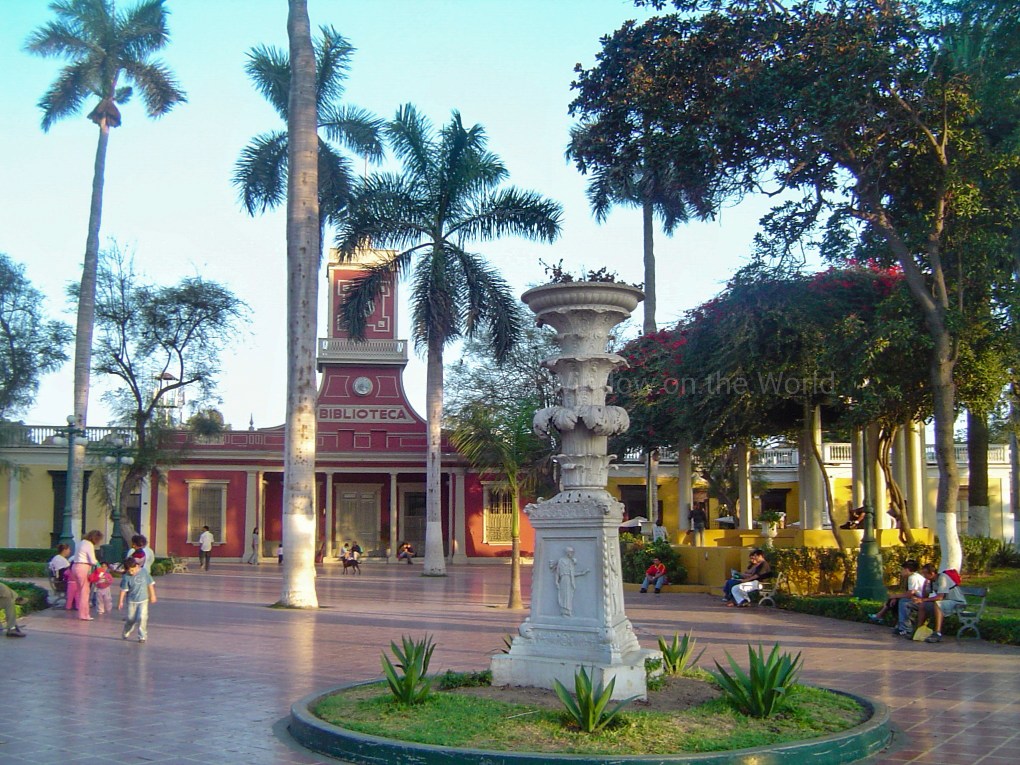
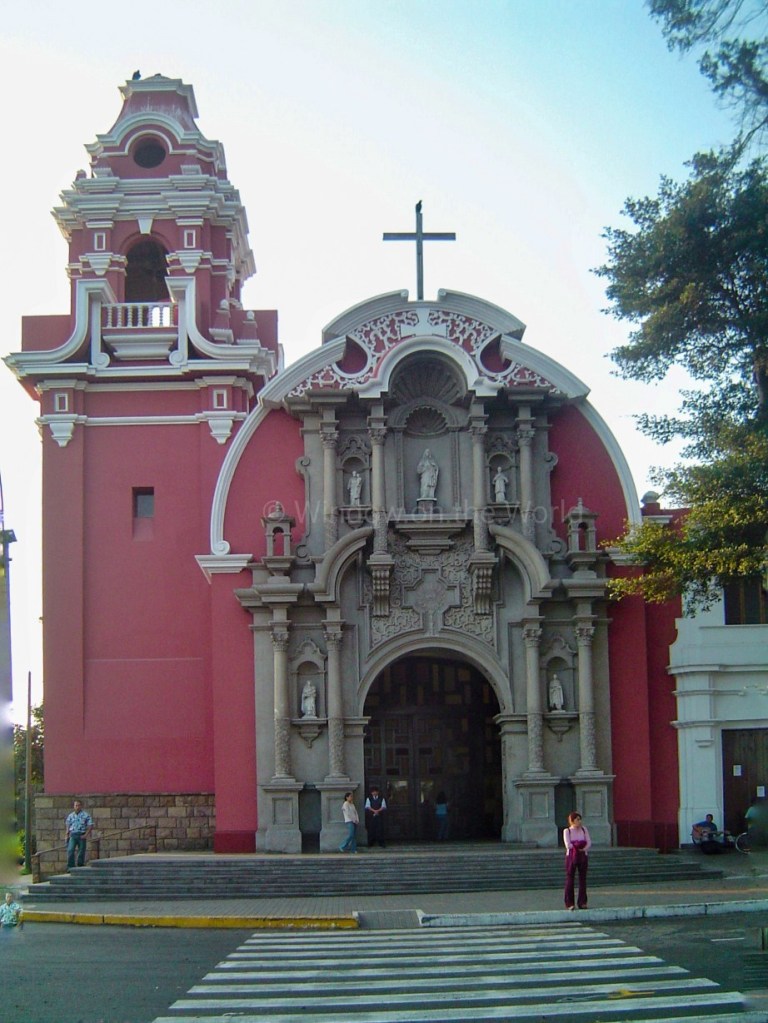
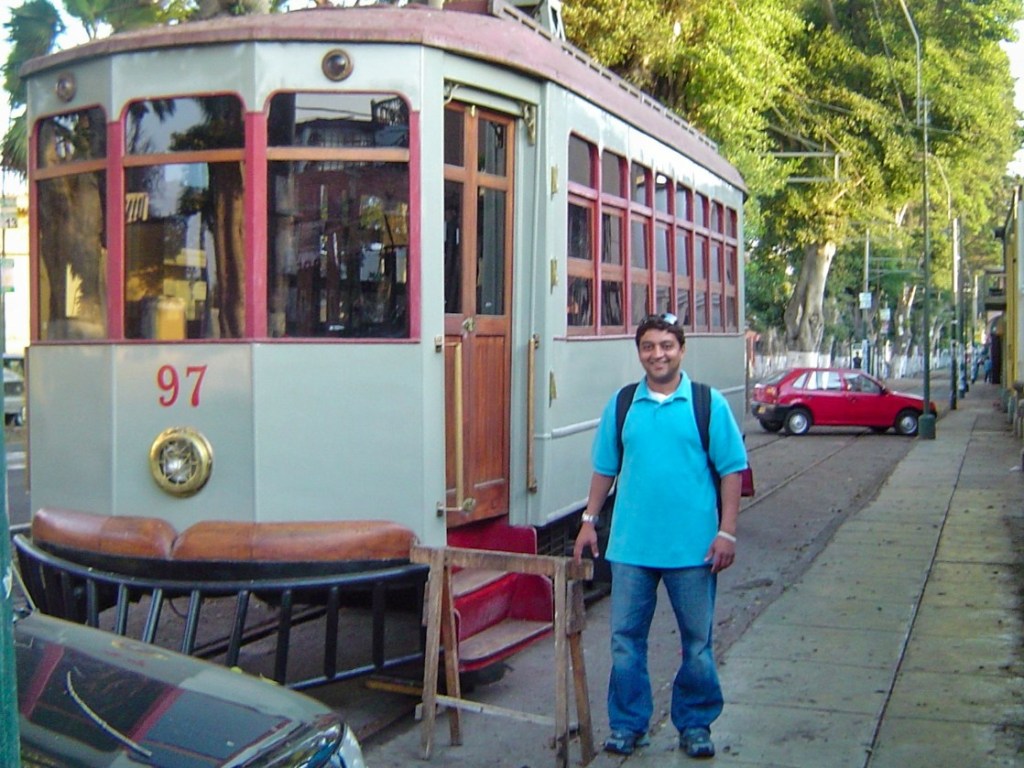
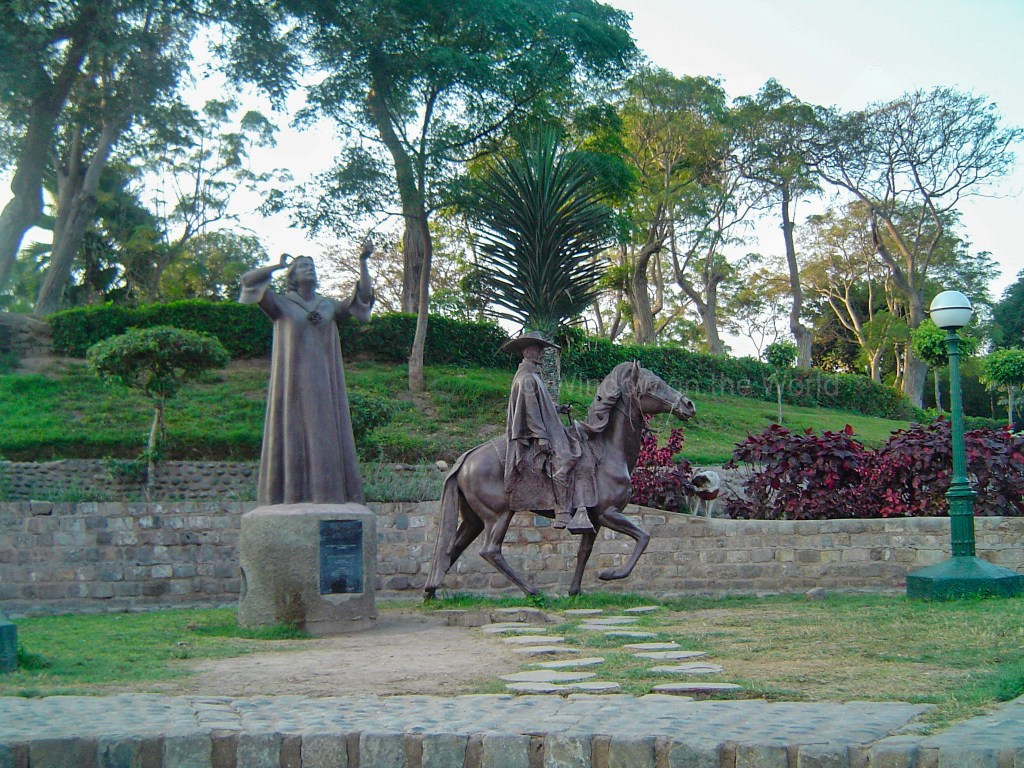
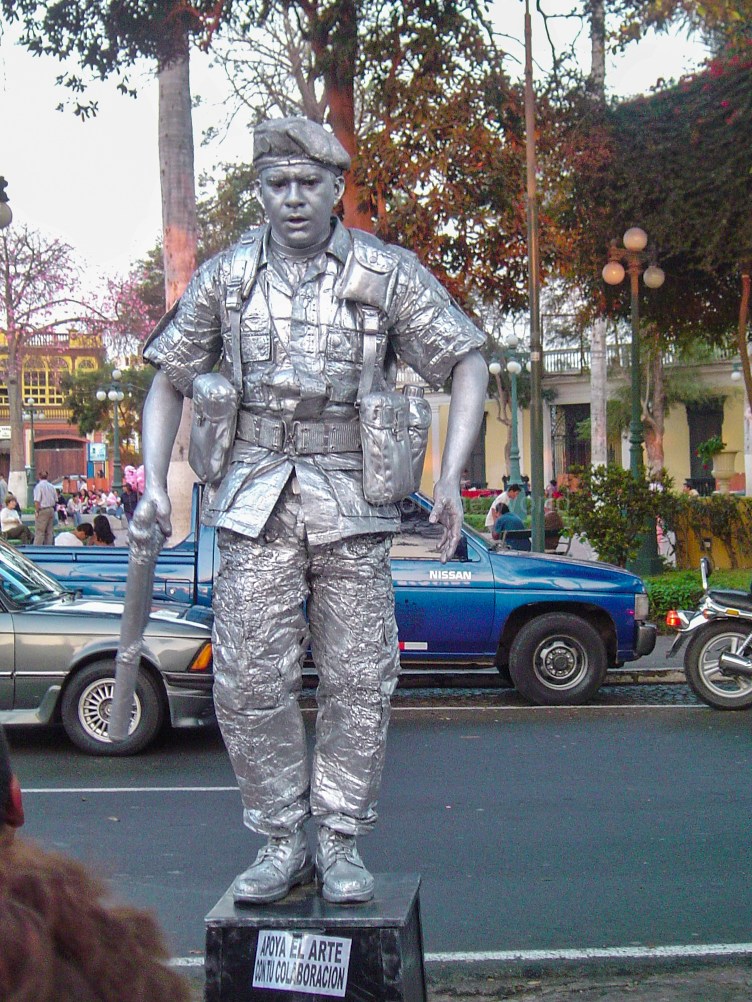
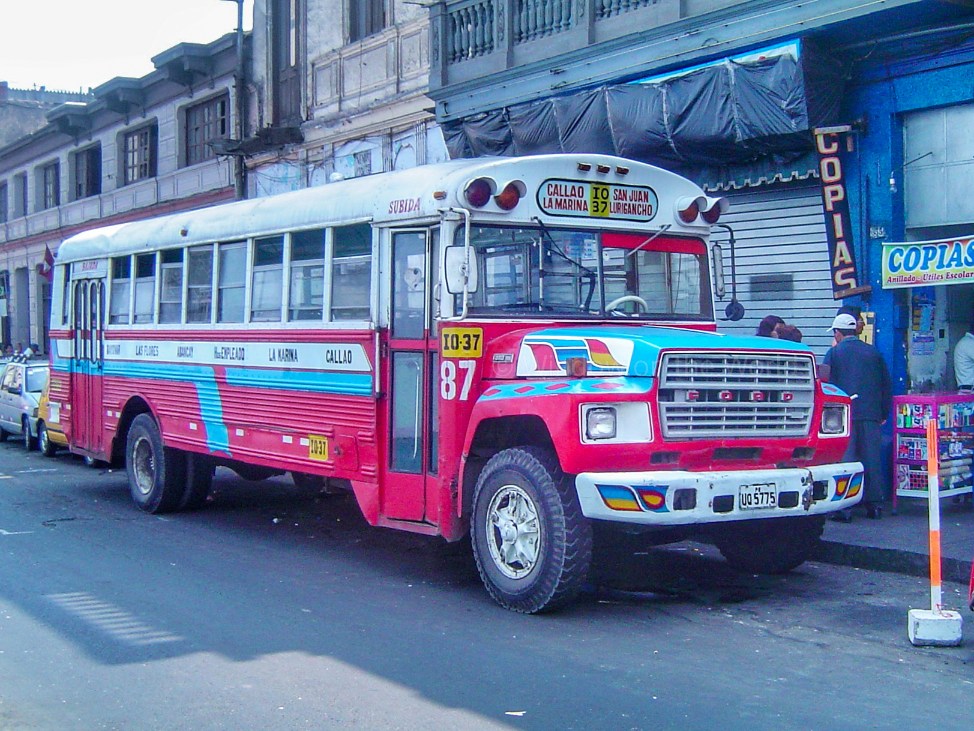
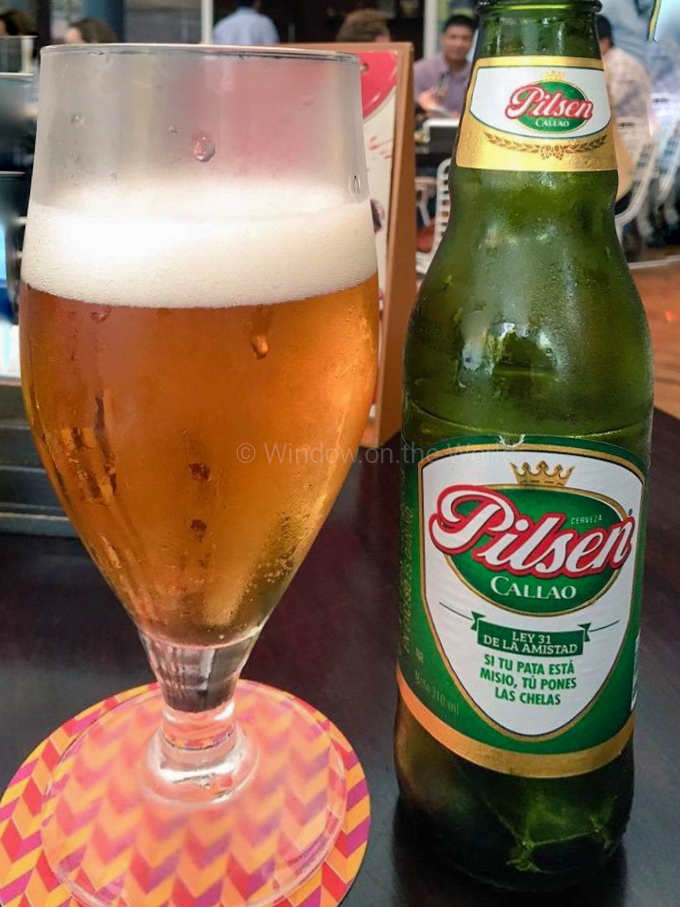
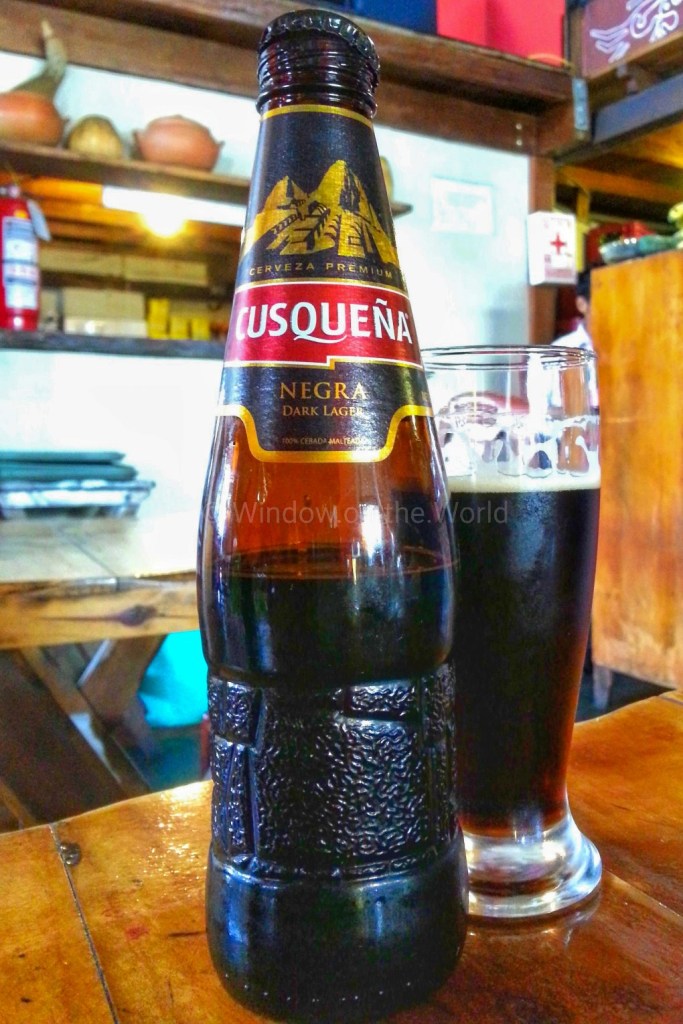
Biblioteca Municipal de Barranco, a historic city library first erected in 1922, offering a variety of cultural & educational programs.Parroquia La Santisima Cruz, the most popular Roman Catholic church in Barranco.A historic electric tram, part of Electricity Museum Barranco.Chalan and Peruvian Paso Horse in Barranco.A view of the South Pacific ocean from Mirador de Barranco.A street artist in Barranco.A local transport in Lima.A cold Pilsen Callao, a Peruvian beer first brewed in 1863 in the town of Callao. Enjoying Cusqueña Negra, a dark Lager Beer from Cusco.
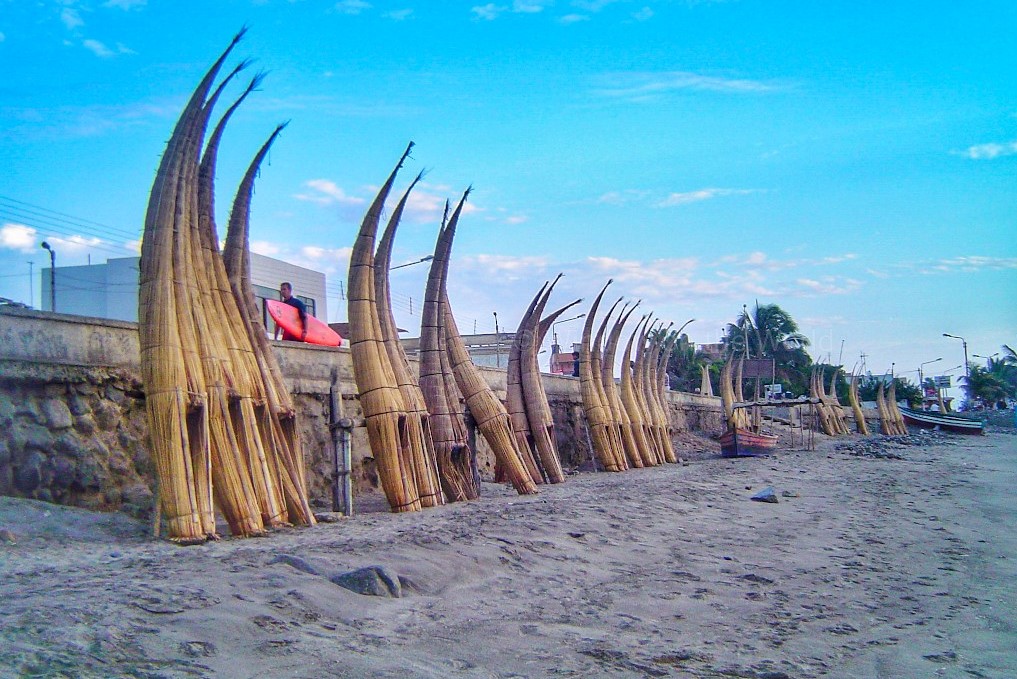
After spending few days in Lima, I took a bus to Trujillo, a city in coastal northwestern Peru and the capital of La Libertad. This was a site of the great prehistoric Moche and Chimu cultures before the Inca conquest and subsequent expansion.
After a week in Peru, I flew back to Dallas, Texas, my home at that tine.
In May 2017, 23 days before I was going to complete 50 years, grabbed an opportunity and took an early retirement.. Picked up a backpack and traveling ever since.. Love to travel around the world, experience different culture, local cuisine & drinks .. and take pictures.. so far been to 108 countries and still counting...


 Window on the World