Categories
Europe Italy Southern Europe

France

Stories and Photos from my travels to France.

Destination 》EuropeWestern Europe 》France

Year Visited: 1998 – September

In September 1998, after joining SAP, my new employer, I went to Heidelberg, Germany for 7 weeks of workshops and training. As this was my first visit to Europe, I made the best use of all weekends and drove to many countries including Austria, Belgium, France, Italy, Luxembourg, and the Netherlands. I with my colleagues drove to the Paris, France during one of those weekends.

Since prehistoric times, the region that is known today as France has been the scene of trade, travel, and invasions. France was settled by Celtic tribes known as Gauls during the Iron Age. Rome annexed the area in 51 BC, leading to a distinct Gallo-Roman culture that laid the foundation of the French language. The Germanic Franks arrived in 476 and formed the Kingdom of Francia. The Treaty of Verdun of 843 partitioned the empire, with West Francia becoming the Kingdom of France in 987.

France, a country in Western Europe bordering Belgium, Luxembourg, and Germany to the northeast, Switzerland, Monaco and Italy to the east, Andorra and Spain to the south. Bounded by the Atlantic Ocean and the Mediterranean Sea, the Alps and the Pyrenees, France has long provided a geographic, economic, and linguistic bridge joining Northern and Southern Europe. Historically and culturally among the most important nations in the Western world, France has also played a highly significant role in international affairs, with former colonies in every corner of the globe.

France retains its centuries-long status as a global center of art, science, and philosophy. It hosts the fifth-largest number of UNESCO World Heritage Sites and is the world’s leading tourist destination, receiving over 89 million foreign visitors in 2018.
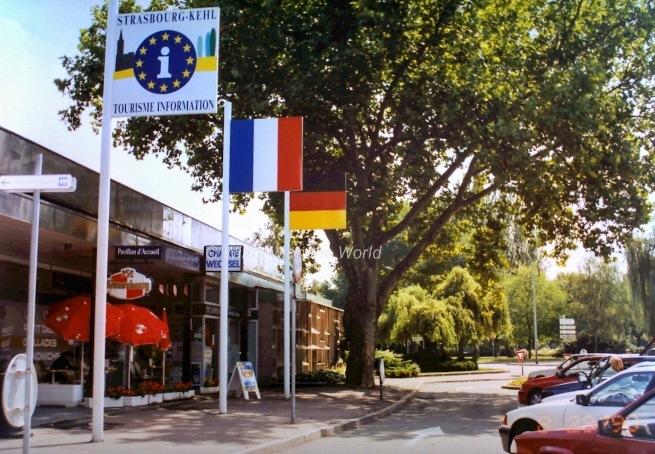
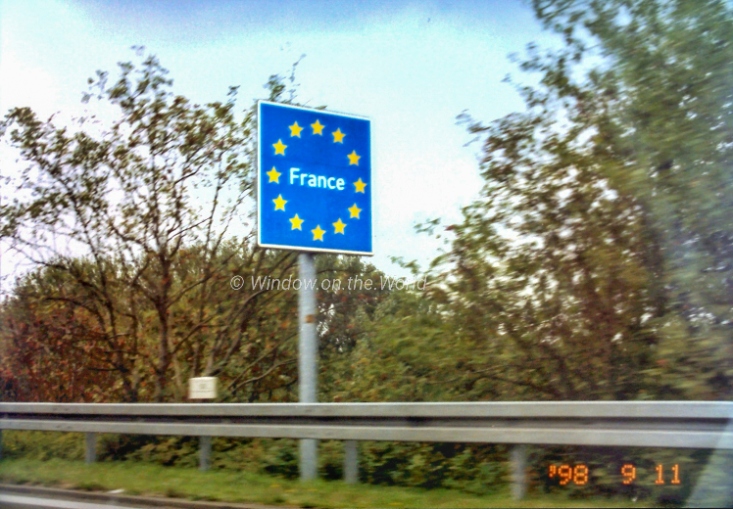
Crossing the border from Kehl, Germany to Strasbourg, France.
Driving on a French Highway, unlike in Germany, speed limit is enforced in France.

During the weekend I made my base in Paris, the Capital city, known as a global center for art, fashion, gastronomy and culture.

Paris, the cosmopolitan capital of France, is one of Europe’s largest cities with almost 12 million people living in the metropolitan area. Located on the river Seine, Paris has the well deserved reputation of being the most beautiful and romantic city, brimming with historic associations and remaining vastly influential in the realms of culture, art, fashion, food and design. Dubbed as the City of Light (la Ville Lumière) and Capital of Fashion, it is home to the world’s finest and most luxurious fashion designers and cosmetics.

A large part of the city, including the River Seine, is a UNESCO World Heritage Site. The city has the second highest number of Michelin restaurants in the world (after Tokyo) and contains numerous iconic landmarks, such as the world’s most visited tourist site the Eiffel Tower, the Arc de Triomphe, the Notre-Dame Cathedral, the Louvre Museum, Moulin Rouge, and Lido, making it the most popular tourist destination in the world.

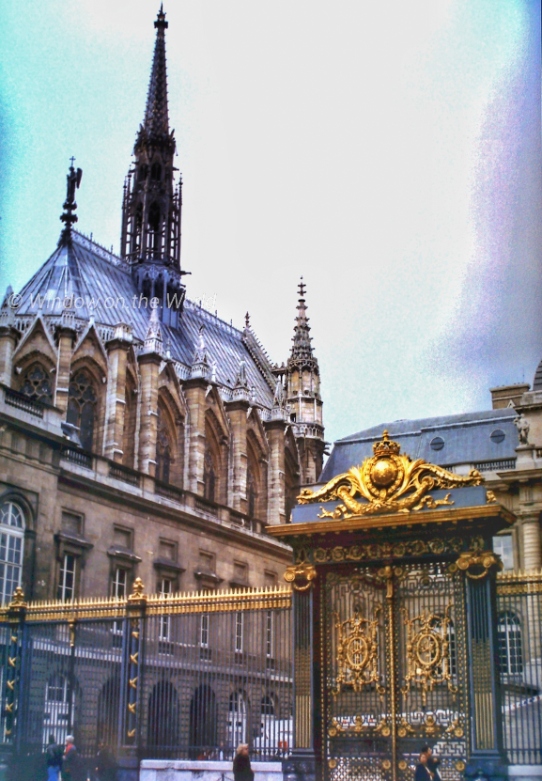
My visit was in 1998, no Digital Camera at that time, only Film Camera, so I don’t have many pictures to show here. Also, these pictures are not of good quality but I still wanted to post here as my memories.

Pictures below are from my weekend stay in Paris.
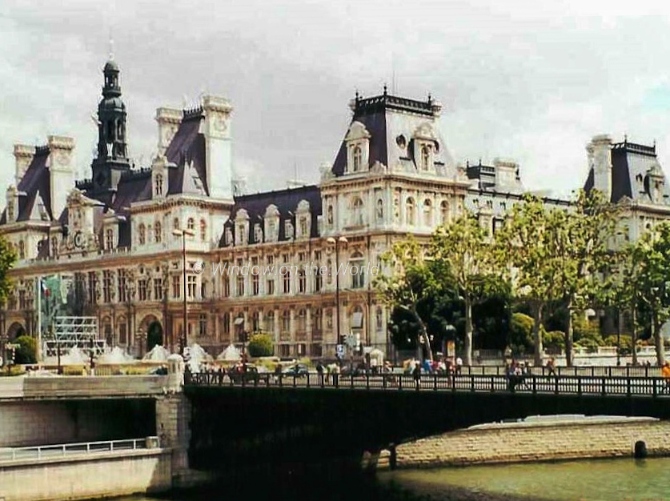
Pont d’Arcole (bridge) and The Hôtel de Ville (City Hall) of Paris, the building is housing city’s local administration. The south wing was originally constructed by François I beginning in 1535 until 1551. The north wing was built by Henry IV and Louis XIII between 1605 and 1628. The Hôtel de Ville is a part of the UNESCO World Heritage site “Paris, Banks of the Seine”.

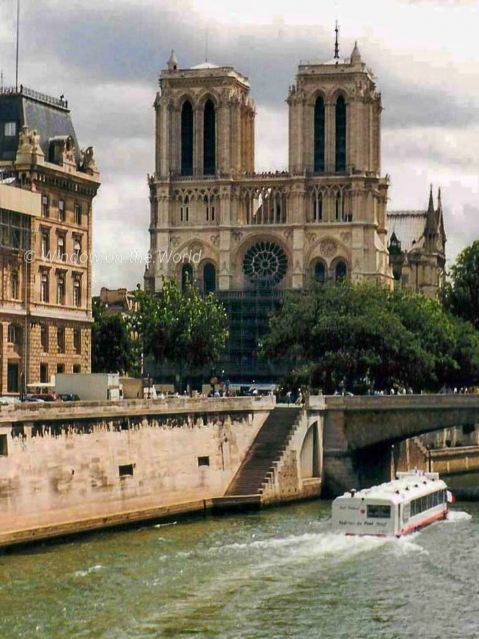
Notre-Dame de Paris, a medieval Catholic cathedral consecrated to the Virgin Mary, originally built between 1163–1345, on the ruins of two earlier churches, which were themselves predated by a Gallo-Roman temple dedicated to Jupiter. The cathedral was modified frequently in the following centuries. In the 19th century, the cathedral was the site of the coronation of Napoleon and the funerals of many presidents of the French Republic. The cathedral is considered to be one of the finest examples of French Gothic architecture and is part of the UNESCO World Heritage site “Paris, Banks of the Seine”.
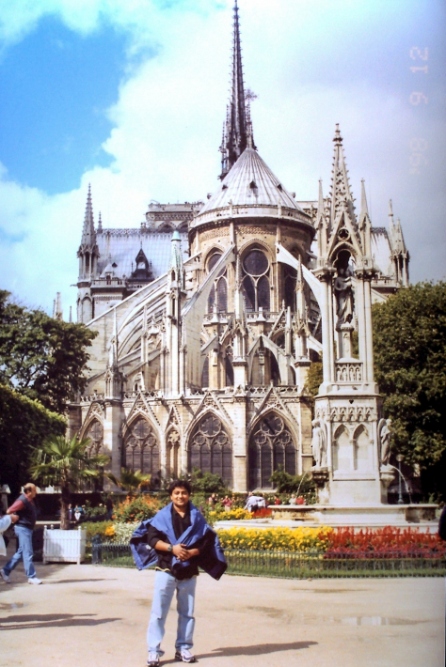
At the Fountain of the Virgin and Notre Dame Cathedral Rear Façade.
Entrance of Notre-Dame de Paris.
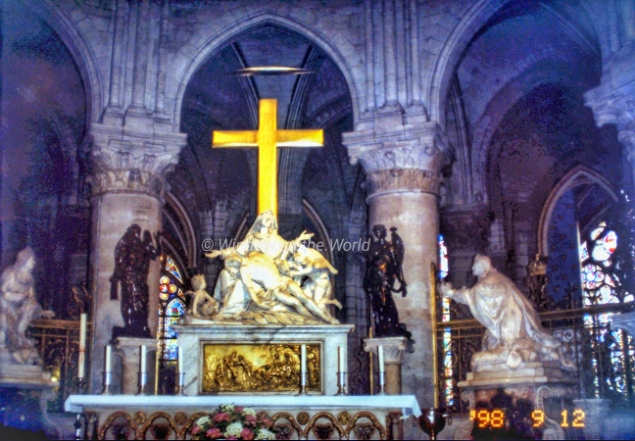
Notre-Dame’s high altar with the kneeling statues of Louis XIII and Louis XIV
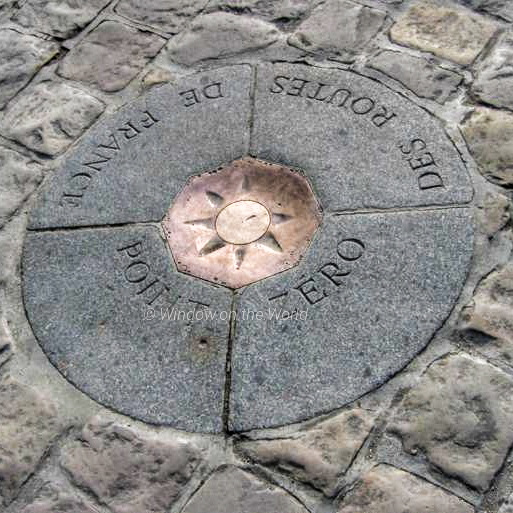
Kilometer Zero of France, on the square facing the main entrance of Notre Dame. It is considered the official center of Paris.
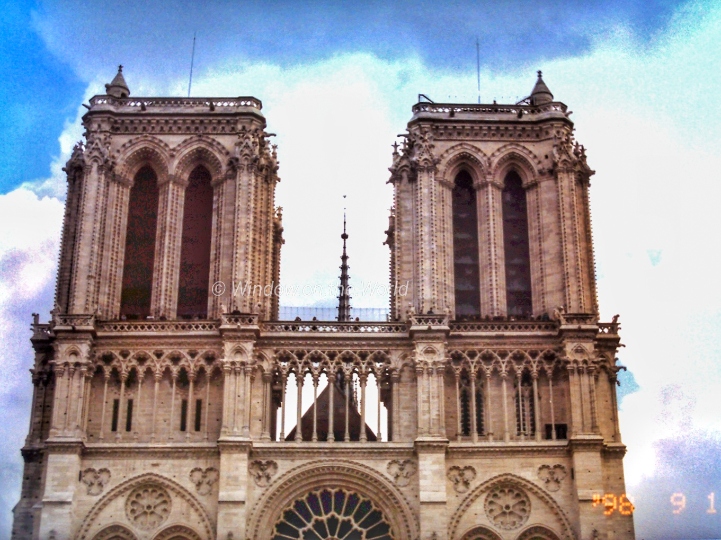
Façade of Notre-Dame de Paris.
Twin towers of the Notre-Dame de Paris.

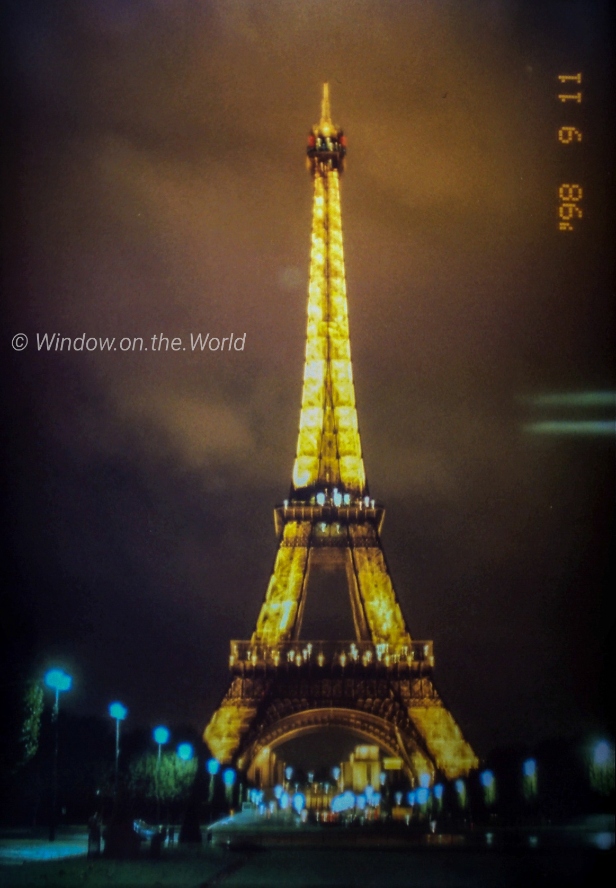
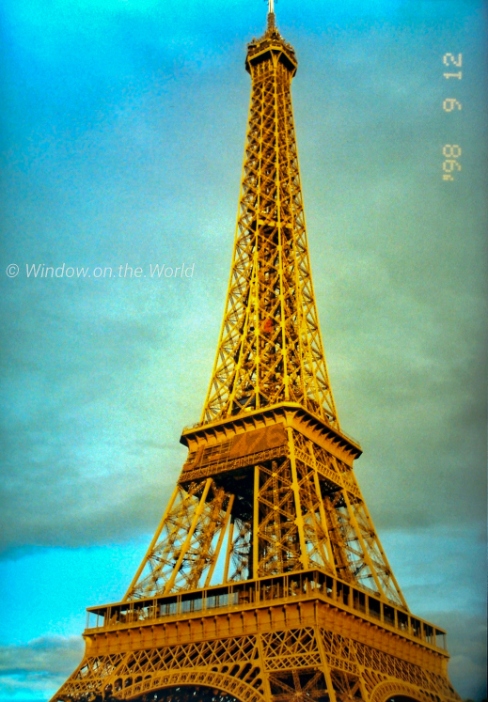
The Eiffel Tower was built by Gustave Eiffel for the 1889 Exposition Universelle, which was to celebrate the 100th year anniversary of the French Revolution. Originally intended as a temporary exhibit, the Eiffel Tower was almost torn down and scrapped in 1909. City officials opted to save it after recognizing its value as a radiotelegraph station.

The Eiffel Tower, Parisian landmark for decades, is also a technological masterpiece in building-construction history. During its construction, the Eiffel Tower surpassed the Washington Monument to become the tallest man-made structure in the world, a title it held for 41 years until the Chrysler Building in New York City was finished in 1930.

After arriving in Paris, first thing I did was, visit the most popular monument of France and Paris.
Early next morning view of the Eiffel Tower.
one more visit to this wonderful monument.

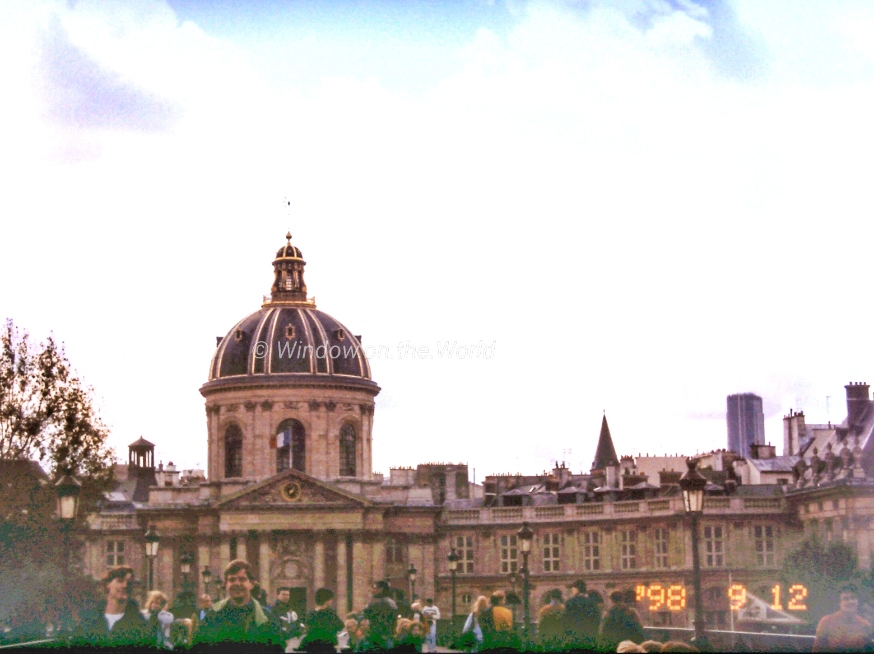
The Institut de France, housed in most beautiful the building, a former school, the Collège des Quatre-Nations, built by Cardinal Mazarin between 1662 and 1688. The Institut de France defines itself the ‘Protector of Arts, Literature and Science’.
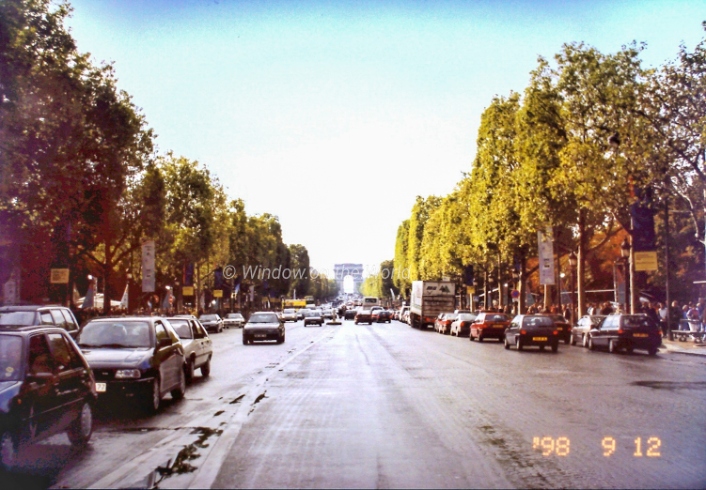
The Avenue des Champs-Élysées, an avenue running between the Place de la Concorde, the largest square in the French capital, and the Place Charles de Gaulle, where the Arc de Triomphe is located. The Avenue is known for its theatres, cafés, and luxury shops.
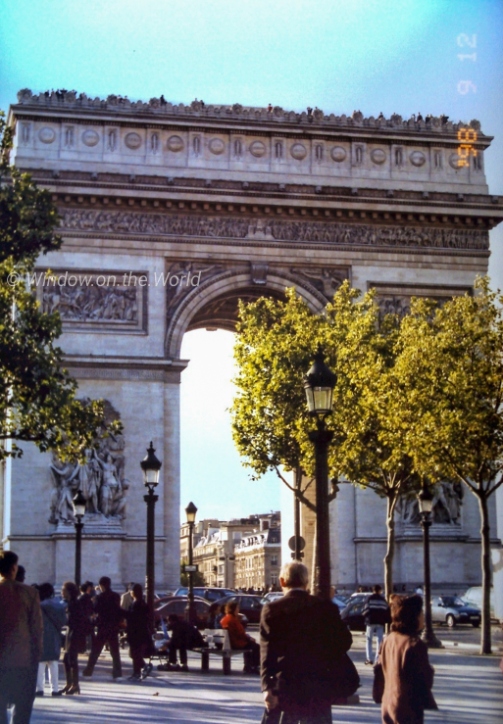
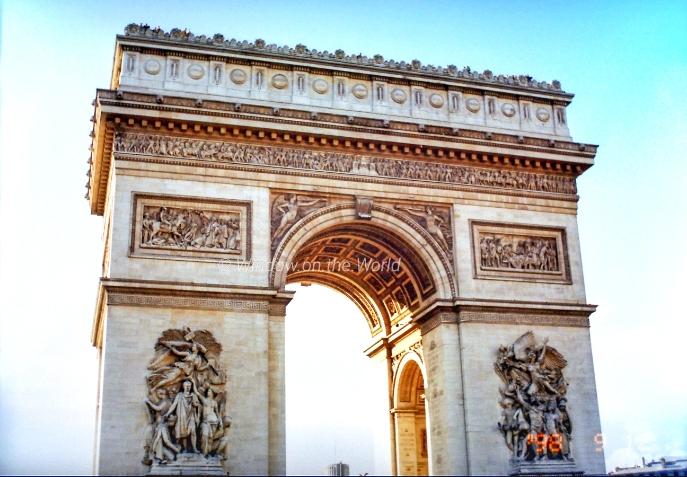
The Arc de Triomphe de l’Étoile, one of the most famous monuments in Paris, standing at the western end of the Champs-Élysées at the center of Place Charles de Gaulle. The Arc de Triomphe honors those who fought and died for France in the French Revolutionary and Napoleonic Wars.
A closer look at the Arc de Triomphe.
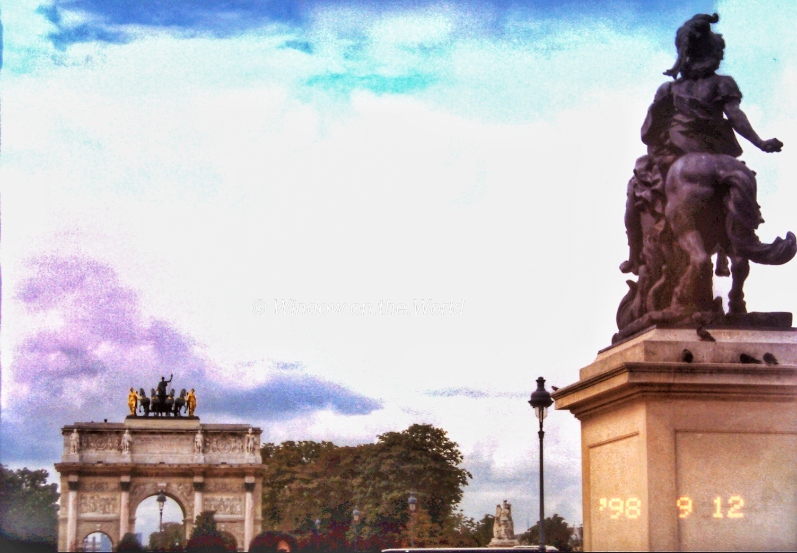
The Arc de Triomphe du Carrousel, there are two triumphal arches in Paris and this particular arch is the smaller of the two. It was built between 1806 and 1808 to commemorate Napoleon’s military victories of the previous year.
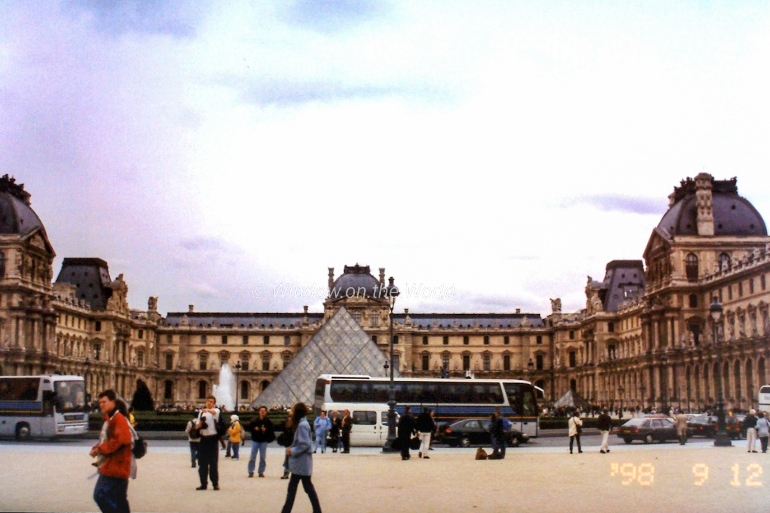
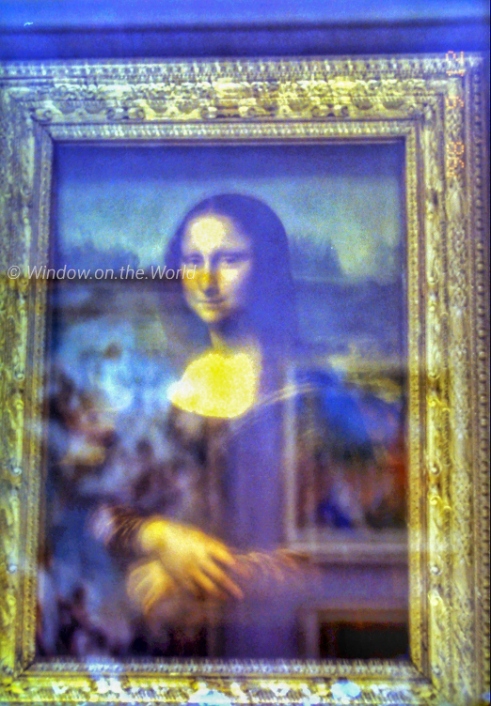
Louvre, Musée du Louvre, national museum and art gallery of France, housed in the Louvre Palace, originally built in the late 12th to 13th century. Best known for being the home of the Mona Lisa, Louvre is the world’s most-visited art museum.
The Mona Lisa.
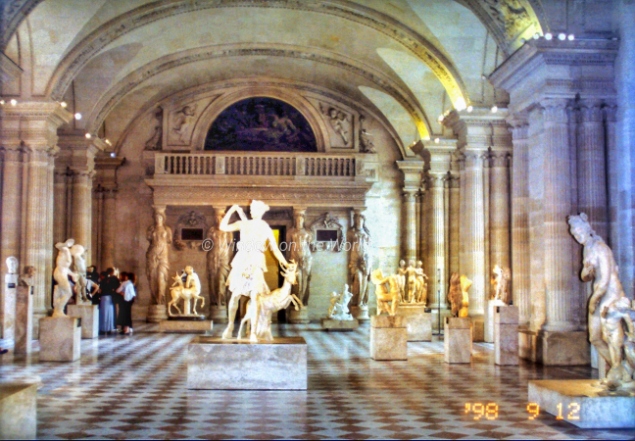
The ancient sculptures exhibited in the room of the Caryatides.
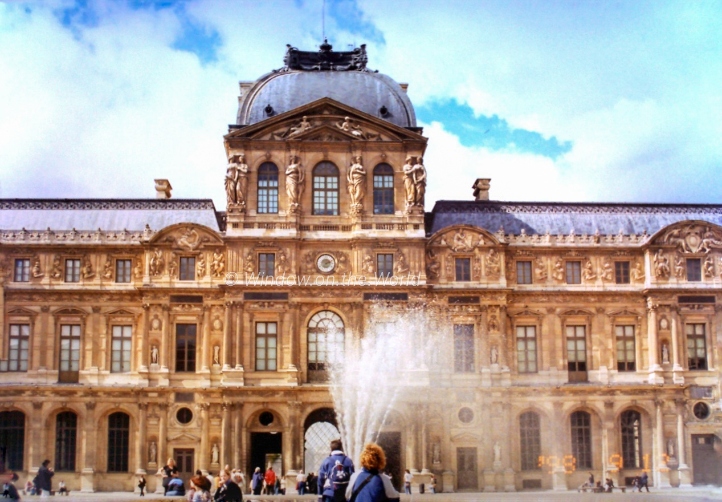
The Louvre Palace.

Paris has 37 bridges across the Seine, of which 5 are pedestrian only and 2 are rail bridges. With the exception of a few newer bridges, most of the bridges over the Seine are reminders of Paris past and part of the UNESCO World Heritage site “Paris, Banks of the Seine”.
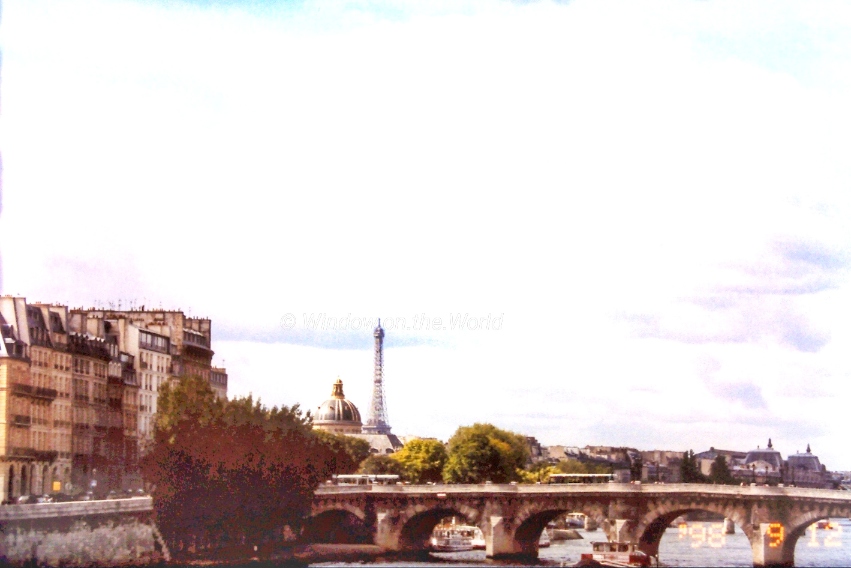
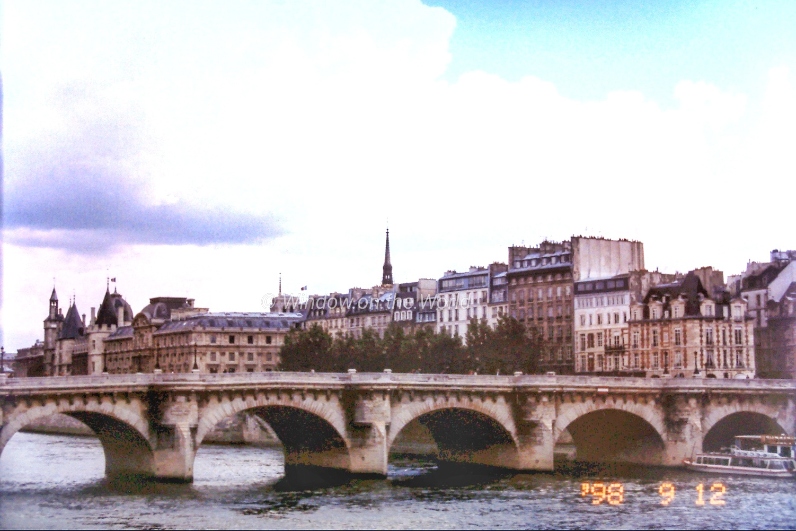
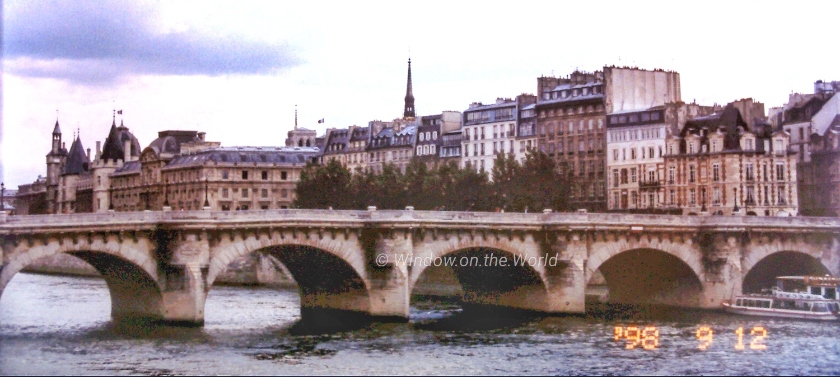
The Pont Neuf, (“New Bridge”), built between 1578 and 1607, is the oldest standing bridge across the river Seine.
The Pont Neuf with the Eiffel Tower and the Institut de France in the background.
The Pont des Invalides, built in 1855, is the lowest bridge traversing the Seine in Paris.
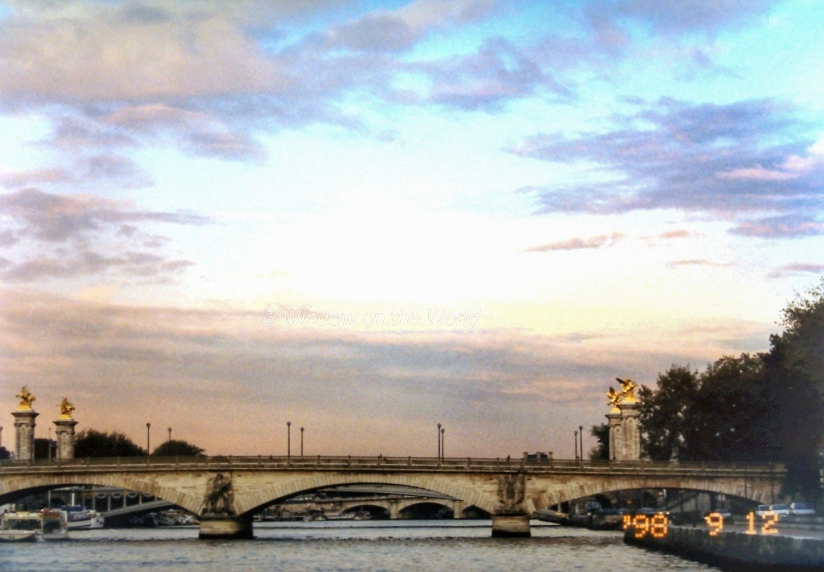
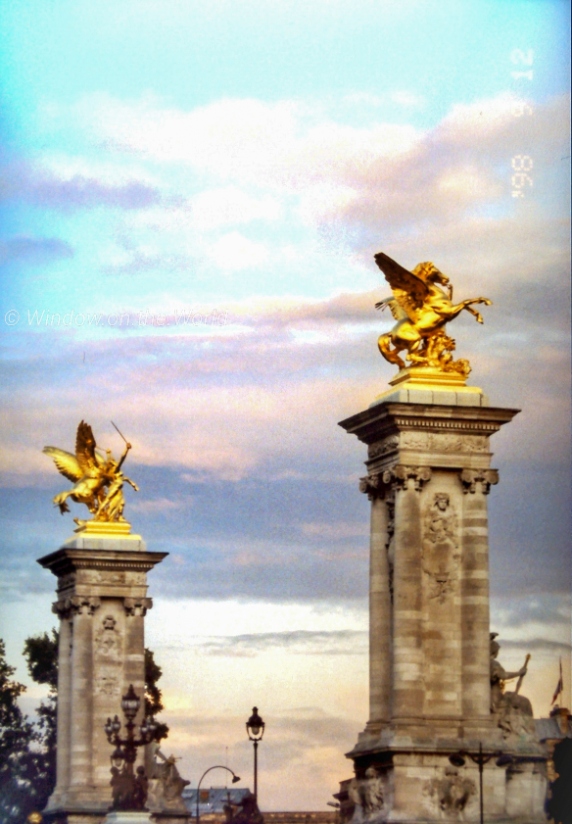
Gilded winged horses on the Pont Alexandre III, a deck arch bridge, widely regarded as the most ornate, extravagant bridge in the city.
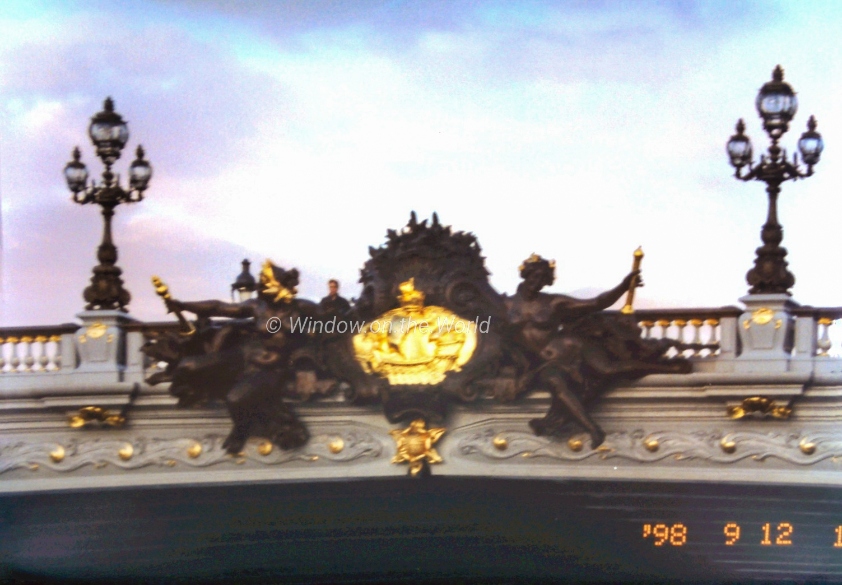
Nymphs of the Neva relief and Art Nouveau lamps on the Pont Alexandre III.
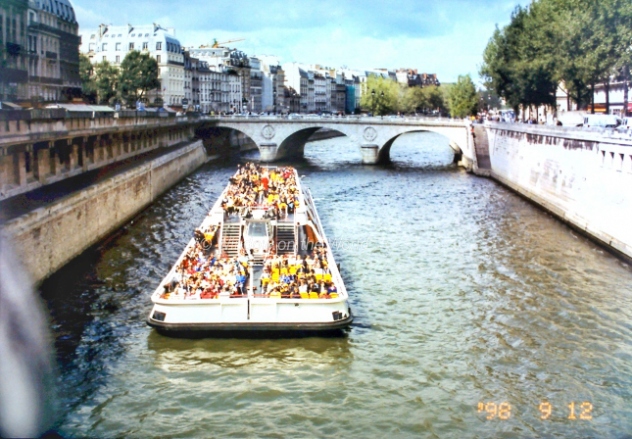
A bateau-mouche sails on the Seine; Pont Louis-Philippe is in the background.
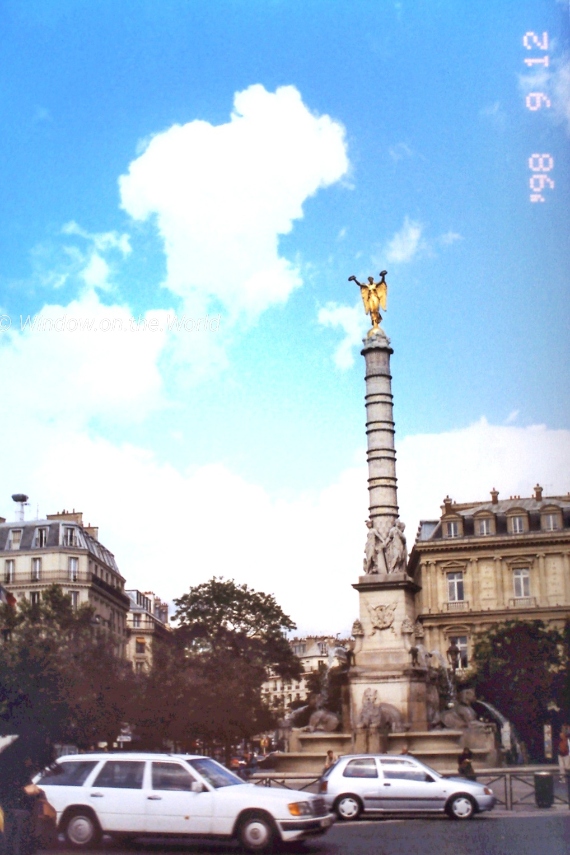
La Fontaine du Palmier in the Place du Châtelet, a fountain, designed in 1806 to celebrate Napoleon’s victories in battle. A column rises in the form of a palm tree’s trunk, surmounted by a gilded figure of the goddess, Victory, holding a laurel wreath in each upraised hand.
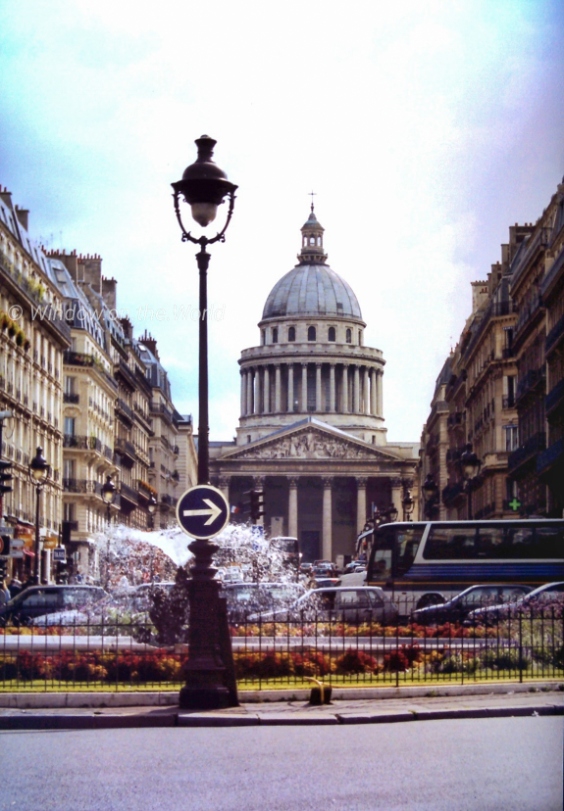
The Panthéon, built between 1758-1790, was originally built as the Church of Ste-Geneviève, the patron saint of Paris, later it was conceived as a monument to Paris and the French nation.
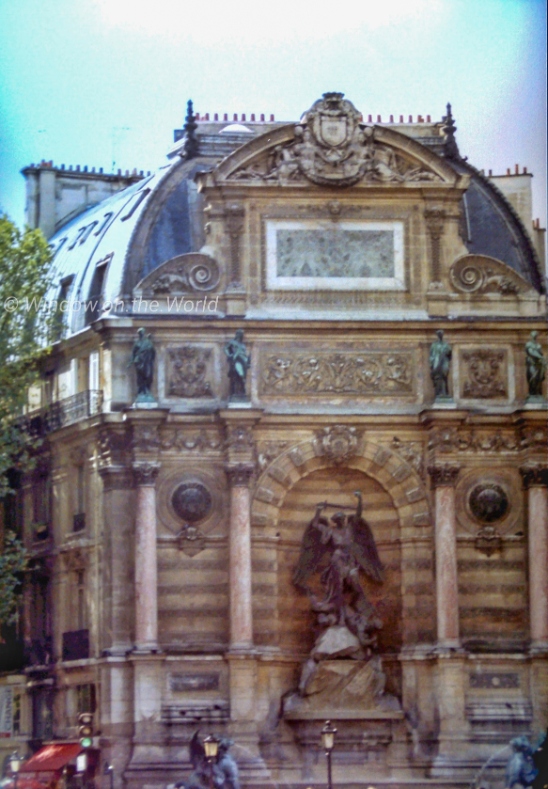
Archangel Michael and the devil, centerpiece of the Fontaine Saint-Michel, a monumental fountain located in Place Saint-Michel. It was constructed in 1858–1860 during the French Second Empire.
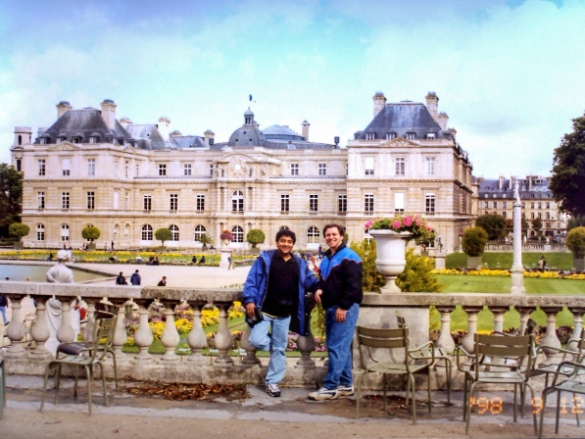
With my colleague at the Jardin du Luxembourg (Luxembourg Garden) also referred to as the Jardin du Senate. It was created beginning in 1612 by Marie de’ Medici, the widow of King Henry IV, for a new residence she constructed. The garden today is owned by the French Senate, which meets in the Palace.
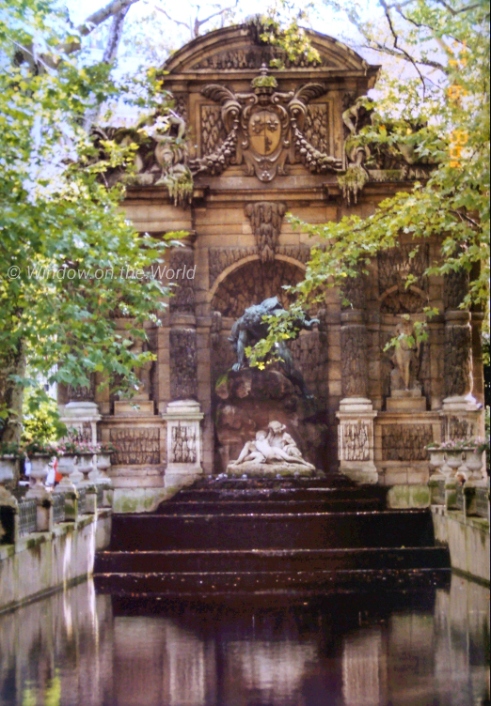
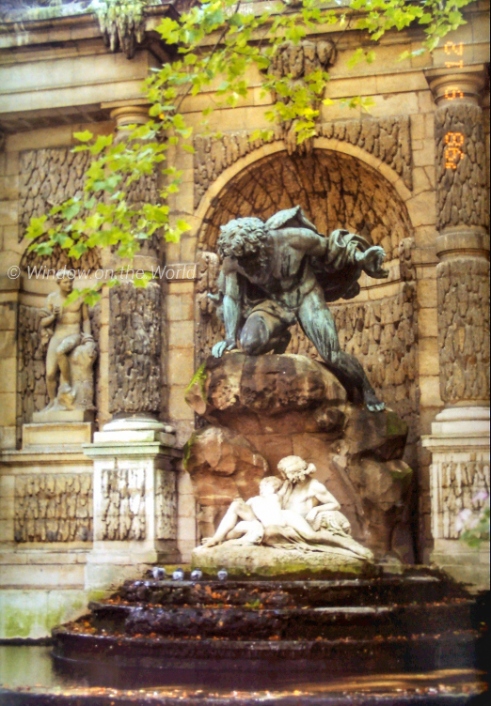
The Medici Fountain, a monumental fountain in the Jardin du Luxembourg. It was built in about 1630 by Marie de’ Medici, the widow of King Henry IV and mother and regent of King Louis XIII.
A closer look at the Medici Fountain. In 1811, at the instructions of Napoleon Bonaparte, the grotto was restored by architect Jean Chalgrin, the architect of the Arc de Triomphe, who replaced the simple water fountain in the niche of the grotto with two streams of water, and added a white marble statue representing Venus in her bath.
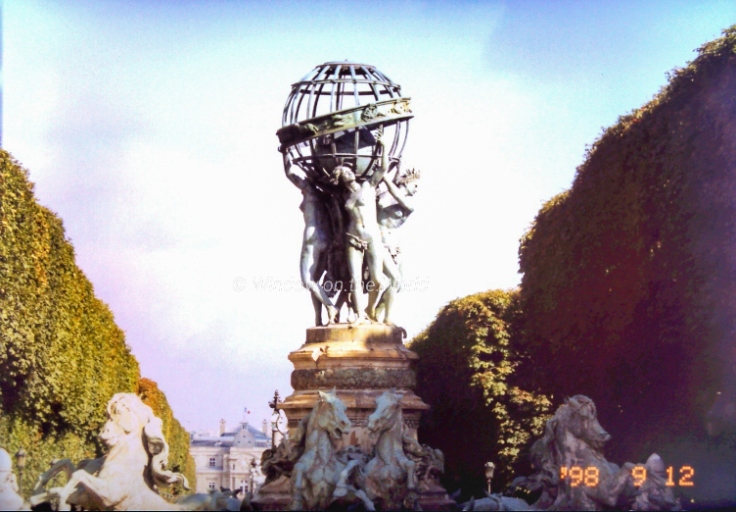
The Fontaine de l’Observatoire, dedicated in 1874, is a monumental fountain located in the Jardin Marco Polo. It is also known as the Fontaine des Quatre-Parties-du-Monde, for the four parts of the world embodied by its female figures, or simply the Fontaine Carpeaux.
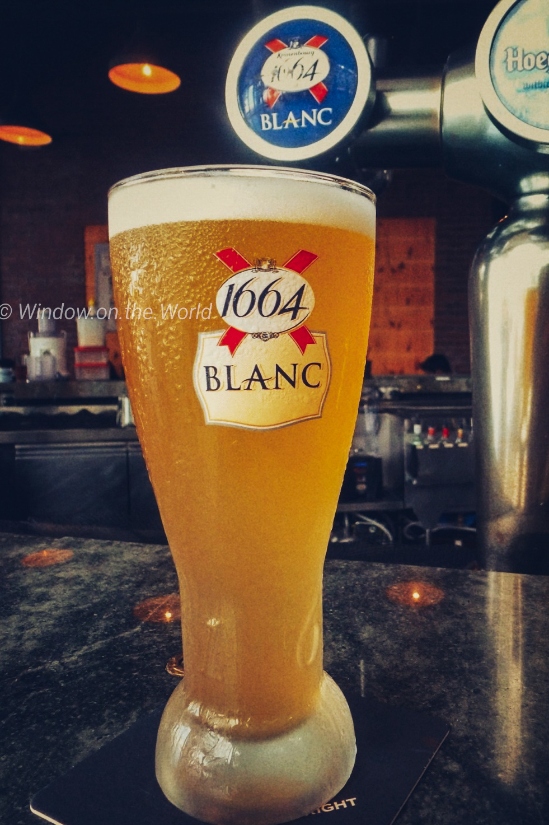
After a long day of exploring Paris, enjoying a glass of 1664 Blanc, wheat beer produced by Strassburg based Kronenbourg Brewery founded in 1664.
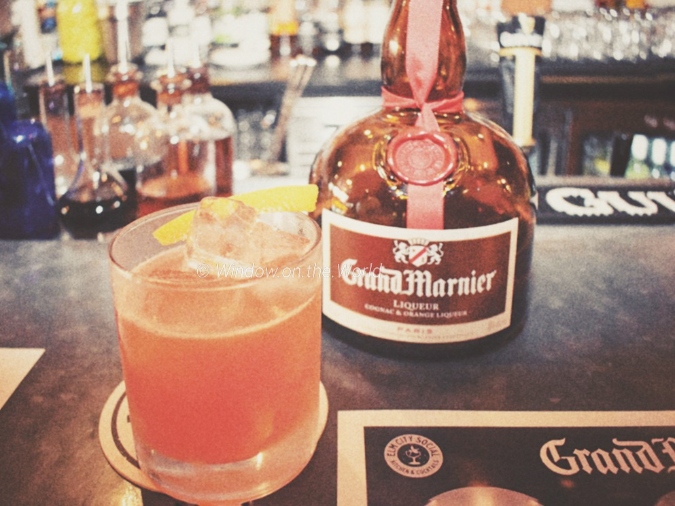
First time drinking a glass of Grand Marnier, an orange-flavored French liqueur created in 1880.

On the way back from Paris, we quickly visited Château de Versailles, inscribed in UNSECO World Heritage Sites, is considered a masterpiece of human creative genius. With its 2,300 rooms, Château de Versailles is a monument to the glory of the Sun King. Louis XIV transformed this hunting pavilion into a royal residence that matched his ambitions, making it a seat for his absolute monarchy.
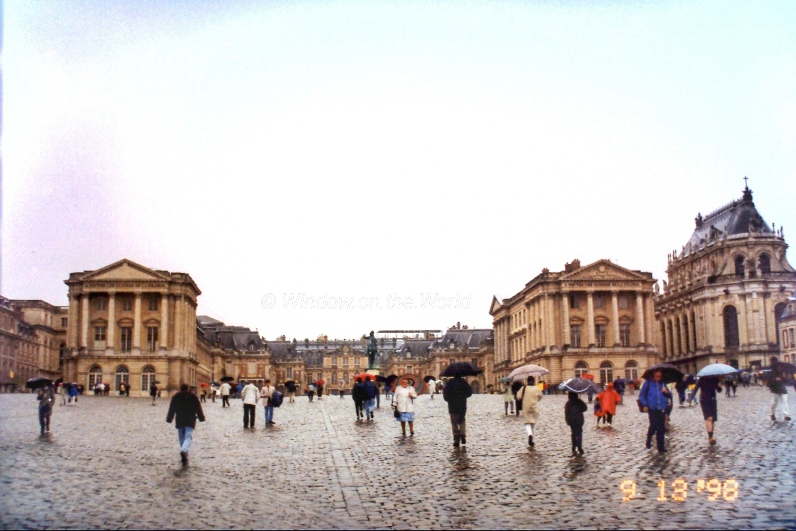
A rainy day at the Château de Versailles, a UNESCO World Heritage site.

After spending a weekend in Amsterdam, I drove back to Heidelberg, Germany for work.

Window on The World's avatar

By Window on The World

In May 2017, 23 days before I was going to complete 50 years, grabbed an opportunity and took an early retirement.. Picked up a backpack and traveling ever since.. Love to travel around the world, experience different culture, local cuisine & drinks .. and take pictures.. so far been to 108 countries and still counting...

Leave a comment