Panama is a country in Central America with coastlines on both the Caribbean Sea and the Pacific Ocean, border by Colombia (South America) and Costa Rica (North America). Settled as a colony of Spain in the early 16th century, Panama gained its independence in 1821. It’s strategically located on the isthmus that forms the land bridge connecting North and South America and controls the Panama Canal that links the Atlantic Ocean via the Caribbean Sea with the Pacific Ocean, one of the most important shipping routes in the world. A ship traveling from San Francisco to New York saves around 12,875 kilometer (8,000 miles) and 5 months of travel by crossing at the canal.
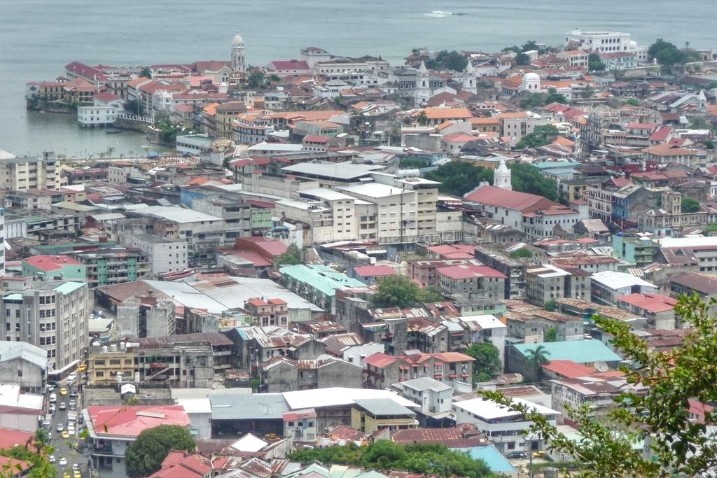
Casco Viejo, the historic district of Panama City, completed and settled in 1673, is inscribed in UNESCO World Heritage list since 1997.
As I was working full time during 2011, I had only a week in the country. I spent all of the time in Panama City, making a day trip to Colón on the Atlantic side of the country by Panama Canal Railway. I would love to go back and explore Panama and Rest of the Central America in near future.
Pictures below are from my stay in Panama.
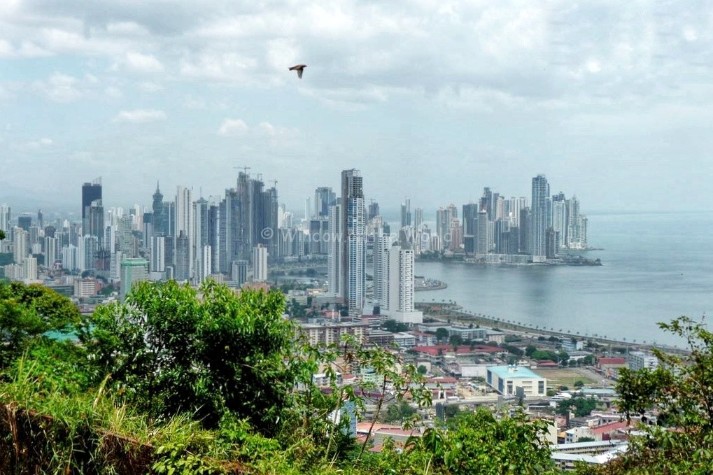
Panama City, located at the Pacific entrance of the Panama Canal, is the political and administrative center of the country, as well as a hub for banking and commerce. It is the most modern city in the Central America. Panama City has been given the unofficial title of The Dubai of Latin America, due to the recent rapid influx of skyscrapers, high-rise buildings, and increasing number of wealthy people in the city.
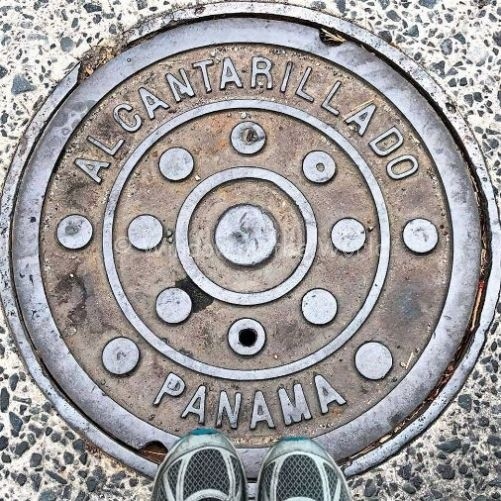
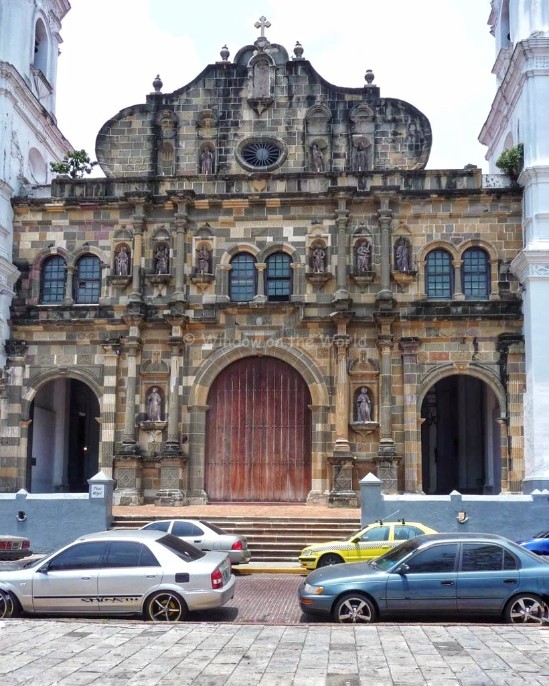
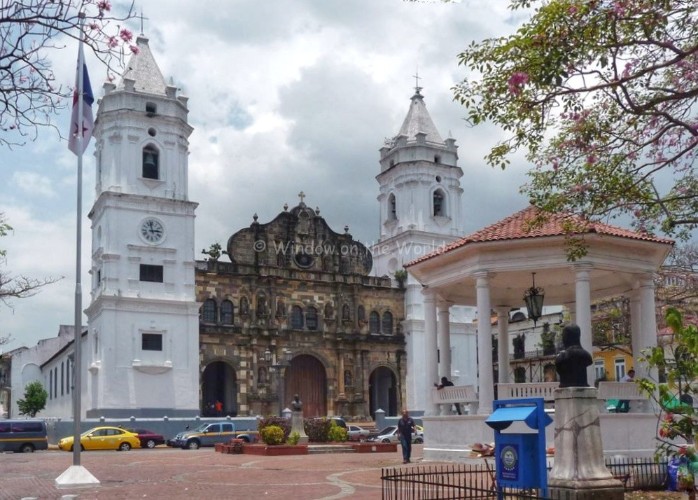
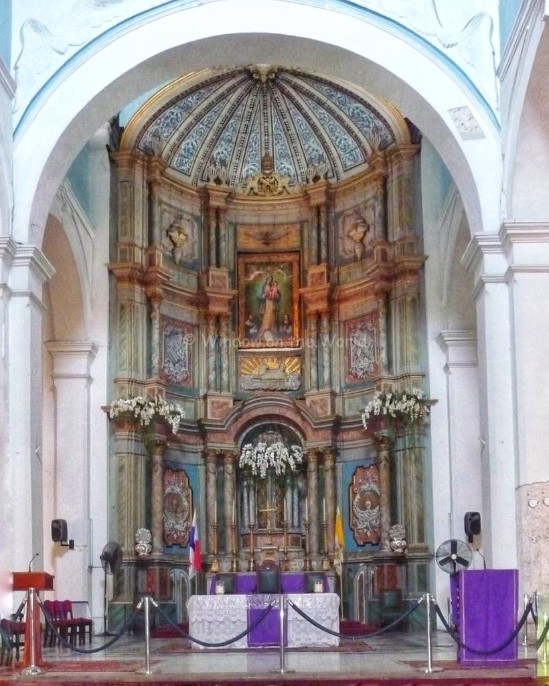
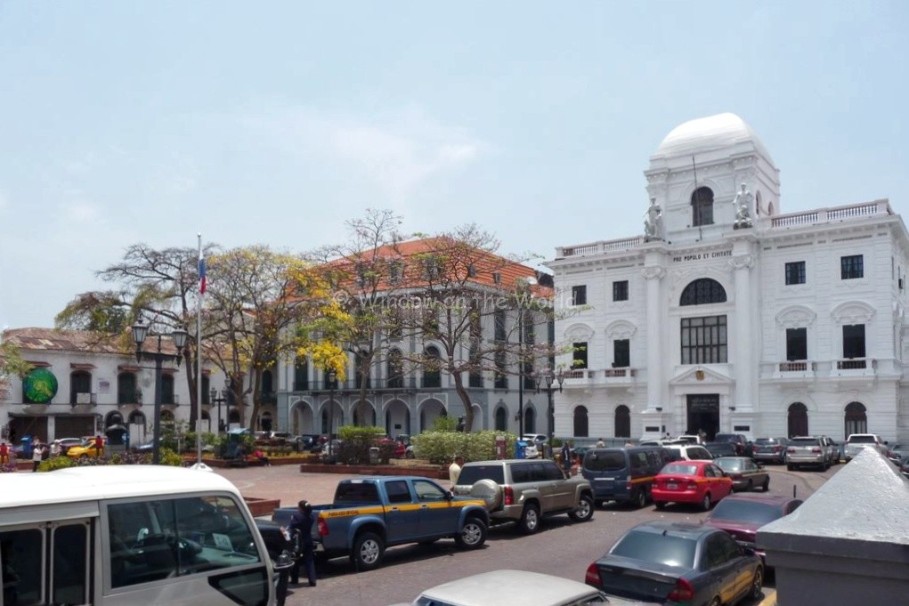
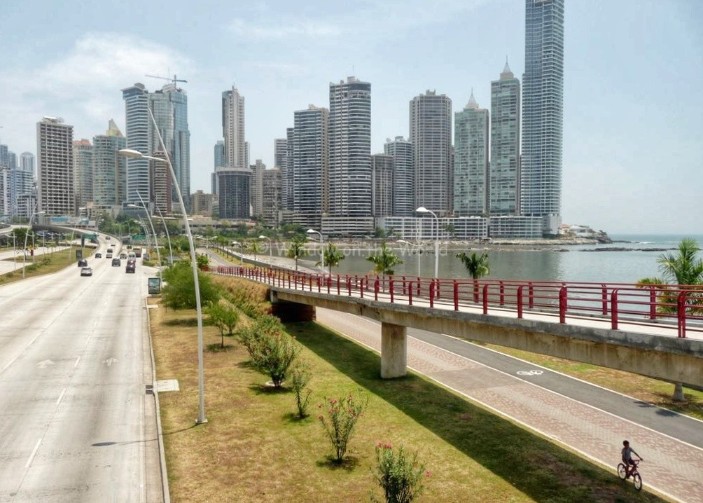
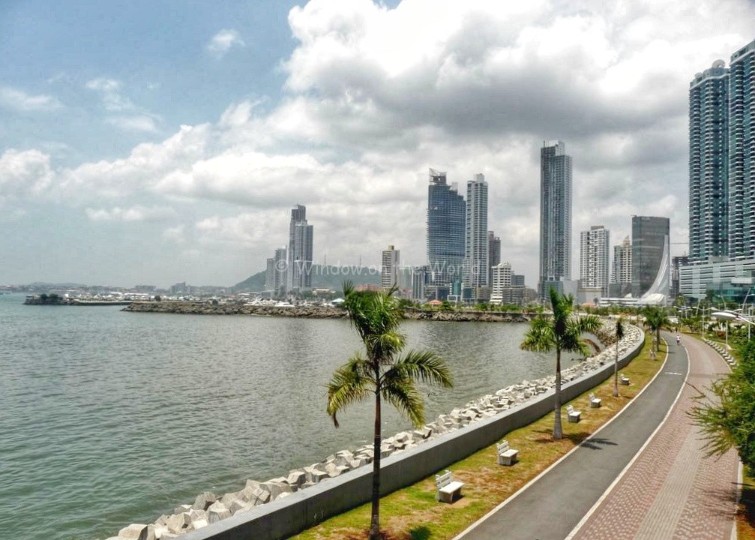
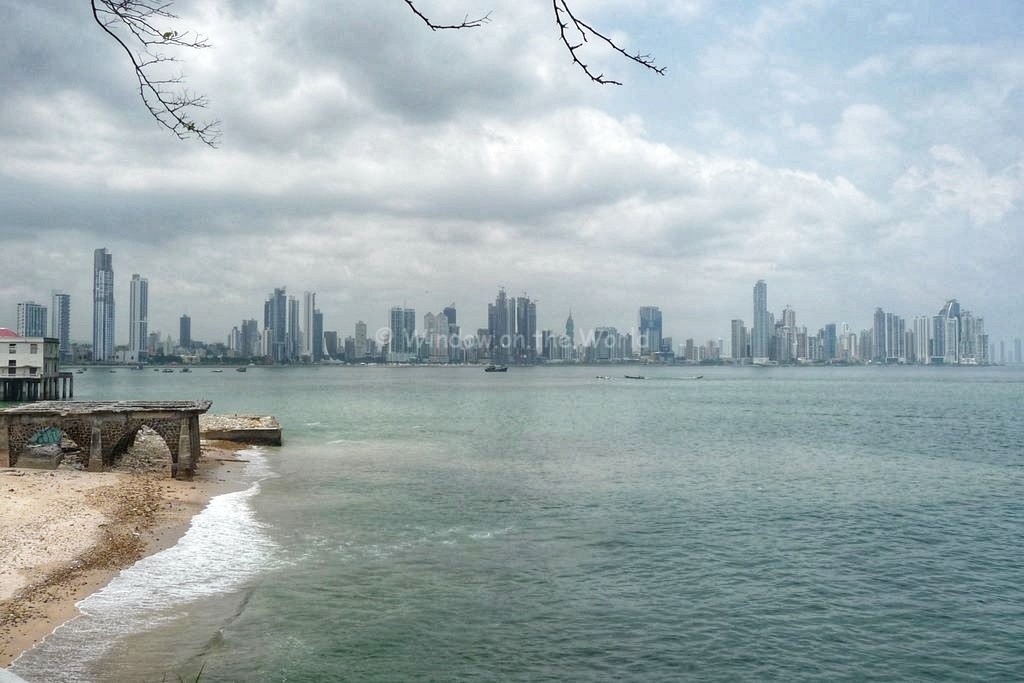
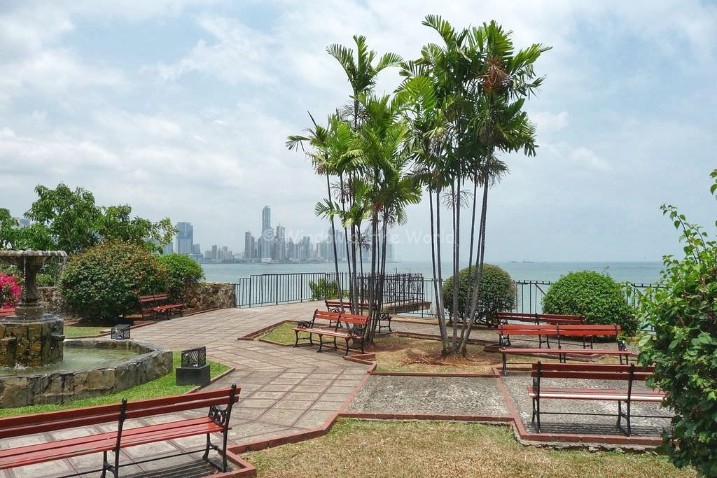
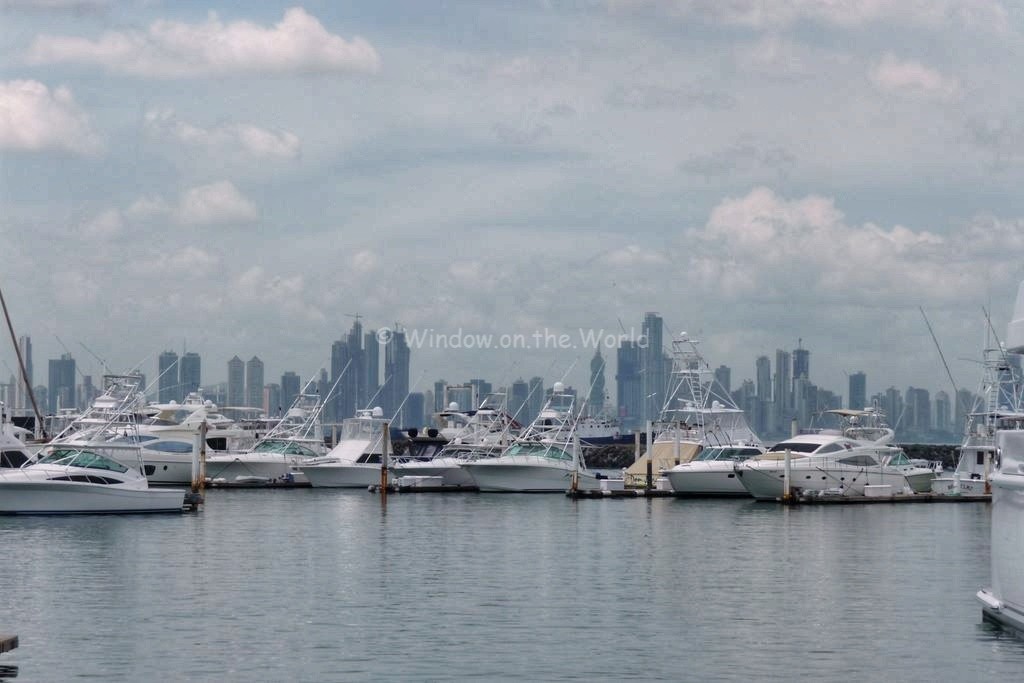
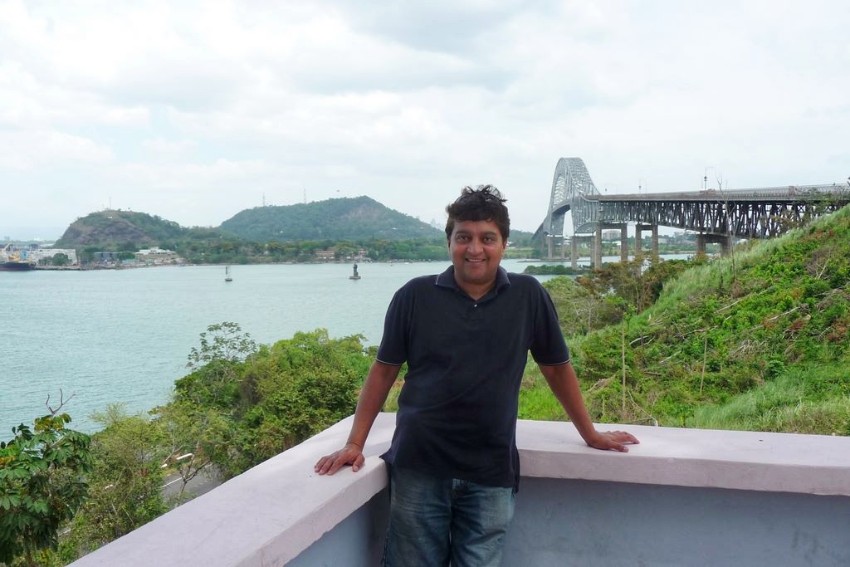
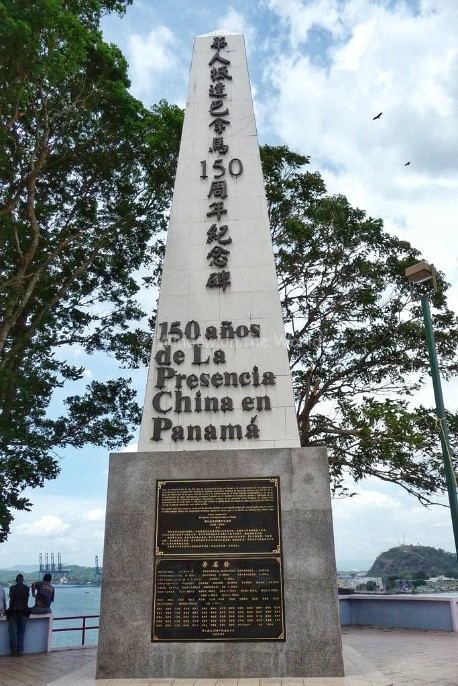
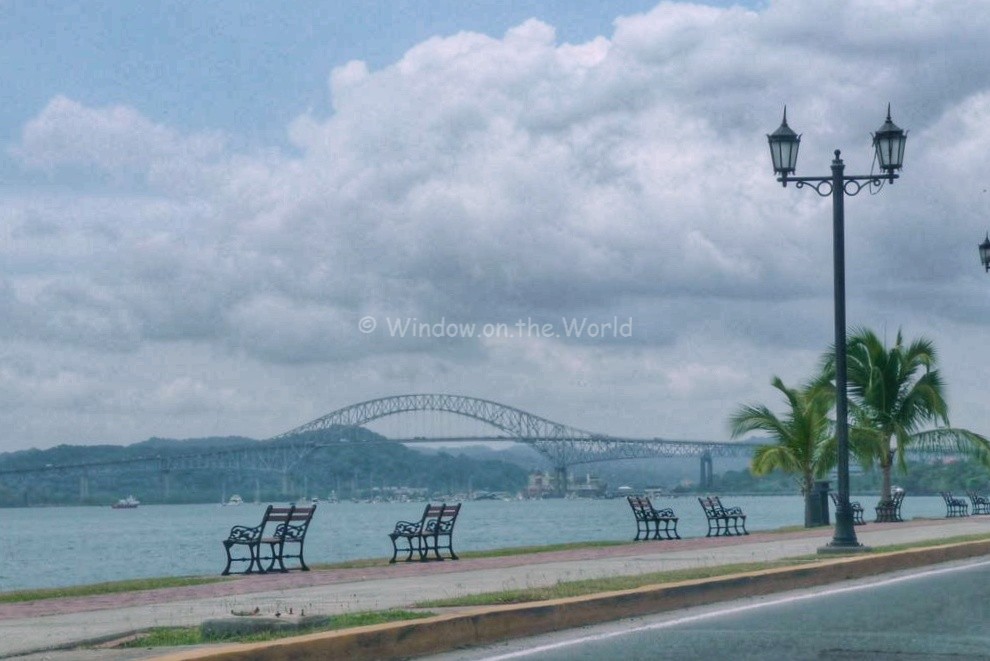
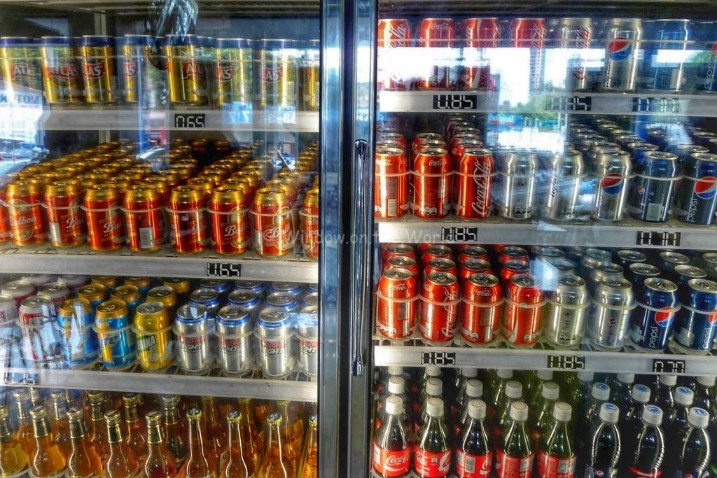
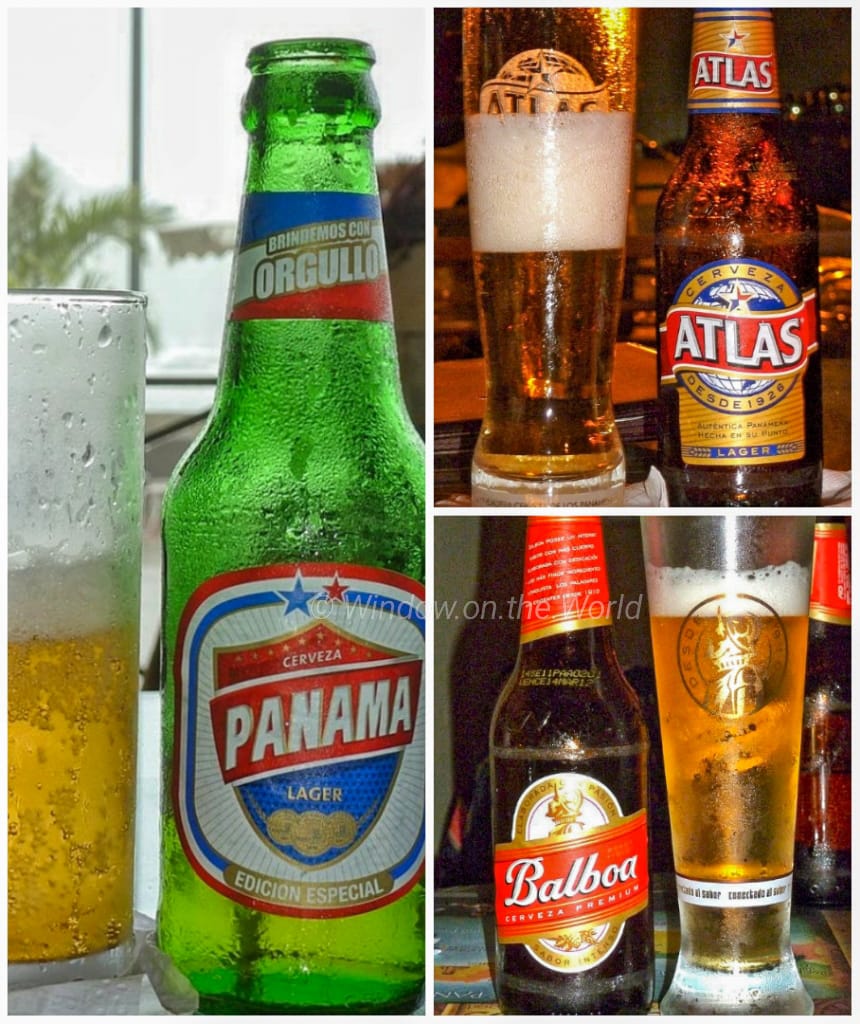
Welcome to Panama! A simple manhole cover in the Panama City.Casco Viejo (Spanish for Old Quarter) as seen from Cerro Ancón (Ancon Hill), a UNESCO World Heritage Site since 1997.Metropolitan Cathedral of Panama City, the Cathedral Basilica of Santa María la Antigua, a Catholic church located in the old town of Panama City. It was consecrated in 1796, although construction work began in 1688, 108 years earlier.Façade of the Metropolitan Cathedral seen from the “Plaza de la Independencia” (Independence Square).Inside Catedral MetropolitanaHistory museum of Panama inside the Municipal Palace building located in Plaza Catedral also known as Plaza de la Independencia of Casco Viejo, the historic district of Panama City.The skyline of Panama City from Ancon Hill. Ancon Hill (Cerro Ancón) is a 199 metres (653 ft) high hill that overlooks Panama City. Ancón Hill was used for administration of the Panama Canal. It was under U.S. jurisdiction as part of the Panama Canal Zone until being returned to Panama in 1977.Exclusive neighborhood of Punta Paitilla packed with high-rise towers and upscale shopping malls. A view from Cinta Costera/Coastal Belt.The Cinta Costera (meaning Coastal Beltway) is a 26-hectare (64-acre) land reclamation project in Panama City, completed in 2009 at a cost of $189 million. It extends from Paitilla to El ChorrilloSkyline of Panama City.Skyline of Panama City.Marina and Skyline of Panama City.At the The Mirador de Las Americas. The Bridge of the Americas, which spans the Pacific entrance to the Panama Canal at Balboa, near Panama City. It was built between 1959 and 1962 by the United States at a cost of US$20 million. This magnificent structure was the only road that connect North and South America land masses, until 2004 when the Centennial Bridge was completed.The Mirador de Las Americas, a monument being realized in memory of the Chinese presence in Panama for 150 years. From here you can see the majestic arch of the Bridge, the Canal, the Port of Balboa and the Cerro Ancón, a 199-meters high hill in Panama city.The Bridge of the Americas, which connects North and South America.A can of Non-Alcoholic Sodas (Pepsi, Coca-Cola) was more expensive (0.70$-0.85$) than a can of local Beer (0.65$)Three most popular beers of Panama. Tried all of them, my favorite is Atlas.
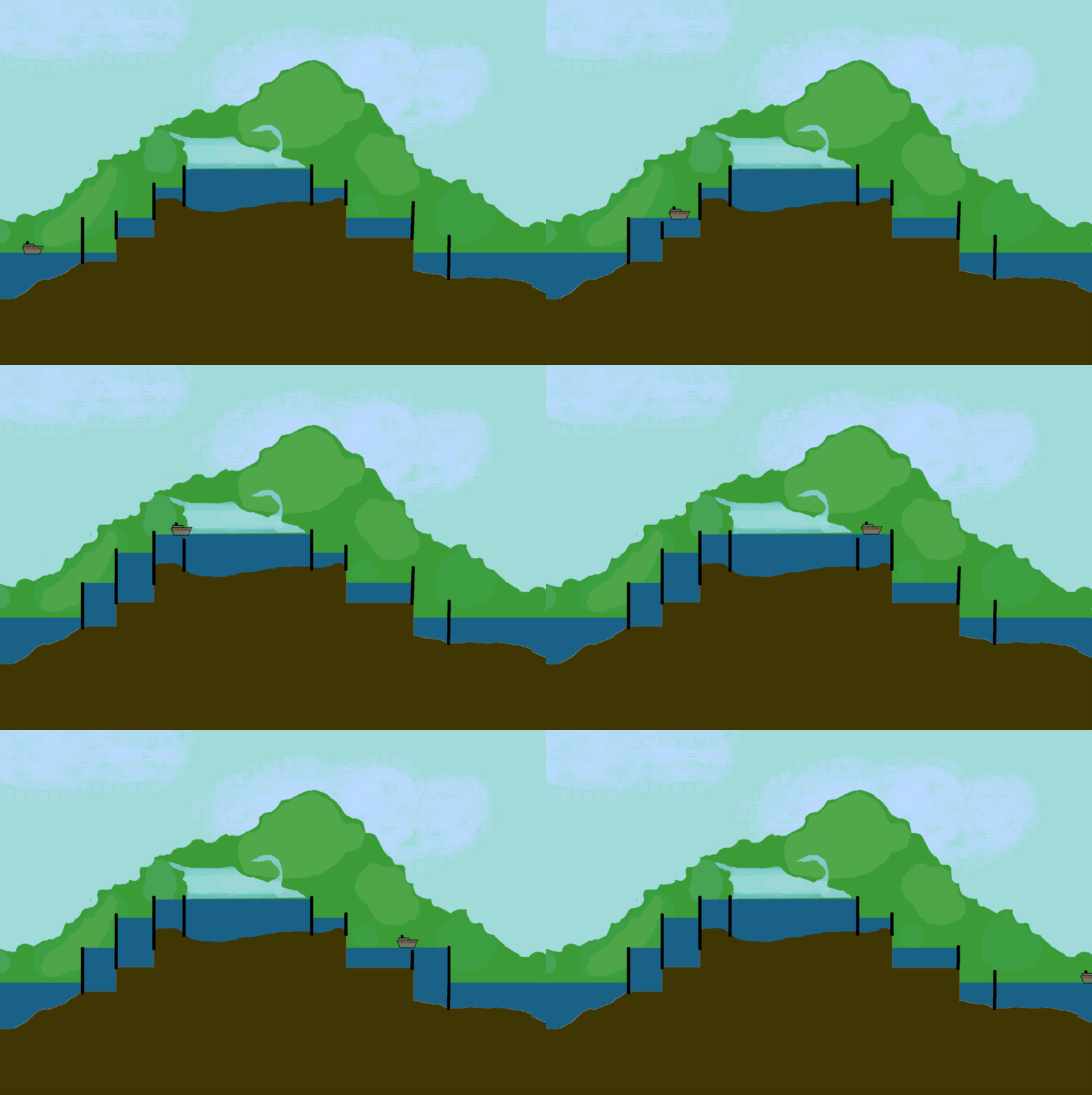
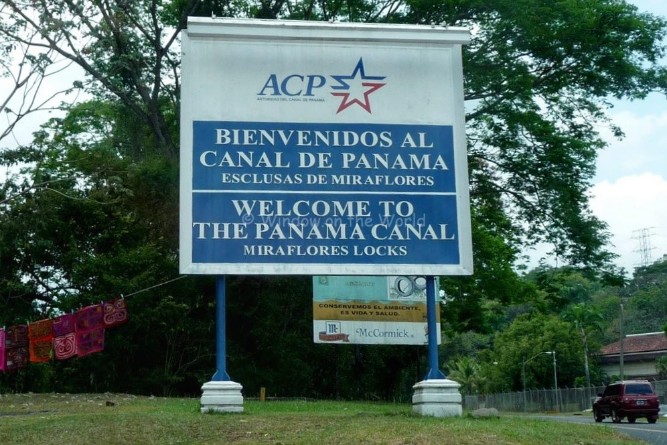
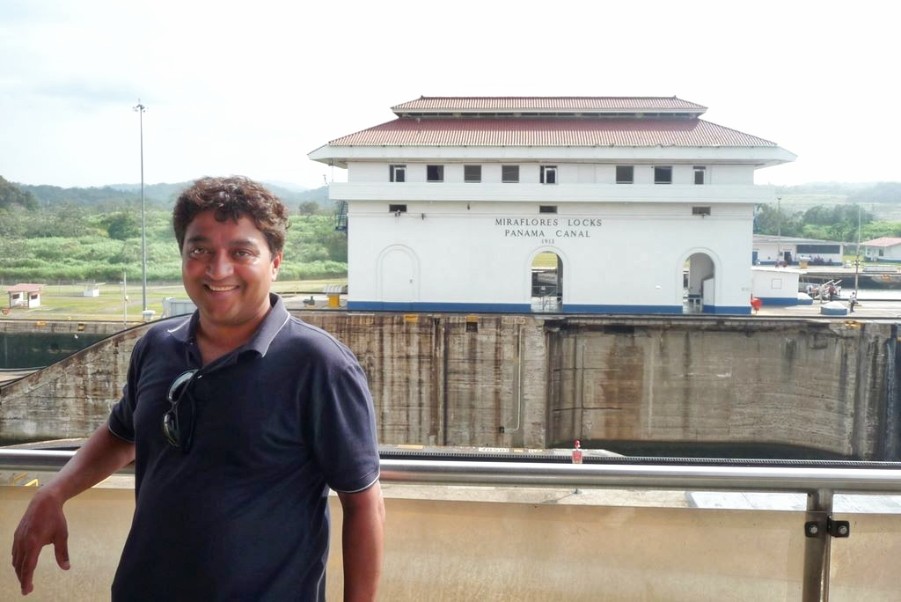
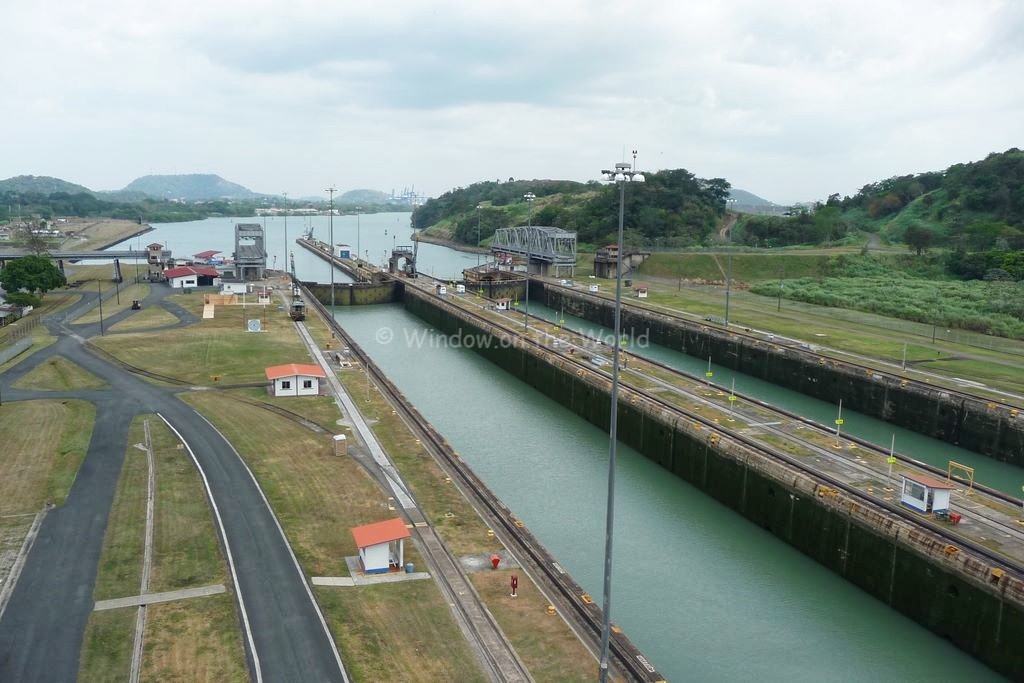
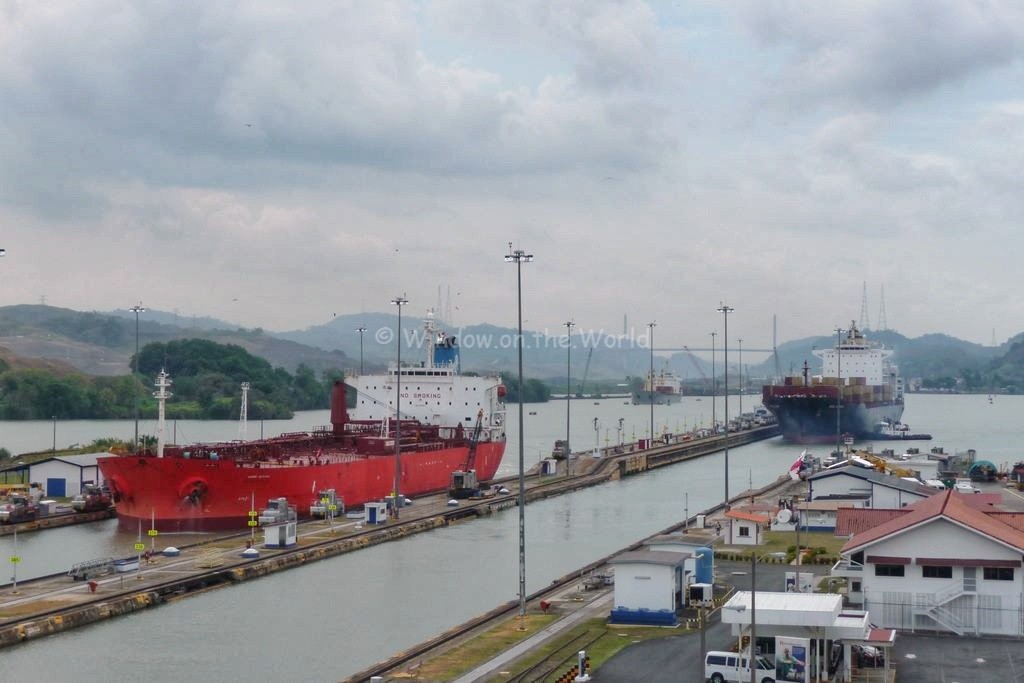
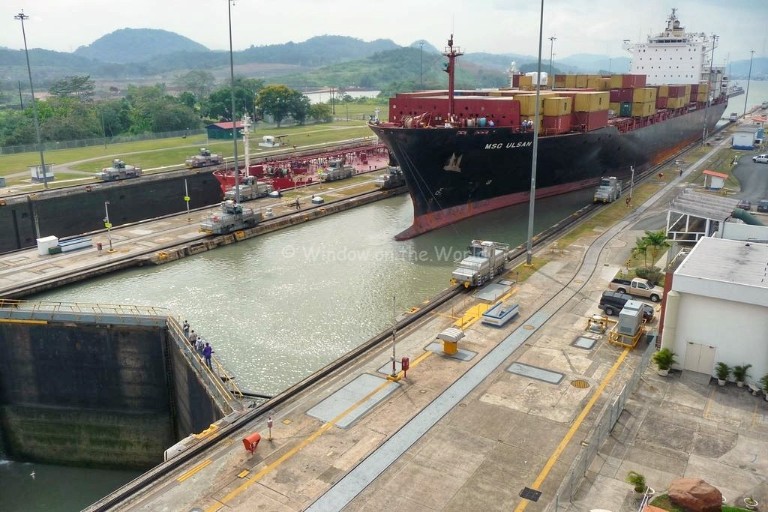
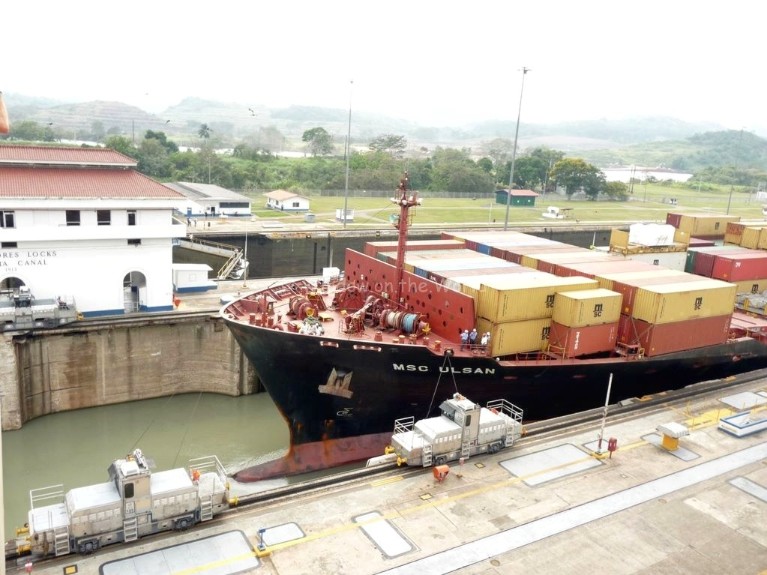
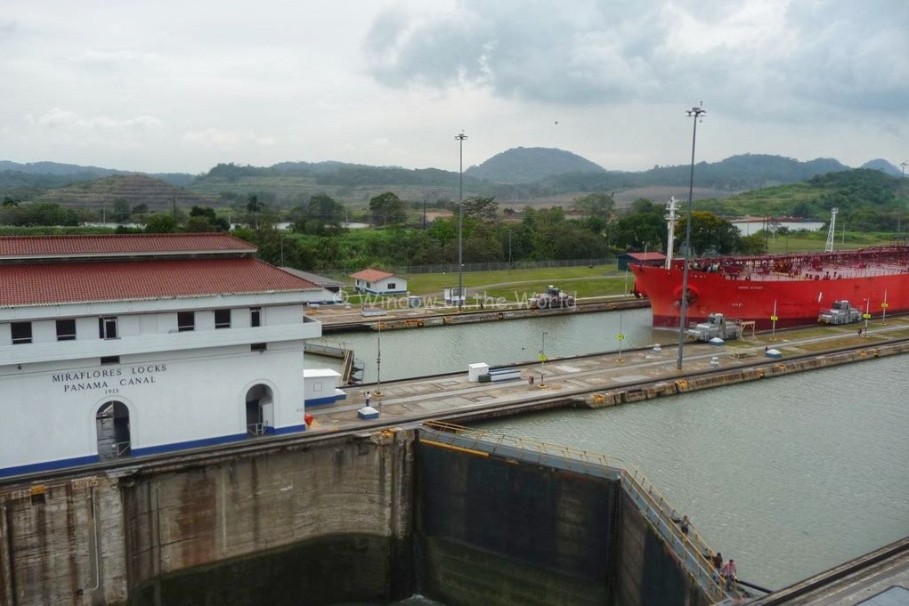
While in Panama, I visited Miraflores Locks. Geographically, the oceans that Panama Canal connects with are not at the same level; the Pacific Ocean lies a little higher than the Atlantic Ocean. This difference in the sea level requires ships to get up over the terrain of Panama- up to 26 meters above the sea level- in order to reach the other end of the canal. With the help of water lock system that acts like a massive elevator, the vessels entering the canal are lifted to the higher level and later dropped down to the sea level at the other end of the canal.
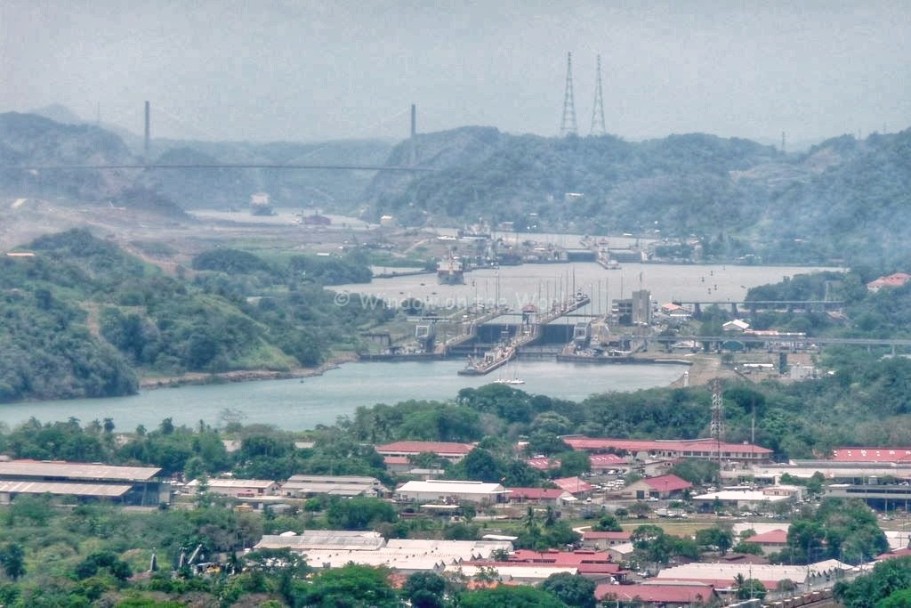
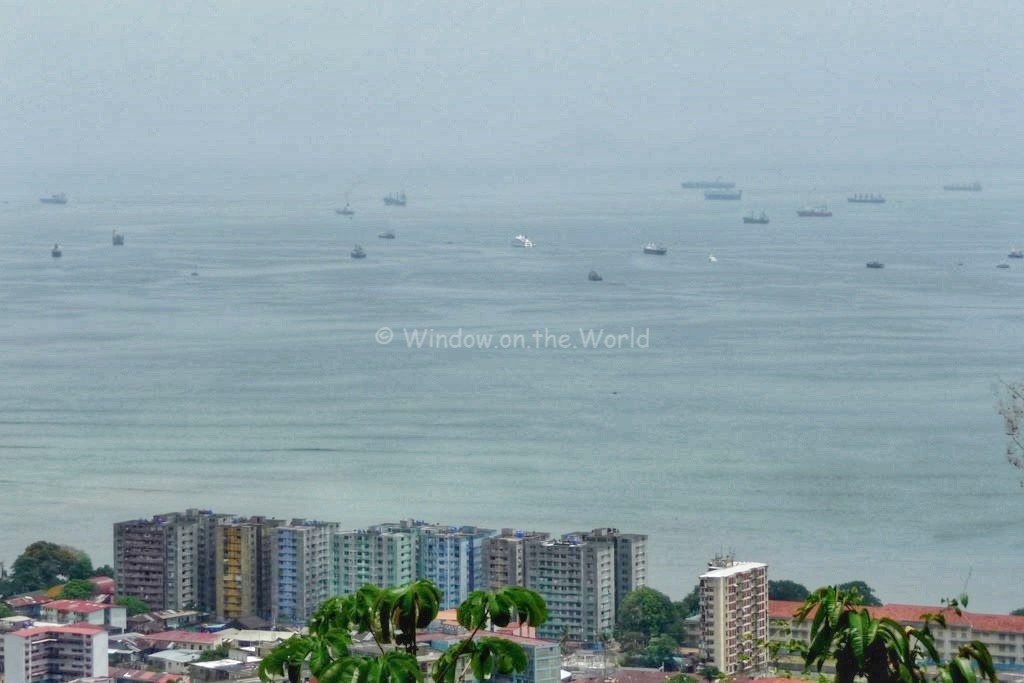
Illustrates how canal locks work. Not my creation, the GIF is downloaded from the internet. Locks of Panama Canal; Seen two-step flight at Miraflores Locks, and a single flight at Pedro Miguel Lock.Visit to Miraflores Locks, A visitors center allows tourists to have a full view of the Miraflores locks operation.In the Miraflores locks, vessels are lifted (or lowered) 54 feet (16.5 m) in two stages, allowing them to transit to or from the Pacific Ocean port of Balboa in Panama City.Miraflores Locks, looking towards the Pacific Ocean.A ship entering into to Miraflores Locks from the Atlantic Ocean side.Huge Gates holding the Ship.Water is drained from the first stage to bring the ship to water level of second stage. After the ship is moved to Stage 2, water is filled in the first stage to prepare for the next ship. There are two lanes at Miraflores Gate, each with two stages.Ships in Pacific Ocean are waiting for their turn to enter the Panama Canal. Before the canal was built, ships would have to go around the entire continent of South America. A ship traveling from San Francisco to New York saves around 12,875 kilometer (8,000 miles) and 5 months of travel by crossing at the canal.
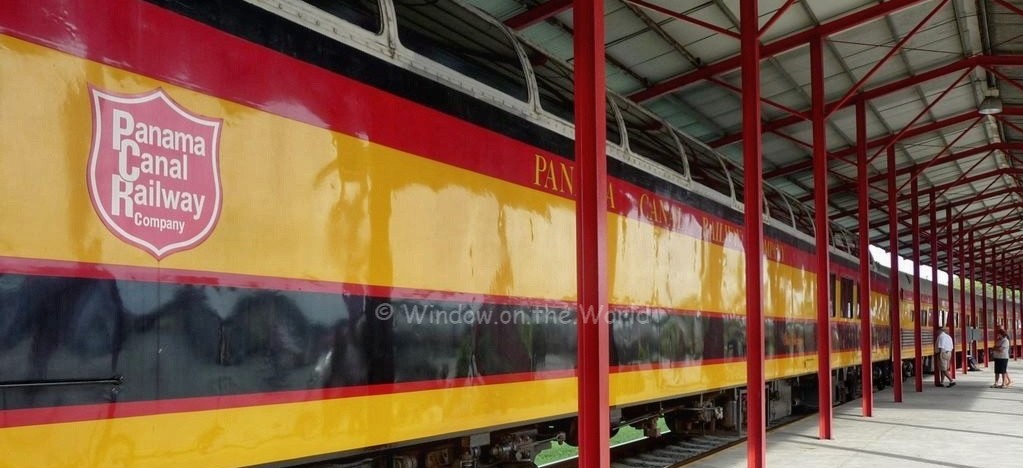
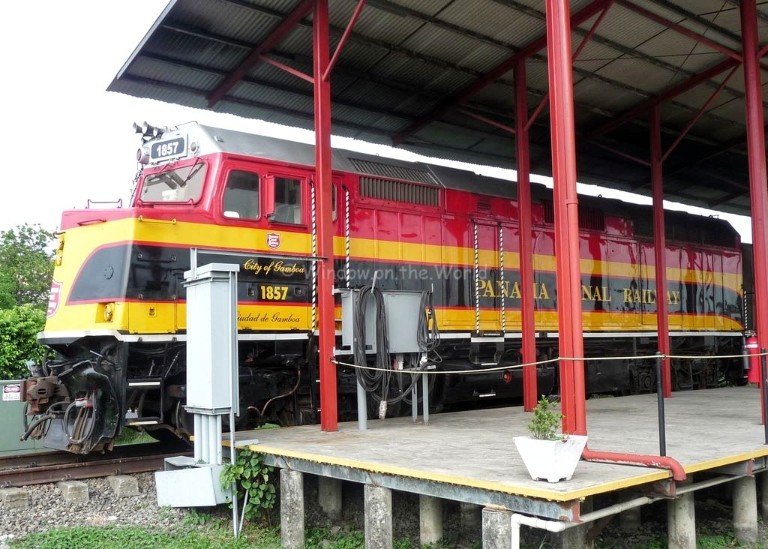
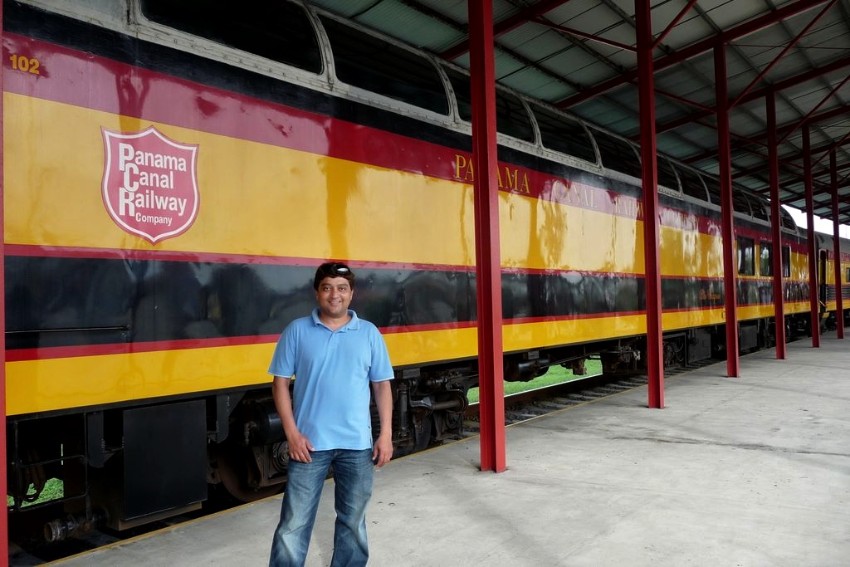
While in Panama, I took a ride in the historical train, The Panama Canal Railway, linking the Atlantic Ocean to the Pacific Ocean.
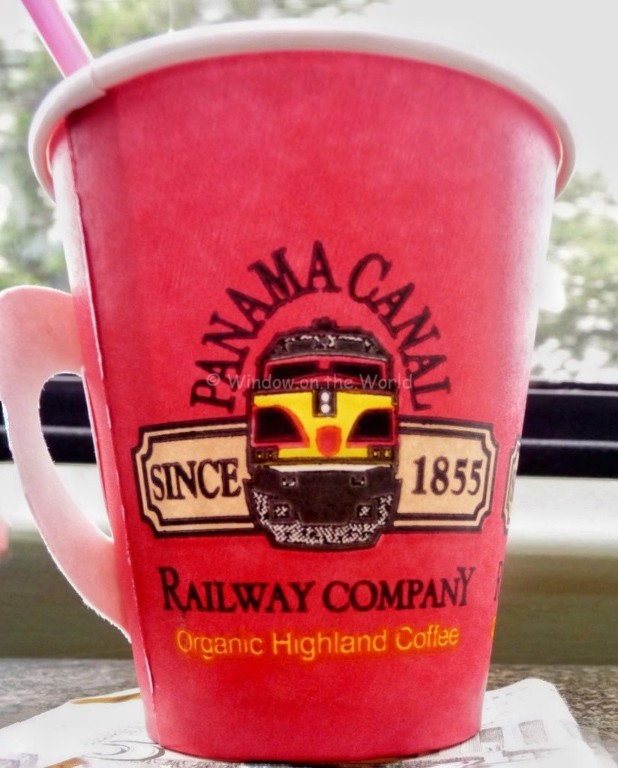
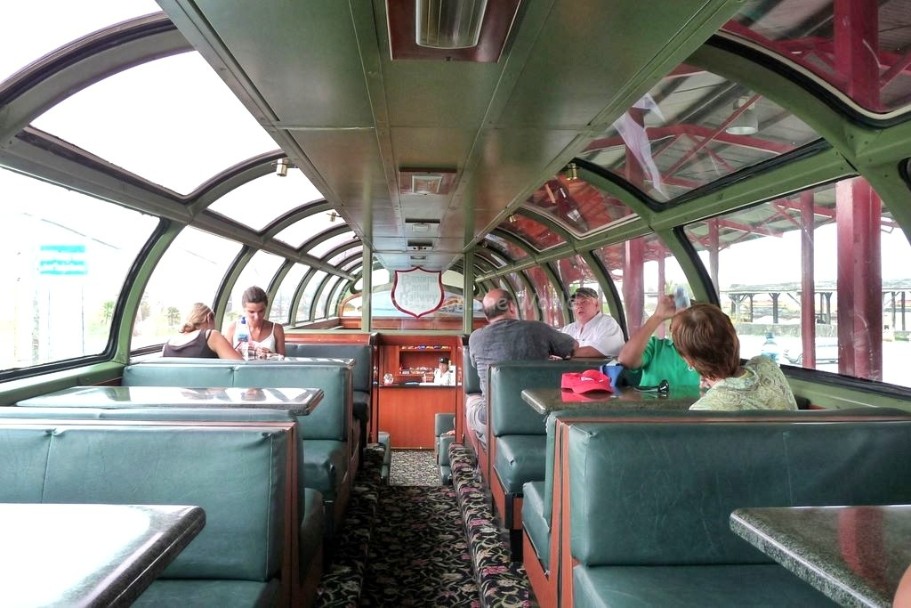
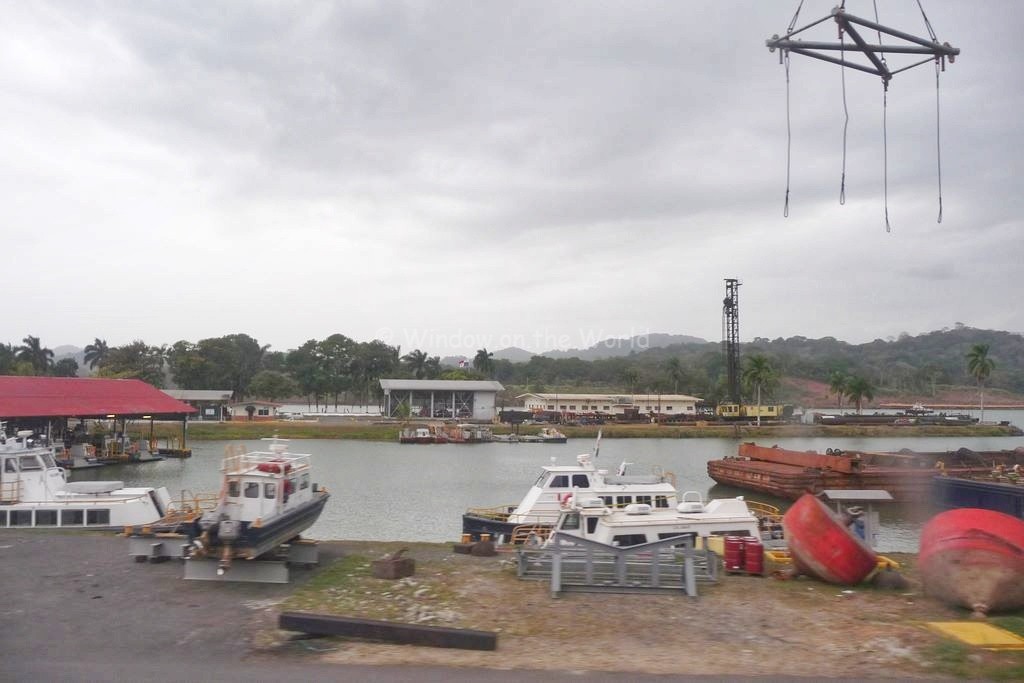
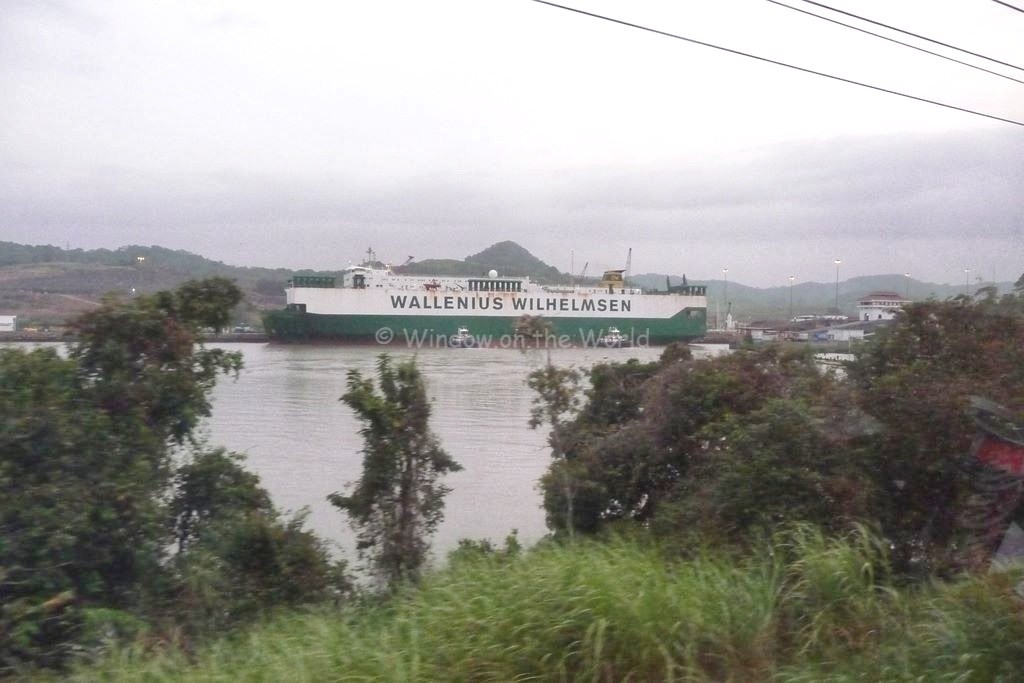
The Panama Canal Railway, in operation since 1850s. The route stretches 47.6 miles (76.6 km) across the Isthmus of Panama from Colón (Atlantic) to Balboa (Pacific, near Panama City).Dining Car in the Panama Canal Railway.Panama Canal, a view from the Panama Canal Railway.A ship passing through the Panama Canal, a view from the Panama Canal Railway.
After a week in Panama, it was time to go back to home in Dallas. Panama has lot to offer, though because of limited time, I couldn’t explore more. I would definitely like to come back and explore more.
In May 2017, 23 days before I was going to complete 50 years, grabbed an opportunity and took an early retirement.. Picked up a backpack and traveling ever since.. Love to travel around the world, experience different culture, local cuisine & drinks .. and take pictures.. so far been to 108 countries and still counting...


 Window on the World