During Chinese National Day Holidays of 2016, I took some additional days off and caught a flight to Rome for two weeks long road trip across Italy, Monaco, San Marino and Vatican City. After more than a week of visiting Pisa, Florence, Cinque Terre, Monaco, San Marino and Positano, I drove back to Rome, the capital city of Italy with almost 2800 years of history.
According to legend, Ancient Rome (Italian: Roma), was founded by the two brothers, and demigods, Romulus and Remus, on 21 April 753 BC. The legend claims that in an argument over who would rule the city Romulus killed Remus and named the city after himself.
Originally a small town on the banks of the Tiber, Rome grew in size and strength, early on, through trade. The city was ruled by seven kings, from Romulus to Tarquin, as it grew in size and power. Greek culture and civilization, which came to Rome via Greek colonies to the south, provided the early Romans with a model on which to build their own culture. From the Greeks they borrowed literacy and religion as well as the fundamentals of architecture.
Rome, the Eternal City, is the capital and largest city of Italy. Having been the cradle of one of the world’s greatest civilizations ever, Rome, as a millennia-long center of power, culture and religion, has exerted a huge influence over the world in its roughly 2800 years of existence.
The historic center of the city is a UNESCO World Heritage Site. With wonderful palaces, thousand-year-old churches, grand Romantic ruins, opulent monuments, ornate statues and graceful fountains, Rome has an immensely rich historical heritage and cosmopolitan atmosphere, making it one of Europe‘s and the world’s most visited, famous, influential and beautiful capitals.
I spent around five days in a beautiful AirBnB, just ten minutes walk from the Vatican City, took public transportation and walked all over the historical city center, till late night.
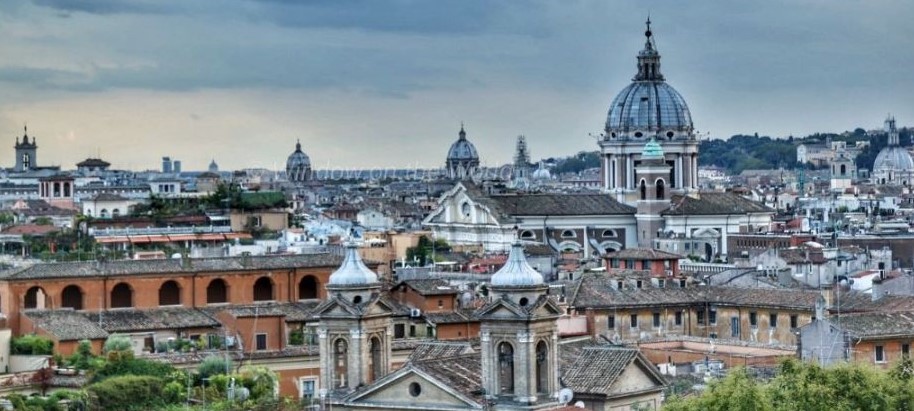
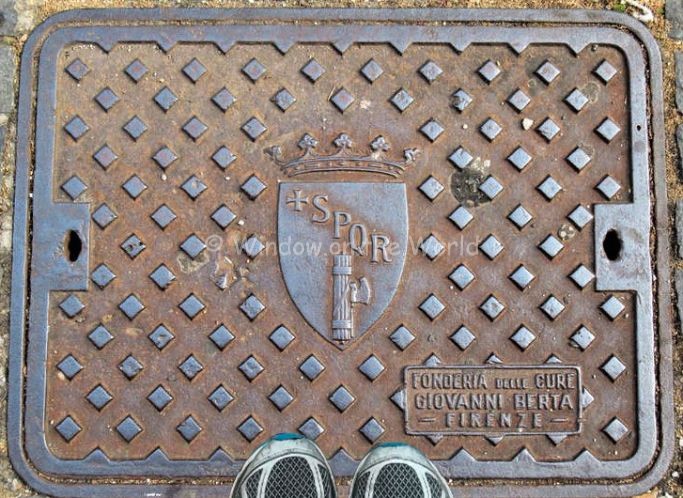
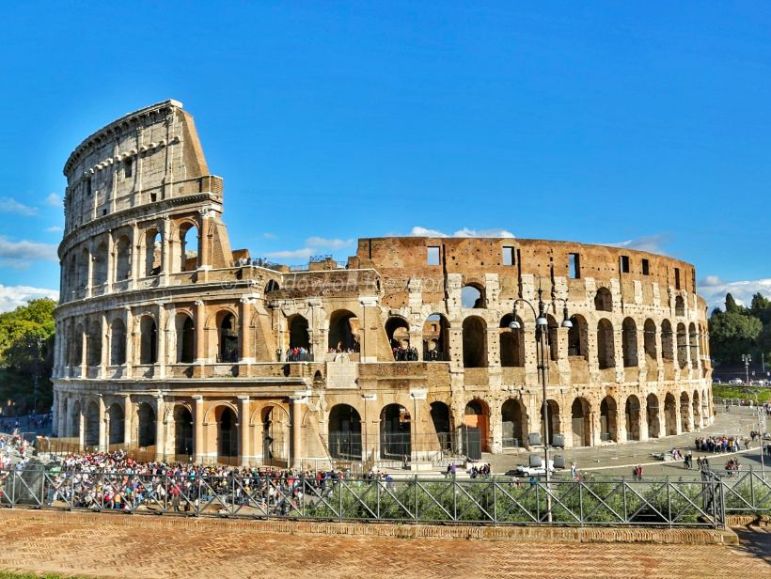
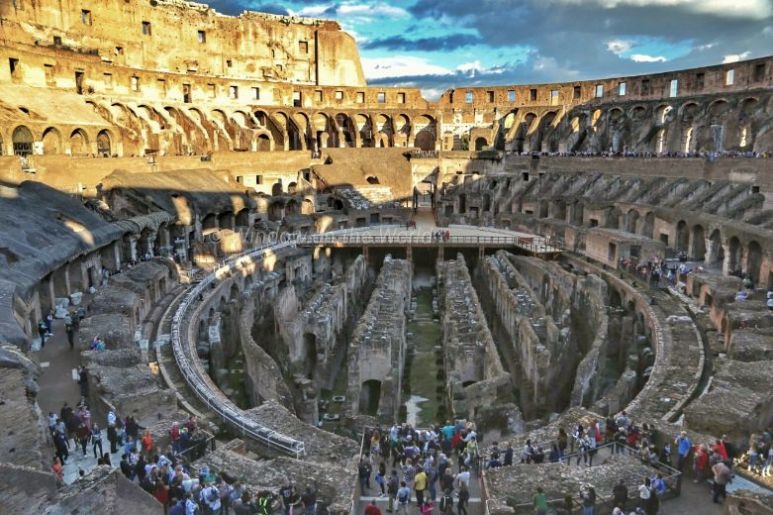
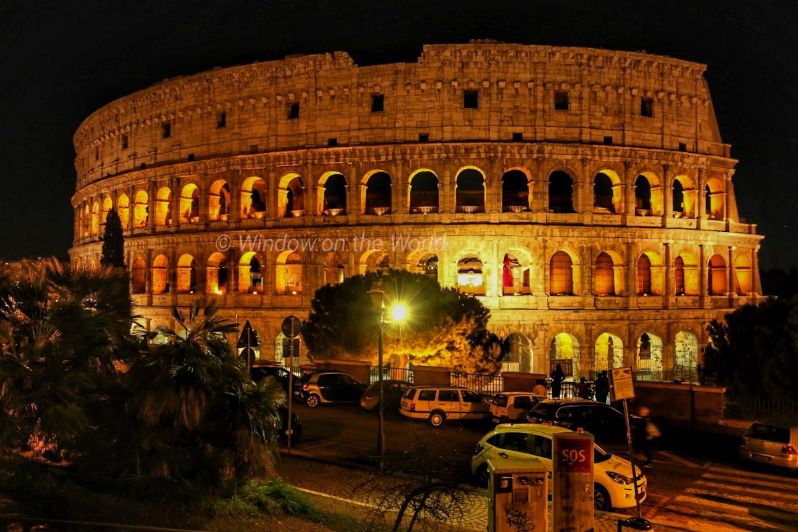
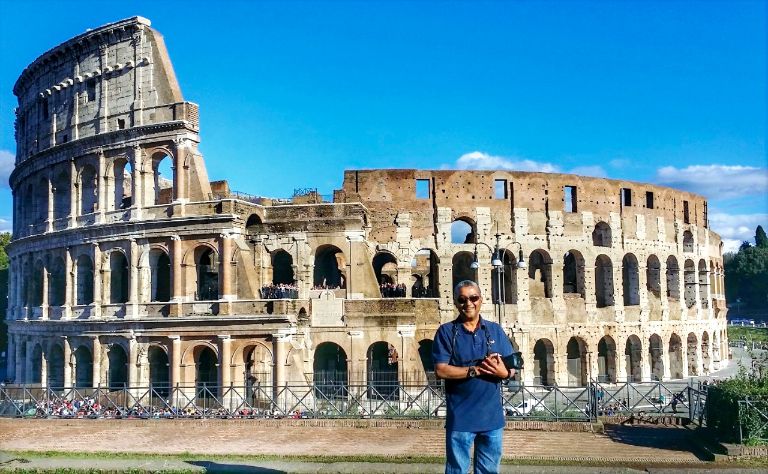
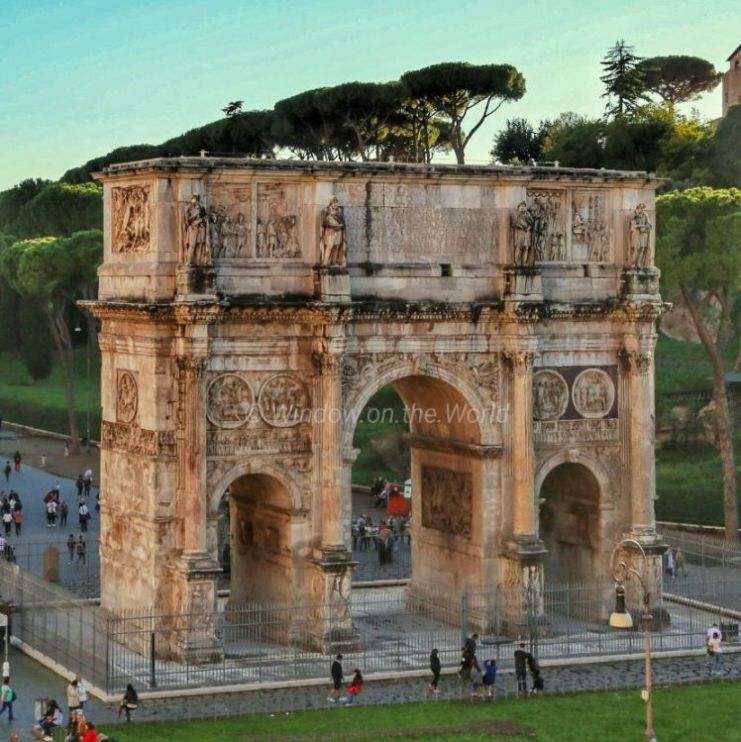
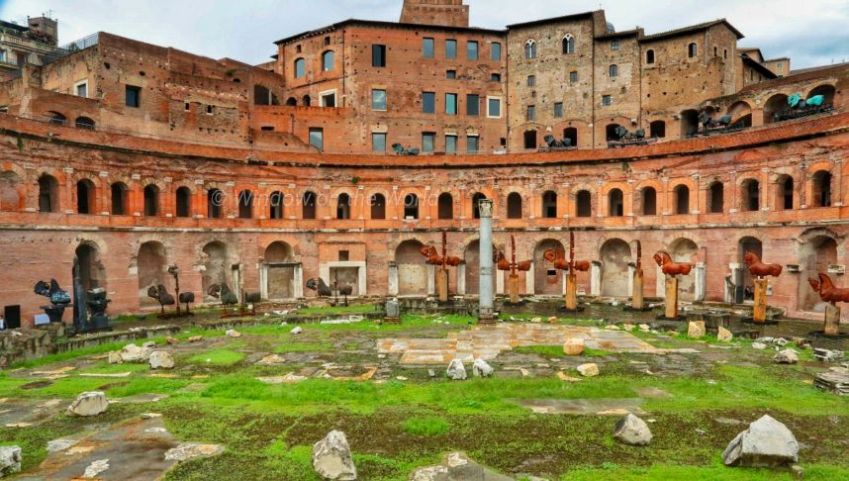
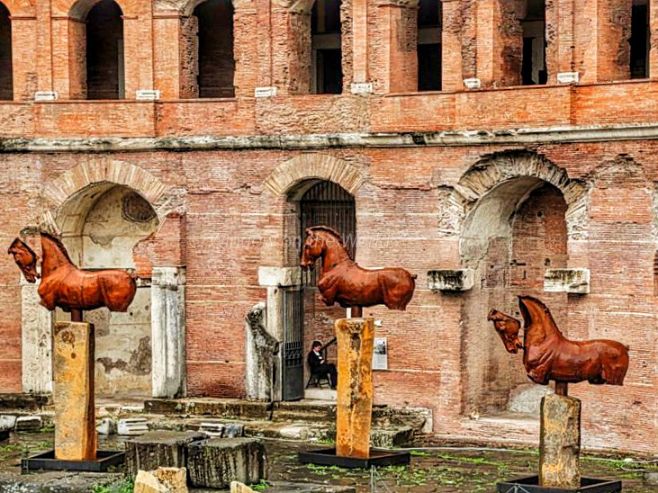
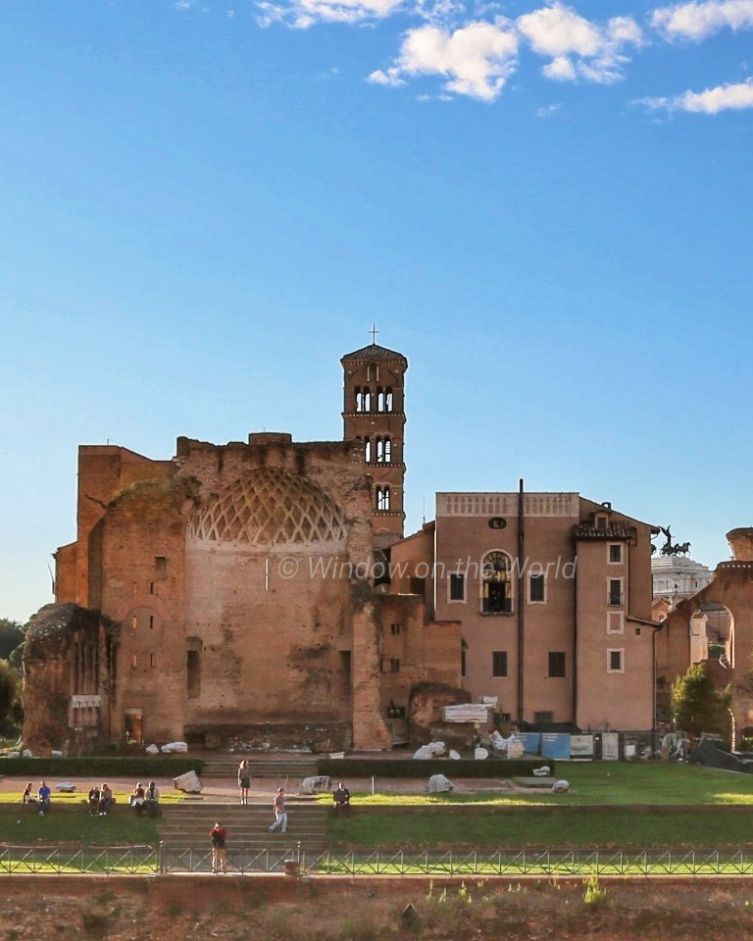
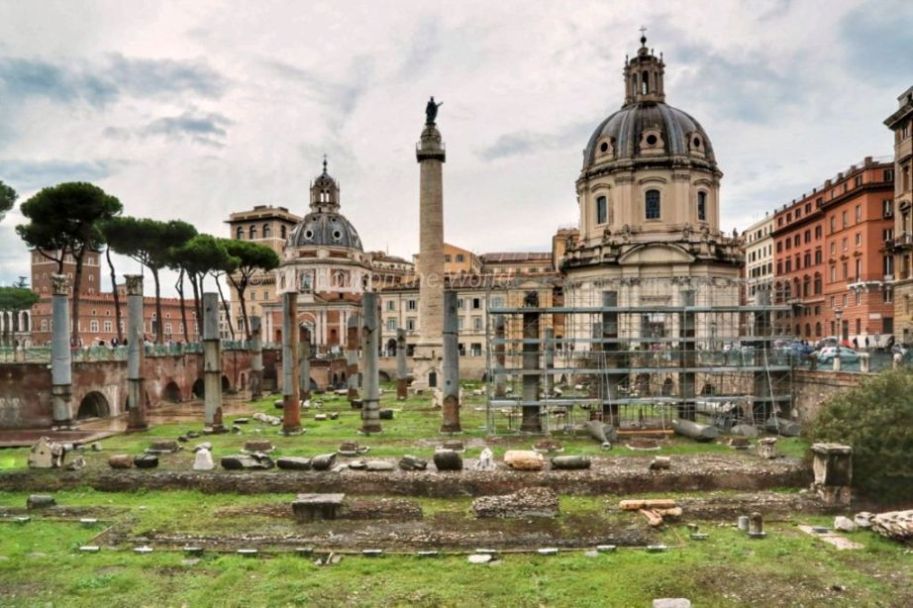
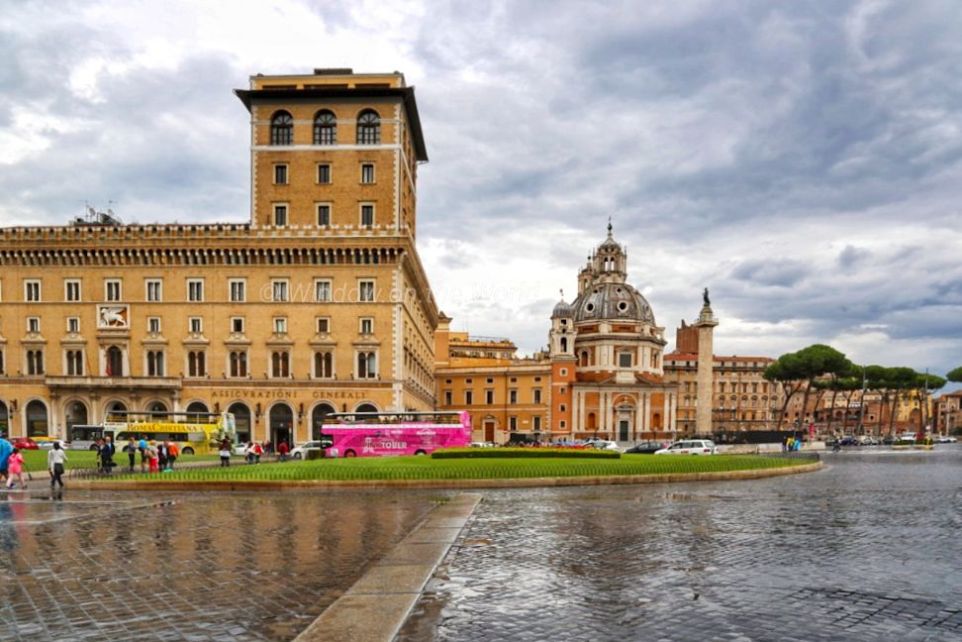
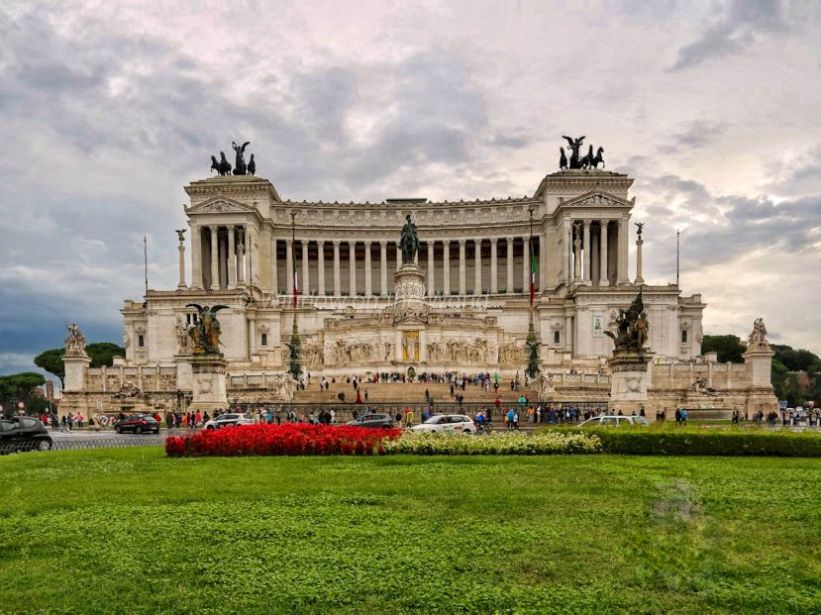
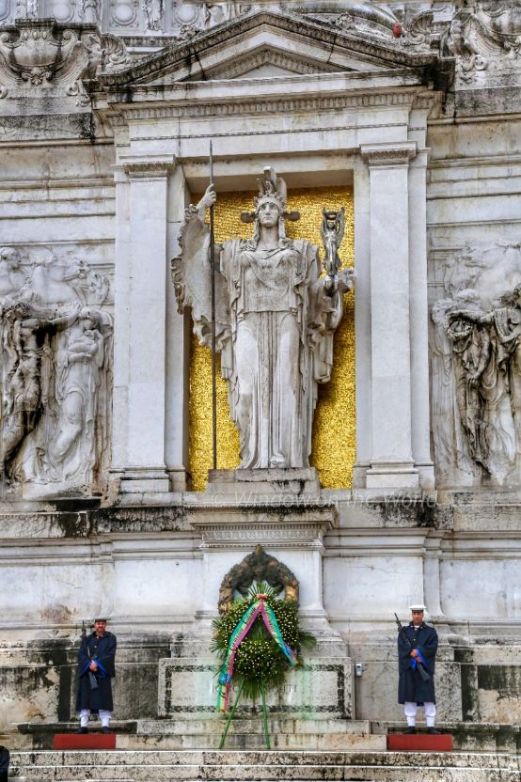
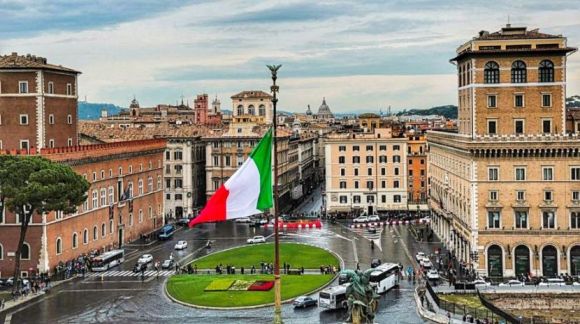
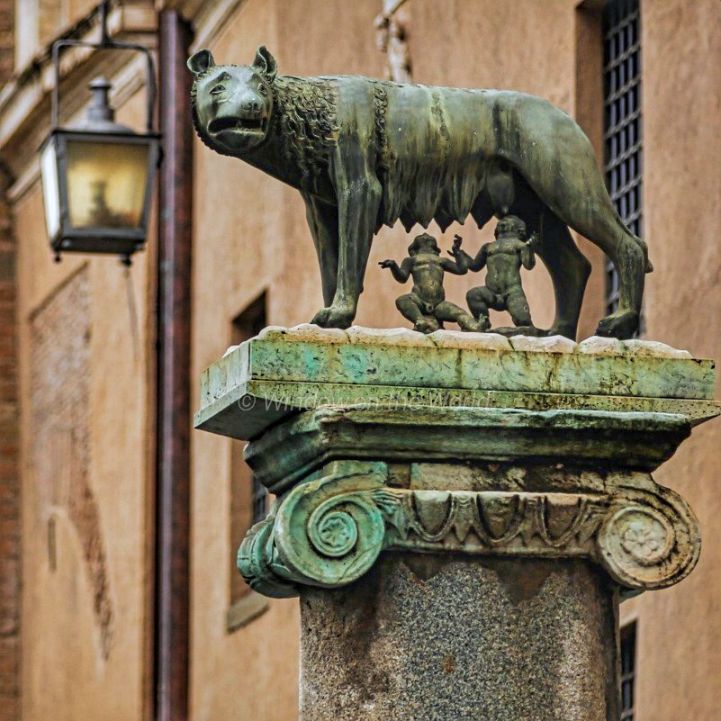
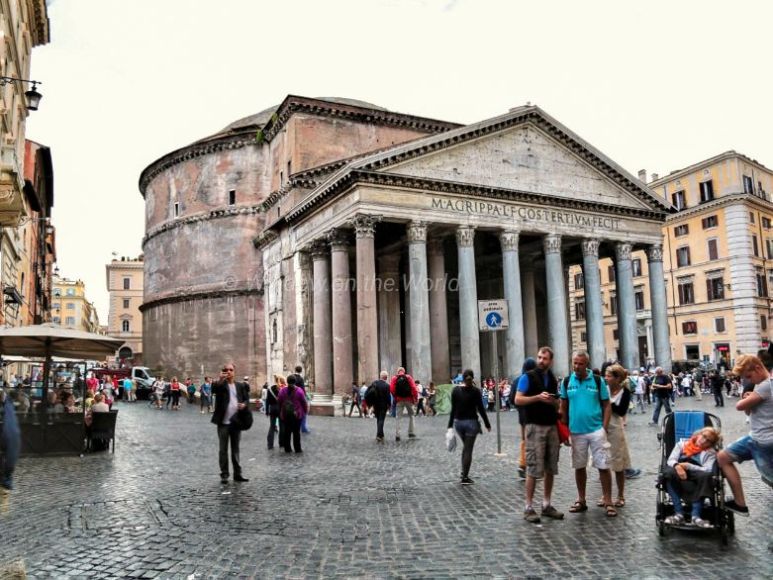
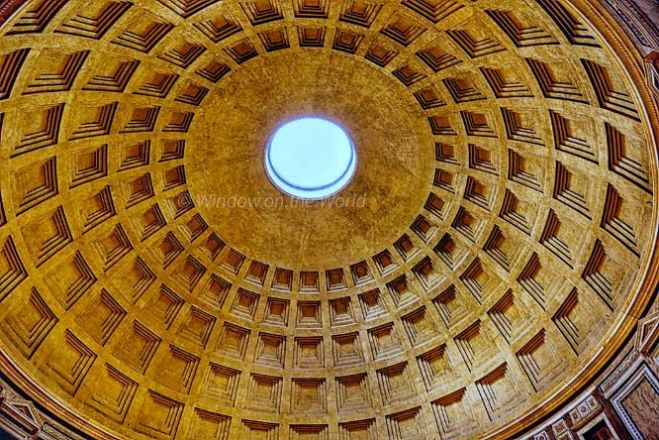
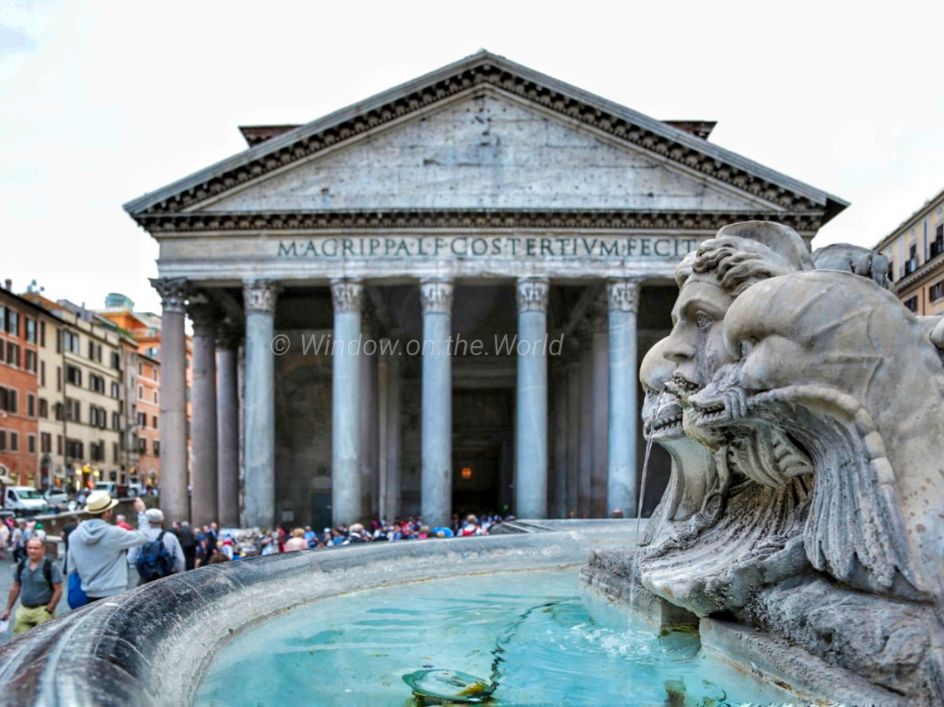
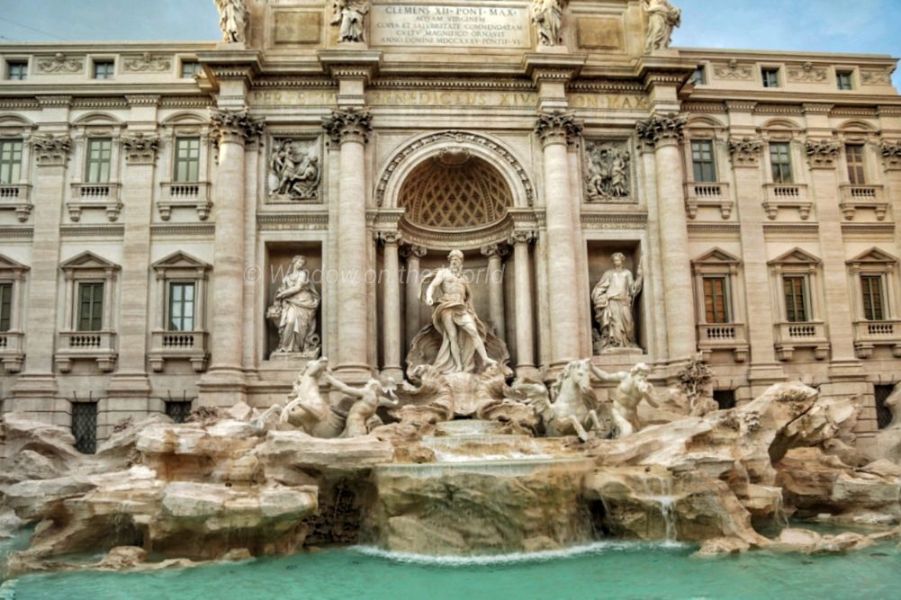
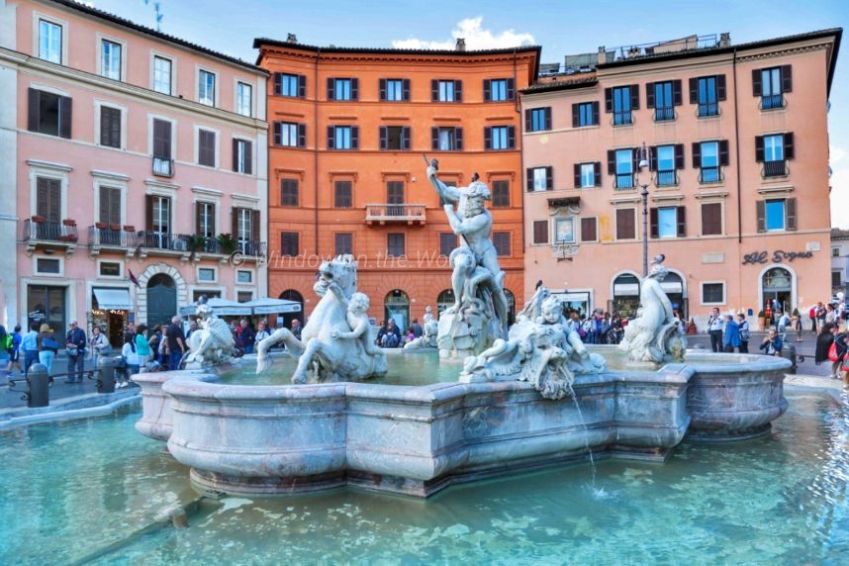
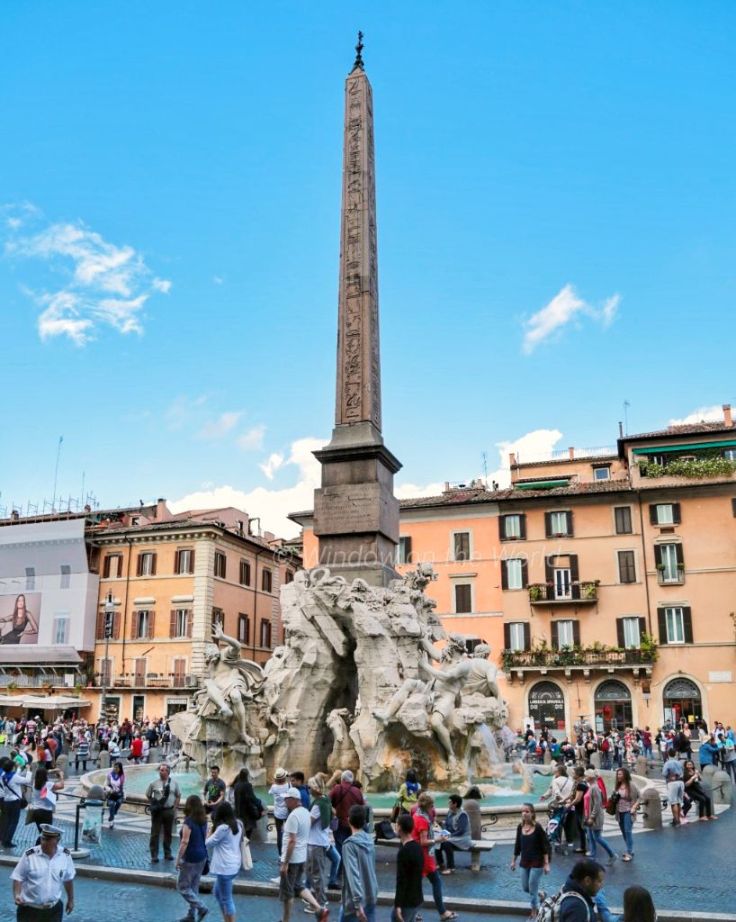
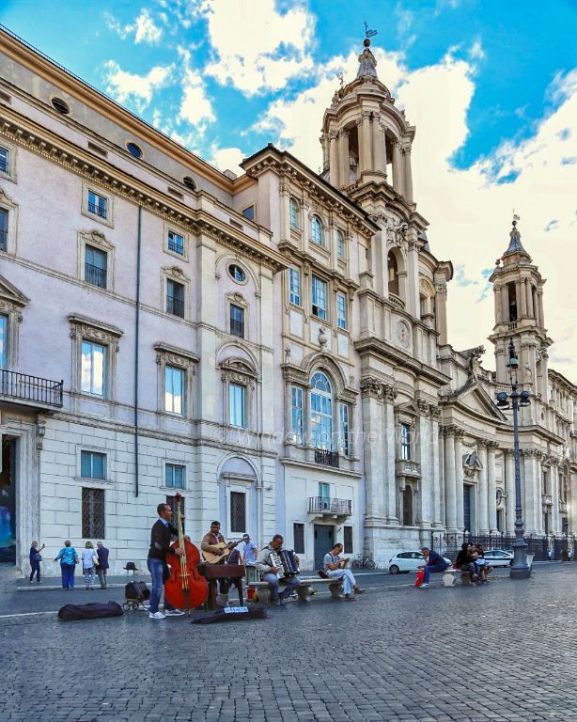
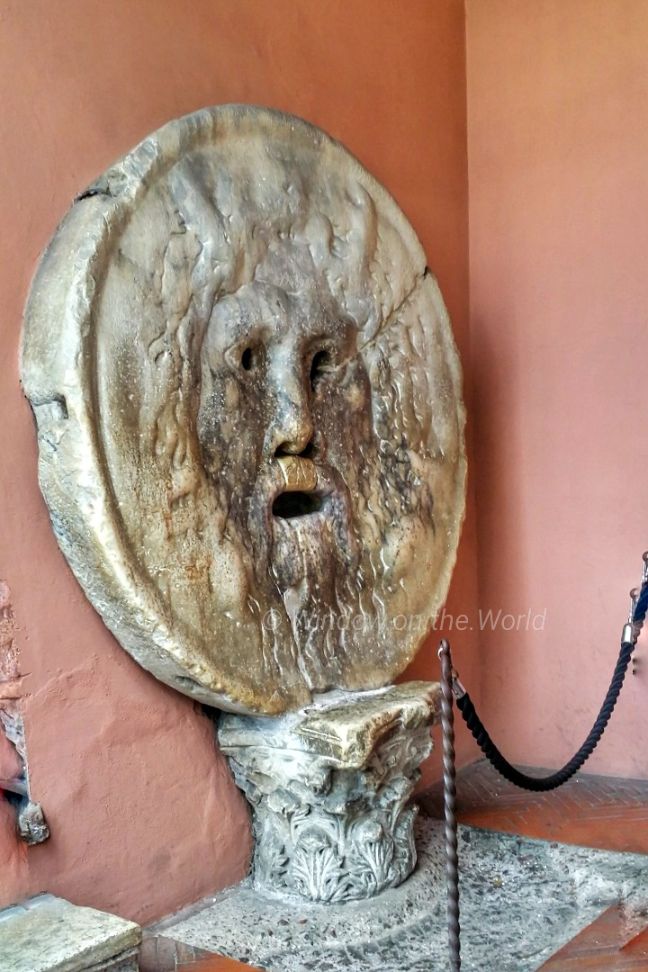
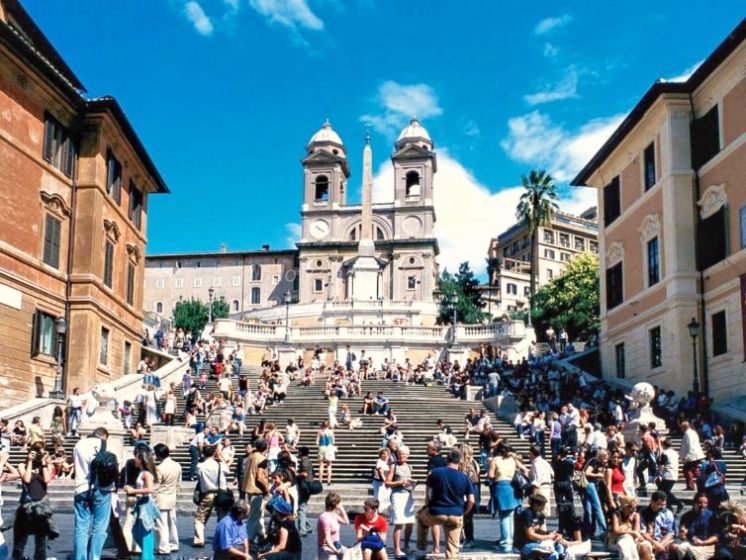
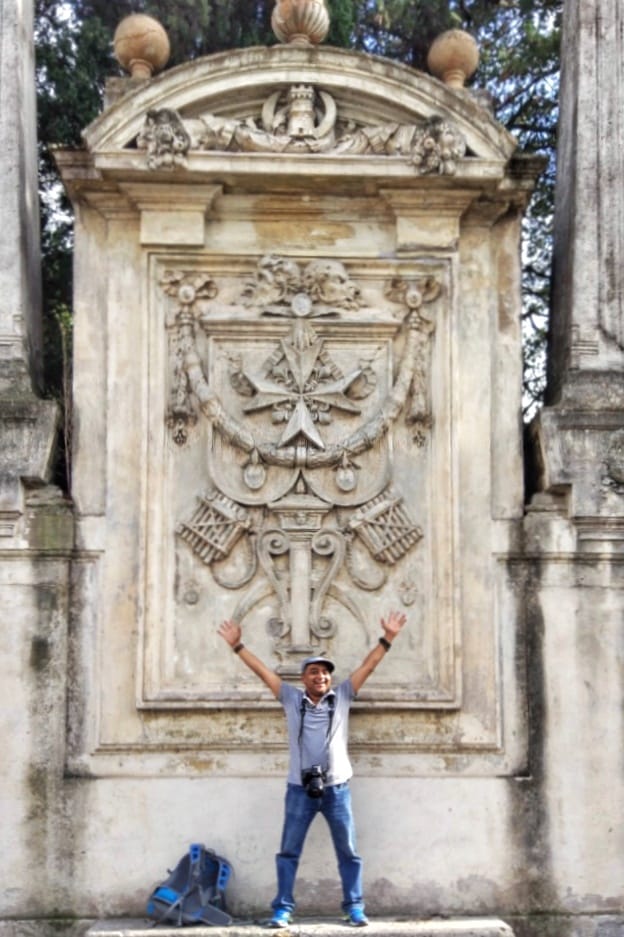
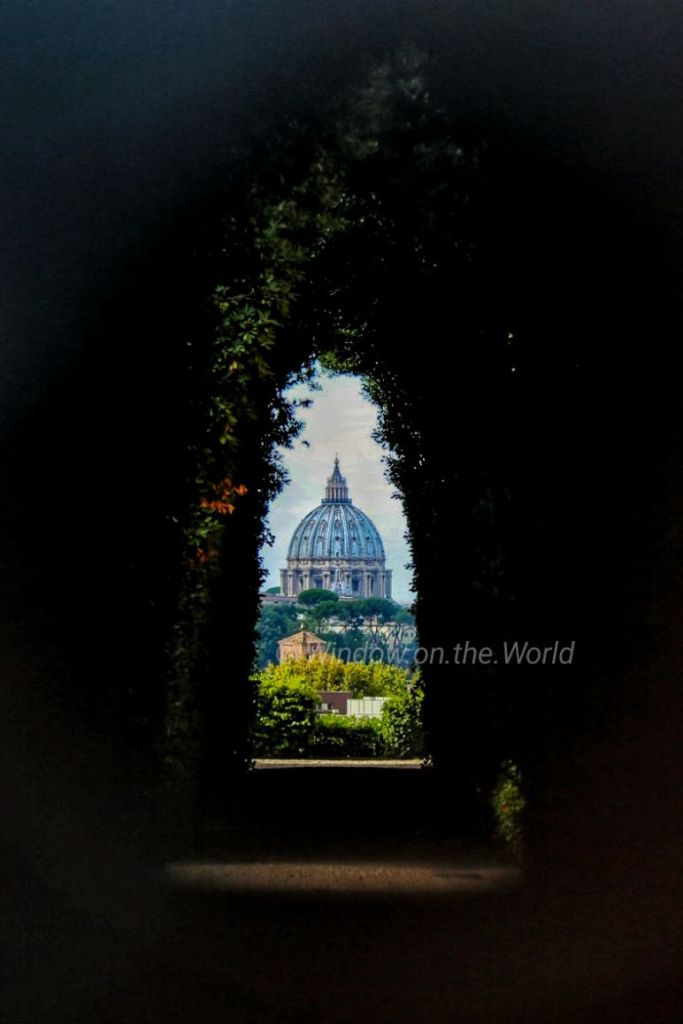
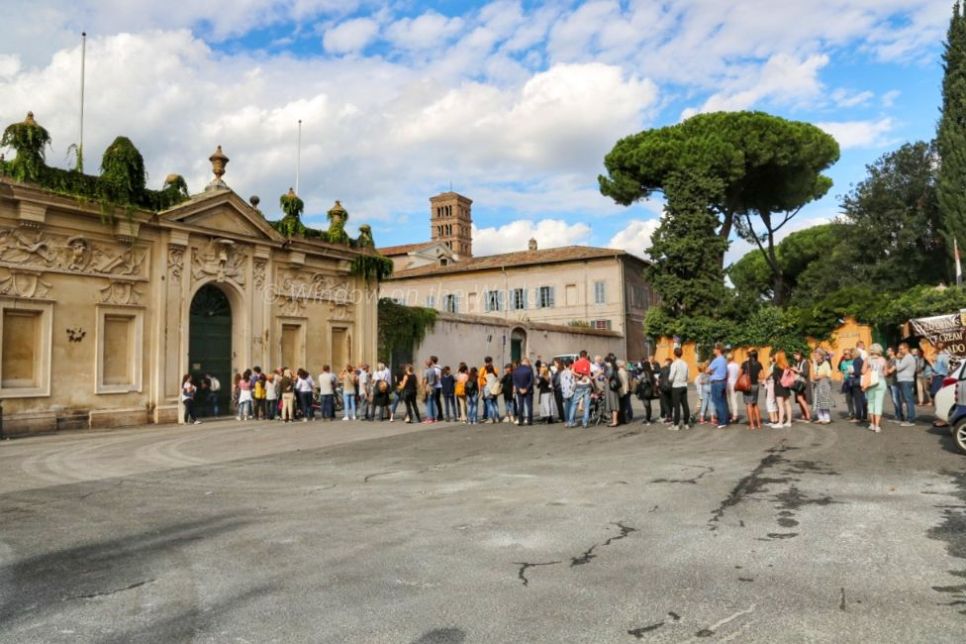
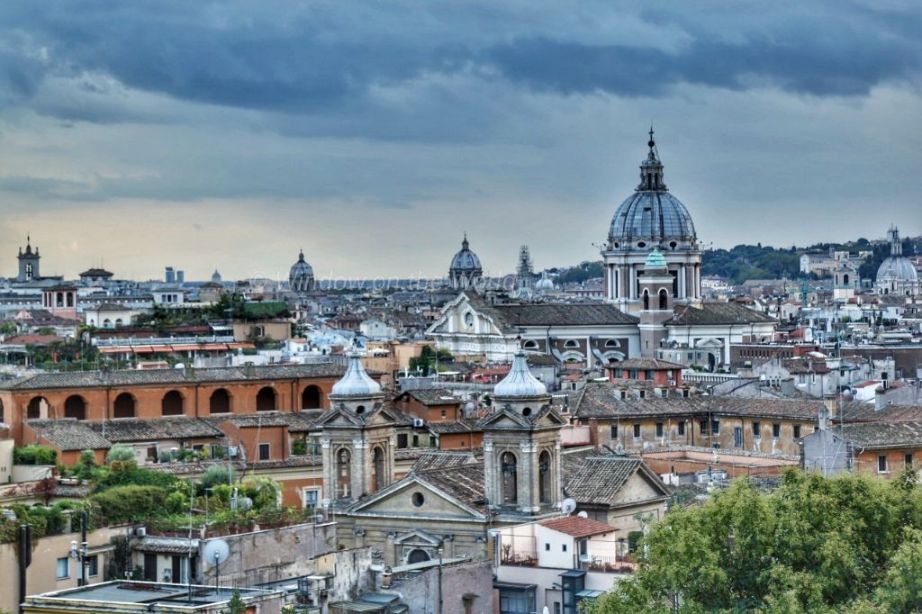
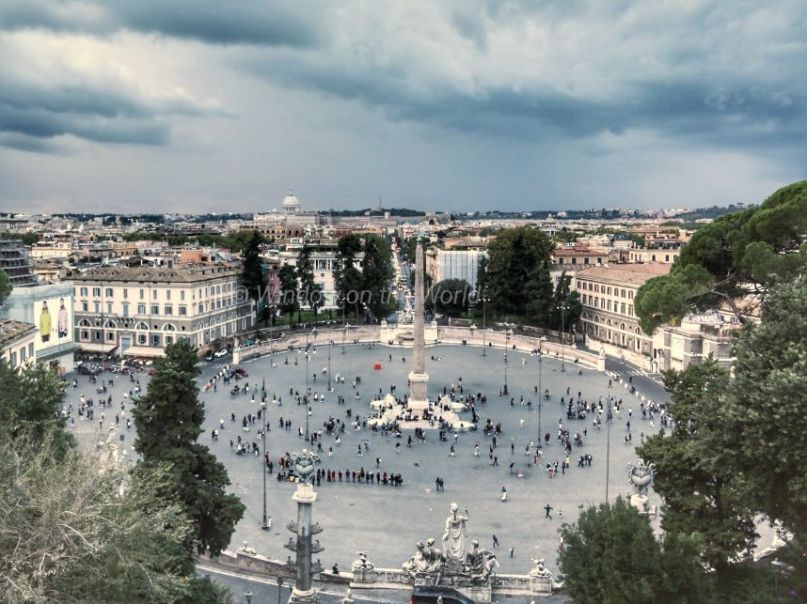
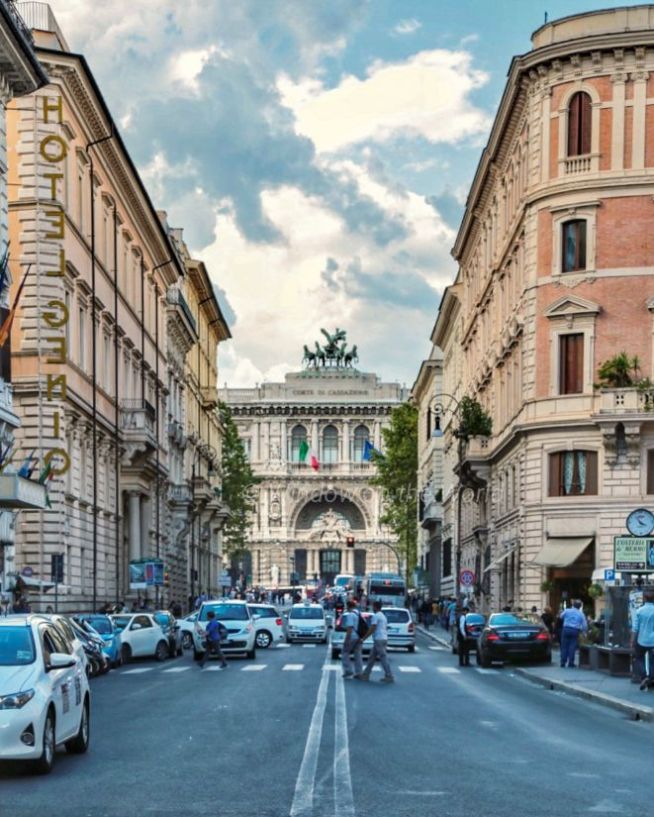
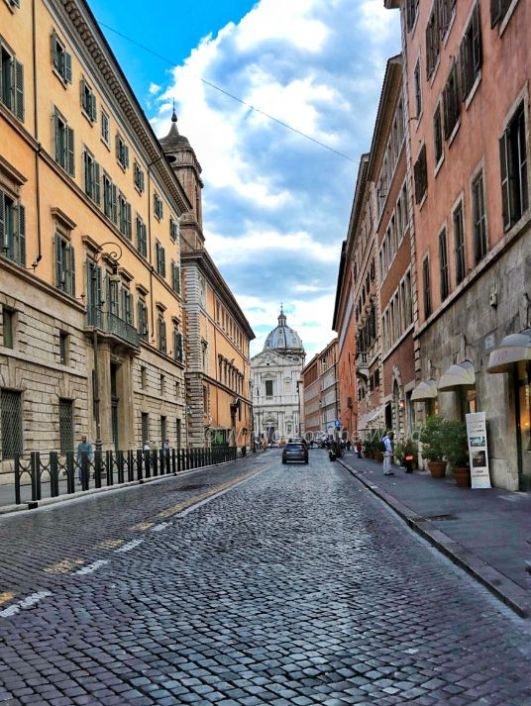
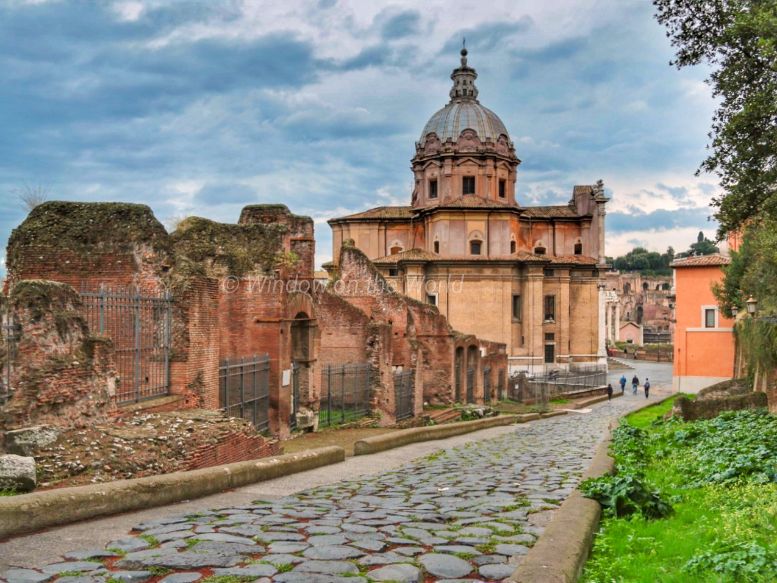
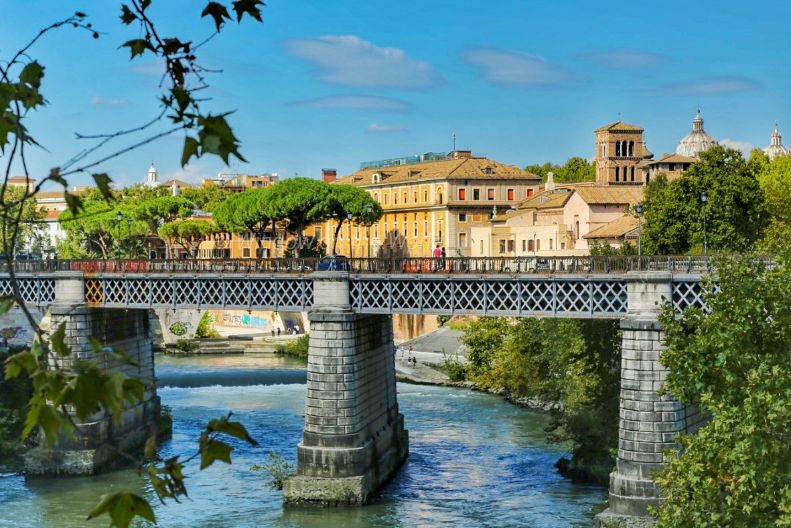
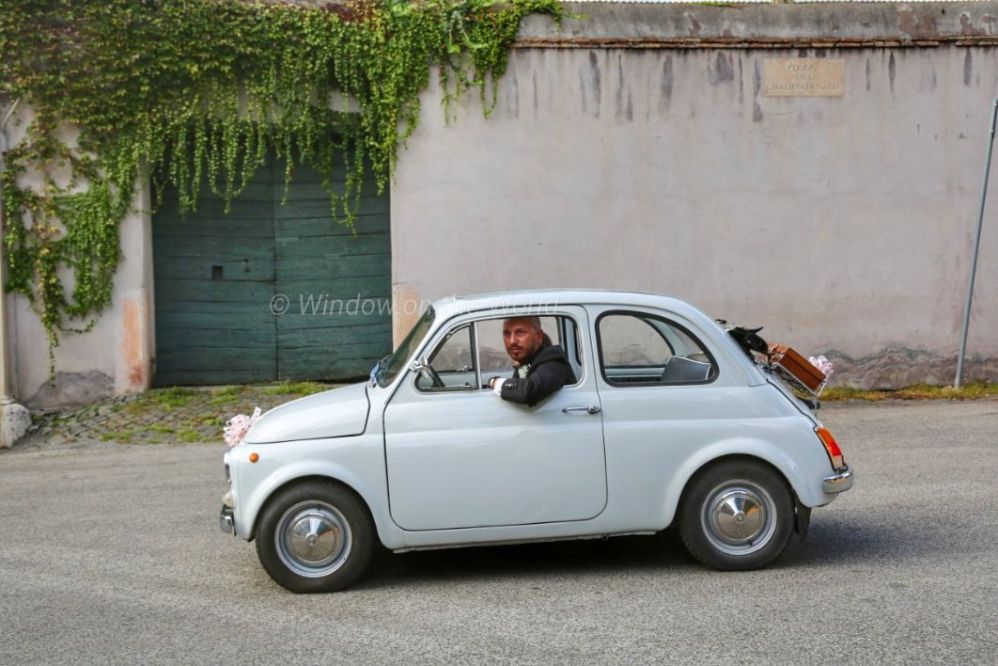
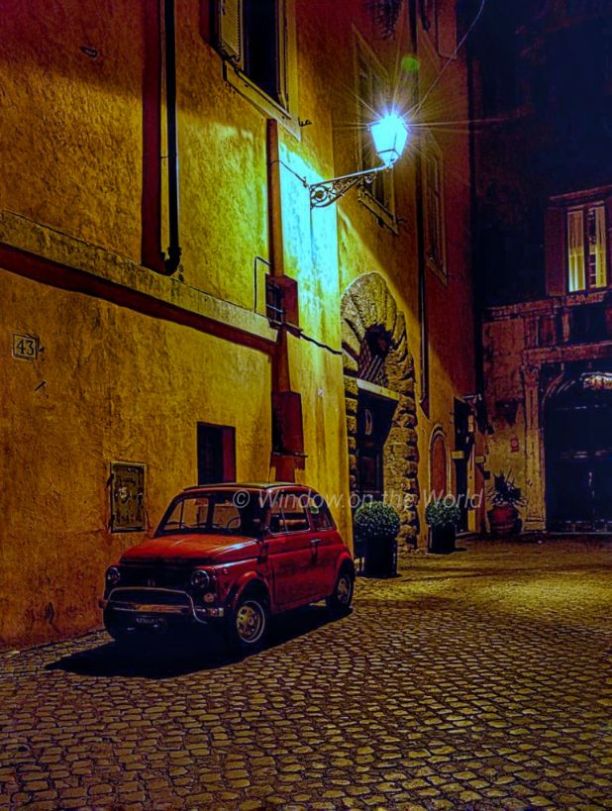
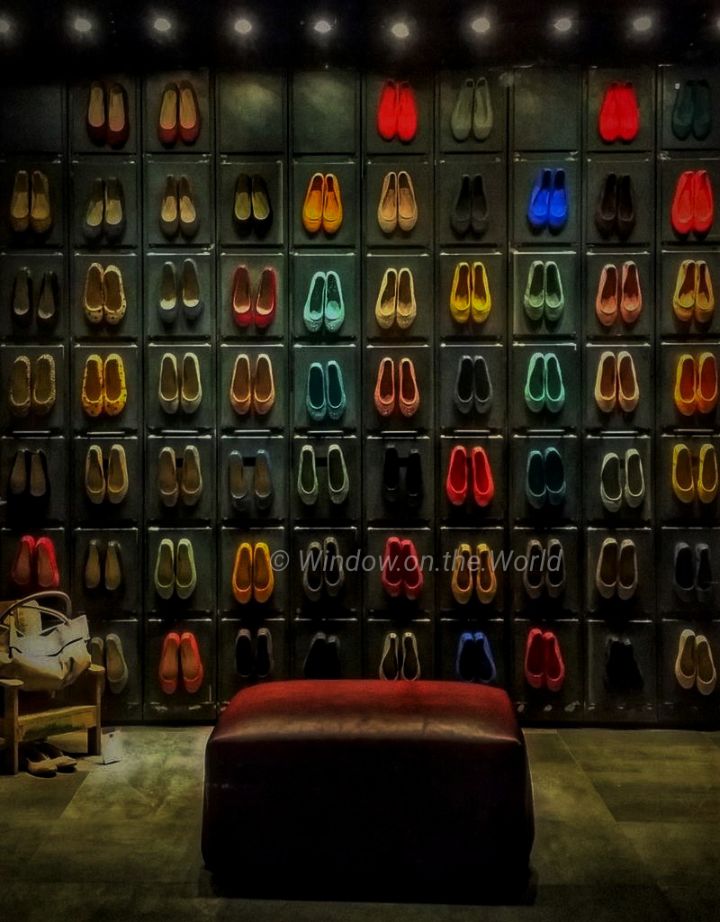
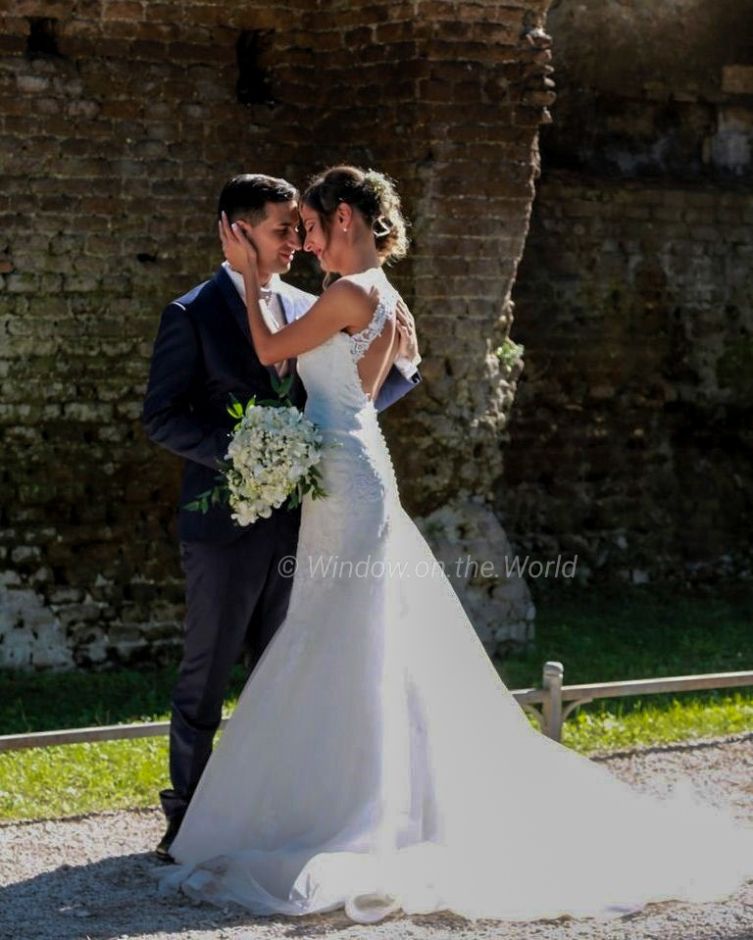
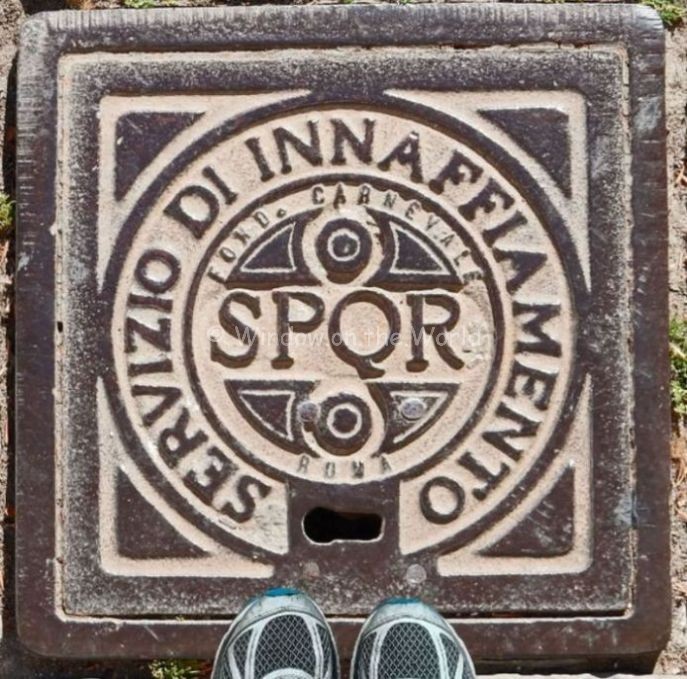
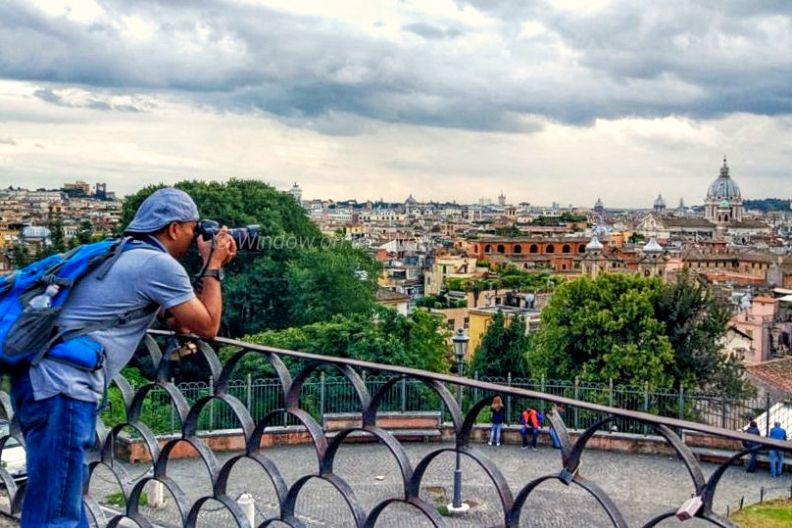
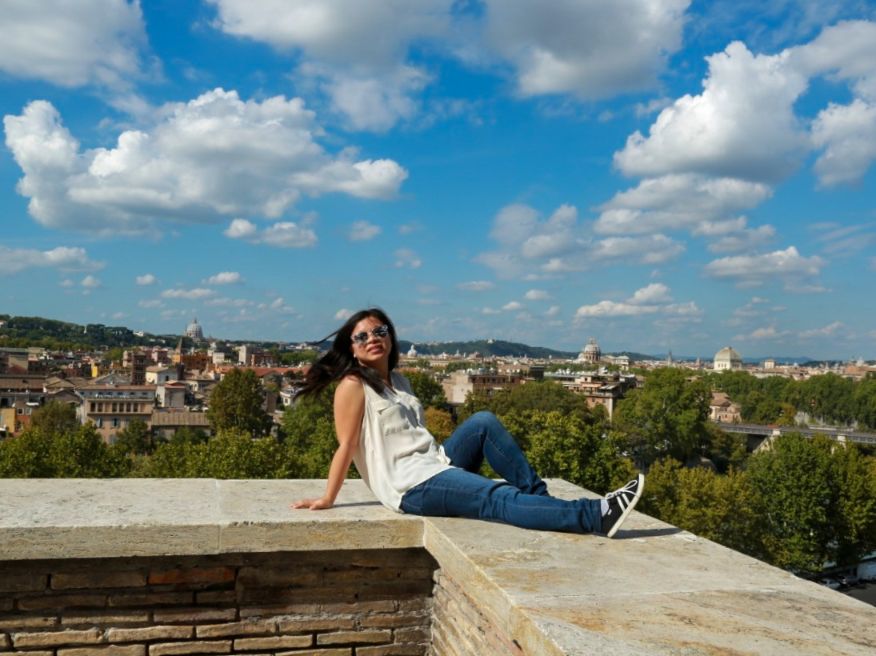
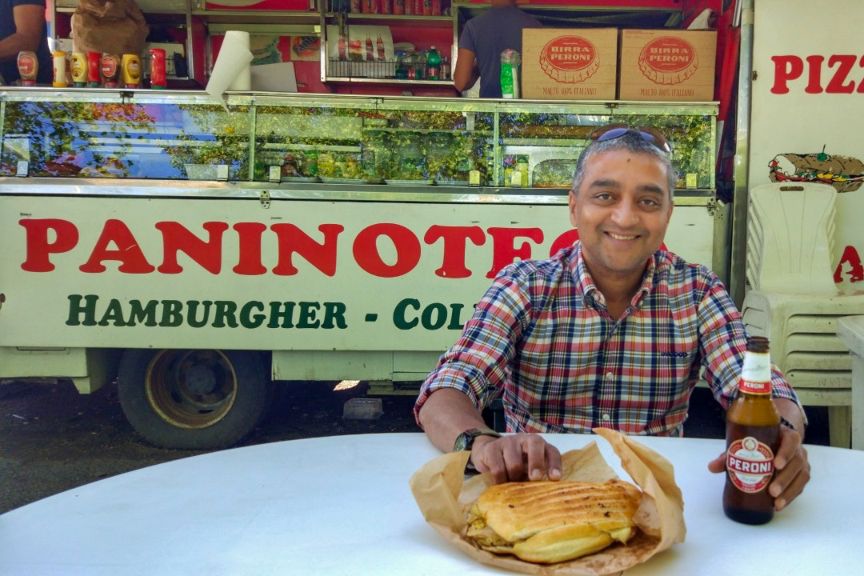
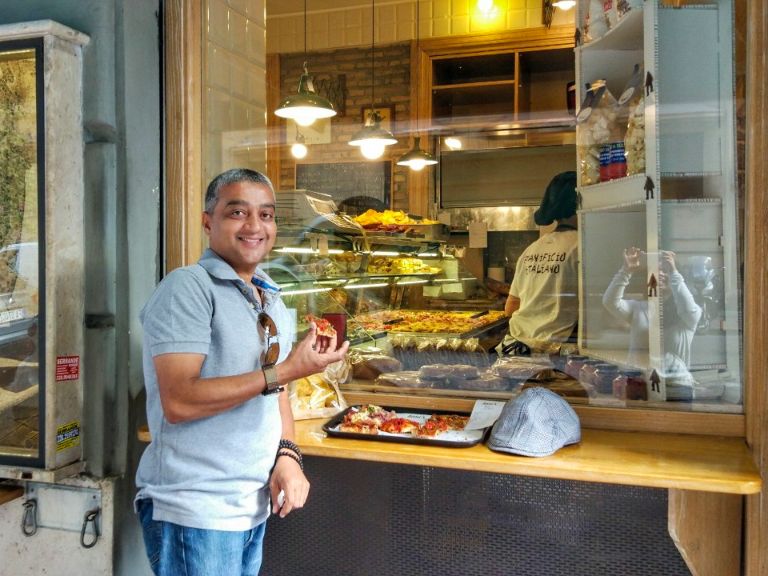
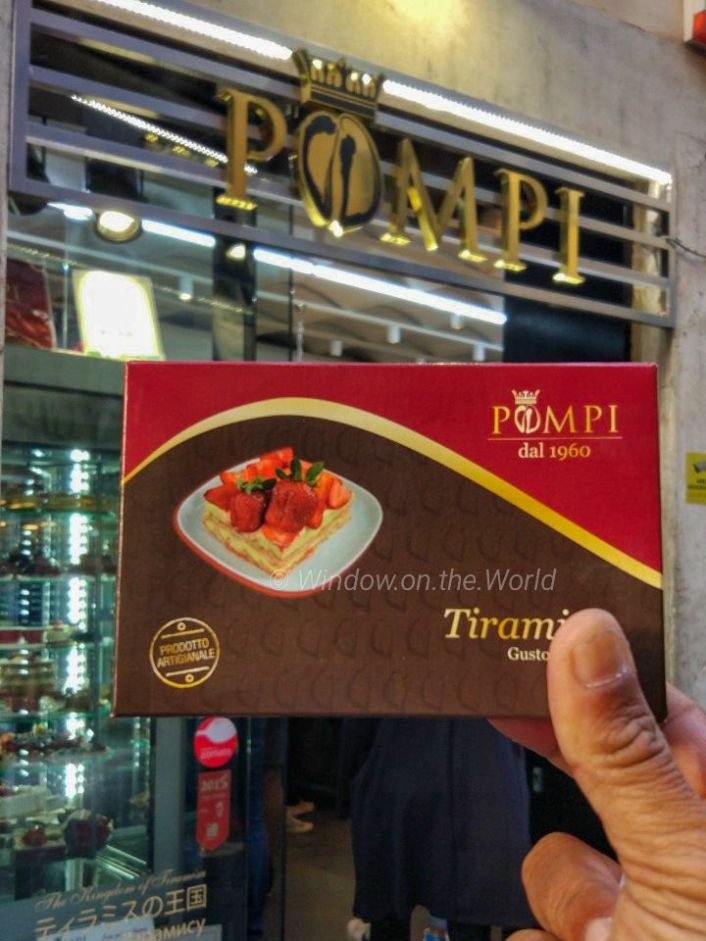
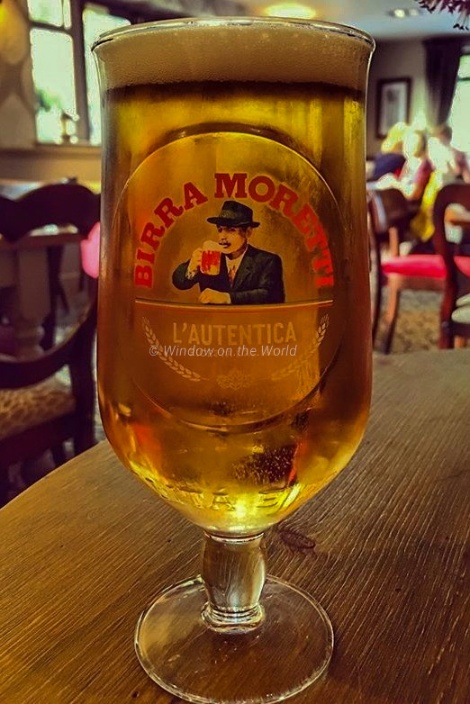
Welcome to Rome! Beautiful Manhole Cover with SPQR logo, an abbreviation for Senātus Populusque Rōmānus meaning “The Senate and People of Rome”, an emblematic abbreviated phrase referring to the government of the ancient Roman Republic.Colosseum, the Icon of Rome, also called Flavian Amphitheater, is a giant oval-shaped amphitheater built in 70–80 AD in the center of the city under the Flavian emperors. It was the largest amphitheater ever built at the time and held 50,000 to 80,000 spectators. It was used for gladiatorial contests and public spectacles such as animal hunts, executions, and dramas. The Colosseum is depicted on the Italian version of the five-cent euro coin.The hypogeum. an elaborate underground structure, consisted of a two-level subterranean network of tunnels and cages beneath the arena where gladiators and animals were held before contests began. Eighty vertical shafts provided instant access to the arena for caged animals and scenery pieces concealed underneath. The hypogeum was connected by tunnels to a number of points outside the Colosseum. Animals and performers were brought through the tunnel from nearby stables.Colosseum, the Icon of Rome, after dark.Got to have my picture with the Icon of the city.The Arch of Constantine, erected in 315 AD, to commemorate Roman Emperor Constantine’s victory over the Roman tyrant Maxentius during 312 AD at the battle of Milvian Bridge. It is the largest surviving Roman triumphal arch and the last great monument of Imperial Rome.Trajan’s Market built in 100-110 AD, thought to be the world’s oldest shopping mall, the arcades in Trajan’s Market are now believed by many to be administrative offices for Emperor Trajan.Equestrian sculptures at the Trajan’s Market.The Temple of Venus and Roma, thought to have been the largest temple in Ancient Rome. Located on the Velian Hill, between the Roman Forum and the Colosseum, it was dedicated to the goddesses Venus Felix and Roma Aeterna. The temple was officially inaugurated by Emperor Hadrian in 135 AD.Roman Forum and Trajan’s Column at Piazza Venezia. Trajan’s Column, a Roman triumphal column, completed in 113 AD, commemorates Roman emperor Trajan’s victory in the Dacian Wars. After construction, a statue of Trajan was put in place; this statue disappeared in the Middle Ages. On December 4, 1587, the top was crowned by Pope Sixtus V with a bronze figure of St. Peter, which remains to this day. The two Baroque churches behind Trajan’s Column are Santa Maria di Loreto (opened in 1507) and Santissimo Nome di Maria (completed 1751)The Palazzo Venezia, formerly Palace of St. Mark. In 1469 it became a residential papal palace, and in 1564, Pope Pius IV, to win the sympathies of the Republic of Venice, gave the mansion to the Venetian embassy to Rome on the terms that part of the building would be kept as a residence for the cardinals. You can also see The Trajan’s Column next to it. The Vittoriano, aka the Altare della Patria, or Altar of the Fatherland, the colossal mountain of white marble that towers over Piazza Venezia, was Inaugurated in 1911 to honor the first king of a unified Italy, Vittorio Emanuele IIAn altar of the goddess Rome and a shrine of the Italian Unknown Soldier, in the Altare della Patria, part of the Monument to Vittorio Emanuele II, first king of Unified Italy.Piazza Venezia, a view from The Vittoriano, Vittorio Emanuele II National Monument.Capitoline Wolf, a bronze sculpture depicting a scene from the legend of the founding of Rome. The sculpture shows a she-wolf suckling the mythical twin founders of Rome, Romulus and Remus. The sculpture is a symbol of Rome since ancient times.The Pantheon, a former Roman temple, now a Catholic church (Basilica of St. Mary and the Martyrs), built by the emperor Hadrian and dedicated in 126 AD on the site of an earlier temple from the reign of Augustus (27 BC – 14 AD). It is one of the best-preserved of all Ancient Roman buildings, in large part because it has been in continuous use throughout its history.Almost two thousand years after it was built, the Pantheon’s dome is still the world’s largest unreinforced concrete dome. The coffered dome has a central oculus as the main source of natural light.The Pantheon and the Fontana del Pantheon in Piazza della Rotonda. The Pantheon has been the site of several important burials. Among those buried there are the painter Raphael, Italian Kings, Vittorio Emanuele II and Umberto I, as well as Umberto’s Queen, Margherita.The Trevi Fountain, completed in 1762, is the largest Baroque fountain in the city and one of the most famous fountains in the world, made popular by 1954 Oscar winning film “Three Coins in the Fountain”. An estimated 3,000 euros are thrown into the fountain each day. In 2016, an estimated €1.4 million (US$1.5 million) was thrown into the fountain.The Fountain of Neptune, opened in 1574, a fountain located at the north end of the Piazza Navona. It was once called “Fontana dei Calderari” because it was located close to a small alley with blacksmith’s workshops, makers of pots and pans and of other metal based businesses, all of them generating heat.Fontana dei Quattro Fiumi (Fountain of the Four Rivers), a fountain in the Piazza Navona, was designed in 1651 by Gian Lorenzo Bernini for Pope Innocent X whose family palace, the Palazzo Pamphili, faced onto the piazza. The Fountain depicts Gods of the four great rivers in the four continents as then recognized by the Renaissance geographers: the Nile in Africa, the Ganges in Asia, the Danube in Europe and the Río de la Plata in America.Artists performing in Piazza Navona, in front of Sant’Agnese in Agone, a church built in 1653 for the Pamphilj Pope Innocent X. Piazza Navona is one of the main urban spaces in the historic center of the city and the site where the Early Christian Saint Agnes was martyred in the ancient Stadium of Domitian.Bocca della Verità, The Mouth of Truth, a massive marble mask weighs about 1300 kg and probably depicts the face of the sea titan god Oceanusa. Made popular by Scene from 1953 film “Roman Holiday”, it attracts visitors who audaciously stick their hand in the mouth, marble mask said to bite the hand of those who lied.The Spanish Steps, a set of steps, climbing a steep slope between the Piazza di Spagna at the base and Piazza Trinità dei Monti, dominated by the Trinità dei Monti church at the top. The monumental stairway of 135 steps, built in 1723–1725, is one of the best place to hang-out for people watching. In 1986, the first McDonalds restaurant in Italy was opened near the Spanish Steps; that shows popularity index of this place.A panel decorated with the Cross of Malta of The Sovereign Military Order of Malta (SMOM), In front of Villa del Priorato di Malta located on the Aventine Hill, one of the two institutional seats of the government of the Sovereign Military Order of Malta. The estate is granted extraterritorial status by Italy and recognized by the state of Italy as a sovereign nation.3 nations through 1 keyhole: This famous keyhole of the Palace of the Knights of Malta (Villa del Priorato di Malta) located on the Aventine Hill, offers a glimpse of the Dome of St. Peter framed by garden hedges. You are looking at three countries at one time, namely, Vatican City, Italy and Sovereign Order of Malta; as the grounds of this ancient military order’s villa is recognized by the state of Italy as a sovereign nation.Piazza Dei Cavalieri Di Malta: People waiting to get a view of Saint Peter’s Basilica through the keyhole of the door leading to the Villa Malta. See the picture above.Domes of Rome and Vatican, Skyline of old Rome, a view from Borghese villa on the Pincian Hill.View of Piazza del Popolo from Pincio promenade. An Egyptian obelisk of Sety I (later erected by Rameses II) from Heliopolis stands in the center of the Piazza. Three sides of the obelisk were carved during the reign of Sety I and the fourth side, under Rameses II. The obelisk was brought to Rome in 10 BC by order of Augustus and originally set up in the Circus Maximus.The Palace of Justice, (Palazzo di Giustizia), the seat of the Supreme Court of Cassation. Built between 1888 and 1910, the Palace of Justice is considered one of the grandest of the new buildings. The huge building is popularly called in Italian the Palazzaccio.View of San Carlo al Corso, a basilica church, from one of the side street of old part of Rome.Santi Luca e Martina, a church situated between the Roman Forum and the Forum of Caesar. The church was initially dedicated to Saint Martina, martyred in 228 AD during the reign of Emperor Alexander Severus.One of the newer bridges of Rome.I love the Fiat 500, a really cute, rear-engined, four-seat, small city car that was manufactured from 1957 to 1975.Another Fiat 500, in a quite city street of old Rome.A Shoe Shop at night.Young couple on their pre-wedding shooting.A beautiful Manhole Cover with SPQR logo, an emblematic abbreviated phrase referring to the government of the ancient Roman Republic.View of Rome from Borghese villa on the Pincian Hill.A view of Rome from Aventine Hill. My friend from Shanghai who was working in Rome at that time, joined me during the weekend.A view of Rome from the Pincian Hill. My friend from Shanghai who was working in Rome at that time, joined me during the weekend.Italian Sandwich and Peroni Beer from a food truck. Bonci, One of my favorite place for Vegetarian Italian food near Vatican city.One of the most popular place for Tiramisu, near Spanish Steps.Enjoying Birra Moretti after a day of exploring beautiful city of Rome.
While in Rome, walked to the Vatican City for multiple times before flying back to Shanghai, my home at that time.
In May 2017, 23 days before I was going to complete 50 years, grabbed an opportunity and took an early retirement.. Picked up a backpack and traveling ever since.. Love to travel around the world, experience different culture, local cuisine & drinks .. and take pictures.. so far been to 108 countries and still counting...


 Window on the World