
Destination 》Europe 》Central and Eastern Europe 》Slovenia
Year Visited: 2018 – October
After spending about a week in Croatia, we continue our Backpacking through the Balkans journey and arrived in Ljubljana, Slovenia by taking a bus from Pula.
Slovenia, a Balkan nation and one of the Republics of former Yugoslavia, is a small country in Central Europe, Slovenia is almost a landlocked country with a short (46 km) coastline at the Adriatic Sea between Italy and Croatia.
Slovenia was never a country till 1991. Historically, the territory of Slovenia has formed part of many different states, such as: the Roman Empire, Byzantine Empire, Carolingian Empire, the Holy Roman Empire, the Kingdom of Hungary, the Republic of Venice, the Illyrian Provinces of the First French Empire, the Austrian Empire and Austro-Hungarian Empire. In October 1918, the Slovenes exercised self-determination for the first time by co-founding the State of Slovenes, Croats and Serbs, which later became the Kingdom of Yugoslavia in 1929. After World War II, Slovenia became a socialist republic in the renewed Yugoslavia, which although communist, distanced itself from Moscow’s rule.
In 1991, after a short 10-day war, Slovenia became the first republic that split from Yugoslavia and became an independent sovereign state. Since then, Slovenia has successfully integrated into the international community and is becoming a full member of the European Union.
We made Ljubljana, one of the smallest European capital city, our base and traveled around the nearby places by local buses. Ljubljana has been the cultural, educational, economic, political, and administrative center of independent Slovenia since 1991. The city is known for its university population of 50,000 students.
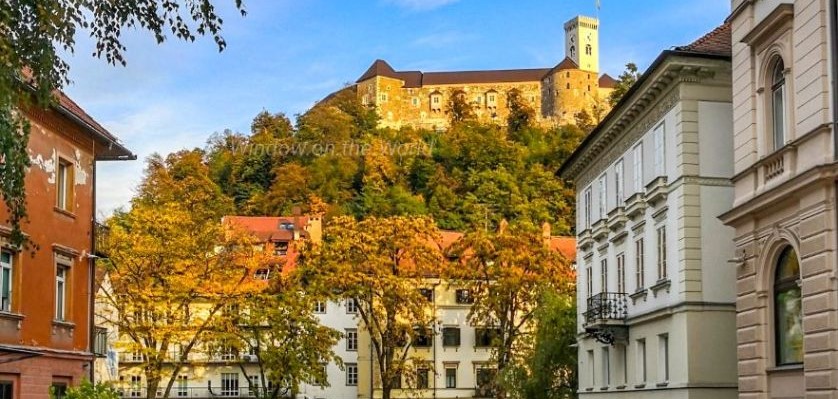
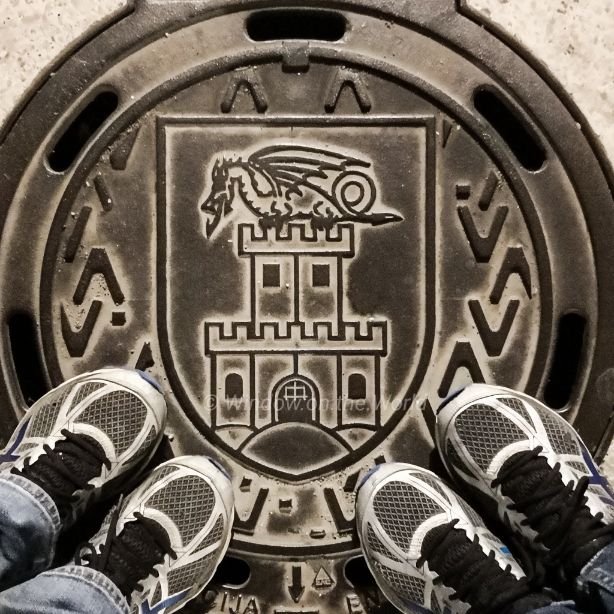
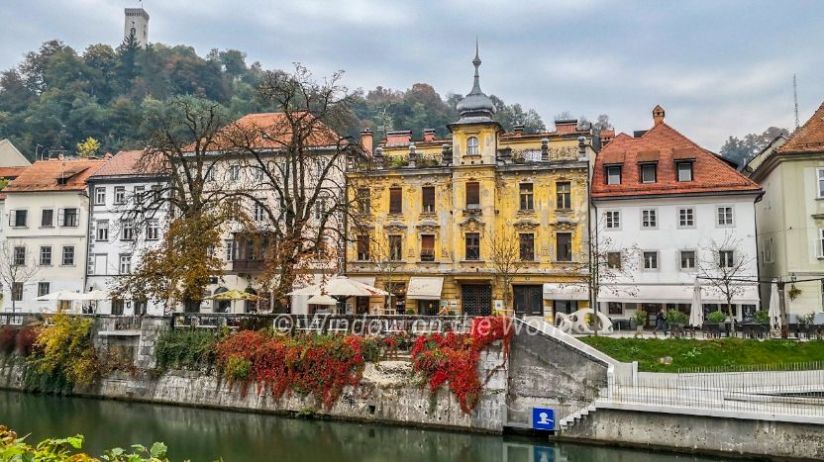
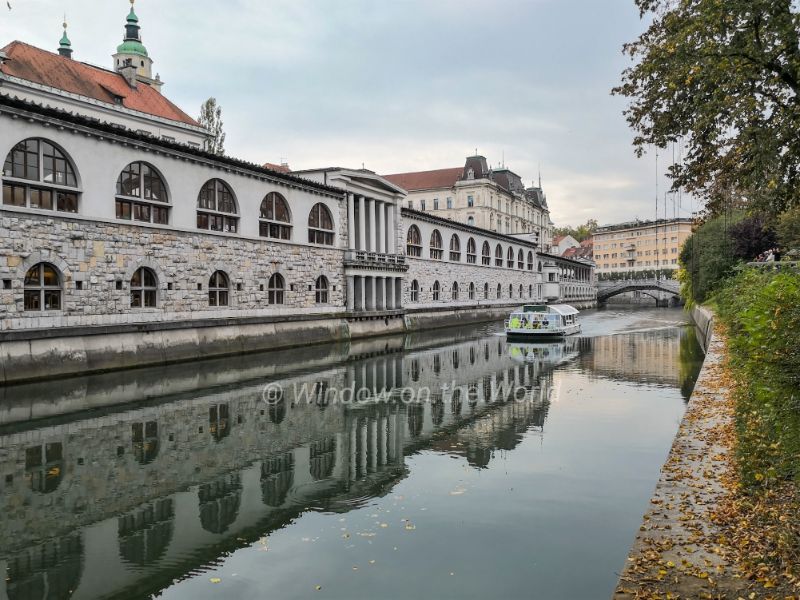
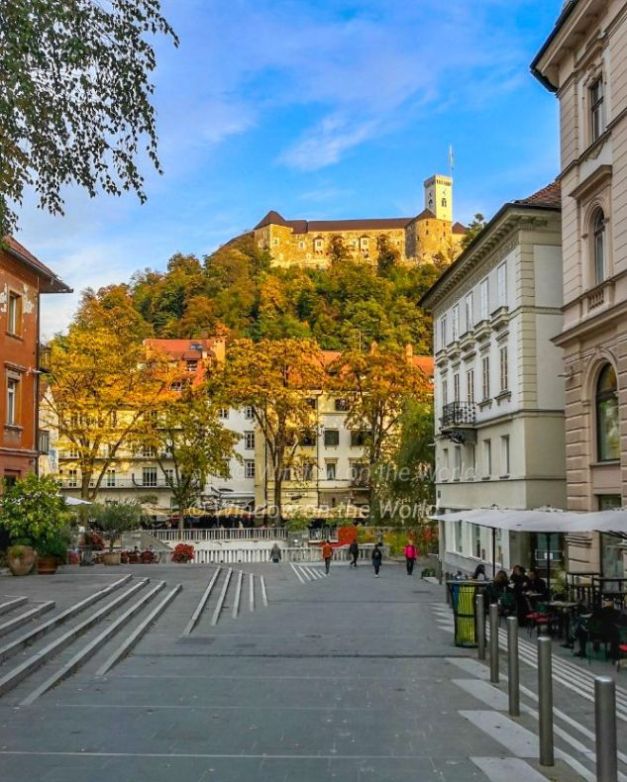
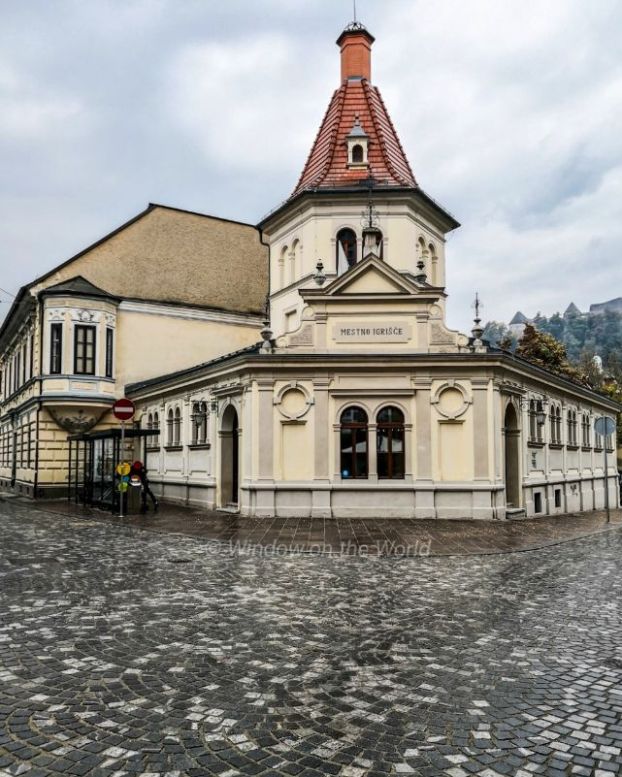
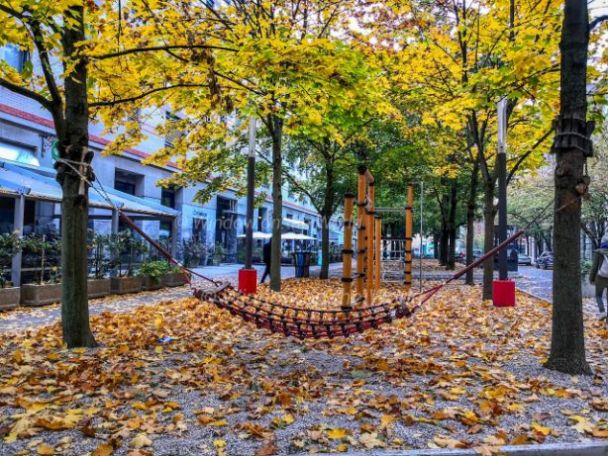
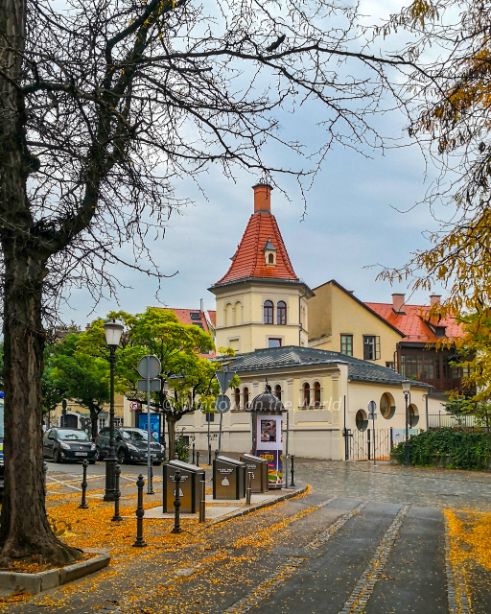
One good thing we liked about Ljubljana is, it has no world-famous, must visit, attractions, We had all the time to stroll around and enjoy the old city center. Pictures below are from few days of walking around the historical city center..
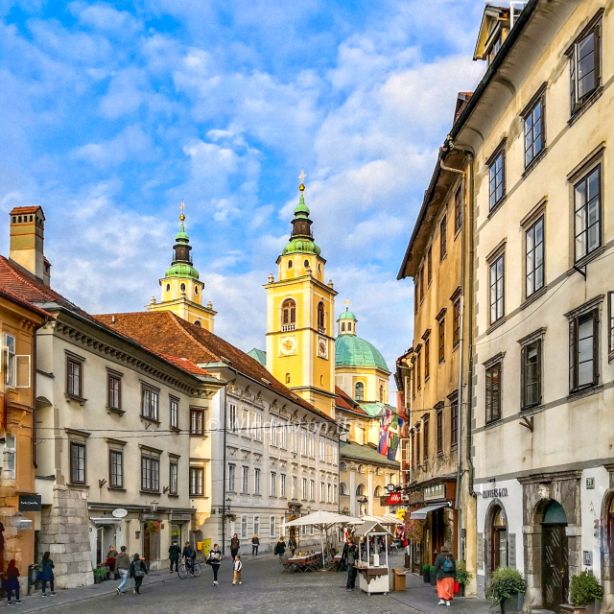
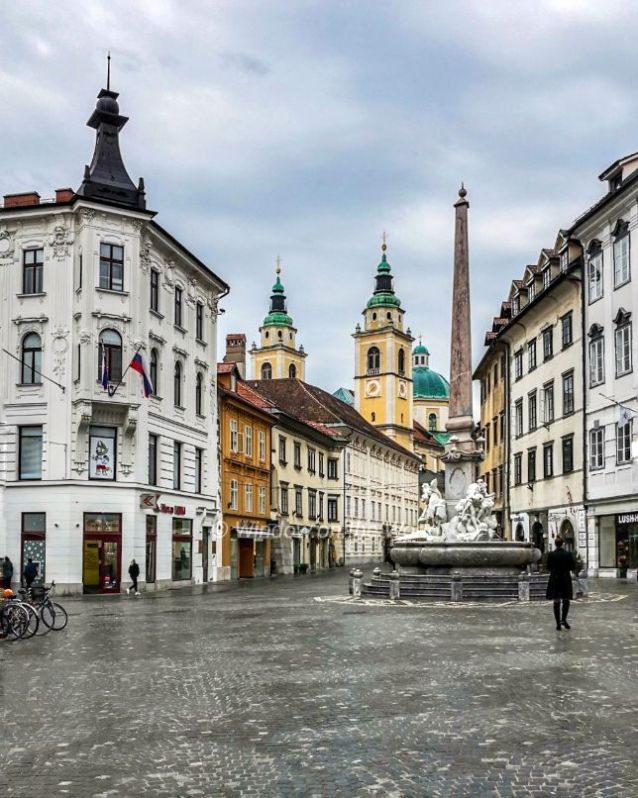
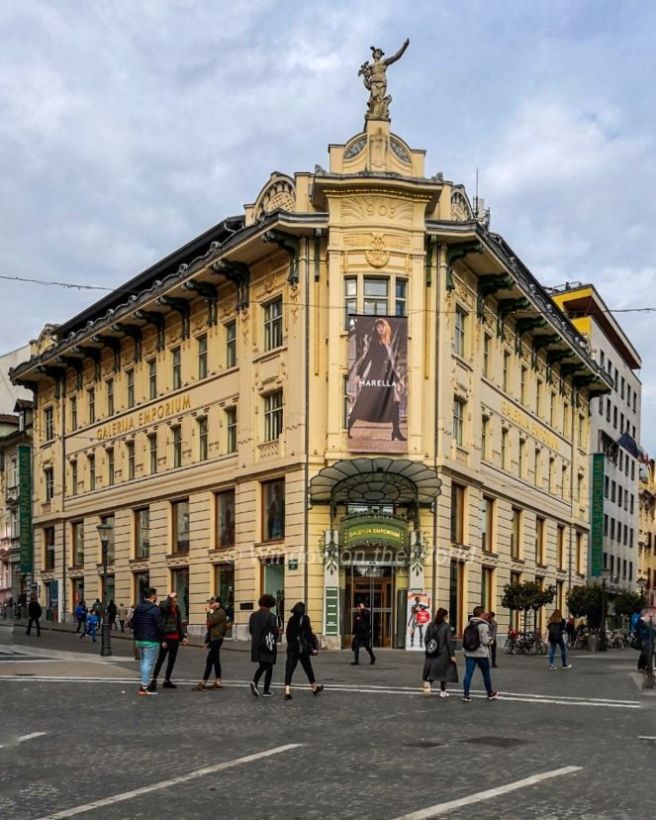
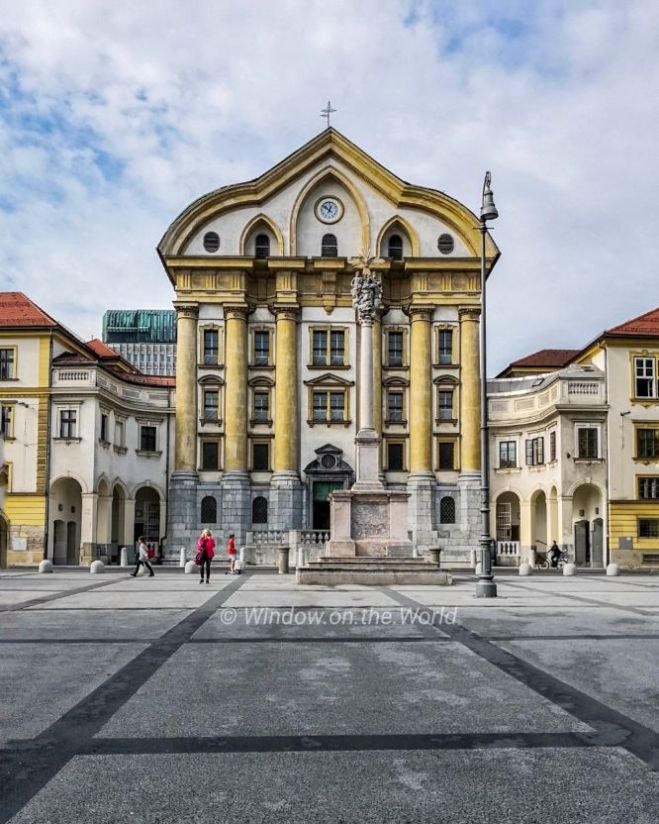
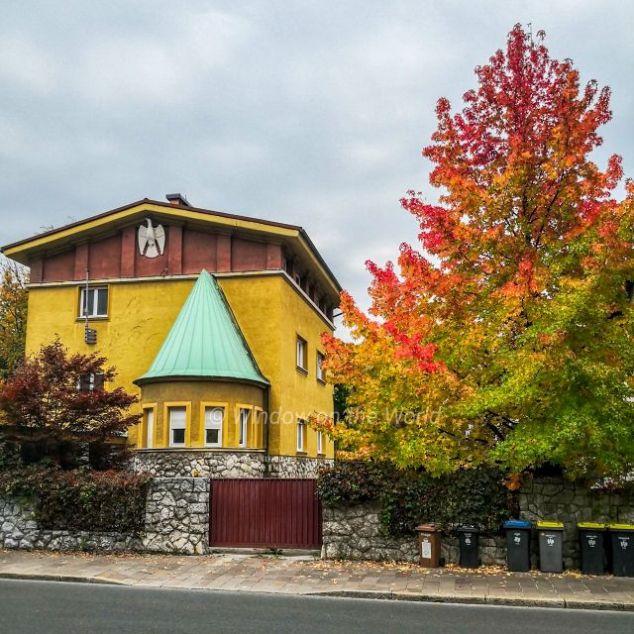
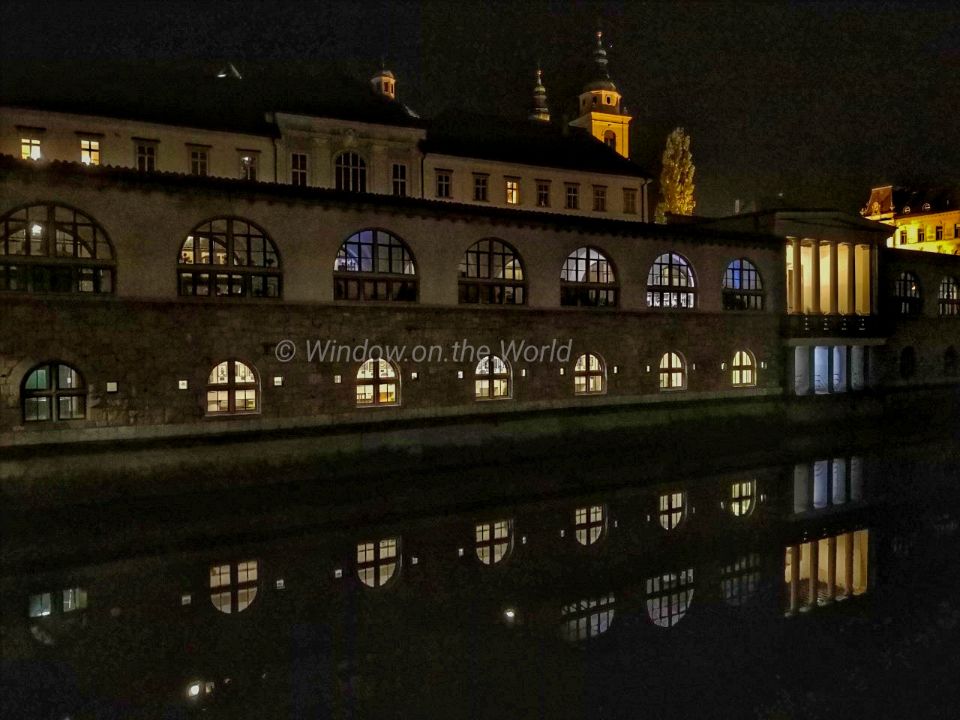
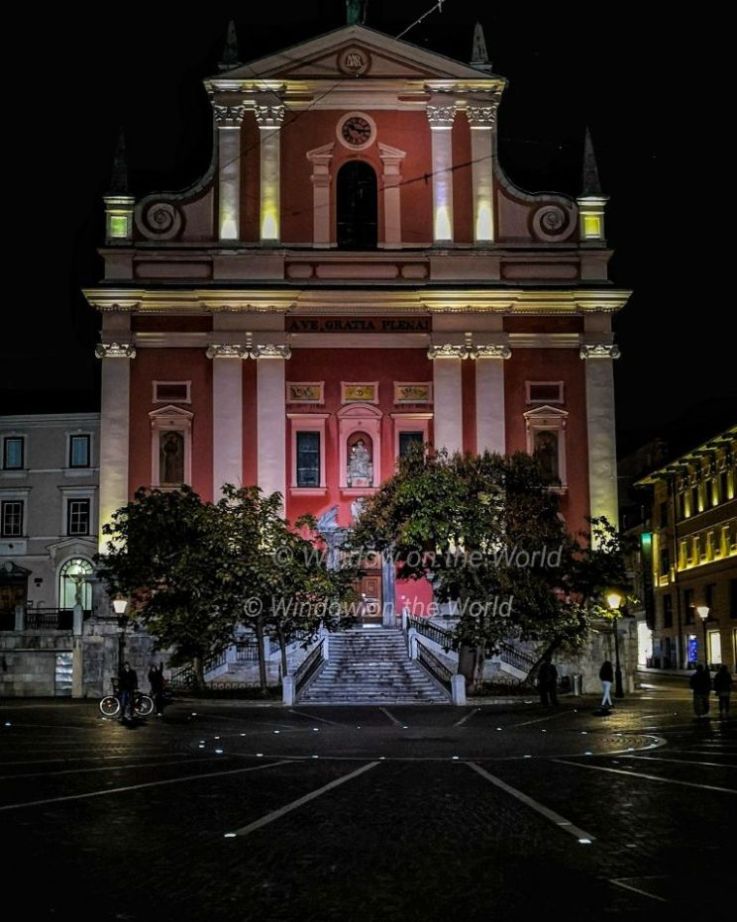
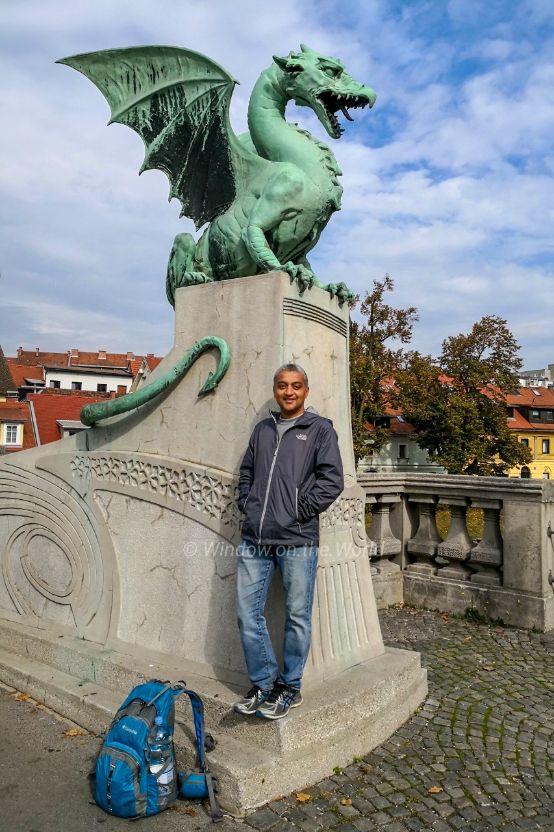
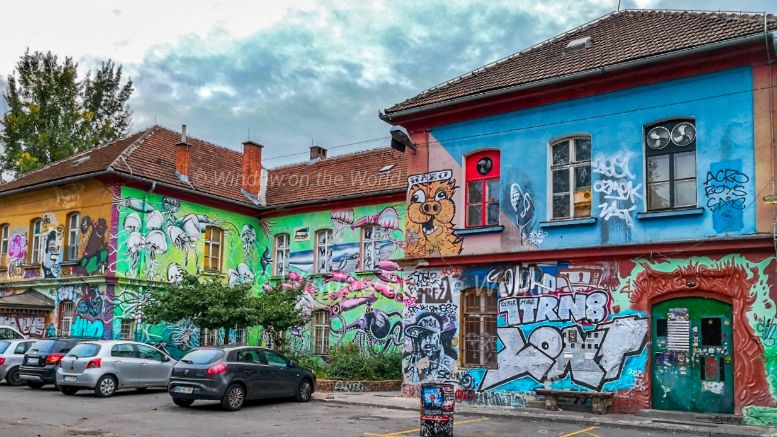
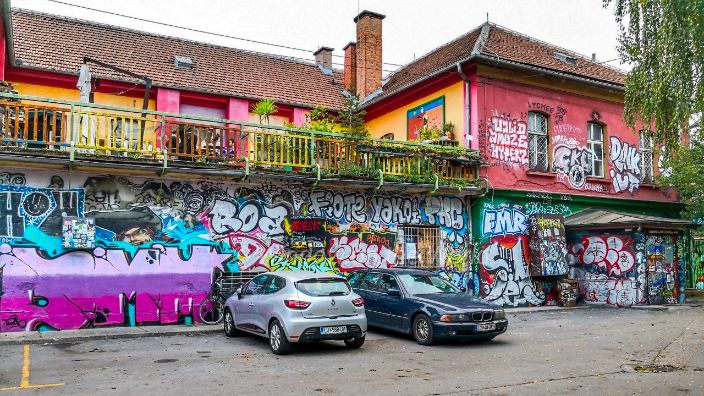
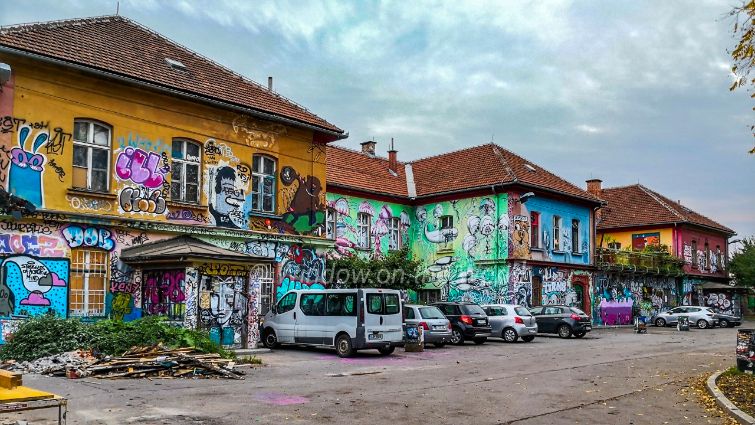
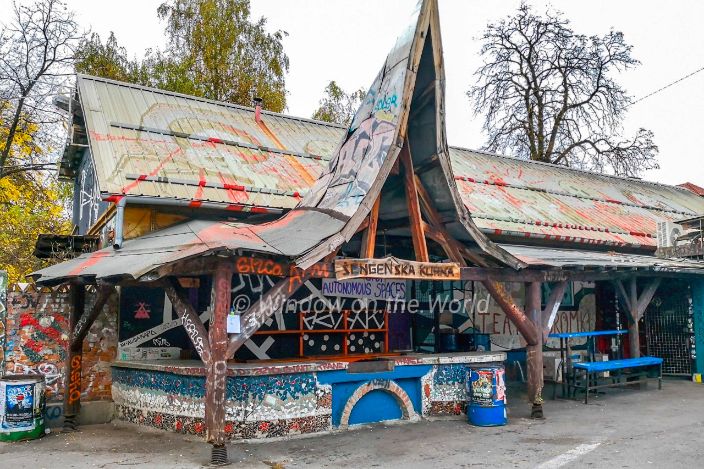
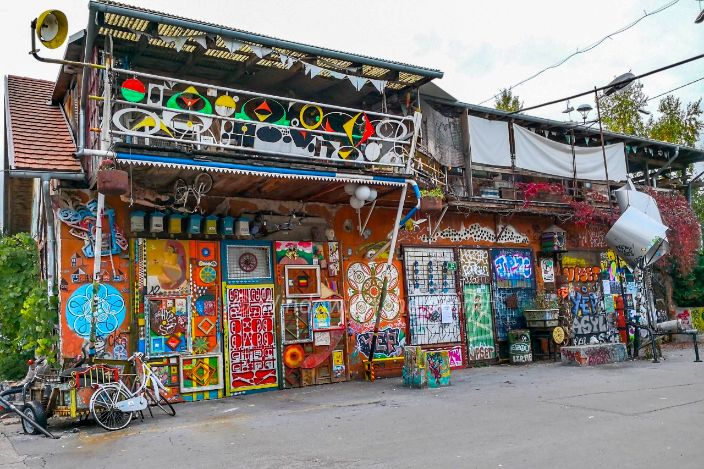
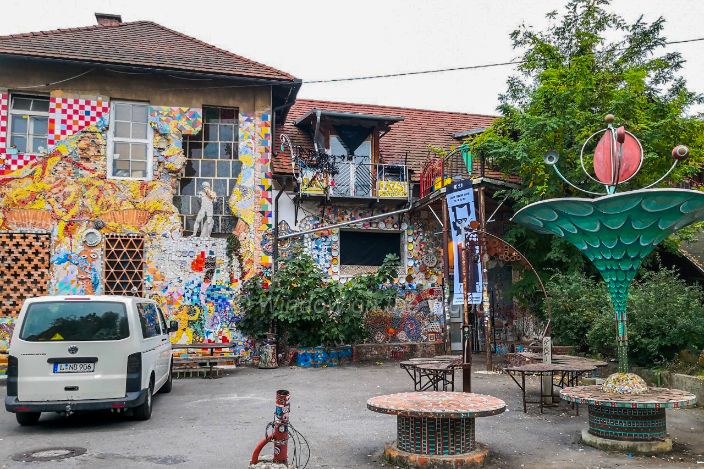
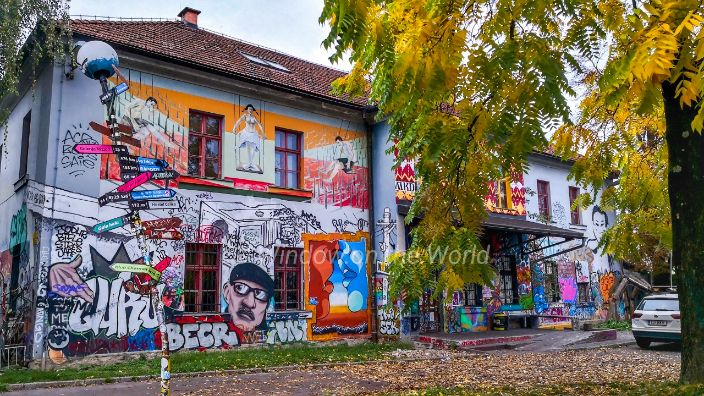
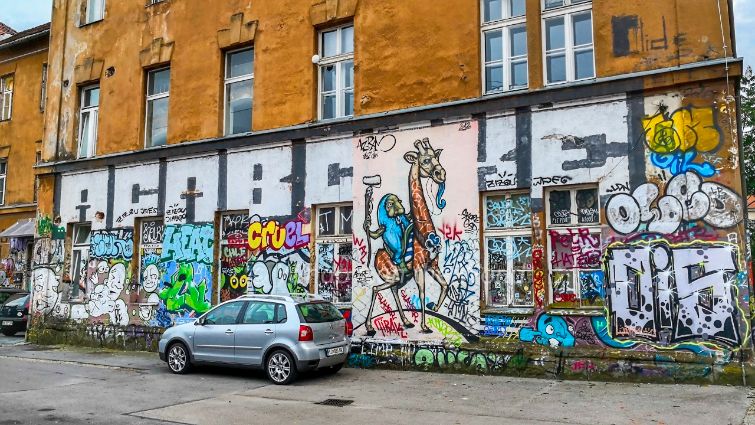
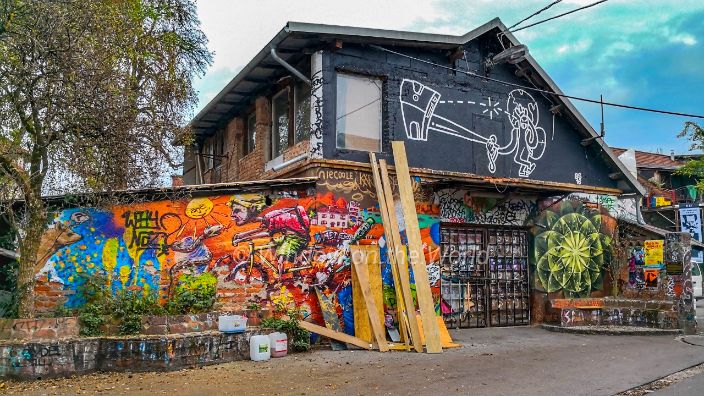
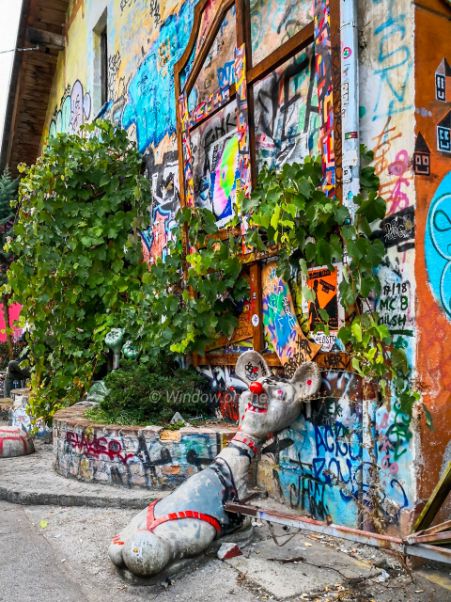
While in Ljubljana, we visited Metelkova neighborhood in the city center of the capital city. Formerly, the site was a military headquarters of the Army of the Austro-Hungarian Empire, then it became the Slovenian headquarter of the Yugoslav National Army. It consists of seven military barracks, which have been squatted since 1991 with the Slovenian declaration of independence.
In Metelkova mesto, the cultural aspect is visible during the day, but the atmosphere is different during the night, with music and parties. At Metelkova a range of cultural and artistic activities take place in a multiple range of sites. Those include, for example, art galleries, bars, artists’ studios, offices of cultural organizations and concert halls featuring different types of live music.
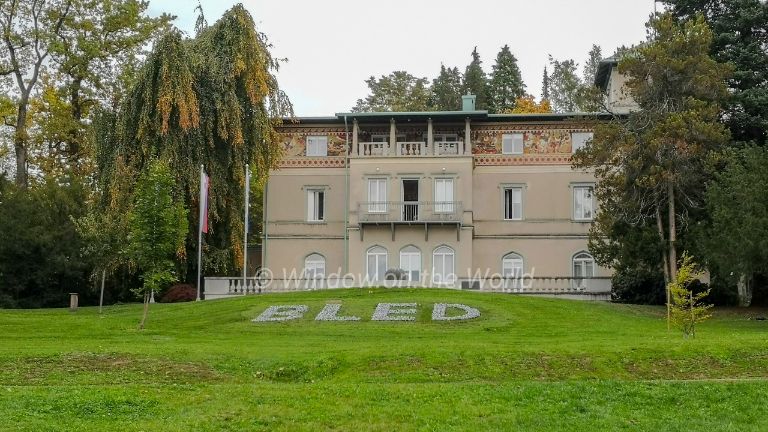
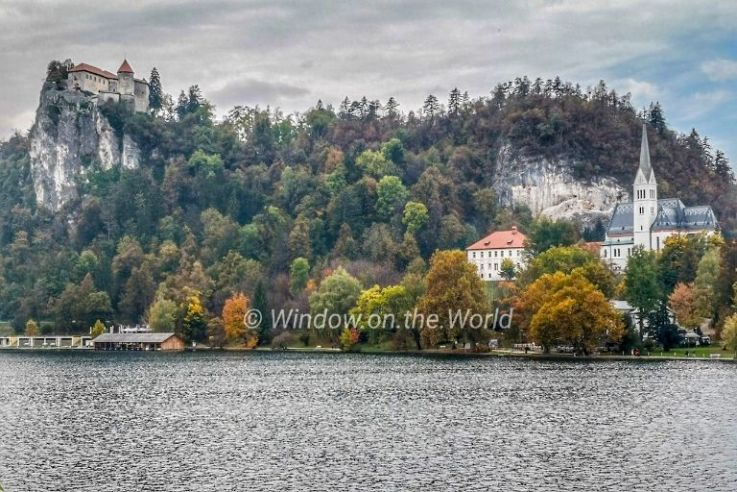
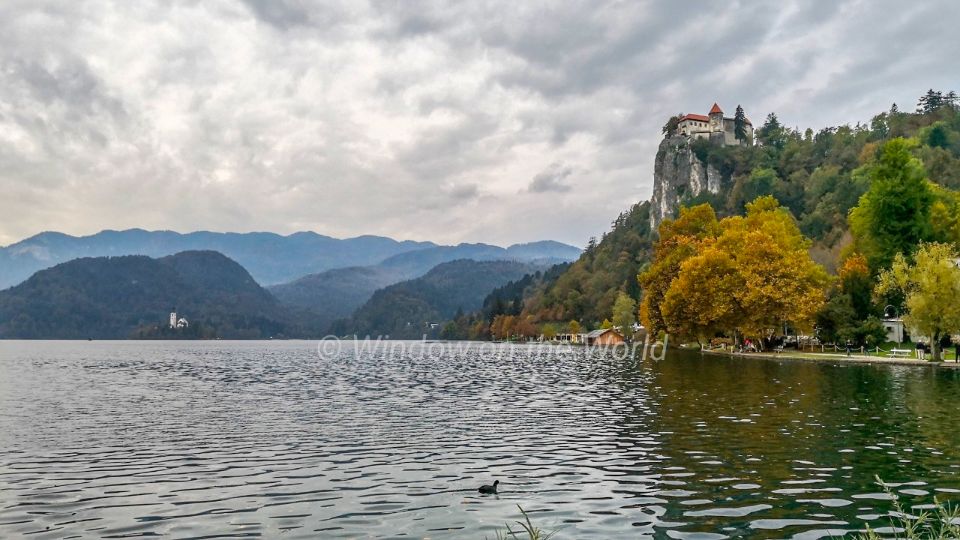
From Ljubljana, we took a bus to visit Bled, a Slovenian resort town in the foothills of the Julian Alps, is set along the glacial Lake Bled, located on the southern foot of the Karawanks mountain range near the border with Austria. On a cliff overlooking the lake is the 11th-century Bled Castle, which houses a museum, chapel and printing press. Atop a small island in the lake’s center is the Pilgrimage Church of the Assumption of Maria.
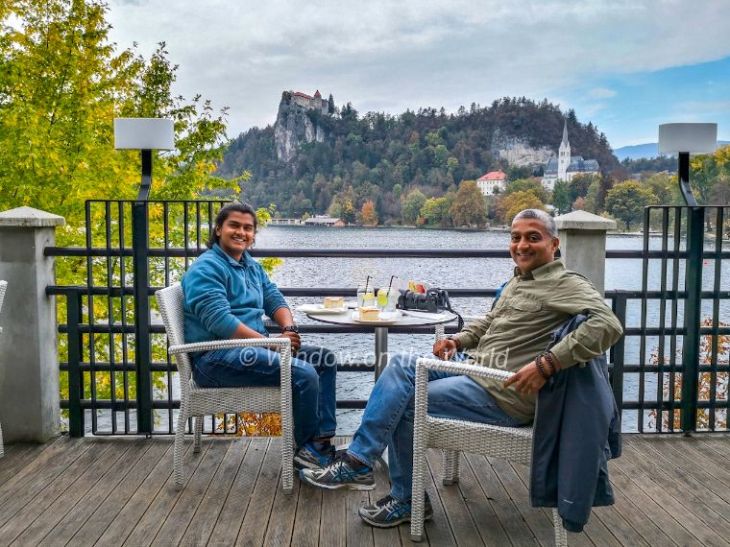
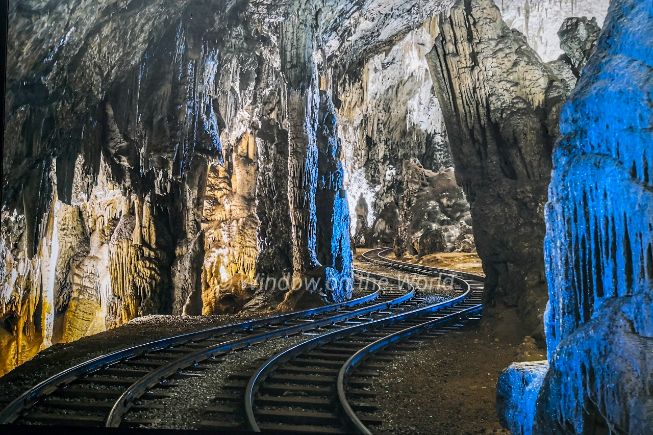
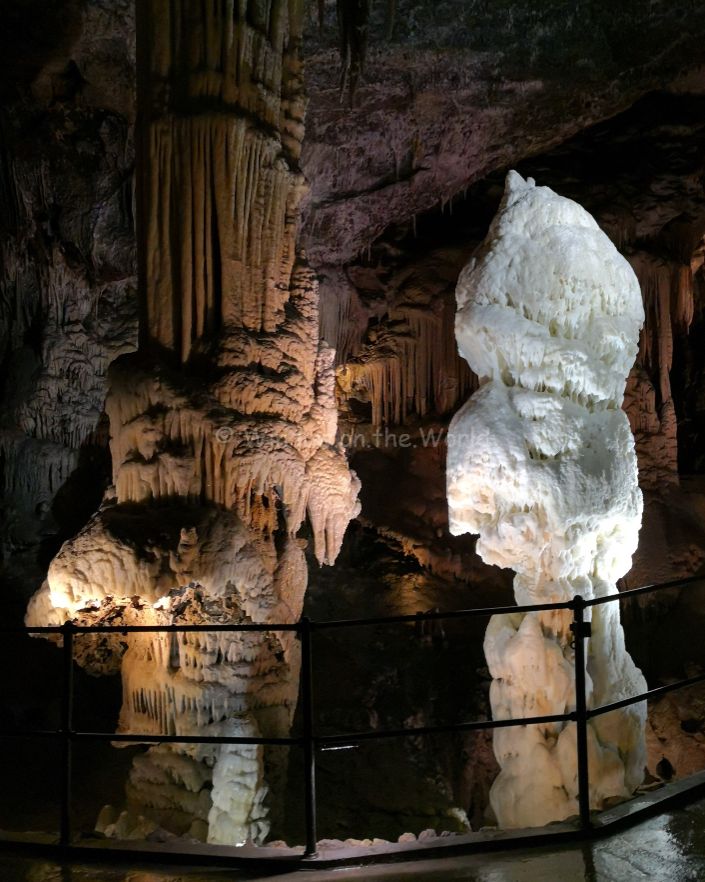
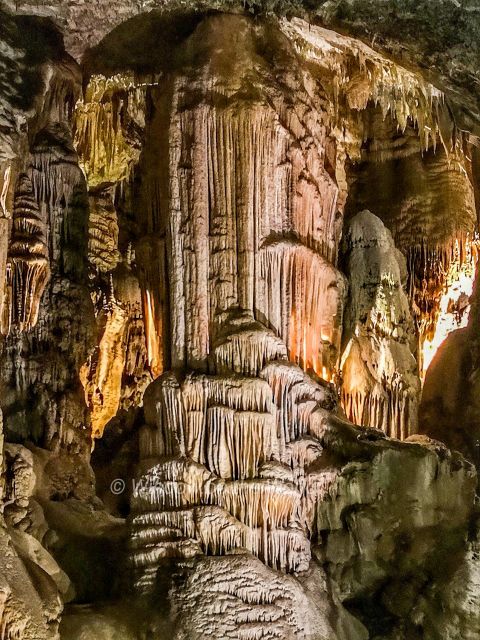
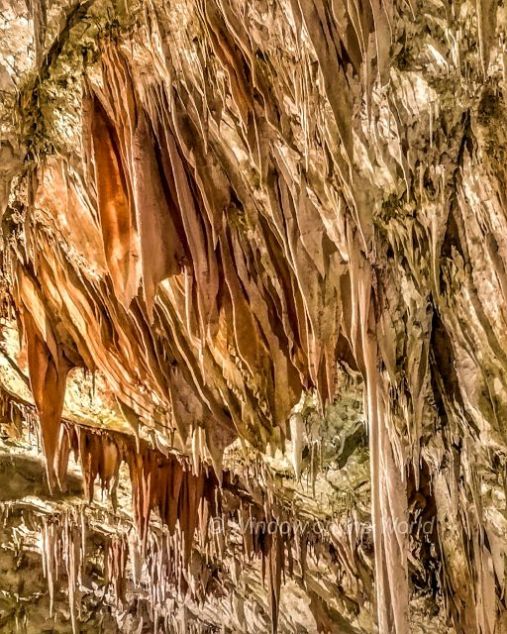
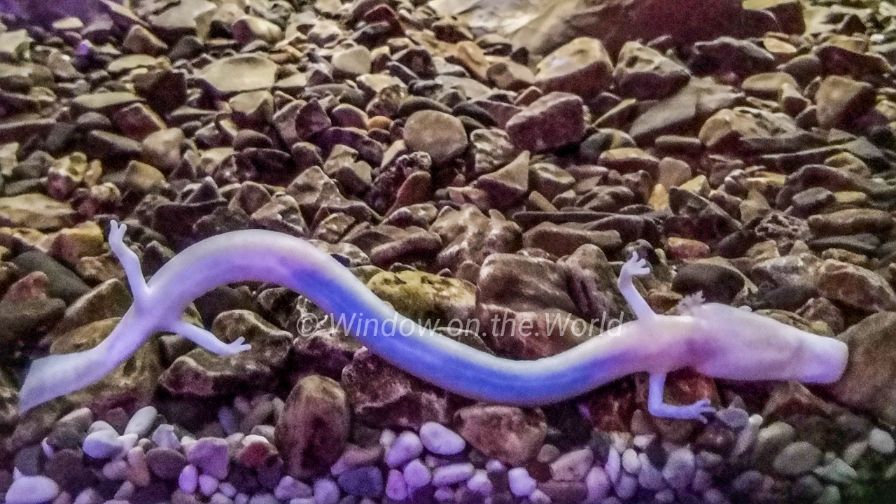
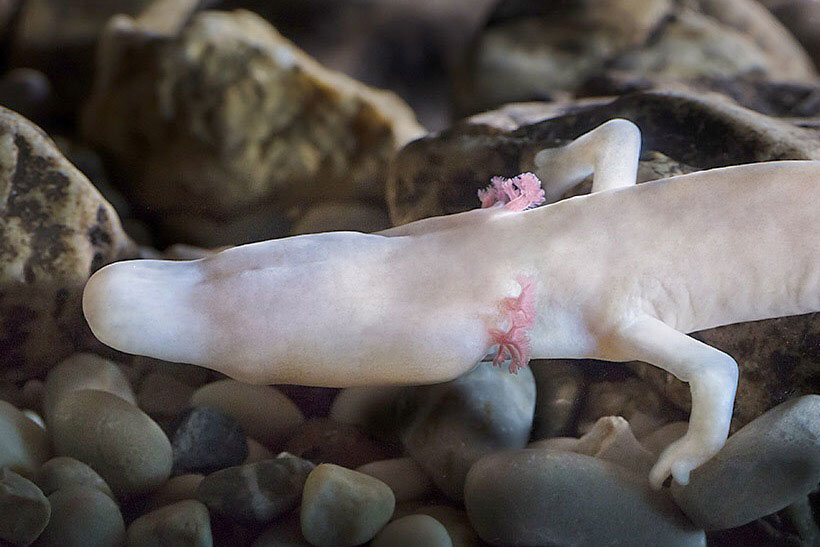
From Ljubljana, we took a bus to visit Postojna Cave, a 24,340 m long karst cave system near Postojna. It is the world’s most captivating cave with magnificent cave formations and diverse fauna. The caves were created by the Pivka River.

Slovenia was end of Our Balkans Journey, but our Backpacking journey was still not over yet. Slovenia was my 98th country, so Raul and I decided to complete 100 unique countries during that trip. We made a plan to go Milan by bus from Ljubljana and take a flight to Malta (our first air travel during that trip), and after spending few days in Malta, fly to Tunisia, my 100th country and Raul’s first African country.

 Window on the World