After couple of days in Mostar, we continue our backpacking through the Balkans journey by taking a very scenic train to arrive in Sarajevo, the capital and the largest city of Bosnia and Herzegovina.
Sarajevo is the commerce, finance, media, art, fashion, education, and entertainment center of Bosnia and Herzegovina. Most of the city is within the Federation of Bosnia and Herzegovina, but some parts are in the Republika Srpska.
Sarajevo is one of the most historically interesting and varied cities in Europe. It is a place where the Western and Eastern Roman Empire split; where the people of the Roman Catholic, Eastern Orthodox and the Ottoman, met, lived and warred. Sarajevo was once renowned as a religious melting pot. Within a few blocks you can still find large Catholic and Orthodox cathedrals, Ashkenazi and Sephardic synagogues, and numerous mosques.
The city’s vast historic diversity is strongly reflected in its architecture of the Old Town (Stari Grad). The eastern half of Old Town consists of the Ottoman-influenced Bascarsija (baš (head, main), čaršija (bazaar, trading area) in Turkish), while the western half showcases an architecture and culture that arrived with Austria-Hungary, symbolically representing the city as a meeting place between East and West.
During the 20th century, two violent events thrust Sarajevo into the world’s consciousness: the assassination of Archduke Franz Ferdinand of Austria on 28 June 1914, which sparked WWI, and the brutal almost-four-year siege of the city by the Army of Republika Srpska from 5 April 1992 to 29 February 1996 (1,425 days) during the Bosnian War.
Today, Sarajevo is a very tourist friendly city, especially in the Old Town in the center of the city. The people are very friendly, be they Bosniaks, Croats, or Serb. Photos below are from few days of walking around Sarajevo.
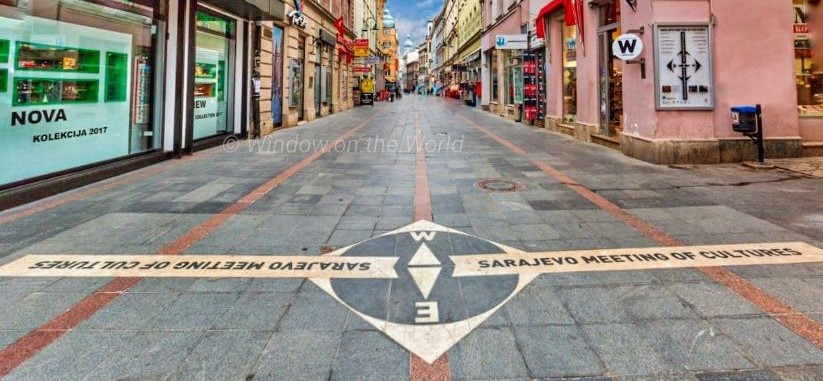
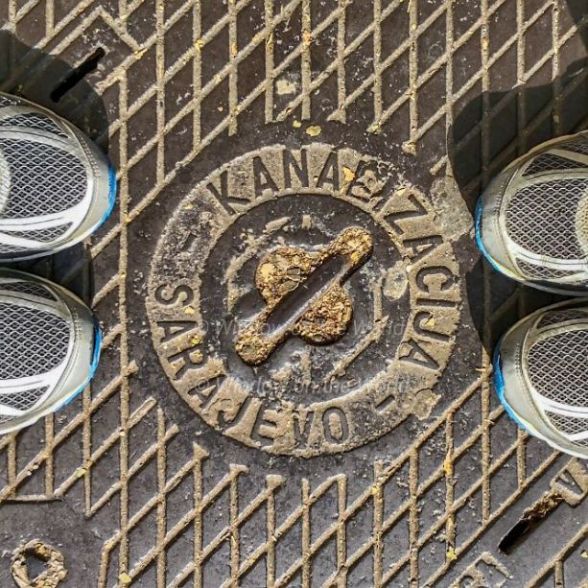
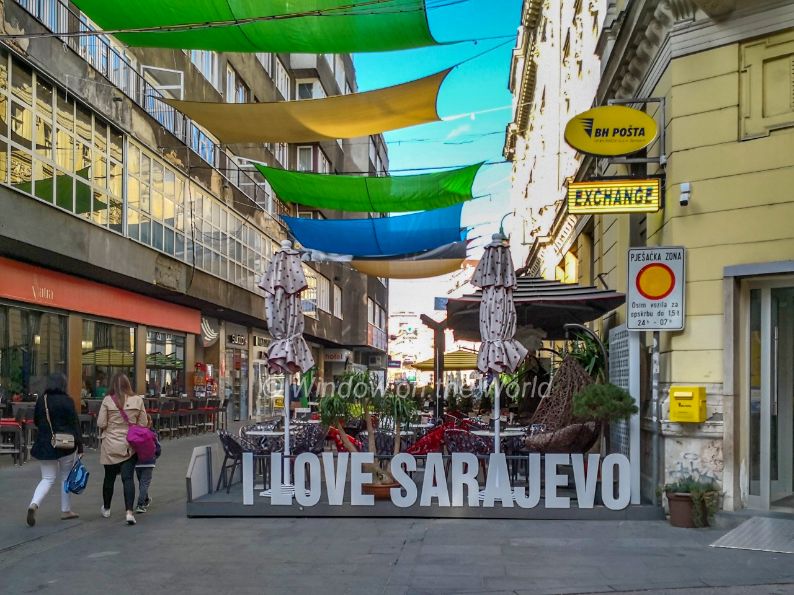
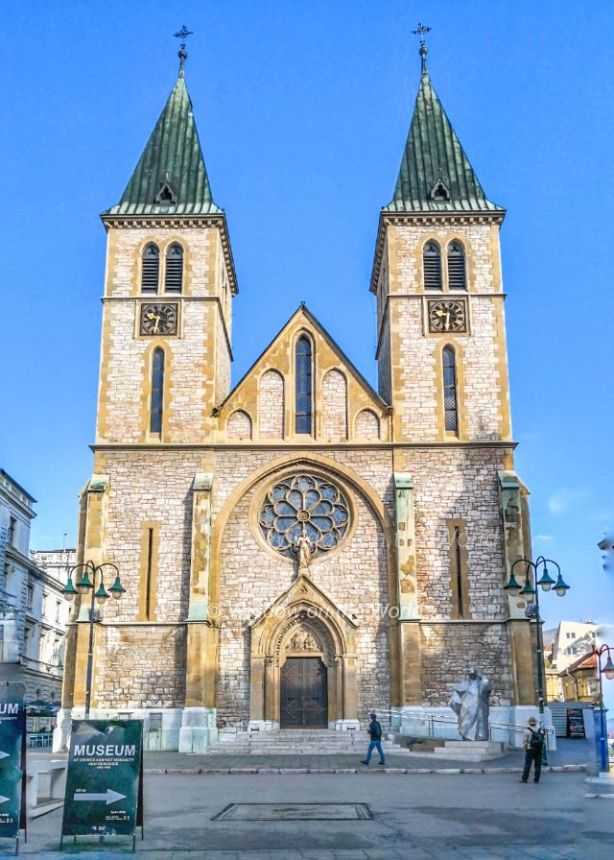
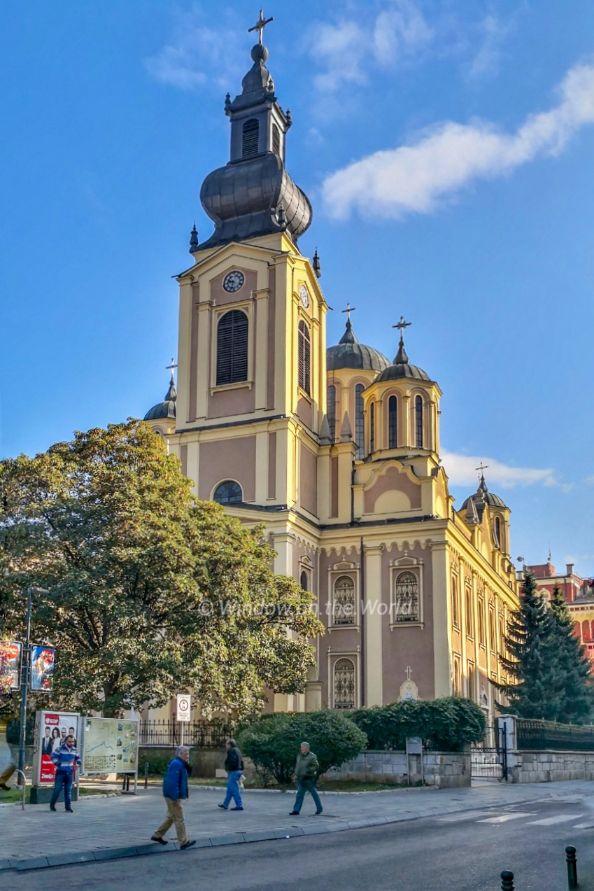
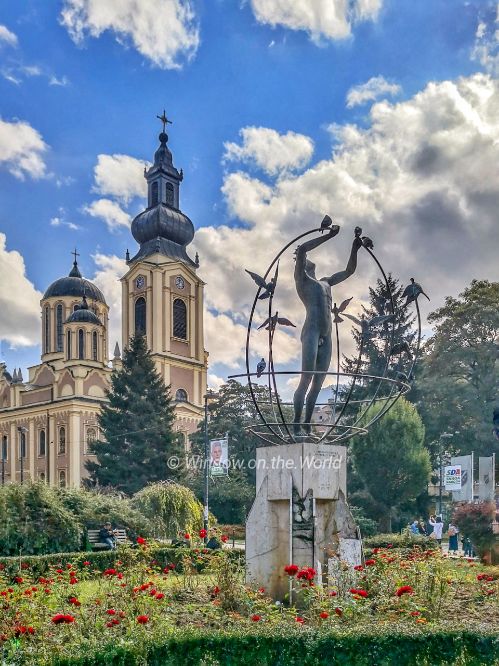
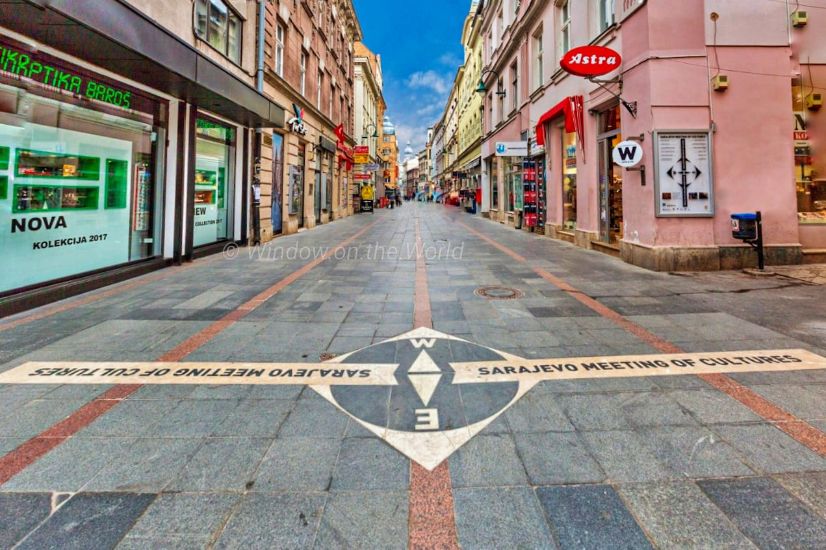
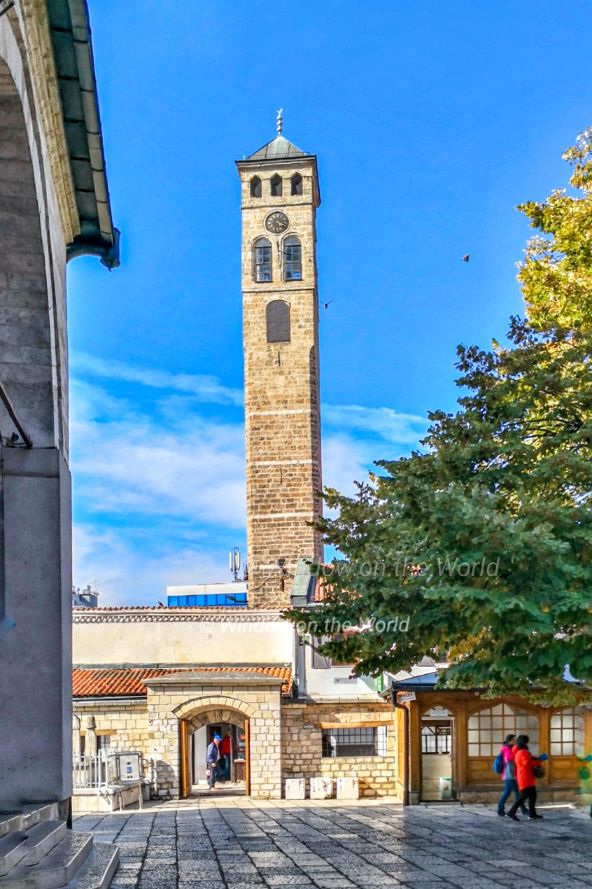
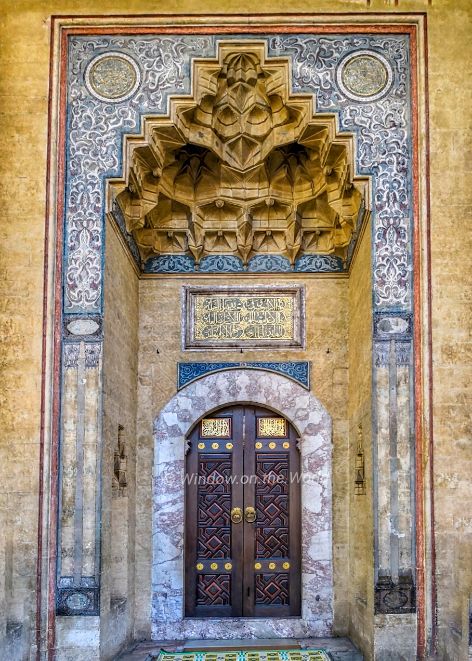
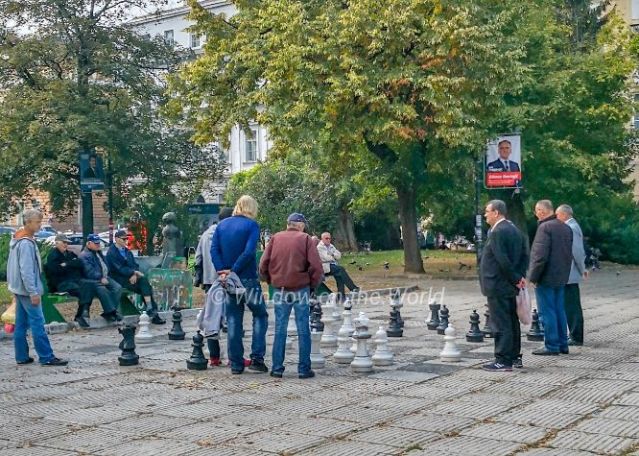
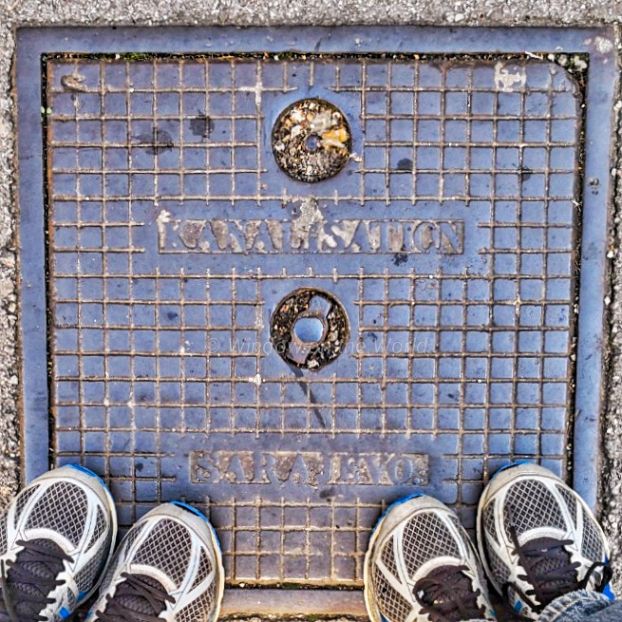
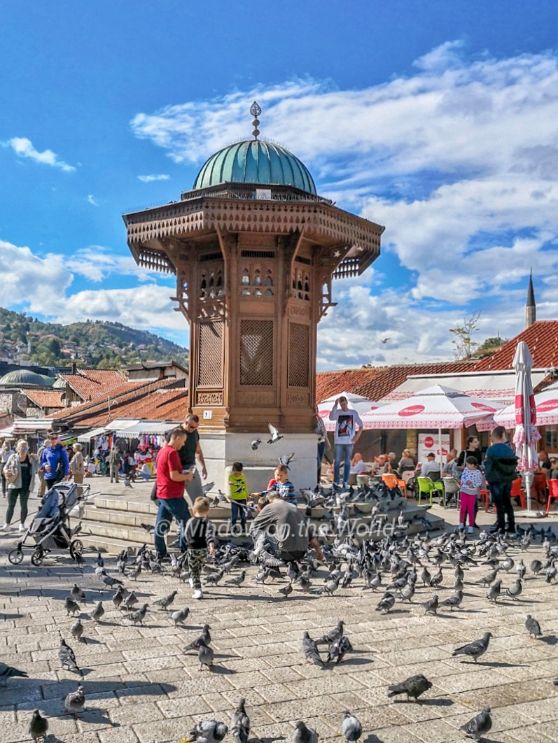
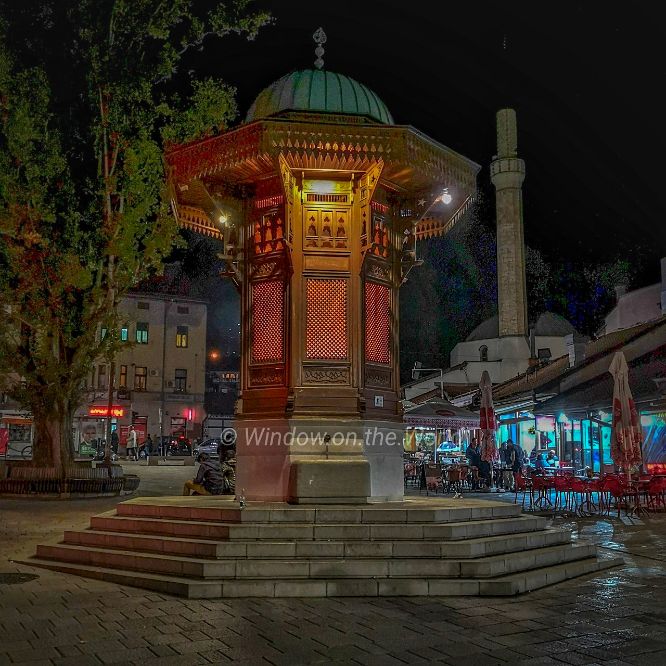
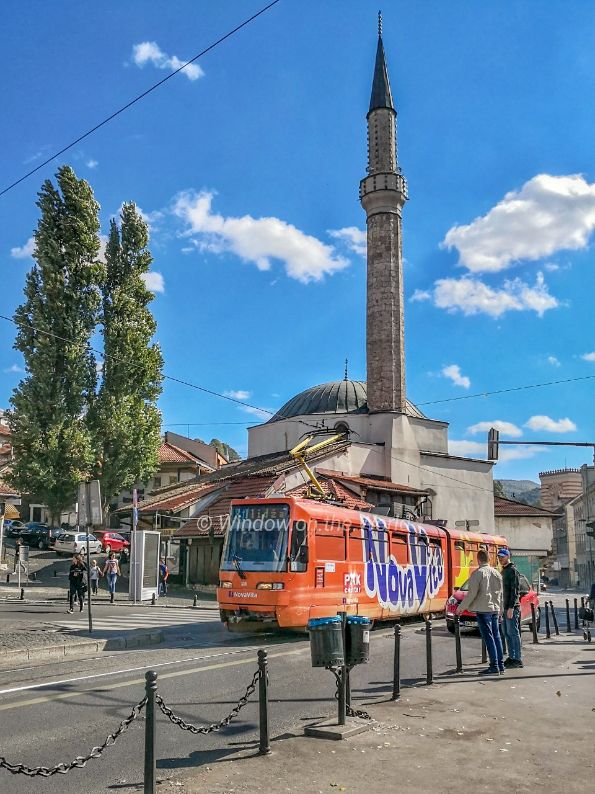
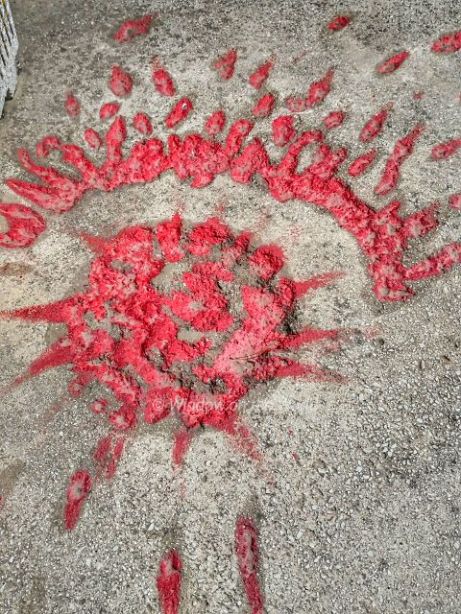
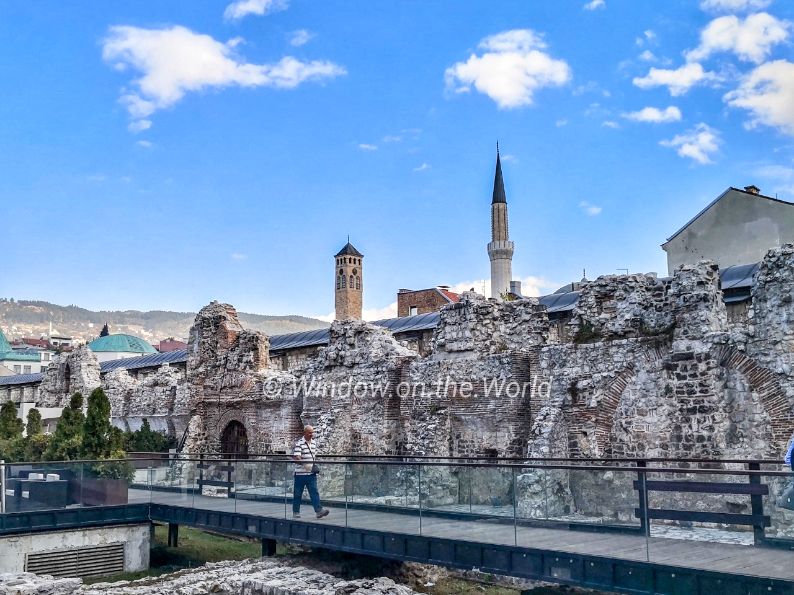
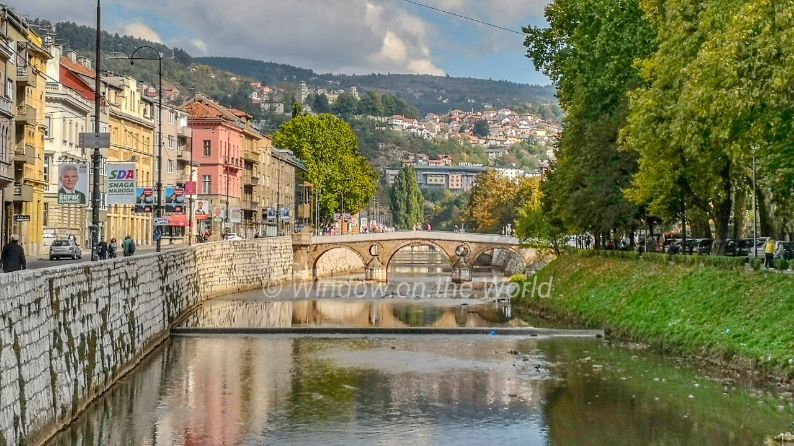
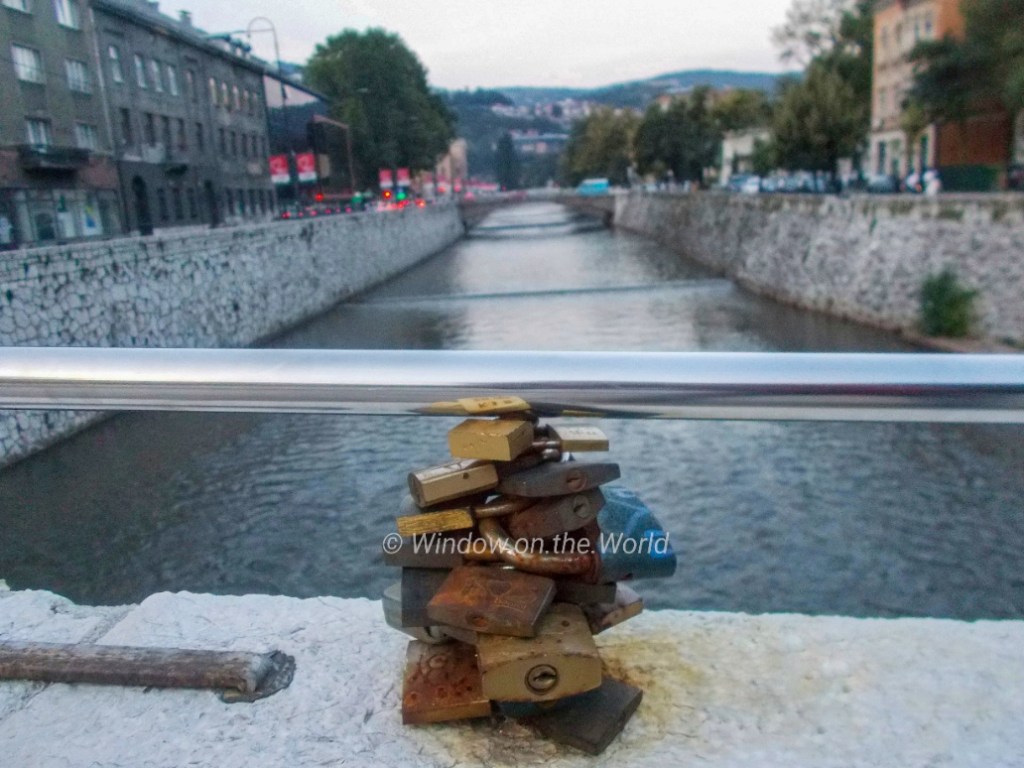
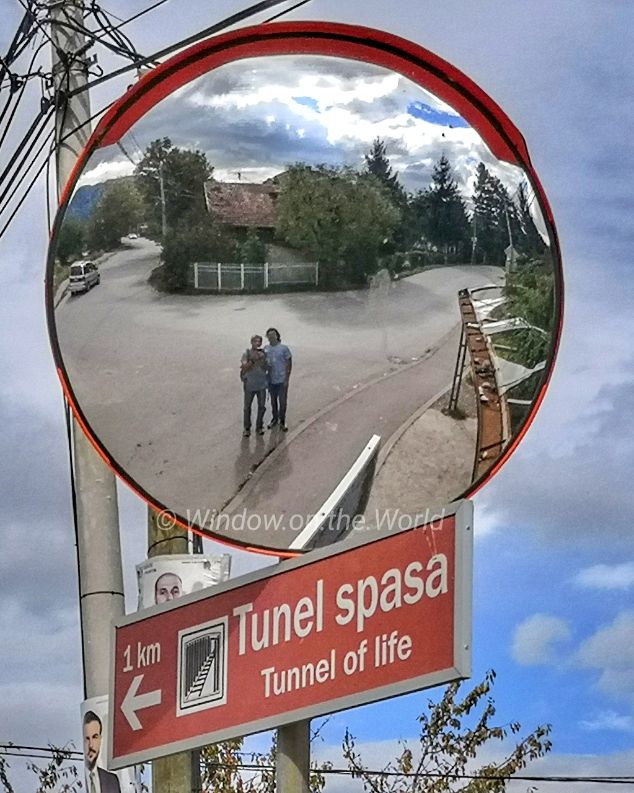
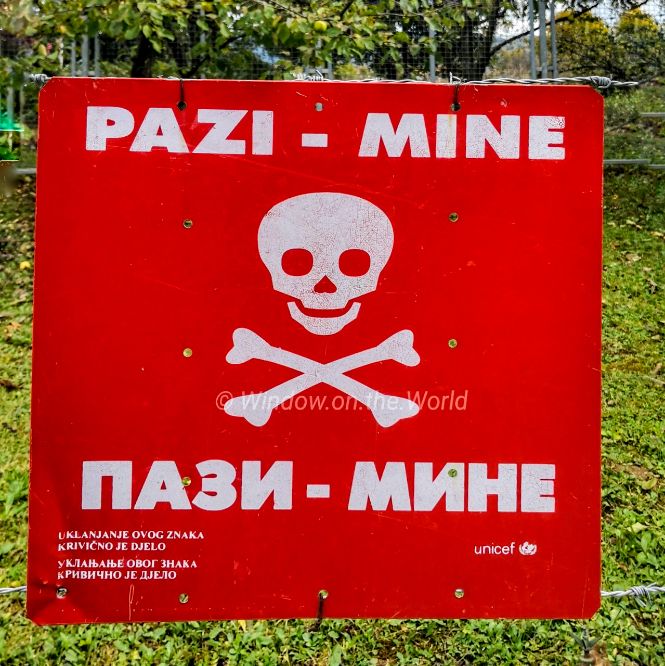
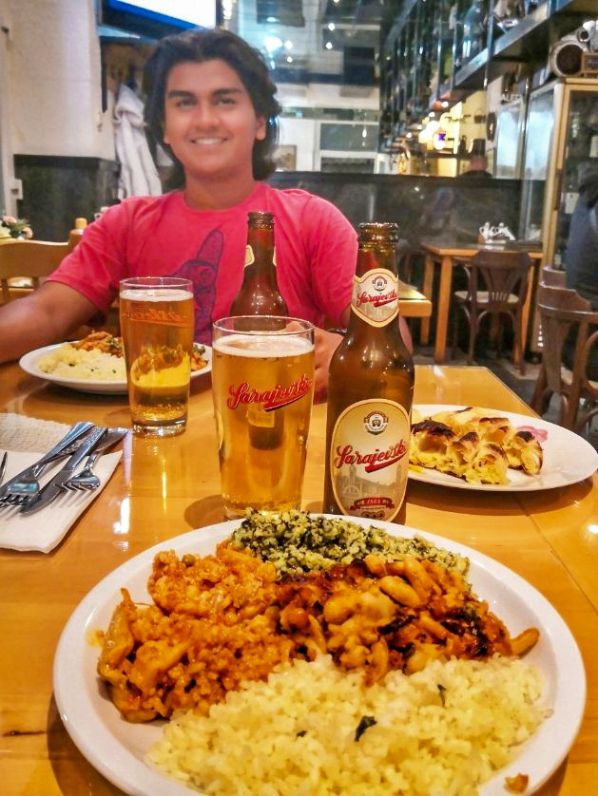
Welcome to Sarajevo! A beautiful Manhole Cover in the old town.Walking around the Old Town (Stari Grad).The Sacred Heart Cathedral, a Catholic church built during 1884-1887; commonly referred as the Sarajevo Cathedral, is the largest cathedral in Bosnia and Herzegovina.The Cathedral Church of the Nativity of the Theotokos, constructed between 1863 and 1868, is the largest Serbian Orthodox church in Sarajevo and one of the largest in the Balkans.A Multicultural Man Builds the World, the monument consists of a naked man pulling the meridians of the earth together. Surrounding him are doves that help to lift the meridians.Ferhadija Pedestrian Street in the city center with a sign representing the city being meeting of cultures. The Street is lined with shops, boutiques, restaurants and cafés, that flows organically from the old part of town into the new.The Sarajevo Clock Tower, located beside Gazi Husrev-beg Mosque. The clock has Arabic numerals and shows lunar time, in which the hands indicate 12 o’clock at the moment of sunset, the time of the Muslim Maghrib prayer. A caretaker sets the clock’s time manually once a week. The tower was constructed in 17th century by Gazi Husrev-beg, a governor of the area during the Ottoman period.The main entrance of Gazi Husrev-beg Mosque. Built in the 16th century, it is the largest historical mosque in Bosnia and Herzegovina and one of the most representative Ottoman structures in the Balkans.Men playing chess in one of the public park of the Old Town (Stari Grad).Old manhole cover in Baščaršija (old Bazar) neighborhood, that dates back to the Ottoman times. It used to be the historical and cultural center of the city, when it was constructed in the 15th century,The Sebilj, a symbol of Sarajevo, is a Ottoman-style wooden fountain (sebil) in the center of Baščaršija square built by Mehmed Pasha Kukavica in 1753. A legend says: “Whoever drinks water from any of Sarajevo’s fountains and spouts will come to Sarajevo”The Sebilj, a symbol of Sarajevo, after dark.Electric tram in front of Baščaršija Mosque, a historic mosque constructed in 1528.A Sarajevo Rose, concrete mortar marks which were filled with red resin as a memorial to those who died there. There are around 200 “roses” in the entire city, marked on locations where at least three persons have been killed during the siege of Sarajevo.The remains of Tašlihan, a stone inn (han) that was erected between 1540 and 1543 by the Ottoman Governor, Gazi Husrev Bey.The Latin Bridge, an Ottoman bridge over the river Miljacka build during 1541. The northern end of the bridge was the site of the assassination of Archduke Franz Ferdinand of Austria in 1914, which became casus belli of World War I.Love Locks on the Latin Bridge. the Emperor’s Bridge is in the background.The Sarajevo Tunnel, also known as Tunel spasa and Tunnel of Life, was constructed between March and June 1993 during the Siege of Sarajevo in the midst of the Bosnian War. It was built by the Bosnian Army in order to link the city of Sarajevo, which was entirely cut off by Serbian forces, with Bosnian-held territory on the other side of the Sarajevo Airport, an area controlled by the United Nations. Allowing food, war supplies, and humanitarian aid to come into the city, and allowing people to get out. The tunnel became a major way of bypassing the international arms embargo and providing the city defenders with weaponry.The old sign is still hamgs near the Tunnel Spasa.Indian vegetarian cuisine with Sarajevski beer from Sarajevska pivara, a Sarajevo brewing company founded in 1864.
After couple of days in Sarajevo, we continue our backpacking through the Balkans journey by taking a train to Banja Luka, the capital and the largest city of the Republika Srpska, Serbs controlled entity of Bosnia and Herzegovina.
In May 2017, 23 days before I was going to complete 50 years, grabbed an opportunity and took an early retirement.. Picked up a backpack and traveling ever since.. Love to travel around the world, experience different culture, local cuisine & drinks .. and take pictures.. so far been to 108 countries and still counting...


 Window on the World