After spending few days in Dubrovnik, Croatia, the most beautiful walled city, we continued our backpacking through the Balkans journey by taking a bus to arrive in Mostar, Bosnia and Herzegovina.
Mostar is the largest city in Herzegovina and the administrative center of Herzegovina-Neretva Canton of the Federation of Bosnia and Herzegovina, an entity of Bosnia and Herzegovina.
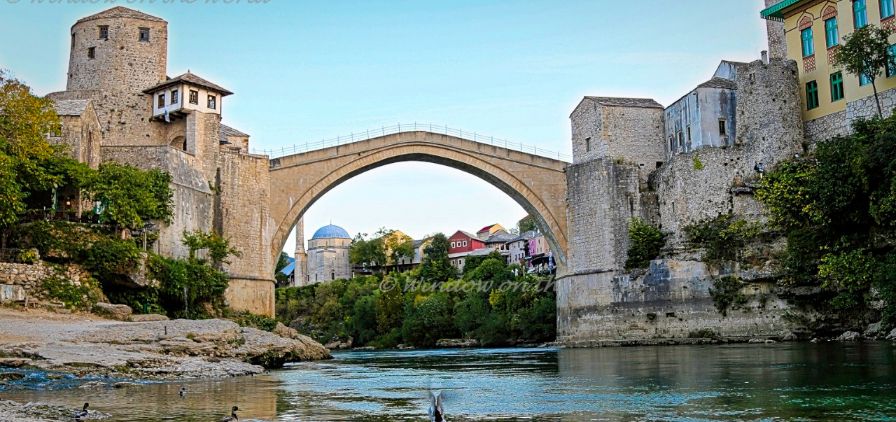
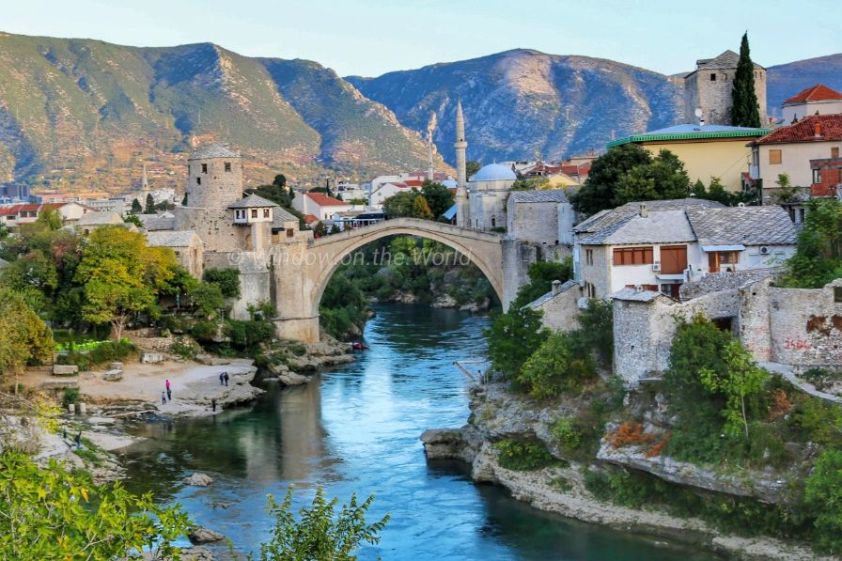
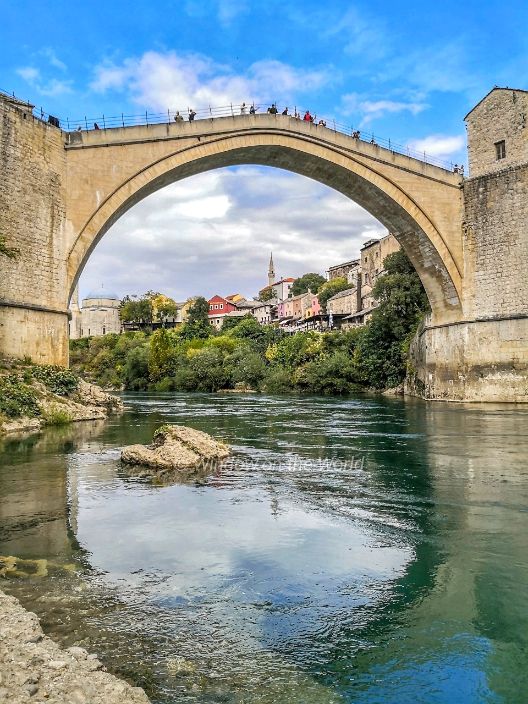
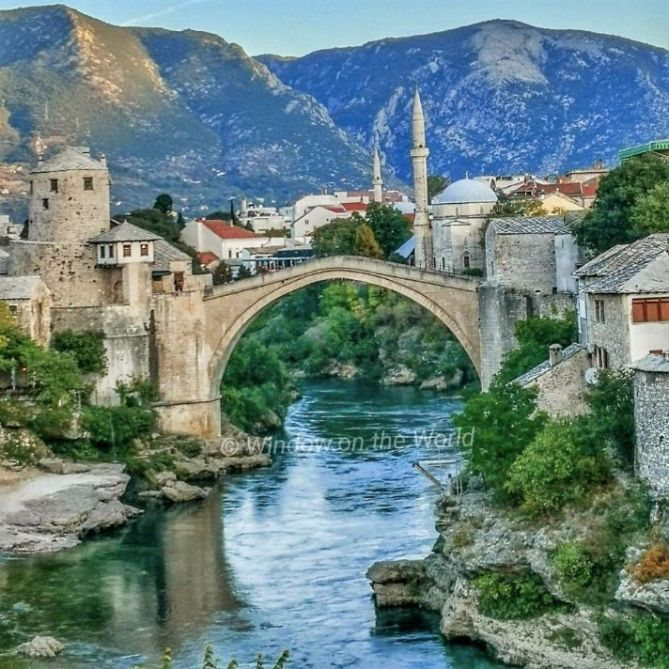
Mostar, situated on the Neretva River, is named after the bridge keepers (mostari) who in the medieval times guarded the Stari Most (Old Bridge) over the Neretva. The Old Bridge, built by the Ottomans in the 16th century, is one of Bosnia and Herzegovina’s most visited landmarks, and is considered an exemplary piece of Islamic architecture in the Balkans. In July 2005, UNESCO inscribed the Old Bridge and its closest vicinity onto the World Heritage List.
Mostar used to be one of the most ethnically diverse cities in the country, and today it suffers geographical division of ethnic groups. The city was the most heavily bombed of any Bosnian city during the war (1992 – 95) in Bosnia and Herzegovina following the breakup of Yugoslavia. At the beginning of the war, air strikes destroyed many important buildings and structures, including the Old Bridge (Stari Most), a symbol of Mostar.
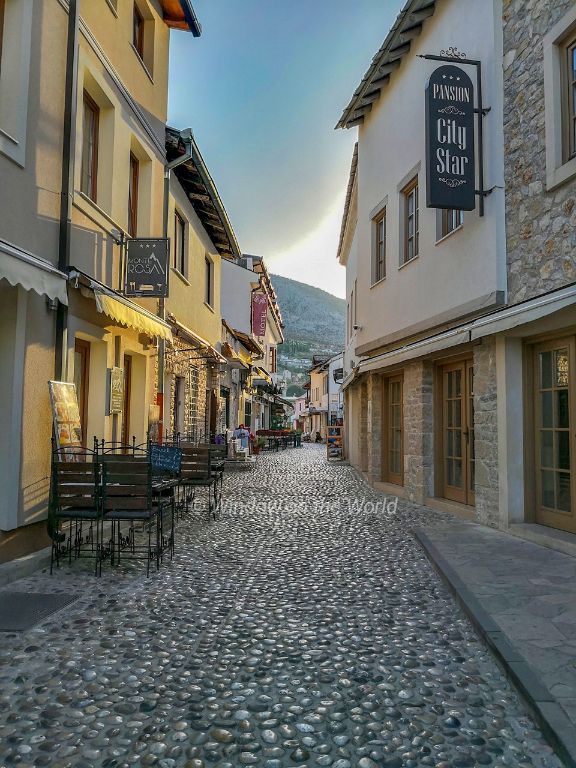
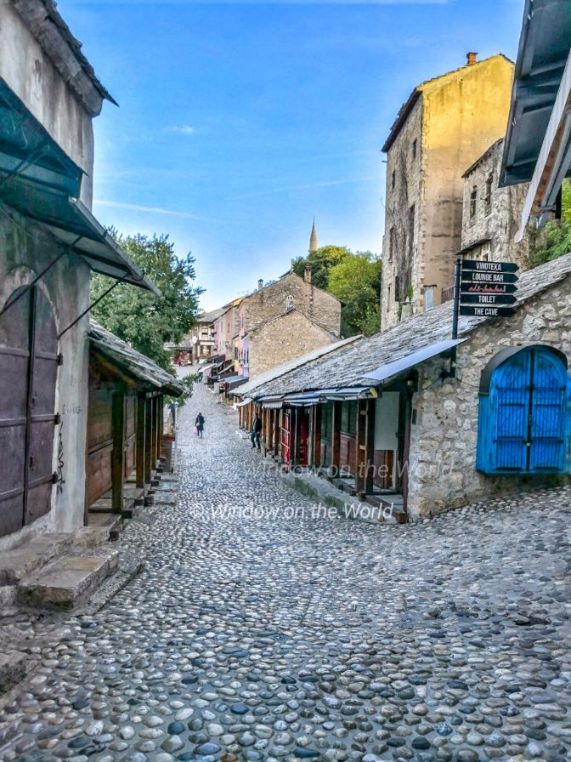
Pictures below are from our couple of days walking around the old town of Mostar.
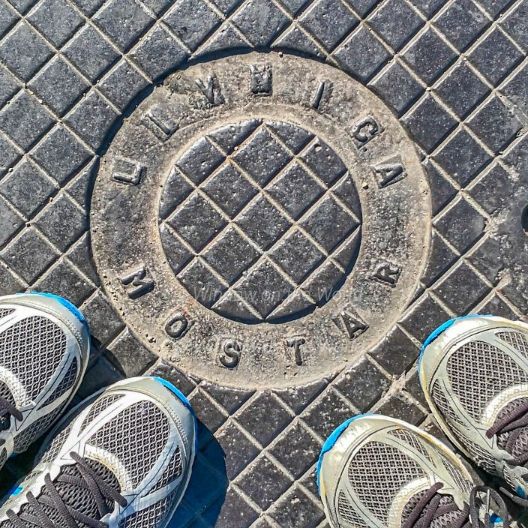
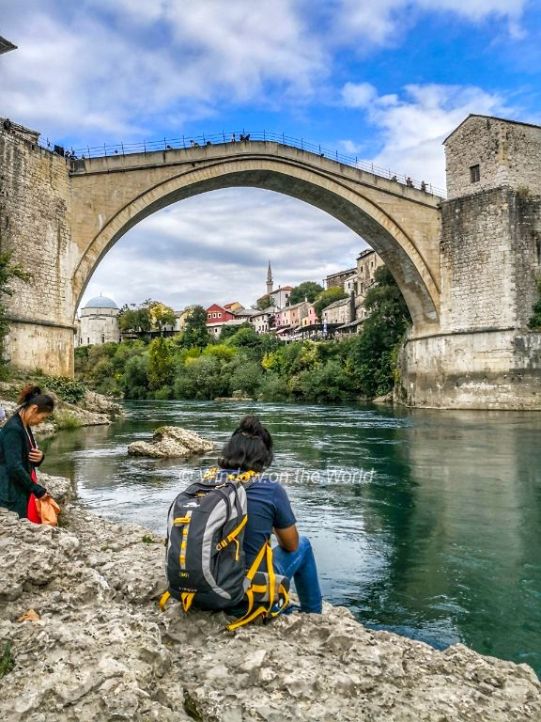
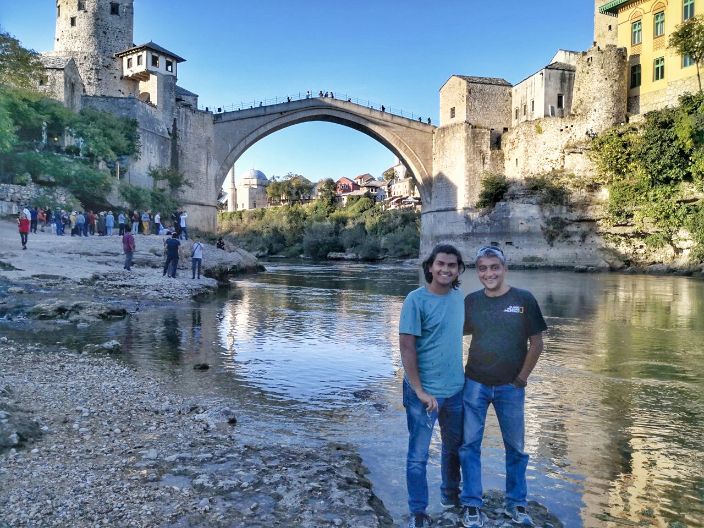
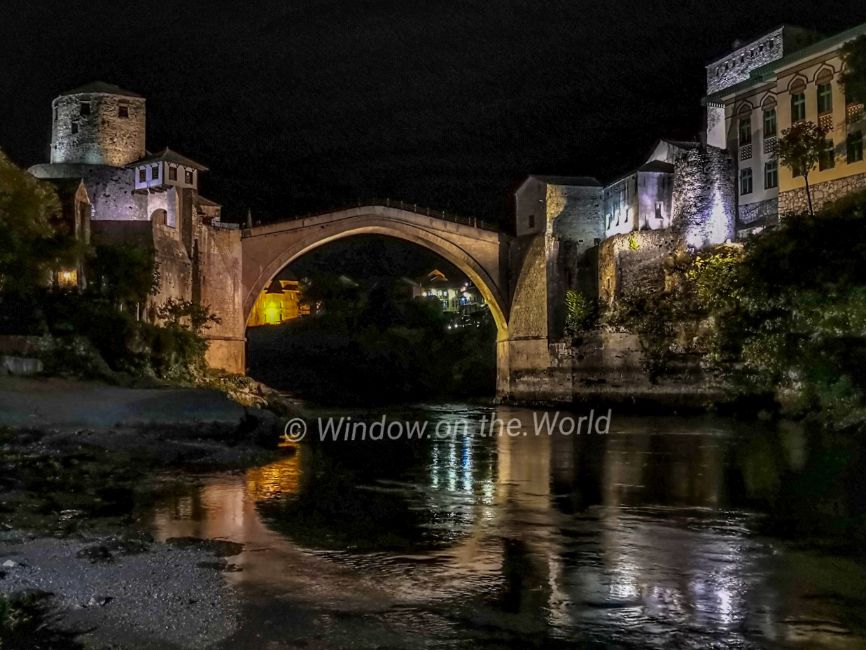
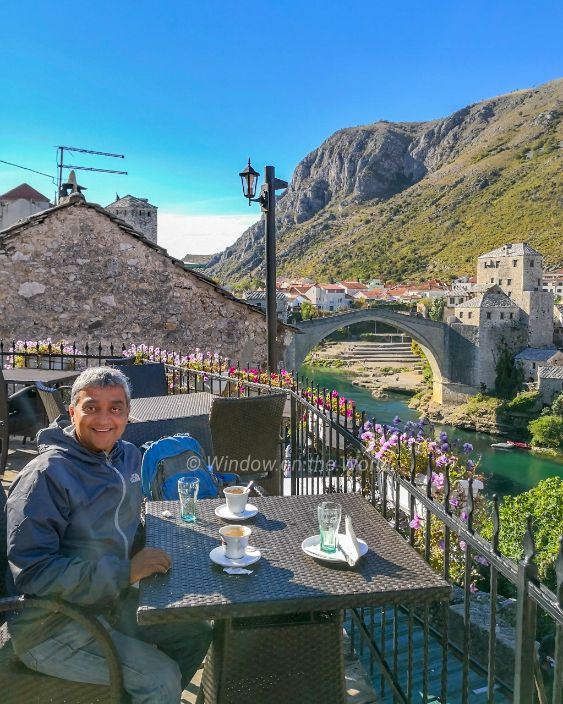
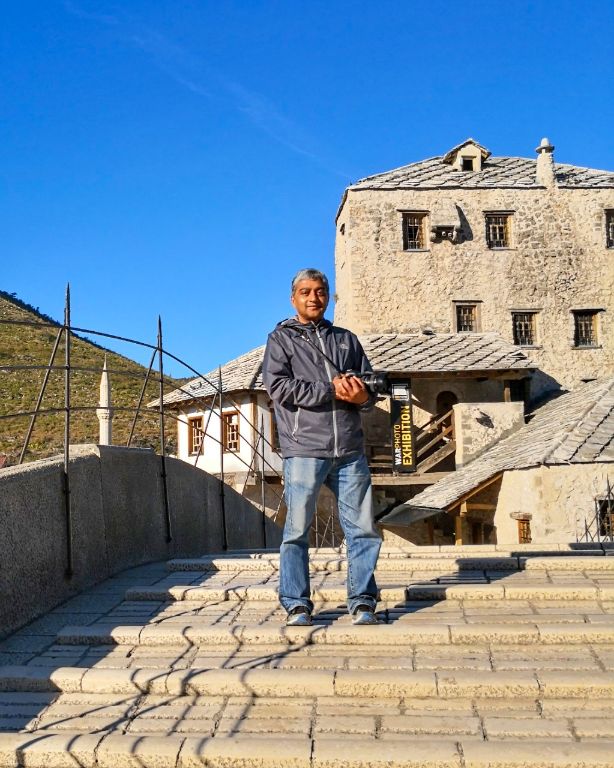
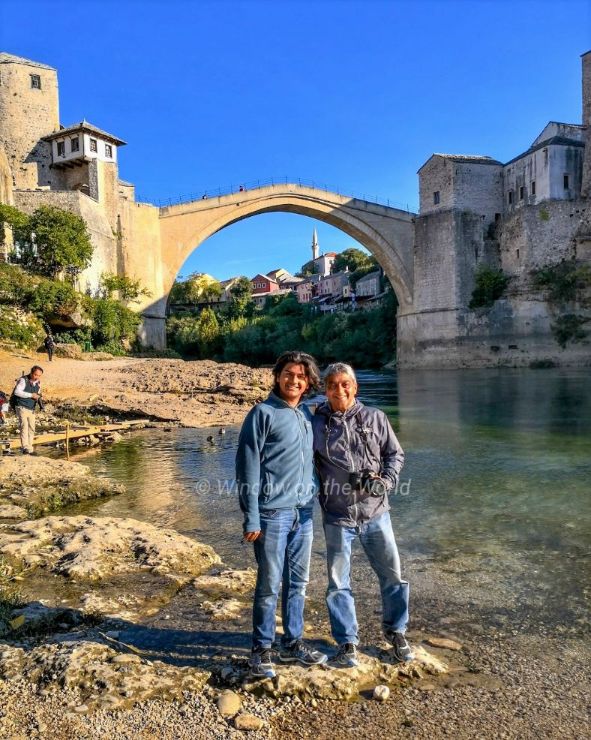
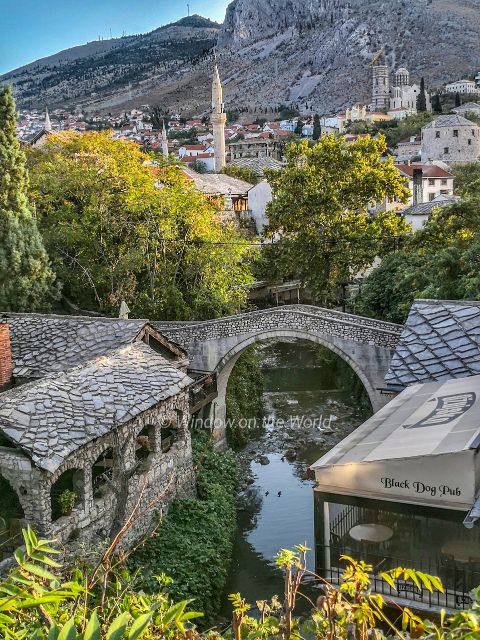
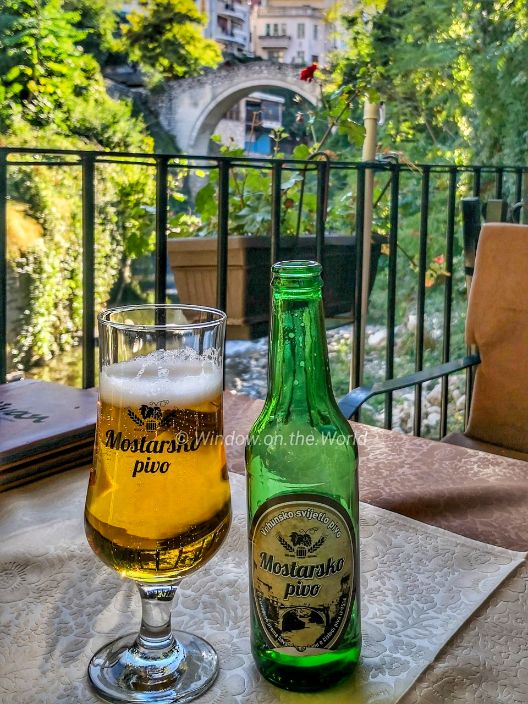
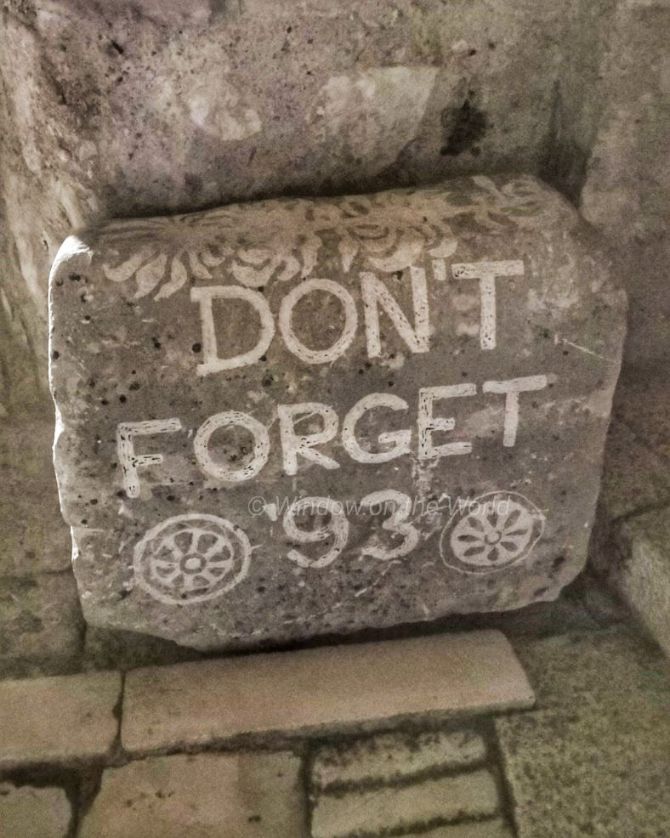
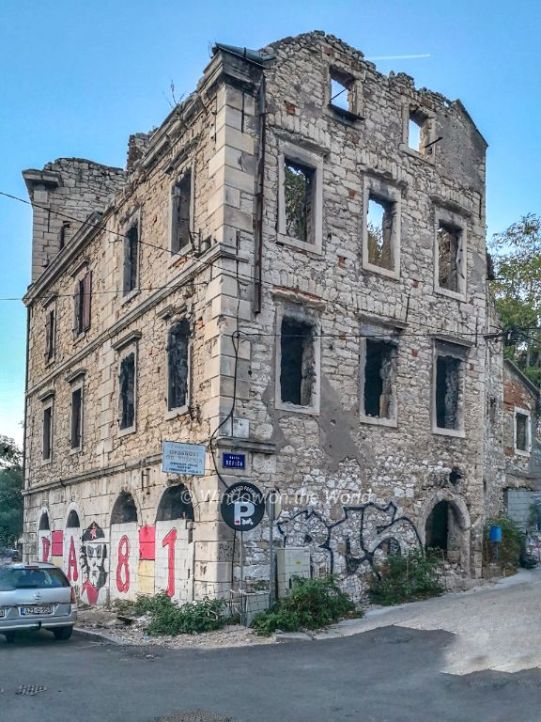
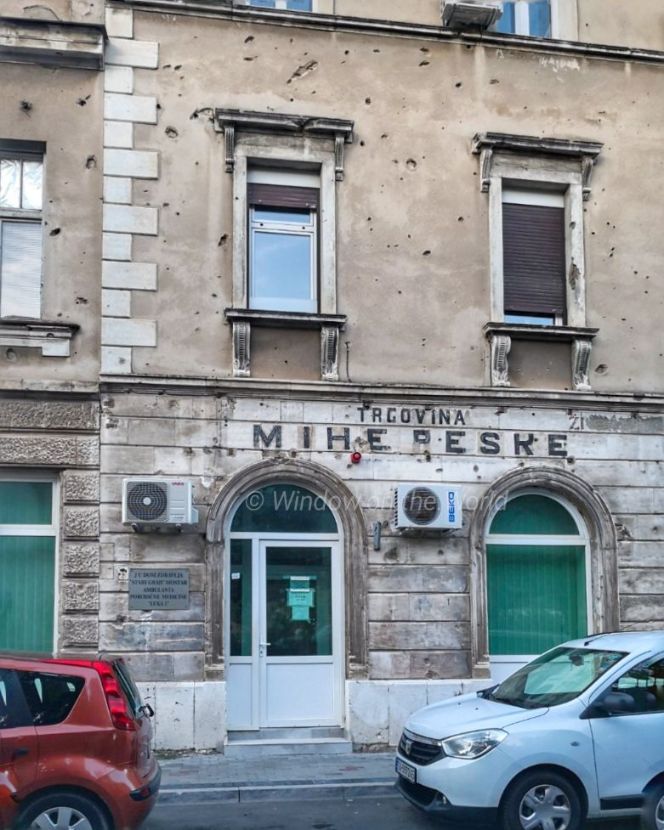
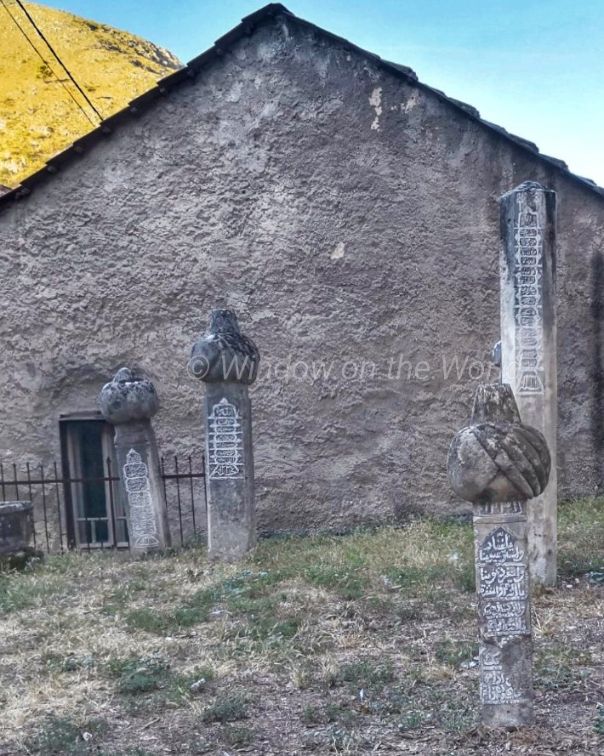
Welcome to Mostar! A very simple but beautiful Manhole Cover.Stari Most – The Old Bridge. Originally built by the Ottomans under the commission of Suleiman the Magnificent in 1566; this bridge links the two parts of the old town together. The bridge stood for 427 years until it was destroyed by Croat forces in the Croat-Bosniak War in Nov’1993. The bridge was rebuilt, opening in Jul’2004. The bridge is the highlight of Mostar and is a UNESCO World Heritage Site.The Stari Most (Old Bridge) and old city, a view from Lucki Most, another newer bridge that crosses the Neretva River. For well over 400 years, the Bridge had connected the Catholic Croats in the west bank with the Bosniak Muslims in the east bank.The Stari Most, a magnificent view from “the Beach”.Another view of the Stari Most and old city from Lucki Most.Raul relaxing near the Stari Most.The Stari Most after Dark.Ancient Ottoman era town of Mostar, an early morning view before bus load of tourists arrive.Ancient Ottoman era town of Mostar, an early morning view before bus load of tourists arrive.Coffee with a magnificent view of Stari MostOn the Stari Most.Early Morning view of Stari Most, with less tourists, mostly photographers.The oldest single arch stone bridge in Mostar, the Kriva Cuprija (Sloping Bridge), built in 1558 by the Ottoman architect. It is said that this was to be a test before the major construction of the Stari Most began.Mostarsko Pivo, a local Pilsner beer by Hercegovačka Pivovara, a local brewery. The Stari Most was destroyed on 9 November 1993 by Croat paramilitary forces during the Croat–Bosniak War.The damaged building from the Croat–Bosniak War (1992-96).Mortar shell holes, from the Croat–Bosniak War (1992-96), visible on some of the Old Town facades.Muslim Graves and Tomb Stones in a cemetery in Mostar.
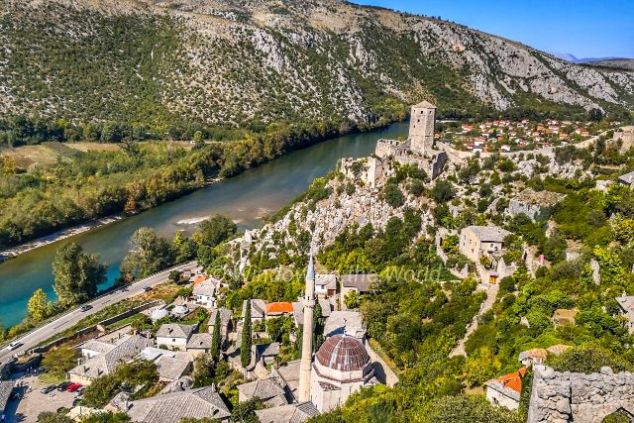
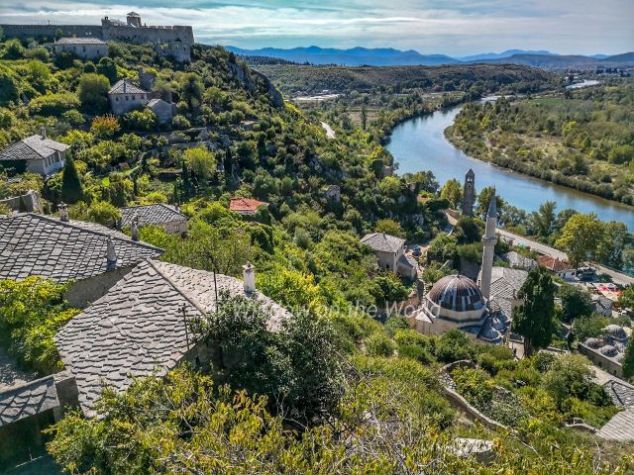
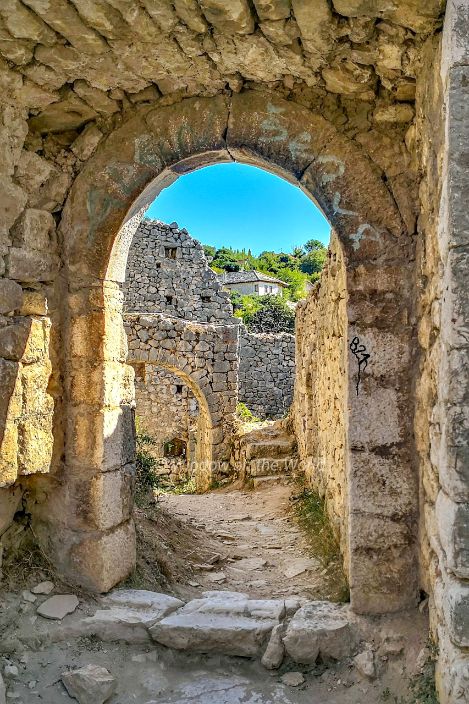
We made Mostar our base and traveled to Počitelj, a historic village and an open-air museum situated on the left bank of the river Neretva, about 30 kilometers (19 mi) south of Mostar.
The village is built in a natural karst amphitheater along the Neretva river during the Middle Ages. It is likely that fortified town along with its complementary settlements was built by Bosnian king Tvrtko I sometime in 1383.
The walled town of Počitelj evolved over the period from the sixteenth to the eighteenth centuries. Architecturally, the surviving stone-built parts of the town are a fortified complex, in which two stages of evolution may be observed: medieval, and Ottoman.
During the 1992-96 war in BiH the entire historic urban site of Počitelj and all its various buildings suffered extensive war damage.
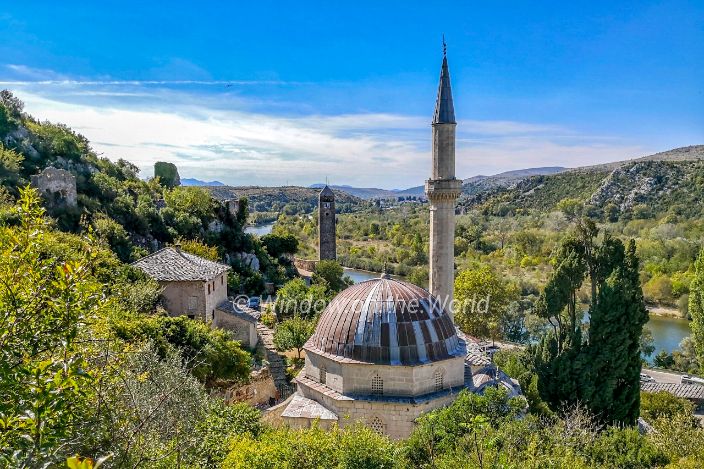
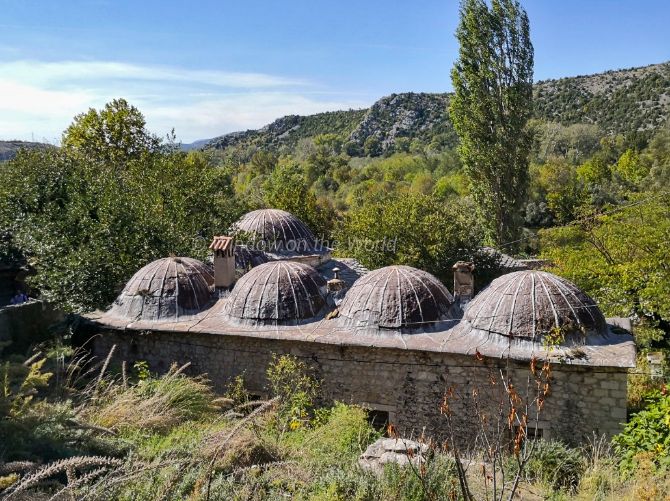
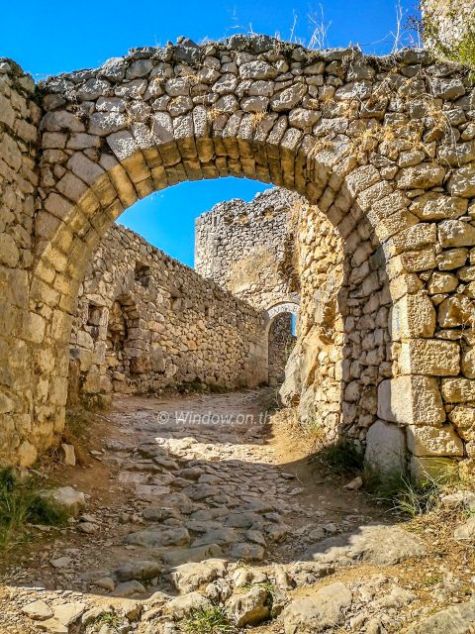
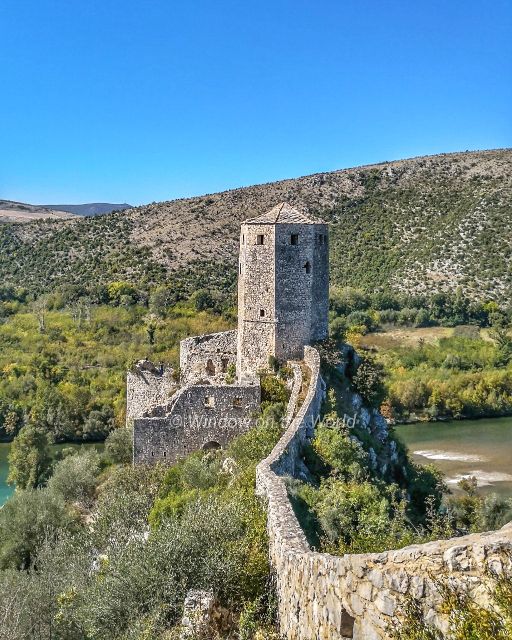
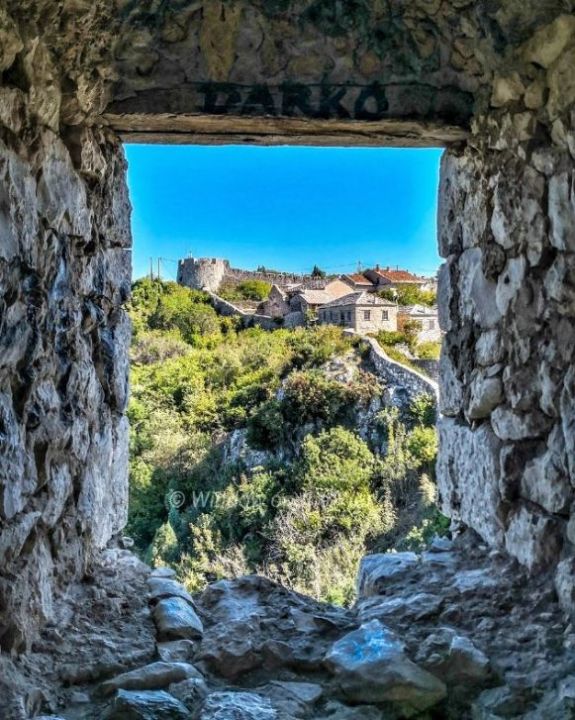
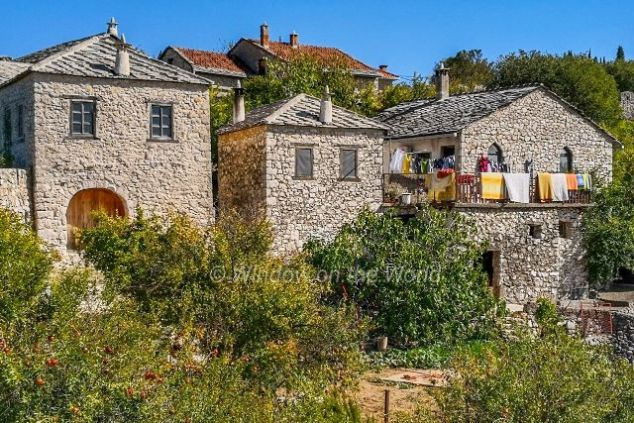
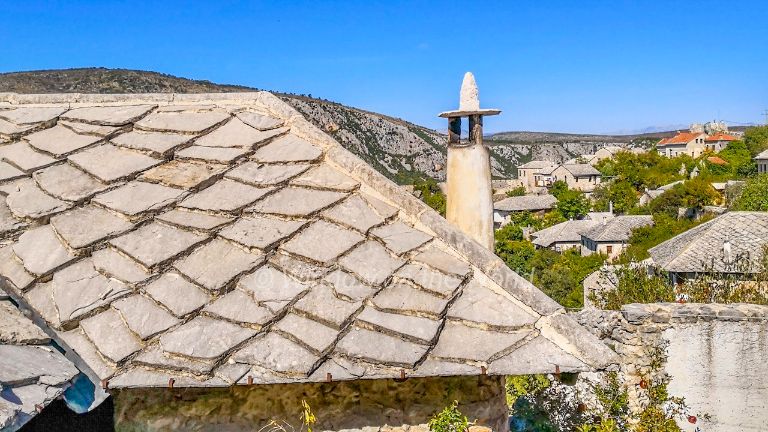
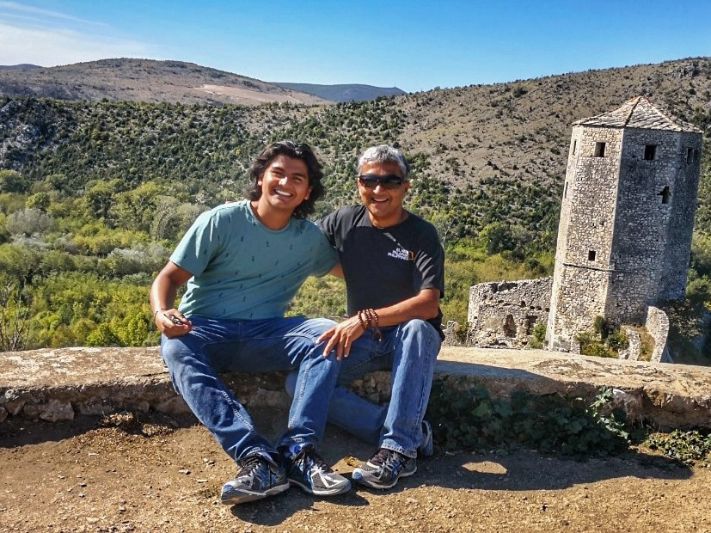
Mosque of Sisman Ibrahim Pasa or Hadži Alija’s mosques, built during 1562-63 AD, one of the finest achievements of the classical Ottoman style of single-room domed mosques. The mosque was blown up in 1993; as a part of Program of the permanent protection of Počitelj the mosque was rehabilitated and now it is returned to its original function.Hamam (the baths) – built prior to 1664, by craftsmen sent from Istanbul.Historic village of Počitelj on the left bank of the river Neretva. A view from the Citadel.Historic village of Počitelj on the left bank of the river Neretva. A view from the Citadel.Ruins of Citadel PočiteljRuins of Citadel PočiteljFortress Wall and Počitelj TowerA view of fortress and watch tower from the citadel.Traditional Pocitelj Stone houses with flagstone roof and unique chimney. Flagstone roof and Chimney in the town of Pocitelj,
After couple of days in Mostar, we continue our backpacking through the Balkans journey by taking a very scenic train from Mostar to Sarajevo, the capital and the largest city of Bosnia and Herzegovina.
In May 2017, 23 days before I was going to complete 50 years, grabbed an opportunity and took an early retirement.. Picked up a backpack and traveling ever since.. Love to travel around the world, experience different culture, local cuisine & drinks .. and take pictures.. so far been to 108 countries and still counting...



 Window on the World