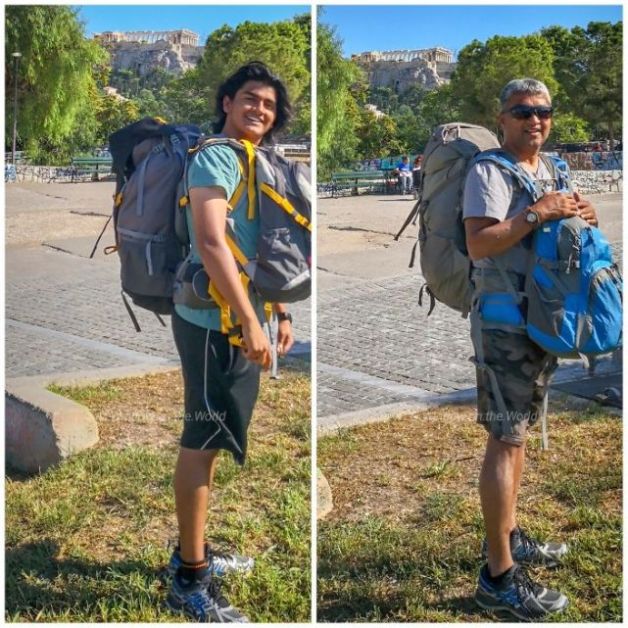
I visited Athens with my younger Son during our backpacking journey through the Balkans. After few days of exploring historical city center and UNESCO World Heritage Sites of Thessaloniki, we took a fast intercity train to Athens.
Athens is the capital and largest city of Greece and is one of the world’s oldest cities, with its recorded history spanning over 3,400 years, and its earliest human presence started somewhere between the 11th and 7th millennium BC. Athens is widely referred to as the cradle of Western civilization and the birthplace of democracy, largely because of its cultural and political impact on the European continent, and in particular the Romans.
The heritage of the classical era is still evident in the city, represented by ancient Roman and Byzantine monuments, as well as a smaller number of Ottoman monuments. The city is home to the Acropolis of Athens, a UNESCO World Heritage Site.
Today, the greater Athens is the economic, financial, industrial, maritime, political and cultural center of modern Greece, with nearly half of the country’s population.
Photos below are from our few days of walking around the historical center of Athens.
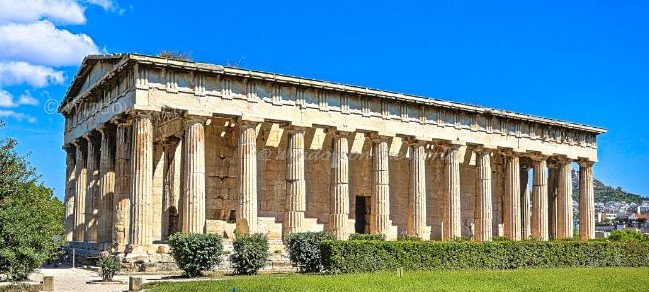
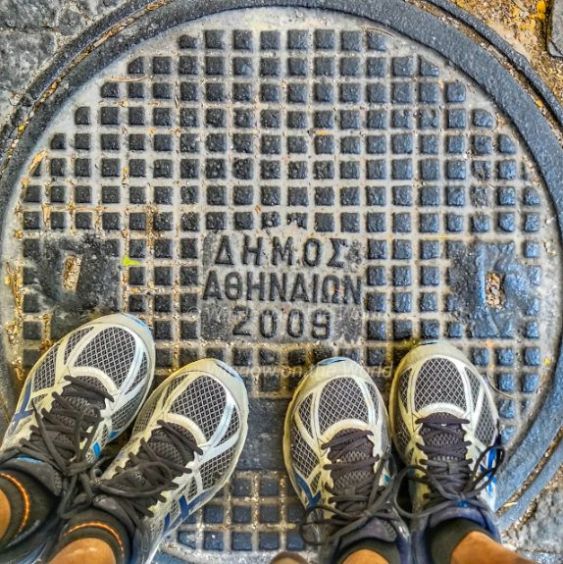
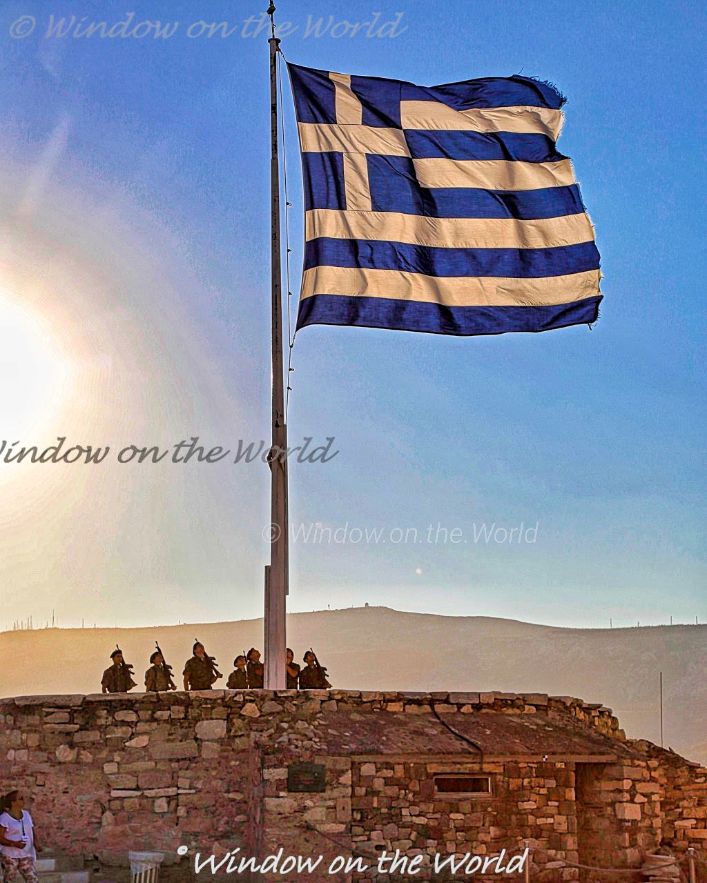
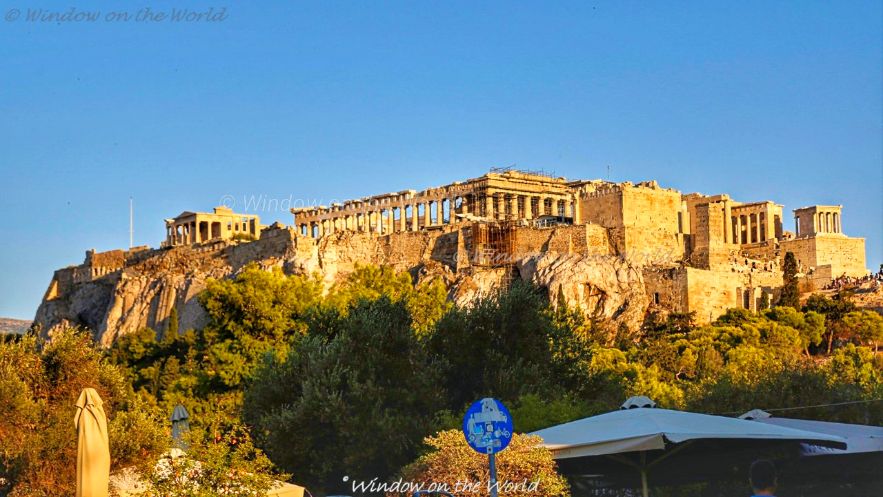
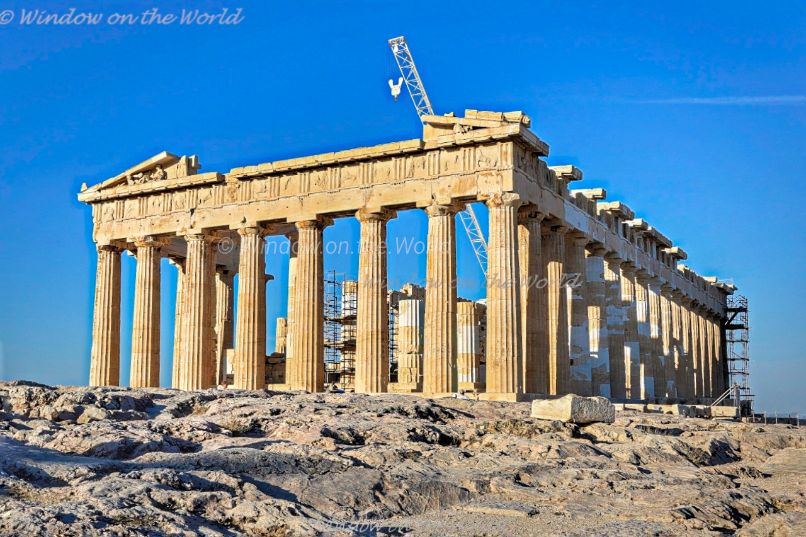
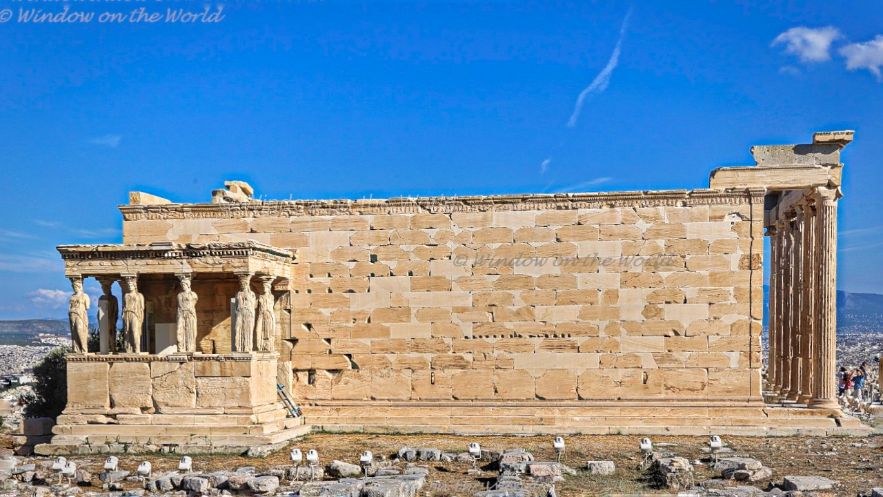
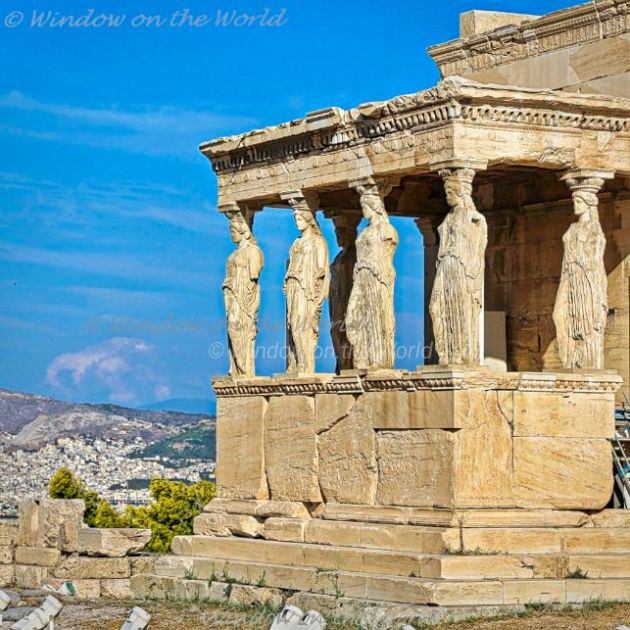
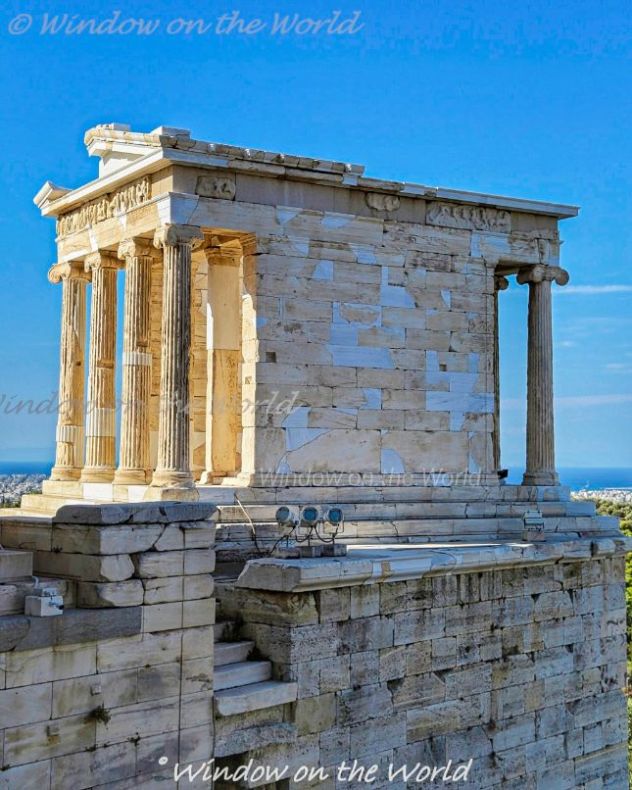
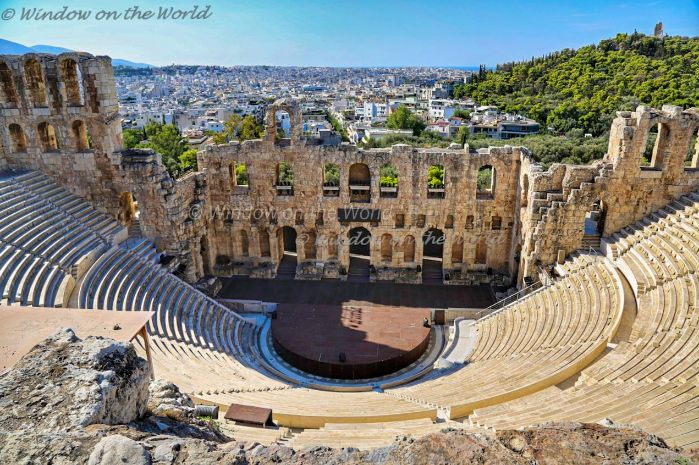
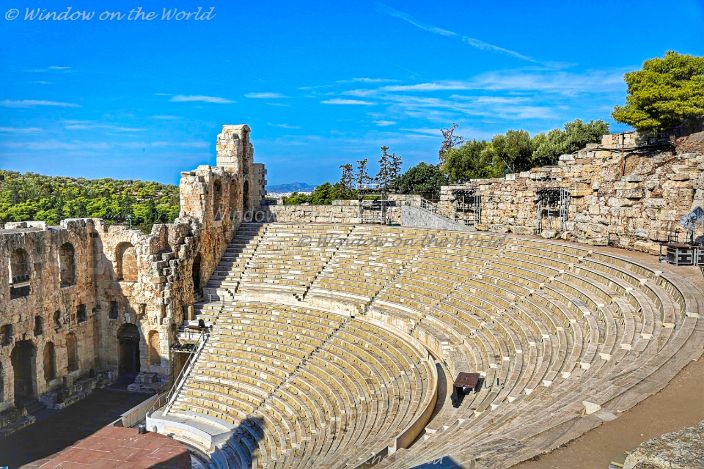
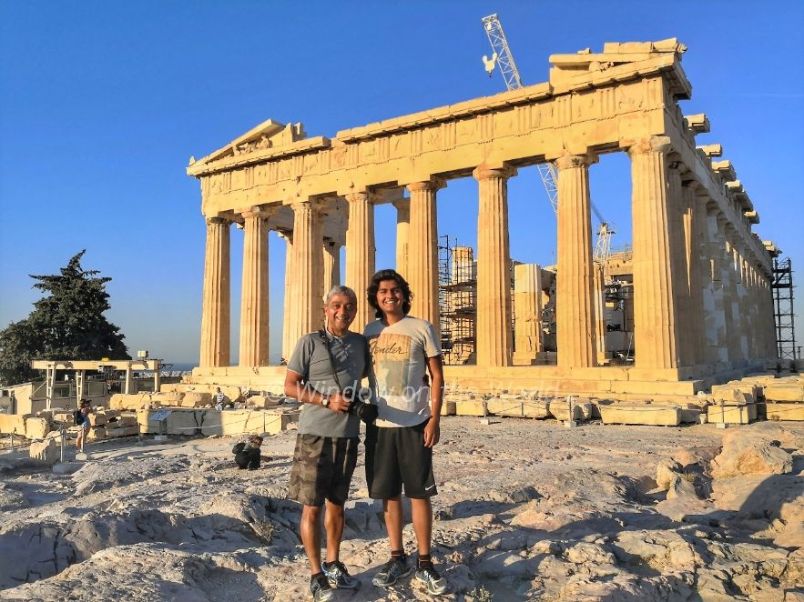
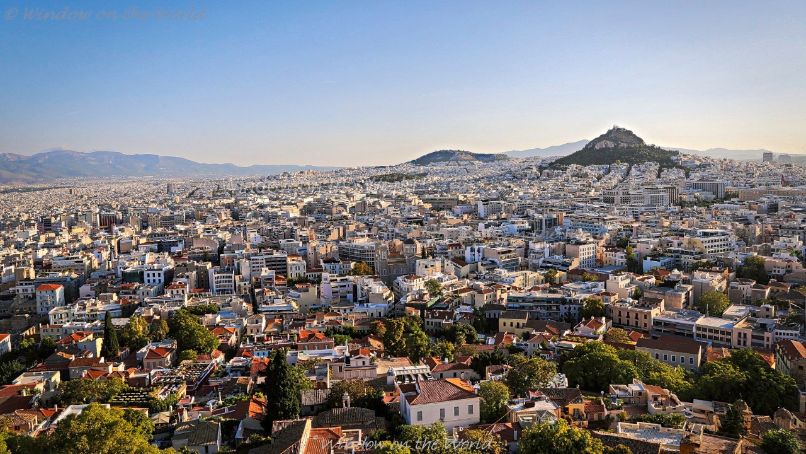
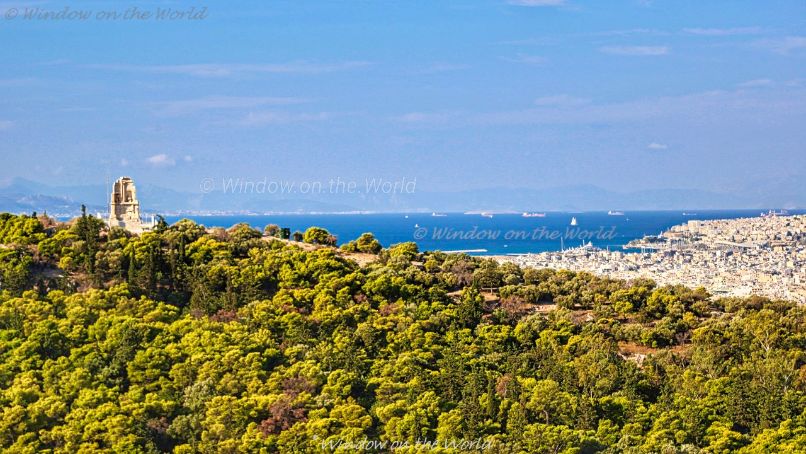
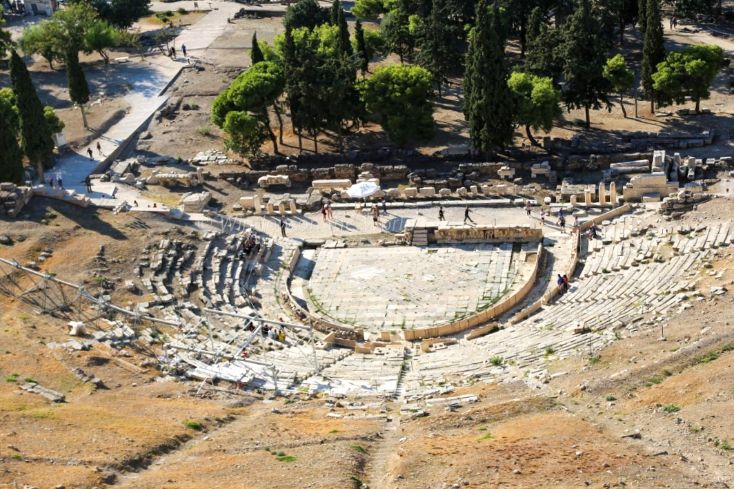
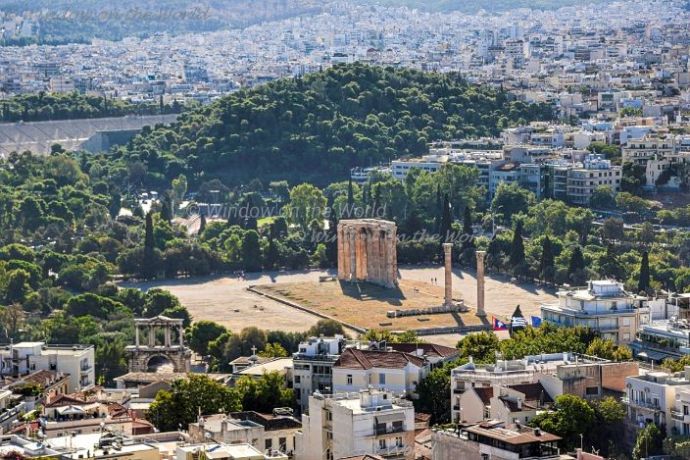
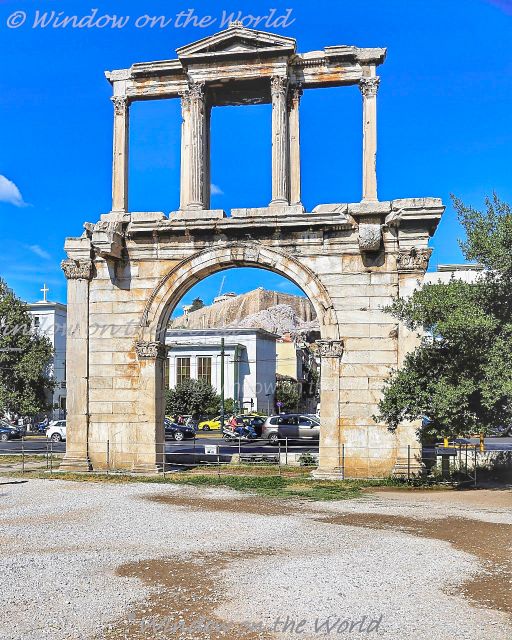
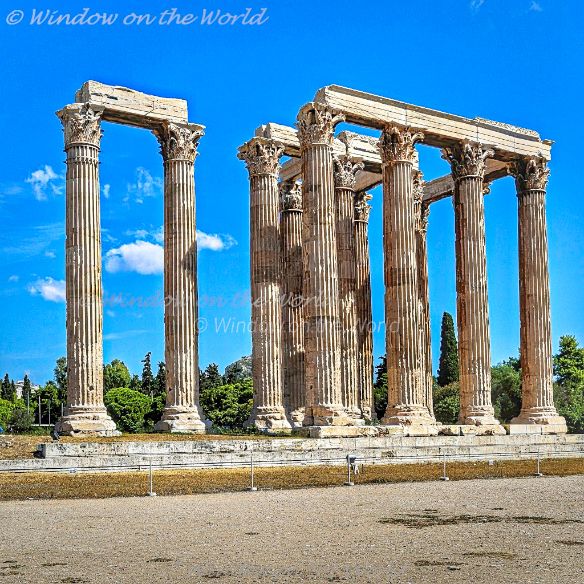
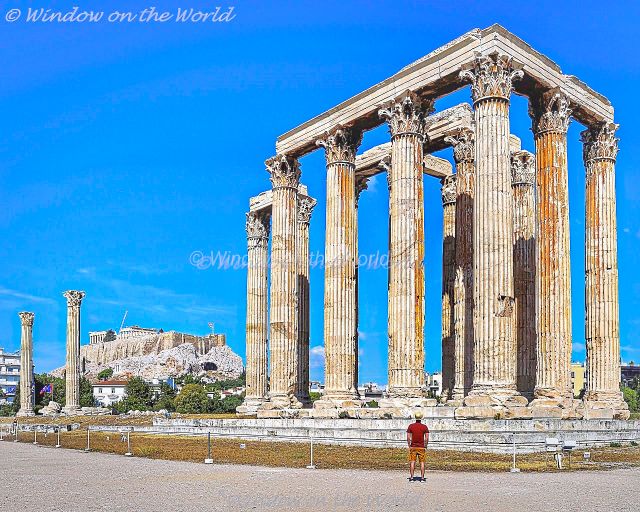
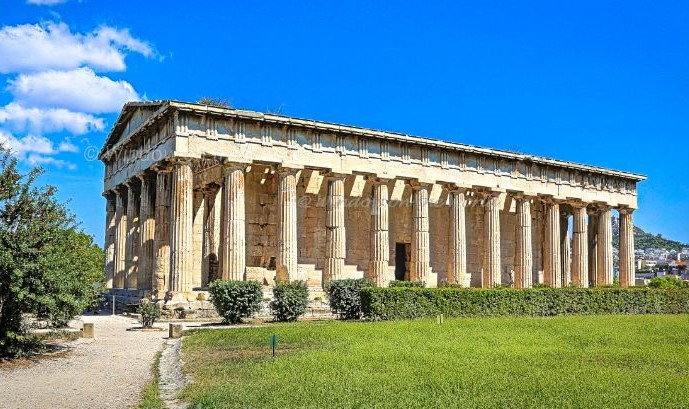
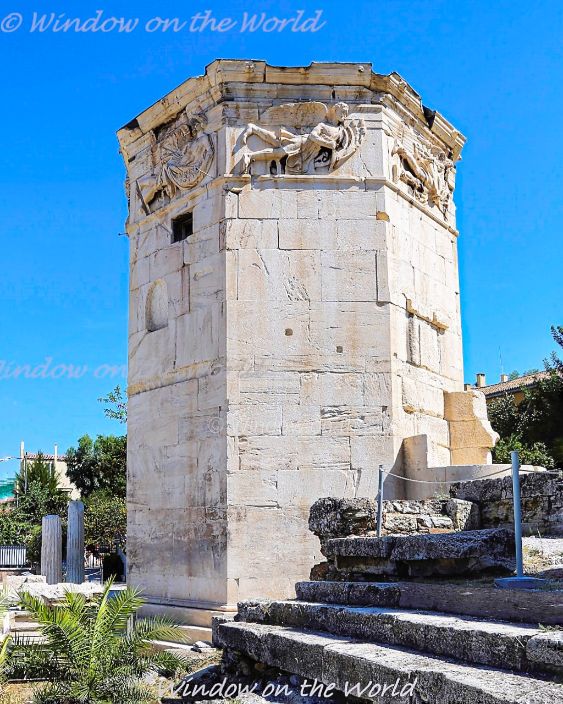
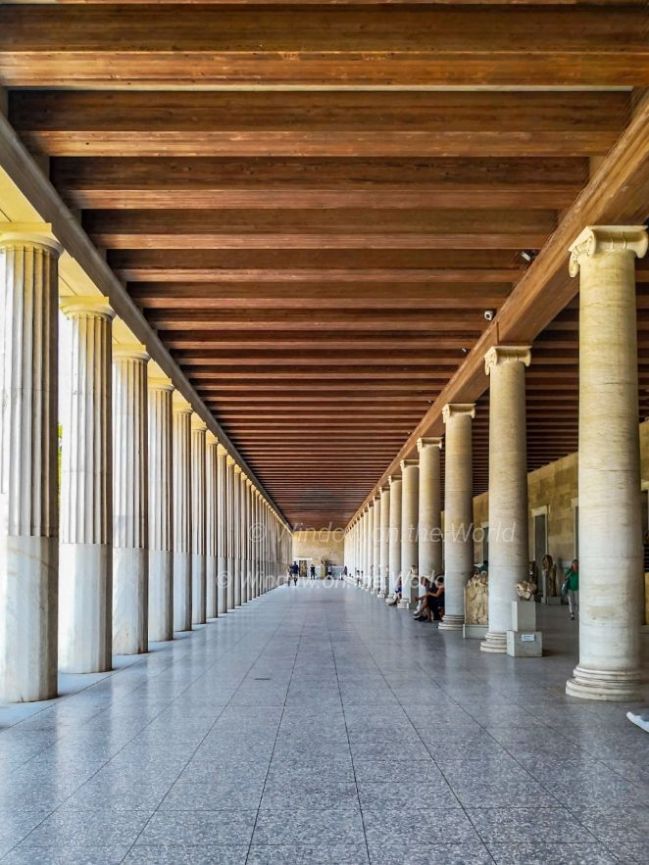
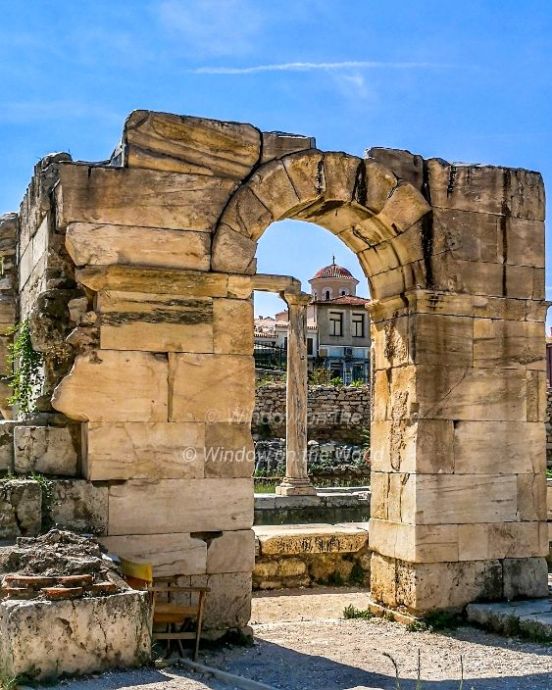
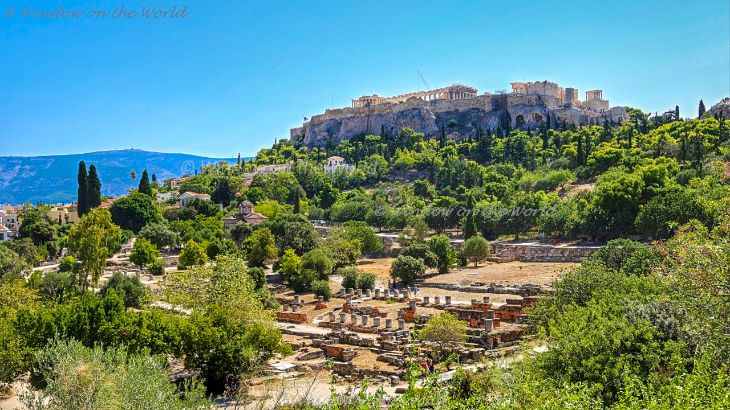
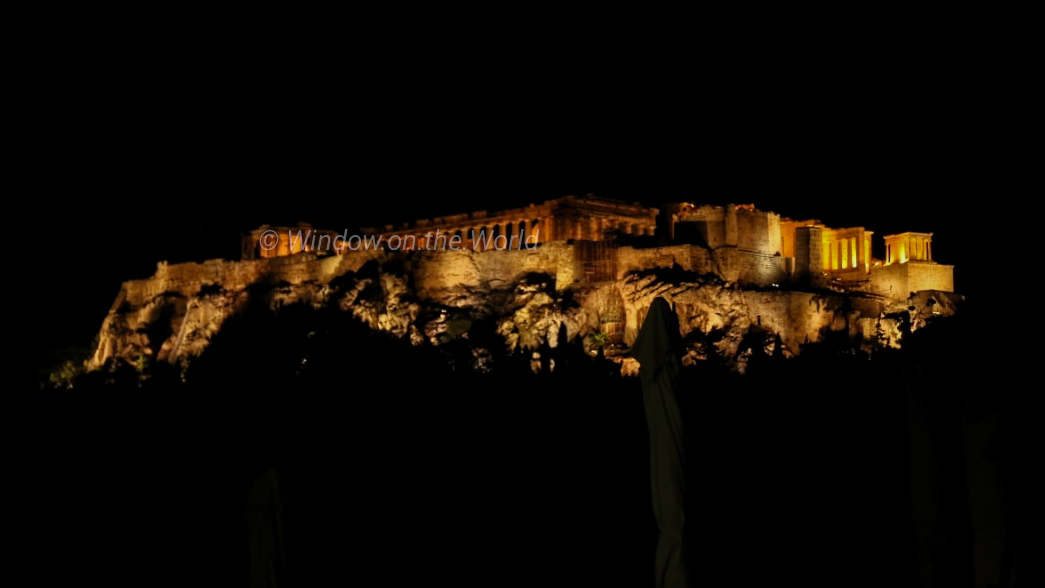
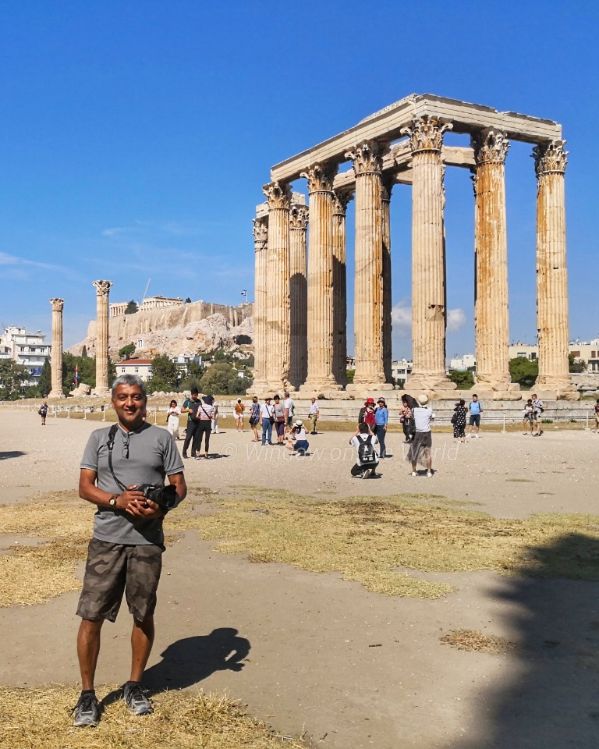
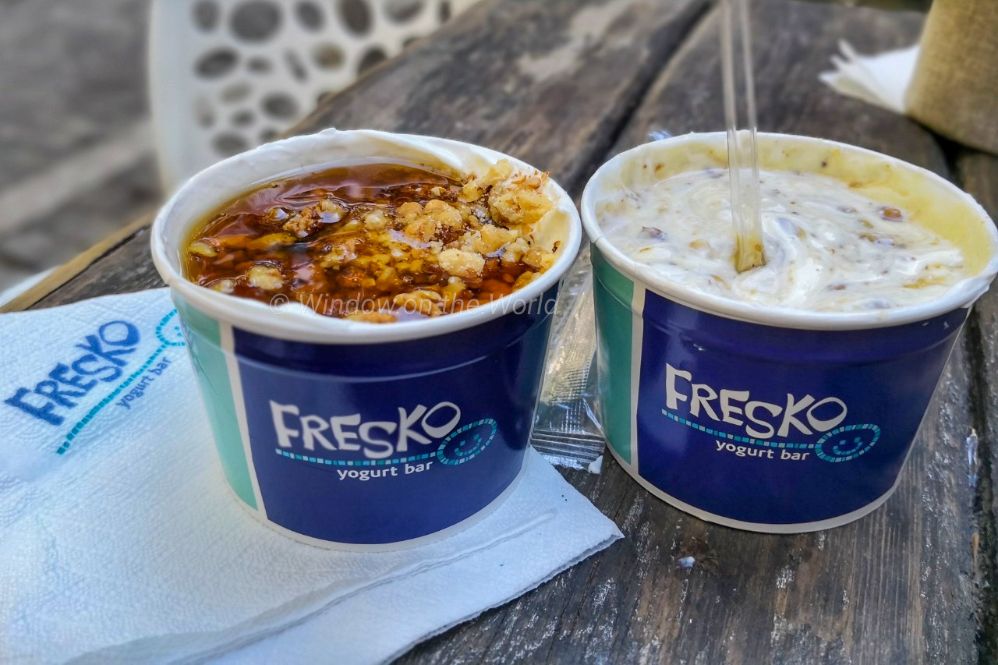
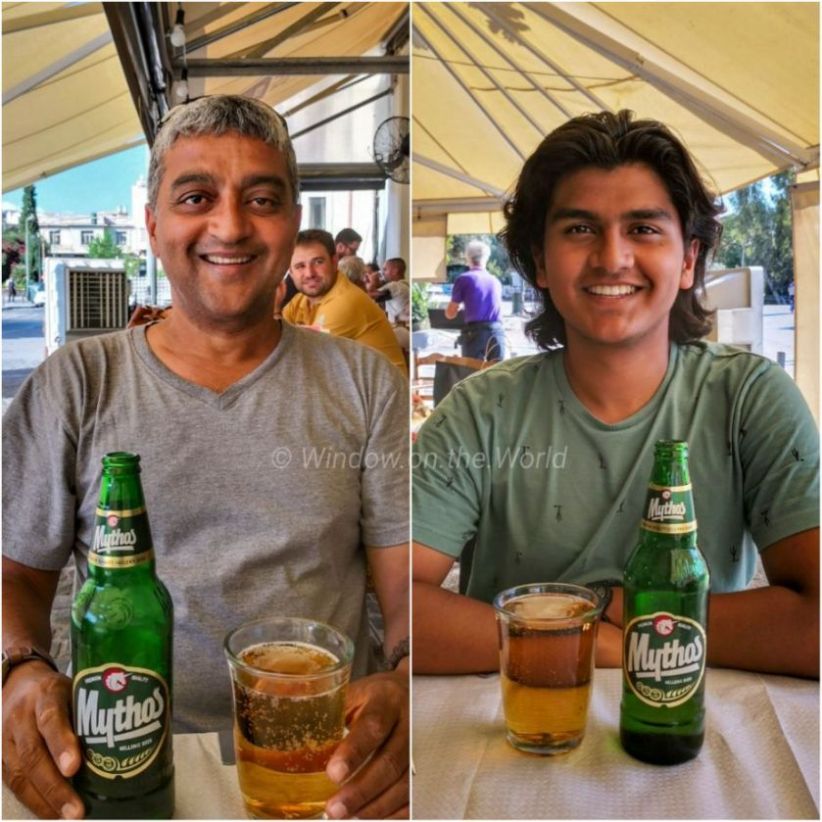
Welcome to Athens, a beautiful Manhole Cover.Welcome to Athens! The Acropolis in the background.Early Morning Flag Raising Ceremony, a traditional military ceremony at the Acropolis.The Acropolis – the ancient “high city” of Athens, crowned by marble temples sacred to the city’s goddess Athena. A UNESCO World Heritage Site.The Parthenon, built in 438 BC, a former temple on the Athenian Acropolis, dedicated to the goddess Athena, whom the people of Athens considered their patron. During Roman rules, during 6th century AD, the Parthenon was converted into a Christian church, after the Ottoman conquest, during 15th century, it was turned into a mosque. The Parthenon is regarded as an enduring symbol of Ancient Greece, Athenian democracy and Western civilization, and one of the world’s greatest cultural monuments. It is the most important surviving building of Classical Greece.The Erechtheion or Erechtheum, an ancient Greek temple, built between 421 and 406 BC, on the Acropolis of Athens which was dedicated to both Athena and Poseidon.The famous “Porch of the Maidens”, with six draped female figures (caryatids) as supporting columns of the Erechtheion, an ancient Greek temple, built between 421 and 406 BC, on the Acropolis of Athens. All six figures are replicas; one of those original six figures, removed by Lord Elgin in the early 19th century, is now in the British Museum in London, the Acropolis Museum holds the other five figures. The Temple of Athena Nike, a temple on the Acropolis of Athens, dedicated to the goddess Athena Nike. Built around 420 BC, the temple is the earliest fully Ionic temple on the Acropolis.The Odeon of Herodes Atticus (also called Herodeion), a stone Roman theater, built in 161 AD, located on the southwest slope of the Acropolis of Athens. The theater was restored in the 1950s, since then it has been the main venue of the Athens Festival each year.Another view of the Odeon of Herodes Atticus, a stone Roman theater, built in 161 AD.We bought tickets a day before and were first in a line next morning to enter the Acropolis. We had entire place for few of us for may be 15 minutes, before thousands of tourists arrived.A view of Mount Lycabettus from Acropolis. At 300 meters (908 feet) above sea level, its summit is the highest point in Athens.The Mediterranean Sea and The Philopappos Monument, an ancient Greek mausoleum and monument dedicated to Philopappus, located on Mouseion Hill. It was from this hill that the Venetians launched the shell that destroyed the Parthenon roof in 1687.The Theater of Dionysus, an ancient theater on the south slope of the Acropolis, built as part of the sanctuary of Dionysus the Liberator. The first orchestra terrace was constructed on the site around the sixth century BC, the theater reached its fullest extent in the fourth century BC when it would have had a capacity of up to 17,000.Temple of Olympic Zeus, a view from Acropolis.The Arch of Hadrian, or Hadrian’s Gate, is a monumental gateway spanning an ancient road from the center of Athens to the complex of structures that included the Temple of Olympian Zeus. The arch was built in 132 AD to celebrate arrival of the Roman emperor Hadrian to the city, on the occasion of the dedication of the nearby Temple of Olympian Zeus complex.The Temple of Olympian Zeus, a former colossal temple at the center of Athens. Construction began in the 6th century BC, but it was not completed until the reign of the Roman Emperor Hadrian in the 2nd century AD, some 638 years after the project had begun. During the Roman period the temple, which included 104 colossal columns, was renowned as the largest temple in Greece and housed one of the largest statues in the ancient world.The Temple of Olympian Zeus with Acropolis of Athens in the backdrop. The Temple of Hephaestus or Hephaisteion, a well-preserved Greek temple in the Ancient Agora, constructed between 449-415 BC. From the 7th century until 1834, it served as the Greek Orthodox church.The Tower of the Winds or the Horologion of Andronikos, an octagonal clocktower in the Roman Agora that functioned as a horologion or “timepiece”. It is considered the world’s first meteorological station. The structure features a combination of sundials, a water clock, and a wind vane. It was built by Andronikos of Cyrrhus around 50 BC.The Stoa of Attalos, a stoa (covered walkway) in the Agora of Athens, was originally built during 159-138 BC. The current building was reconstructed in 1952–1956 and houses the Museum of the Ancient Agora.Byzantine Greek Orthodox Church near the ancient Agora.Another view of Acropolis from Ancient Agora, Roman Forum of Athens.The Acropolis after dark.At the The Temple of Olympian Zeus, with Acropolis of Athens in the backdrop.Delicious Greek Yogurt for breakfast. After a full day of walking, enjoying Mythos, a Greek lager beer.
After few days of exploring ancient city of Athens, it was time to visit the world famous Greek Islands, we took a ferry to Santorini from the Piraeus ferry port just outside Athens to continue our backpacking journey through the Balkans.
In May 2017, 23 days before I was going to complete 50 years, grabbed an opportunity and took an early retirement.. Picked up a backpack and traveling ever since.. Love to travel around the world, experience different culture, local cuisine & drinks .. and take pictures.. so far been to 108 countries and still counting...


 Window on the World