After few weeks in Romania, I took an overnight train to Sofia, the capital city of Bulgaria, to continue with my backpacking journey through Central and Eastern European countries.
Sofia, founded in 500 B.C., is the largest city as well as cultural, industrial, and financial center of Bulgaria. It has unique combination of European and Communist-style architecture as well as many beautiful orthodox churches. Sofia is surrounded by mountains, such as Vitosha by the southern side, Lyulin by the western side, and the Balkan Mountains by the north, making it the second highest European capital after Madrid. Because of its strategic location in the middle of the Balkans for a while it had been selected for a new capital of the Roman Empire.
Pictures below are from my few days of walking around the capital city.
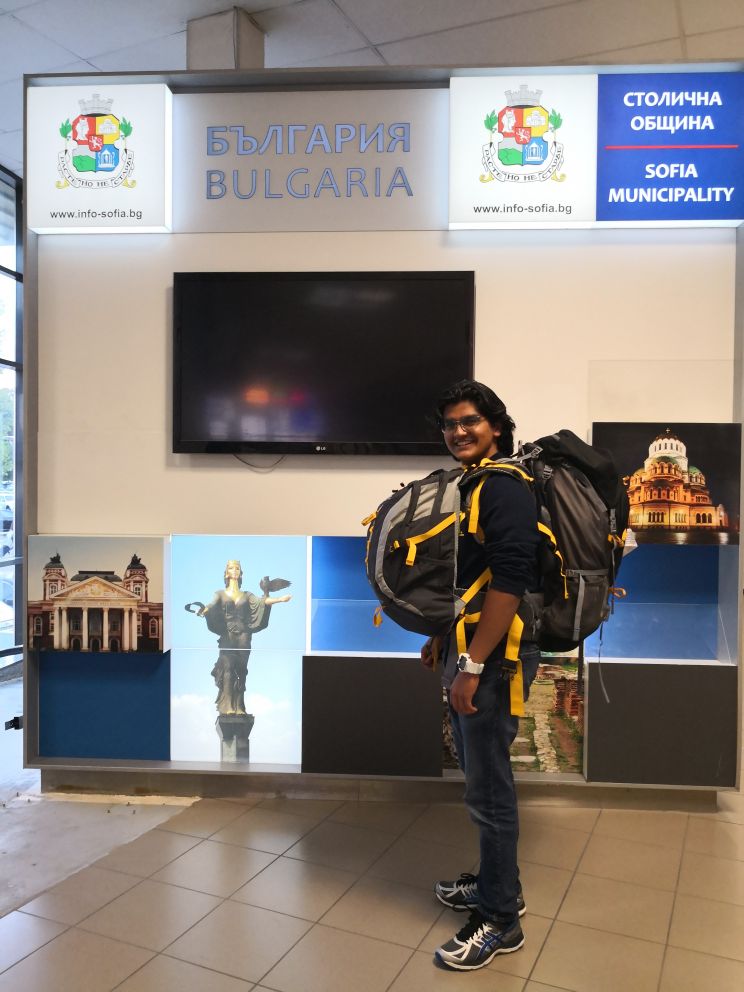
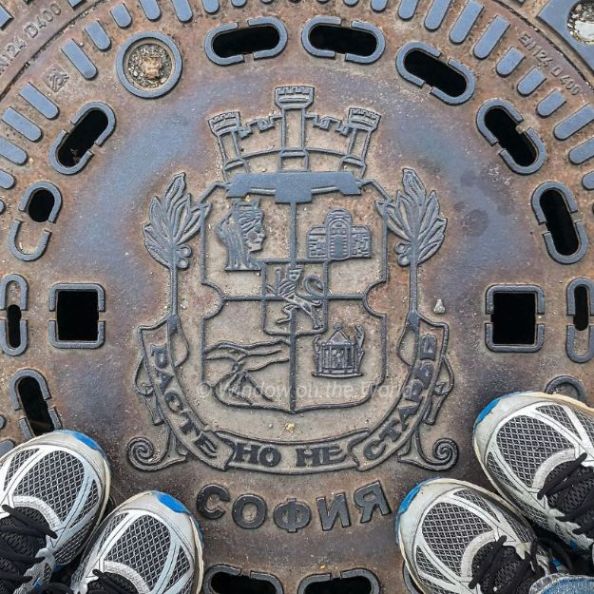
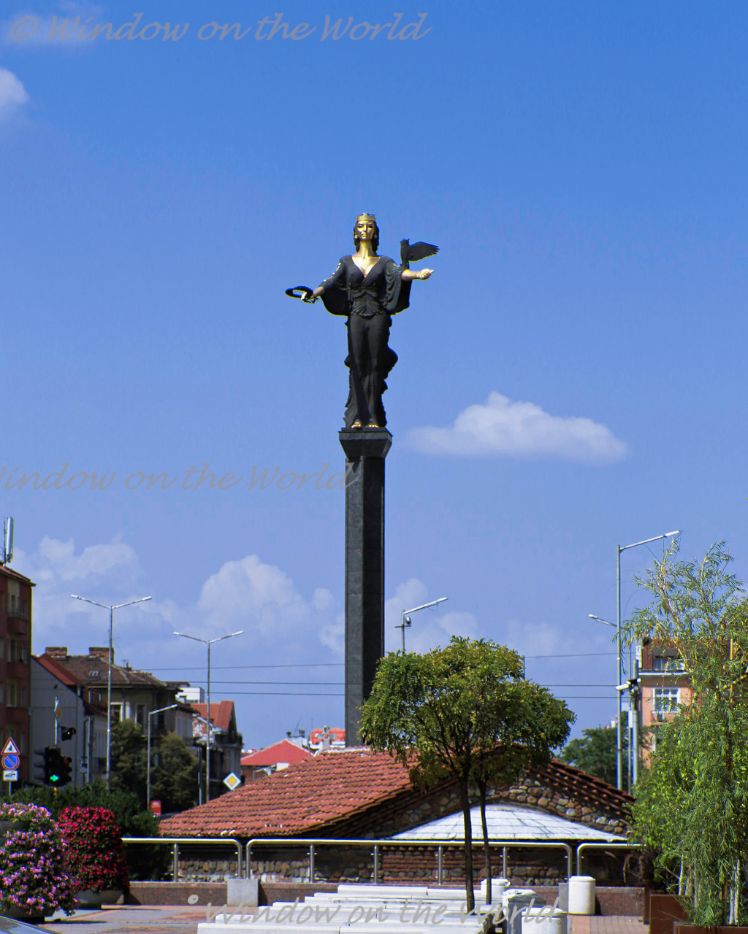
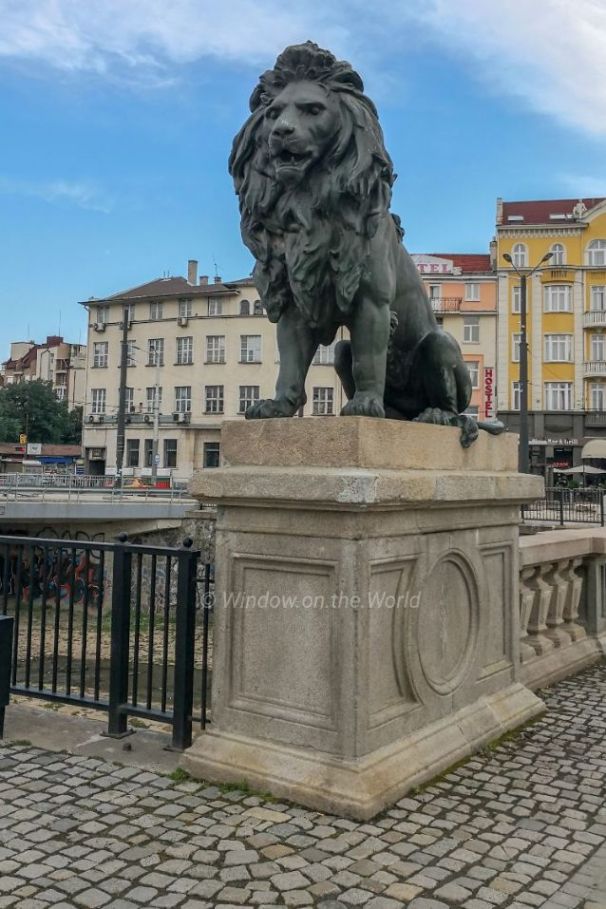
My best friend and travel buddy, my younger son, arrived in Sofia to join me on three months backpacking through the Balkans. Welcome to Sofia! A beautiful Manhole Cover with city’s Coat of Arms.The Statue of Sveta Sofia (Saint Sophia), a monumental sculpture in St Nedelya Square erected in 2000, stands in a spot once occupied by a statue of Lenin.Lions’ Bridge, a bridge over the Vladaya River in the center of Sofia, built during 1889–1891, derives its name from the four prominent lions made of bronze at each end of the bridge.
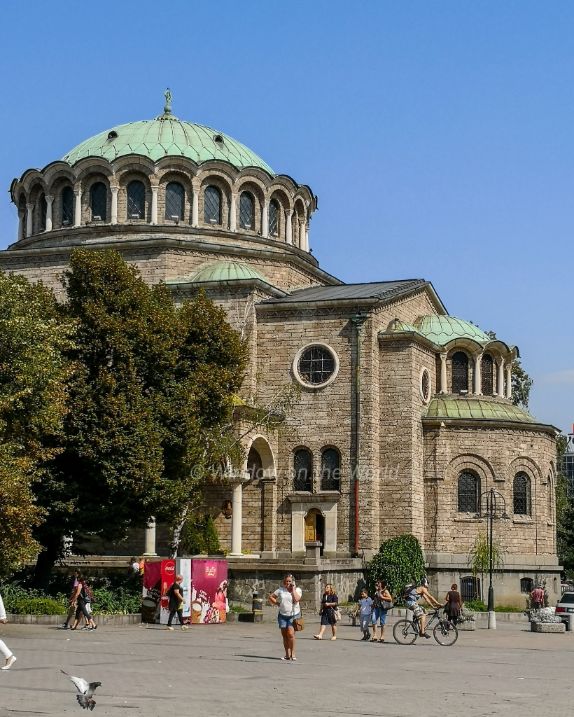
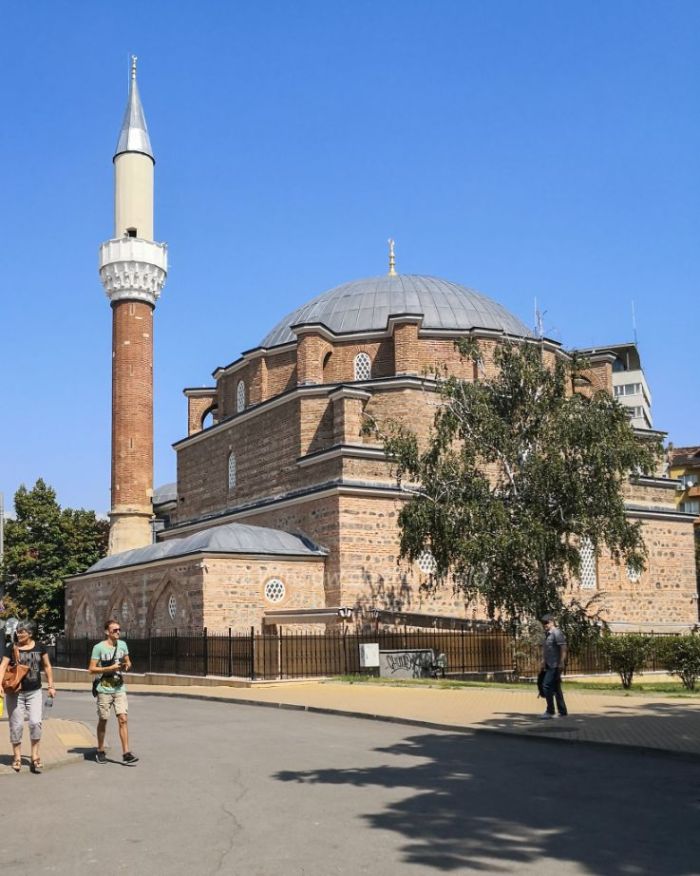
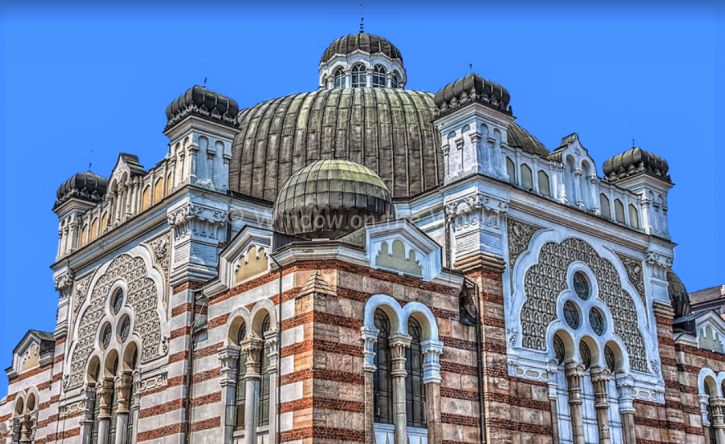
Sofia has been described as the “triangle of religious tolerance” due to the fact that three colossal temples of the three world major religions, Christianity, Islam and Judaism, reside inside the borders of the city; which are the Sveta Nedelya Church, Banya Bashi Mosque and Sofia Synagogue.
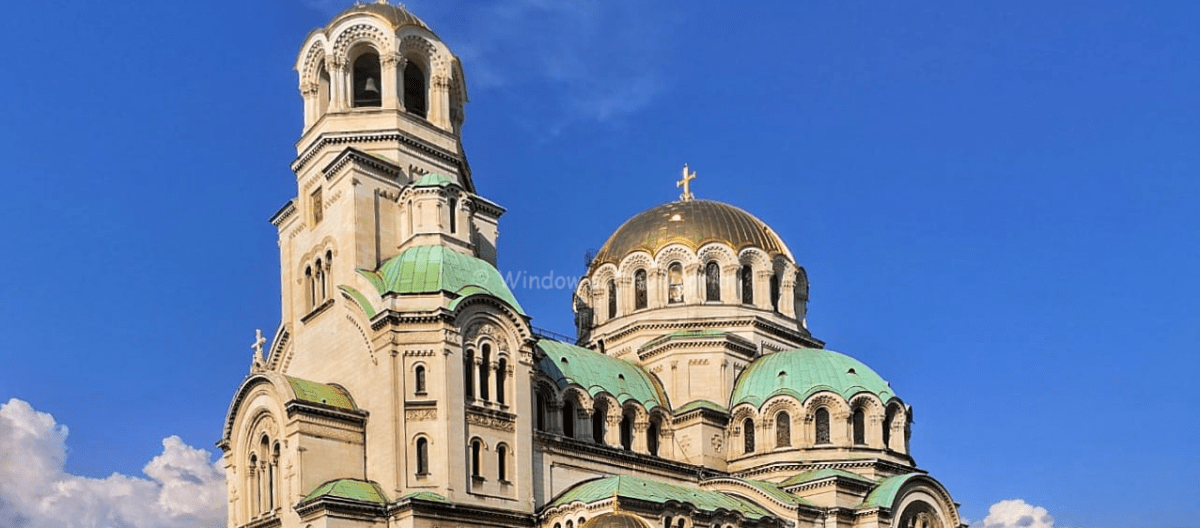
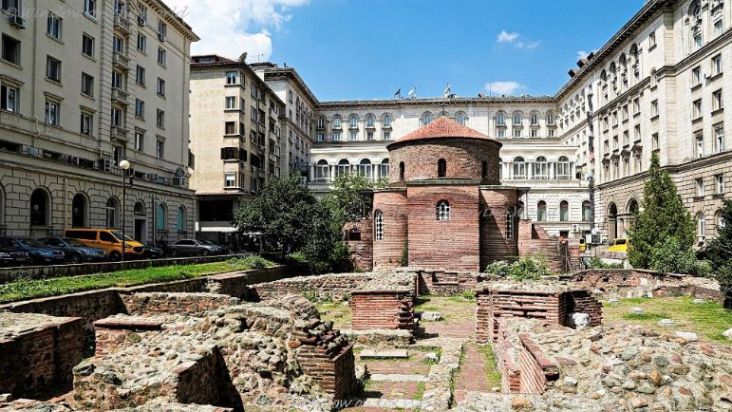
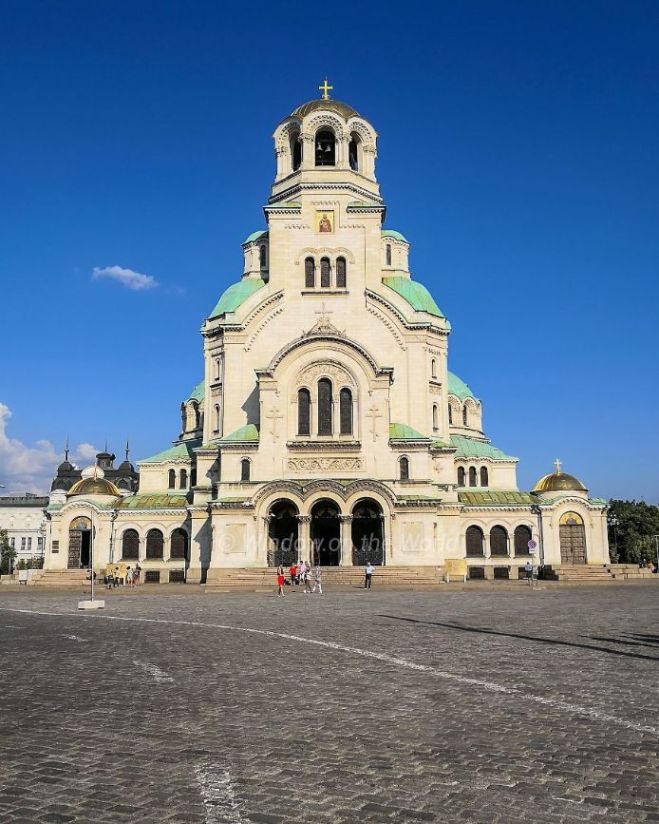
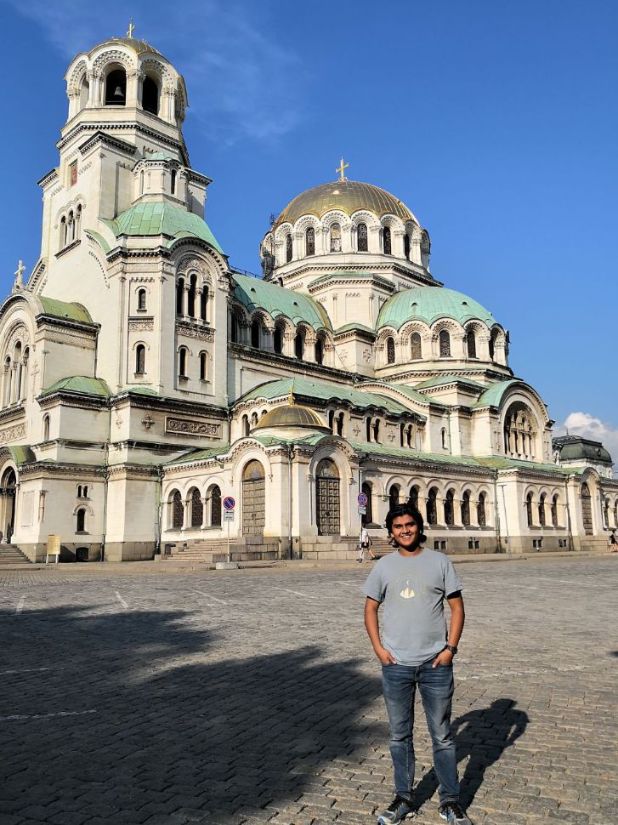
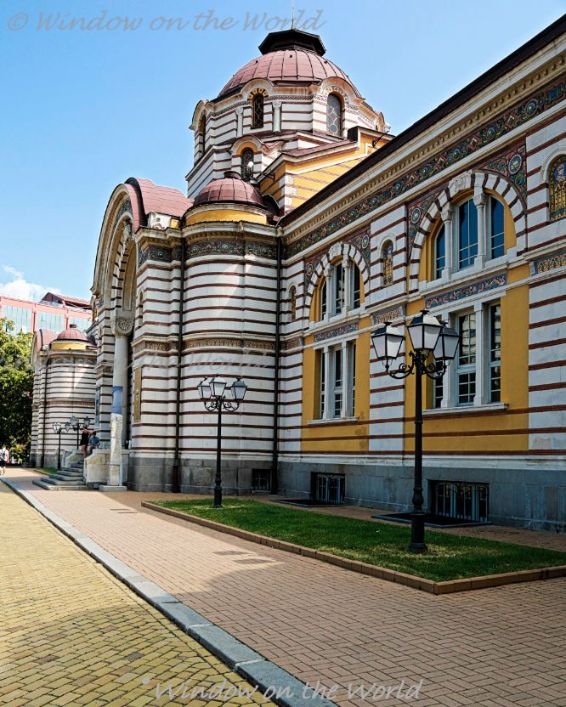
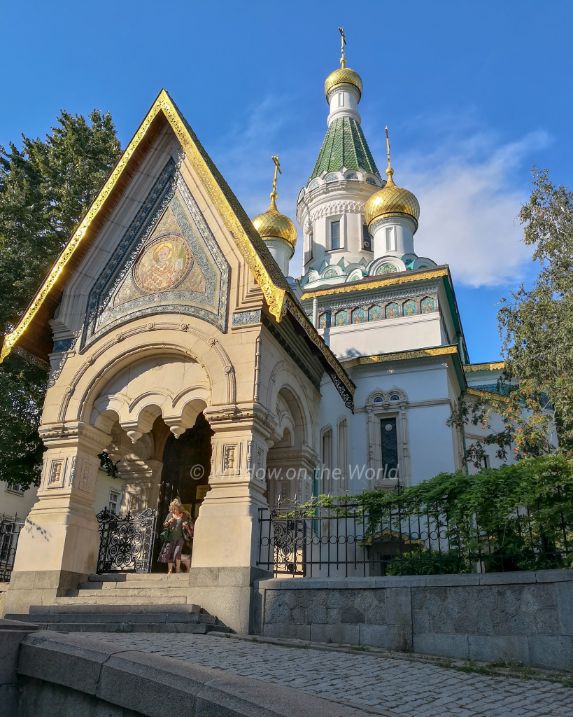
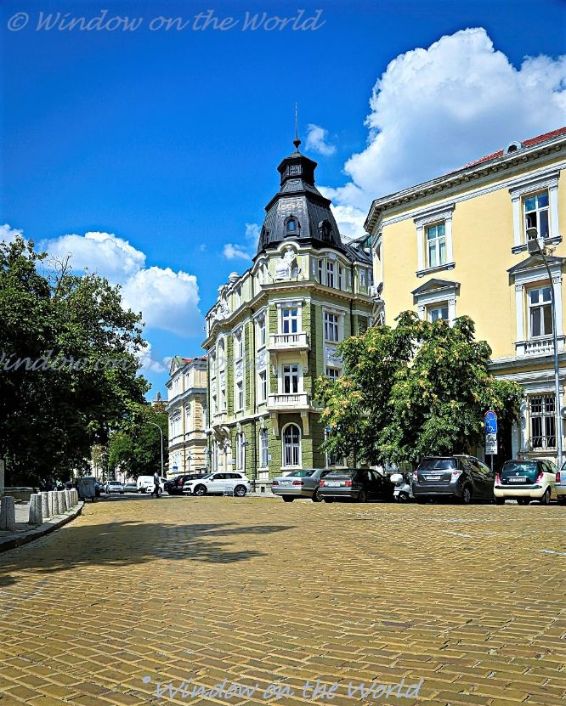
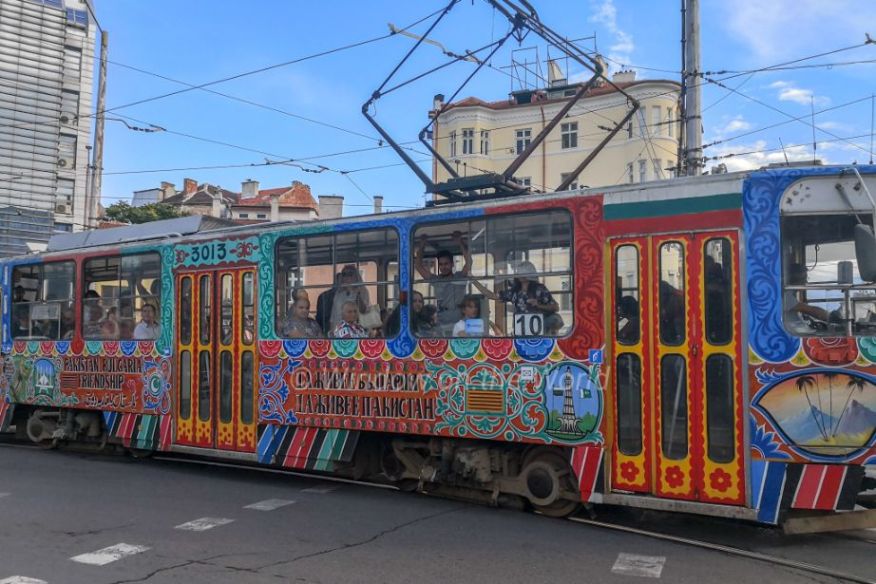
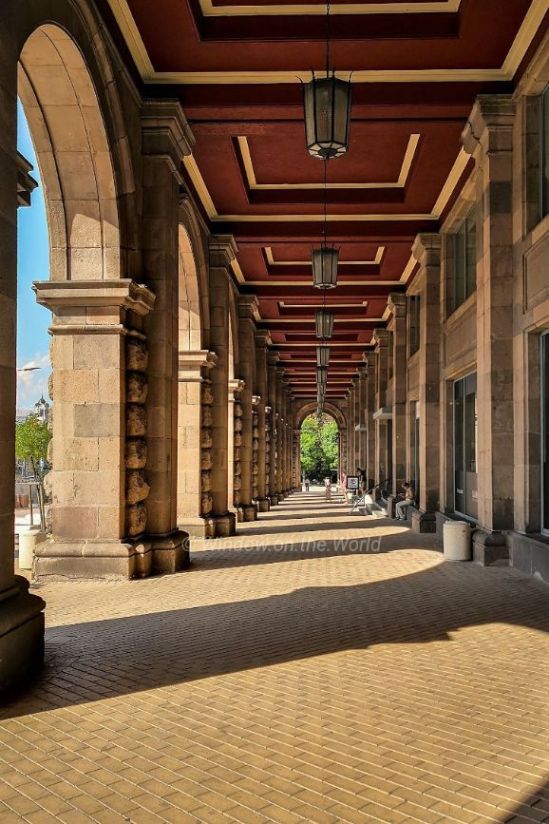
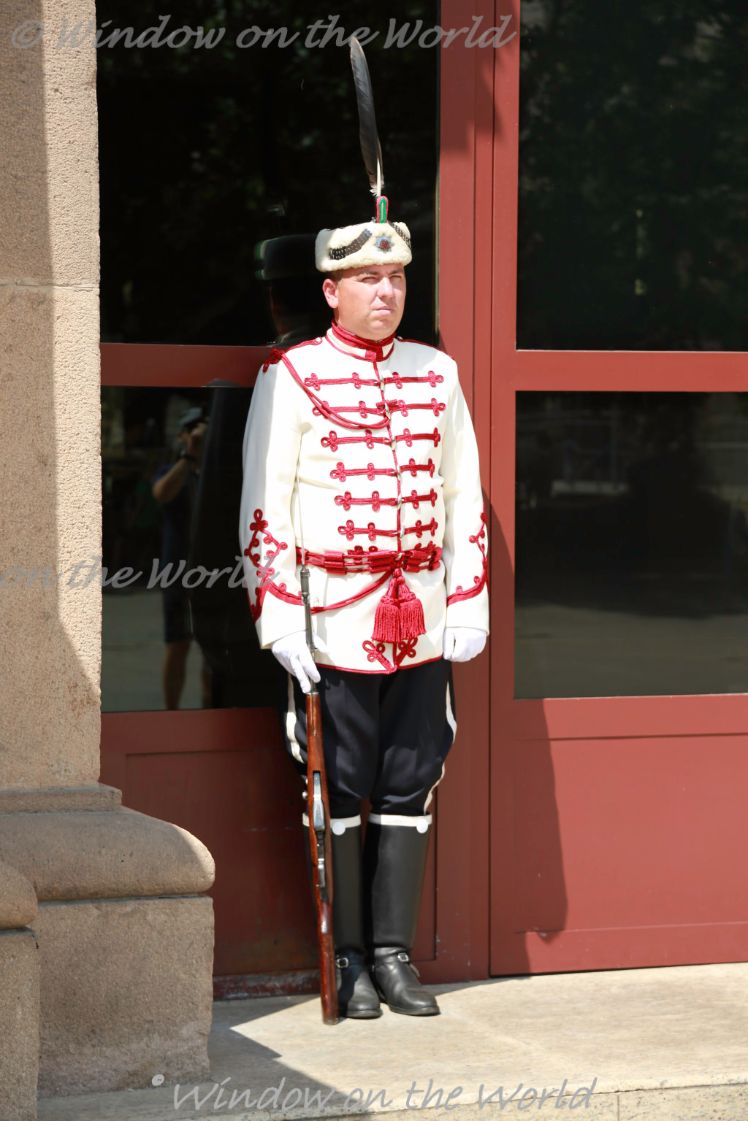
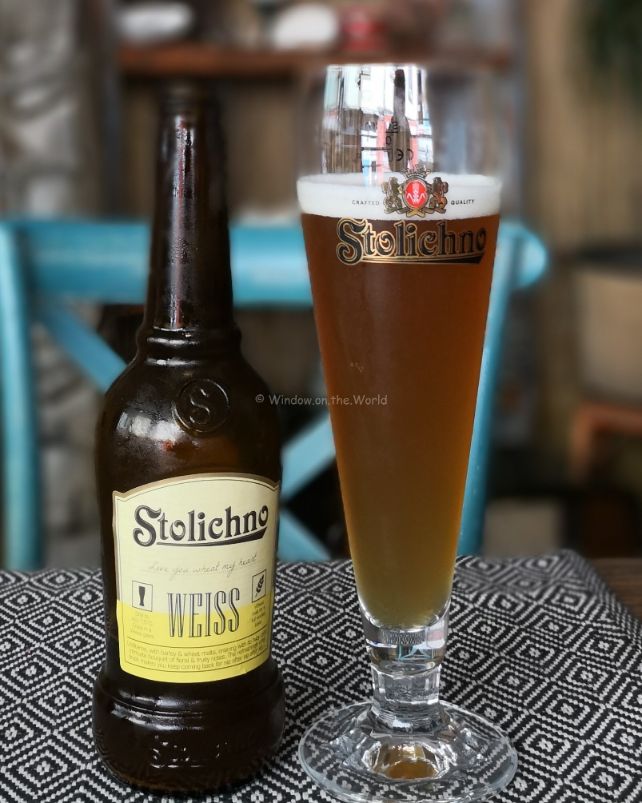
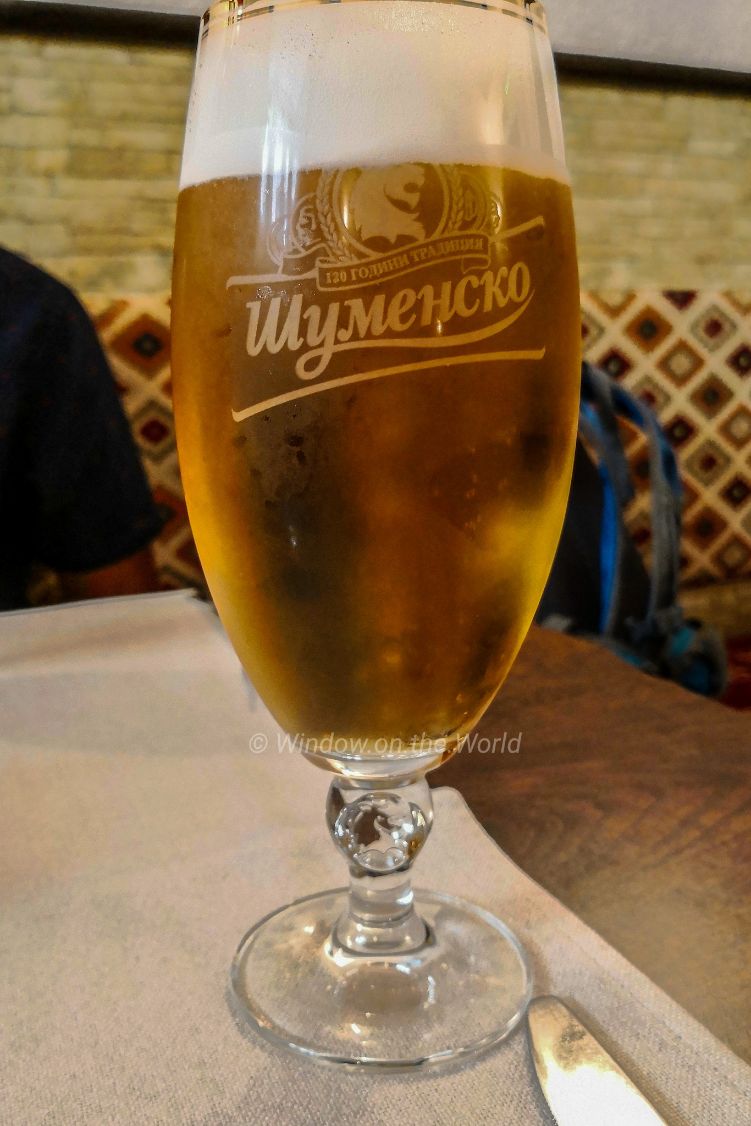
Sveta Nedelya Church, a medieval Eastern Orthodox church, originally built in the 10th century, that has suffered destruction through the ages and has been reconstructed many times. The present building of the church is among the landmarks of Sofia. The church was razed in the assault in 1925 that claimed over 150 victims.Banya Bashi Mosque, completed in 1566, currently the only functioning mosque in Sofia, a remnant of the Ottoman rule of Bulgaria that lasted nearly five centuries. Banya Bashi means many baths, the mosque is built over natural thermal spas; one can even see the steam rising from vents in the ground near the mosque walls.Sofia Synagogue, a Moorish-style synagogue consecrated in 1909, is one of the three largest Sephardic (Spanish-Jewish) synagogues in Europe and the largest on the Balkan Peninsula.The church of Saint George (Rotonda “Sveti Georgi”) is a Late Antique red brick rotunda, built in the early 4th century as Roman baths, it became a church inside the walls of Serdica, an ancient name of Sofia, during the Roman Empire and Byzantine Empire. The Early Christian church is considered the oldest building in modern Sofia and belongs to the Bulgarian Orthodox Church.The St. Alexander Nevsky Cathedral, one of Sofia’s symbols, built during 1882-1912, is a Bulgarian Orthodox cathedral built in Neo-Byzantine style. For over a century it was the largest finished Orthodox Cathedral in Southeast Europe, and can hold 5000 people inside.Raul in front of The St. Alexander Nevsky Cathedral, one of Sofia’s symbols.The Central Mineral Baths, a landmark in the center of Sofia, a city known for the mineral springs in the area. It was built in the early 20th century near the former Turkish bath and was used as the city’s public baths until 1986.The Russian Church (Church of St. Nicholas the Miracle-Maker) built in 1914 on the site of the Saray Mosque, which was destroyed in 1882, after the liberation of Bulgaria by Russia from the Ottoman Empire.Sofia even has an actual yellow brick road. The bricks were a gift from Austria’s Emperor Franz Josef, who after what must have been a muddy visit in 1907, wanted to encourage Sofia to pave its streets. The bricks have become a symbol of the true city,Local tram, painted and decorated to look like one of the old Indian/Pakistani Goods carrying truck (lorry).One of the communist era building in downtown Sofia.A Guard in front of President’s office.Brewed in Sofia, very refreshing local Beer.Chilled Shumensko Draught Beer, from the second oldest brewery in Bulgaria, founded in 1882.
We made Sofia a base for few days and visited UNESCO World Heritage site of Rila Monastery and Seven Lakes as a day trips before taking a marshrutka (shared taxi) for Veliko Turnovo, the capital of the Second Bulgarian Empire.
In May 2017, 23 days before I was going to complete 50 years, grabbed an opportunity and took an early retirement.. Picked up a backpack and traveling ever since.. Love to travel around the world, experience different culture, local cuisine & drinks .. and take pictures.. so far been to 108 countries and still counting...


 Window on the World