Slovakia is landlocked country in Central Europe, with high mountains in the north, low mountains in the center, hills to the west, and the Danube basin to the south. Over thousand years of history, since the first settlement on the territory by Celtic tribes, Slovakia became part of many Empires including, Romans, Germanic Tribe, Slavic, nomadic Hungarian, Mongols, Ottoman Turks, Austrian Habsburg and Soviet Union. Following the 1948 communist coup d’etat, Czechoslovakia fell into the Soviet-led Eastern Bloc and became a puppet state of the Soviet Union. Finally, in 1989, during the peaceful Velvet Revolution, Czechoslovakia became a democratic republic, that followed by separation of Slovakia and Czech Republic on January 1, 1993, also known as the Velvet Divorce.
While I was visiting Hungary, I made a spontaneous plan to visit Slovakia for couple of days, As I was in Slovakia for a short time, I spent all my time in Bratislava, the capital and the political, cultural and economic center of Slovakia.
Bratislava occupies both banks of the River Danube and the left bank of the River Morava. Bordering Austria and Hungary, it is the only national capital that borders two sovereign states. Bratislava was the coronation site and legislative center and capital of the Kingdom of Hungary from 1536 to 1783.
Bratislava has a very pleasant medieval inner city with narrow, winding cobbled streets, tiny squares, a hill-top castle next to the river Danube, and many historic churches and buildings to visit. Photos below are from my few days stay in the capital city.
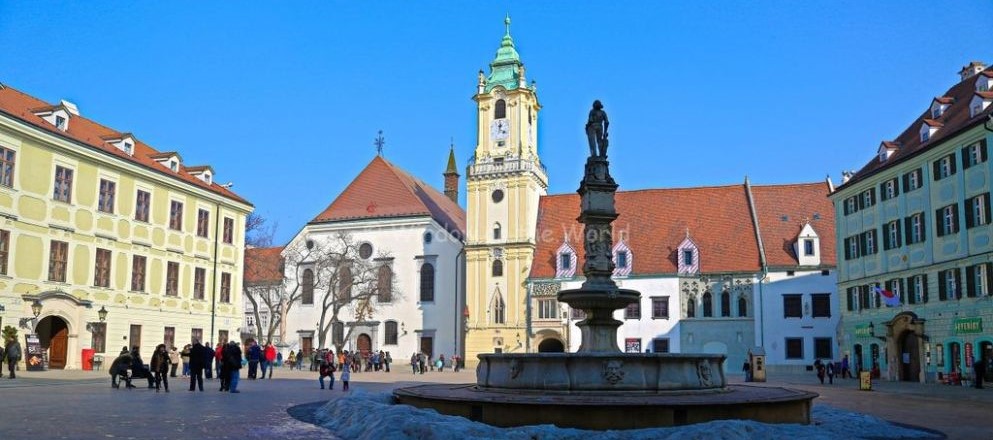
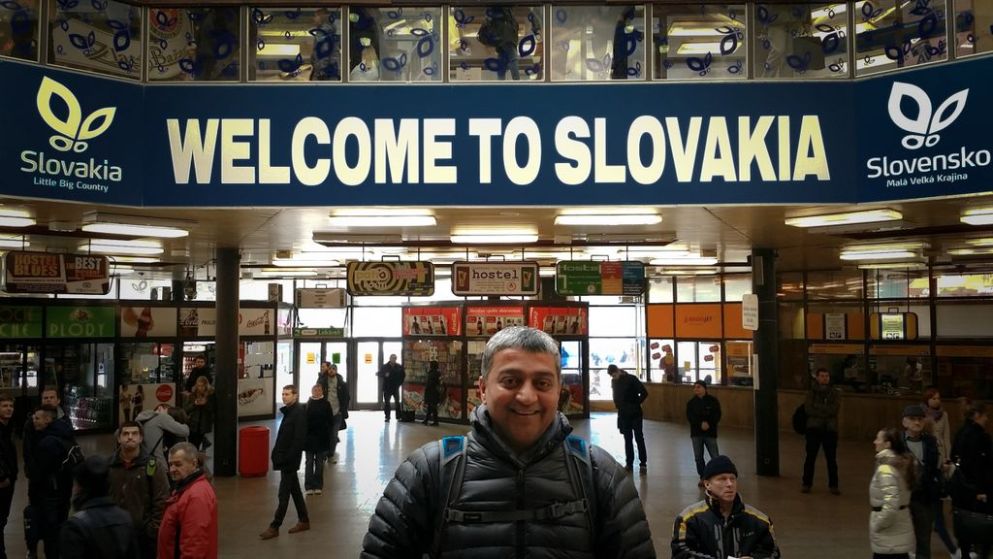
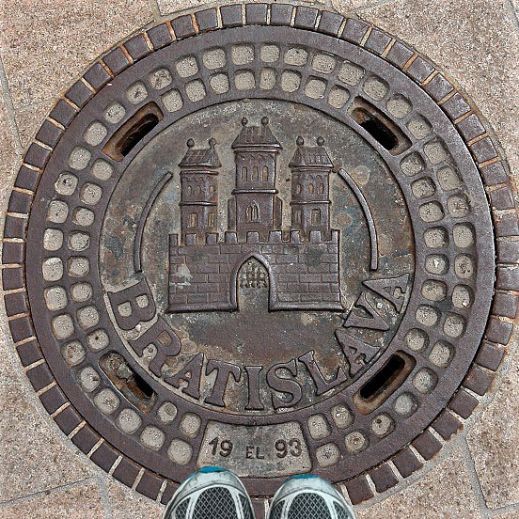
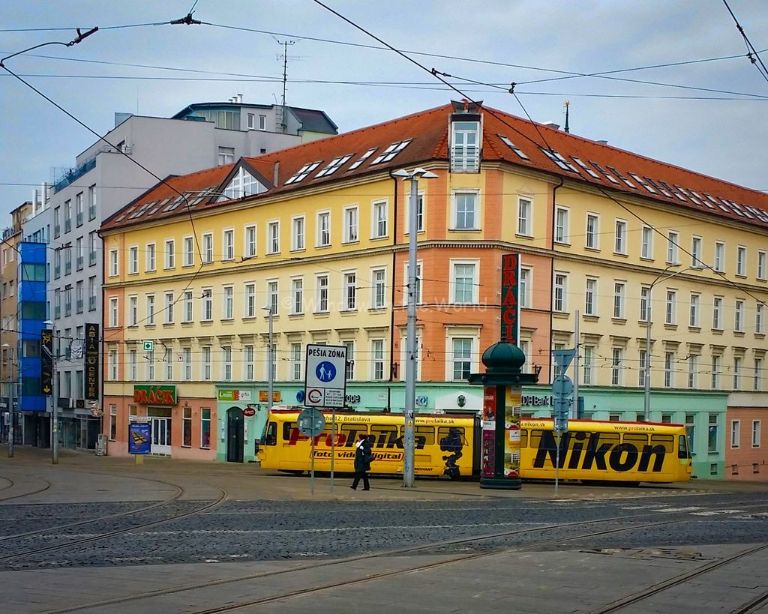
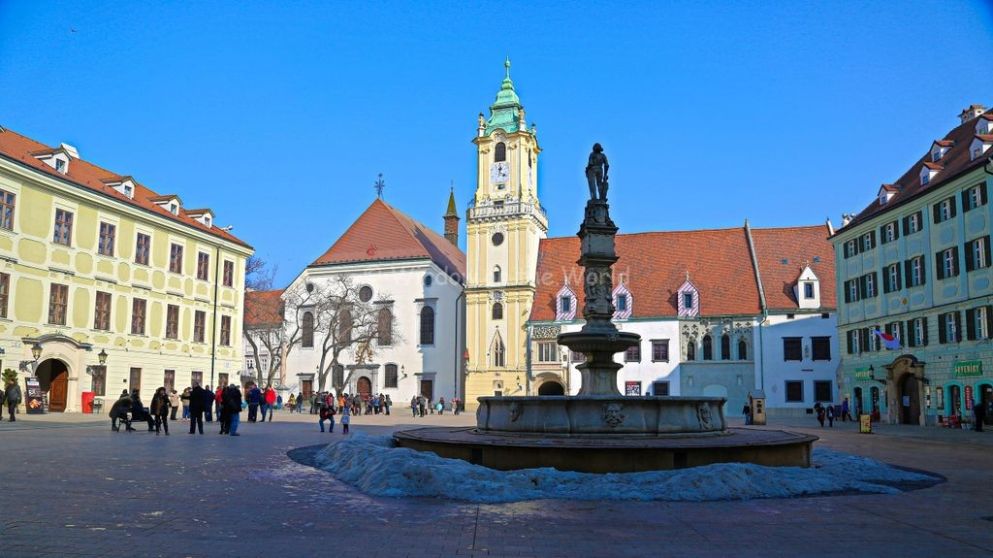
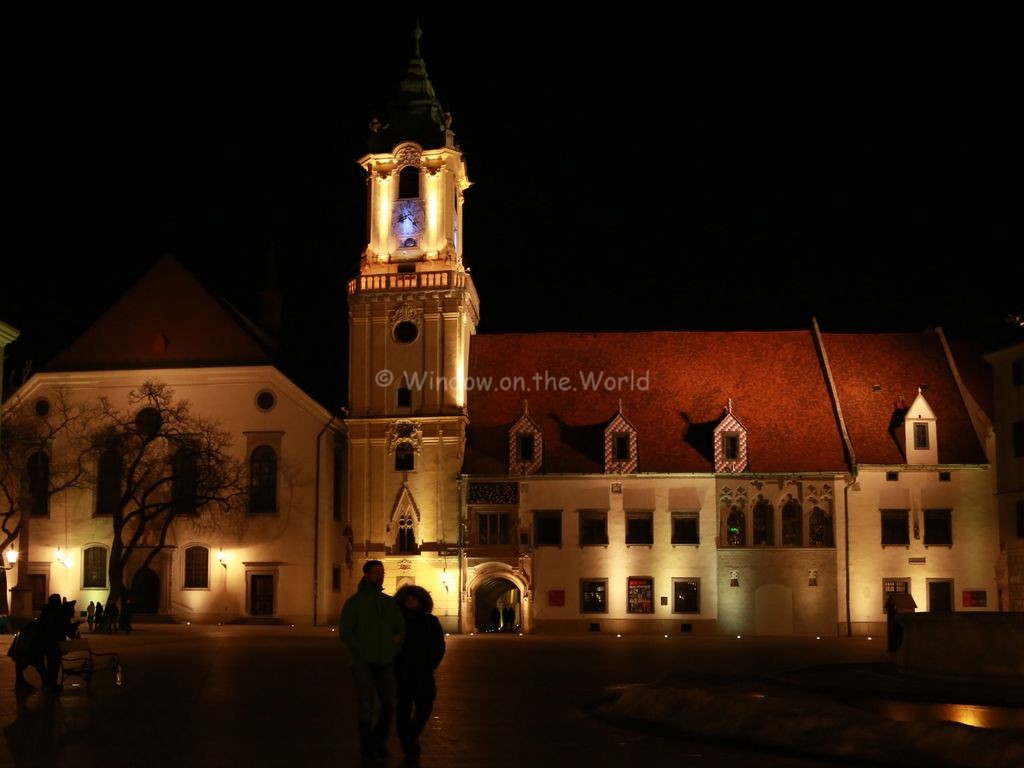
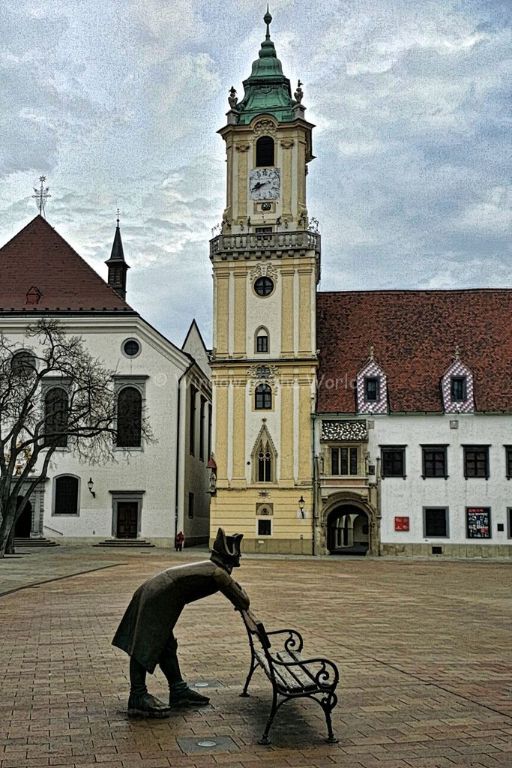
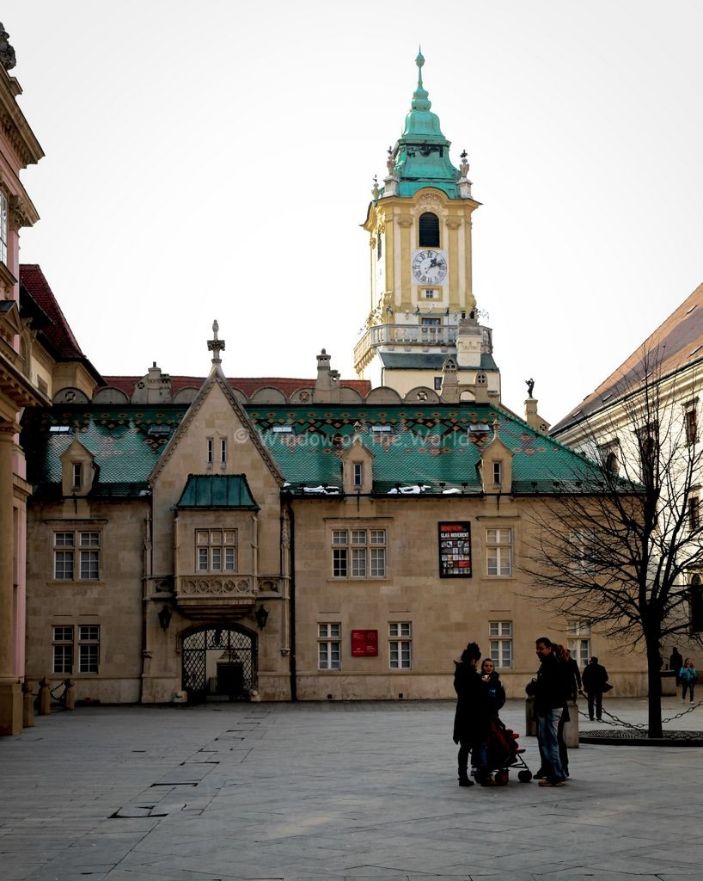
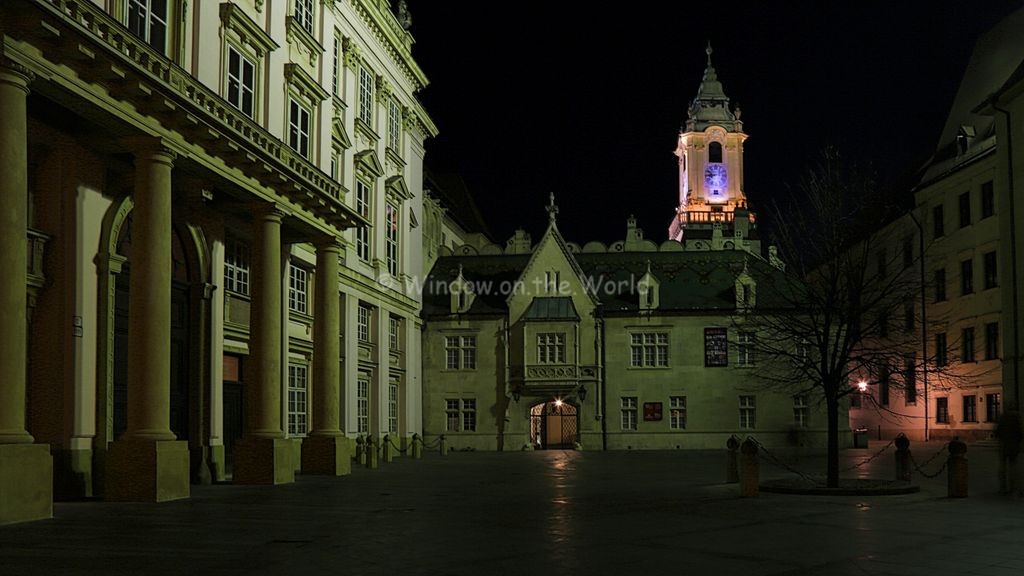
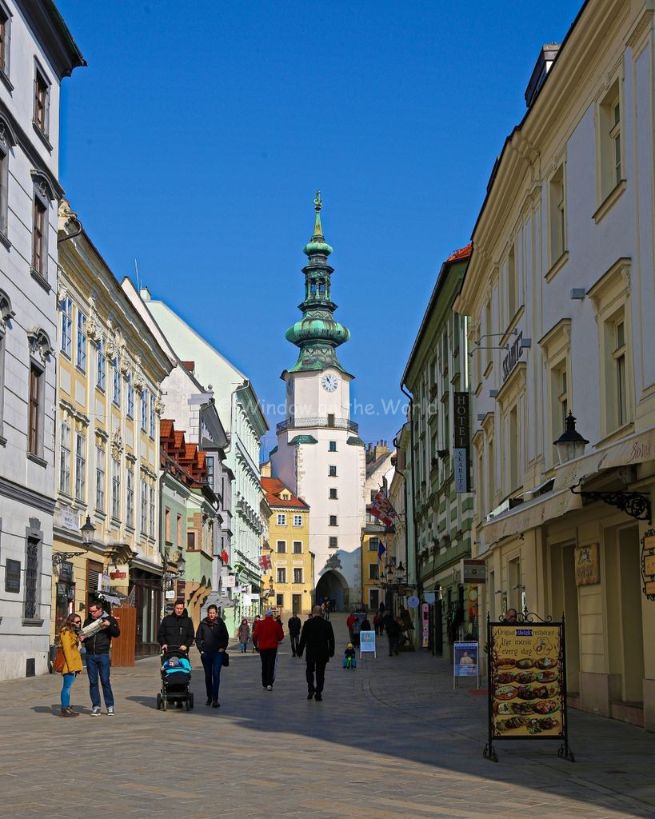
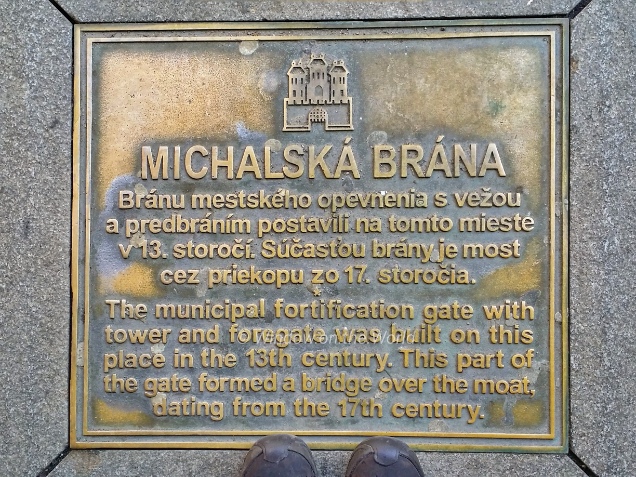
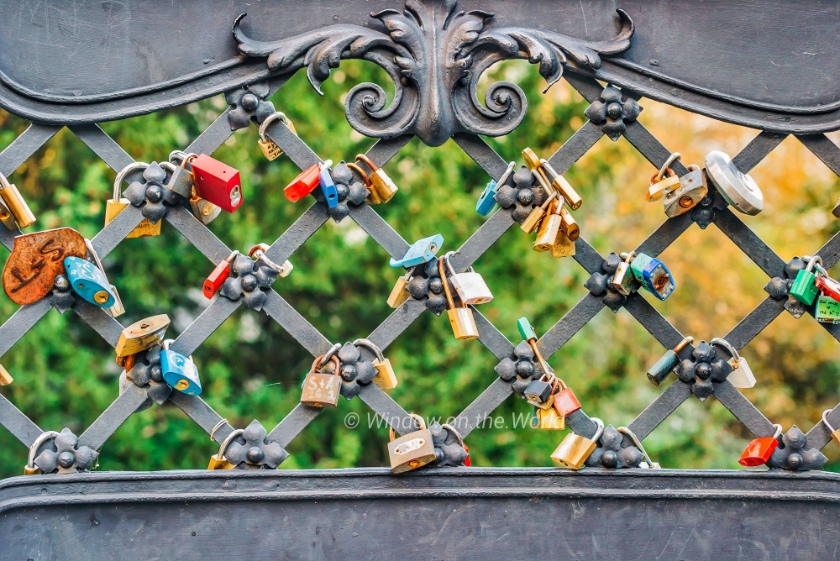
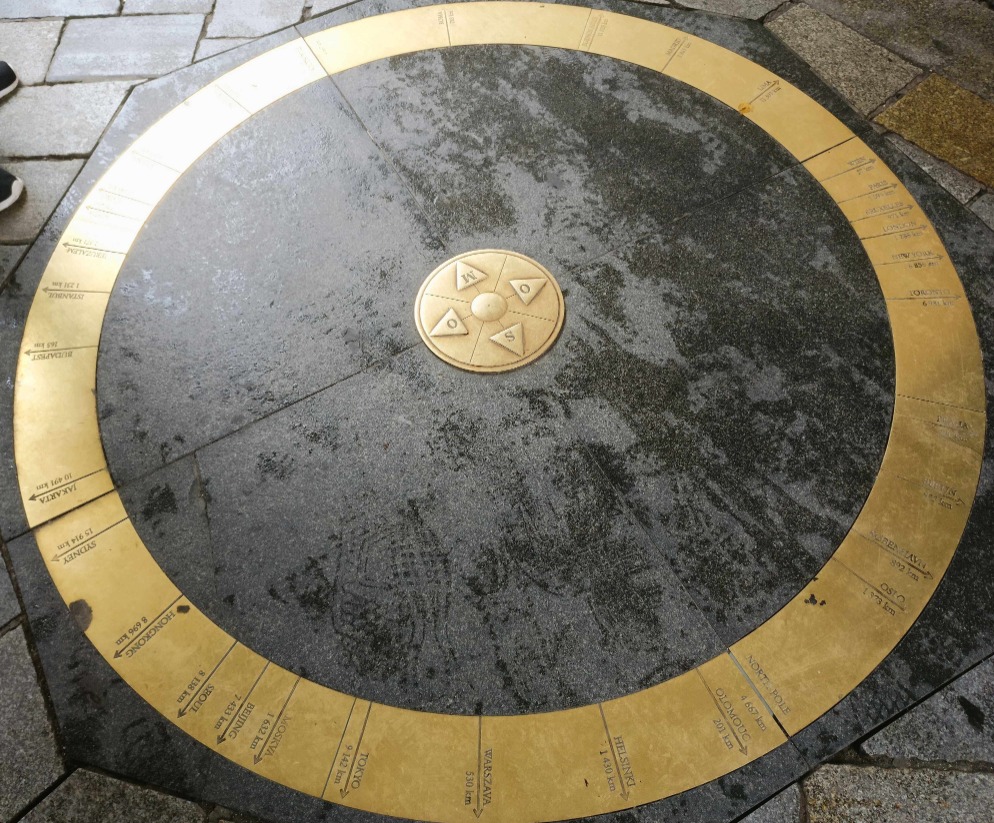
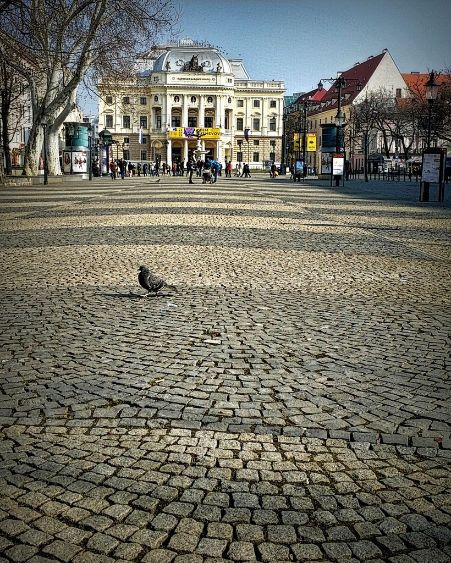
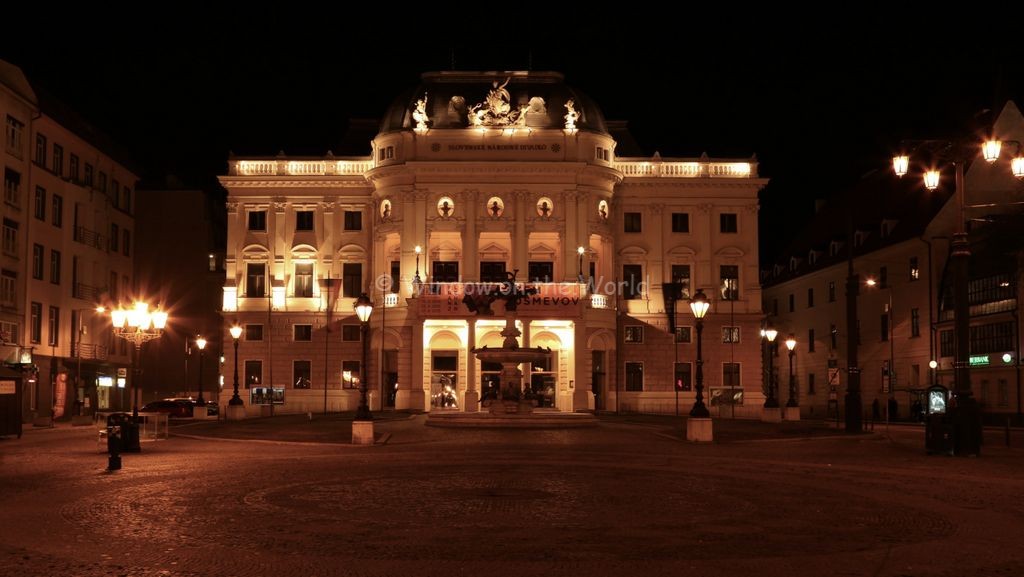
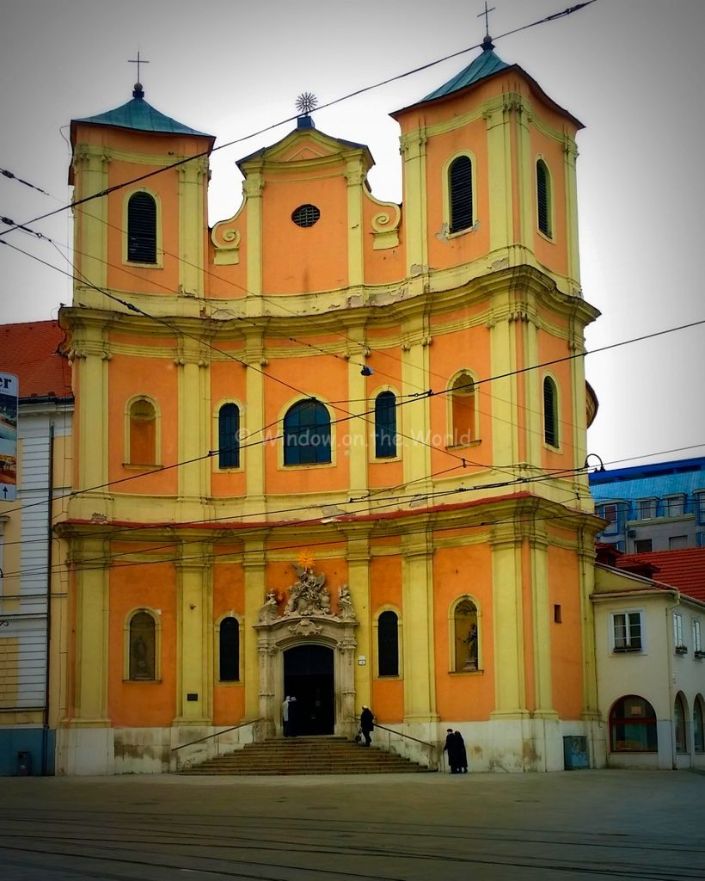
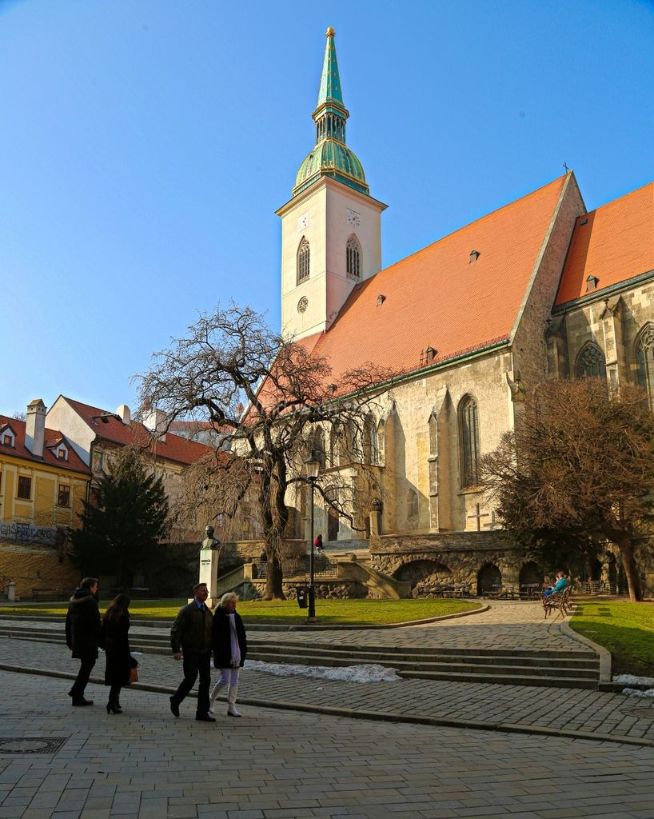
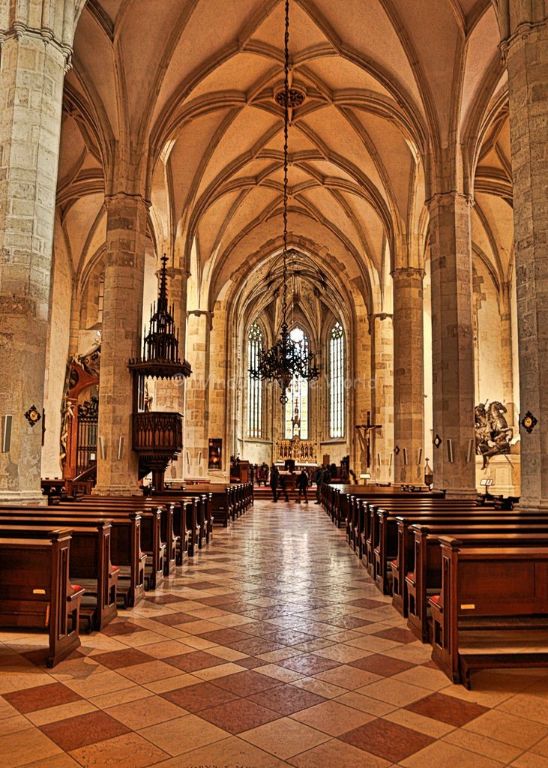
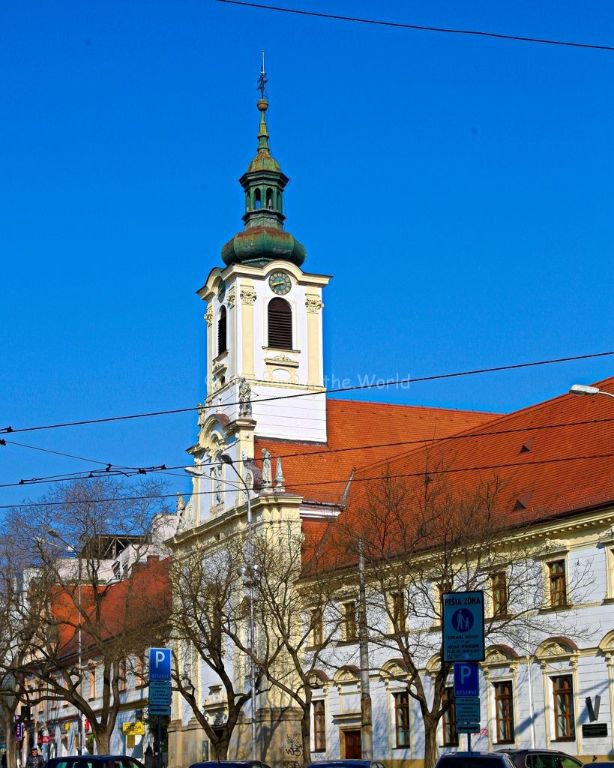
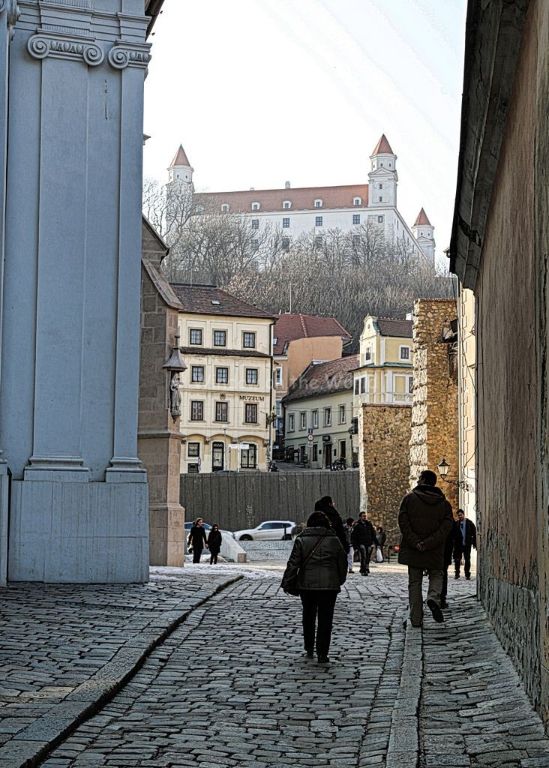
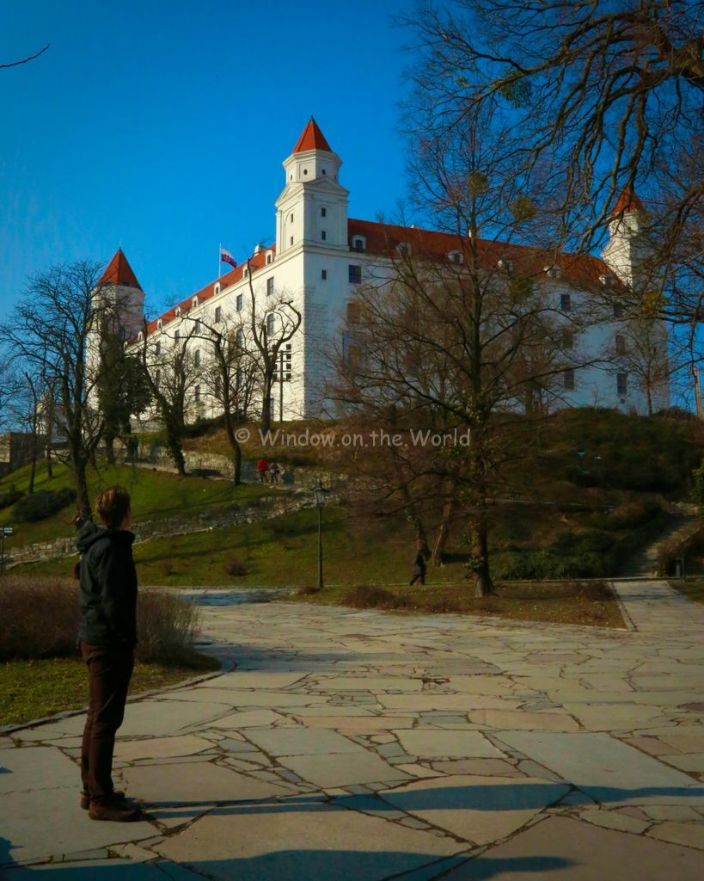
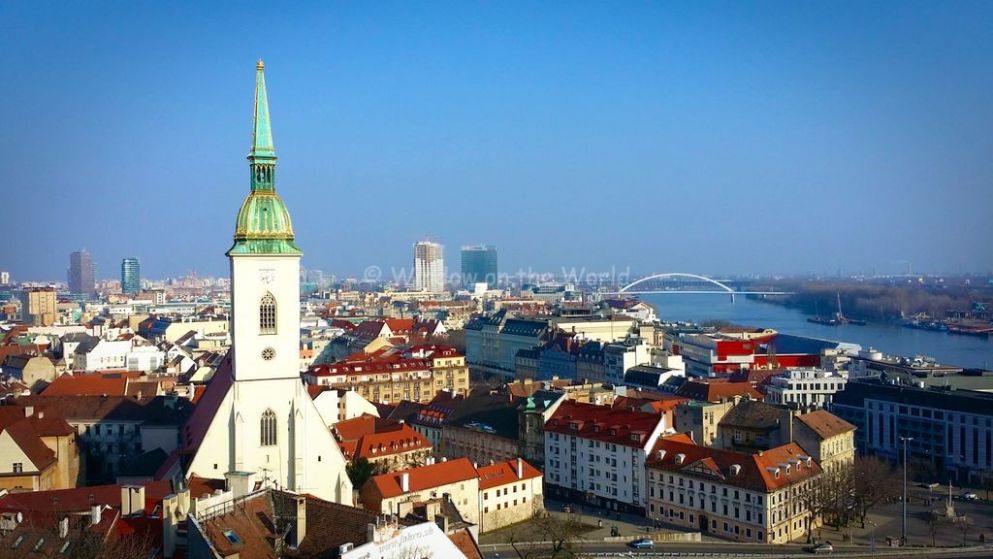
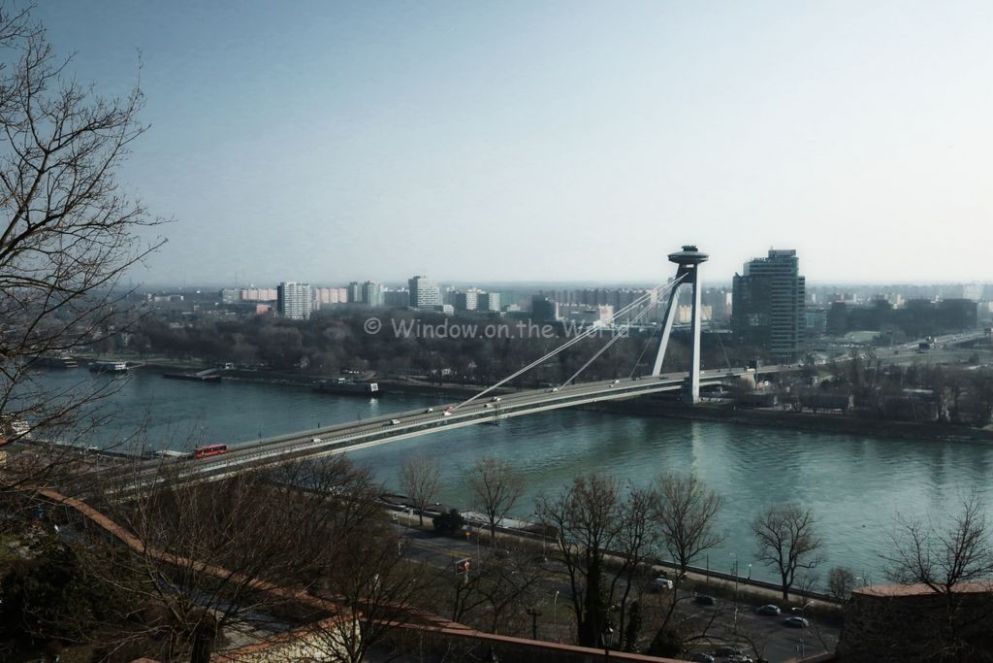
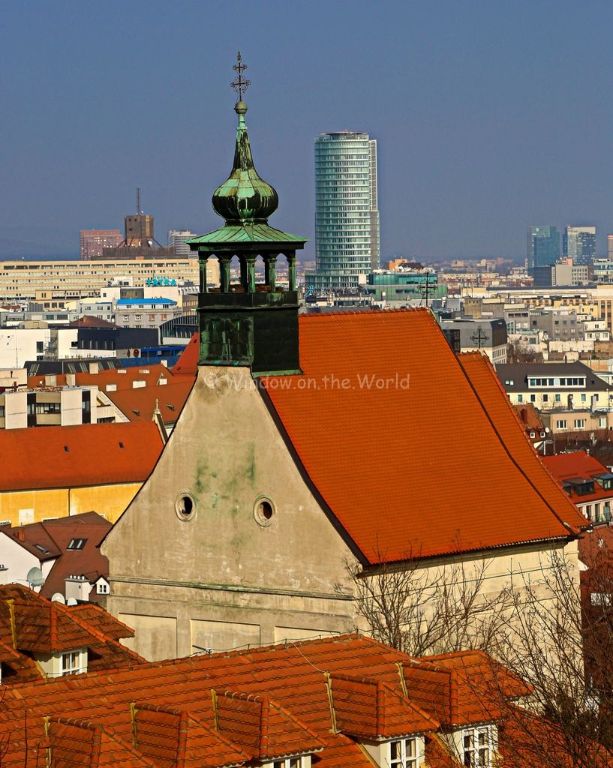
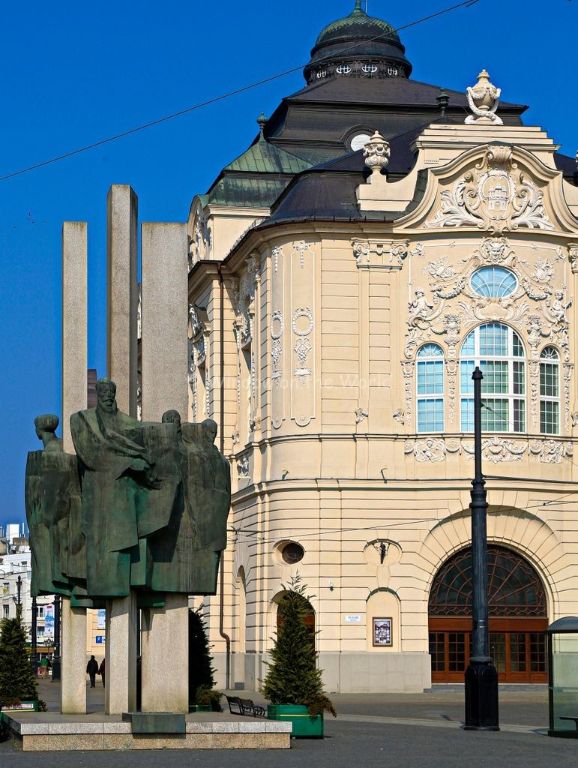
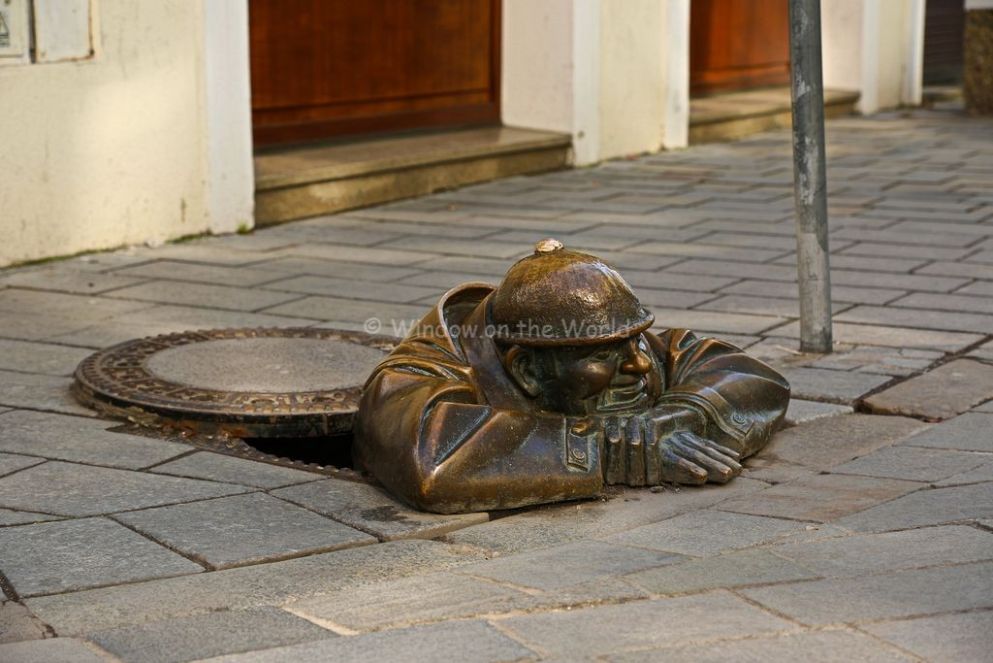
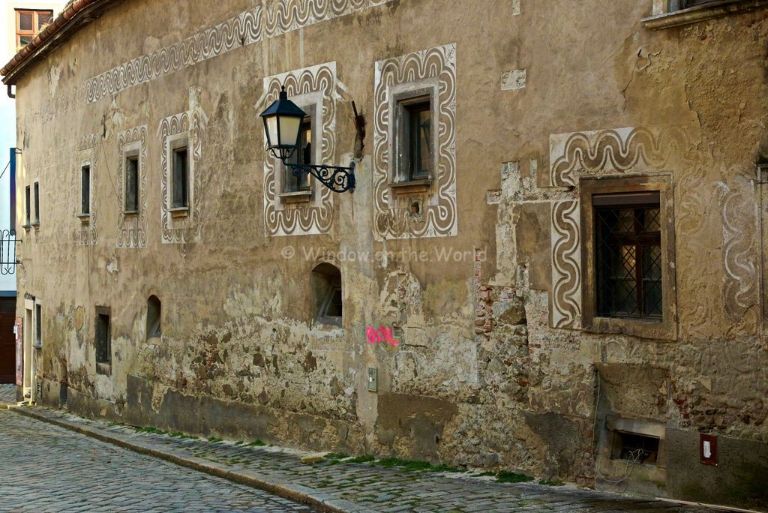
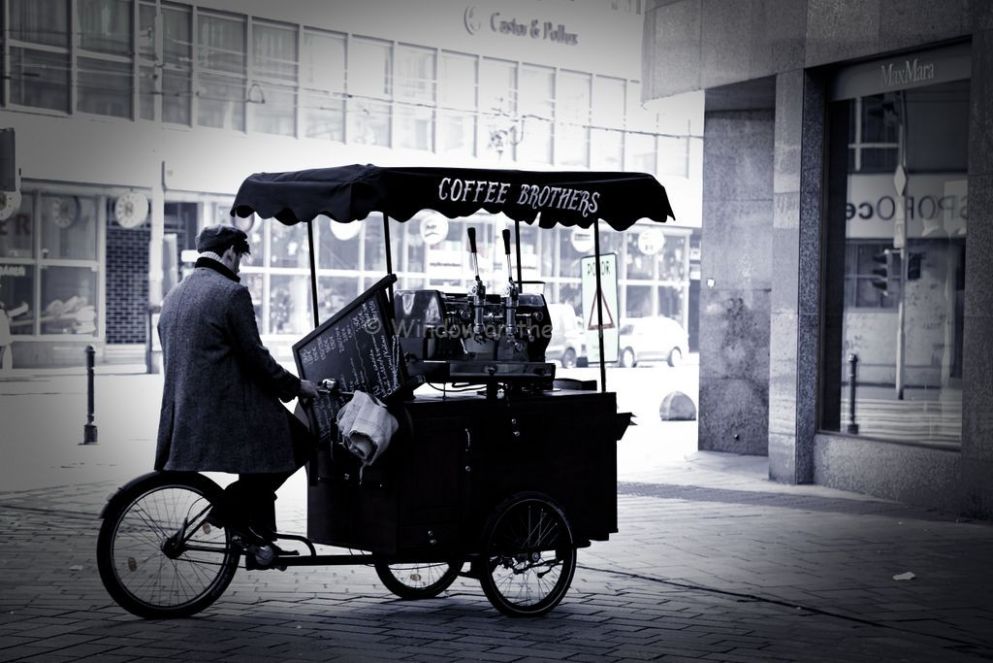
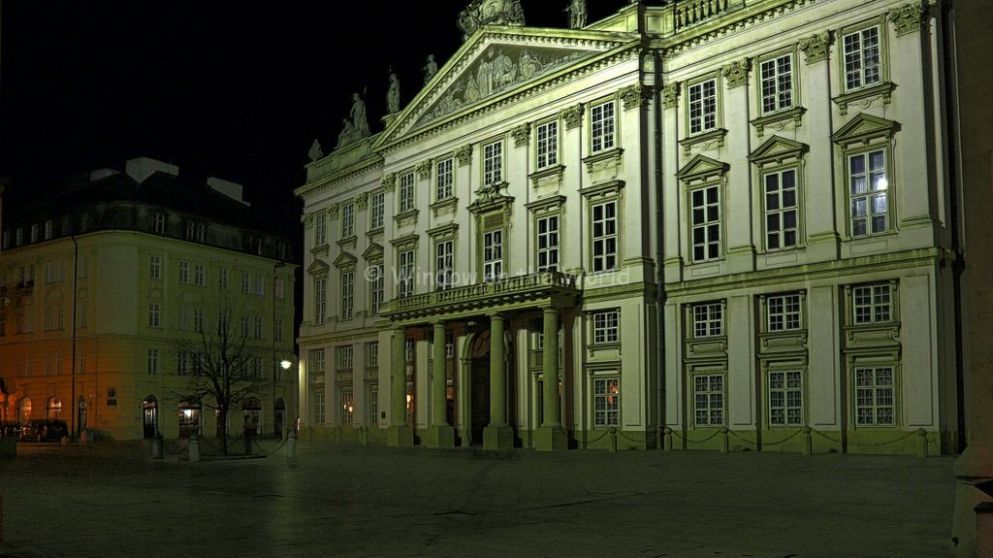
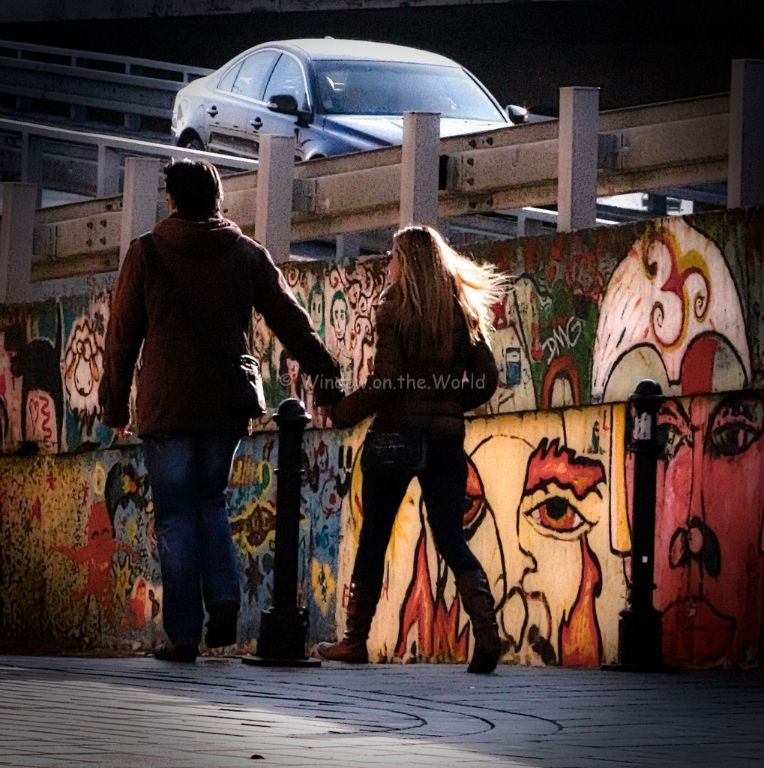
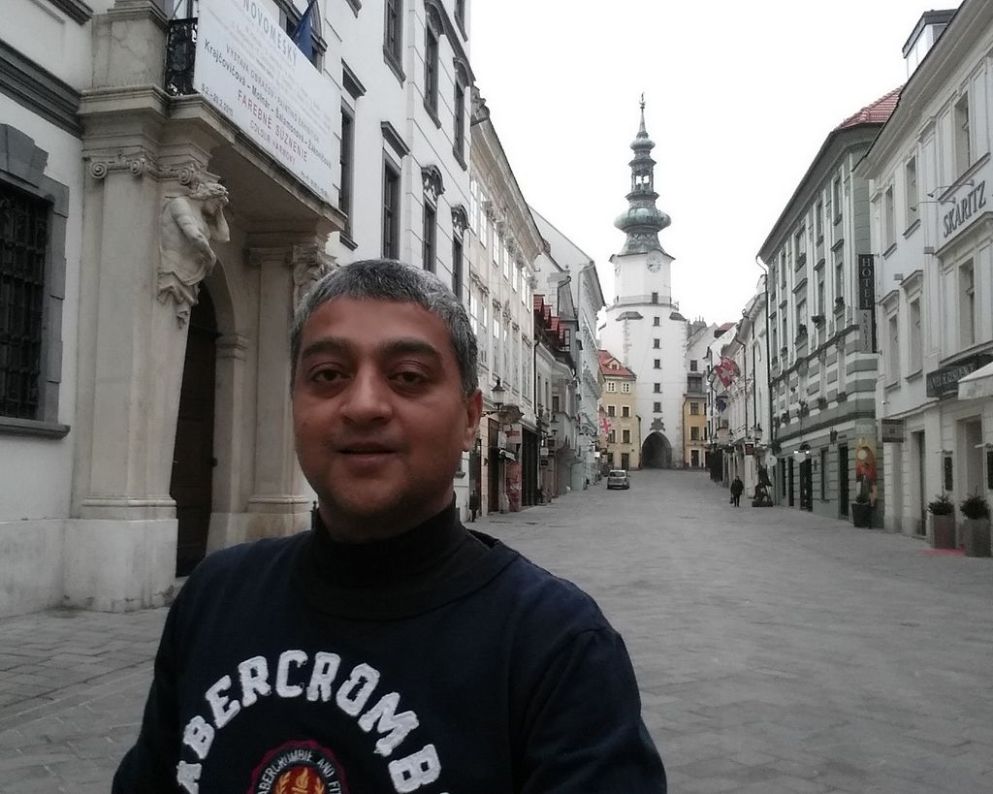
Welcome to Slovakia! Country #62Welcome to Slovakia ! Welcome to Bratislava! A beautiful Manhole Cover with City’s Coat of Arm!Bratislava had more modern (newer) Trams compared to the one in Hungary. Also Tram cars had commercials (advertisement) for major brands.Hlavné námestie, literally “Main Square”, located in the Old Town Bratislava, home to the Old Town Hall and Roland Fountain. The Old Town Hall is a complex of buildings from the 14th century. It is one of the oldest stone buildings still standing in Bratislava, with the tower being built approximately in 1370. Roland’s Fountain, one of the downtown’s favorite meeting points, is said to have been erected in 1572 to serve as a public water supply. It’s also referred to as Maximilian’s Fountain, having been sculpted by financial contributions from the Hungarian king Maximilian II.The Old Town Hall of Bratislava after dark.Napoleon’s French army soldier leaning on a bench in the Main Square (Hlavné námestie) of Bratislava, with the city hall in the backdrop. Napoleon’s armies attacked Bratislava twice. The legend says that a wounded French soldier, called Hubert, fell in love with a nurse from Bratislava, decided to live here and started to produce a sparkling wine based on the French tradition.A beautiful historic building in a small square just behind the old town hall.A beautiful historic building in a small square just behind the old town hall, after dark.Michael’s Gate, the only city gate that has been preserved of the medieval fortifications and ranks among the oldest town buildings. Built about the year 1300, its present shape is the result of baroque reconstructions in 1758, when the statue of St. Michael and the Dragon was placed on its top. The tower houses the Exhibition of Weapons of Bratislava City Museum. Michael’s Gate, the only city gate that has been preserved of the medieval fortifications and ranks among the oldest town buildings.Love Locks on the bridge over the moat at St. Michael’s Gate.Slovakia’s KM 0 (Zero mile marker) in Bratislava under Michael’s Gate in the Michalská veža (St. Michael’s tower).Slovak National Theater, known as a City theater (Városi Színház), located in the Hviezdoslav Square, the Neo-Renaissance building was built in 1885–1886 during the time of Austria-Hungary, based on a design by the Viennese architects who designed theater buildings in 10 European countries.The old Slovak National Theater building after dark.The Trinity Church, a Baroque-style church in the Župné námestie square of the old town of Bratislava. The church was built on the site of the older Church of St. Michael, which was destroyed in 1529 during the Ottoman wars. Current structure was built during 1717 -1727.The St Martin’s Cathedral, the Roman Catholic Archdiocese of Bratislava, is the largest and one of the oldest churches in Bratislava, known especially for being the coronation church of the Kingdom of Hungary between 1563 and 1830.Interior of The St Martin’s Cathedral, the coronation church of the Kingdom of Hungary between 1563 and 1830. The Church of Merciful Brothers, built in 1728, is a part of a complex which includes the church, the monastery, and the hospital of Merciful Brothers. The Bratislava Castle, the landmark overlooking the capital, was built in 9th century. It stands on the hill above Danube river.Bratislava Castle, the landmark overlooking the Capital, was built in the 9th century. The massive rectangular building with four corner towers stands on an isolated rocky hill above the Danube river. First Hungarian King Stephen I (11th century) ruled over the empire from his seat inside the Castle.Steeple of St. Martin’s Cathedral rising over red roofs of the old town of Bratislava. On horizon, Apollo Bridge over the Danube. Most SNP (“Bridge of the Slovak National Uprising”), commonly referred to as the UFO Bridge. A special attraction is the flying saucer-shaped structure atop the bridge’s 84.6 m (278 ft) pylon, housing an observation deck and a restaurant, which has been called UFO.St. Nicholas Church, built in 1661, an orthodox church situated on the castle hill next to the Bratislava Castle. New Steel and Glass High-rise in the backdrop. Ludovita Stura square in the Old town of Bratislava; On the right, Reduta Bratislava Concert Hall constructed in 1773, home of The Slovak Philharmonic since 1950 and on the left, the monumental ensembles of Ludovit Stur and the students. A bronze statue of Cumil, the Sewer Worker, resting at the top of a manhole, peeping at passersby in the old town.Walking around the old town of Bratislava.The best coffee in the old town of Bratislava.The Primate’s Palace, a neoclassical palace in the Old Town of Bratislava, built from 1778 to 1781 for Archbishop József Batthyány, today, it serves as the seat of Mayor of Bratislava.Street Art in the old town of Bratislava.
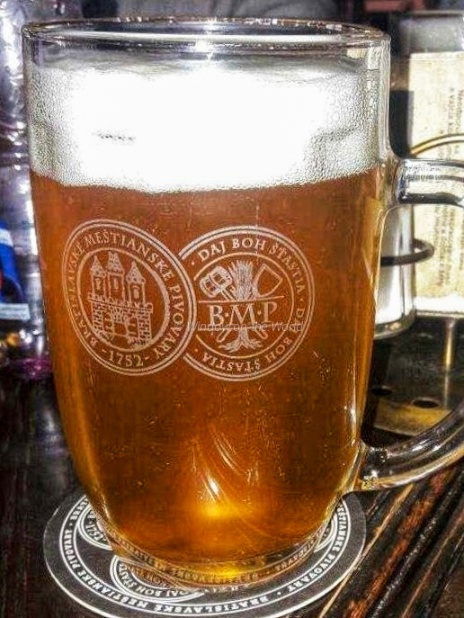
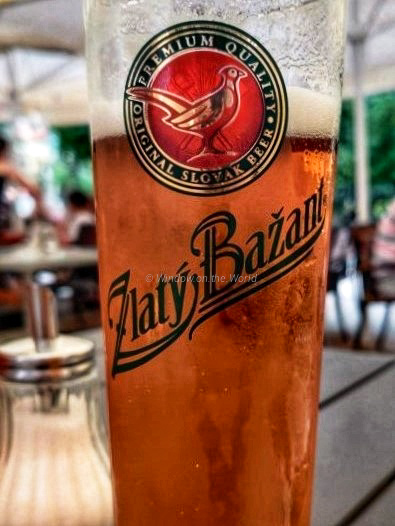
Enjoying a pint of Beer at Bratislavský Meštiansky Pivovar, a local pub in downtown Bratislava.Enjoying a glass of Zlatý Bažant, the most popular Slovakian Beer.
After few days in Slovakia, I took a train back to Budapest, Hungary for a day before flying back to Shanghai, China, my second home.
In May 2017, 23 days before I was going to complete 50 years, grabbed an opportunity and took an early retirement.. Picked up a backpack and traveling ever since.. Love to travel around the world, experience different culture, local cuisine & drinks .. and take pictures.. so far been to 108 countries and still counting...


 Window on the World