Hungary is a landlocked country in Central Europe. Over thousand years of history, since the first settlement on the territory by Celtic tribes, Hungary became part of many Empires including, Romans, Germanic Tribe, Magyars, Mongols, Ottoman Turks, Austro-Hungarian and Soviet Union. After WW-II in 1949, Hungary was declared a people’s republic and was ruled by communism. Finally, in 1989 Hungary became a democratic republic, a peaceful and prosperous nation.
I visited Hungary and Slovakia during Chinese New Year holidays of 2015. Back in the days, because of my full-time job, I had only 7 days for traveling.
Budapest is the capital and largest city of Hungary, as well as its commerce, finance, media, art, fashion, research, technology, education, and entertainment center. Budapest is one of Europe’s great cities, a place of broad boulevards and buzzing bars and the elegant sweep of the Danube. Budapest is compact, and many of its highlights lie within walking distance of each other, but public transport is also excellent, with buses, trolley-buses, trams and a metro system that was the first in continental Europe.
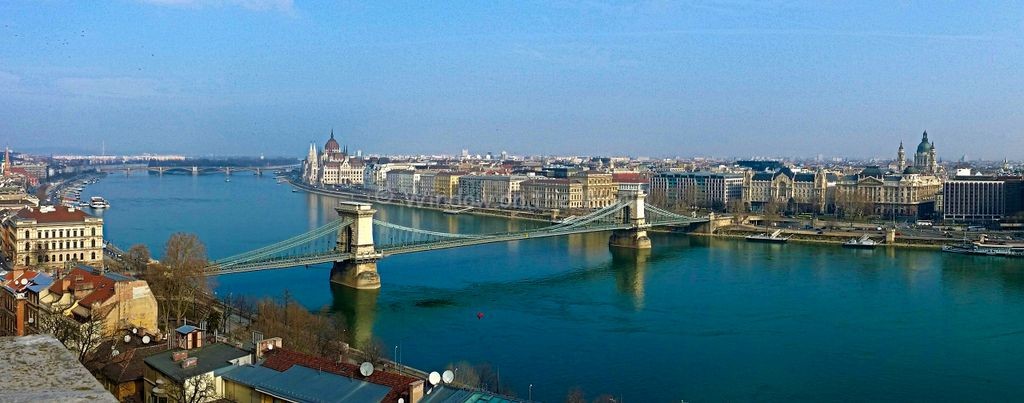
The Danube defines Budapest, cutting it in two, and the city’s two halves are totally different in character. To the west is Buda, home to the old town, medieval Castle District, on a hill that looms above the river bank. Facing Buda, across the river, is Pest, with grand 19th-century neoclassical architecture, the lion’s share of the nightlife and the prime shopping streets. Pest is the city’s beating heart.
Budapest, including the banks of the Danube, the Buda Castle Quarter and Andrássy Avenue, listed in UNESCO World Heritage site.
I loved using public transports as well as walking all over the city, Photos below are from my few days stay in Budapest.
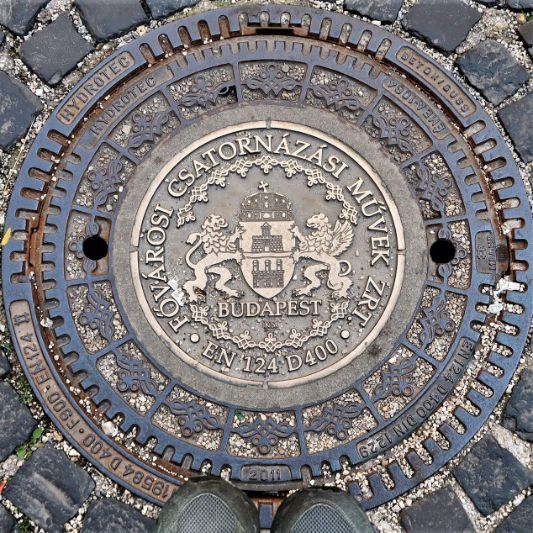
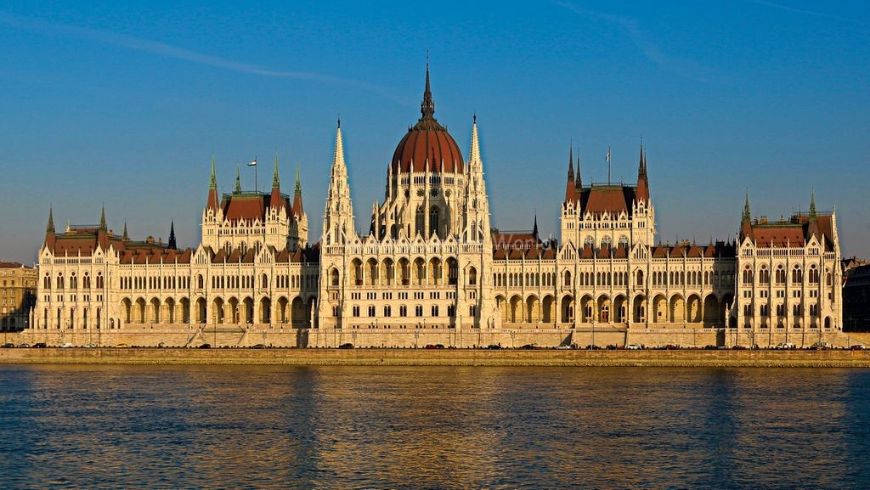
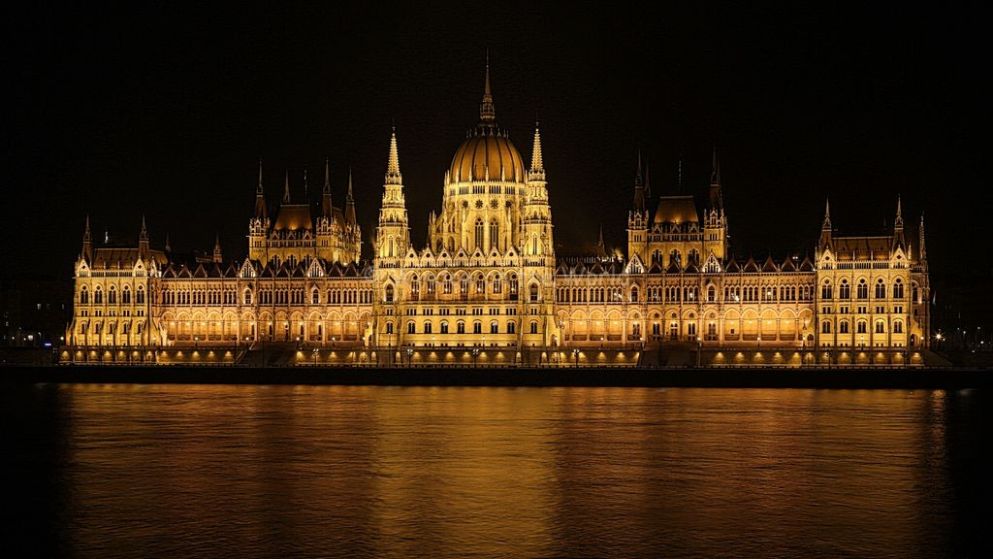
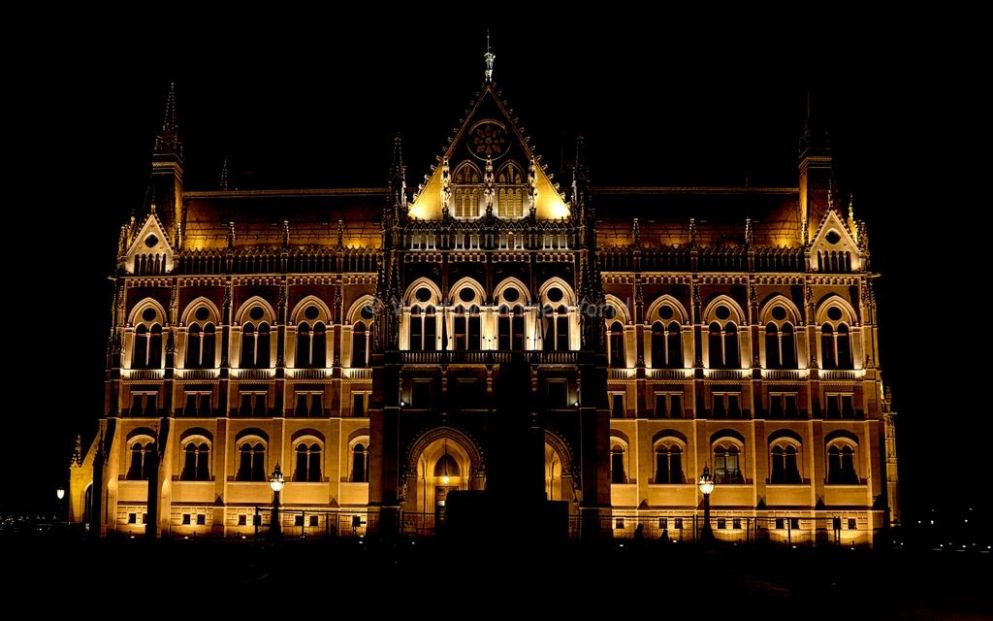
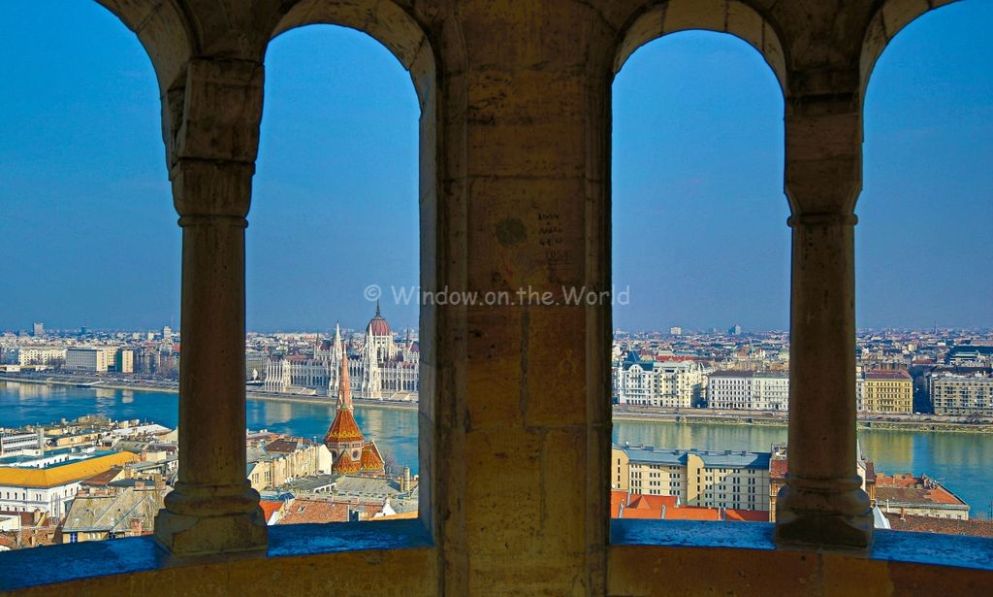
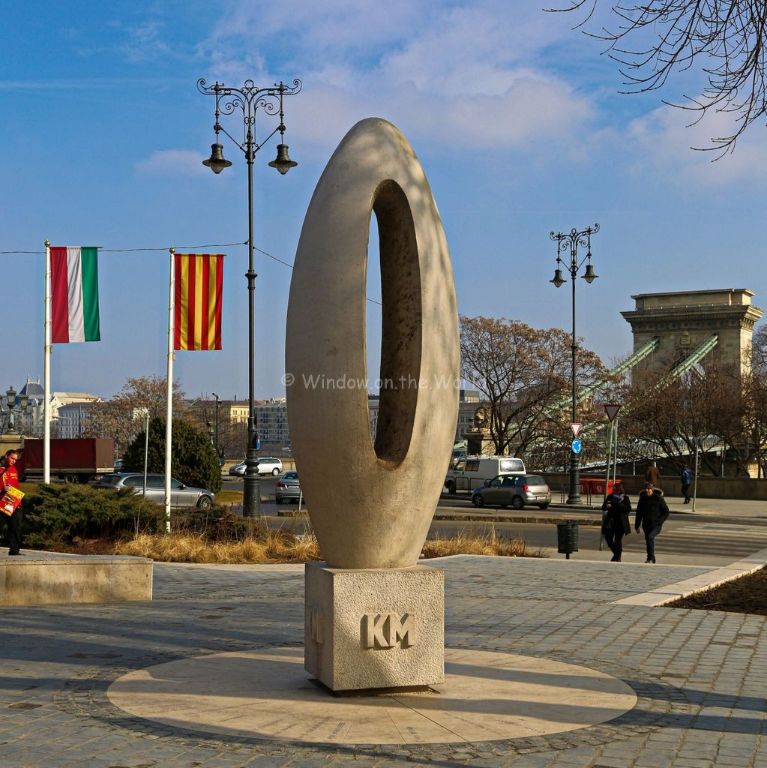
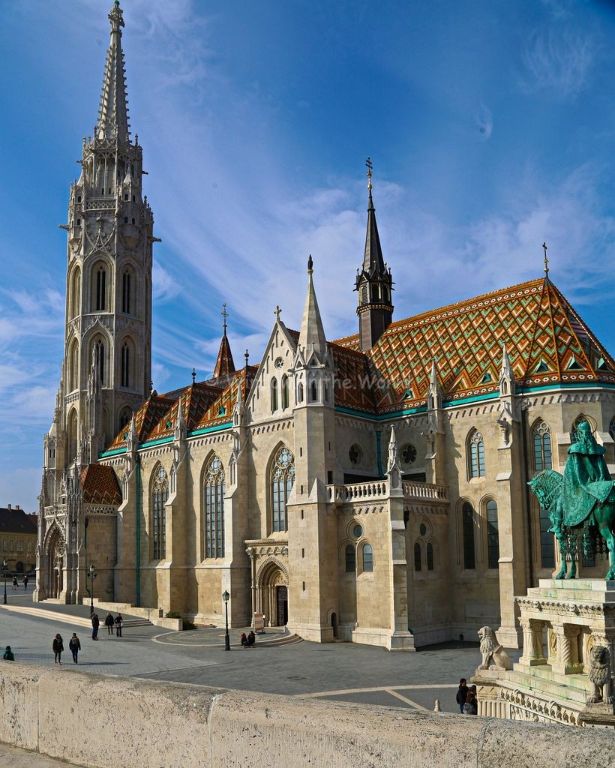
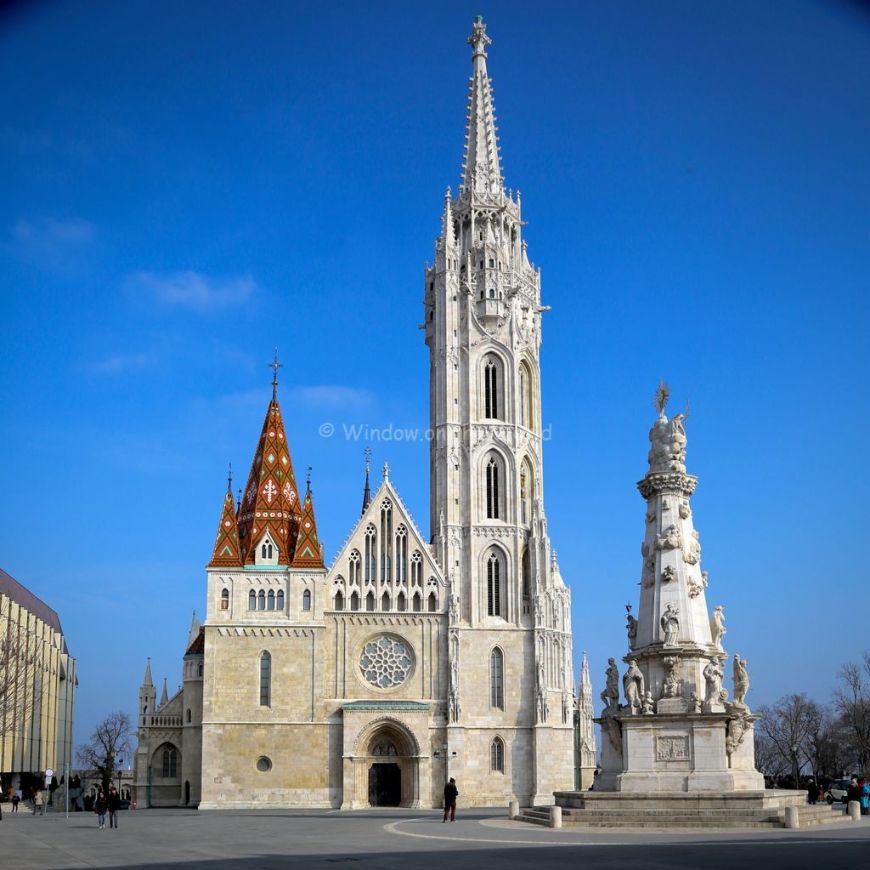
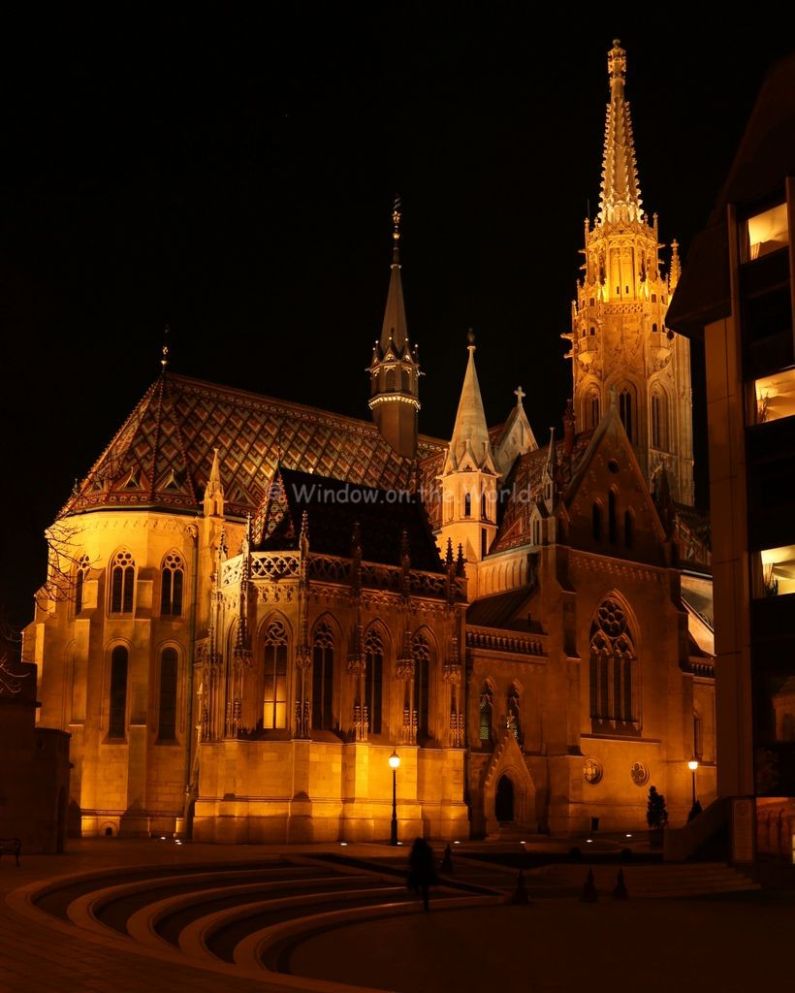
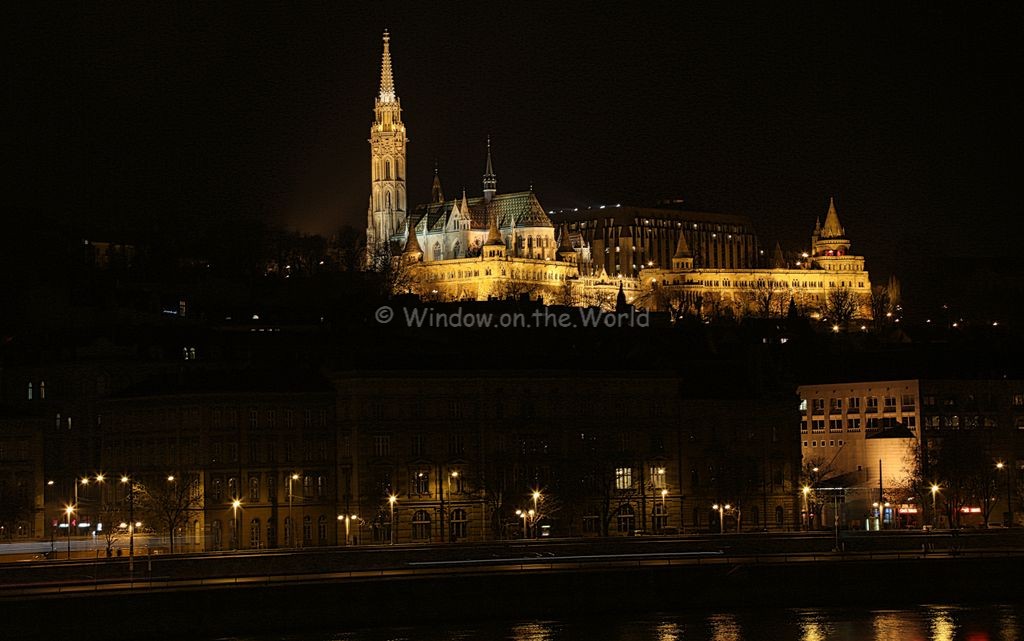
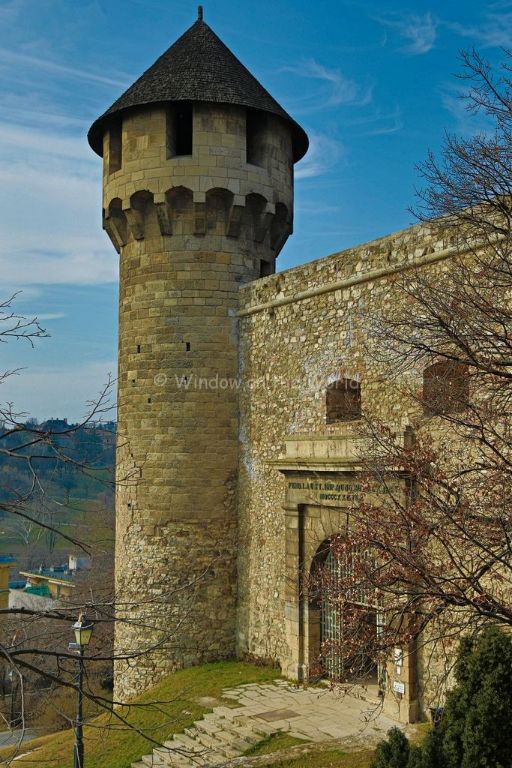
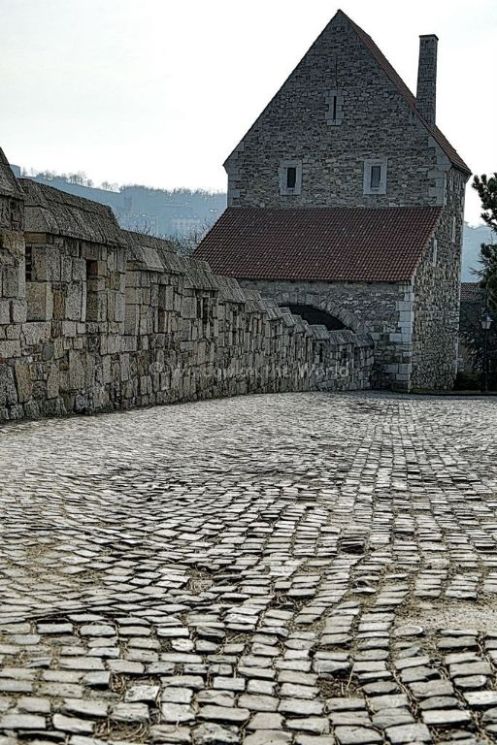
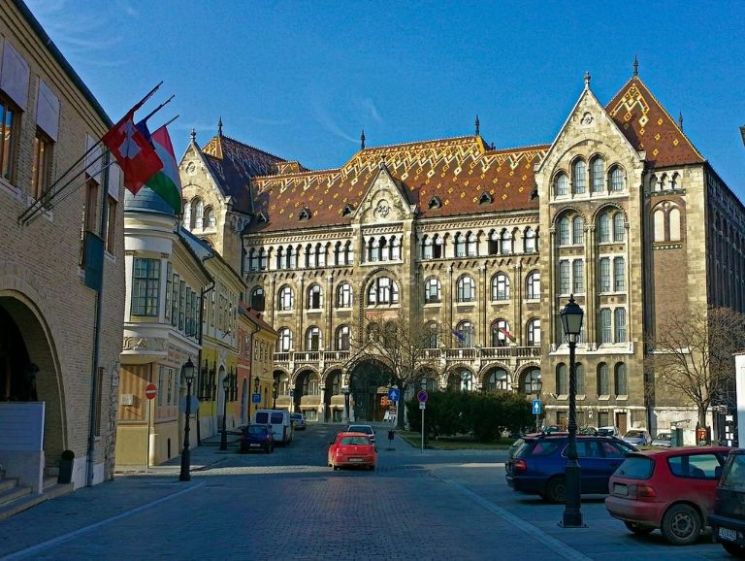
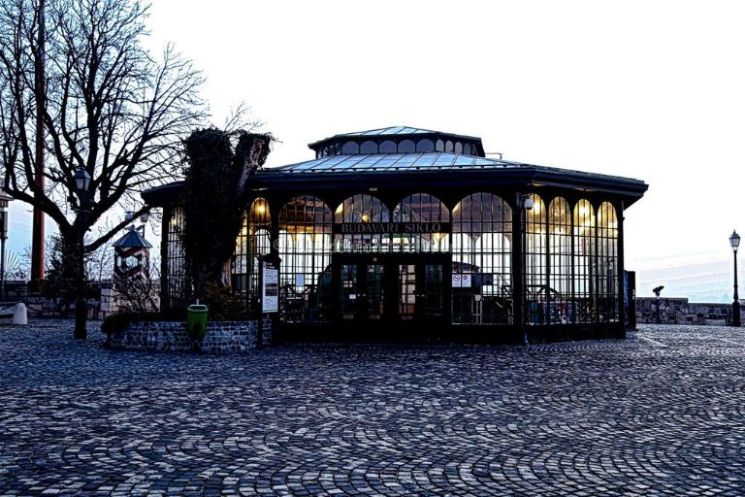
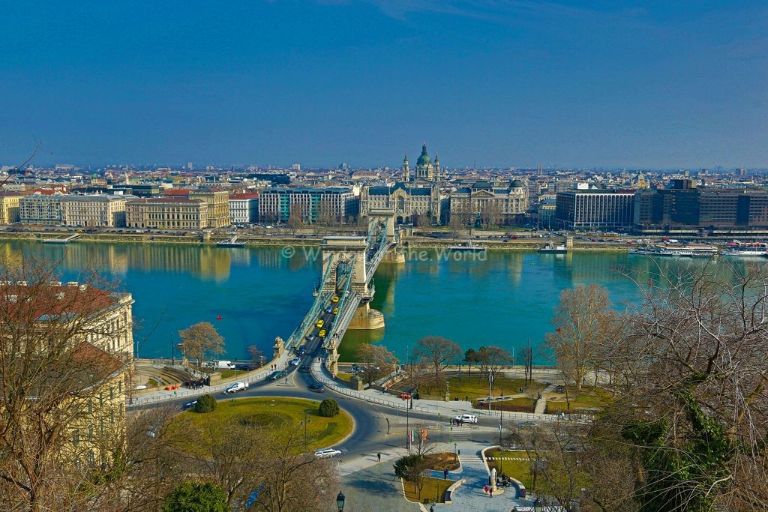
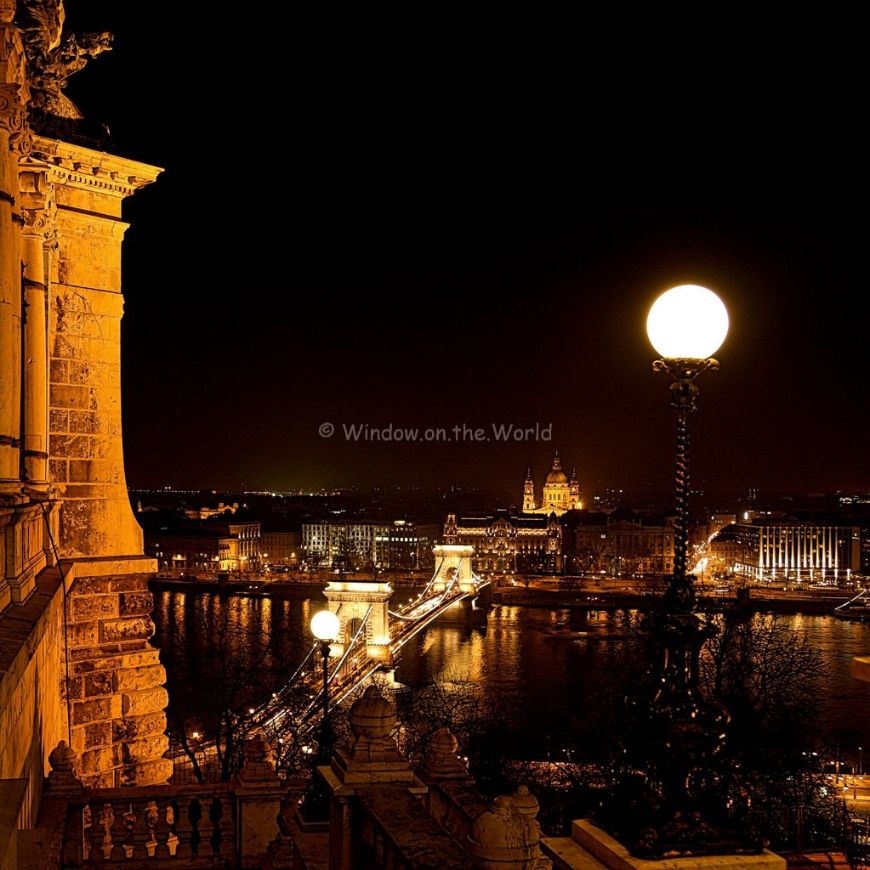
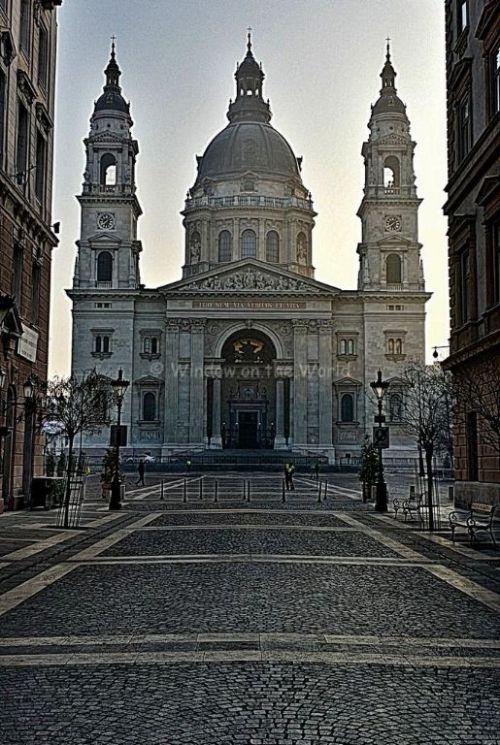
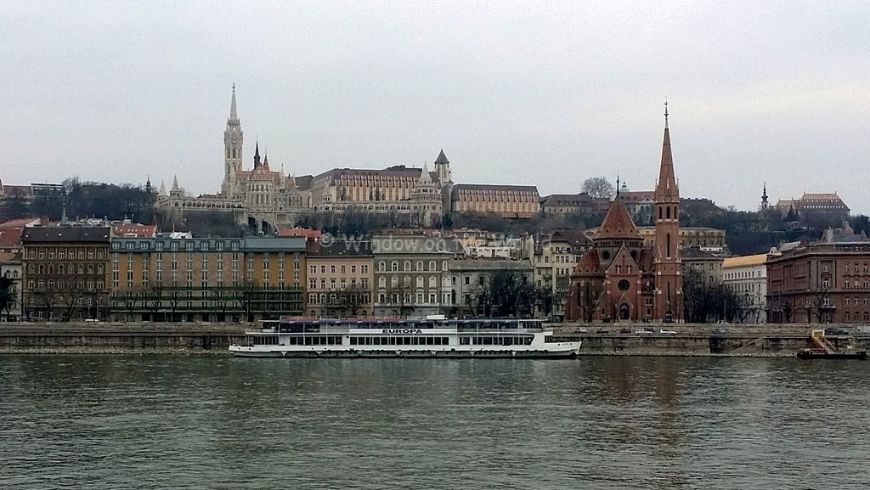
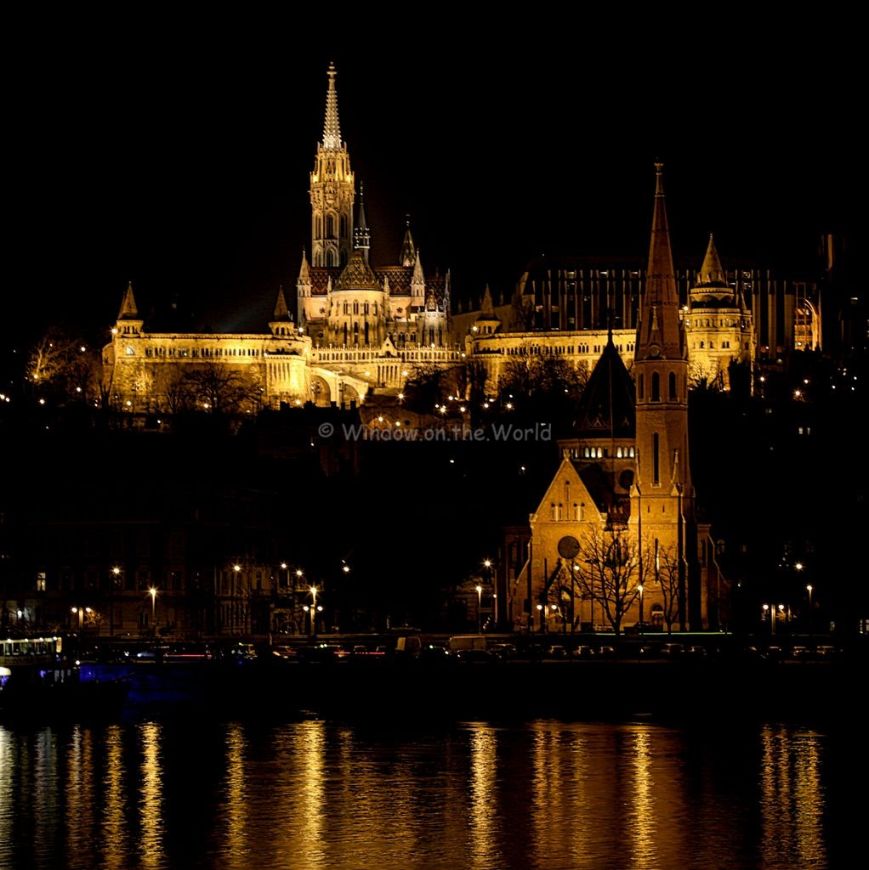
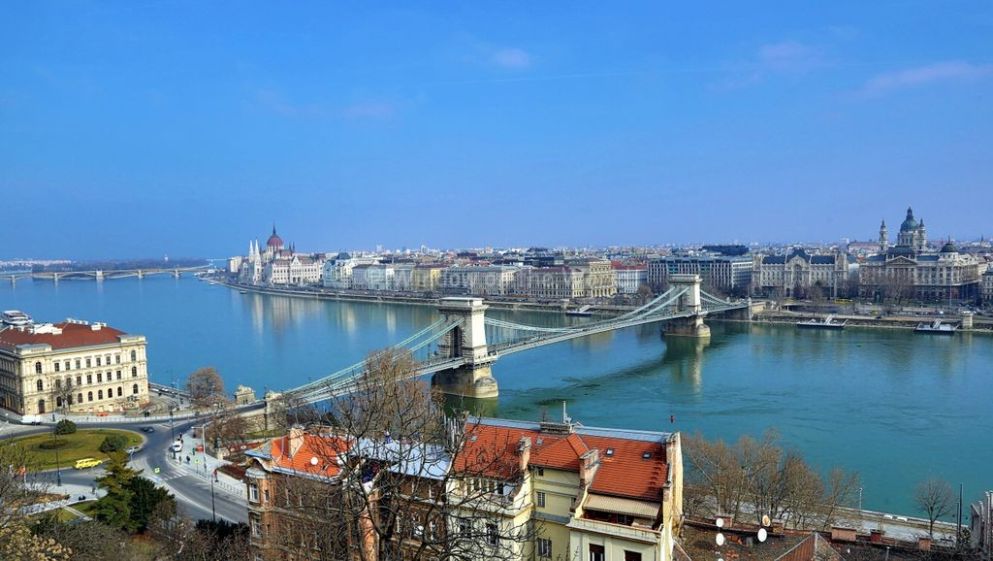
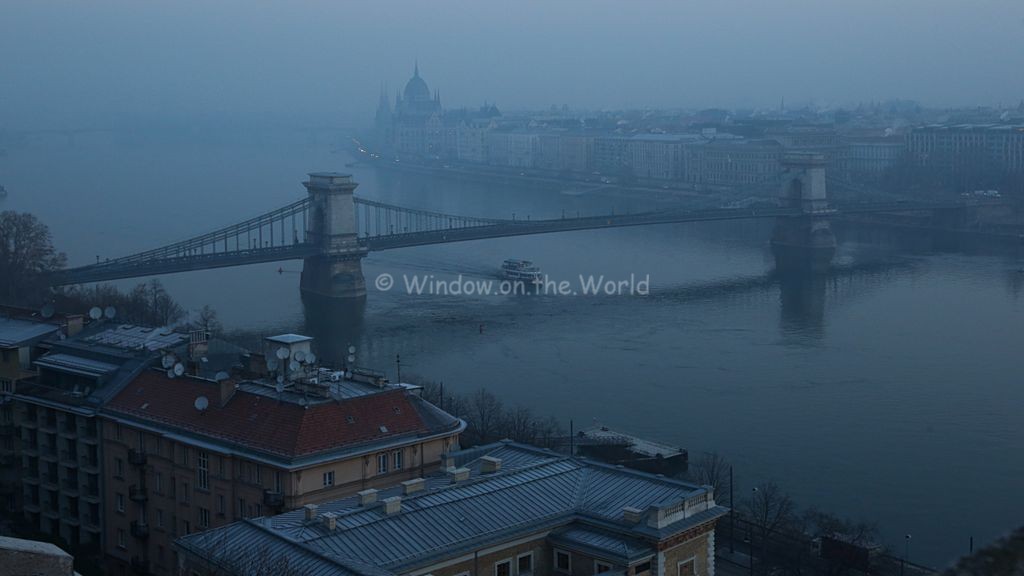
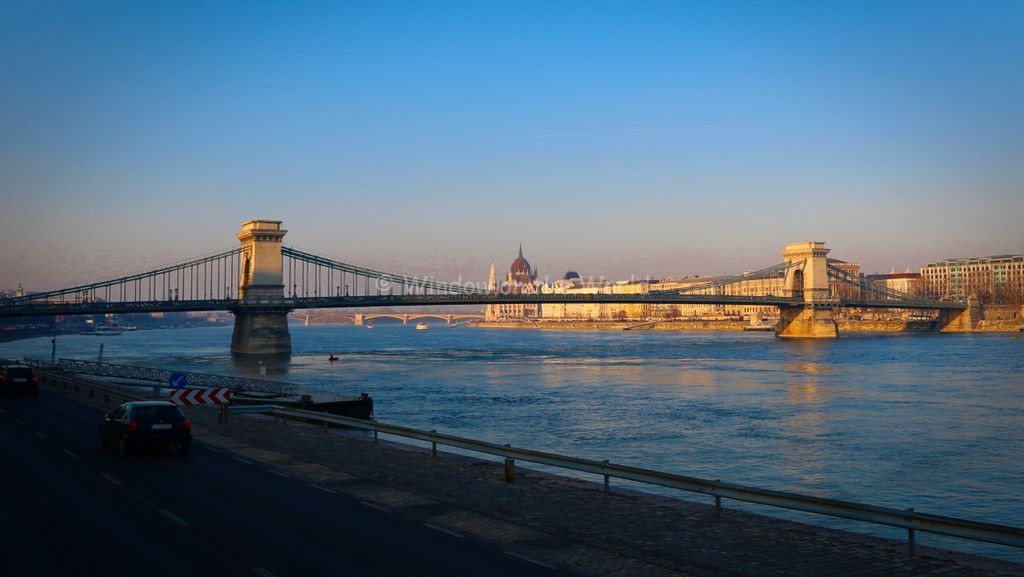
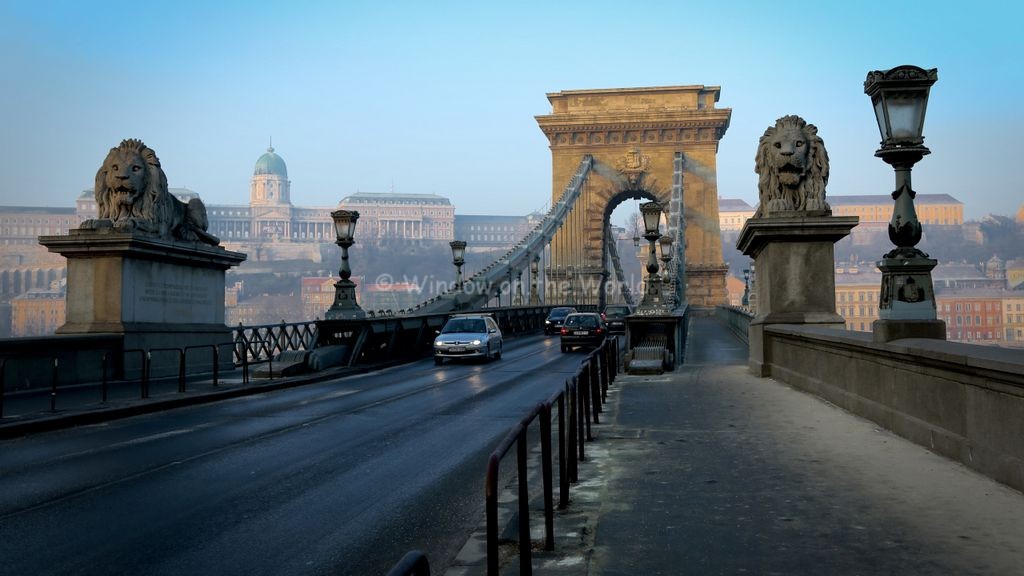
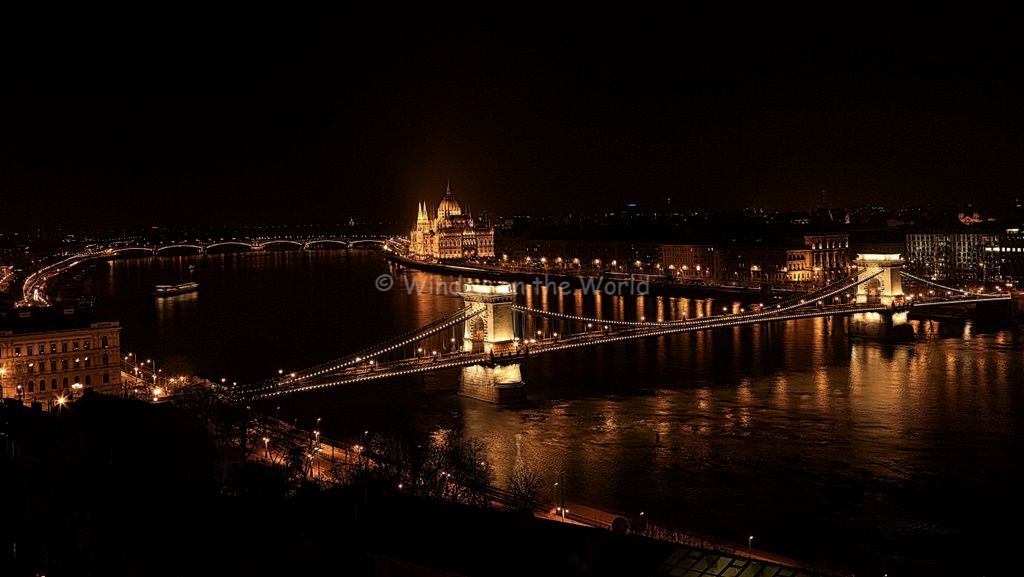
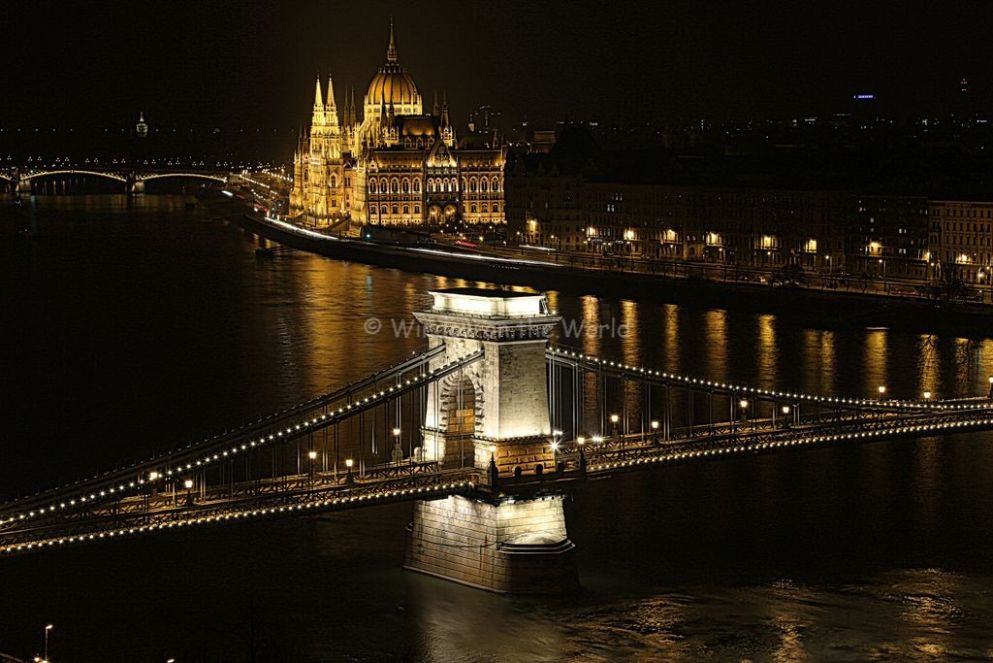
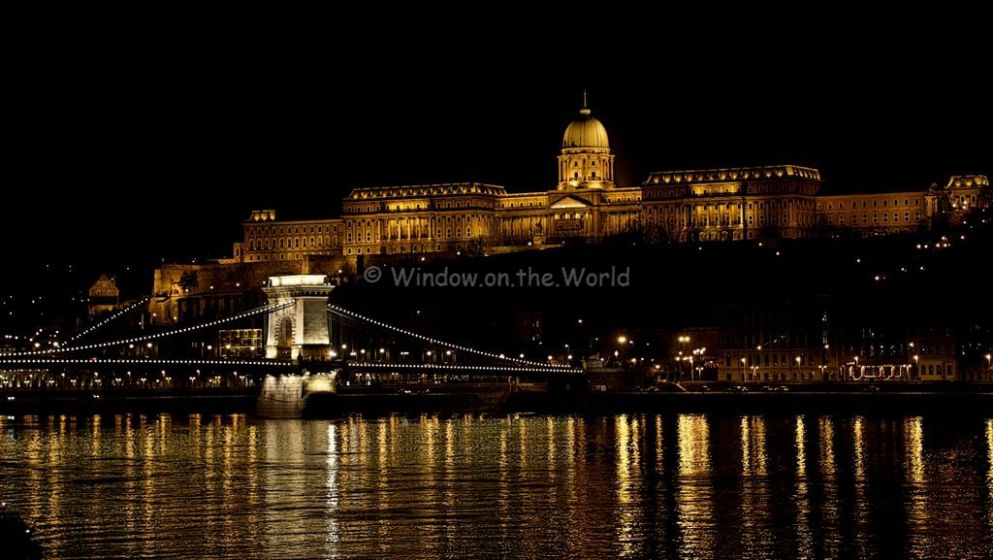
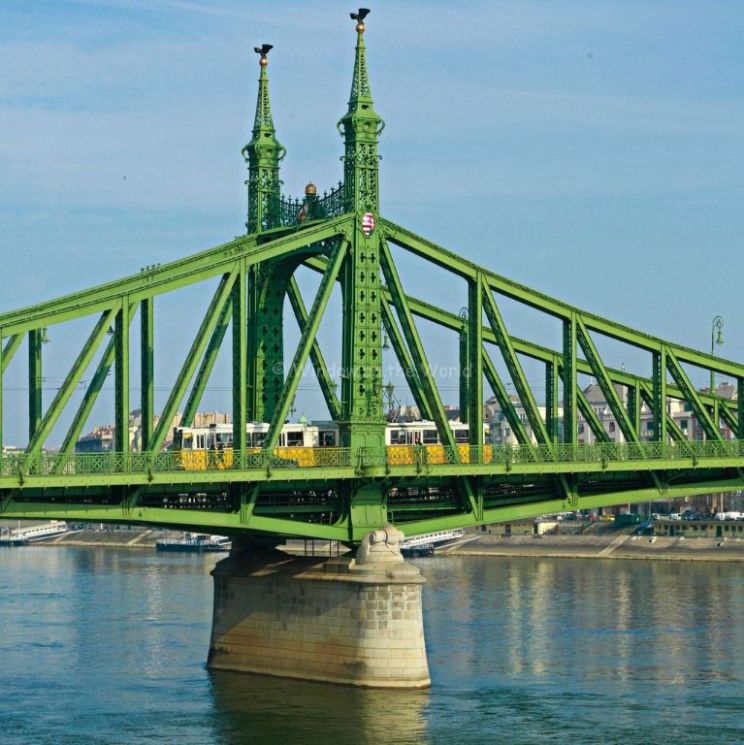
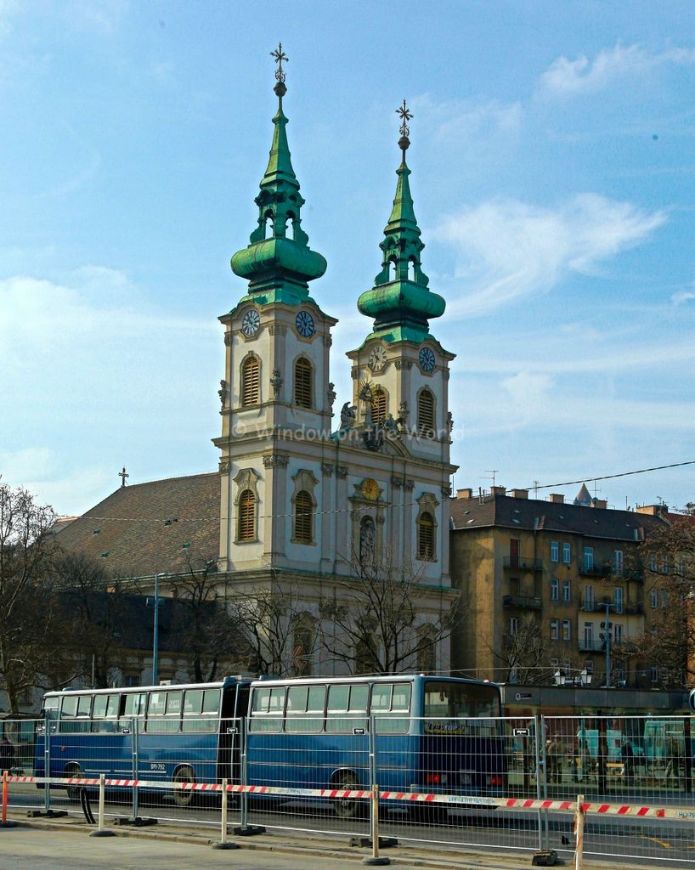
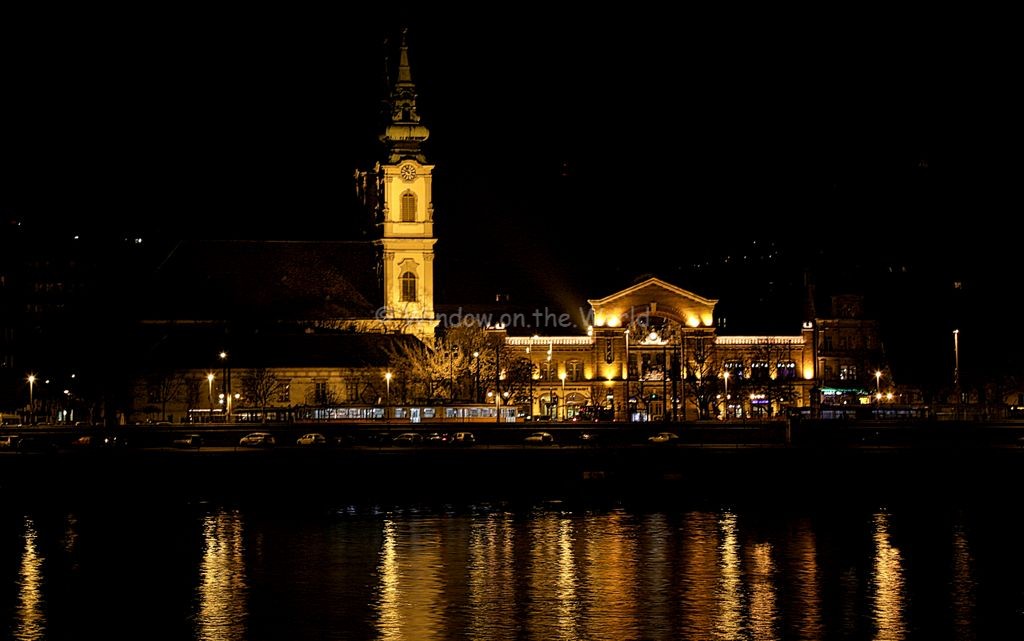
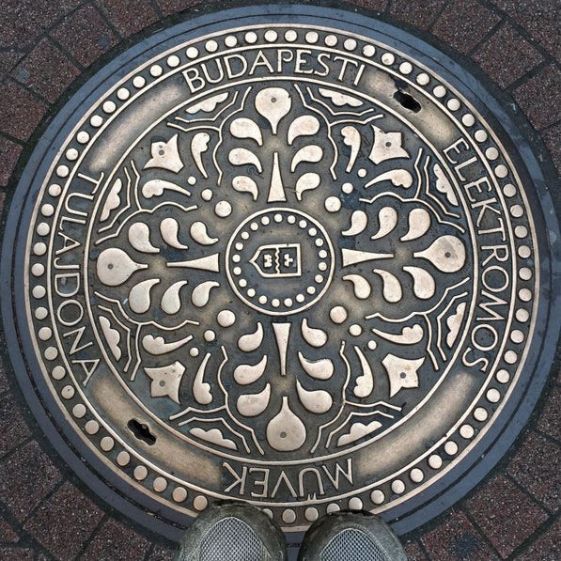
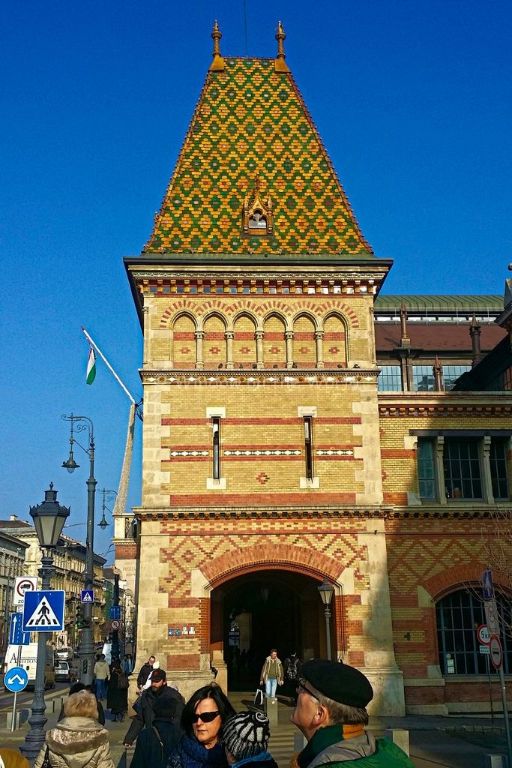
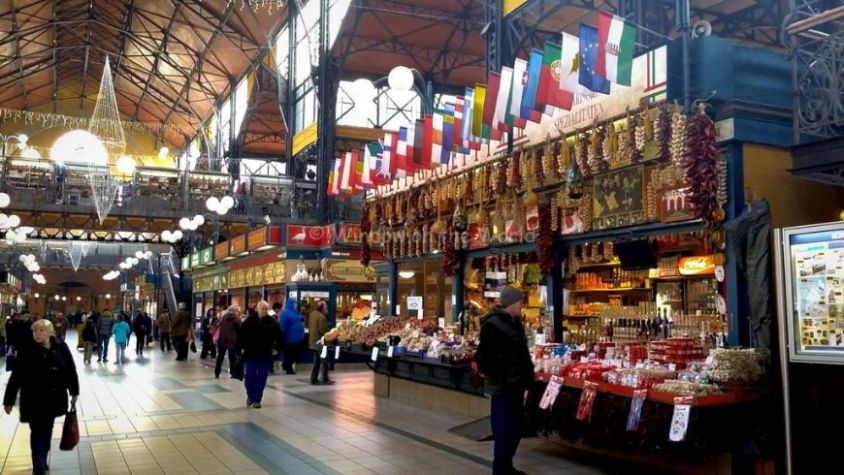
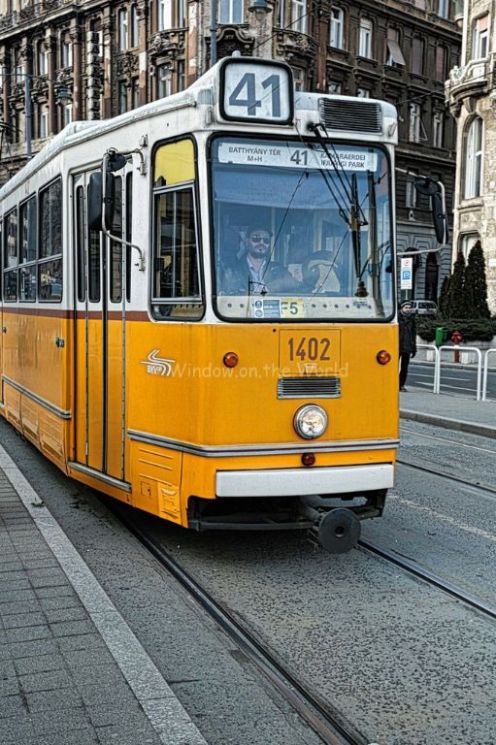
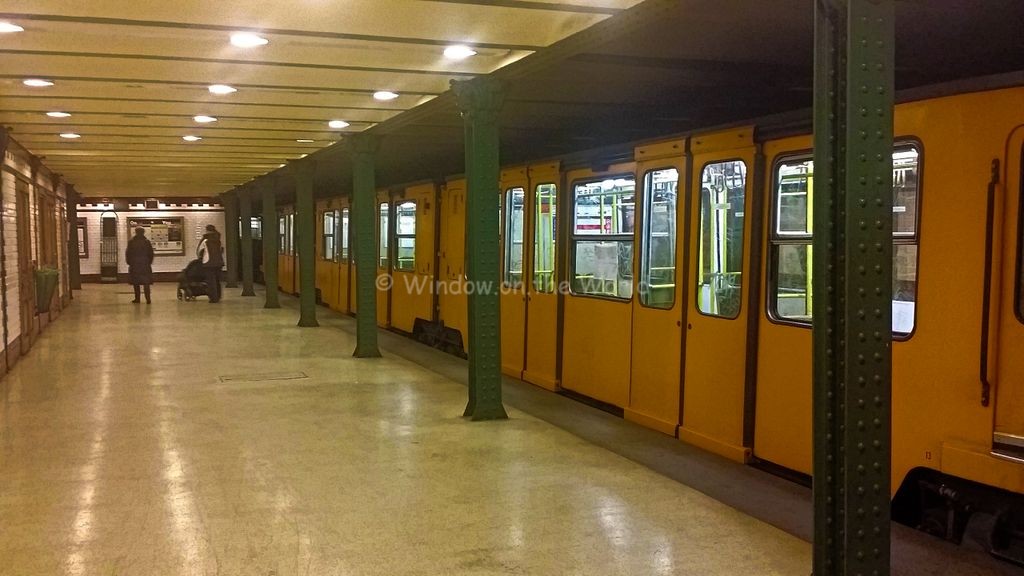
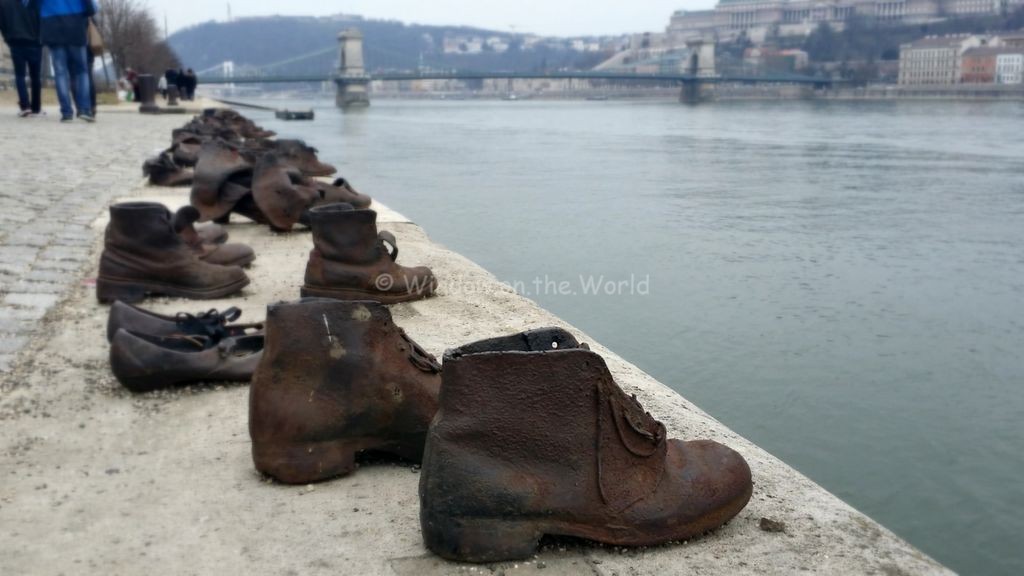
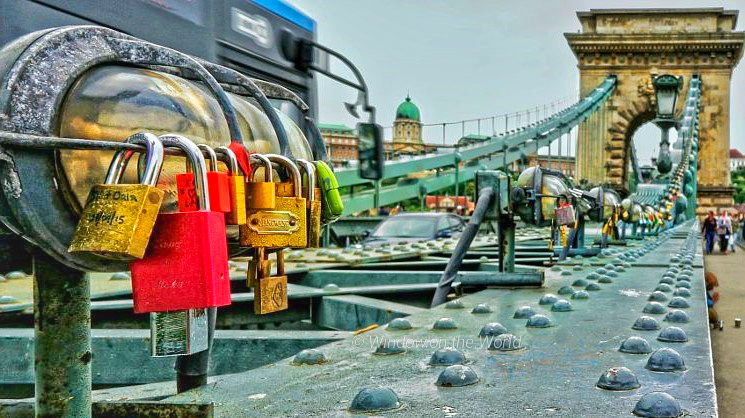
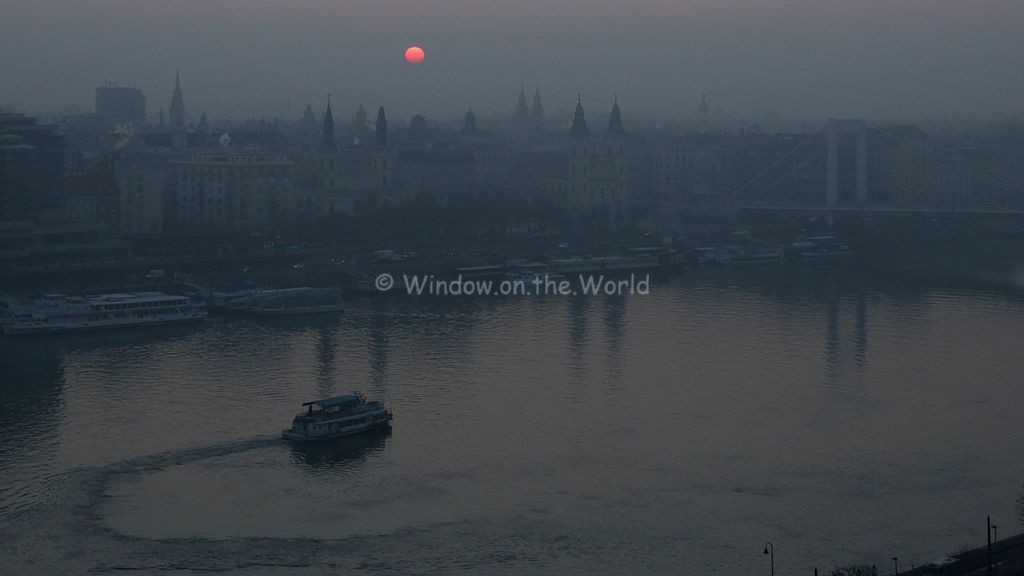
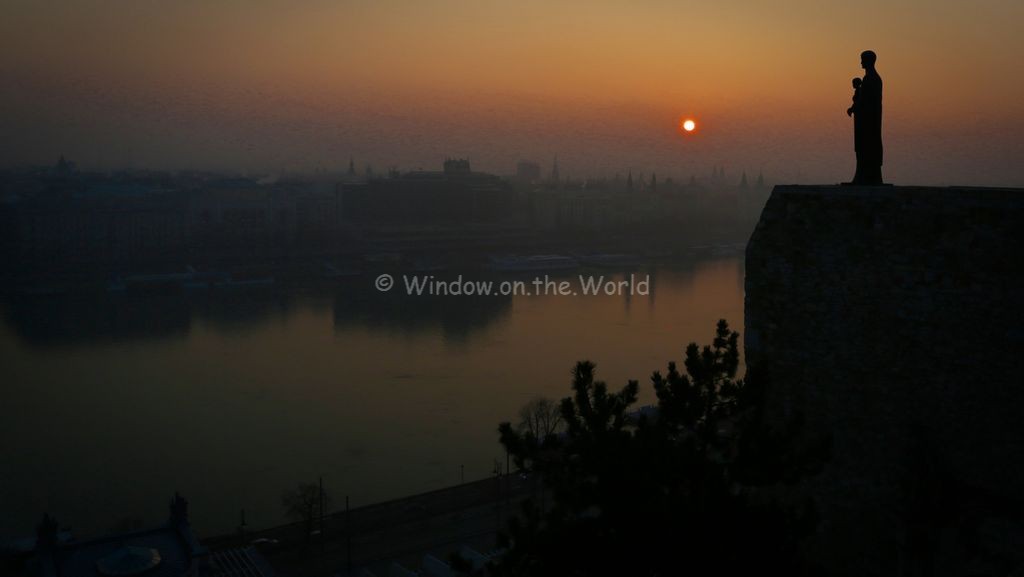
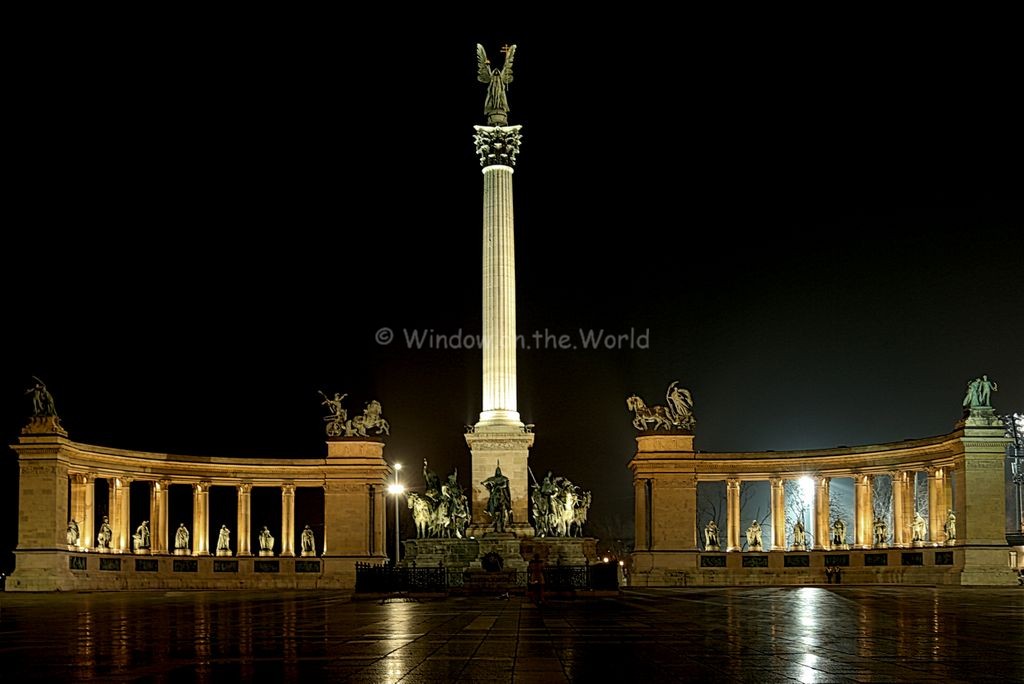
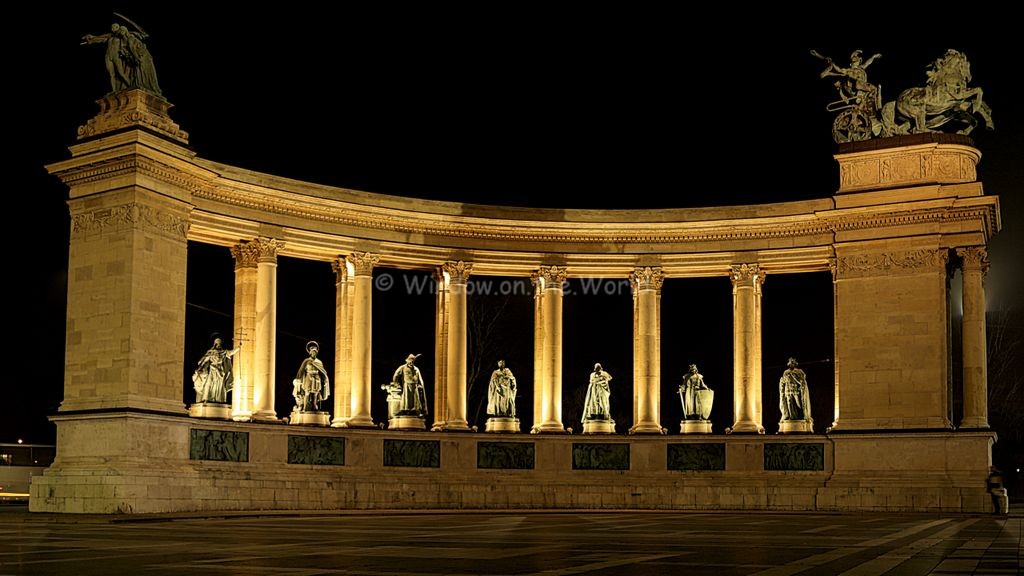
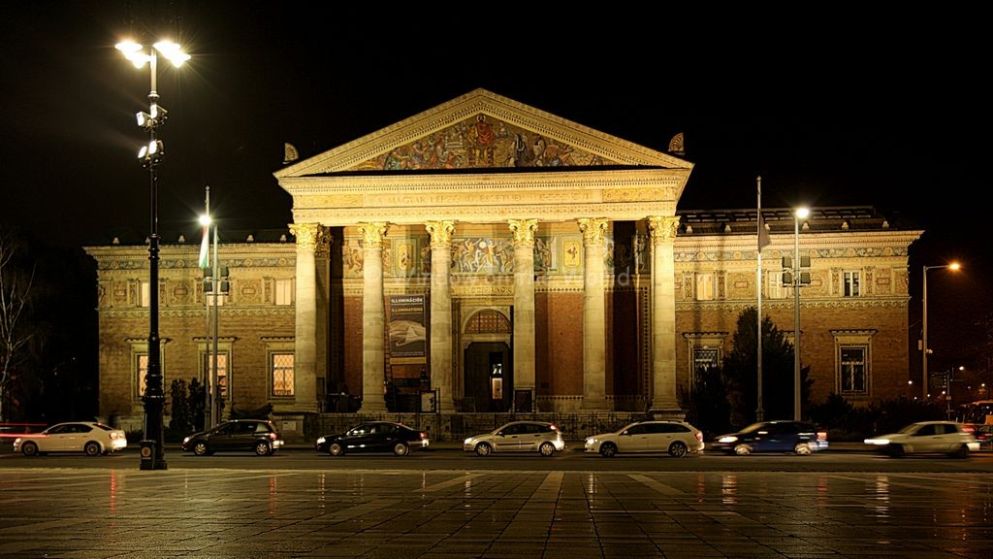
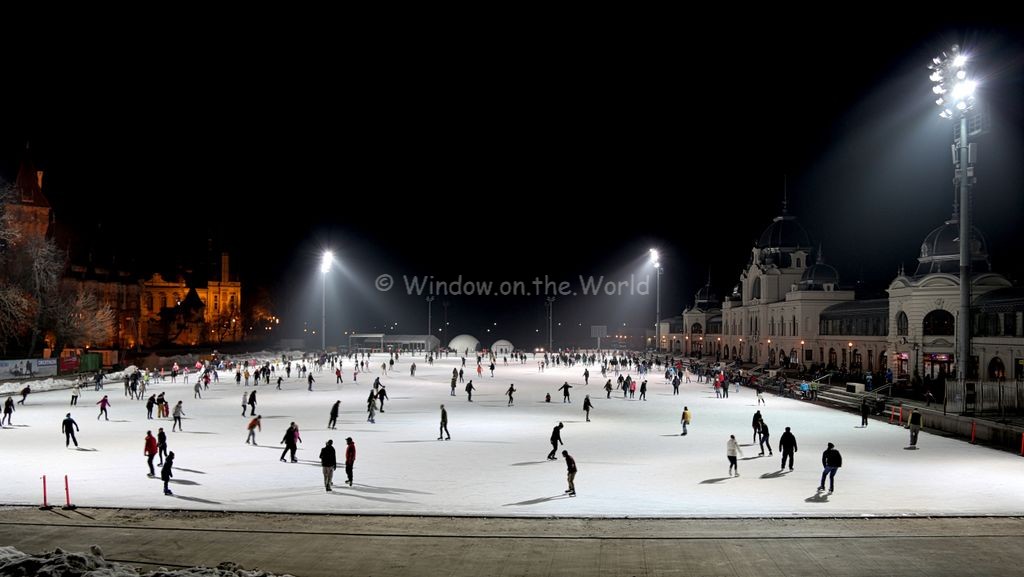
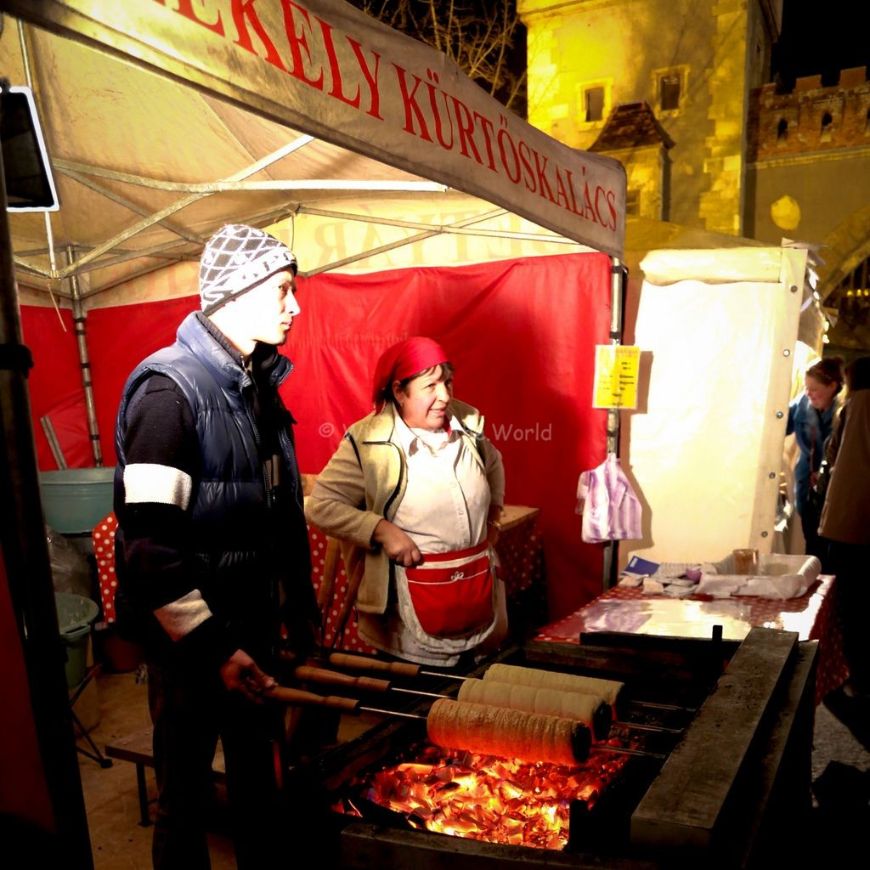
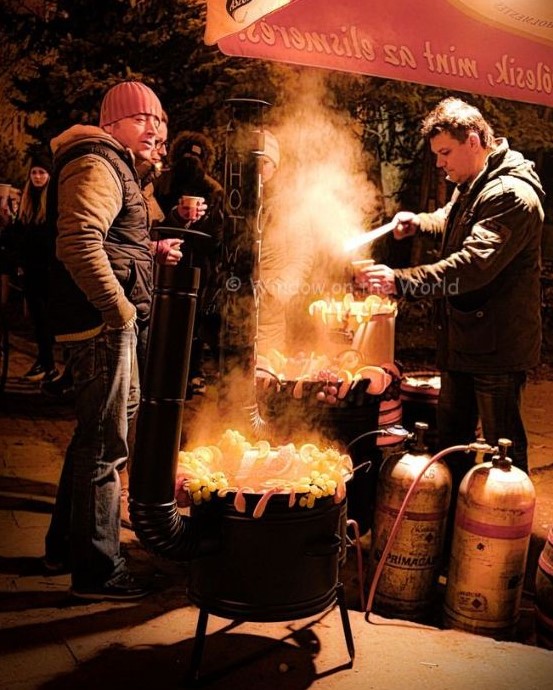
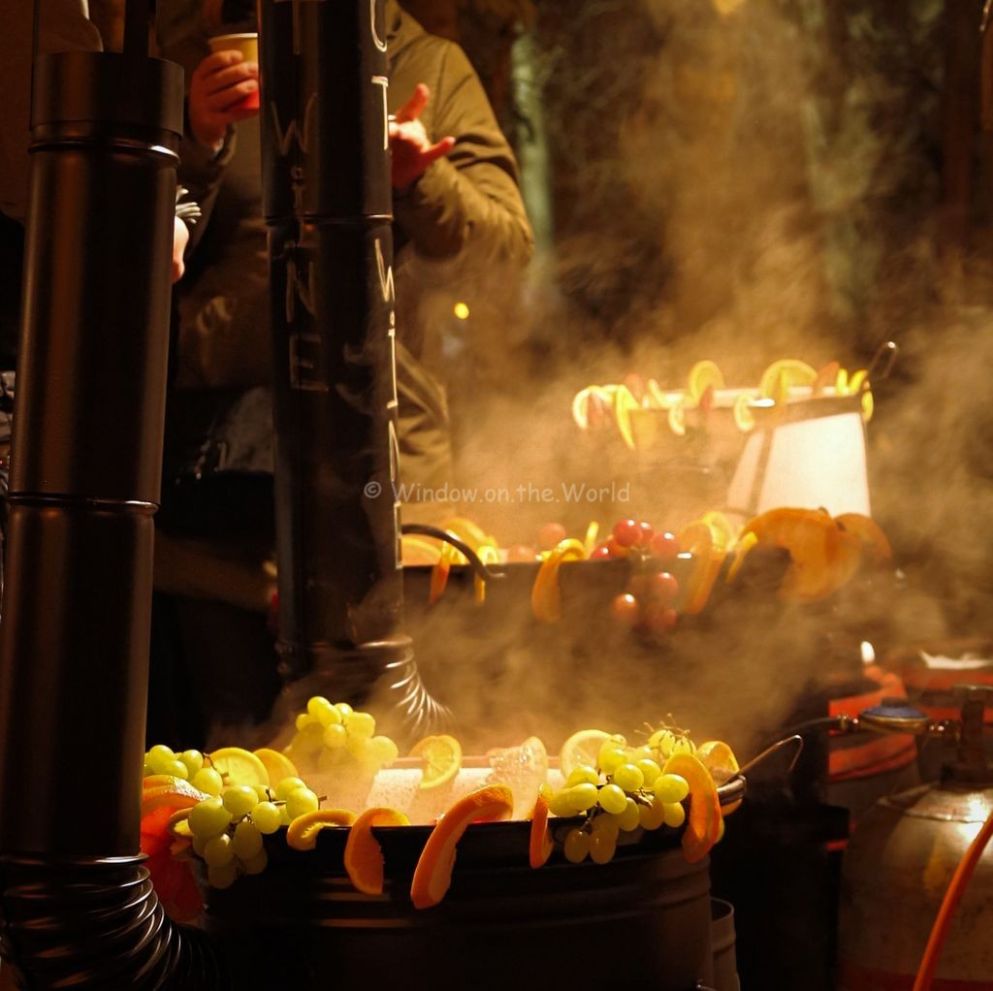
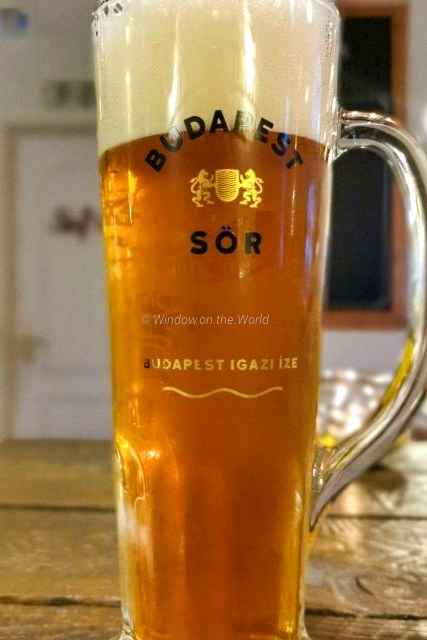
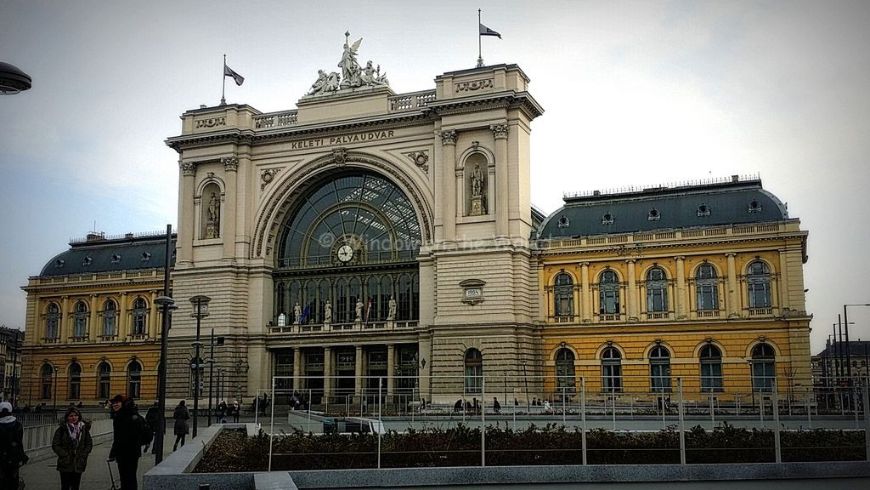
Welcome to Hungary! Welcome to Budapest! A beautiful Manhole cover with City’s Coat of Arms.The Hungarian Parliament Building, constructed between 1884 and 1904, is situated in the Pest side of the city. The Parliament building is one of the finest examples of Neo-Gothic architecture in the world. The lavish building was decorated using more than 40 kilograms of 22 to 23 carat gold. there are 691 rooms, 10 courtyards and 20 KM (12.5 miles) worth of stairs.The Hungarian Parliament Building after dark.The Hungarian Parliament Building after dark.The Hungarian Parliament Building on the Pest side, from the Fisherman’s Bastion at Castle Hill on Buda side.The Zero Kilometre Stone is a 3 m high limestone sculpture in Budapest, forming a zero sign, with an inscription on its pedestal reading “KM” for kilometres.The Matthias Church, a Roman Catholic church located in the Holy Trinity Square, at the heart of Buda’s Castle District. The current building was constructed in the late Gothic style in the second half of the 14th century and was extensively restored in the late 19th century. It was the second largest church of medieval Buda. The roof is covered with the famous Zsolnay ceramic tiles, giving an extra touch of charm to the whole structure. The Holy Trinity column and the front entrance of the Matthias Church. The Holy Trinity column commemorates the people of Buda who died from two outbreaks of the Black Plague.The Matthias Church after dark.The Fisherman’s Bastion and Matthias Church on the castle hill, after Dark.Mace Tower (Buzogánytorony), located along the southern wall of Buda Castle near the Ferdinand Gate. The fortification was constructed in the 14th century.Tower of the Budapest History museum with colored stained glass during early morning.Well-preserved medieval stone streets of the Castle Hill.The National Archives of Hungary, The building was built in historical-romantic style, with gilded tiled roof made in the Zsolnay factory.The upper entrance to the Budapest Castle Hill Funicular or Budavári Sikló, one of the best place to take picture of the Chain Bridge.The Chain bridge with St. Stephen’s Basilica in the backdrop.The Chain bridge with St. Stephen’s Basilica in the backdrop, after dark.St. Stephen’s Basilica, built in 1905, a Roman Catholic basilica named in honor of Saint Stephen I, the first King of Hungary (c. 975–1038). Equal with the Hungarian Parliament Building, it is one of the two tallest buildings in Budapest at 96 meters.Calvinist Church (Szilágyi Dezső Square Reformed Church), a Neo-Gothic brick church with colorful roof tiles on the bank of the Danube with Fisherman’s Bastion and Matthias Church on the castle hill.Calvinist Church on the bank of the Danube with Fisherman’s Bastion and Matthias Church on the castle hill, after Dark.The most photographed bridge in Hungary, the Chain Bridge, completed in 1849 as the first permanent bridge connecting Buda and Pest. It was also the first permanent bridge spanning the Danube River in all of Hungary.The Chain Bridge in early morning before sunrise.The Chain Bridge in early morning.The Chain Bridge and The Hungarian Parliament, two most photographed monuments of BudapestLarge lion statues guarding all four corners of the Chain Bridge.The Chain Bridge and The Hungarian Parliament after dark from the Castle Hill.The Chain Bridge and The Hungarian Parliament after dark from the Castle Hill.The Chain Bridge and The Buda Castle after dark from across the river on Pest side.A tram crossing the Liberty Bridge (Szabadság híd). The bridge built between 1894 and 1896, connects Buda and Pest across the River Danube.St. Anne’s Church, Built during 1740 – 1761, a Roman Catholic parish church and one of Budapest’s most beautiful baroque buildings, located in the Batthyány Square (Batthyány tér) of Buda Castle district.St. Anne’s Church after dark from across the river on Pest side.A very beautiful Manhole cover!The Central Market Hall, (Nagyvásárcsarnok), the largest and oldest indoor market in Budapest. The building was designed and built in 1897. The entrance gate has a neo-gothic touch with colorful Zsolnay ceramic tiles roof. The Central Market Hall, (Nagyvásárcsarnok), the largest and oldest indoor market in Budapest. The best place to buy souvenirs. Tram in Budapest, a convenient way to move around the city.Budapest Metro Line M1; built from 1894 to 1896, is the 2nd oldest underground metro transit rail line worldwide, after the London Underground, and the oldest on the European mainland, having been in constant operation since 1896. The underground metro was built entirely from the surface, with the cut-and-cover method.The Shoes on the Danube Bank, a Memorial to honor the Jews who were killed by fascist Arrow Cross militiamen in Budapest during World War II. They were ordered to take off their shoes, and were shot at the edge of the water so that their bodies fell into the river and were carried away. It represents their shoes left behind on the bank.Love Locks on the Chain Bridge.Sunrise over Budapest.Virgin Mary and the child Jesus at Sunrise.Heroes’ Square (Hősök tere), one of the major squares noted for its iconic statue complex featuring the seven chieftains of the Magyars and other important Hungarian national leaders, as well as the Tomb of the Unknown Soldier.The seven chieftains of the Magyars at the Heroes’ Square (Hősök tere).The Budapest Palace of Art (Műcsarnok Kunsthalle), a contemporary art museum and a historic building located on Heroes’ Square (Hősök tere).The gigantic open air ice rink, in the Varosliget park during winter, is a boating lake in the summer time.My favorite, Kürtőskalács (Kurtosh Kalach), a spit cake specific to Hungarians from Transylvania. Its popular in both, Hungary and Romania.Forralt Bor, Mulled wine, is an inextricable part of winter in Hungary.Forralt bor sold all over the city, Every family and vendor has its own recipe for forralt borEnjoying Budapest Sör, a locally brewed beer, after a day of exploring beautiful city of Budapest.Budapest Keleti (eastern) railway station, the main international and inter-city railway terminal in Budapest. I took a train to Bratislava, Slovakia from this station.
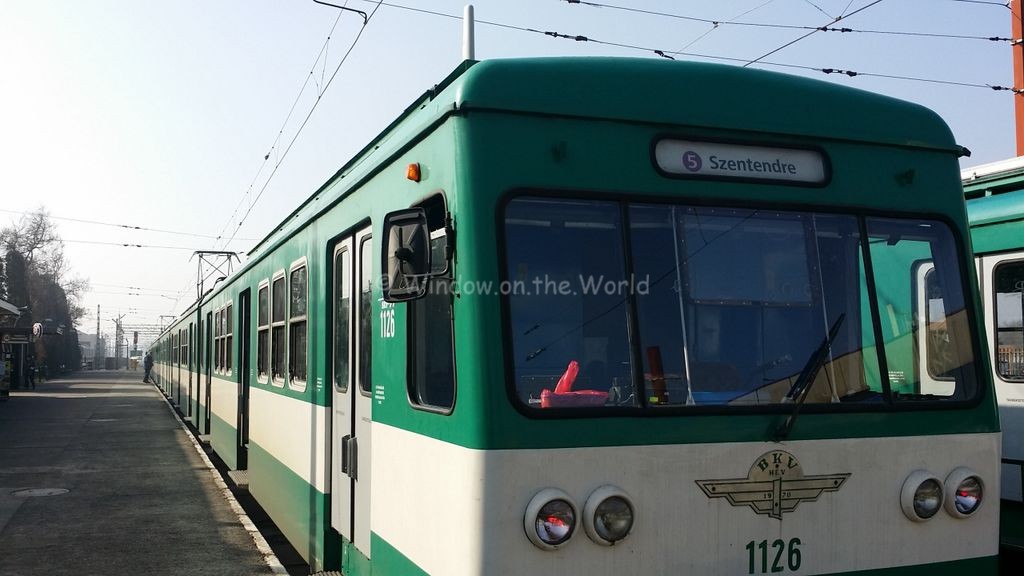
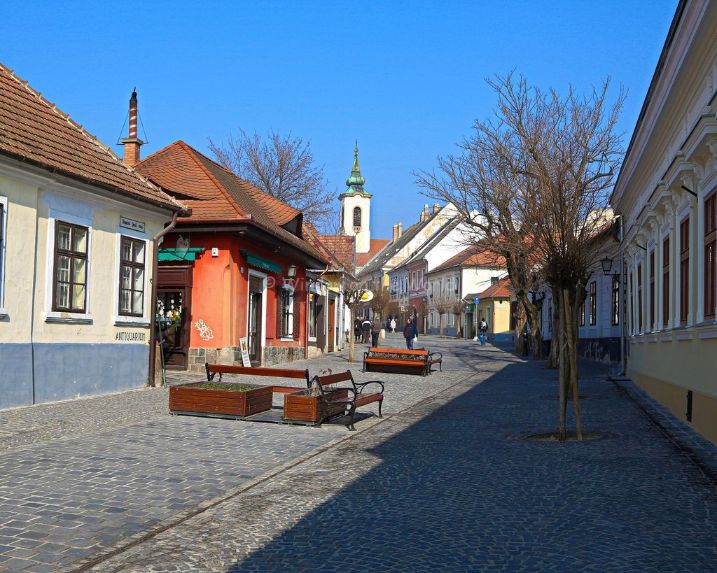
A day-trip to Szentendre: After few days of walking around the capital city, I took the suburban railway (HÉV) from Budapest to Szentendre, a riverside town in Pest county known for its baroque architecture, churches, colorful houses and narrow, cobbled streets. The main square, Fő Tér, and the alleyways around it are lined with art galleries, museums and shops. A perfect place for spending a day away from the big city. Enjoy photos from charming town of Szentendre.
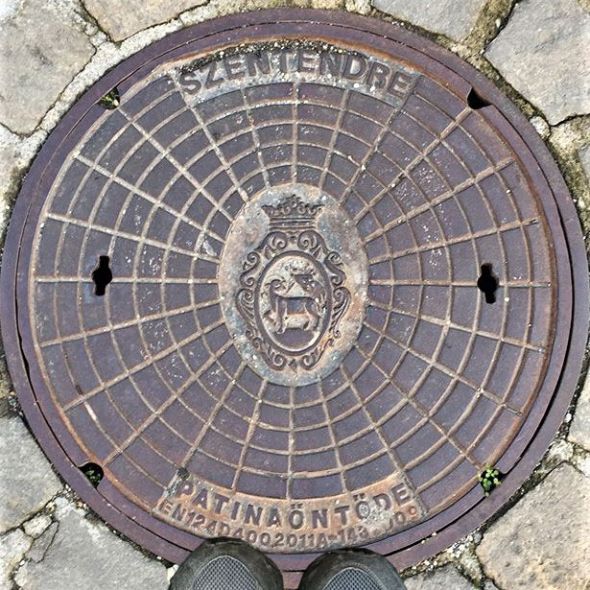
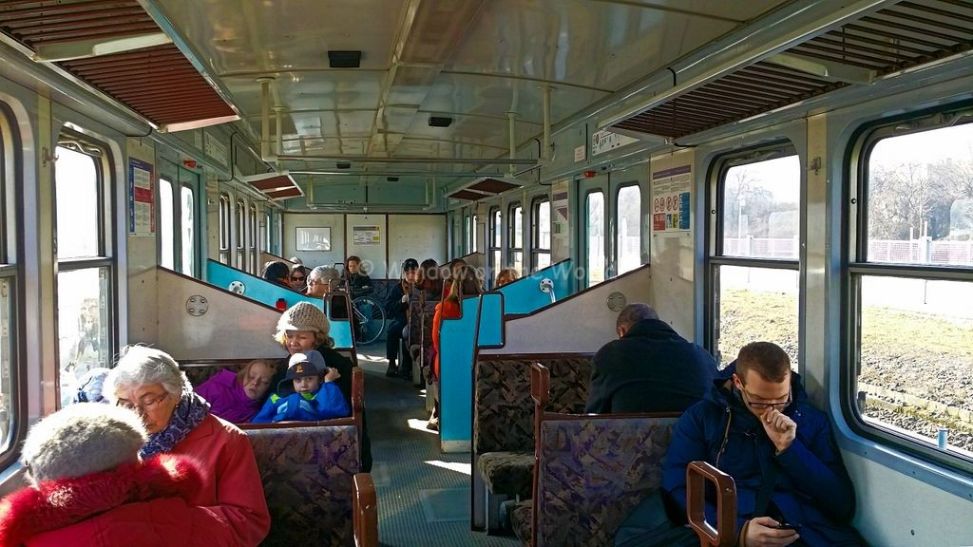
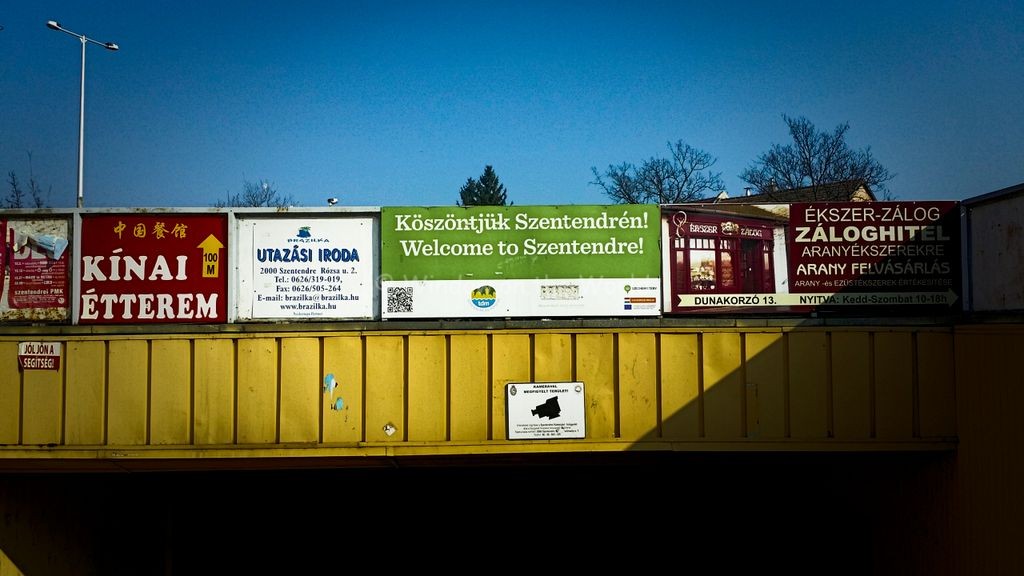
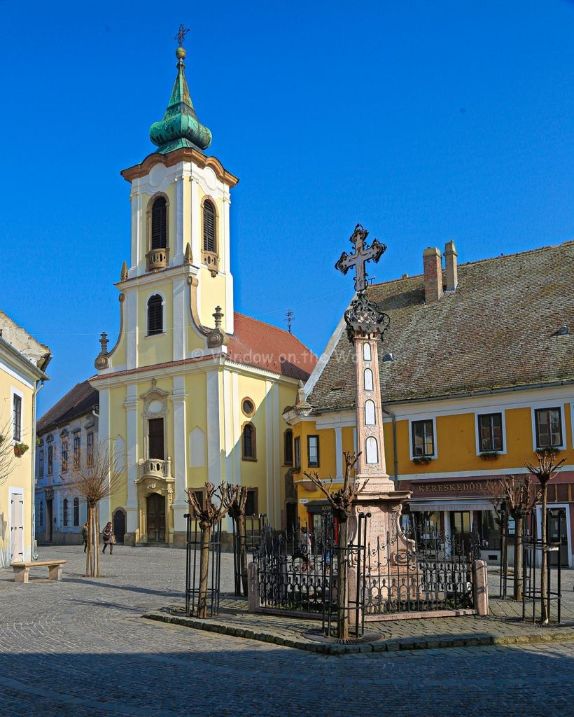
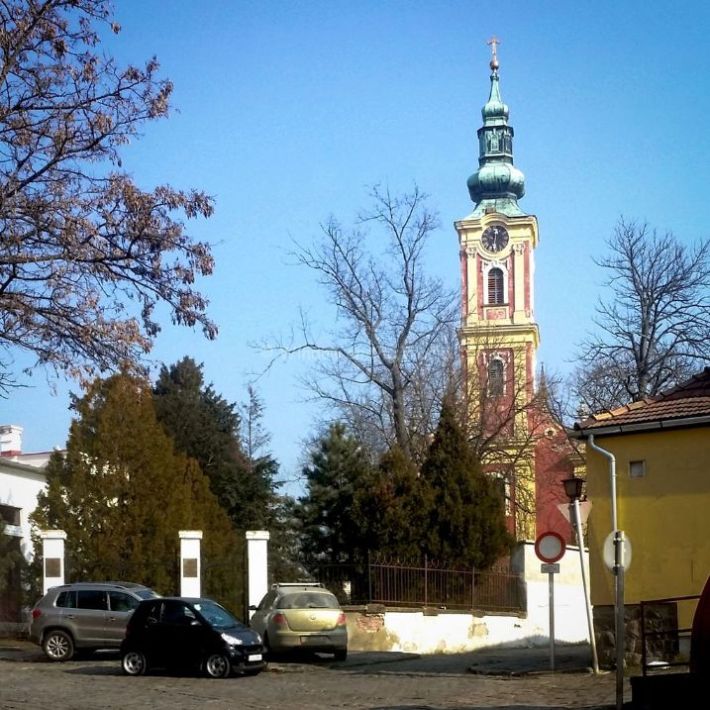
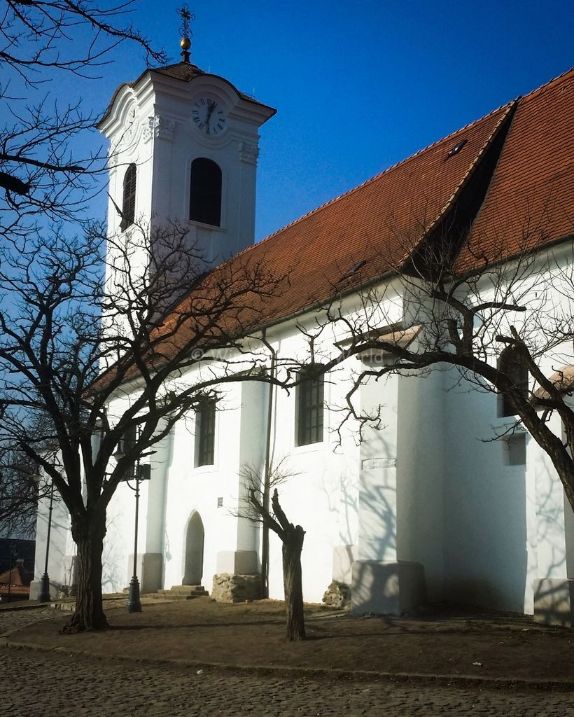
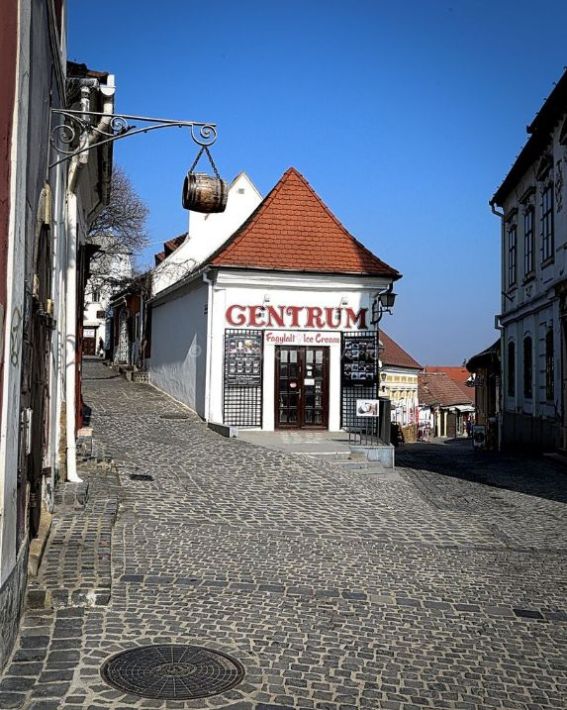
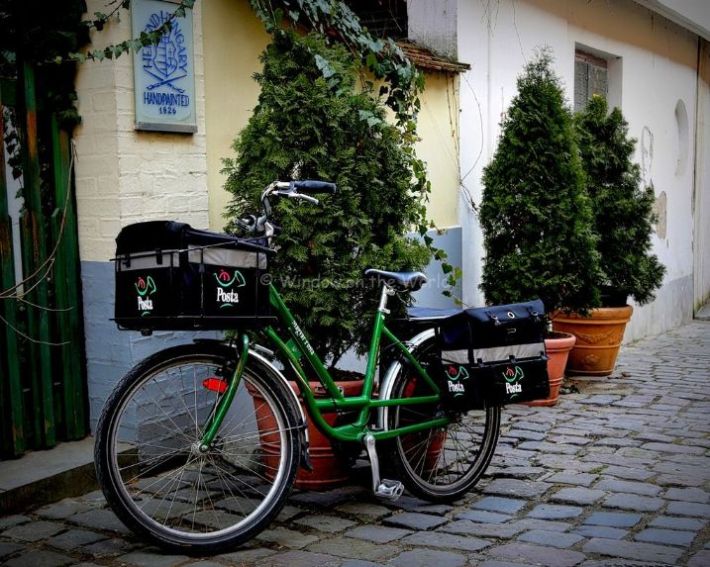
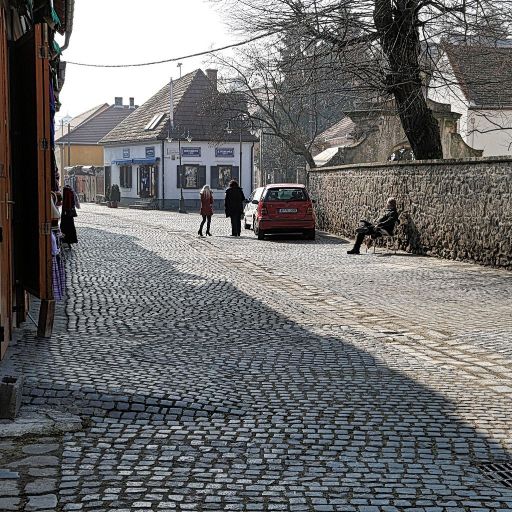
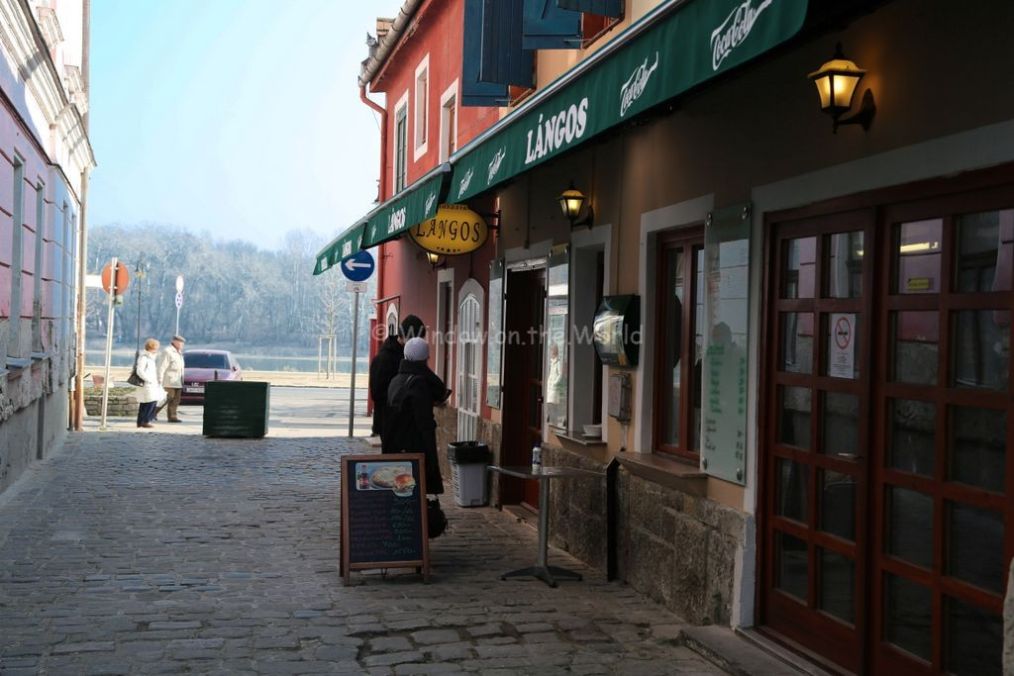
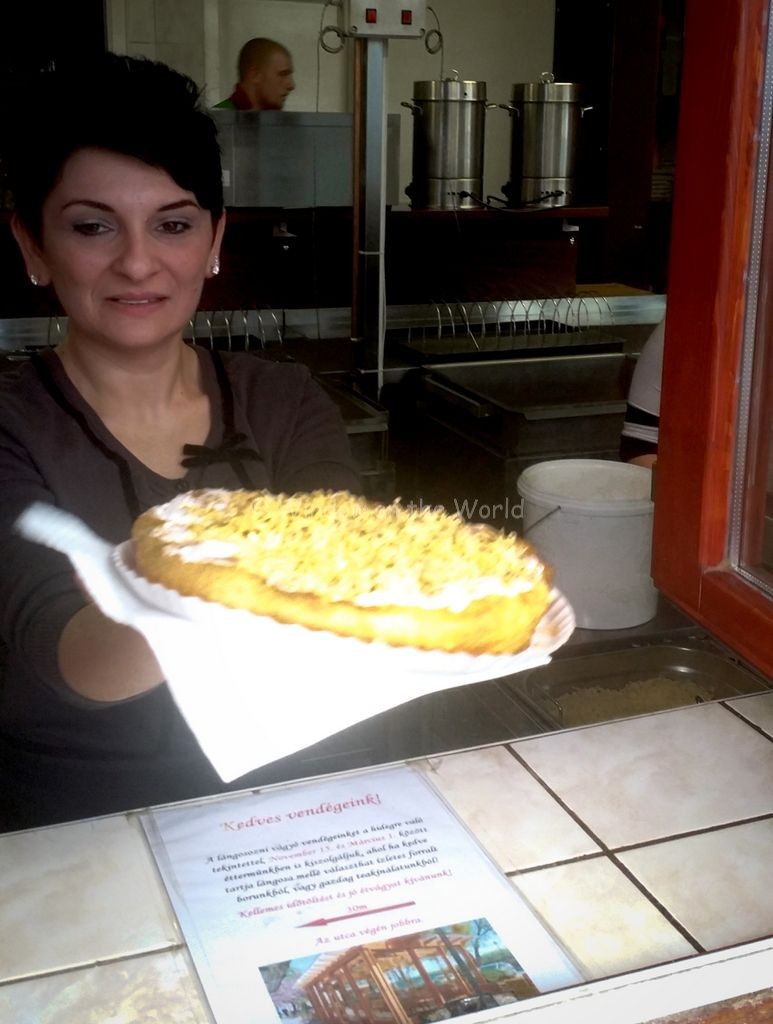
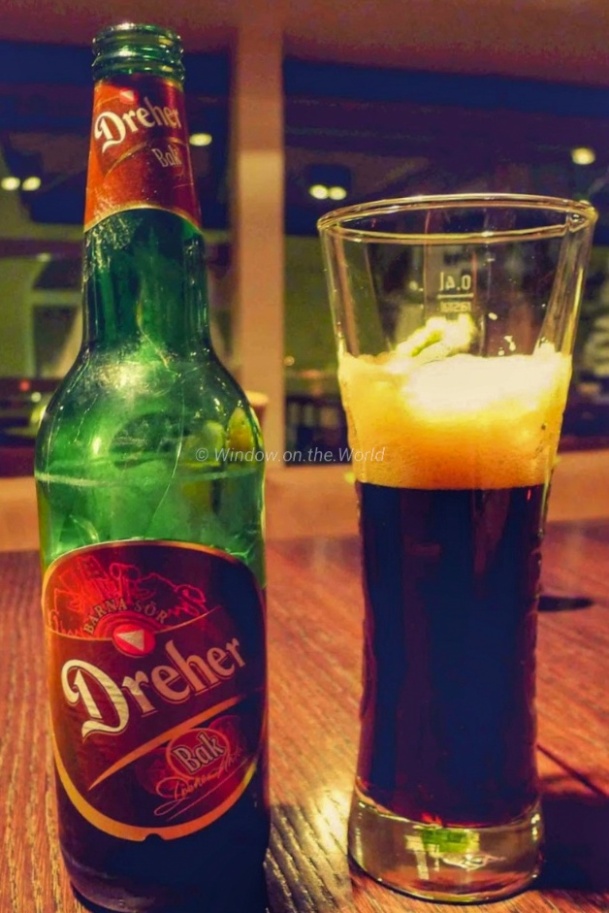
Welcome to Szentendre! A beautiful Manhole cover with city’s coat of arms.The suburban railway (HÉV) from Budapest to Szentendre.Interior of the suburban railway (HÉV) in Hungary.Welcome to Szentendre! Road to the old town area is clearly marked.Szentendre is the perfect little town to wander on foot with winding cobbled streets, white-trimmed buildings painted in cheerful pastel shades.Annunciation Church or Blagovestenska Church, a Serbian Orthodox church in the Main Square of the town was originally built in 1690. Today’s church was built in 1752 on the site of the original wooden church.Belgrade Cathedral, the seat of the Serbian Orthodox Diocese of Budim and the bishop’s residence. The building was completed in 1763 and it is the largest and most beautiful of Serbian churches in Szentendre.Saint John the Baptist Parish Church, city’s oldest church, originally built on this site back in 1241. The last major reconstruction took place between 1742 and 1751.Szentendre has quite a few churches, art galleries, and souvenir shops for its size,The post (mail) in the town is delivered by bicycle. A local resident enjoying sun shine. February is very cold in Hungary. The most popular Lángos (fast-food) restaurant in the town.Freshly made Lángos, a popular Hungarian street food snack best described as a deep-fried flatbread served with either sweet or savory toppings.Enjoying a glass of Dreher Bak, one of the most popular darker beer in Hungary
After few days in Hungary, I took a train to visit Bratislava, Slovakia for few days before flying back to Shanghai, China, my home at the time.
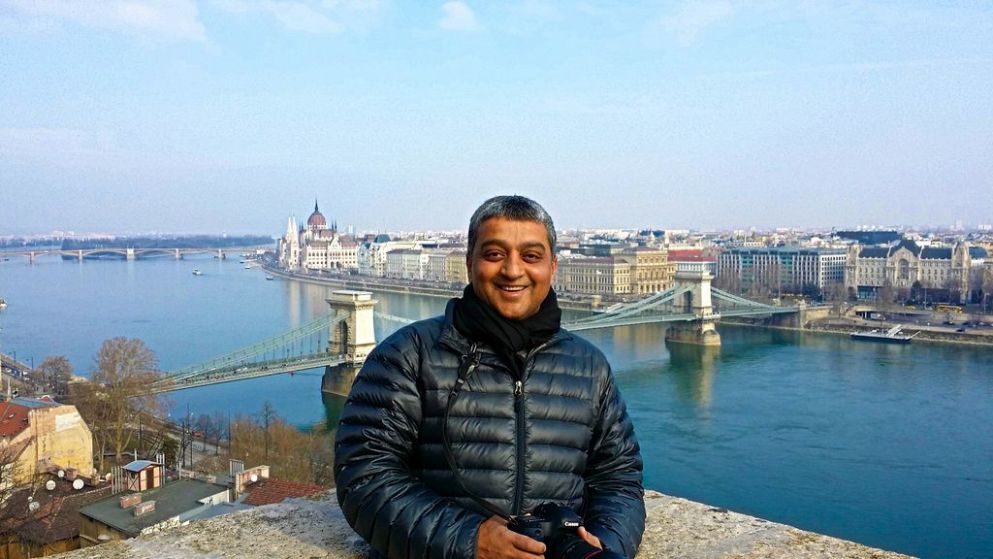
In May 2017, 23 days before I was going to complete 50 years, grabbed an opportunity and took an early retirement.. Picked up a backpack and traveling ever since.. Love to travel around the world, experience different culture, local cuisine & drinks .. and take pictures.. so far been to 108 countries and still counting...



 Window on the World