
Destination 》Europe 》Central and Eastern Europe 》Romania 》Viscri
Year Visited: 2018 – August
While staying in Brașov, I took a day trip to UNESCO World Heritage sites of Viscri and Sighisoara, on the way also visited Ancient Citadel of Rupea.
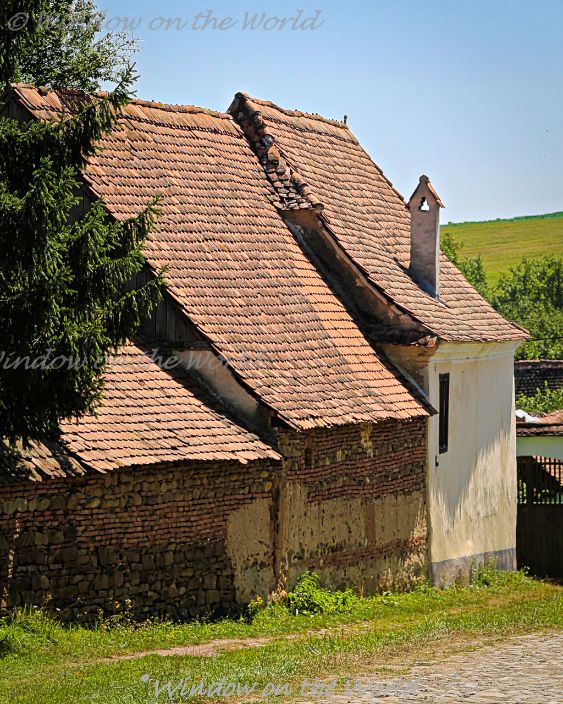
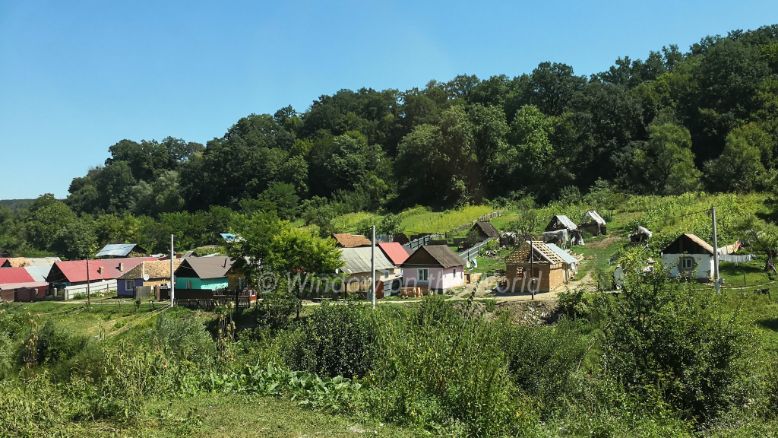
With a history that goes back to the 12th century, Viscri is one of the most beautiful and well preserved Saxon villages in Romania. The village doesn’t have a paved street and is far from the main road, helps to preserve its authentic view of a Saxon village from the Middle Ages. The most interesting fact about Viscri is that Prince Charles has a B&B, which is a well preserved and authentic furnished blue Saxon-Transylvanian house.
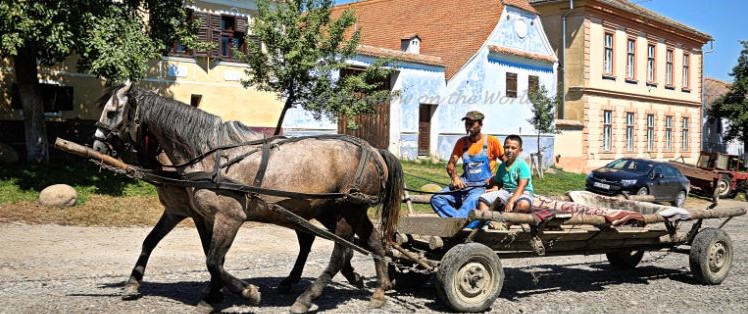
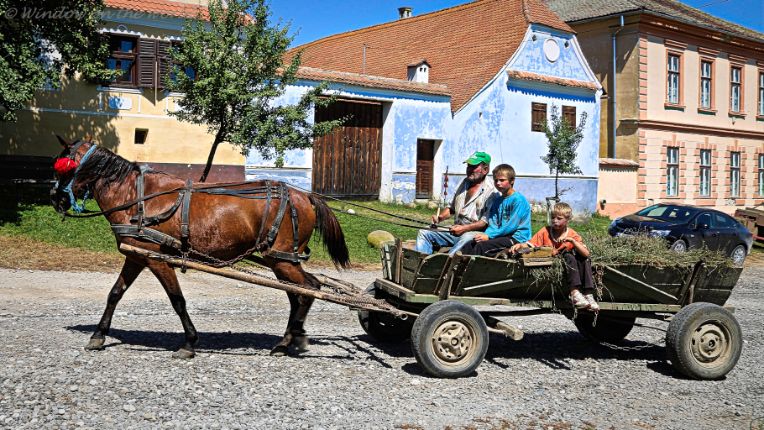
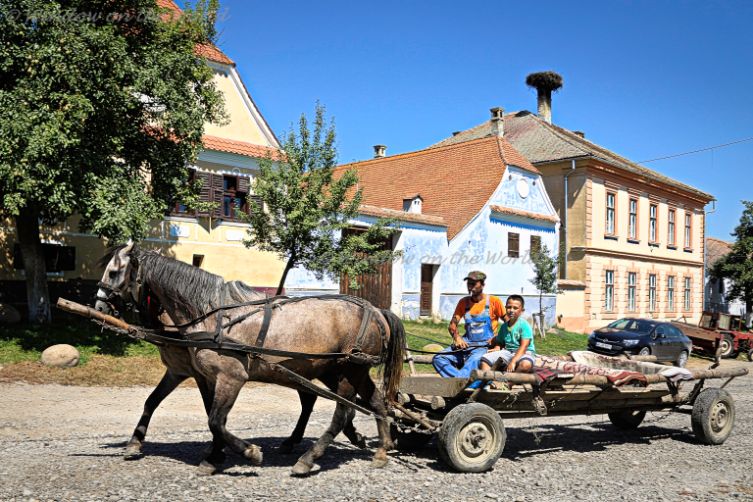
Horse and cart make their way up and down the road, carrying goods and produce to other parts of the village
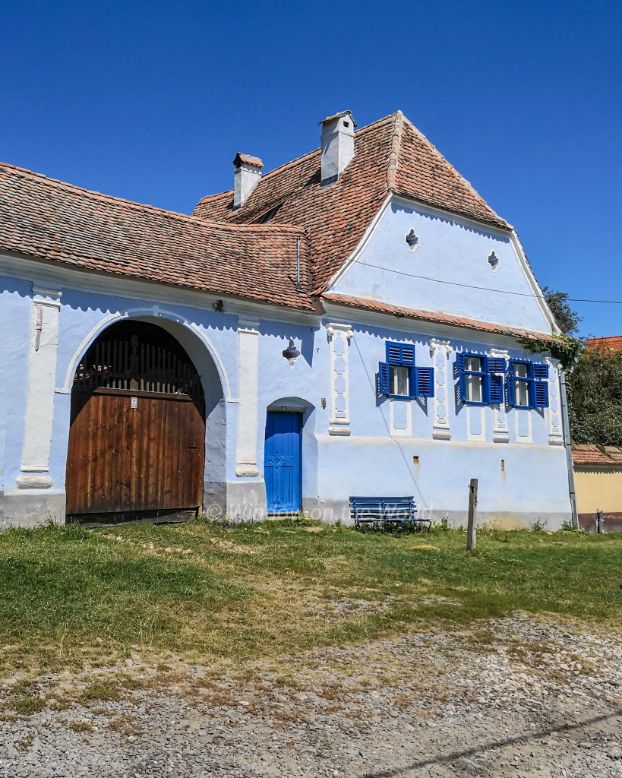
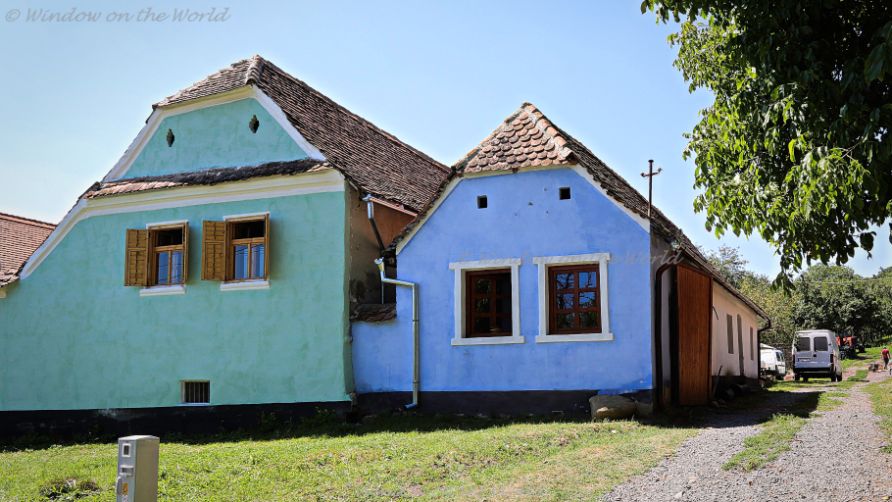
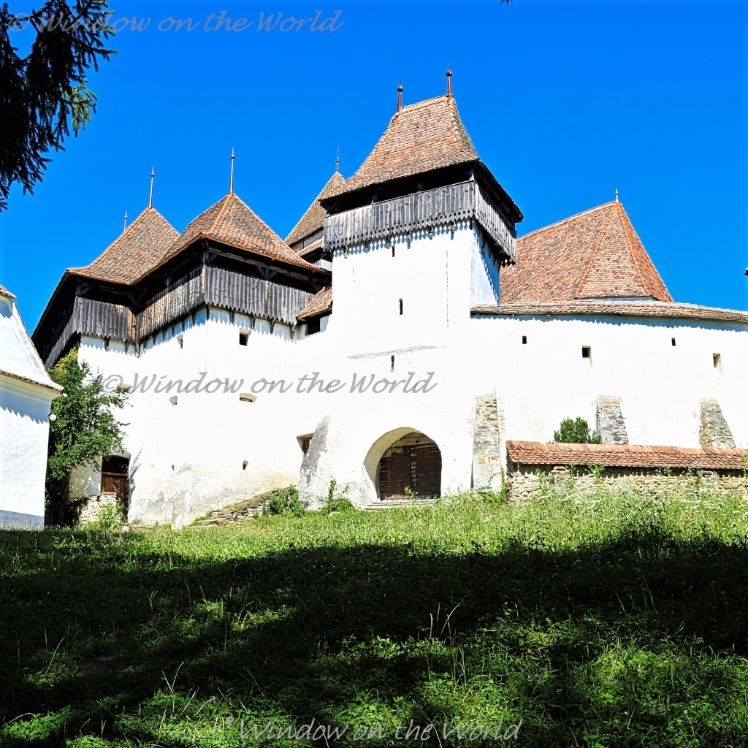
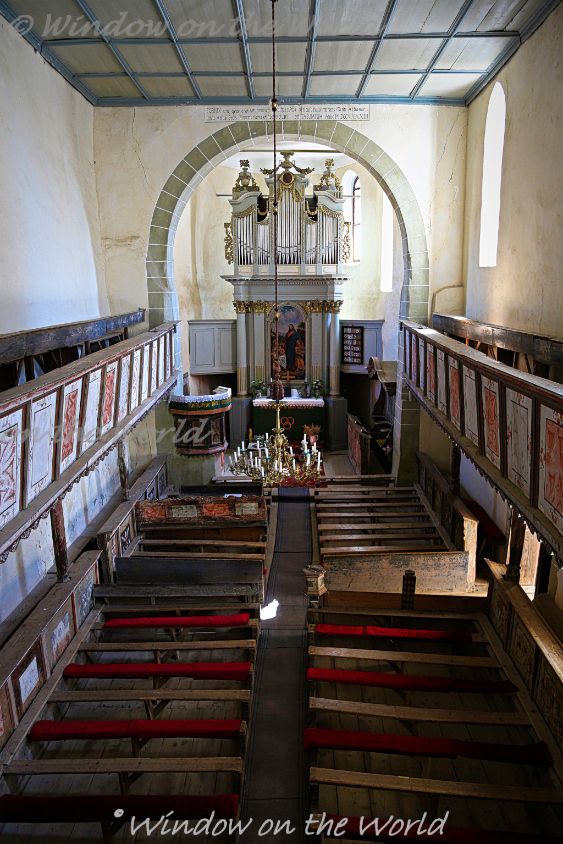
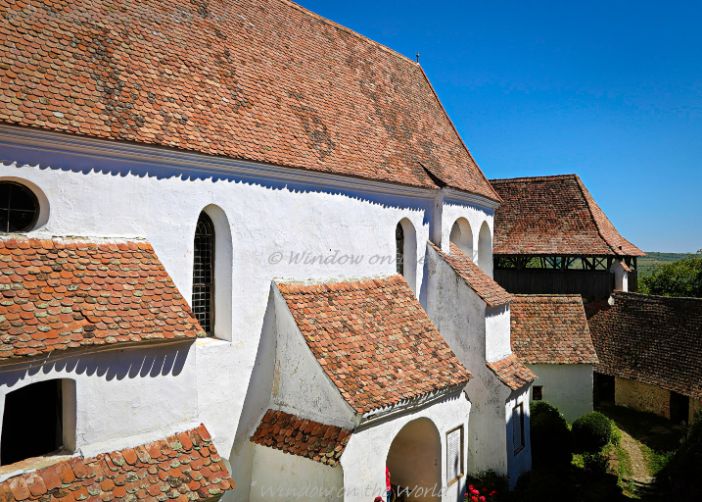
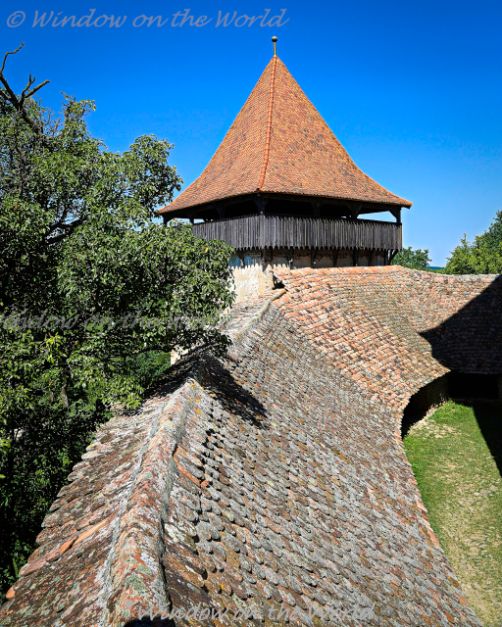
The Viscri fortified church, a Lutheran church, was built by the ethnic German Transylvanian Saxon community at a time when the area belonged to the Kingdom of Hungary. Being situated in a region constantly under the threat of the Ottoman and Tatar invasions, Saxon built fortifications of different sizes. The most important towns were fully fortified, and the smaller communities created fortifications centered on the church. Together with the surrounding village, Viscri fortified church is a UNESCO World Heritage Site since 1999.
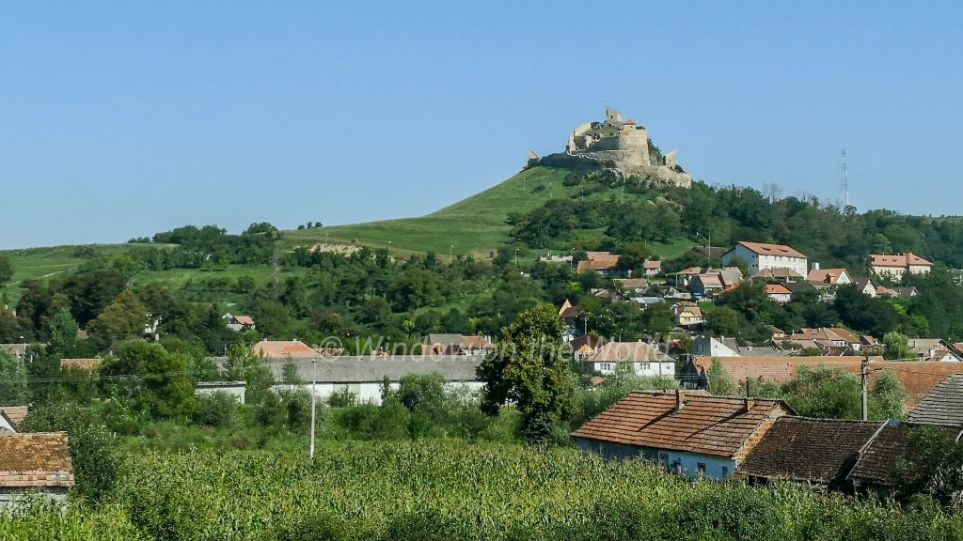
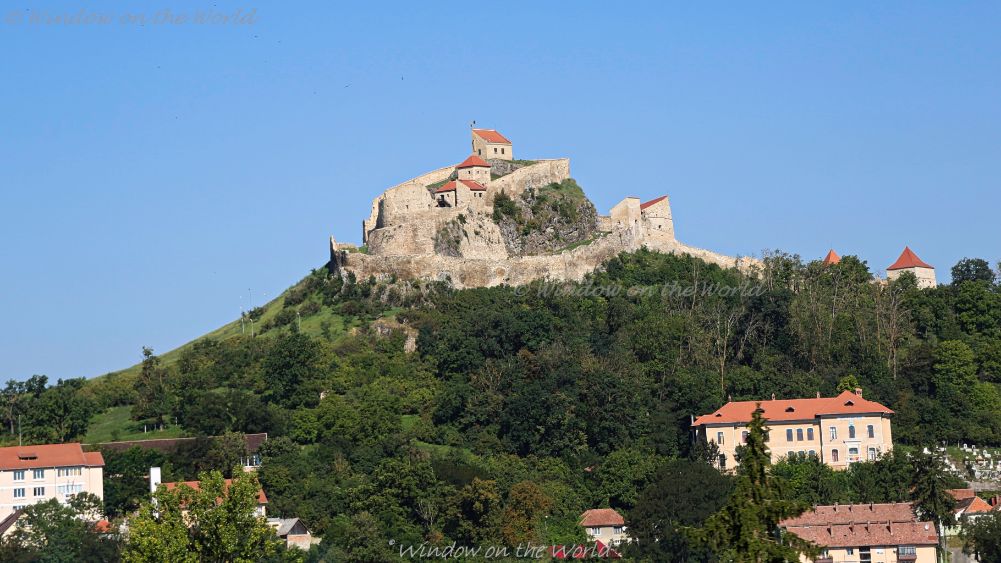
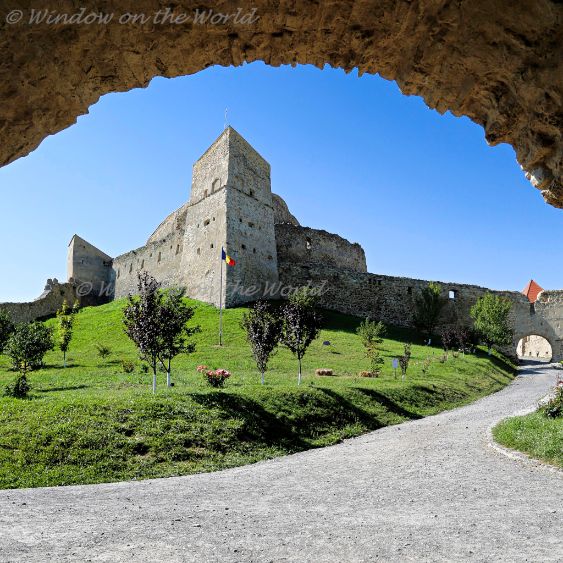
Rupea Citadel is one of the oldest archaeological sites in Romania, the first signs of human settlements dating from the Paleolithic and early Neolithic (5500 BC–3500 BC). The first documentary attestation of the citadel dates from 1324, under the name castrum Kuholm, when the Saxons revolting against King Charles I of Hungary took refuge inside the citadel. Between 2010 and 2013, the citadel has undergone a comprehensive restoration process, with all the seven towers and the peasant homes being restored.
After a day of visiting UNESCO World Heritage Sites, we came back to Brașov before evening.

 Window on the World