
Destination 》Europe 》Central and Eastern Europe 》Georgia 》Vardzia
Year Visited: 2018 – June
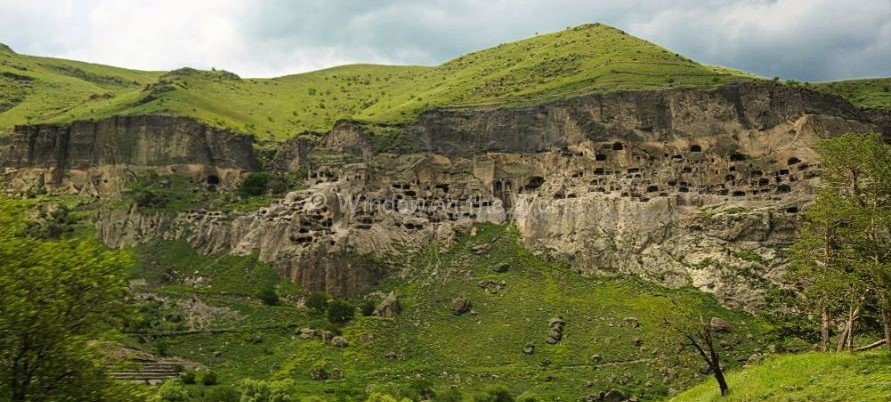
I visited Vardzia during my five plus months backpacking trip through Central and Eastern Europe. After few days of walking around Tbilisi, the capital city of Georgia, I made a day trip to Vardzia, a cave monastery site in southern Georgia.
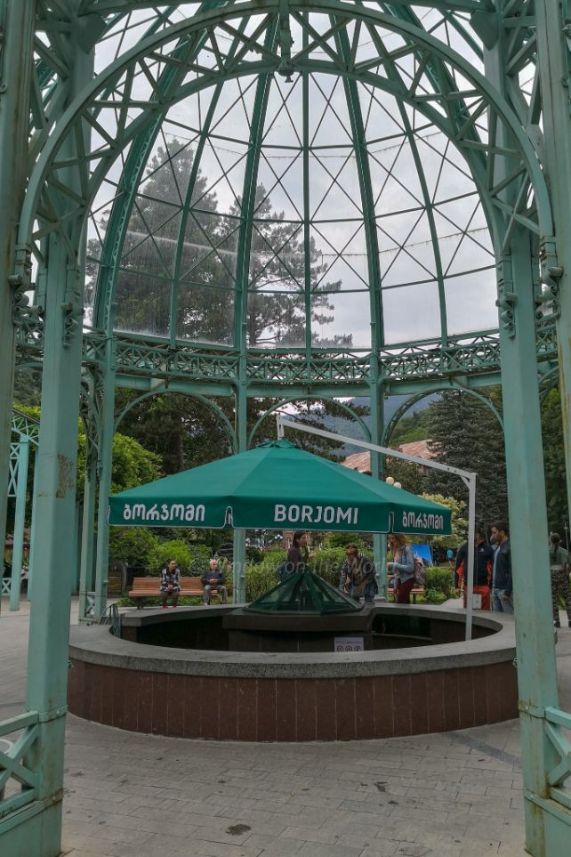
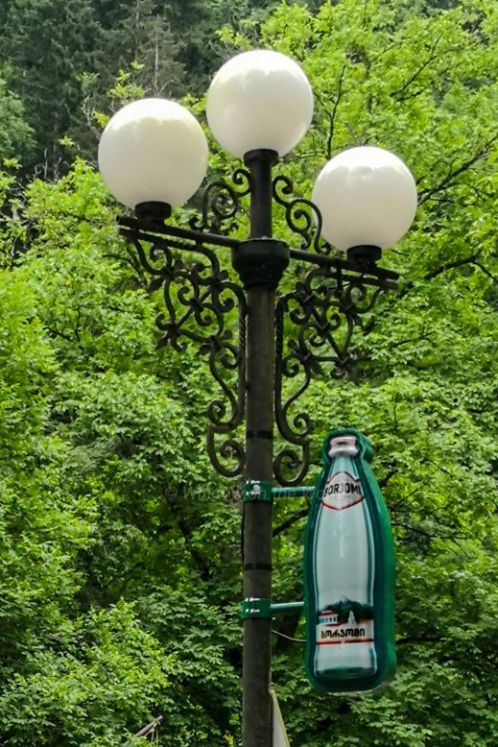
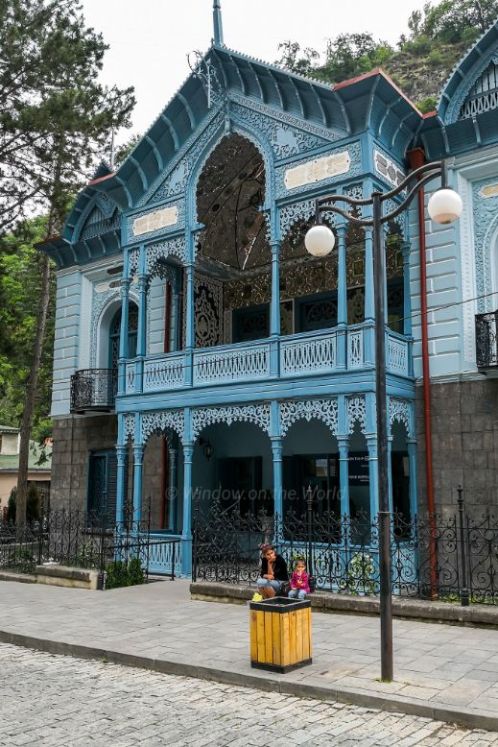
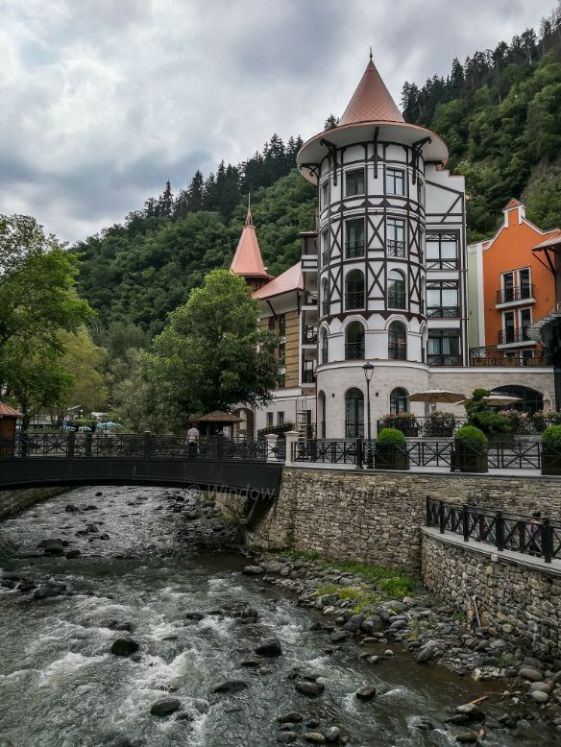
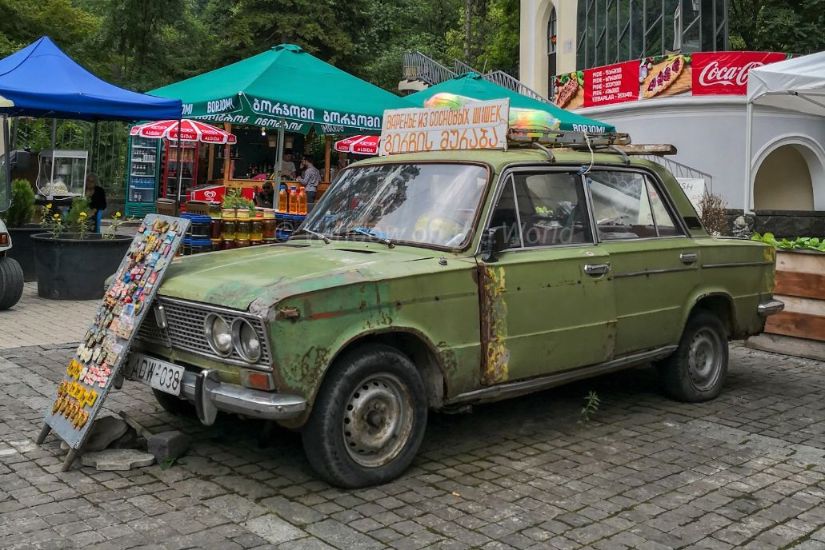
We left Tbilisi early morning and the first stop was the city of Borjomi, famous for its mineral water, the number one export of Georgia. Archaeological excavations have revealed the existence of stone baths in the area, proving that these mineral waters have been utilized by people for thousands of years. Borjomi mineral water is particularly well known in the former Soviet Republics.
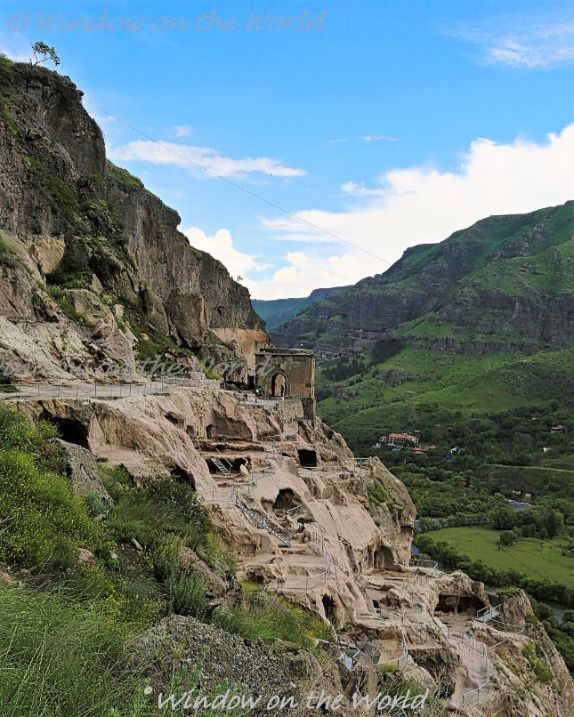
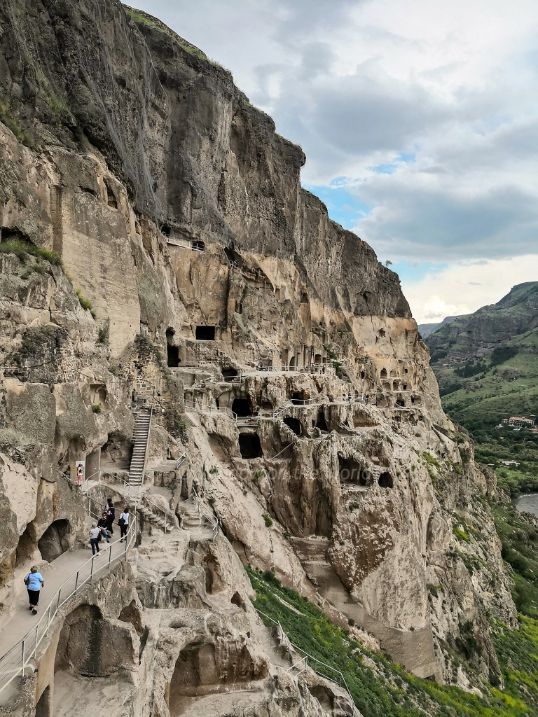
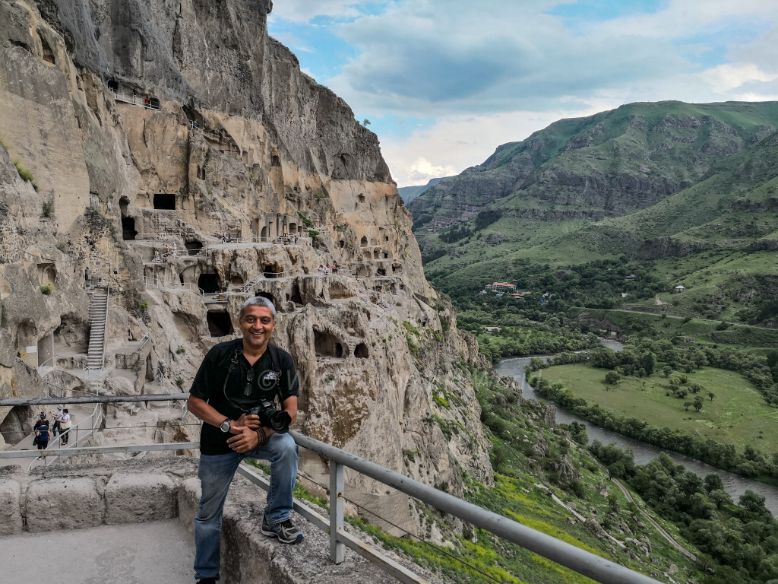
A little background about Vardzia, a cave monastery site. In the late 1100’s the medieval kingdom of Georgia was constantly under threat of the Mongol Empire. To help her people avoid the Mongol onslaught, Queen Tamar ordered the construction of the underground sanctuary in 1185 and secretly they started building this fortress under the Erusheli mountain near the town of Aspindza.
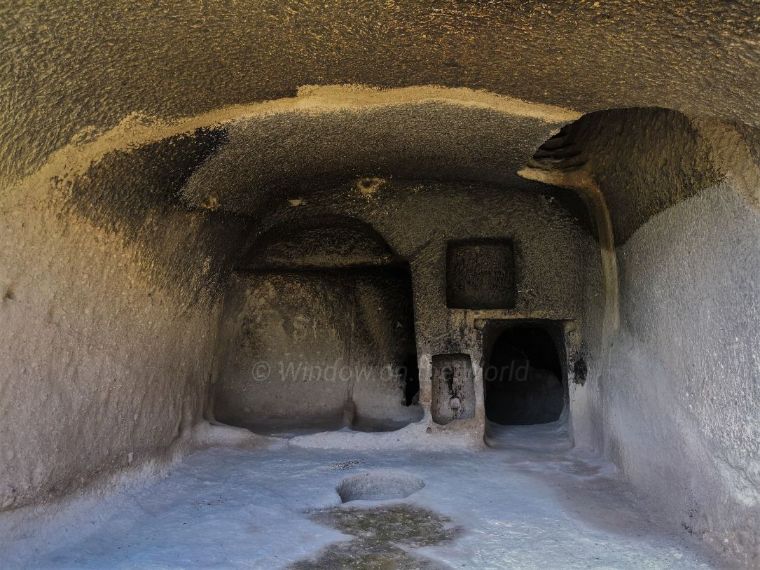
When completed this underground fortress extended 13 levels and contained 6000 apartments, including a throne room, a reception chamber, a meeting room, a bakery, a forge, chapels and a huge church with an external bell tower. The only way to get to this underground city was through a secret tunnel which started at the nearby Mtkvari River.
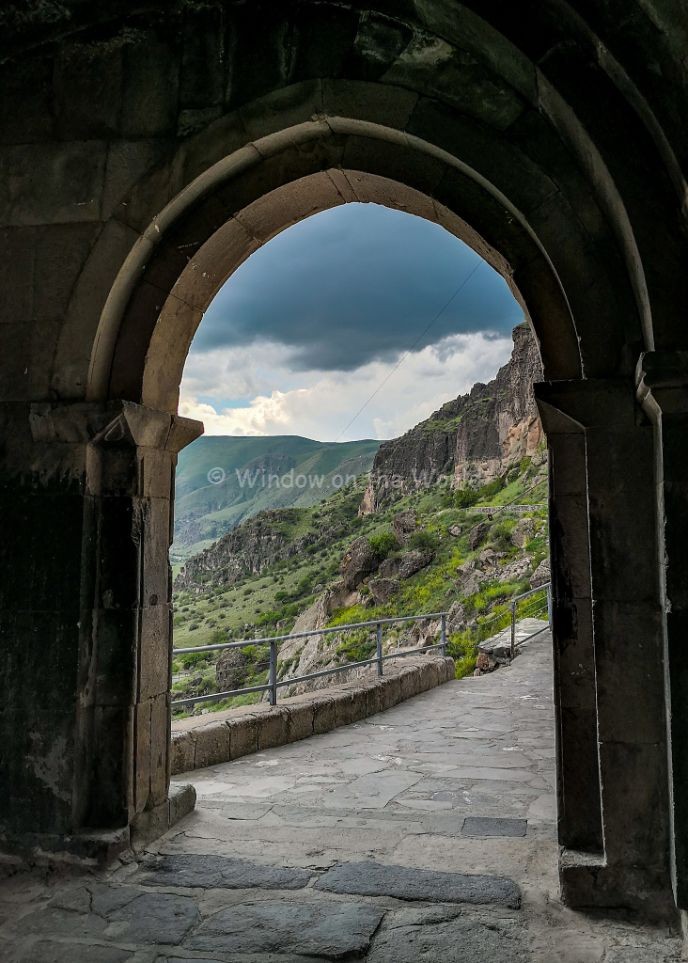
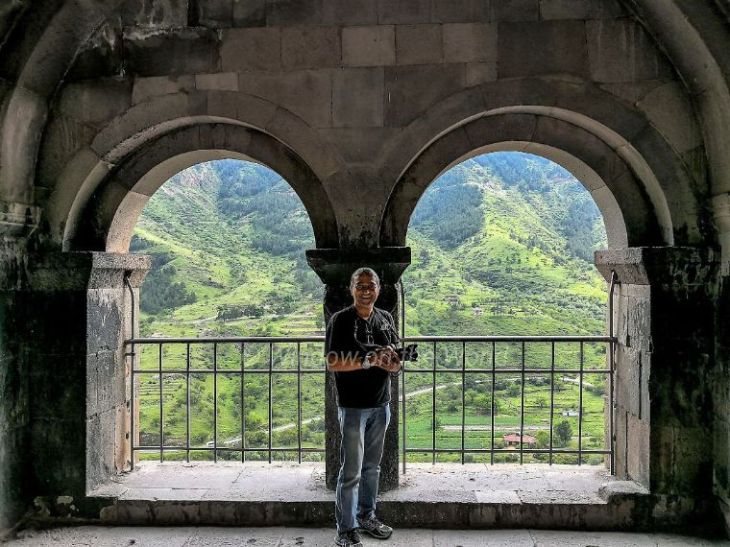
The Church of the Dormition, dating to the 1180s, was the central spiritual and monumental focus of the site. The church is cut deeply into the rocks walls reinforced in stone. and even has further interesting tunnels leading from behind the church rooms to the upper level. The church is decorated by elaborate mural paintings. Among them are the portraits of Giorgi III and of queen Tamar, his daughter.
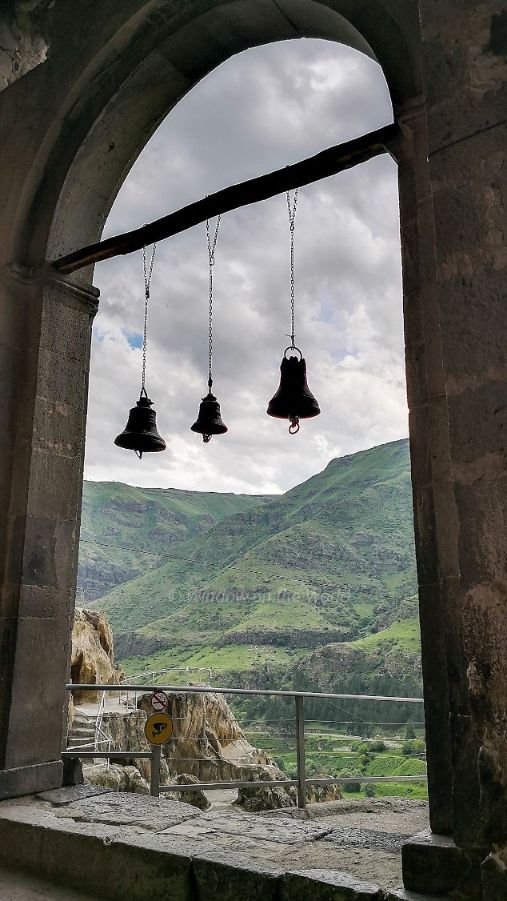
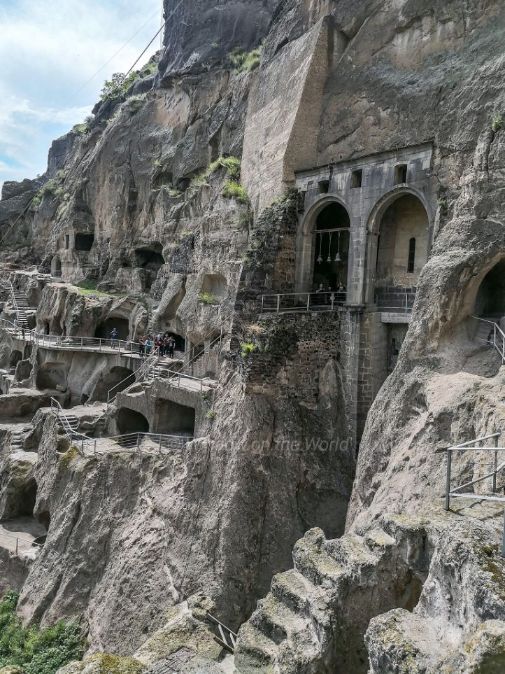
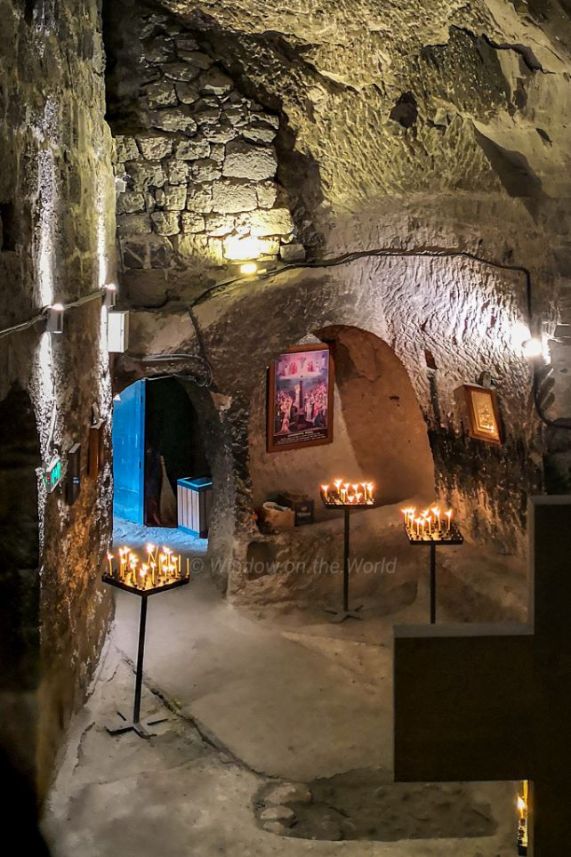
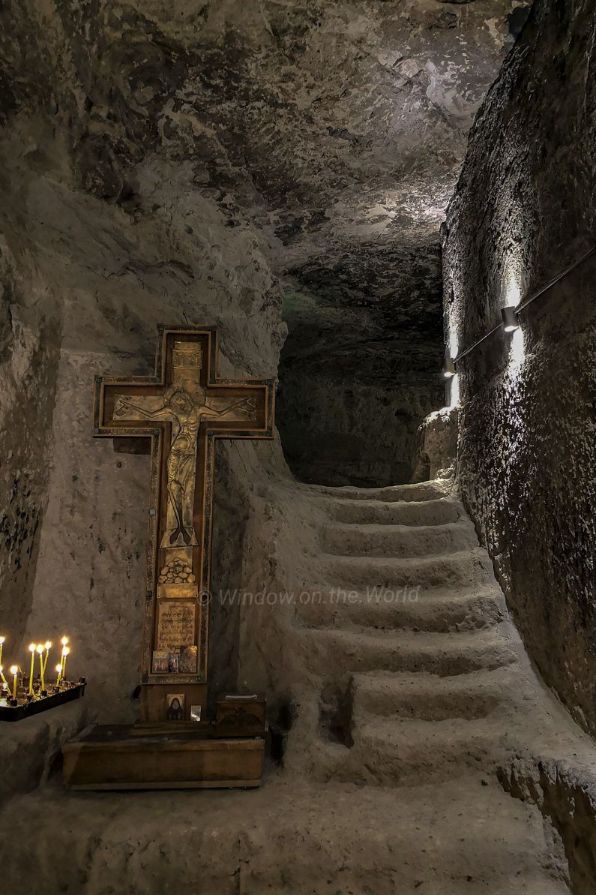
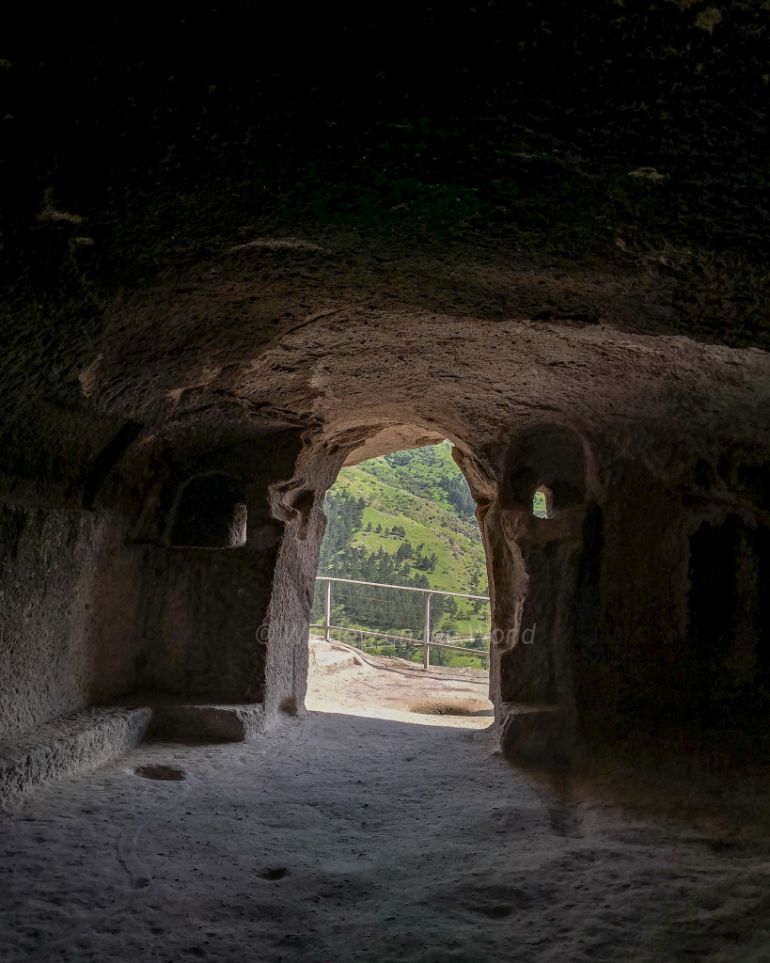
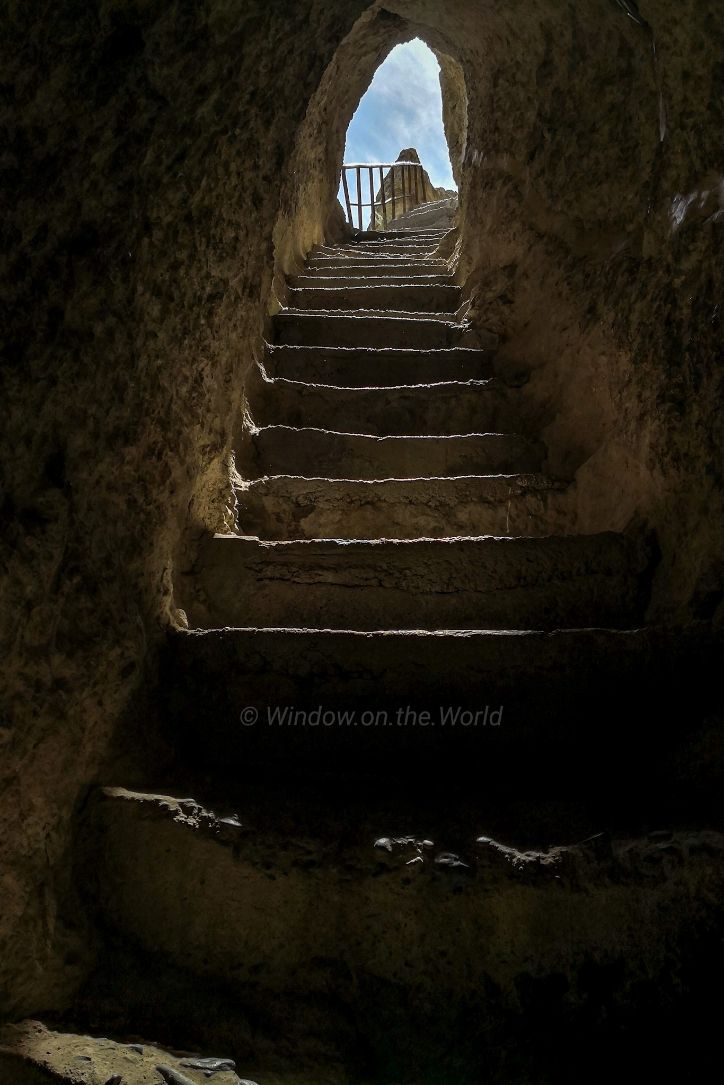
The cave monastery grew into a complex stretching along the mountain side for as long as 800 m, to the depth of 50 meters housing perhaps 2,000 monks, with over 13 churches, 25 wine cellars, baths, libraries and numerous dwellings connected by tunnels and stairs. During an enemy attack the complex could host up to 20,000 people.
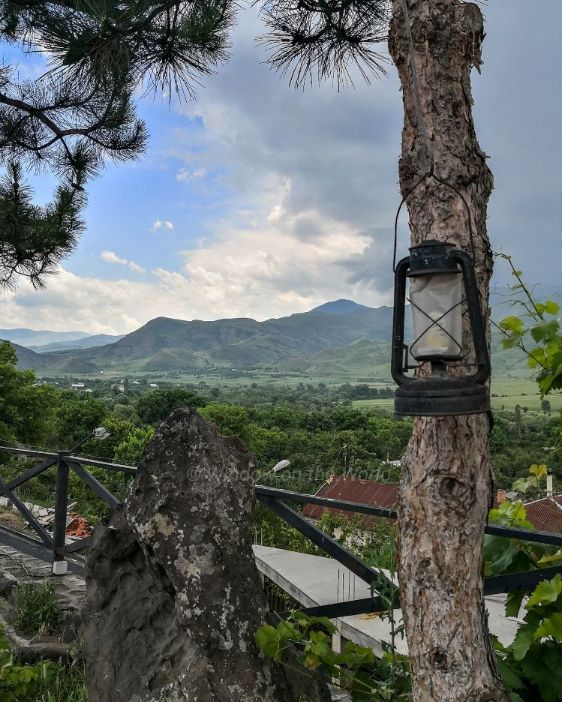
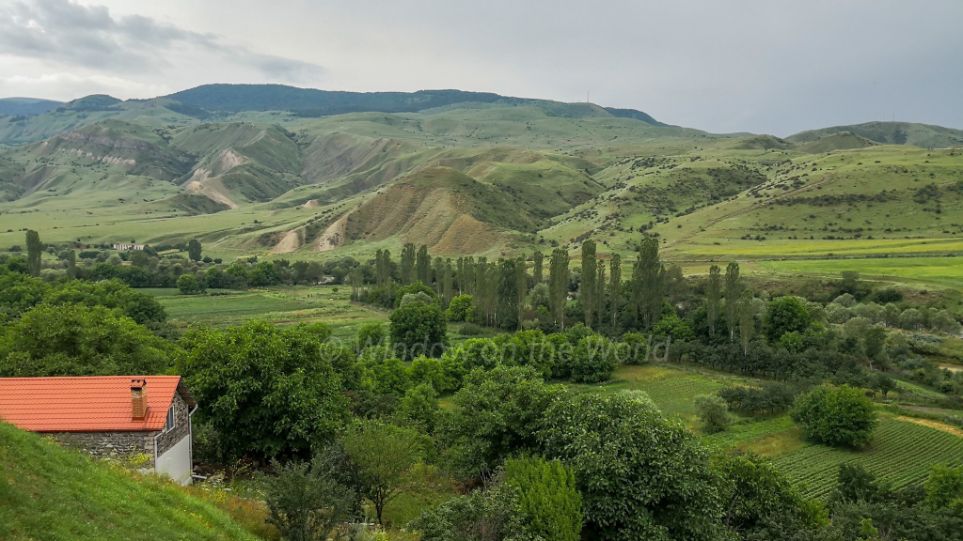
It was a beautiful drive to the cave monastery.
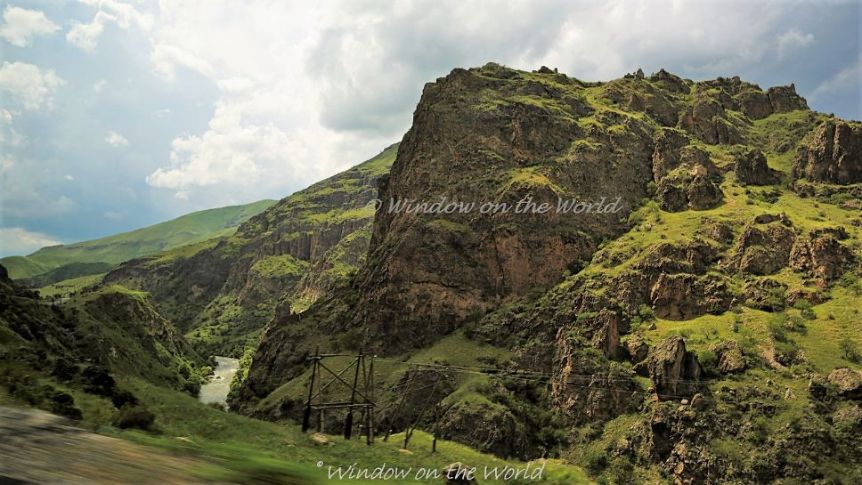
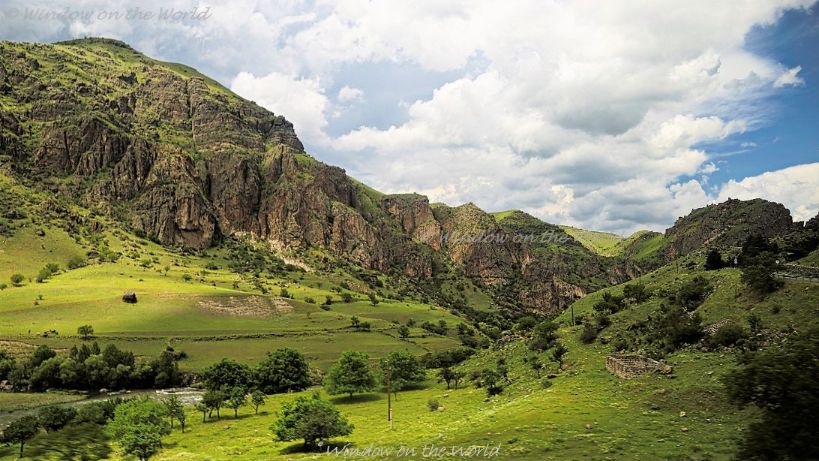
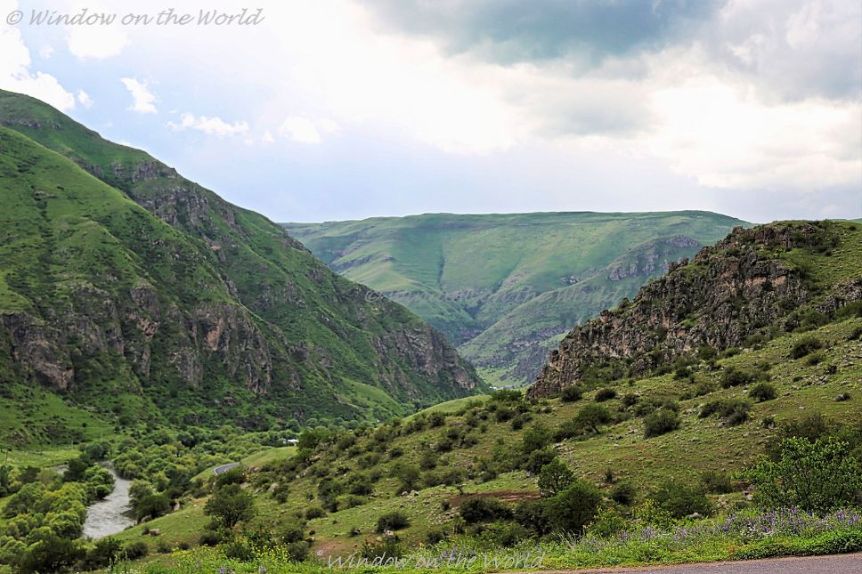
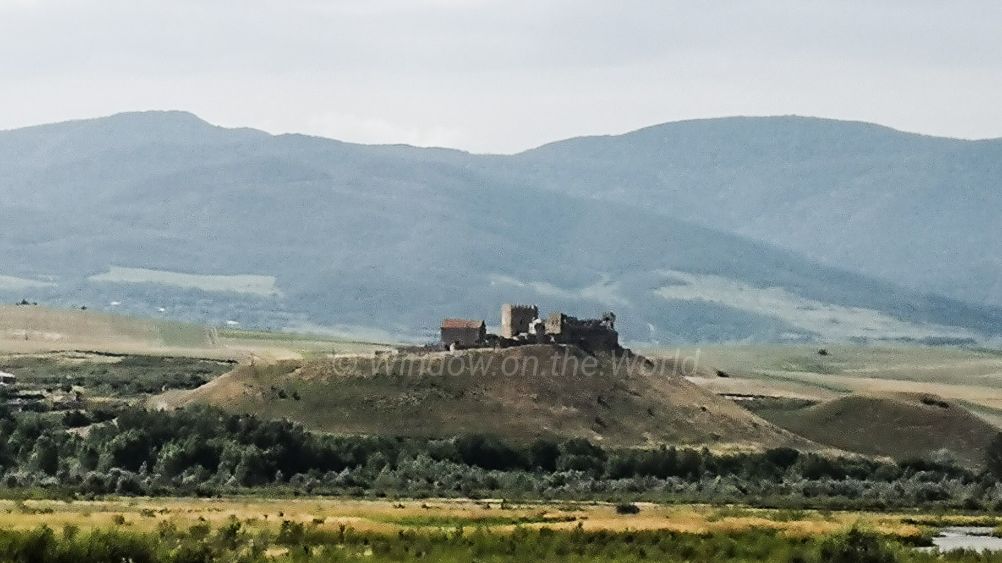
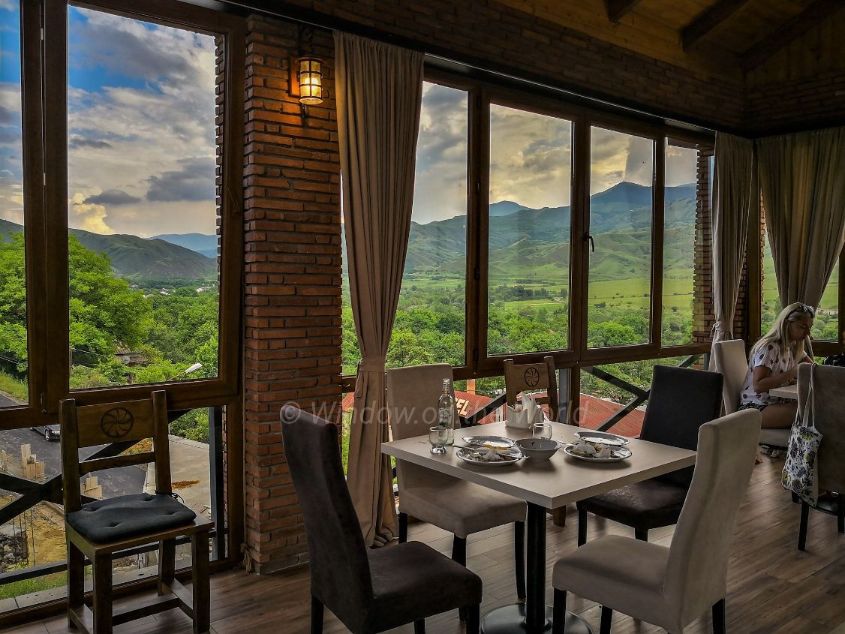
Breathtaking landscape, a view from the roadside restaurant we stopped for a meal.
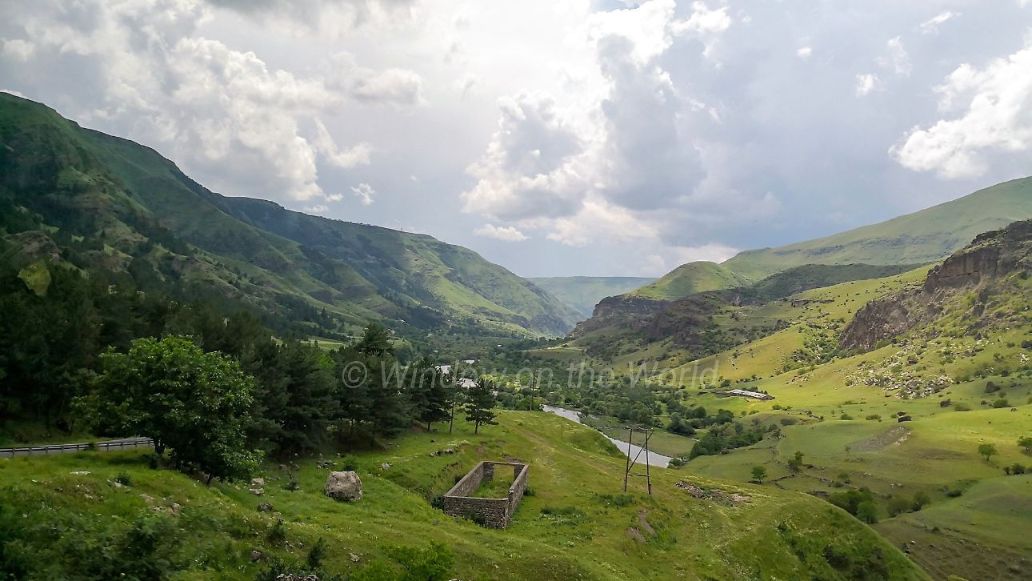
After a wonderful day exploring a cave monastery in southern Georgia., we returned to Tbilisi in late evening.

 Window on the World