I spent a week during Jan 2010 in Ecuador, named after the Equator, the imaginary line around the Earth that splits the country in two. Ecuador is a country in northwestern South America, bordered by Colombia on the north, Peru on the east and south, and the Pacific Ocean on the west. Ecuador also includes the Galápagos Islands in the Pacific, about 1,000 kilometers (621 mi) west of the mainland.
The territories of modern-day Ecuador were once home to a variety of Amerindian groups that were gradually incorporated into the Inca Empire during the 15th century. The territory was colonized by Spain during the 16th century, achieving independence in 1820 as part of Gran Colombia. Ecuador was one of three countries that emerged from the collapse of Gran Colombia in 1830 (the others being Colombia and Venezuela).
The legacy of both empires is reflected in Ecuador’s ethnically diverse population, with almost 72% of its 17.1 million people being mestizos, followed by large minorities of European, Native American, and African descendants. Spanish is the official language and is spoken by a majority of the population, though 13 Native languages are also recognized, including Quechua and Shuar.
During my week in Ecuador, I made Quito my home base and travel around the country making day trips.
Quito, the capital of Ecuador, was founded in the 16th century on the ruins of an Inca city, in the Andean foothills at an elevation of 2,850m. Despite the 1917 earthquake, the city has the best-preserved, least altered historic center in the Americas. Quito, along with Kraków, were the first World Cultural Heritage Sites declared by UNESCO in 1978.
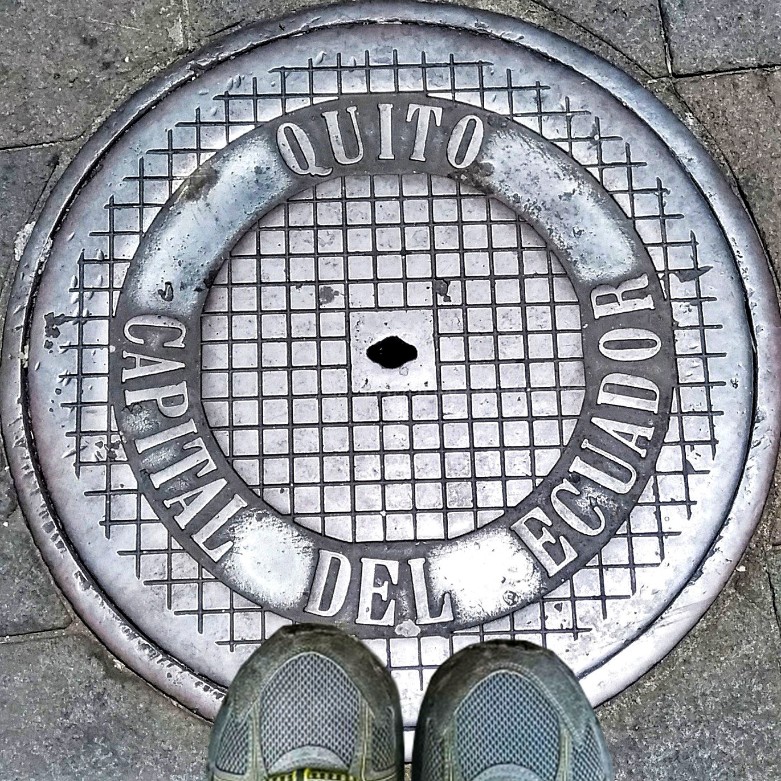
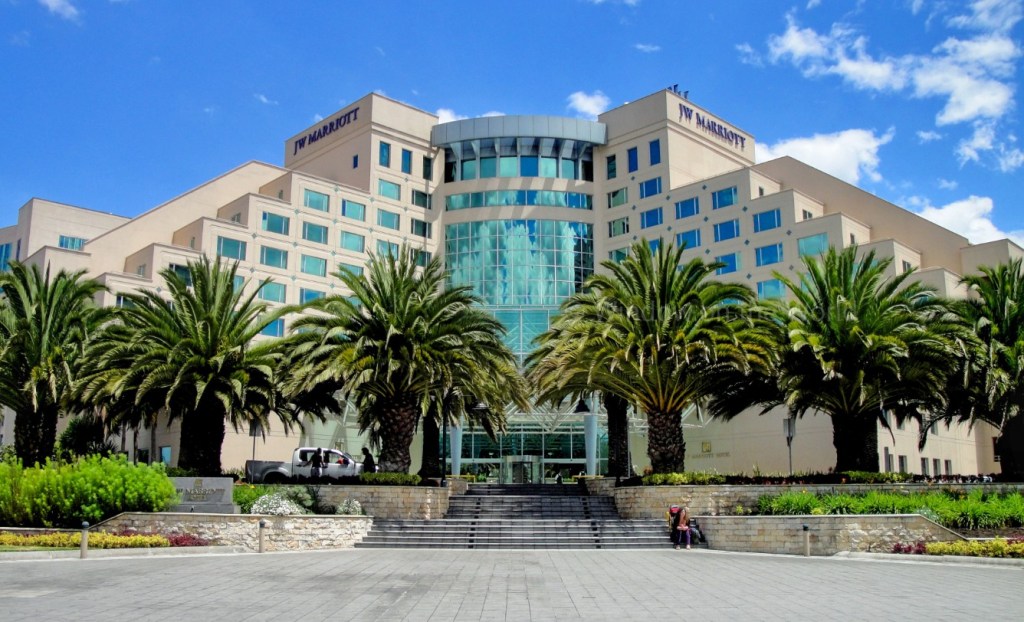
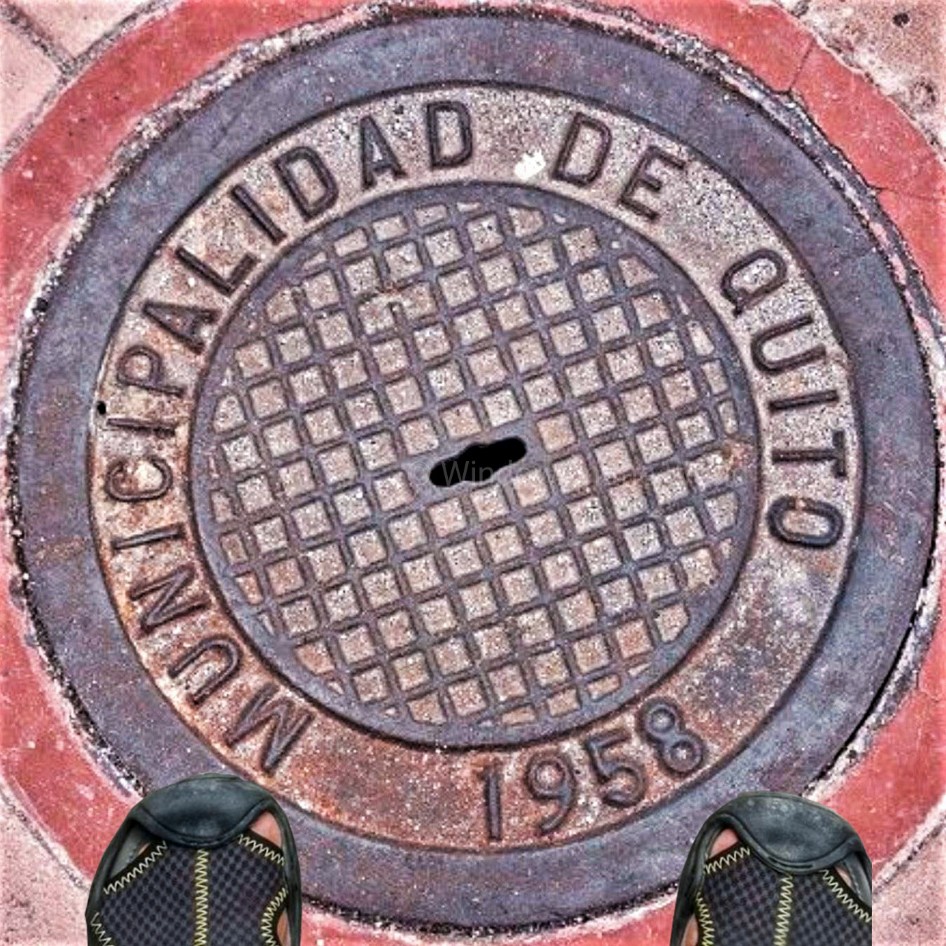
Welcome to Quito! A beautiful Manhole cover in the old town.My home in the town for a week.
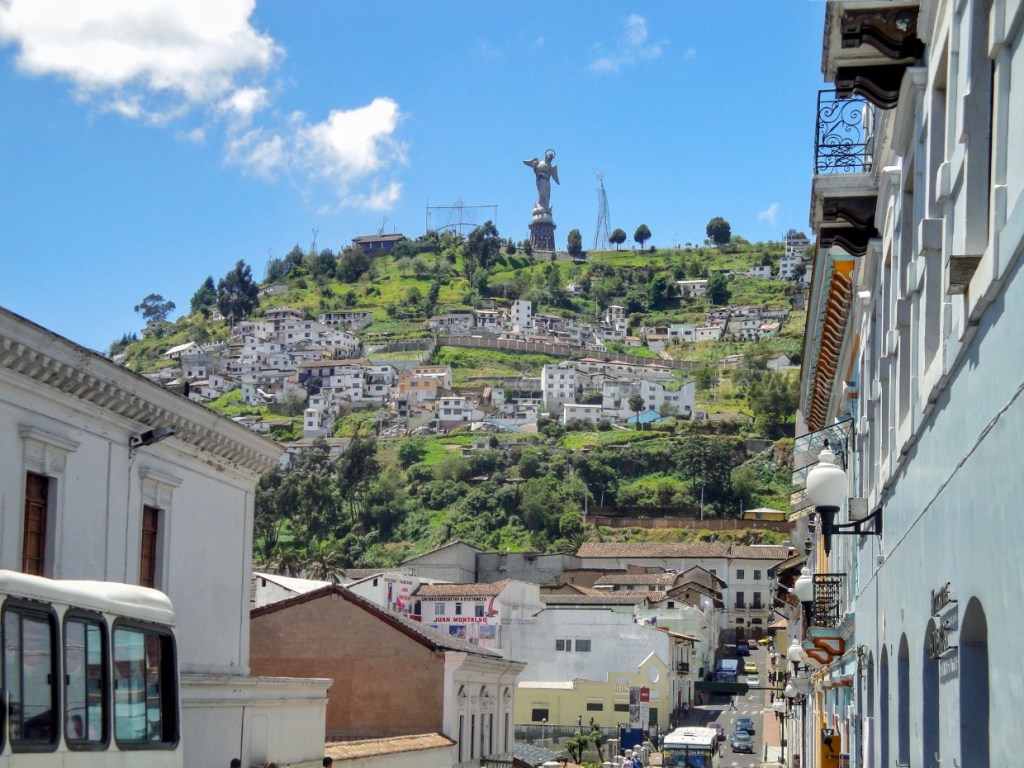
The Virgin of El Panecillo (Virgen del Panecillo), also known as the Virgin of Quito, a 45-meter-tall monument of a Madonna, located on the top of the hill of El Panecillo, a loaf-shaped hill in the heart of the city and serves as a backdrop to the historic center of Quito.
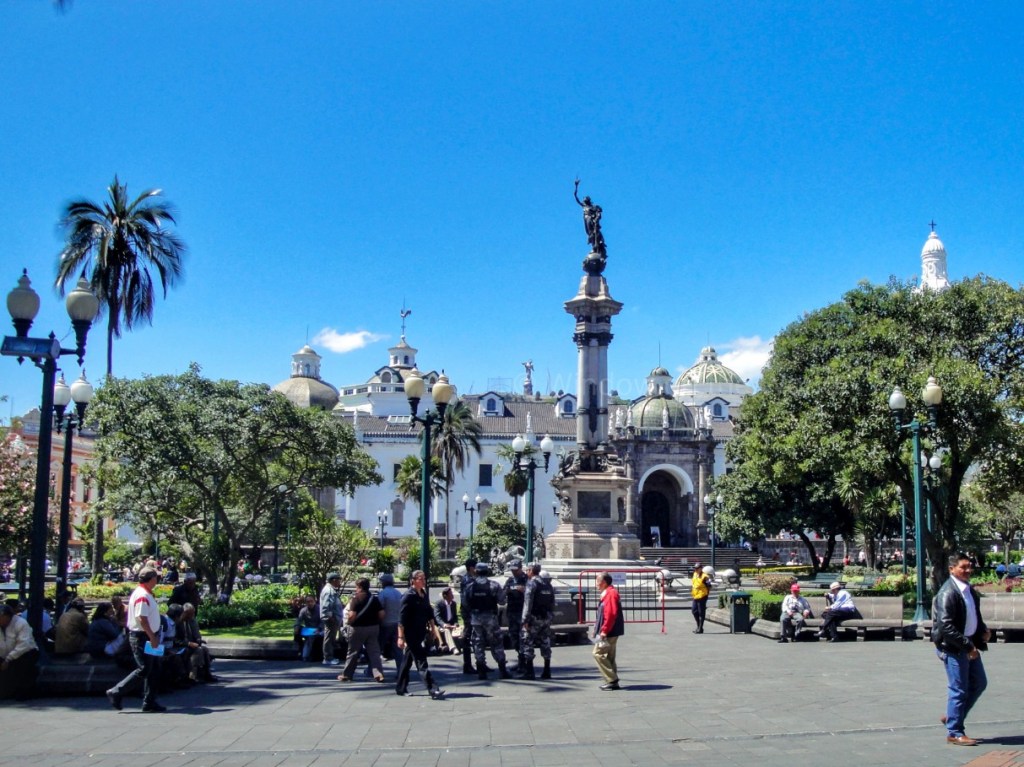
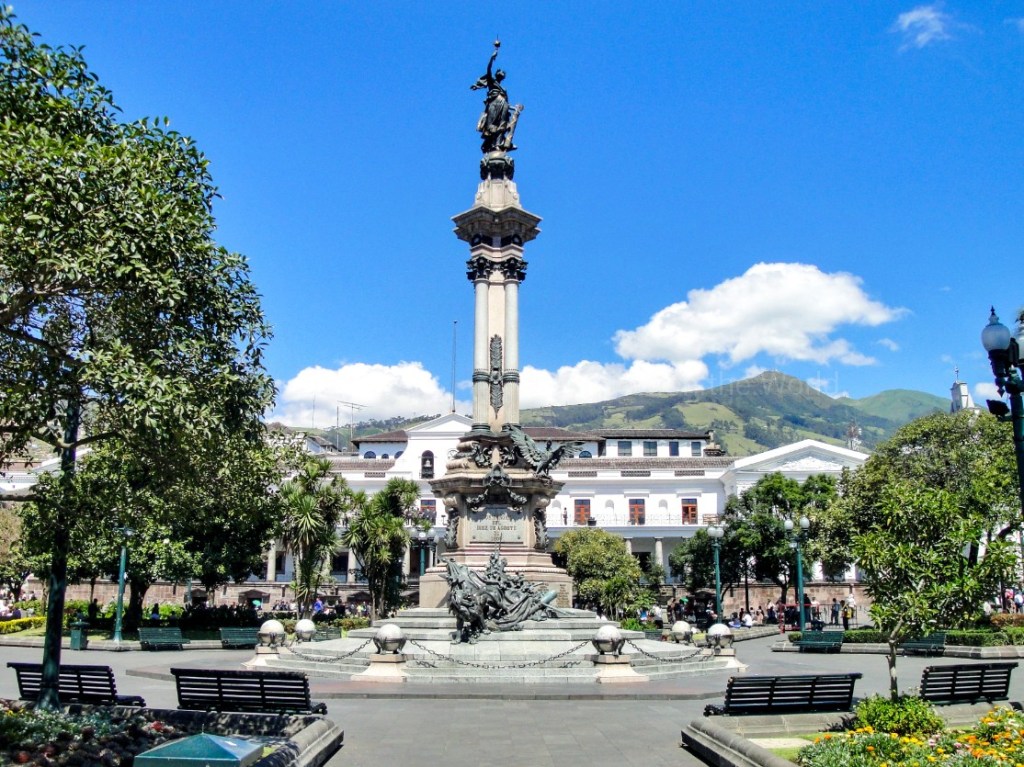
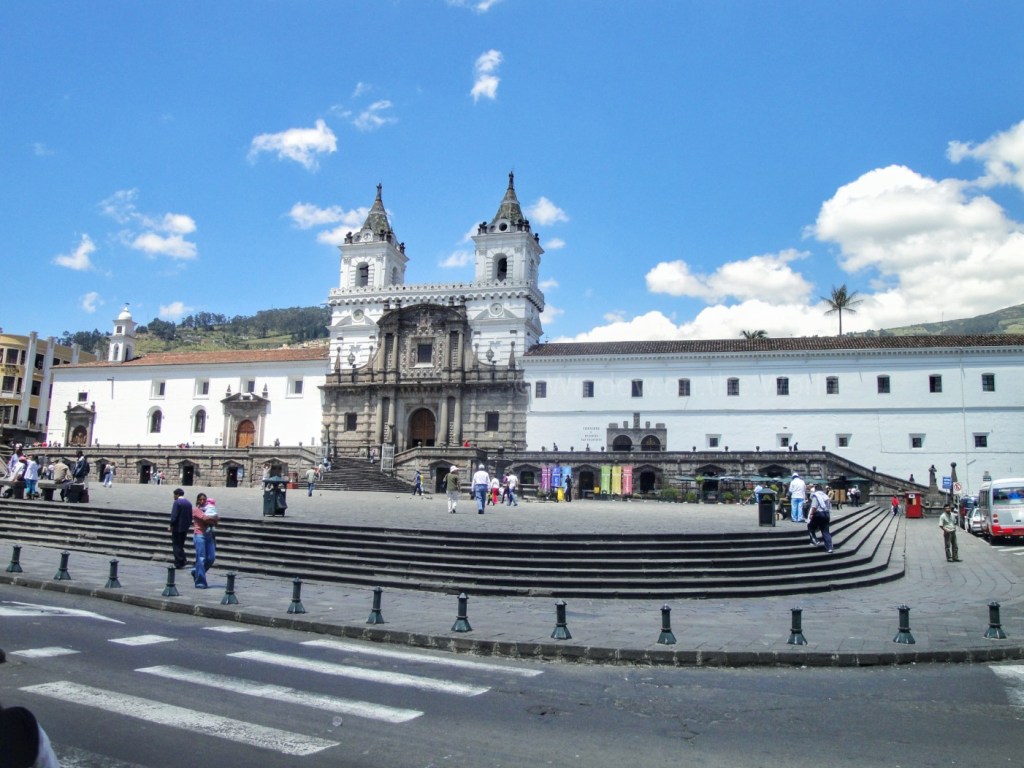
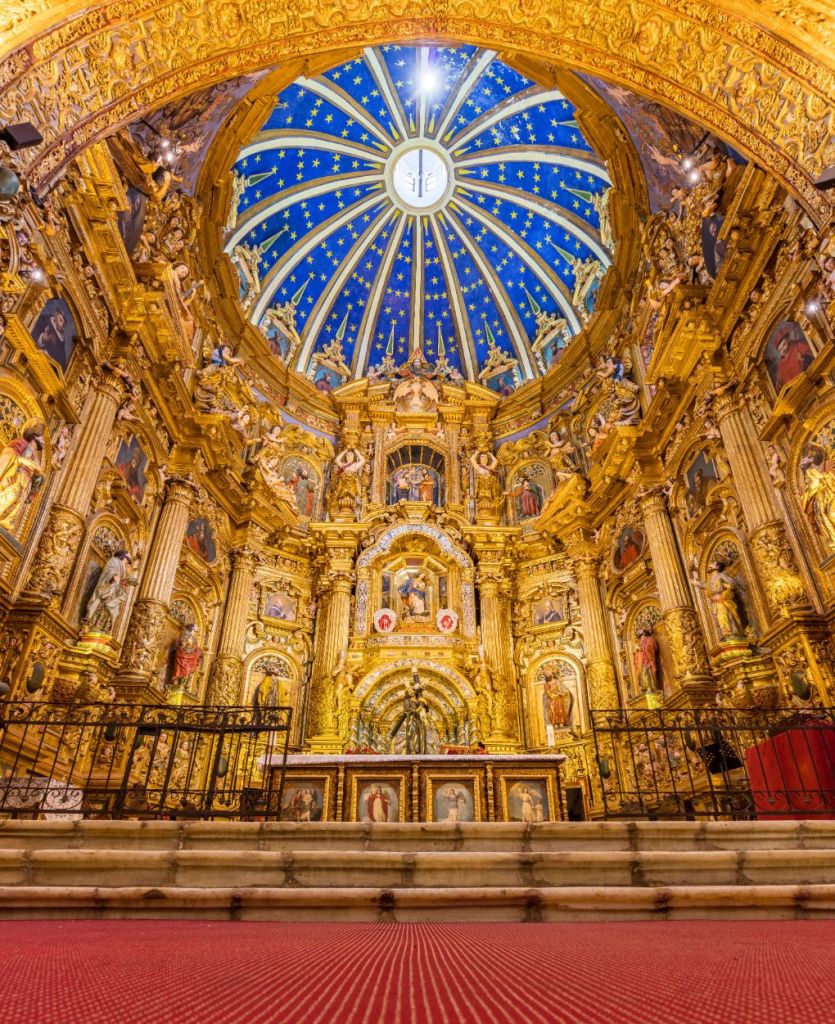
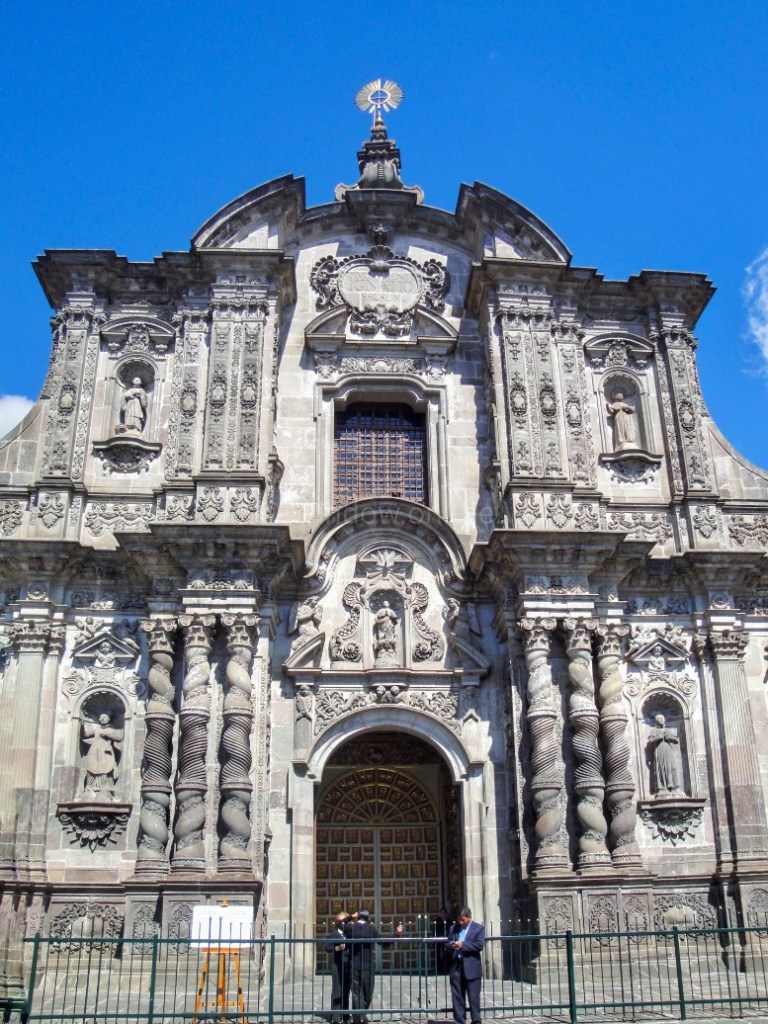
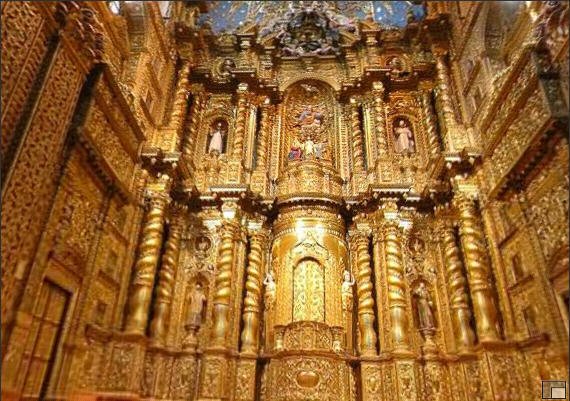
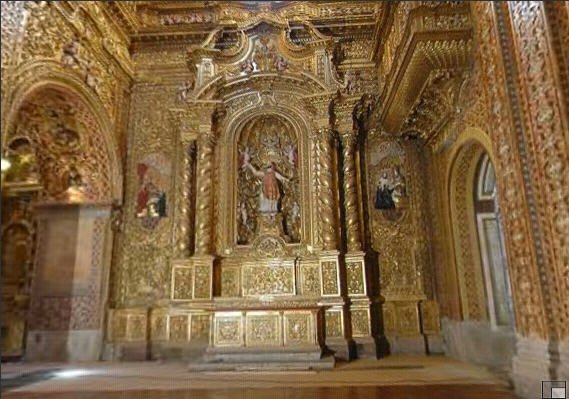
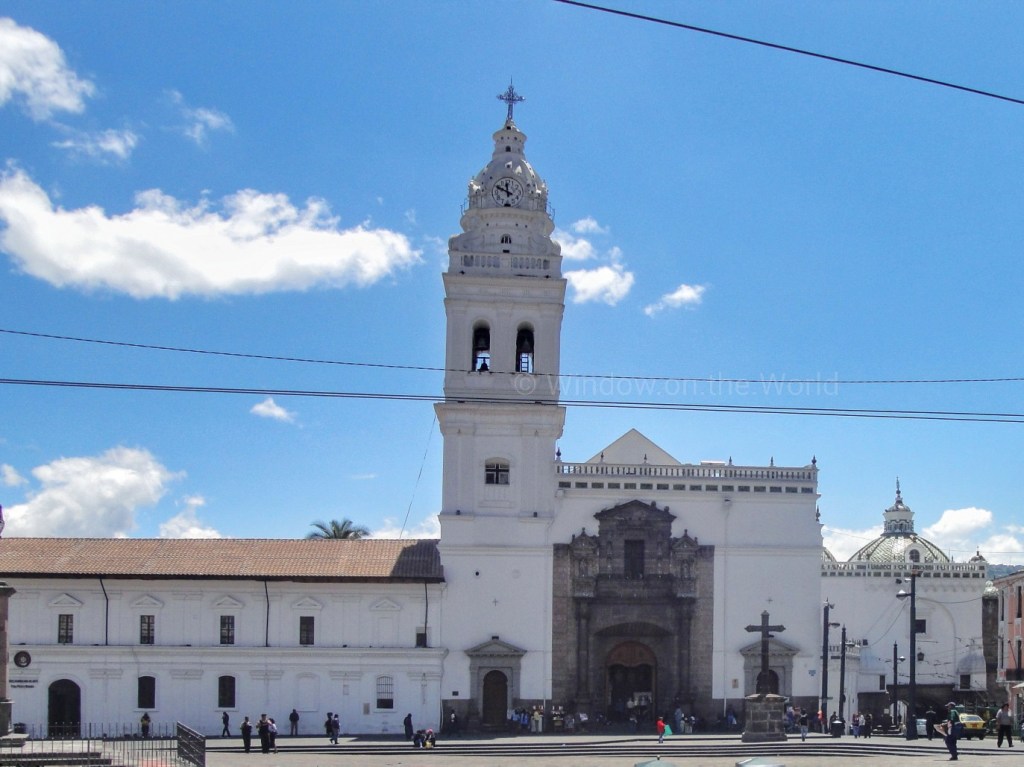
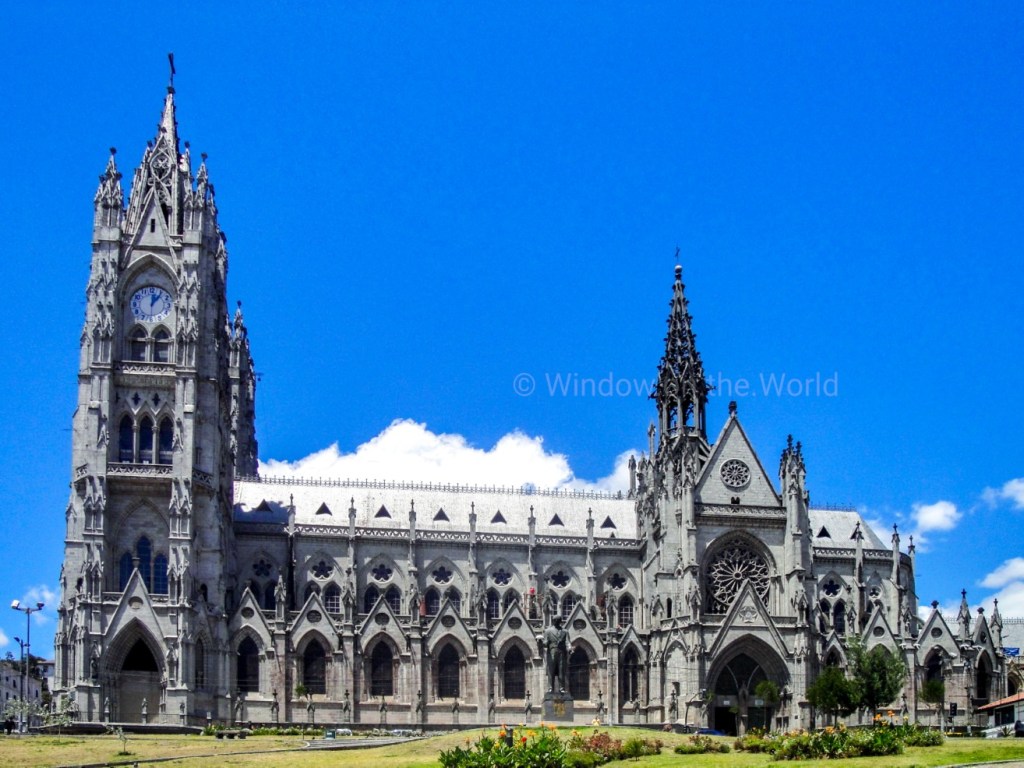
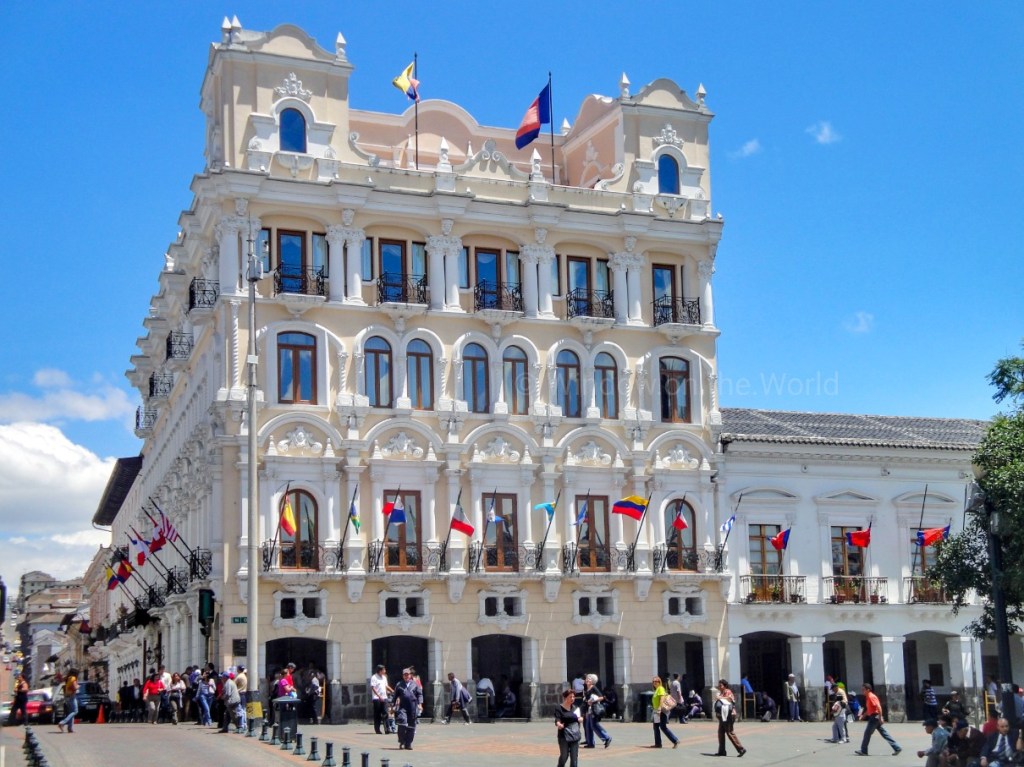
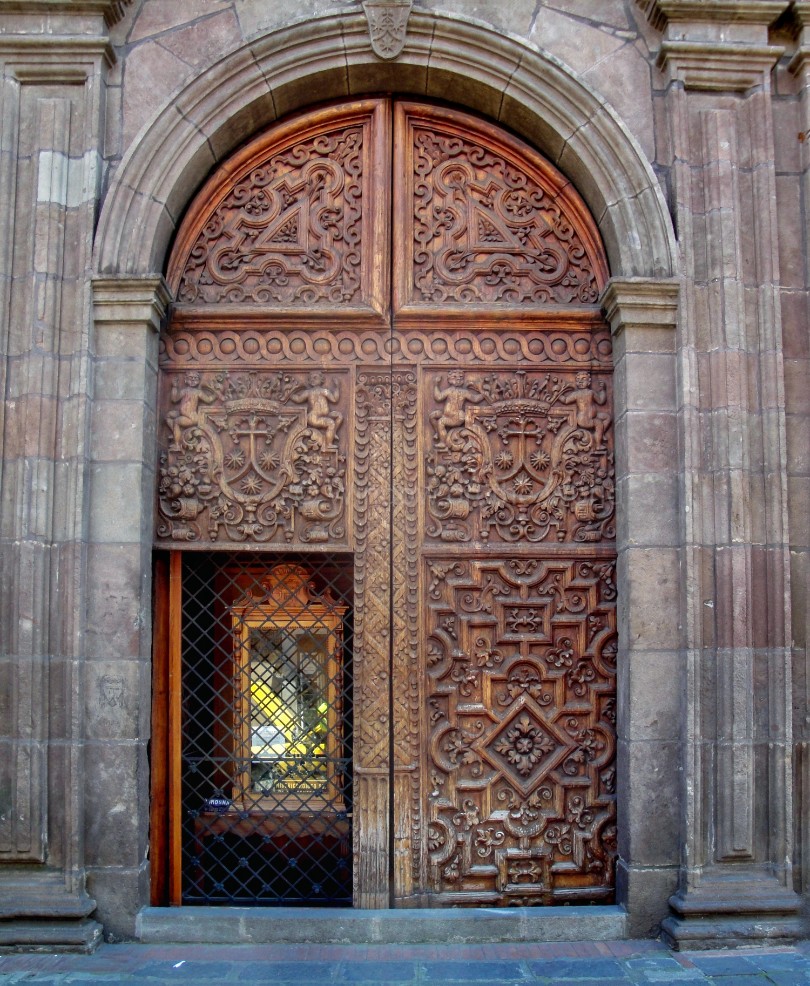
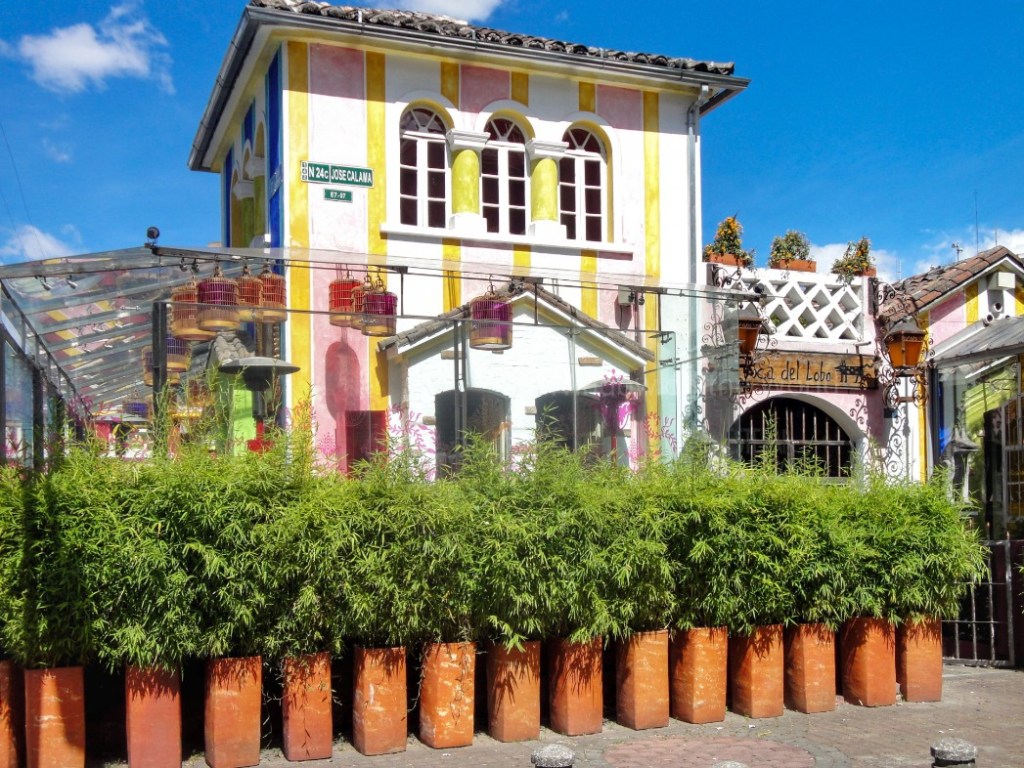
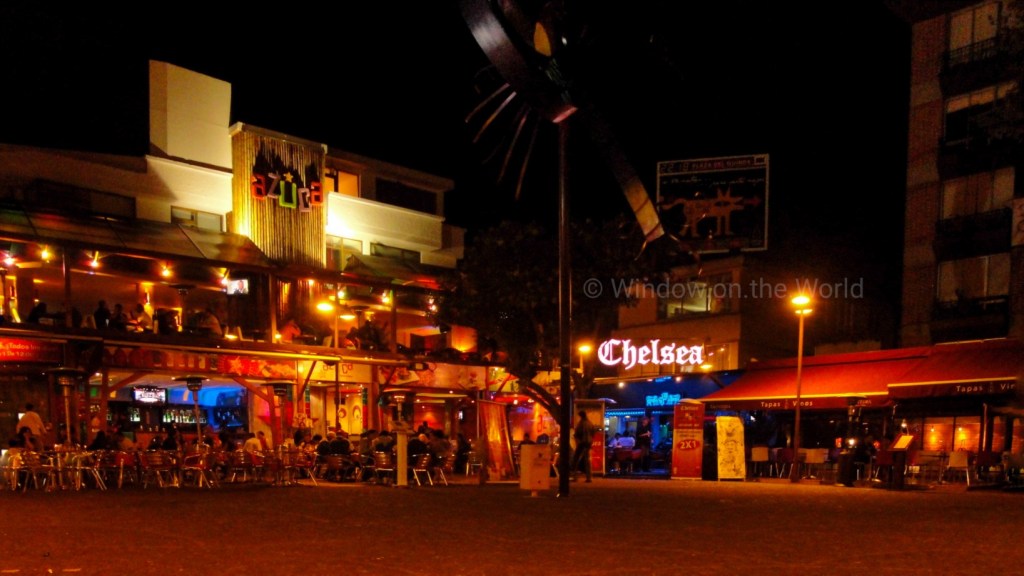
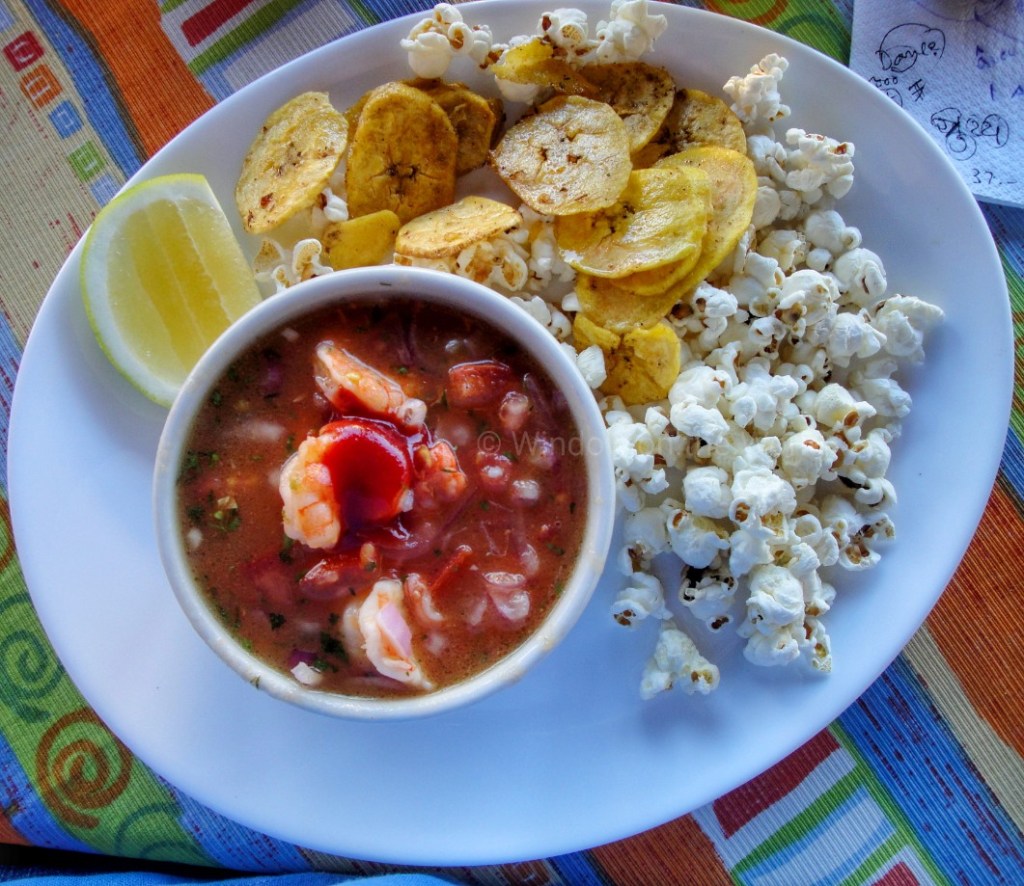
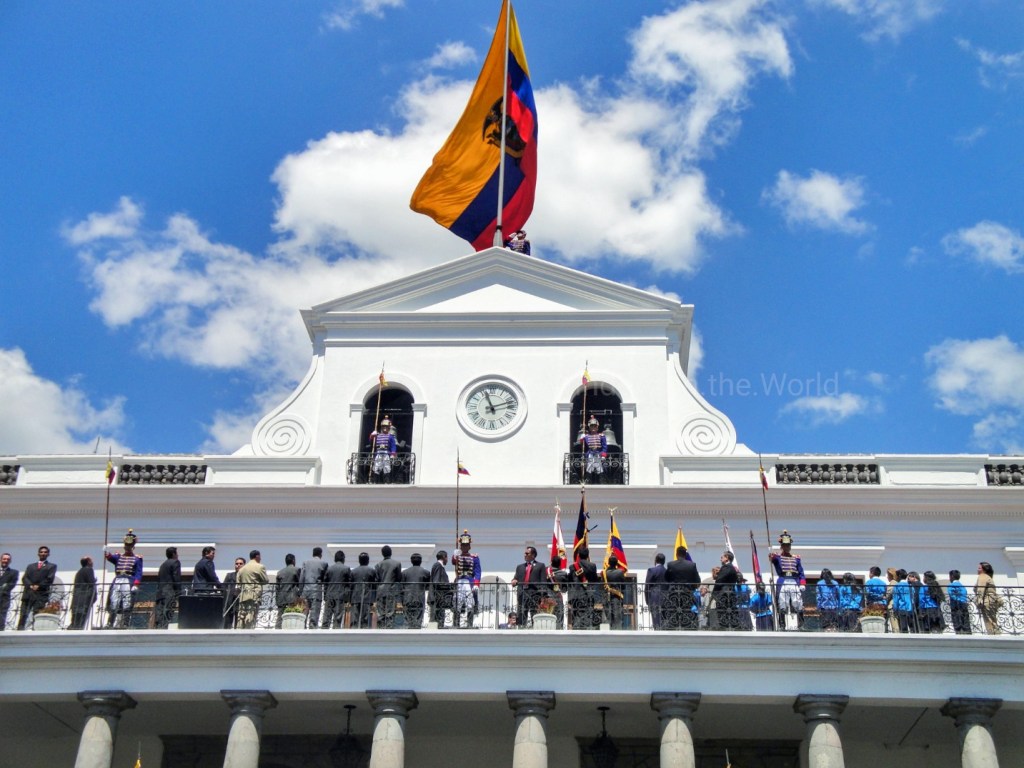
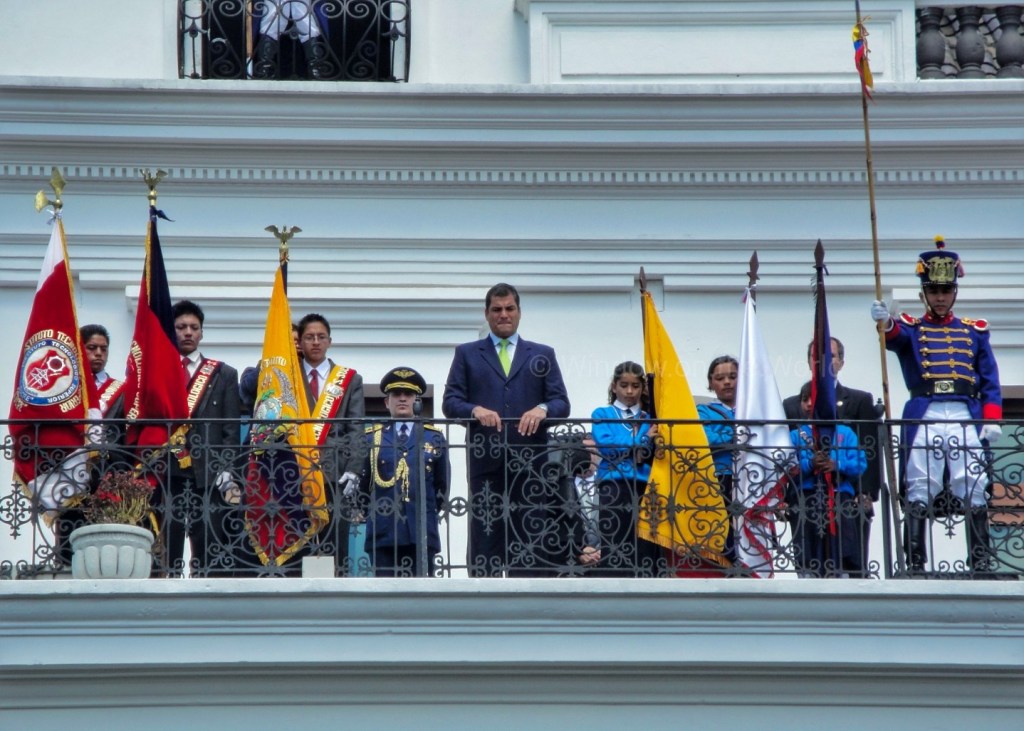
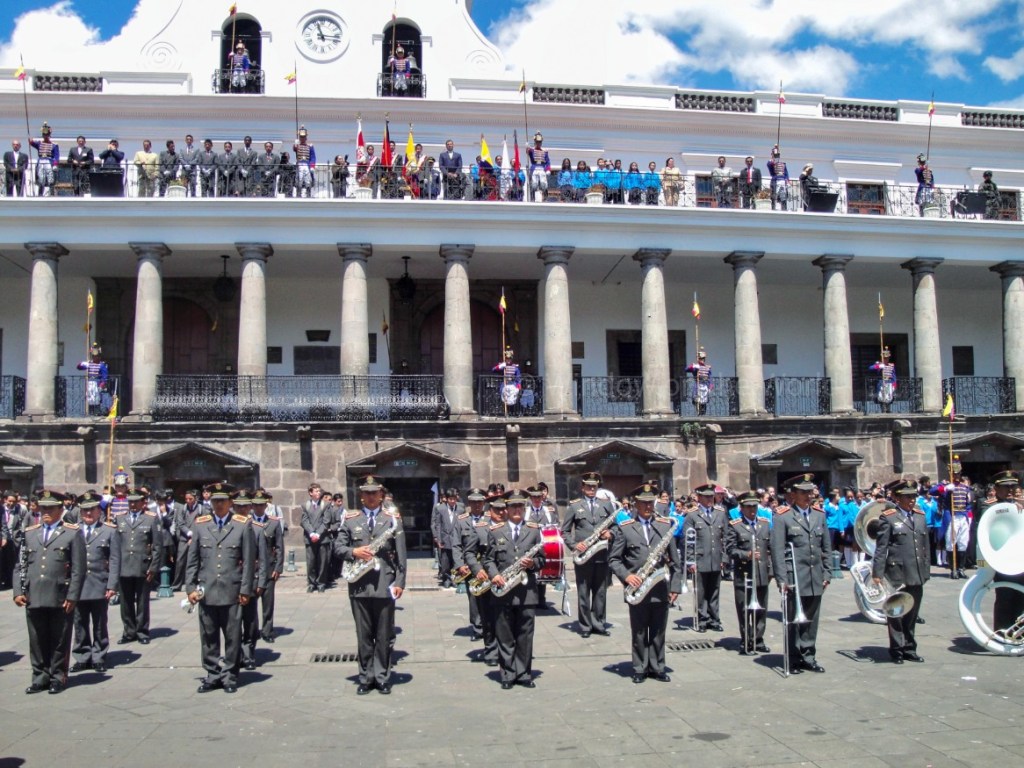
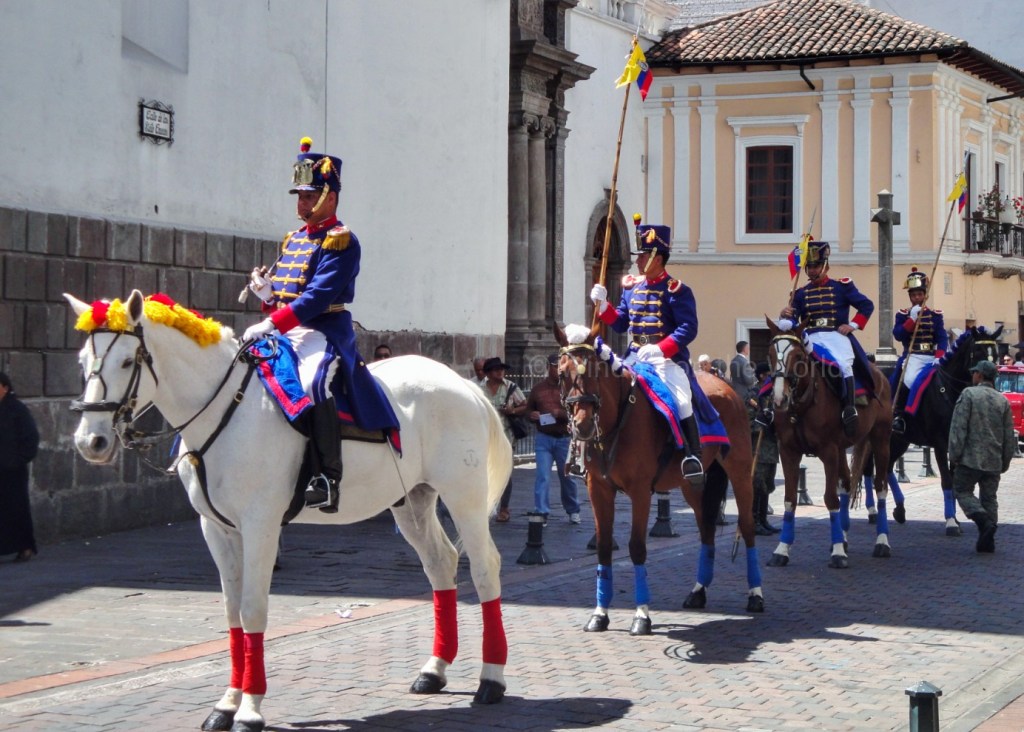
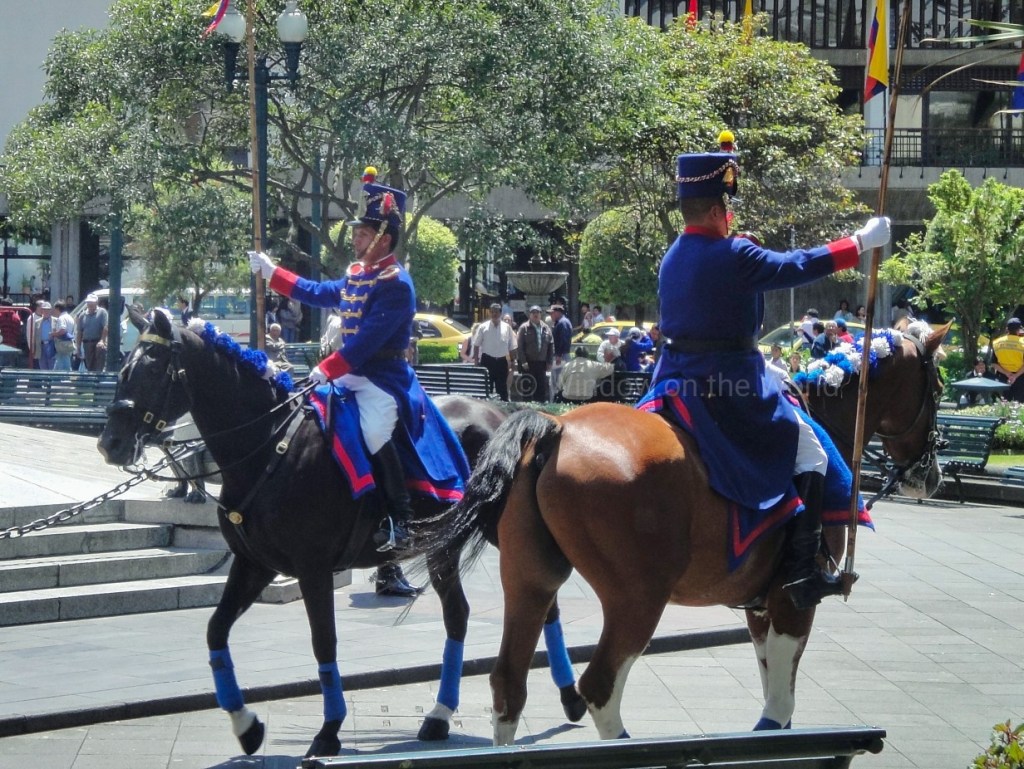
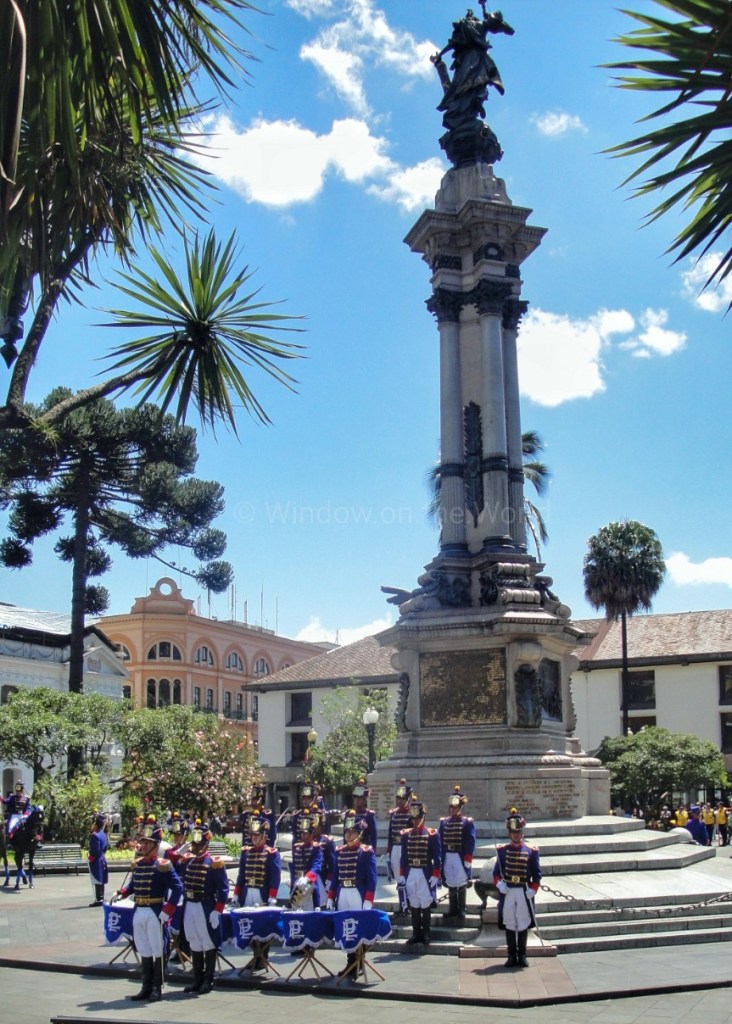
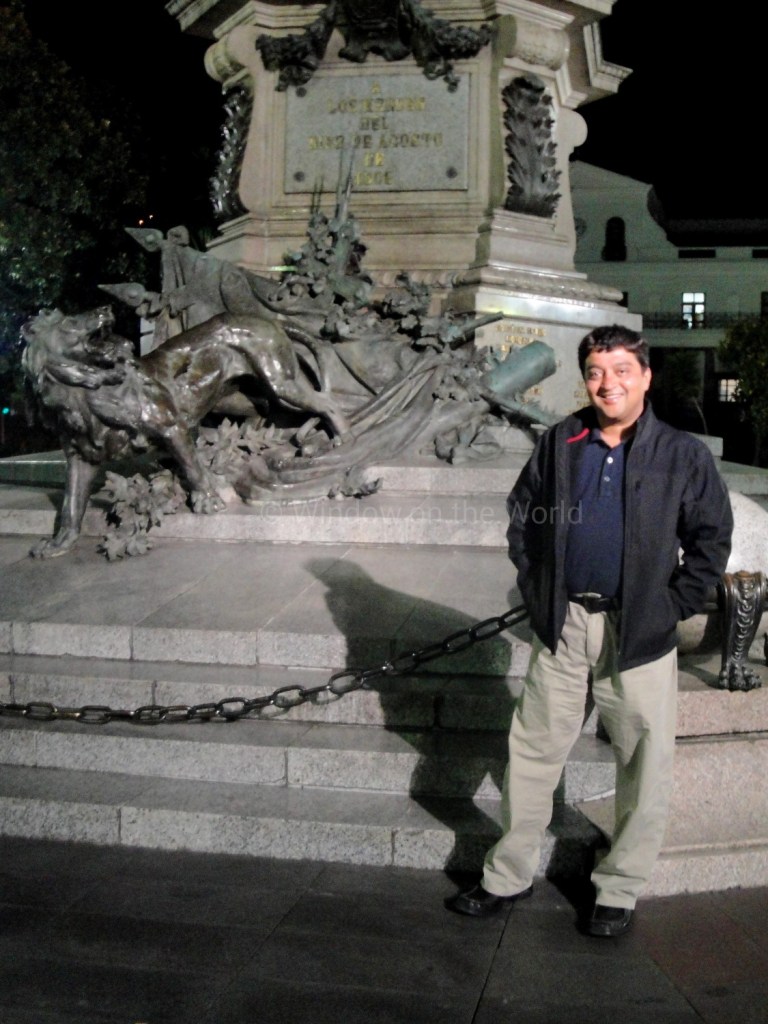
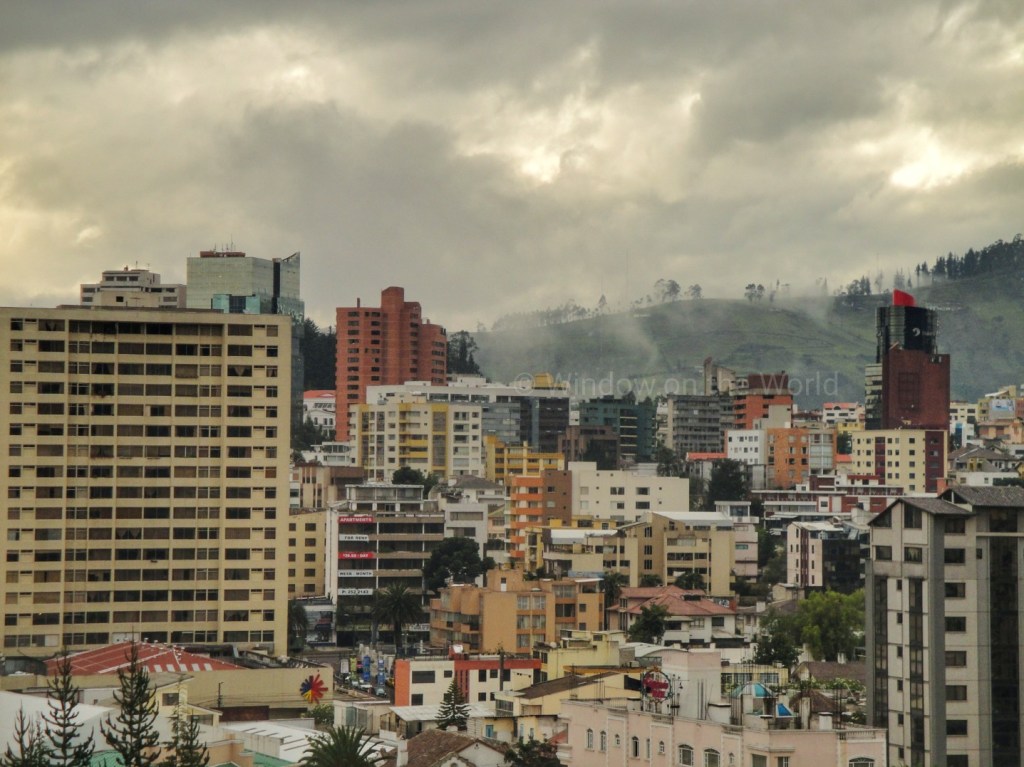
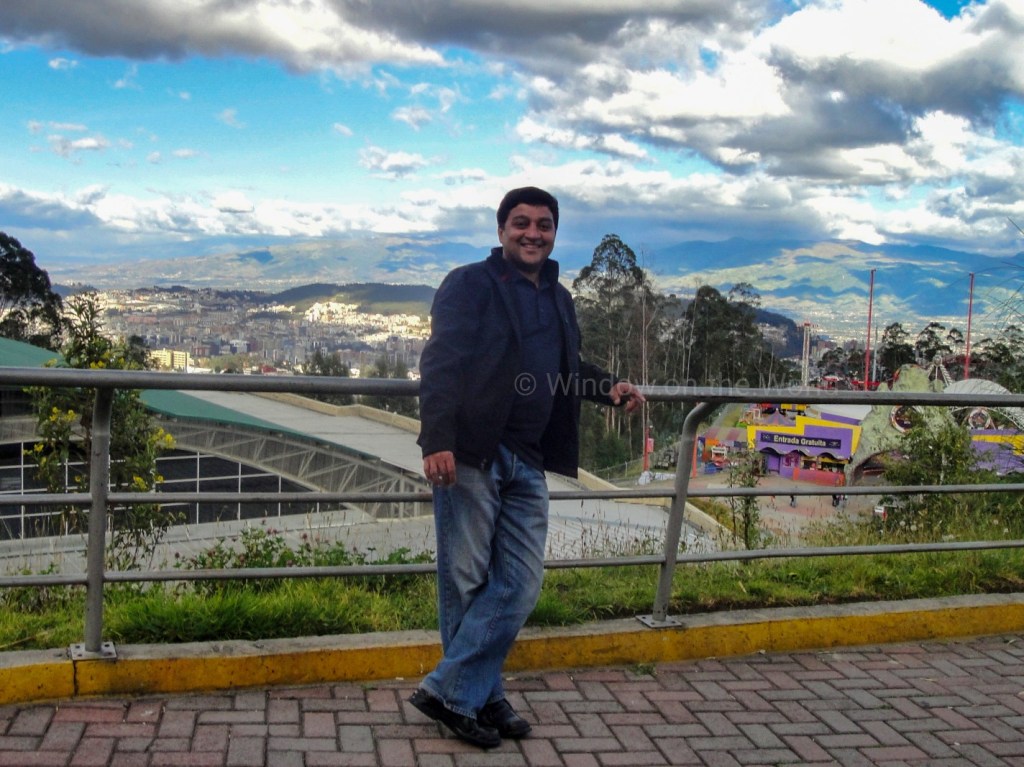
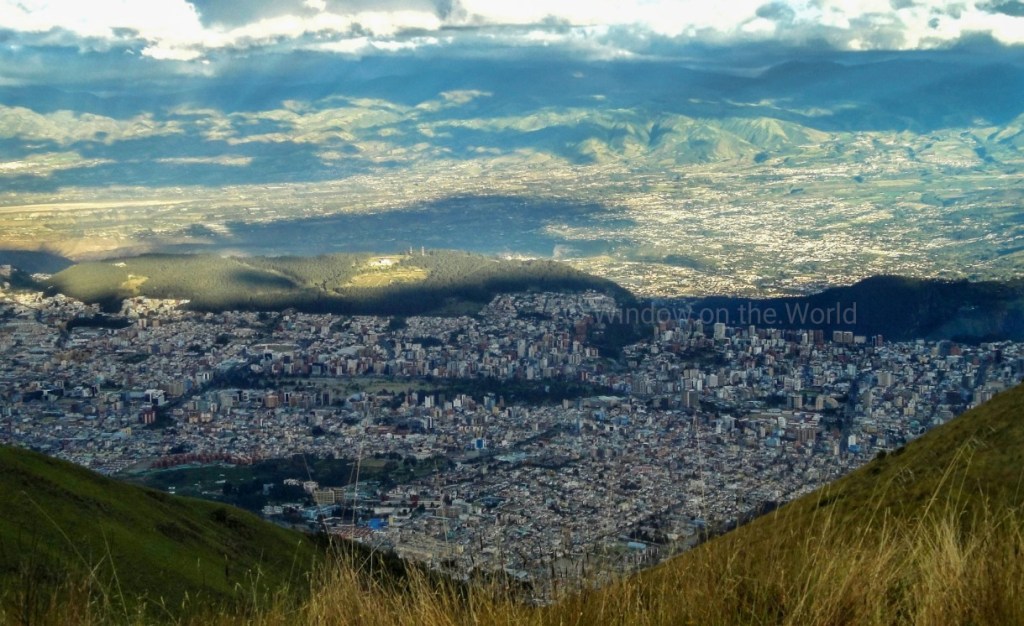
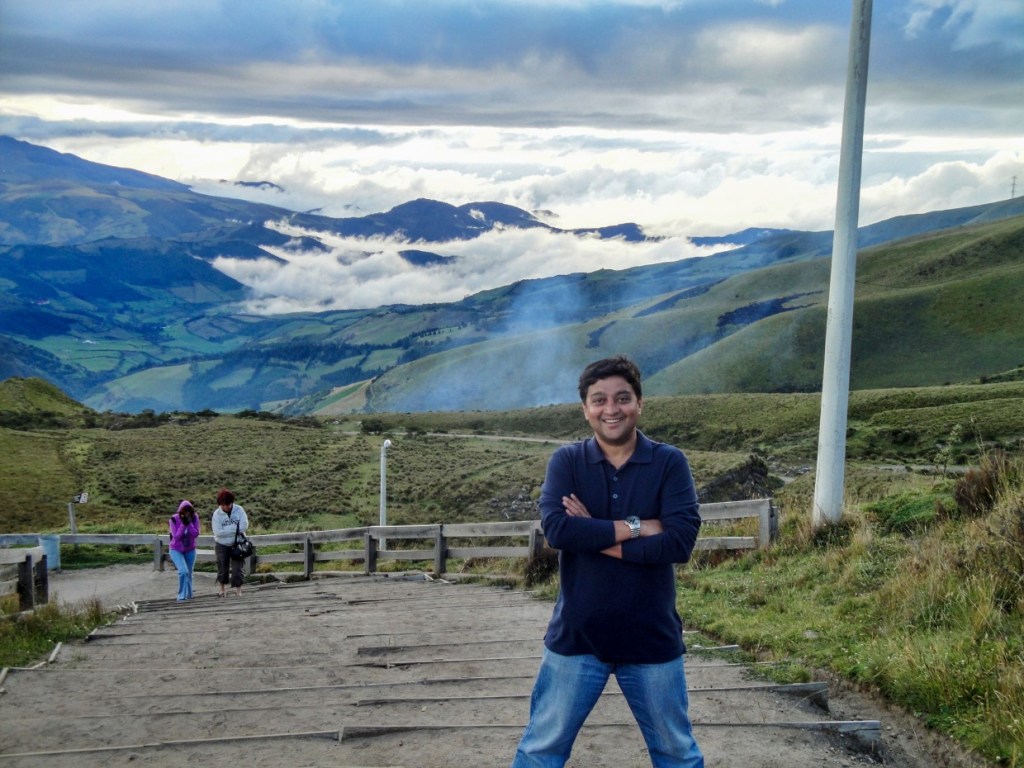
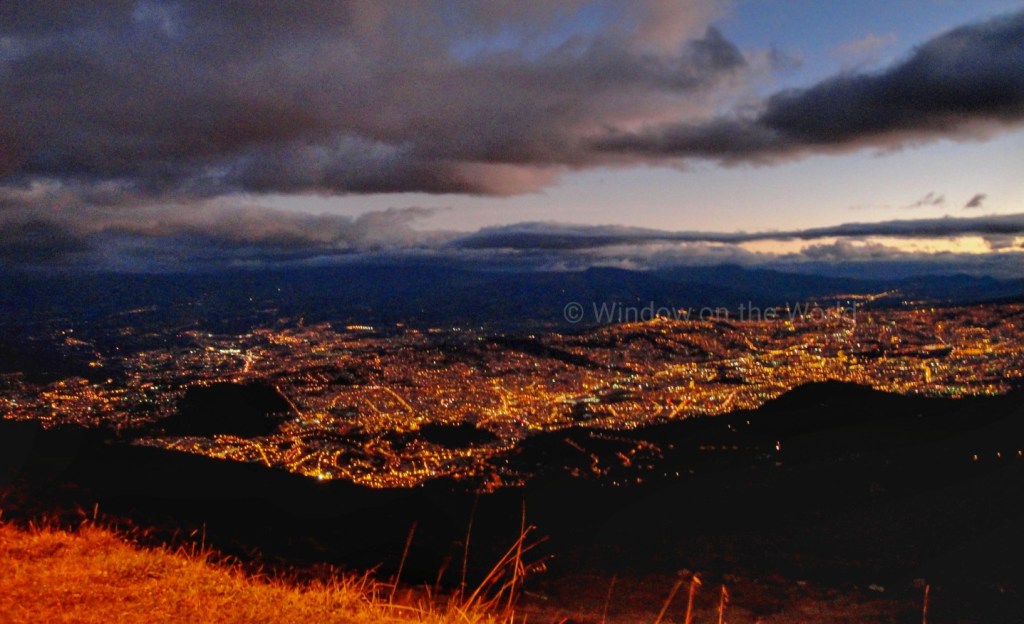
Independence Square (Plaza de la Independencia, or Plaza Grande), the principal and central public square of Quito and one of the symbols of the executive power of the nation. The square is flanked by the Carondelet Palace, the Metropolitan Cathedral, the Archbishop’s Palace, the Municipal Palace and the Plaza Grande Hotel.The Independence Monument, also known as the Monument to the Heroes of August 10, 1809, a commemorative column located in the center of the Plaza Grande. It was inaugurated in 1906 to commemorate the First Cry of Hispanic American Independence from the Spanish monarchy.The Basilica and Convent of San Francisco (Iglesia y Convento de San Francisco), the oldest and most significant religious site in Ecuador. The convent was built between 1537 and 1560. The main church, an imposing baroque structure, was completed a century later. San Francisco is considered a jewel of continental architecture for its mixture of different styles combined throughout more than 150 years of construction. It forms part of the City of Quito UNESCO World Heritage Site, the first site ever inscribed on the World Heritage List in 1978.Interior of the Basilica and Convent of San Francisco (Iglesia y Convento de San Francisco). The baroque altar in the church features the Virgin of Quito, a 1734 sculpture by Bernardo de Legarda, which became the most representative example of the renowned Quito School of art.Jesuit Church of the Society of Jesus (Iglesia de la Compañía de Jesús), often called La Compañía, a spectacularly ornate Jesuit church in Quito Old Town. The church is constructed out of volcanic stone. Built over a period of 160 years, la Compañía is one of the most significant works of Spanish Baroque architecture in South America.Iglesia de la Compañía de Jesús; lavishly decorated with gold leaf ornamentation, gilded ceilings, and religious paintings by artists of the Quito School. Iglesia de la Compañía de Jesús; approximately seven tons of gold are plastered all over the ceilings and the walls.Church of Santo Domingo (Iglesia de Santo Domingo), located in the historic center of Quito. Its construction began in the year 1540, when the site was assigned to the Dominican order and concluded in 1688. It forms part of the City of Quito UNESCO World Heritage Site.Basílica del Voto Nacional, a Roman Catholic church located in the historic center of Quito. It is the largest neo-Gothic basilica in the Americas. The first stone was placed on July 10, 1892. The basilica was blessed by Pope John Paul II on January 30, 1985, and it was consecrated and inaugurated on July 12, 1988, almost after 96 years since the first stone was placed. The basilica remains technically “unfinished”. Local legend says that when the Basilica is completed, the end of the world will come.The Hotel Plaza Grande, located on the Plaza de la Independencia. It was the first building in Quito to be more than two storeys at five, when it was built in 1930. It was one of the first formal hotels in Quito.Detail of door of Iglesia de El Carmen Bajo, a church built in early 18th century.A restaurant in the tourist district La Mariscal, a neighborhood to relax, shop, eat, drink, and party. Mariscal has many hostels, restaurants, taverns, discotheques, clubs, cafés, antique retailers, galleries, bookstores, and gift shops.La Mariscal after dark.Classic Ecuadorian shrimp ceviche made with shrimp marinated in lime and orange juice with red onions, tomato and cilantro. Served with Banana chips and popcorn.Another beautiful manhole cover in the capital. Carondelet Palace (Palacio de Carondelet), the seat of government of Ecuador and president’s home, located in the Independence Square or Plaza Grande. The history of this emblematic building dates back to colonial times, around 1570, with the acquisition of the former royal houses located in the city of Quito.Rafael Correa, who served as President of Ecuador from 2007 to 2017, observing the Changing of the Guard ceremony.The Changing of the Guard ceremony happens every week on Monday in front of Carondelet Palace.Granaderos de Tarqui, the President of Ecuador’s honor guard service regiment, which protects the Carondelet Palace in Quito.Changing of Guard; Granaderos de Tarqui, the President of Ecuador’s honor guard service regiment.Band for Changing of Guard playing music at the Independence Monument, in front of Carondelet Palace.At the Independence Monument.Quito during early morning.Northern Quito as seen from the Teleférico (Aerial tramway) Station at Cruz LomaPichincha Volcano, can take TeleferiQo Cruz Loma, a gondola lift to reach this place.Northern Quito after dark, as seen from the Cruz Loma.TeleferiQo Cruz Loma, which is a gondola lift in Quito, running from the edge of the city center up the east side of the Pichincha Volcano to lookout Cruz Loma. It is one of the highest aerial lifts in the world, rising from 3,117 m (10,226 ft) to 3,945 m (12,943 ft).
One of the reason I visited Ecuador was to visit Mitad del Mundo (the Middle of the World), the most popular and unmissable tourist attraction in Ecuador. Nowhere else on the planet it is easier to visit the Equator line, or strike a cheesy pose with one foot in each hemisphere. Even Ecuador’s name was born of it’s location at latitude zero. Not only will you effortlessly lose weight at Mitad del Mundo, you’ll also discover if water really does flow down the drain in different directions in the north and south hemispheres.
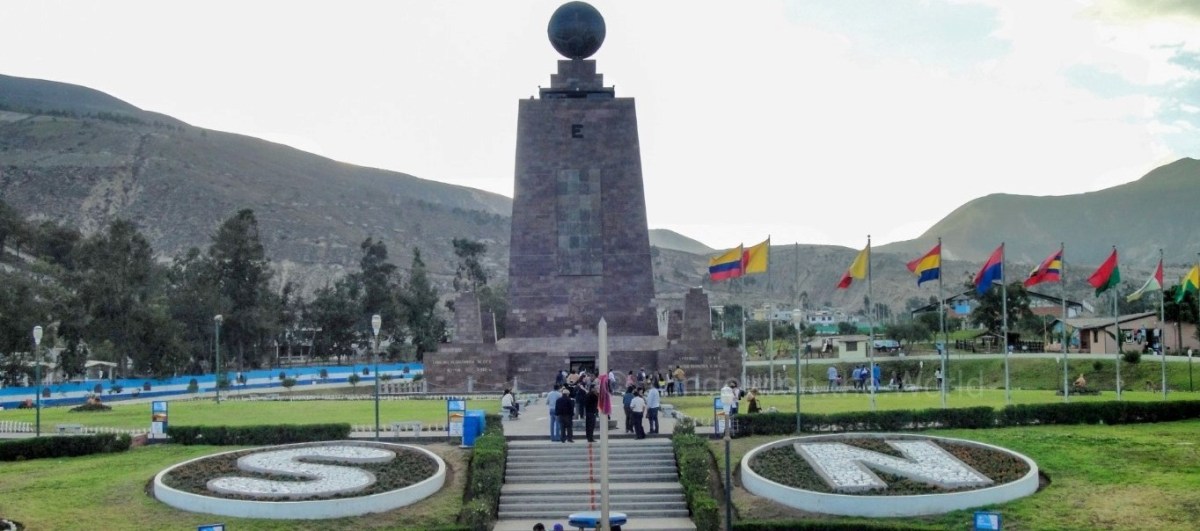
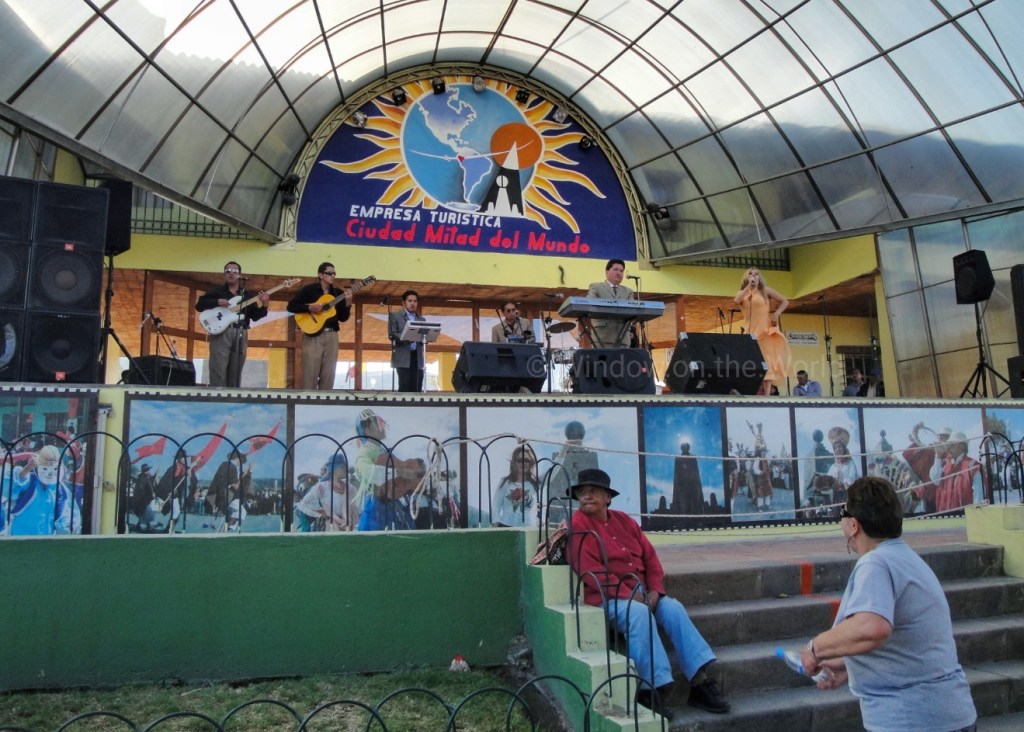
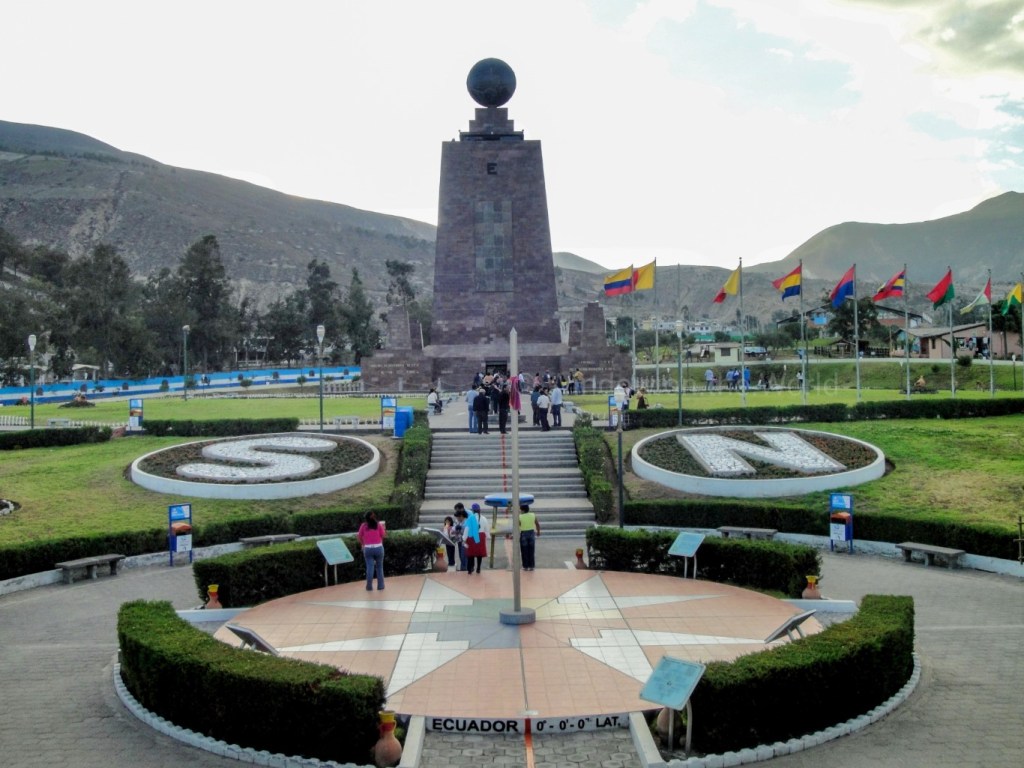
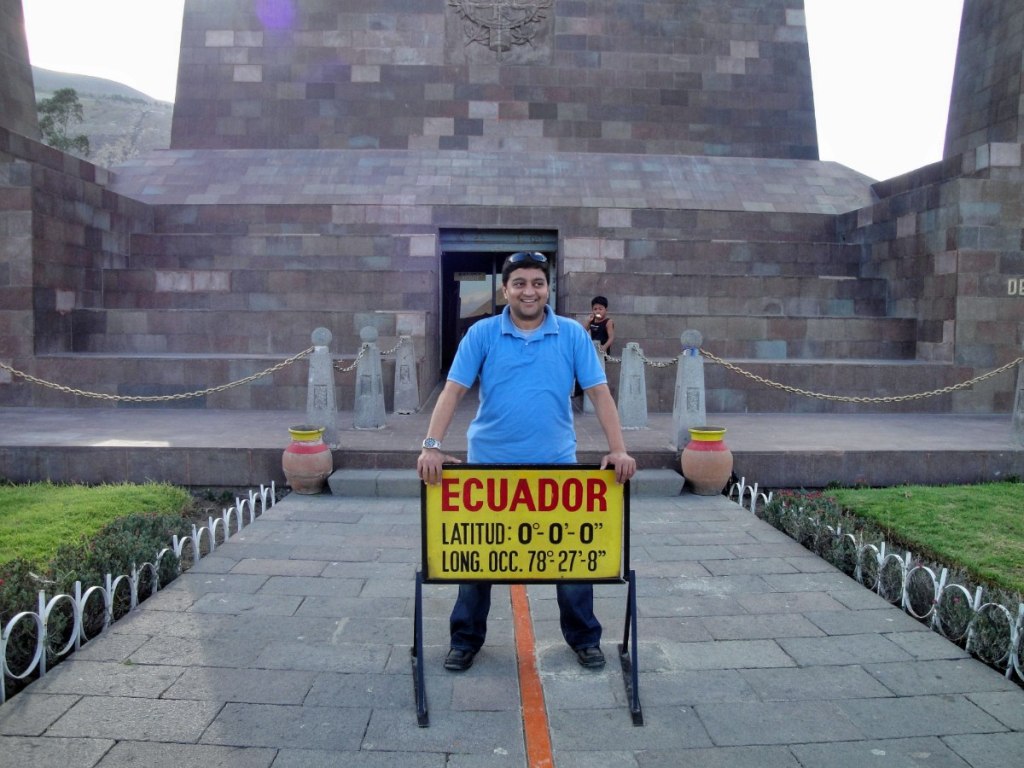
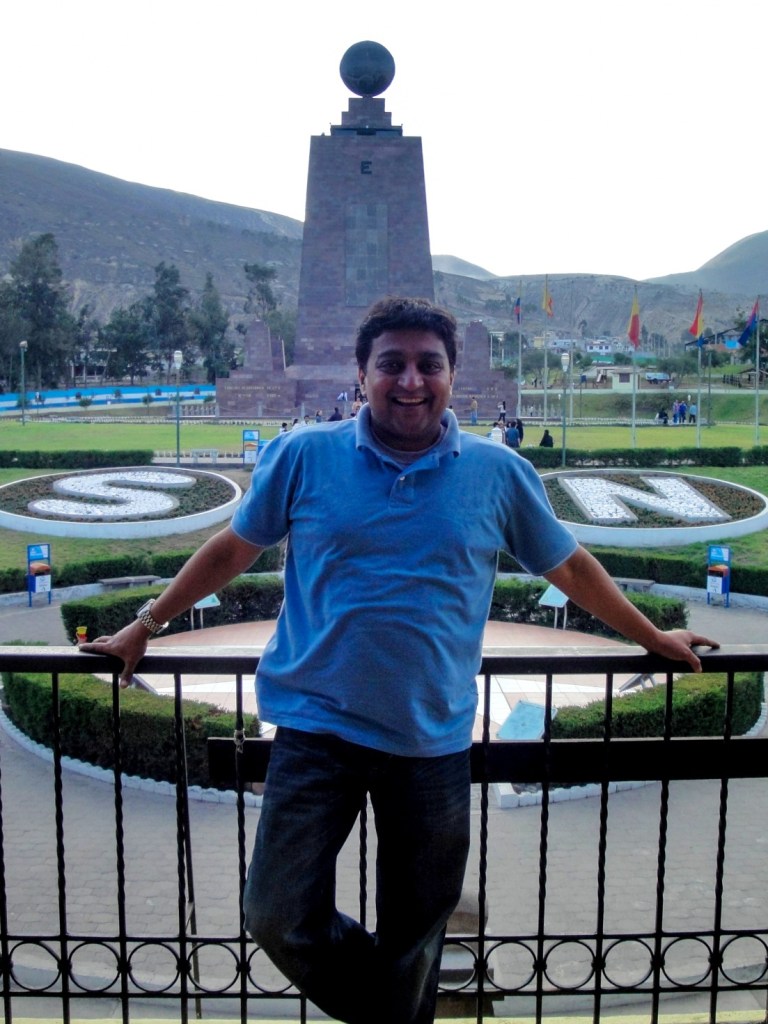
Live music performance near the Monument to the Equator in the Ciudad Mitad del Mundo (Middle of the World City), located at San Antonio parish of the canton of Quito, 26 km (16 mi) north of the center of Quito.The Monument to the Equator, a 30 meter tall (98 ft) monument was constructed between 1979 and 1982 to replace an older, smaller monument built in 1936. North and South hemispheres are clearly marked and the Yellow line in the middle represents the equator line.One of the reasons to visit Ecuador was to take this cheesy pose with one foot in each hemisphere. At the Monument to the Equator.Enjoying Fritada (fried pork), a typical Ecuadorian dish, with Llapingacho (fried potato pancakes) and mote (cooked corn), pickled onions and tomato, and fried ripe plantains.
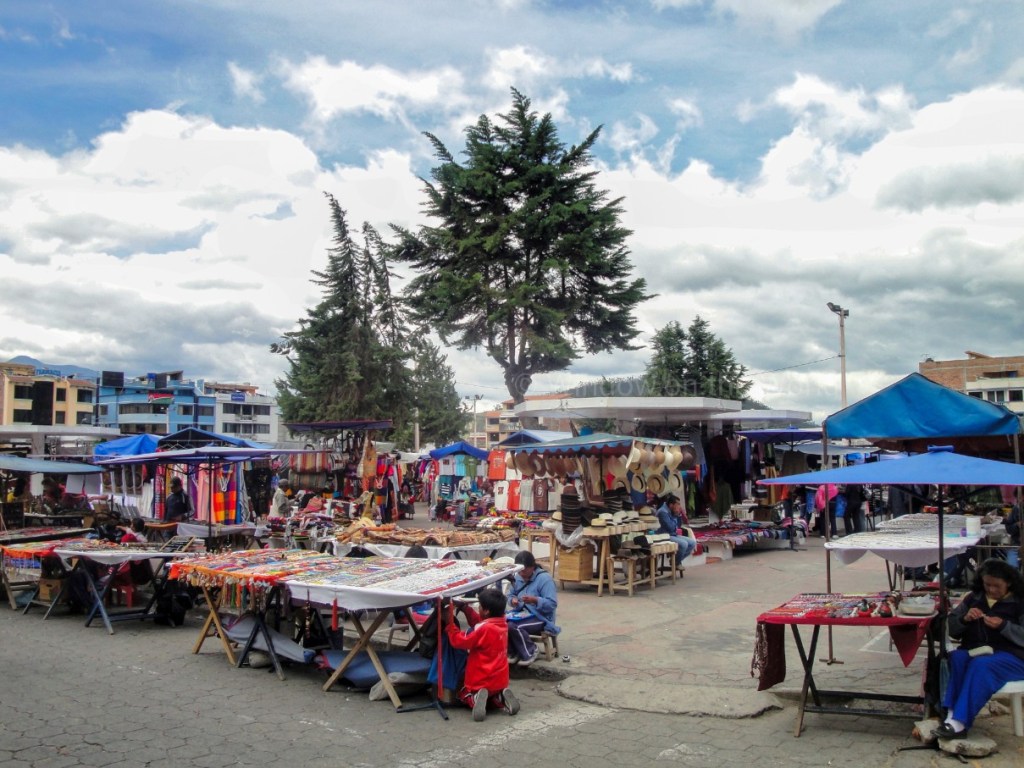
After couple of days exploring the capital city, I took a public transport to Otavalo, a town in the Andean highlands in the northern Ecuador, surrounded by volcanoes. It’s known for its Otavalo Market in the central Plaza de Ponchos, where traditionally clad indigenous townspeople sell colorful textiles and handicrafts.
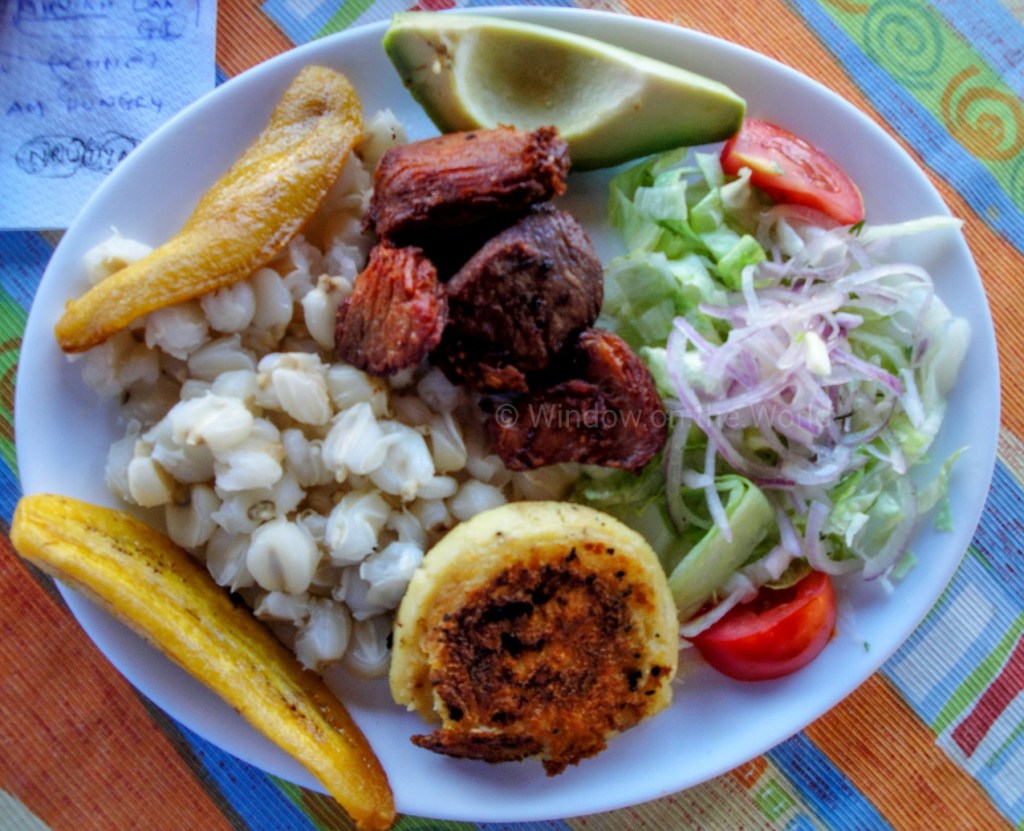
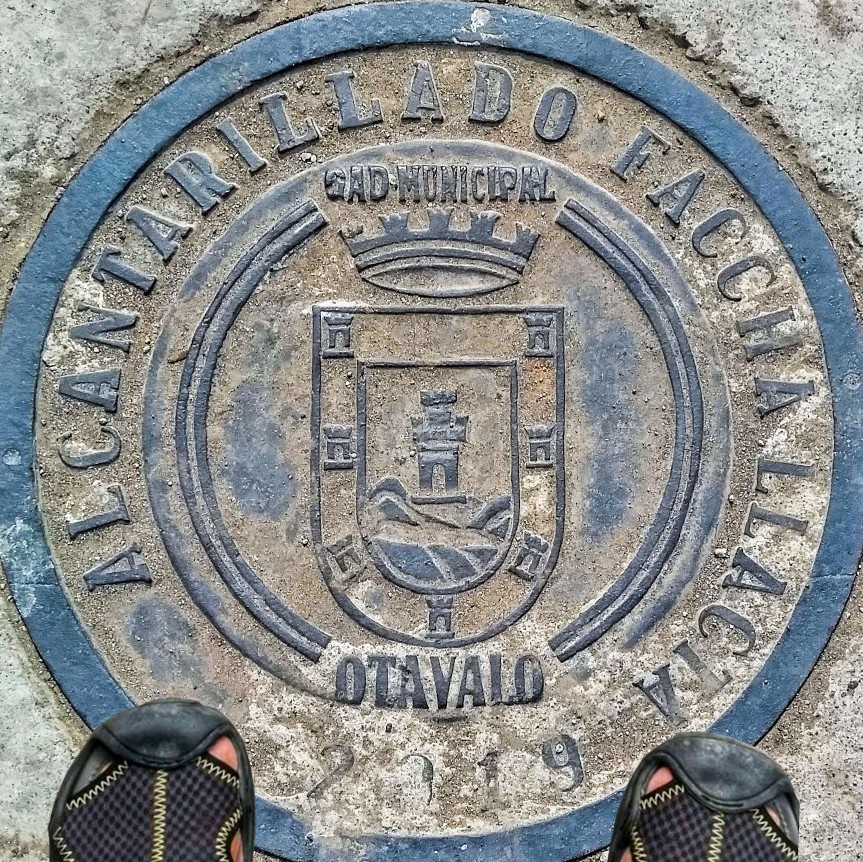
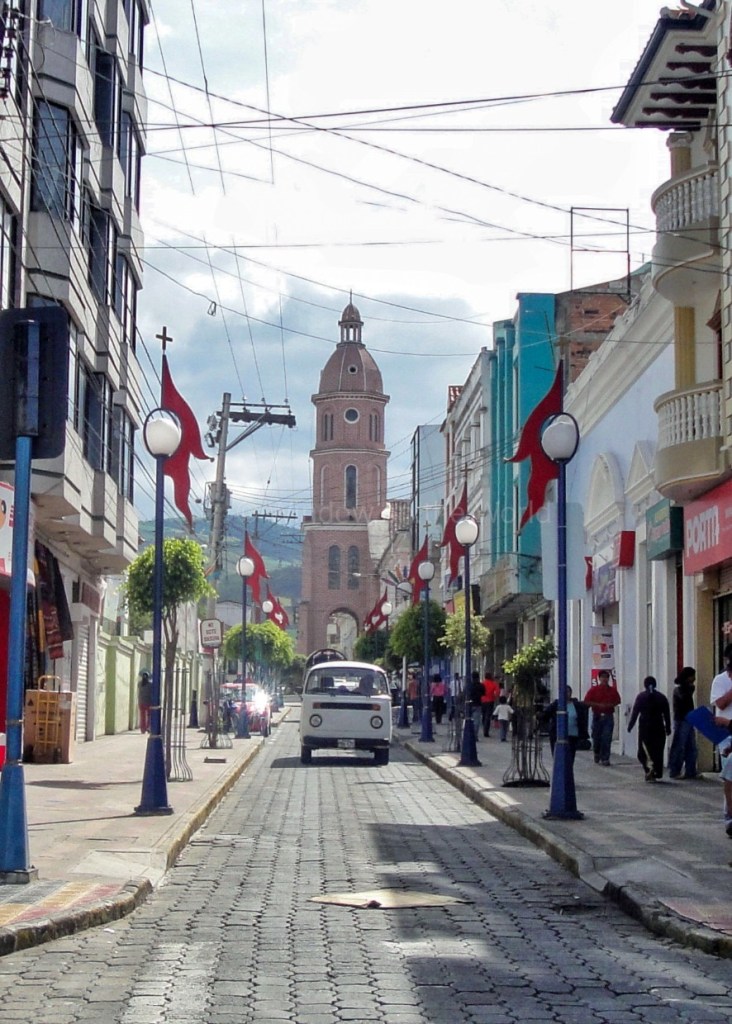
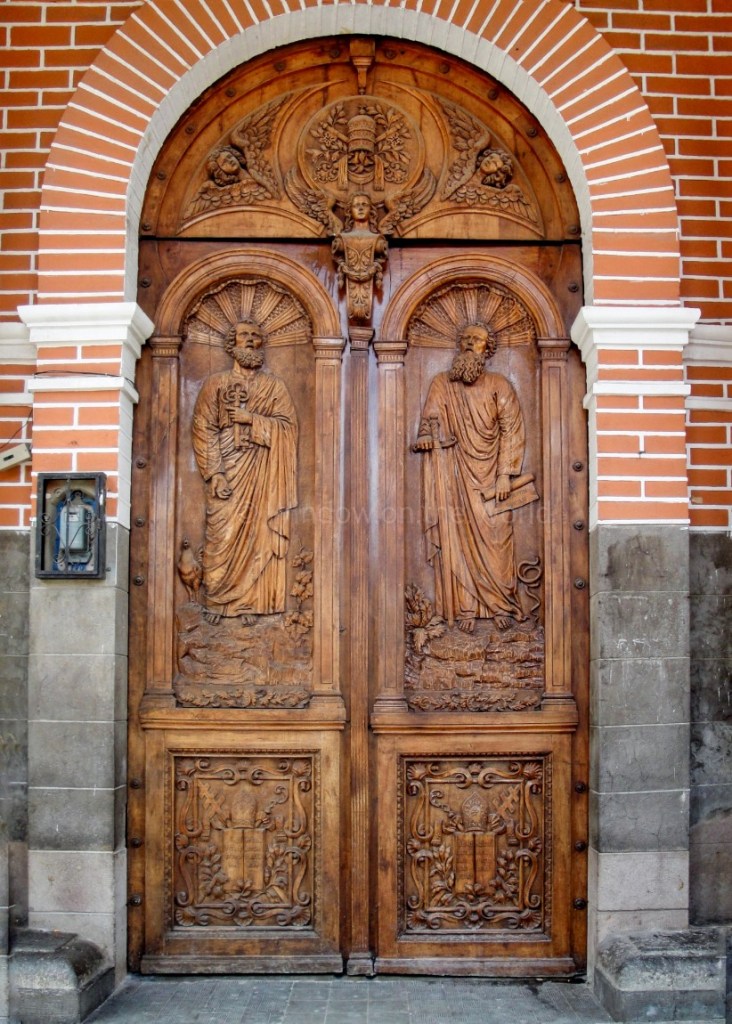
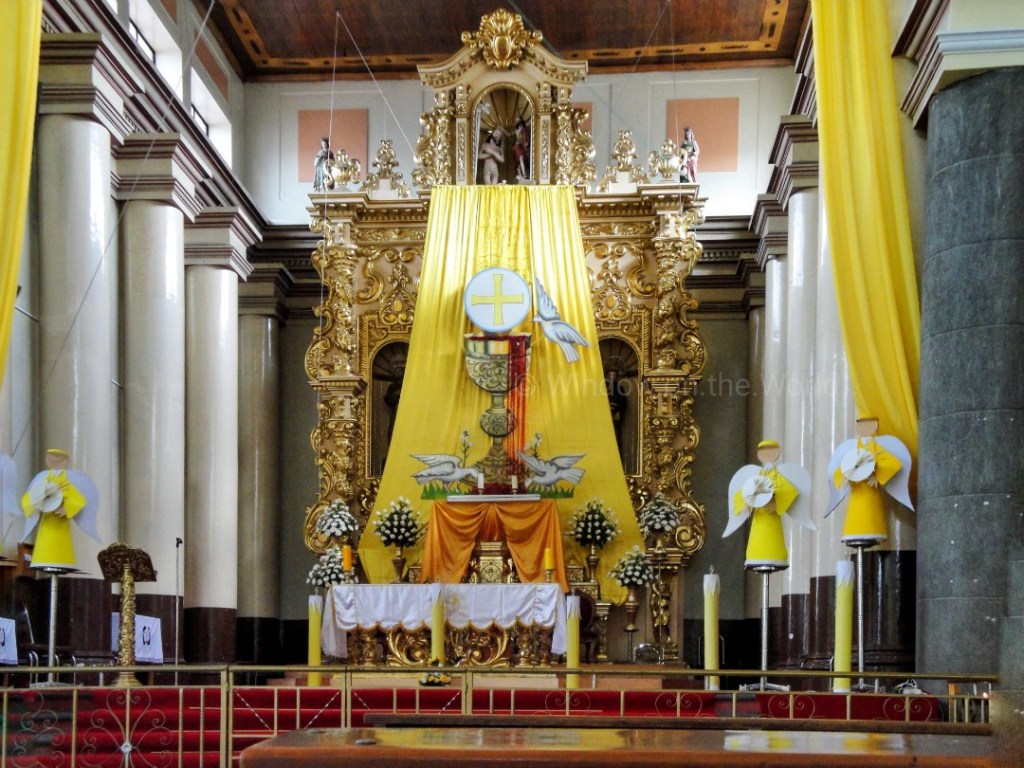
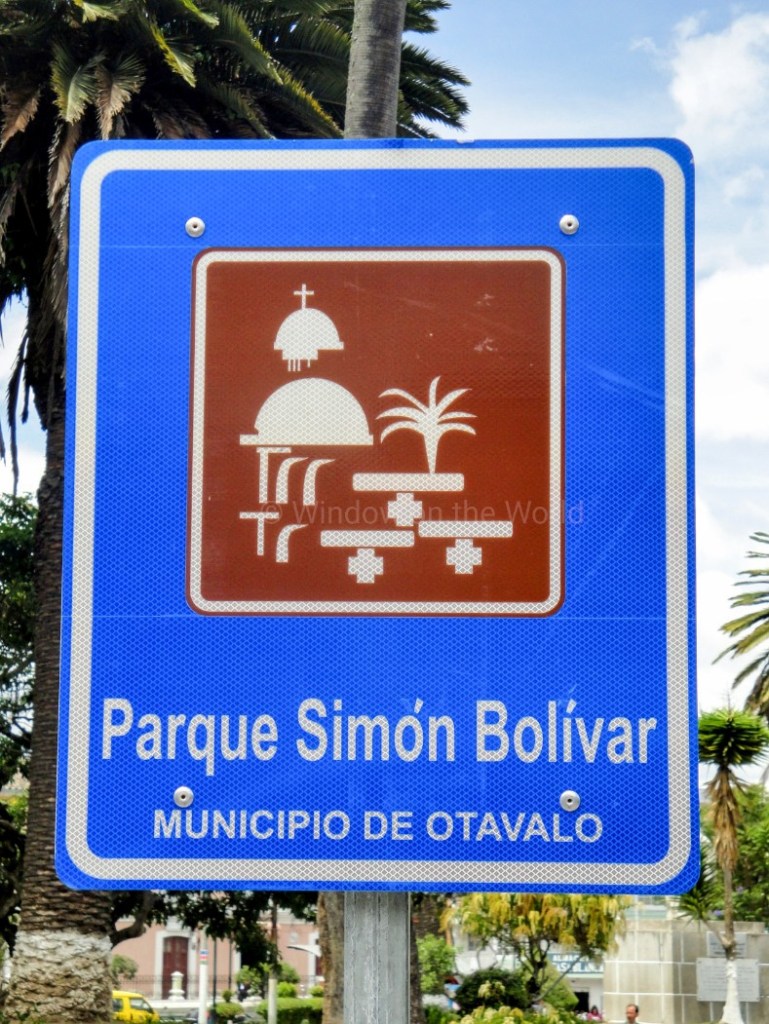
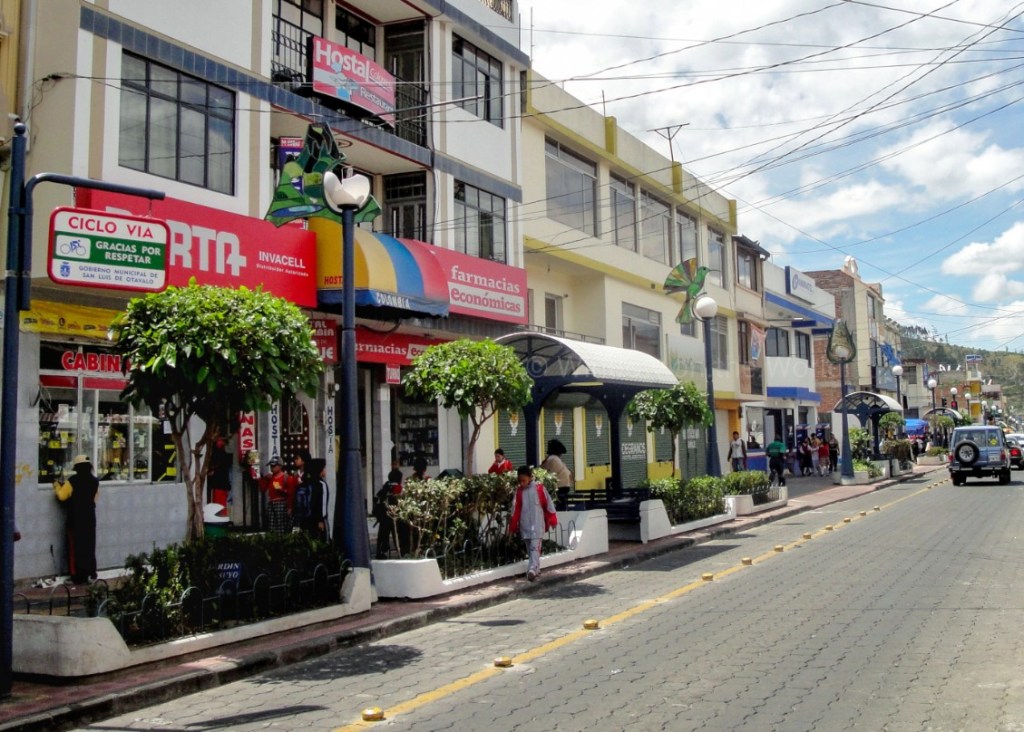
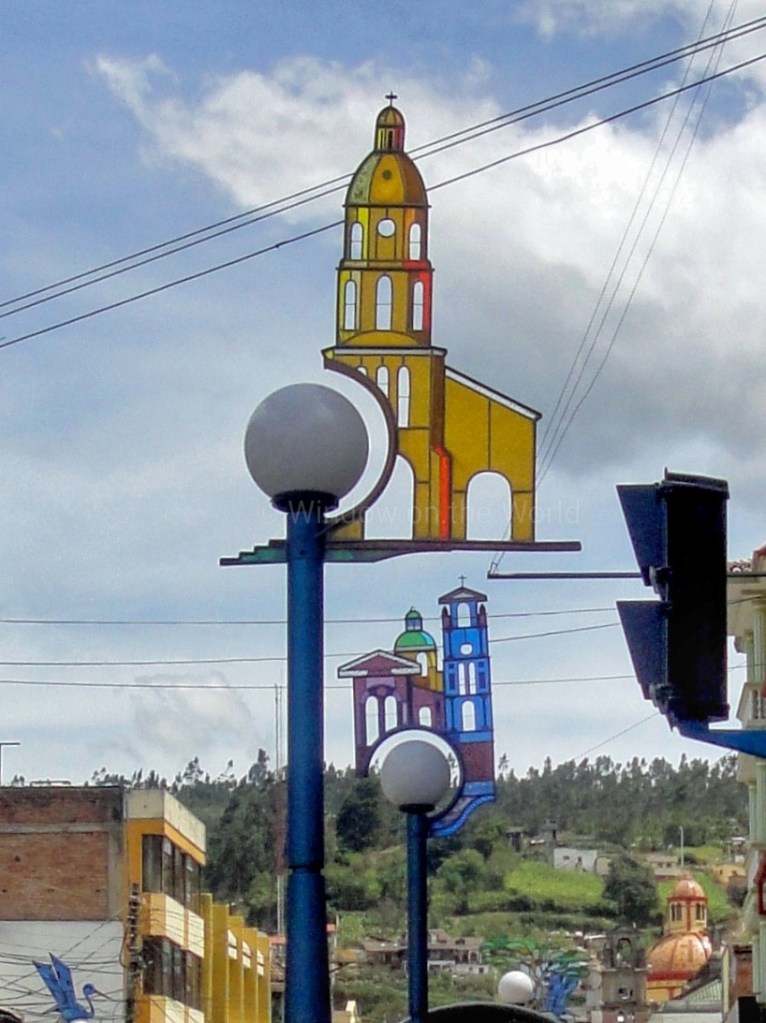
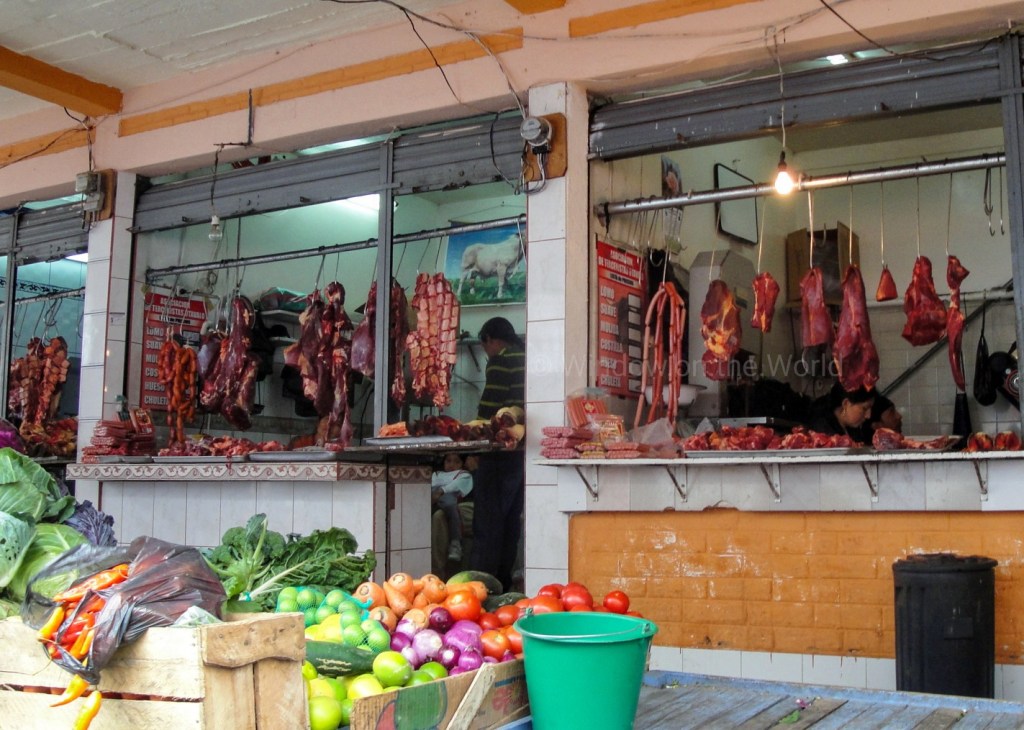
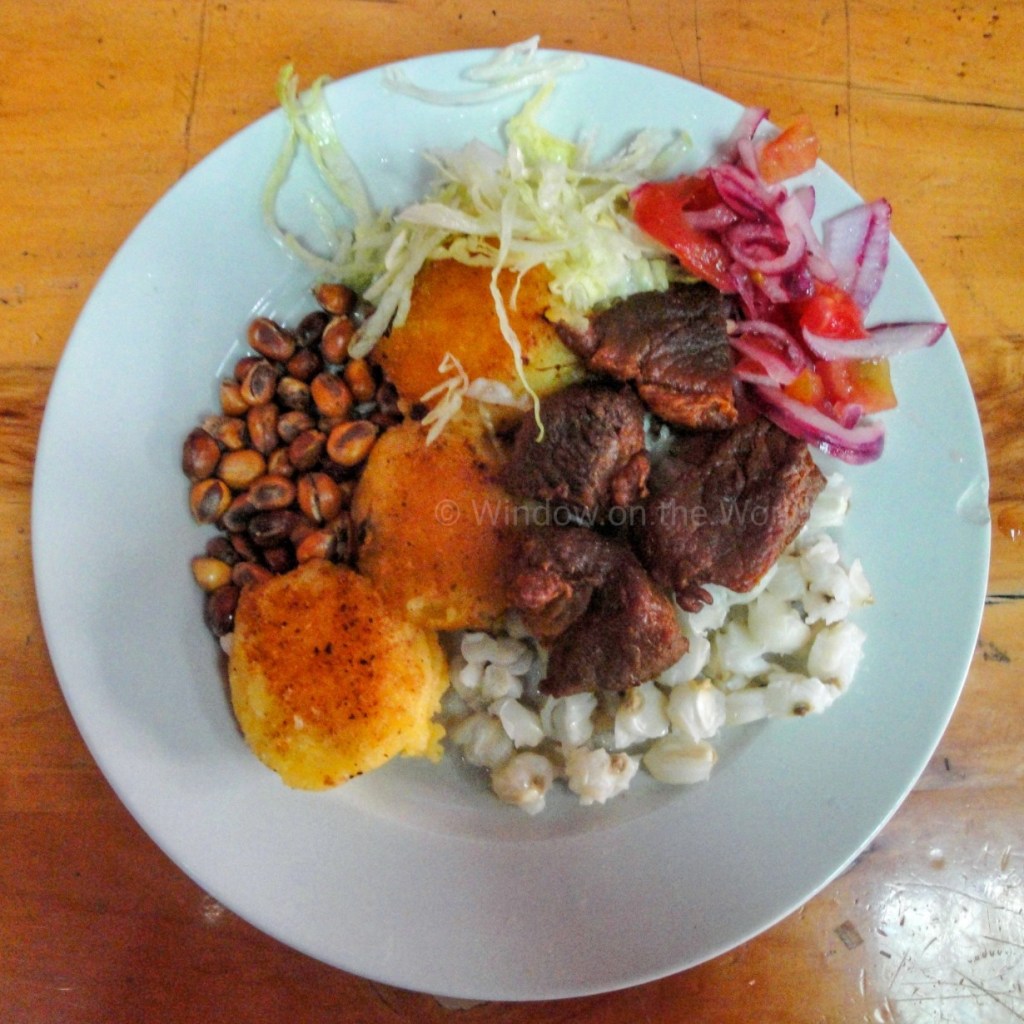
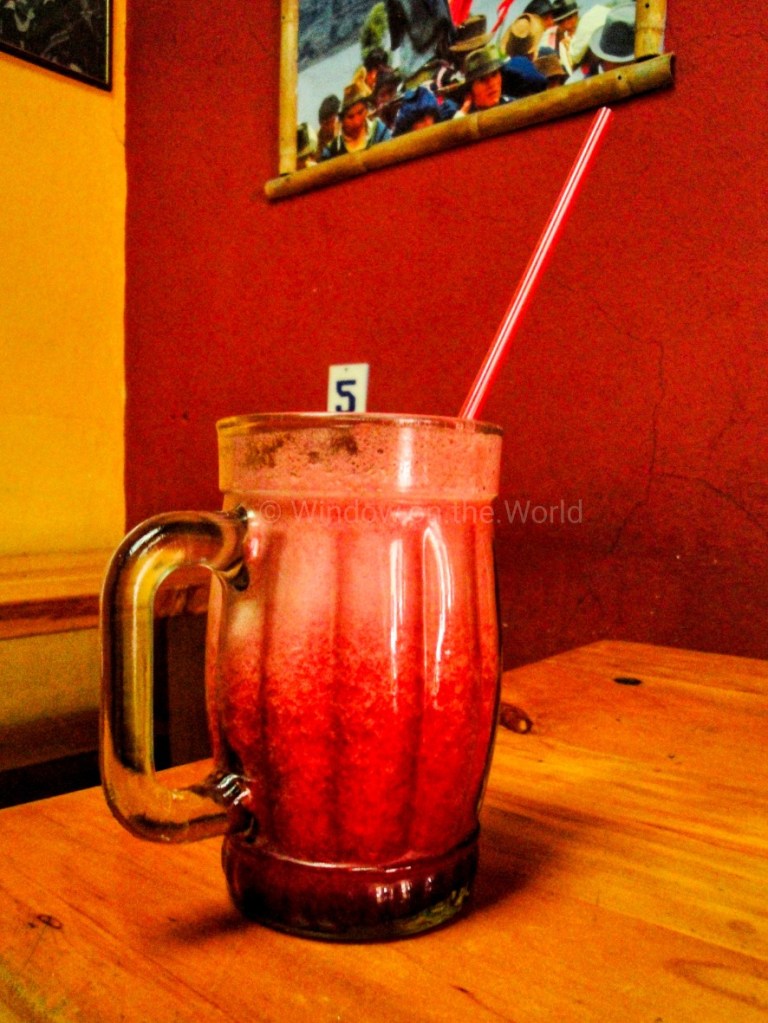
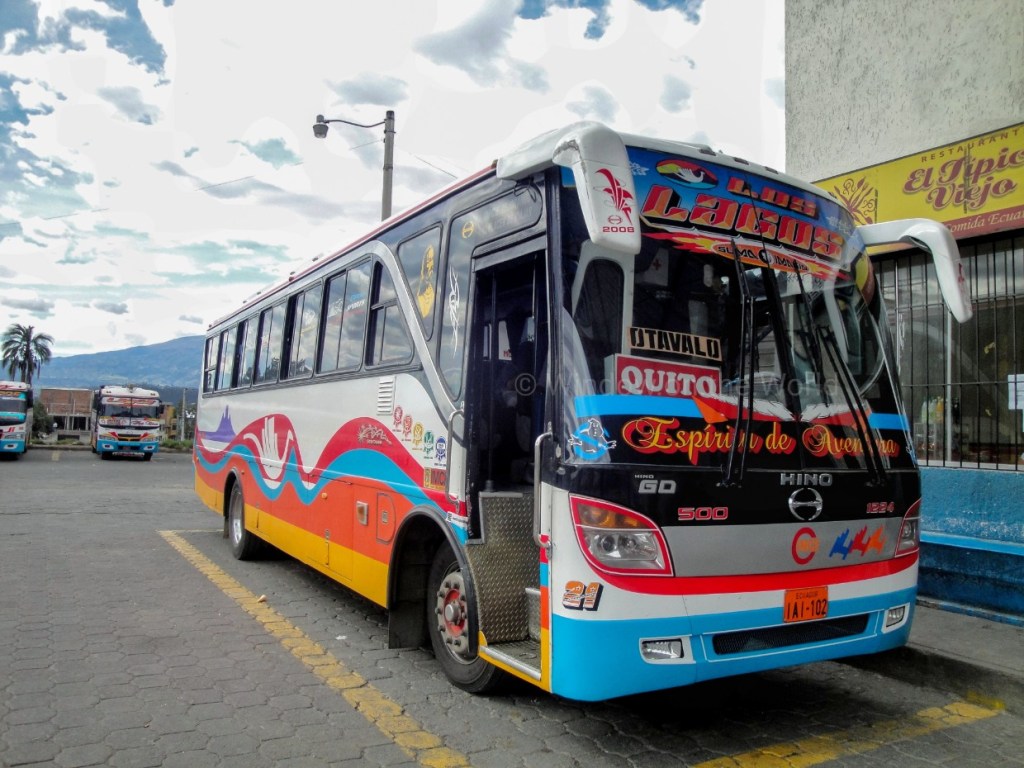
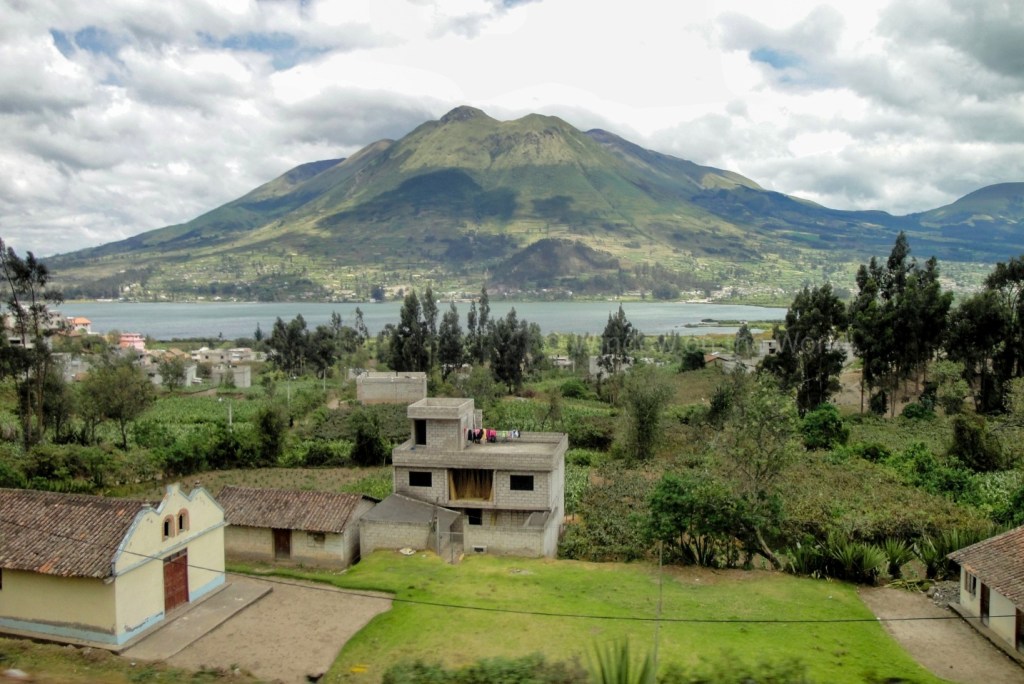
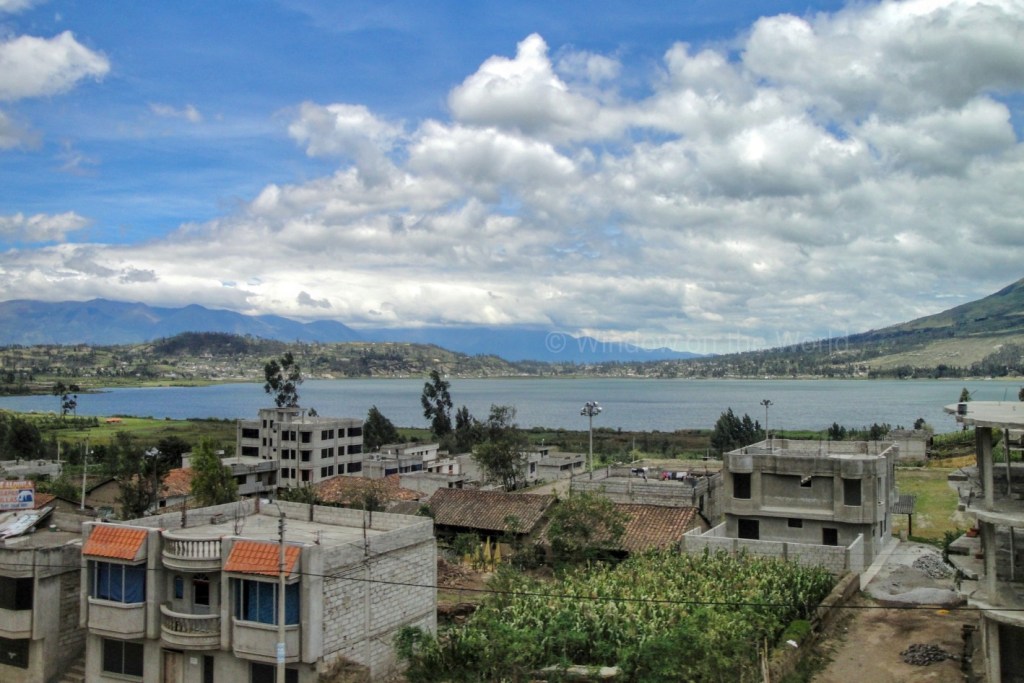
Welcome to Otavalo! A beautiful Manhole cover with city’s Coat of Arms.Tower of the Iglesia San Luis, a very large ornate church as are most catholic churches in Ecuador.Iglesia El Jordan, completed in 1963-64, a beautiful church on the edge of the plaza with very impressive wooden doors.Impressive wooden doors of Iglesia El Jordan.Interior of Iglesia El Jordan.A small park in the city center, nice place for people watching. Weekly Saturday market in the Plaza de los Ponchos.The indigenous Otavalo people are famous for weaving textiles, usually made of wool, which are sold at the famous Saturday market.A street of Otavalo.Artistic street lamps of Otavalo.Meat market near Plaza de los Ponchos. Another version of Fritada (fried pork), with Llapingacho (fried potato pancakes) and mote (cooked corn), pickled onions and tomato, though no fried plantains in Otavalo.Enjoying jugo de tomate de arbol. The bright orange-red colored fruit does have a mild tomato flavor but its juice does not taste like fresh tomato juice.Taking a bus back to Quito.Peaks of Imbabura, an inactive stratovolcano in northern Ecuador. Although it has not erupted for at least 14,000 years, it is not thought to be extinct.The Laguna de San Pablo, only 5 minutes from Otavalo.
During my stay in Quito, I made a day trip to Baños de Agua Santa, commonly referred to as Baños, a city in eastern Tungurahua Province of Ecuador. Baños is known as the “Gateway to the Amazon,” as it is the last city still located in the mountain region before reaching the jungle and other towns that are located in the Amazon River basin. Definitely few hours in Baños is not enough, I will have to go back and explore more.
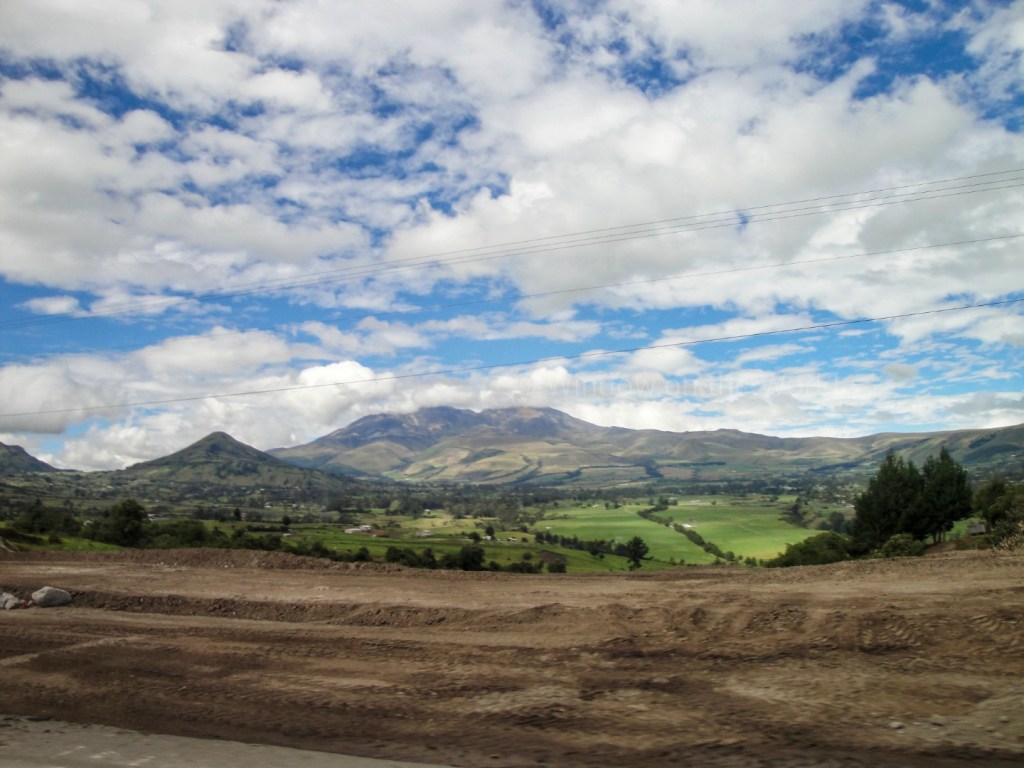
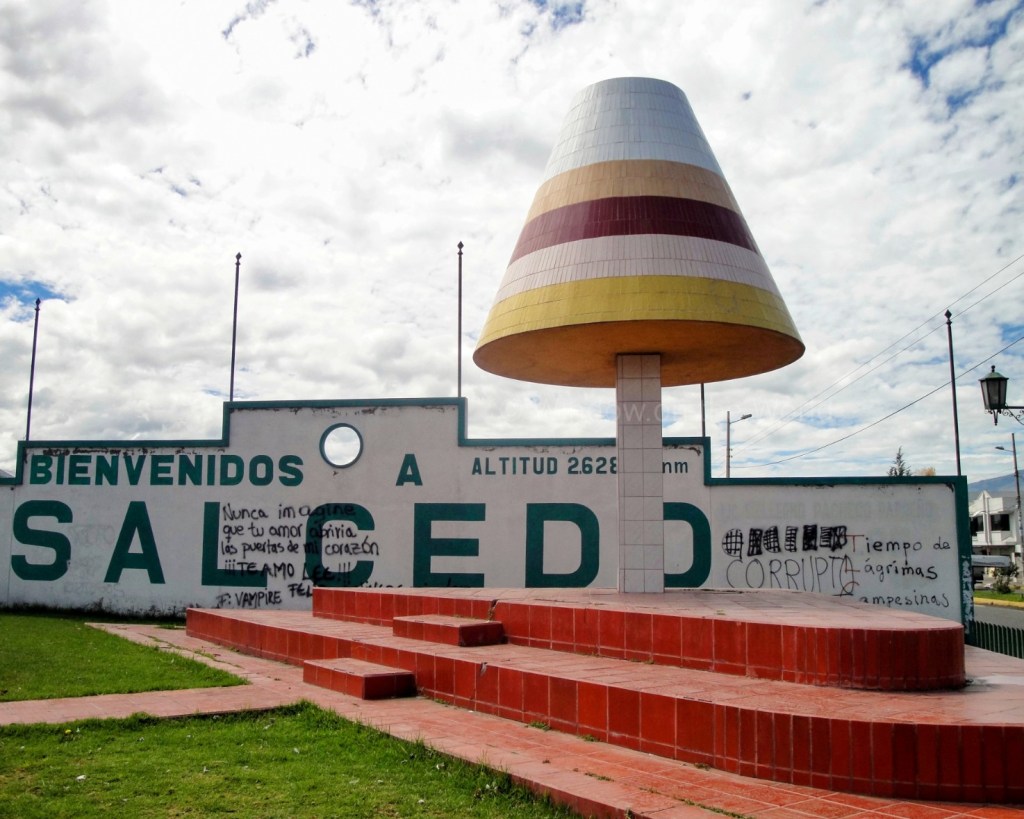
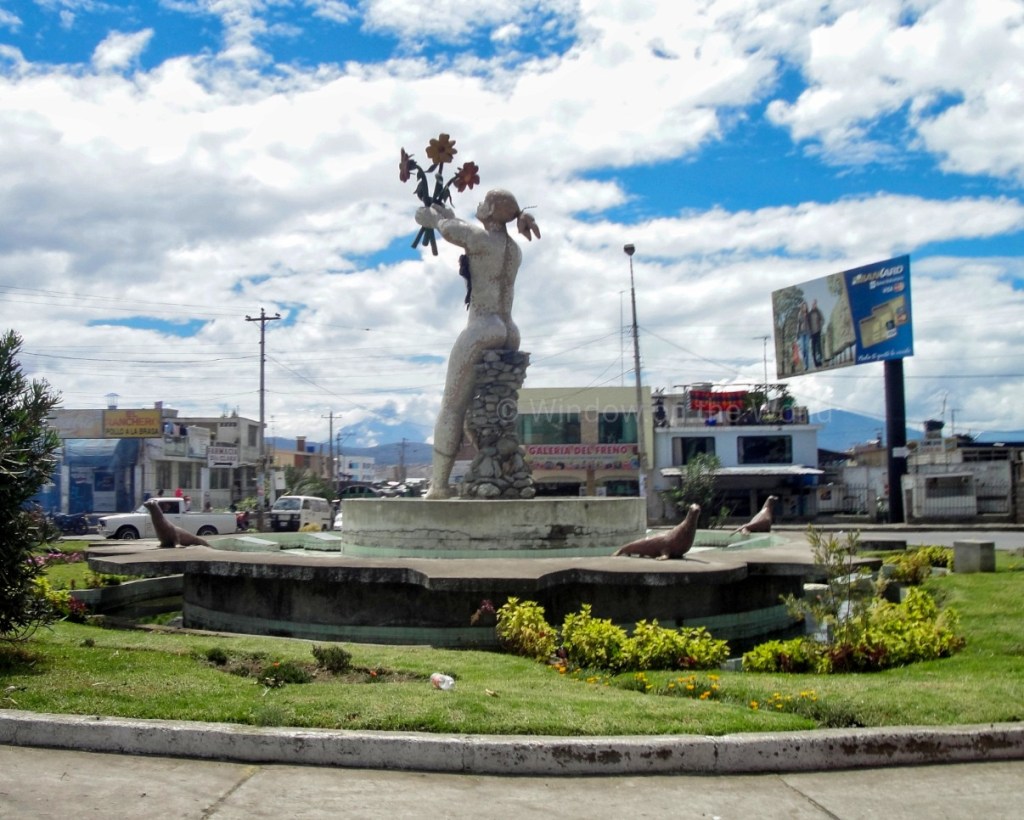
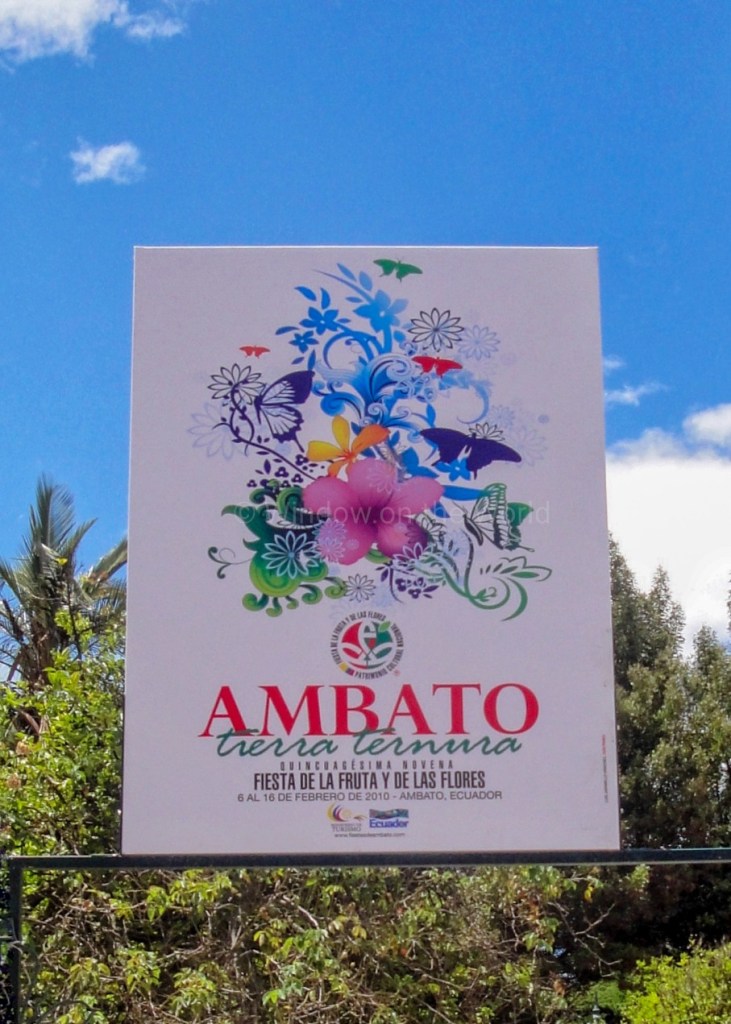
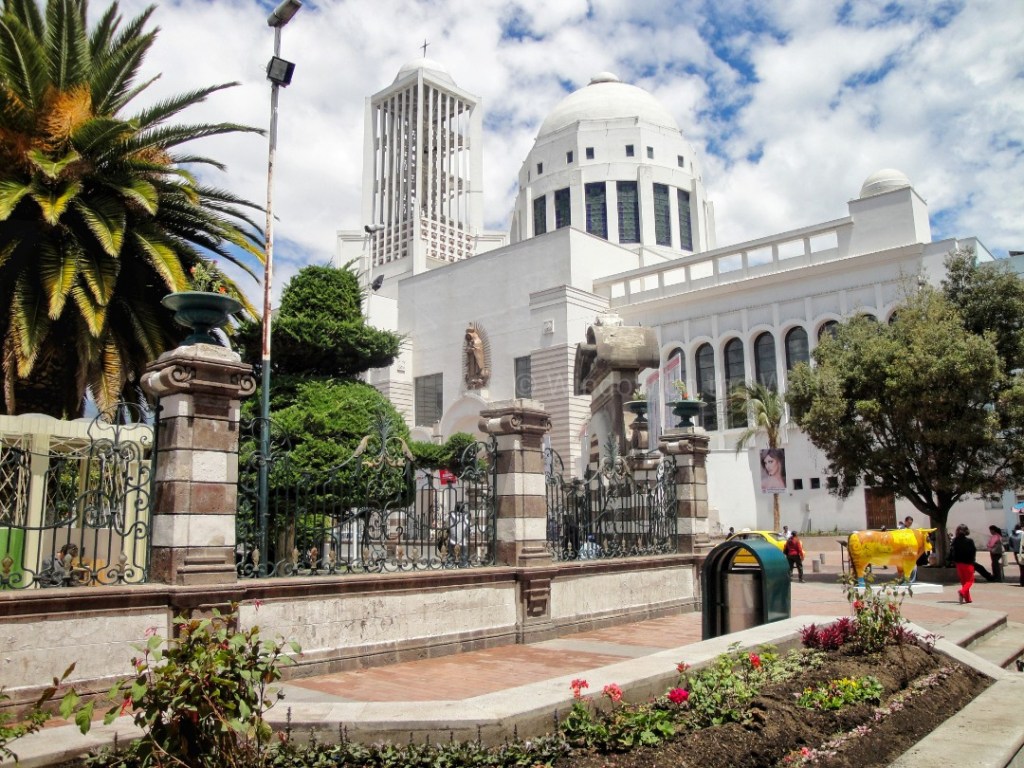
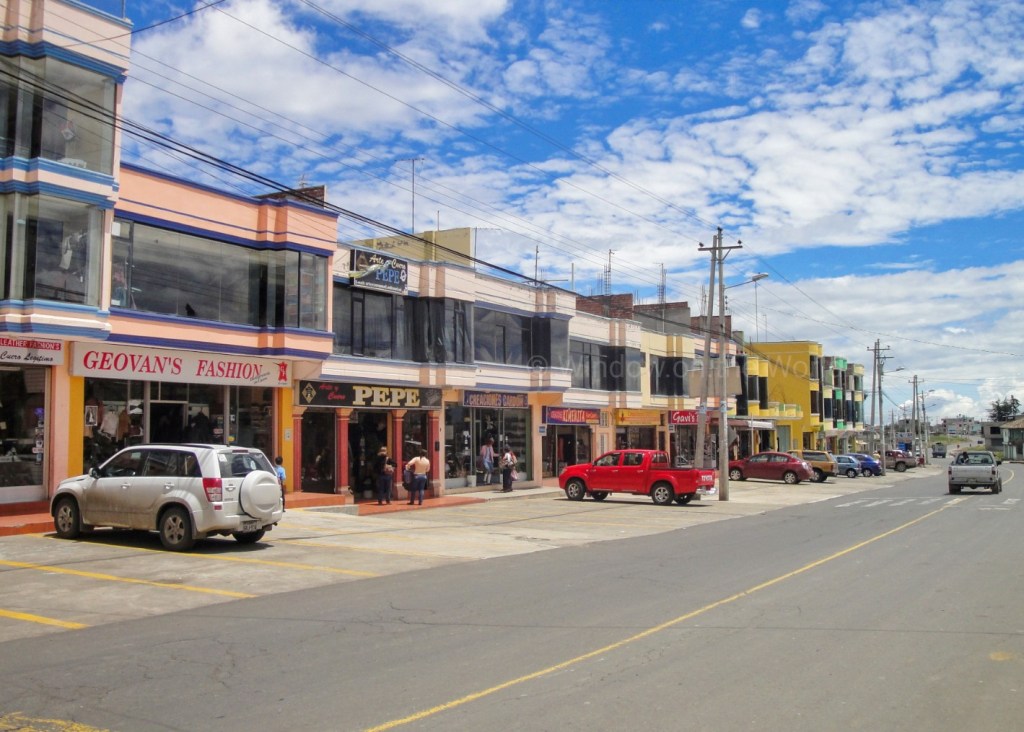
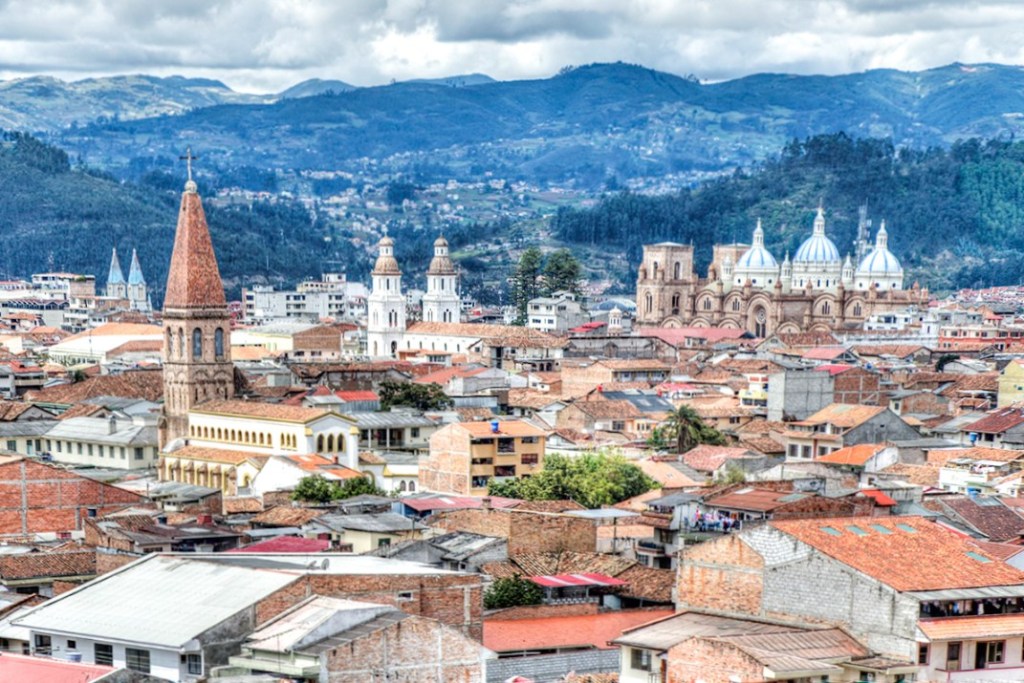
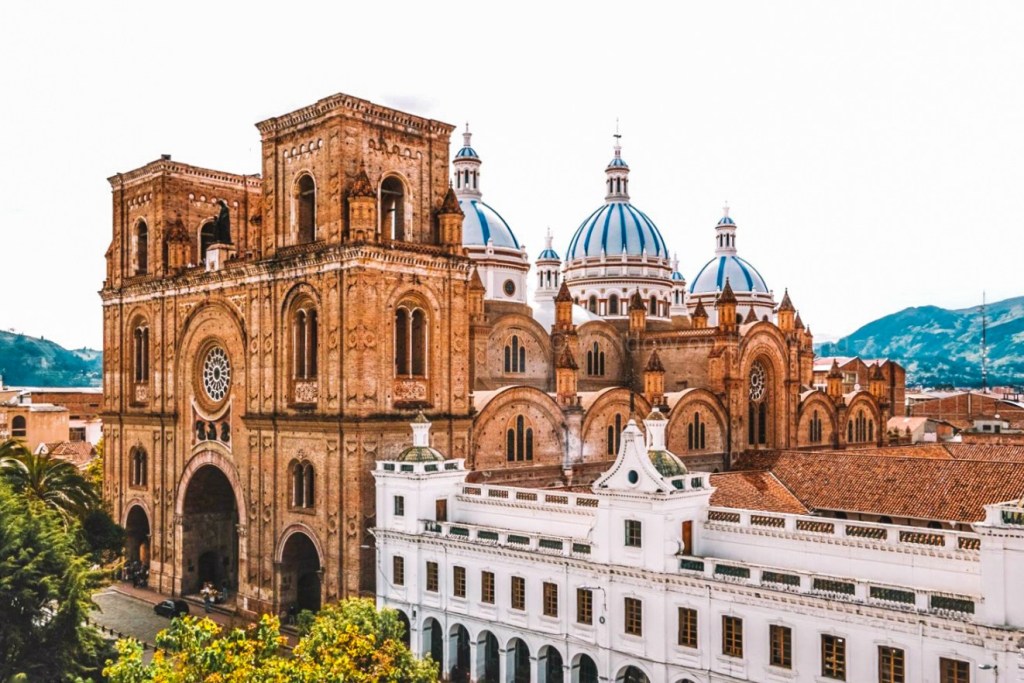
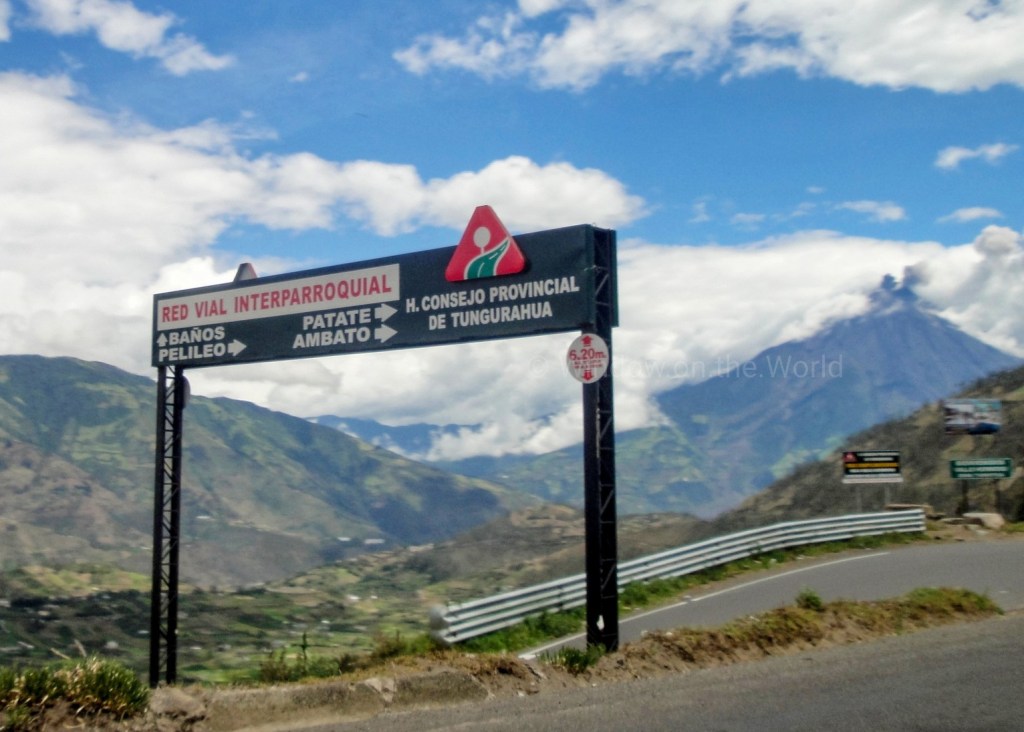
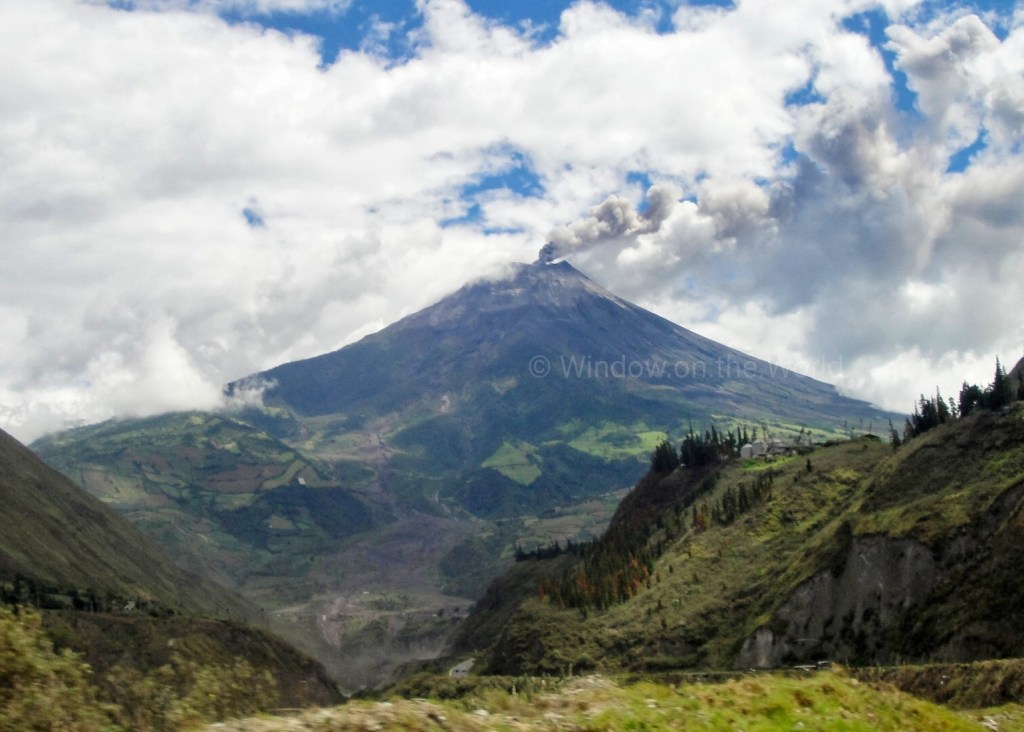
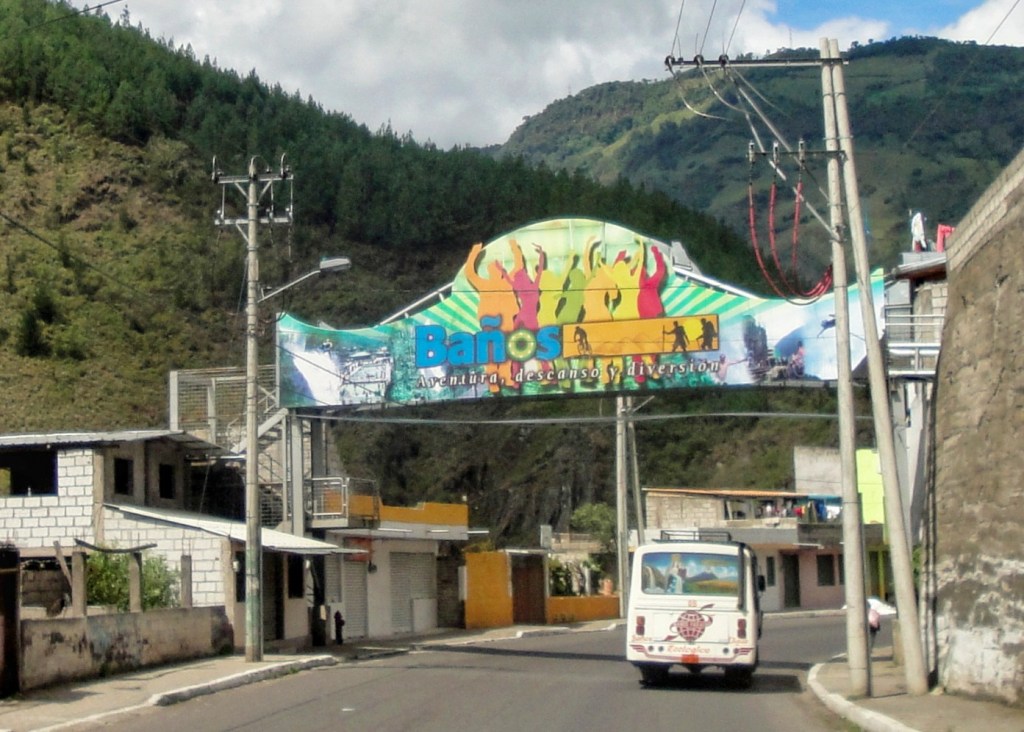
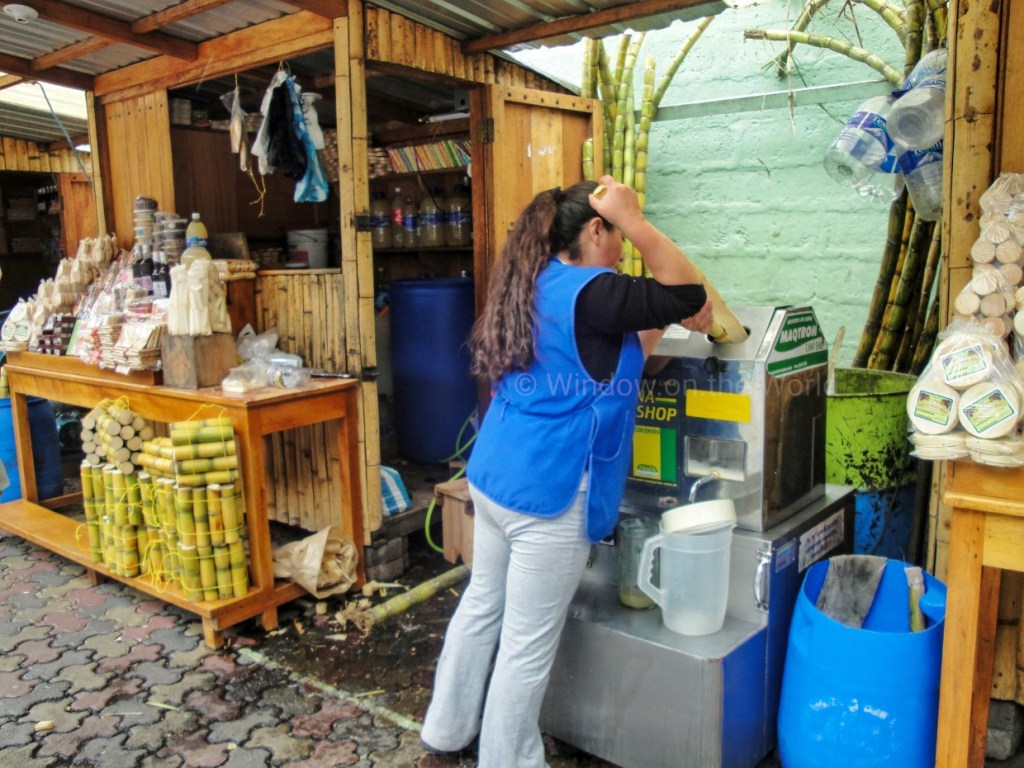
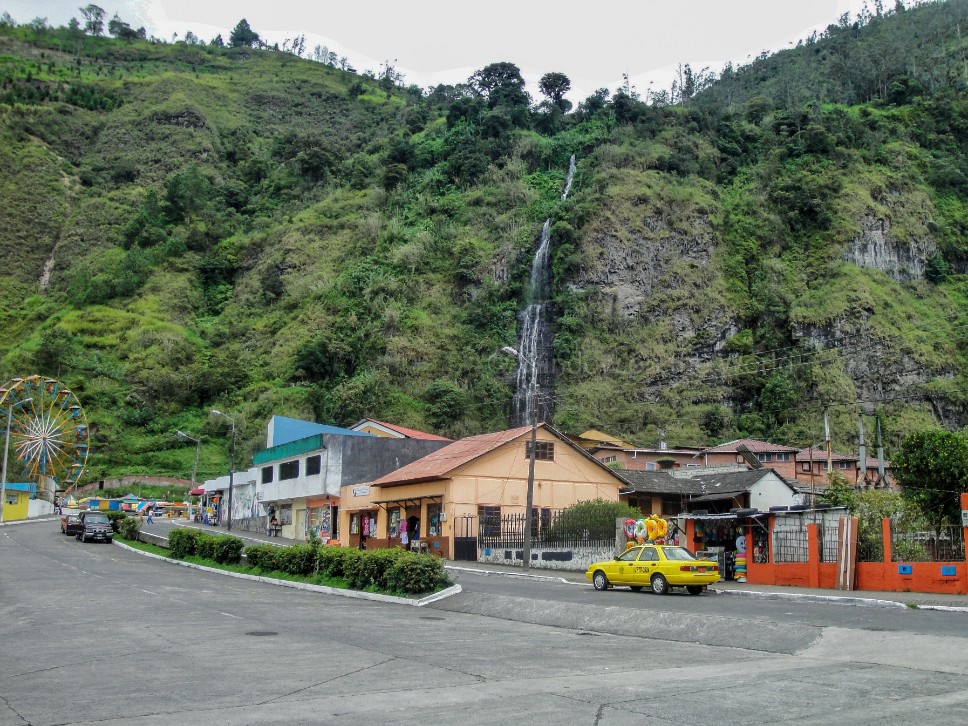
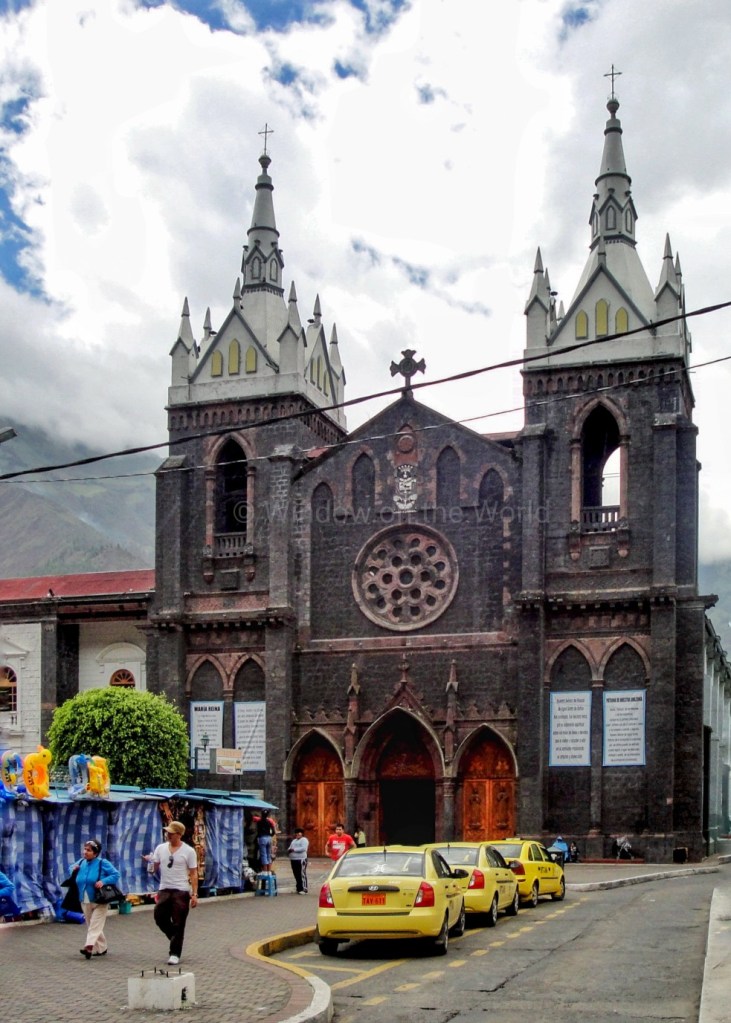
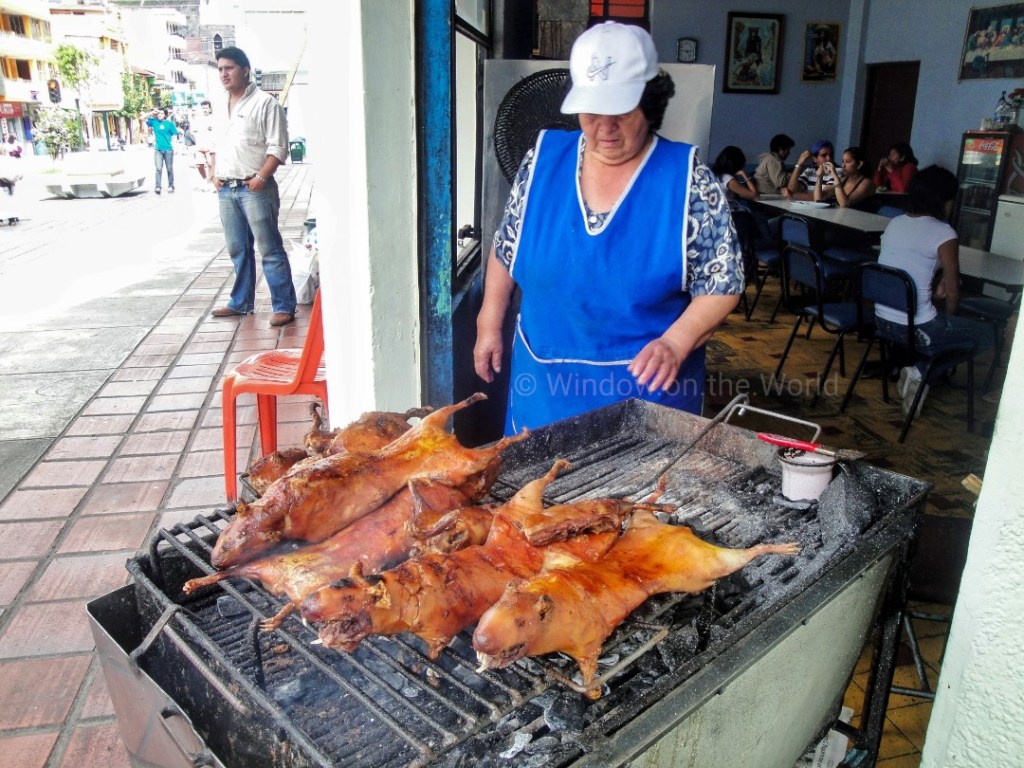
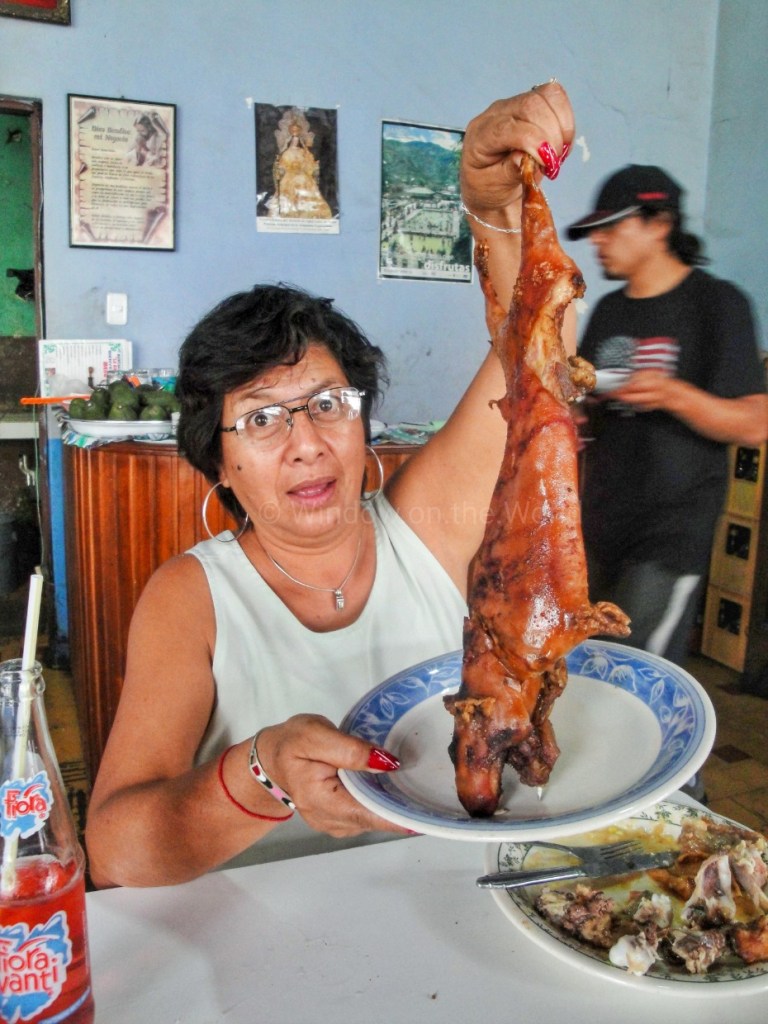
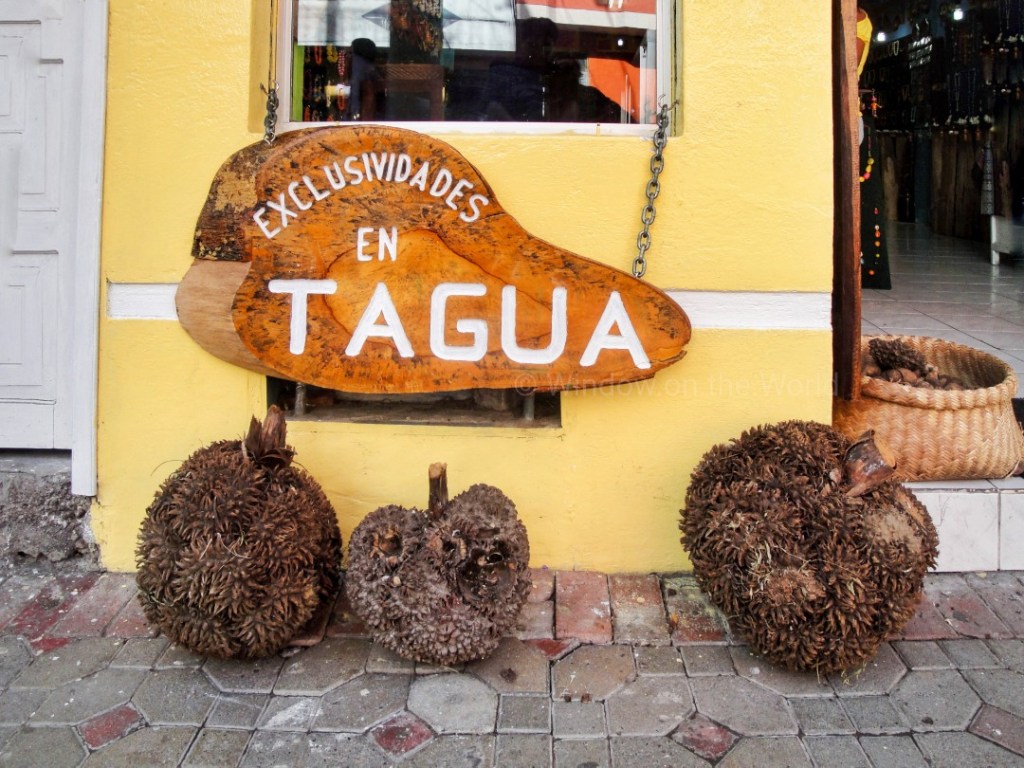
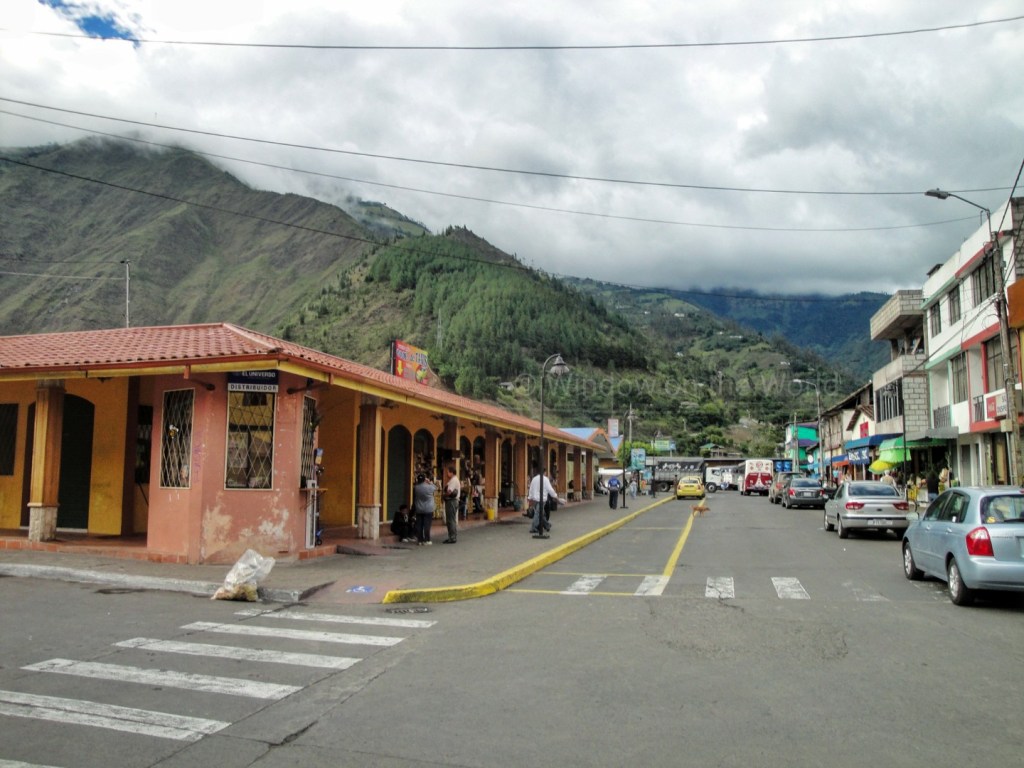
A road trip to Baños.Beautiful Landscape on the way.Passing through the city of Salcedo, famous for its ice cream bar.Passing through city of Ambato, known for its annual Fruit and Flower FestivalThe annual Fruit and Flower Festival takes place in February, there was one in 2010 too.Montalvo Park and the Ambato CathedralContinue our drive towards Baños. Skyline of Cuenca, the center of the city is listed as a UNESCO World Heritage Site due to its many historical buildingsThe Cathedral of the Immaculate Conception of Cuenca, also called Cuenca Cathedral, a Roman Catholic church located in the city of Cuenca. In Romanesque, Gothic and Renaissance styles with three domes protruding from the roof, it is inspired by Saint Peter’s Basilica in Rome . Construction began in 1885 and ended around 100 years later in the 1980s .Baños is located at an elevation of 1,820 meters (5,971 feet) on the northern foothills of the Tungurahua volcano, whose activity has been characterized by frequent powerful ash explosions and lava flows that can be seen from Baños.the Tungurahua volcano.Welcome to Baños!The vendor is preparing Sugarcane juice, it was very sweet, 1st time I saw such a thick sugarcane, almost 5-6 inches in diameter. A beautiful waterfall just outside the town.Nuestra Señora del Rosario de Agua Santa Church, the main church in the city center of Baños.Grilled Cuy (Guinea Pig) is a local delicacy in Ecuador.My friend’s mom was happy to have a whole Cuy for herself.A handicraft shop selling products made from Tagua palms, commonly known as ivory palms or Vegetable ivory, refer to the very hard white endosperm of their seeds, which resembles elephant ivory.Streets of Baños.
Ecuador has lot to offer. I would definitely like to go back and explore more. After a week in Qur, I took a flight back to my home in Dallas, Texas.
In May 2017, 23 days before I was going to complete 50 years, grabbed an opportunity and took an early retirement.. Picked up a backpack and traveling ever since.. Love to travel around the world, experience different culture, local cuisine & drinks .. and take pictures.. so far been to 108 countries and still counting...




 Window on the World