I visited Germany multiple times between 1998 and 2011 for business trips as my ex-employer’s world headquarter is in Waldorf, 10 KM south of Heidelberg. During my visit to Germany in 2011, I decided to take a road trip to Wroclaw, Poland, driving through former East Germany, visiting Erfurt, Meissen, Dresden and Leipzig.
Leipzig is the most populous city in the German state of Saxony and the second most populous city in the area of former East Germany. Leipzig has been a trade city since at least the time of the Holy Roman Empire. The city sits at the intersection of the Via Regia and the Via Imperii, two important medieval trade routes.
One-fourth of Leipzig was destroyed in the last years of World War II. After the Second World War and during the period of the East Germany, Leipzig remained a major urban center, but its cultural and economic importance declined. Leipzig today is an economic center, and is rated as the most livable city in Germany.
Leipzig has long been a major center for music, both classical as well as modern. The Oper Leipzig is one of the most prominent opera houses in Germany. Johann Sebastian Bach is one among many major composers who lived and worked in Leipzig and, during his stay in the city, Friedrich Schiller wrote his poem “Ode to Joy”.
Pictures below are from my couple of days visit to this beautiful city.
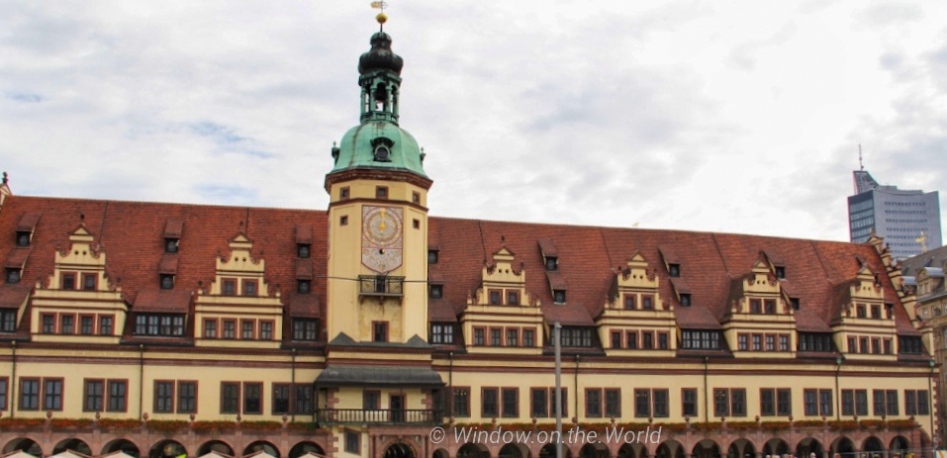
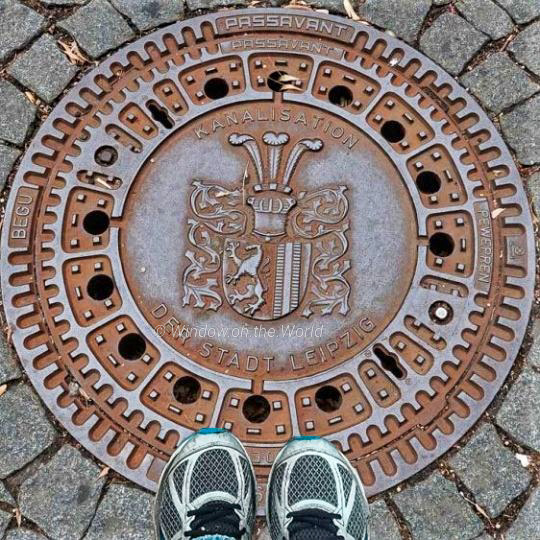
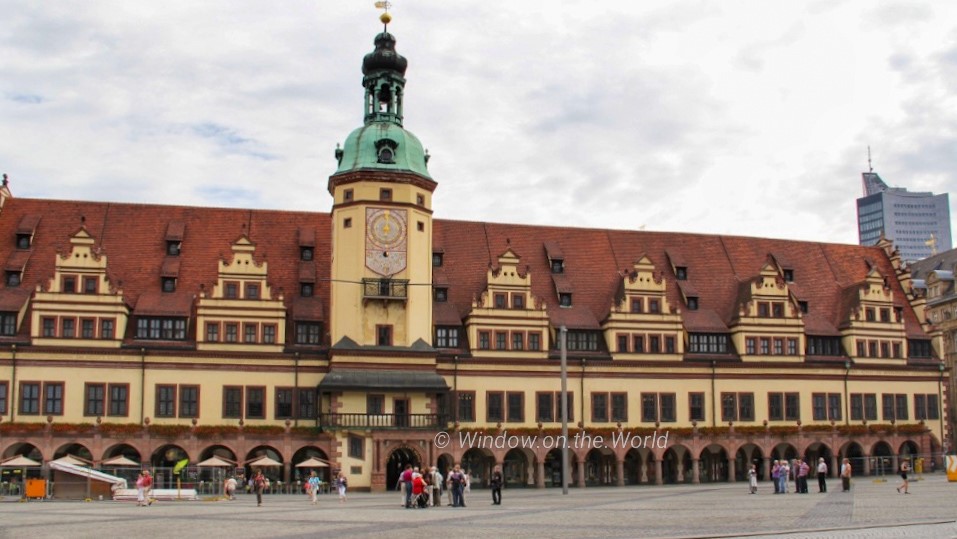
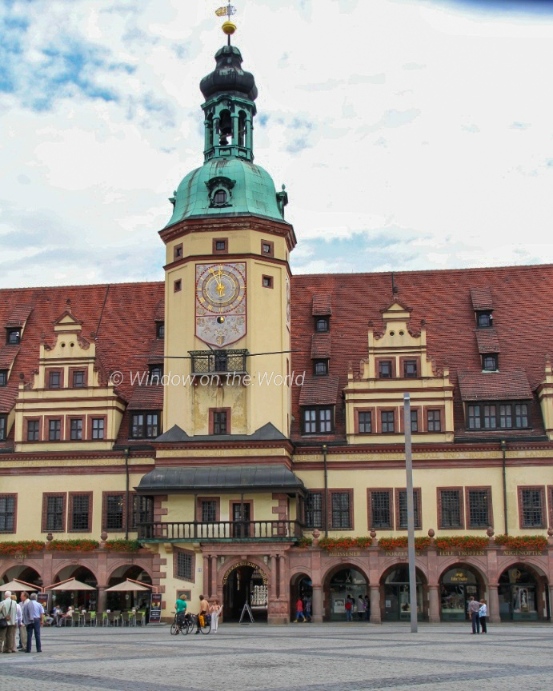
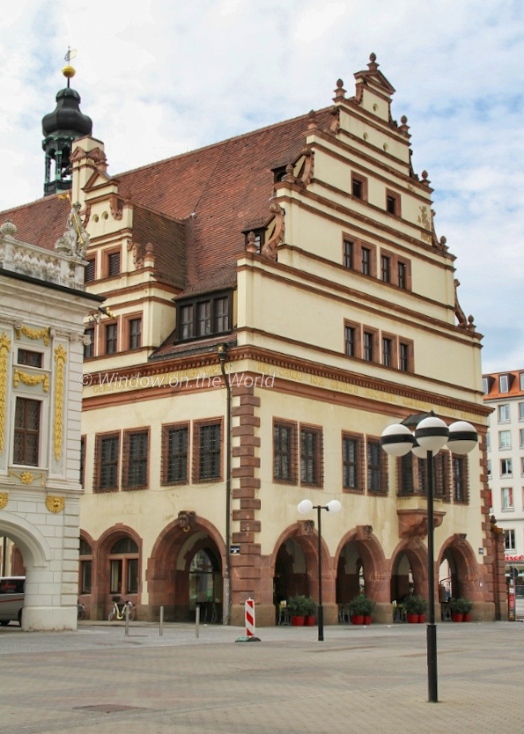
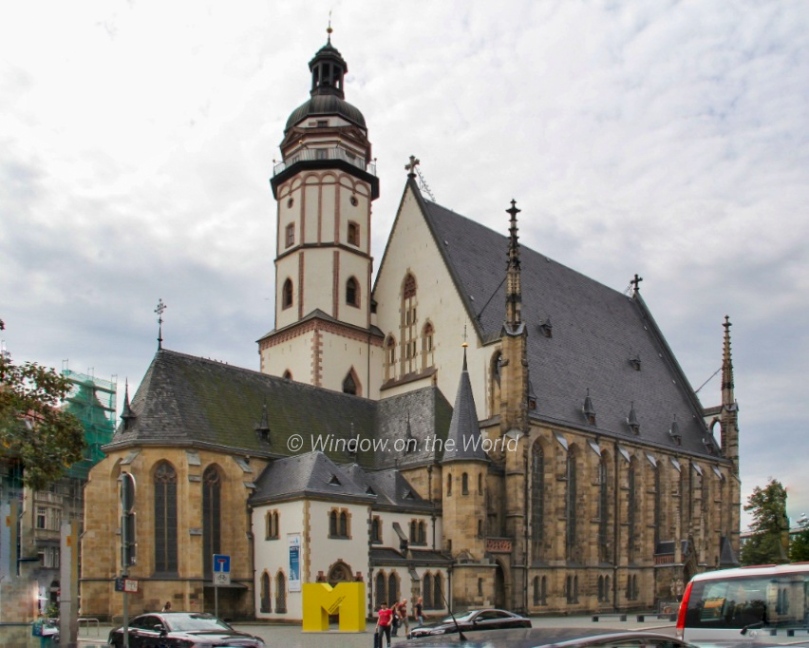
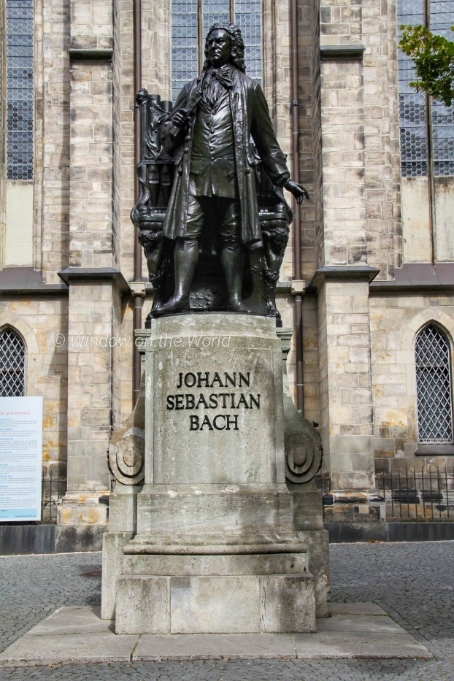
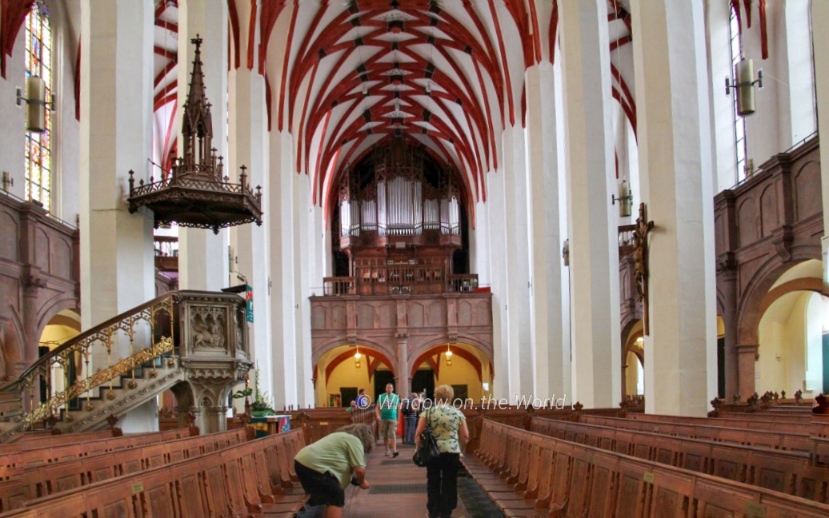
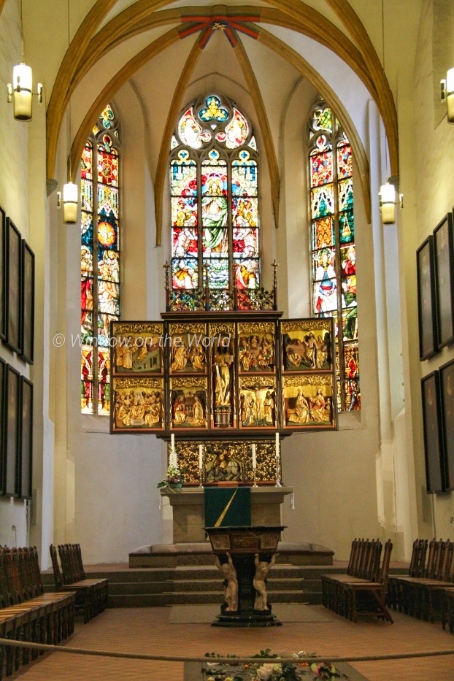
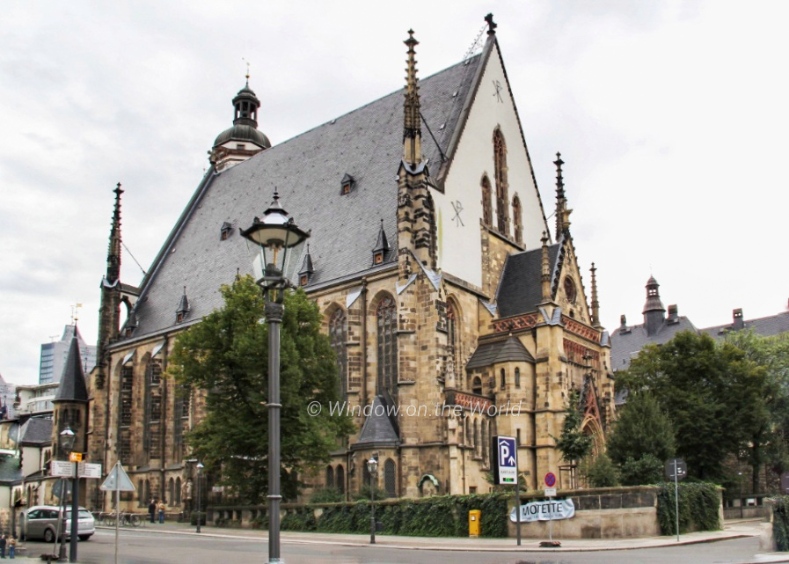
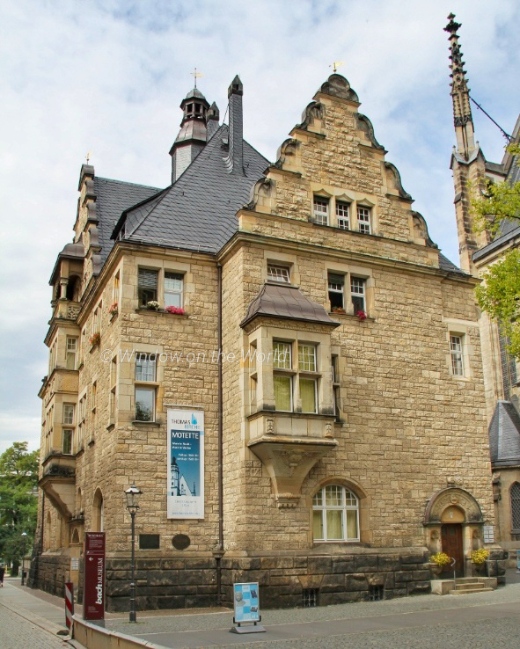
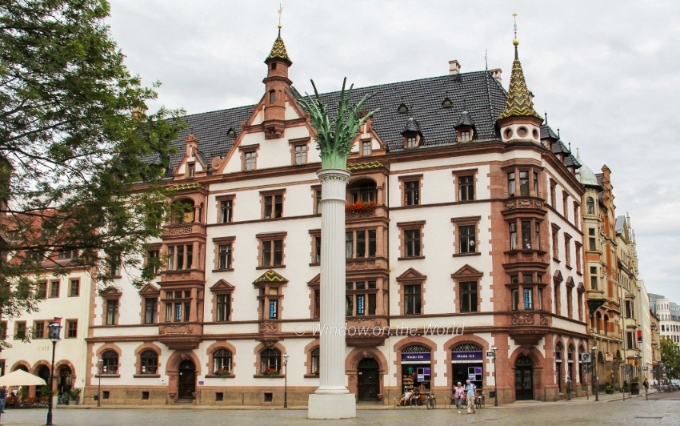
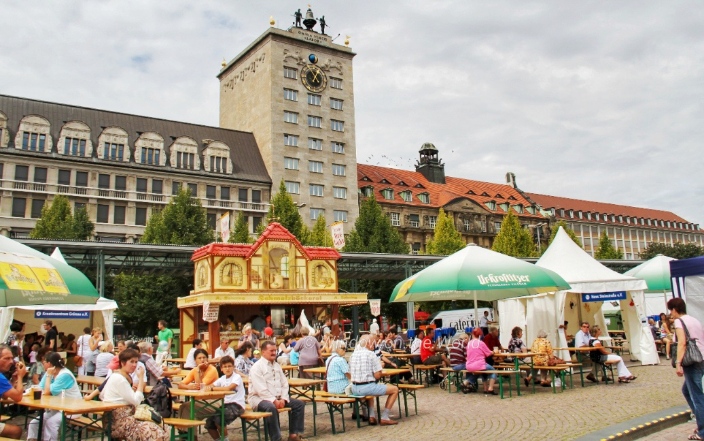
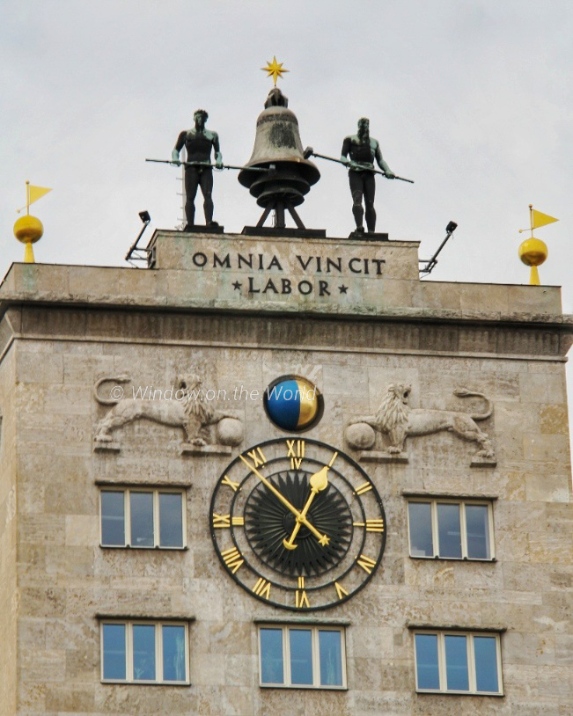
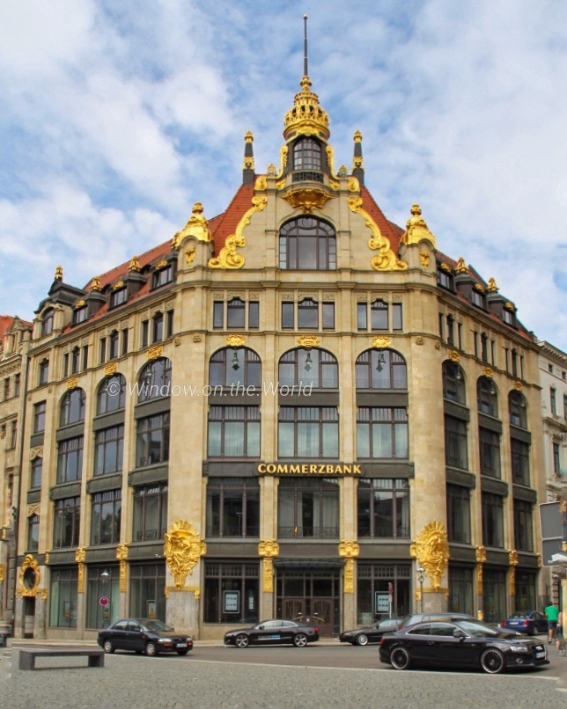
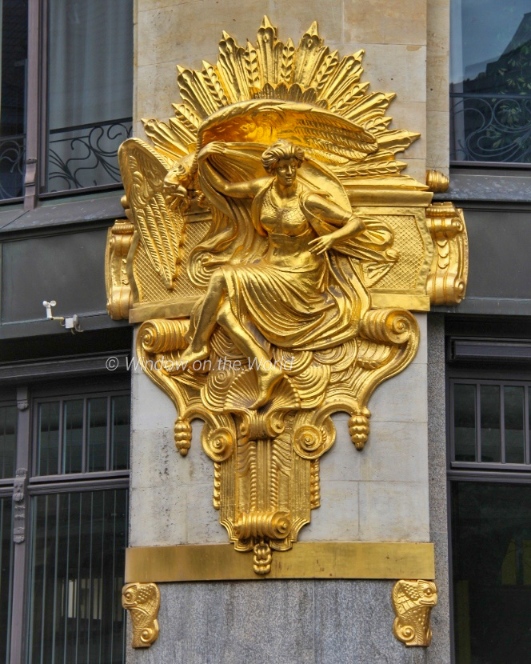
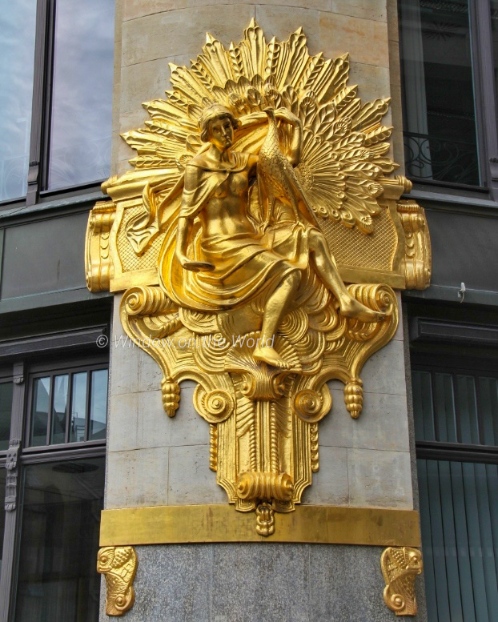
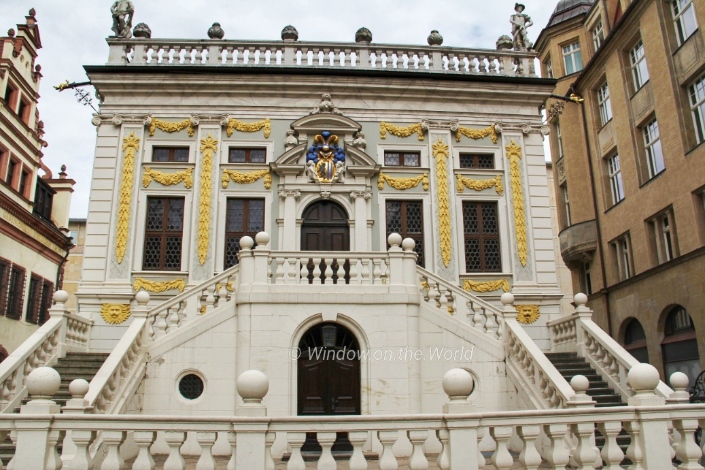
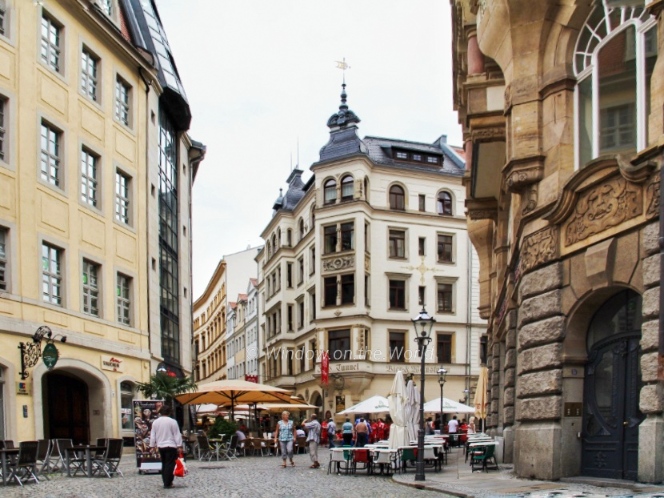
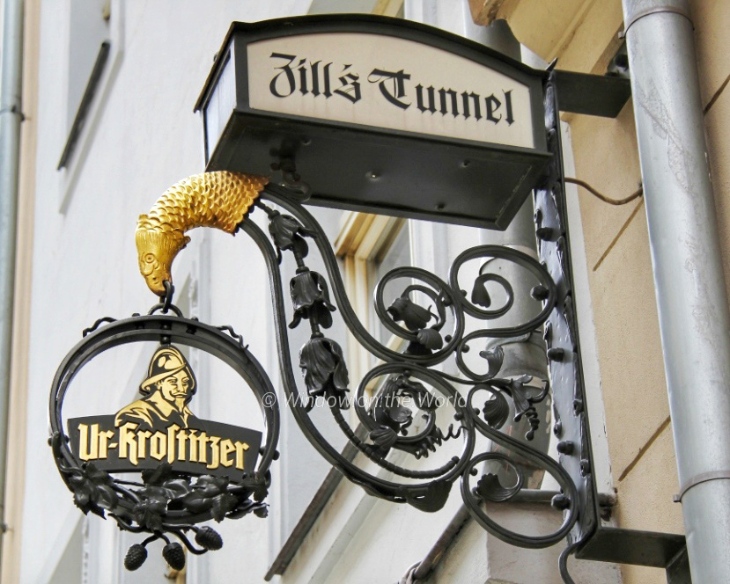
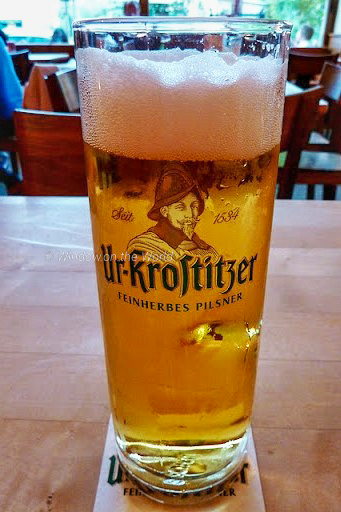
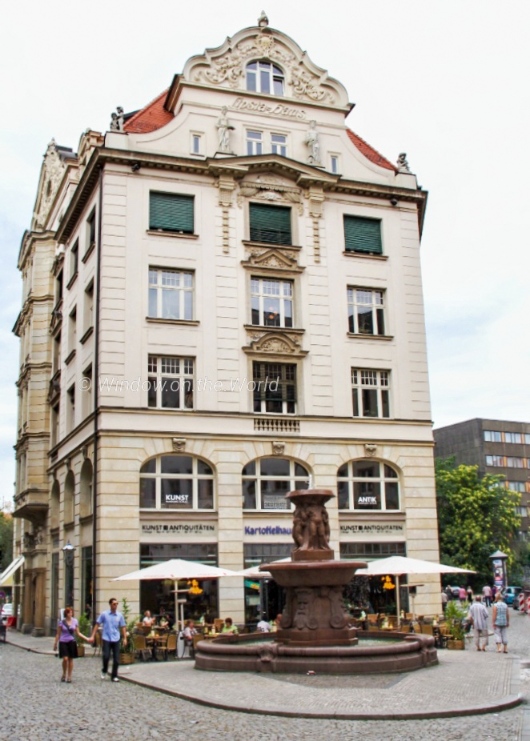
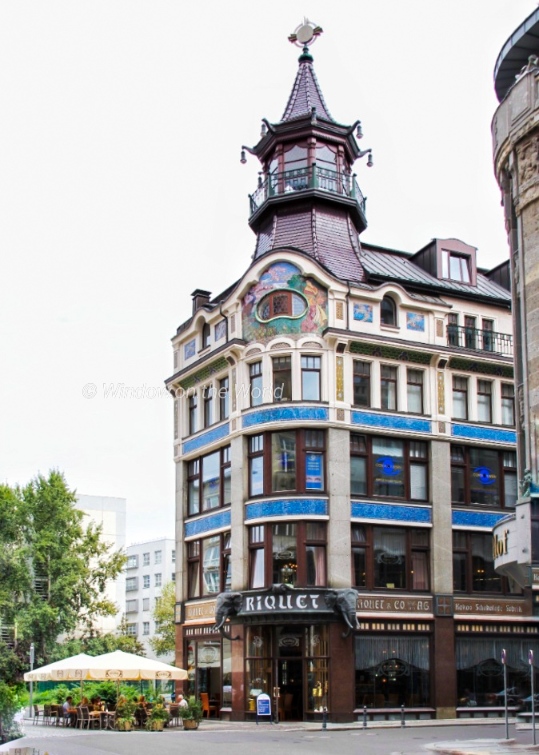
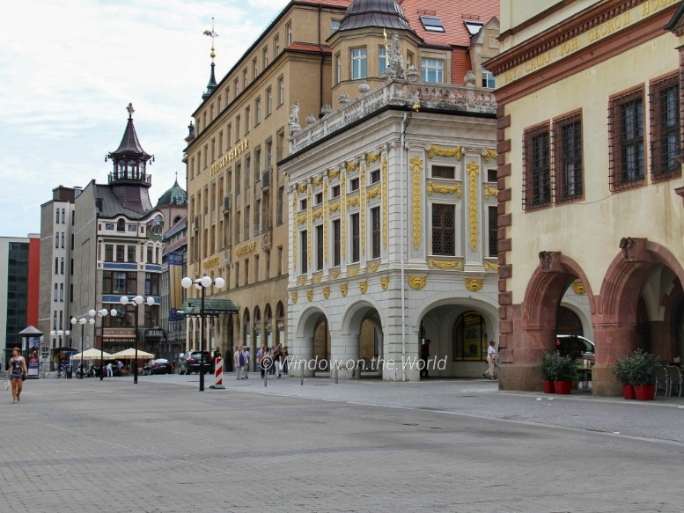
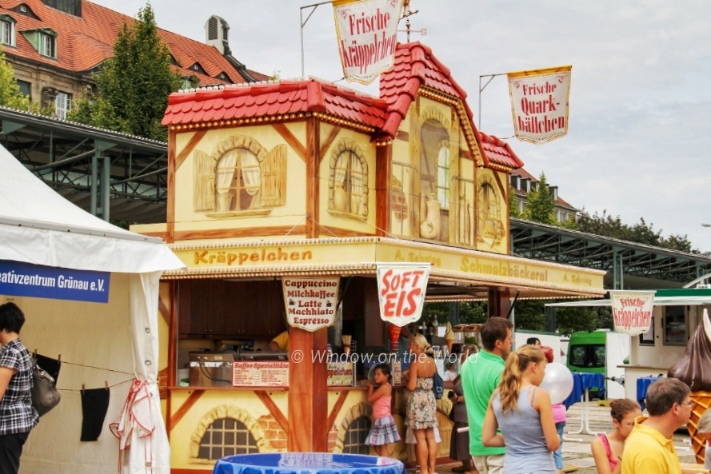
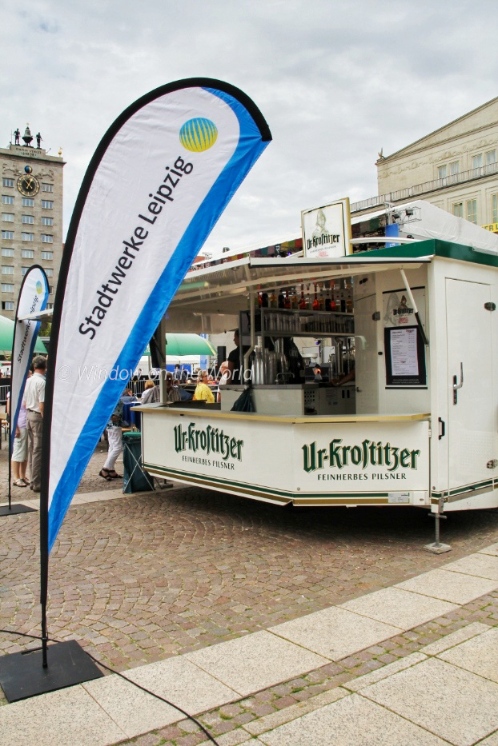
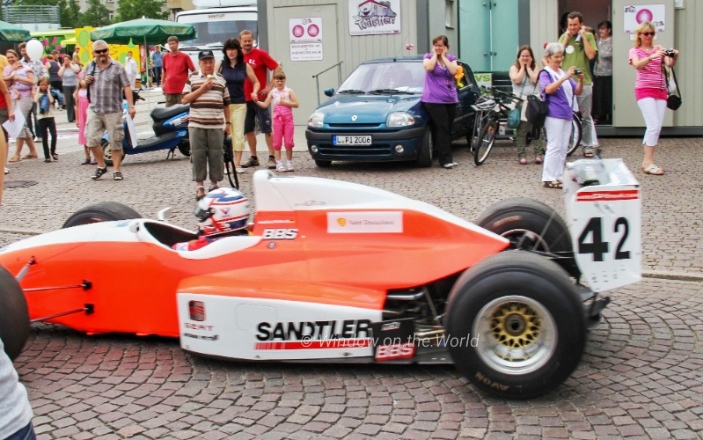
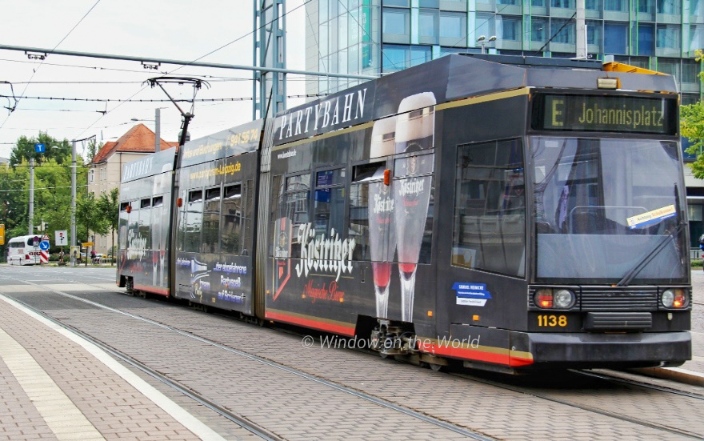
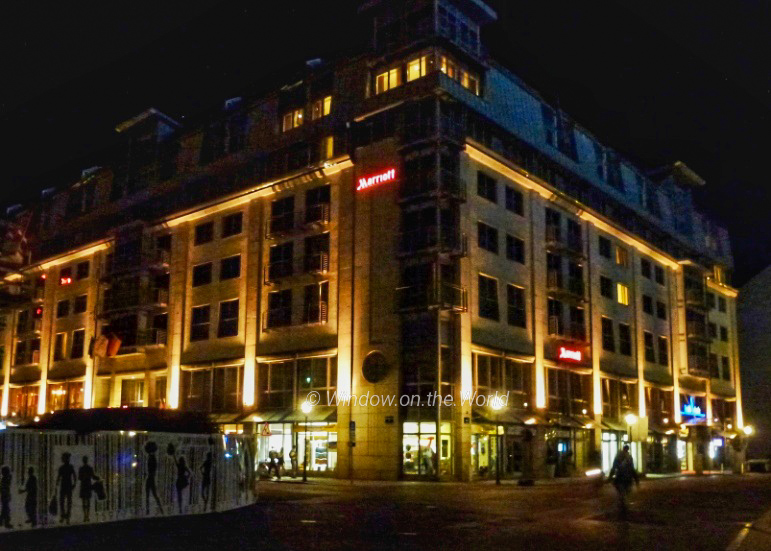
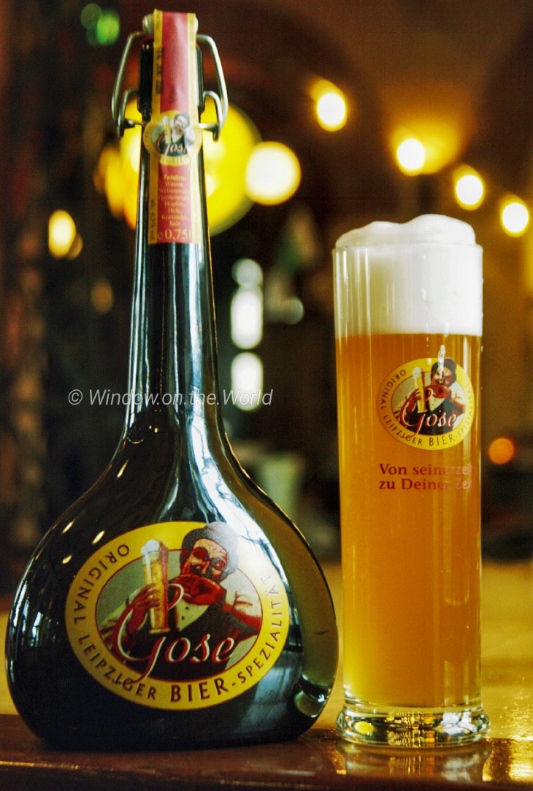
Welcome to Leipzig! A beautiful manhole cover with city’s Coat of Arms. The Old Town Hall (Altes Rathaus), built in 1556 in the Renaissance style, is one of Germany’s largest city hall with six gables and a tower. Until 1904 the Old City Hall was home of the city administration after that it became home of the city museum.A tower of the Old Town Hall.Side view of the Old Town Hall.The St. Thomas Church (Thomaskirche), a Lutheran church, associated with several well-known composers such as Johann Sebastian Bach, who worked here as a Kapellmeister (music director) from 1723 until his death in 1750. Today, the church also holds his remains. Martin Luther preached here in 1539.Statue of Johann Sebastian Bach at the St. Thomas Church (Thomaskirche).Interior of the St. Thomas Church (Thomaskirche). At the far end is the pipe organ, built from 1884–89, by one of the famous organ builders, Wilhelm Sauer. The main Altar of Interior of the St. Thomas Church (Thomaskirche).Another view of The St. Thomas Church (Thomaskirche).The Thomashaus, a public building , used for receptions, house concerts and other celebrations. It is built in 1904 in neo-gothic style on the property of the old St. Thomas School, which was abandoned in 1902, where Johann Sebastian Bach also lived.The St. Nicholas Church (Nikolaikirche), originally constructed in Romanesque style in 1165, later extended and enlarged in the early 16th century in the Gothic style. In the 18th century, several works by Johann Sebastian Bach, who was the music director of Nikolaikirche and of Thomaskirche from 1723–50, premiered here. From 1989 to 1991, people gathered at St. Nicholas on Monday evenings, leading to spontaneous peaceful protests against the communist rule.Weekend Festival in front of Krochhochhaus, built in 1927/1928 for the private bank, was the city’s first high-rise.Bell men and inscription “OMNIA VINCIT LABOR” (“Work conquers all”) on Krochhochhaus, built in 1927/1928.Historic building of Commerzbank with golden building ornaments.Golden building ornaments of Historic building of Commerzbank.Alte Börse (Old Stock-exchange), built in 1678, is the city’s oldest assembly building of merchants, and also the oldest Baroque building.“Drallewatsch” pub district, In this, the oldest part of the city, one can get a sense of how close together the buildings used to be constructed. Historical buildings from the Renaissance, Baroque and Wilhelminian periods sit side by side.Zill’s tunnel, opened since 1841, one of historic restaurant to enjoy cold beer and delicious Saxon cuisine.Enjoying chilled Ur-Krostitzer, Lipzig’s most popular beer, brewed since 1534 in Krostitz near Leipzig,Kartoffelhaus, restaurant in Leipzig’s “Drallewatsch” pub district.Kaffeehaus Riquet, the former office building was built in 1908-09 for Riquet & Co. It was one of the most modern and original new buildings in Leipzig. The two copper-plated elephant heads that flank the entrance door to the coffee house are Riquet’s trademark.Exploring old town of Leipzig.The city of Leipzig was celebrating some kind of festival during the weekendUr-Krostitzer stand selling cold beers at the festival.A formula one racing car showed up in the town.A modern electric tram in Leipzig.Marriott Leipzig, my home away from home.Enjoying Gose, a warm fermented beer. The beer has its unique taste, little sour and salty. Because of the use of coriander and salt, gose does not comply with the Reinheitsgebot (German purity law)– it is allowed an exemption on the grounds of being a regional specialty. Gose was first brewed in the early 13th century in the town of Goslar, from which its name derives. It became so popular in Leipzig that local breweries copied the style. By the end of the 1800s, it was considered to be local to Leipzig and there were numerous Gosenschänken (gose taverns) in the city.
After this road trip, I drove back to Heidelberg, Germany for another week of Business Meetings.
In May 2017, 23 days before I was going to complete 50 years, grabbed an opportunity and took an early retirement.. Picked up a backpack and traveling ever since.. Love to travel around the world, experience different culture, local cuisine & drinks .. and take pictures.. so far been to 108 countries and still counting...


 Window on the World