In September 1998, after joining SAP, my new employer, I went to Heidelberg, Germany for 7 weeks of workshops and training. As this was my first visit to Europe, I made the best use of all weekends and drove to many countries including Austria, Belgium, France, Italy, Luxembourg, and the Netherlands. I drove to the Amsterdam, Netherlands during one of those weekends.
The Netherlands, informally Holland, a country in Western Europe bordering Germany and Belgium, is known for a flat landscape of canals, tulip fields, windmills and cycling routes.
Netherlands literally means “lower countries” in reference to its low elevation and flat topography, with only about 50% of its land exceeding 1 m (3.3 ft) above sea level, and nearly 26% falling below sea level. Most of the areas below sea level, known as polders, are the result of land reclamation that began in the 14th century.
The Netherlands has a long record of social tolerance, having legalized abortion, prostitution, human euthanasia, maintaining a liberal drug policy and abolishing the death penalty in Civil Law since 1870.
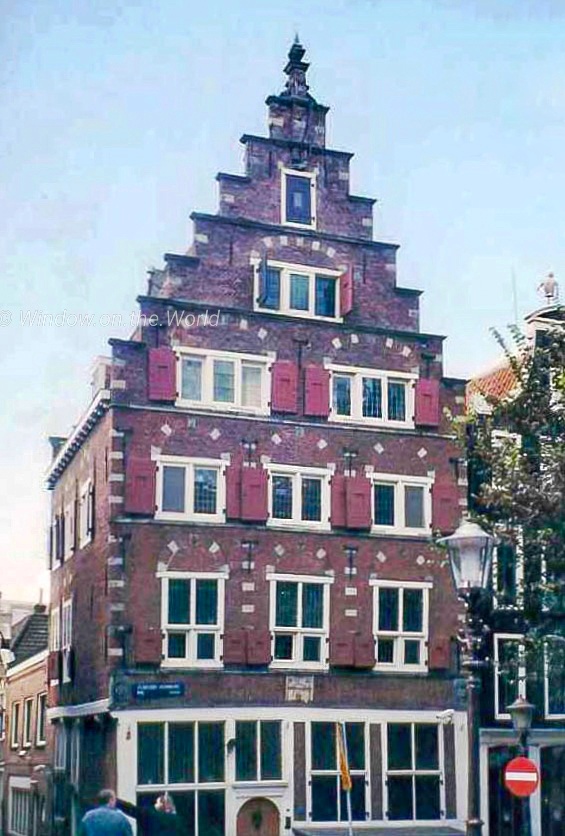
During the weekend I made my base in Amsterdam, the Capital city, known for its artistic heritage, elaborate canal system and narrow houses with gabled facades. Amsterdam derives its name from the city’s origin as “Dam” of river “Amstel”.
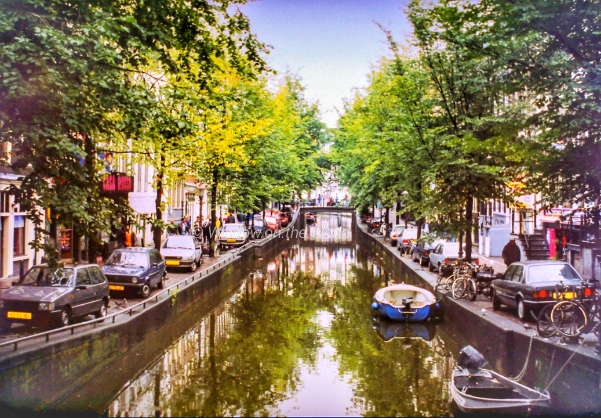
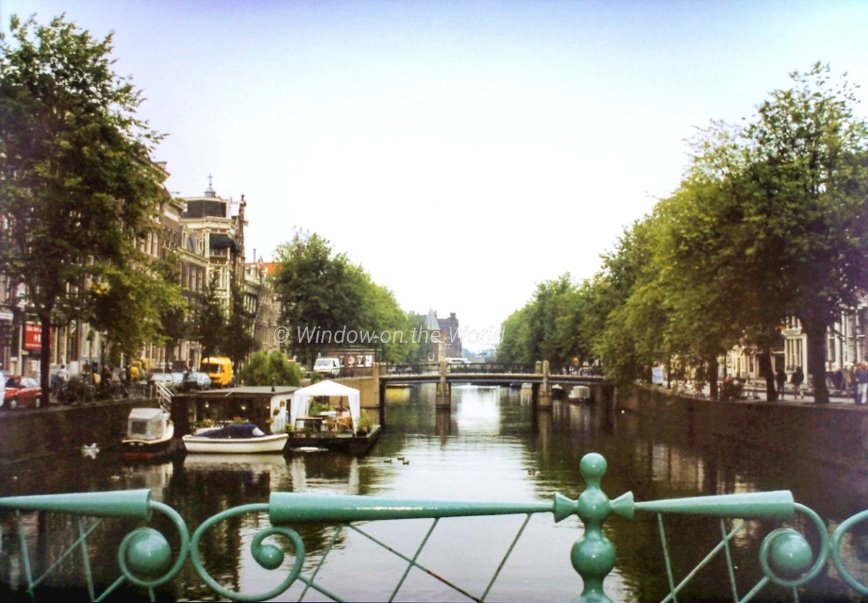
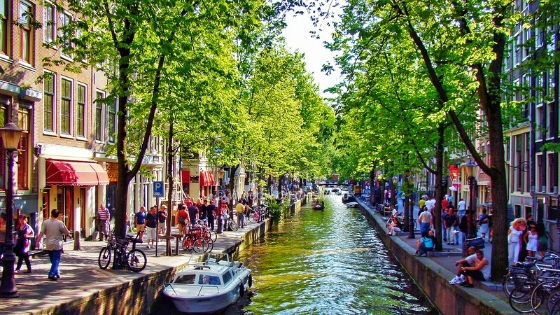
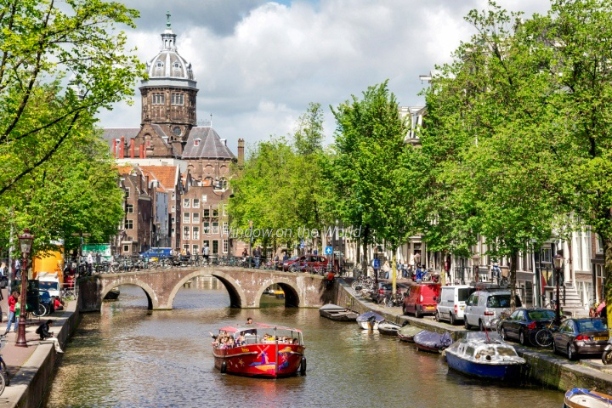
Amsterdam has more than 100 kilometers of canals (Dutch: grachten), about 90 islands and 1,500 bridges. Alongside the main canals are 1550 monumental buildings. The Canal Ring (Dutch: Grachtengordel) is the famous 17th-century district surrounding the old center of Amsterdam, designated as a UNESCO World Heritage Site.
My visit was in 1998, no Digital Camera at that time, only Film Camera, so I don’t have many pictures to show here. Also, these pictures are not of good quality but I still wanted to post here as my memories.
Pictures below are from my weekend stay in Amsterdam.
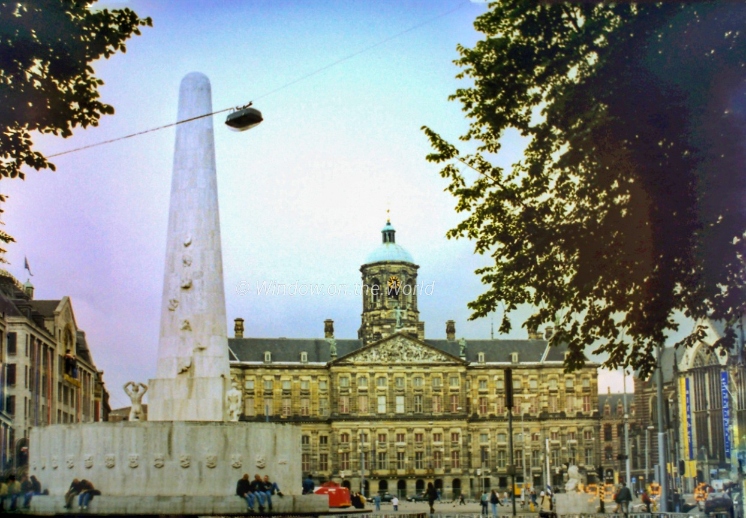
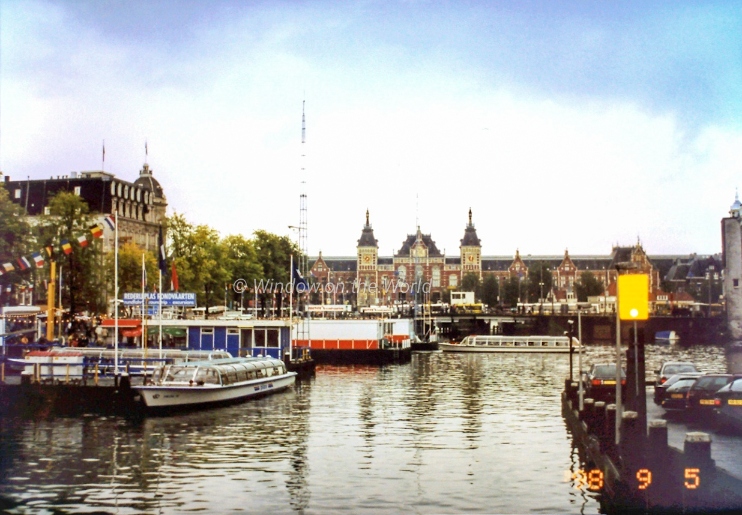
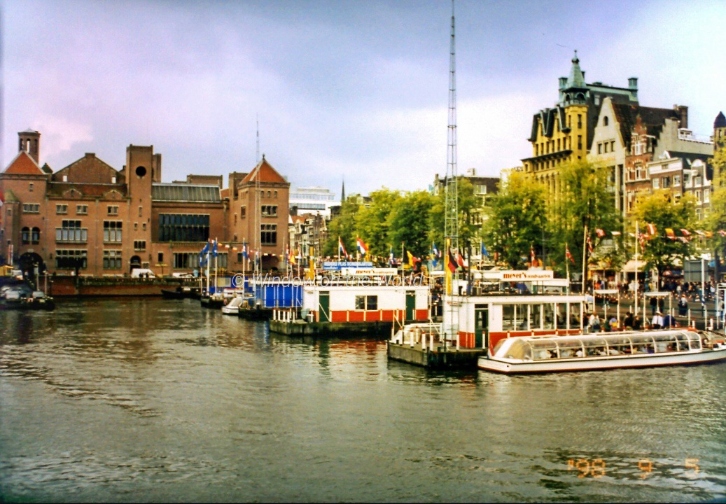
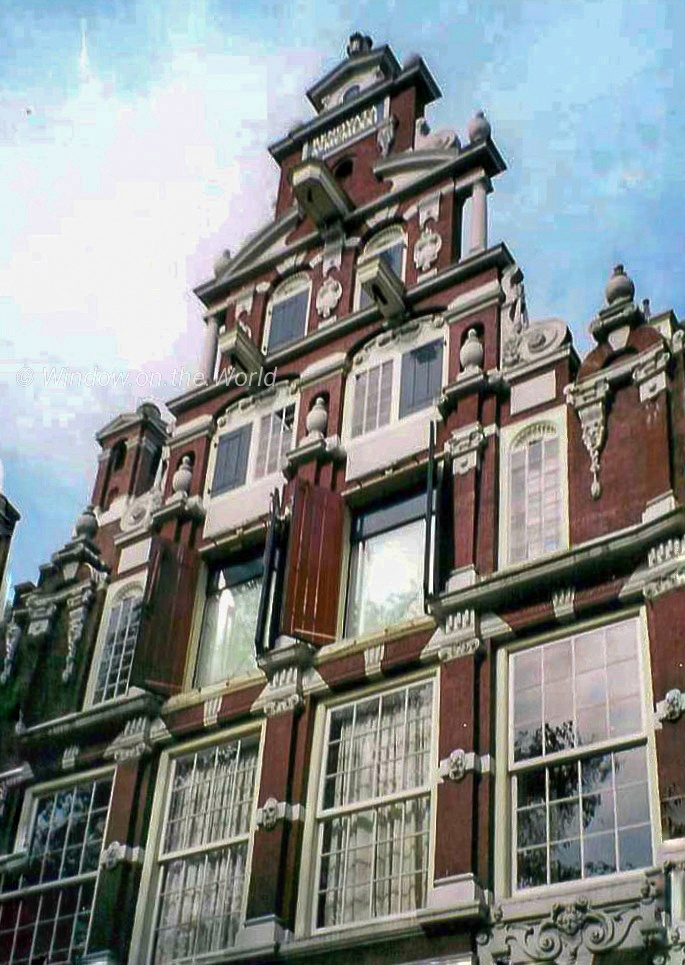
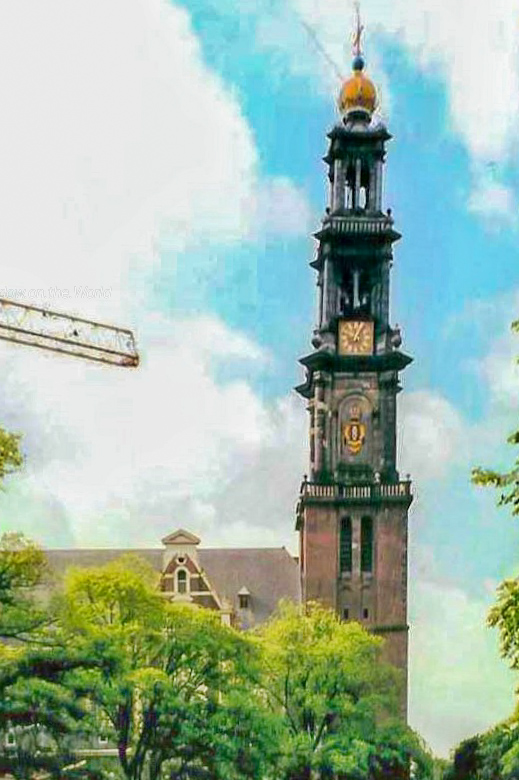
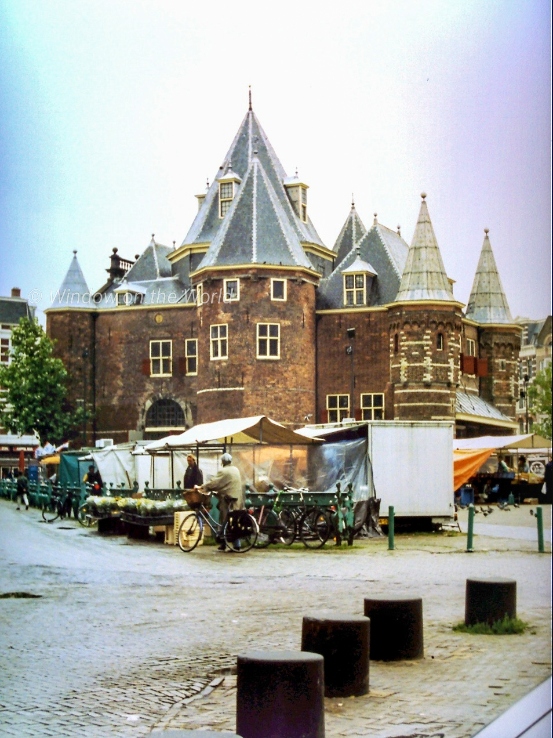
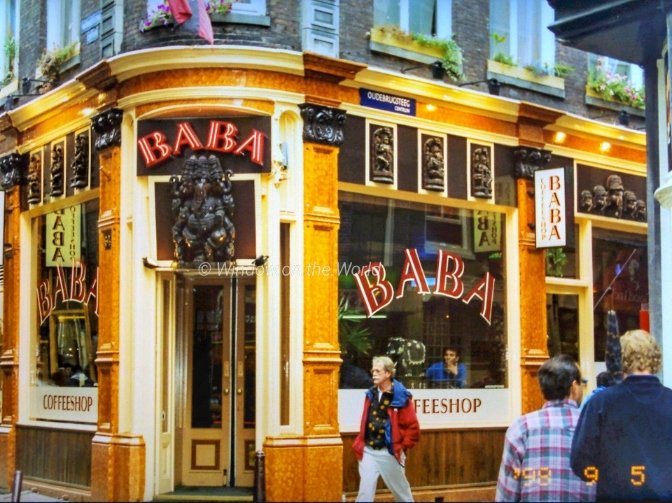
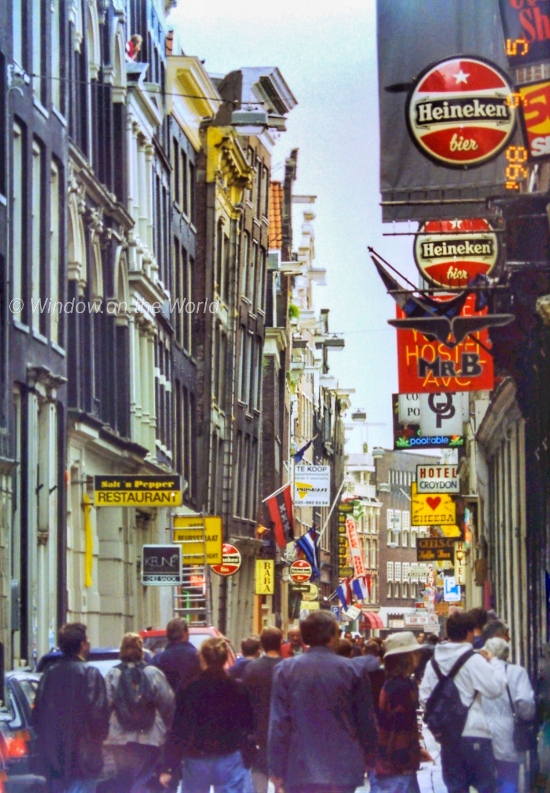
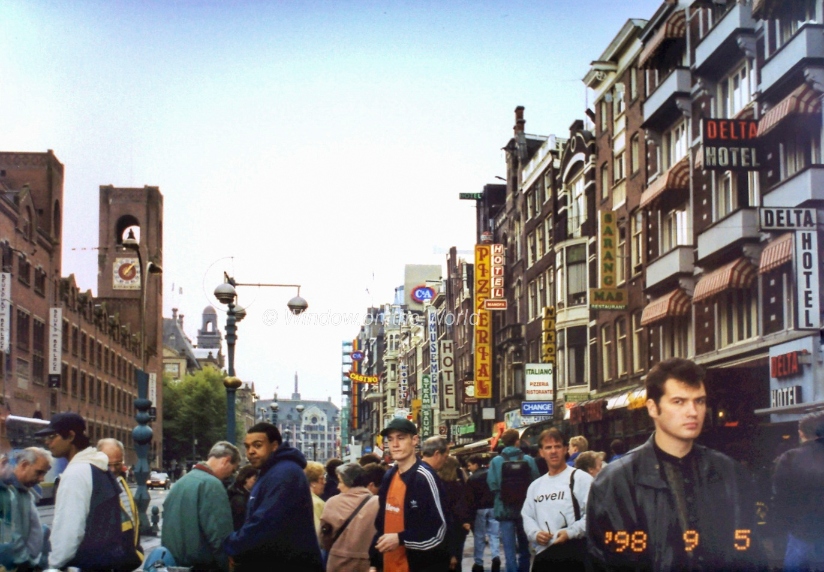
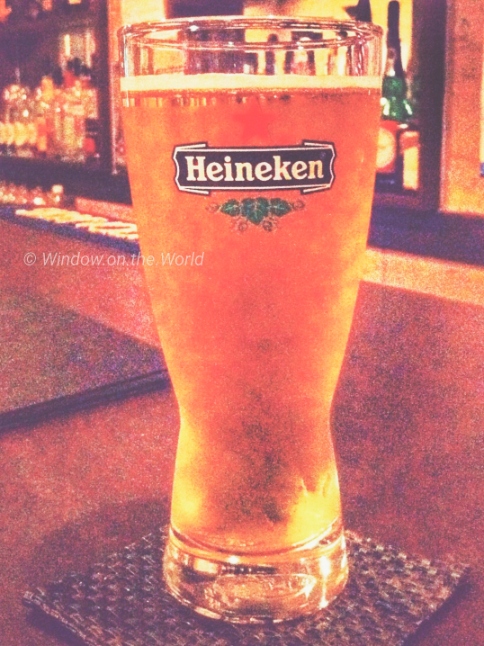
The National Monument on the Dam Square to commemorate the casualties of World War II and subsequent armed conflicts, the Royal Palace of Amsterdam in the background.Canal Cruise Boats lined up in front of Amsterdam Central Railway Station. Cruise boats waiting for tourists.Walking around the Grachtengordel neighborhood, UNESCO world heritage site.Walking around the Grachtengordel neighborhood, No love locks on any of the Bridges yet..Exploring Downtown Amsterdam.One of many Canal Houses around Grachtengordel, they are narrow houses with gabled facades, legacies of the city’s 17th-century Golden Age.One more Canal House around Grachtengordel.Tourists exploring the old town area by a boat. The Westerkerk (Western Church), a Reformed church in the Grachtengordel neighborhood built between 1620 and 1631. It remains the largest church in the Netherlands that was built for Protestants.The Waag (“weigh house”), a 15th-century building on Nieuwmarkt square. It was originally a city gate and part of the walls of Amsterdam. The building has also served as a guildhall, museum, fire station and anatomical theatre, among other things. The Waag is the oldest remaining non-religious building in Amsterdam.One of many Coffeeshops in Downtown area, where you could legally buy and smoke weeds, Exploring Warmoesstraat, one of the oldest streets with Its origin in the 13th century. In the 16th and 17th century it was the shopping street. The Warmoesstraat has a variety shops, bars, restaurants, cheap hotels, coffee shops and sex boutiques.Busy Damrak street with many fast-food restaurants and budget hotels. Enjoying locally brewed Heineken Beer. One of the world’s most well-known band beer calls Amsterdam its home.
After exploring the old town area of Amsterdam for a day, next morning I joined a full-day tour to visit Windmills at Zaanse Schans and fishing villages of Volendam and Marken. Zaanse Schans is nearer to Amsterdam compare to windmills at Kinderdijk, which is a UNESCO World Heritage.
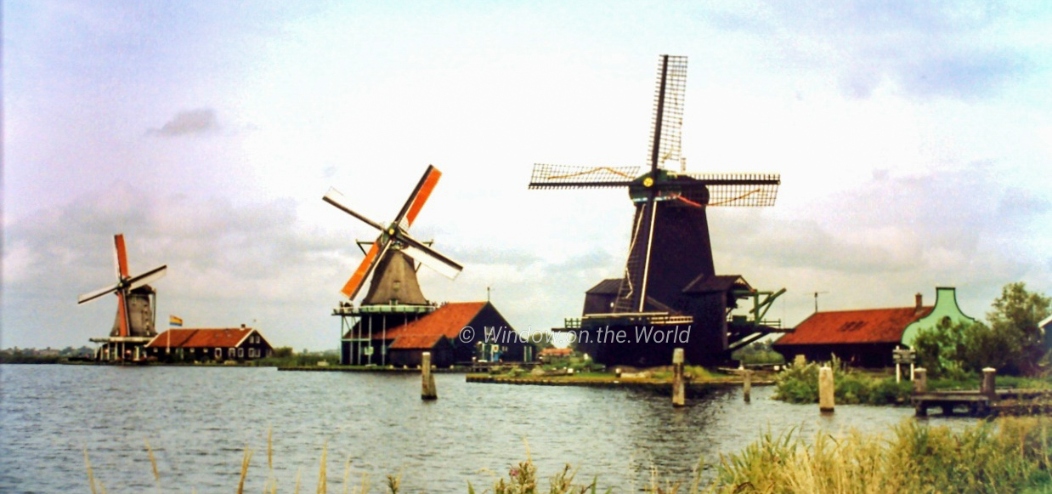
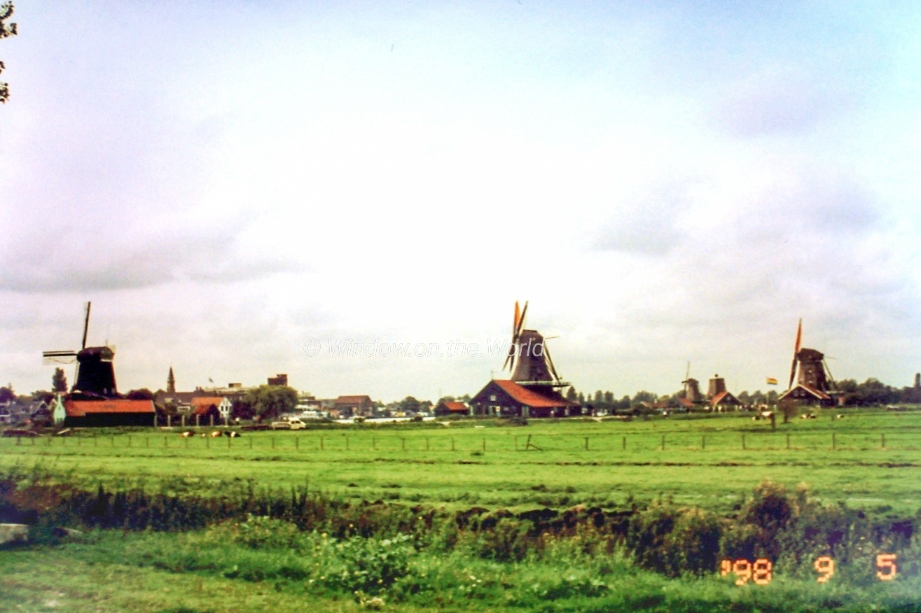
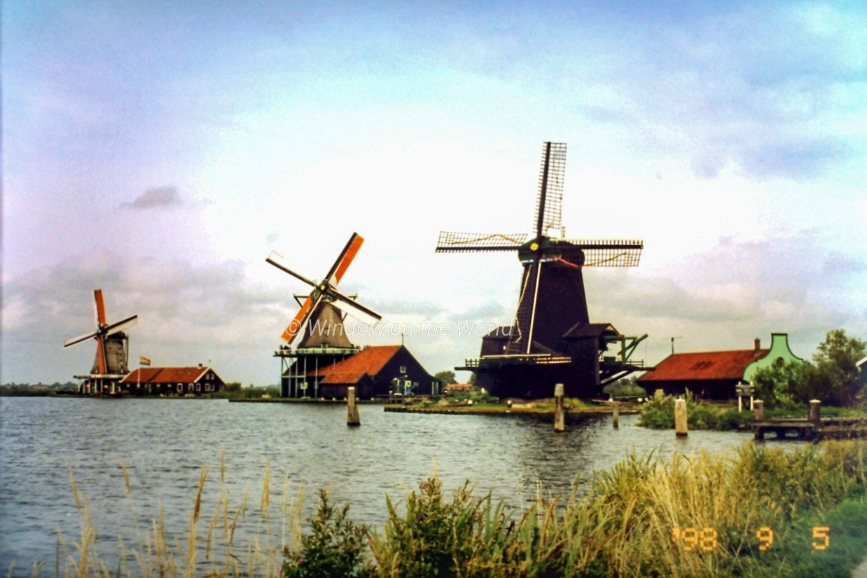
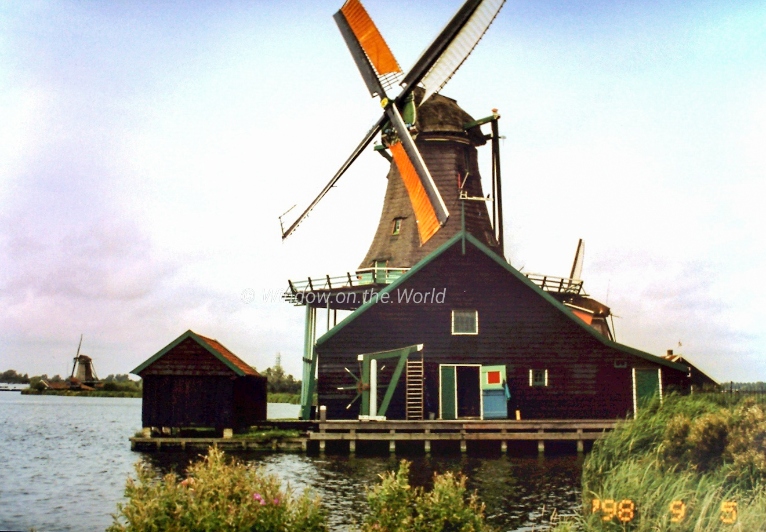
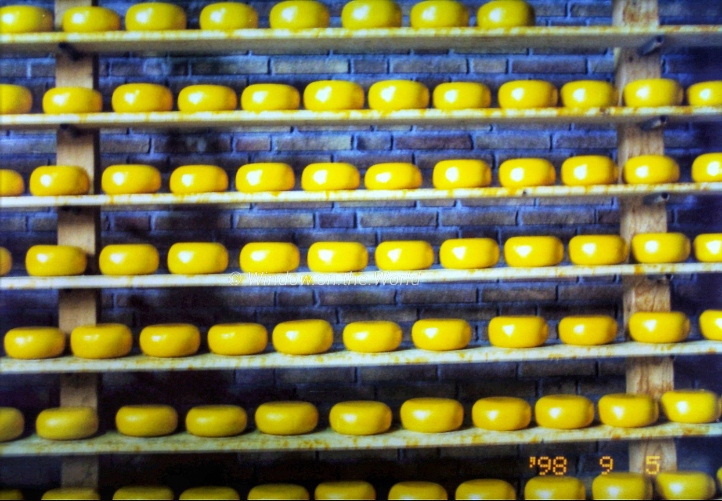
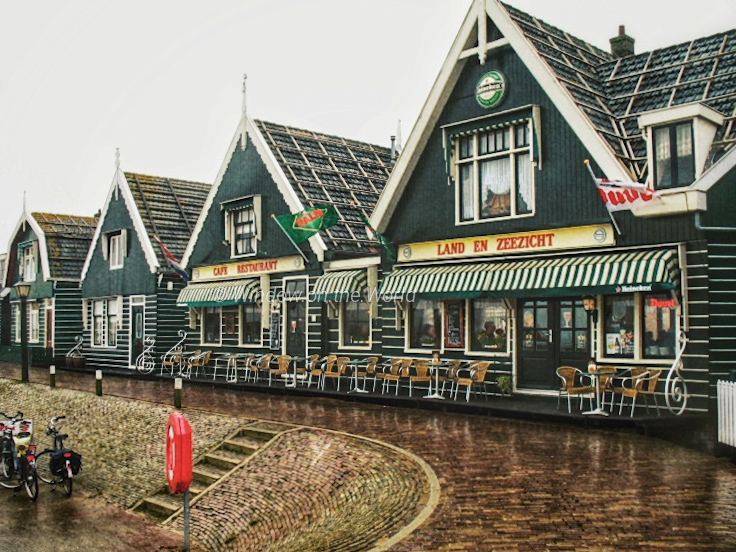
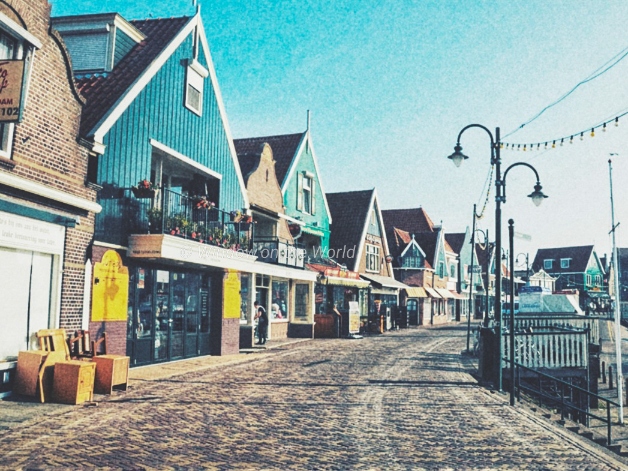
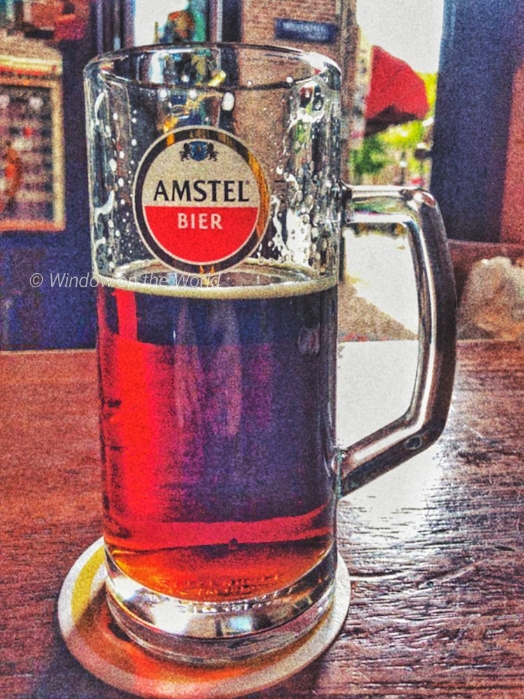
During the 17th century, more than 600 windmills were constructed in the area around the Zaanse Schans, creating the first industrial zone. The windmills were used, among others, to grind spices, produce paint, saw wood, and make oil. Windmills at Zaanse Schans.These Windmills are huge and still in operation after 300+ years.During the trip we stopped by a Cheese factory near Zaanse Schans.Traditional wooden houses of Marken, a small fishing villageTraditional wooden houses of Volendam, a small fishing village.Enjoying Amstel, a Dutch beer, in Volendam. Amstel Brewery, an Amsterdam based Dutch brewery founded in 1870, was taken over by Heineken International in 1968.
After spending a weekend in Amsterdam, I drove back to Heidelberg, Germany for work.
In May 2017, 23 days before I was going to complete 50 years, grabbed an opportunity and took an early retirement.. Picked up a backpack and traveling ever since.. Love to travel around the world, experience different culture, local cuisine & drinks .. and take pictures.. so far been to 108 countries and still counting...


 Window on the World