Nicaragua, set between the Pacific Ocean and the Caribbean Sea, and bordered by Honduras and Costa Rica, is the largest but least densely populated country in Central America. Settled as a colony of Spain in the early 16th century, Nicaragua gained its independence in 1821. The country is known for its dramatic terrain of lakes, volcanoes and beaches. Nicaragua’s population is made up mostly of mestizos, people of mixed European and (Native) Indian ancestry.
As I was working full time during 2009, I had only a week in the country. I spent most of the time in Managua, making a day trip to the colonial town of Granada, the folkloric town of Masaya and beach town of Pochomil. I would love to go back and explore Nicaragua and Rest of the Central America in near future.
Pictures below are from my 5 days stay in Nicaragua.
Managua, on the south shore of Lake Managua, is the capital and largest city of Nicaragua. Throughout the Spanish colonial period, Managua was recognized only as an (Native) Indian town, outranked by the relatively nearby Spanish cities of León and Granada. Its choice as a permanent capital in 1857 came after partisans of those two rival cities had exhausted themselves in internecine conflict. Much of Managua was rebuilt after 1931 earthquake and fire. After 1972 earthquake, the business section was rebuilt 6 miles (10 km) away from the former city center.
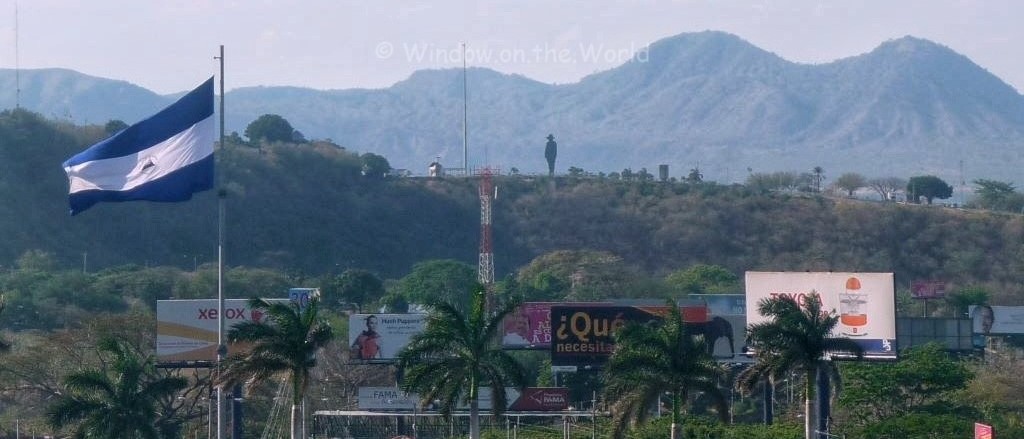
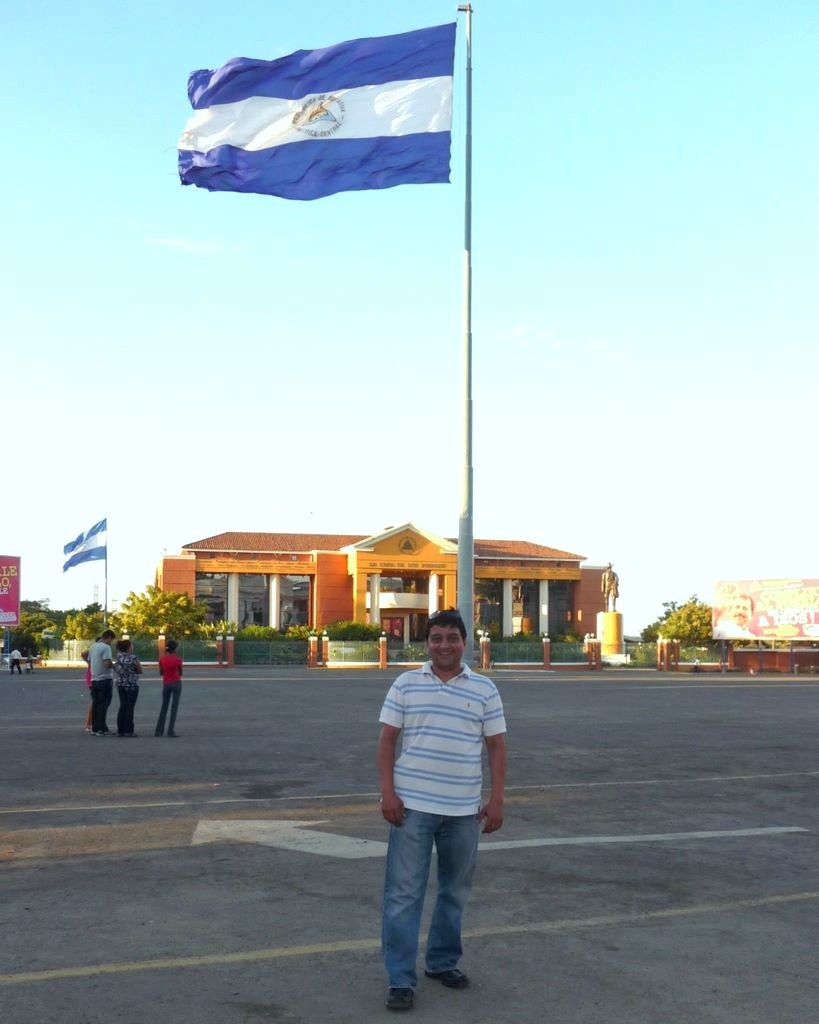
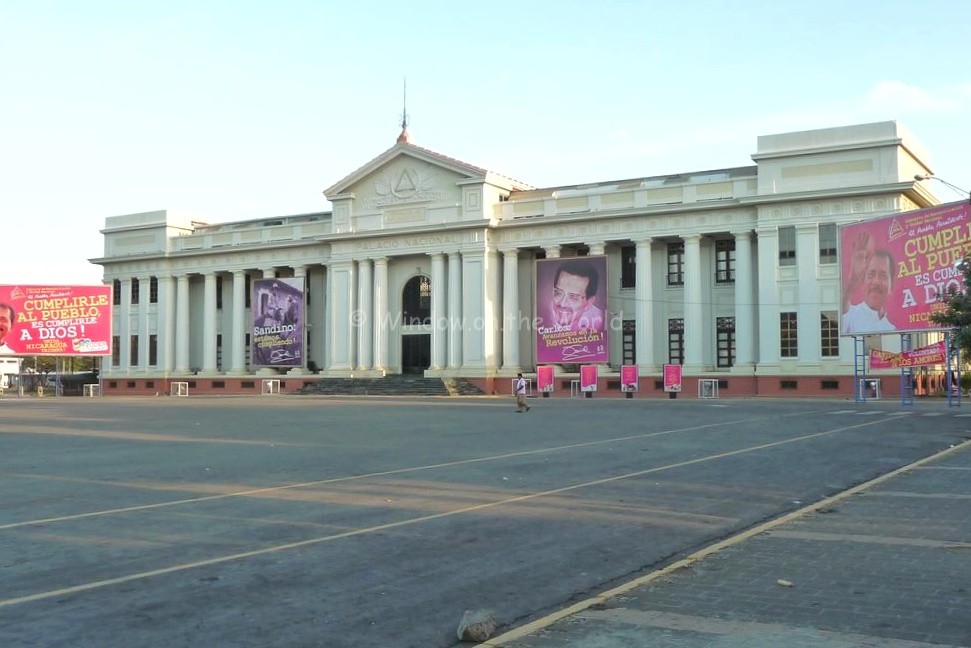
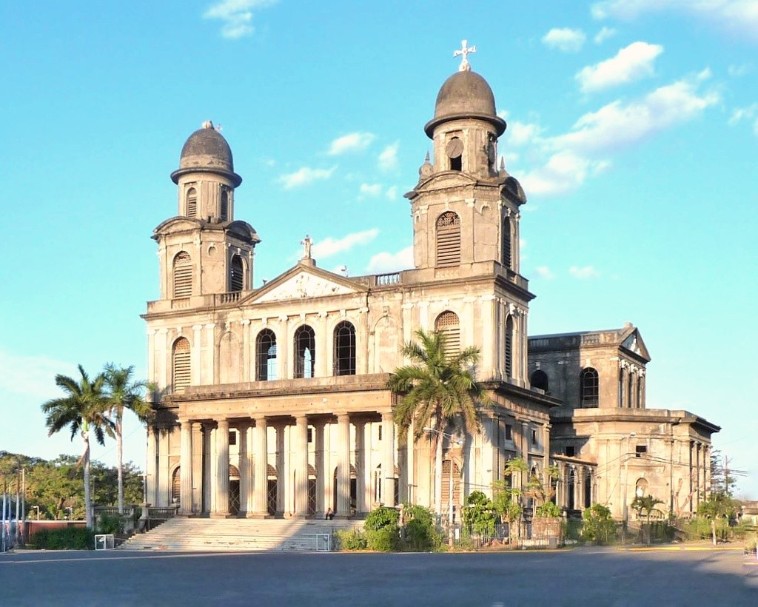
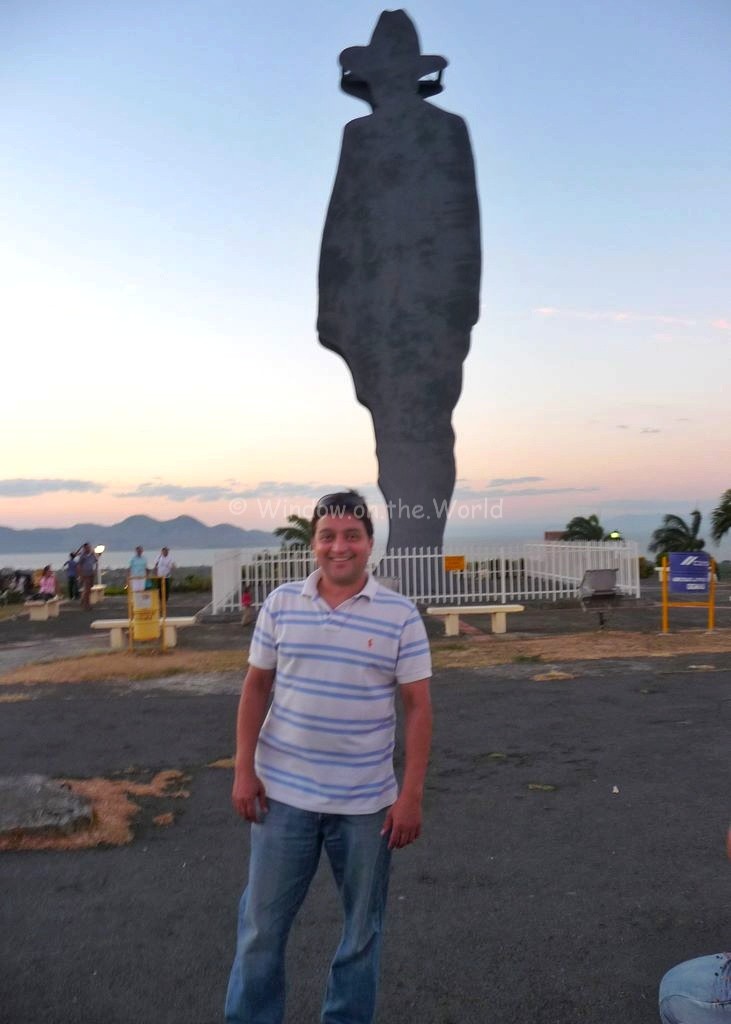
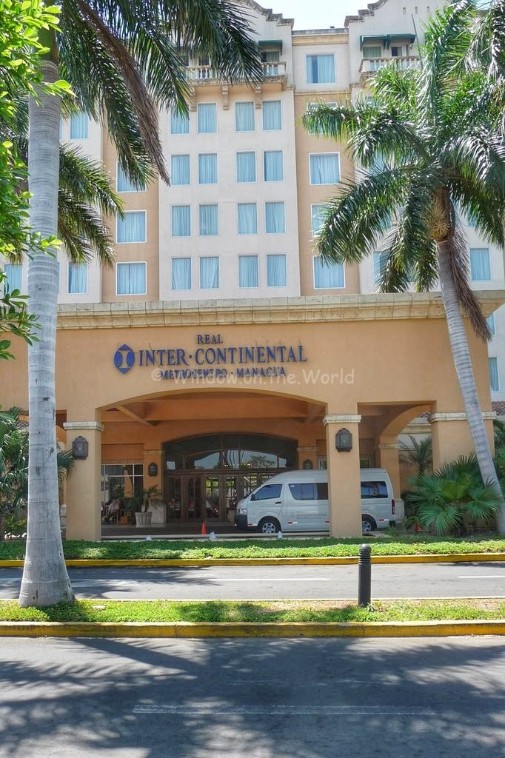
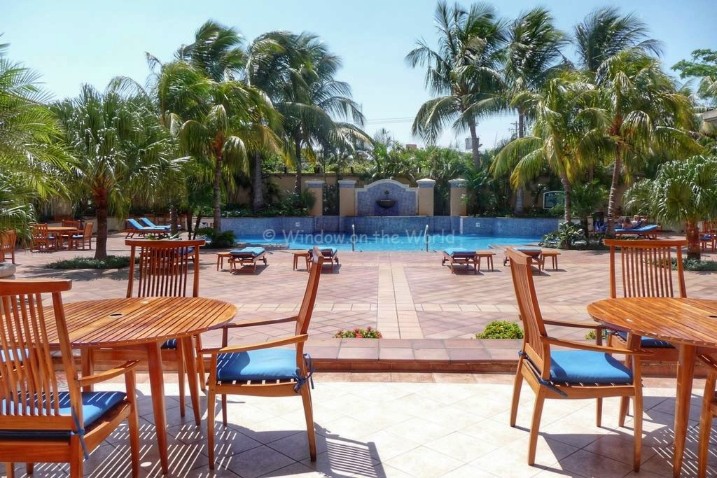
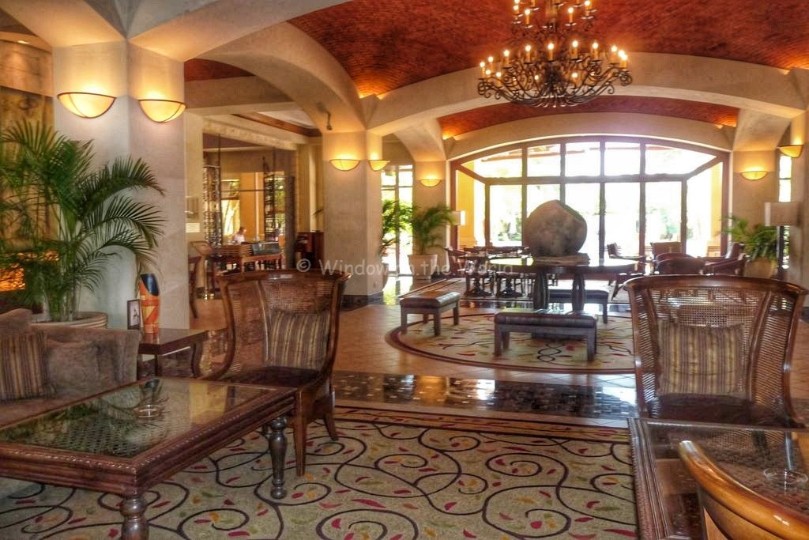
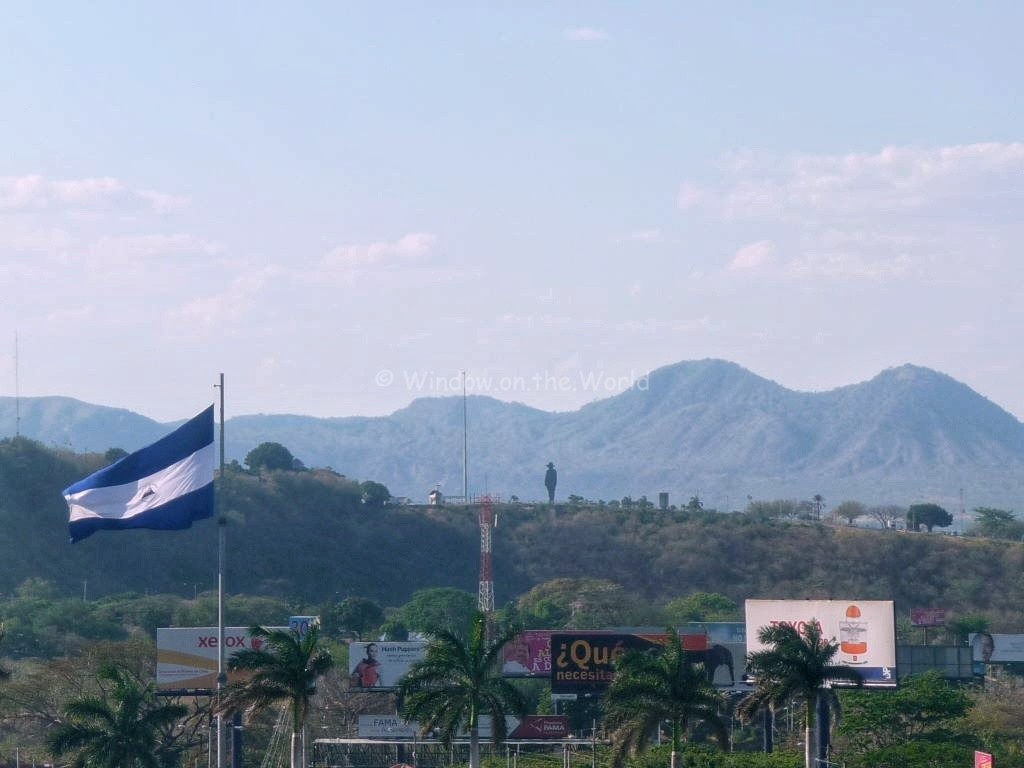
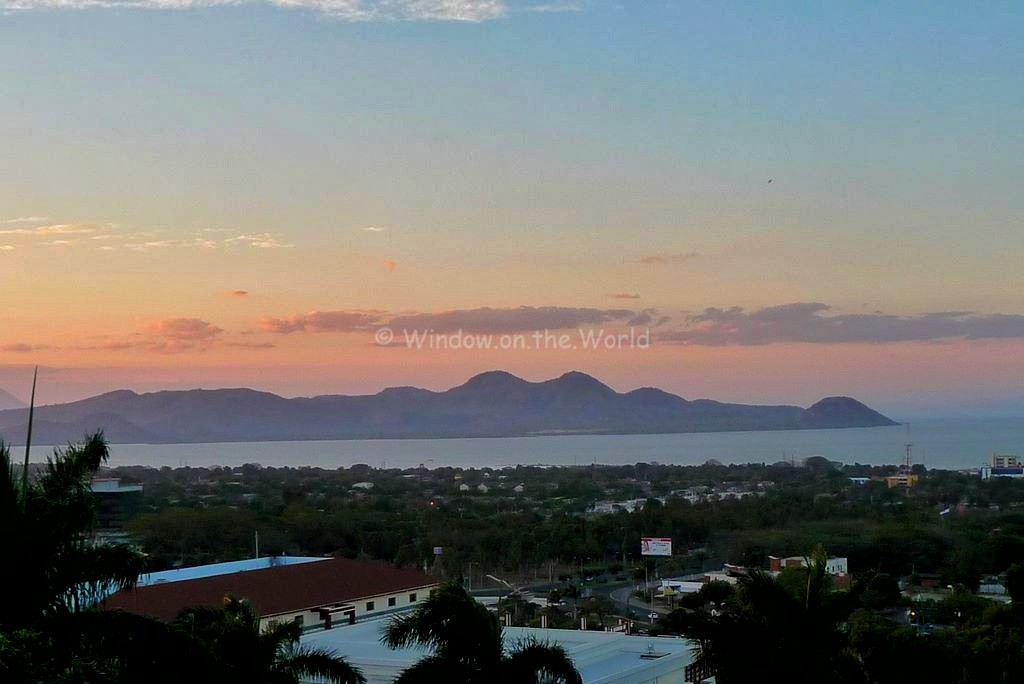
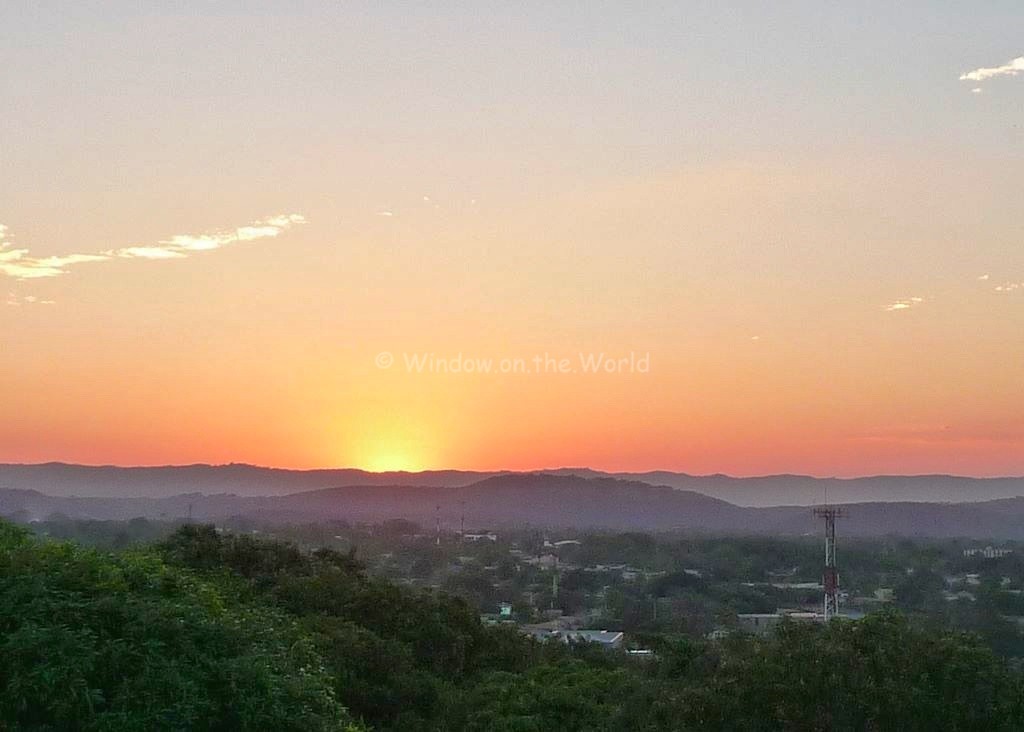
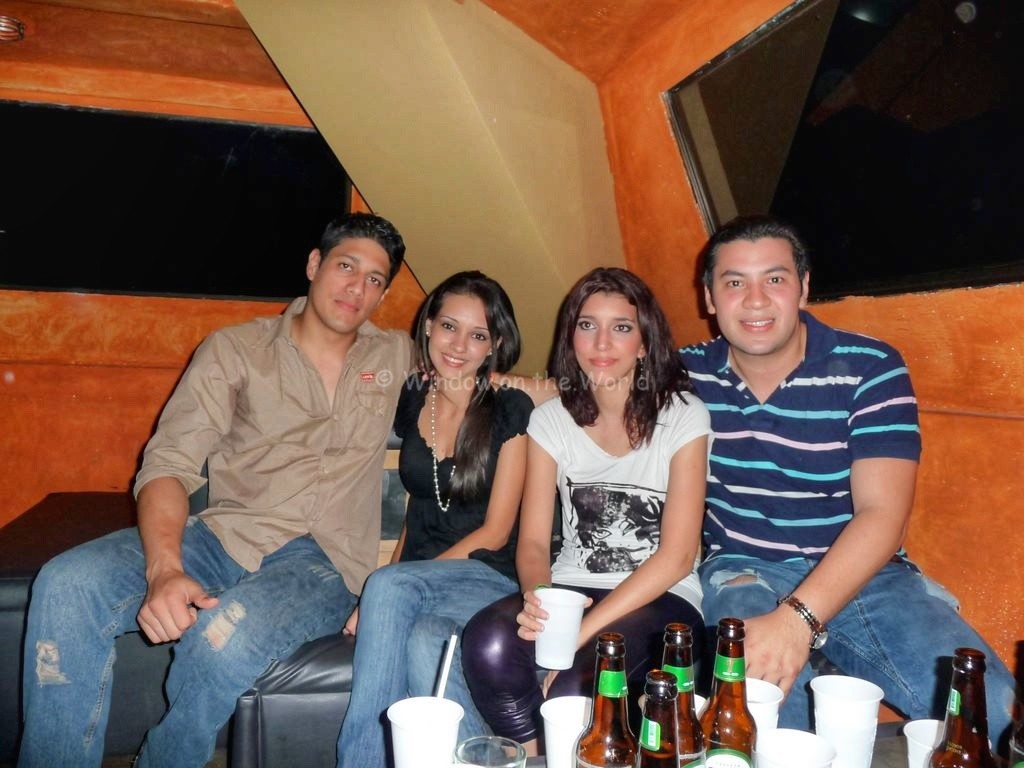
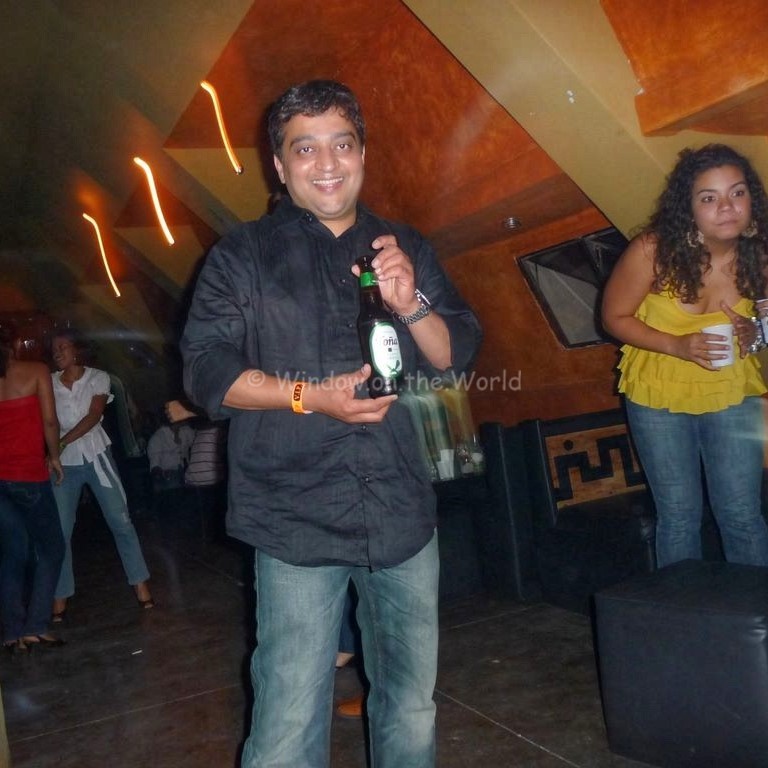
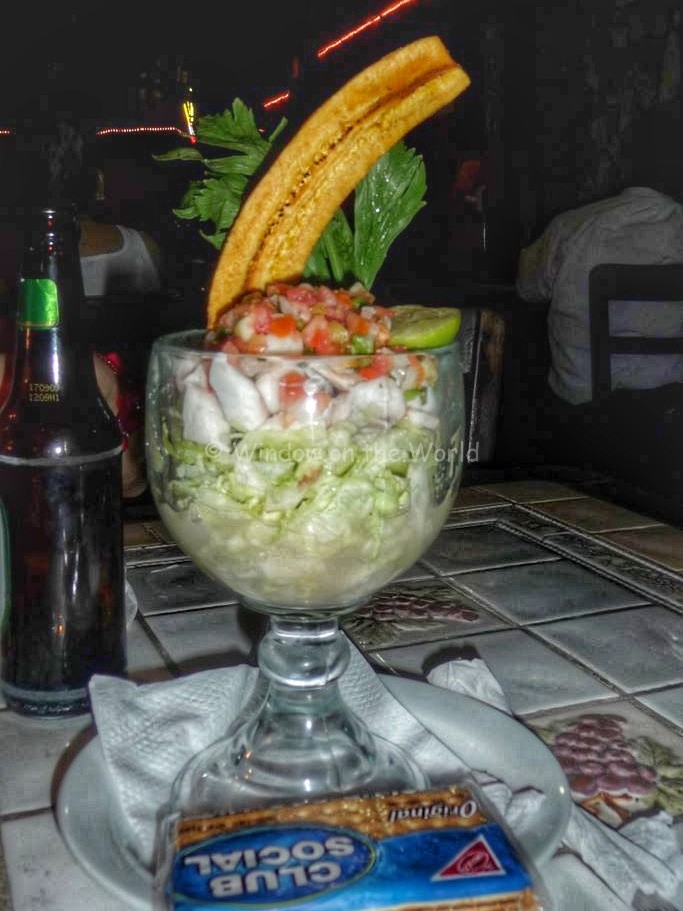
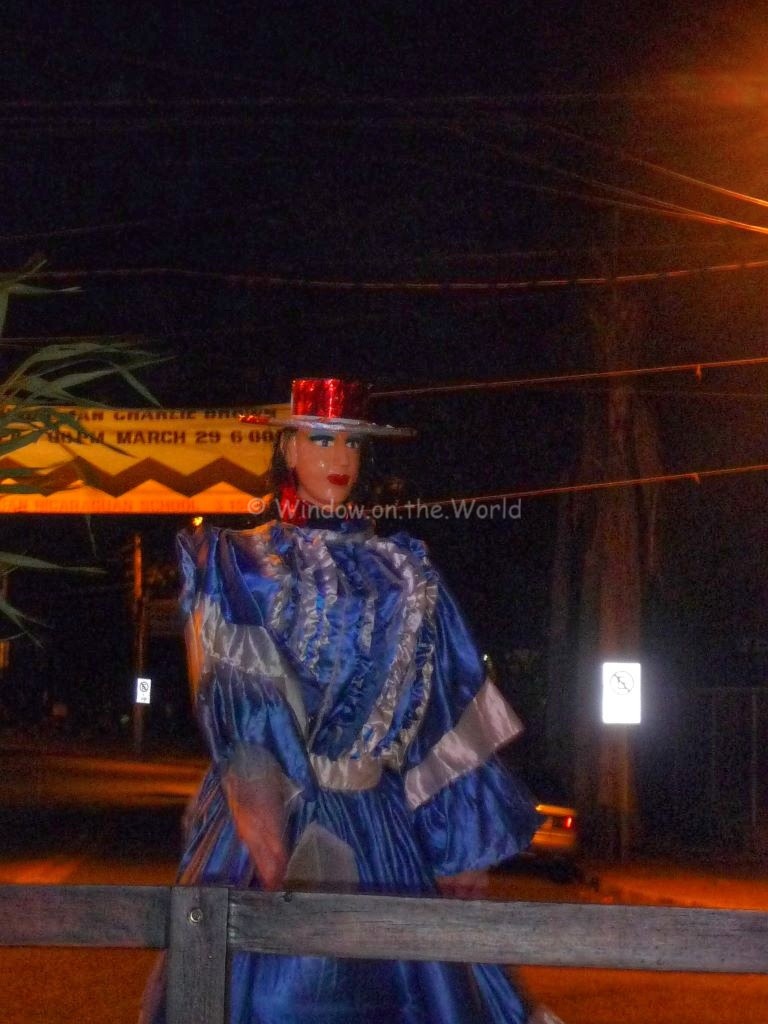
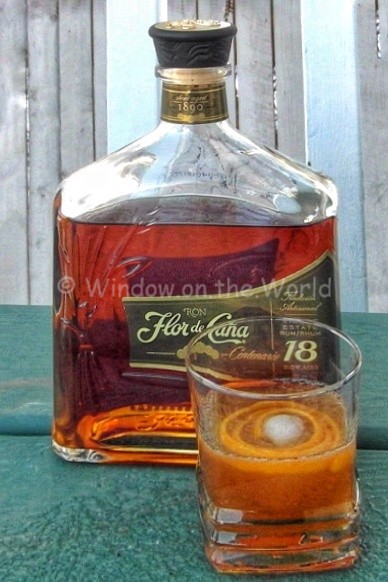
Welcome to Nicaragua! A Huge flag at Plaza de la Revolución (Revolution Square), home to Managua’s historic center, which was completely destroyed by the 1972 earthquake.Palace of Culture, the former National Palace (Palacio Nacional) in Managua was until 1979 home to the National Congress. Today it is used as a museum and it houses the National LibraryThe Catedral de Santiago, also known as the Old Cathedral of Managua, was constructed from 1928 to 1938. The Cathedral became the first cathedral in the Western Hemisphere to be built entirely of concrete on a metal frame. The cathedral survived the 1931 earthquake, but was heavily damaged during the 1972 earthquake.59-foot silhouette of Augusto César Sandino at Tiscapa Lagoon. Sandino is a Nicaraguan National Hero, a revolutionary and leader of a rebellion between 1927 and 1933 against the United States occupation of Nicaragua.My stay, the most luxurious hotel in Nicaragua. Beautiful swimming pool area in the Inter-Continental Hotel, which I never got time to use.Luxurious Lobby area of the Inter-Continental Hotel. Rest of the country and the Hotel were two different world. Back in 2009, Nicaragua was the 2nd poorest country in the North Americas.The silhouette of Augusto César Sandino from Balcony of my hotel room. A view from Balcony of my hotel room.Beautiful sunset over Managua, a view from Balcony of my hotel room.Chaman Bar, the most happening place in Managua.My local friends who introduced me the Chaman Bar.Enjoying Cerveza Toña at the Chaman Bar, Managua.Cerveza Toña and Nicaraguan style Ceviche.While having Cerveza Toña and Ceviche, we enjoyed “La Gigantona” performing traditional folkloric dance, making fun of the Spanish people who came during the period of colonization. “La Gigantona” is like a giant doll made out of a wood frame wearing a long colorful dress with lots of decorations. She represents the typical tall, light-skinned, rich Spanish woman.Flor de Cana, aged for 18 years, extremely-smooth rum, the best rum I ever had.
While in Managua, we made a day trip to Granada, located on the shores of Lake Nicaragua (Lago Cocibolca). Founded in 1524, Granada is one of the most ancient cities founded by the Spaniards in the New World and the oldest in dry land that remains in its original location. It’s home to multiple Spanish colonial landmarks that have survived repeated invasions from English, French and Dutch pirates trying to take control of Nicaragua. Granada, Nicaragua was historically the sister capital in Central America to Antigua, Guatemala.
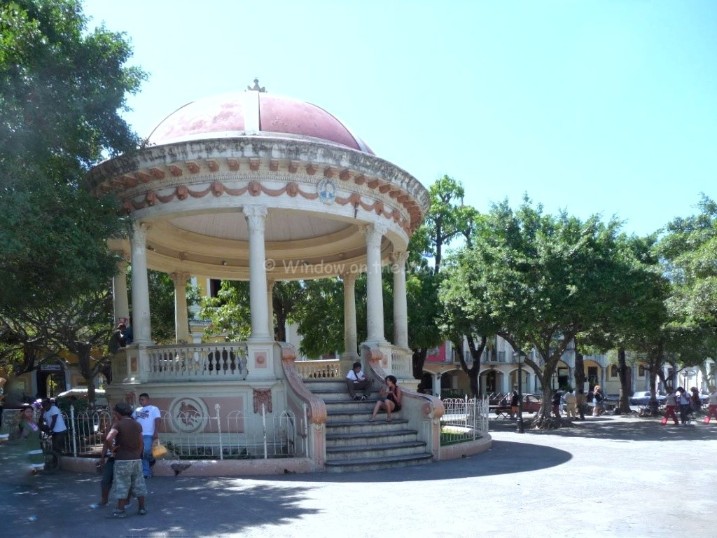
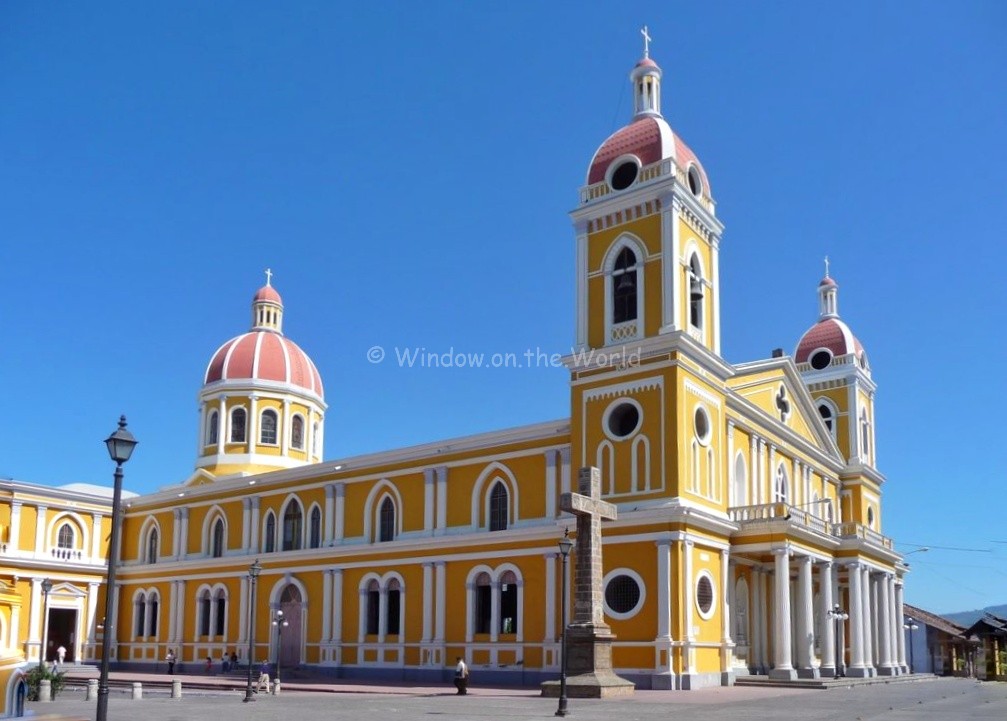
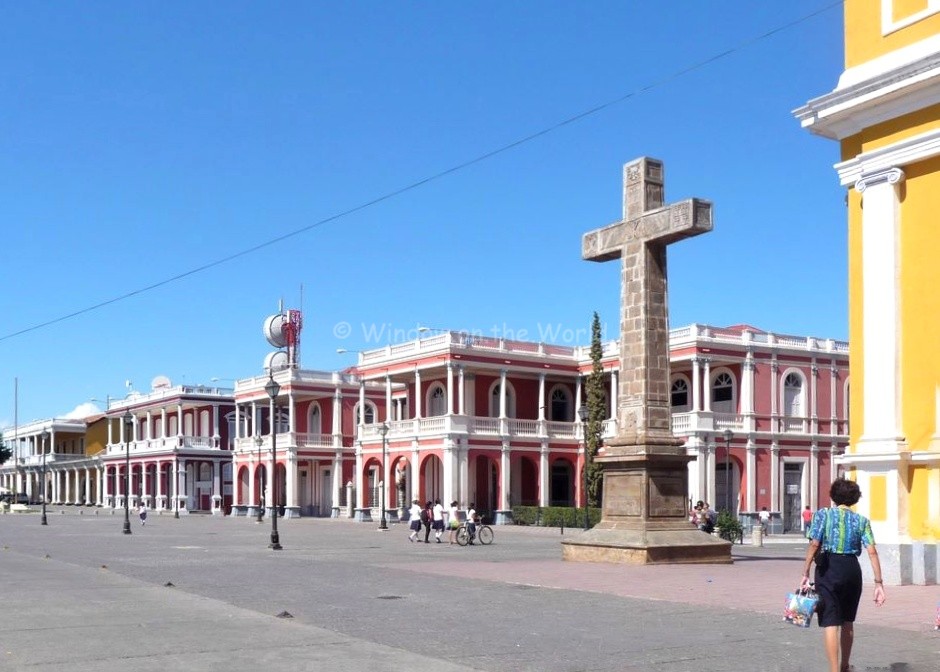
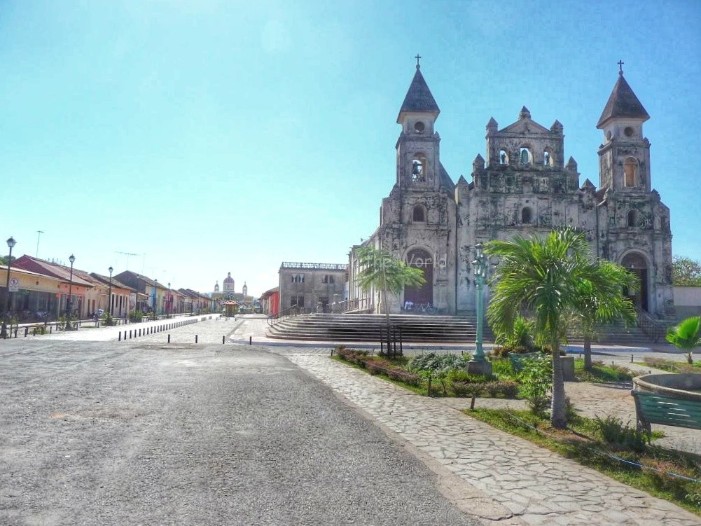
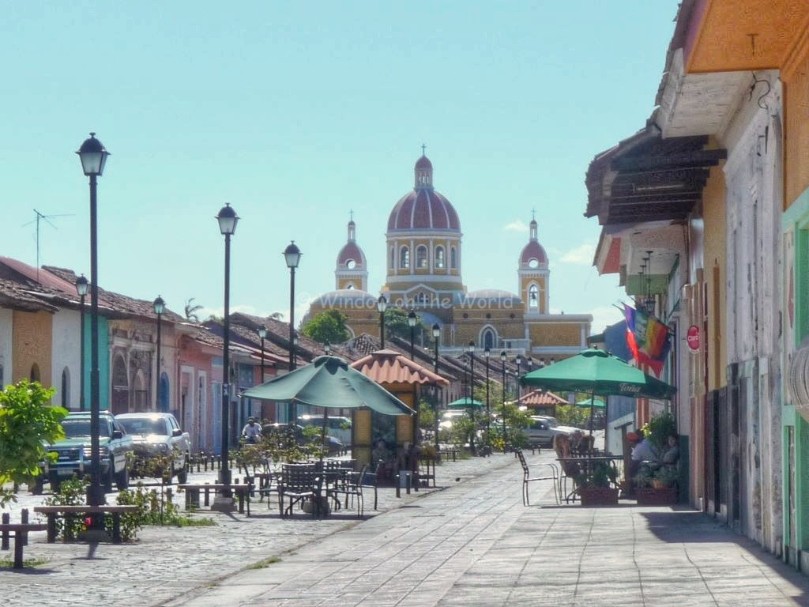
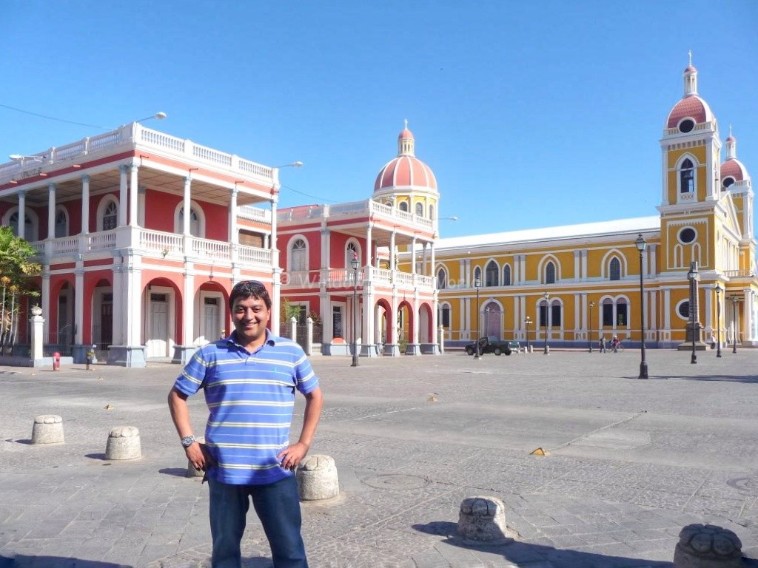
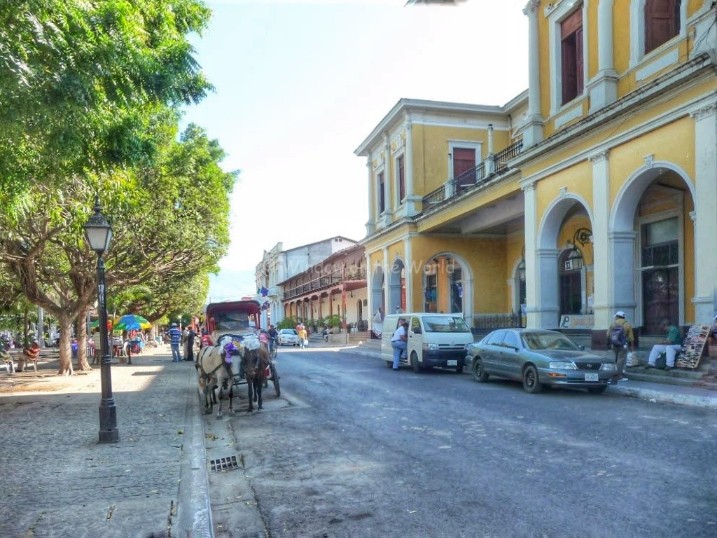
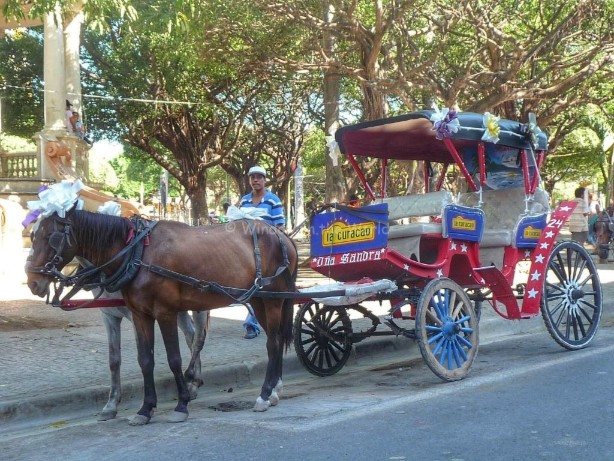
The city’s main plaza, Central Park, is dominated by the colorful, neoclassical façade of the Cathedral of Granada, originally dating to 1583.The Our Lady of the Assumption Cathedral, also called Granada Cathedral is a neoclassical Catholic cathedral located on the east side of the plaza, was originally built in 1583 but has been destroyed countless times since. The cathedral as it stands today was completed in its entirety in 1972, with a total area of 3,614.87 m2 (38,910 sq ft).The Granada Cathedral.Our Lady of Guadalupe Church near Lake Nicaragua in Granad. Built in the 1600s & with an ornate interior, this church is home to the city’s venerated saint.The main street of Granada with many shops, cafes and restaurants, connecting the Granada Cathedral and Our Lady of Guadalupe Church.At the Granada Cathedral.The main plaza, city square of Granada.Horse carriage is a common sight in old town of Granada.
While in Managua, I made a day trip to Masaya, the city is known for its National Artisan Market.
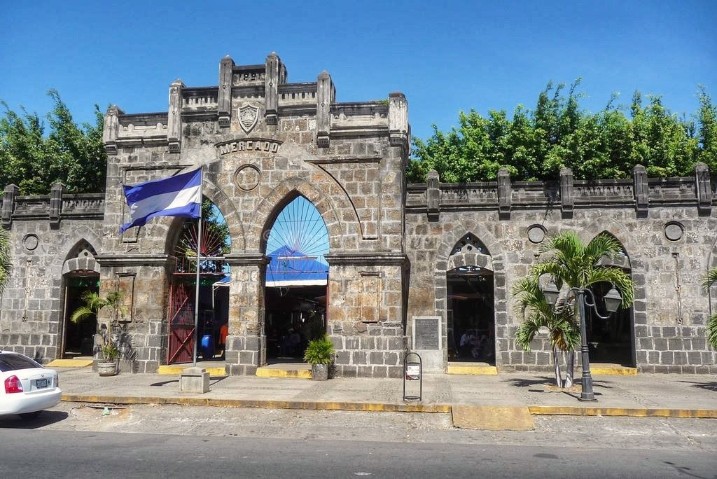
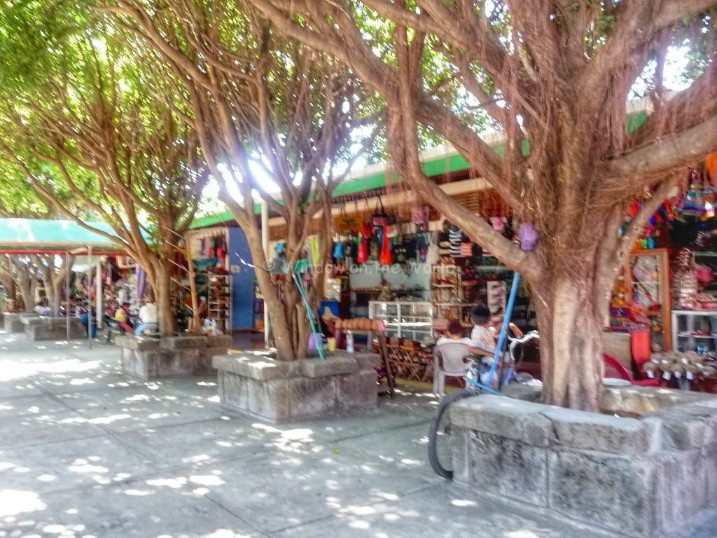
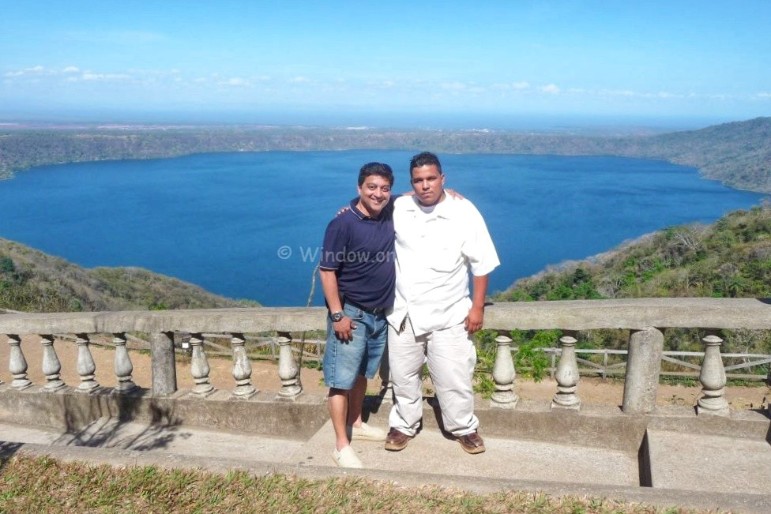
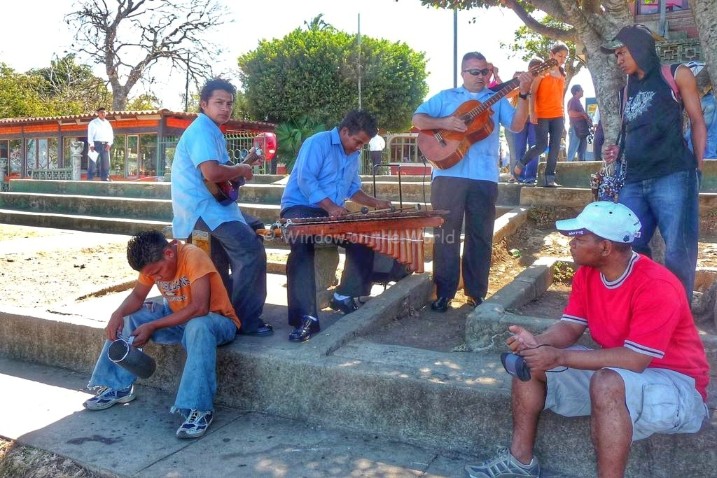
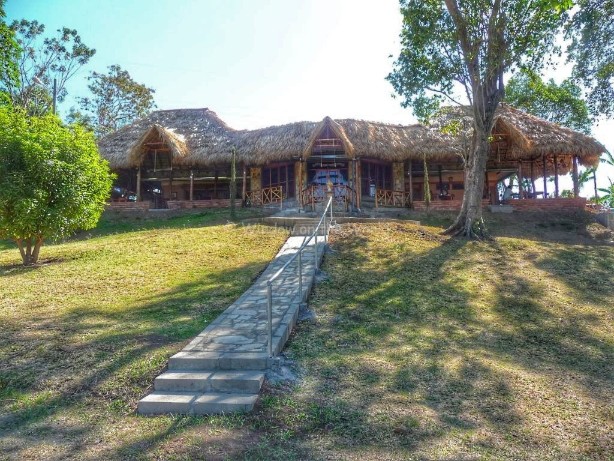
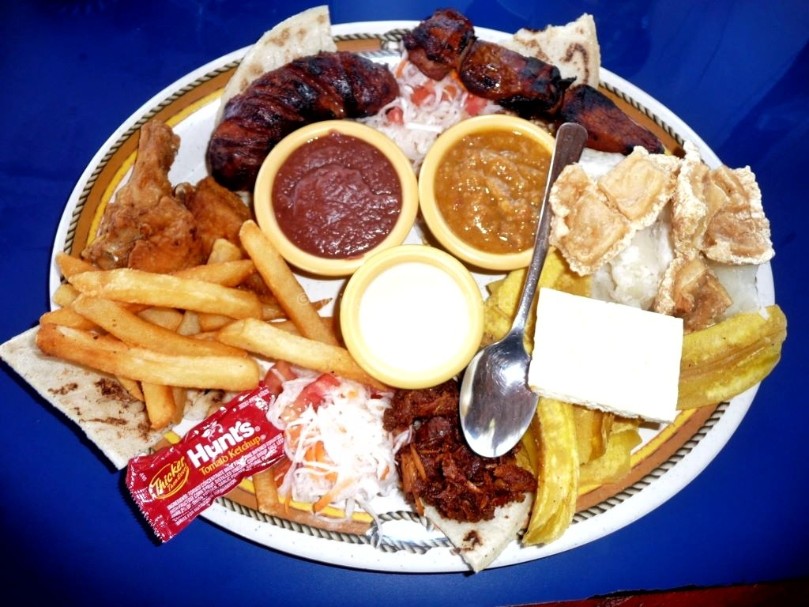
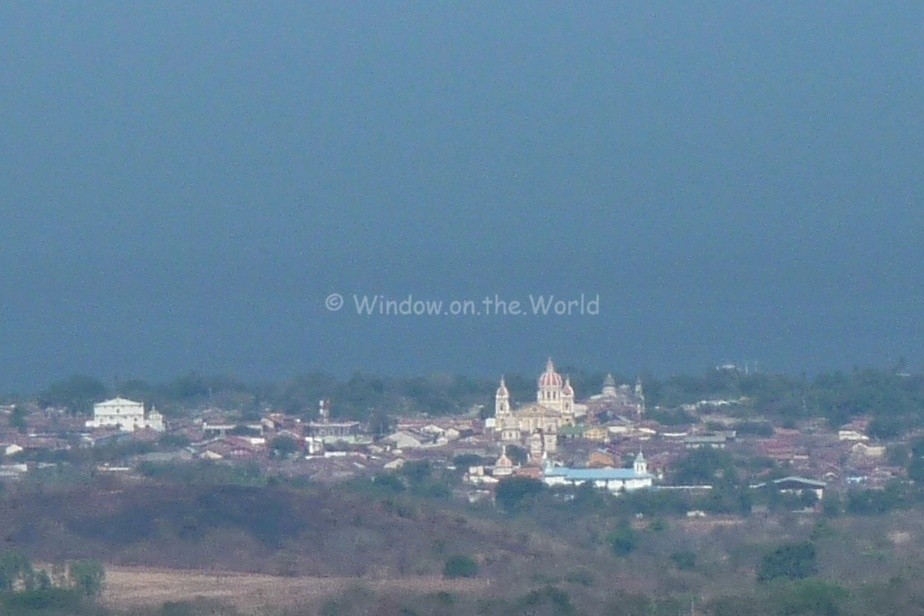
El Mercado Viejo, a market that resembles a castle, was built at the ends of the 19th century. Here you can buy any kind of handicraft made in the country.Handicraft shop at El Mercado Viejo.With our driver at Mirador de Catarina near Masaya. The viewpoint of Catarina is one of the highest hills with breathtaking view of the Apoyo Lagoon. You can see the whole lagoon as well as Lake Nicaragua behind it.Local musicians playing at the Mirador de Catarina.Stopped at this beautiful resort style restaurant on the way from Masaya to Managua.Comida típica de Nicaragua. Typical Nicaraguan lunch at a upscale restaurant. Most Locals can’t afford these much meat in every meal. City of Granada and its Cathedral, a view from the Mirador de Catarina.
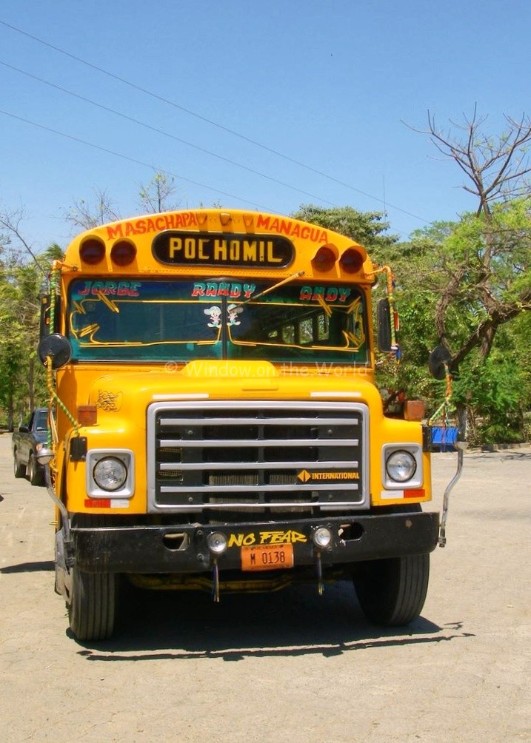
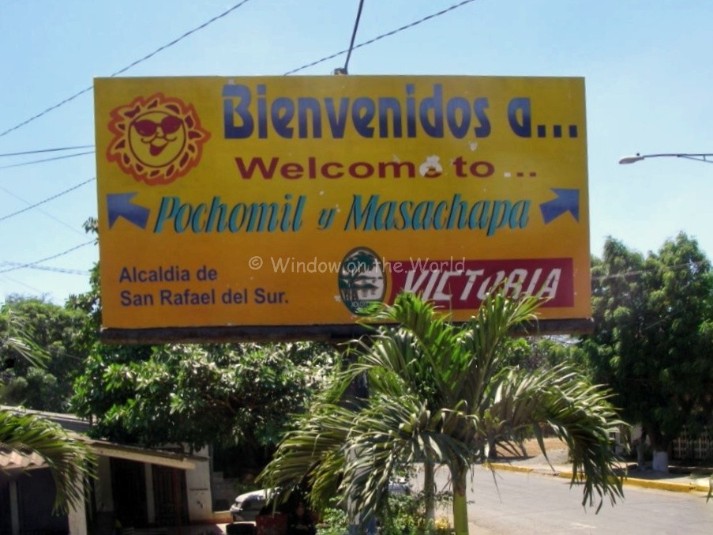
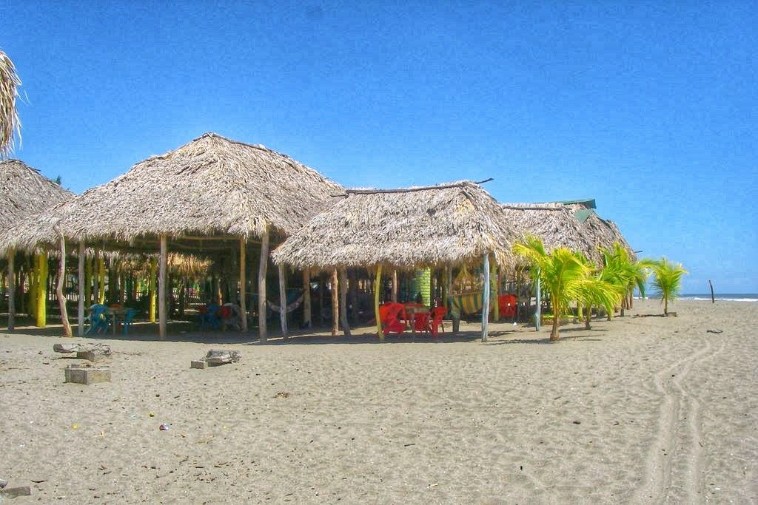
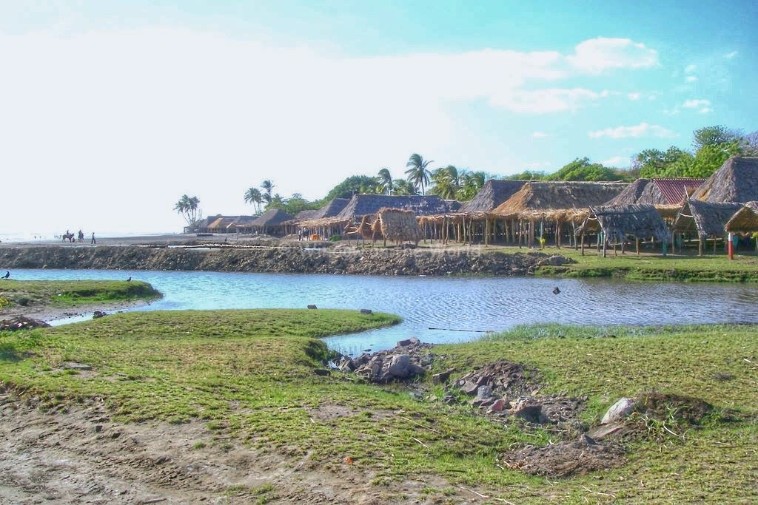
while in Managua, we made a day trip to a beach town of Pochomil, about forty miles from Managua on the Pacific Ocean. It’s a very small town with some terrible roads, but the people are friendly and the beaches are beautiful. It is not as well-known as San Juan Del Sur. Pochomil is the playground of the wealthy families of Managua, but only on the weekends, during rest of the week, it is a quiet retreat.
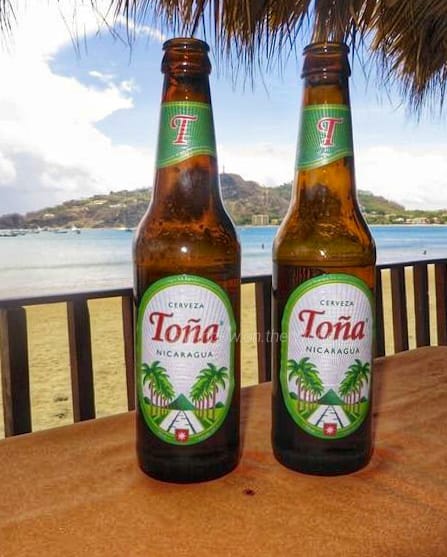
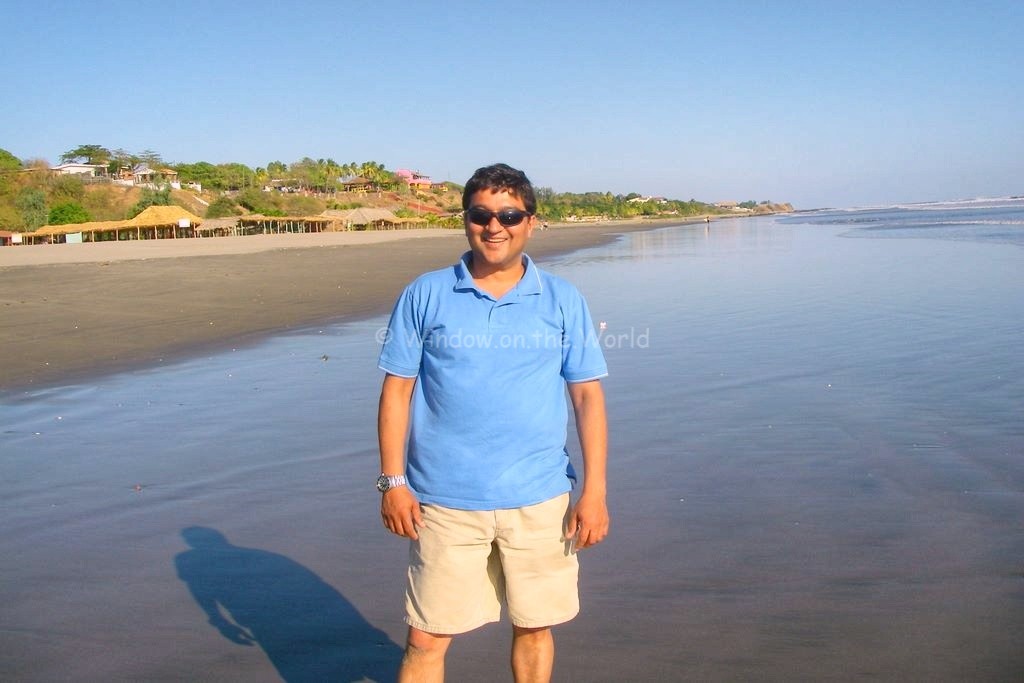
Took this Chicken Bus (camioneta), retired U.S. School Bus, from Managua to Pochomil.Welcome to twin villages of Pochomil and Masachapa.Bars and restaurants on Playa de Pochomil.Bars and restaurants on Playa de Pochomil.Cerveza Toña, the most popular brand of Nicaraguan Beer, often associated with the local culture and customs.At the Playa de Pochomil.
After a week in Nicaragua, it was time to go back to home in Dallas. Nicaragua has lot to offer, though because of limited time, I couldn’t explore more. I would definitely like to come back and explore more.
In May 2017, 23 days before I was going to complete 50 years, grabbed an opportunity and took an early retirement.. Picked up a backpack and traveling ever since.. Love to travel around the world, experience different culture, local cuisine & drinks .. and take pictures.. so far been to 108 countries and still counting...


 Window on the World