Guatemala, is a country in Central America, south of Mexico, is home to volcanoes, rainforests and ancient Mayan sites. Settled as a colony of Spain in the early 16th century, Guatemala gained its independence in 1821. With an estimated population of around 17.2 million, Guatemala is the most populous country in Central America. Guatemala has a rich and distinctive culture from the long mix of elements from Spain and the native Maya people. This diverse history and the natural beauty of the land have created a destination rich in interesting and scenic sites.
As I was working full time during 2008, I had only a week in the country. I spent most of the time in Guatemala City, making a day trip to Antigua, a UNESCO World Heritage City and a weekend trip to Panajachel, the gateway to Lake Atitlán. I would love to go back and explore Guatemala and Rest of the Central America in near future.
Pictures below are of not great quality, as in 2008 I was still learning photography and mostly taking my kids pictures. These pictures do share my memories of this country.
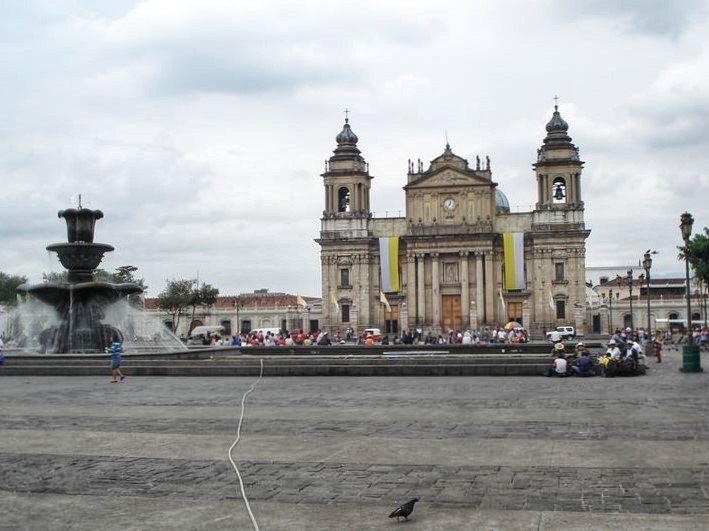
During the week, we spent most time at work and evenings in Hotel as we were told not to visit downtown Guatemala City after dark. One day after a day-trip to Antigua, we got to spend few hours in Parque Central, the main city square of the Guatemala City (Ciudad de Guatemala)
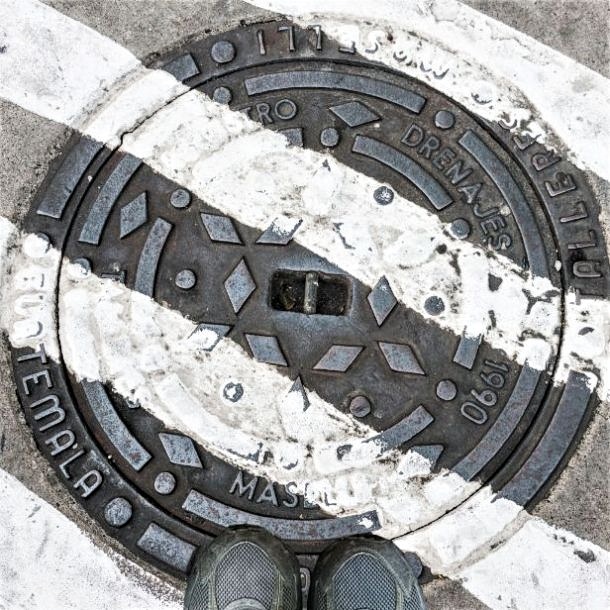
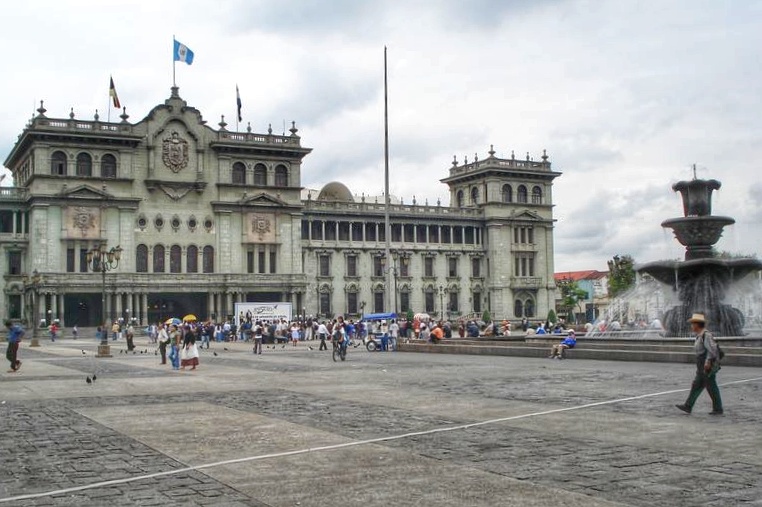
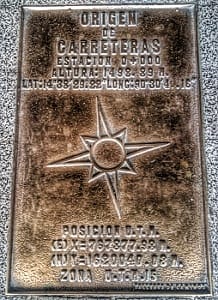
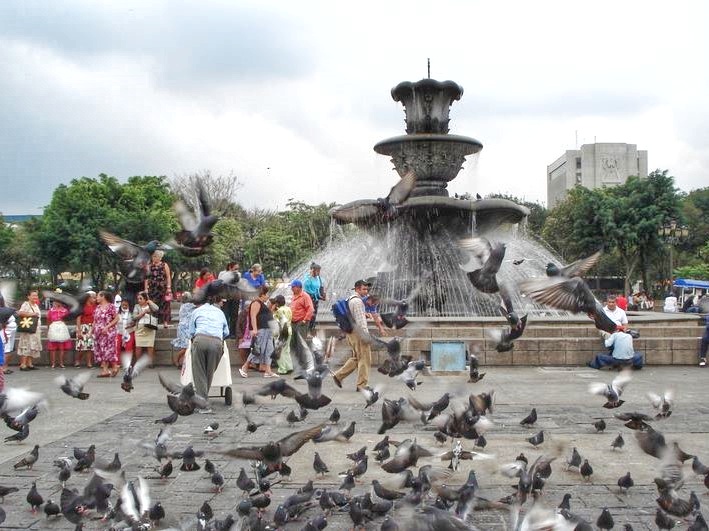
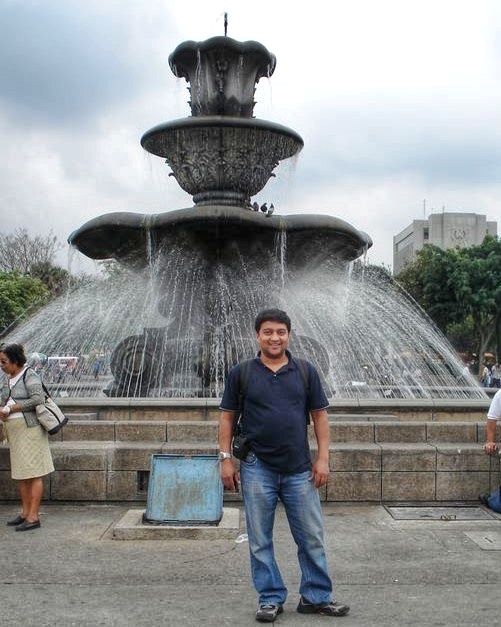
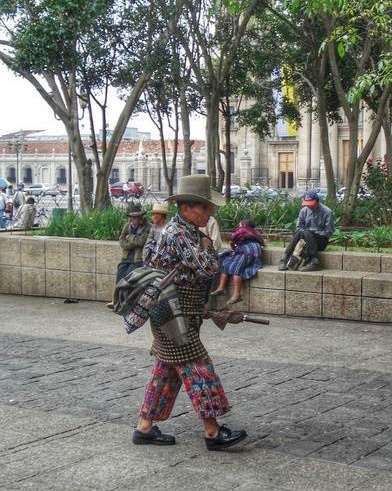
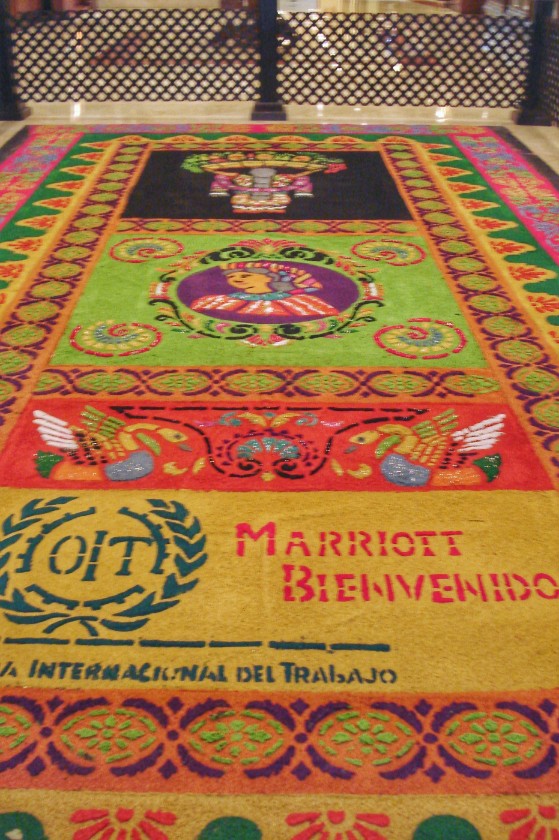
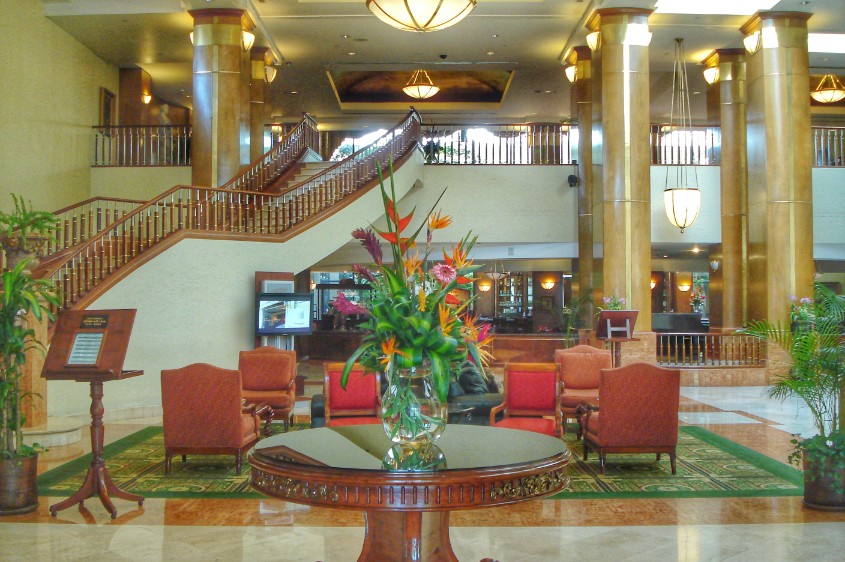
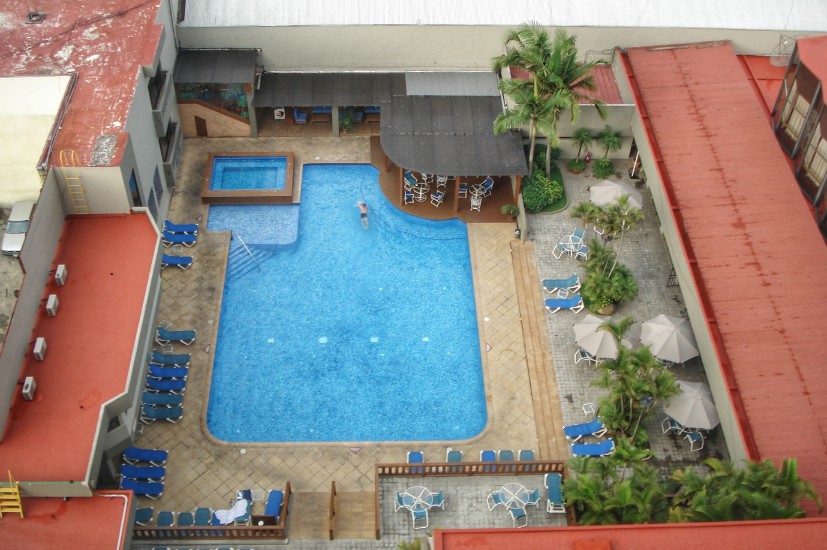
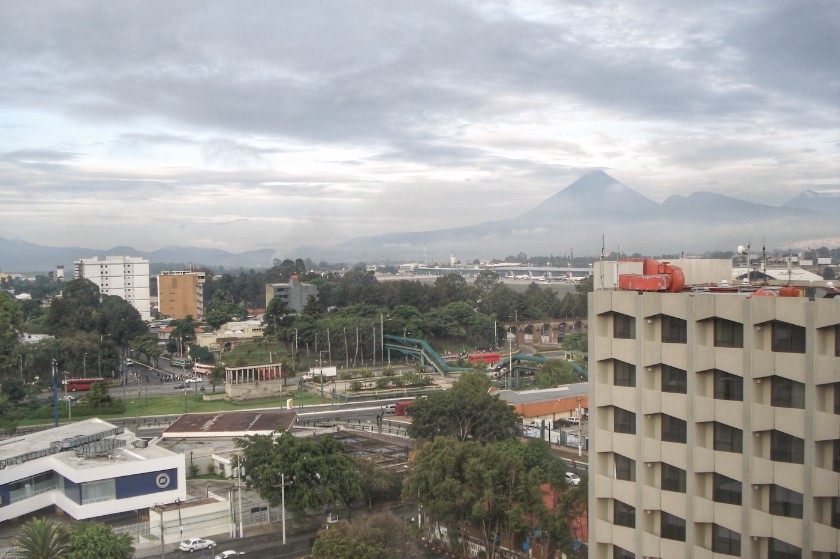
Welcome to Guatemala! A simple Manhole Cover under Zebra Crossing. A view of the National Palace with National Flag on the top, a view from the Parque Central. It was the most important building in Guatemala and was the headquarters of the President of Guatemala. The building is the origin of all the roads in the Republic and has a spot known as Kilometro Cero (Zero Kilometer).Kilómetro Cero (KM 0) at Guatemala’s National Palace, as it is the origin of all the roads in the Republic.The Metropolitan Cathedral, also known as the Cathedral of Guatemala City, is the main church of Guatemala City, located at the Parque Central in the center of the city, the main portion of it was built between 1782 and 1815.Central fountain, known as Fuente de Carlos III, erected in 1779 in Plaza Mayor de la Constitución (Parque Central). The place is busy with locals during weekends.In Plaza Mayor de la Constitución (Parque Central), Guatemala City, Zona 1.A Mayan gentleman in traditional costume walking through the Parque Central.Marriott Hotel Guatemala City.Marriott Hotel Guatemala City, It was a business trip and I haven’t discovered Hostel Life yet. Spent lots of time in this swimming pool as we were told not to go out after dark.Guatemala city is nestled in a mountain valley called Valle de la Ermita, Four stratovolcanoes are visible from the city, two of them active. View from the Marriott Hotel.
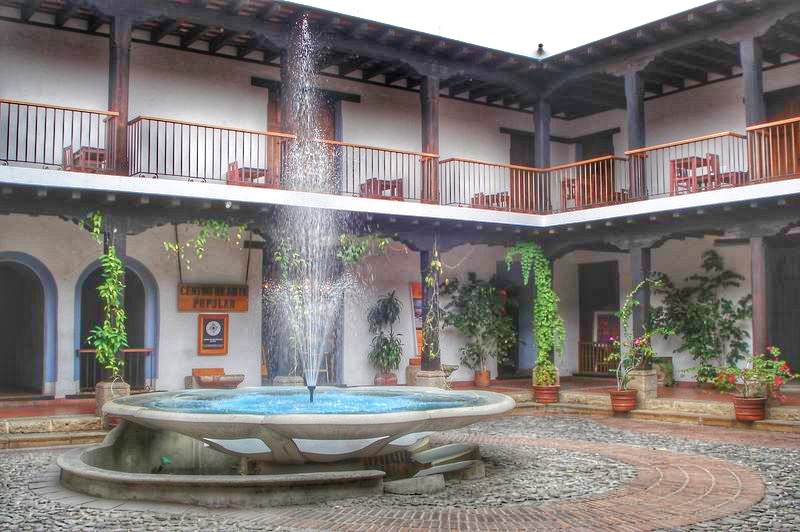
While in Guatemala, I made a day trip by public bus to Antigua, a UNESCO World Heritage city. Antigua, Founded in 1542, is a small city surrounded by volcanoes in the central highlands of Guatemala, renowned for its preserved Spanish Baroque-influenced architecture, many of them restored following a 1773 earthquake that ended Antigua’s 200-year reign as Guatemala’s colonial capital.
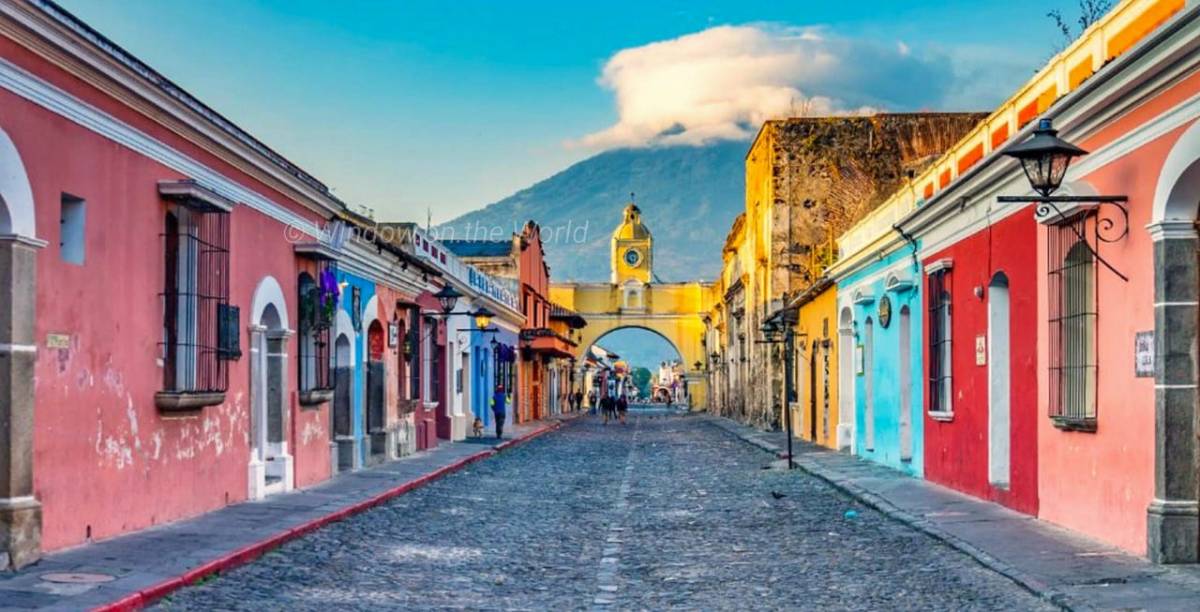
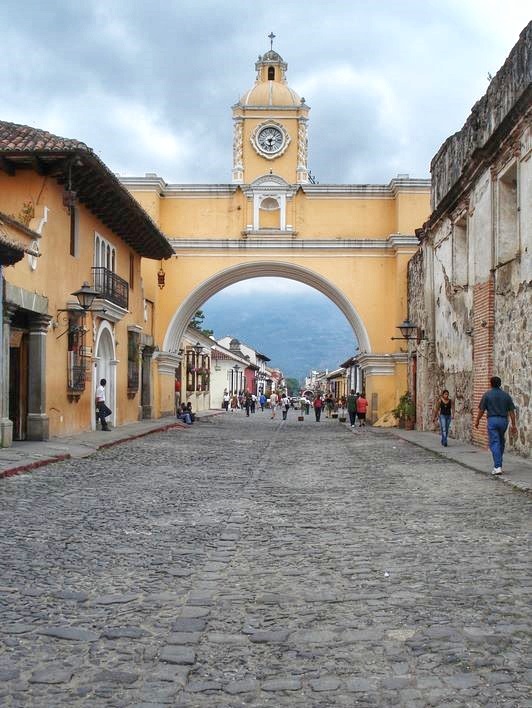
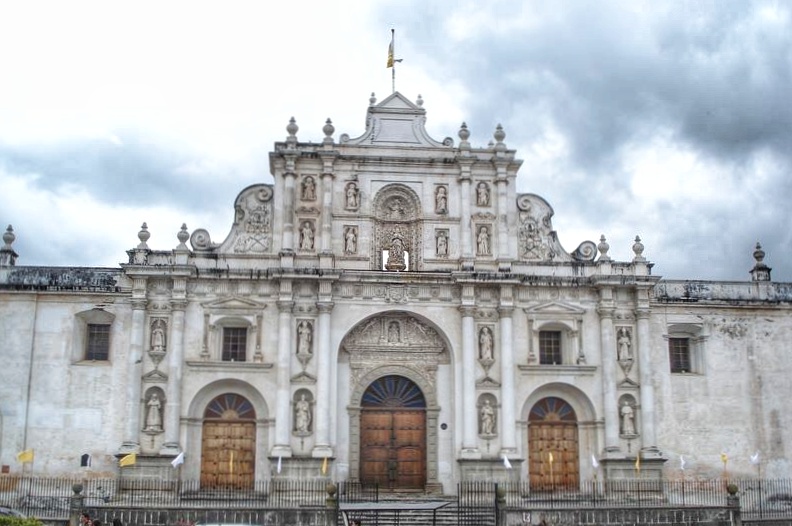
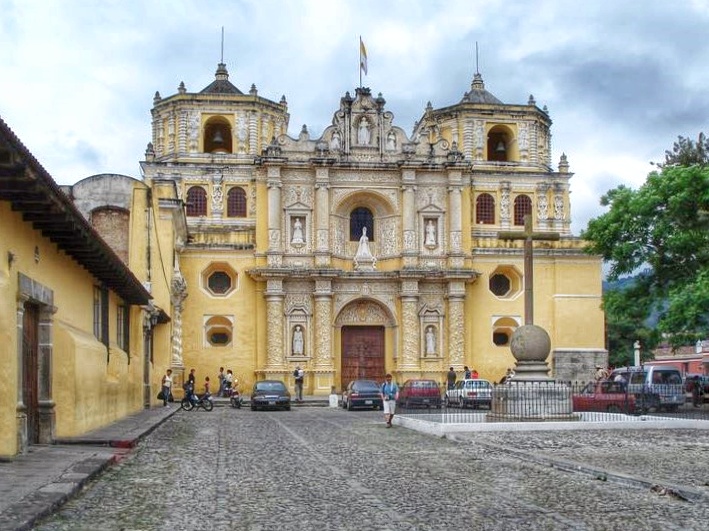
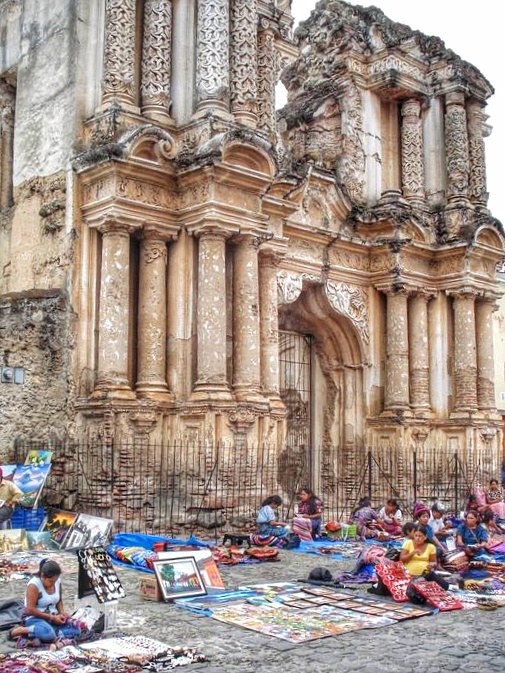
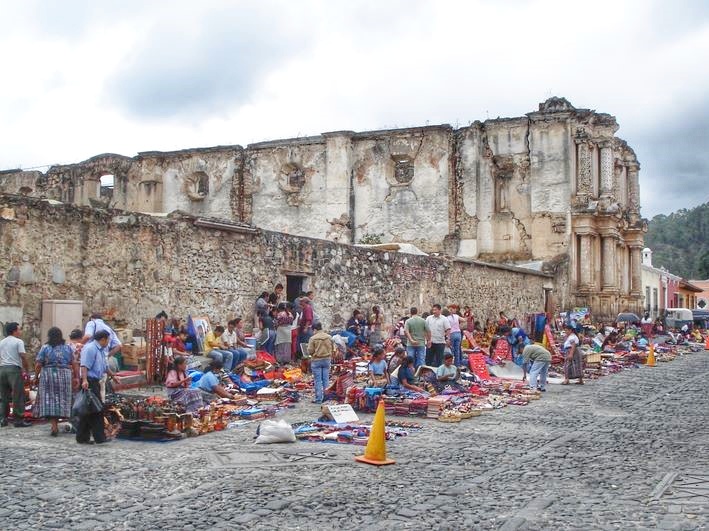
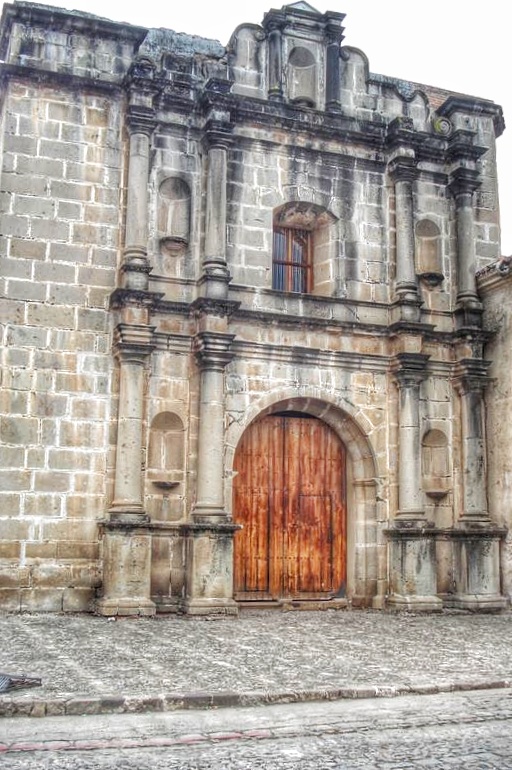
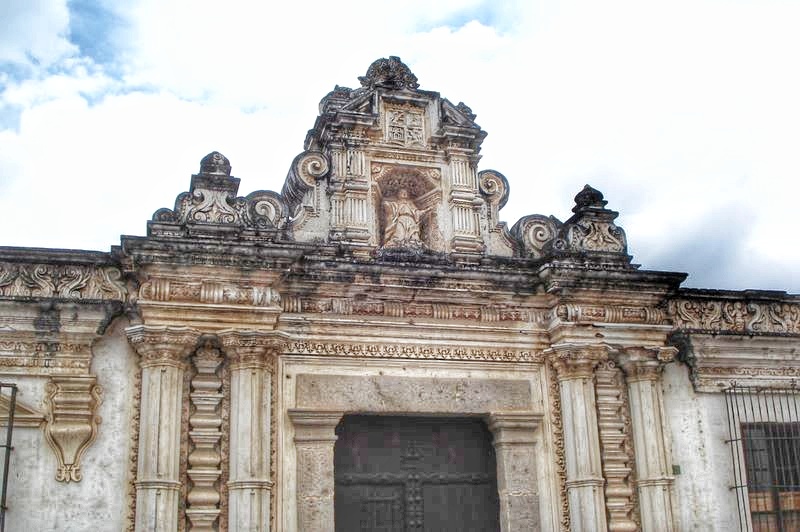
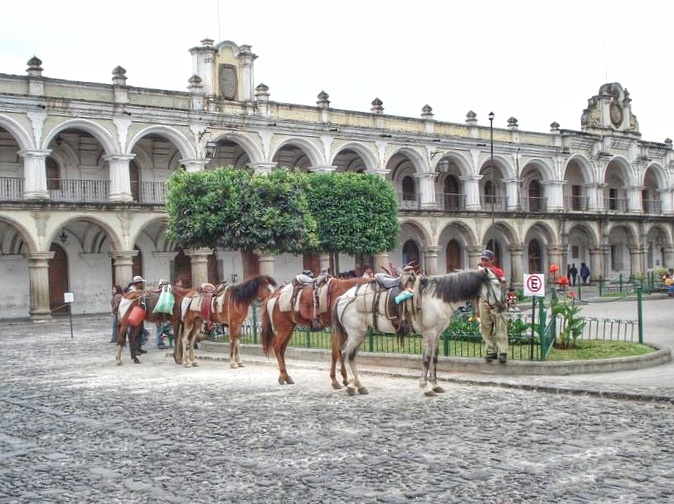
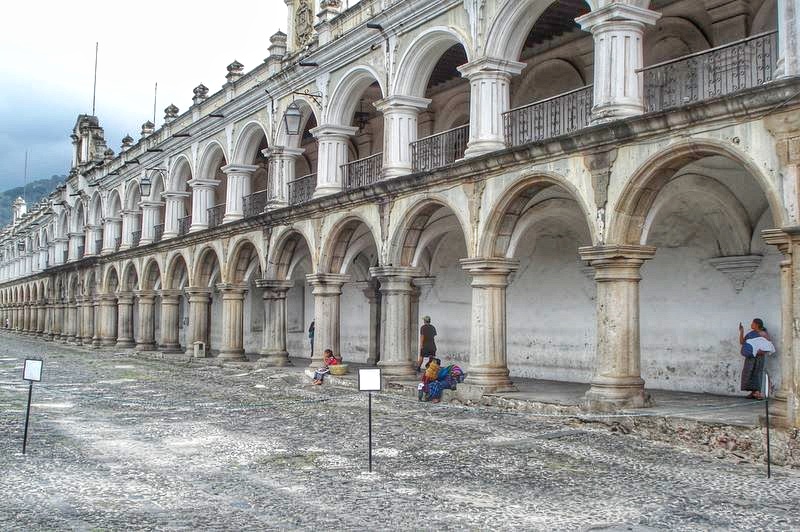
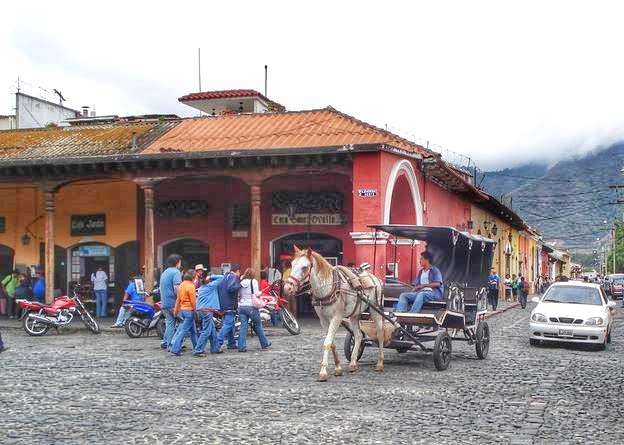
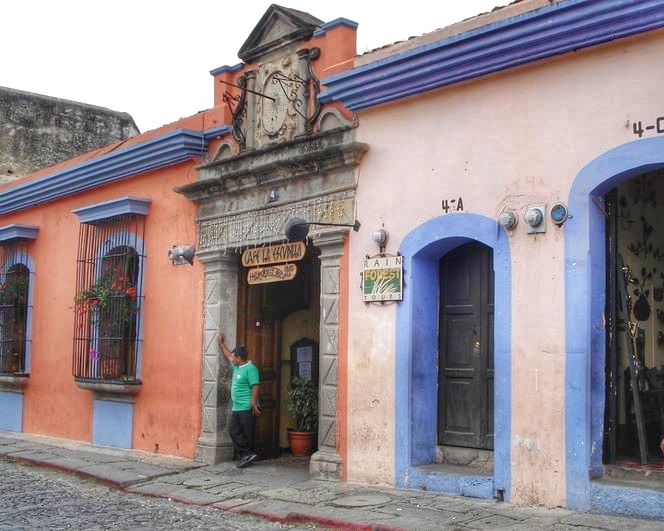
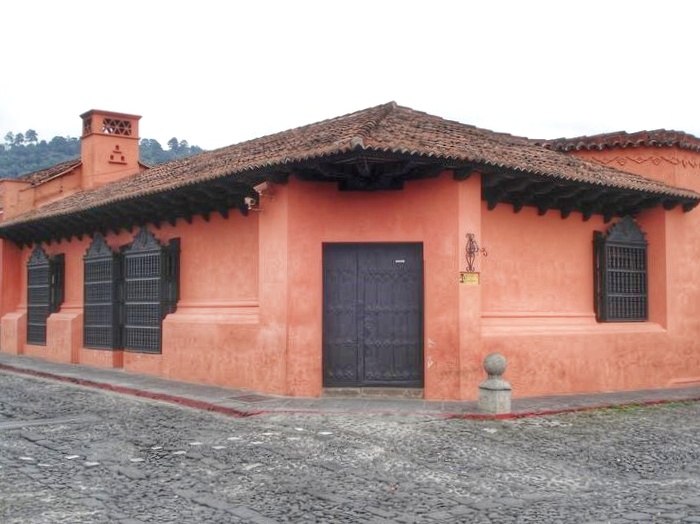
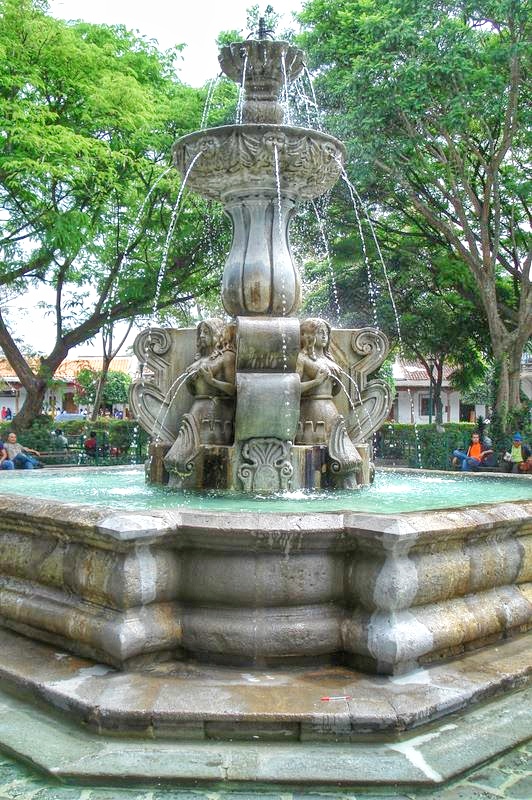
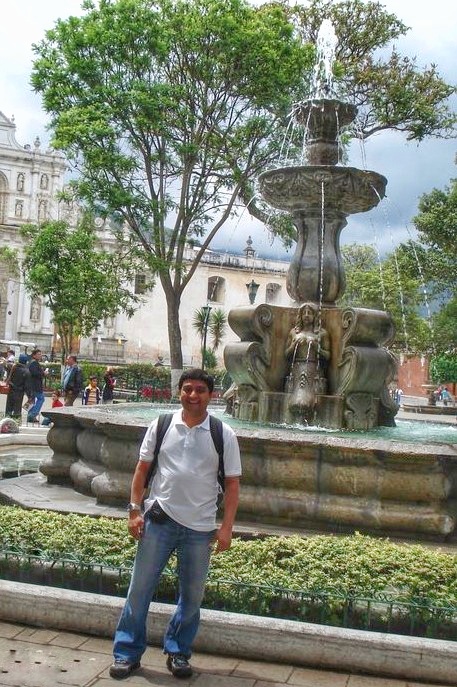
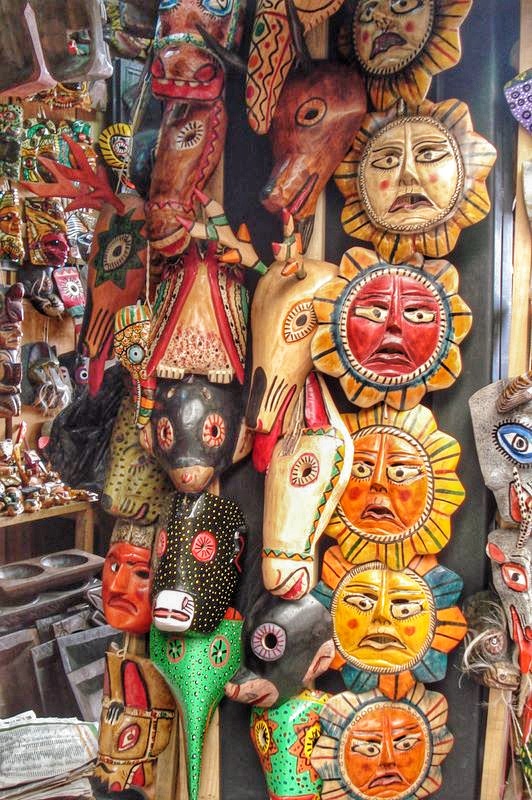
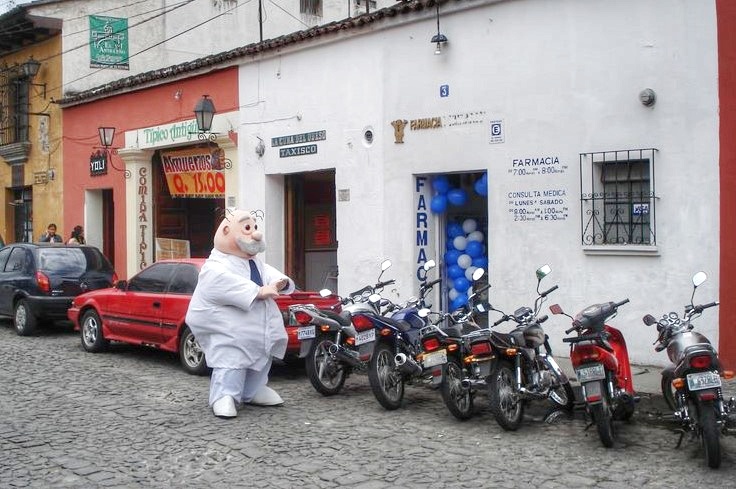
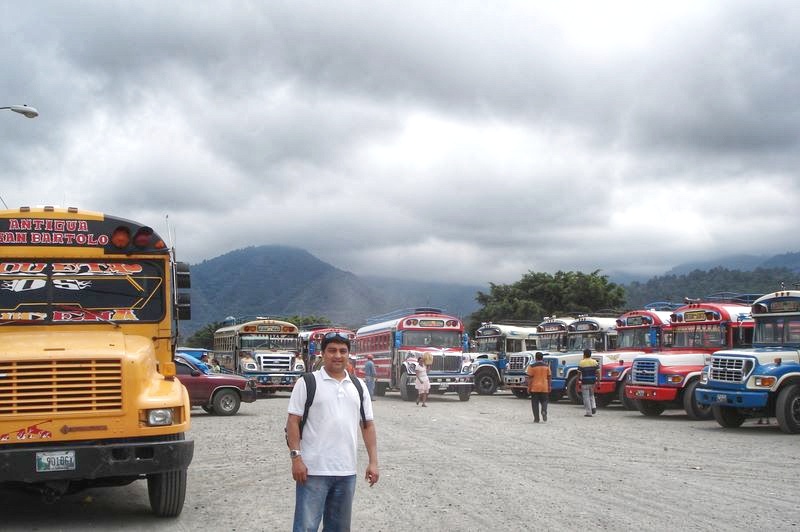
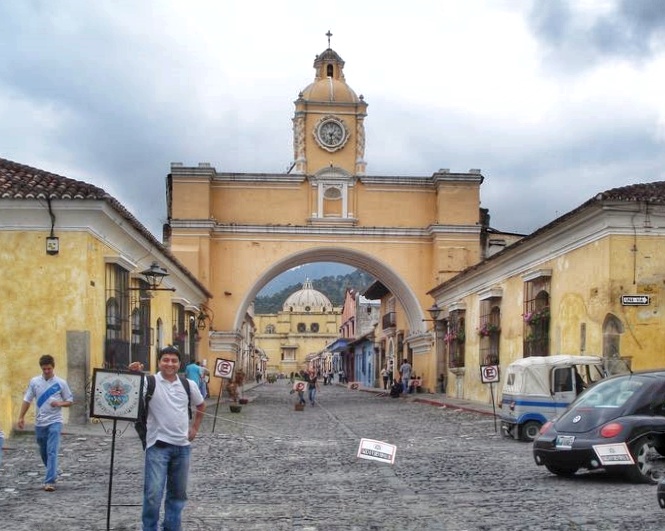
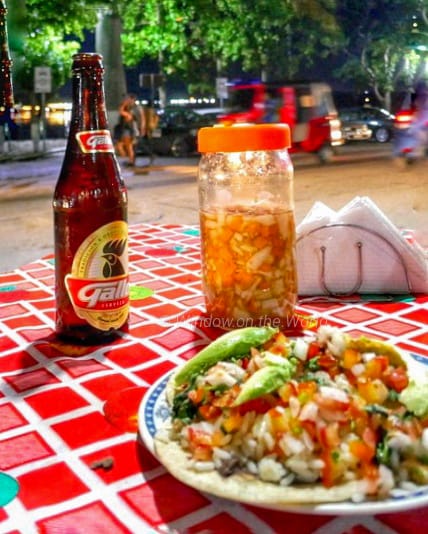
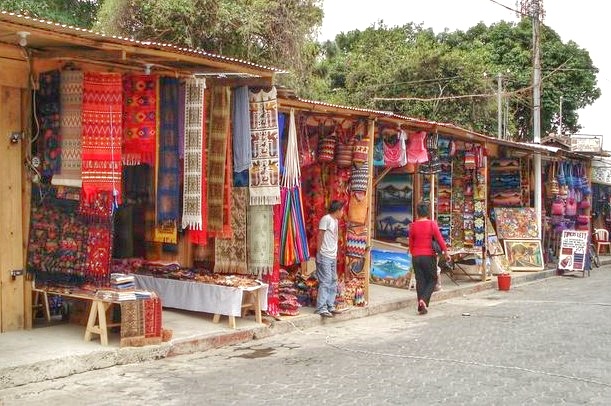
The Santa Catalina Arch, built in the 17th century, is one of the distinguishable landmarks in Antigua Guatemala. It originally connected the Santa Catalina convent to a school, allowing the cloistered nuns to pass from one building to the other without going out on the street. A clock on top was added in the era of the Central American Federation, in the 1830s.Antigua Guatemala Cathedral, a Roman Catholic church. The original church was built around 1541, but suffered several earthquakes throughout its history, and was demolished in 1669; it was rebuilt and consecrated in 1680. However, the devastating 1773 Guatemala earthquake seriously damaged much of the building, the cathedral has been partly rebuilt since.Iglesia de La Merced, built on the site of a monastery established in 1548, but repeatedly damaged by earthquakes, the church was built as it appears today in 1767, as a squat structure designed to withstand earthquake.The Iglesia del Carmen was a lavish Catholic church, destroyed by the Santa Marta Earthquake in 1773 . Despite the almost total destruction of the temple, its facade remained in good condition. No longer active, the church can only be viewed from the outside.A Handicraft market outside the ruins of Iglesia del Carmen.Convento Capuchinas, a notable convent and church, one of the finest examples of an 18th-century convent in Guatemala. It was consecrated in 1736 but like the rest of the city suffered damage during the 1751 and 1773 earthquakes, and was abandoned by order of the Captain General at the time.Façade of ruined Baroque BuildingPalacio de los Capitanes, The Captain General Palace, a large building located in the Central Square of Antigua. Destroyed after the Santa Marta earthquake in 1773, towards the end of the 19th century the old Palace façade was rebuilt, using the stone columns that had been for almost a hundred year in makeshift warehouses in front of the Palace. Now it serves as the headquarters of the Guatemala Institute of Tourism and other government officesAnother view of Palacio de los Capitanes, The Captain General Palace.Horse carriage is a common sight in old town of Antigua.A Café in Colorful Spanish Era house in the old town.Colorful Spanish era House was converted to a Chocolate Museum.Spanish Era Hacienda converted to a commercial building. Fuente de las Sirenas, the Fountain of the Mermaids, constructed in 1737, located in the Parque Central.Handicraft market, most items are handcrafted in Guatemala.Newly opened Pharmacy Store in the town.Chicken buses (camioneta), reused U.S. school buses, are very crowded but popular way to travel within the country.At the Santa Catalina ArchTacos with Gallo, Guatemala’s oldest continually produced beer, dating back to 1896, is also the most popular beer in the country.
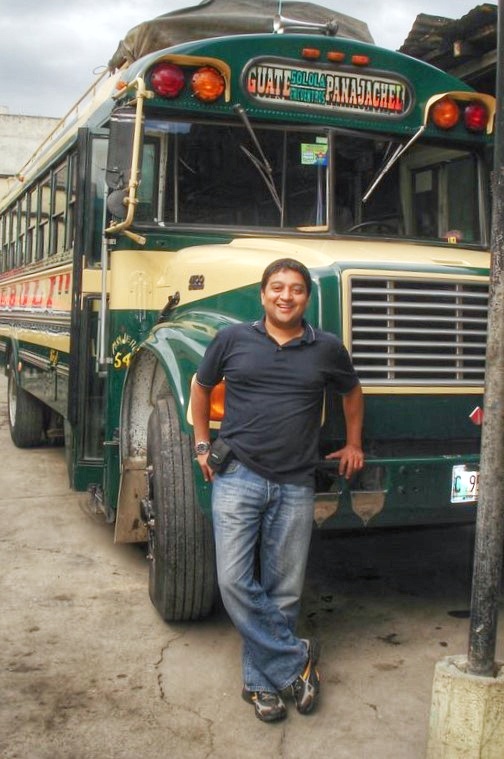
During our stay in Guatemala we made a weekend trip by local Chicken bus (camionetas) from Guatemala City (Guate) to Panajachel (Pana), a town in the Guatemalan Highlands, on the north shore of Lake Atitlán.
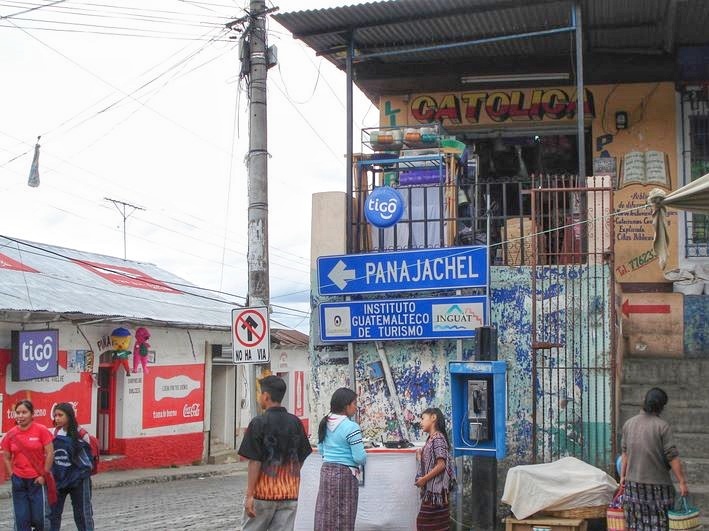
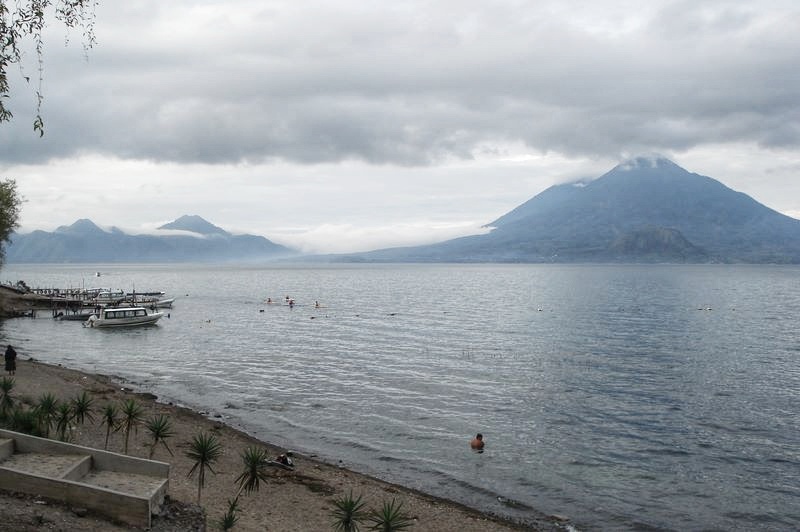
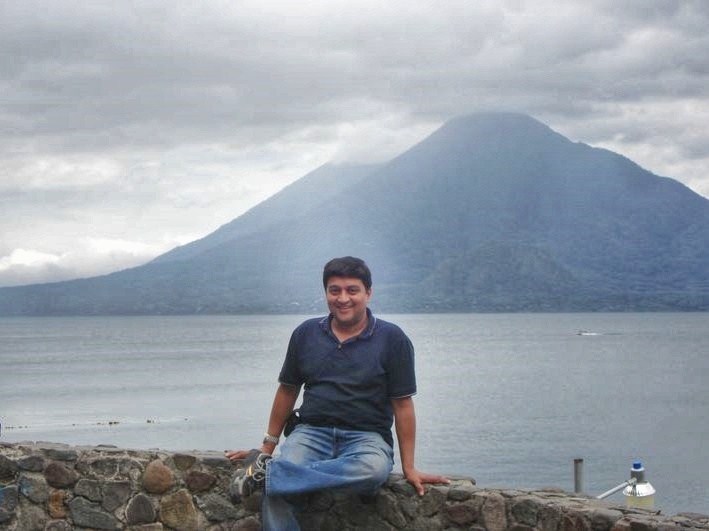
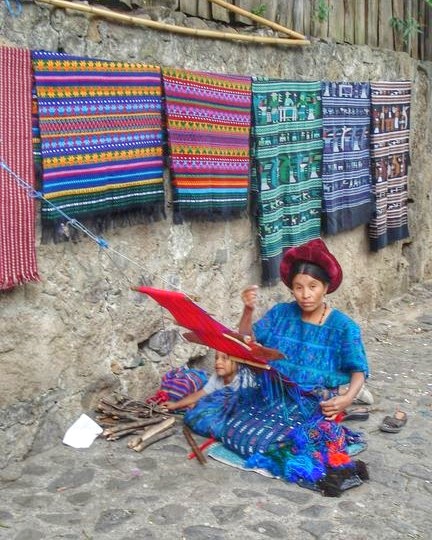
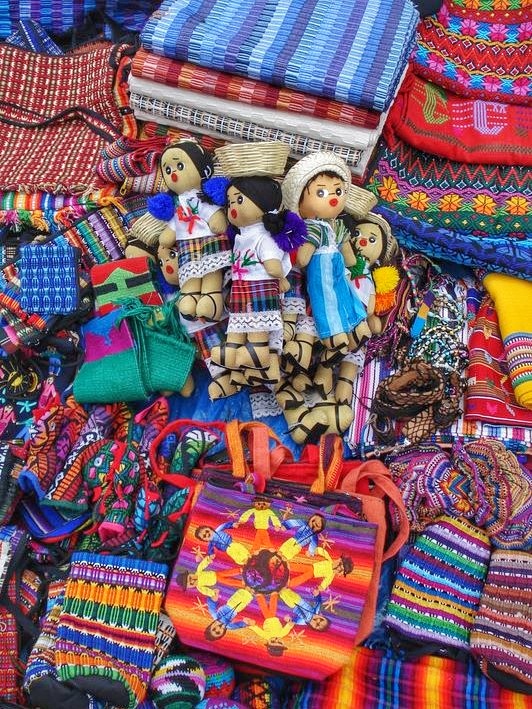
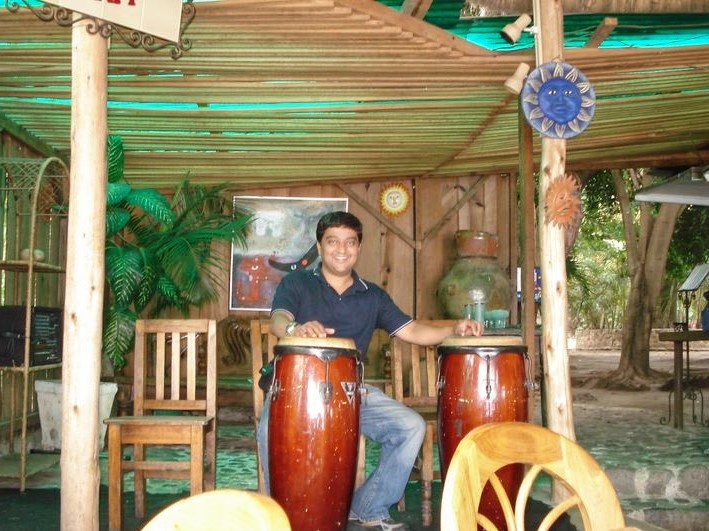
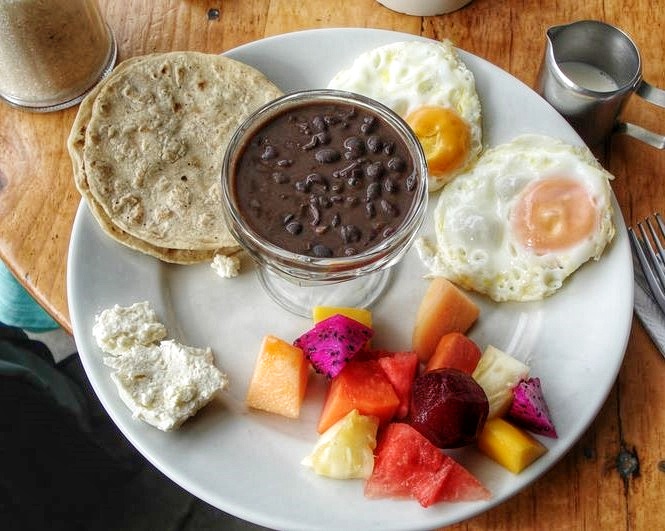
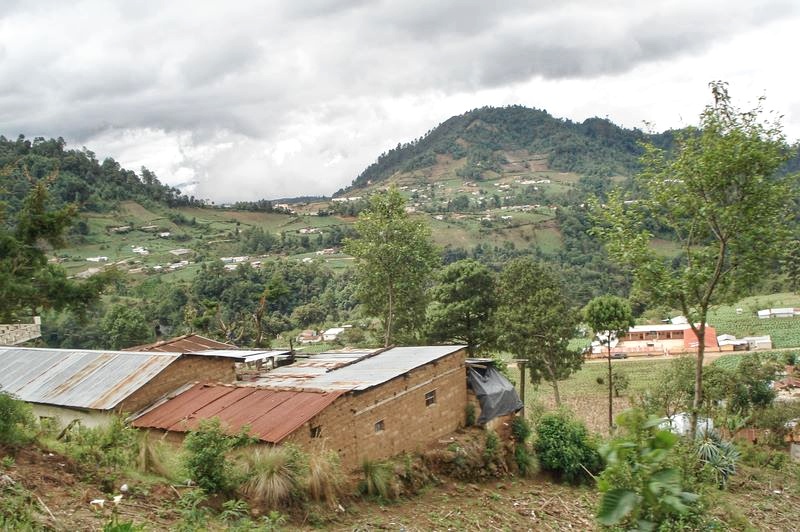
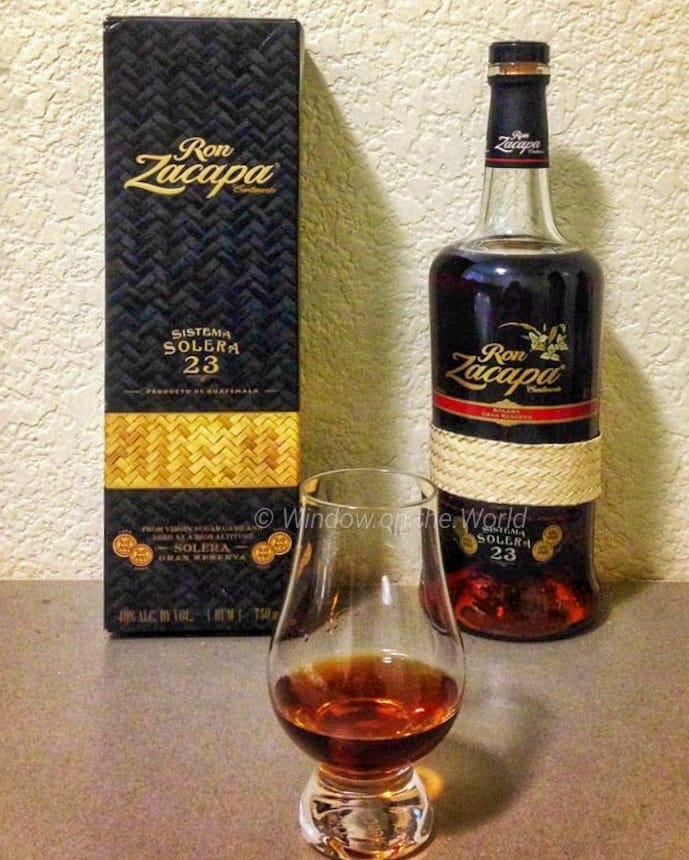
A bus to Panajachel.Bus passing through a small village.Lake Atitlán, surrounding the lake are the San Pedro, Tolimán and Atitlán volcanoes.At the Lake Atitlán.Handicraft market in PanajachelA Mayan woman weaving shawl on Calle Santander, the main street of Panajachel.Handmade Mayan cloths and dolls.Trying out Drums at one of the Night Club in Panajachel.Mayan Breakfast in Panajachel.Countryside of Guatemala.Ron Zacapa 23, a premium Rum produced in Guatemala. It is the smoothest rum I ever had. It is priced similar to JW Black Label.
After a week in Guatemala, it was time to go back to home in Dallas. Guatemala has lot to offer, though because of limited time, I couldn’t explore more. I would definitely like to come back and explore more.
In May 2017, 23 days before I was going to complete 50 years, grabbed an opportunity and took an early retirement.. Picked up a backpack and traveling ever since.. Love to travel around the world, experience different culture, local cuisine & drinks .. and take pictures.. so far been to 108 countries and still counting...


 Window on the World