
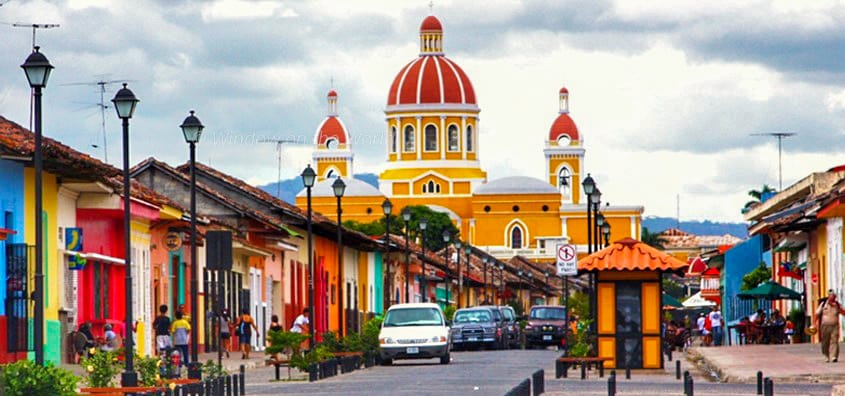
Destination 》 North America 》 Central America
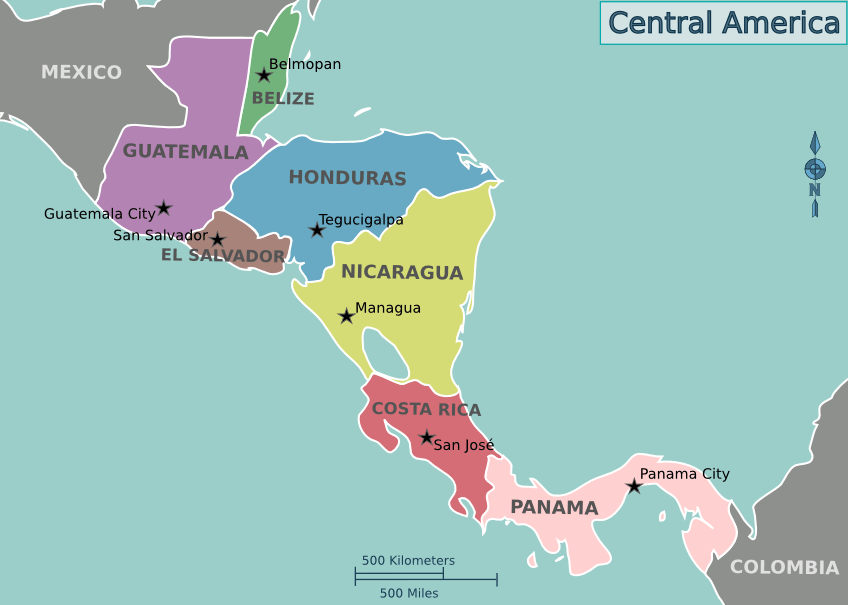
Central America (Spanish: América Central) is the thin section of land that links the North American continent with the South American continent. Geographically part of North America, it is made up of seven small, mostly tropical countries that have much more in common with South America and Mexico than the more affluent north. Central America consists of seven countries: Belize, Costa Rica, El Salvador, Guatemala, Honduras, Nicaragua and Panama.
Until the 1990s, the region was subject to brutal repression, civil wars, and proxy wars between opposite parties supported either by the US or the Soviet Union. This dark political and social situation changed with the end of the Cold War and after the signing of peace agreements at the beginning of the 1990s. I found, the people of Central America are kind and warm, and welcoming to foreigners. There is a diversity of culture from one end of Central America to the other, and indigenous culture plays an important role in the region.
Click on any country to view my travel photos and stories.
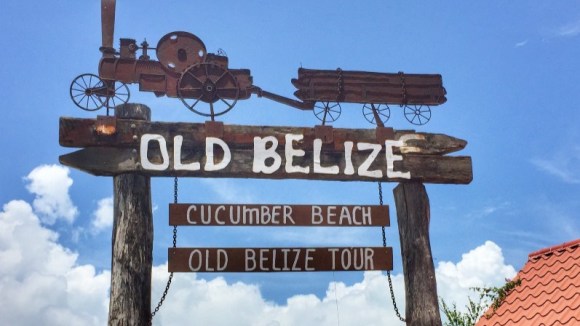
Belize, a country located on the northeastern coast of Central America, is bordered on the northwest by Mexico, on the east by the Caribbean Sea, and on the south and west by Guatemala. Known as British Honduras until 1973, gaining its independence in 1981, Belize was the United Kingdom‘s last colony on the American mainland and still maintains strong ties with Britain. Belize is the only country in the Central America with English as its official language.
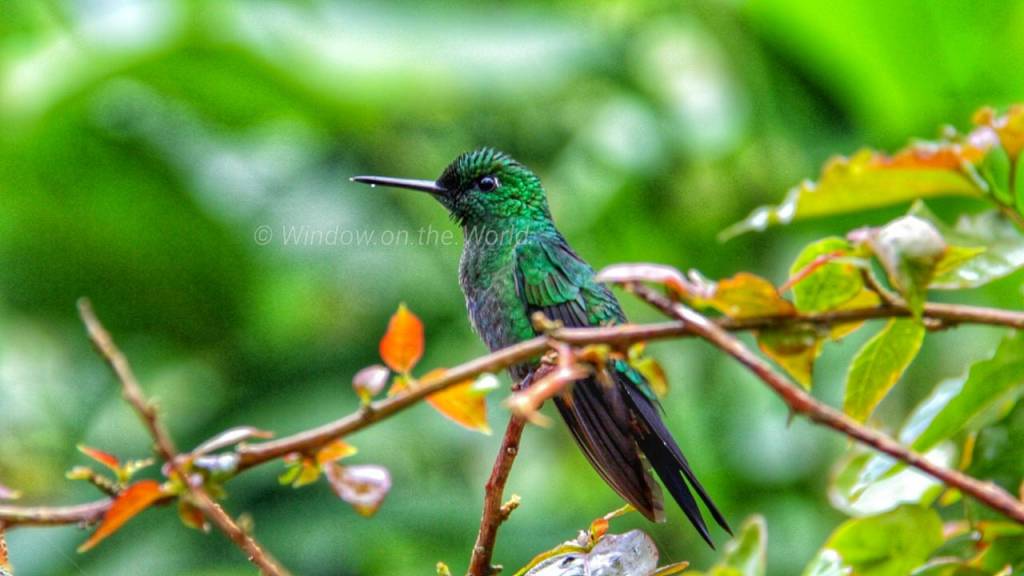
Costa Rica, set between the Pacific Ocean and the Caribbean Sea, and bordered by Panama and Nicaragua, is a rugged and rain-forested country in Central America. Settled as a colony of Spain in the early 16th century, Costa Rica gained its independence in 1821. Costa Rica is known for its long-standing and stable democracy; it historically managed to stay away from the political turmoil and violence from which neighboring nations still suffer. Costa Rica constitutionally abolished its army permanently since 1949.
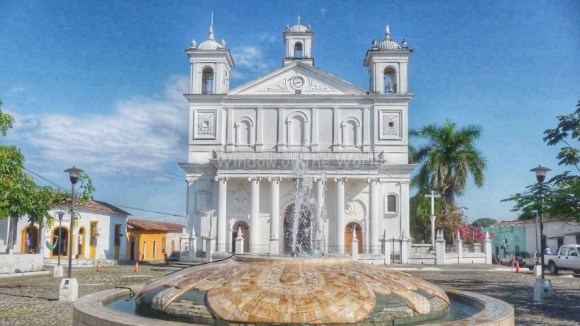
El Salvador is the smallest, though the most densely populated country in Central America. This mountainous country is bordered by the Pacific Ocean, Guatemala, and Honduras. Known as the Land of Volcanoes, El Salvador has frequent earthquakes and volcanic activity. It is the only country in Central America that does not have a coastline on the Caribbean Sea. The country is infamous for gang-related crimes.
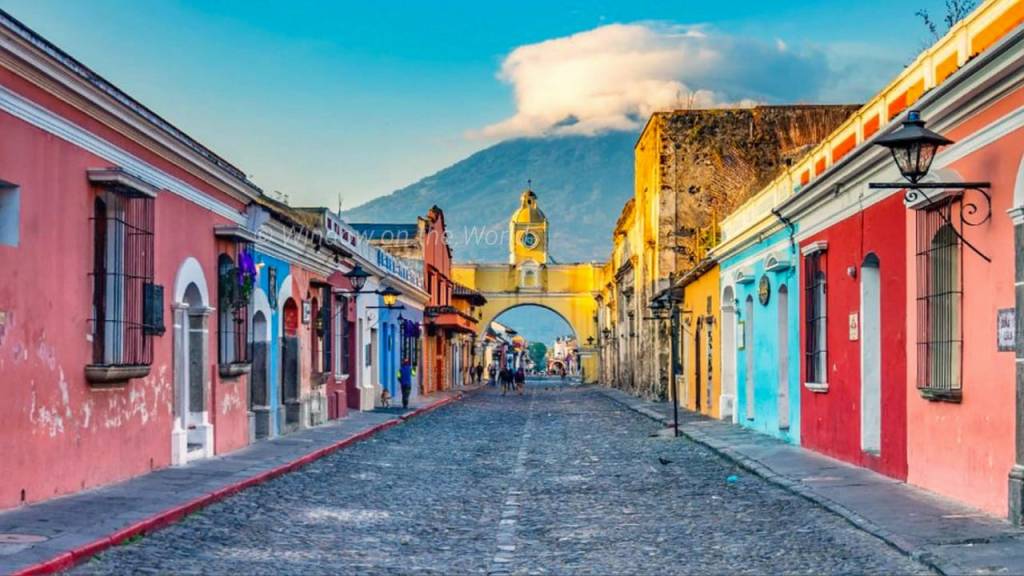
Guatemala, is a country in Central America. With an estimated population of around 17.2 million, is the most populous country in Central America. Guatemala has a rich and distinctive culture from the long mix of elements from Spain and the native Maya people. This diverse history and the natural beauty of the land have created a destination rich in interesting and scenic sites.
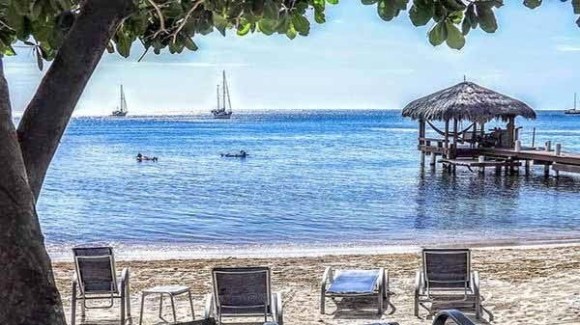
Honduras, set between the Pacific Ocean and the Caribbean Sea, and bordered by Guatemala, El Salvador, and Nicaragua, is the second biggest and second most populous country in Central America. Settled as a colony of Spain in the early 16th century, Honduras gained its independence in 1821.
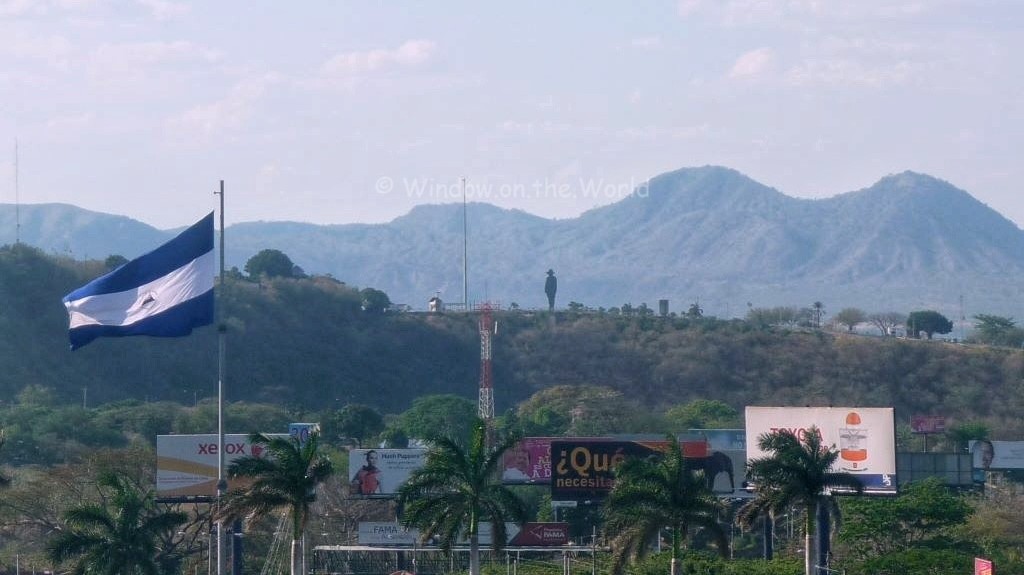
Nicaragua, set between the Pacific Ocean and the Caribbean Sea, and bordered by Honduras and Costa Rica, is the largest but least densely populated country in Central America. Settled as a colony of Spain in the early 16th century, Nicaragua gained its independence in 1821. The country is known for its dramatic terrain of lakes, volcanoes and beaches.
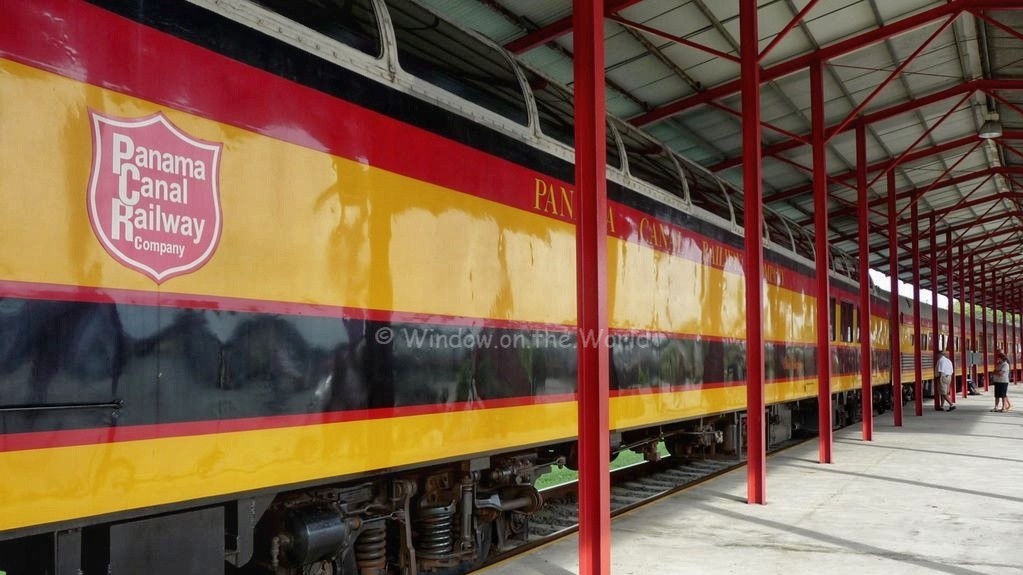
Panama is a country in Central America with coastlines on both the Caribbean Sea and the Pacific Ocean, border by Colombia (South America) and Costa Rica (North America). Settled as a colony of Spain in the early 16th century, Panama gained its independence in 1821. It’s strategically located on the isthmus that forms the land bridge connecting North and South America and controls the Panama Canal that links the Atlantic Ocean with the Pacific Ocean.

 Window on the World