After end of our Backpacking through the Balkans Journey, my younger son Raul and I continued our journey and took a flight to Malta, a small island nation in center of the Mediterranean Sea, part of Southern Europe. While in Malta we made a day trip to Mdina, Medieval walled city and the capital of Malta till mid sixteenth century.
Mdina, also called the Silent City, is surrounded by tall bastion fortifications and sits on top of one of the highest hills of Malta. Built in Medieval times, much of its original architecture has been preserved and its narrow alleys tell tales of centuries of history and the various rulers that governed Malta.
The city was founded as Maleth in around the 8th century BC by Phoenician settlers, and was later renamed Melite by the Romans. Ancient Melite was larger than present-day Mdina, and it was reduced to its present size during the Byzantine or Arab occupation of Malta. During the latter period, the city adopted its present name, which derives from the Arabic word medina. Mdina served as Malta’s capital city until the Knights of Malta arrived in 1530.
Mdina remained the center of the Maltese nobility and religious authorities but it never regained its pre-1530 importance, giving rise to the popular nickname the “Silent City” by both locals and visitors. Mdina is on the tentative list of UNESCO World Heritage Sites.
Pictures below are from our day trip to this beautiful walled city.
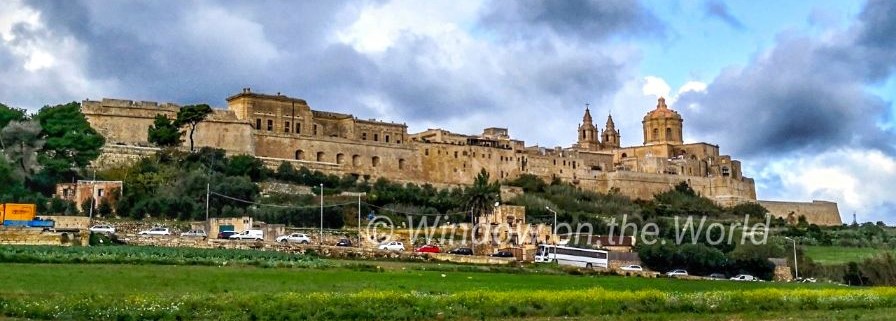
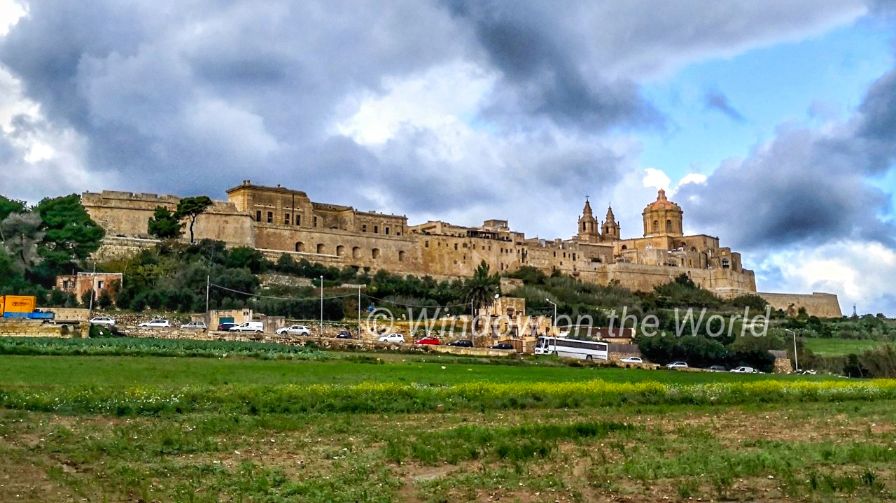
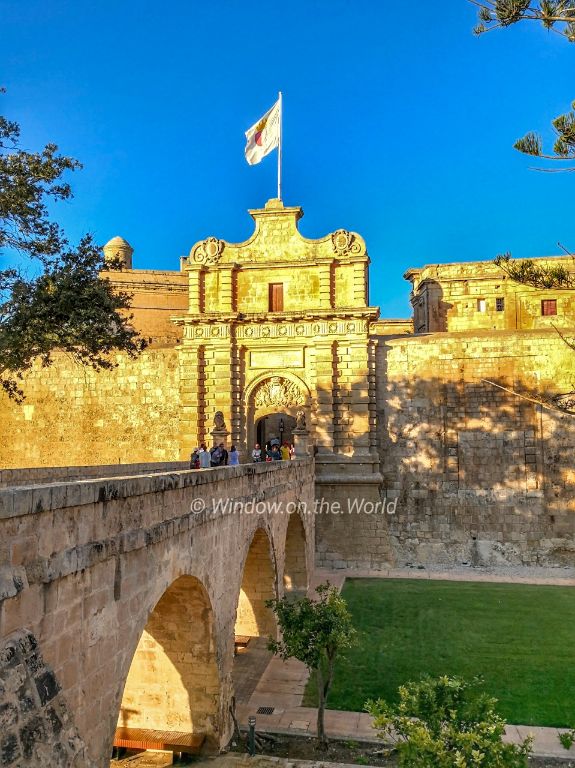
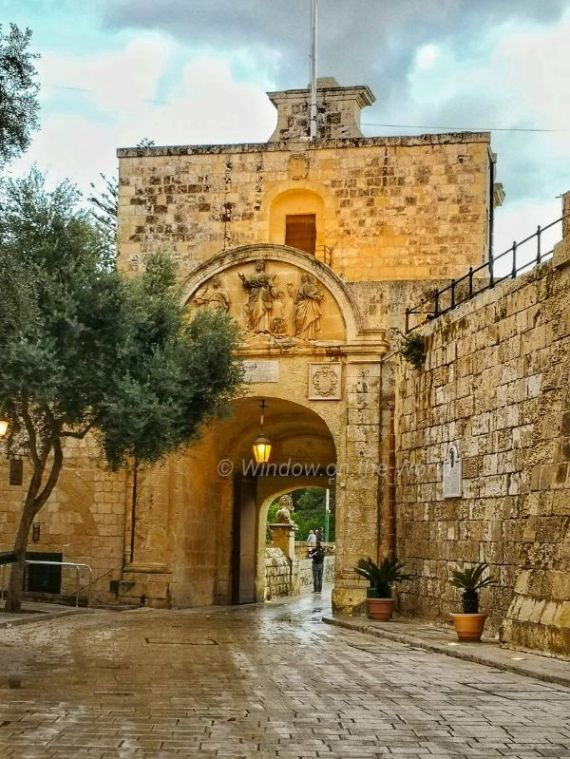
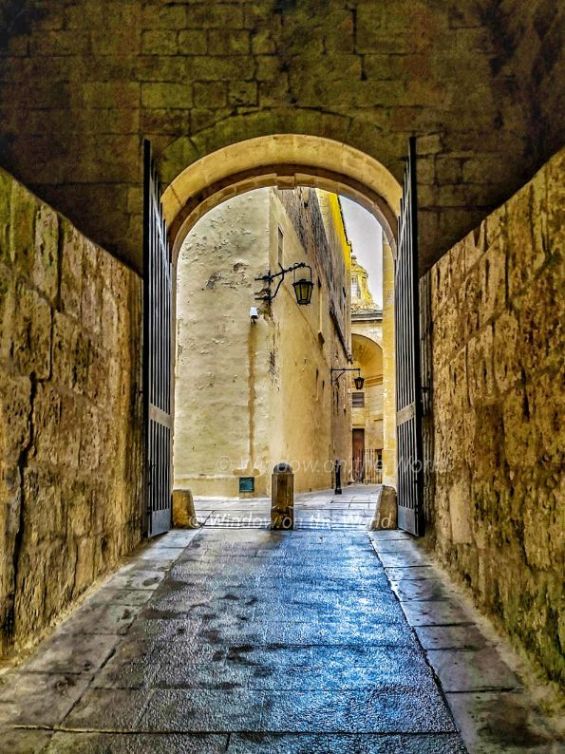
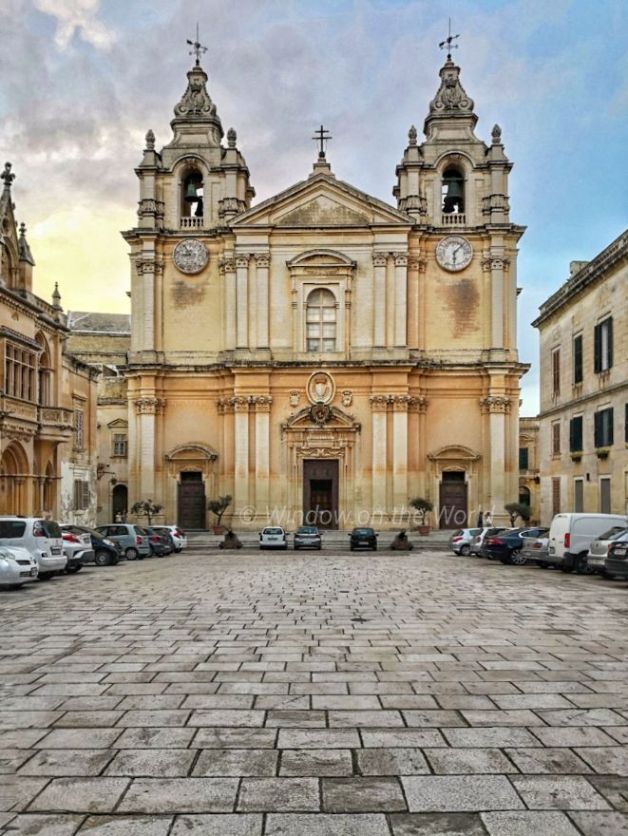
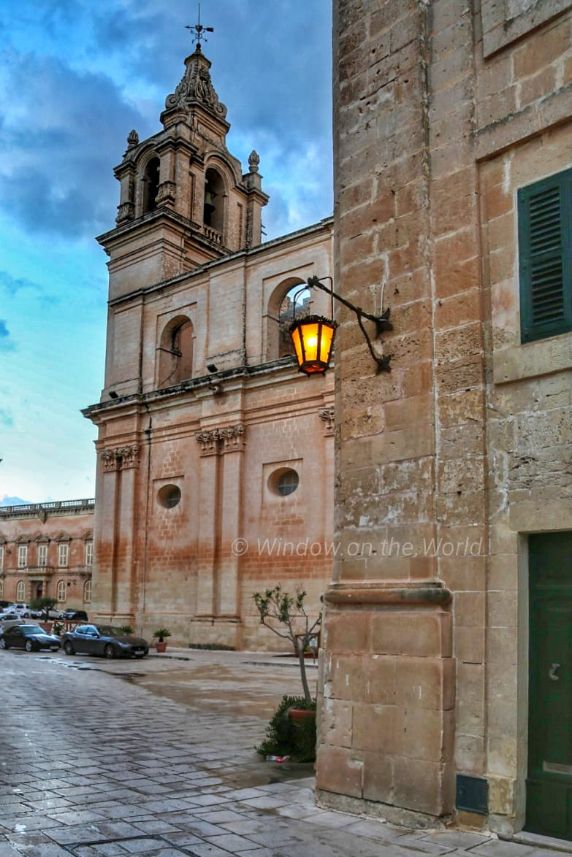
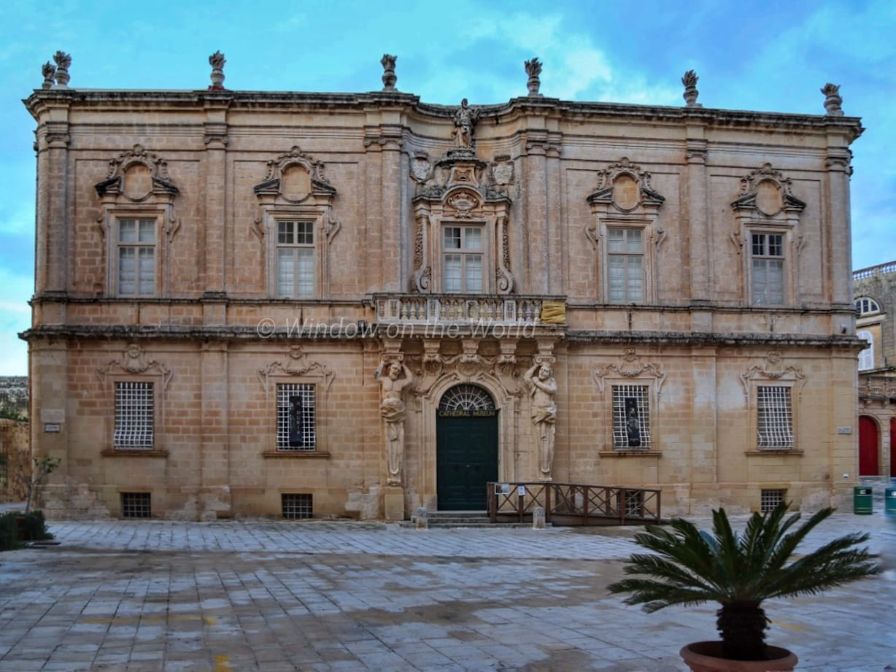
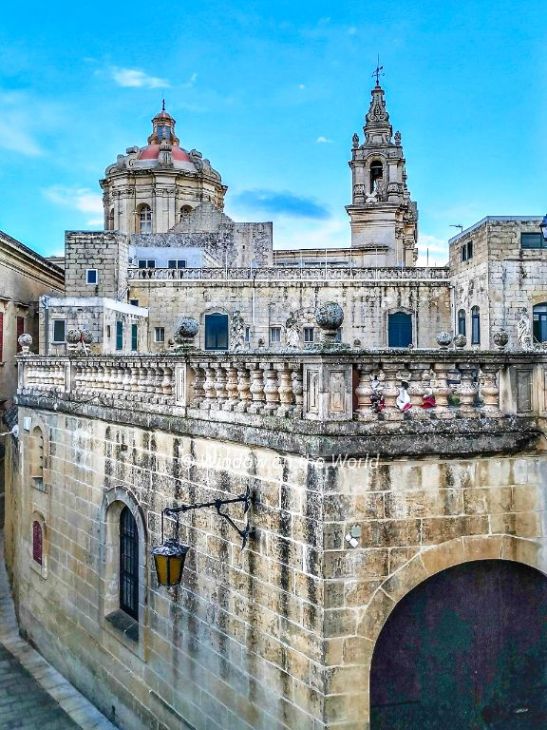
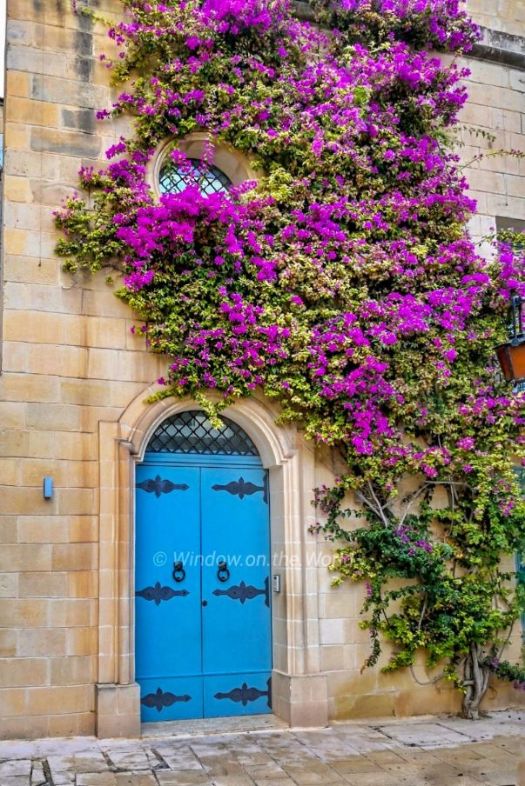
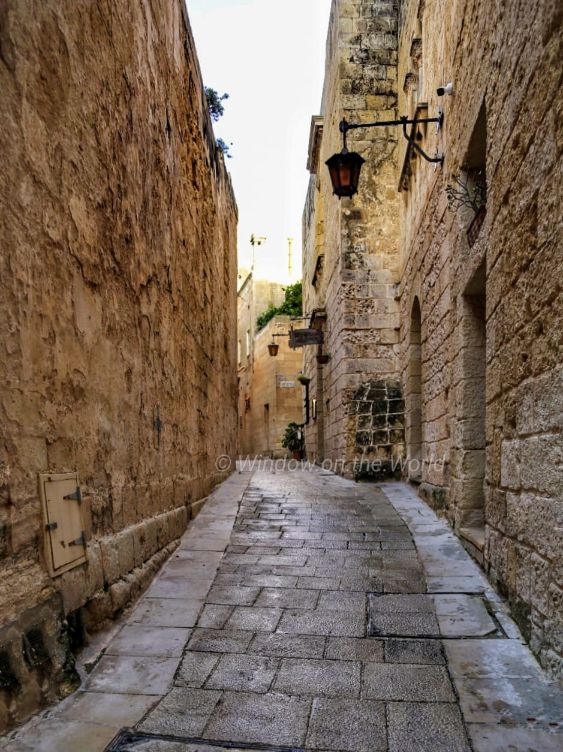
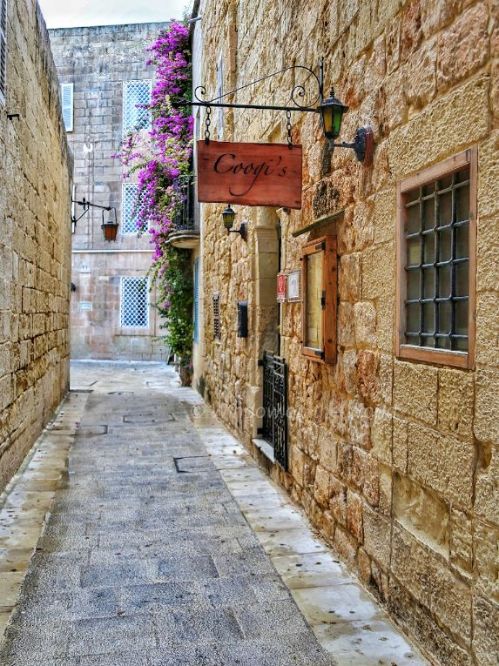
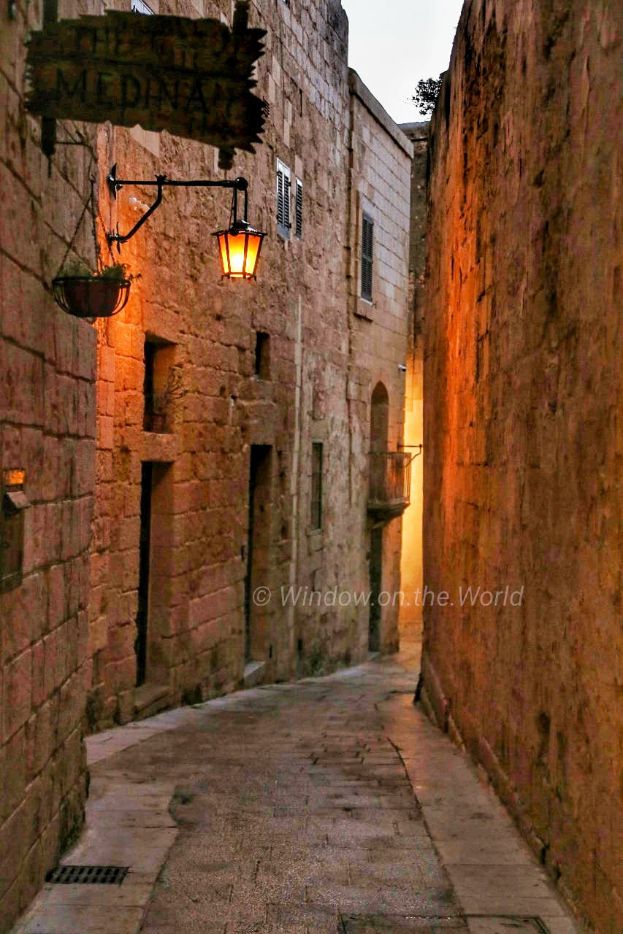
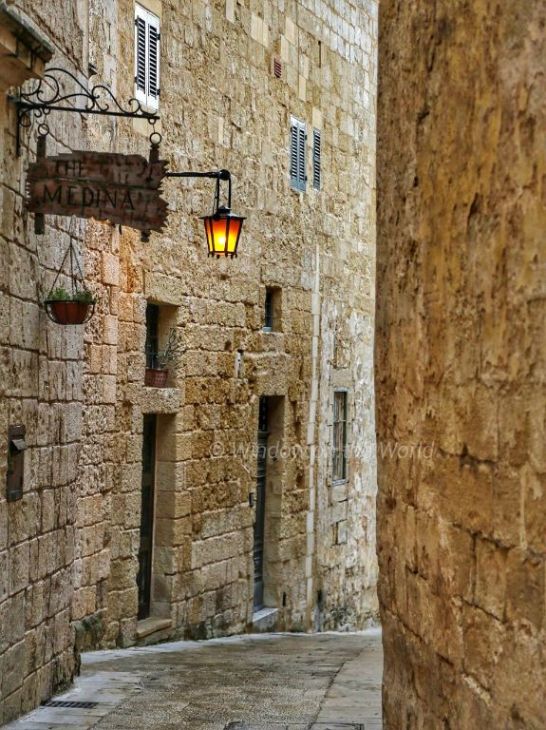
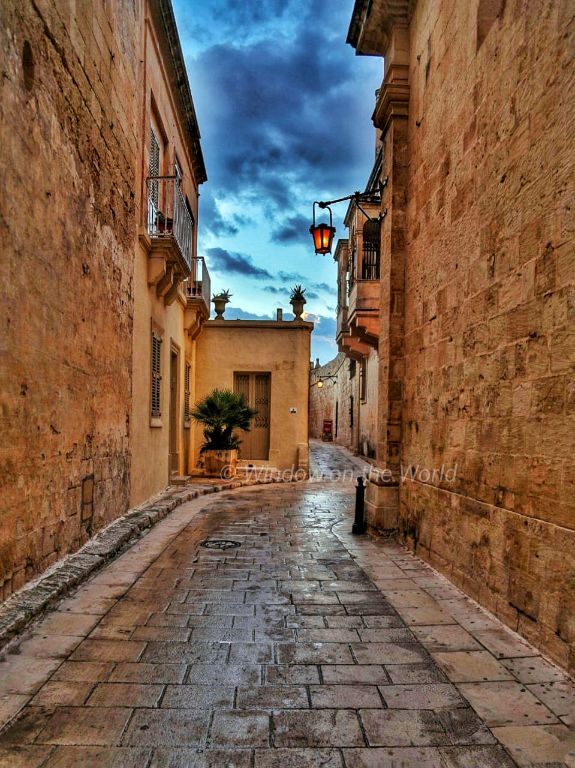
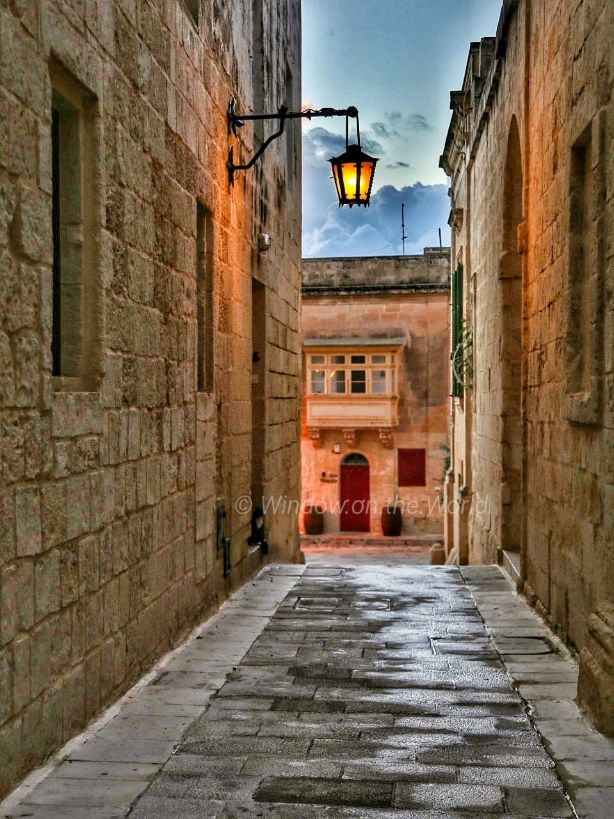
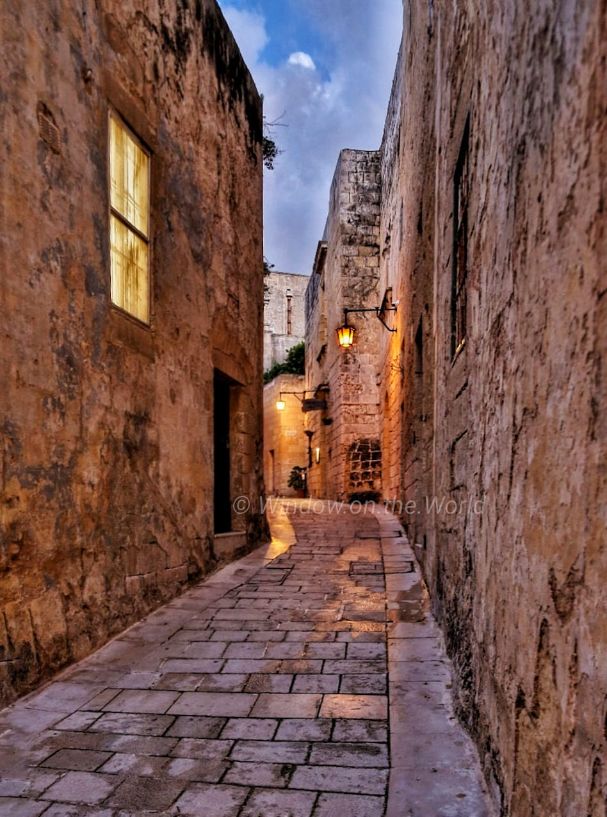
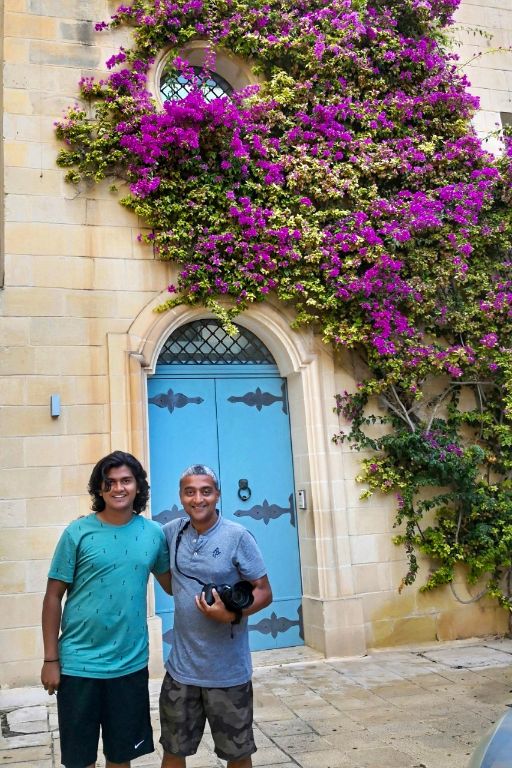
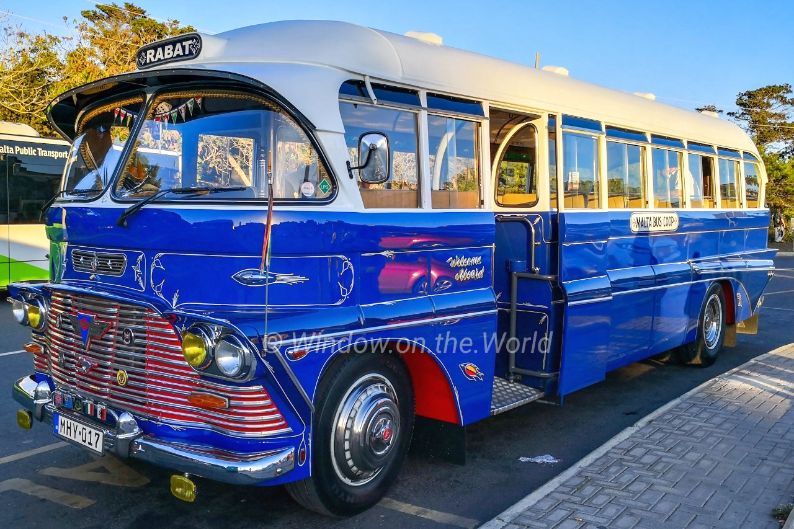
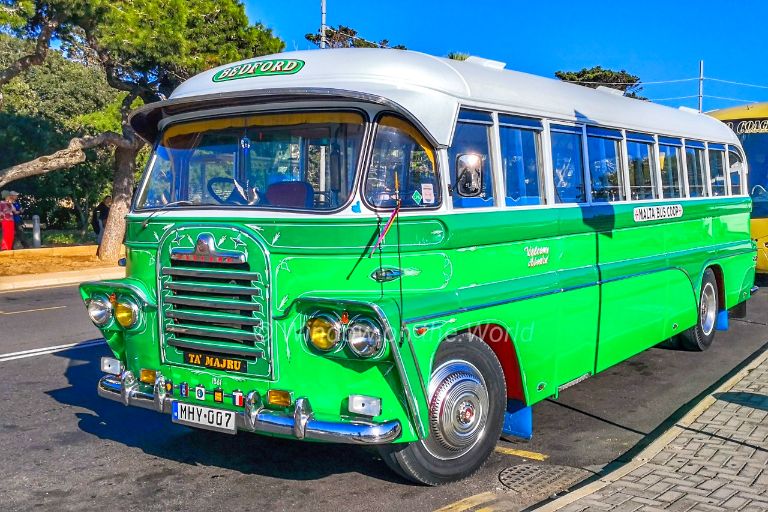
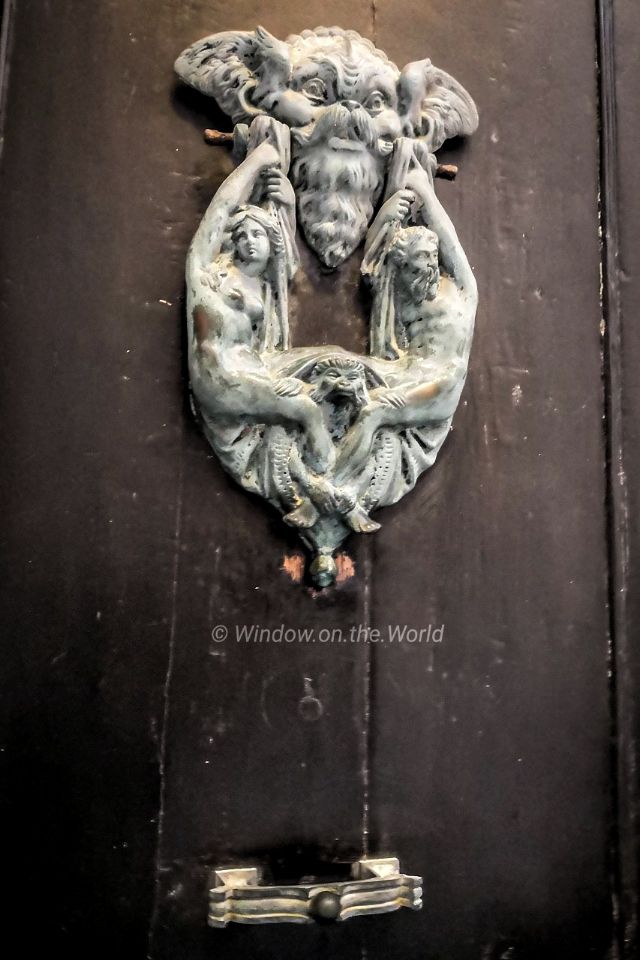
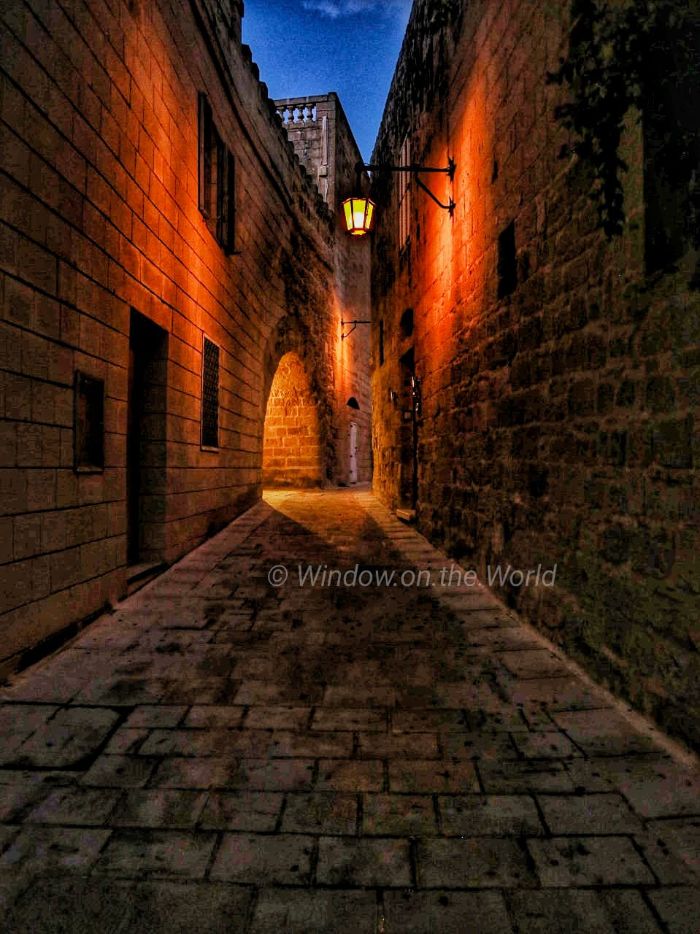
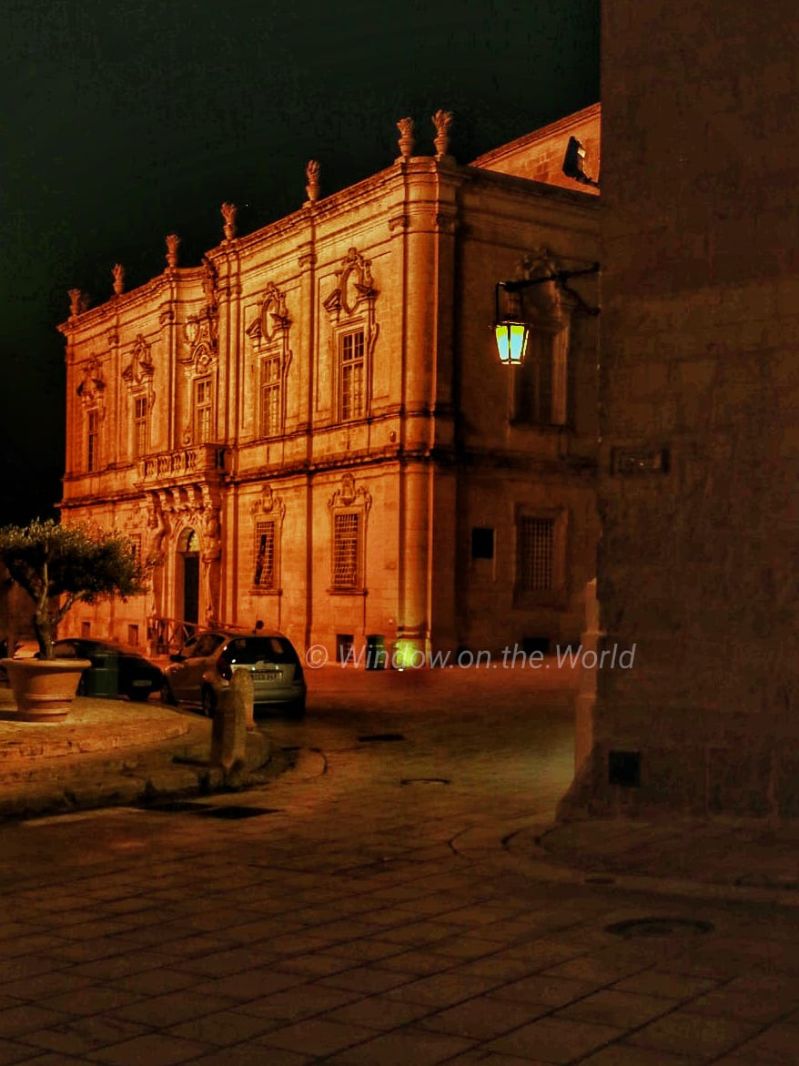
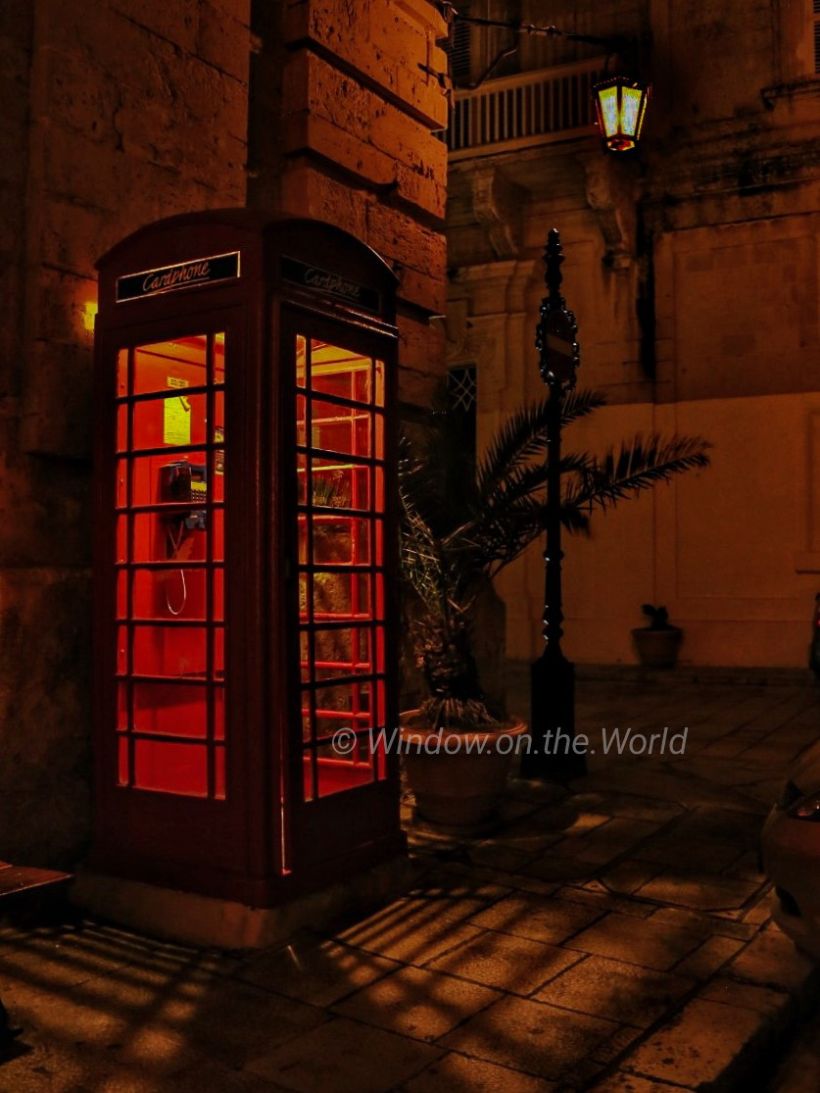
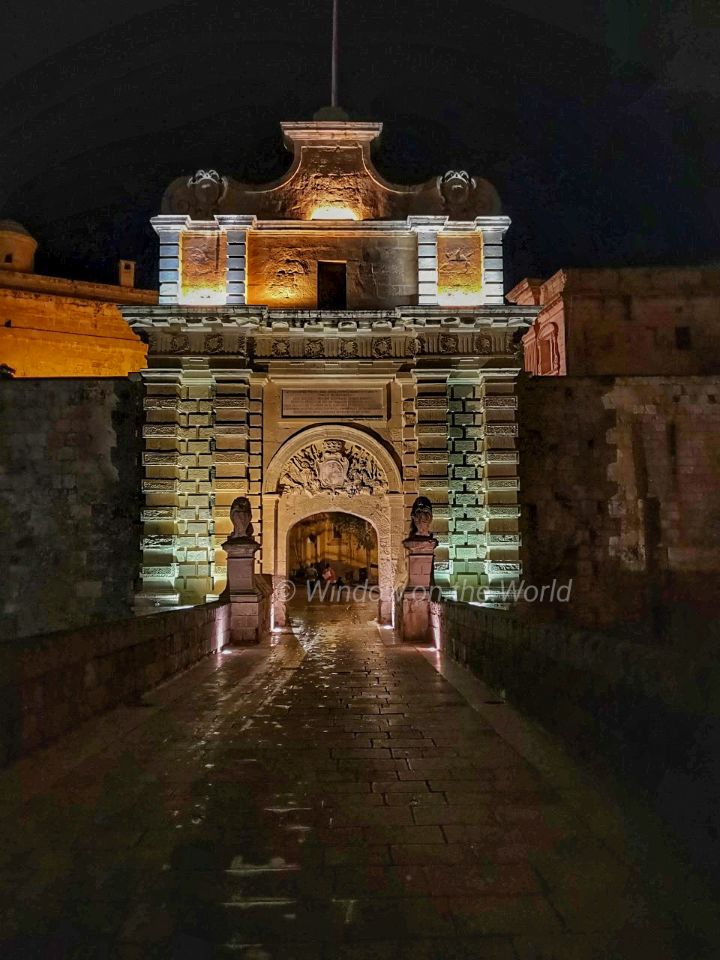
The Fortified city of Mdina, the capital of Malta till mid sixteenth century.Mdina Gate, also known as the Vilhena Gate, built in 1724, is the main gate into the fortified city of Mdina. The portal is decorated with the coats of arms of Grand Master António Manoel de Vilhena and the city of Mdina.Mdina Gate looking from inside out. The rear of the gate is decorated with reliefs of St. Publius, St. Agatha and St. Paul, who are the patron saints of Malta.One of the pedestrian-only gate.The Metropolitan Cathedral of Saint Paul, commonly known as St Paul’s Cathedral or the Mdina Cathedral, The cathedral was founded in the 12th century, and according to tradition it stands on the site of where Roman governor Publius met St. Paul following his shipwreck on Malta in 60 AD. The original cathedral was severely damaged in the 1693 Sicily earthquake, so it was dismantled and rebuilt in the Baroque style between 1696 and 1705.St Paul’s Cathedral and Archbishop’s Square from one of the back street.The Mdina Metropolitan Cathedral Museum is housed in a magnificent baroque building on the right hand side of the cathedral, in Archbishop’s Square.A view of St Paul’s Cathedral from roof-top of Fontanella Tea Garden in Mdina.Colorful door in MdinaAlleys of Mdina are narrow and winding, and walking along them feels like trying to find your way out of a maze.Narrow alleys of MdinaNarrow alleys of MdinaNarrow alleys of MdinaWe loved wandering around labyrinth of narrow alleyways of ancient fortified city of Mdina.Narrow alleys of MdinaNarrow alleys of MdinaVintage bus in Rabat, the residential village next to Mdina. Vintage bus in Rabat, the residential village next to Mdina.Very artistic Door Knocker in Mdina.Alleys of Mdina after dark.The Mdina Metropolitan Cathedral Museum after dark.British influence, a telephone booth.Mdina Gate (the Vilhena Gate) after dark.
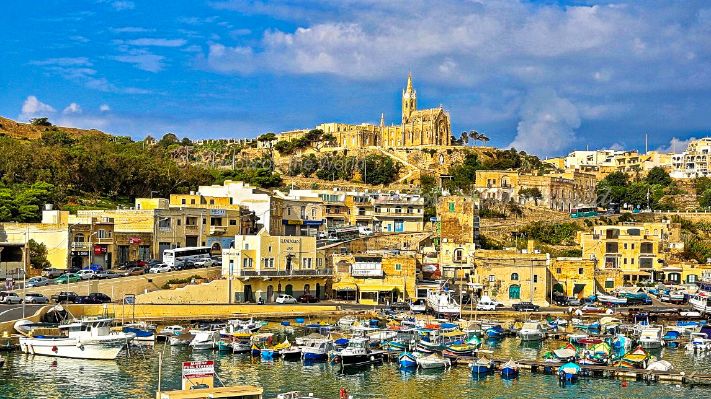
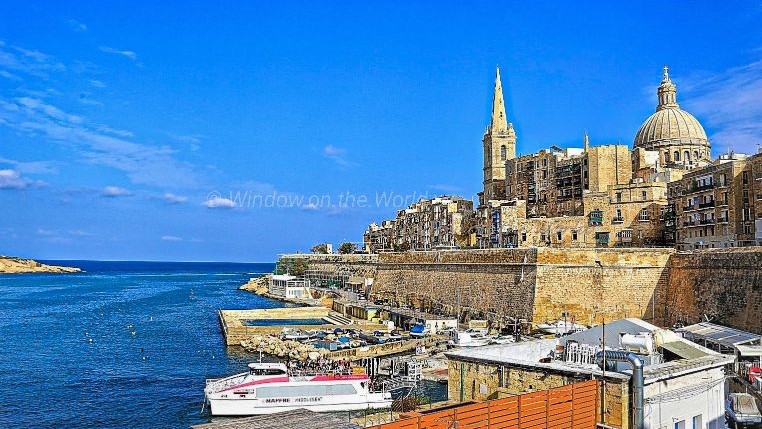
Feel free to check out other places we visited in Malta during our five days stay on the island: Comino, GoZo and Valletta.
In May 2017, 23 days before I was going to complete 50 years, grabbed an opportunity and took an early retirement.. Picked up a backpack and traveling ever since.. Love to travel around the world, experience different culture, local cuisine & drinks .. and take pictures.. so far been to 108 countries and still counting...

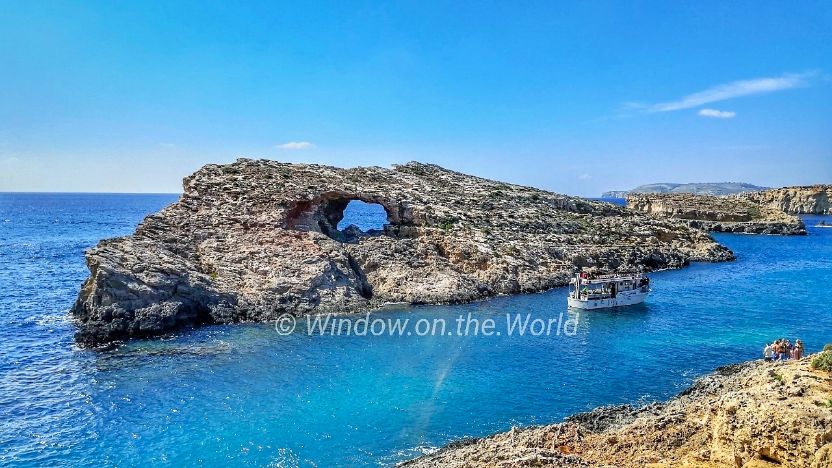 , GoZo
  and Valletta
  .
.
 Window on the World