After a full-day hike through the Plitvice LakesNational Park, we continued our backpacking through the Balkans journey by taking a bus next morning from Zagreb to arrive in Pula, a seafront city on the tip of Croatia’s Istrian Peninsula,
Pula, is known for its protected harbor, beach-lined coast and Roman ruins. Settled in the prehistoric era and valued for its strategic location, Pula has been occupied, destroyed and rebuilt numerous times. The Romans, Ostrogoths and Venetians, as well as the Allied Forces in World War II, have each administered the city. Austria took the town in 1797; after 1866 it became the main harbor and arsenal of the Austro-Hungarian navy. It passed to Italy in 1920 and after 1947 became part of Croatia (then part of Yugoslavia).
Pictures below are from our couple of days stay in this quite seaside city.
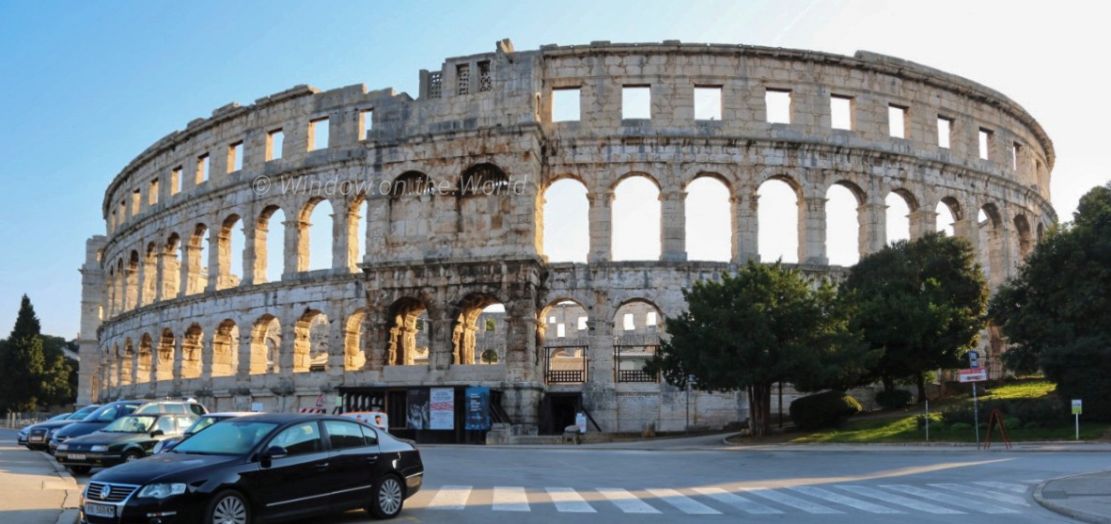
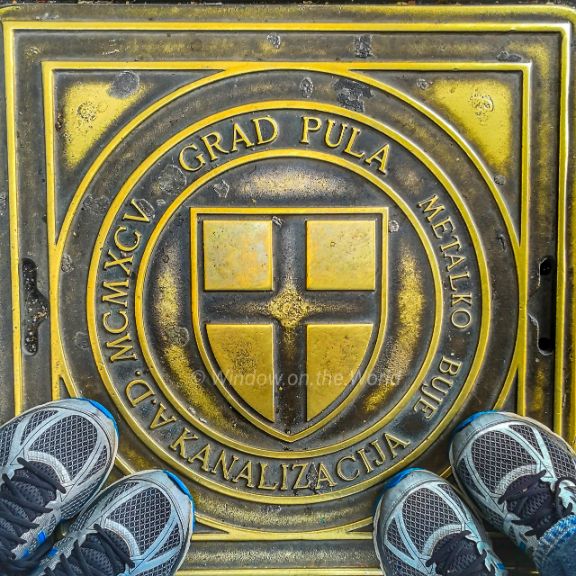
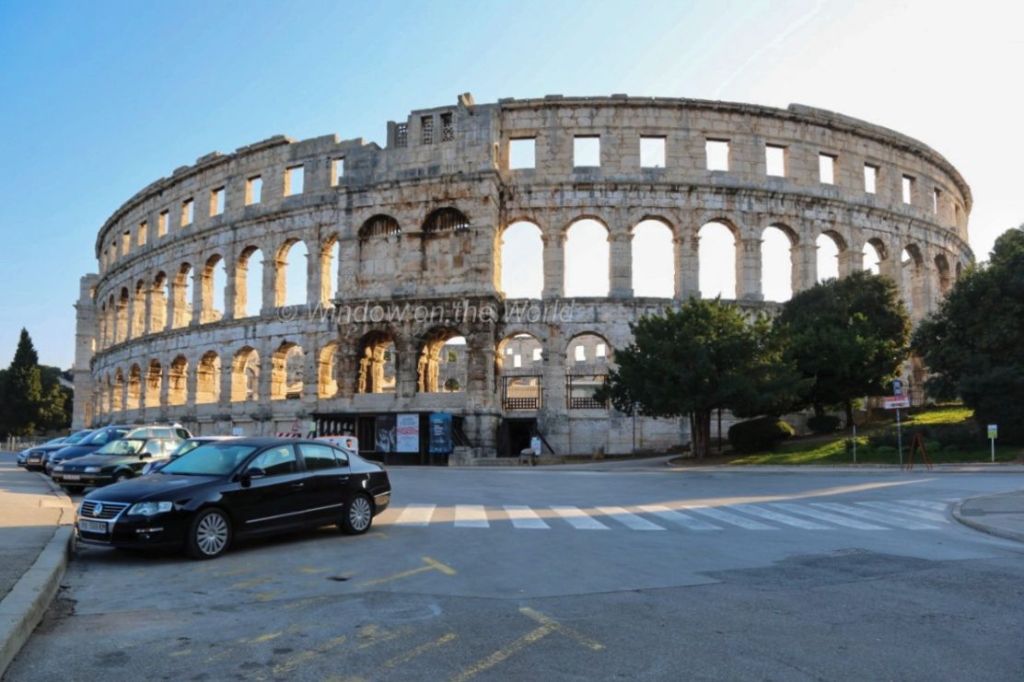
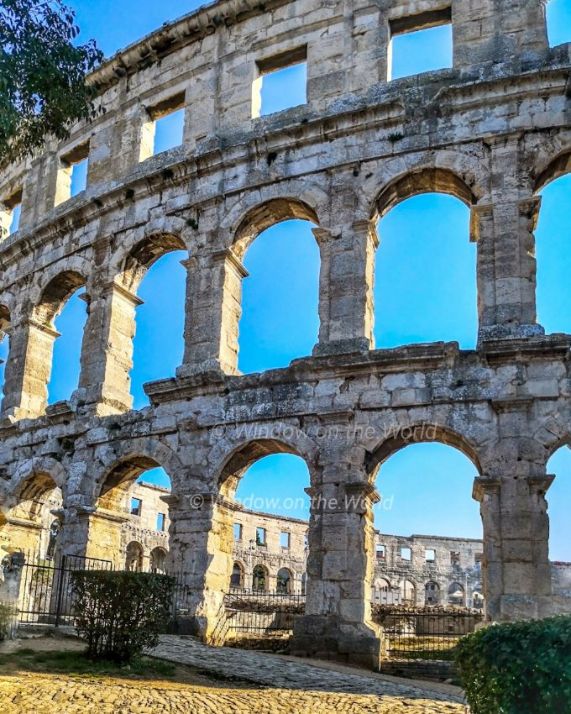
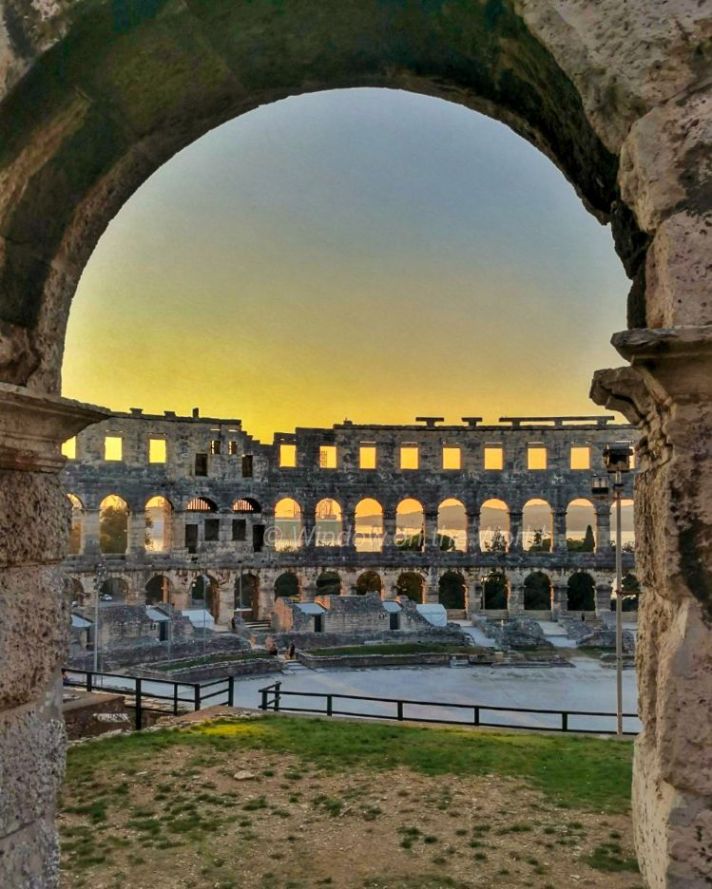
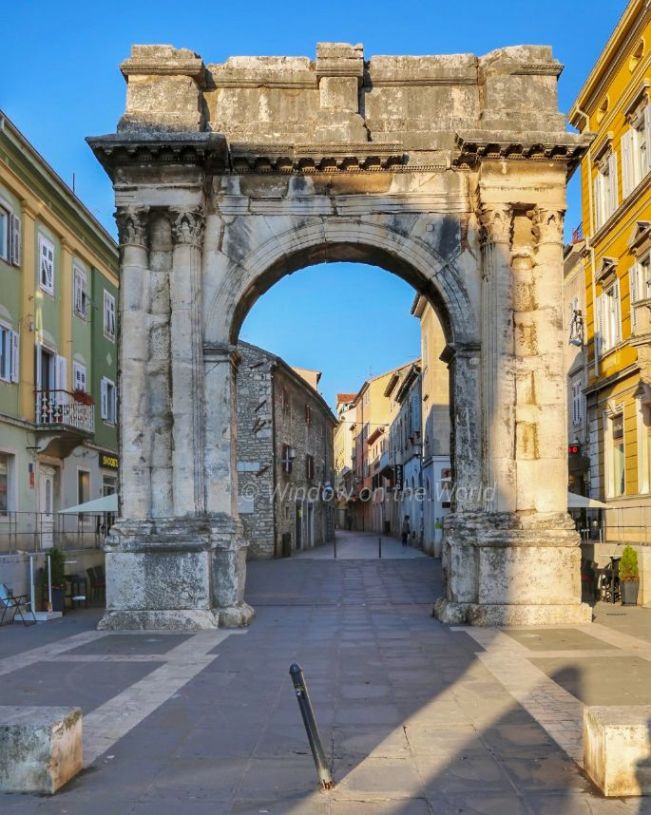
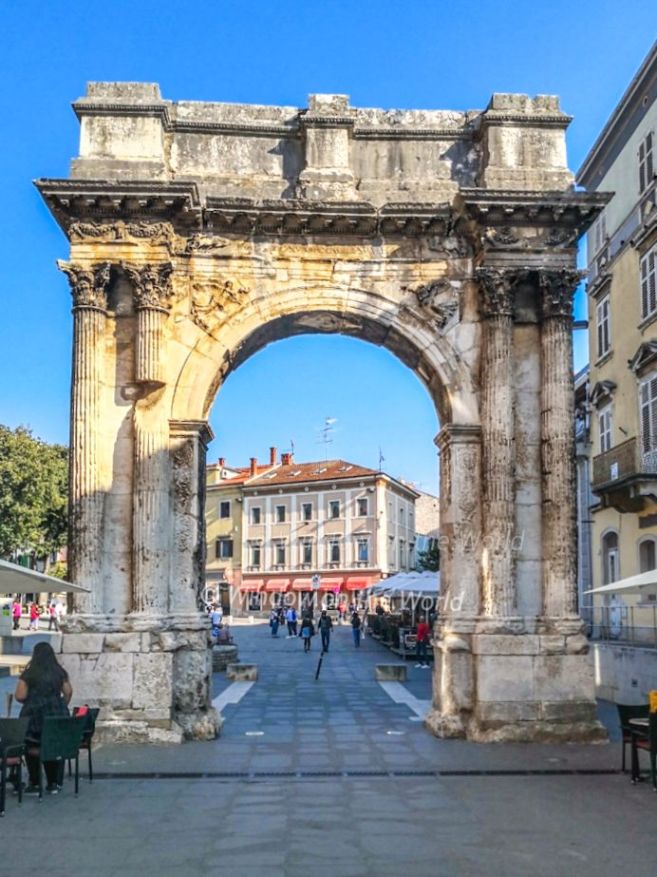
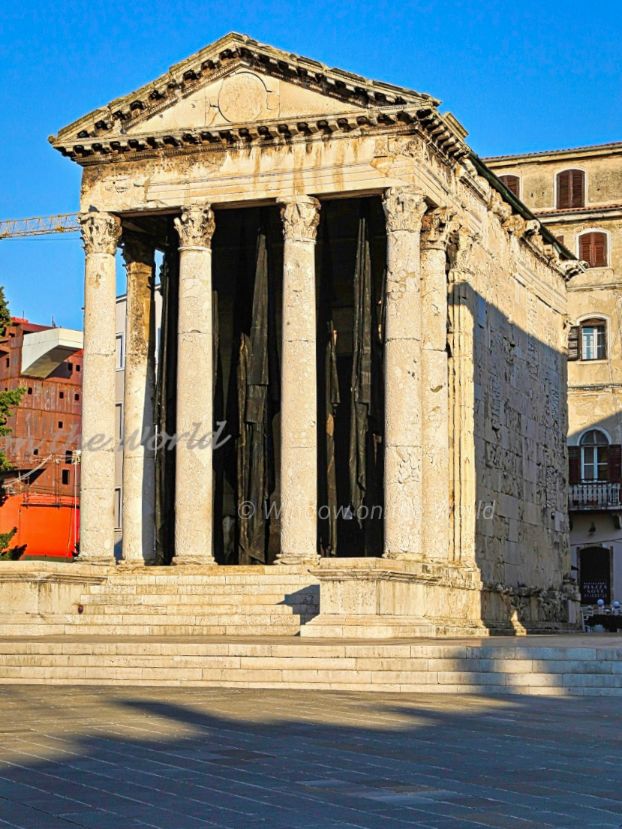
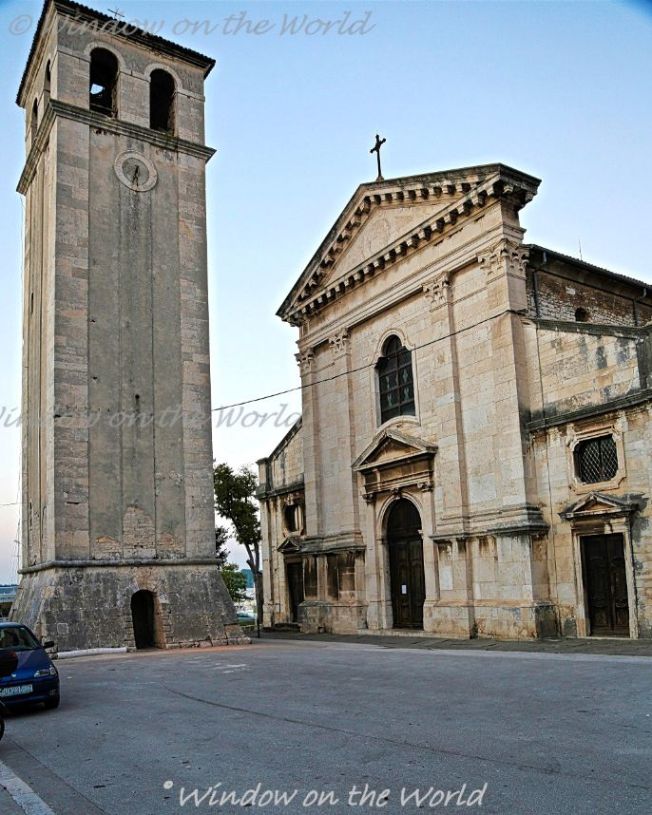
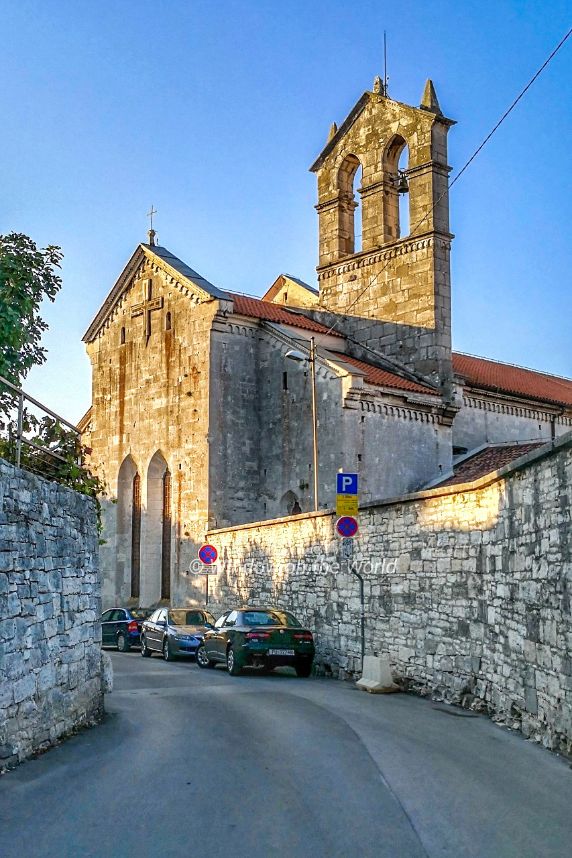
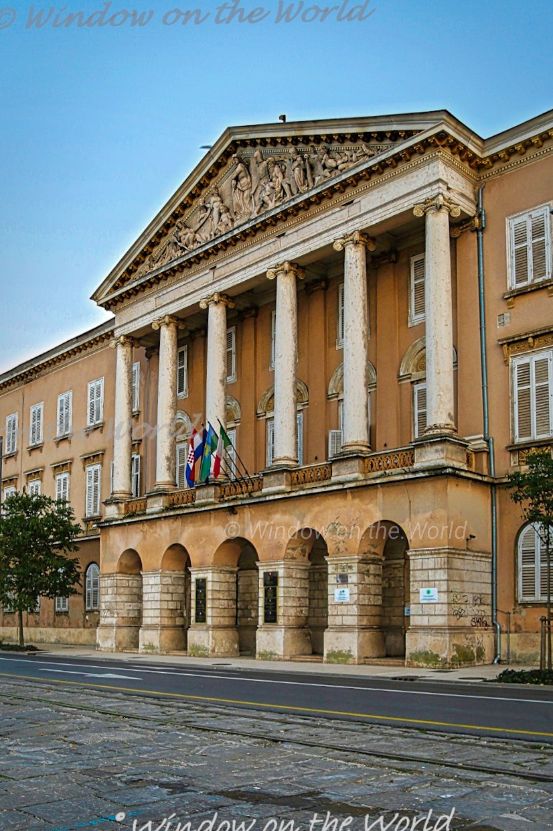
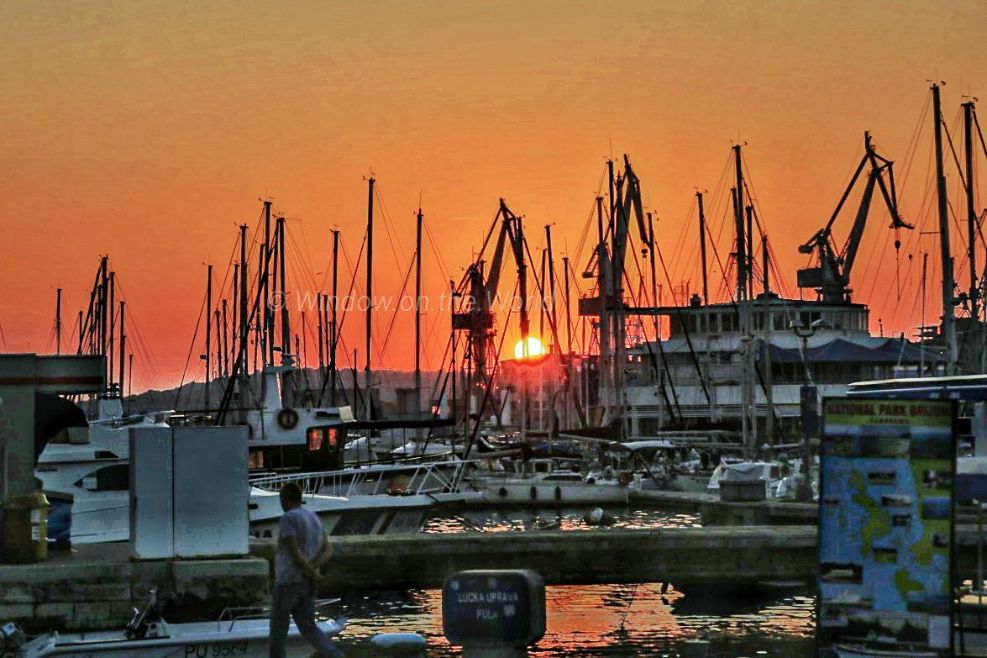
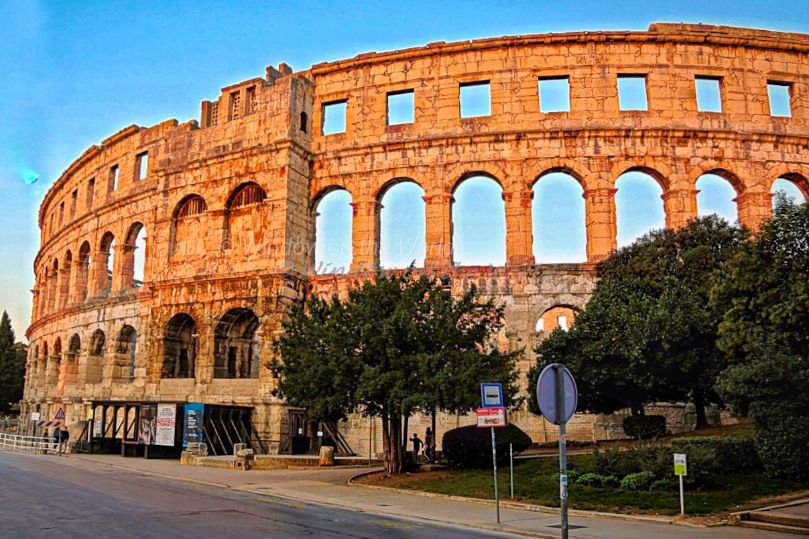
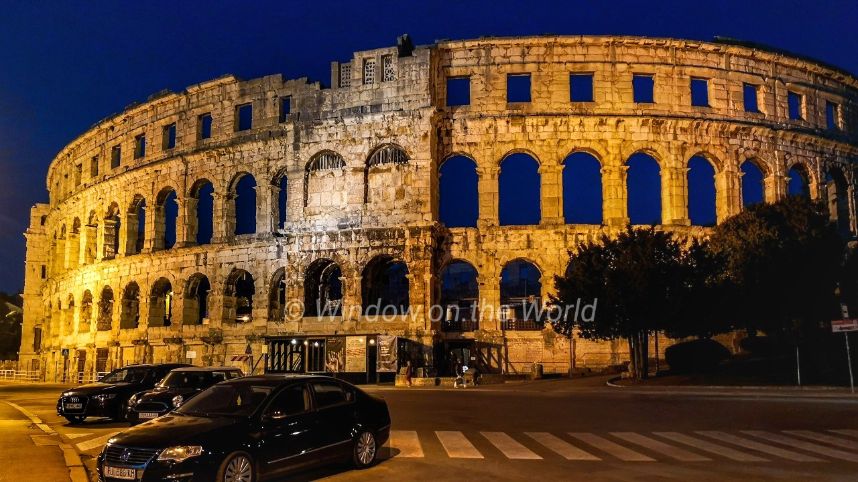
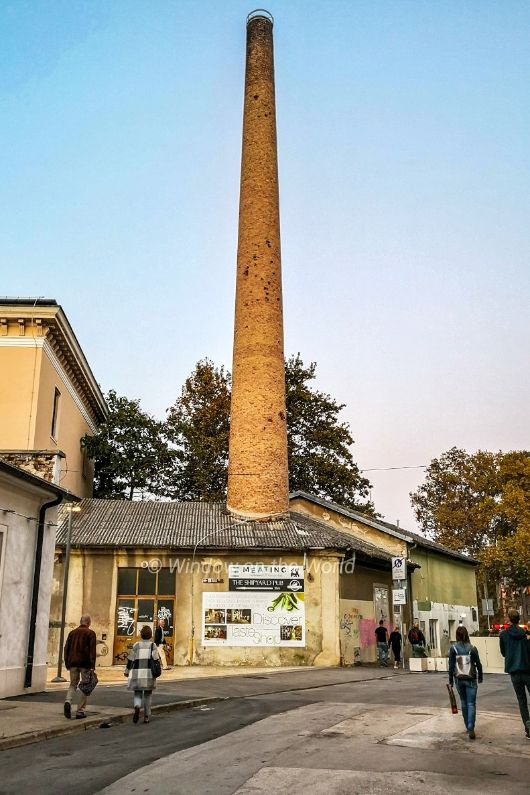
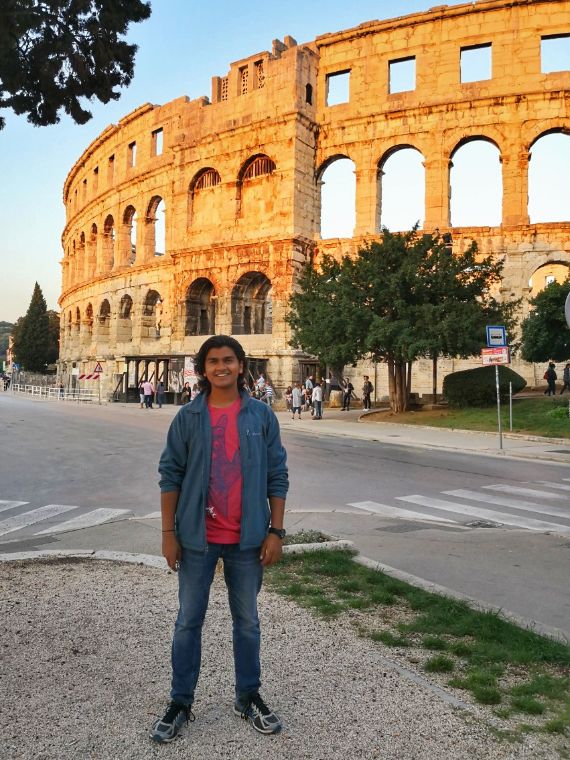
Welcome to Pula! Beautiful Manhole Cover with the coat of arms of the Town of Pula.The Pula Arena, an amphitheater located in Pula, is the only remaining Roman amphitheater to have four side towers and with all three Roman architectural orders entirely preserved. It was constructed in 27 BC – 68 AD and is among the world’s six largest surviving Roman arenas. it is also the best preserved ancient monument in Croatia;The Pula Arena, a Roman amphitheater from 27 BC – 68 AD.Inside of the Pula Arena, a Roman amphitheater.Arch of the Sergii, an ancient Roman triumphal arch located in Pula. The arch commemorates three members of the Sergii family, a tribune serving in the twenty-ninth legion that participated in the Battle of Actium and disbanded in 27 BC. This suggests an approximate date of construction: 29–27 BC.Arch of the Sergii, constructed between 29–27 BC.The Temple of Augustus, a well-preserved Roman temple dedicated to the first Roman emperor, Augustus, it was probably built during the emperor’s lifetime at some point between 27 BC and his death in AD 14.The Pula Cathedral or the Cathedral of the Assumption, built in the 6th century, when Pula became the seat of a bishopry, over the remains over the original site where the Christians used to gather and pray in Roman times. It got its present form when a late Renaissance façade was added in the early 16th century.Church and Monastery of St. Francis, built in the 14th century at the site of a previous cultic edifice.A Government building in PulaA Beautiful Sunset over Pula Marina.The Pula ArenaThe Pula Arena after darkChimney on the old street of Pula
We made Pula our base for few days and visited Rovinj, one of the most picturesque and romantic towns on Mediterranean. After few days in Pula, Raul and I took a bus to Ljubljana, Slovenia to continue our Backpacking through the Balkans journey.
In May 2017, 23 days before I was going to complete 50 years, grabbed an opportunity and took an early retirement.. Picked up a backpack and traveling ever since.. Love to travel around the world, experience different culture, local cuisine & drinks .. and take pictures.. so far been to 108 countries and still counting...


 Window on the World