After a week of backpacking through Bosnia and Herzegovina, we continued our backpacking through the Balkans journey by taking a bus from Banja Luka and arrived in Zagreb, the capital city of Croatia.
Zagreb is the capital and largest city of Croatia, as well as its commerce, finance, media, art, fashion, research, technology, education, and entertainment center. The city is located in the northwest of the country, along the Sava river, at the southern slopes of the Medvednica mountain.
Zagreb is a city with a rich history dating from Roman times. The oldest settlement in the vicinity of the city was the Roman Andautonia, in today’s Ščitarjevo. The history of Zagreb dates as far back as 1094 A.D. when the Hungarian King founded a diocese.
Zagreb boasts a charming medieval ‘old city’ look with architecture and cobbled streets. Gornji grad, (Upper Town) and Donji grad (Lower Town) are the cultural, religious, and commercial hubs of Zagreb. The Upper Town, which is the medieval core of the city, developed as two separate towns – Kaptol, the seat of the Bishop, and Gradec, the free town where tradesmen and artisans lived.
Pictures below are from our few days of walking around the old town of Zagreb.
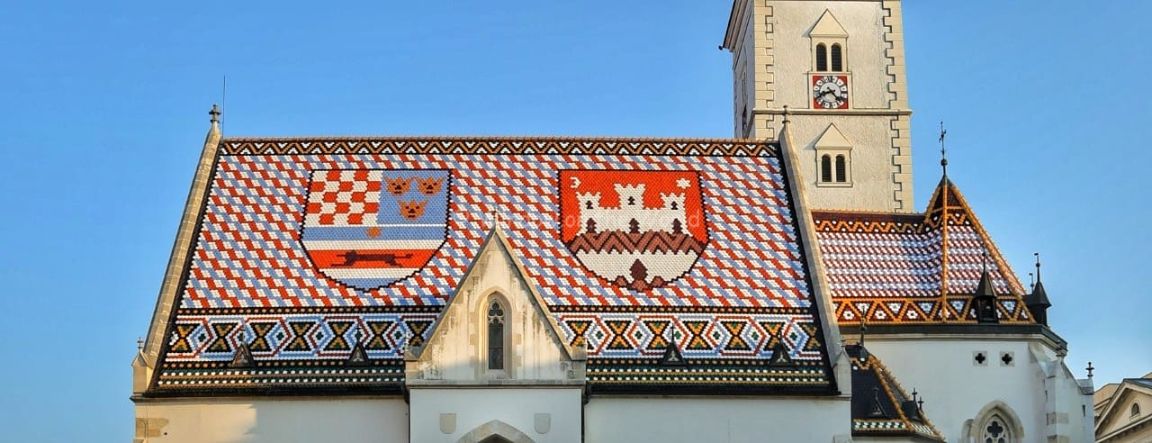
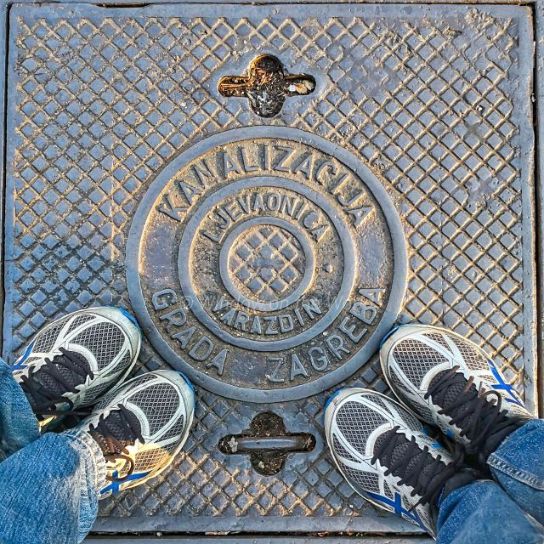
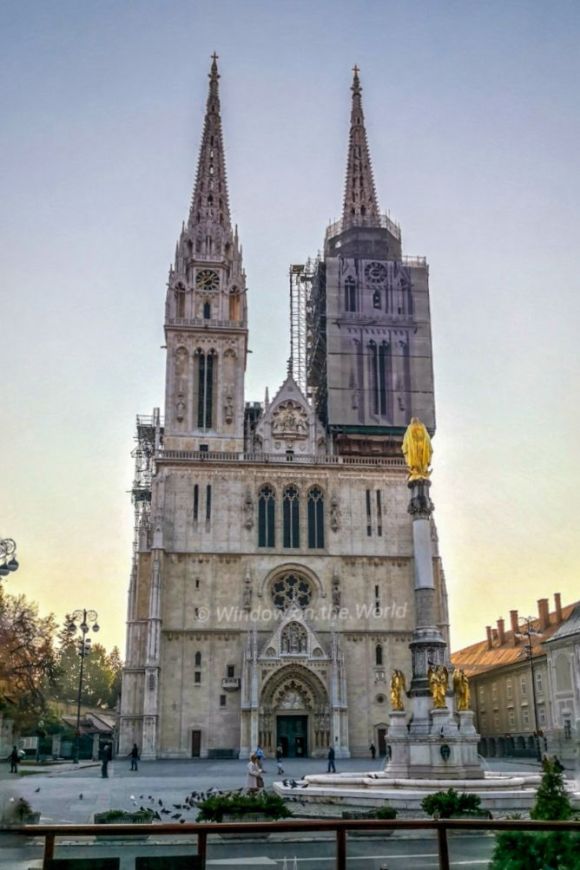
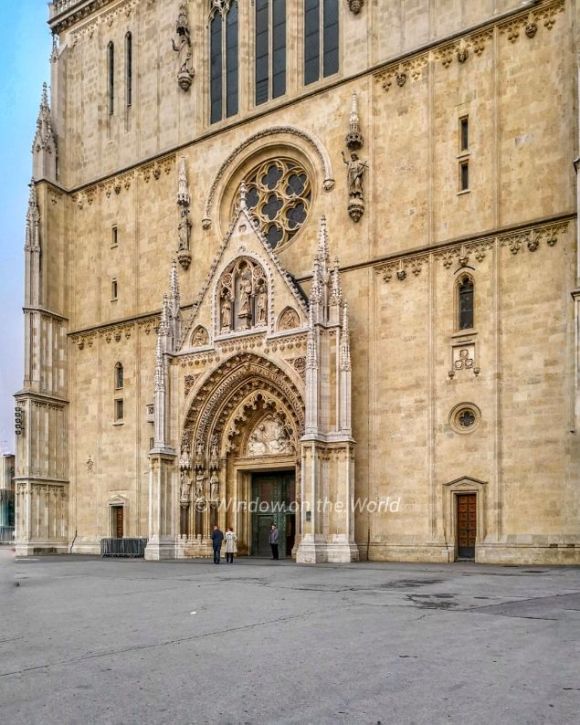
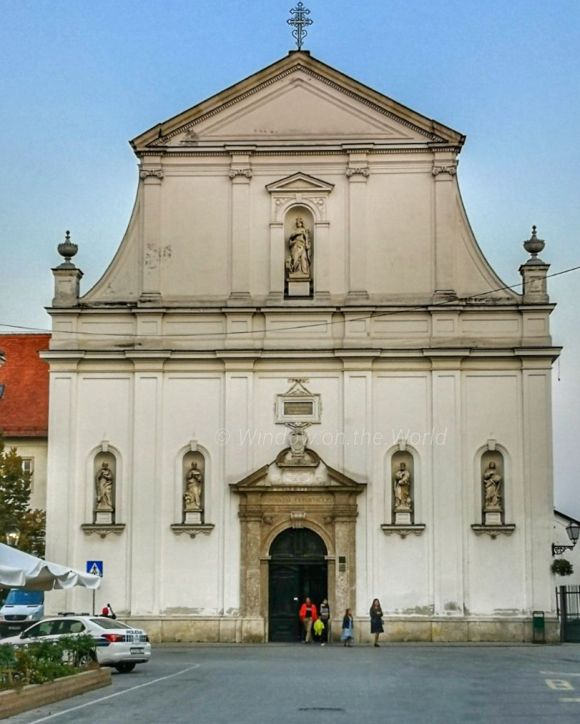
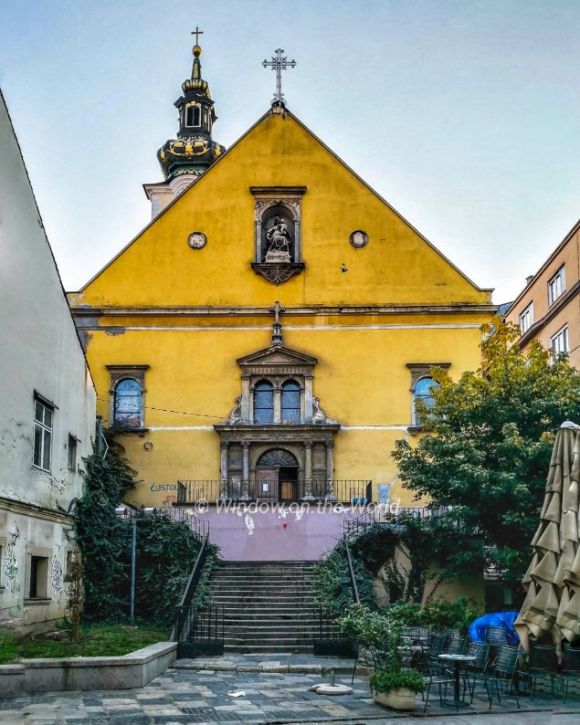
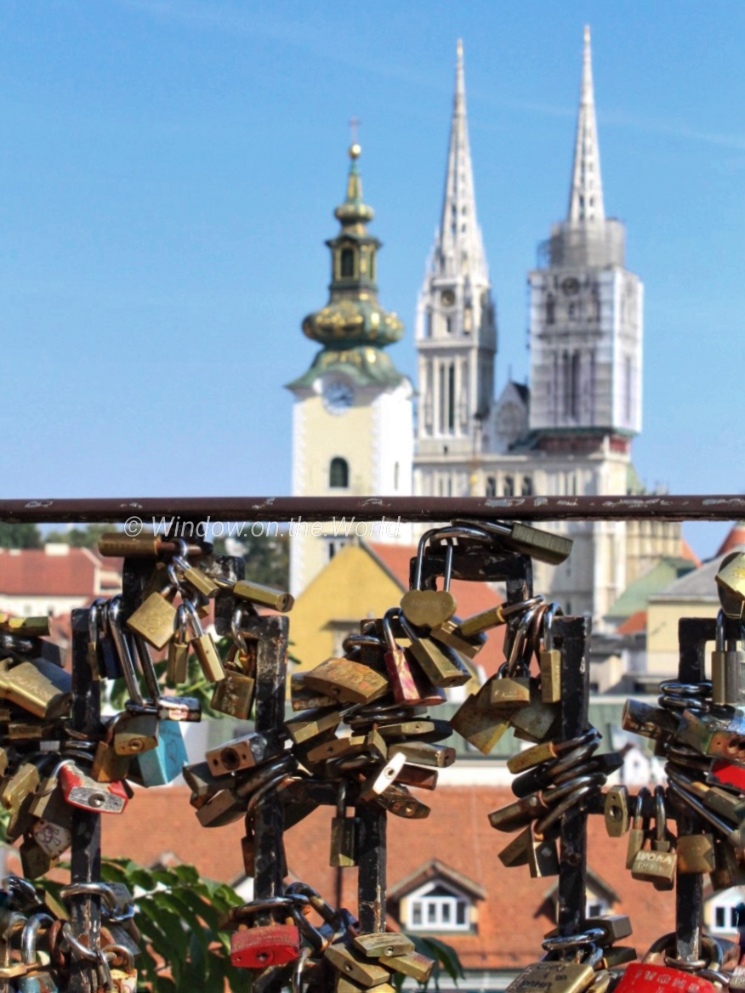
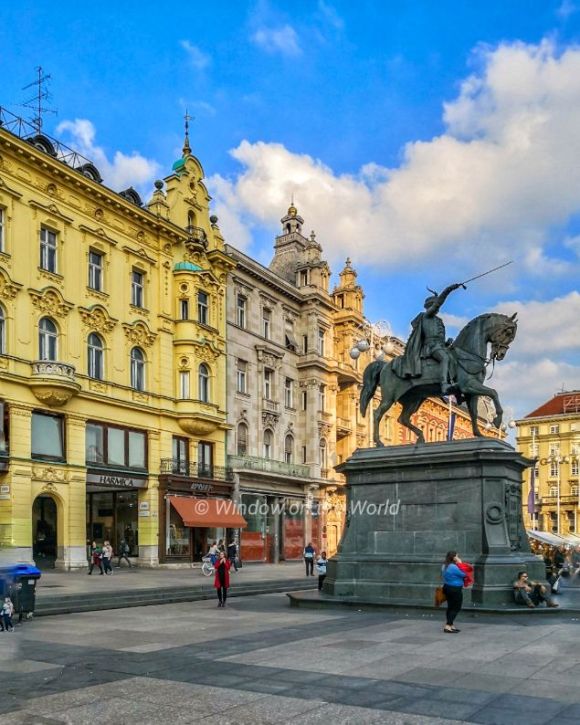
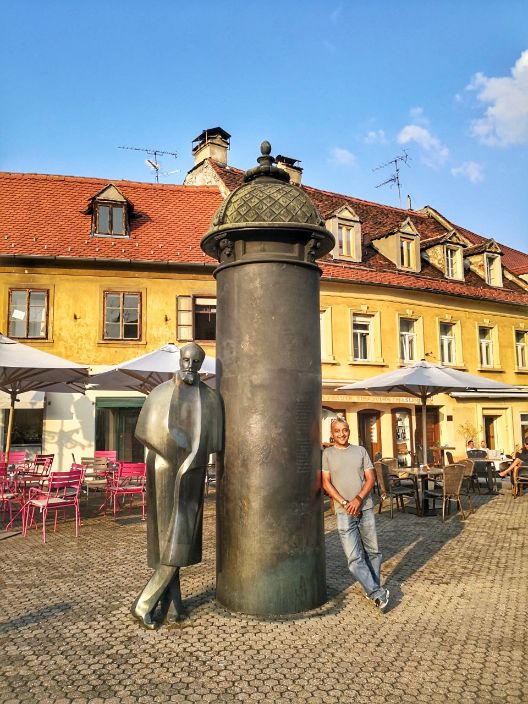
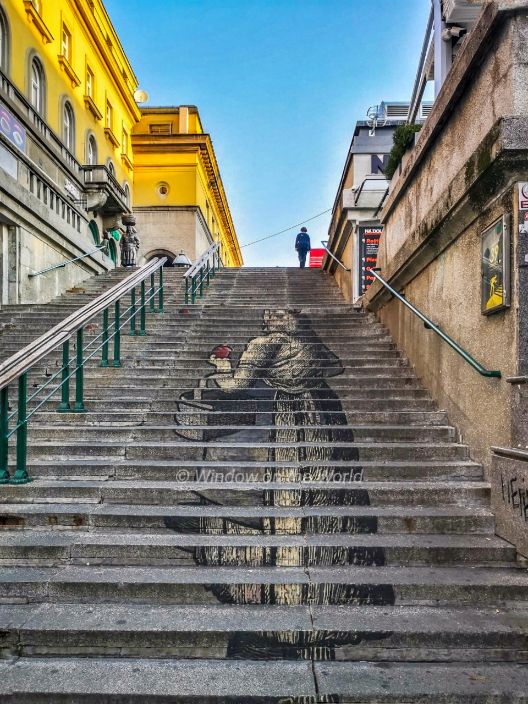
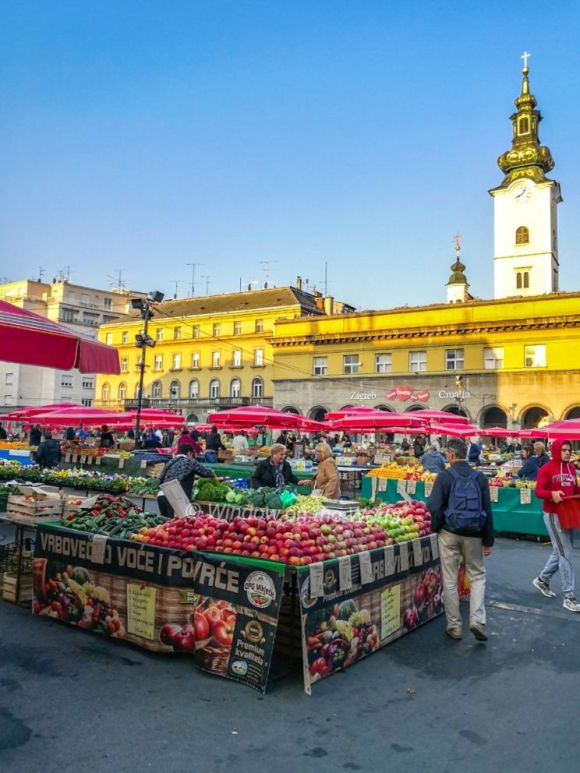
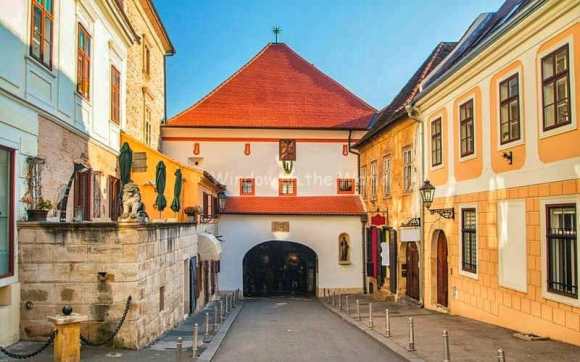
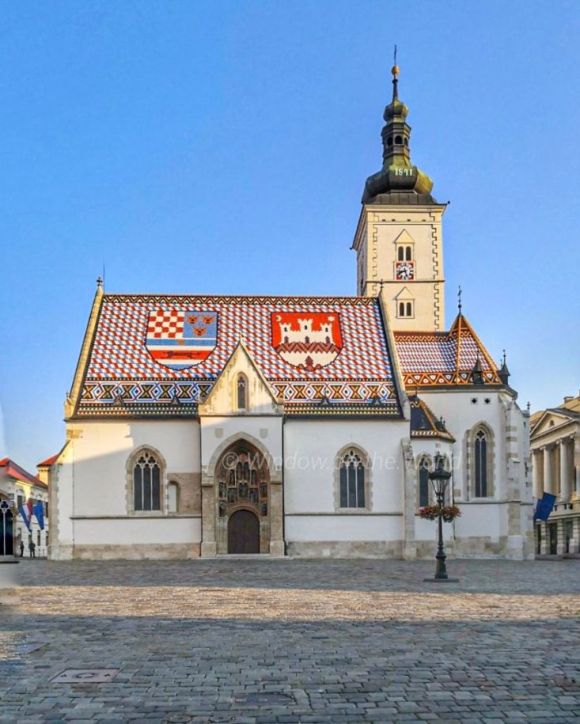
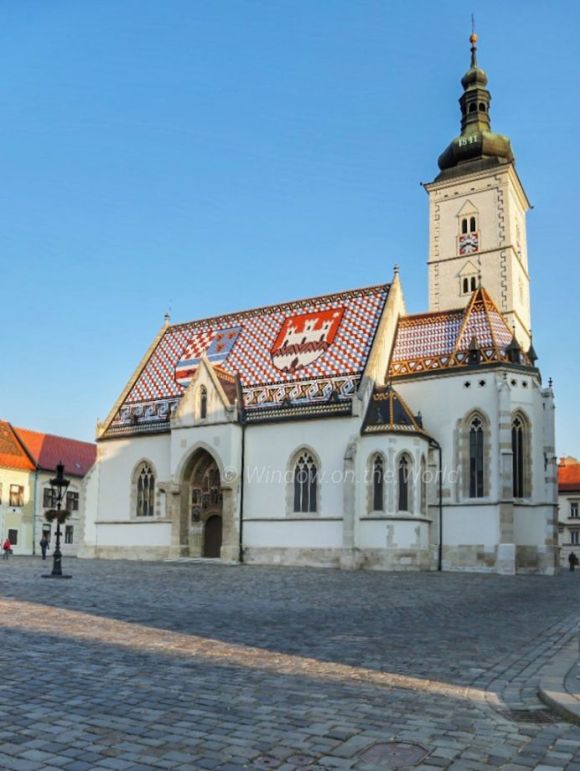
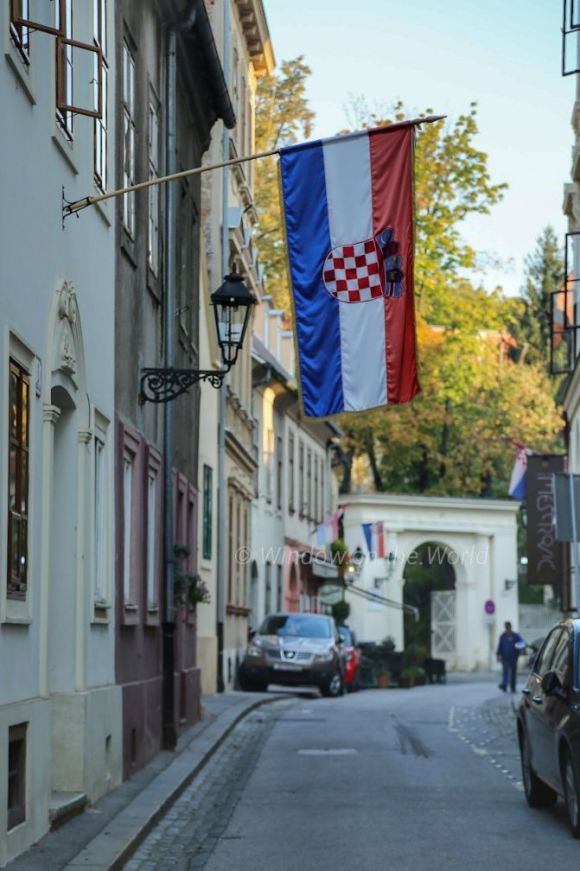
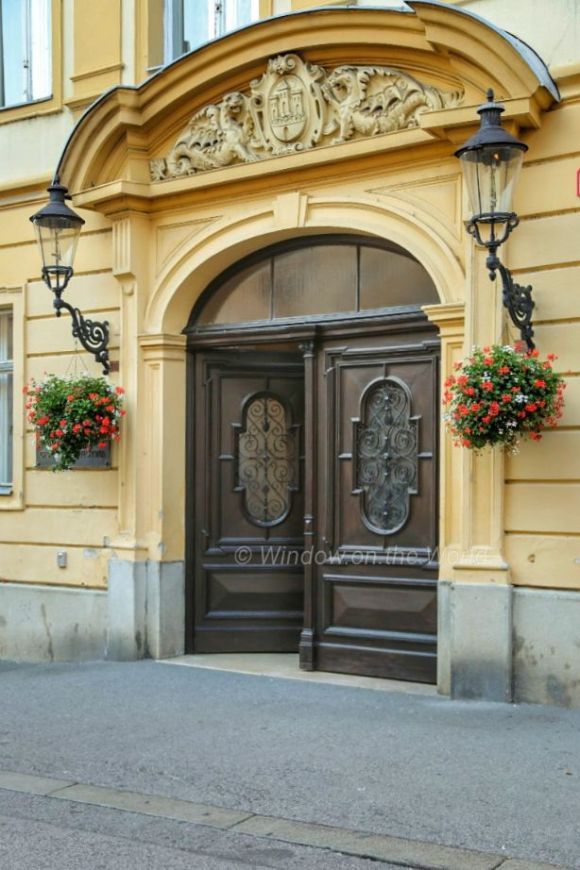
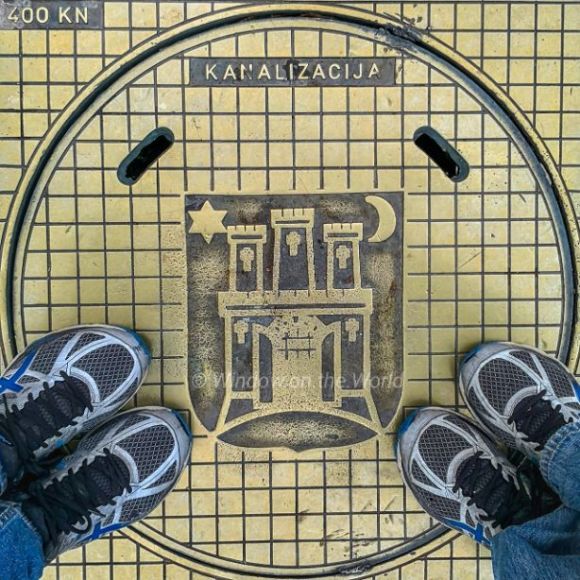
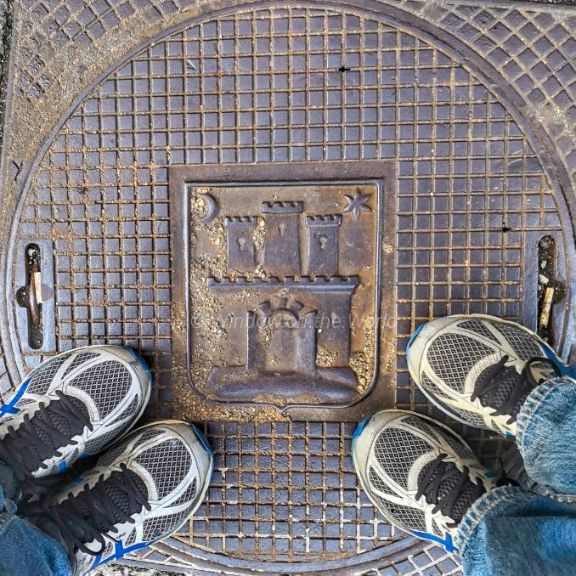
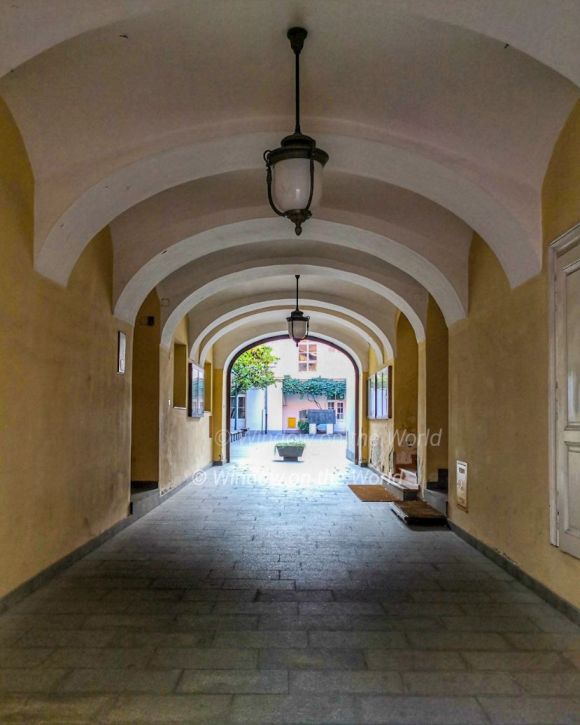
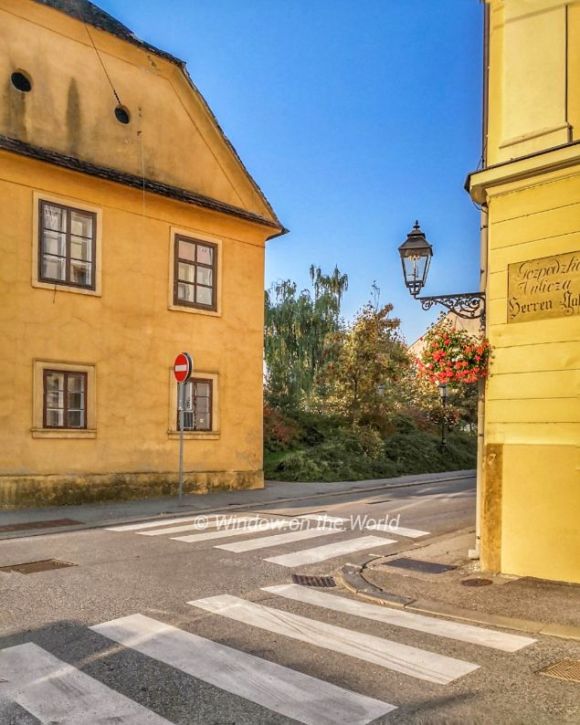
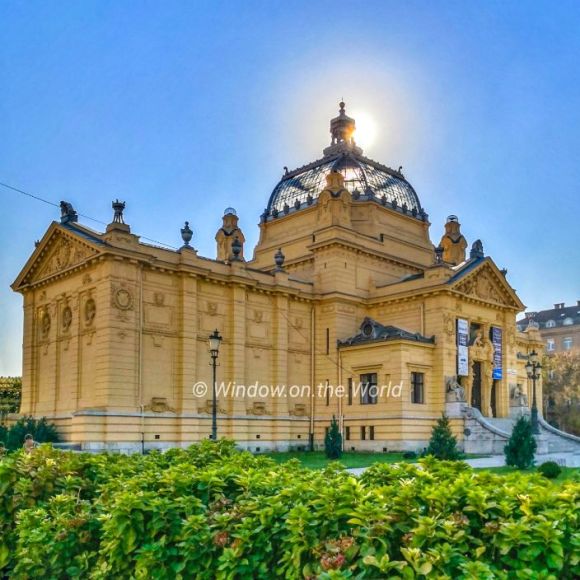
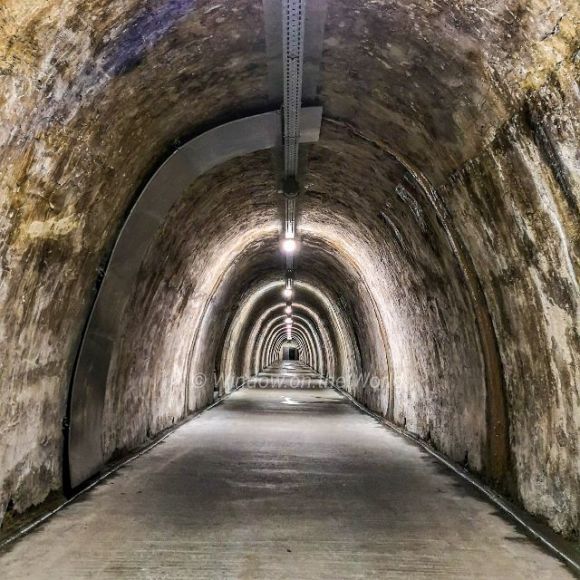
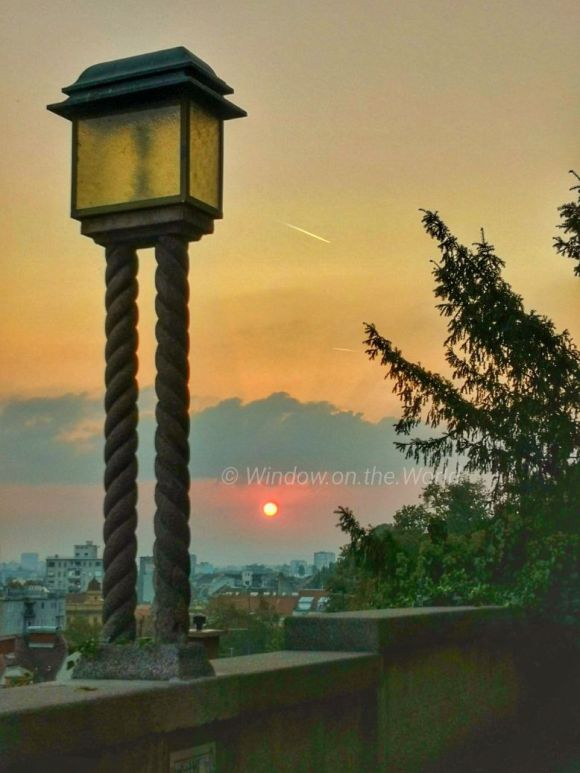
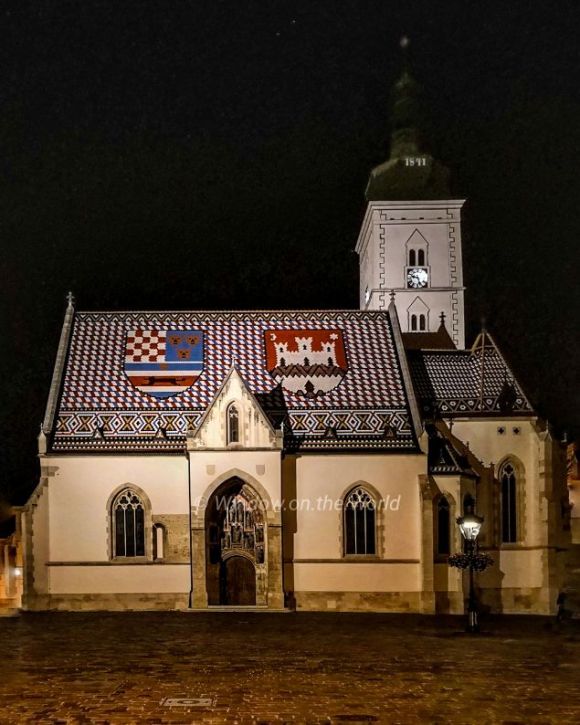
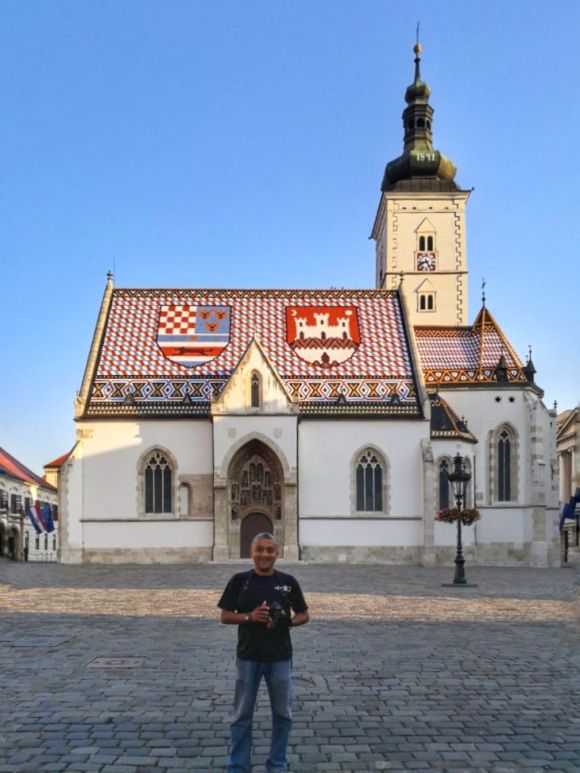
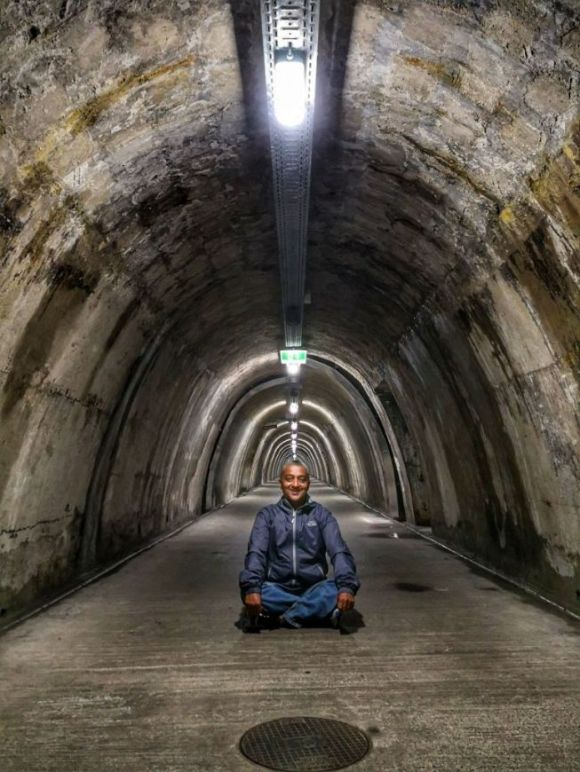
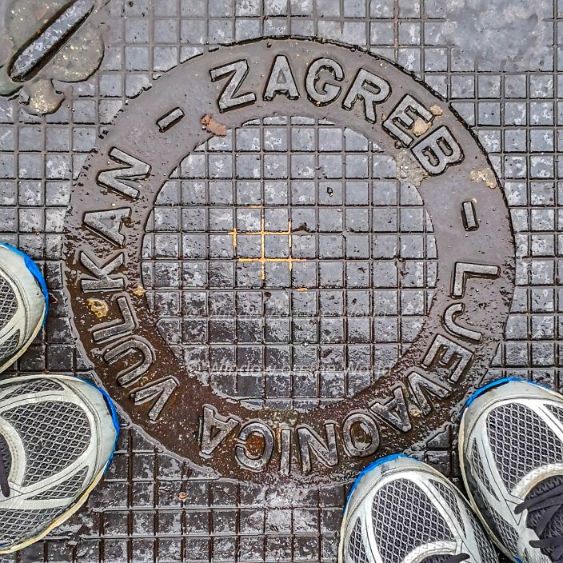
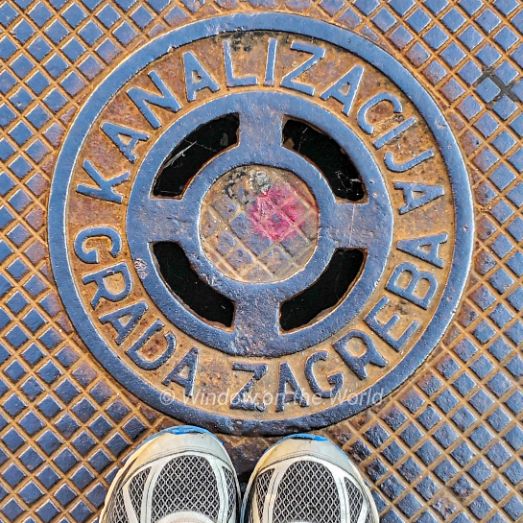
Welcome to Zagreb! One of many designs of Manhole Covers in the Capital city.Zagreb Cathedral, a Roman Catholic institution, originally built during mid 13th century, on the Kaptol. The restoration of the cathedral in the Neo-Gothic style was carried out after the 1880 Zagreb earthquake, bringing the cathedral to its present form, the tallest building in Croatia.The main entrance of the Zagreb Cathedral.Church of St. Catherine, a Baroque-style church, completed in 1632 on the site of a 14th-century Dominican church.St. Mary’s Church, a Baroque-style church built in the 16th century on the site of a 13th century church that belonged to Cistercians. In the 18th century it expanded and a bell tower was built.Many love locks at the best view of St. Mary’s Church, a 16th century Baroque-style church, with towers of Zagreb Cathedral in background.Ban Jelačić Square, the central square of the city of Zagreb, located below Zagreb’s old city cores Gradec and Kaptol. The square has existed since the 17th century. A large statue of Ban Josip Jelačić on a horse was installed in 1866 by Austrian authorities.e Statue of August Šenoa, a famous Nineteenth century Croatian writer, novelist and poet.Very unique painted stairs to the Dolac Market.Dolac, the most visited and the best known farmer’s market located in Gornji Grad. The daily market, on a raised square a set of stairs up from Jelačić, has been the city’s major trading place since 1930. Farmers from surrounding villages come to sell their home-made foodstuffs and very fresh fruit and vegetables.Licitars, colorfully decorated Gingerbread biscuits made of sweet honey dough are part of Croatia’s cultural heritage and traditional symbol of Zagreb. Since 2010, the Gingerbread craft from Northern Croatia is inscribed in the UNESCO Intangible Cultural Heritage.Stone Gate (Kamenita vrata), the eastern gate to medieval Gradec Town. It was originally built between 1242 and 1266 and got its present look in the 18th century. According to legend, the great fire in 1731 destroyed every part of the wooden gate except for the painting of the Virgin and Child. People believe that the painting possesses miraculous powers and come regularly to pray, light candles and leave flowers. Square stone slabs are engraved with thanks and praise to the Virgin.St Mark’s Church, the 13th-century church is one of Zagreb’s most emblematic buildings. Its colorful tiled roof, constructed in 1880, has the medieval coat of arms of Croatia, Dalmatia and Slavonia on the left side, and the emblem of Zagreb on the right.St Mark’s Church, one of the most instantly recognizable symbols of Zagreb because of its colorful glazed tile roof.Walking around the Gornji Grad (Upper Town), old town of Zagreb.Old Town hall building with coat of arms of Zagreb, located in Gornji Grad (Upper Town), Old part of Zagreb.Beautiful Manhole cover with coat of arms of Zagreb.Beautiful Manhole cover with coat of arms of Zagreb.Walking around in Gornji Grad (Upper Town), the old part of Zagreb.Walking around in Gornji Grad (Upper Town), the old part of Zagreb.A Beautiful building of the Art Pavilion in Donji Grad (Lower Town) of Zagreb. Established in 1898, it is the oldest gallery in the Southeast Europe and the only purpose-built gallery in Zagreb.Grič Tunnel, a pedestrian tunnel located in the city center of Zagreb under the historic neighborhood of Grič (also called Gradec or Gornji Grad). This 350 metres (1,150 ft) Tunnel was built in 1943, during the Second World War, to shelter civilians from frequent Allied bombing during WWII.Beautiful Sunset from Gornji Grad (Upper Town), over looking the Donji Grad (Lower Town) of Zagreb.St Mark’s Church still looks beautiful after dark.One of many designs of Manhole covers in Zagreb.One of many designs of Manhole covers in Zagreb.
After spending couple of days walking around the capital city, we went for a day trip by bus to visit Plitvice LakesNational Park, a UNESCO World Heritage site.
In May 2017, 23 days before I was going to complete 50 years, grabbed an opportunity and took an early retirement.. Picked up a backpack and traveling ever since.. Love to travel around the world, experience different culture, local cuisine & drinks .. and take pictures.. so far been to 108 countries and still counting...



 Window on the World