After a night in Berat, the City with a thousand Windows, Raul and I continued our backpacking through the Balkans journey by taking a bus to Tirana, the capital city of Albania.
Tirana (Tiranë), the capital city, is the most important economic, financial, political and trade center in Albania. The city was established in 1614 by a Turkish general Sulejman Pasha Bargjini who is said to have built a mosque, a hamam (Turkish bath), and a bakery in order to attract settlement. The town gradually became a trading center at a junction of roads and caravan trails. On February 8, 1920 Tirana was made the temporary capital by the Congress of Lushnje, and it was proclaimed the permanent capital on December 31, 1925. Tirana has disintegrating soviet-era buildings, brand new projects and proud historic monuments side-by-side.
Albanians are very hospitable towards foreigners. Tirana itself is very approachable, crime is rare, if ever directed towards foreigners and the costs are very reasonable by regional standards. The worst experience you may have is with erratic driving style of Albanians.
Photos below are from a day of walking around the capital city of Albania.
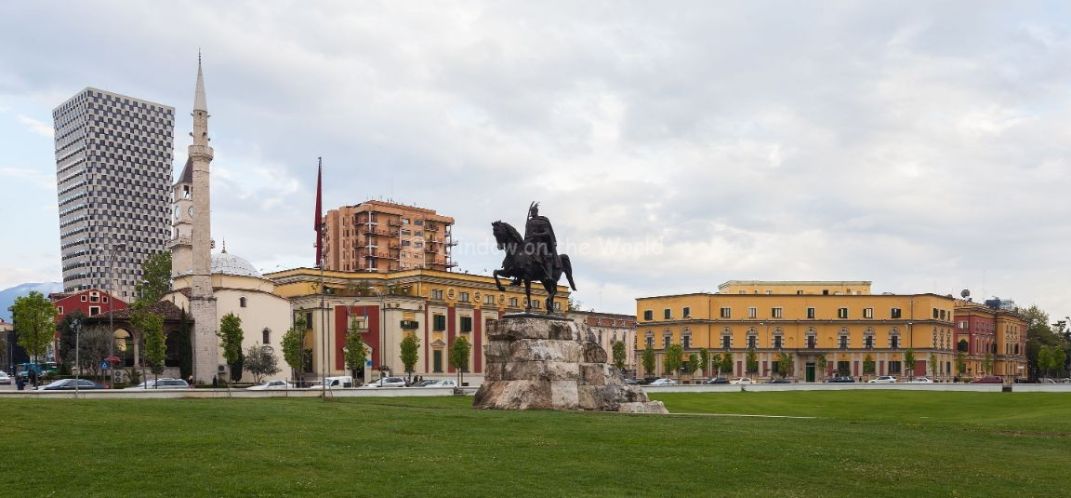
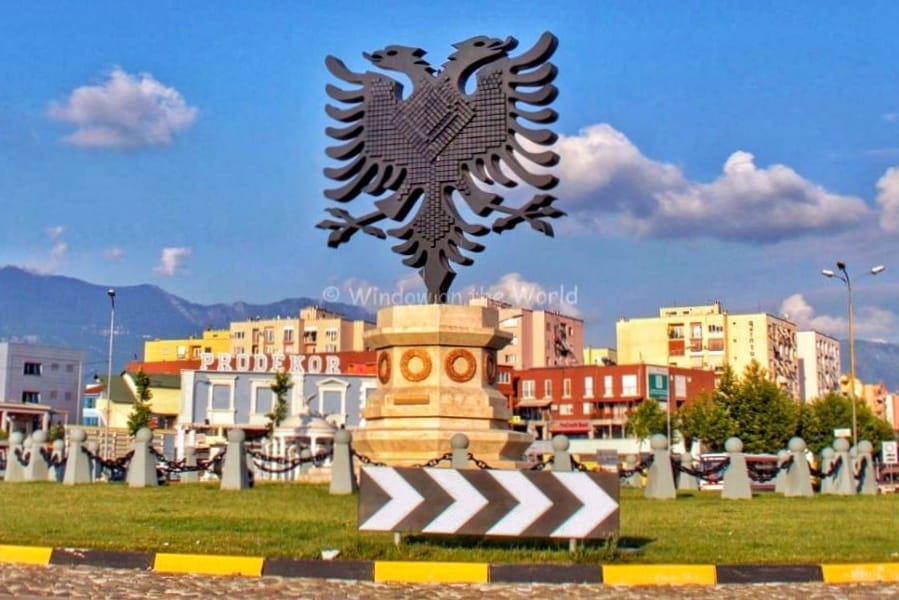
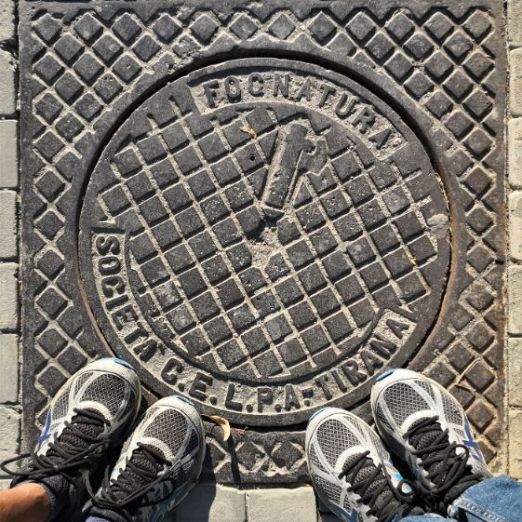
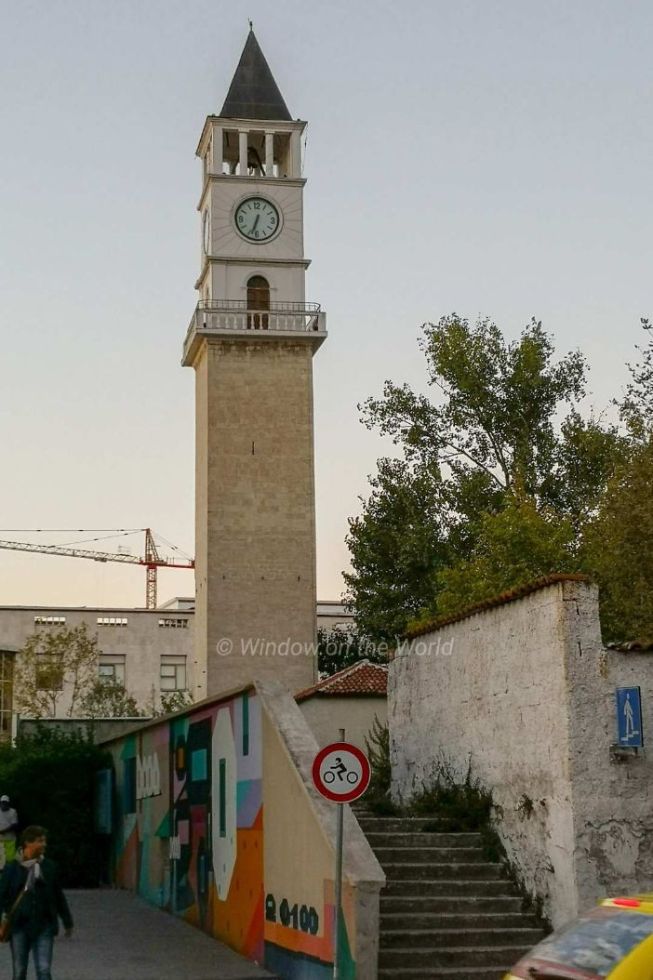
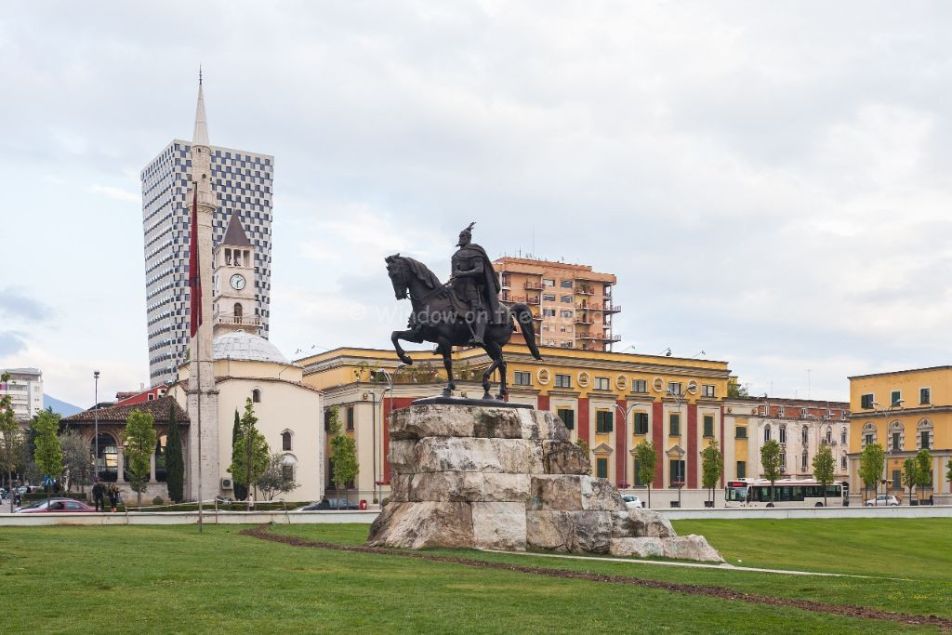
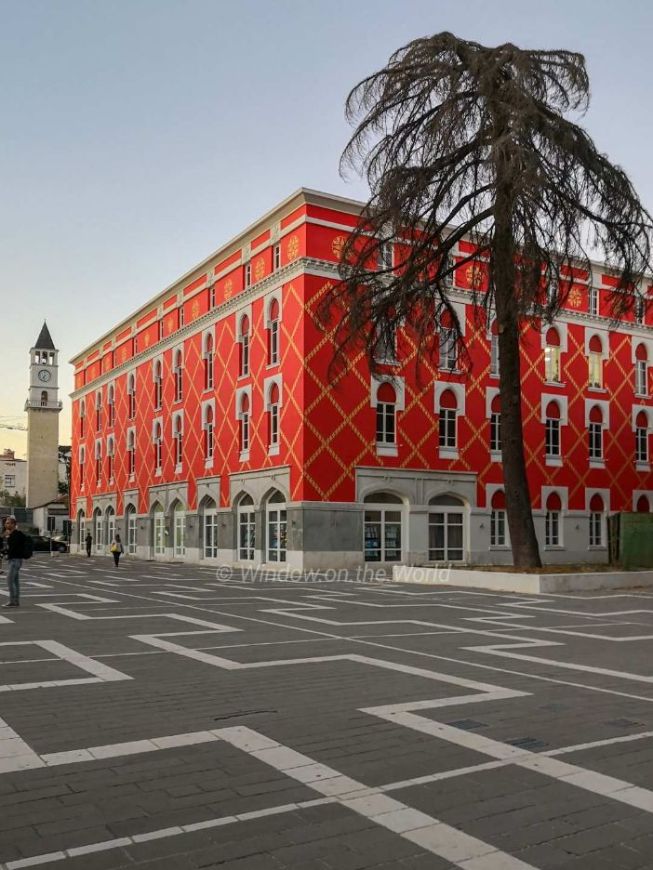
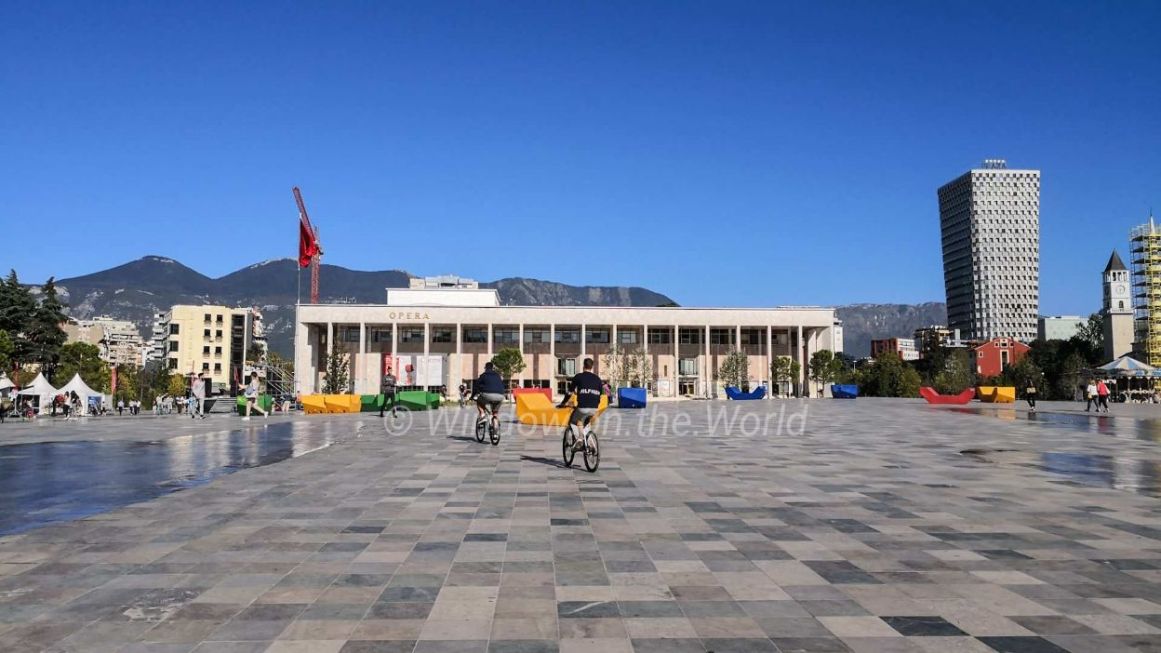
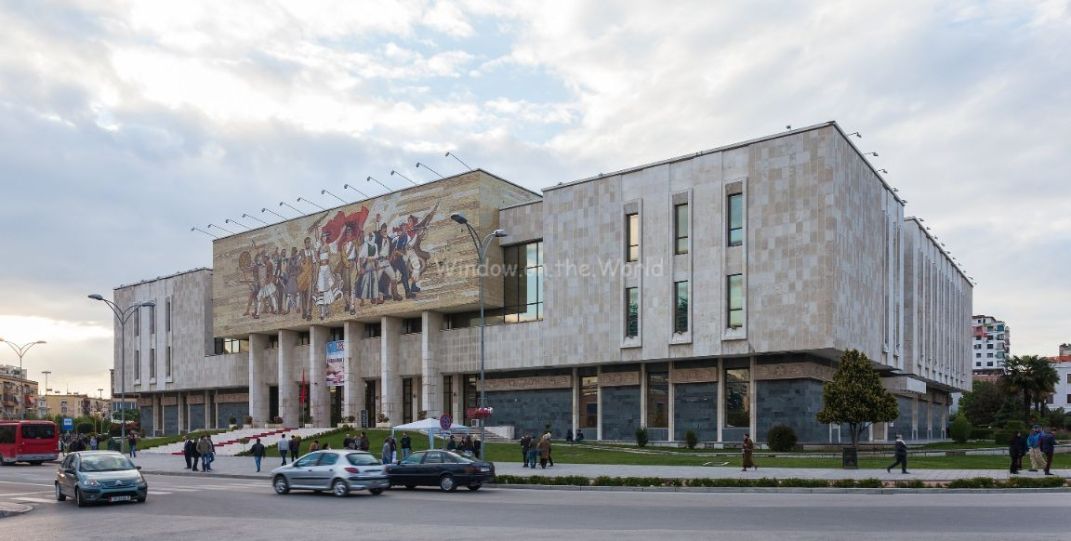
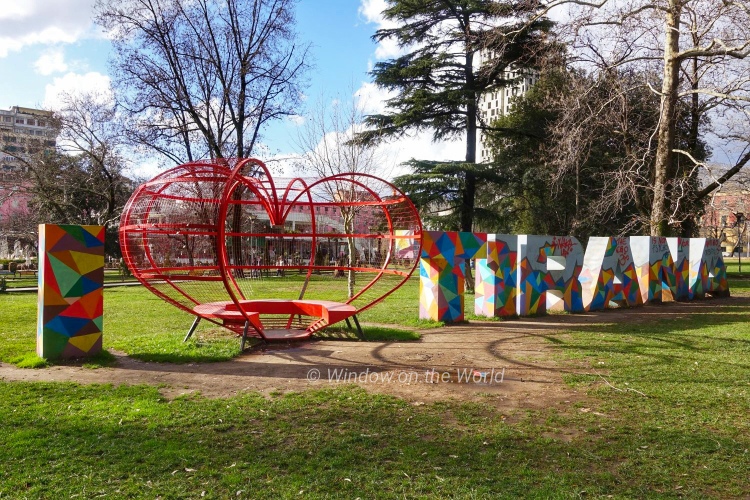
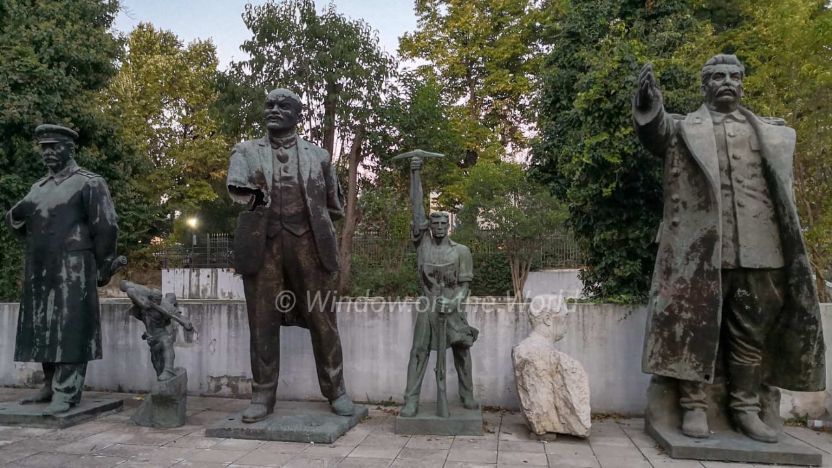
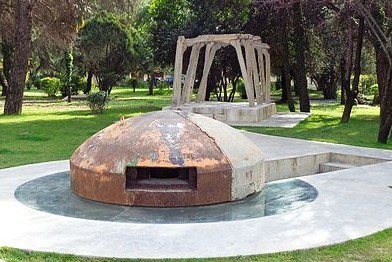
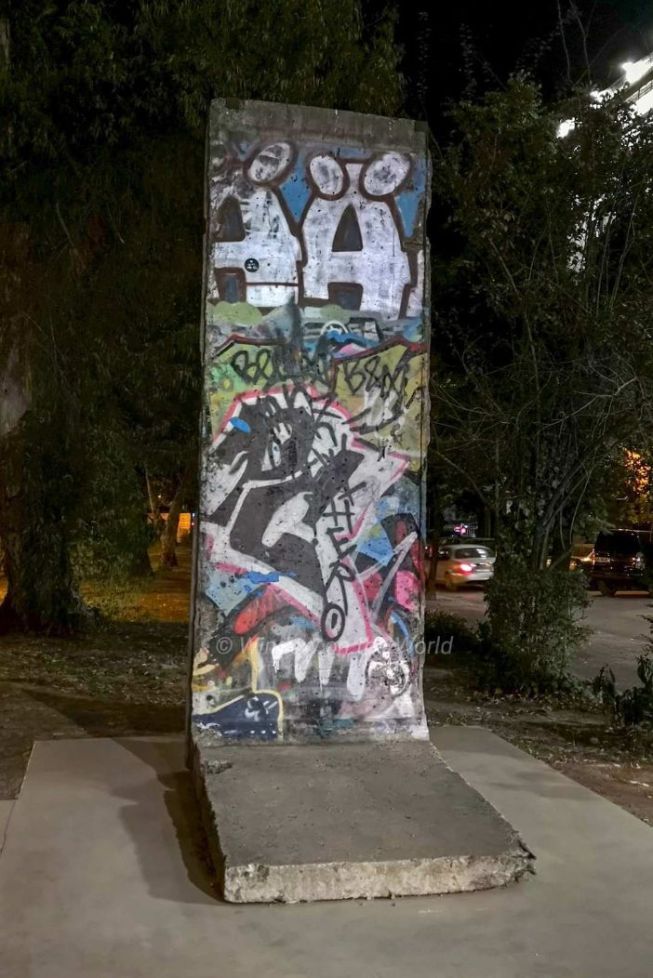
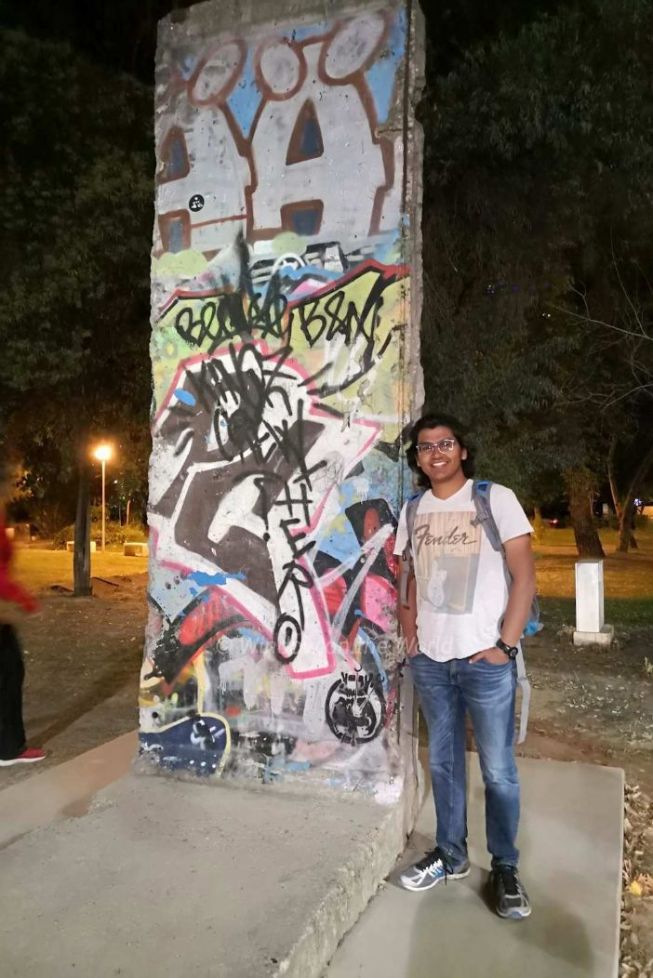
The double-headed eagle, the symbol on the Albanian flag, a 10 meter tall, made of steel and weighing some 12 tons, standing majestically in the Eagle Square, at the entrance of Tirana.Welcome to Tirana! A Manhole Cover in the city square.Kulla e Sahatit; Tirana’s 35m-tall clock tower was completed by Ottoman architects in 1822, and it was for years the tallest building in the capital, sounding a bell every hour on the hour. The Clock Tower is the symbol of the Municipality of Tirana and is a part of The Tirana Coat of Arms.The Skanderbeg Square is the main plaza in the center of Tirana. The square is named after the Albanian national hero Skanderbeg whose monument dominates the square. The freshly repainted Ministry of Agriculture on the edge of Skanderbeg Square in the center of Tirana.The Skanderbeg Square, in the picture is The Palace of Culture of Tirana that includes the National Library of Albania and the National Theater of Opera and Ballet, Also the luxury hotel Plaza.The National Museum of History. Above the entrance of the museum is a large mural mosaic titled The Albanians that depicts purported ancient to modern figures from Albania’s history.A heart shaped bench, a cage to hang love locks, in the Rinia Park.Communist-Era Statues; Bronzes and busts that once stood in the city’s main squares are now relegated to a small hidden courtyard.One of 173,371 concrete bunkers in Albania, built during the communist government of Enver Hoxha from the 1960s to the 1980s. Concrete Bunkers were built in every possible location in Albania, ranging from beaches and mountains, in vineyards and pastures, in villages and towns, even on the manicured lawns of Albania’s best hotel.A fragment of the Berlin wall; The 2.6-ton graffiti-covered slab fragment of the wall was donated by the city of Berlin. This memorial commemorates the victims of the Communist regime in Albania.Raul at the fragment of the Berlin wall.
After a week in Albania, we continued our backpacking through the Balkans journey towards North to Kotor, a fortified town and a UNESCO World Heritage Site in Montenegro.
In May 2017, 23 days before I was going to complete 50 years, grabbed an opportunity and took an early retirement.. Picked up a backpack and traveling ever since.. Love to travel around the world, experience different culture, local cuisine & drinks .. and take pictures.. so far been to 108 countries and still counting...


 Window on the World