
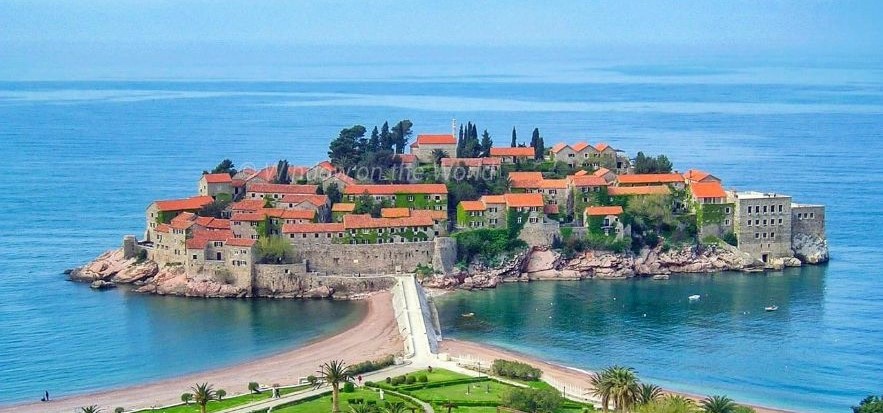
Destination 》Balkans
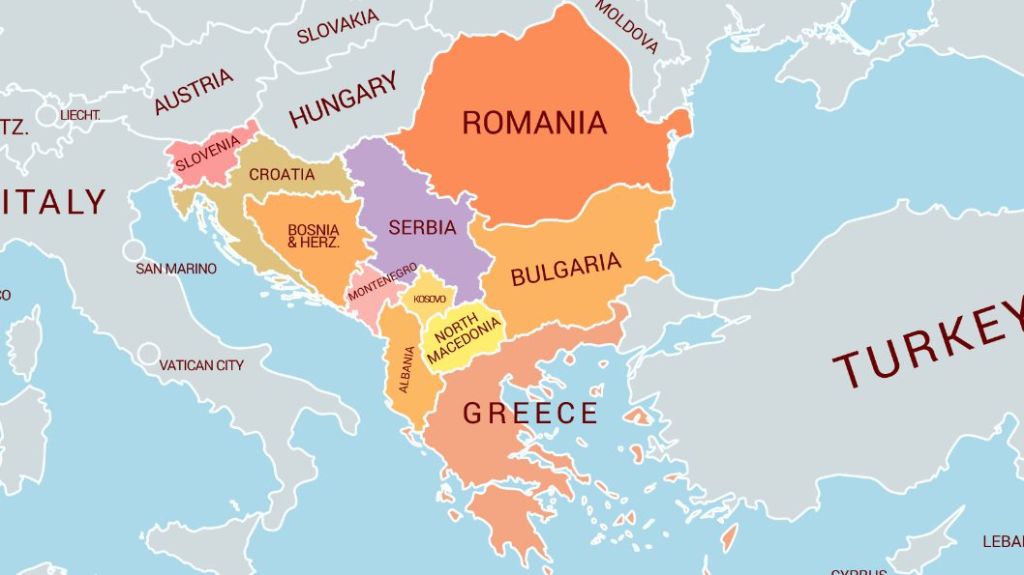
During Summer of 2018, my son and I backpacked three months through entire Balkan.
The Balkans, also known as the Balkan Peninsula, is a geographic area in southeastern Europe with various definitions and meanings, including geopolitical and historical. The term of Balkan Peninsula was a synonym for Rumelia (European Turkey) in the 19th century, the former provinces of the Ottoman Empire in Southeast Europe.
Balkans, with its rich, though often turbulent history and wonderful nature, offers charming multicultural towns, impressive mosques, monasteries and citadels dotting the hillsides, mighty mountains sprinkled with a liberal dose of beautiful forests and pleasant lakes, and last but not the least a great folk music tradition, all survived various wars.
Click on any country to view my travel photos and stories.
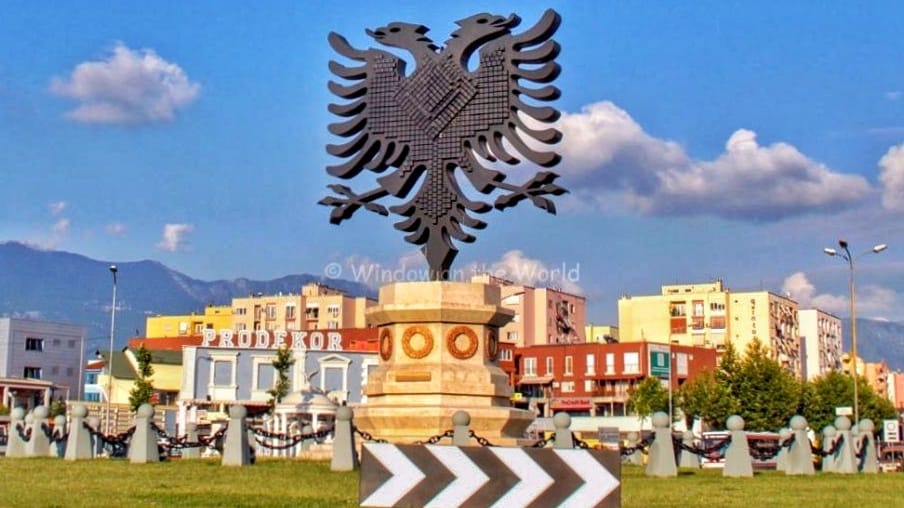
Albania, a Balkan Nation, is a country in the East Europe on the Adriatic and Ionian Sea, with 5000+ years of history, influenced by numerous civilizations such as the Illyrians, Thracians, Ancient Greeks, Romans, Byzantines, Venetians and Ottomans. In 1946, after the Second World War, Enver Hoxha formed Communist Albania and launched the Albanians on a path of oppression and decades of isolation. The Revolutions of 1991 concluded the fall of communism in Albania and eventually the establishment of the current Republic of Albania. Albania is a beautiful country with the friendliest people.
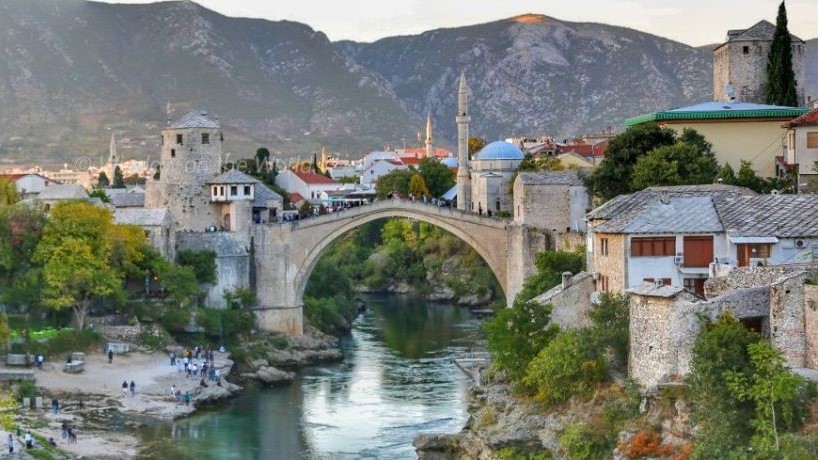
Bosnia and Hercegovina is a rugged mountainous country, most intriguing for its East-meets-West atmosphere born of blended Ottoman and Austro-Hungarian histories. Many still associate the country with the heartbreaking civil war of the 1990s, and the scars from that time are still too visible. But today, the country is remembered for its deep, unassuming human warmth, most welcoming locals, its beautiful mountains, numerous medieval castle ruins, and natural beauty. Bosnia and Herzegovina is home to three main ethnic groups; Bosniaks, Serbs, and Croats. The country has a three-member Presidency composed of a member of each major ethnic group.
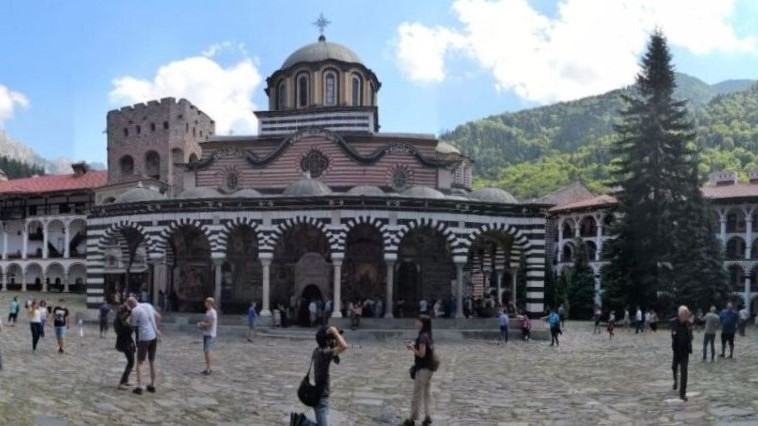
Bulgaria is a Balkan nation with diverse terrain encompassing Black Sea coastline, a mountainous interior and rivers, including the Danube. A cultural melting pot with Greek, Slavic, Ottoman, and Persian influences, it has a rich heritage of traditional dance, music, costumes, and crafts.
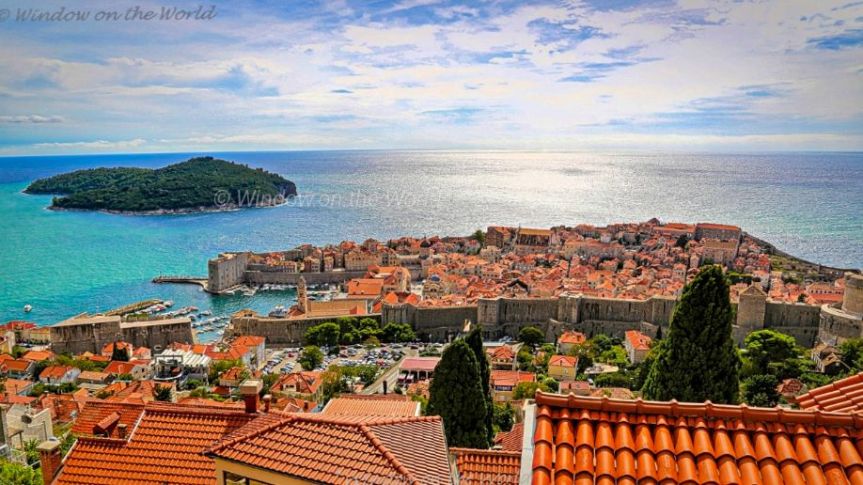
Croatia (Hrvatska) is an ancient nation, yet a very young nation state. Once a formidable kingdom under Tomislav in the tenth century, a naval power in the sixteenth and seventeenth, and an awakening national entity in the nineteenth, it had to endure a thousand years of foreign meddling, subjugation, incursions, and outright wars before being recognized in 1992 as a distinct entity.
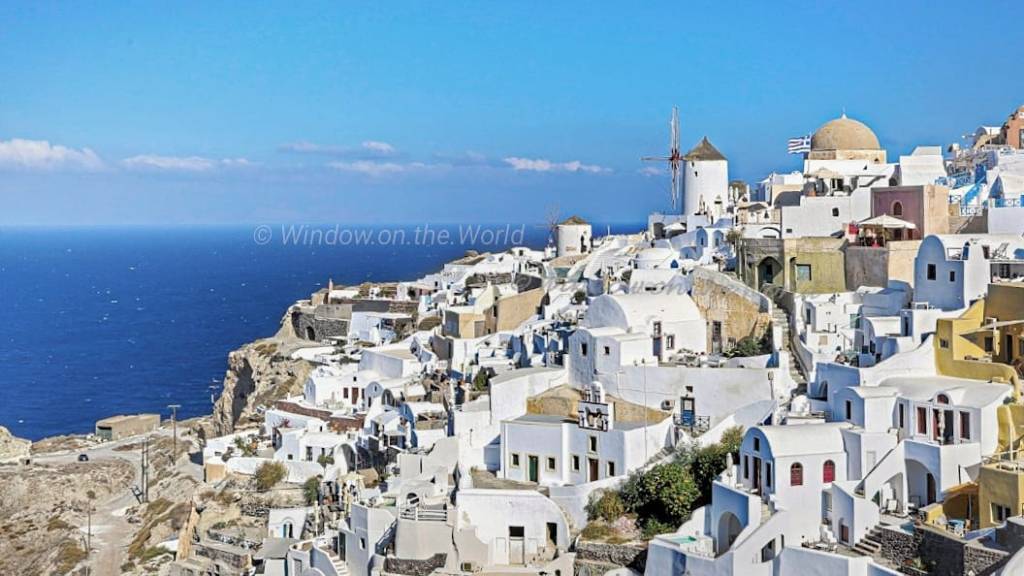
Greece is considered the cradle of Western civilization, being the birthplace of democracy, Western philosophy, Western literature, historiography, political science, major scientific and mathematical principles, Western drama and the Olympic Games.
Surrounded by the Aegean Sea, the Ionian Sea, the Cretan Sea and the Mediterranean Sea, Greek sovereign land includes 6,000 islands and islets, of which only 227 islands are inhabited.
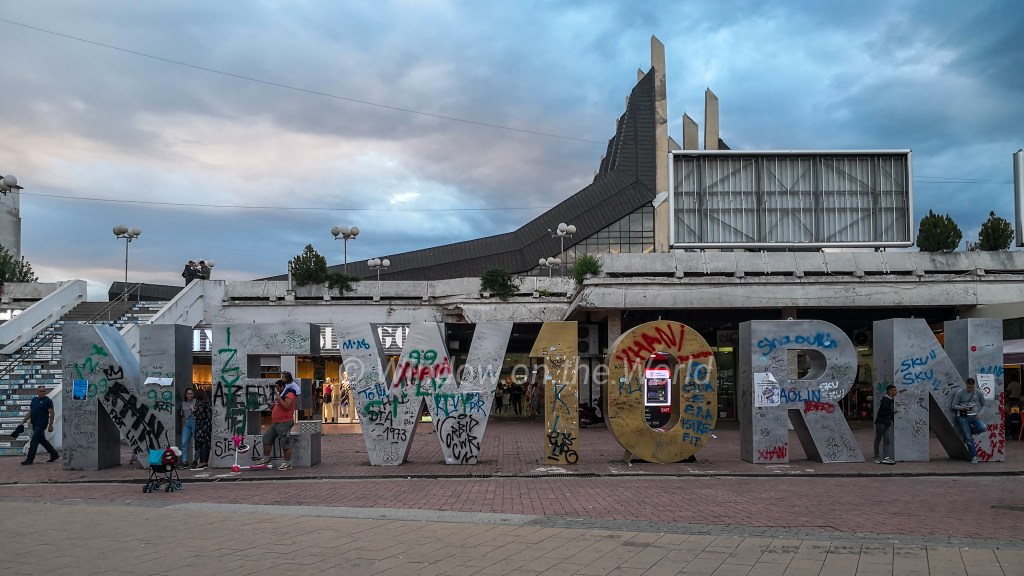
Kosovo, a disputed territory in the Balkans, is a partially-recognized state in Eastern Europe, subject to a territorial dispute with the Republic of Serbia. During former Yugoslavia, Kosovo was an autonomous province of Serbia, after a lengthy and violent dispute with Serbia, Kosovo declared independence in February 2008.
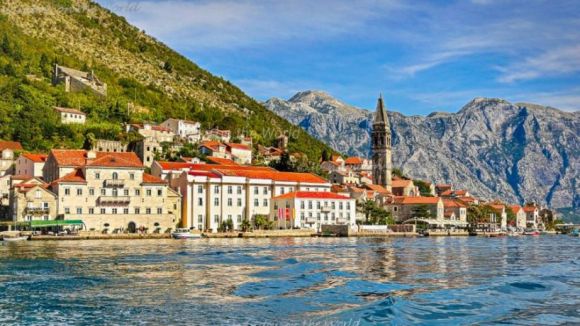
Montenegro, a Balkan nation and one of the Republics of former Yugoslavia, is situated on the Adriatic Sea in the Central Europe. Montenegro boasts some of the most spectacular coastal scenery in Europe, while the high mountains of Montenegro include some of the most rugged terrain in Europe. With gaining full independence from the federation of Serbia-Montenegro in the June 2006, Montenegro is a relatively new country with centuries of history.
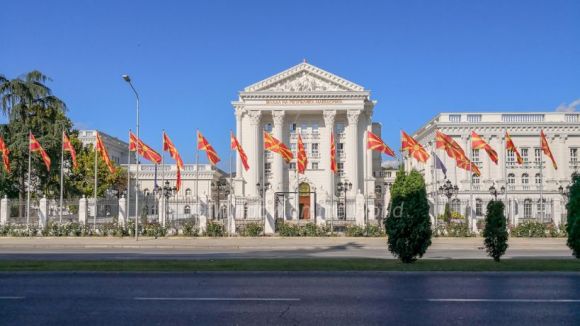
North Macedonia, a Balkan nation and one of the Republics of former Yugoslavia, is a landlocked country in the Central Europe. North Macedonia is dotted with beautiful Orthodox churches, monasteries, and Ottoman mosques. The territory of the North Macedonia has a long history, rules by the Persians, Greeks, Romans, Slavic tribes, Bulgarian Empire, and Ottoman Turks before its incorporation into Yugoslavia by Tito in 1945.
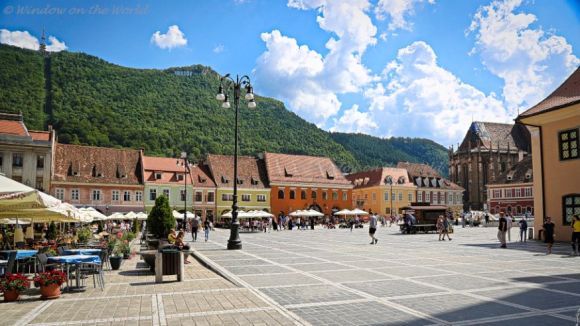
Romania. a country located at the crossroads of Central, Eastern, and Southeastern Europe. The country is full of historic cities with their cobblestone streets and their medieval architecture, the friendly people, and the beautiful, picturesque countryside.
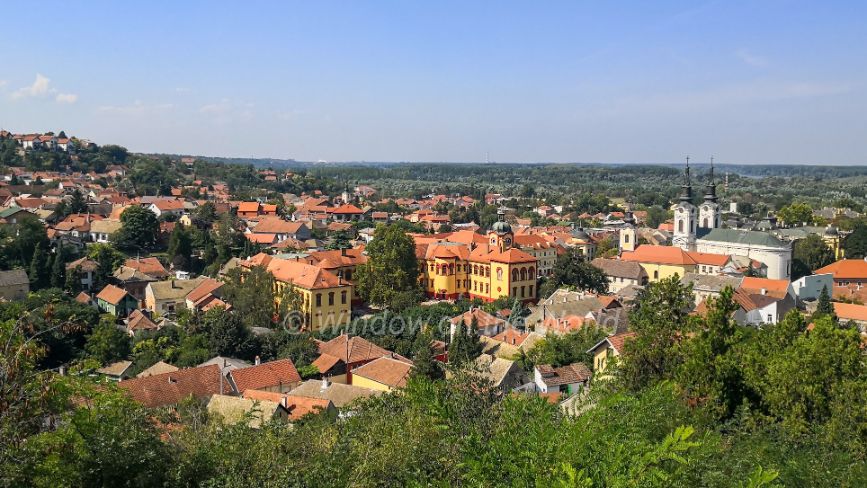
Serbia, a Balkan nation and one of the Republics of former Yugoslavia, is a landlocked country in the Central Europe. It is situated on one of the major land routes from Central Europe to Turkey and further on to East Asia via Central Asia. There were seventeen Roman emperors born in the territory of today’s Serbia, and many of them left monuments and built palaces in or close to their birthplaces. Serbs are one of the most hospitable and welcoming, especially towards foreigners.
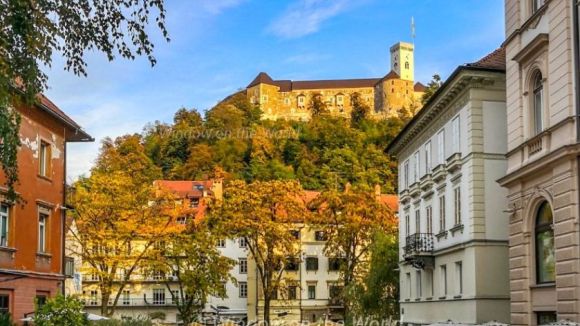
Slovenia, a Balkan nation and one of the Republics of former Yugoslavia, is a small country in Central Europe, Slovenia is almost a landlocked country with a short (46 km) coastline at the Adriatic Sea between Italy and Croatia. Slovenia was never a country till 1991. Historically, the territory of Slovenia has formed part of many different states, such as: the Roman Empire, Byzantine Empire, Carolingian Empire, the Holy Roman Empire, the Kingdom of Hungary, the Republic of Venice, the Illyrian Provinces of the First French Empire, the Austrian Empire and Austro-Hungarian Empire.

 Window on the World