
Destination 》Europe 》Central and Eastern Europe 》Georgia 》Mtskheta
Year Visited: 2018 – June
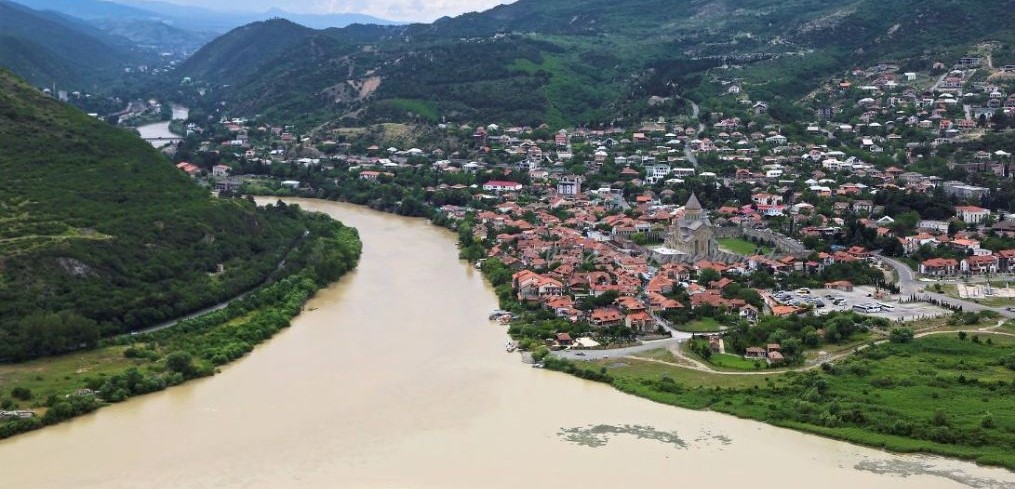
I visited Mtskheta during my five plus months backpacking trip through Central and Eastern Europe. After few days of walking around Tbilisi, the capital city of Georgia, I made a day trip to Mtskheta, one of the oldest cities of Georgia and its former capital. Mtskheta is located approximately 20 kilometers (12 miles) north of Tbilisi, at the confluence of the Mtkvari and Aragvi rivers. For nearly a millennium, from the 3rd century BC to the 5th century AD, Mtskheta was the capital of the early Georgian Kingdom of Iberia. Mtskheta used to be an important Silk Road trading town between the Caspian Sea and the Black Sea.
Mtskheta was a site of early Christian activity resulting in Christianization of Iberia, where Christianity was proclaimed the state religion in 337. Today, it remains the headquarter of the Georgian Orthodox Church. As the birthplace and one of the most vibrant centers of Christianity in Georgia, Mtskheta was declared as the “Holy City” by the Georgian Orthodox Church in 2014. Due to its historical significance and several cultural monuments, the “Historical Monuments of Mtskheta” became a UNESCO World Heritage Site in 1994.
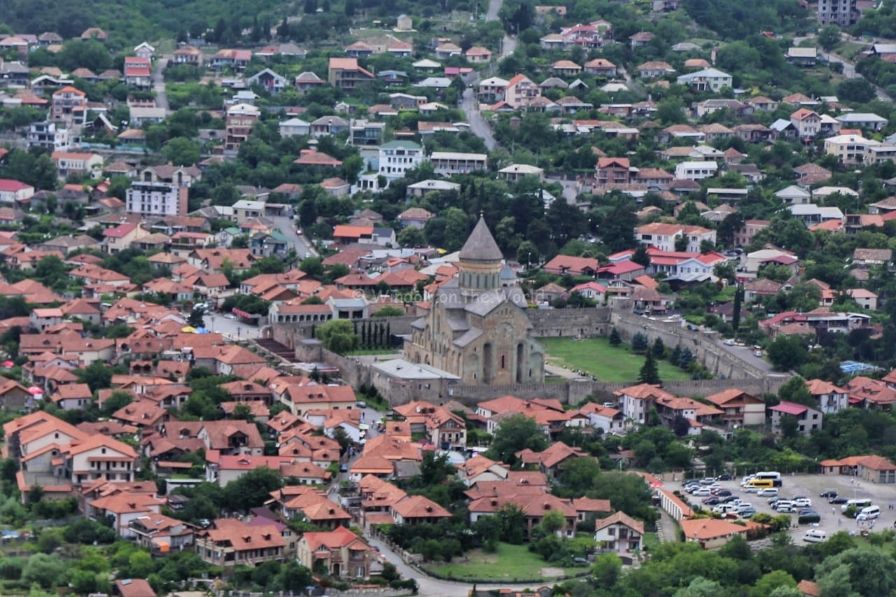
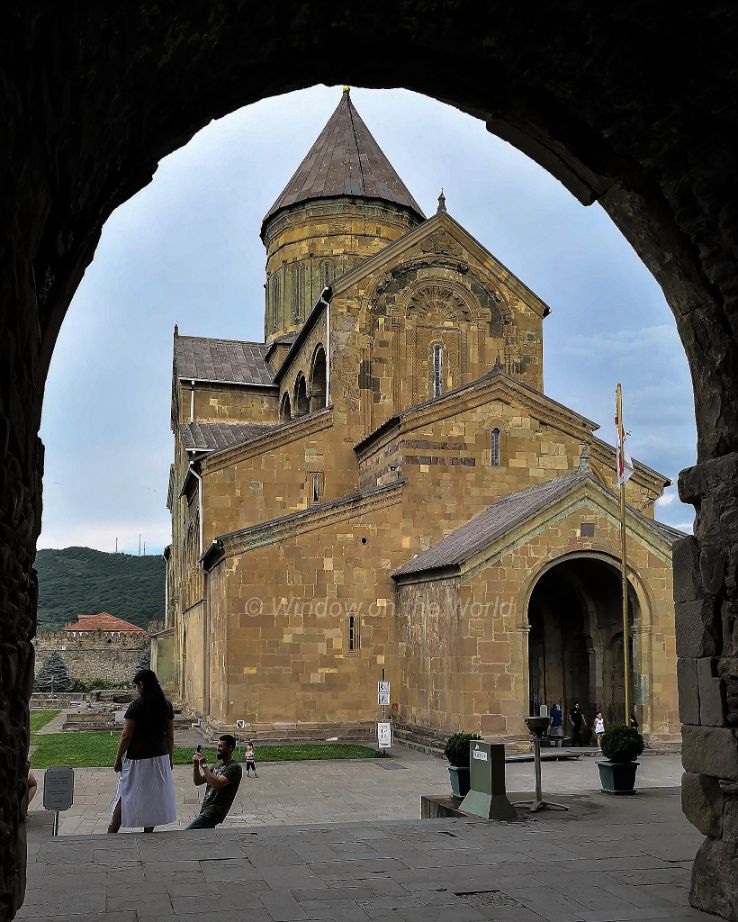
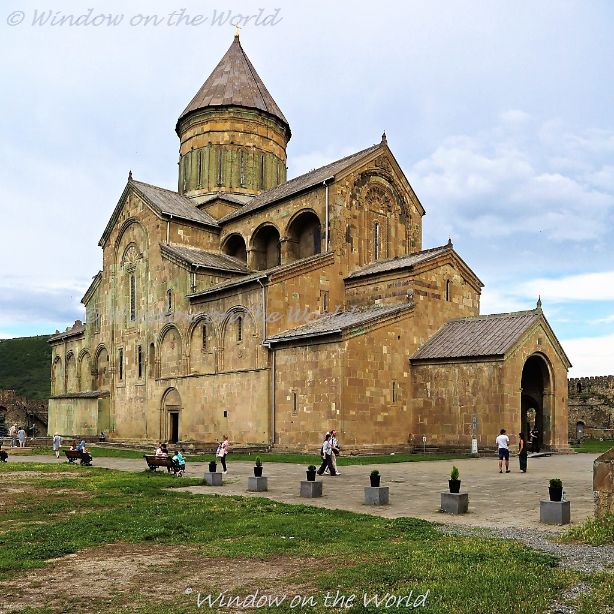
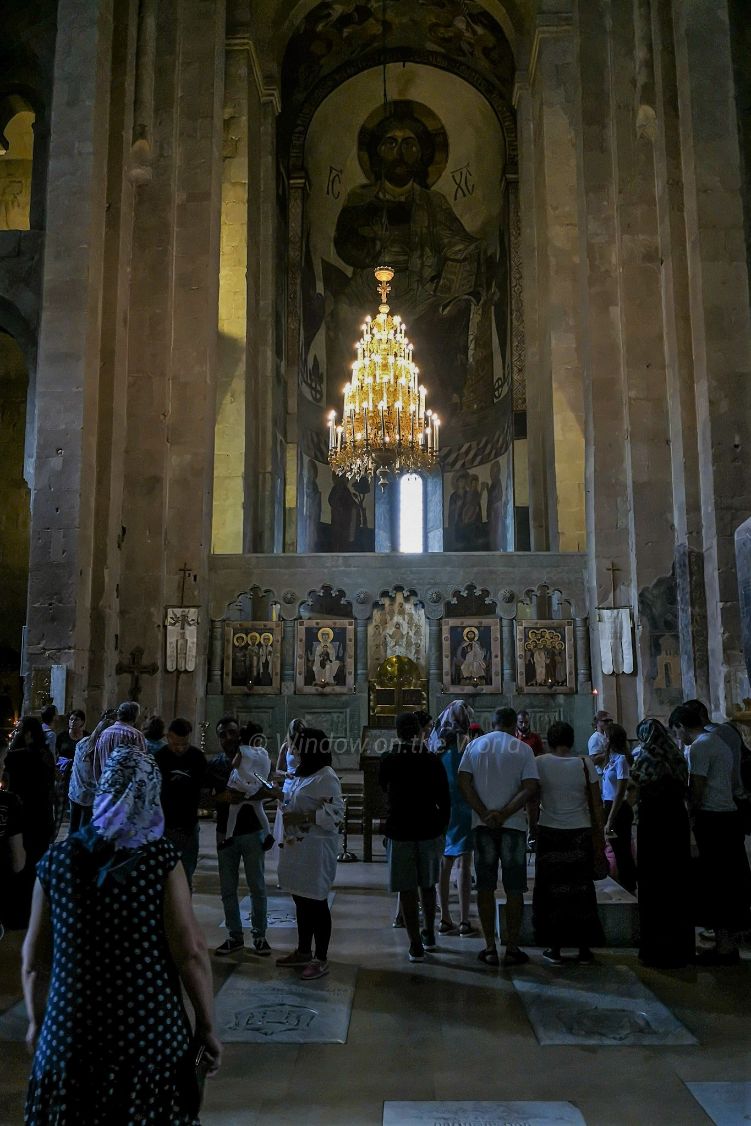
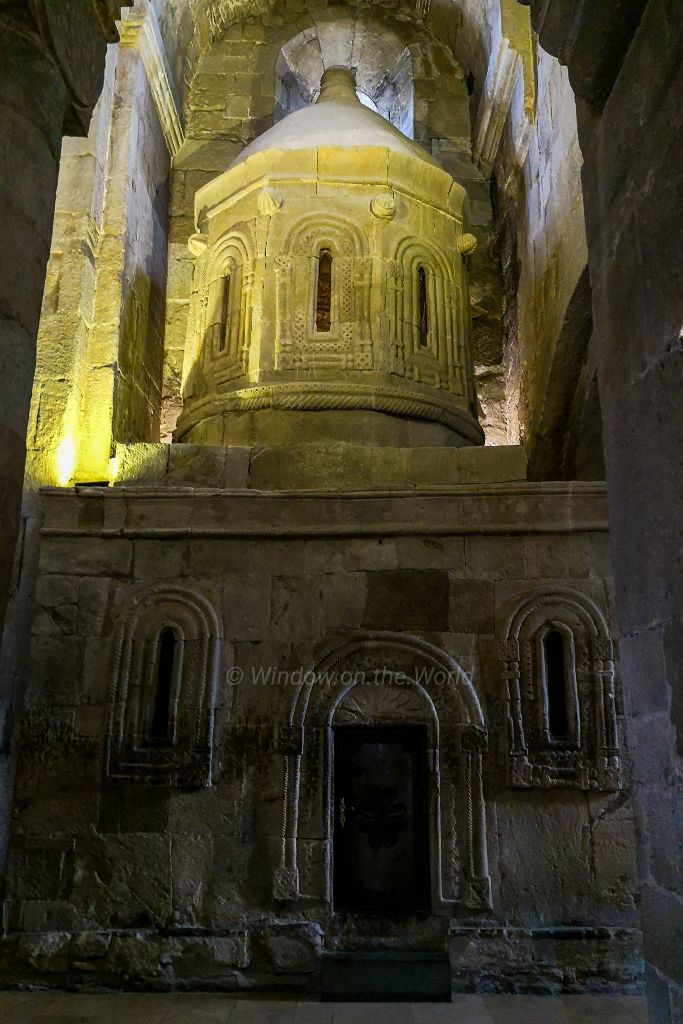
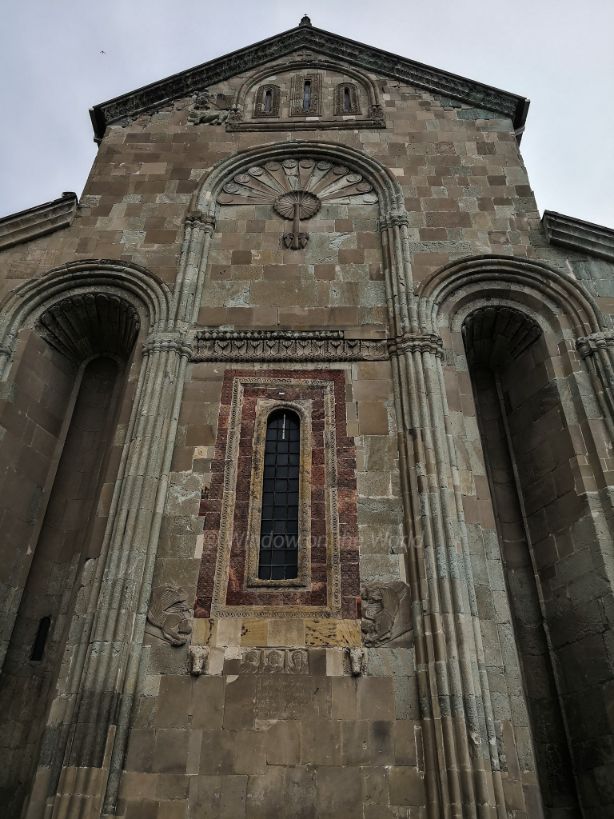
The Svetitskhoveli Cathedral (literally the Cathedral of the Living Pillar), a masterpiece of the Early and High Middle Ages, is recognized by UNESCO as a World Heritage Site. It was the largest church building in Georgia for more than thousand years, till the Holy Trinity Cathedral of Tbilisi was constructed in 2004.
The original church was built in 4th century AD, St. Nino is said to have chosen the confluence of the Mtkvari (Kura) and Aragvi rivers as the place of the first Georgian Church. The present church was built in the 11th century.
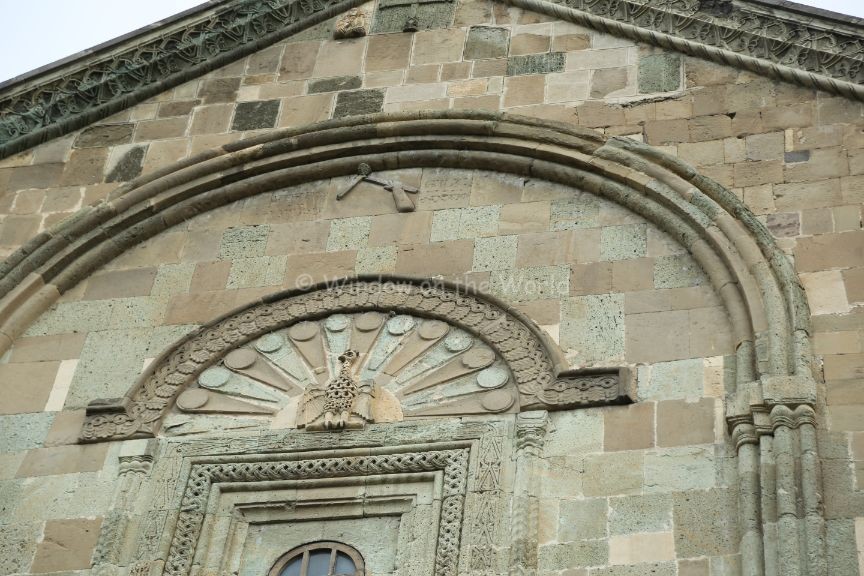
The Hand of Arsukidze,
slave of God,
may forgiveness be his.
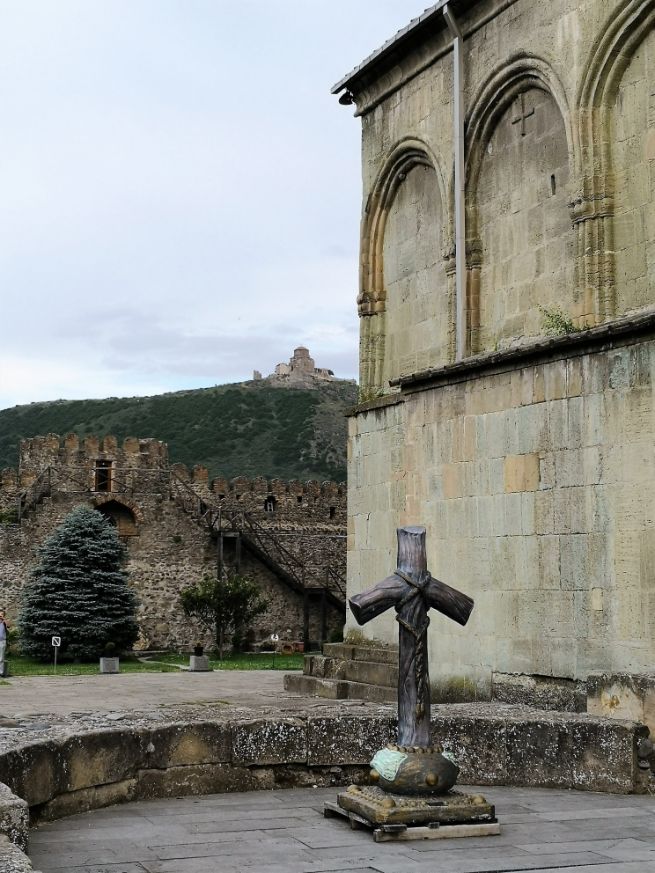
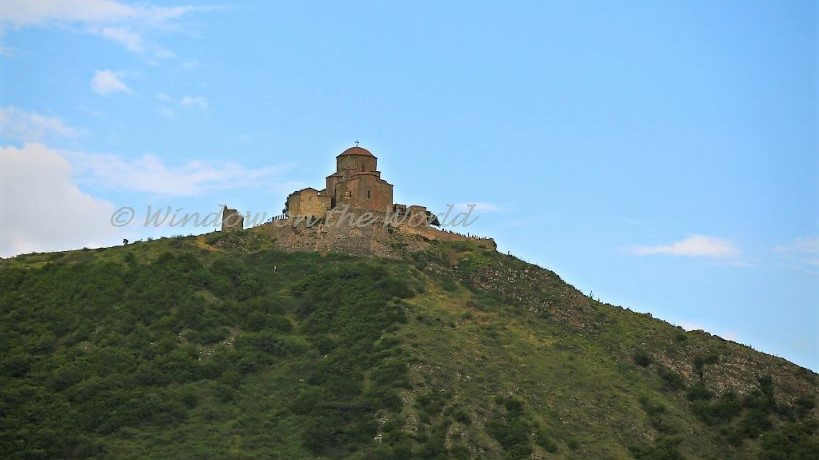
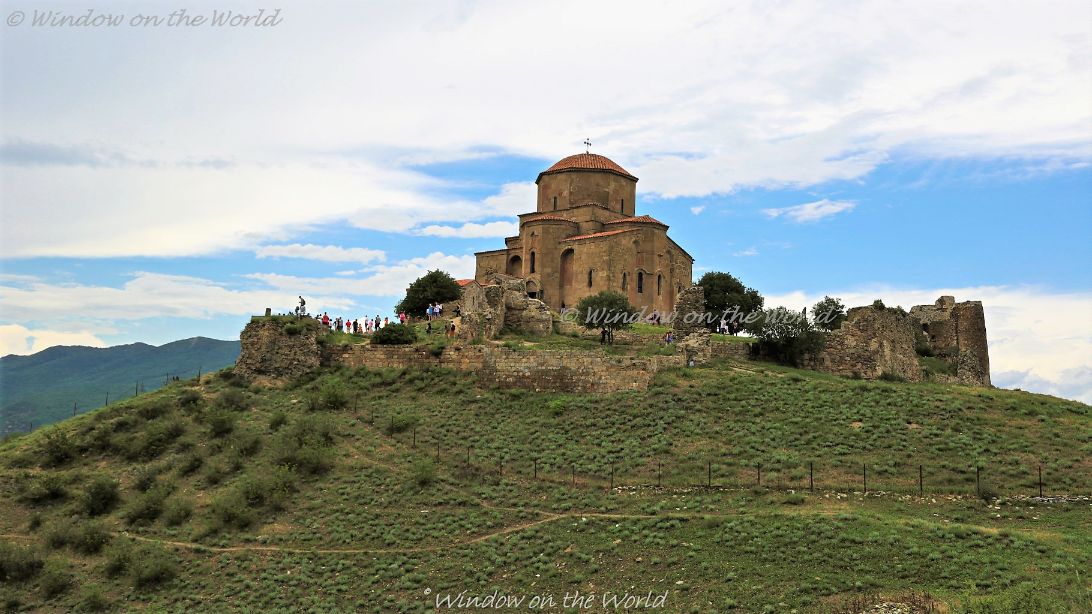
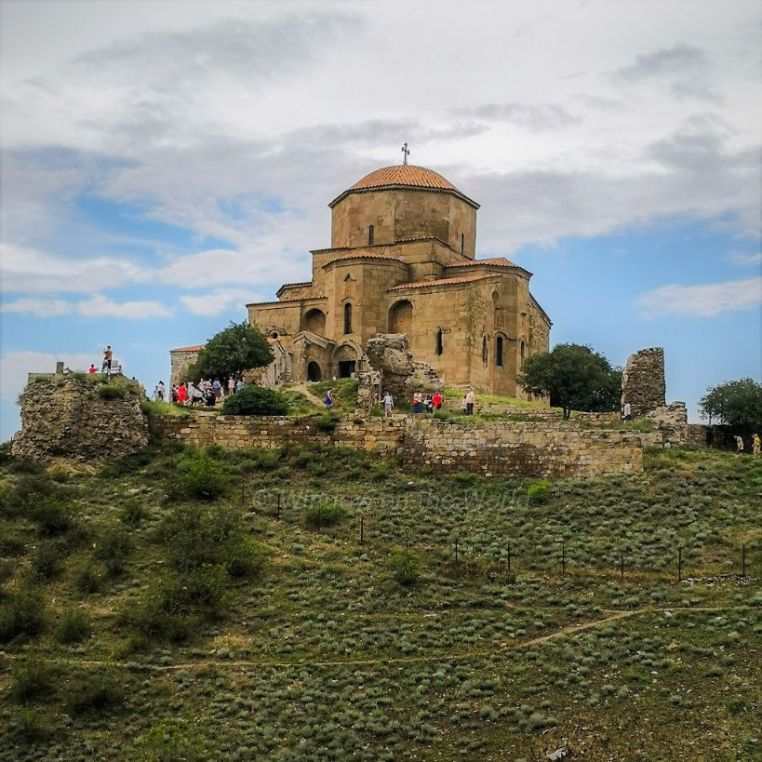
Jvari Monastery, a UNESCO World Heritage Site, stands on the rocky mountaintop at the confluence of the Mtkvari and Aragvi rivers, overlooking the town of Mtskheta, which was formerly the capital of the Kingdom of Iberia. Jvari is a rare case of the Early Medieval Georgian church that survived to the present day almost unchanged. The church became the founder of its type of church architecture, prevalent in Georgia and Armenia.
According to various legends, in the early 4th century, St Nino, who brought Christianity to Georgia, erected a large wooden (or vine) cross on the site of a pagan temple. The cross worked miracles, worshipers arrived and a small church was built. The large church, standing today, was built around 600 CE on the same holy site.
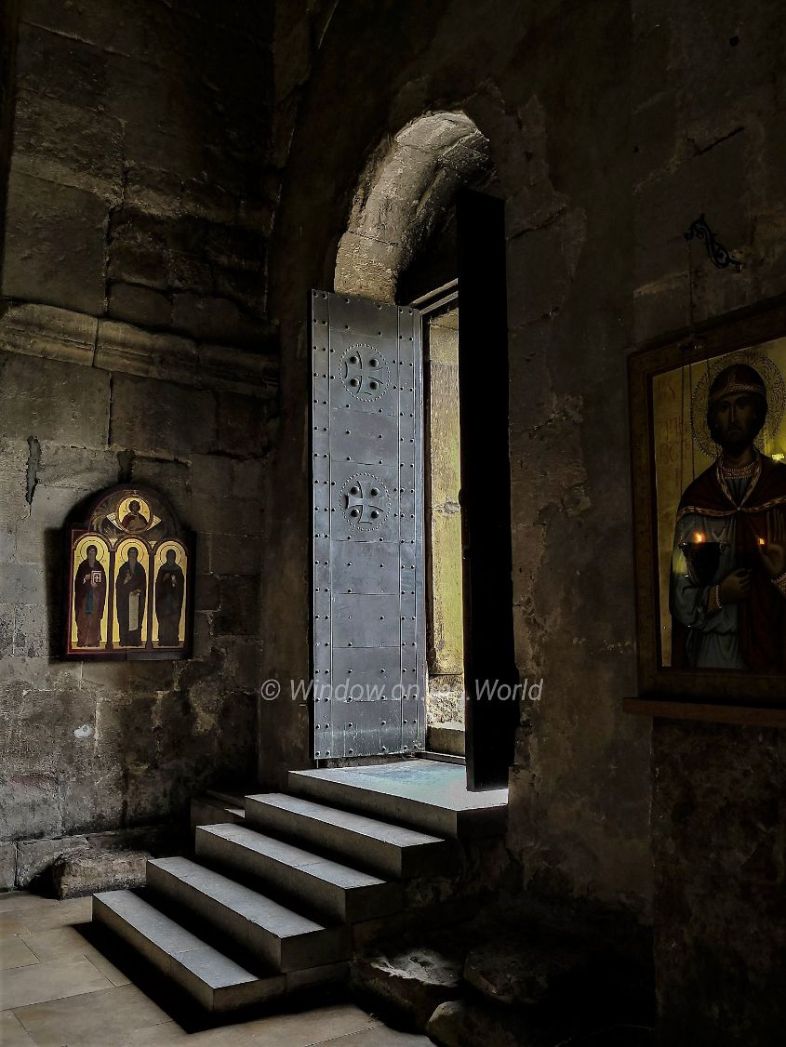
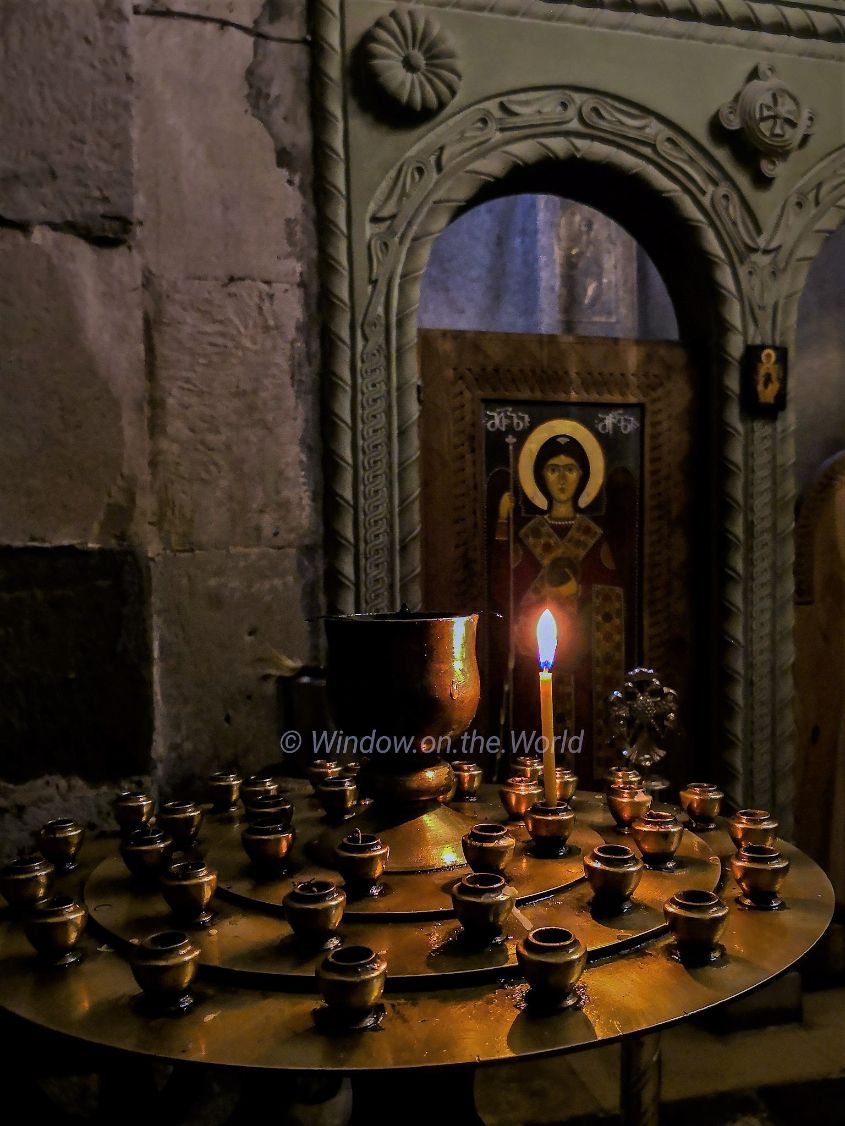
Samtavro, a UNESCO World Heritage Site, is an Orthodox Christian monastery complex that combines Samtavro Transfiguration Church and Nunnery of St. Nino, presumably built in the 4th century.
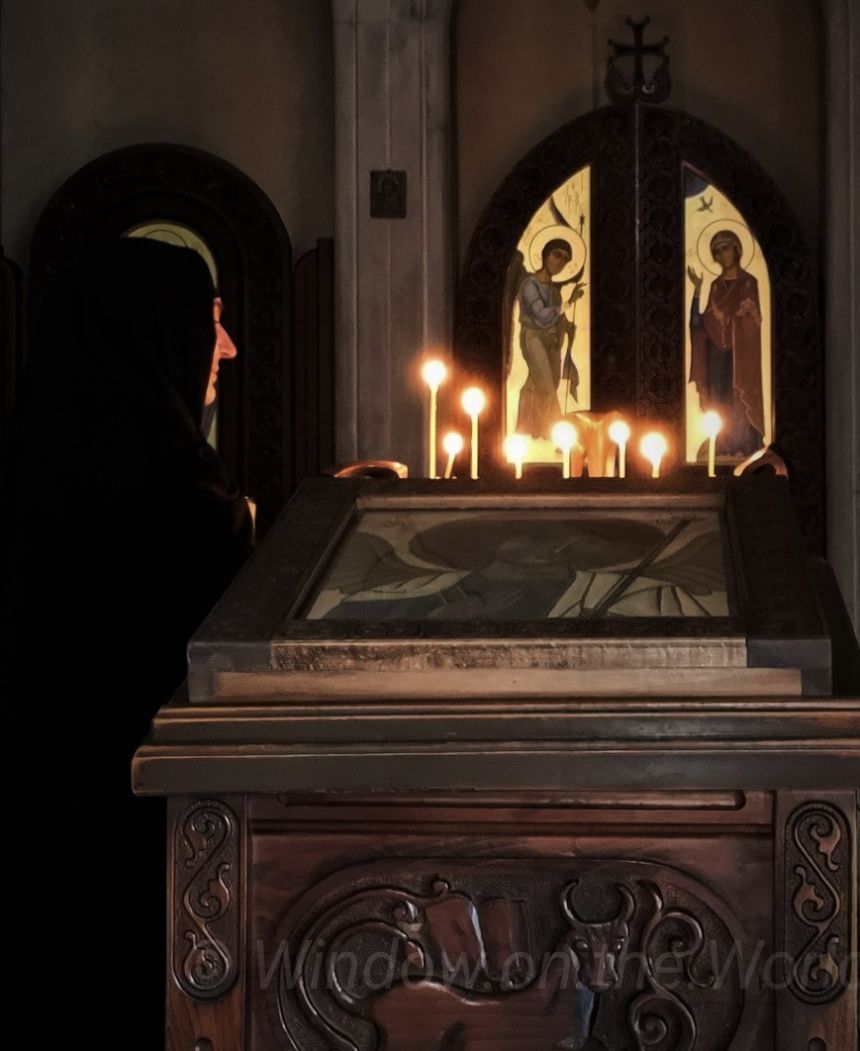
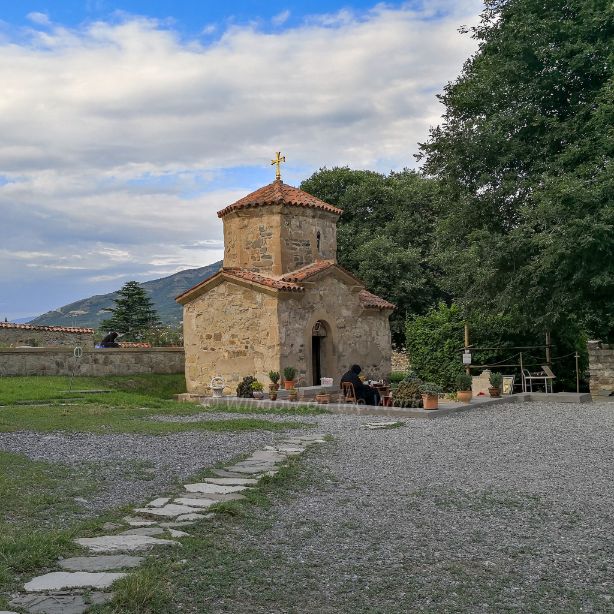
After a wonderful day trip to the ancient capital of Georgian Kingdom of Iberia, we returned to Tbilisi before night.

 Window on the World