I visited Seoul, South Korea while living and working in Shanghai. It was a short five days trip, so we made Seoul our base and travelled around the country. While in Seoul, we visited Gyeongbok-gung, built in 1395, it was the main royal palace of the Joseon dynasty. Located in the north part of Seoul, it is the largest of the Five Grand Palaces built by the Joseon dynasty. Gyeongbokgung served as the home of Kings of the Joseon dynasty, the Kings’ households, as well as the government of Joseon. Once you enter the second gate, it feels like a smaller version of the Forbidden City.
In the early 20th century, much of the palace was systematically destroyed by Imperial Japan. Restoration efforts have been ongoing since 1990. Today, the palace is arguably regarded as being the most beautiful and grandest of all five palaces.
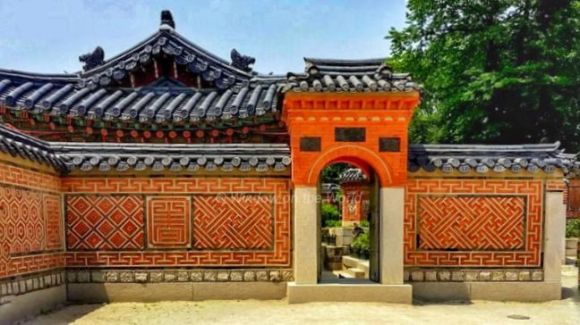
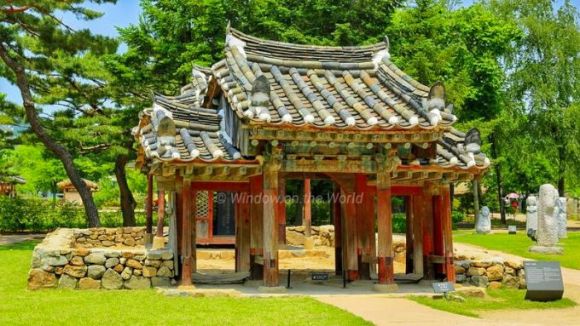
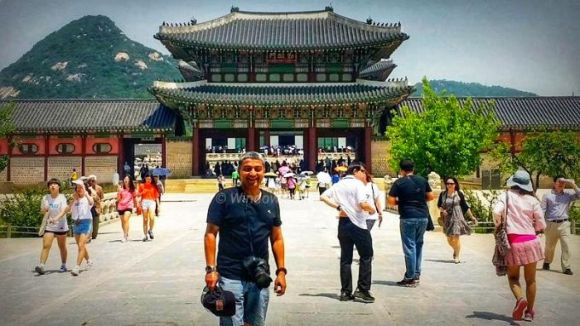
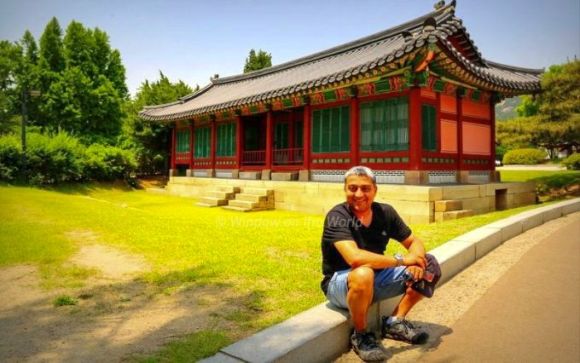
Photos below are of the Gyeongbok-gung Palace.
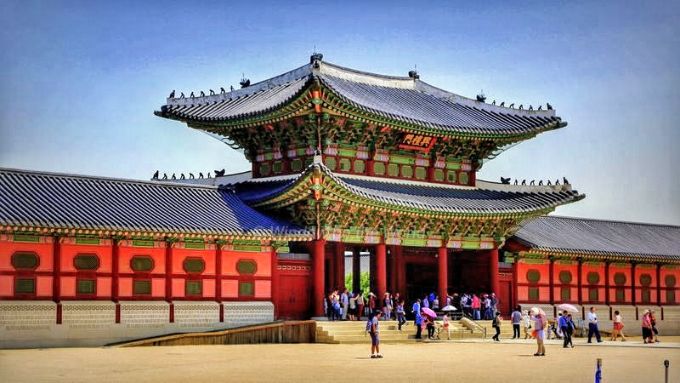
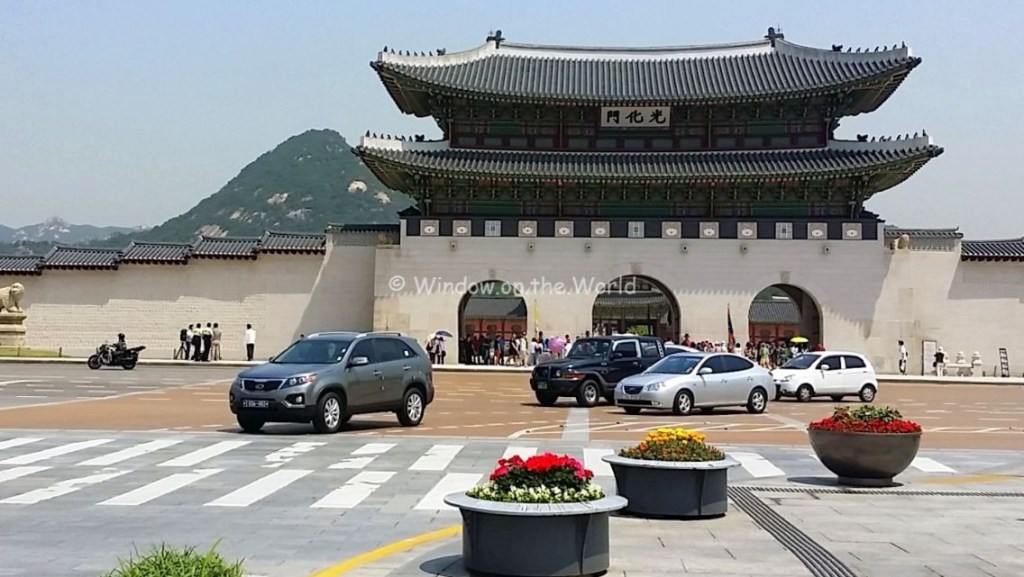
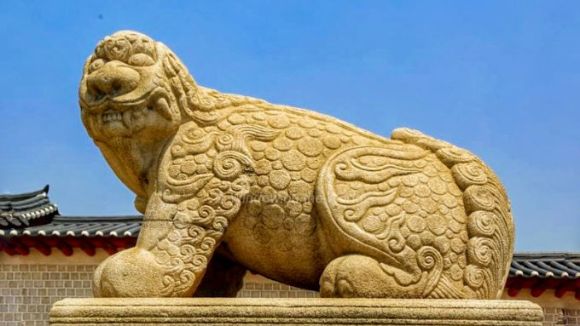
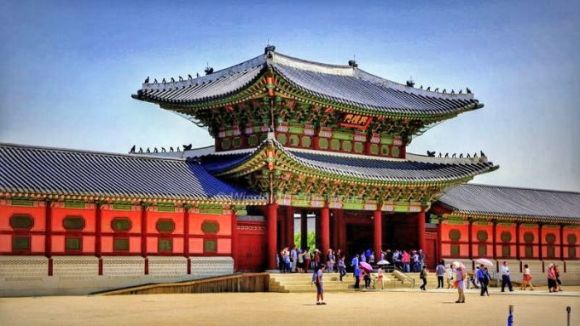
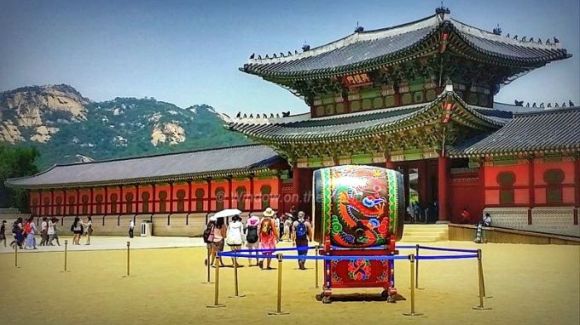
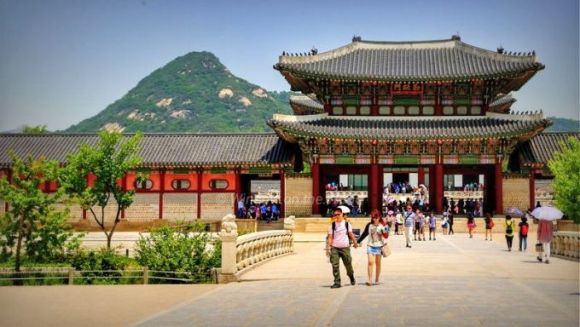
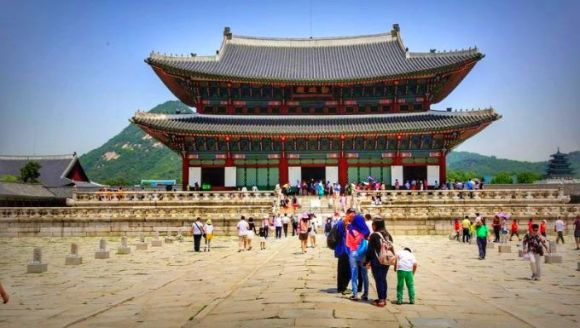
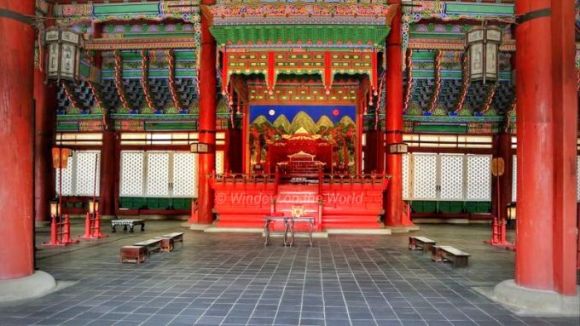
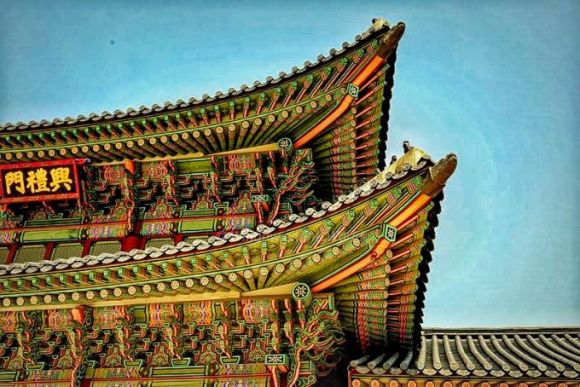
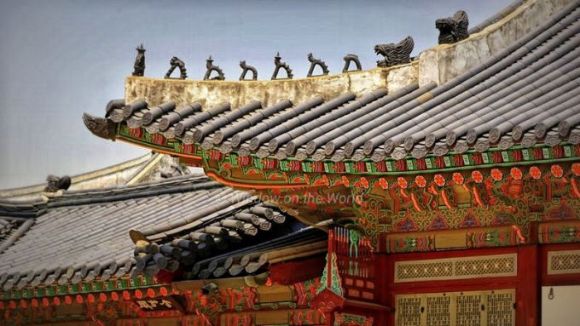
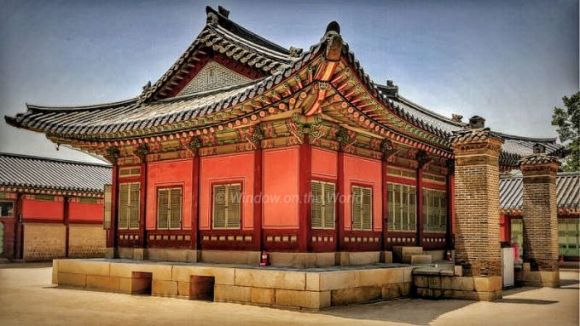
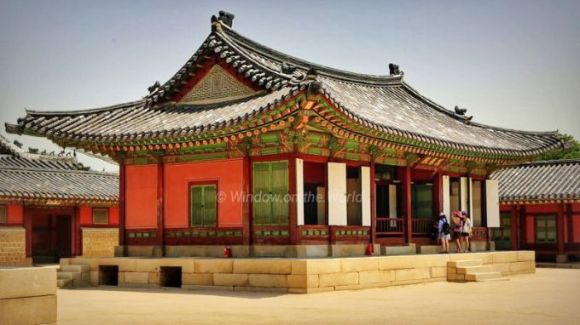
Gwanghwamun, the main and largest gate of Gyeongbokgung Palace. The Gwanghwamun was first constructed in 1395 as the main gate, It got destroyed multiple times during Japanese Imperial rules, and Korean War. The Gwanghwamun underwent a major restoration project since December 2006 and was finished in August 2010.Haetae is a legendary creature in Chinese and Korean mythology. Haetae’s body is muscular, and shaped like a lion and has a horn on its forehead. It lives in the frontier areas of Manchuria. In ancient Korea, Haetae sculptures were used in architecture during the early Joseon dynasty, as their image was believed to be able to protect from natural disasters. Seoul city has officially used Haechi (origin of Haetae) as the symbol of Seoul since 2009.The Heungnyemun Gate is the second inner gate into Gyeongbokgung Palace. The gate is located just past Gwanghwamun Gate, the main gate of the palace.A huge traditional Korean barrel drum with a dragon painted on it.The Geunjeongmun gate of Gyeongbokgung Palace. Geunjeongjeon Hall is the main throne hall of Gyeongbokgung Palace. Originally built in 1395, Geunjeongjeon is now the largest and most formal hall at the palace. Like many other buildings in Korea, the original hall was burnt down during the Japanese occupation in 1592. The building seen today dates back to 1867.The throne hall of Gyeongbokgung Palace.Colorful roof at the Gyeongbokgung Palace.Colorful roof at the Gyeongbokgung Palace.The inner courtyard of the Gyeongbokgung Palace.The inner courtyard of the Gyeongbokgung Palace.The inner courtyard of the Gyeongbokgung Palace.The inner courtyard of the Gyeongbokgung Palace.At the Gyeongbokgung Palace.At the Gyeongbokgung Palace.
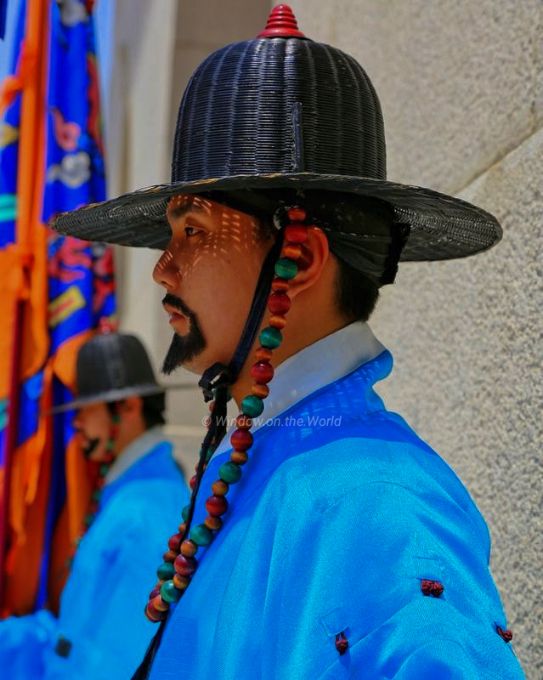
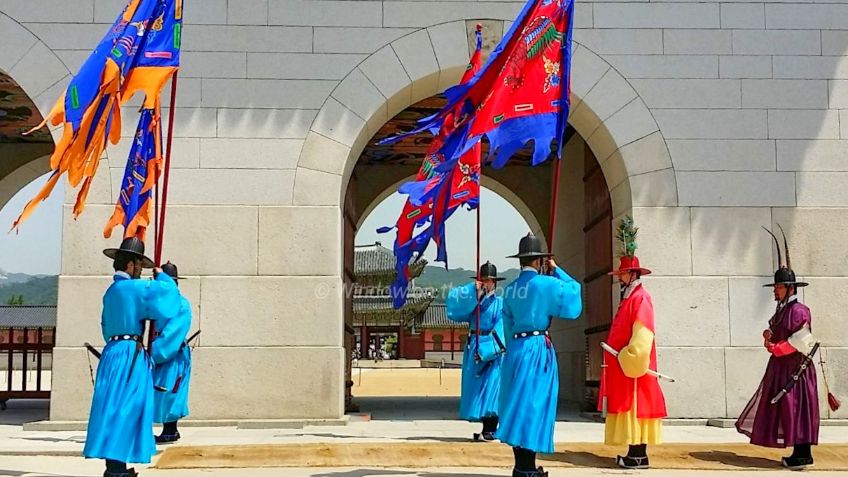
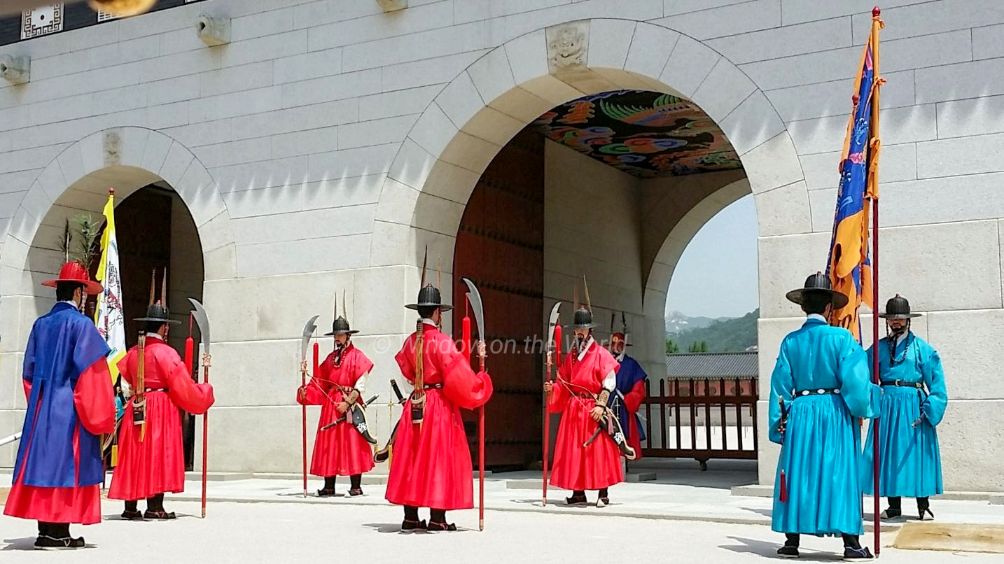
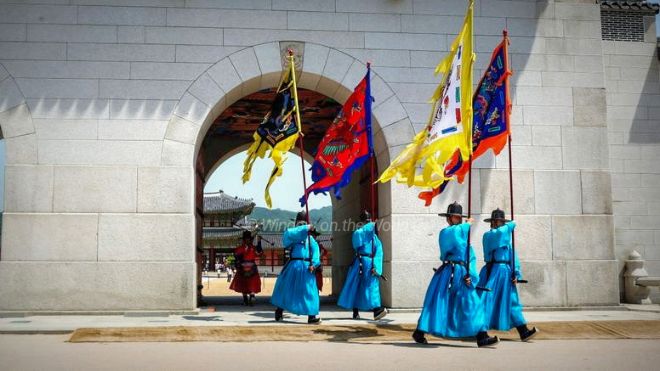
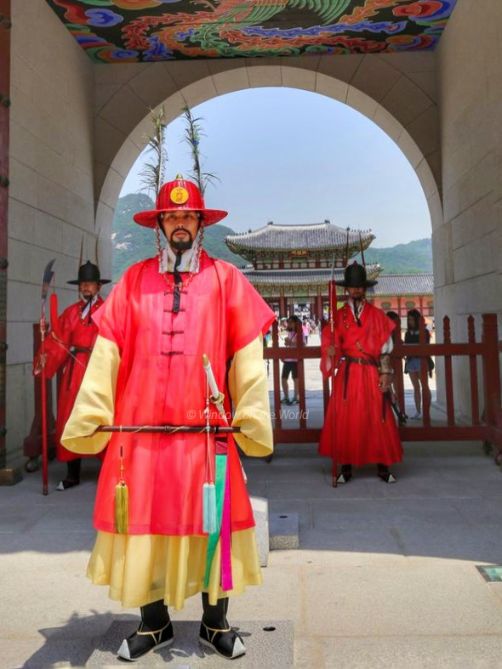
Photos below are from the Changing of the Guards ceremony at Gwanghwamun, the main gate.
A soldier at the main gate.The changing of the Guards ceremony at Gwanghwamun, the main gate.The changing of the Guards ceremony at Gwanghwamun, the main gate.The changing of the Guards ceremony at Gwanghwamun, the main gate.New guards are in place.
.
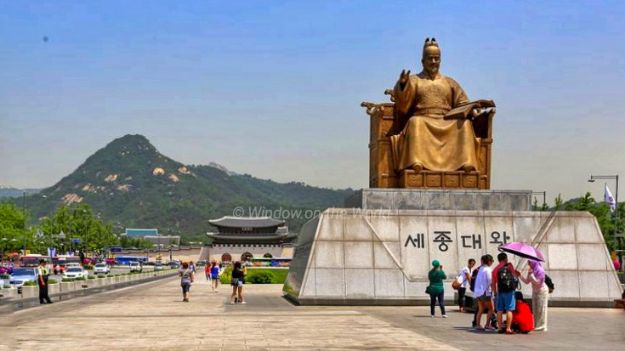
The statue dedicated to the 15th century Korean monarch, Sejong the Great, the fourth king of Joseon dynasty and one of Korea’s most famous historical figures. He personally created and promulgated the Korean alphabet Hangul,
In May 2017, 23 days before I was going to complete 50 years, grabbed an opportunity and took an early retirement.. Picked up a backpack and traveling ever since.. Love to travel around the world, experience different culture, local cuisine & drinks .. and take pictures.. so far been to 108 countries and still counting...


 Window on the World