
Destination 》Asia 》Central Asia 》Tajikistan 》Khujand
Year Visited: 2019 – August
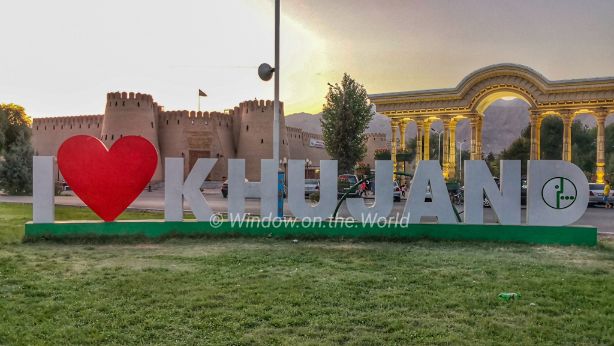
I visited Khujand during my three plus weeks backpacking trip through Tajikistan. After making a day trip from Dushanbe to Hisor, I took a shared taxi to Khujand, the second largest city of Tajikistan and one of the oldest city in Central Asia.
Khujand is located along the both banks of Syr Darya (river) at the mouth of the most fertile and heavily populated Fergana Valley. Khujand was a major city along the ancient Silk Road, and played important role like city of Samarkand, Bukhara and Khiva in Uzbekistan.
Khujand has a very long and interesting history, dating back to 2500+ years. The city is possibly the site of Cyropolis (city of Cyrus), an ancient city founded by Cyrus the Great around 544 BC. Cyropolis was captured by Alexander the Great in 329 BC and was renamed to Alexandria Eschate (Alexandria The Furthest). In the early 8th century, Khujand was captured by the Arab forces of the Umayyad Caliphate. In 1220 the city was destroyed by the army of Genghis Khan. The city was incorporated into the Timurid Dynasty in the late 14th century. In 1866, as with most of Central Asia, Khujand was occupied by the Russian Empire. In 1936, Khujand became part of the Tajik Soviet Socialist Republic and its name changed to Leninabad. .
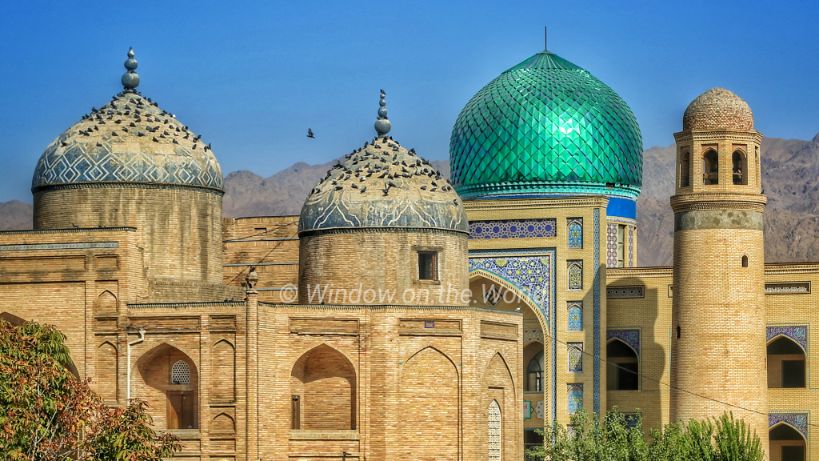
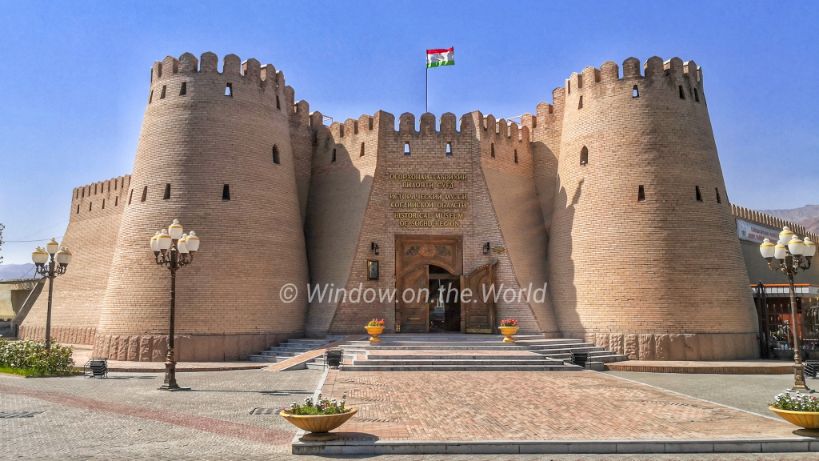
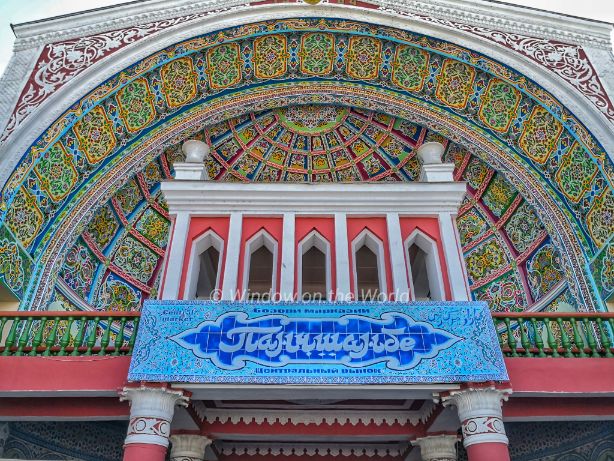
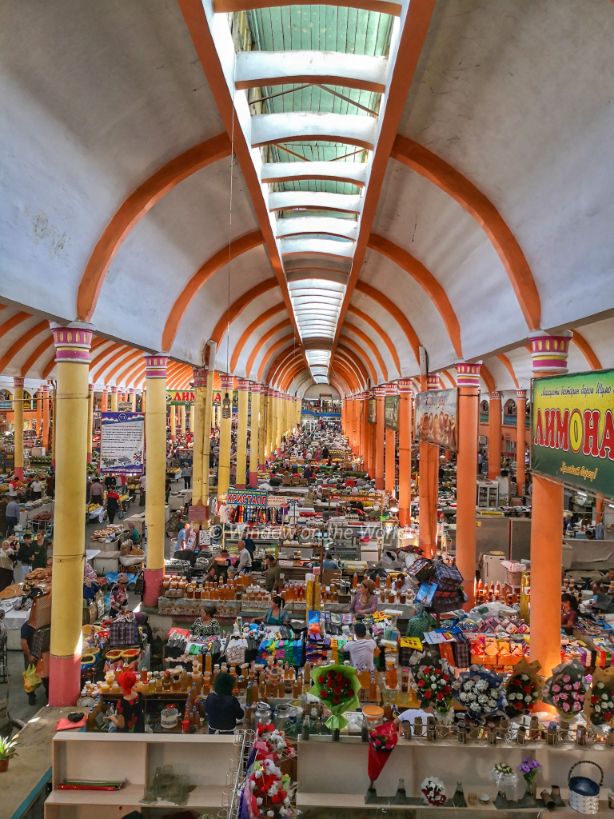
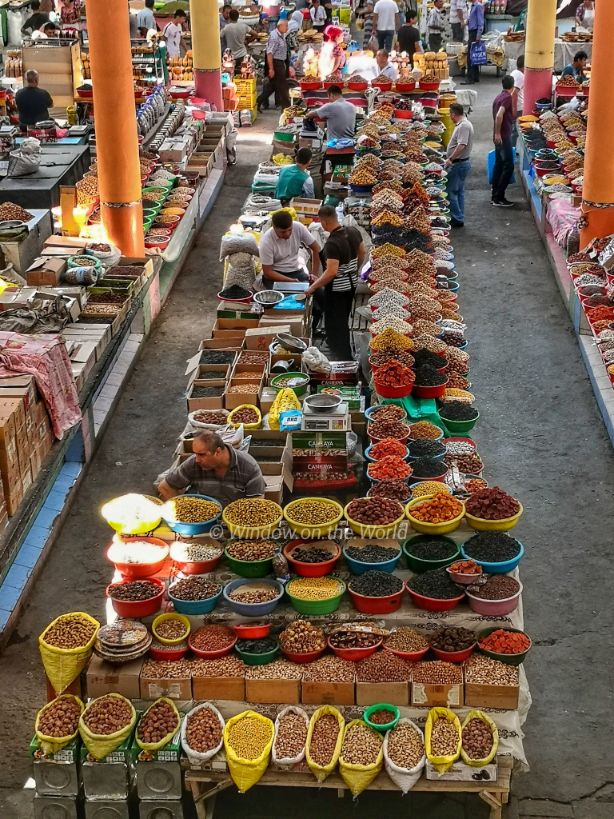
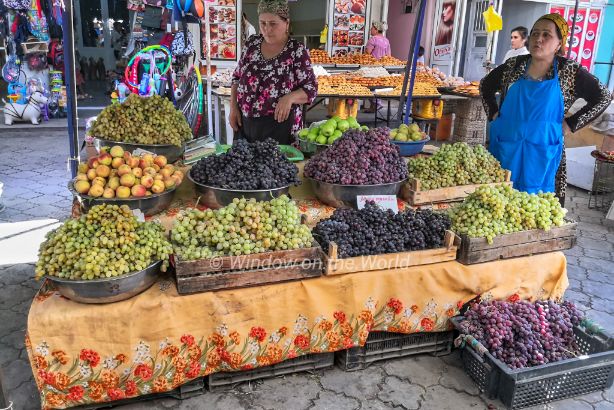
Khujand is home to the Khujand Fortress and Historical Museum of Sughd, the Sheikh Muslihiddin mausoleum, and the Panjshanbe Market (“Thursday’s Market”), one of the largest covered markets in Central Asia.
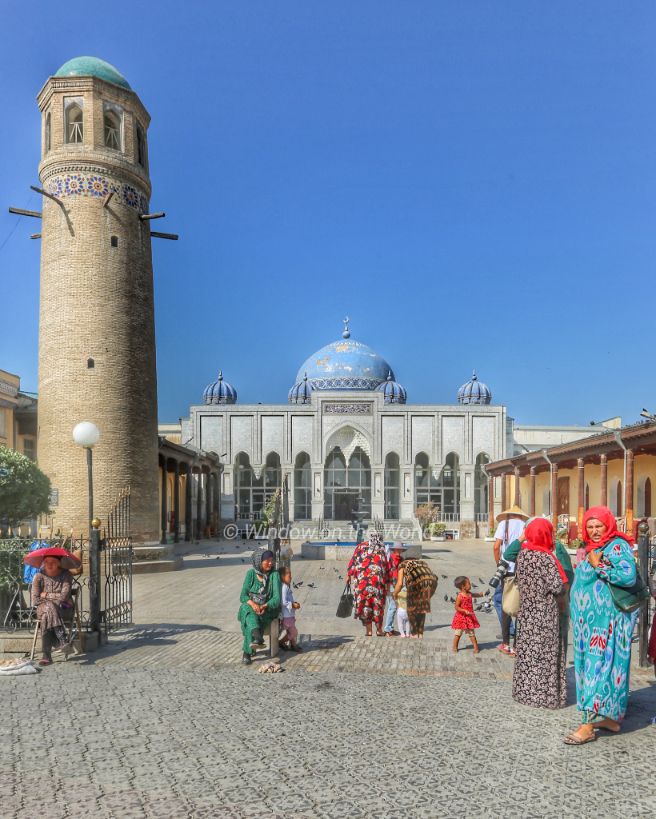
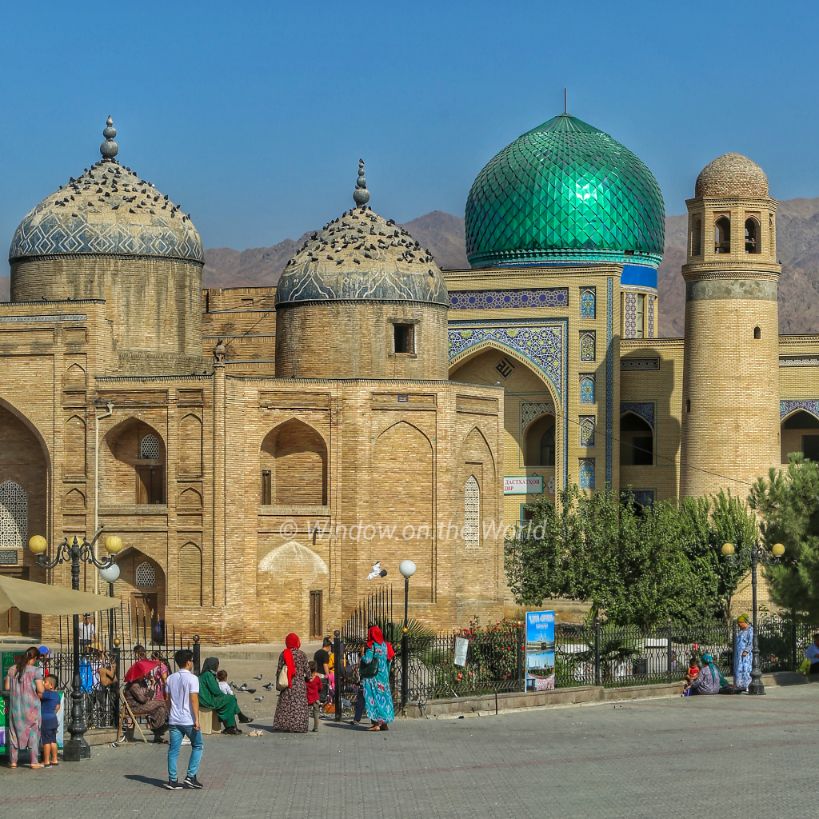
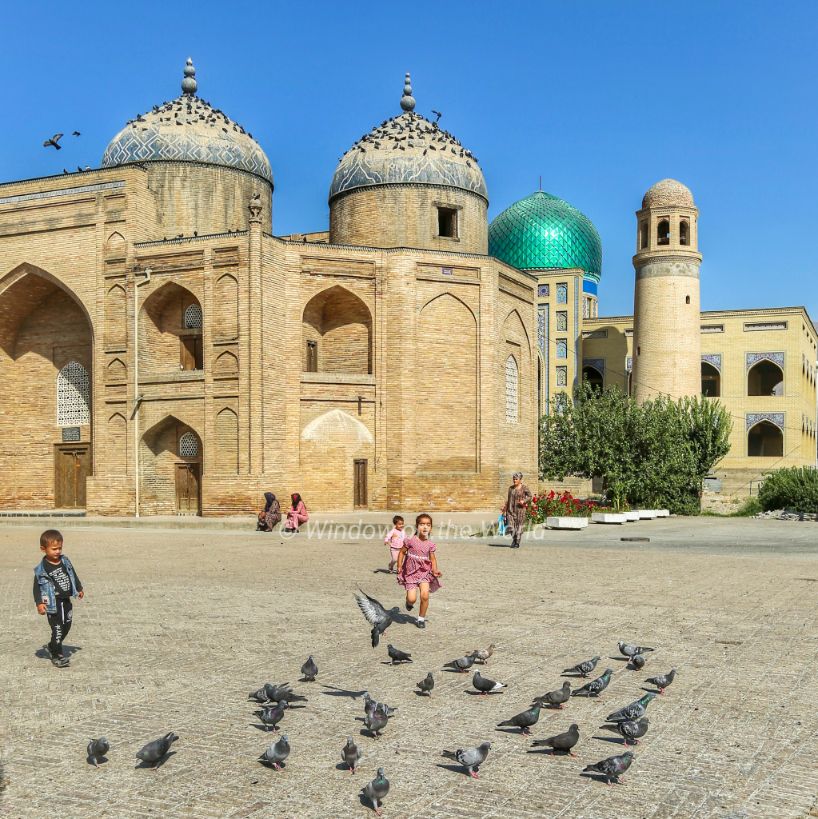
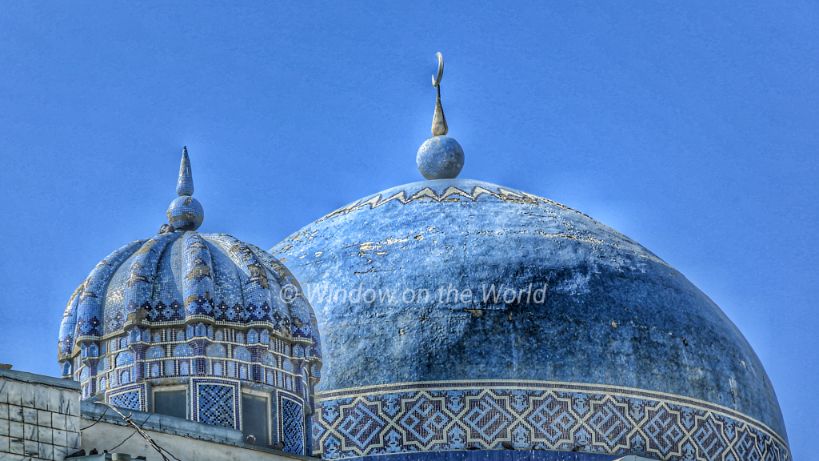
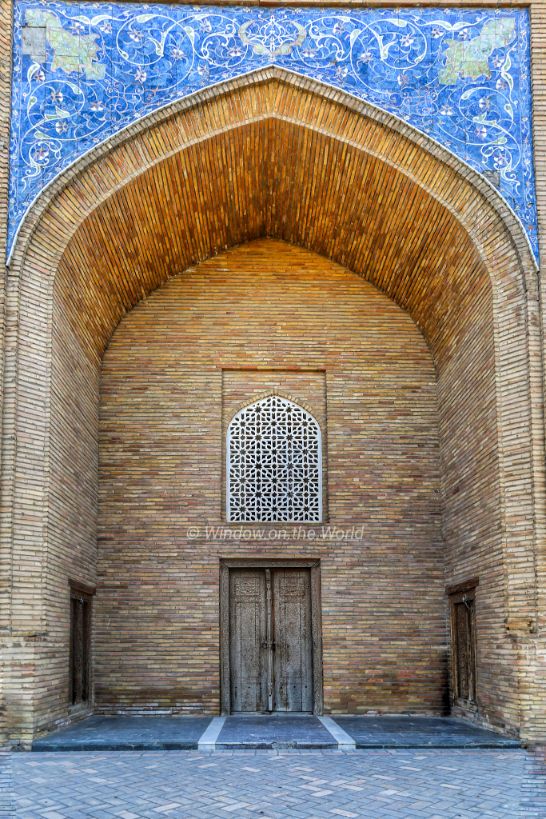
The Sheikh Muslihiddin mausoleum is located in the historical city center in Khujand. It is a large religious complex named after the city’s famous 12th-century poet and ruler, Muslihiddin Khujandi.
After spending two days in Khujand, the second largest city of Tajikistan, I took a shared taxi from Khujand to Panjakent, a border town near Samarkand, Uzbekistan, and an important trading post on the ancient Silk road.

 Window on the World